 Havana, Cuba
English Version
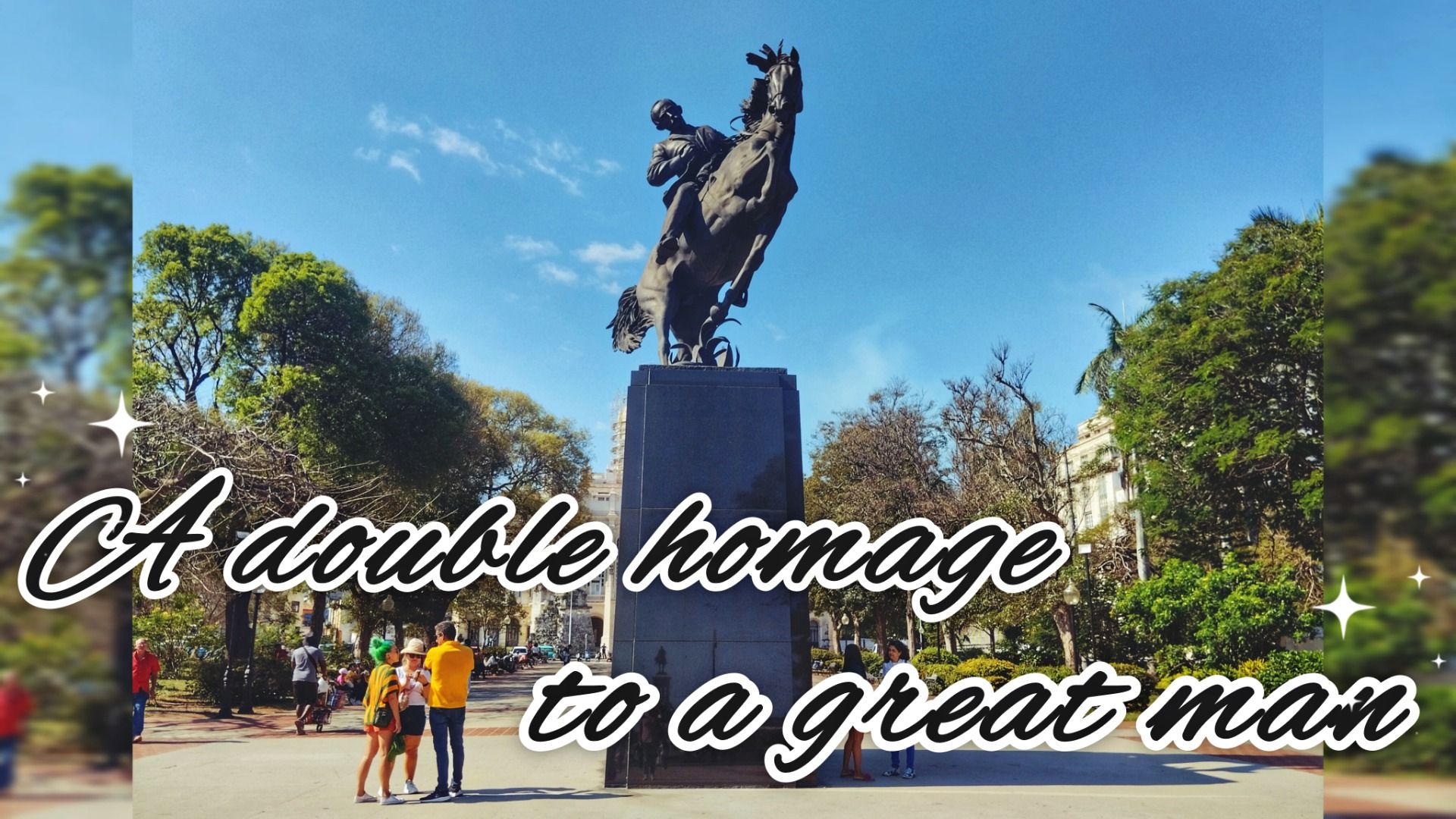
In Havana, Cuba, in the park in front of the former Presidential Palace (seat of the Cuban government in the last century and now the Museum of the Revolution) there is a sculpture that for me is one of the most moving and beautiful dedicated to the National Hero, José Martí Pérez.


This equestrian work of the Cuban hero recreates the moment of his death in combat on the 19th of May 1984, when he was on Cuban soil, after many years outside the country, when in the guerrilla camp where he was, a combat between the Cuban forces and the Spanish army began, and failing to comply with the order he was given to remain in the camp, Martí went out to meet the enemy mounted on his horse, being hit by a volley of shots that put an end to his exceptional life.
The curious thing about this sculpture is that it is an exact replica of another one in New York's Central Park. This fact filled me with amazement and admiration, as I was unaware that a work of such magnitude dedicated to Martí existed in the United States. According to my research, it was commissioned by the Cuban government in the 1950s from the talented American sculptor Anna Hyatt Huntington. I am happy to know that José Martí is also remembered in the country where he lived fifteen years of his exile, and from where he united Cubans to continue the struggle against Spanish colonialism.


This magnificent bronze statue is mounted on a large pedestal of polished black marble that shines in the brightness of the day, under the sun, the all black colour accentuates the sculpture of Martí, and it symbolizes mourning and sorrow, while at the same time conveying solemnity and respect. In this work I feel that the moment when rider and horse merge in battle, in the fateful final moment, is captured with great drama, thus reminding us of Martí's total dedication to the cause of Cuban independence.


On both sides of the pedestal there are several words that describe concisely but accurately who José Martí was and what he dedicated his life to. The sculpture is very visible on the wide central promenade of the park, becoming the most imposing element of the environment. This is a place where many people pass by every day, making it a very visited and admired place, since it is impossible not to be impressed by the grandeur of this work of art.

This grandiose monument not only pays homage to the Apostle of Cuban Independence, but it is also a reminder of the importance of preserving the historical memory of the country and keeping alive the historical legacy of José Martí.

I hope you enjoyed this majestic work of art, and learned a little more about the history of my country.



Comments