 Dilijan, Tavush Province, Armenia
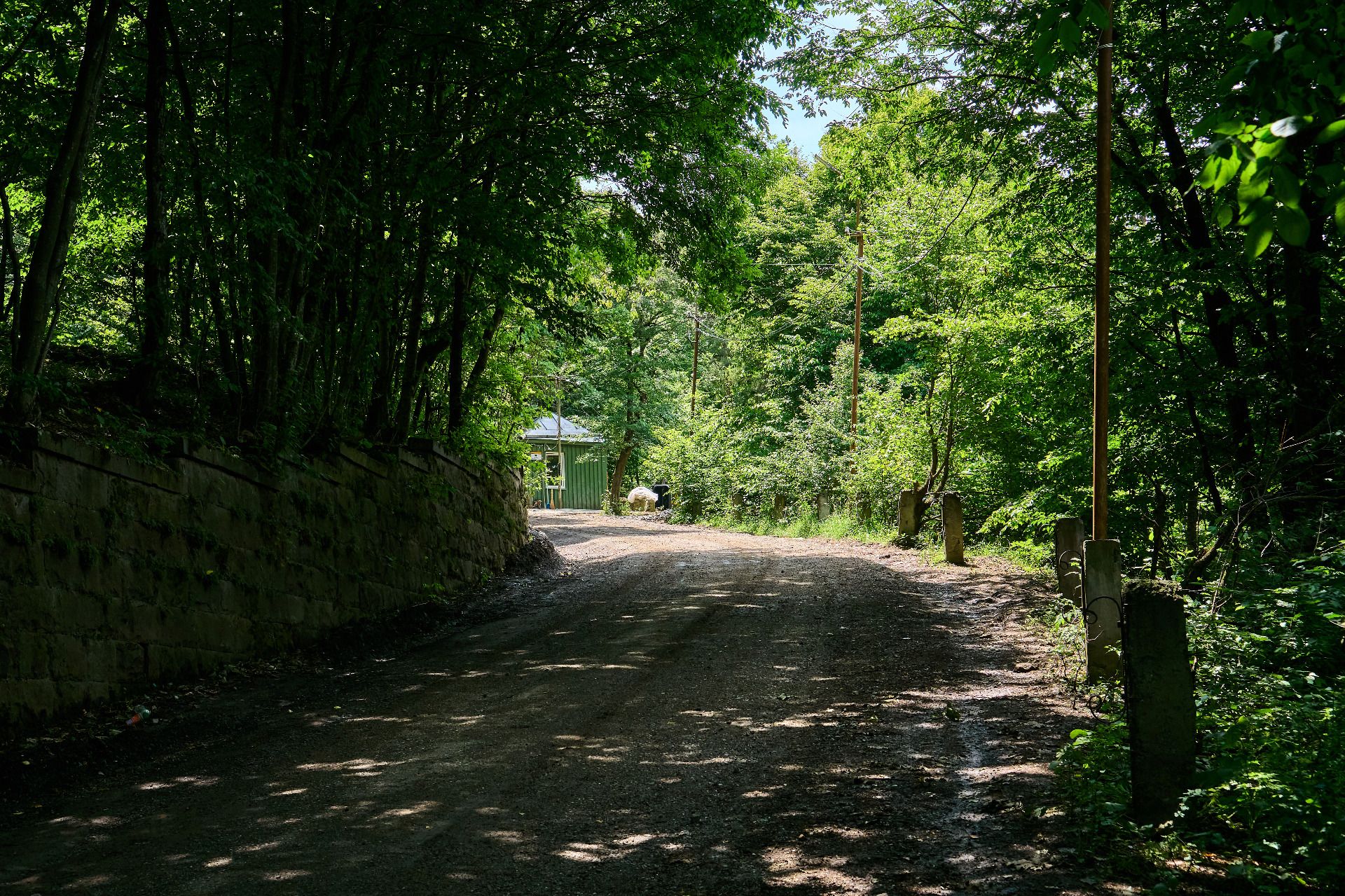
Prior to arriving in Dilijan, I had no idea of its history or where to really go. It was a spontaneous trip in which we jumped into a taxi and headed over there on a short drive that took just over an hour. I searched on the map for nearby areas once we arrived, looking for something to check out after a cup of much-needed coffee. Apparently there were some ruins of an old home or something slightly up on the mountain, not really visible from most areas due to the density of the forestry it remained untouched within. We walked up and around the bending roads to get to it, where there was a series of construction projects underway in the area. I assume where people were building new homes or new types of hotels to adapt to the area's much-changing landscape as the interest rises yet again within the former Soviet resort town of Dilijan.
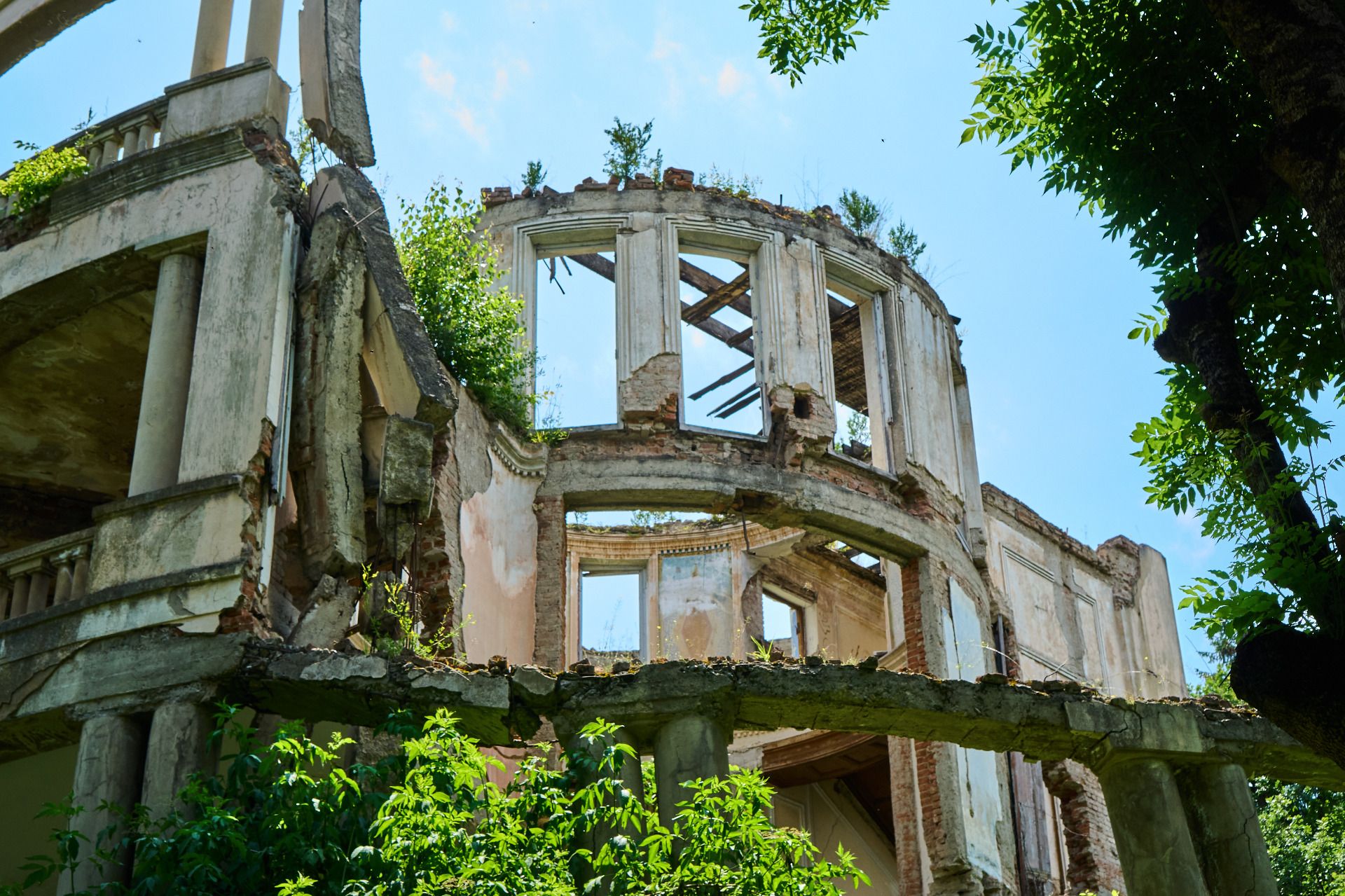
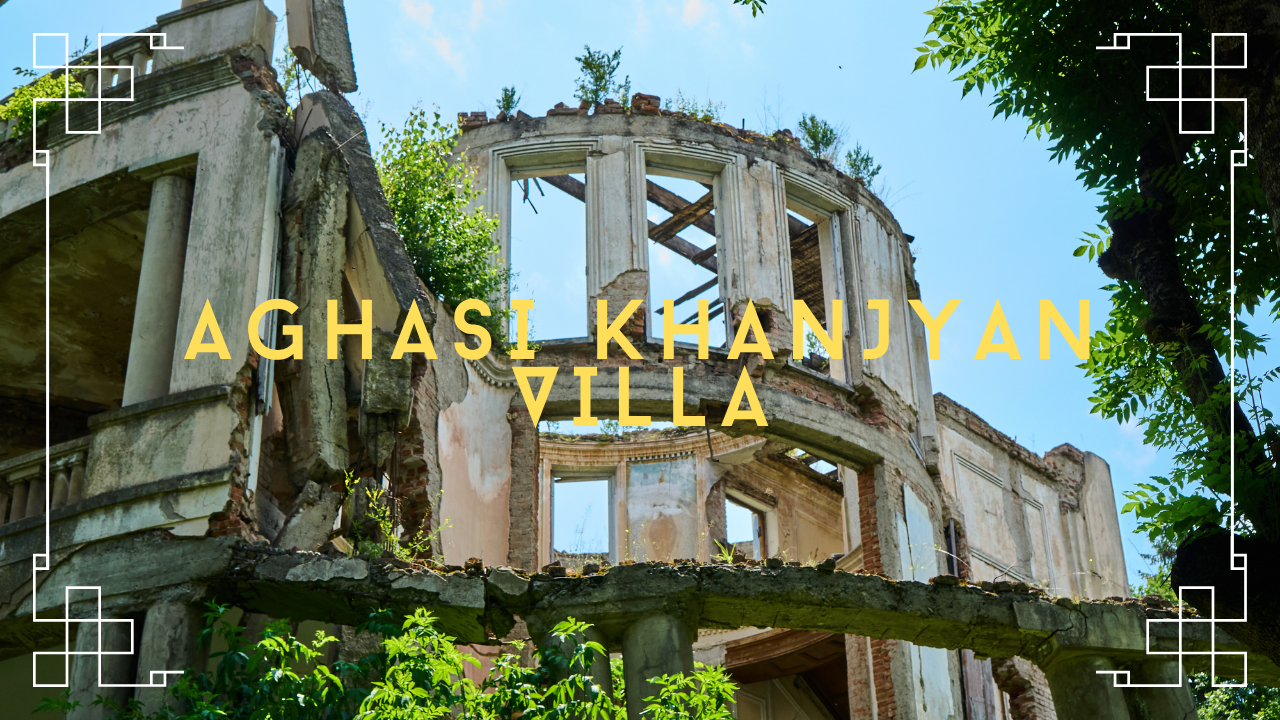
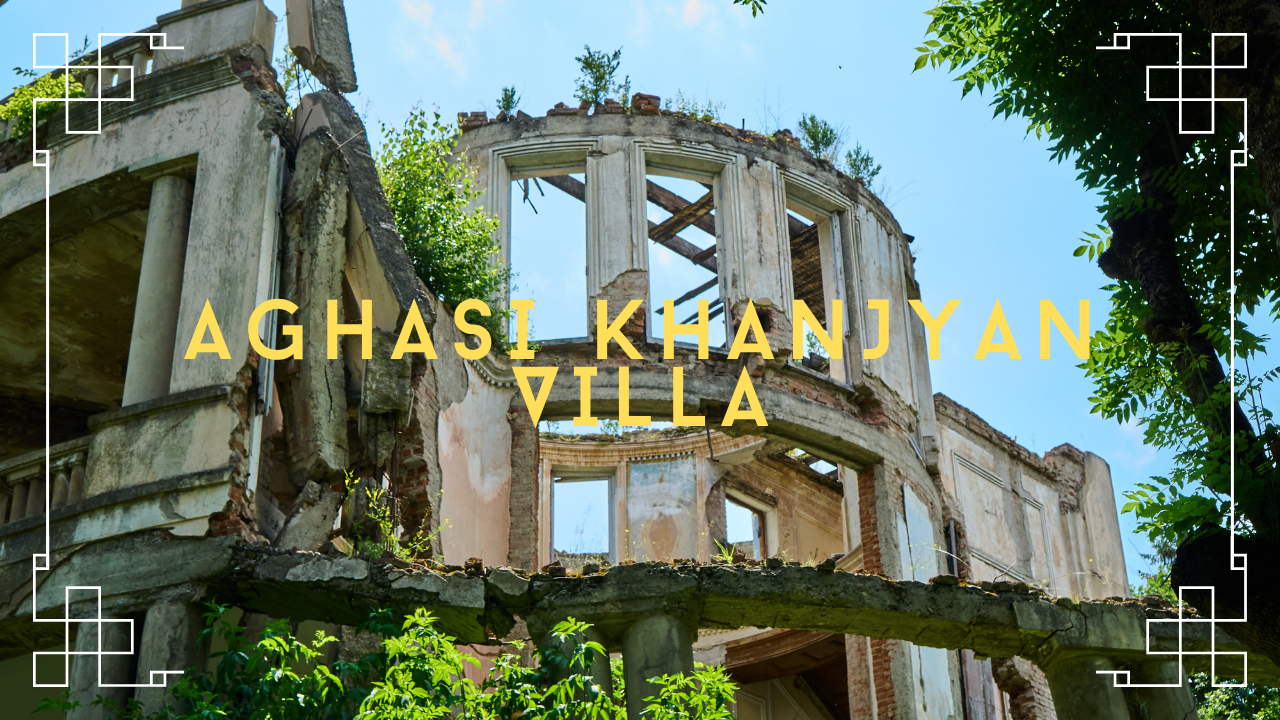
We asked some of the workers if it was even okay to walk up to the structure. One stated that we should ask the security on sight, as they may need to come with us. They gave us the approval but just stated to avoid actually trying to go inside the building, as it was in such dire condition at this point that it was on the brink of collapse. We walked up to it, and immediately knew that there was complete truth to that statement. The building was not functional in the slightest any more. It was living on borrowed time, well, whatever remained of it. I looked online and found that this was not a resort or one of the Soviet sanatoriums that are often found within these types of old towns. Instead, this belonged to a young (and quite early) Soviet era politician: Aghasi Khanjyan. First Secretary of the Communist Party of Armenia, born in what is now Turkey and fled the Armenian genocide with his family, moving to Russian-controlled Armenia to find safety.
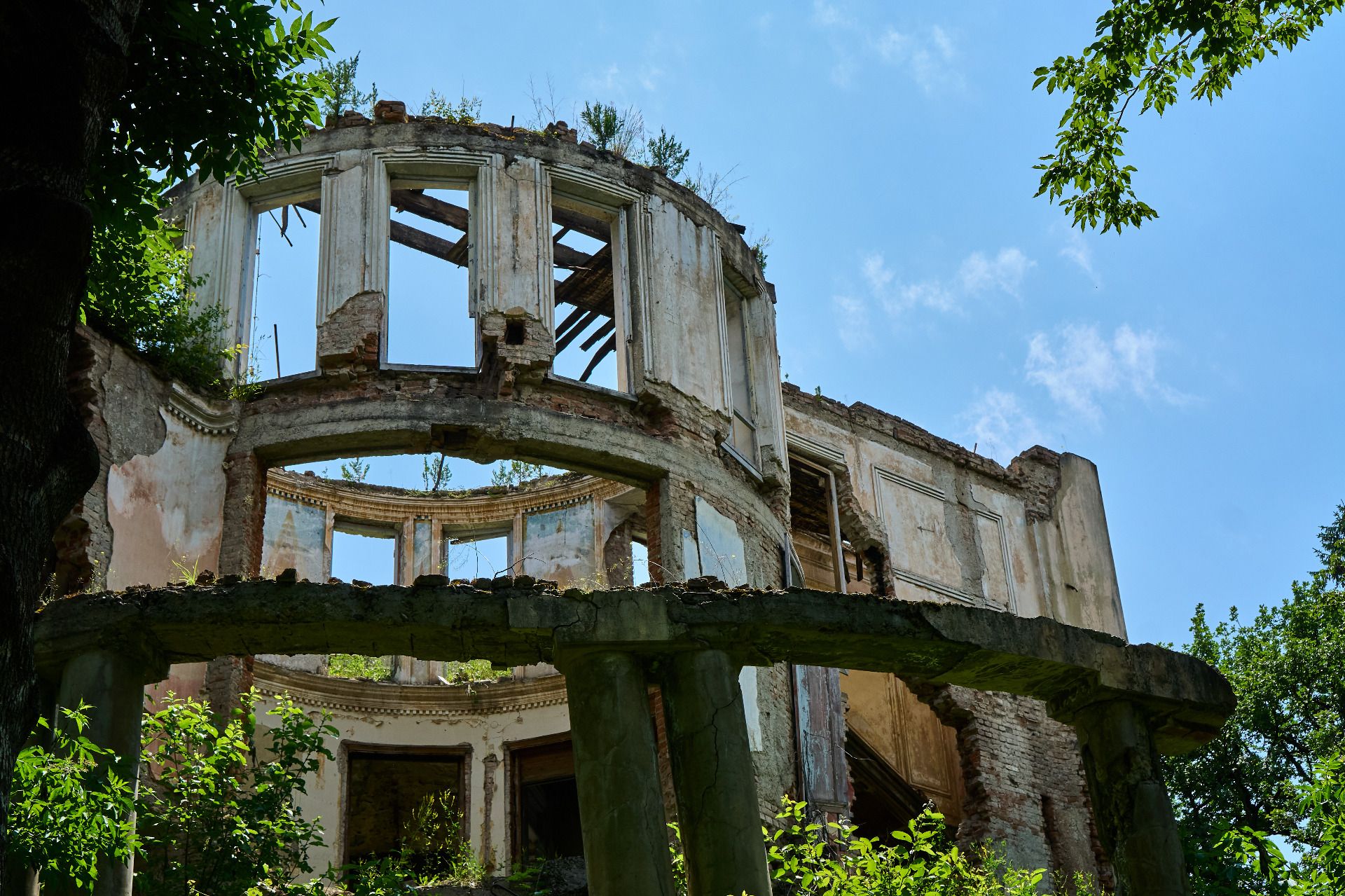
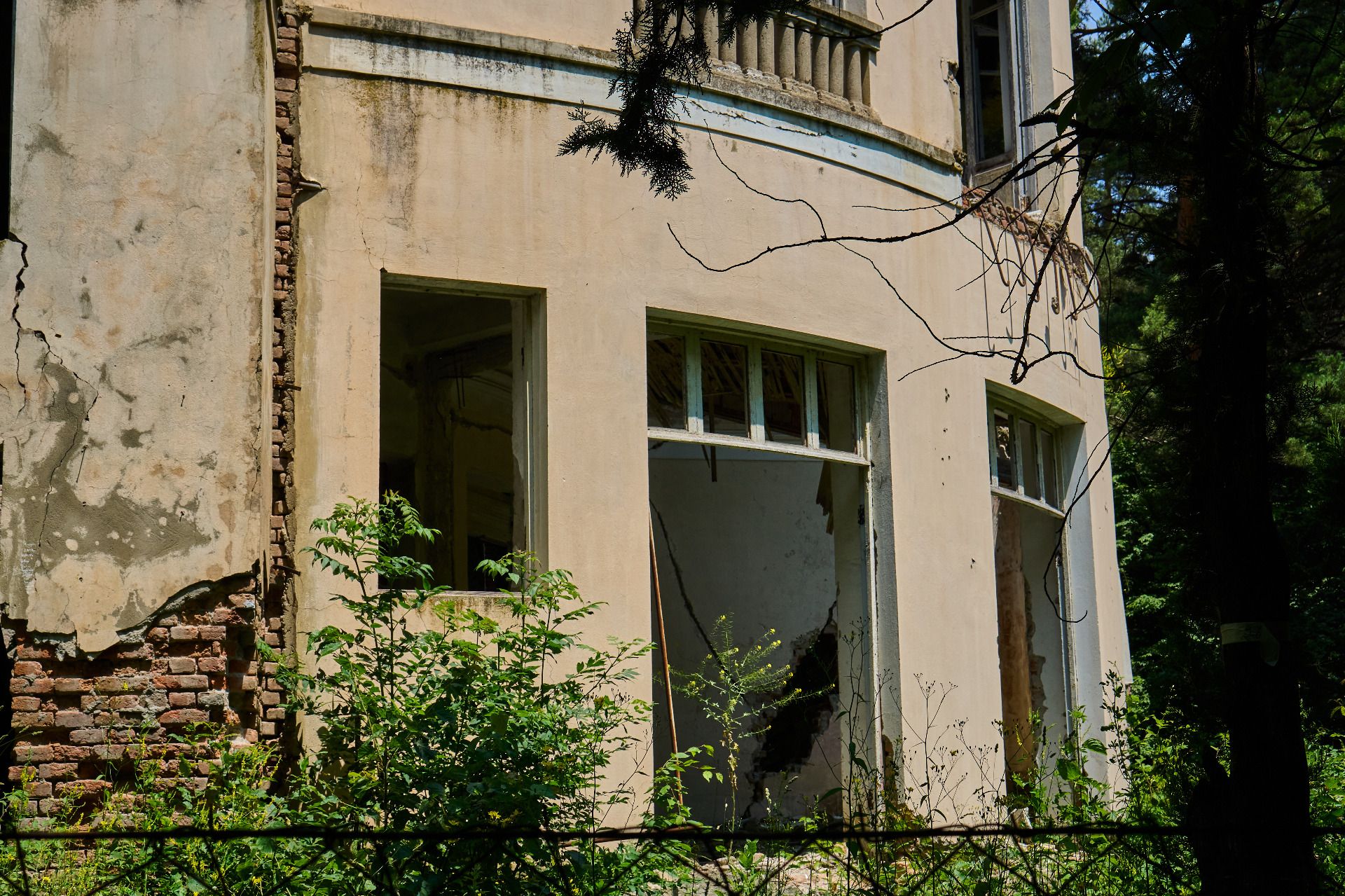
He built this villa in Dilijan in just before the Second World War, just as the Nazi Party was starting to gain some traction and be seen by the eyes of disagreeing other nations. It's said that he only spent one night in the completed villa, before leaving and either committing suicide or having been assassinated. Supposedly found in his room in Tbilisi with a bullet wound to the head. Many conspiracy theories doubt the legitimacy of his death given the tight political situations he found himself in, even going as far as disagreeing with the decisions of Stalin. Since his death, the home became even more empty. A building sitting up hidden within the trees of Dilijan, slowly reclaimed by nature over the many decades. I read that there have been buyers of the land and building over the years, some claiming intent to rebuild and save the building, though it's clear from these images that it never happened and never will. Fenced off, with cameras and warnings stating the inevitable: total collapse of the structure.
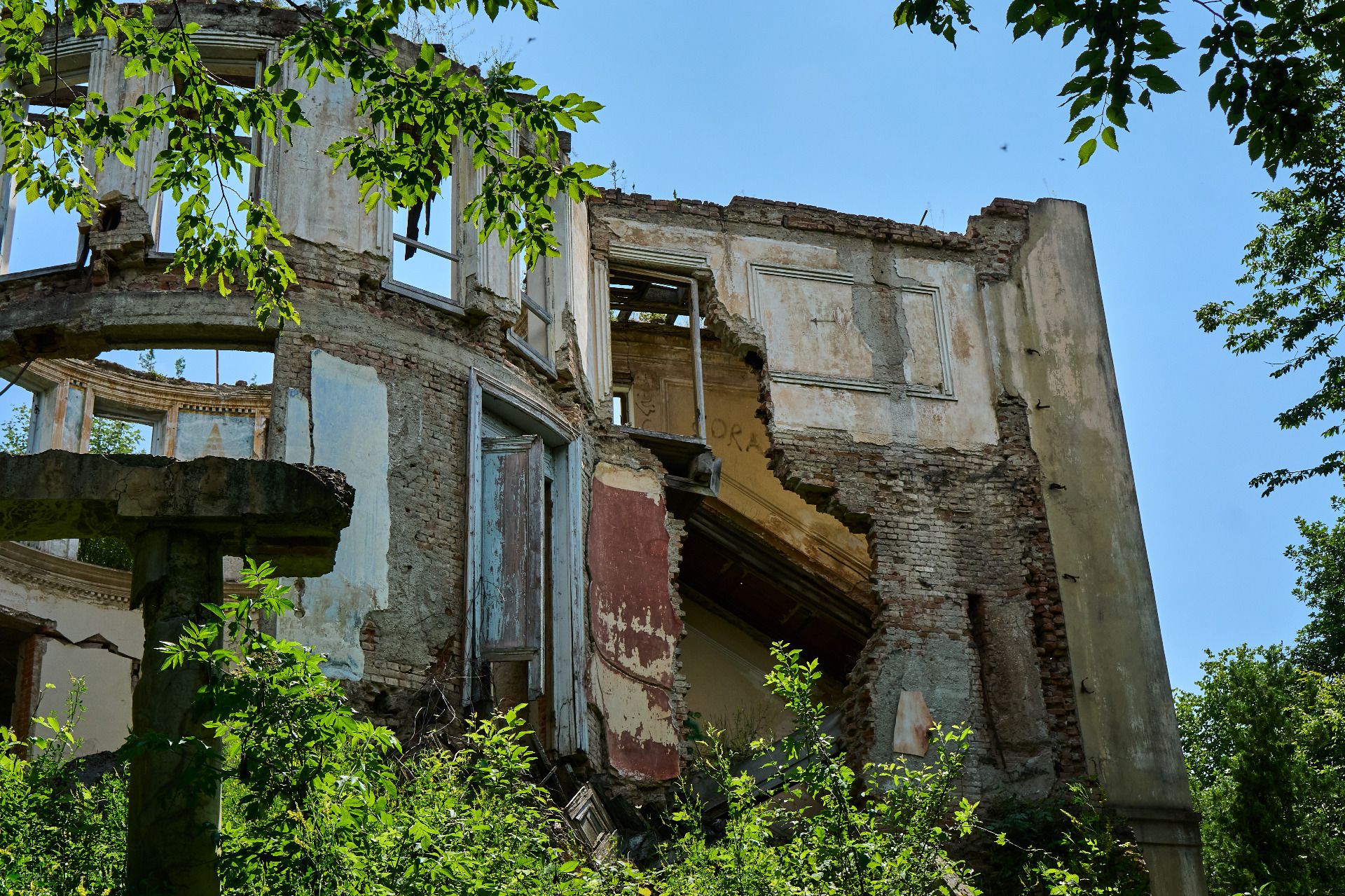
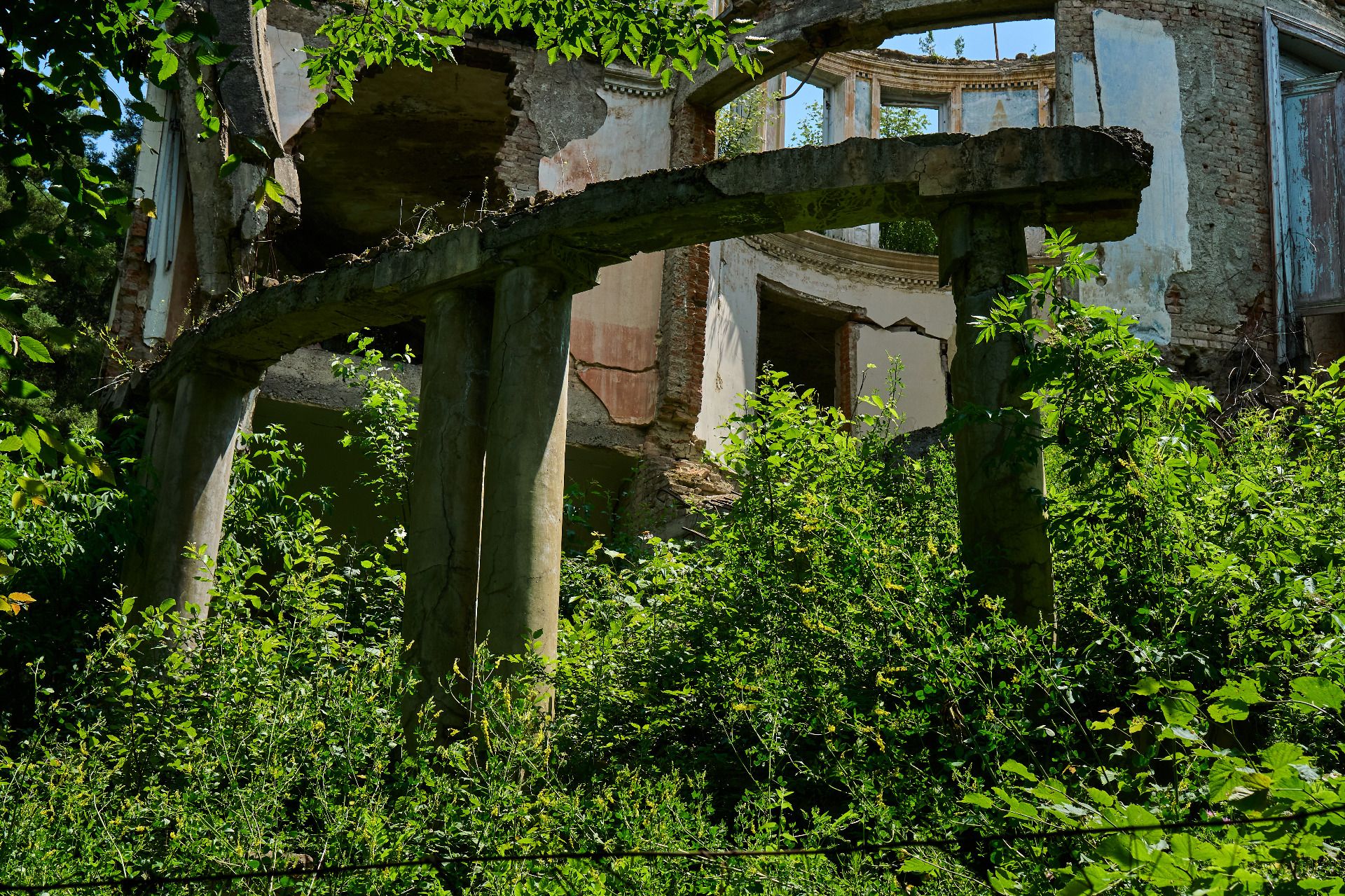
Still, some elements of its beautiful history are present. You can see the wallpaper that briefly remains, slowly peeling and tearing off the walls that remain. The beautiful columns and little pillars of its design. The circular structure itself that speaks of something quite akin to the Roman Colosseum design in many ways. On some walls, and where the ceiling would've been in one of the rooms, you can see the faded paint that would've had similarities to that of the early 1900s, with Renaissance influence. The little signs of beauty that were still visible were incredible, the area had an otherworldly, forgotten feeling to it. Though it was a tragedy that such a beautiful building with such strong historic ties to the nation ended up in the situation it is. No longer capable of reconstruction, now crumbling and reclaimed by the nature that surrounds. In a few more years, there won't be a former villa of Aghasi Khanjyan.

Comments