
 Shanghai, China
Before my first time in China, I worried about cultural differences. Instead, I found QR-code payments, a stubborn firewall, barely any English, robots using lifts — and a system that somehow became completely normal within three days.
I had travelled long-haul before, but only once, to New York. So China was not my first encounter with a seriously long flight, although it was hardly another routine European connection either. The flight itself was not what worried me. It was everything that would happen after landing.
I had travelled enough to know how airports, hotels, taxis, trains and credit cards normally work. Countries differ, obviously, but Europe trains you rather well in expecting a common operating system underneath those differences. You land, switch on your phone, open Google Maps, use your card, find the train and improvise whatever remains.
In mainland China, two of those assumptions can fail immediately. Google services are blocked on an ordinary Chinese internet connection, and the foreign bank card in your wallet is not something you can simply expect to use everywhere as you would across much of Europe. Everyday payments have largely moved onto Chinese mobile platforms instead. Suddenly, preparation is no longer about learning a few local habits. Some of the basic tools you normally use to improvise your way through an unfamiliar country need replacing before you even arrive.
For my dates, the two sensible routes were through Frankfurt and Istanbul. Istanbul was geographically the more obvious way towards Asia, but significantly more expensive, so Lufthansa through Frankfurt won. European routes towards China are also less direct than they used to be: Lufthansa Group still cannot use Russian airspace, making some journeys to China and other parts of East Asia considerably longer.
What I had chosen particularly well was the timing. My flight reached Shanghai early in the morning. Instead of arriving in the evening, collapsing into bed and then negotiating with my body over which continent it believed it was on, I had an entire Shanghai day ahead of me. Exposure to daylight at the destination can help the body adjust after crossing multiple time zones, and in my case the strategy worked remarkably well.
The Marriott helped too. When I travel somewhere that feels particularly unfamiliar, I deliberately remove one uncertainty from the equation: the hotel. I book somewhere very good, preferably a Marriott whose standards and loyalty system I already understand, and use it as an operational base.
The Shanghai Marriott Marquis City Centre had a room available when I arrived. Early check-in is not a guaranteed Marriott benefit — it always depends on availability — so this was good service rather than something my Titanium status entitled me to demand. A shower, a short reset and a little time horizontal were enough. Then I went back outside.
Jet lag, which I had expected to be one of the first battles of China, barely became a story. The differences had only just begun.
There was also one piece of bureaucracy I did not have to deal with. Entry requirements obviously depend on your passport; in my case, China had introduced visa-free entry for Croatian ordinary-passport holders shortly before my trip, so I could enter for a short conference visit without obtaining a visa in advance. That policy has since been extended: Croatian ordinary-passport holders can currently enter China visa-free for eligible stays of up to 30 days, with the present arrangement running through 31 December 2026.
For anyone reading this later: check again. Chinese entry rules have been changing quickly enough that a travel blog should never be treated as immigration law.

The first hour was enough
China began educating me before I had properly left Pudong Airport.
During my arrival in May 2025, I was asked to provide a throat swab as part of the health-control procedure. Then came immigration paperwork considerably more detailed than what I was accustomed to, including information connected with the conference I was attending and the relevant local contacts. Neither was particularly difficult; the whole process was organised and ultimately efficient. But the sequence was enough to produce the first mental note: yes, things really do work differently here.
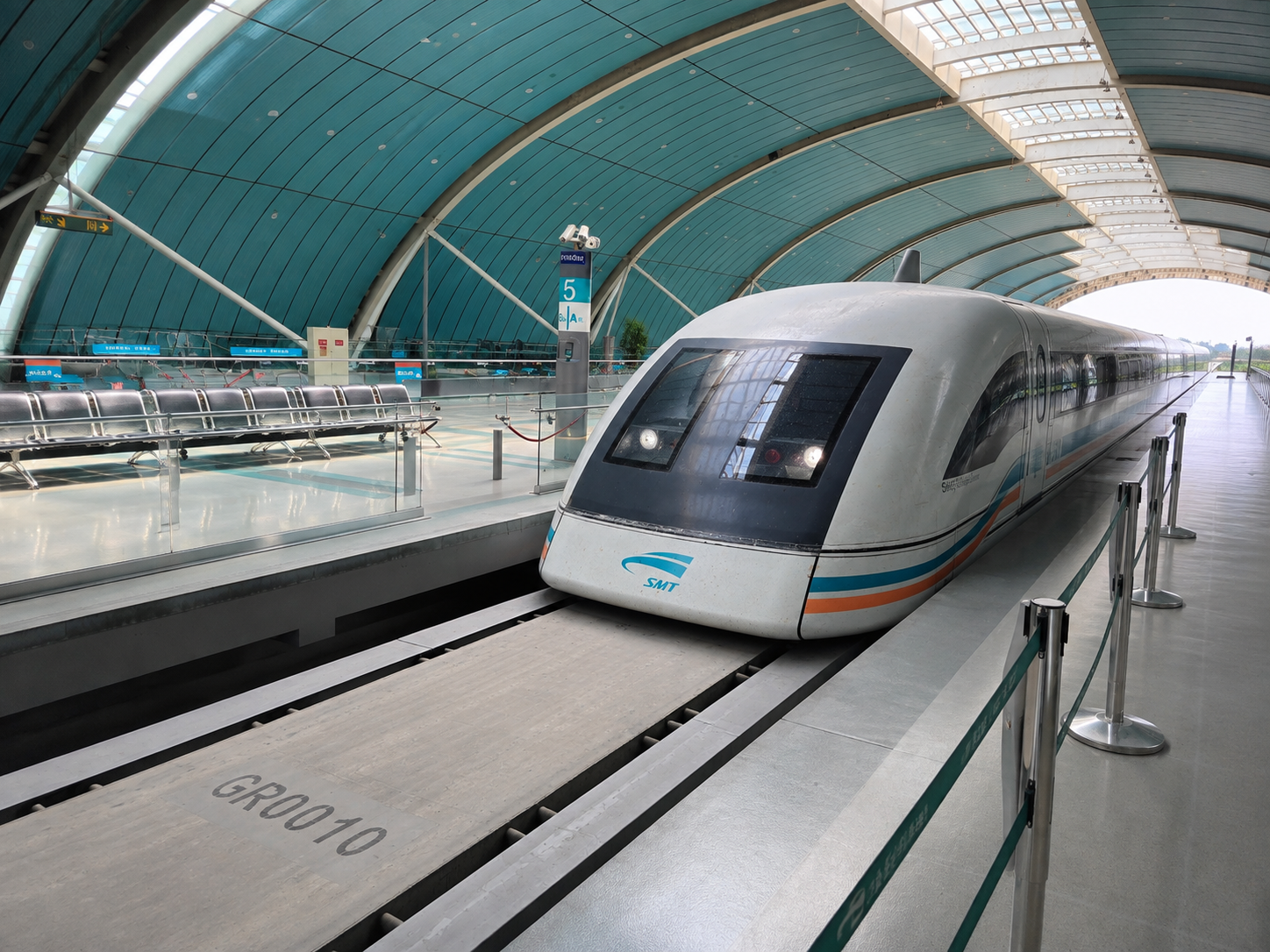
Then I tried to buy a ticket for the Maglev.
Only two days before leaving Croatia, a colleague had casually told me that I should sort out Alipay and internet access before travelling to China. I listened, although I privately suspected that he was exaggerating. Fortunately, a small worm of doubt survived my scepticism. I set up Alipay, prepared what I needed for internet access, activated Croatian roaming and bought a Revolut eSIM before leaving home.
Standing at Pudong Airport, I realised that this last-minute preparation had been considerably less paranoid than I had thought.
Then the train arrived.
It levitated.
I have already written separately about that first encounter with Shanghai — the Maglev included, along with a beggar whose preferred payment infrastructure involved a QR code hanging around his neck.

There is no point telling that story again here. What matters is the conclusion I reached before I had even checked into the hotel:
China really did seem to be running on a different operating system.
Your phone becomes your wallet - most important for first time in China
Alipay was the part of that system that became normal fastest.
Once configured, it worked flawlessly for me. I used my physical bank card to settle hotel bills; almost everything else migrated onto the phone — food, taxis, transport, tickets and small purchases. Within a day, reaching for a QR code rather than my wallet had stopped feeling remotely unusual.
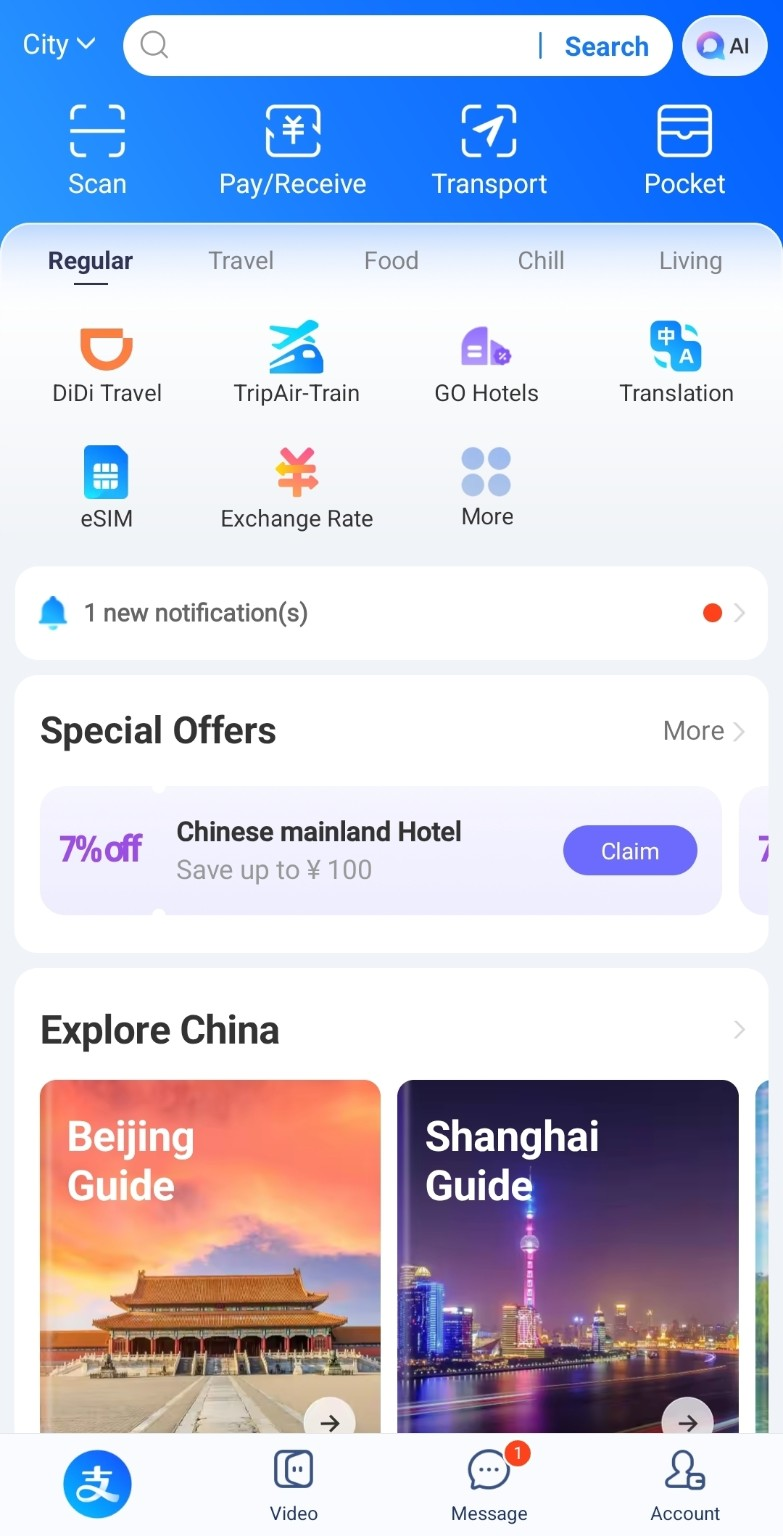
WeChat Pay was less cooperative. I became stuck during verification and eventually gave up. A colleague travelling with me managed to get hers working, which was mildly irritating because it demonstrated that the problem was not metaphysical. At a few places it was obvious that WeChat would have been preferred, but it never actually prevented me from doing anything. For my trip, Alipay was enough.
This is also one of the areas in which China has become easier for foreign visitors even since my visit. Shanghai now explicitly promotes several payment options for international travellers, including overseas bank cards, Alipay and Weixin Pay, and foreign-issued cards can be linked directly to the major Chinese payment apps. So I would no longer say that a visitor without Alipay is doomed.
I would still set it up before boarding the aircraft. Why manufacture a problem abroad that can be solved on your sofa at home?
The Great Firewall was not an exaggeration
The warnings about internet access had sounded equally dramatic from Croatia. They were not.
My ordinary digital life depended on services that did not simply continue functioning because I happened to be a European tourist. The real surprise was how visible that became whenever my connection setup misbehaved.
Google Maps plus my VPN worked well enough that I never had any reason to learn a Chinese mapping application. The problem was keeping that combination alive. My Revolut eSIM and the VPN occasionally decided they did not particularly like one another.
When that happened, the result was not merely slower internet. The familiar online ecosystem I normally used without a second thought suddenly disappeared: Google Maps stopped being useful, email became inaccessible and I was reminded very quickly that I was no longer using the internet I knew from home. Croatian roaming and the VPN liked each other somewhat better.
That produced one of the most useful lessons of the trip: do not arrive in China with a single point of digital failure.
The eSIM was useful. Roaming was useful. Having both was much better than discovering after landing that one supposedly perfect solution had developed an unexpected personality.
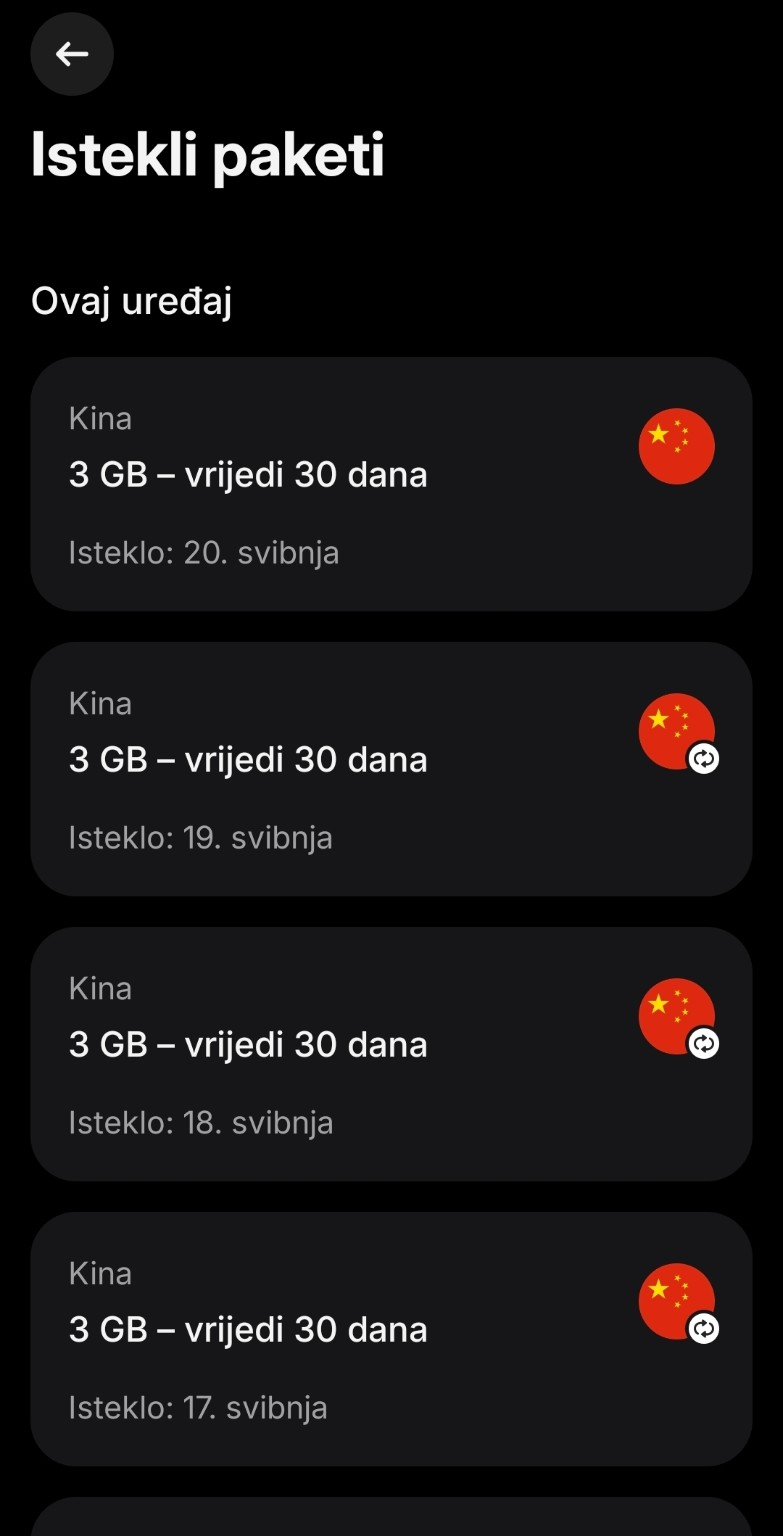
I would not tell anyone travelling in 2026 simply to copy my exact 2025 setup. Connectivity options change, and so do the rules governing them. The useful principle survives: work out how you are going to get online before you fly, check the current regulations, and have a backup.
English gets you much less far than you expect
The language barrier was greater than I had anticipated.
English could not be assumed even in situations where my European instincts expected at least a basic level of it. Translation applications helped, although some of the resulting English appeared to have been produced after a small argument between the software and grammar. Strangely, translating into German occasionally produced something more intelligible.
What surprised me more was how little anyone seemed troubled by this. I cannot remember a single rude interaction during the entire trip. If English failed, people tried a translator. If that failed, there were gestures, numbers, maps, screens, pieces of paper and whatever else was required until the practical problem had been solved.
Hotels were particularly good at eliminating the friction. They had printed cards with major destinations written in Chinese for taxi drivers; staff could summon a car and explain the destination. And yet the system was not remotely dependent on technology alone. I could still walk onto the street, raise my hand and stop a taxi.
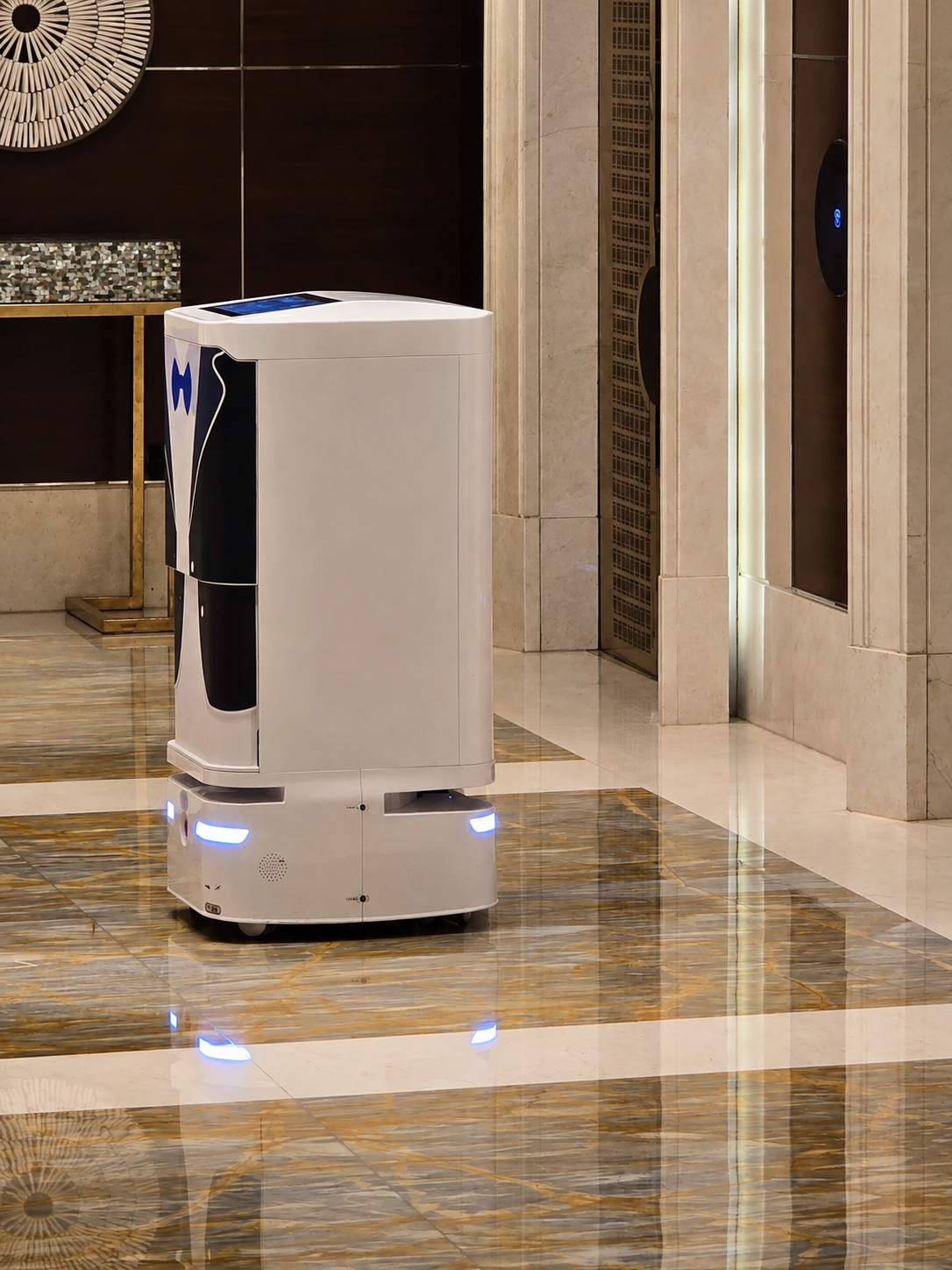
China could send a robot through my hotel to deliver room service, have that robot call the lift and select the correct floor by itself — and then solve communication with a taxi driver using a printed piece of cardboard.
For some reason, that combination impressed me more than another skyscraper.
The practical lesson was simple: do not rely on English alone. Have a translation app ready, and keep the name and address of your hotel or destination somewhere a Chinese speaker can actually read it.
The future was strangely ordinary
The room-service robot produced one of my genuine where the hell am I? moments. So did some of the cars.
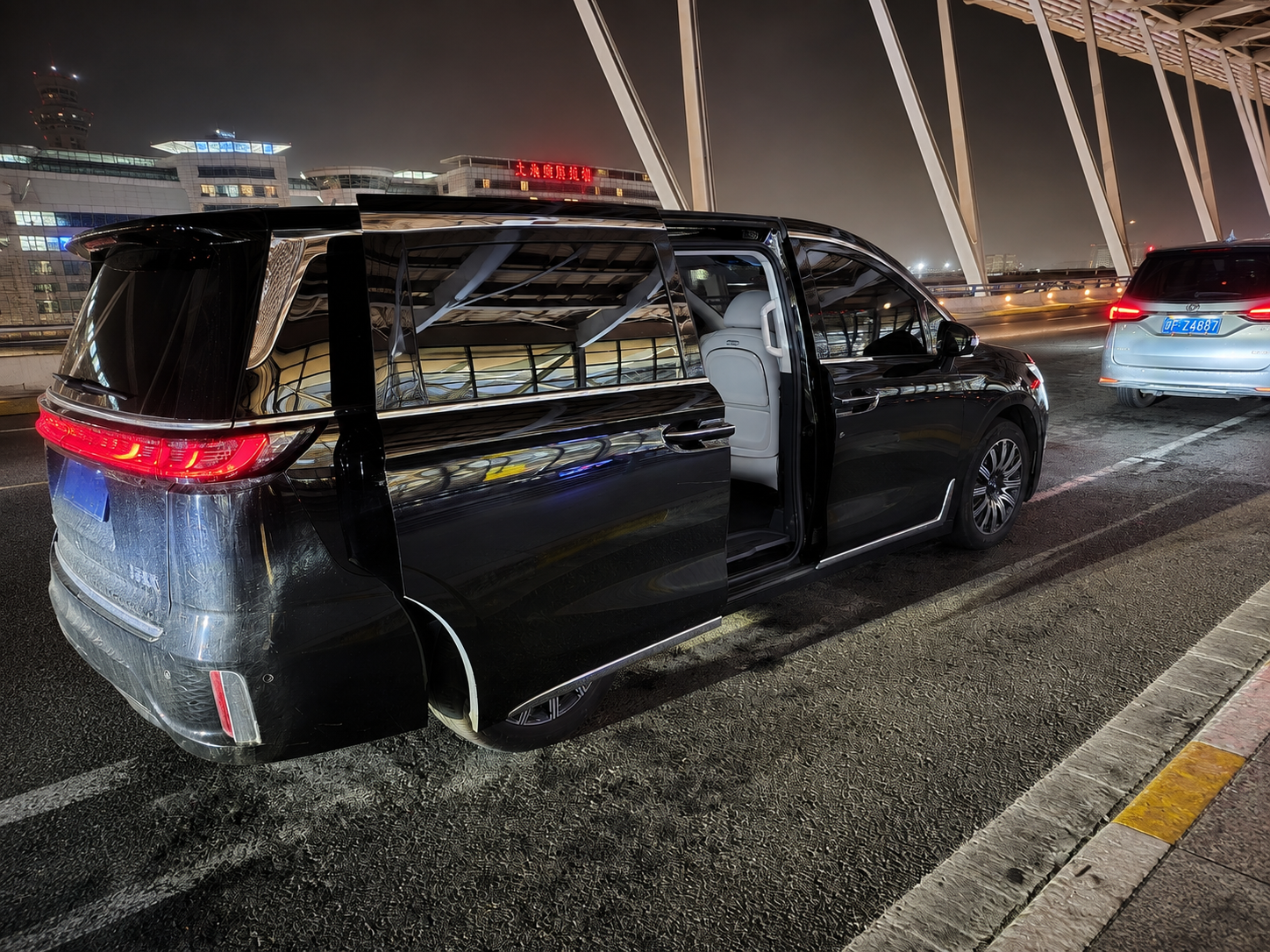
Several brands were completely unfamiliar to me, yet their interiors looked exceptionally sophisticated. My final transfer towards Pudong Airport felt less like an ordinary airport ride than a private limousine produced by a future that had developed along slightly different lines. Some taxis gave a similar impression.
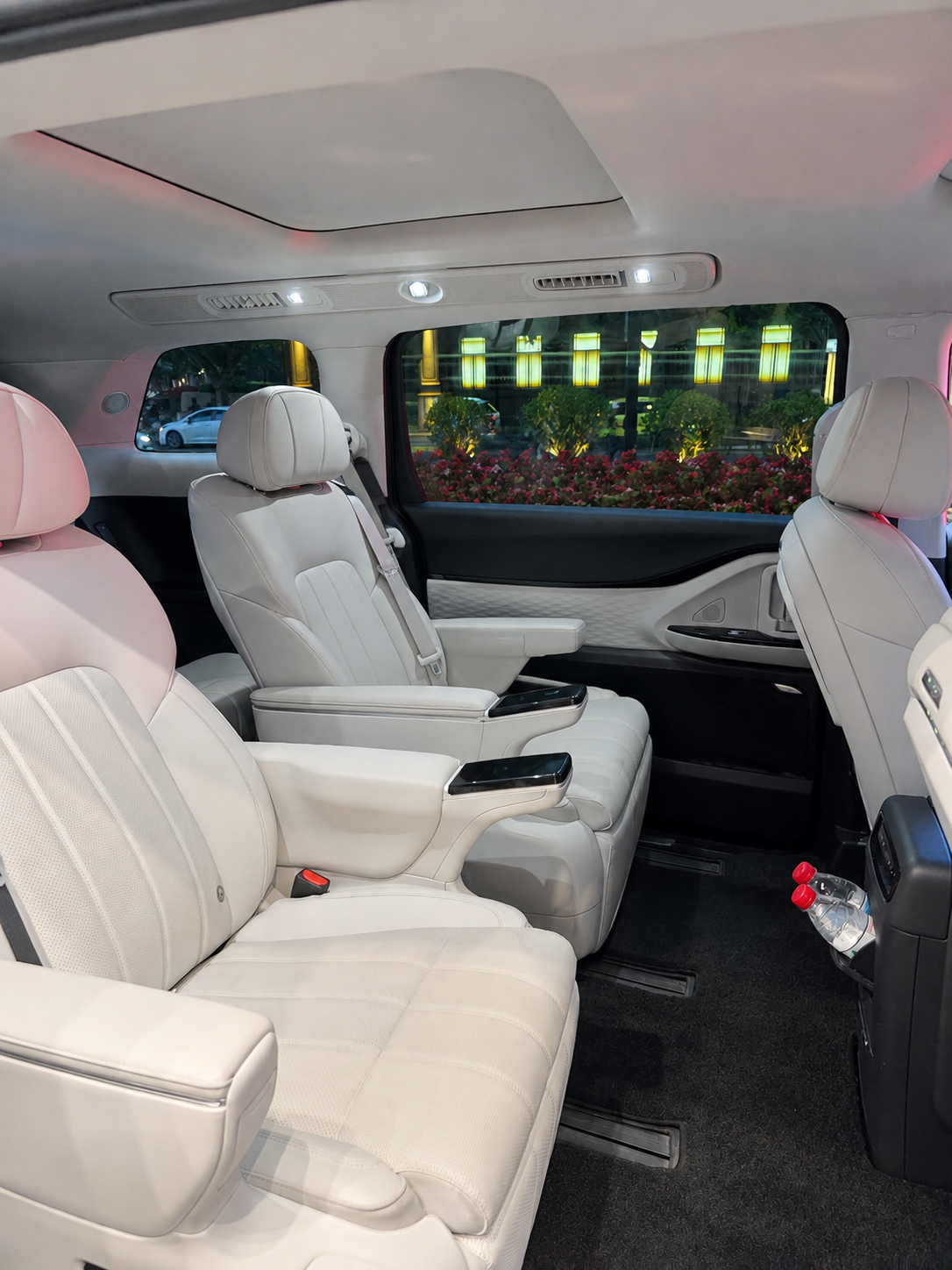
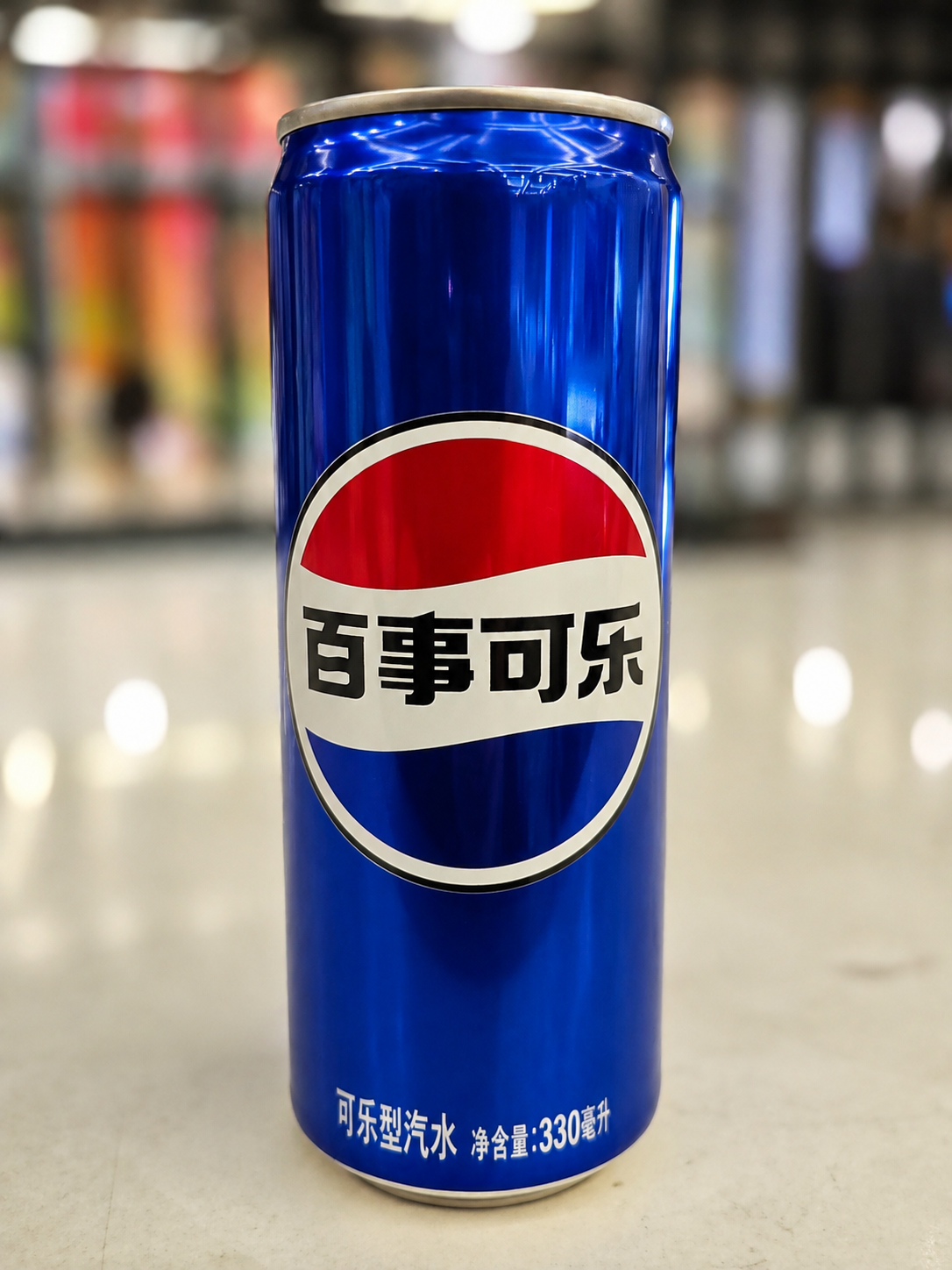
What struck me was that the futuristic elements rarely seemed installed merely to prove that China possessed futuristic elements. They had simply become ordinary objects.
On day one, watching a robot use a lift deserved attention. By day three, checking Alipay, making sure the internet was behaving and entering a technologically impressive car from a manufacturer I had never heard of were just parts of the day.
That transition happened disturbingly quickly.
If you arrive expecting China’s technology to announce itself as something exotic, you may be looking in the wrong place. Much of what felt futuristic to me was impressive precisely because nobody else seemed to consider it remarkable.
The best transport is not always the most impressive one
Shanghai's metro was clean, fast and ridiculously inexpensive. I used it exactly once.
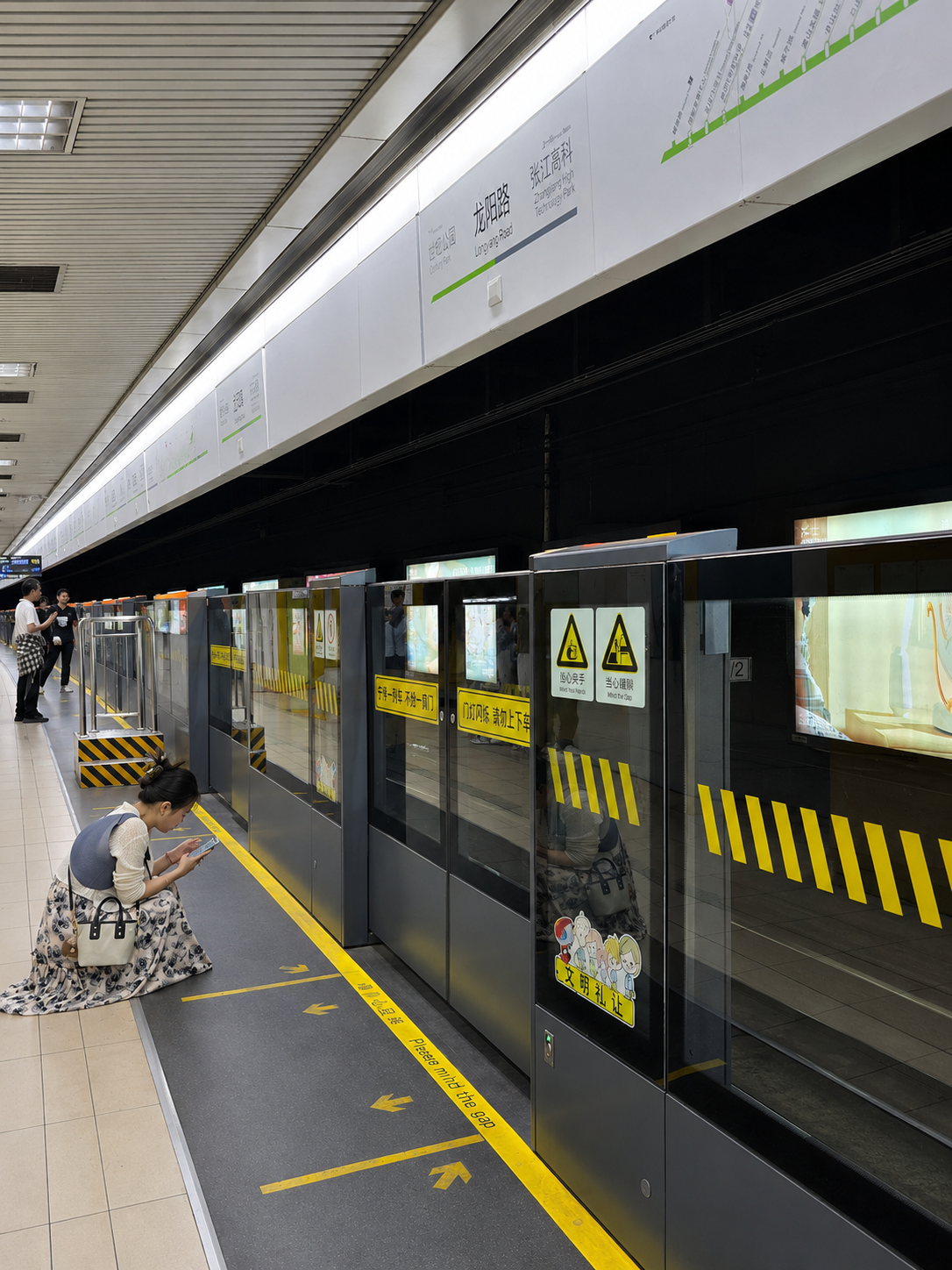
After leaving the Maglev at Longyang Road, I spent perhaps ten minutes working out how to buy the correct metro ticket. The instructions were reasonably understandable and, once aboard, the actual journey to People's Square was effortless.
People's Square itself was another matter. The station is enormous, and getting from the train to the correct exit involved navigation, escalators and considerably more walking than the harmless words metro station had led me to expect. Then there was luggage. And heat.
Then I discovered how inexpensive taxis were.
My experiment with Shanghai public transport effectively ended there. That is not criticism of the metro; it was excellent. It simply lost a cost-benefit calculation in which the alternative was an air-conditioned car that collected me where I was and deposited me where I wanted to be for surprisingly little money.
Interestingly, even part of the inconvenience I experienced has already become history. When I travelled in May 2025, buying and using tickets still involved enough unfamiliarity for me to stand there studying the process. Foreign-card purchases were already possible at staffed service centres, including at the airport stations, so I probably made the exercise harder than it strictly needed to be.
But the genuinely simple version arrived almost immediately after I left. From 14 June 2025, eligible Visa, Mastercard, American Express and JCB contactless cards could be tapped directly at the Maglev gates. Two weeks later, on 28 June, tap-to-ride with eligible foreign contactless cards was expanded across the entire Shanghai Metro network.
So one of my first little Chinese puzzles is now basically solved by doing exactly what I would do in London: tap a compatible card and walk through.
That is how quickly a practical travel tip can become obsolete in China.
And the Maglev?
I would absolutely recommend experiencing it once. I am much less certain that I would use it again simply to reach my hotel.
Its attraction is no longer merely the speed. Shanghai's Maglev currently operates at up to 300 km/h, while conventional Chinese high-speed trains can run faster than that. The extraordinary part is the technology itself: you are travelling in a train that levitates.
But the spectacular part lasts only until Longyang Road. Then you still have luggage and another transfer.
I cannot reconstruct the exact door-to-door timings of my journeys well enough to pretend this is a scientific comparison, but my impression was that by the time the Maglev, transfer and metro were combined, the time advantage over a direct car was nowhere near as dramatic as the eight-minute Maglev ride suggested.
The taxi, meanwhile, had the revolutionary advantage of taking me directly to the door.
Technology: Maglev. Practicality: arguably the car.
Experience it once. Then do the calculation yourself.
Make sure you are going to the right Shanghai station
Chinese high-speed rail deserves considerably more space than I intend to give it here because I have already told that story elsewhere. The Business Class lounge, personal escort through Hongqiao, absurdly comfortable seat and complimentary slippers belong in:

For a first-time visitor, the more useful lesson is simpler: check the complete station name.
Shanghai does not have the railway station in the way that Roma Termini settles the matter in Rome. It has several major stations spread across an enormous metropolitan area, and the city's own travel information explicitly warns passengers to confirm which one they actually need.
That matters because the same broader destination can be served from different Shanghai stations, and names that are perfectly distinct to a Chinese speaker can look dangerously similar when you are scanning a booking in a language you cannot read.
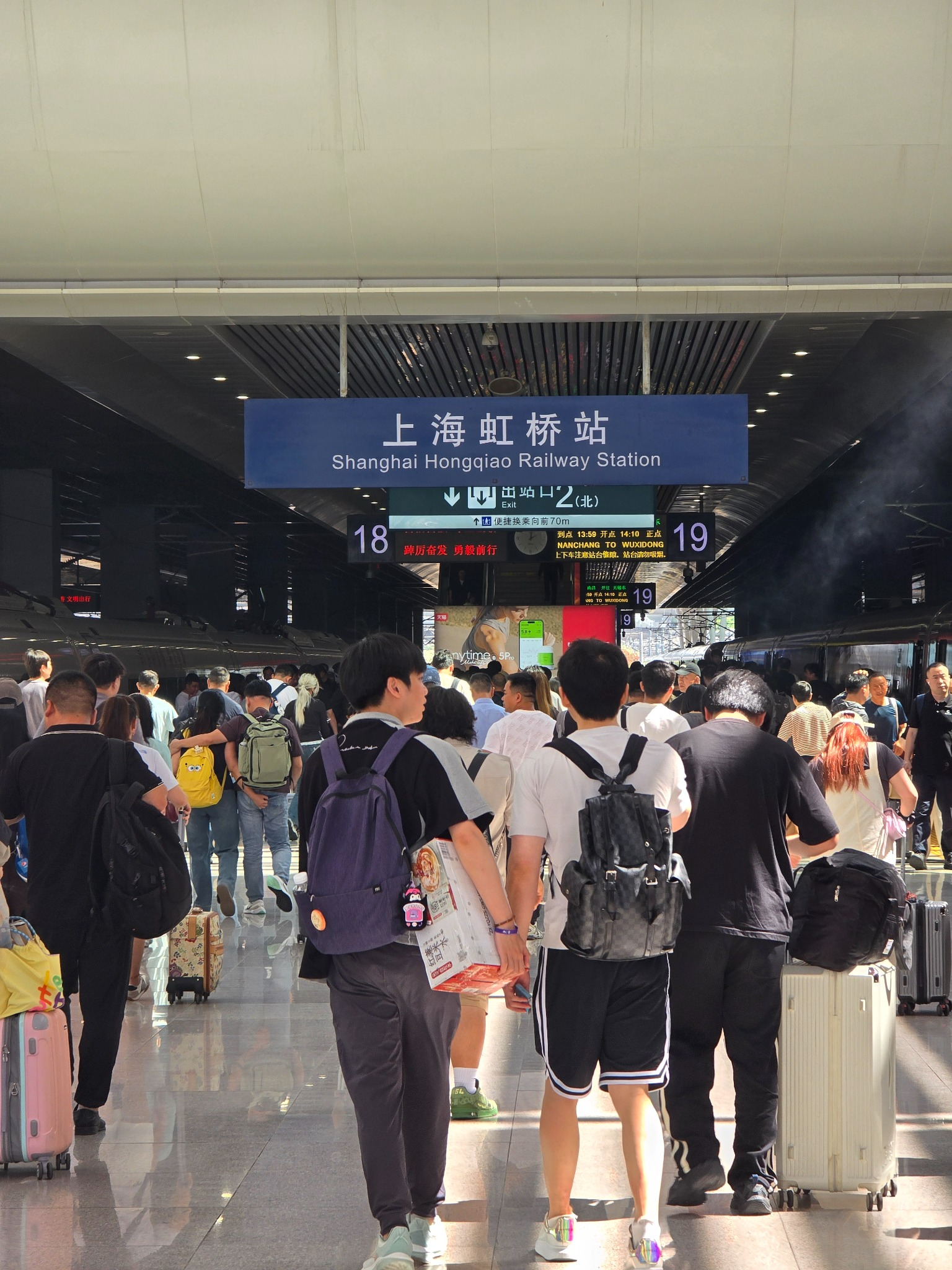
Hongqiao was mine.
Calling it a railway station still feels inadequate. It sits inside one of the world's largest transport hubs, linking the railway with Hongqiao Airport, metro, buses, taxis and other transport modes. In 2025, the wider Hongqiao hub handled 422 million passenger movements.
The scale was enormous. Security was formal. Your passport mattered. The amount of time required merely to reach the correct part of the complex deserved respect.
Yet when I returned to Shanghai, something as mundane as the taxi rank worked beautifully. Passengers formed a queue, taxis circulated continuously and the next car took the next passenger.
A straightforward FIFO algorithm. As a mathematician, I could hardly object.
I had expected stranger food
Somewhere in the back of my European imagination lived the inevitable collection of Chinese-food clichés: snakes, dogs, bats and assorted creatures requiring courage merely to identify.
None appeared. Not once.
Perhaps I had accidentally visited all the wrong places for culinary terror. More realistically, I had brought a fairly stupid collection of stereotypes with me.
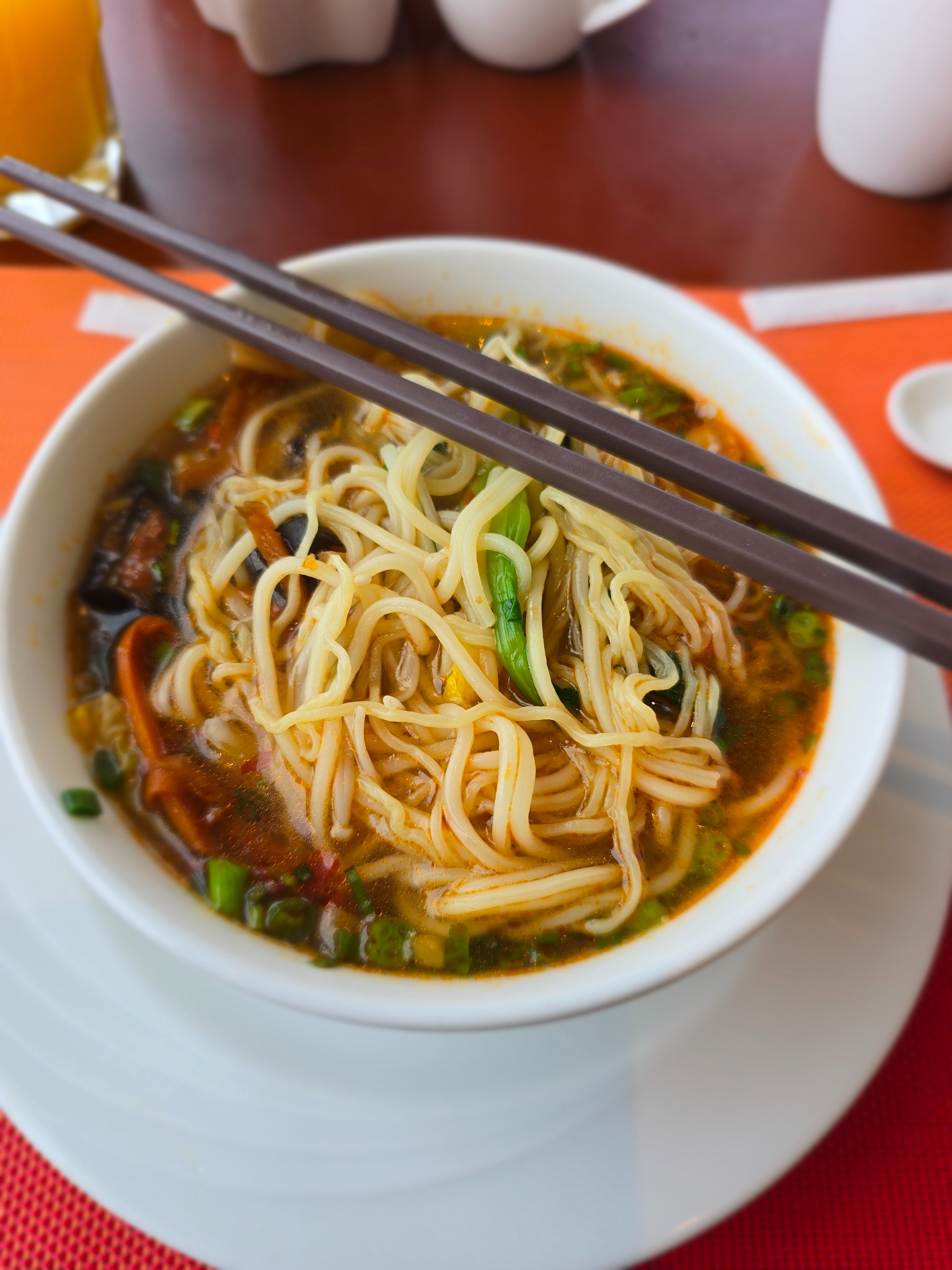
The food itself was one of the easiest parts of China. I ate extremely well and never once felt the need to retreat to a Western restaurant in the hotel. What surprised me much more was how the food was eaten.
At the conference banquet, I sat at a large round table while an apparently endless succession of dishes travelled around us on a rotating centre. Everybody else behaved as though this were the most obvious dining arrangement in human history.
I did what travellers have always done when they have no idea what the rules are: watched everyone else and copied them. Our hosts had thoughtfully provided forks for the foreign guests, although by then I had become reasonably functional with chopsticks.
I should acknowledge one fairly significant limitation in my culinary research. I ate Chinese food, but most of it came through excellent hotels and the conference. Marriott executive lounges in China were far more substantial and much more locally oriented than the lounges I was accustomed to in Europe. There was frequently enough food to make another dinner entirely unnecessary.
That was extraordinarily convenient.
It was also insulation.
I never really tested the experience of walking alone into an ordinary neighbourhood restaurant, decoding the menu and ordering whatever looked promising. Next time, I would change that.
I have no particular ambition to demonstrate cultural courage through a bowl of something alarming. Proper Peking duck in Beijing will do nicely.
A good hotel was not an escape from China
This is probably where my experience differs from that of travellers who describe a much rougher first encounter with the country.
When a destination is a serious unknown, I deliberately remove one uncertainty from the equation: I book myself a very good hotel. Preferably a Marriott.
That gives me a base whose standards I understand: someone can help if communication fails, arrange transport, explain an address, solve a practical problem or simply provide somewhere reliable to return to. China demonstrated exactly why I travel that way.
The hotel was not an escape from China. It was the place from which China became easier to explore.
In Shanghai I tested that strategy twice. I began at the Shanghai Marriott Marquis City Centre, where an early room after the overnight flight gave me exactly the soft landing I had wanted. Later I moved to the JW Marriott Hotel Shanghai at Tomorrow Square, a far more spectacular property that reinforced the same point: in a city that still required some effort from me outside, the hotel removed almost all of it inside.
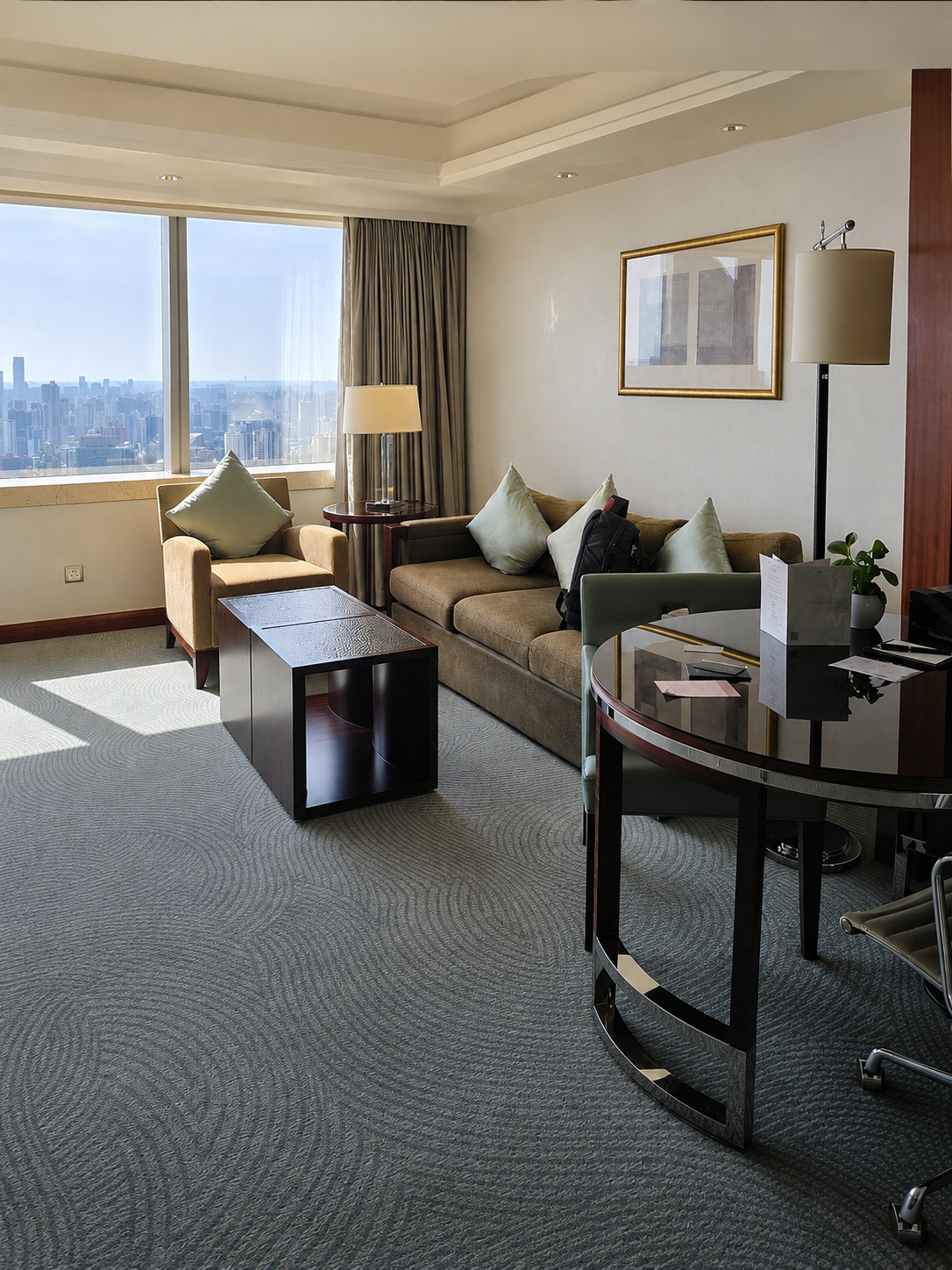
My upgraded suite at Tomorrow Square Marriott, Shanghai — a comfortable base above the city, not a way of avoiding it, but a way of making the unfamiliar parts easier to handle.
There was another advantage: price. Everything felt less expensive than I had expected, but the high-end hotels stood out. I was staying in genuinely excellent properties for rates that, in my experience, would easily have been two or three times higher in major European cities.
I have already dealt with the more offensive examples of that price-performance gap in The Future Came with Slippers, where a Courtyard in Hangzhou appeared to have forgotten what category of hotel it was supposed to be. Some European Marriotts would be better off not reading it.
The downside is obvious. My first China was filtered through very comfortable bases. That made the trip easier, but it probably also meant that some of the China described by other travellers never reached me.
For a first visit, that may be a perfectly reasonable trade-off. If an unfamiliar destination makes you uneasy, spending more on one strategically chosen hotel can buy you something more useful than luxury: fewer things that can go wrong at once.
Twenty-five million people did not mean permanent human gridlock
I had also expected crowds. Not ordinary crowds, but Chinese-megacity crowds.
They never really materialised.
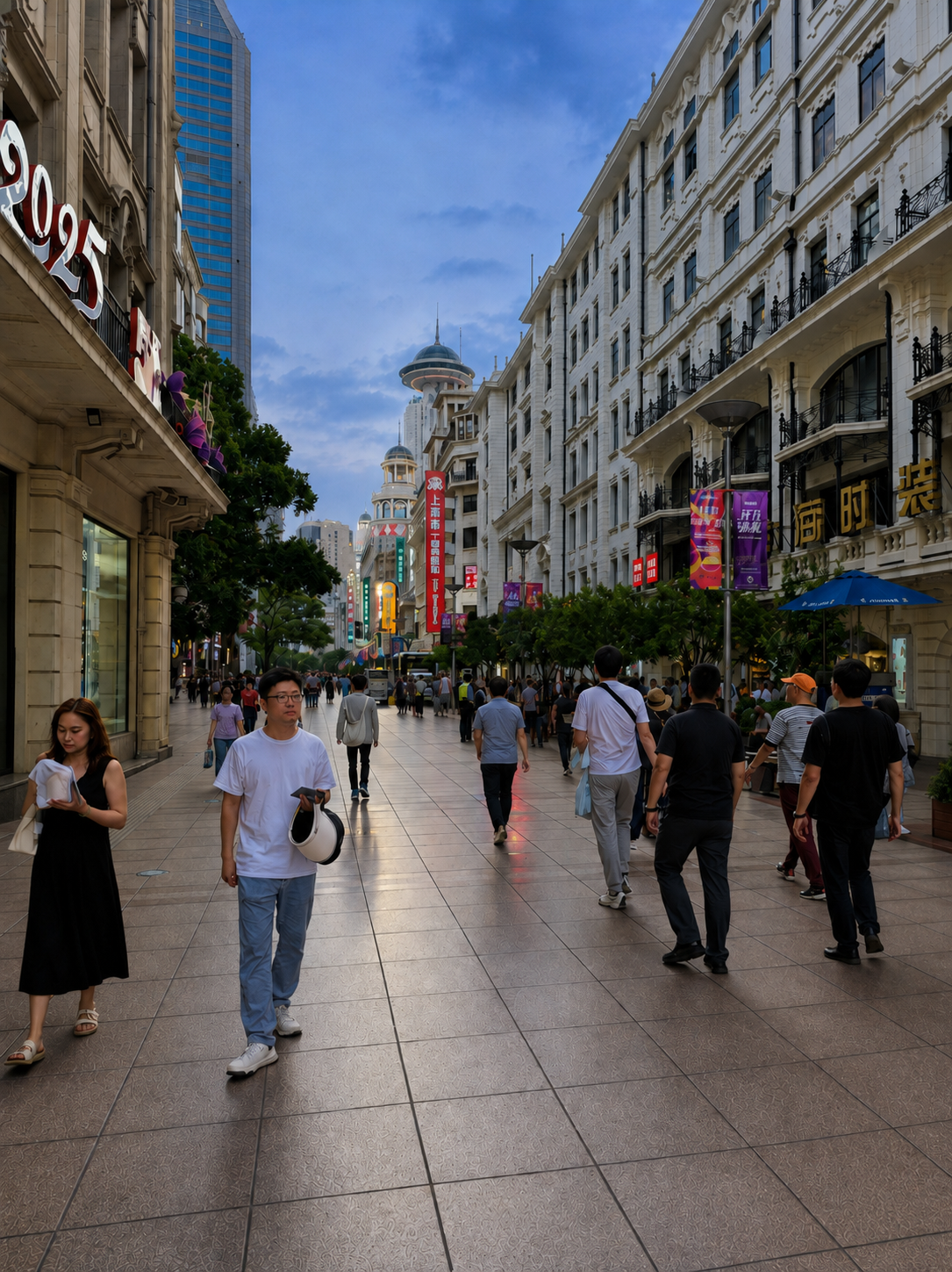
Yu Garden was busy. Nanjing Road certainly had plenty of people, and railway stations were enormous. But nothing made me reconsider my relationship with humanity in the way that queues for the Vatican Museums or the Eiffel Tower lift already had.
Shanghai was gigantic. That did not mean I spent the journey compressed inside a moving wall of people.
The same was true of attractions. During my visit, I never encountered the European ritual in which one decides at breakfast to see something interesting only to discover that the next available entry slot is eleven days later at 14:40.
I arrived, bought a ticket and went inside.
For a city of that scale, the spontaneity was one of the more unexpected luxuries.
Safety was one expectation Shanghai confirmed
Safety was not high on my list of pre-trip concerns. I had assumed China took public order seriously, and Shanghai confirmed that assumption fairly quickly.
The best visual example came on Nanjing Road, where police officers sat on elevated chairs that looked remarkably similar to those used by tennis umpires. There were enough of them to make the security presence obvious without turning the street into an obstacle course of uniforms.

Cameras, bag scans and formal controls never made me uncomfortable during the trip. I experienced them as part of a system that made movement feel predictable and orderly. Even during a long walk through much less polished parts of Shanghai, I never personally felt unsafe.
That does not mean every corner looked immaculate. Some streets had noticeably more litter than I expected from a city operating at this level of technological and infrastructural sophistication.
The air also occasionally felt heavy. At the time, I could not tell whether that was pollution, heat, humidity or some combination of all three. Official Shanghai data for May 2025 later showed seven days of mild air pollution during the month, with ozone as the primary pollutant on all seven. That makes my impression plausible, although obviously I cannot retrospectively diagnose the air I happened to breathe on a particular street.
It was certainly not the apocalyptic blanket of smog that older Western images of Chinese cities had taught me to expect.
But neither was every corner of the future polished.
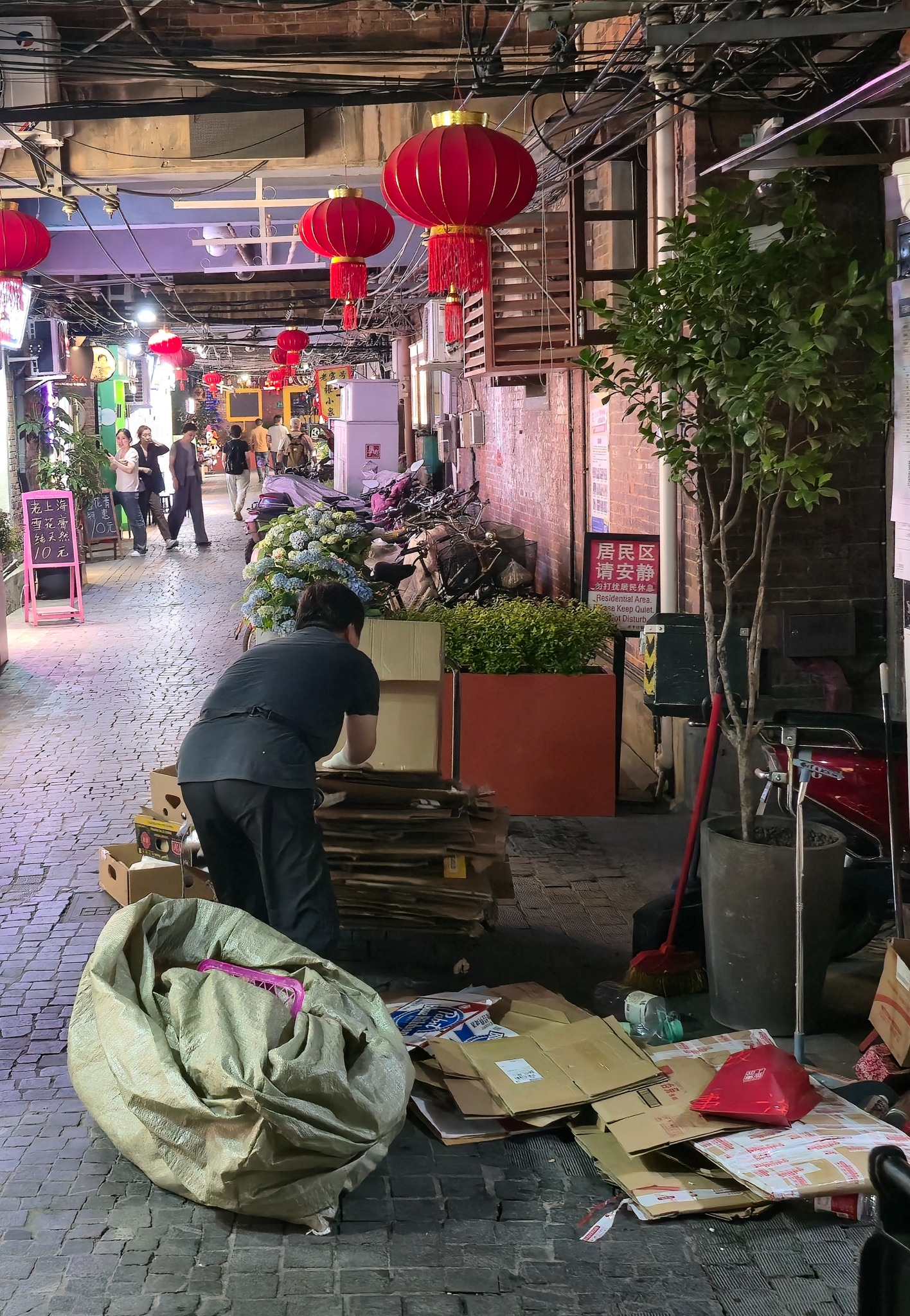
The scooters were not Morocco
There were plenty of scooters, and some treated pedestrian caution as more of a recommendation than a binding principle.
But I had already been to Morocco.

After that, Shanghai traffic seemed positively civilised. Perhaps it was somewhat more chaotic than Croatia, but I have certainly seen much worse.
Apparently, that was one culture shock I had already used up somewhere else.
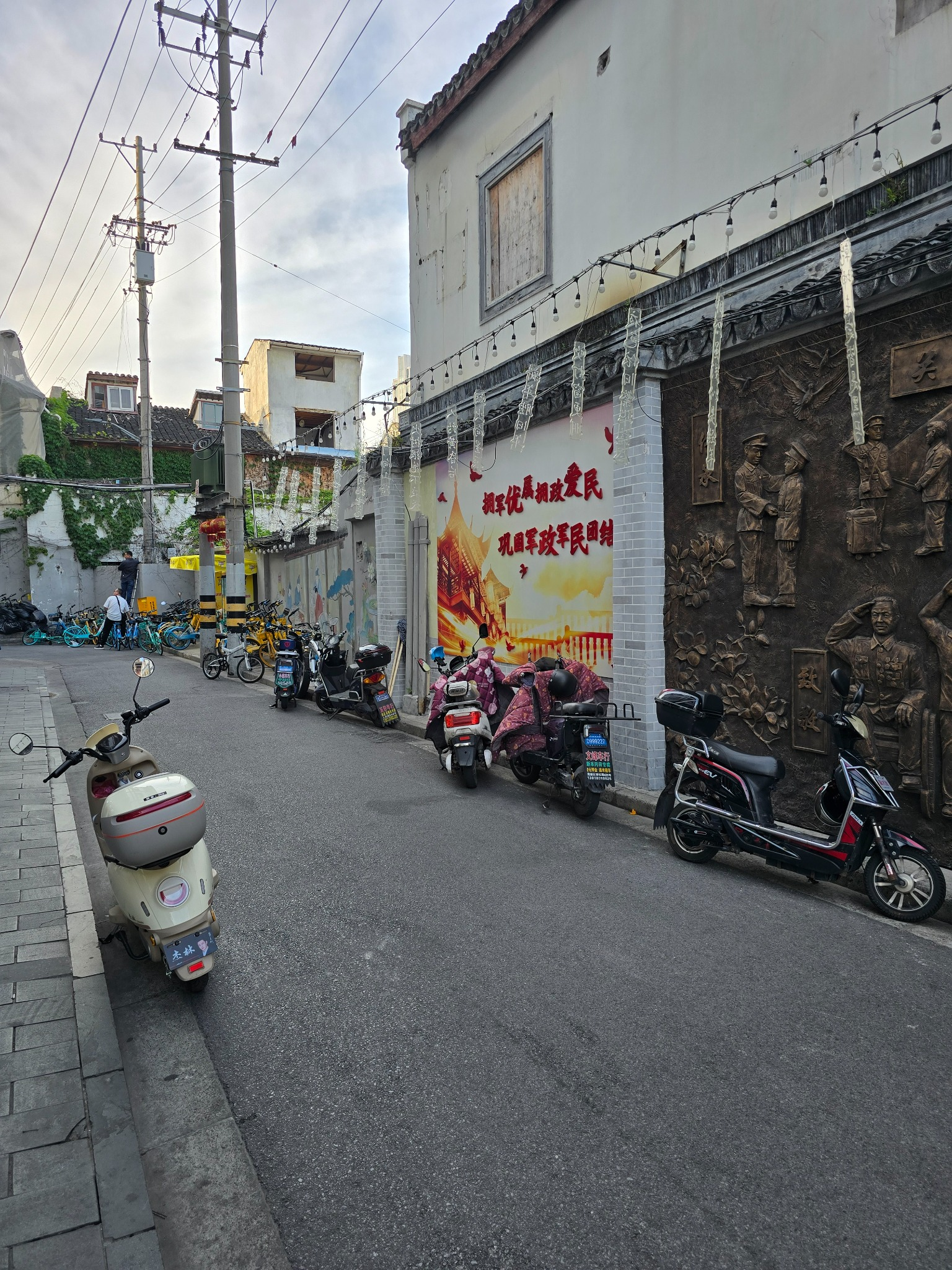
Even the tourist nonsense felt familiar
Shanghai had its share of people approaching tourists on the street. The most noticeable were those handing out small cards advertising counterfeit luxury goods.
They were annoying rather than threatening: persistent enough to register, not aggressive enough to become a problem.
Oddly, it reminded me of Lisbon. Around Avenida da Liberdade, I had encountered an almost identical street-marketing technique, except there the product on offer could change with the time of day and occasionally involved drugs.
Shanghai was offering fake handbags and watches.
Frankly, I preferred China's catalogue.
Then there was the familiar tourist scenario in which a stranger on the street suddenly develops an intense concern that I might require a massage. My strategy is uncomplicated: if I actually want one in an unfamiliar country, I am perfectly capable of spending ten minutes researching where to go.
Following the first stranger who offers it seems an unnecessarily experimental approach to personal finance.
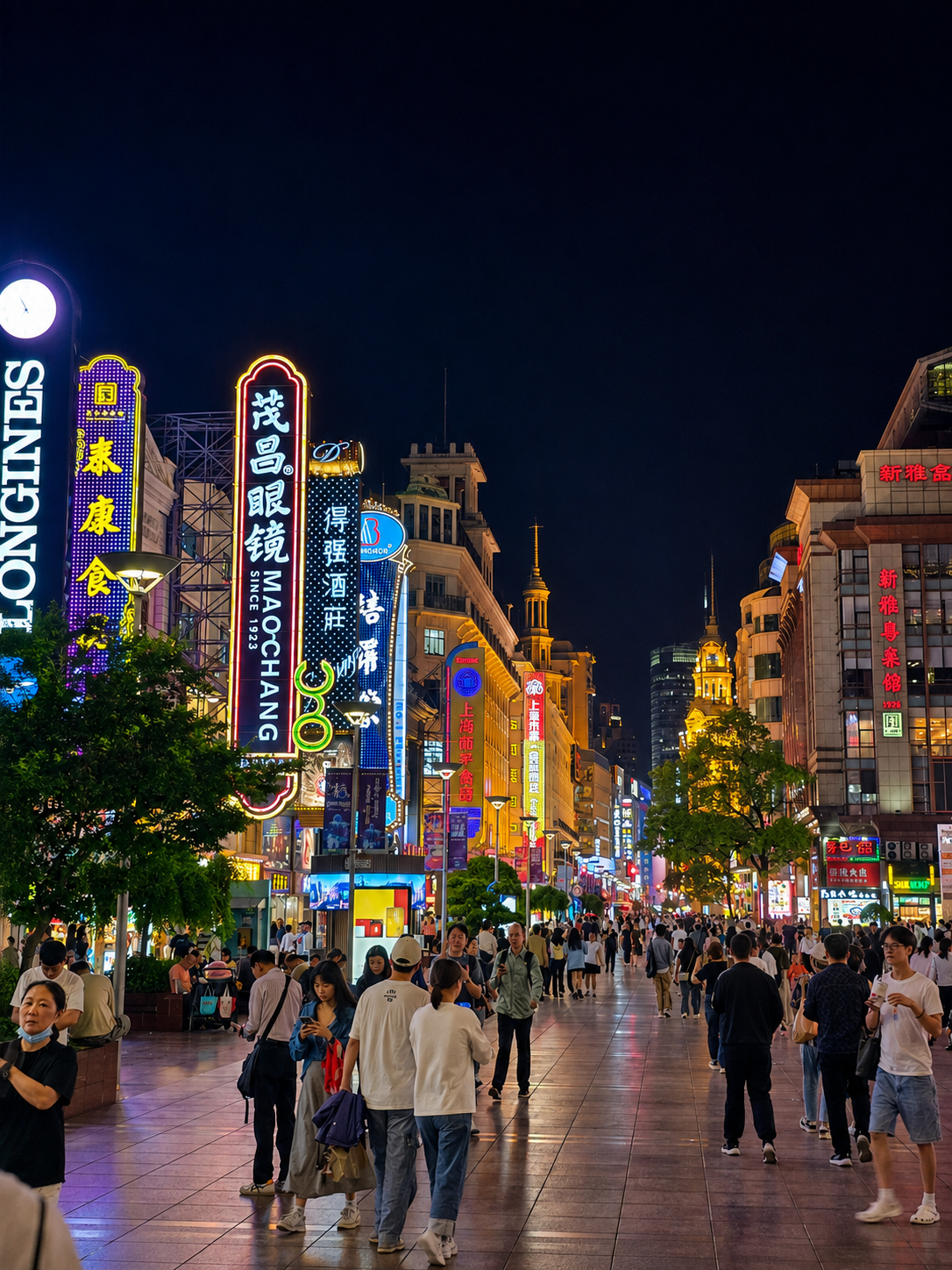
The toilet was smarter than I was
Before travelling in Asia, one hears enough toilet stories to expect sanitation itself to become part of the adventure.
It mostly didn't.
Hotels, stations and the public environments I used generally appeared clean to me. Drinking water never became a practical problem either: Marriott routinely supplied bottled water, so I never had much reason to investigate personally exactly what came out of the tap.
The toilet that eventually defeated me did so at Pudong Airport on the way home.
It was not dirty. It was too intelligent.
I first had to determine how to make the damn thing perform the basic function for which several thousand years of sanitation engineering had prepared me perfectly well.
It was an appropriately Chinese final obstacle.

By the third day, none of this was strange anymore
This is what I would most want another European traveller to understand.
China was different enough that arriving completely unprepared would have been stupid. Payment worked differently. Internet access worked differently. English was considerably less useful than I had expected. Railway stations deserved more attention than their names suggested. Even an airport transfer could involve choosing between the most technologically interesting option and the one that simply left you at the hotel door.
But difficult?
Not really.
The more interesting transformation happened inside my own head. On the first day, a throat swab, detailed immigration paperwork, Alipay and a levitating train all confirmed my suspicion that I had arrived in a different operating system. Then came translation apps, taxis with printed destination cards, robots using lifts and cars from brands I had never seen before.
By the third day, almost none of it felt exotic. Alipay was automatic. Connectivity was something to manage rather than fear. A taxi required virtually no thought. When English failed, another method appeared. The technology stopped announcing itself as technology and became ordinary logistics.
That did not mean I had figured China out. It meant I had figured out how to travel there.
Those are very different achievements.
My first China was Shanghai and Hangzhou: international cities, superb infrastructure, high-speed trains and very good hotels deliberately chosen to provide a reliable base. That almost certainly insulated me from some of the China I still want to see.
Next time, I want Beijing. I want smaller towns and villages. I want to eat outside the hotel bubble. At the conference, we were even shown photographs of Chinese beaches that looked suspiciously like the Maldives; whether reality survives that comparison seems worth investigating personally.
I would return without hesitation. Next time, the preparation would be less about worrying what China might be like and more about setting up the few things I now know actually matter.
So if another European traveller told me that China sounded too complicated for a first independent trip, my answer would be simple: do not approach it as if you were taking an easy weekend trip somewhere else in Europe. China is different enough that a little preparation matters.
Set up the things you know you will need before you leave. Have more than one way to get online. Check which railway station you are actually travelling from. If the unknown bothers you, spend some money removing one variable and book a hotel you trust.
Then go.
China did not leave me thinking, Thank God I managed that.
It left me wondering why the hell I had expected it to be so difficult.

