 Tbilisi, Georgia
I've been in Georgia for about a year at this point, but there's a few areas of Tbilisi that I haven't been to. Much of this is simply due to the lack of needing to be in those areas, especially when they're a bit more focused on tourism. Old Tbilisi is a beautiful place, but it's also home to the city's largest density of tourist traps, and I had previously read that the market is one of them. It's no surprise, after all. Pretty much all of these markets throughout the three countries I've recently travelled to have equally had a Bazaar that thrives on the concept of selling tourists knock-off items or things from the past at a very high price. But my curiosity got the best of me. I'm leaving Georgia soon. And I want to quickly get through the last of Tbilisi's little spots. Walking through the streets and appreciating the architecture, or checking out the little tunnels that may or may not be full of nonsense. Fully aware of the location, I didn't expect much upon entering the underground pass. There's not a whole lot of things to see, but a few selections of odd historical items you won't really find elsewhere, not necessarily to purchase, but even just to throw your eyeballs at for a moment during the day. I treated this like a shortcut through the streets, crossing the road in the process and heading back to Liberty Square.
If you are looking to check this area out for some reason, then the easiest way to find it is to head near the sulphur baths of Tbilisi, the square is pretty much a short walk before it if you're heading south of the city. Google Maps claims that the specific square is called Vakhtang Gorgasali Square, so that might help to some degree. Though maps and names on the maps here aren't always the most reliable and accurate. The tunnel itself can sometimes be more visible based on the number of tourists in the era depending on the time of year, but otherwise you'll just have to walk around and find it yourself; though that won't be particularly difficult. In fact, I'd suggest going to it on a day in which you know there will be a bit less tourism purely for the fact that you can just walk there and avoid anyone actually trying to sell you overpriced items. During my visit, there were maybe two or three other people inside and it felt like there were no workers, which was a great change of pace for once. Free to just roam around and explore without anyone interrupting. Though, I have to admit there isn't a whole lot of interesting items down there. Much of it does pertain to the general tourist stuff you'll find littered throughout the city in other markets and especially in other shops around this part of the city. For more antique items I'd suggest the dry bridge market instead, but with consideration of haggling of course.
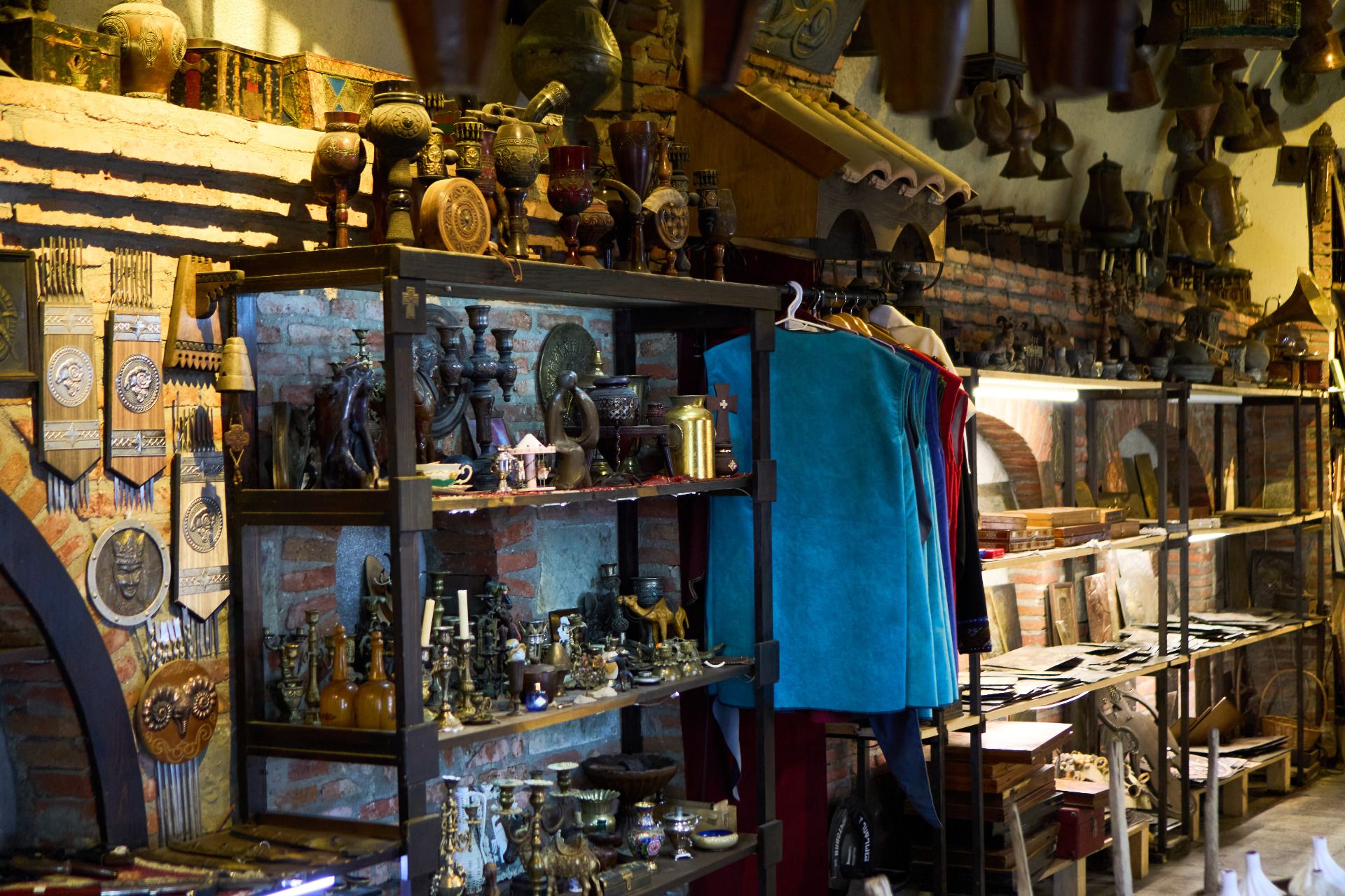
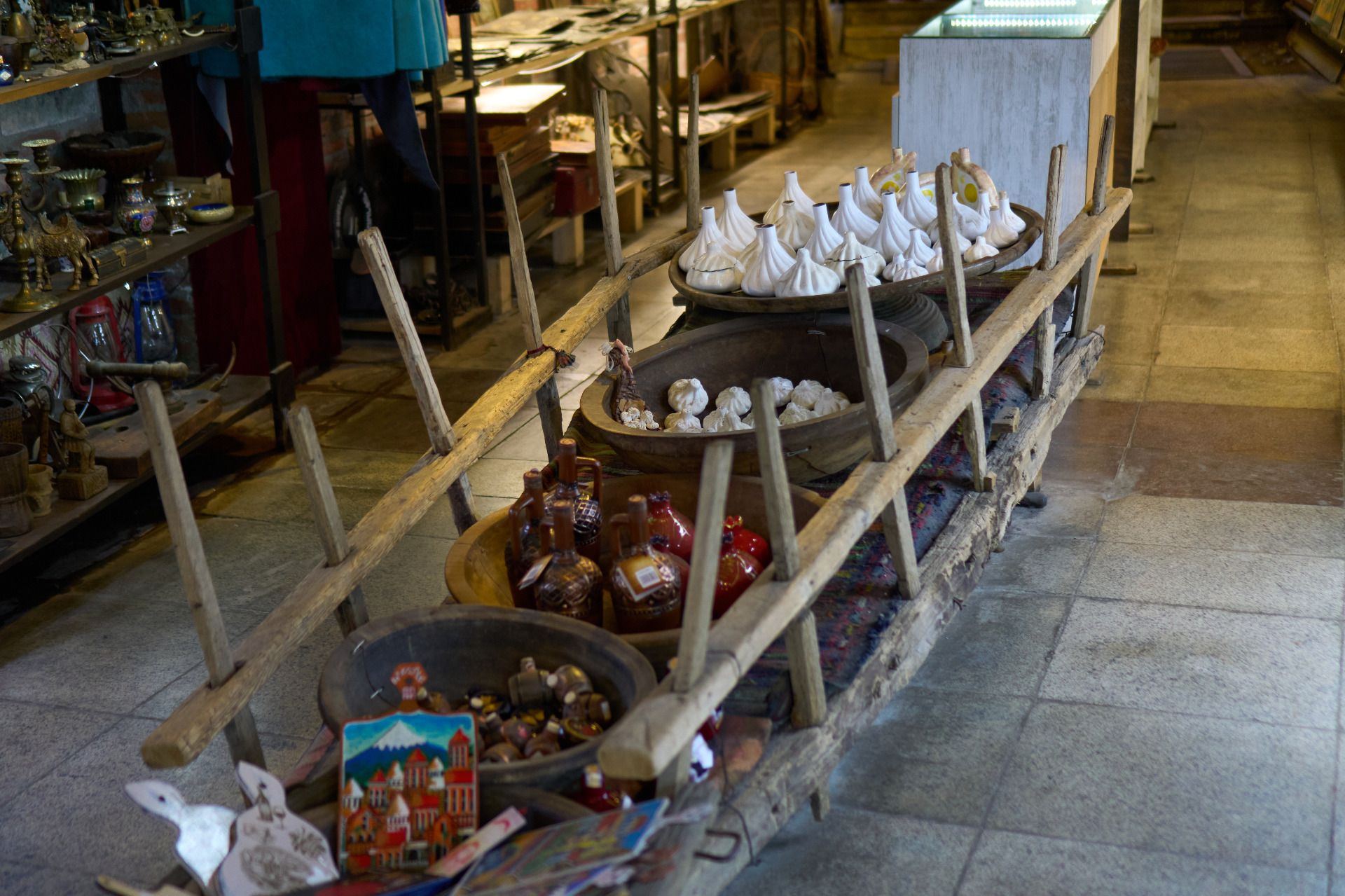
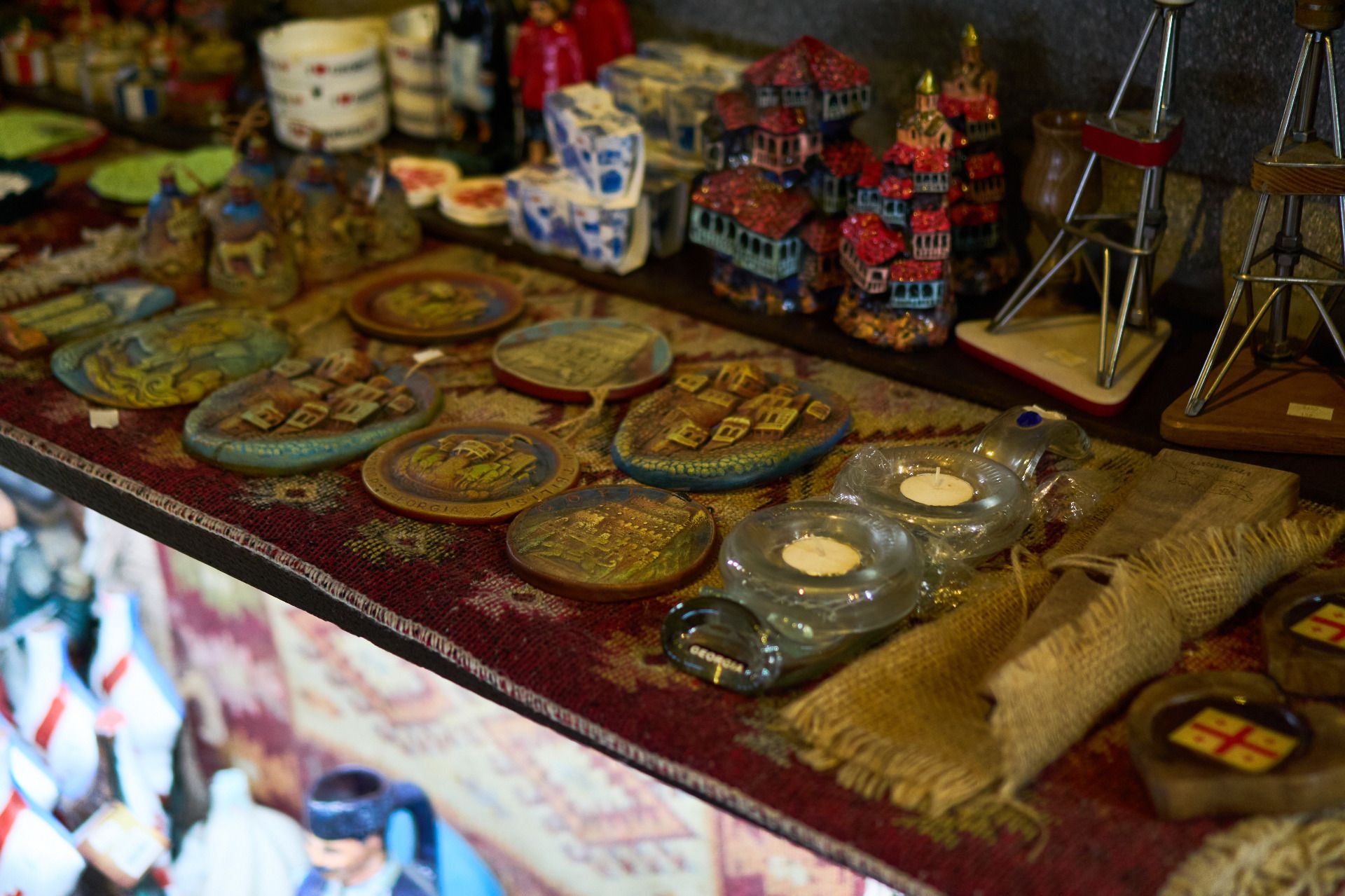
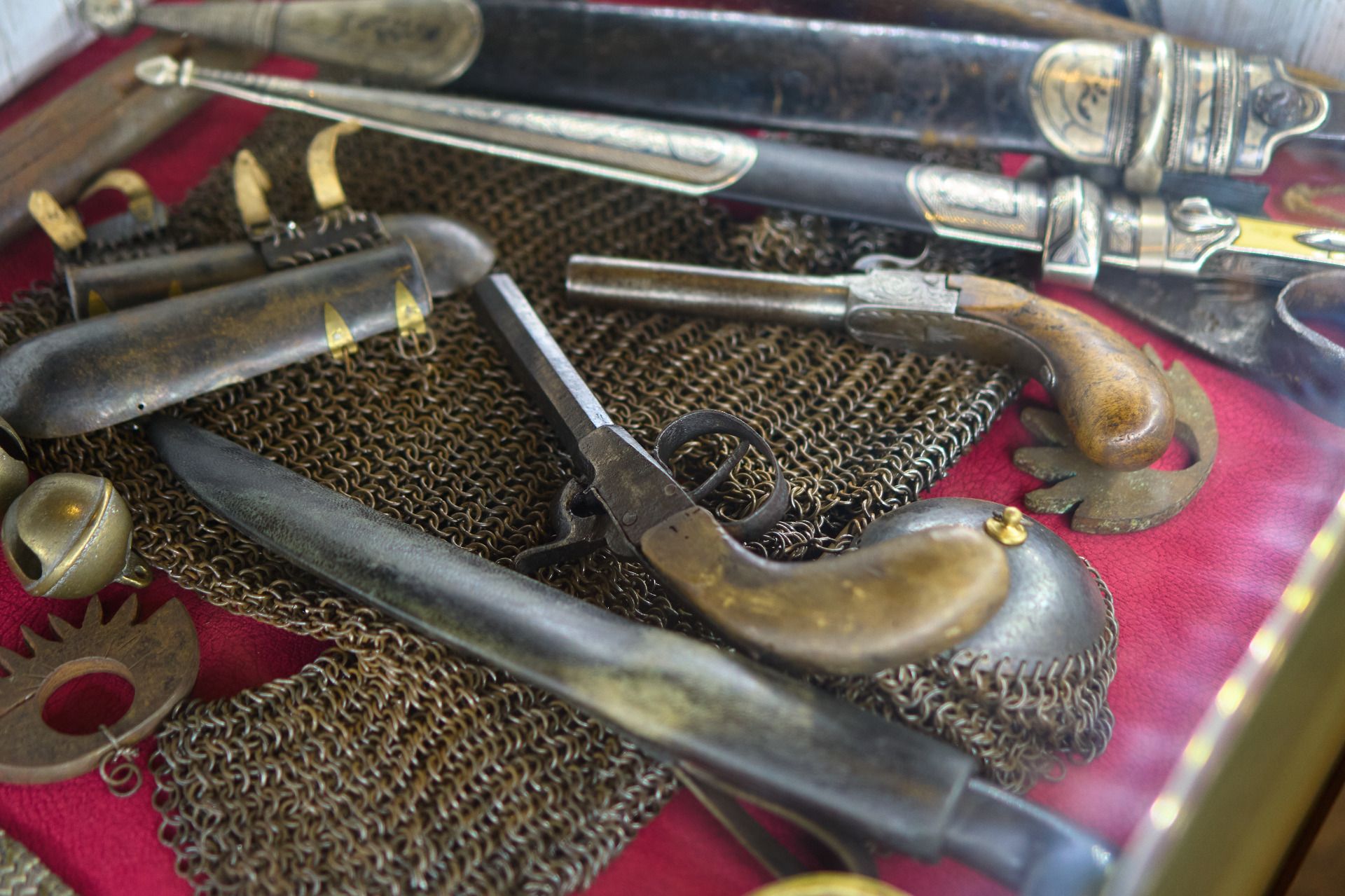
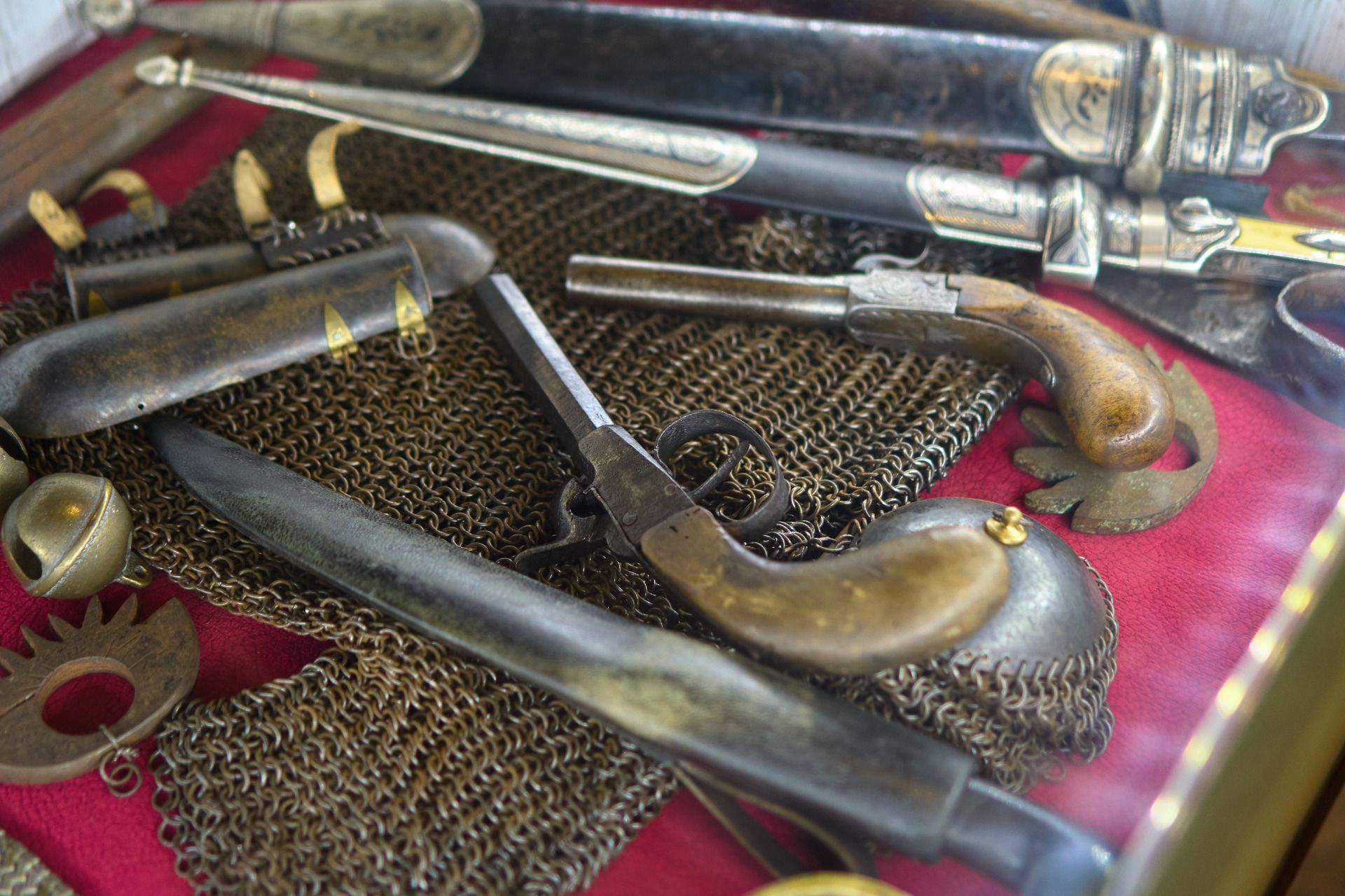
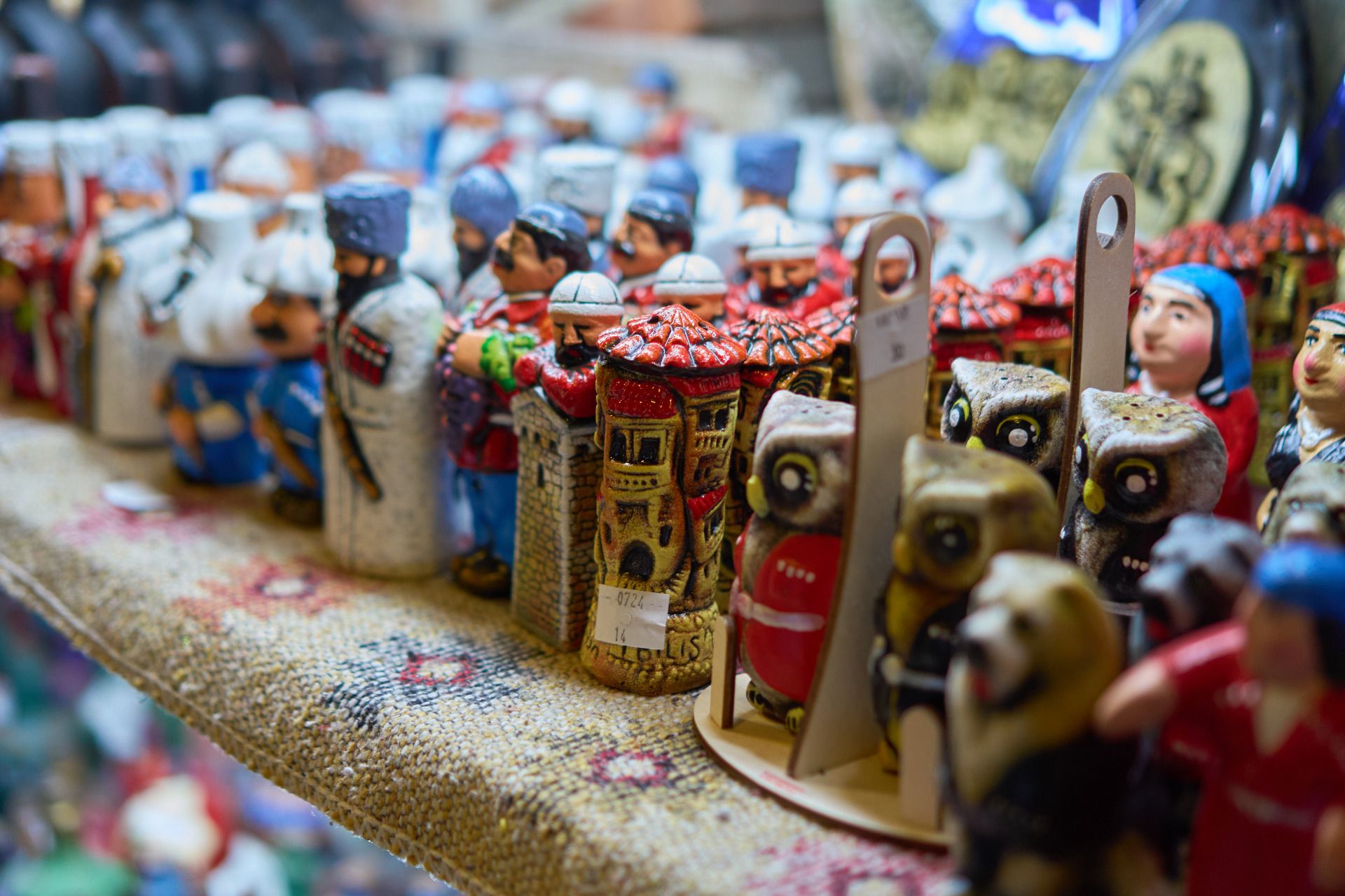
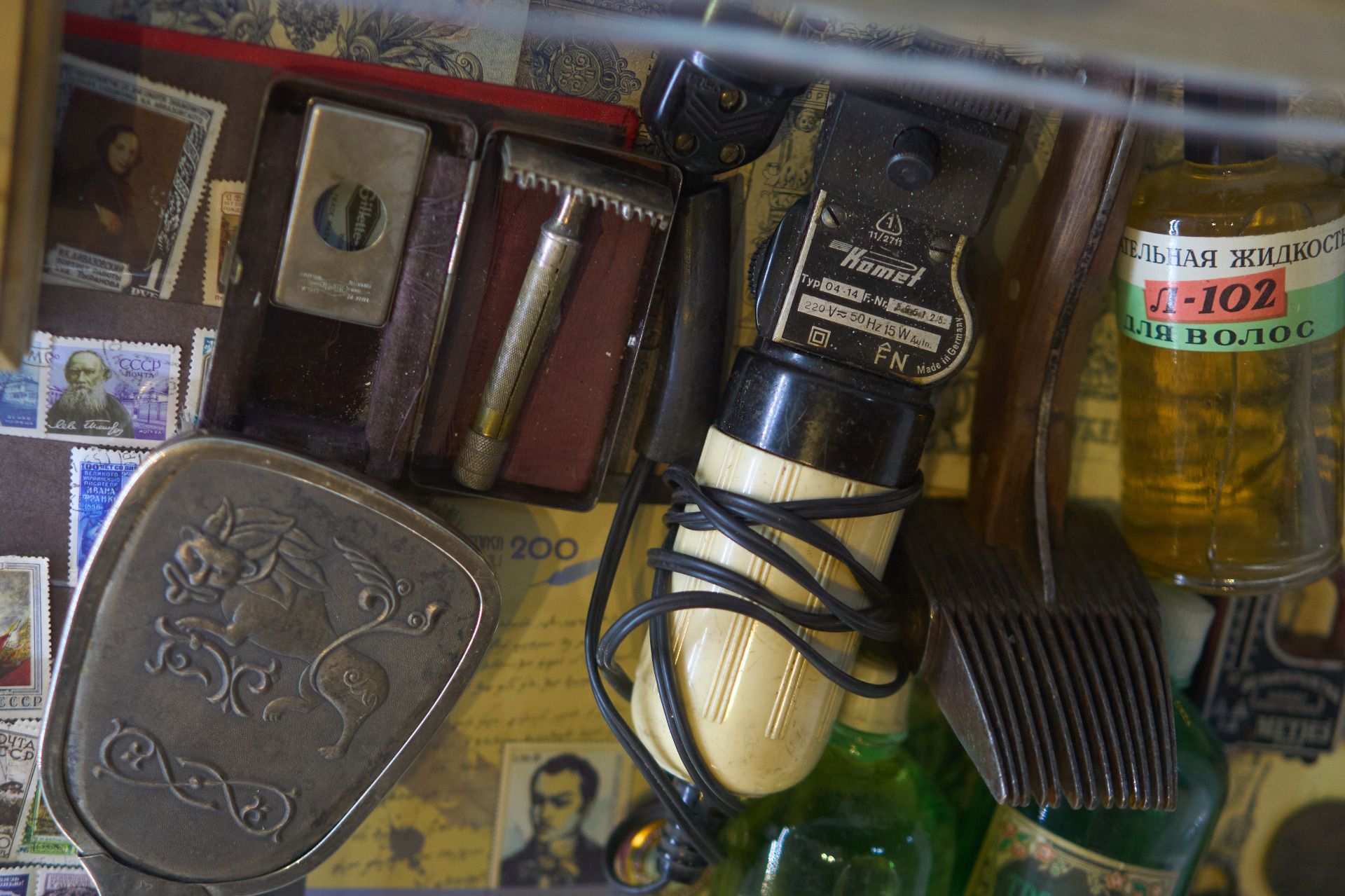
Upon entering from the main entrance it looked as if there was a bar area near the general checkout, an interesting idea and I could see how that would've been a bit more appealing for tourists. Especially with the more highly regarded concept of Georgian wine. Though it looked empty, nobody behind it, nobody sitting there. Walking through, some of the first things I noticed were the items that were sold in regular shops, and odd thing to notice. For example, coffee brands that are just normal, nothing out of the ordinary. It felt like an antique shop in some ways, though with a bit of a struggle to figure itself out and struggling with the times. Some shelves were covered in little cultural items that serve more as. souvenirs: cultural hats, little figures of Georgian people. Magnets for the fridge. You get the general idea, I think! Though here and there were a few interesting items that spoke of Georgia's past. Items that in contrast seemed strange to be sitting next to those previous regular items: an old pistol. Various types of daggers. Even just such cartoonishly sized Khinkali. All rusted and old. Even various types of coins and notes from the different historical eras of Georgia. These were of course kept within a display and not something you could just pick up. If I recall, types of daggers could also be found and purchased at the dry bridge market.
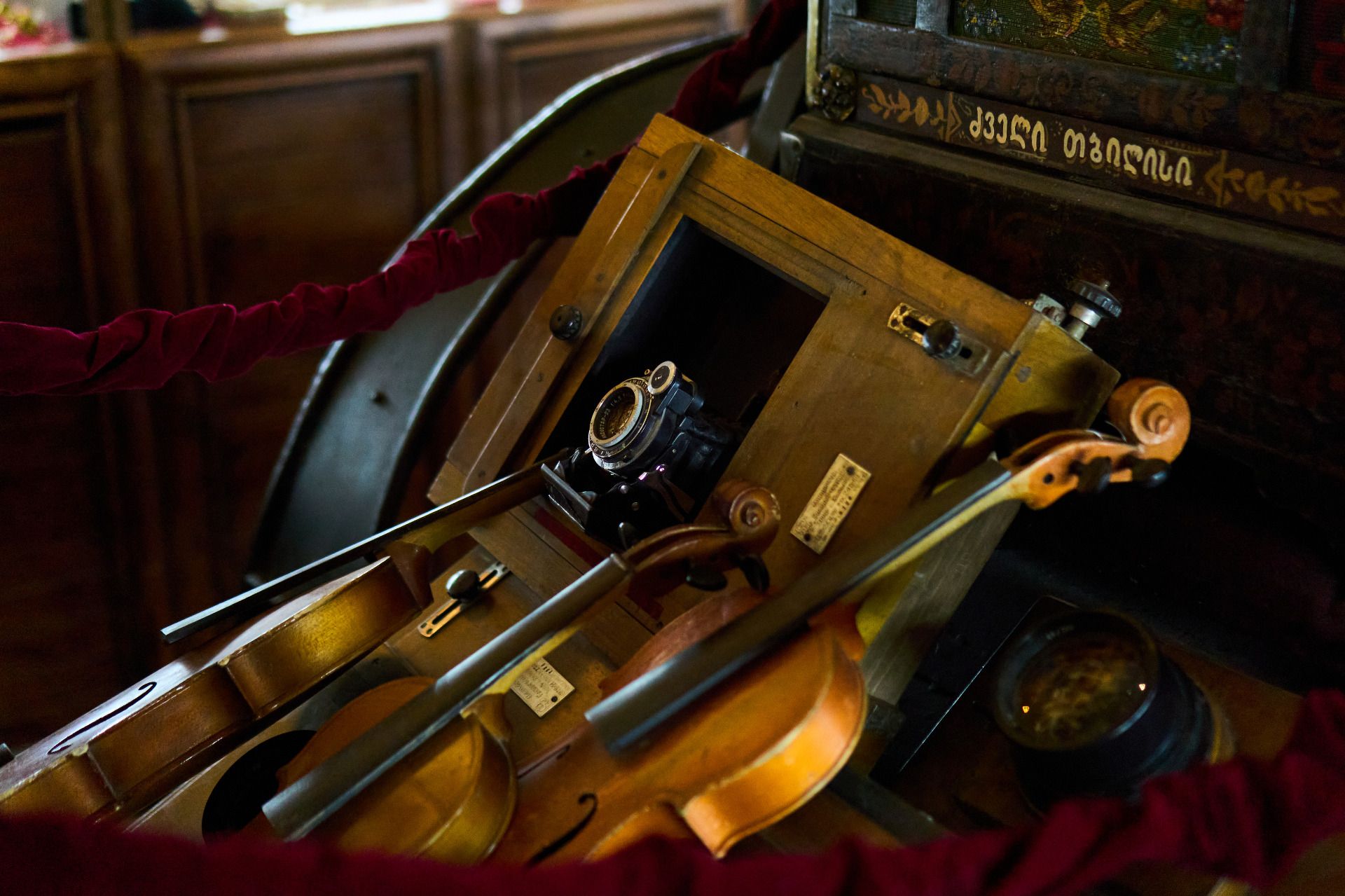
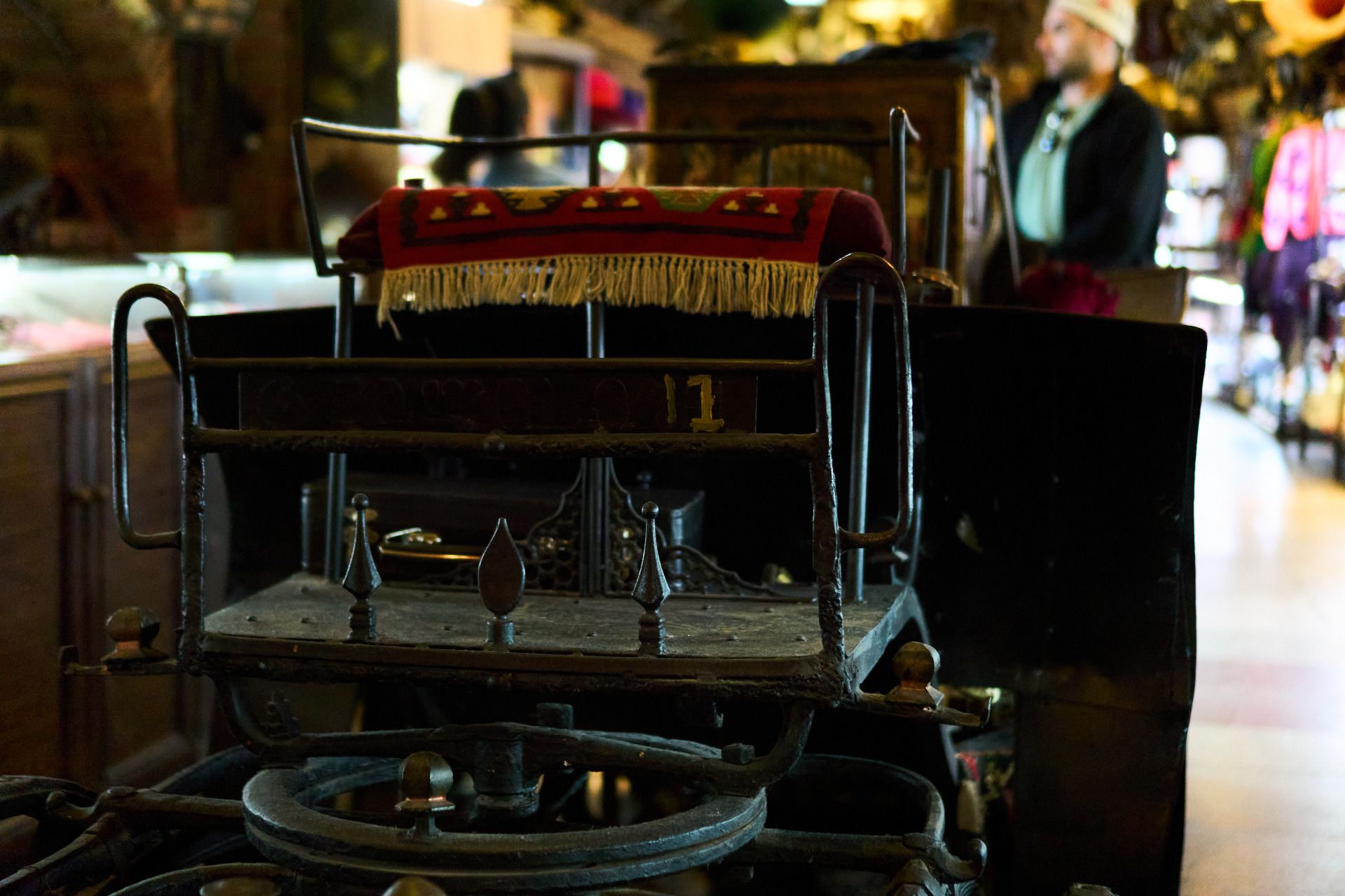
In my case, I think some of the things that weren't really for sale caught my interest the most. These seemed to be more decorative historical items for the market rather than things they're trying to sell, and often had more historical interest to them too. Take into consideration this old type of cart, a very old means of transport a long way back. Just sitting there in the middle of the tunnel, with a few objects on it for decorative purposes. Especially that very, very old film camera. I've been trying to find antique shops in Tbilisi that could sell things like this here, though they seem to be quite difficult beyond that aforementioned market. I think in total about five minutes were spent within the tunnel before exiting on the other side, leading us into the biggest tourist trap part of Tbilisi that I absolutely suggest avoiding entirely. Still, a fun walk through the area, there's definitely some beauty in the history and the architecture of the area, just a shame it's now home to businesses that take advantage of the tourists and ruin that old cultural atmosphere. So if you want to take a walk through the bazaar, I'd suggest keeping it at that: a short walk. You're not likely to buy anything of interest and the previous market mentioned is where you probably should head to for a stronger collection of historical goods.

Comments