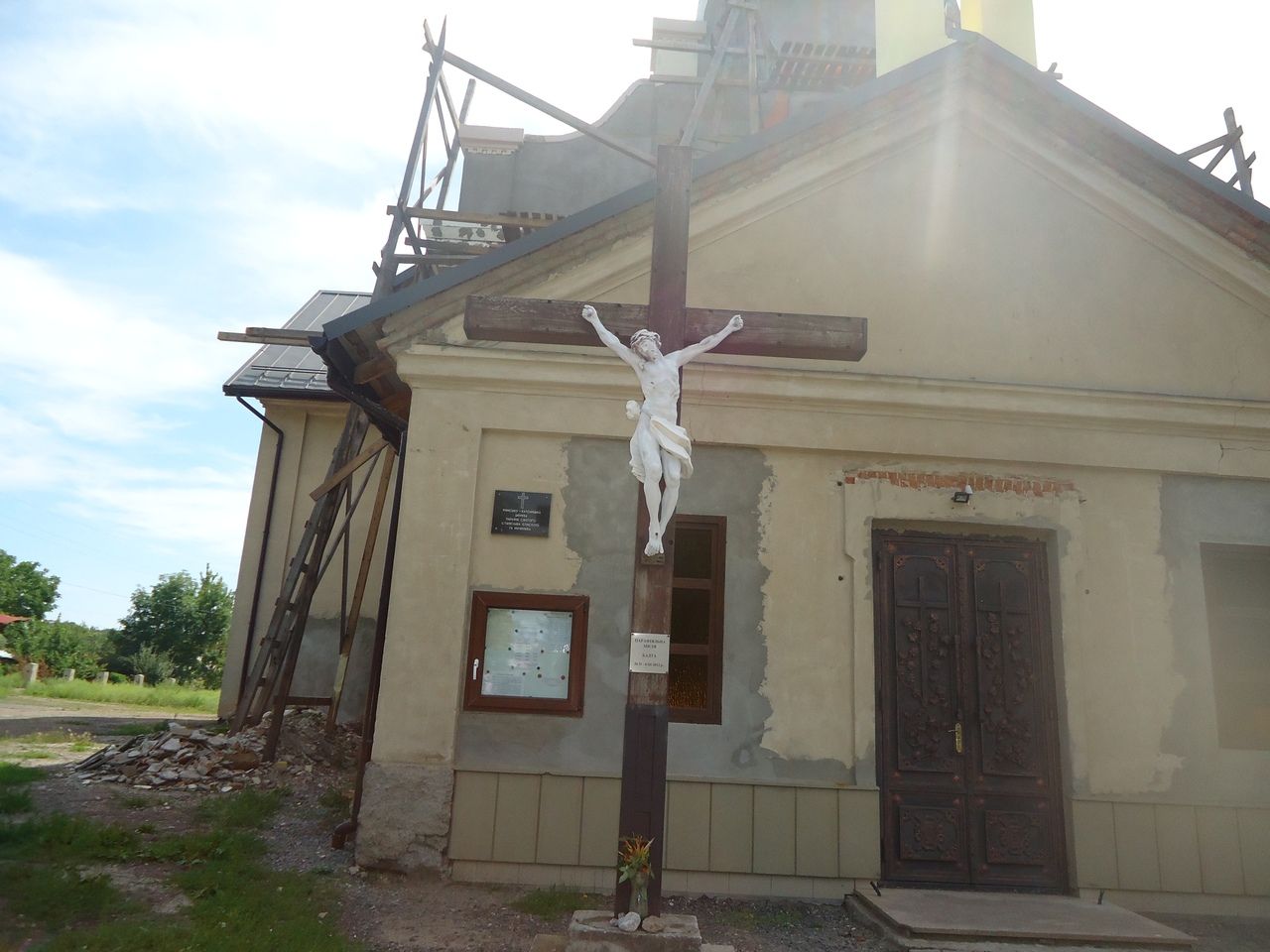
 Odesa Oblast, Ukraine
At the dawn of its existence Balta was divided into two small settlements. On the right bank of Kodyma was located the village of Balta, which was controlled by the Crimean Tatars. Jozefrad was built on the left bank. This settlement belonged to the Commonwealth. It was named in honor of the founder Józef Lubomirski.
Armenians appeared in Juzefgrad in the sixties of the XVIII century. In 1765 Stanislav Lubomirsky gave his permission to build an Armenian church. In return, he demanded that he bear the name of the Holy Martyr, Bishop of Krakow, Stanislaus. In addition, the priests had to read the prayers in honor of Stanislav and his wife. Divine services should be held twice a week.
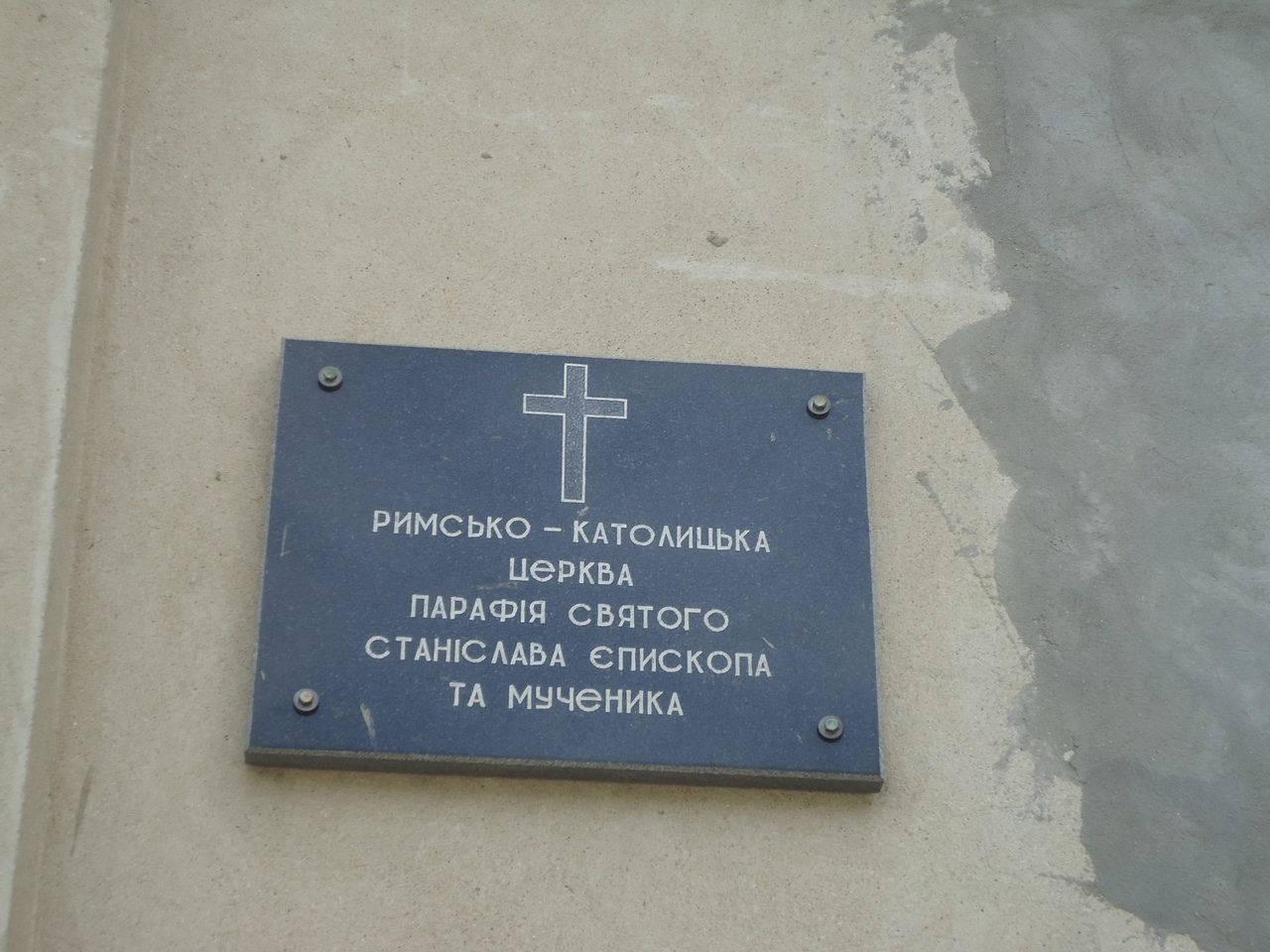
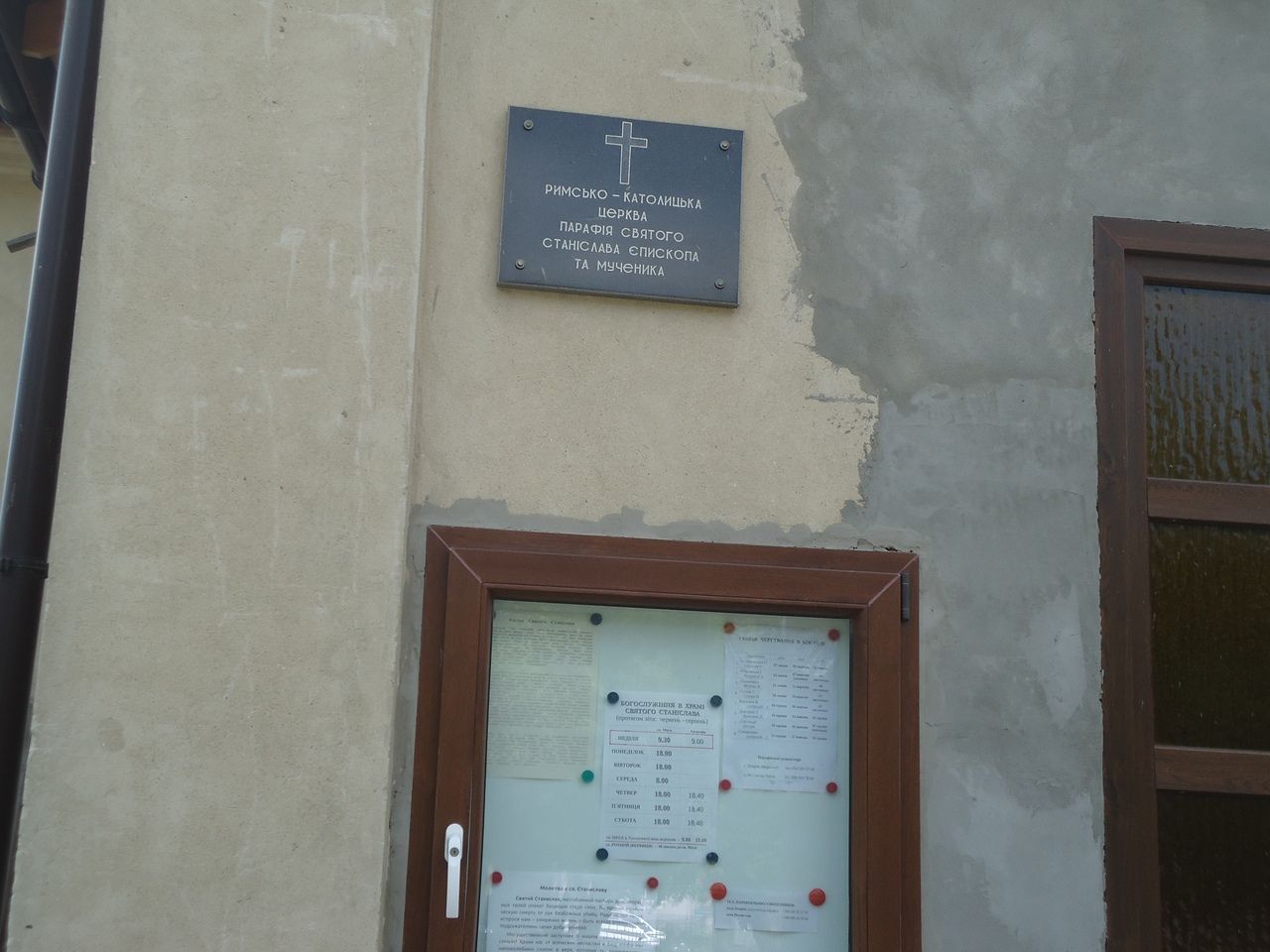
On the maintenance of the church Stanislav annually provided 800 zł. In addition, he allocated land for farming and cattle breeding. The incumbent was allowed to place foreign citizens on the territory of the settlement. But only in those places that were indicated by Lubomirsky.
Features and architecture
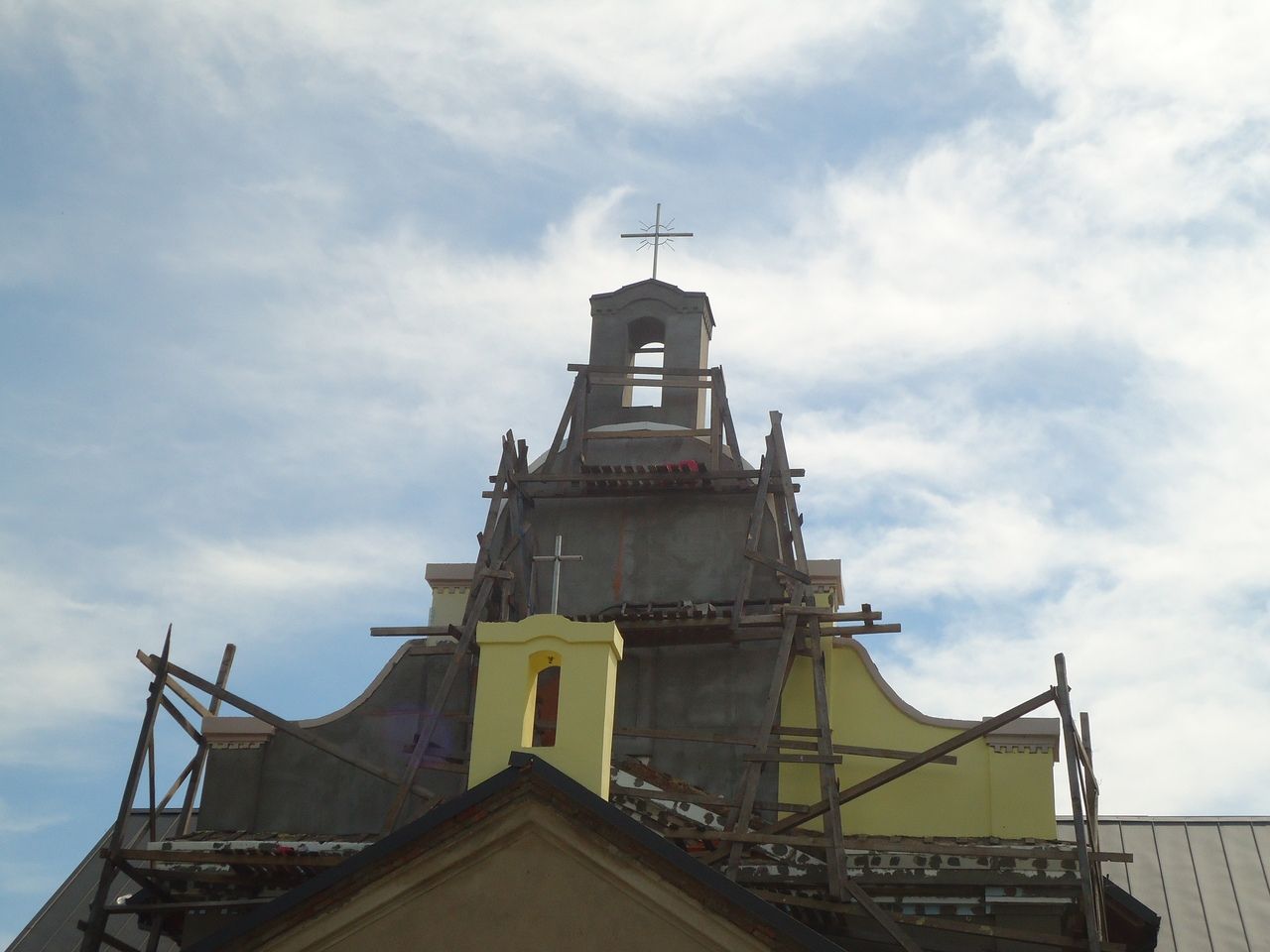
The designing of the building was carried out by Lviv architect S. Vesinger. He designed the church for all the Catholic canons. In particular, the walls were a half-meter thick, high-placed small windows, cross-shaped ceilings, the ottian was built in the Baroque style. The church was equipped with a basement room. It was a small room, from which tunnels diverged into different places. In particular, there was a course to the house of the rector of the church and to the network of underground passages of Józefrad.
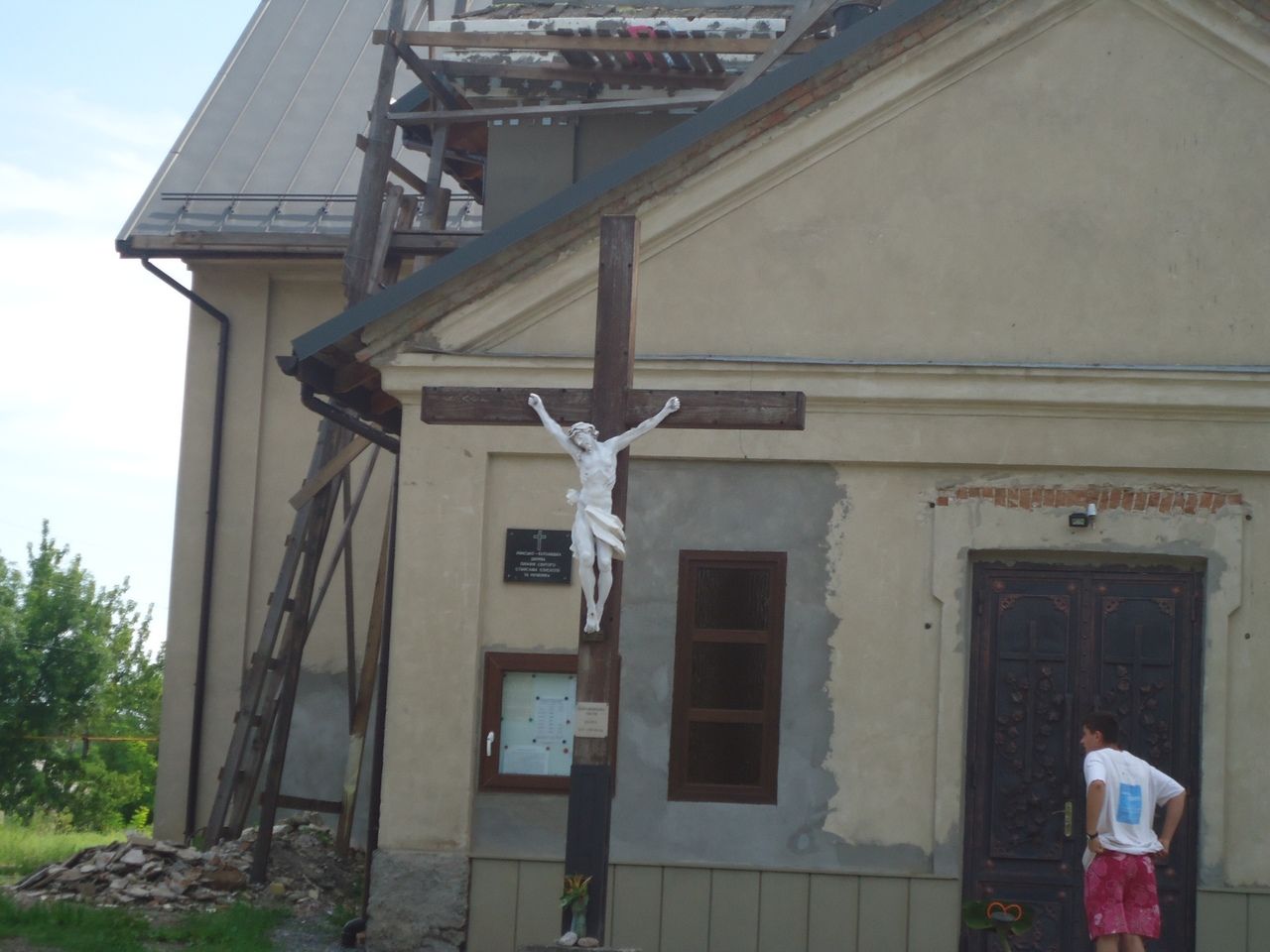
Following the results of the second section of Poland, Josefgrad was bought by the Russian government from Lubomirsky. Immediately thereafter, the settlement was renamed to Elensk. In 1797, there was a merger of two settlements into one - Balta. After these territorial changes, the rector of the church continues to conduct two services: in Armenian and Latin, for several years.
Years of hardship and hardship
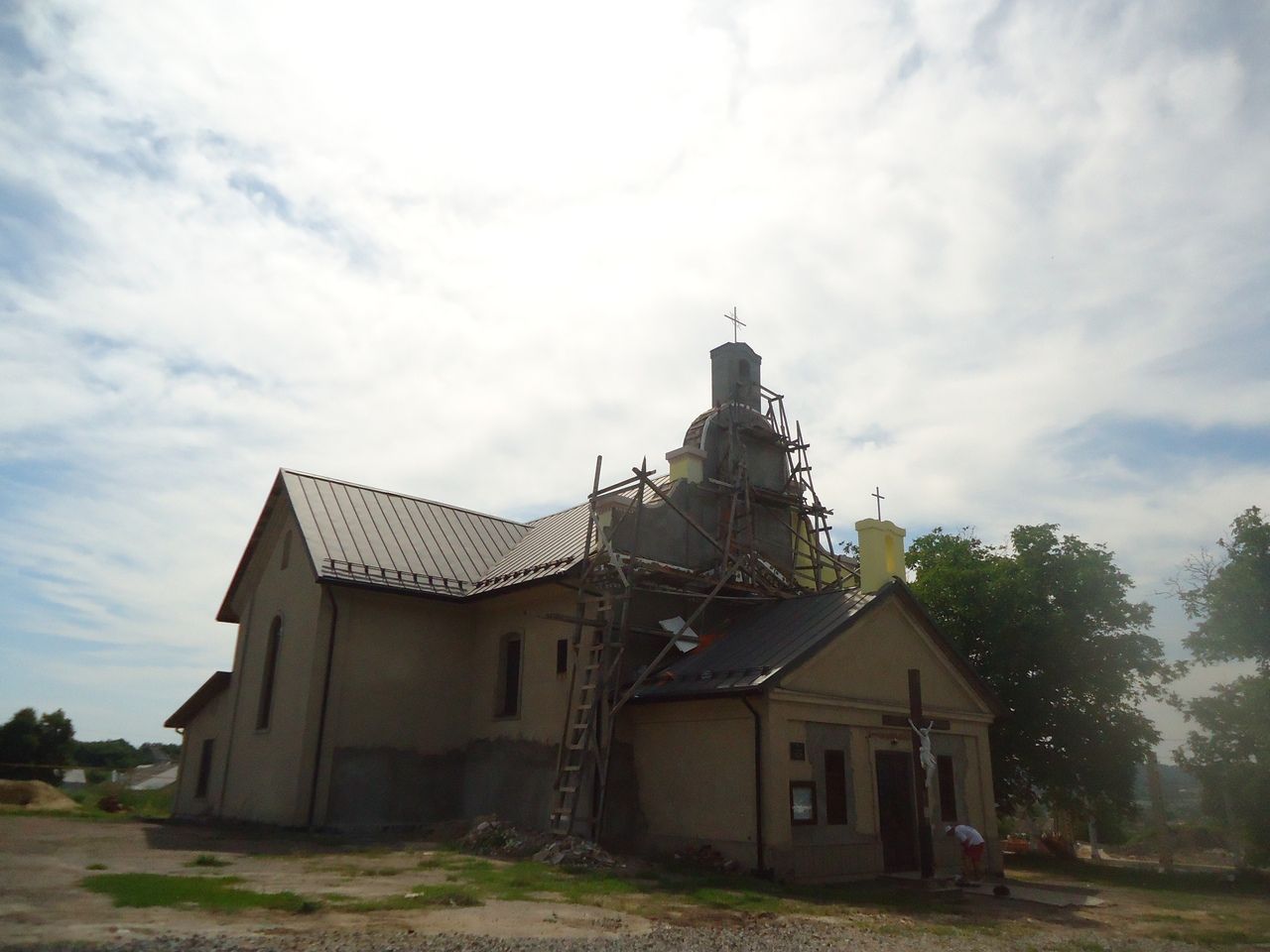
In 1930 the church was closed. True, the time of oblivion was short-lived. During the Romanian occupation, an Italian regiment was billeted in Balta. Thanks to the commander, who asked the priest of Italy, to come to Balta for conducting divine services. In 1941 the church revived. The truth lasted only 3 years. After the liberation of Balta in 1944, it was closed again. This time the church was closed until 1993. During this period, the building of the bus station was located here.
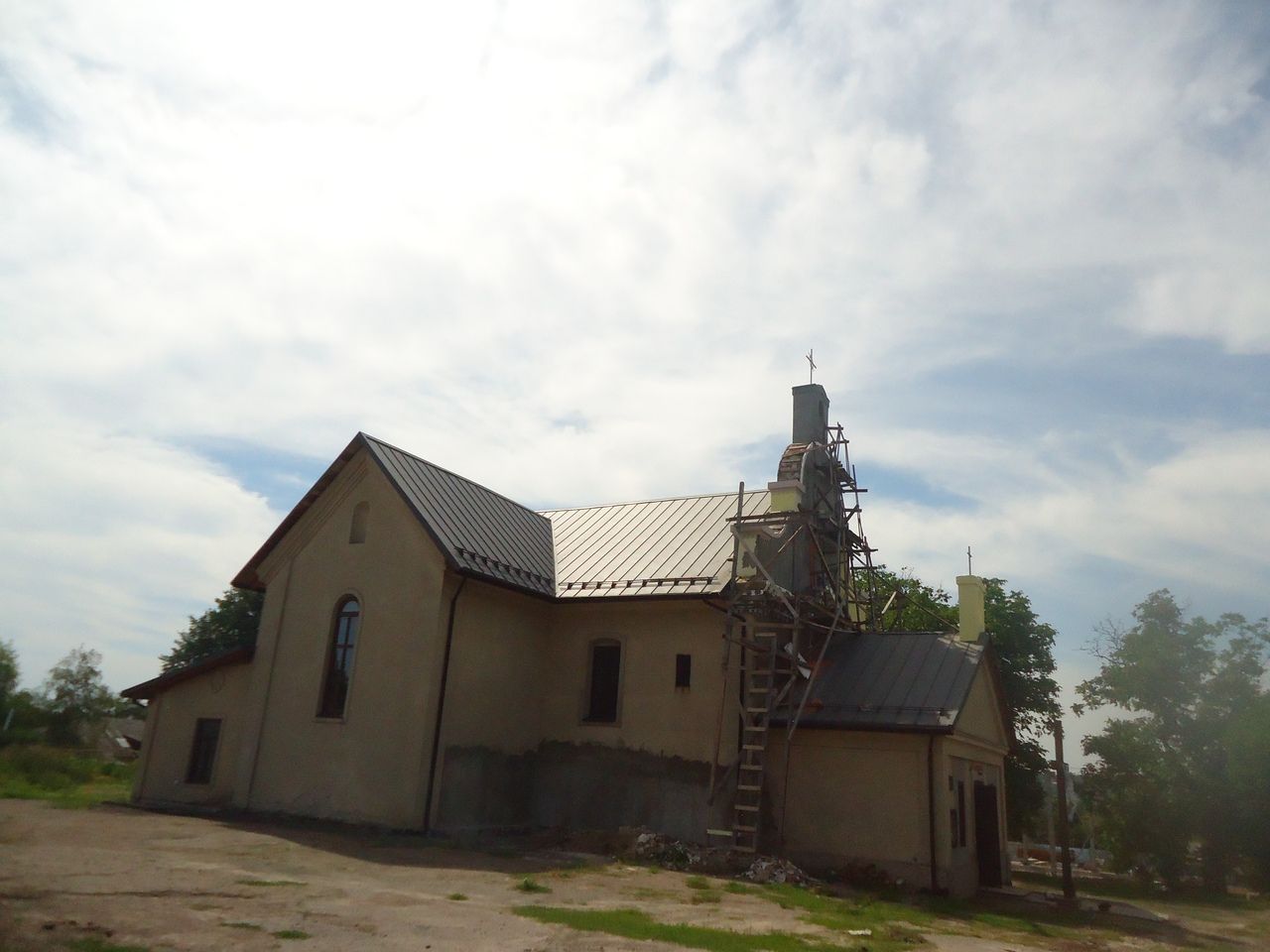
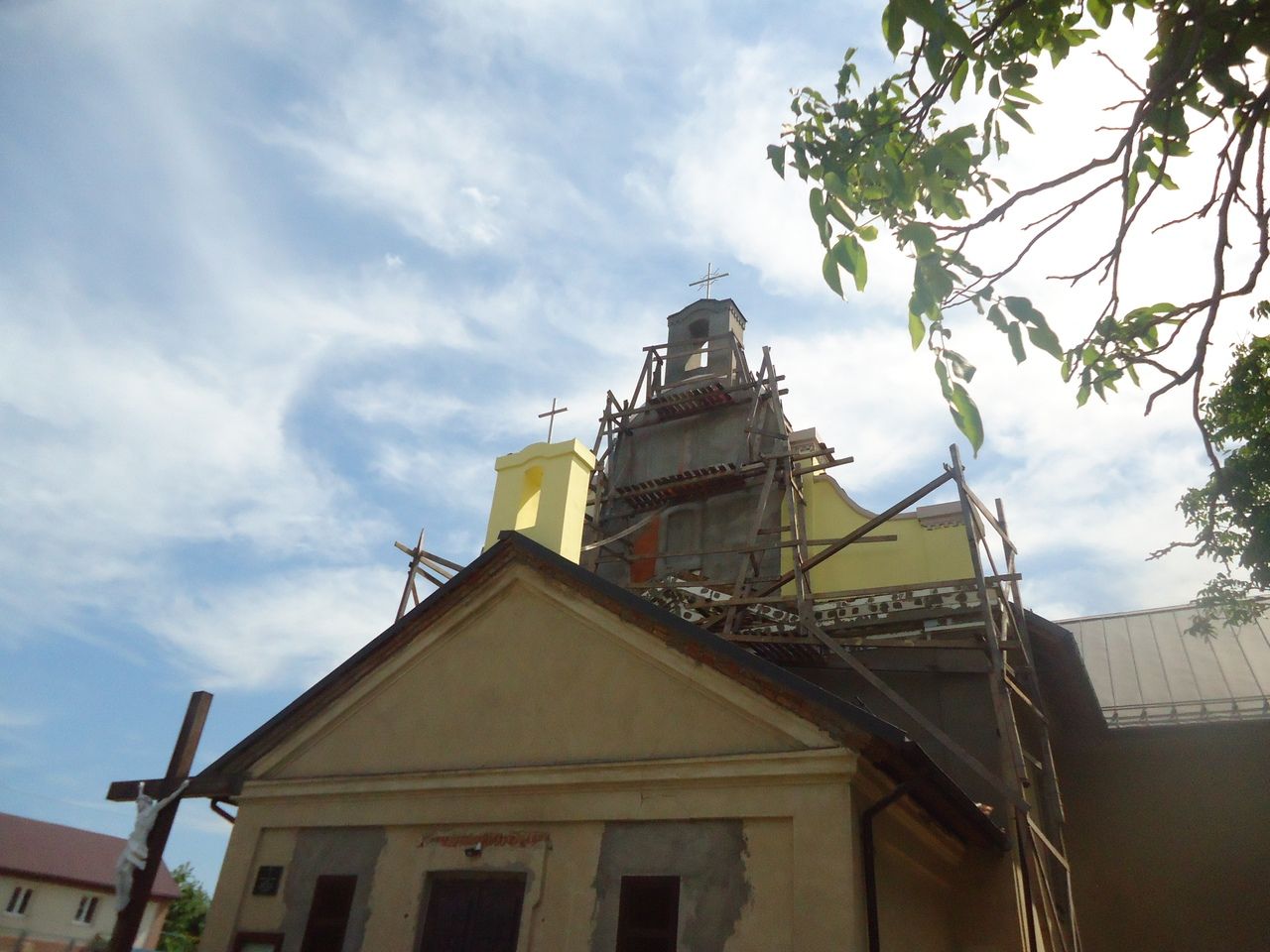
At the moment the church belongs to the Odessa-Simferopol diocese. Years of oblivion reflected on the external and internal appearance of the building. Accordingly, it's time to restore it.
Personal observations
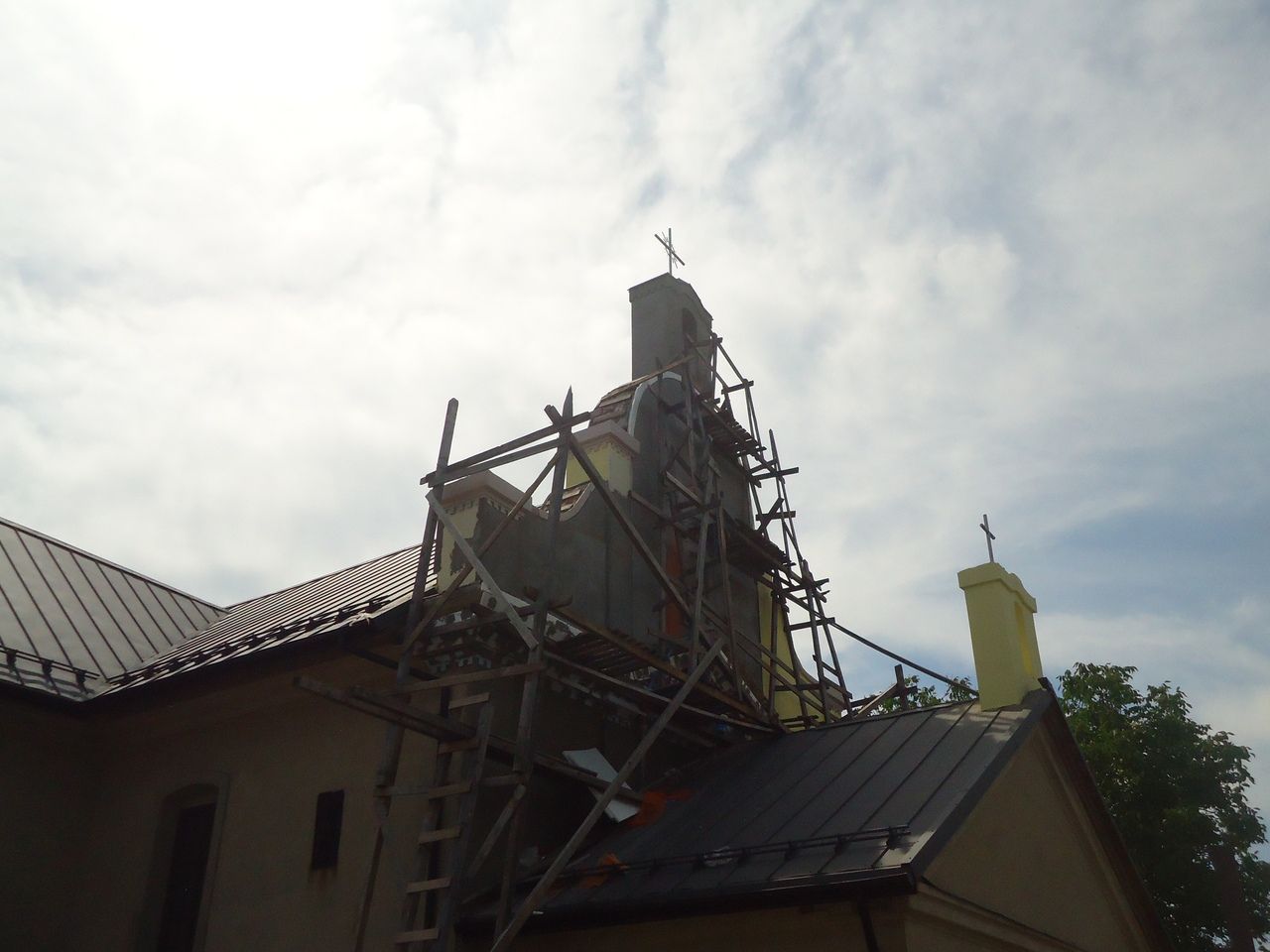
Yes, at first glance the church looks a little run. With the naked eye you can see that the work is rather slow. Most likely, this is due to the lack of the necessary material resources. Despite the sluggish repair, Armenians regularly attend divine services.
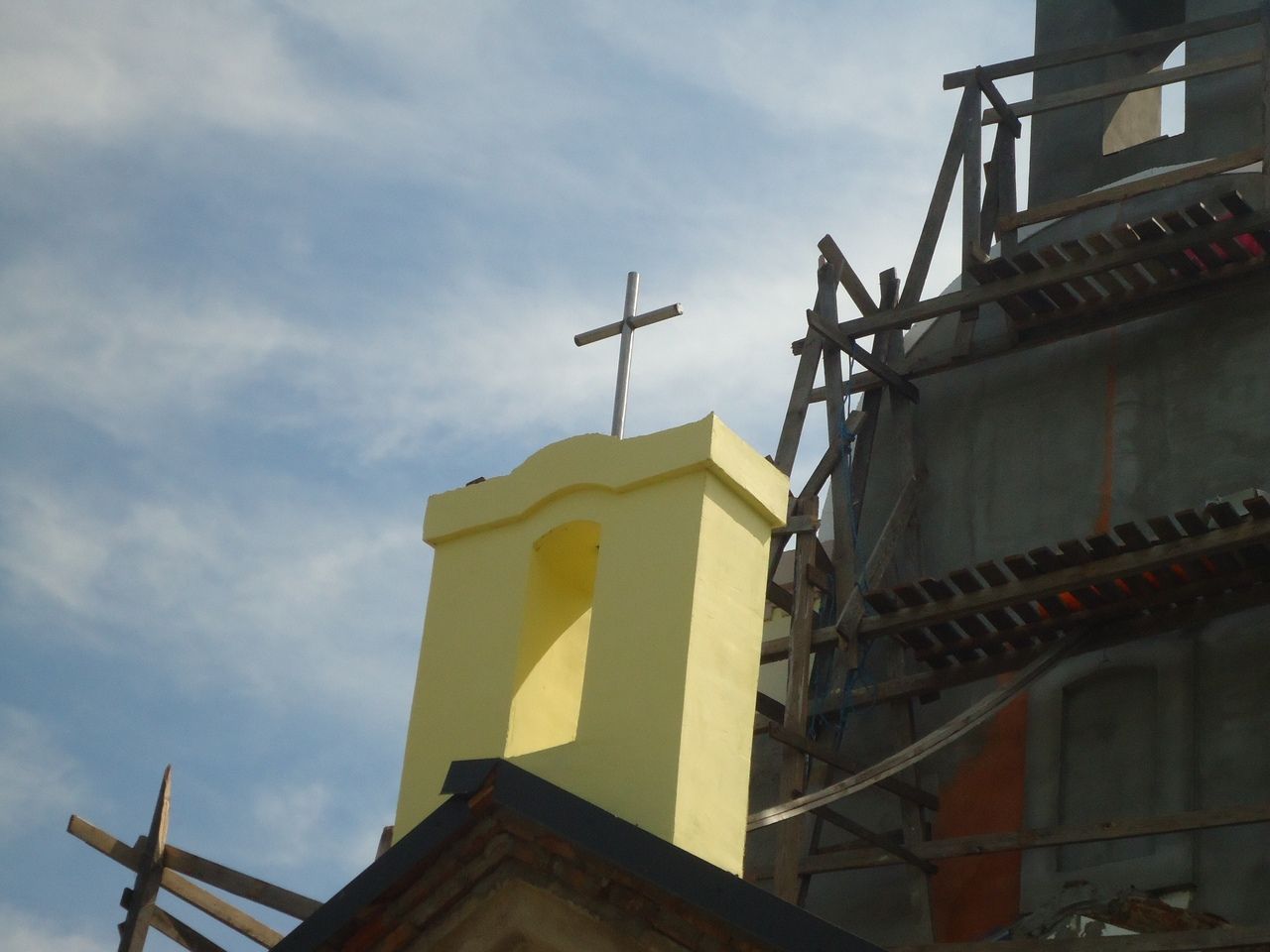
I noticed that the church continues to live its private life. The attendants of the church look after the territory, they help with the performance of certain construction works, conduct training for the younger generation, engage in farming, keep pets and so on.
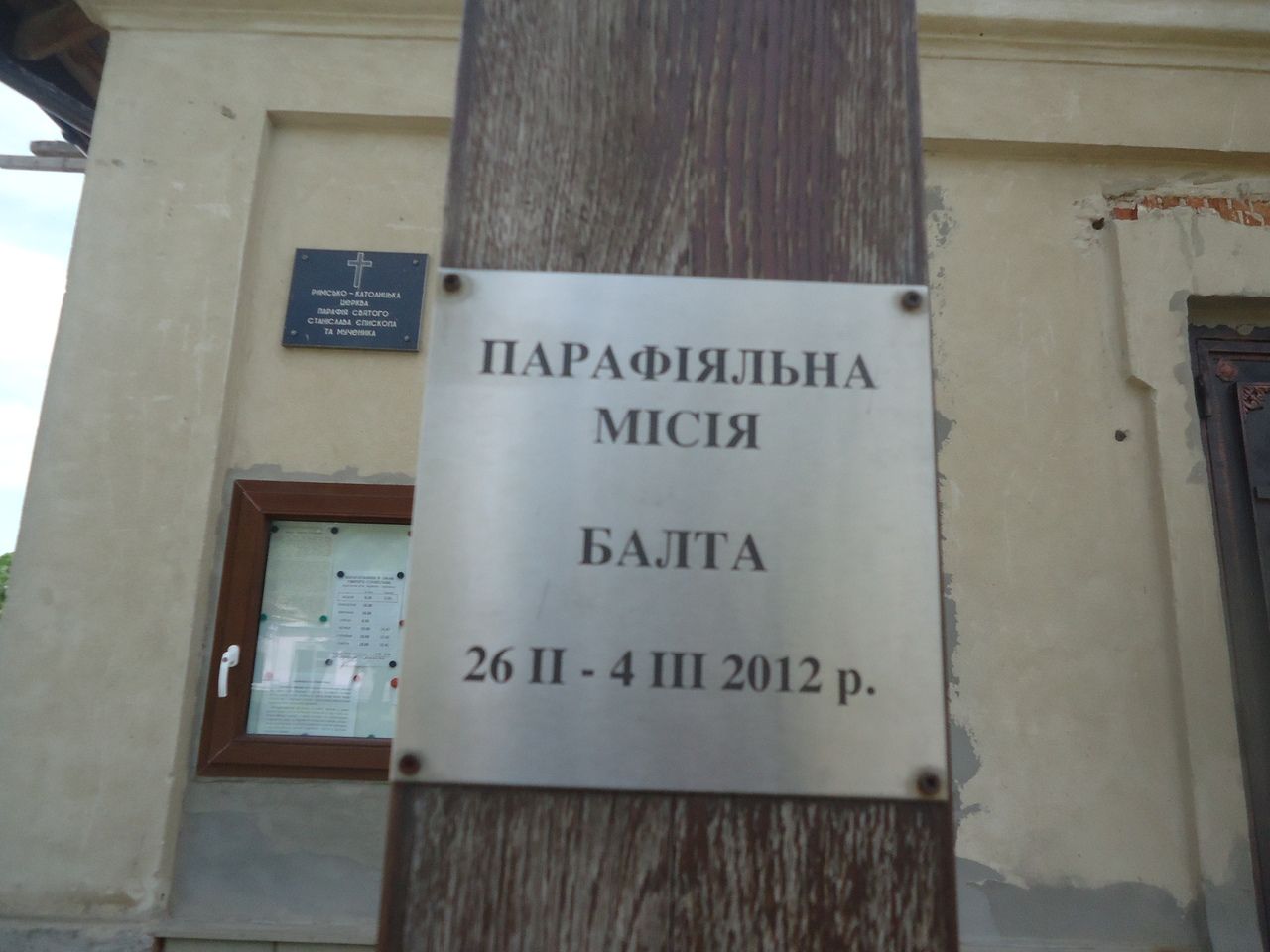
At the moment, it's rather curious to look at this building. Still feel the color that was invested by the architect. Despite a rather difficult fate, the church continues to breathe. He is always ready to open his doors to believers. The reliability of the building confirms that the church was able to survive the hard years of the war.
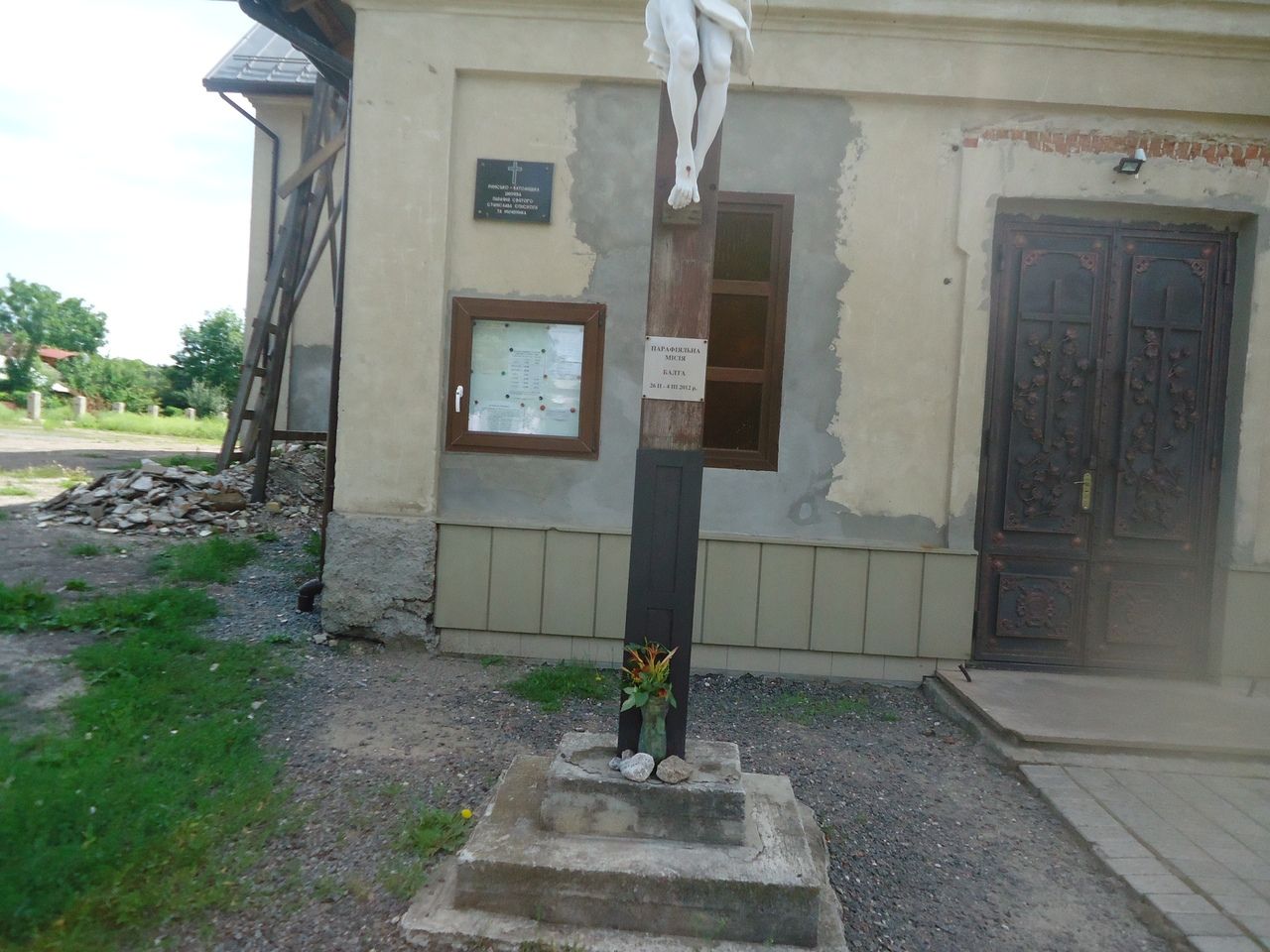
I think that soon we will see this church in all its splendor. Yes, I'm Orthodox, but still - I respect the religious views of other peoples. We must be tolerant.
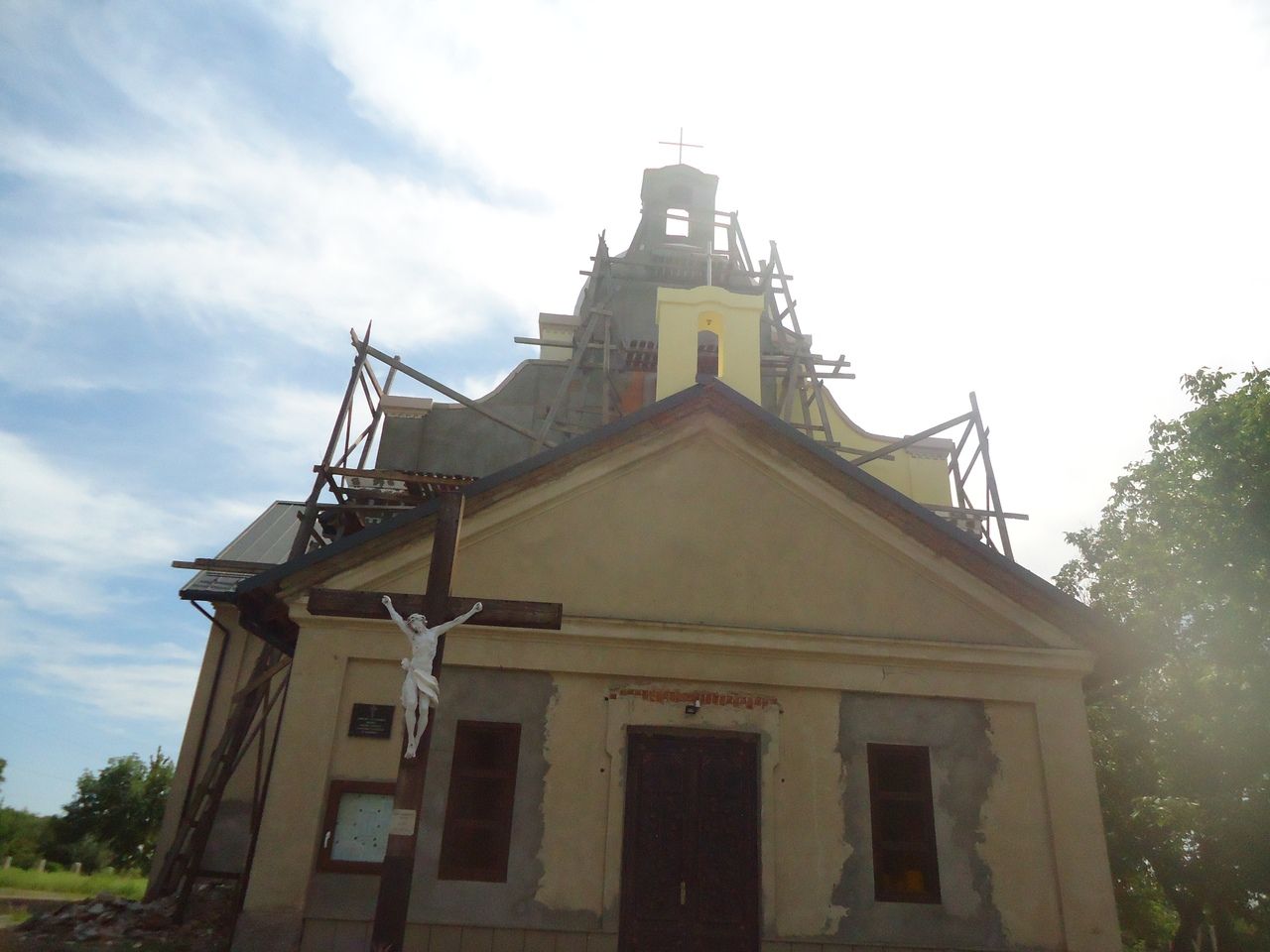
I recommend that everyone who visits the city of Balta inspect this old building.
In the future I will continue to speak on religious topics. I will be able to talk about different temples, cathedrals and other religious buildings. Including the monasteries.
Author: @ olya-vichenka
Editing: the editorial board of the community "VP-Odessa-Mama"
Editor chief: @jurgan
Subscribe to my YouTube channel
