 Castile and León, Spain
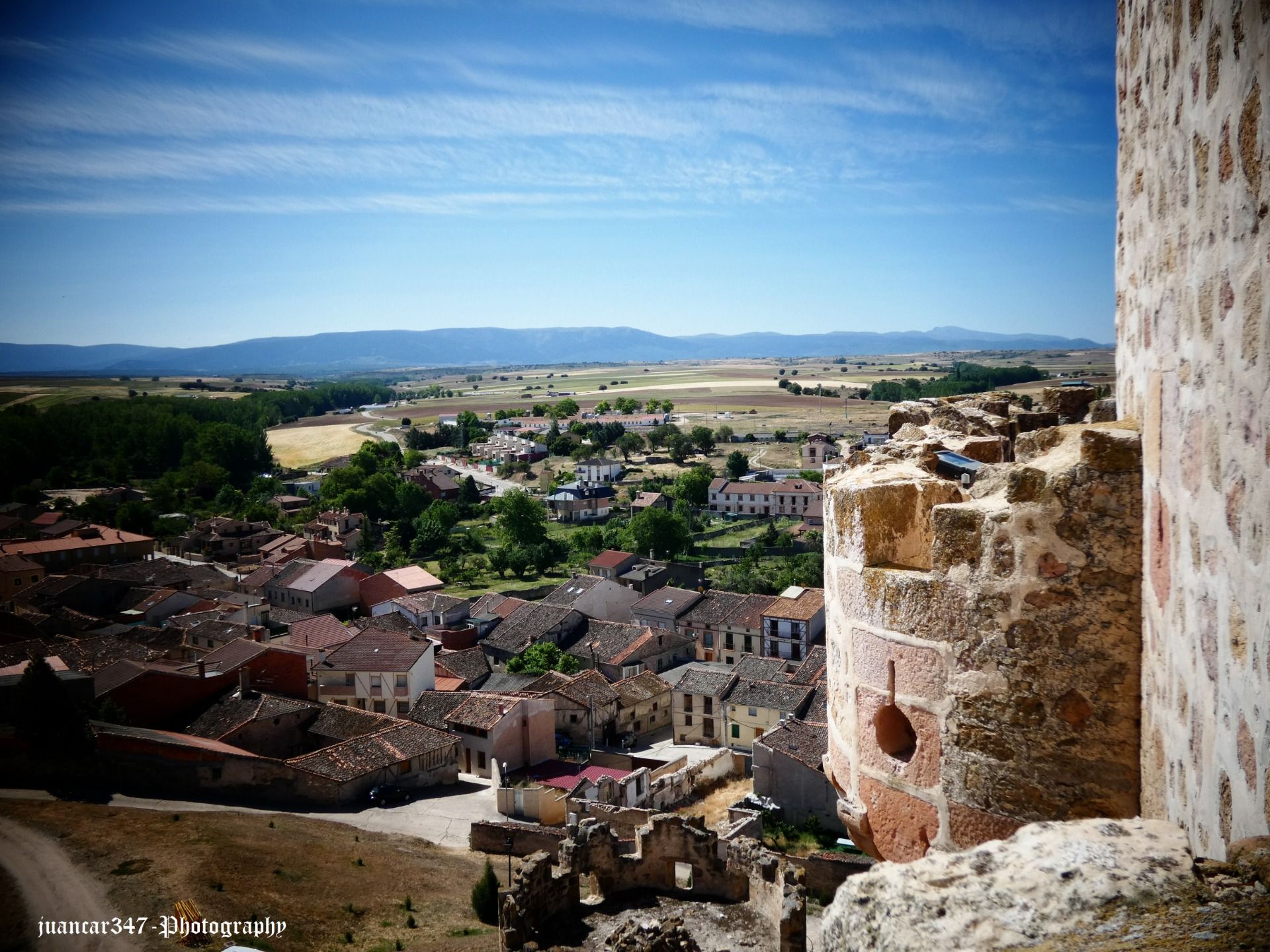
Within the diversity of Autonomous Communities in which the old kingdom of Spain has become, one of the most prolific, in terms of history and artistic-cultural heritage, as well as places of natural charm, we must place special emphasis on the Villa and Tierra de Segovia, belonging to the Autonomous Community of Castilla y León, which was formerly called, and not in vain, Castilla la Vieja (Old Castile).
With Turégano, a case similar to that of the Navarrese population of Puente la Reina occurs: if in the latter all the roads that lead to Santiago de Compostela, from Turégano join, given its strategic location, all those that are distributed to the places most important in the province of Segovia and even Madrid, as it is only 140 kilometers from the capital.
Rich, as has been said, in historical events, the origins of Turégano, however, still remain in the most absolute of mysteries, no trace has been found, which supports the theory that the first inhabitants of the place were a Celtiberian tribe , the Arevacos –with a strong presence, both in the province of Segovia, as well as in its neighbor, the province of Ávila- who established a fort here.
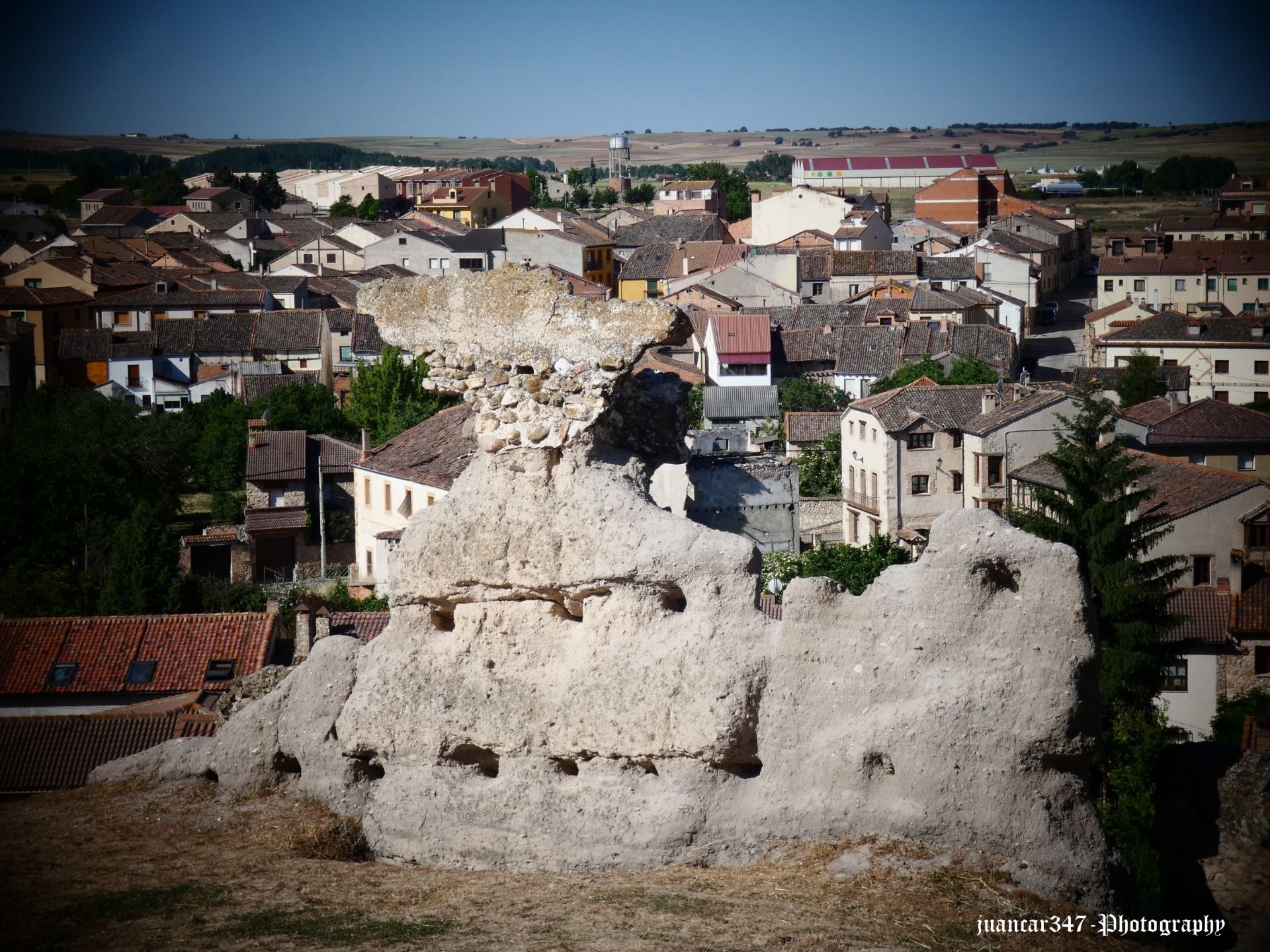
It is known, because it consists not only in written testimonies but also in part of the historical ruins that can be seen with the naked eye, of the presence of Romans and Arabs, who settled in the valley formed by the Pirón and Cega rivers.
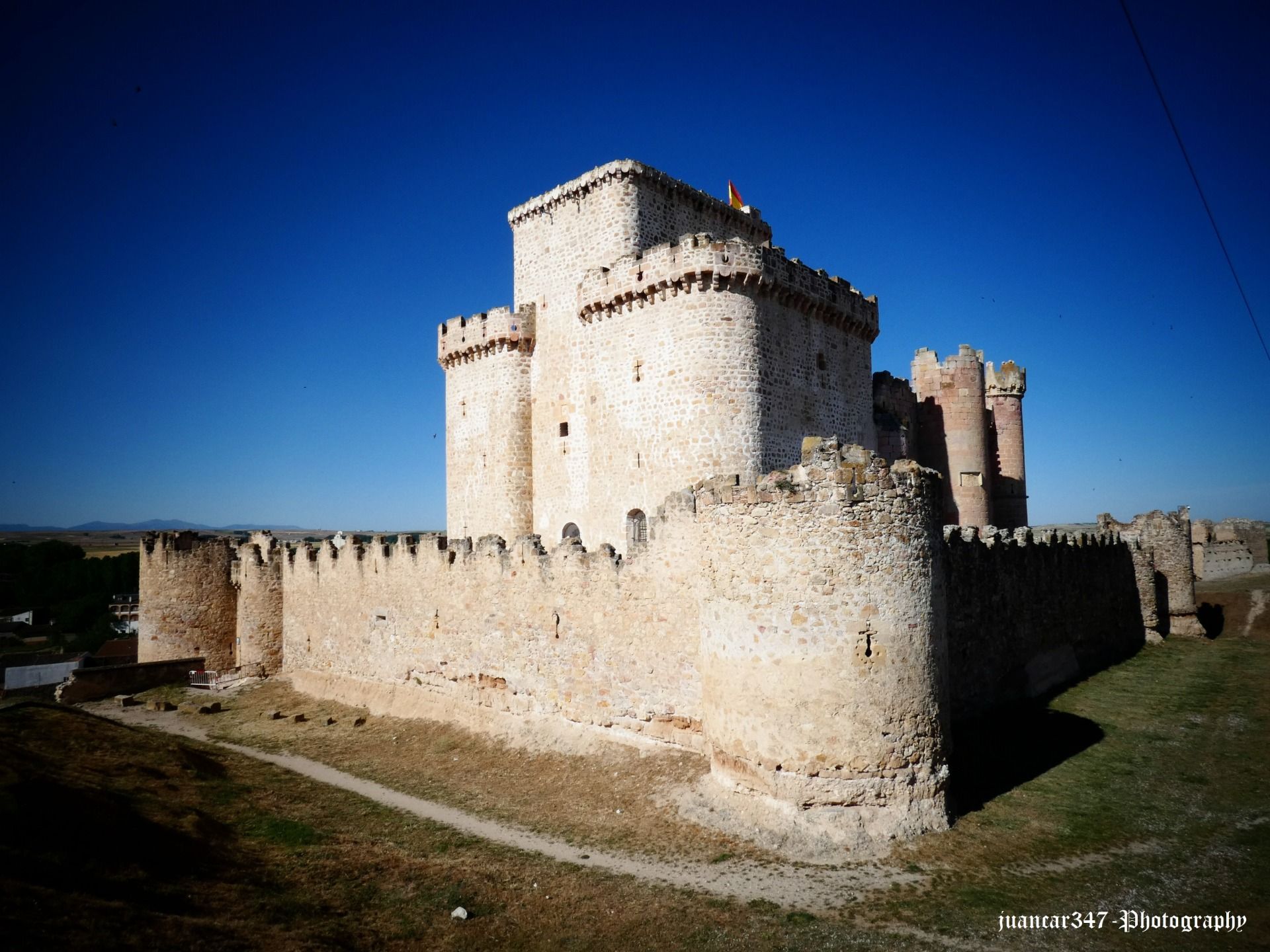
Having said these antecedents, it could be said that the known history of Turégano begins precisely in the year 1123, when Doña Urraca de Castilla donates her town and manor to Don Pedro de Agén, who despite his Frankish origins, becomes the first bishop of the diocese of Segovia and therefore, the first lord who would assert his privileges both over the place and over its people.
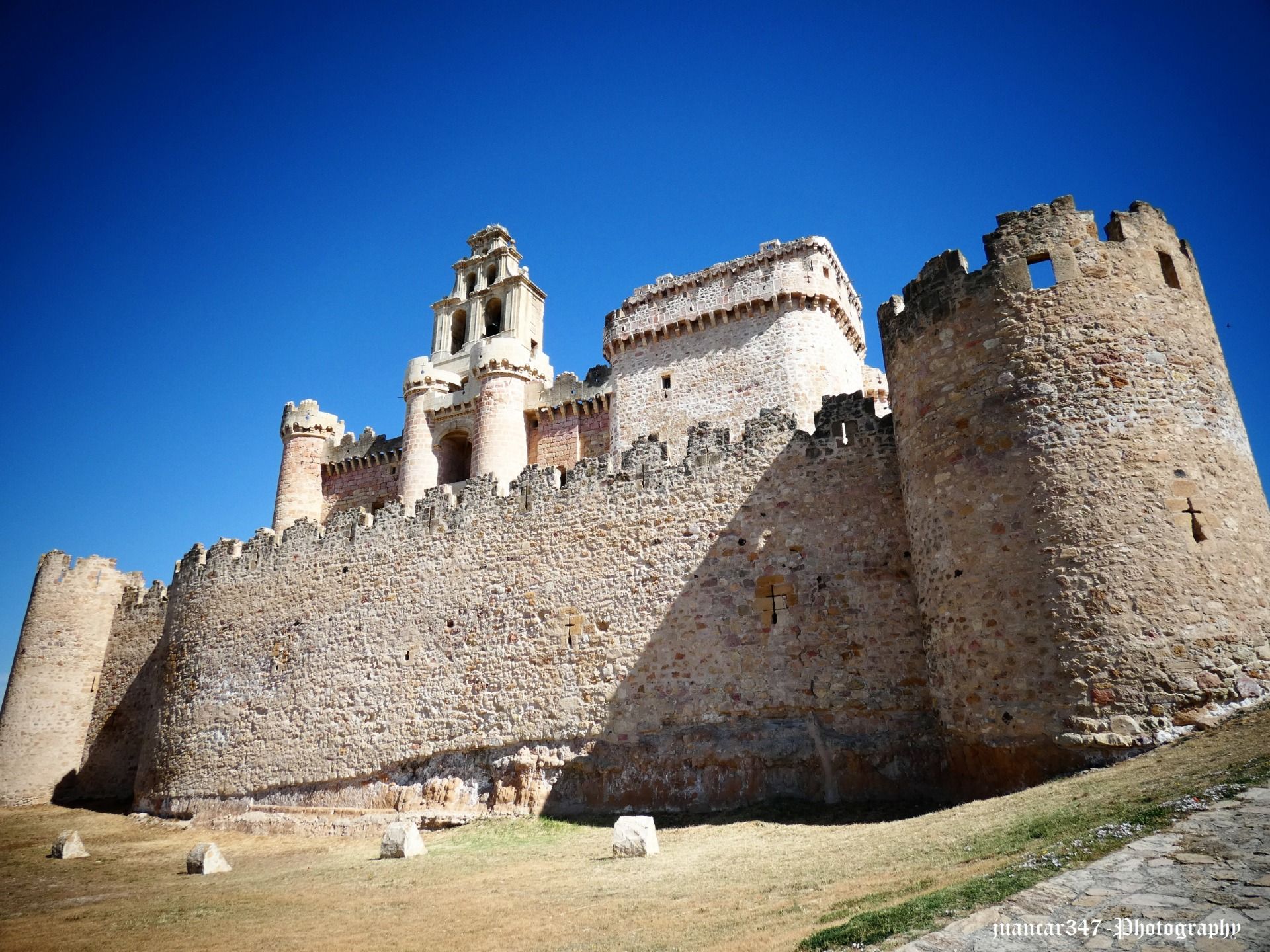
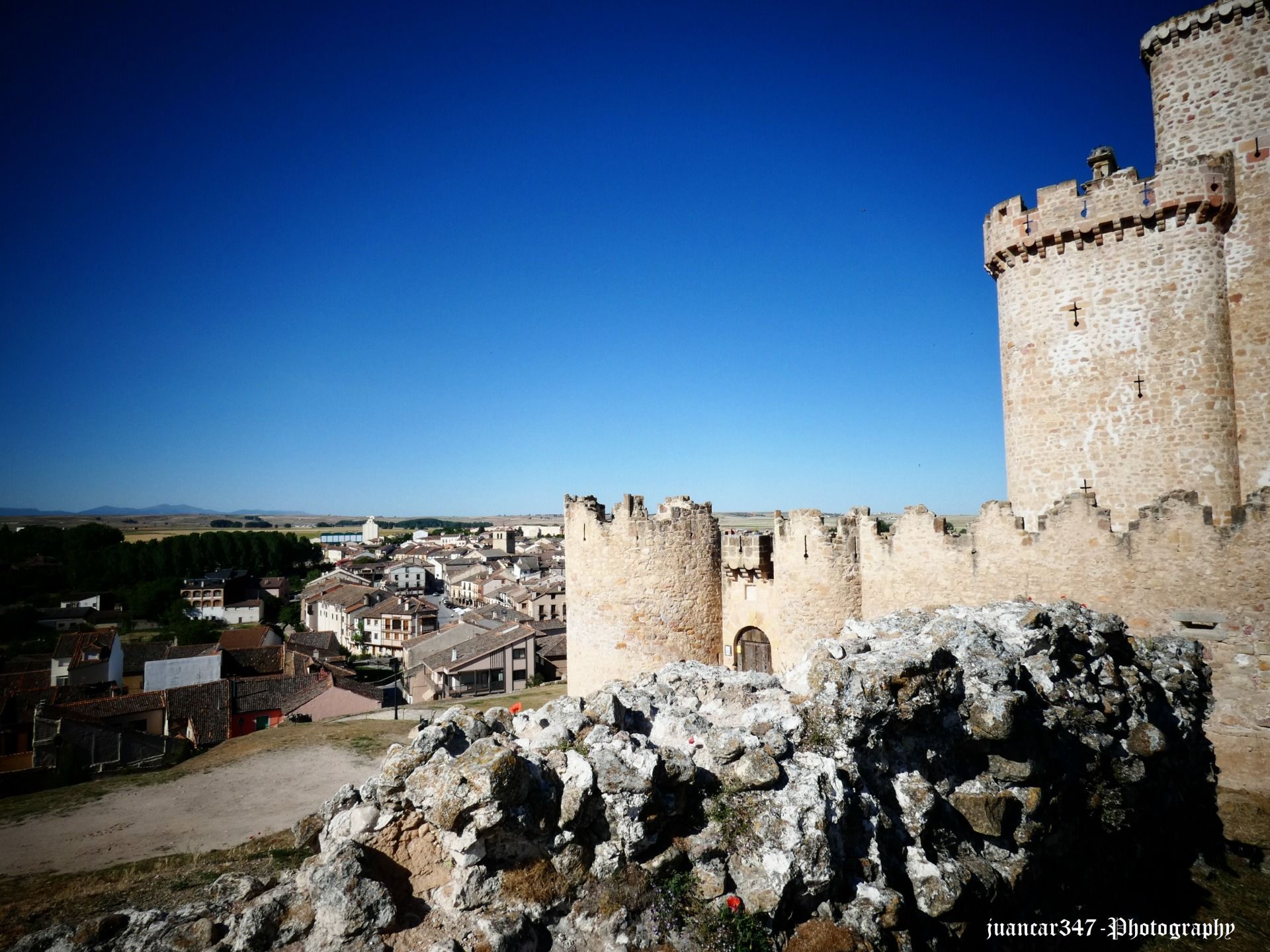
This is important, because in part it explains the existence of that church-fortress, which, raised on a hill - as ordered by the construction canons of the time, based more or less, on the architectural treatises of the Roman architect Vitruvius - around the one that turned for centuries, the life and history of this proud people.
In fact, there is no detail of the town, however trivial, that escapes the reach of its imposing walls and the height of its solid towers, which of course makes this sacred fortification a true nest of eagles.
Here, among the ambivalent chiaroscuro of its walls, many of the main historical events of the History of Spain took place and in fact, it was in its gloomy dungeons that eminent figures, such as the Marquis of Villena, a person famous for his great fondness for esotericism and of which a thousand and one lurid stories are told or the famous secretary of the most Catholic of kings, Felipe II, unjustly accused of treason through a plot concocted by the no less famous Princess and Éboli and his lover: Antonio Pérez.
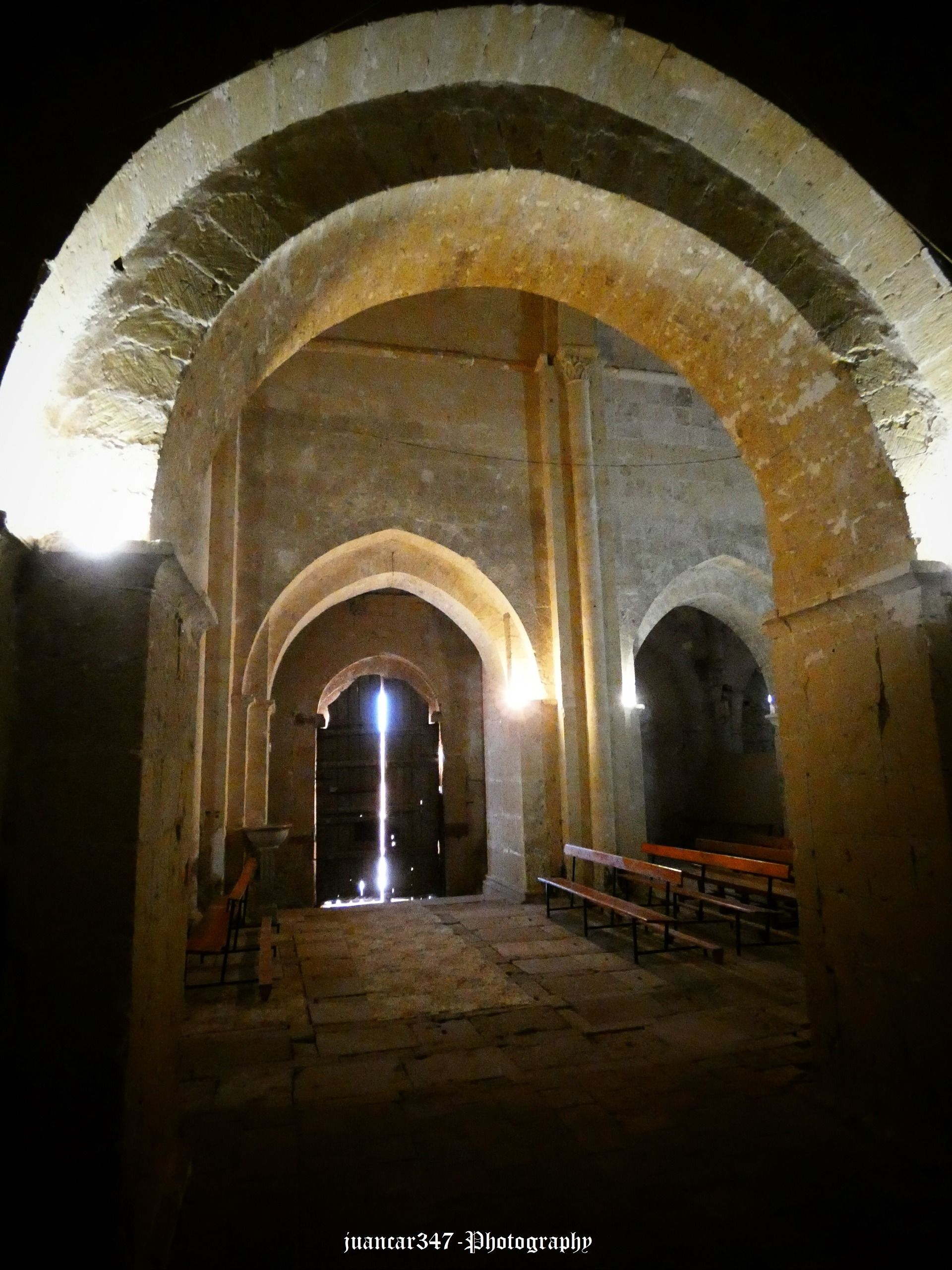
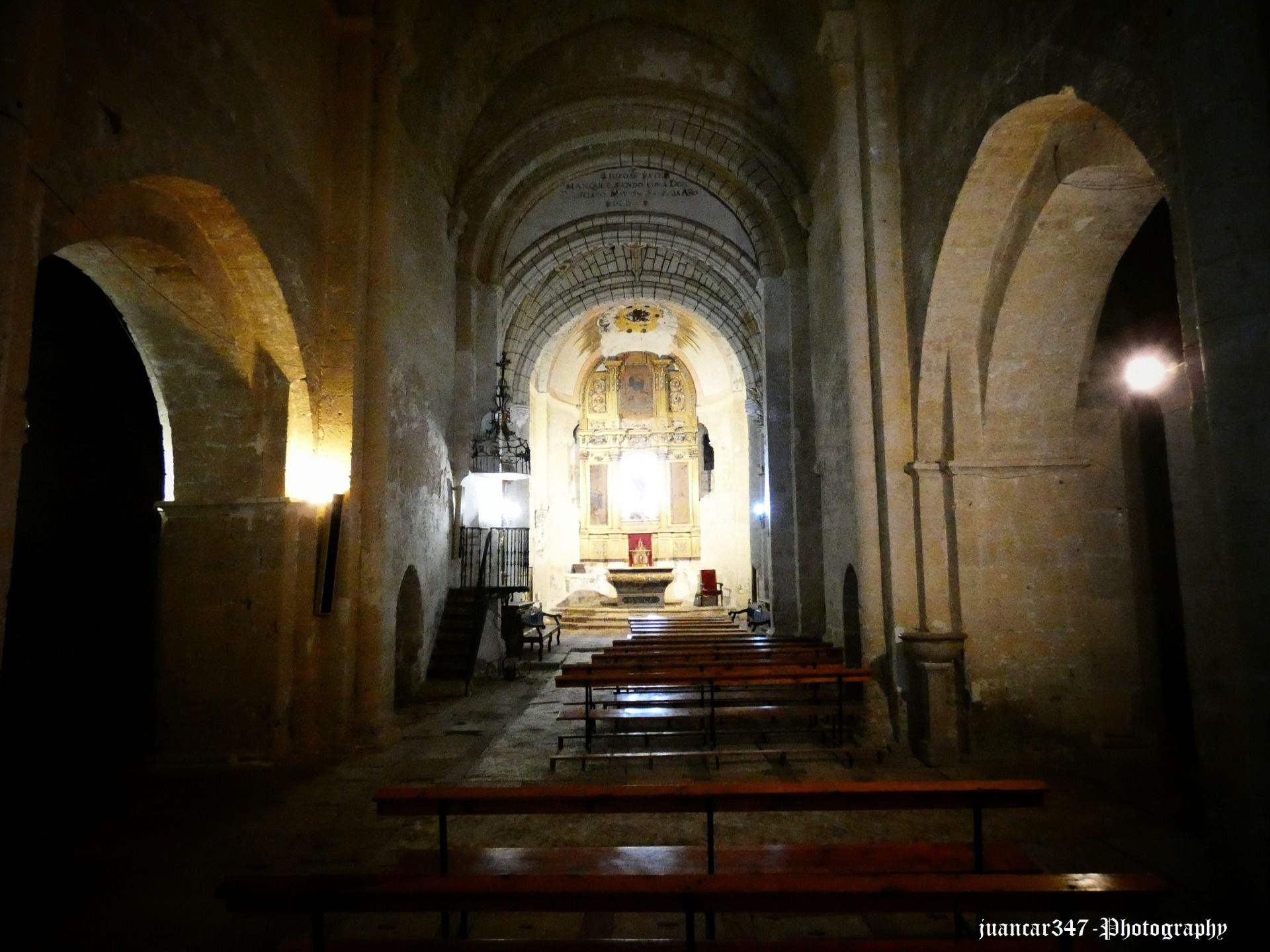
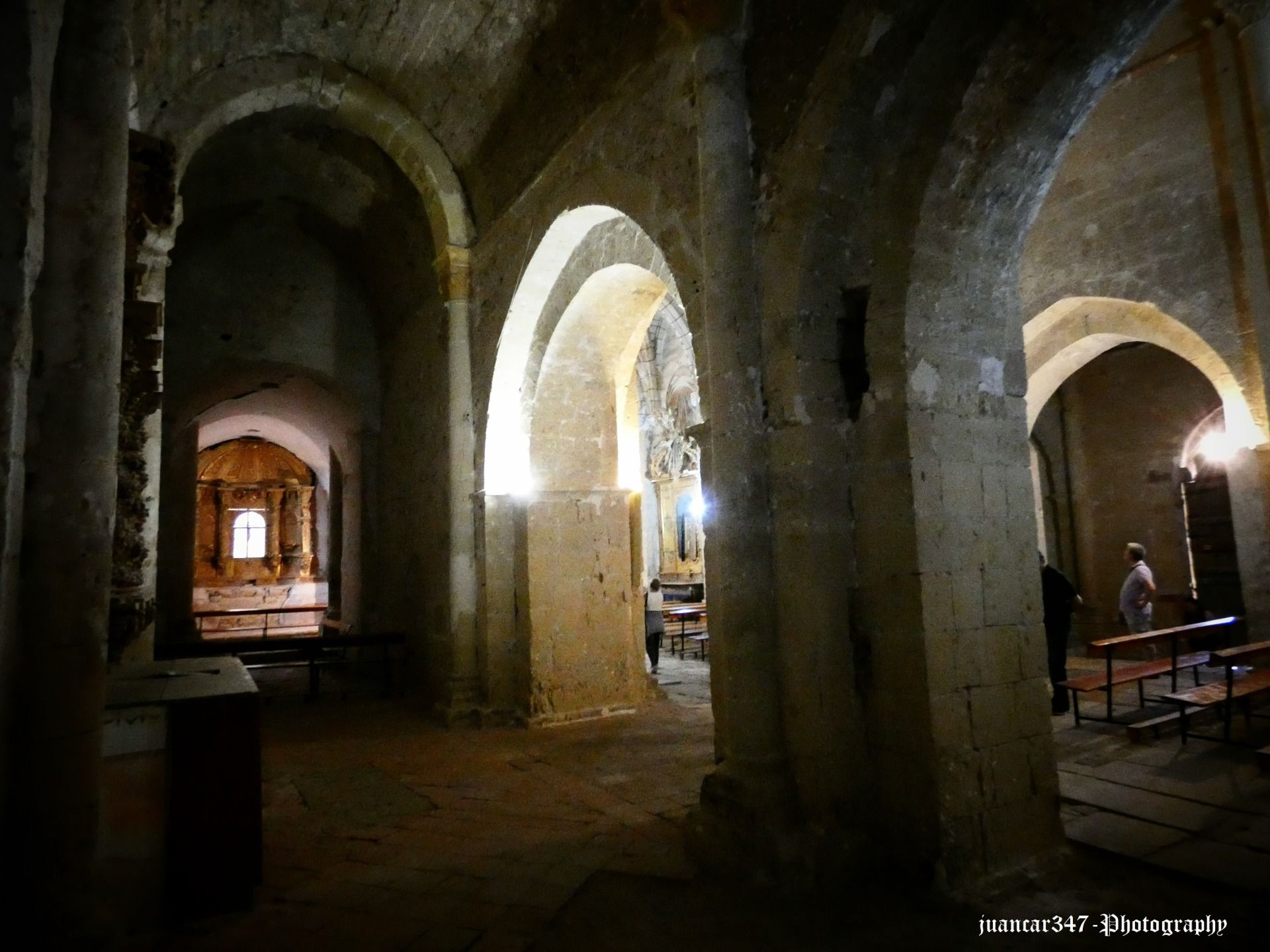
Inside the fortress, they impose the dimensions of a church, which although its origins were clearly Romanesque, nevertheless collecting successive styles, which were molded to other tastes and fashions of successive times.
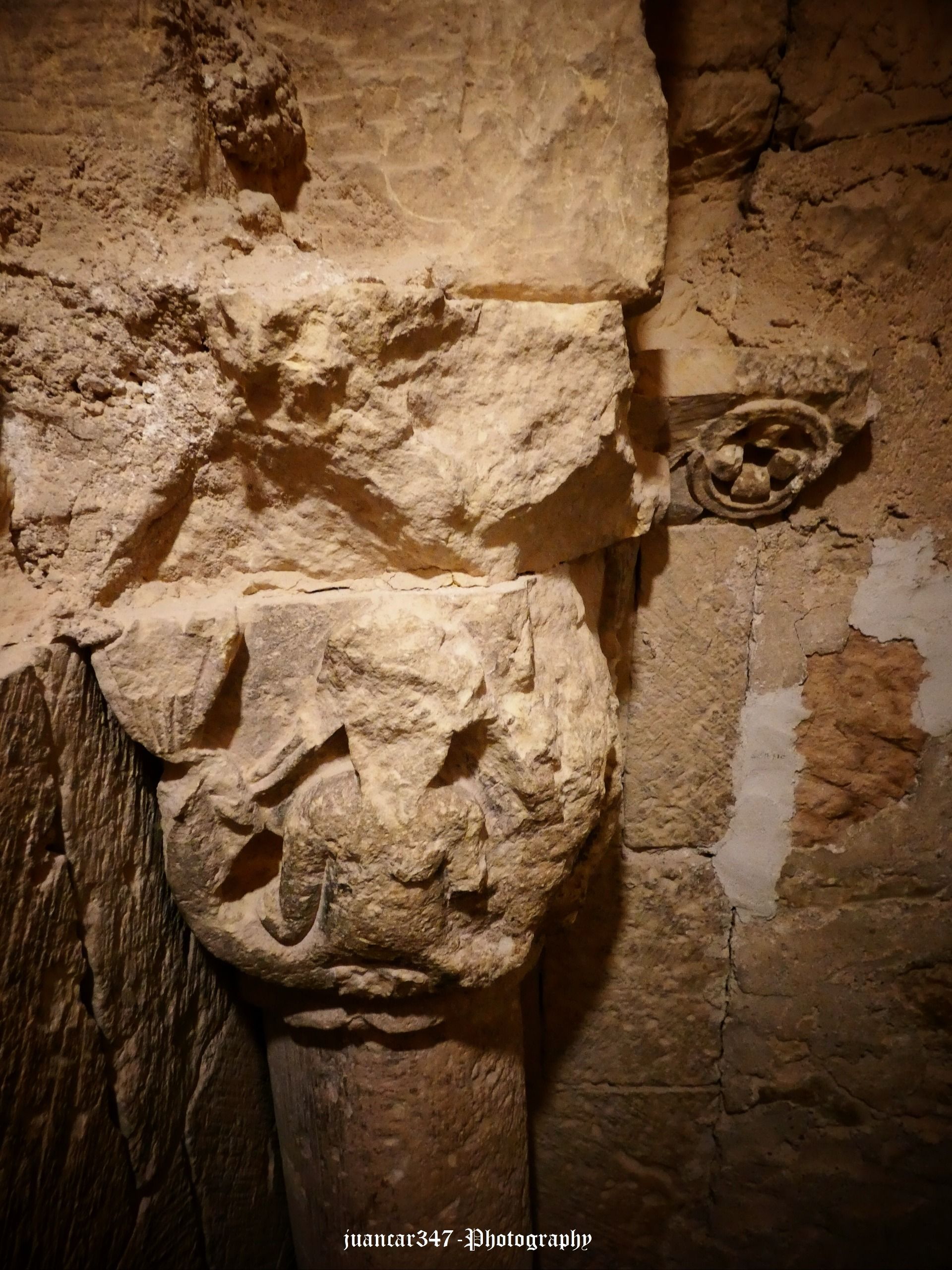
True, there is hardly a trace of the great wealth that was inside and this detail, possibly, attracts the attention of tourists and visitors, who expect to find a large profusion of works of Art from different times and conditions.
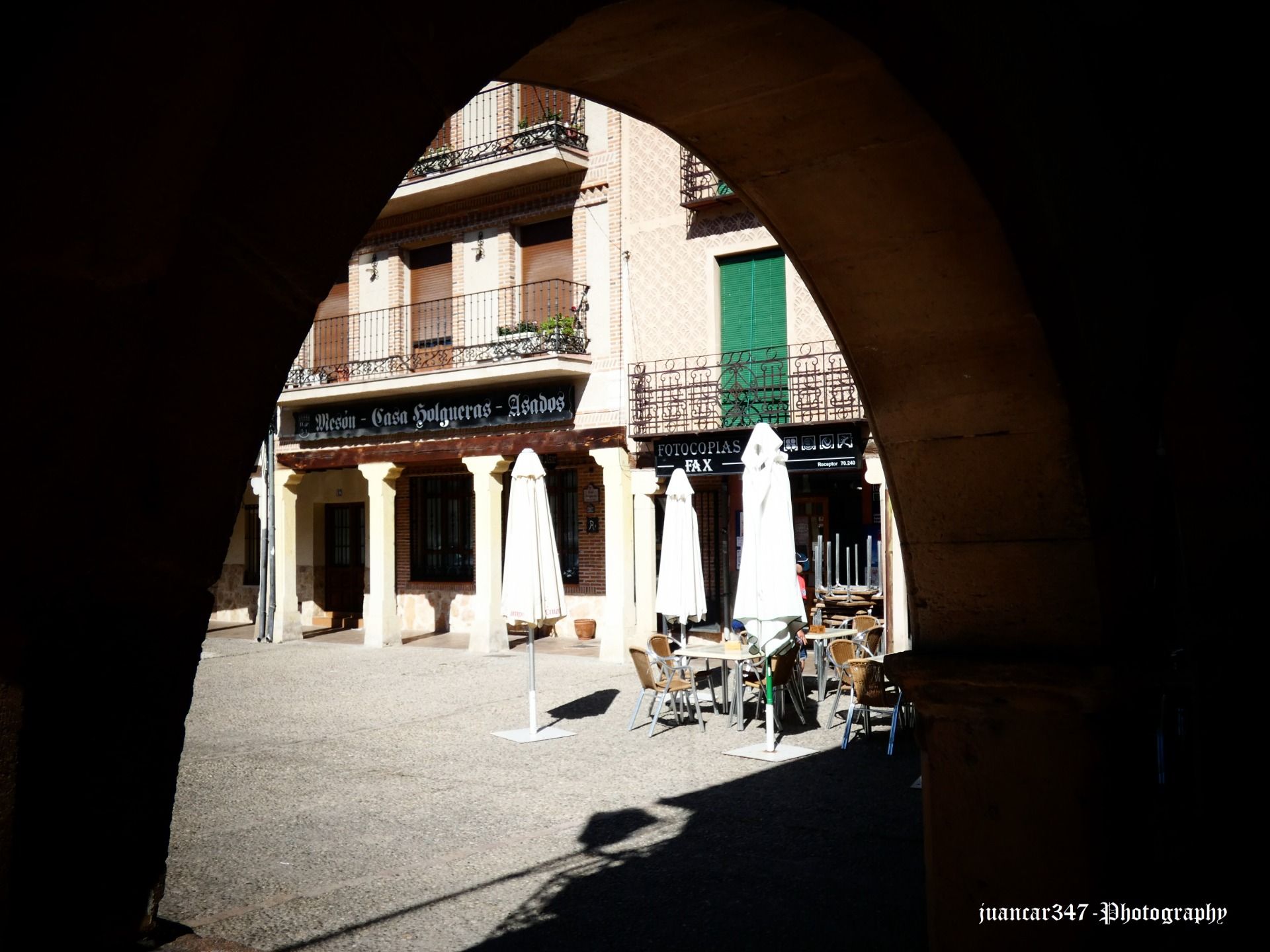
But it is no less true that seeing it as it is today can be assumed as an invitation to feel, without so much added, the ups and downs of a History that still has many accounts to render with justice.
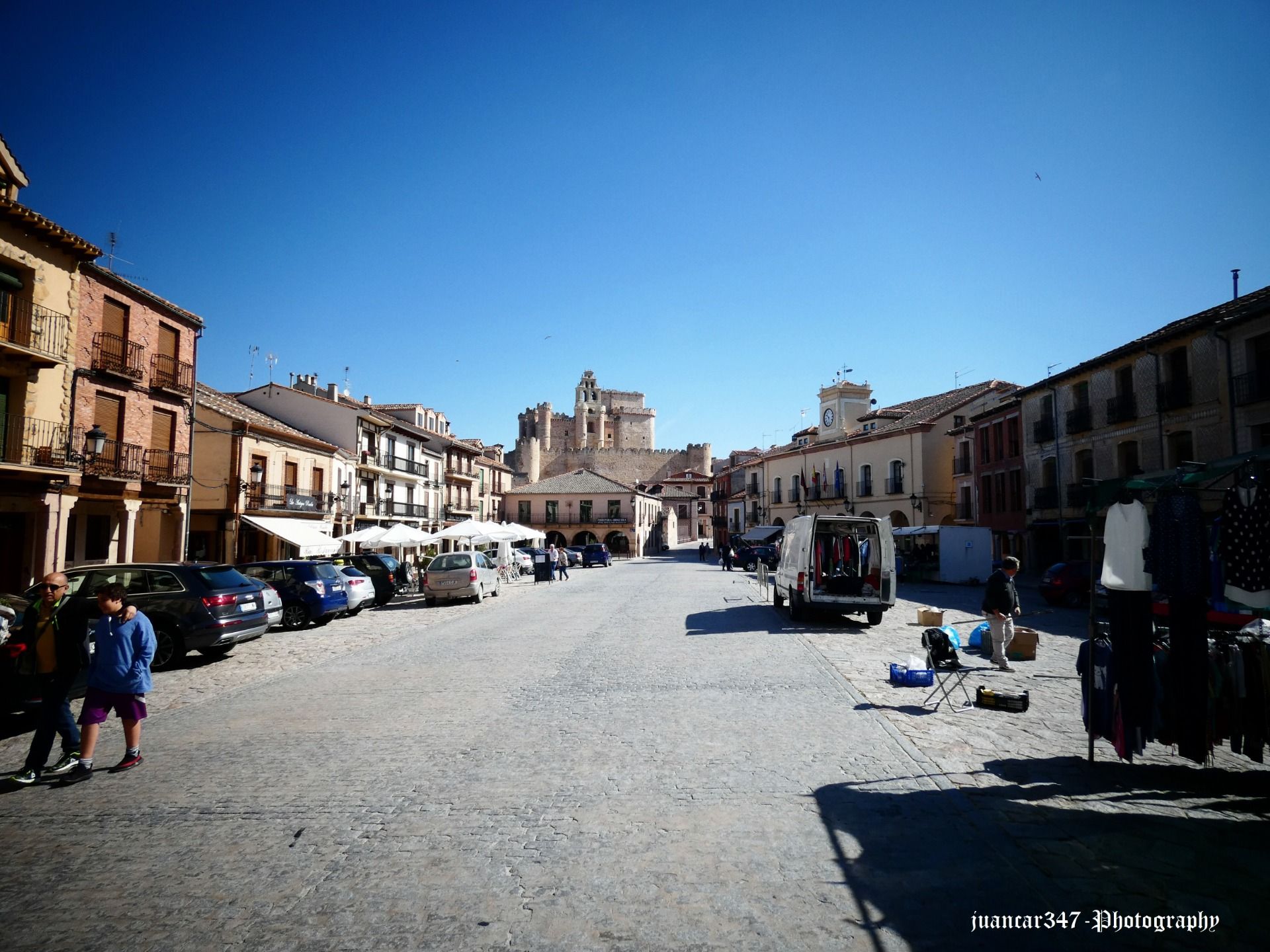
Turégano, like many other peoples that formerly enjoyed certain perks, is currently a people come to less, but that does not mean, far from it - and I apologize for the redundancy - that it is a sad people, plunged into the eternal melancholy of a Castile that after the Communards, never rose again and the walls of its church-fortress know it well, because in their prisons they went to give the bones of many communal prisoners, who never again saw the light.
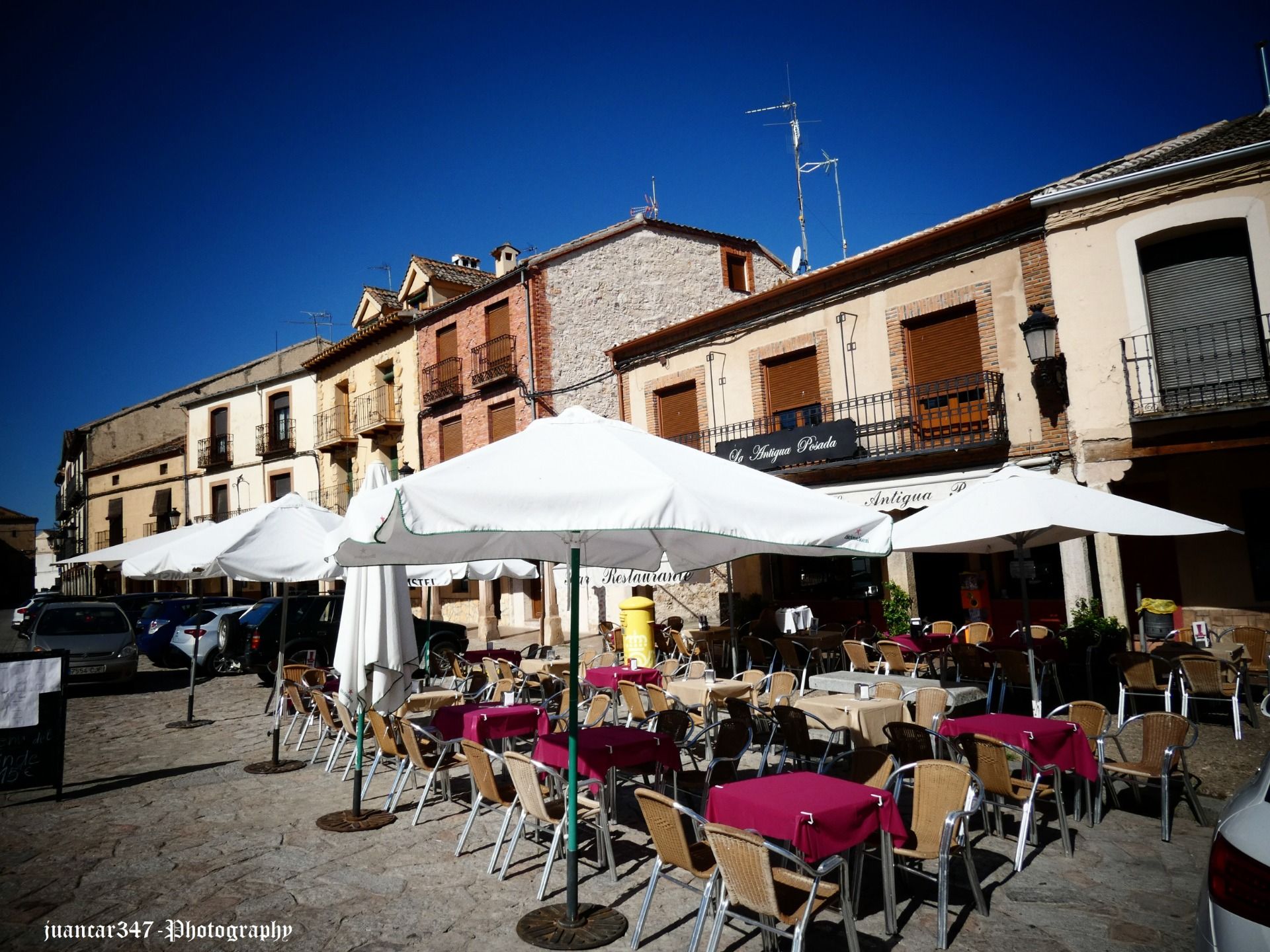
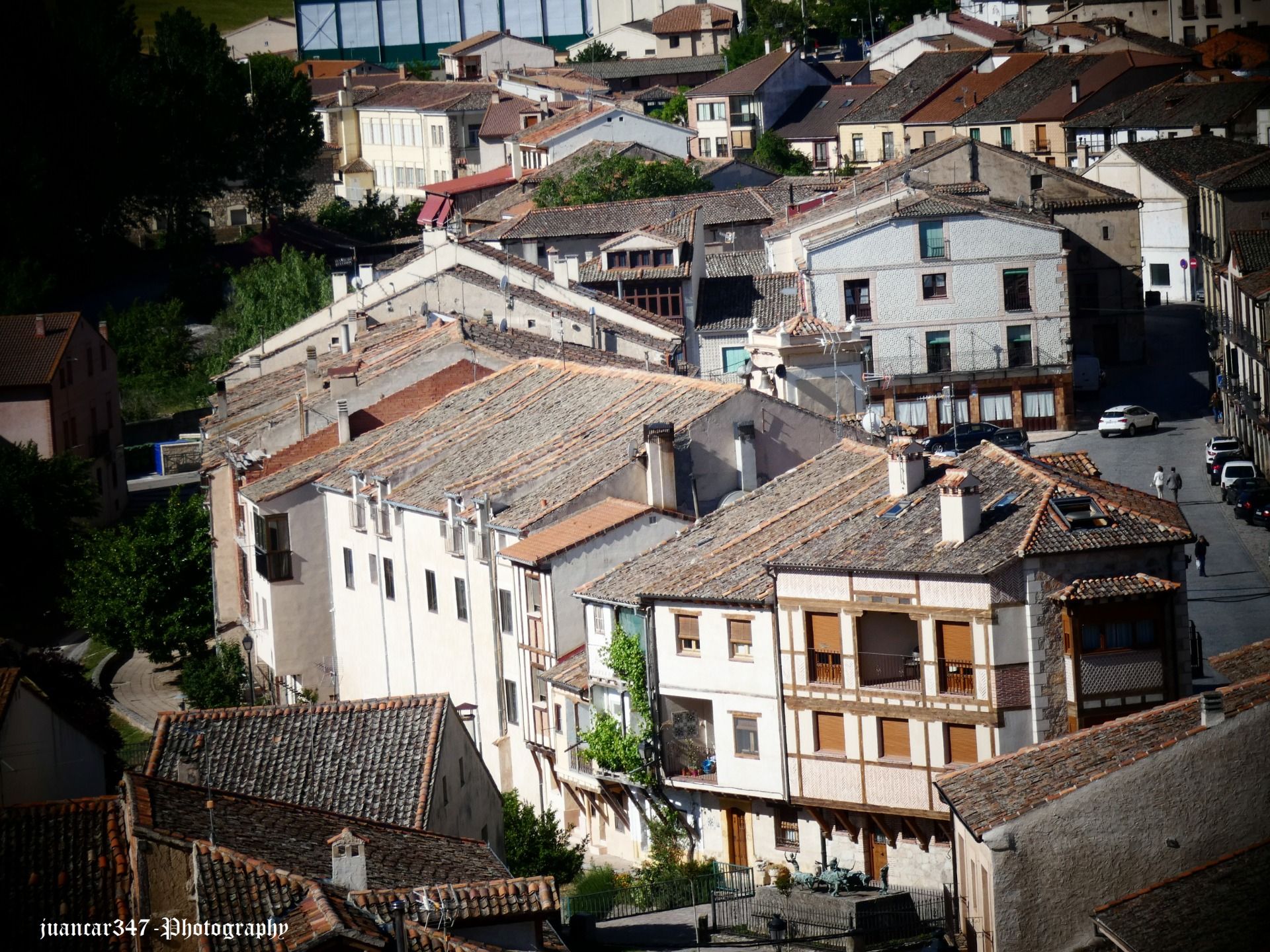
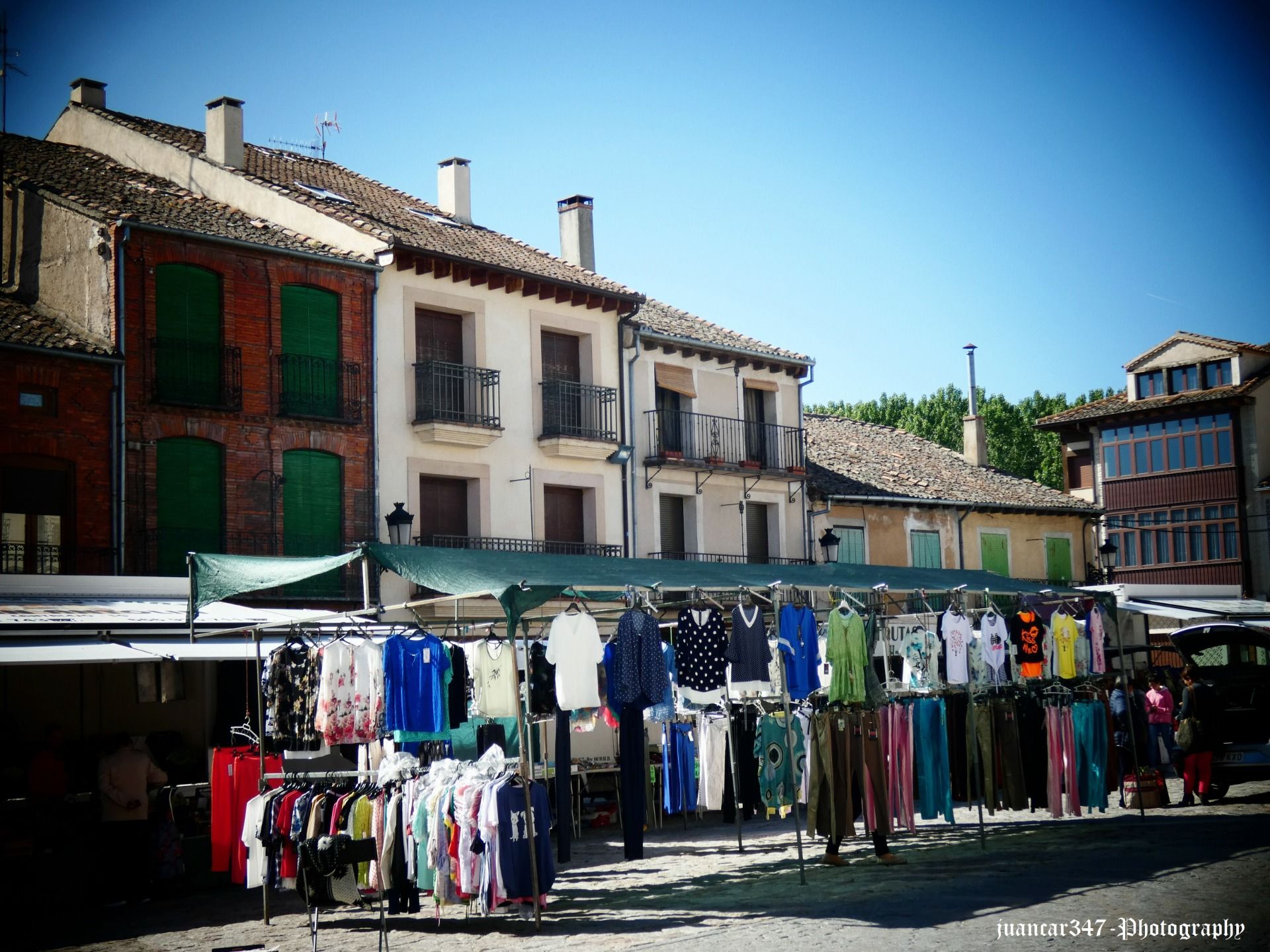
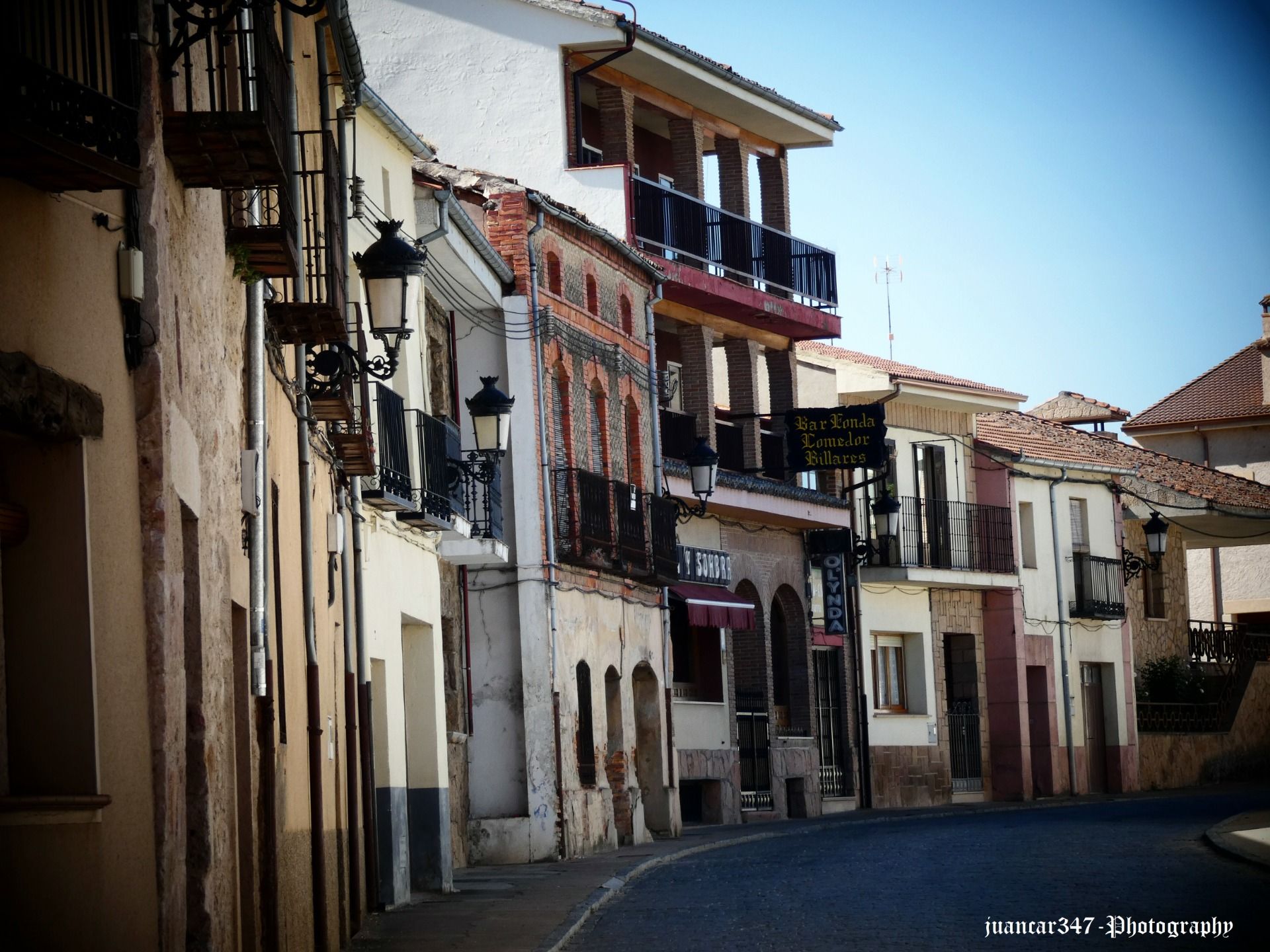
Turégano, despite those modern buildings that partially disfigure its primitive constitution, is a town that retains a good part of its old medieval charm and like many other Castilian towns, it seems to revive on weekends, not only due to the influx of visitors, but also for the traditional markets that are held throughout the length and breadth of its main avenue.
It also has an old Romanesque church dedicated to the figure of Santiago Apóstol, which unlike the aforementioned church-fortress of San Miguel, this one does have some artistic riches, which will no doubt delight all those passionate about it Art in general and by the Romanesque in particular.
NOTICE: Both the text and the photographs that accompany it, as well as the video that illustrates it, are my exclusive intellectual property and therefore, are subject to my Copyright.
Related Movie:
