

In this 5th and final post on the Gozo Cittadella, We reach the high battlements and the central interior of the castle.
From here the east and northern battlements, protect the most difficult parts of the castle to attack due to the steep sides of the land below.
By the time the building was finished, it was obsolete. In 1561 the Ottomans invaded Gozo but rather than attack they held siege and after a very short time, the inhabitants gave way. Leading everyone to be enslaved except a few that escaped over the rear wall to the east. Why they would give in after a few days is a mystery to me, they had silos of grain and water that meant they could have held out for weeks if not months. The Ottomans had already attempted to overcome the defences in Malta and failed so came to Gozo. Perhaps with little food outside the castle, they would have abandoned the Gozo siege as they had Malta.
This image is from the high battlements looking back over the lower battlements we looked at in post no 4

Once on the battlements, the extent of the restoration can be seen. All the floors have been relaid and many of the walls rebuilt.
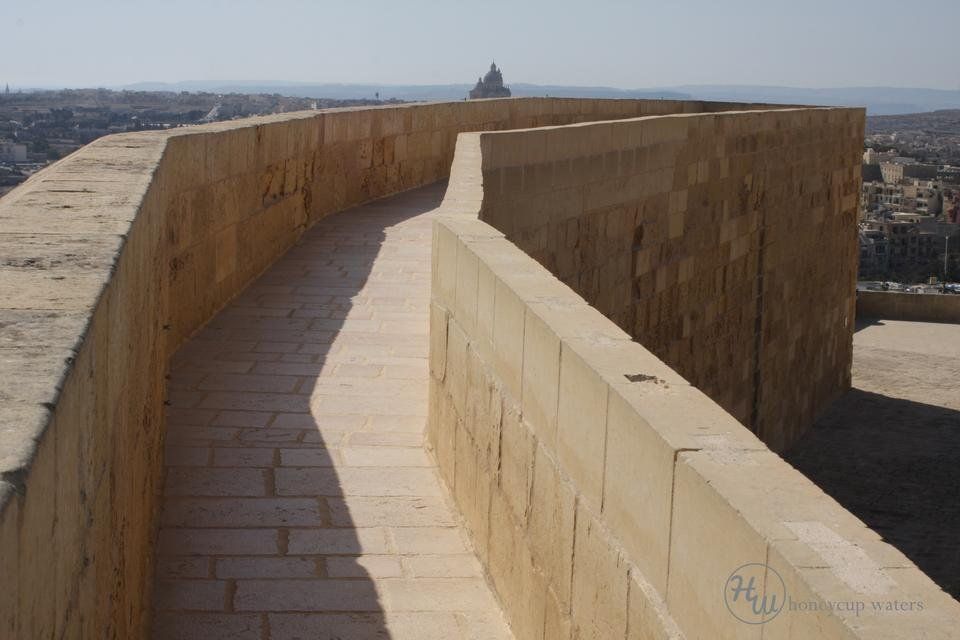
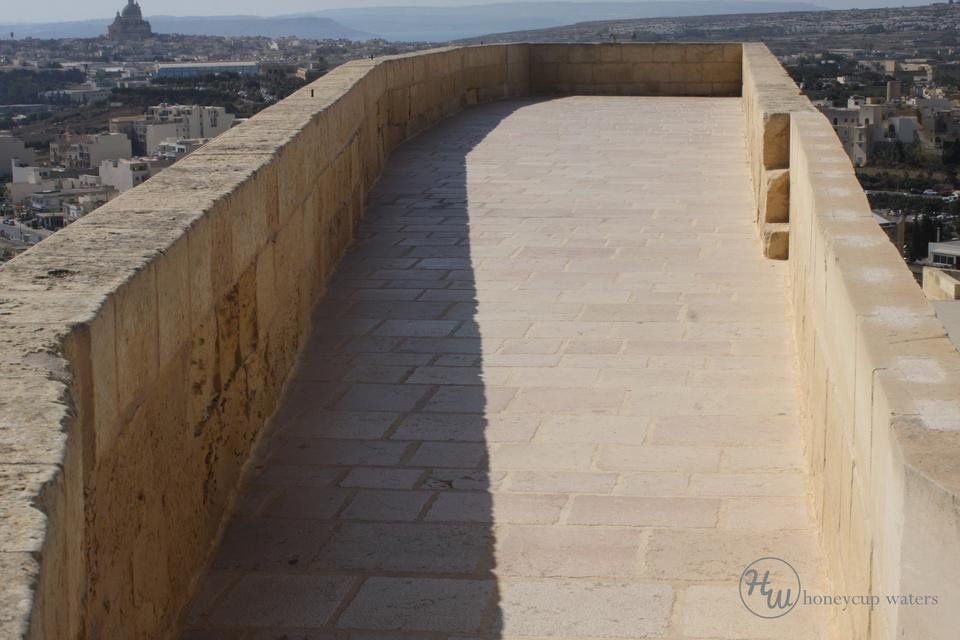
These two images show the restored battlements facing east. The walls appear to be quite low, for me at least but Gozitans are not very tall now and as we know we have all grown taller over the past 500 years. Perhaps then even taller people may have found the walls adequate for protection.
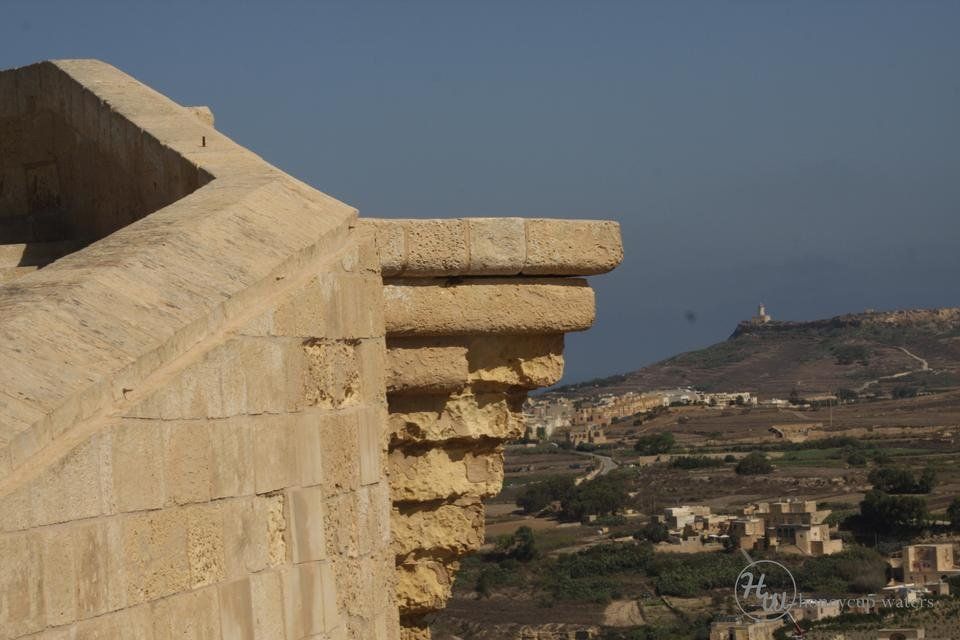
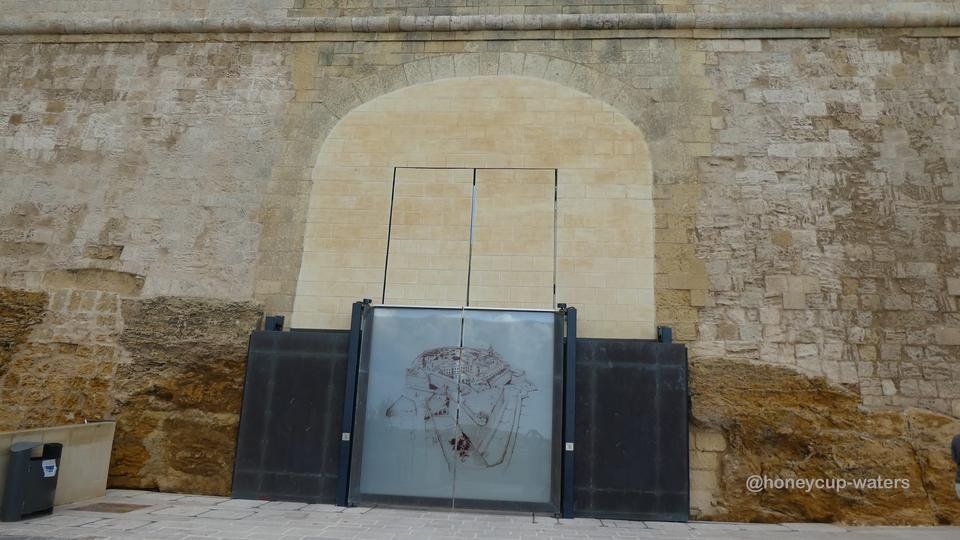
This platform looks a bit scary to be sitting on to fire weapons at the enemy. It was from this height that the survivors of the Ottoman invasion scrambled over to hide. Below is the area they escaped from. The north gate is shown below. At that time the gate had been bricked up to provide greater security.
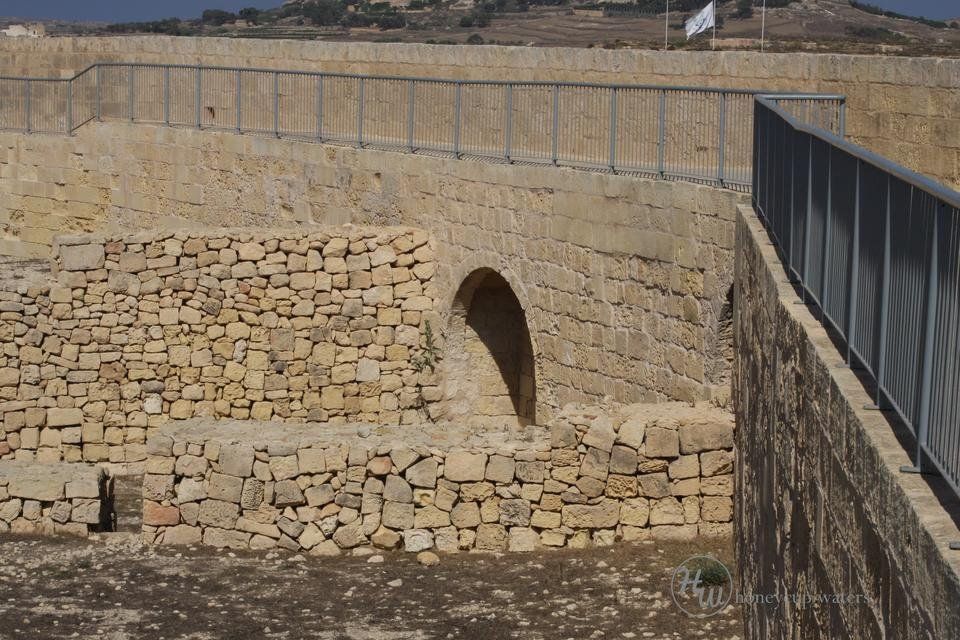

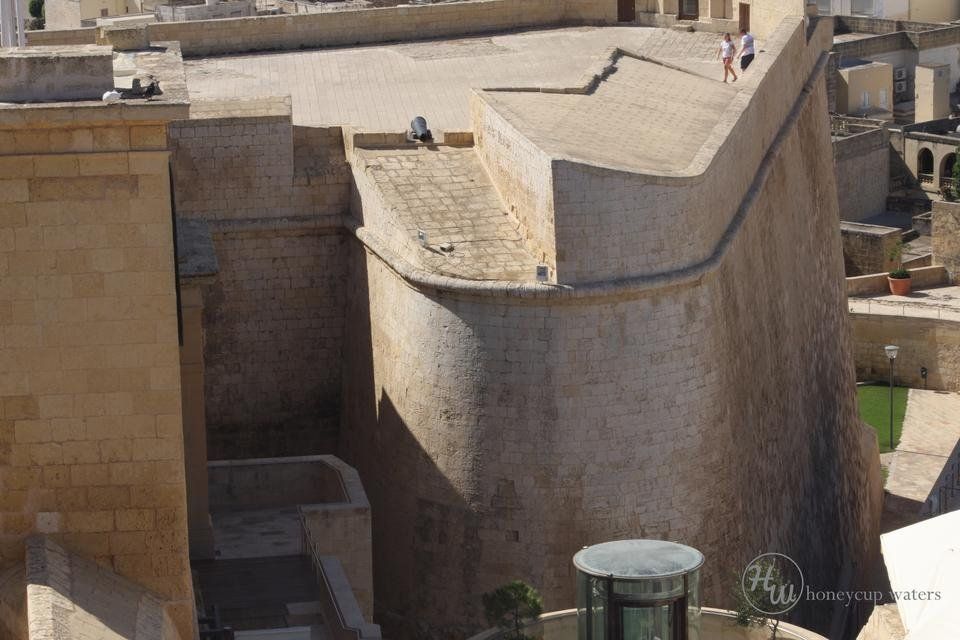
The battery we looked at in post number 4 last week. This is taken from the north battlements.
(The earlier posts are listed at the end of this post.)
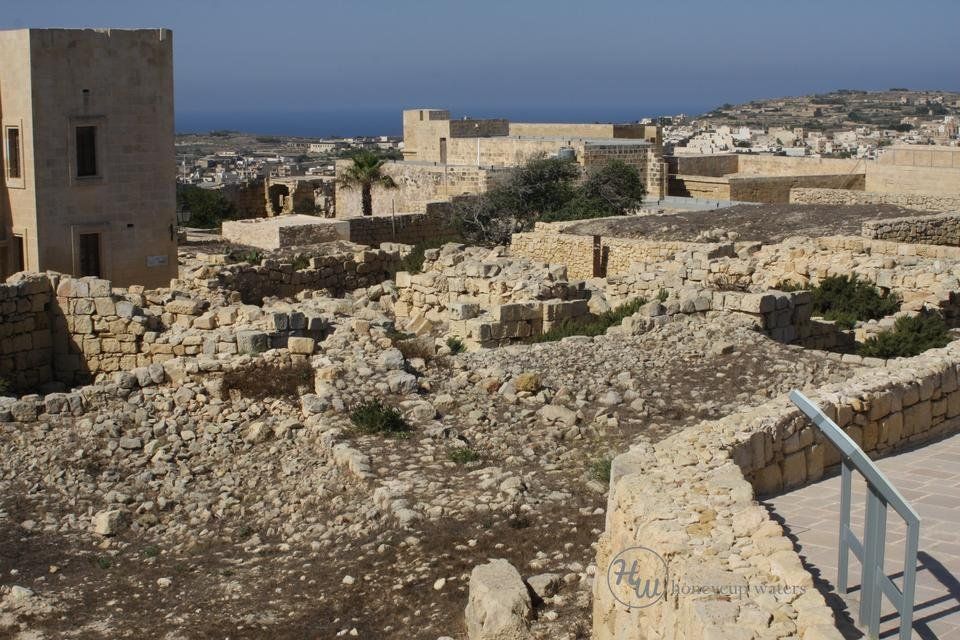
The next images are of the interior of the central area. Here would have been buildings to shelter in. Although the building as a whole is quite large, much of it is massive walls, the interior space is quite small especially to house 6000 inhabitants.
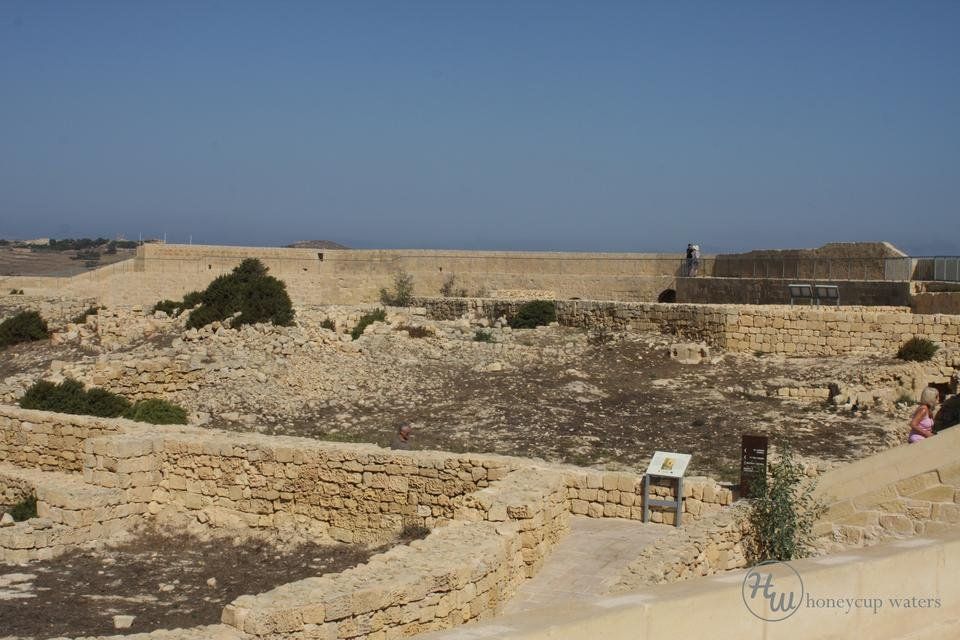
Interior walls facing north.
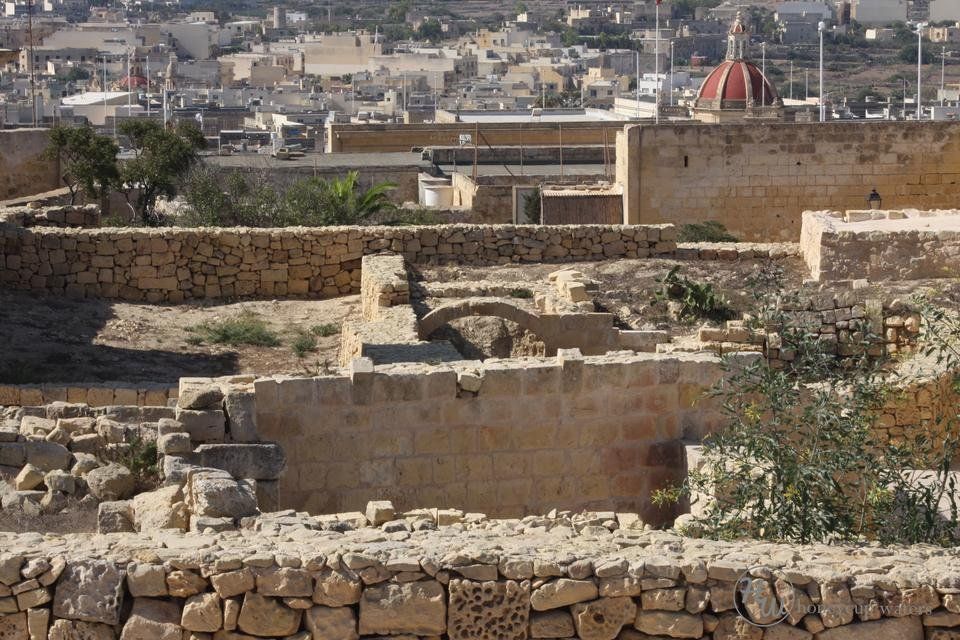
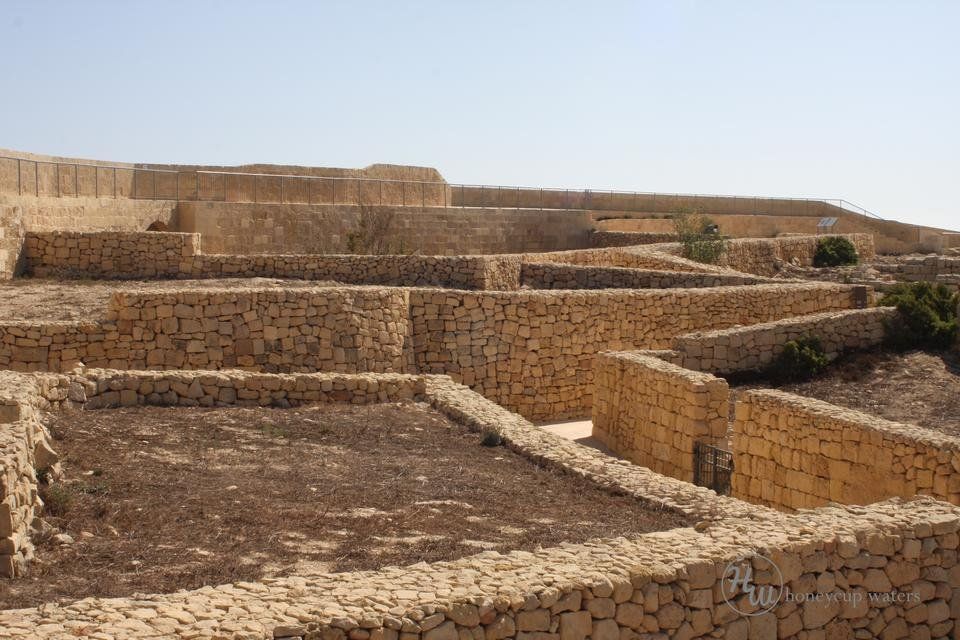
This area is not fully restored. The arch in the centre is medieval.
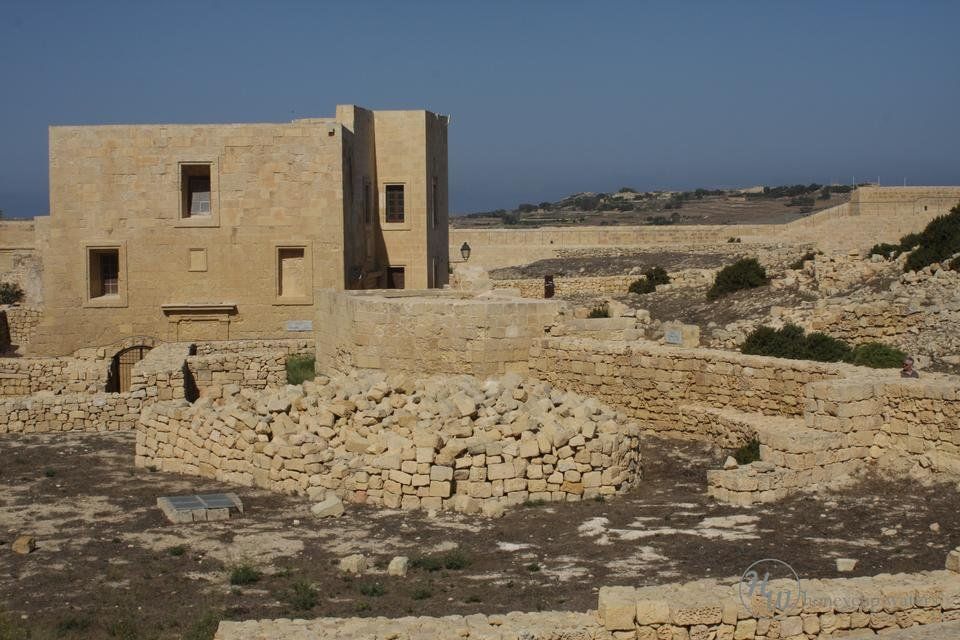
Some areas are not fully restored.

Most of the walls are restored and are in their original positions. Of course, they would have been the walls of buildings.
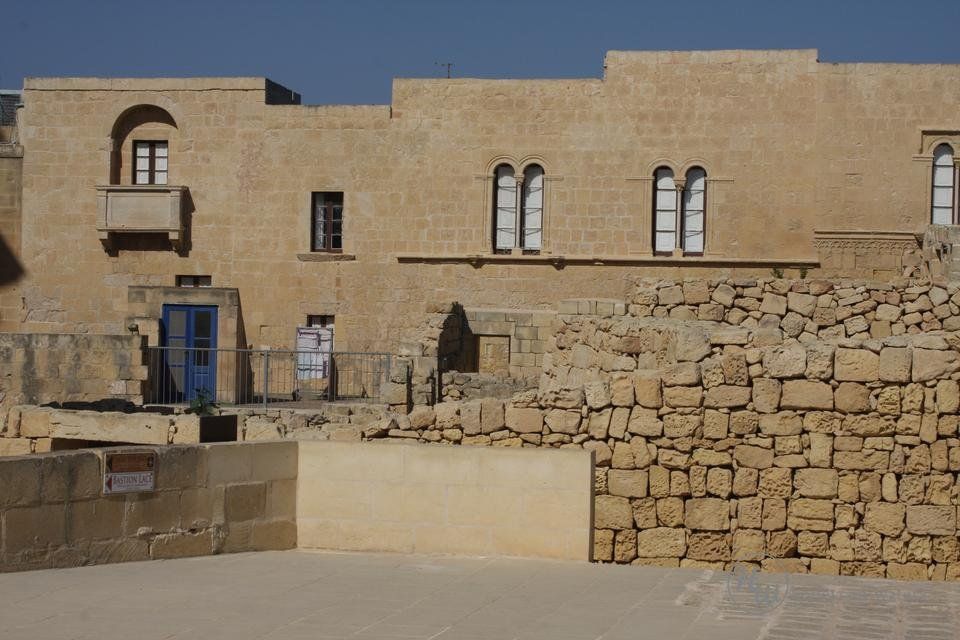
Restored building.

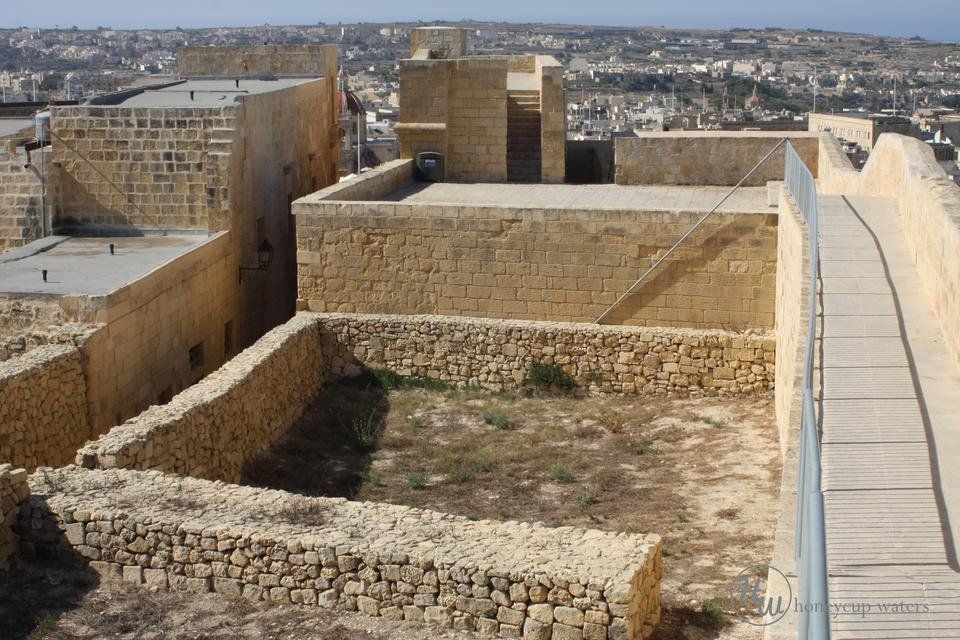
From these northern battlements, we head westerly towards the front of the castle.
In front is a cavalier with a gunpowder store beneath it.
To the left can be seen the upper side of the Cathedral.
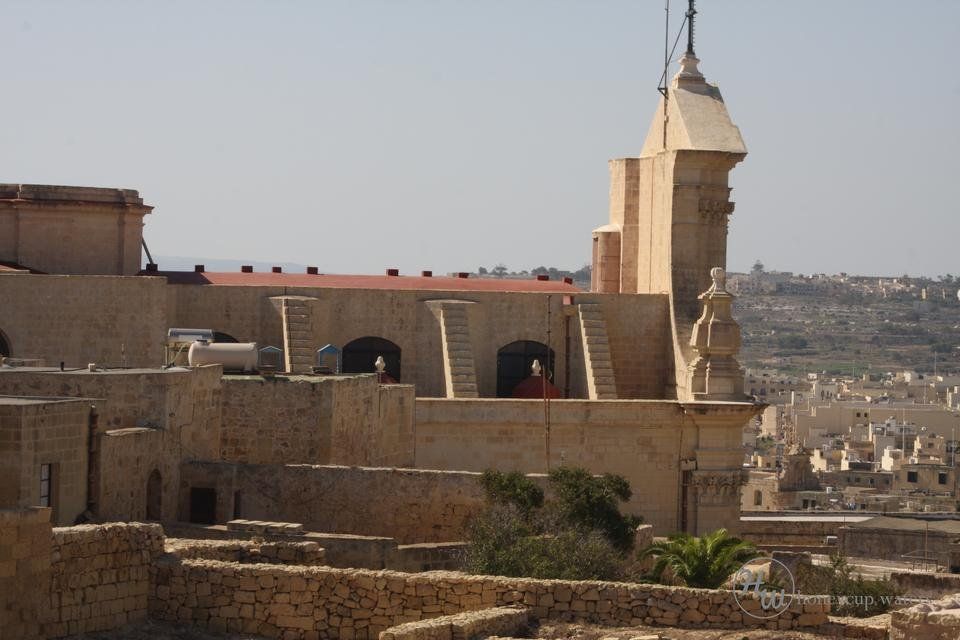
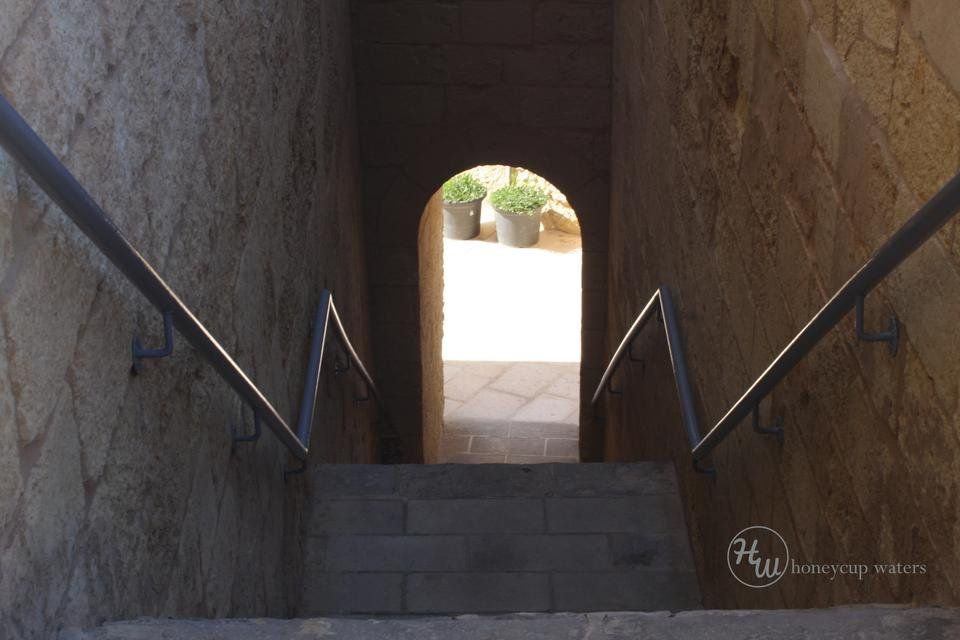
This stairway leads from the cavalier to the front of the castle.
And from there we find the pathway to the front of the castle.

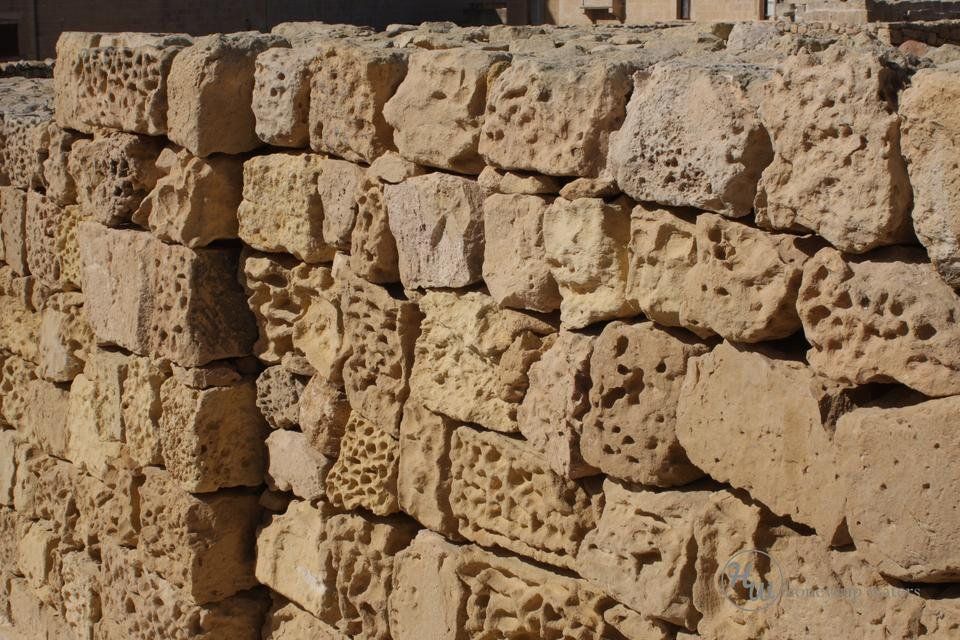
As a point of interest, the image below is of the stone wall construction. This type of construction is still used all over the island for buildings and walls.
What do you think of the restoration? I suspect that purists would not be keen on some of the modernisations however the restorers do have to comply with modern health and safety regulations. all in all, I think they did a pretty good job. Well except for the awful door on the front.
Here are some other general images with no descriptions for interest.
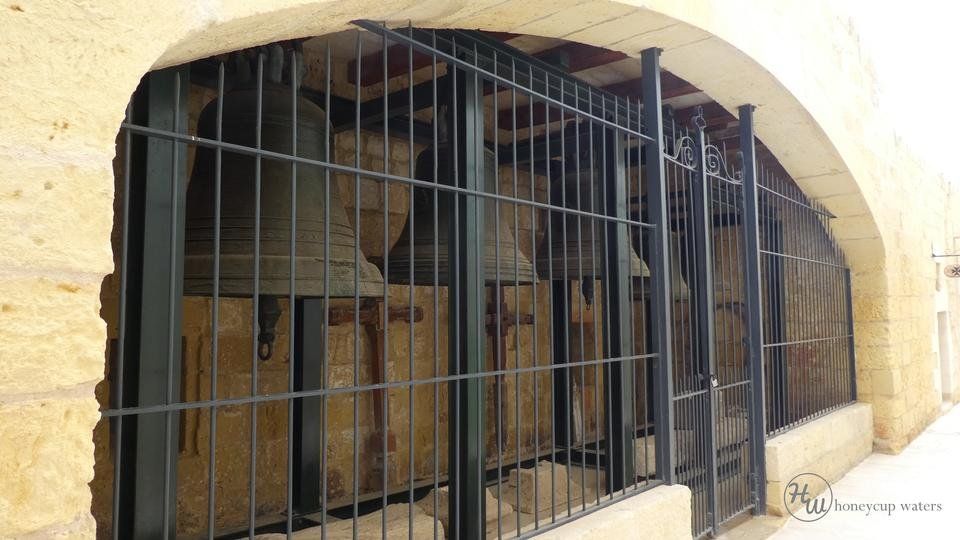

These old Cathedral bells were cast in Valletta at the Knights of St John Foundry in Malta.
