 Árneshreppur, Iceland
I’m slowly finishing the story of my short trip around the Westfjords. Recently, I wrote about Kistuvogur cove and the event that marked the beginning of the witch hunts in Iceland. Today I want to tell a few words about a place that may not be as tragic, but is also a shadow of the past.
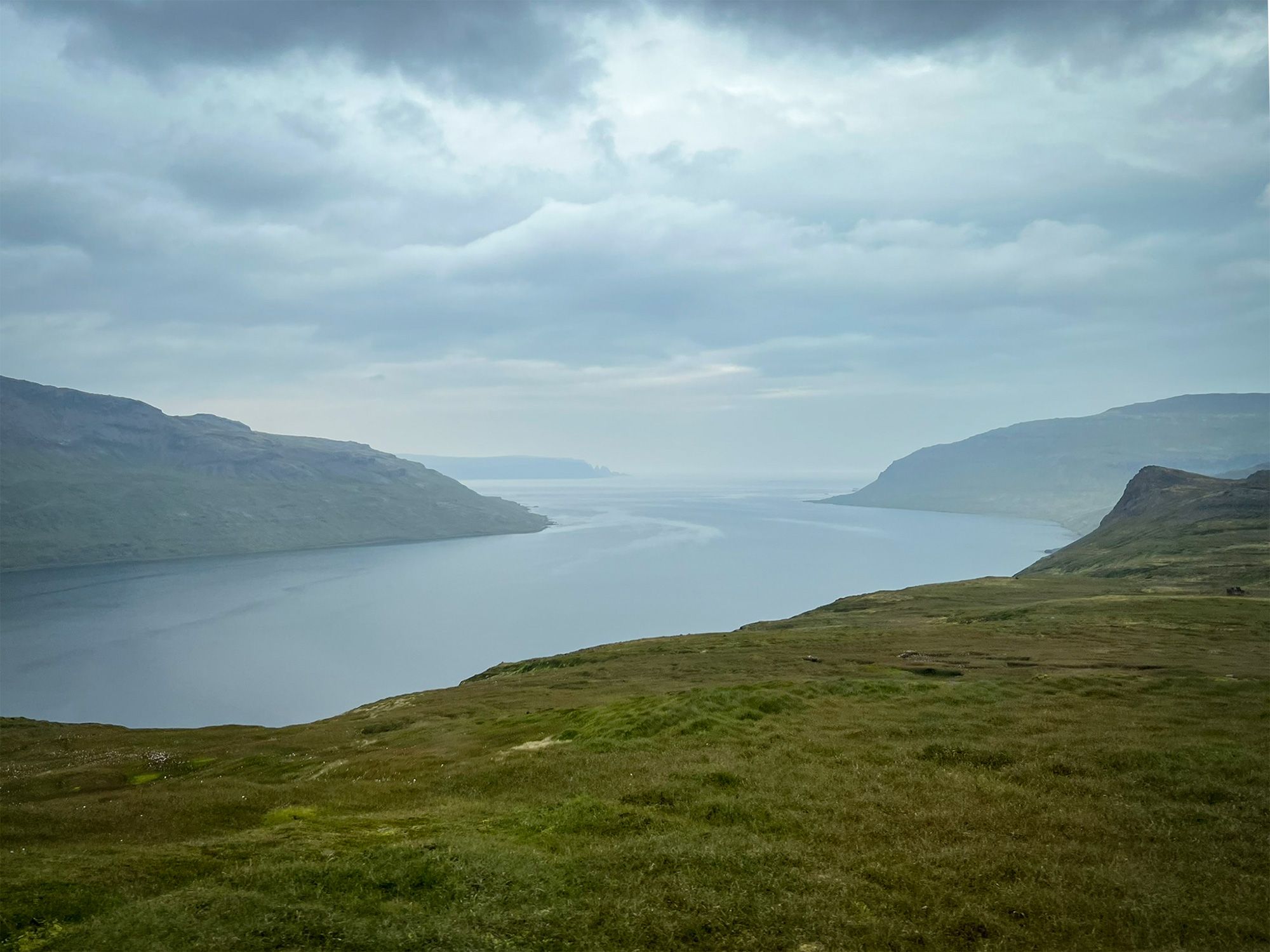
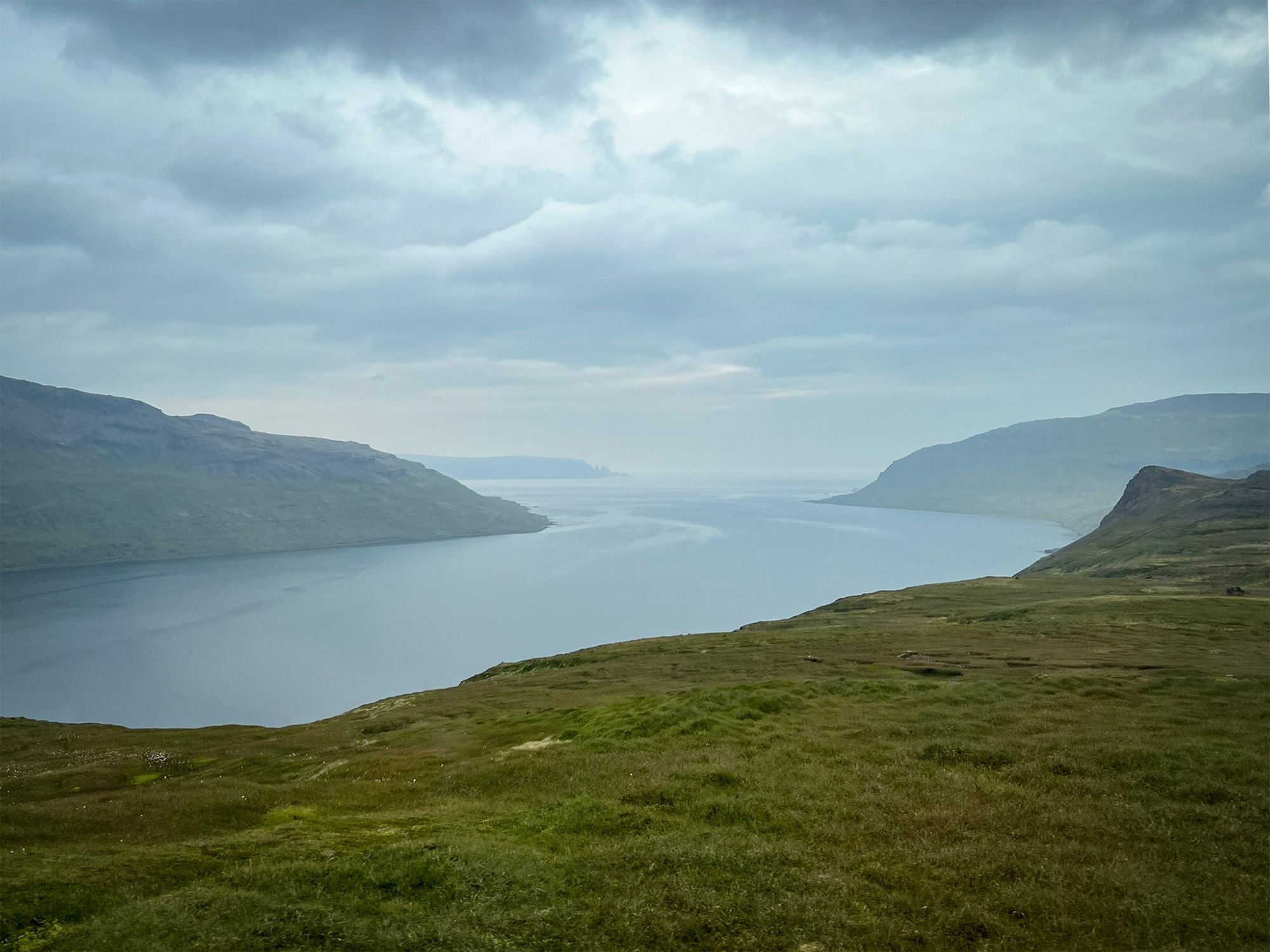
Since later that afternoon I had to start my journey back home, I didn’t have much time to explore the area. So after visiting Kistuvogur, a friend took me for a drive to the neighbouring fjord, Ingólfsfjörður. It’s not easy to get there, especially in bad weather. The road leads over a mountain pass and along the mountain slopes, and four-wheel drive is the minimum requirement in this terrain. From there, it circles the fjord and leads no further into the area. Travel is mainly possible on foot or by sea. The two options can also be combined, which is what many hikers do. Ingólfsfjörður often serves as a starting point for exploring the wild areas of Strandir. I hope that one day I’ll follow in their footsteps as well.
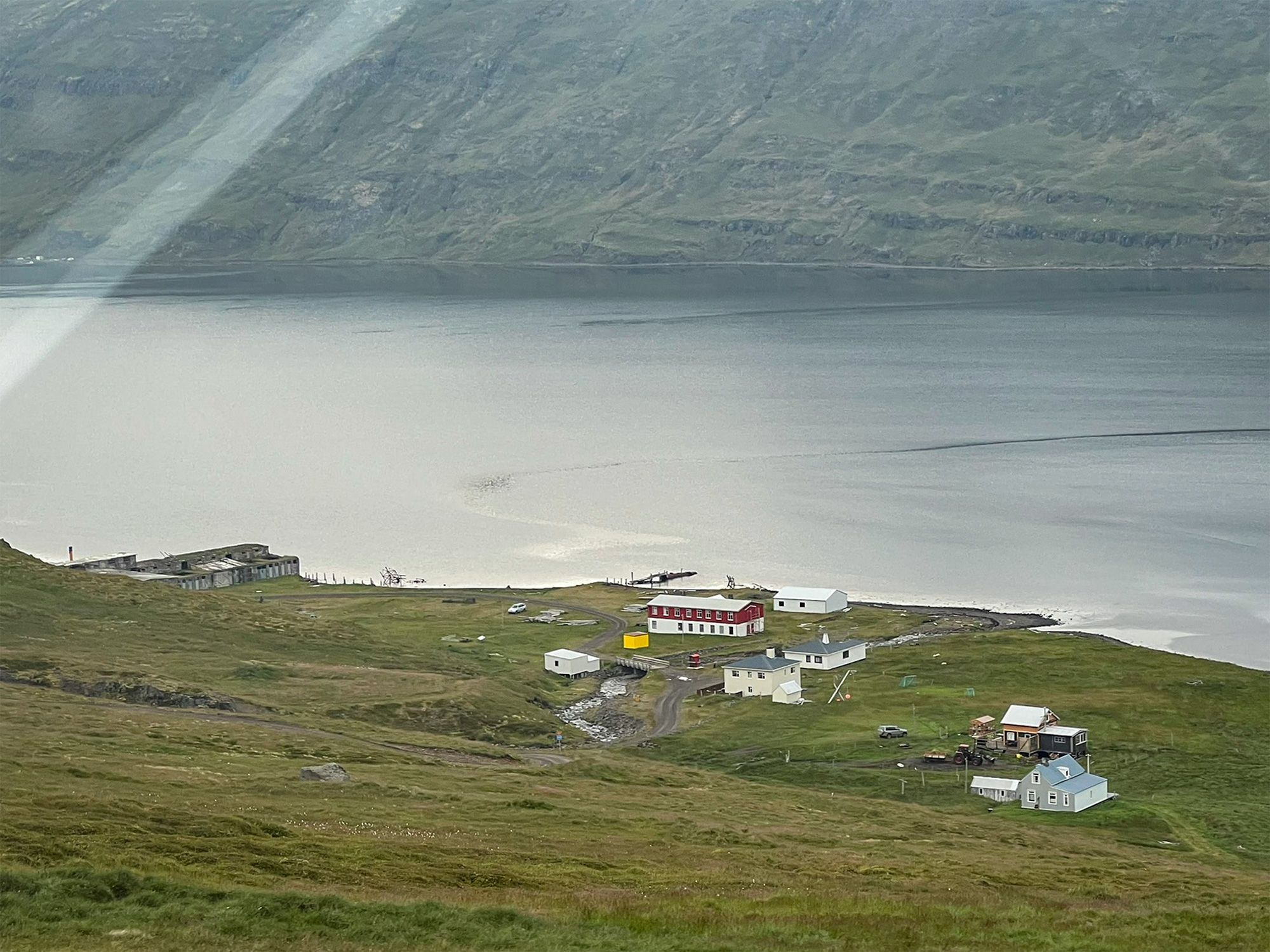
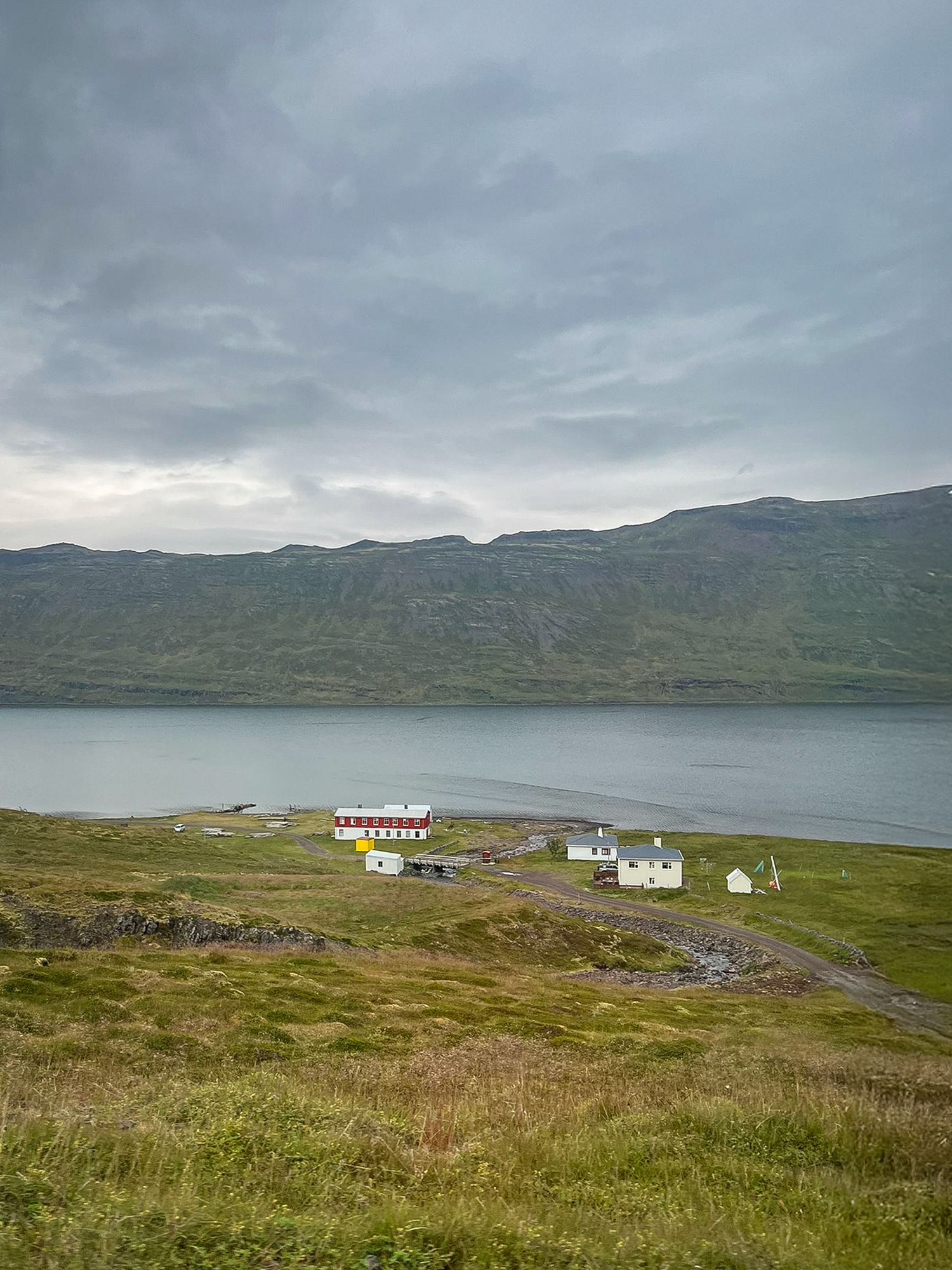
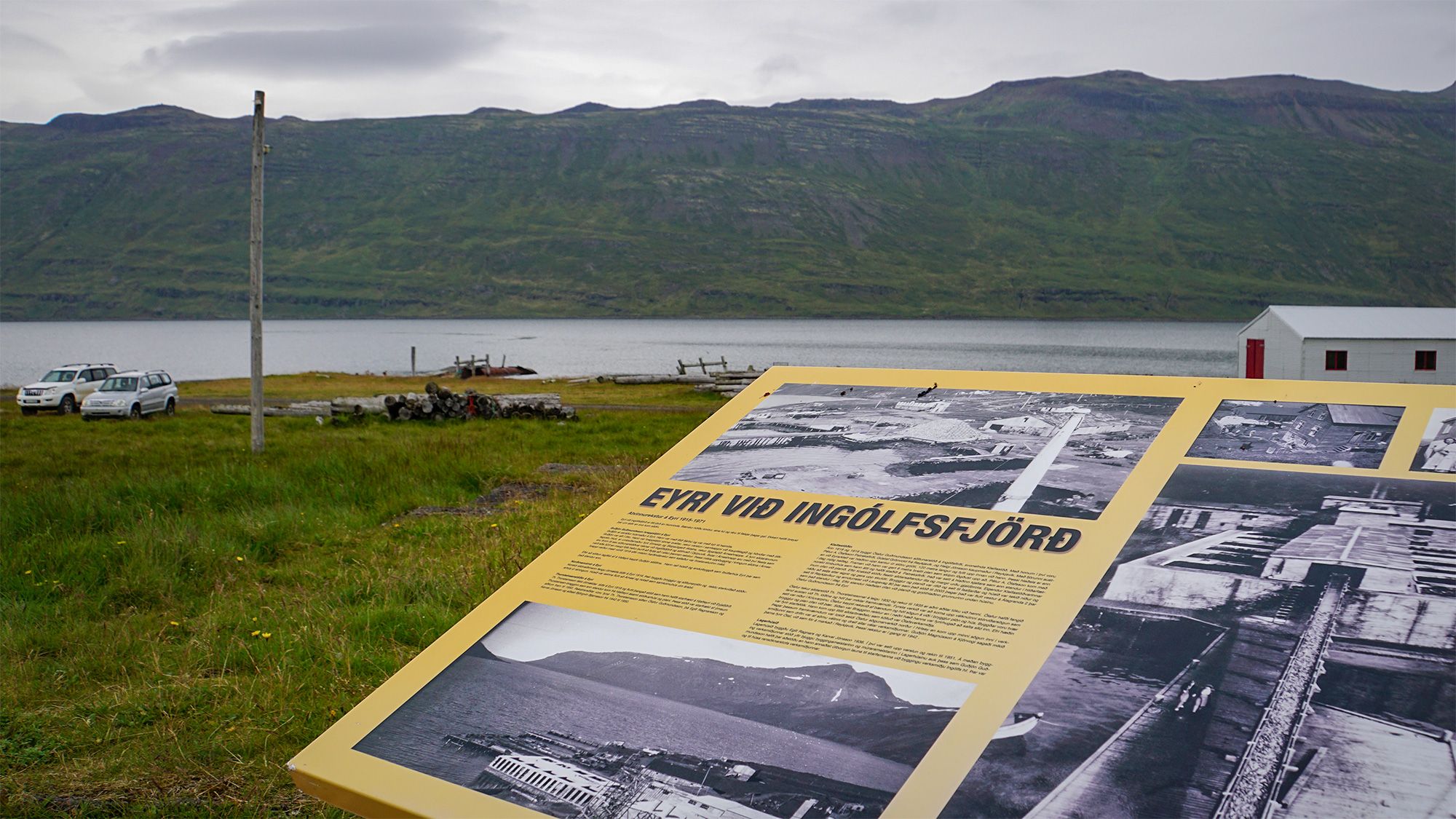
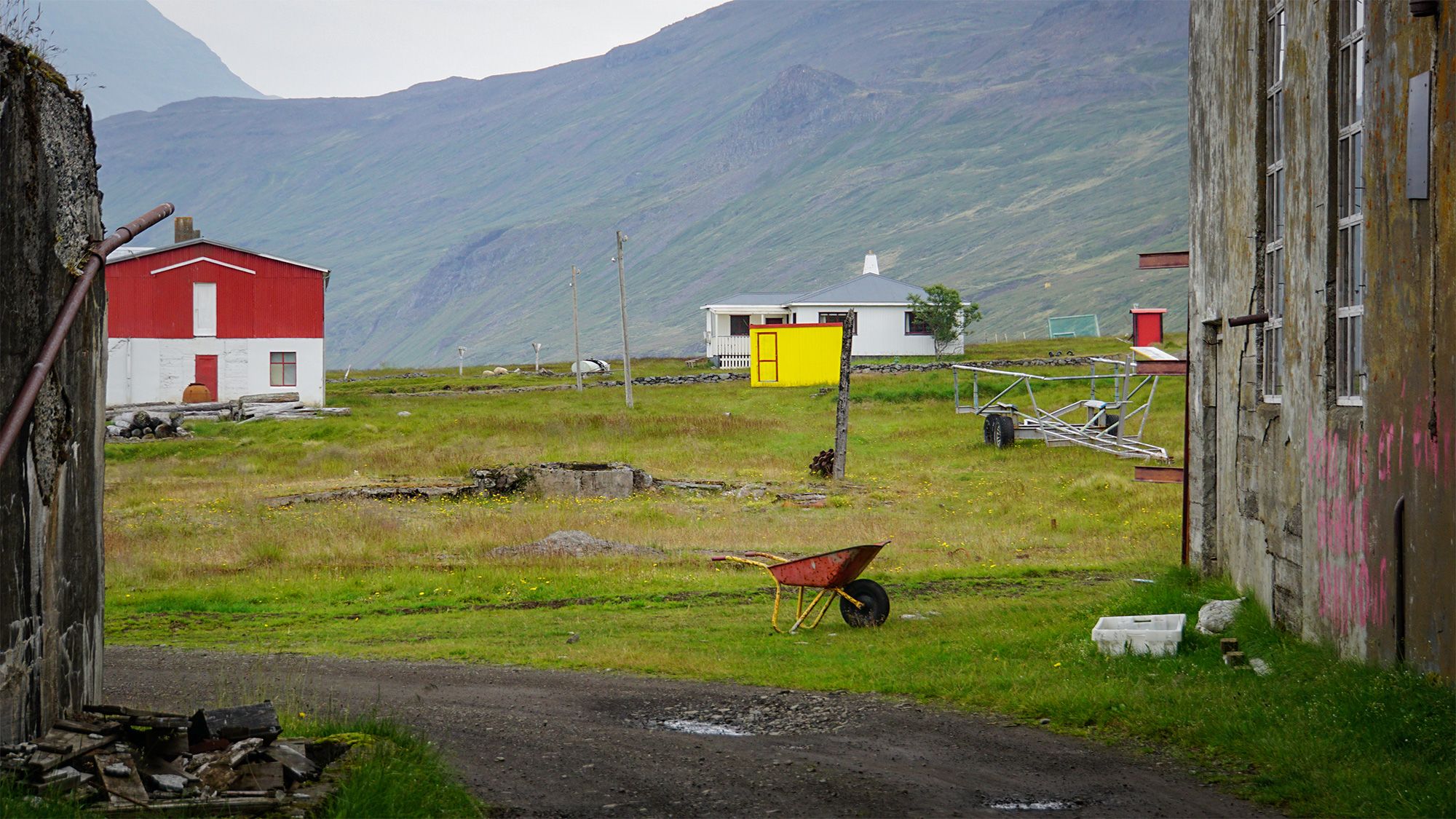
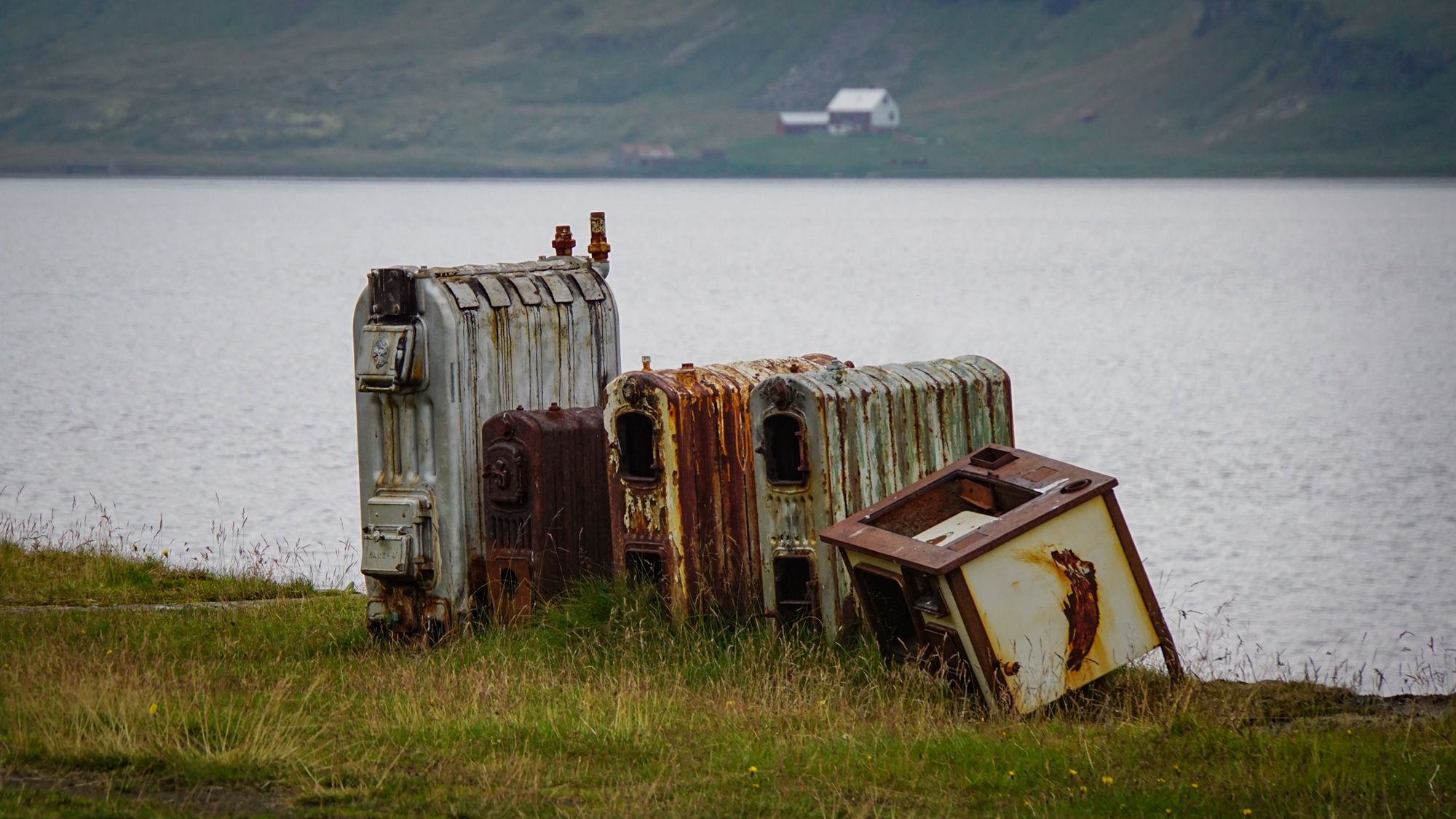
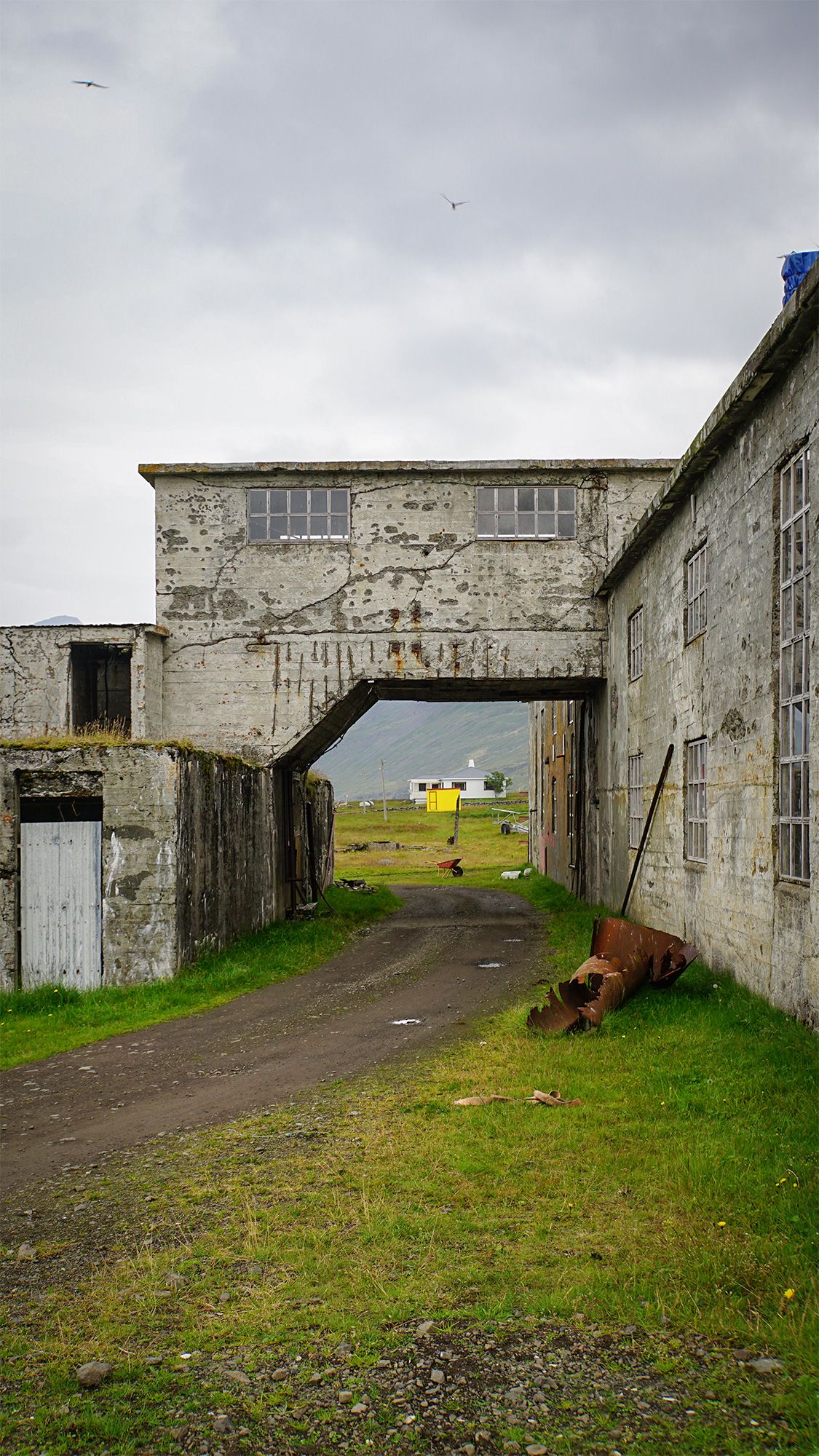
For a short time, this part of the region experienced an economic boom. At the beginning of the 20th century, Norwegian stations operating along the fjord were involved in pickling herring. In the 1940s, a herring factory was built in the local settlement of Eyri, but after only a few years it was closed due to a lack of profitability. The settlement was abandoned. Today, all that remains are the ruins of the factory and a still-inhabited farm.
So one could say: nothing interesting. Yet I’m very fond of such ordinary places and the traces of everyday human stories.
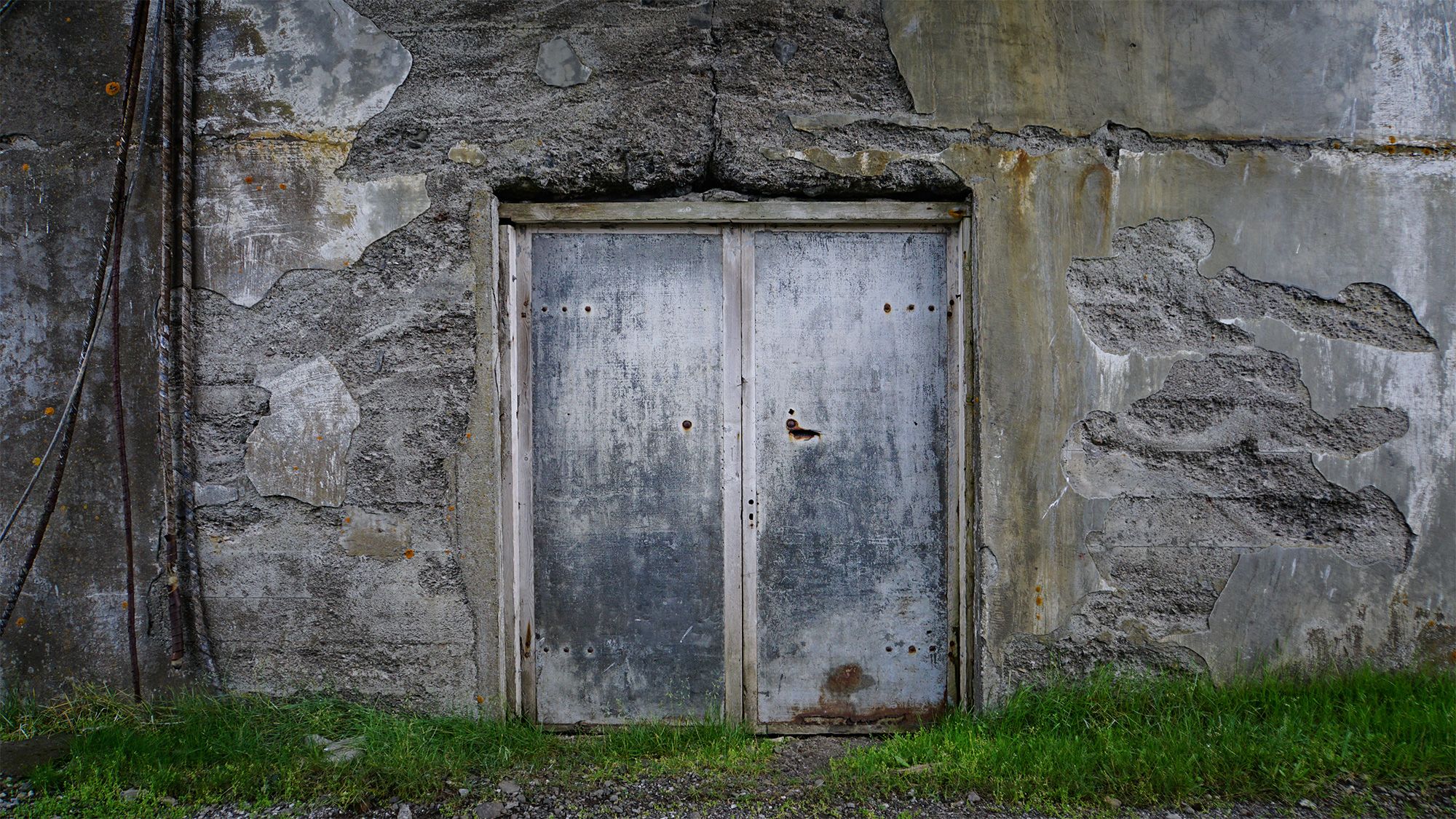
This place would be an interesting spot for urbex enthusiasts. We went for a short walk, but only around the exterior of the factory grounds. The only real danger turned out to be the arctic terns circling above our heads, defending their nesting sites. They’re small birds, but they can be very aggressive, diving straight at you and giving the impression that they’re about to crash into your face. It helps to have something in your hand - a scarf, a hat, or a stick - and wave it above your head from time to time. I’ve learned to ignore them by now, but my first encounter three years ago was quite frightening, like something out of Hitchcock.
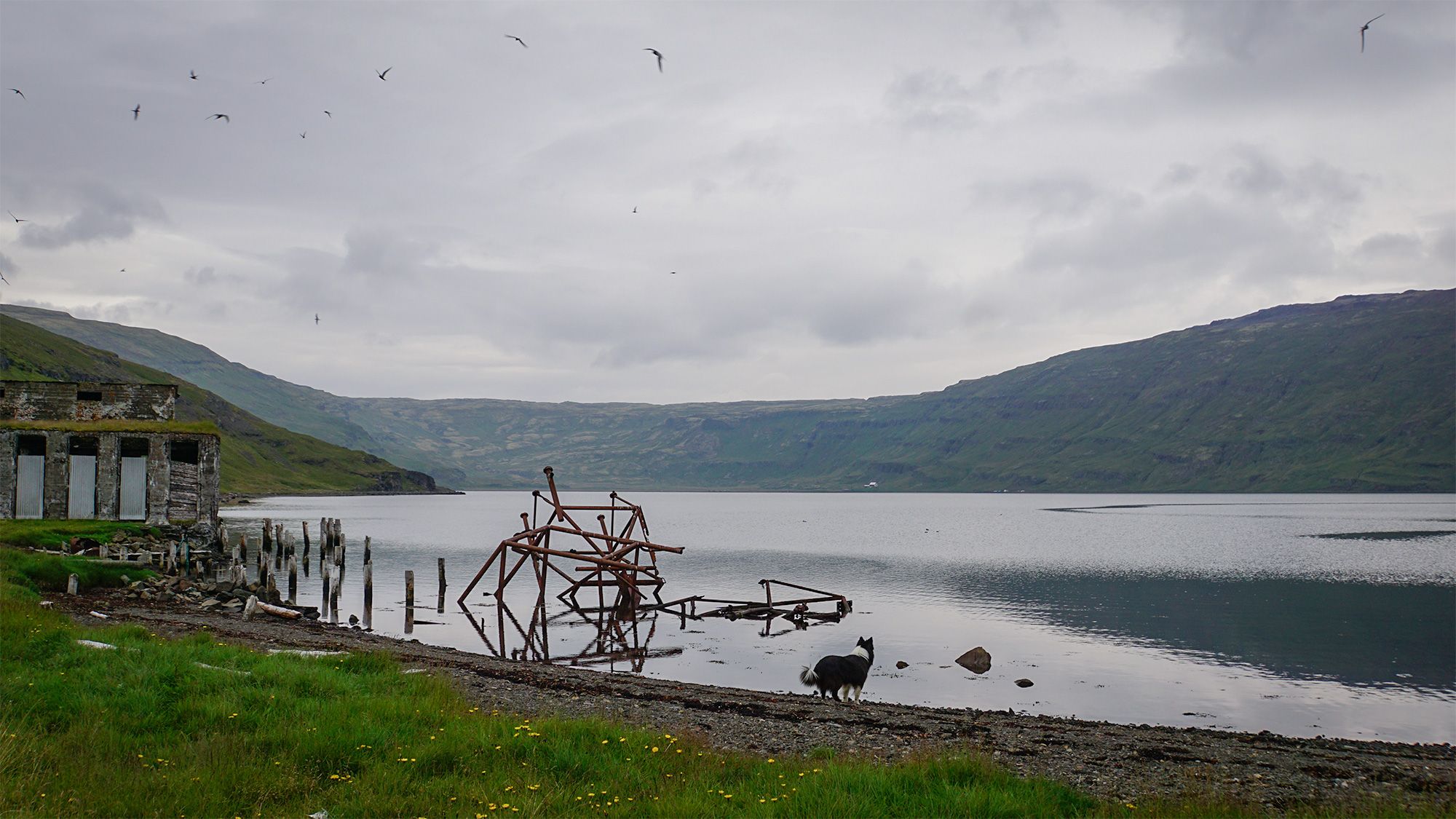
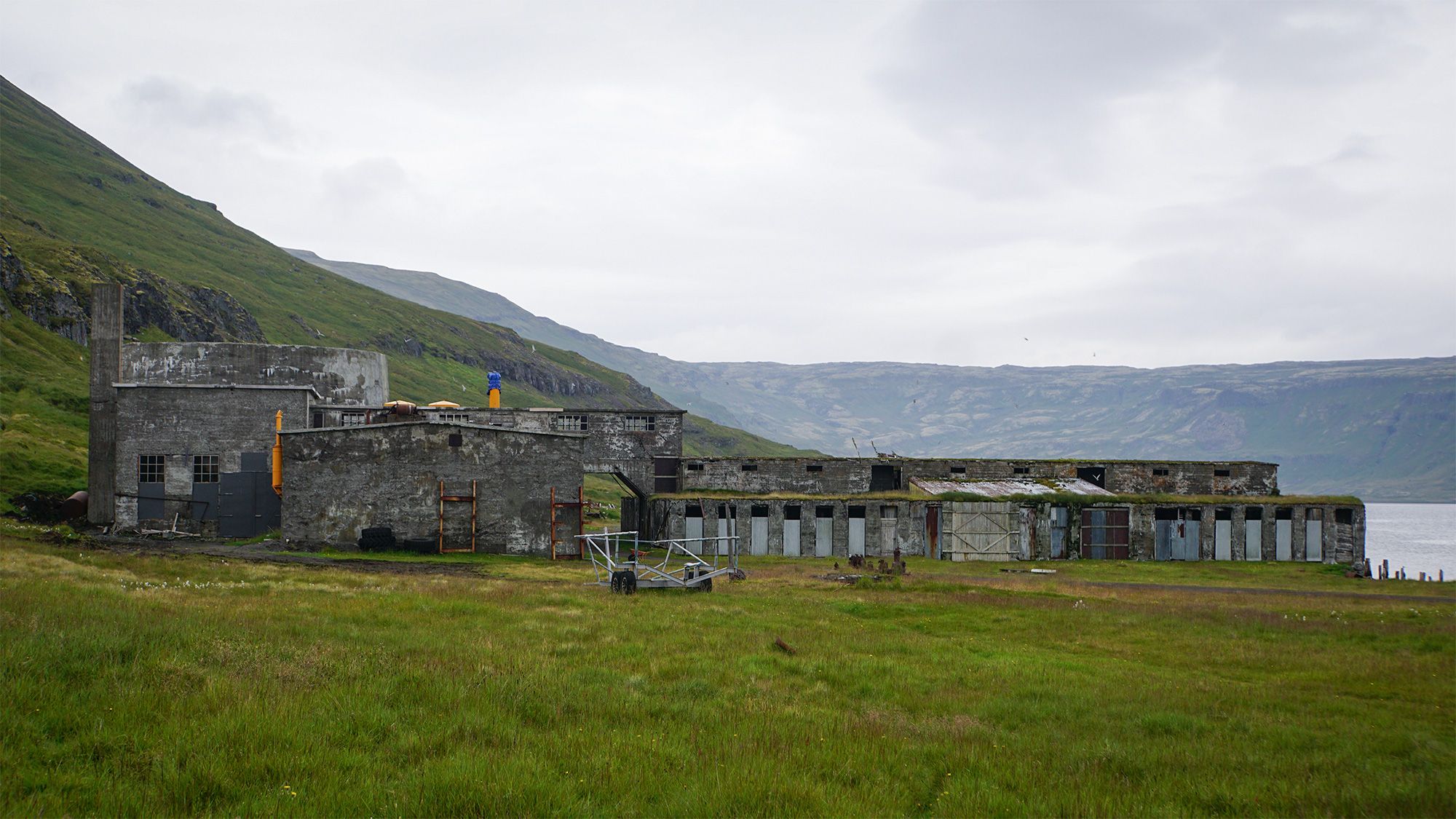
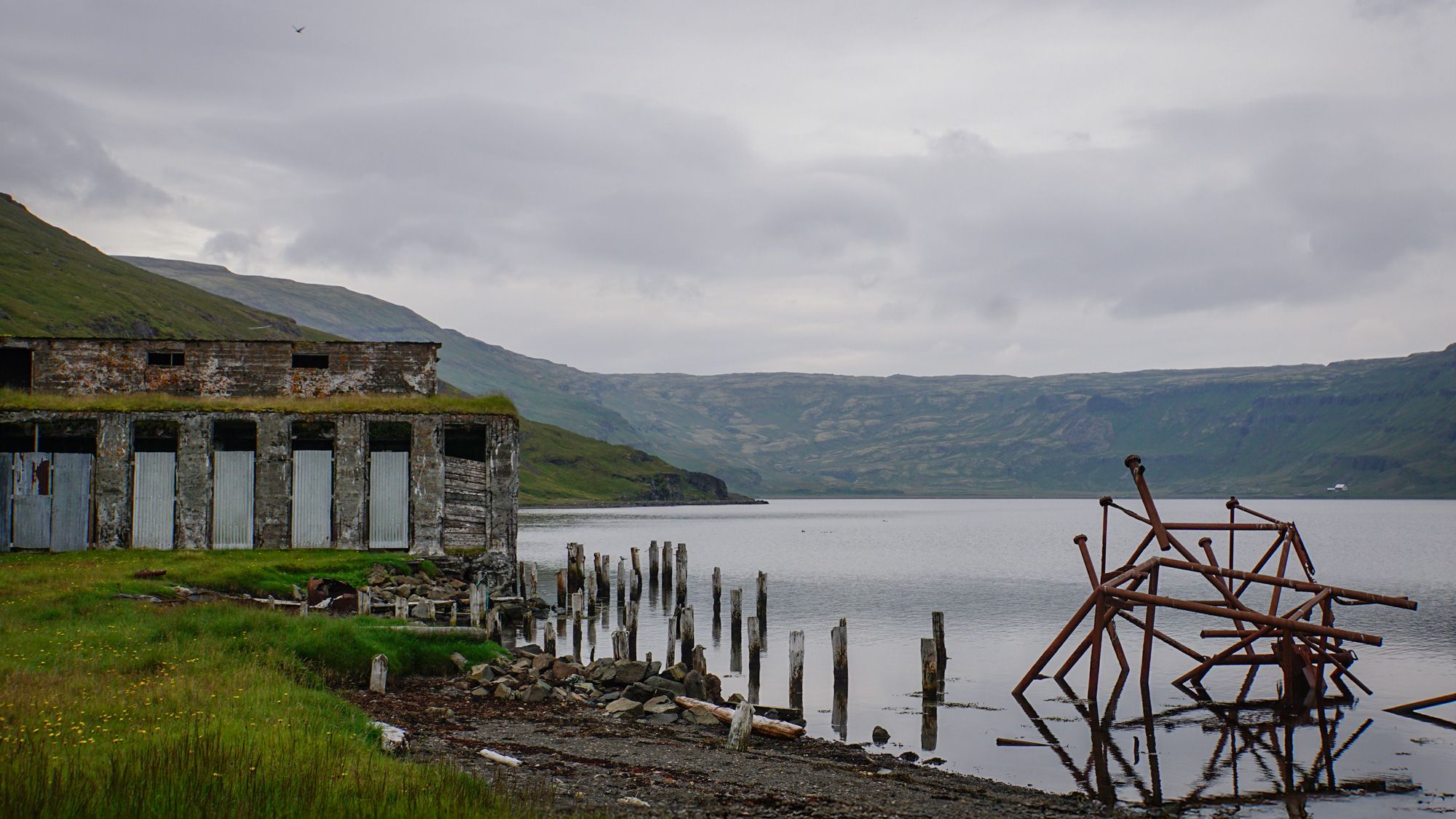
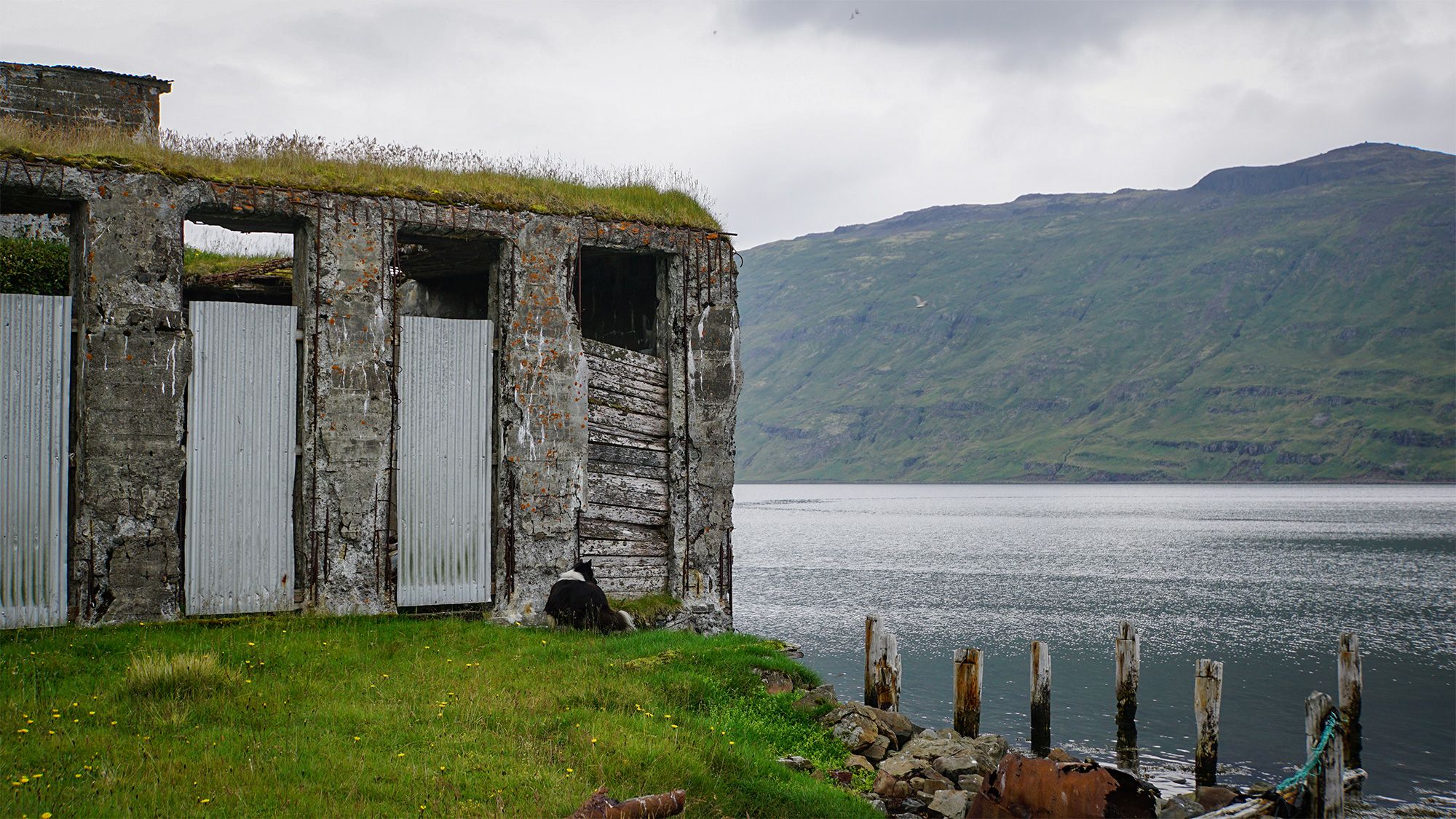
In places like this, I always feel a touch of melancholy and think about how temporary human efforts are. At the same time, I feel admiration for the people who, for centuries, tried to live and build their lives in such harsh conditions. There’s a kind of conflict within me - on the one hand, I love nature and want to see it untouched; on the other, I can’t help admiring people who pursue their goals despite all difficulties.
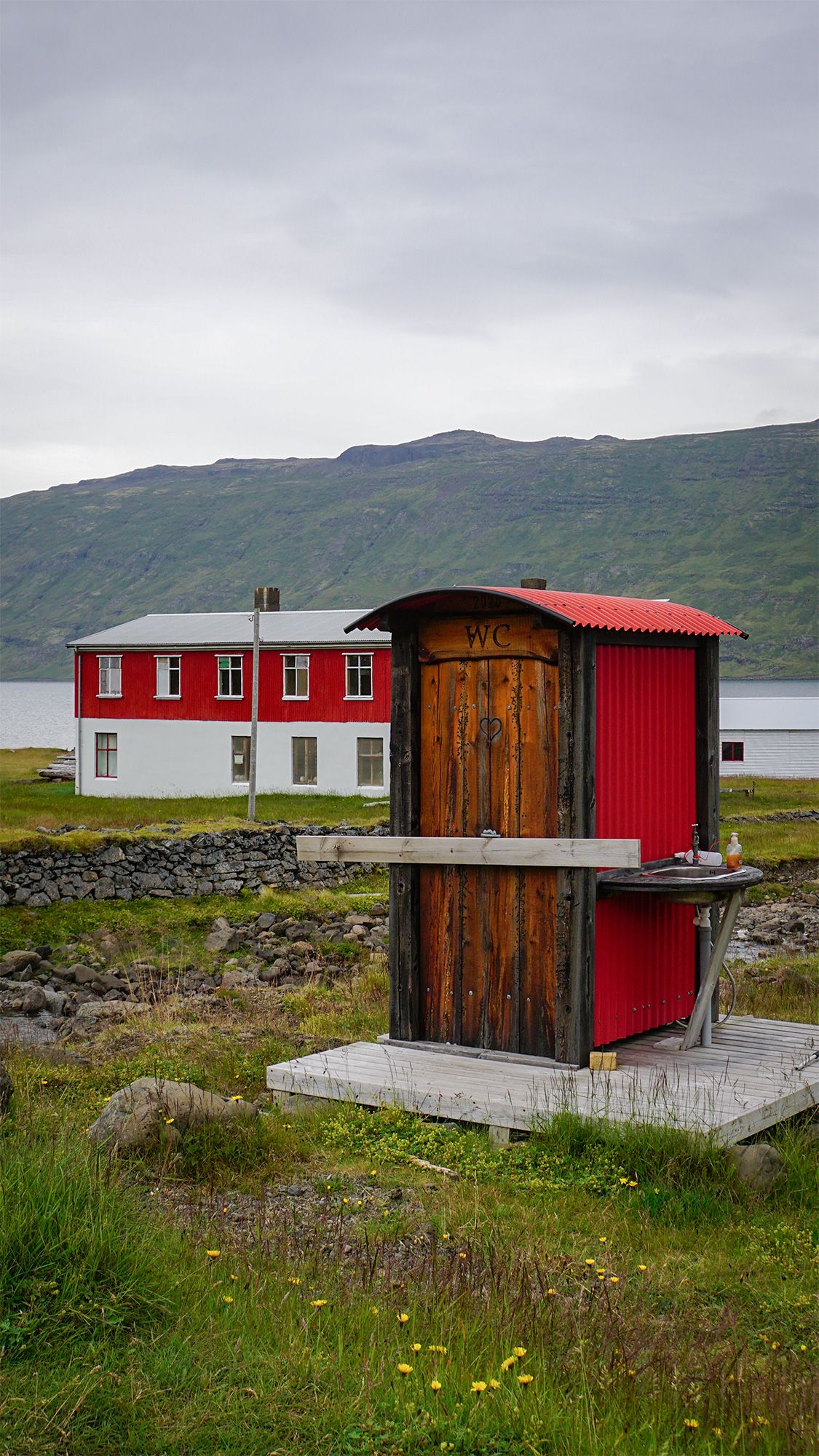
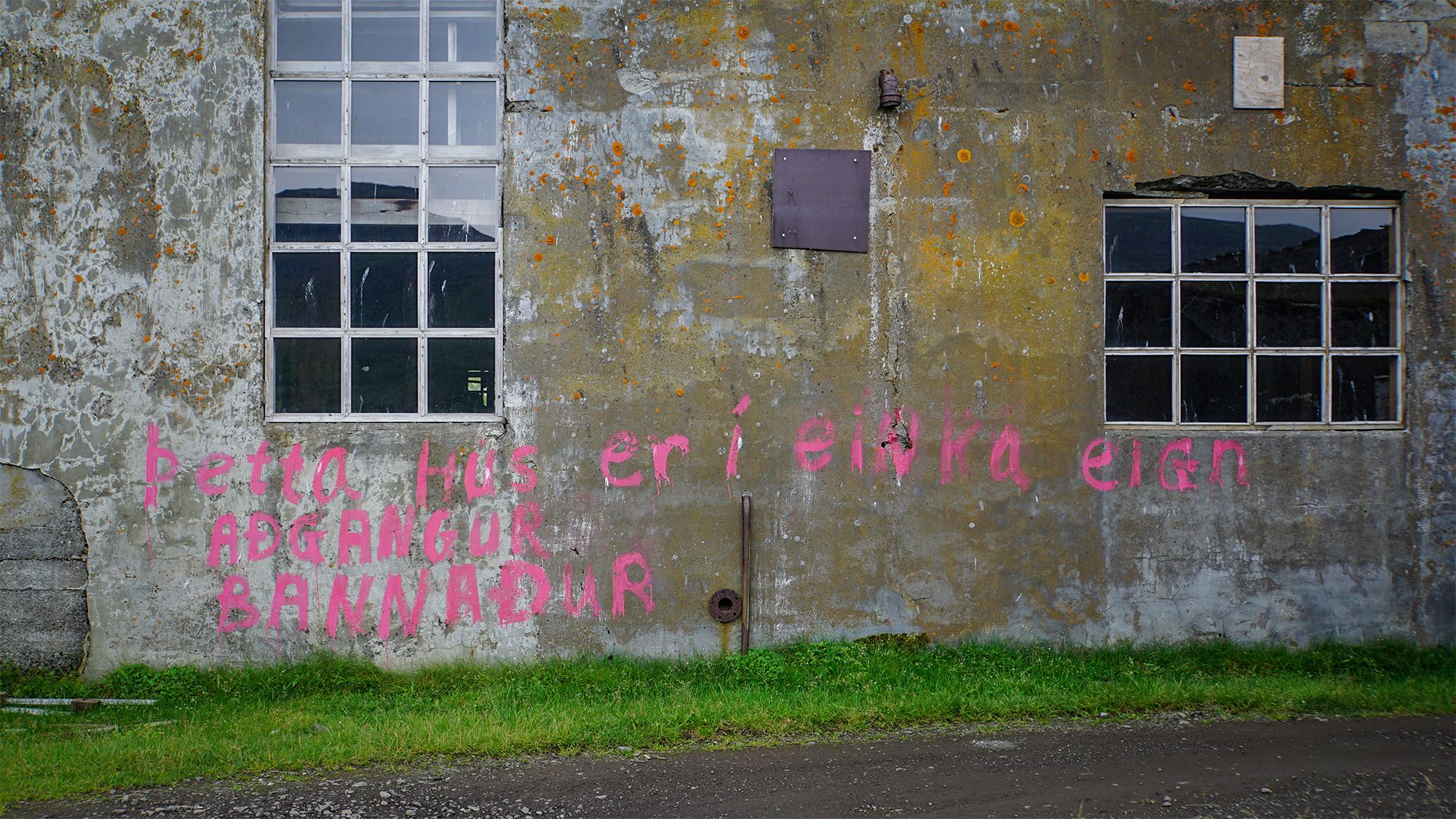
The writing I found on the wall was one of the reasons why I didn’t try to go inside: the house stands on private property, with no entry allowed. I was tempted, but I generally try to respect such rules.
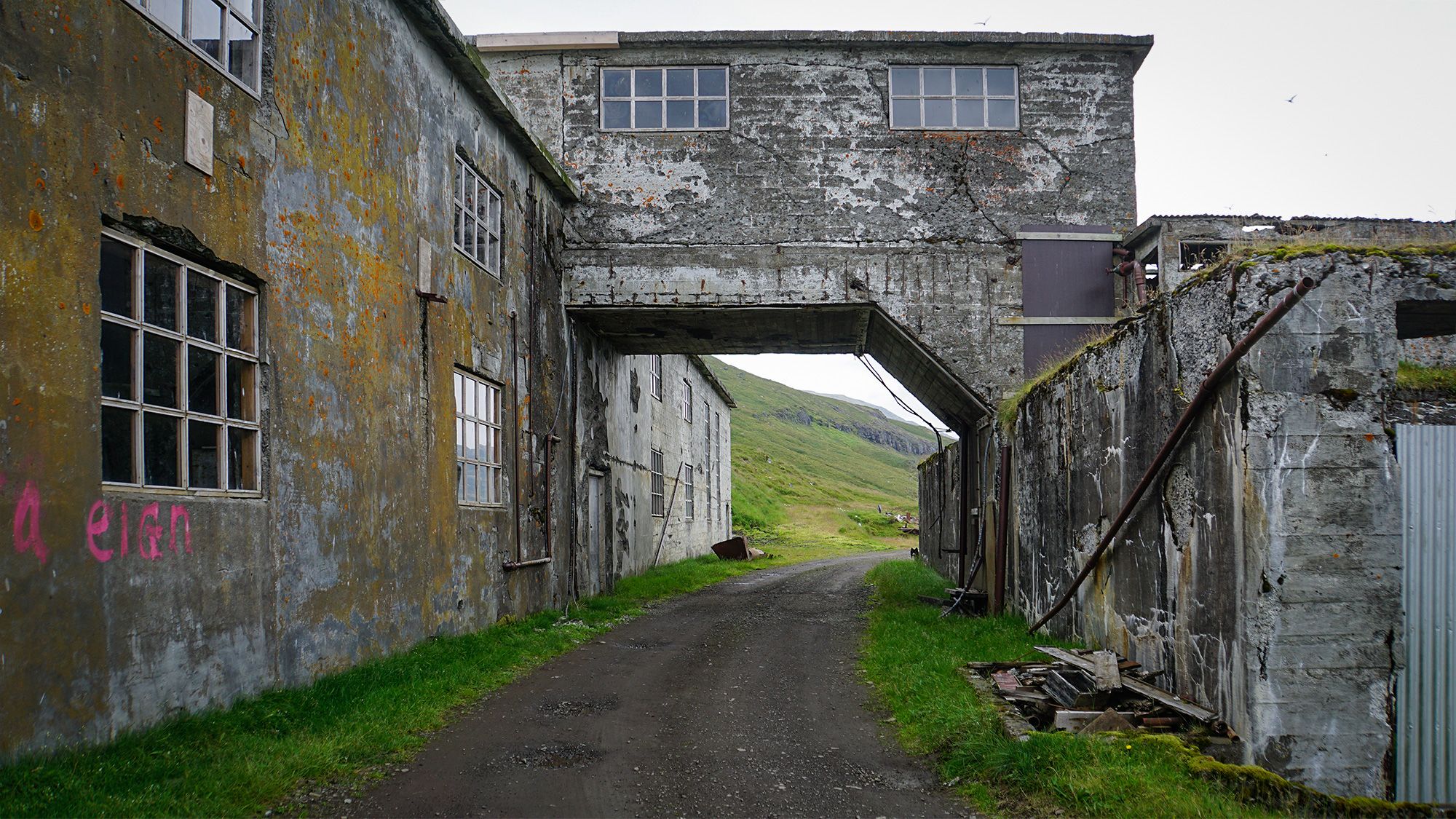
But walking around the buildings and watching their decaying structure against the harsh landscape was already enough for me. I like contrasts of all kinds.
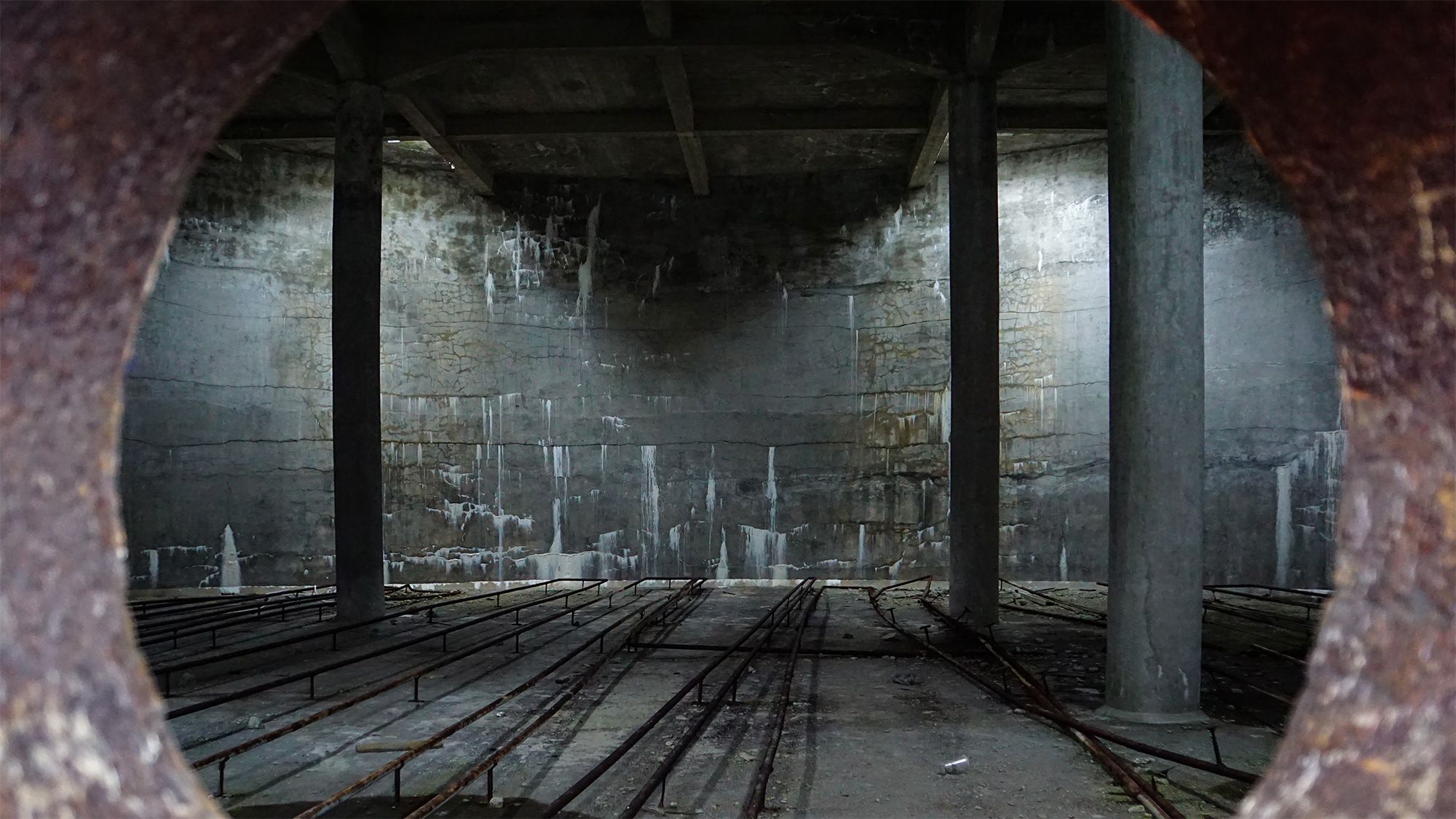
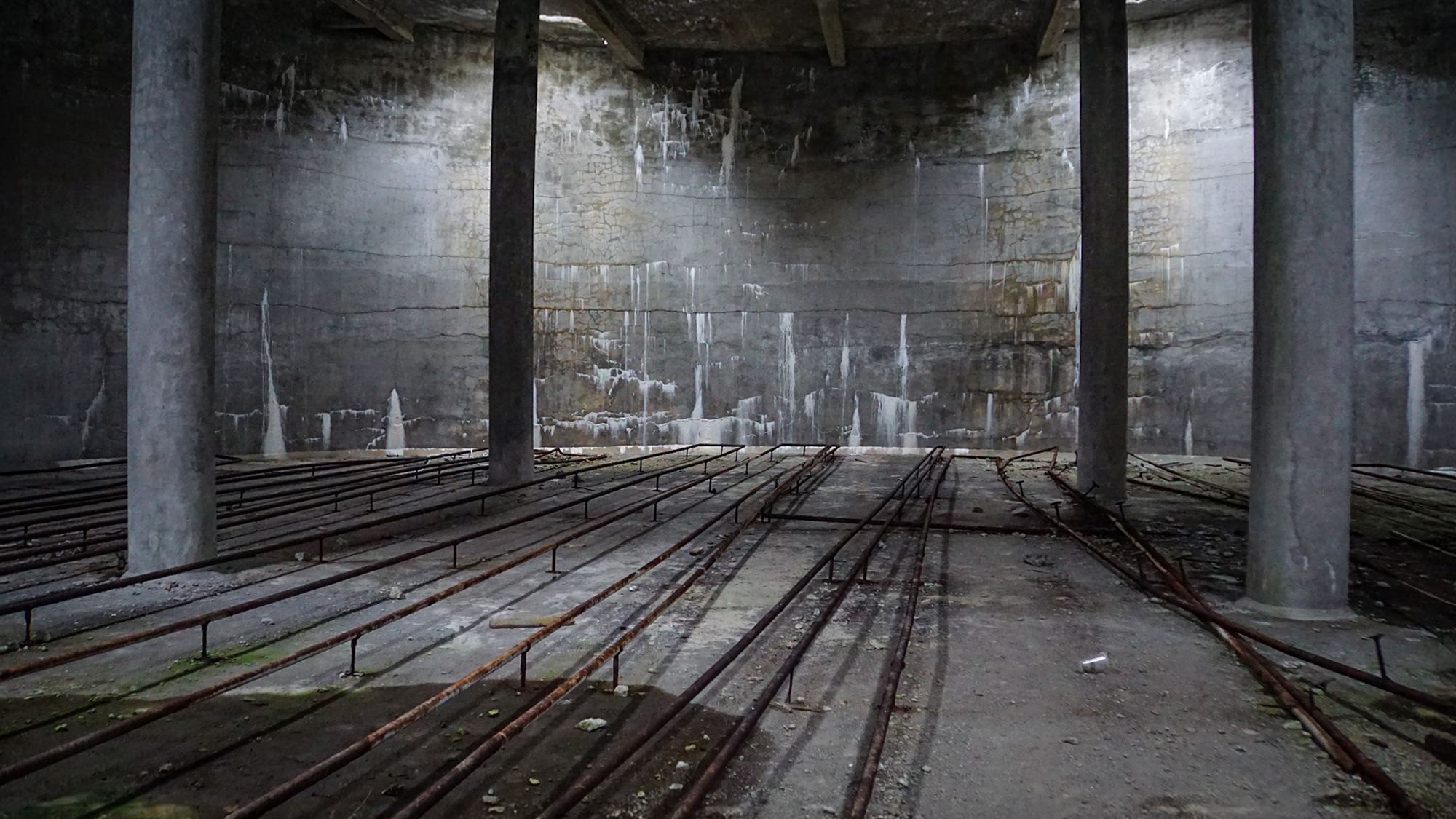
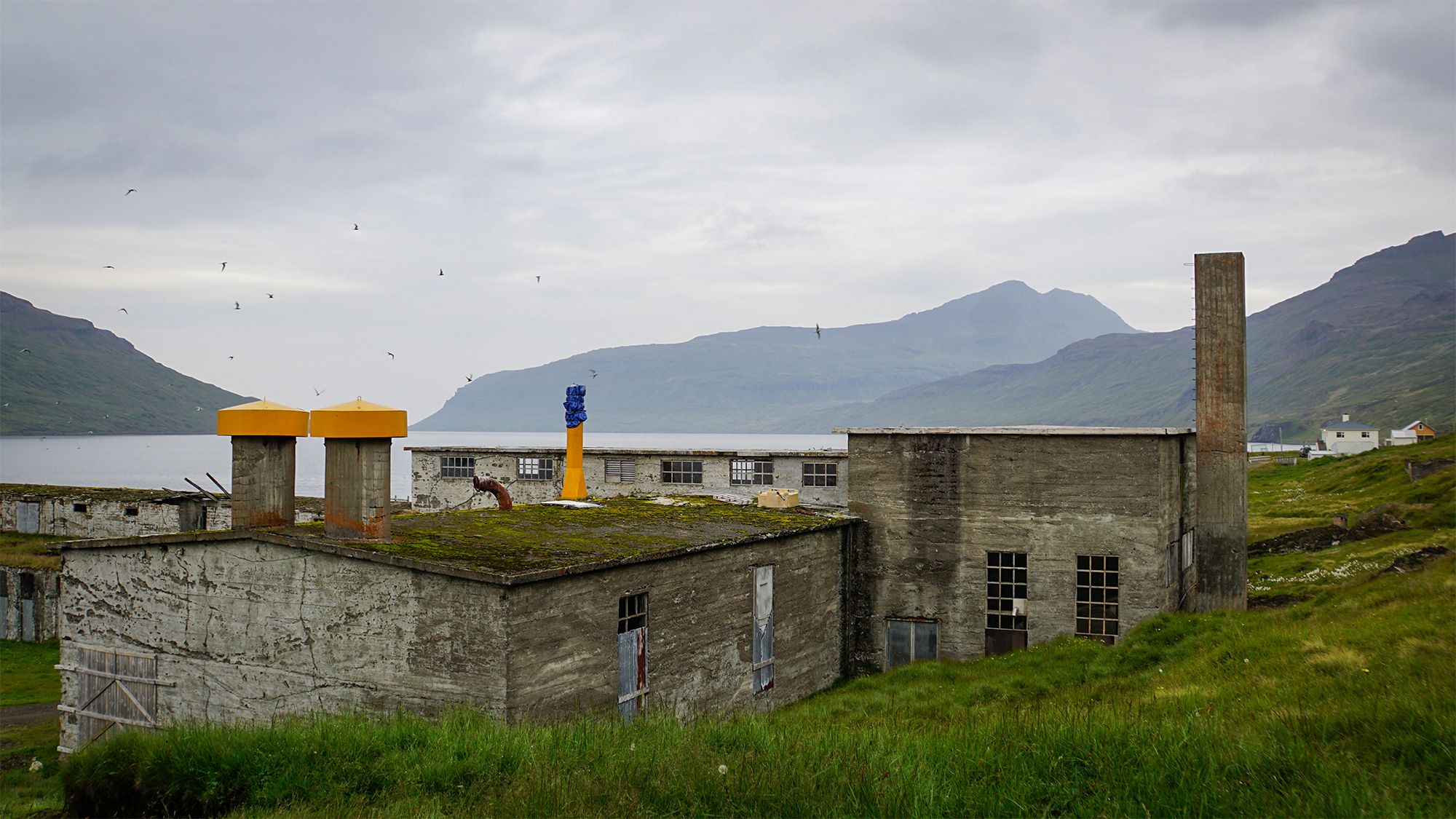
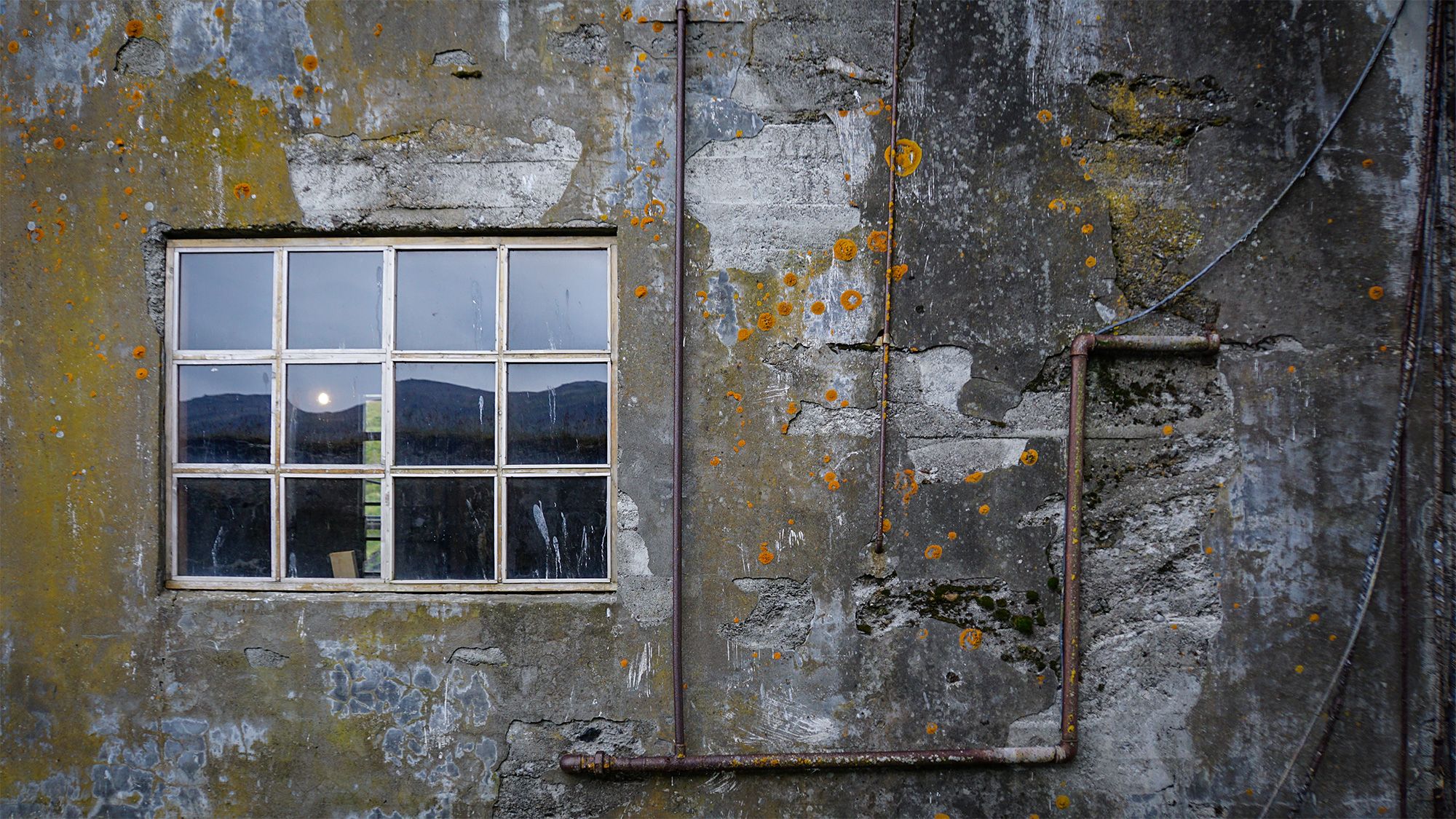
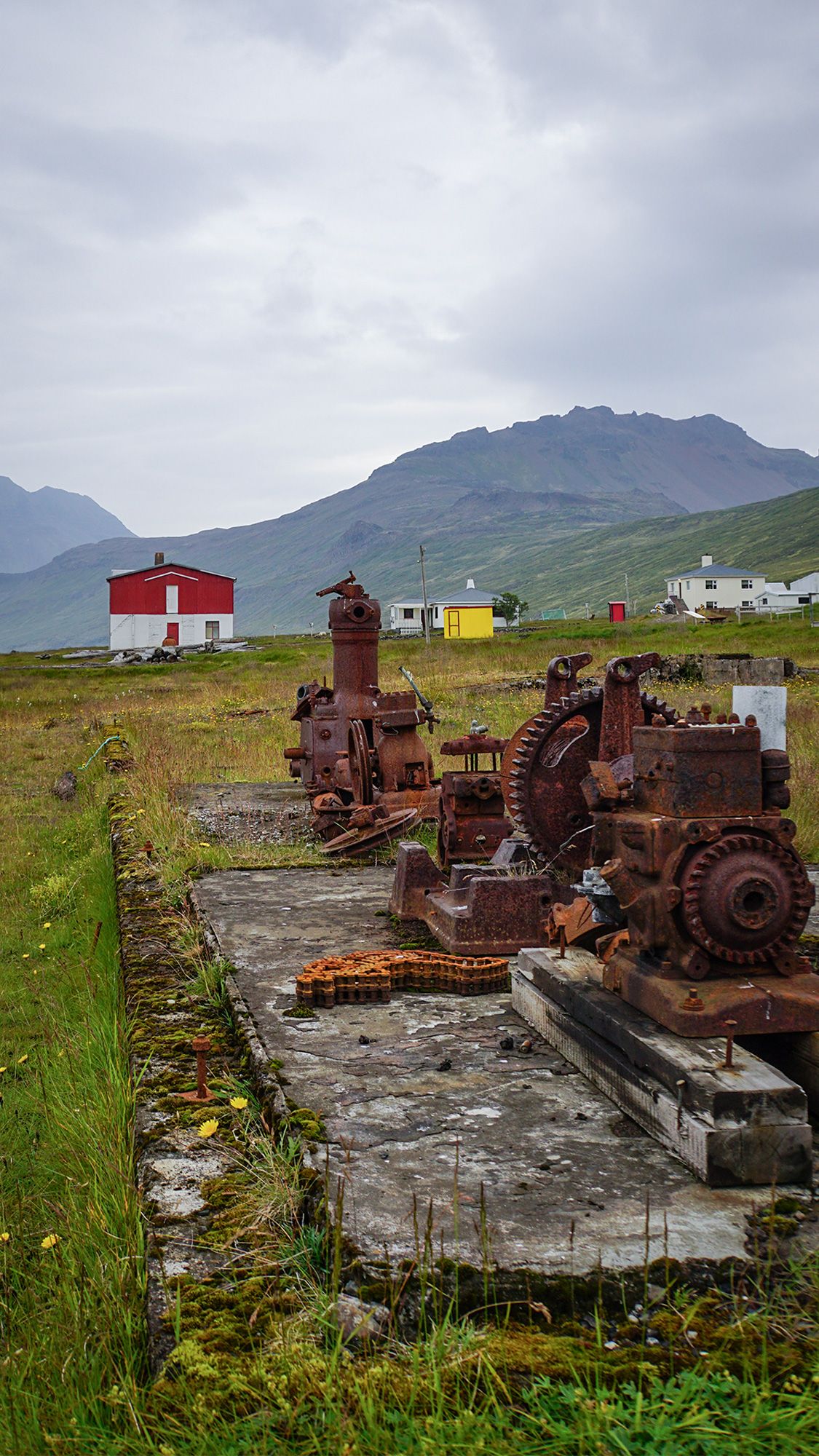
And so this ordinary, cloudy day marked the end of my first encounter with the Westfjords. This wild corner of Strandir - the small settlement of Norðurfjörður, Kistuvogur cove, and the abandoned factory at the end of the road - stayed with me, alongside many other places I had visited before. How many more can I still carry with me?

A year of transition - small trips and moving to Iceland
Where my home is - "Iceland in miniature"
Winter at my place - not as scary as they said
Chasing spring in Grundarfjörður
Wolf Beans: purple beauty or invasive species? A trip to Ingjaldshóll
Welcome to Mars: Kerlingarfjöll Mountains
Katla's tongue – Sólheimajökull Glacier
In the shadow of the glacier: the stunning Þakgil campsite
Moss and ice: the road east
Basalt and turquoise: Stuðlagil Canyon, East Iceland
Cracked earth - driving to Stykkishólmur
Off the beaten path: Hafrahvammagljúfur Canyon and the hot spring shower
The road to Mývatn: through rain and wilderness
Around Lake Mývatn (1) - Víti Crater and the Hverir geothermal field
Around Lake Mývatn (2) - the monochrome world of Hverfjall
Around Lake Mývatn (3) - Leirhnjúkur: a walk on warm ground
On the way home - Goðafoss, the waterfall of the gods
North Iceland - a small harbor and a basalt coast: Hauganes and Kálfshamarsvík
West Iceland - two unusual waterfalls framed in autumn gold
Beyond the postcard - a summer evening at Búðir and Arnarstapi
Around the Westfjords (1) - first impressions
Around the Westfjords (2) - Dynjandi Waterfall
Around the Westfjords (3) - on the way to Norðurfjörður
Around the Westfjords (4) - secrets of Kistuvogur cove

Comments