 Thessaly - Central Greece, Greece
Charioteer statue and more
I continue to talk about visiting an amazing place in Greece - the ancient city of Delphi.
The territory of the city is not very big. When you walk along stone paths past the remains of columns and ancient temples, you see with what density there were various works of ancient architects.
Delphi was a rich city and everything here spoke about it. The city was replenished with vilifications of noble guests who came to the oracle.
It must be said that the city lost its greatness from the moment it chose the side of the Persians in the Greco-Persian wars. If before this event there was a union of Sparta and Delphi, then after the Delphic elites chose a new, as it seemed to them, more powerful ally, everything began to crumble.
And when the emperor Theodosius came to power in Rome, who fought against paganism, the Delphi generally lost their status and was defeated and buried in the ground.
From these underground vaults, many artifacts in very good condition have survived to this day.
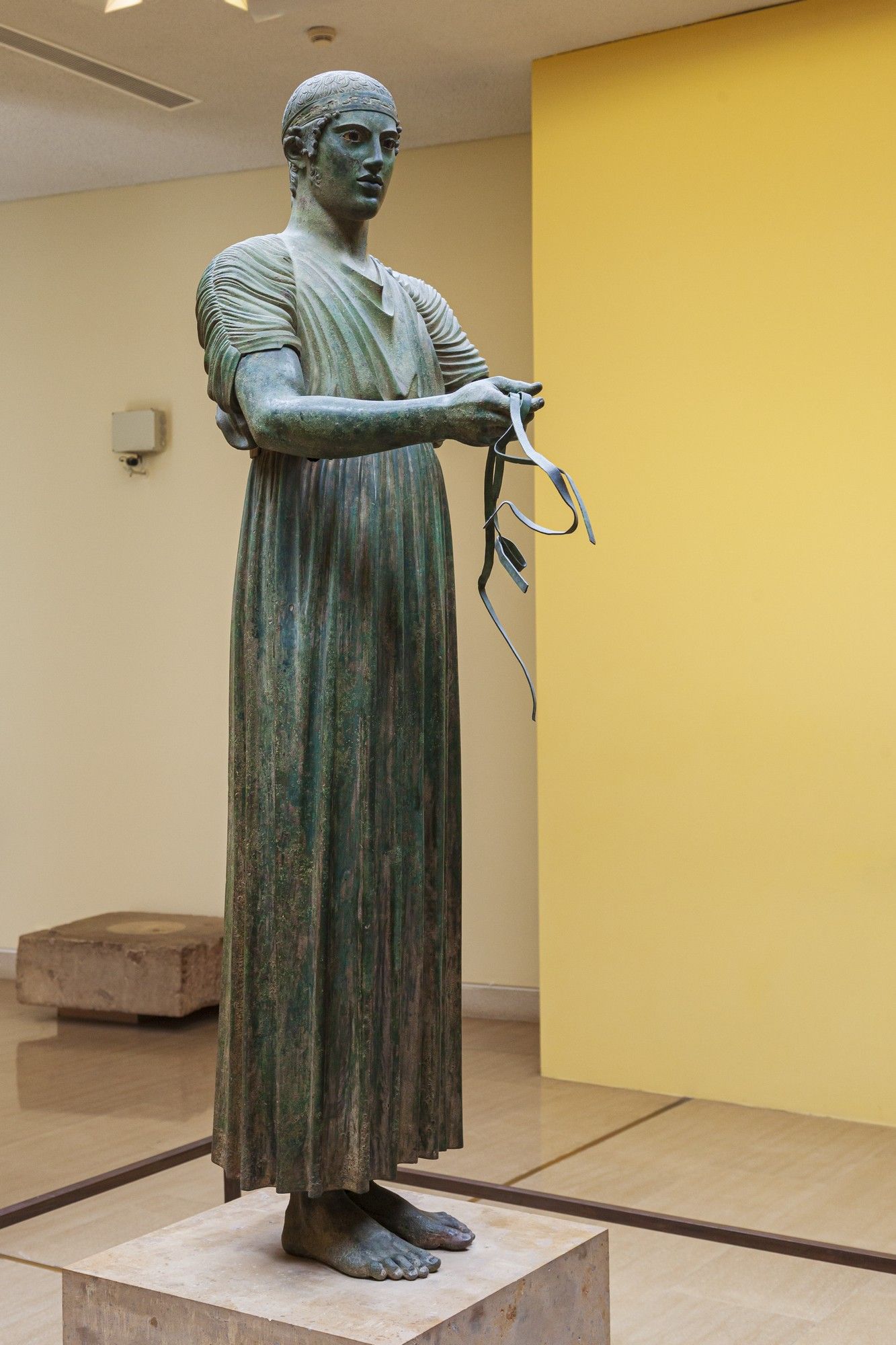
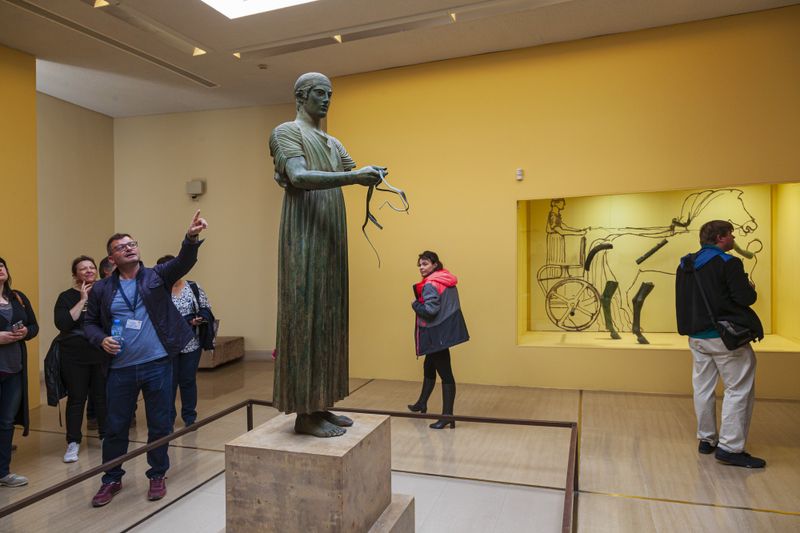
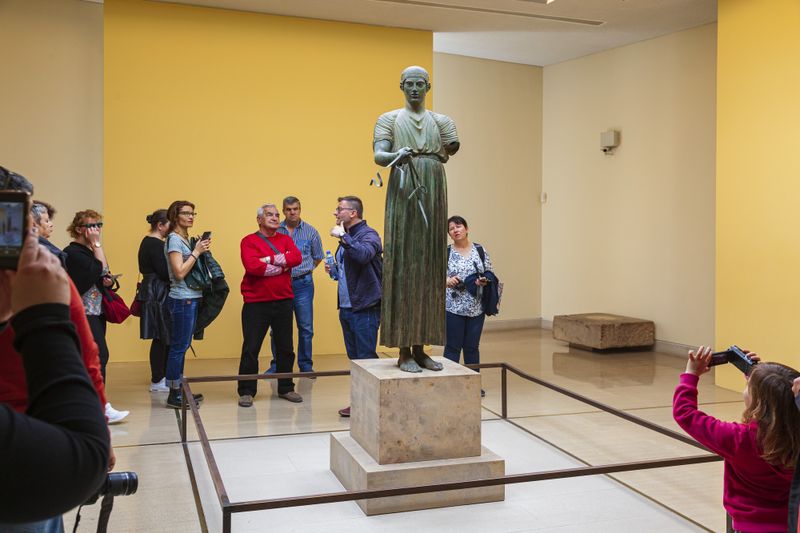
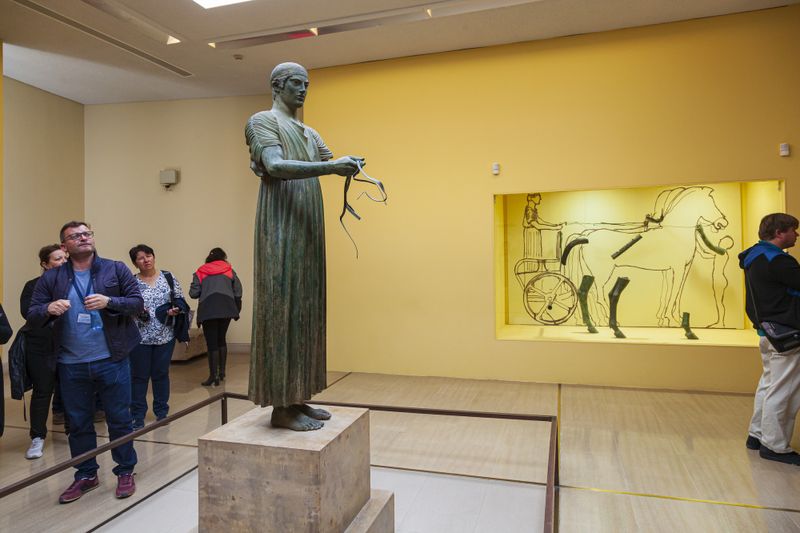
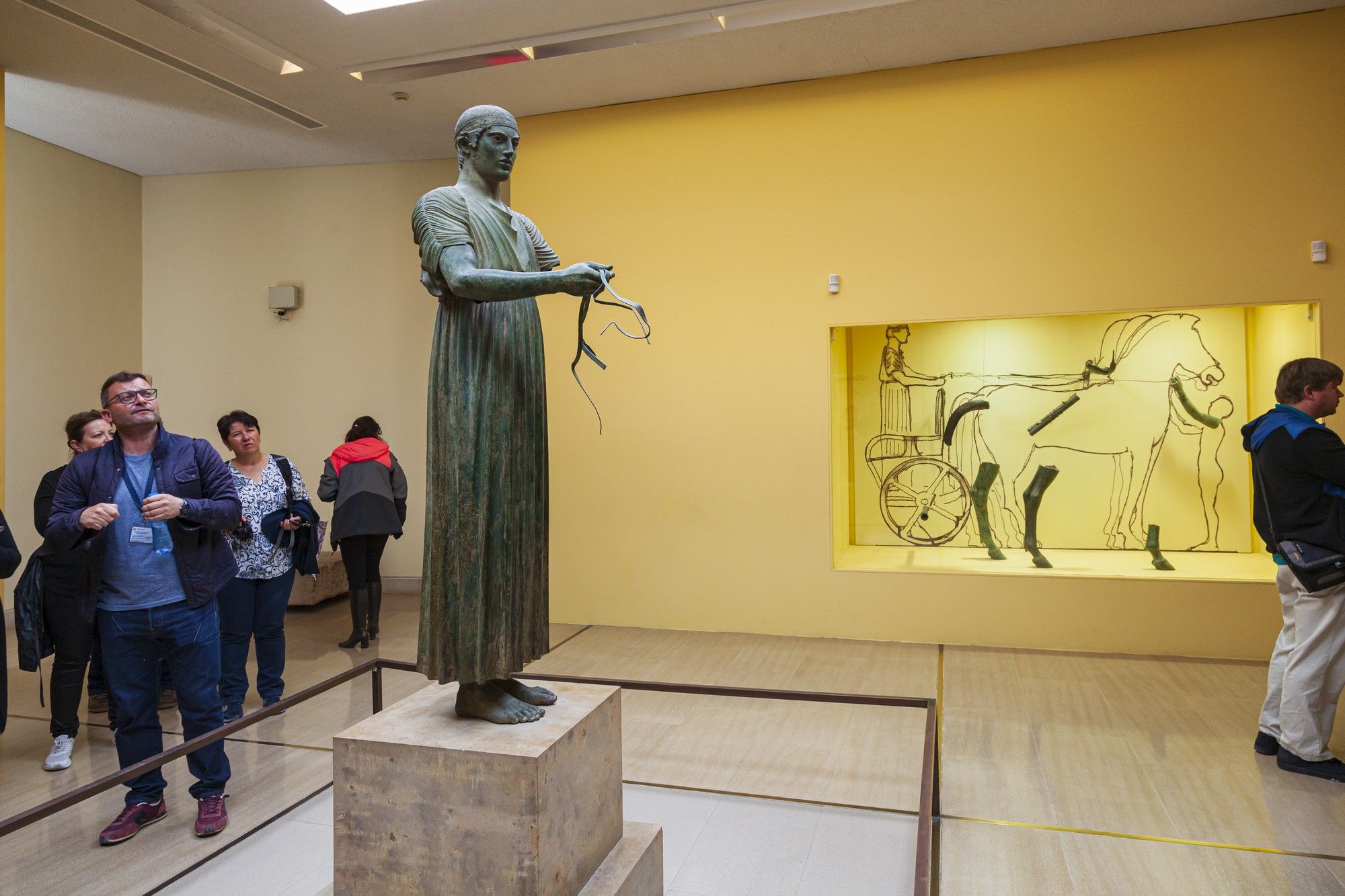
For example, a bronze sculpture of a charioteer.
This work of ancient artists is now in the Delphi Museum. It was dug up by French archaeologists. The sculpture, although it was found in parts and not completely, is in very good condition. I was fortunate enough to watch her.
The sculpture was donated to the city in honor of the Delphic Games. The Delphic Games were on a par with the Olympic Games. Games were held once every four years. The competition program included musical battles. Chariot racing, horse racing.
Apollo, who was the patron saint of Delphi, was also the patron saint of the arts, so competitions in the arts were central to the Delphic Games. Also then there were competitions of sages. It would be very interesting to see such competitions.
But back to the statue of the charioteer. This is an example of the high skill of the sculptor. The figure of a young man is made in full growth. According to modern art historians and historians, that part of the sculpture that we see is only part of a large sculptural group. In this group there was a quadriga of horses, a chariot, and even a boy servant.
In those days, such a sculptural group was a very expensive, in truth, royal gift.
Even today, looking at this sculpture, one can appreciate the amazing craftsmanship and talent of the ancient sculptors and masters who created this work of art.
In the Delphi Museum, a large hall is dedicated to this sculptural group.
In addition to the sculpture of the charioteer, the museum has a lot to admire. For example, a sculpture of the Naxos Sphinx. This is a very ancient sculpture. Of the very ancient sculptures dating from the sixth century BC, two very interesting sculptures can be noted.
And there is a statue of Apollo. By the way, looking at Apollo, I recall the statue of David by Michelangelo Buonarotti.
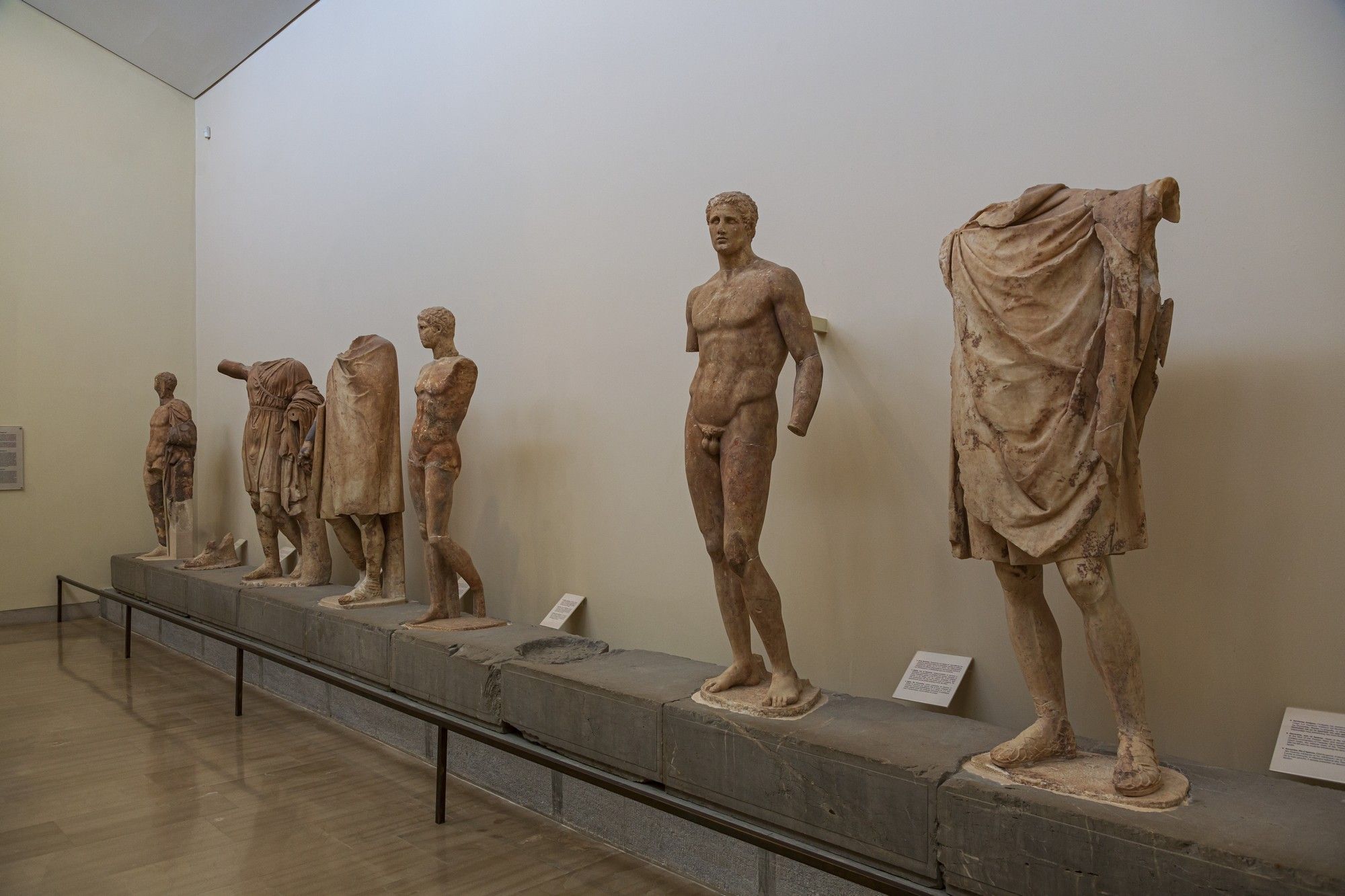
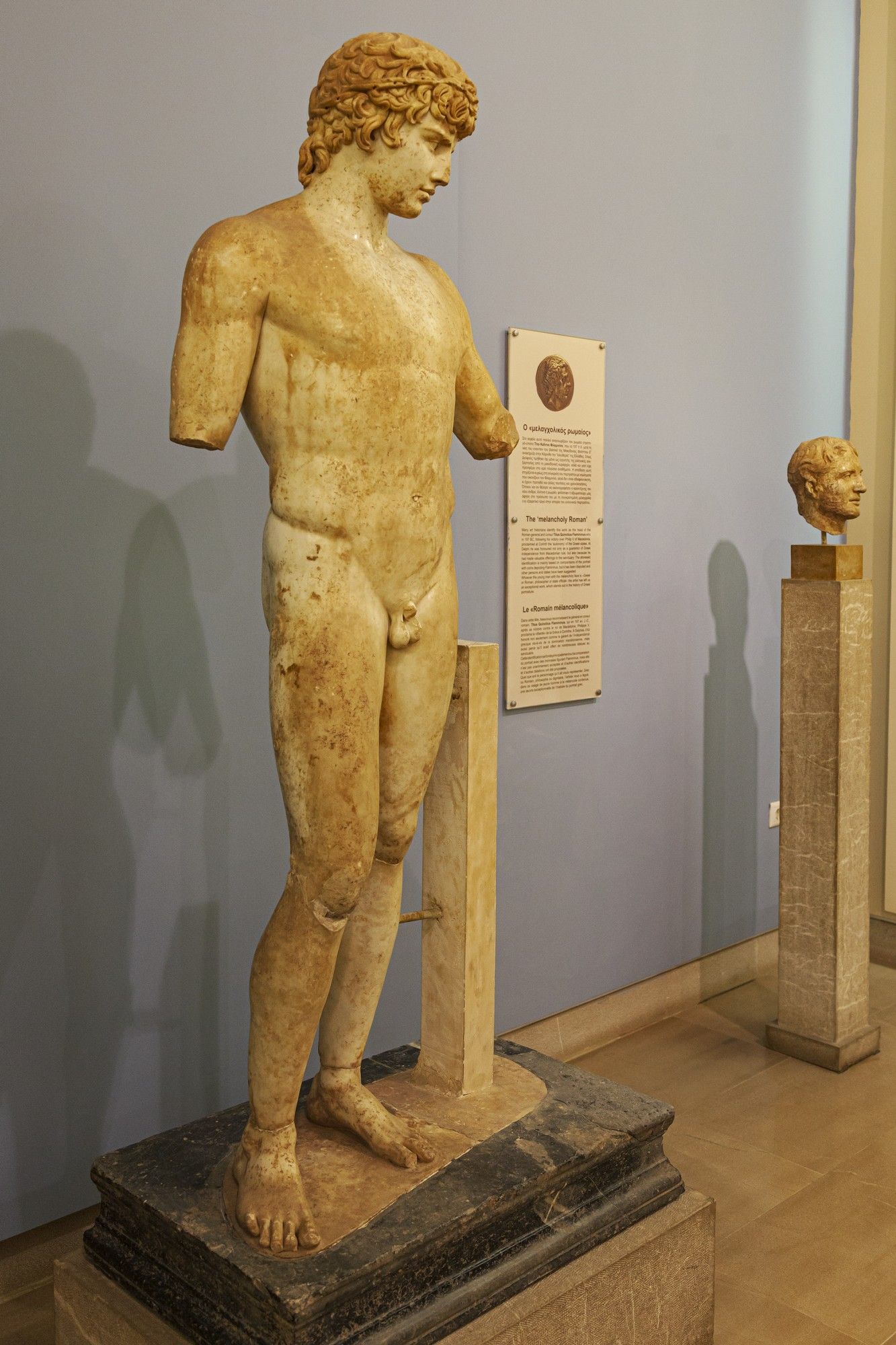
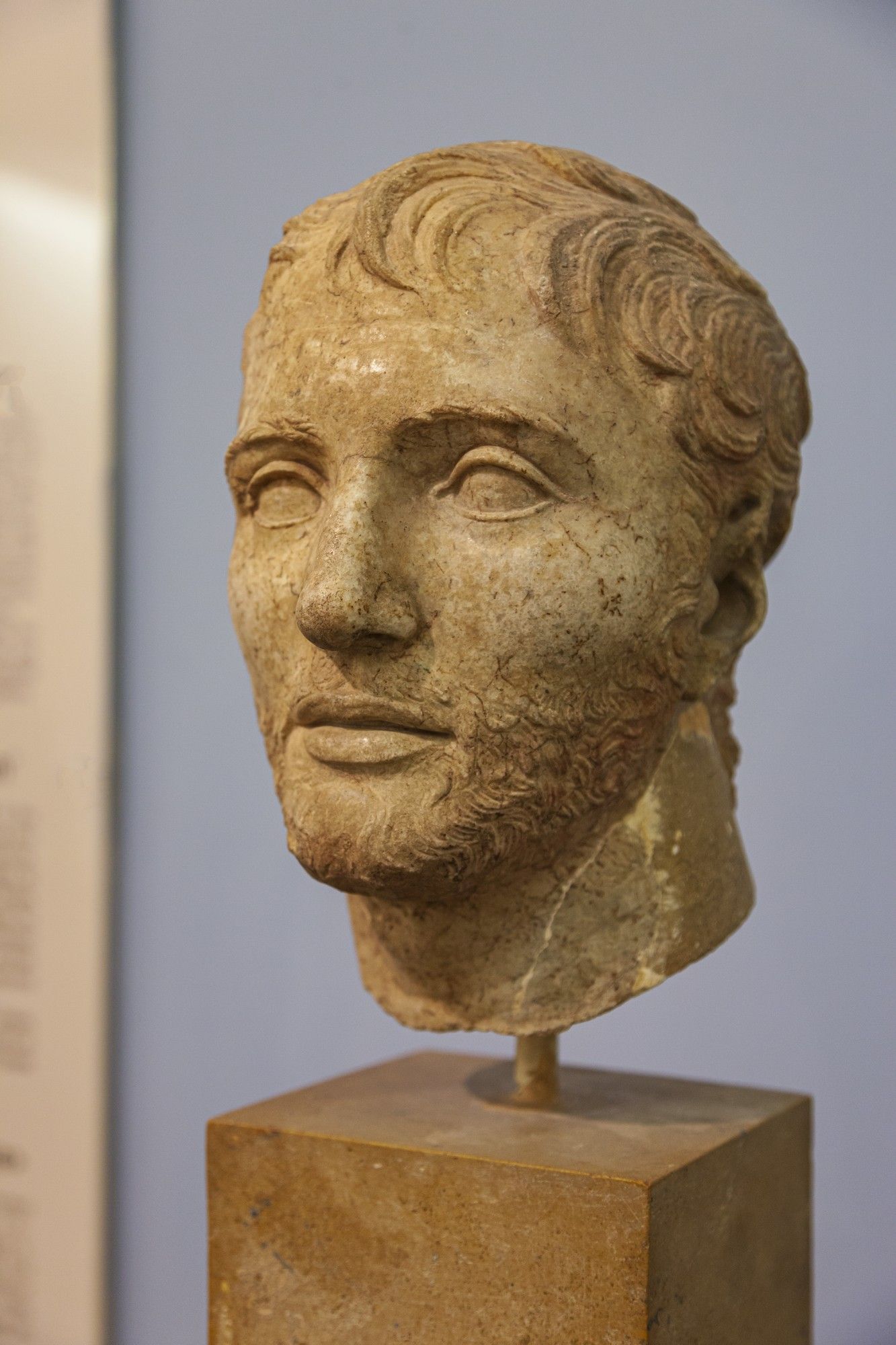
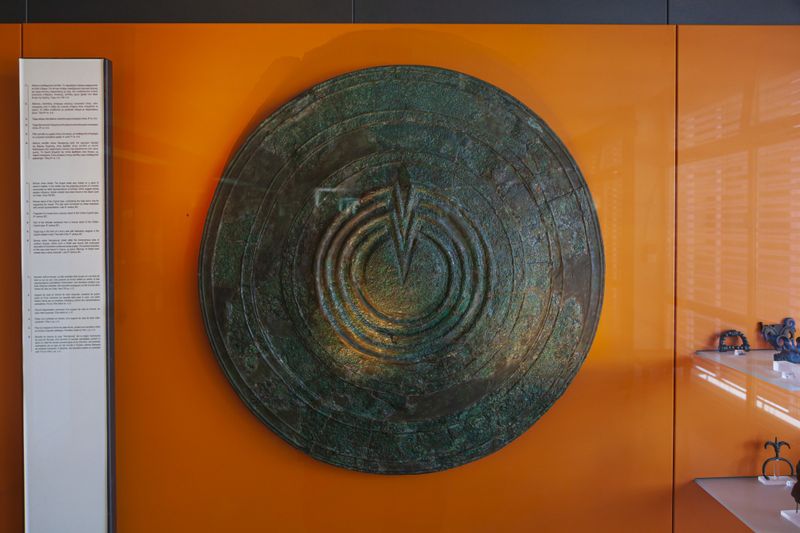
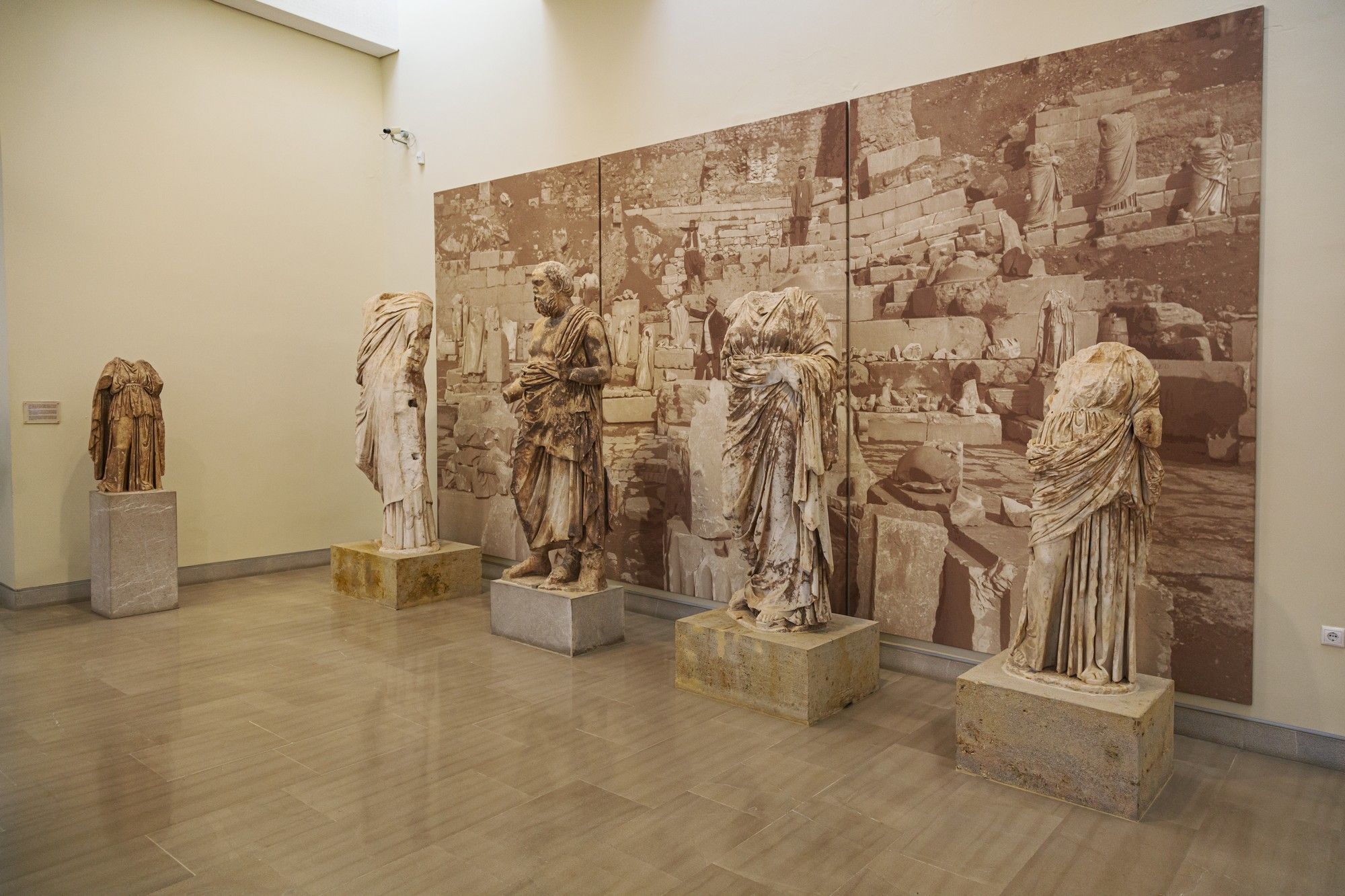
Well, among other things, more than 6000 exhibits that were found as a result of excavations. Most of the exhibits were in shrines and temples and are now on display at the Delphi Museum.
And with great pleasure we examined these wonderful artifacts, plunging into the depths of centuries the cradle of modern civilization, ancient Greece.