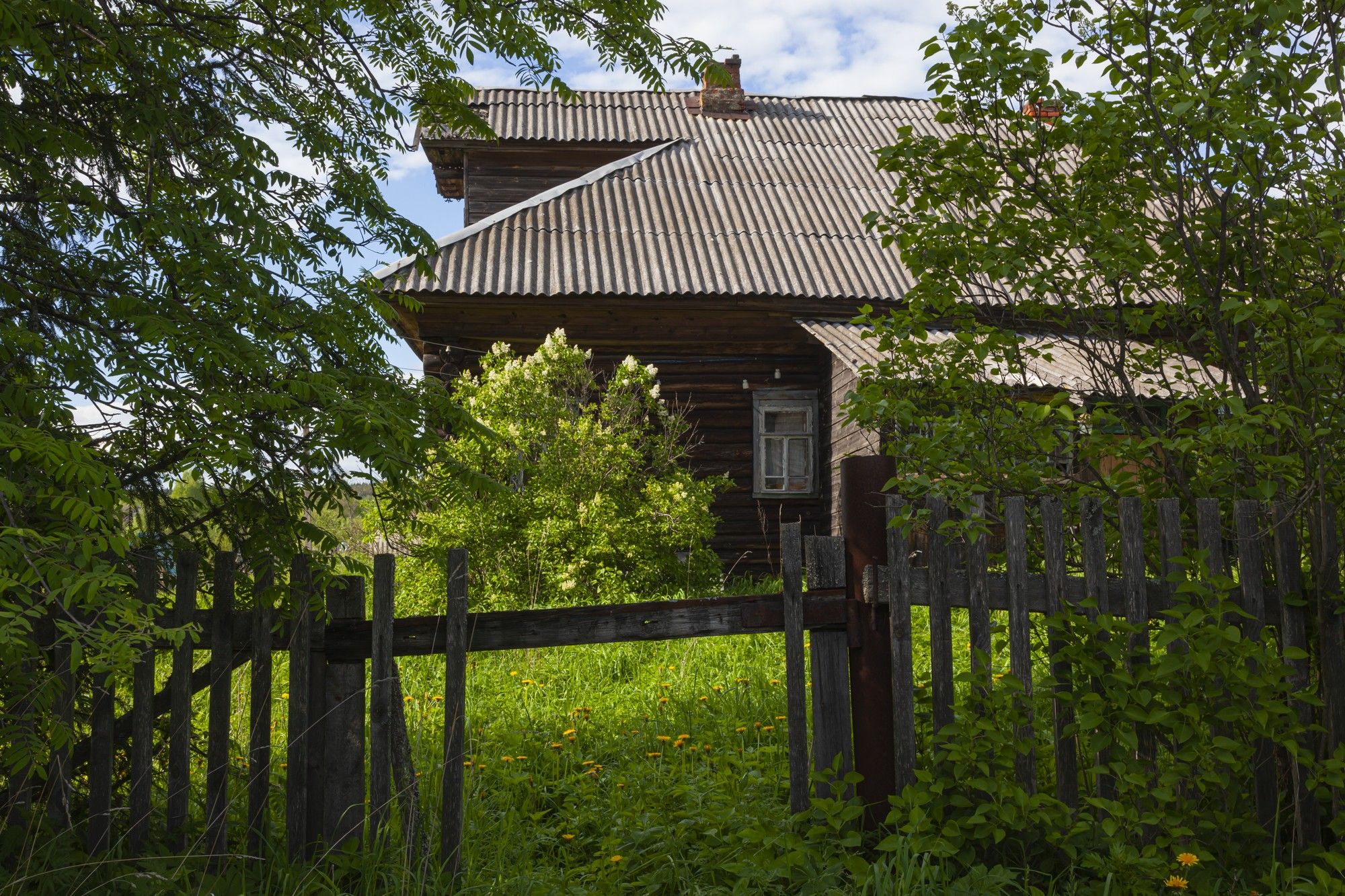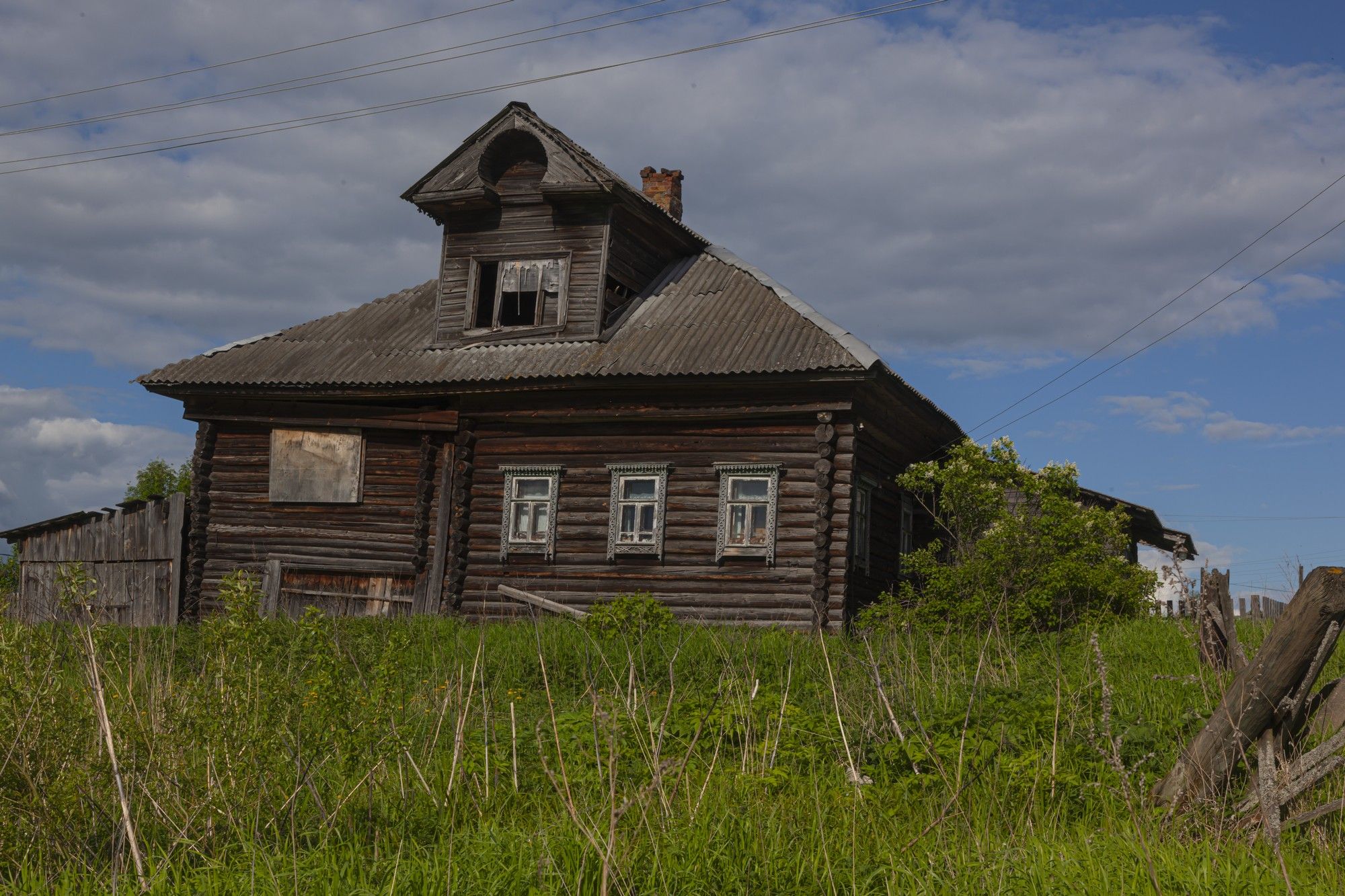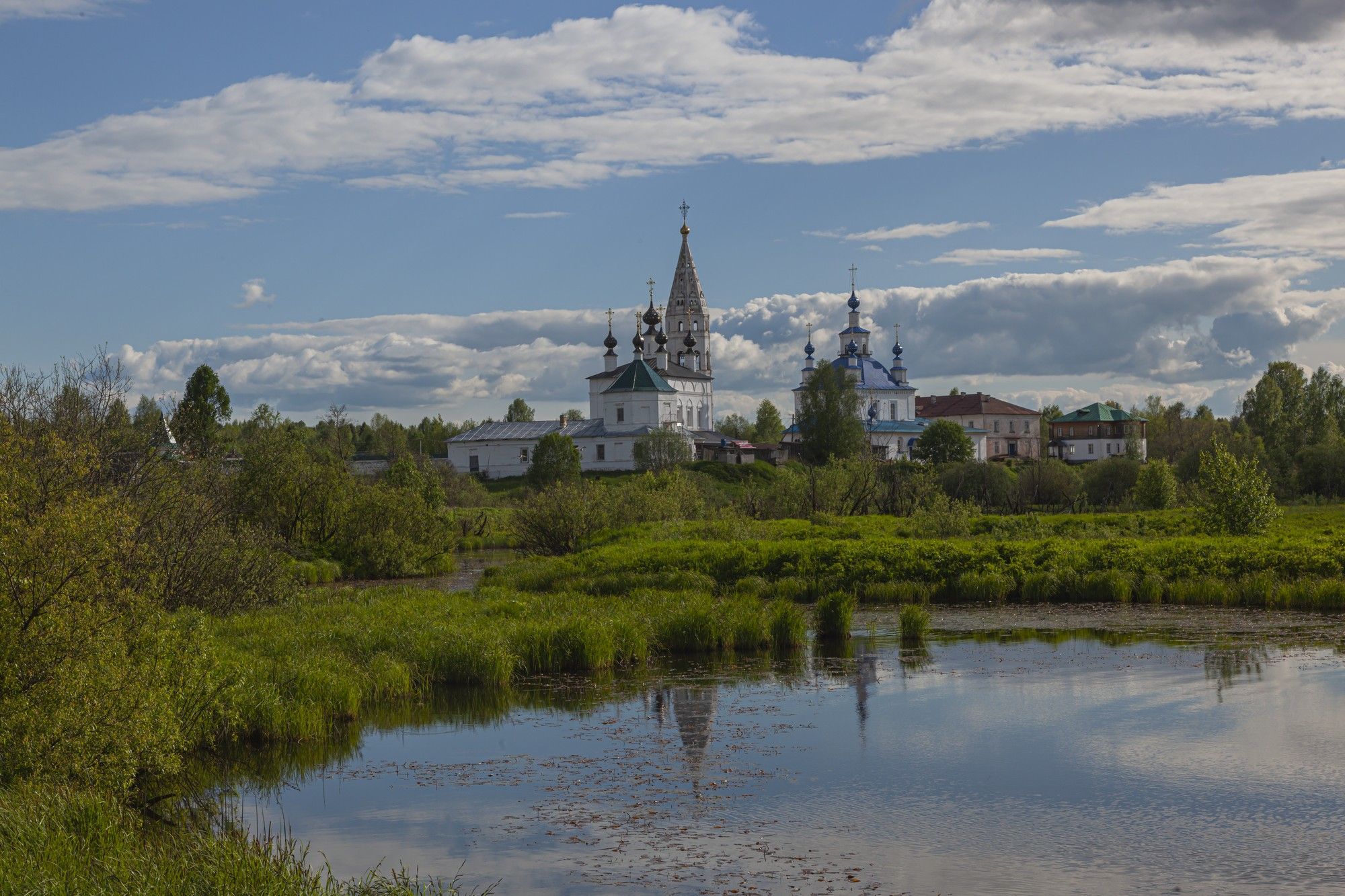
 Центральное сельское поселение, Kostroma Oblast, Russia

100 kilometers from home
By noon, the sun appeared in the sky and white clouds formed out of a dense gray veil covering the blue sky in the morning.
Such weather cheered up. I wanted to go somewhere. Since the time is not earlier, the route should not be very long either. Well, a maximum of 200 kilometers one way. In addition, we decided to look deep into our Kostroma region.
If you think about it, it becomes clear that it is now the Kostroma region shredded people and major cities. But in ancient times, during the reign of the Rurikovich, in these lands there were many important and interesting. Something has survived to this day.
Why not go on the wanted list of individual surviving objects of our Russian history in the Kostroma region.
In the history of Russia there was a terrible troubled time. When, after the reign of Boris Godunov, a certain False Dmitry encroached on the Russian throne. This story is quite old and very confusing. The fact is that in the city of Uglich Tsarevich Dmitry was killed. This prince was the direct heir to Tsar Ivan the Terrible. In those days, there were complex laws of heritage and a child from only the first three marriages could be considered a direct heir. Dmitry was probably born from the sixth marriage of Tsar Ivan IV (Grozny).
In 1584, Tsar Ivan the Terrible died and his son Fyodor Ivanovich ascended the throne.
Tsarevich Dmitry - the youngest son of Grozny, was sent to Uglich from the capital. He was a threat to Tsar Fyodor, because Tsar Fyodor was weak and under him political advisers from well-known surnames such as Shuiskys and Romanovs and the main adviser to Tsar Godunov gained great political weight. Intrigues and a struggle for power began to arise between them.
Tsarevich Dmitry was not very good in health. He sometimes had bouts of illness. It is difficult to say what kind of disease it was, but it could probably be epilepsy. Judging by the investigation into the death of the Tsarevich, which was carried out by order of the Tsar, it turned out that the boy had been stabbed to death as a result of an attack of his illness when he was playing with knives.
It is difficult to say whether this is true or not, but the prince was killed. This death made it impossible to continue the Rurik family on the throne of Russia. Tsar Fedor had no children, except for his daughter, who died shortly after childbirth.
Since this death of Tsarevich Dmitry was so strange and incomprehensible, moreover, it was very beneficial, including to Boris Godunov, then a lot of myths and legends about the Tsarevich arose among the people. Including appeared and an impostor.
They became a certain Grigory Otrepyev, the son of Bogdan Otrepyev, a nobleman from Galich. Here we come to the main part of our journey. The fact is that according to one version, which, by the way, has a large total of supporters, a boy Yuri was born in Galich in a noble but impoverished family. His father, Bogdan, leased the land from Nikita Romanovich Zakharyin, one of the founders of the Romanov dynasty, the future Russian tsars.
The boy grew smart and quickly learned to read and write.
When the persecution of the Romanovs began as a result of political intrigues, Yuri hid in a monastery and tonsured monks under the name Grigory.
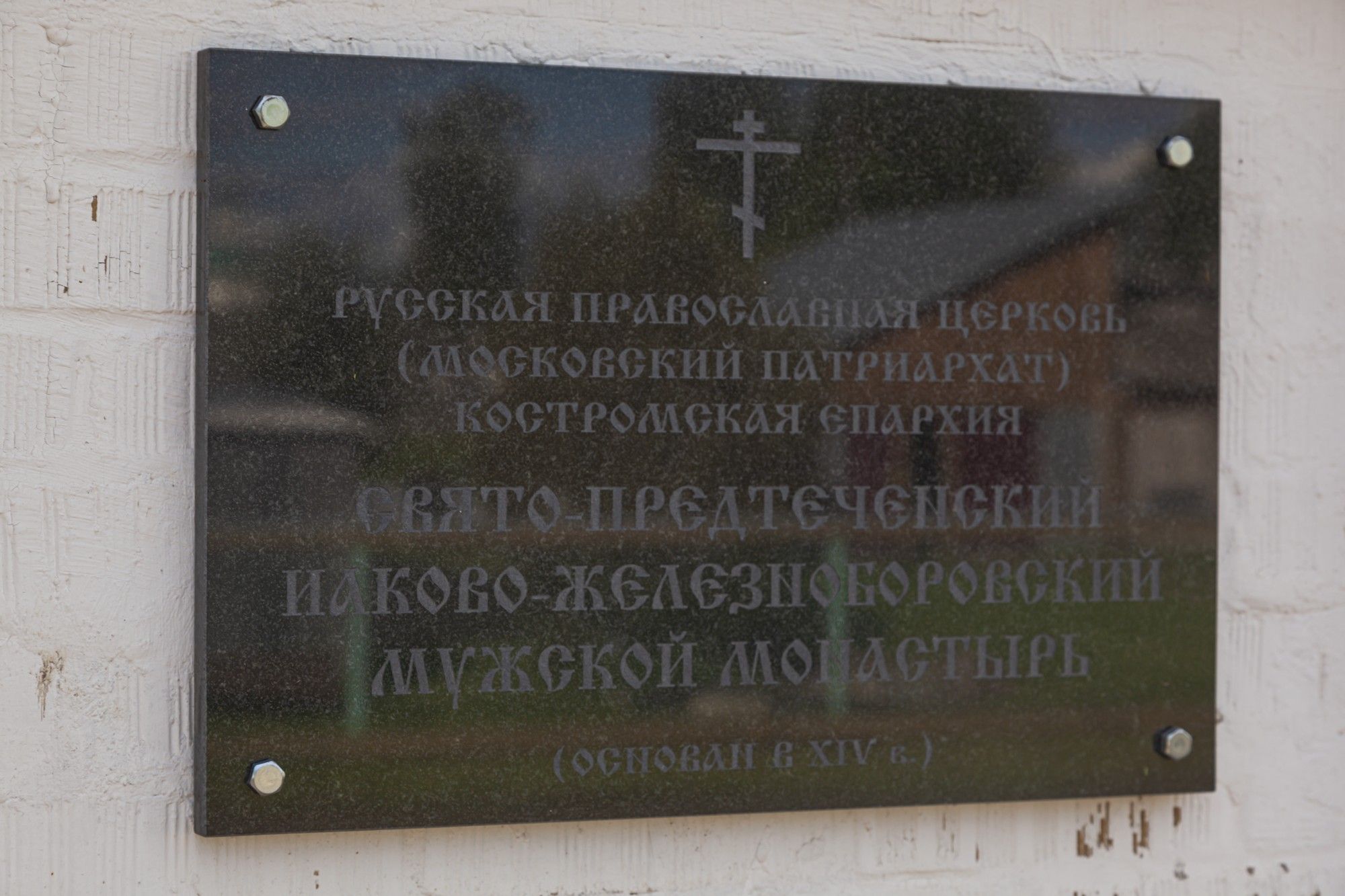
And here is the most interesting. This tonsure took place in the Holy Forerunner Jacob-Zheleznoborovsky monastery, where we were going to go to personally look at the ancient monastery.
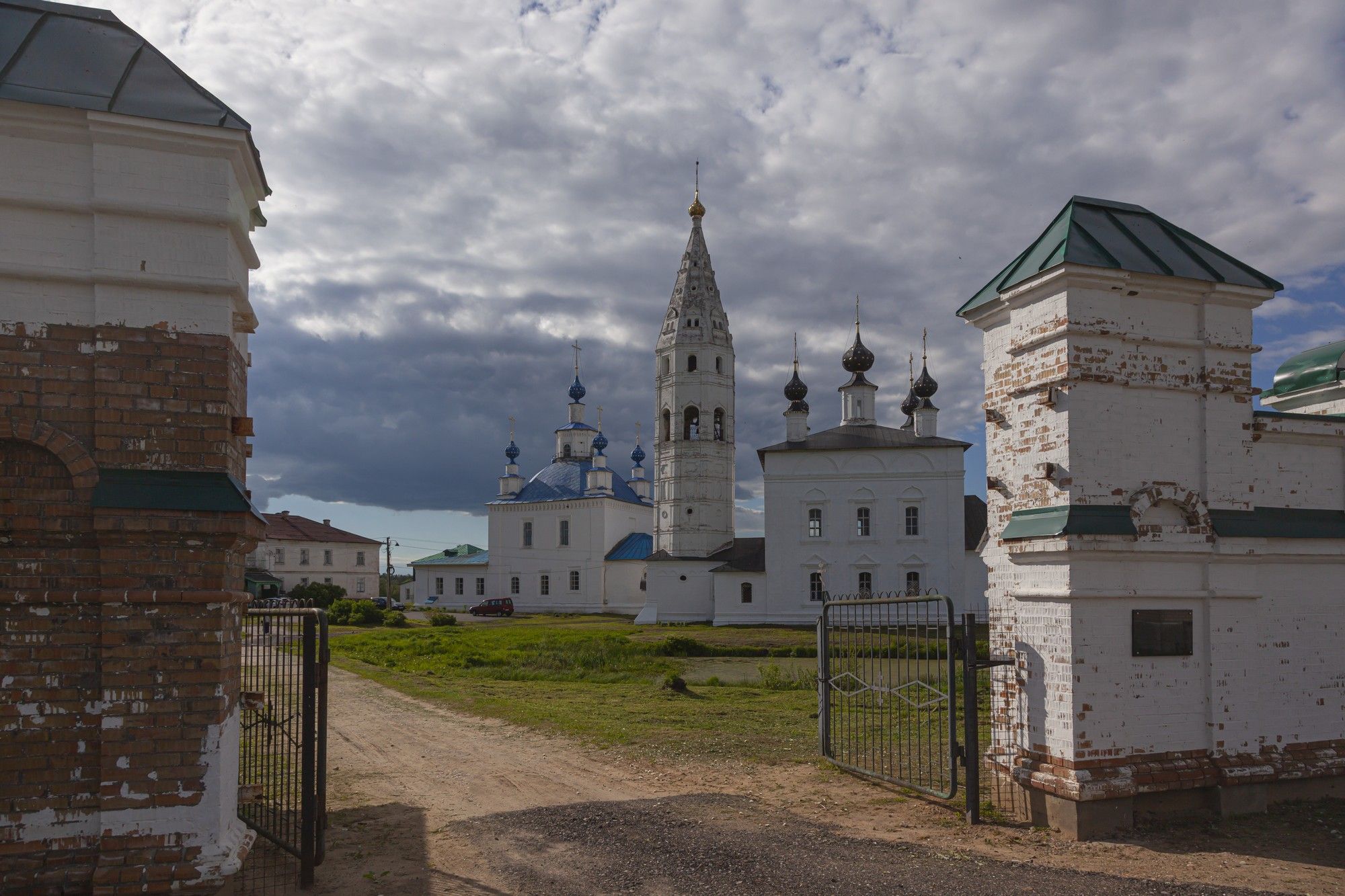
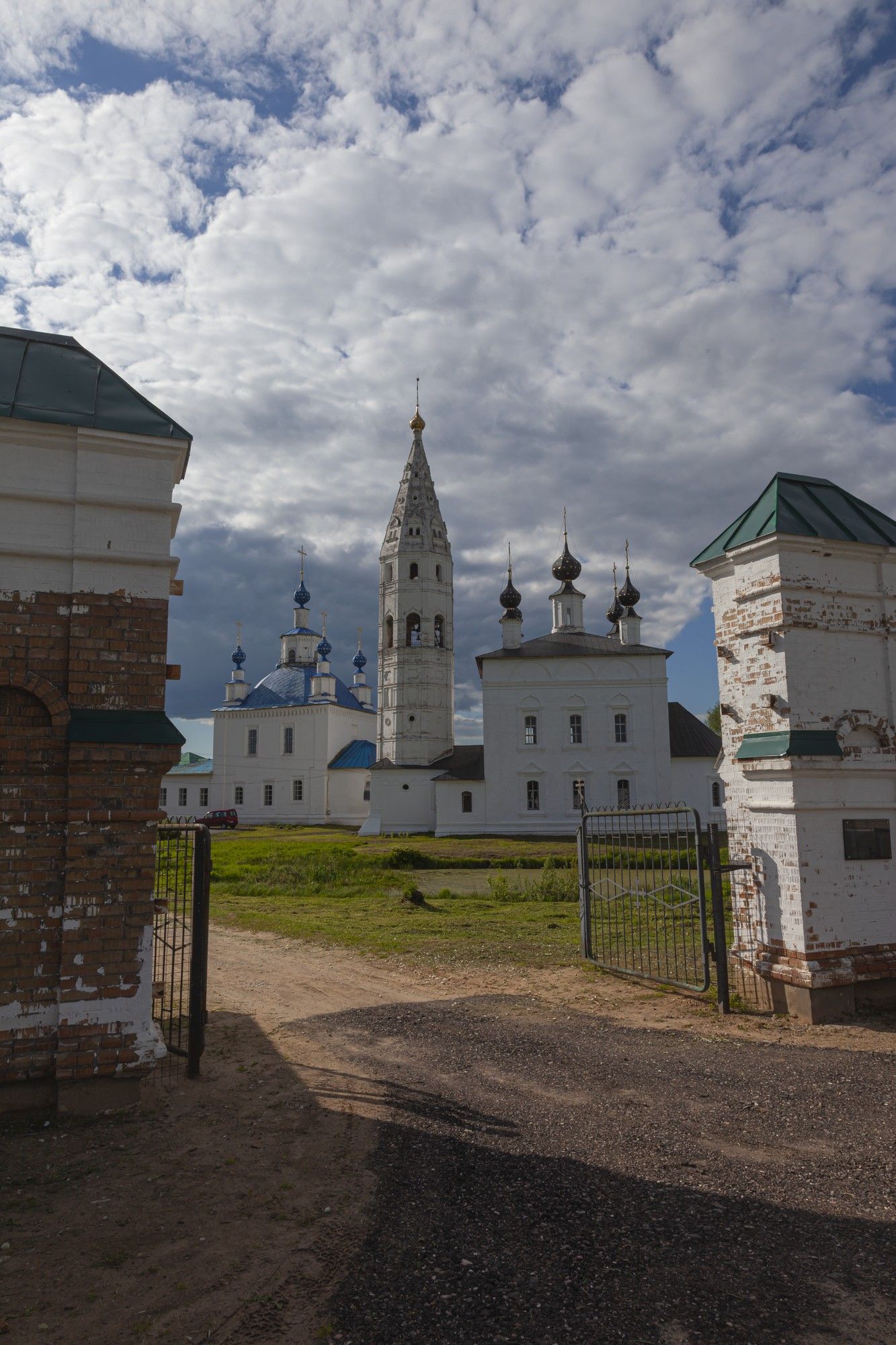
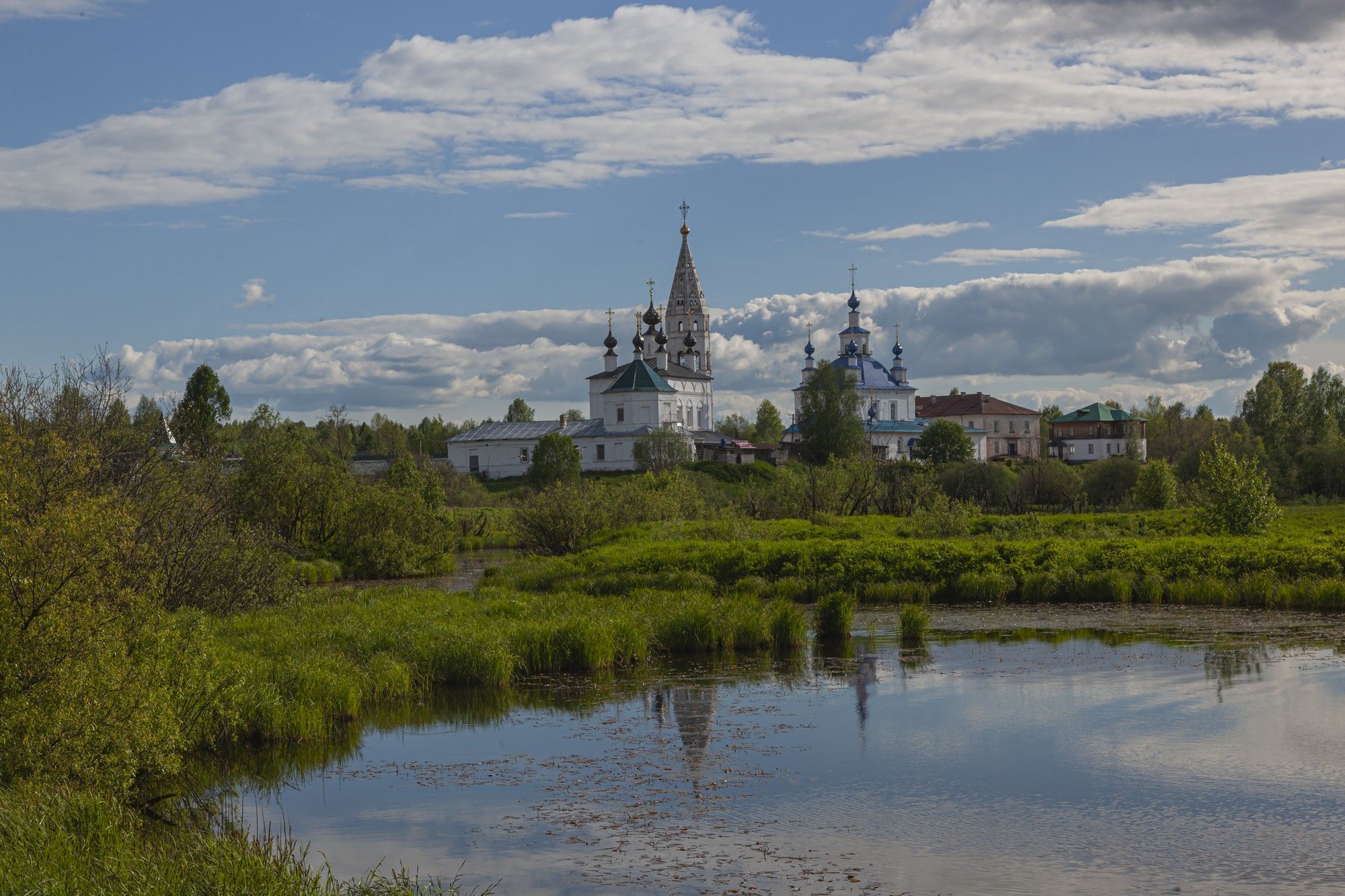
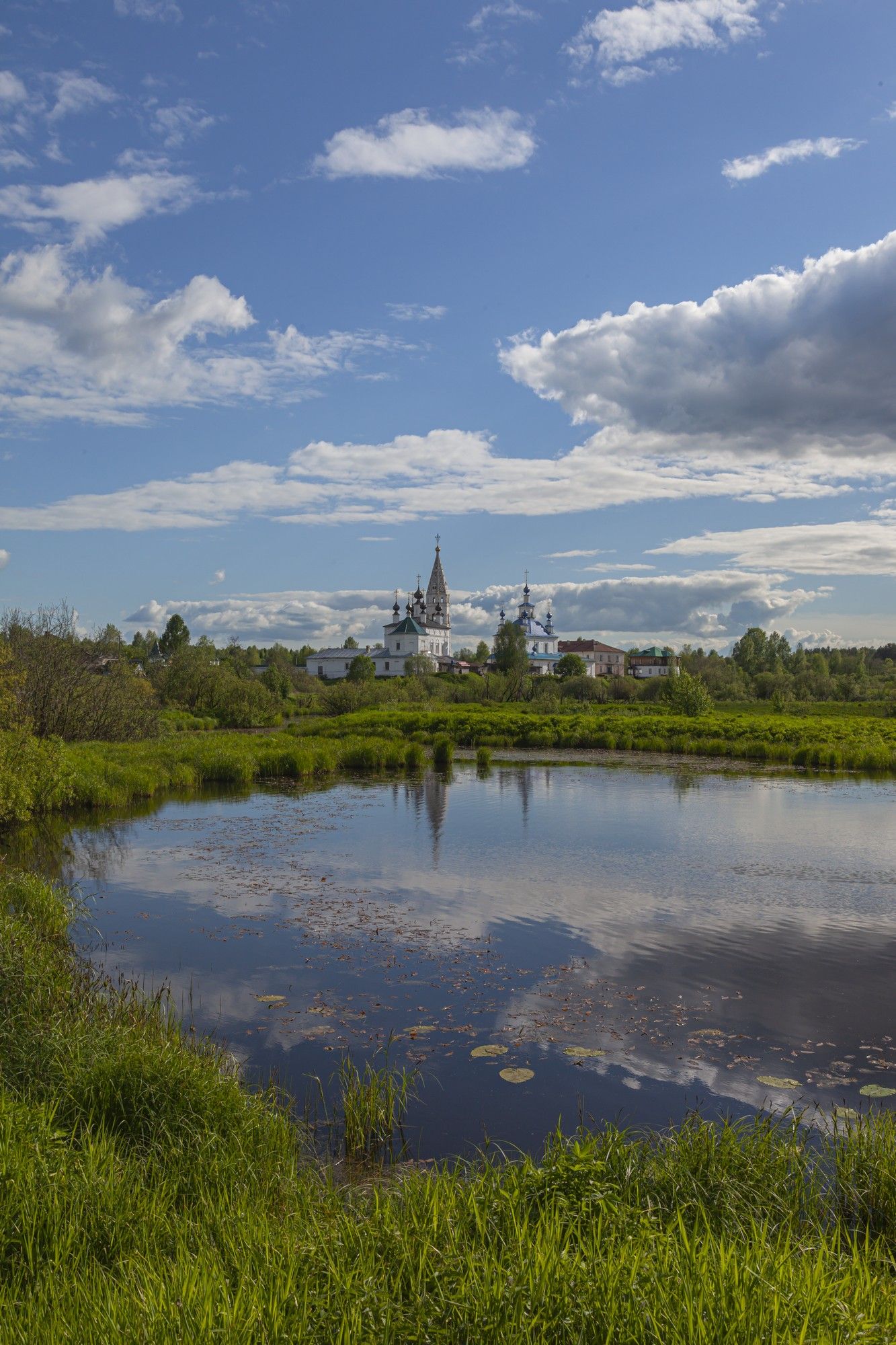
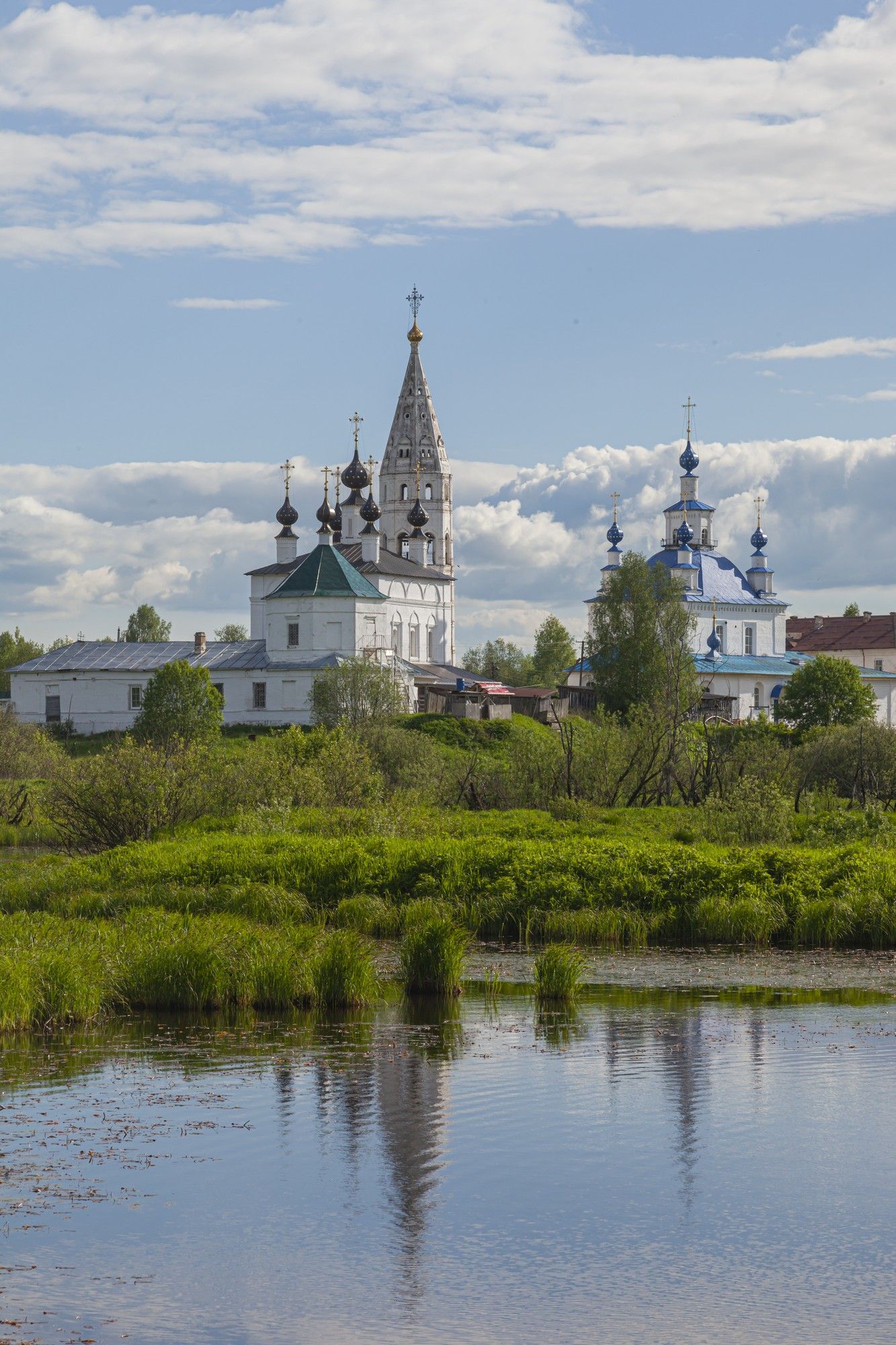
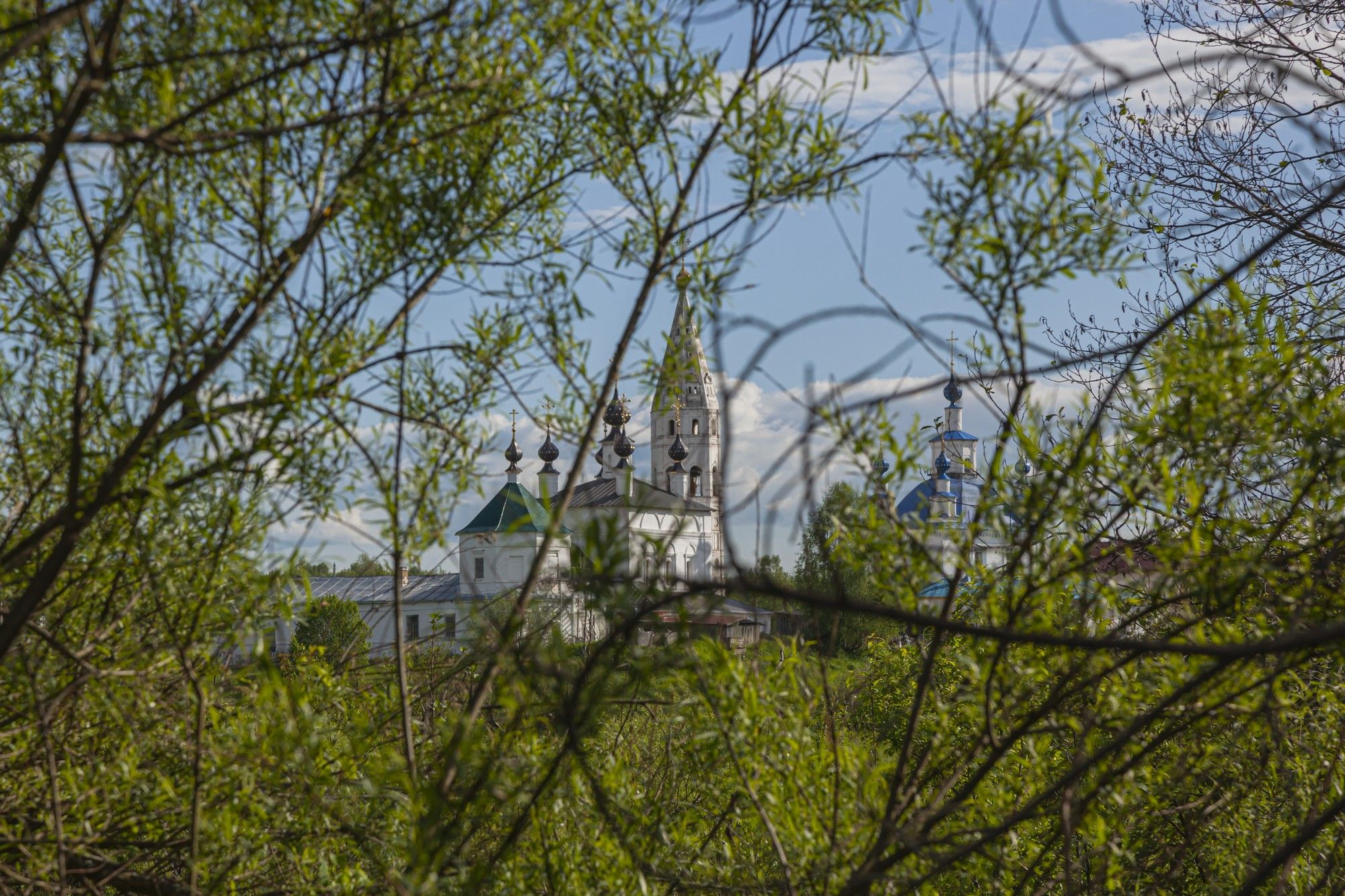
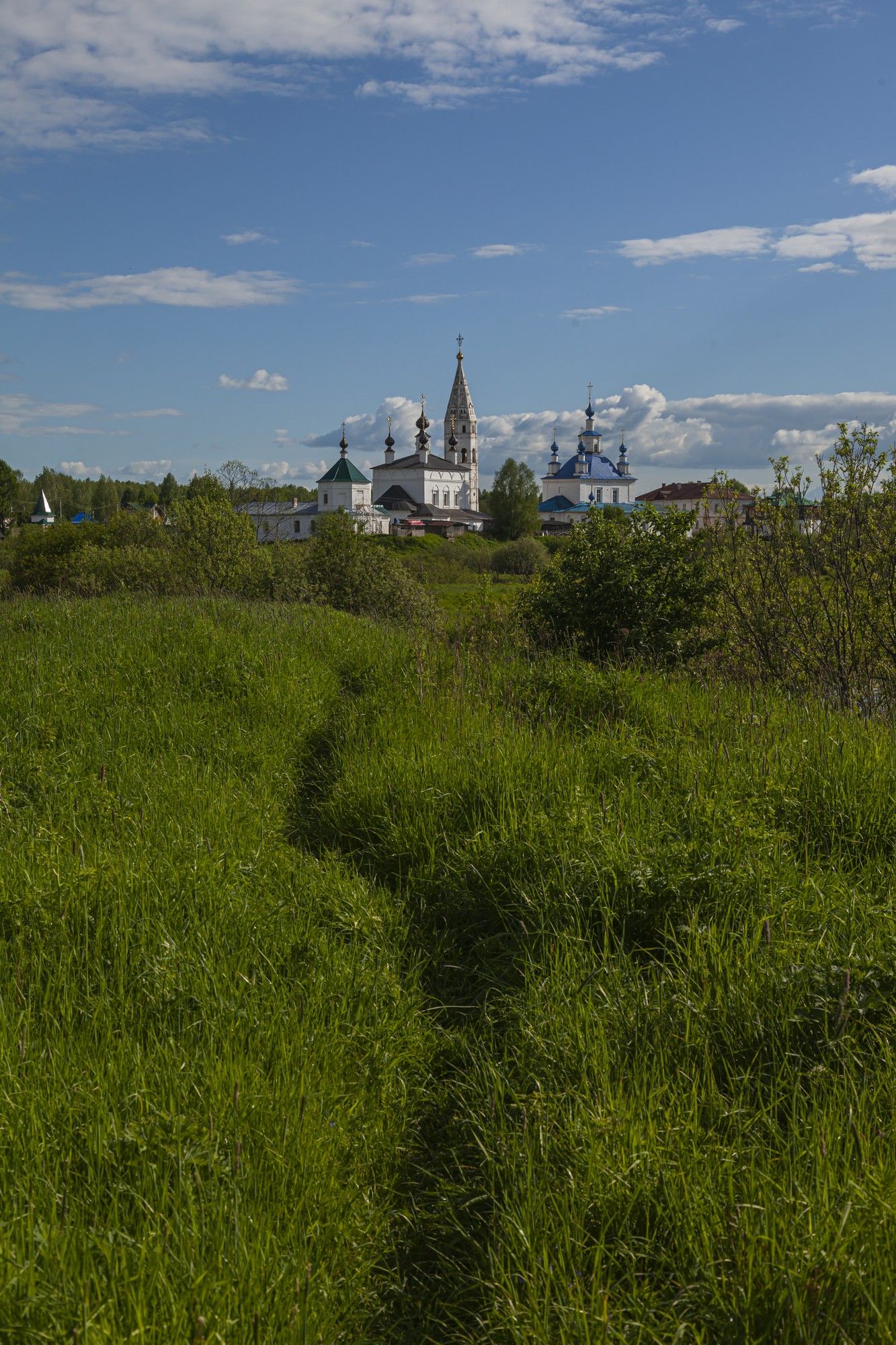
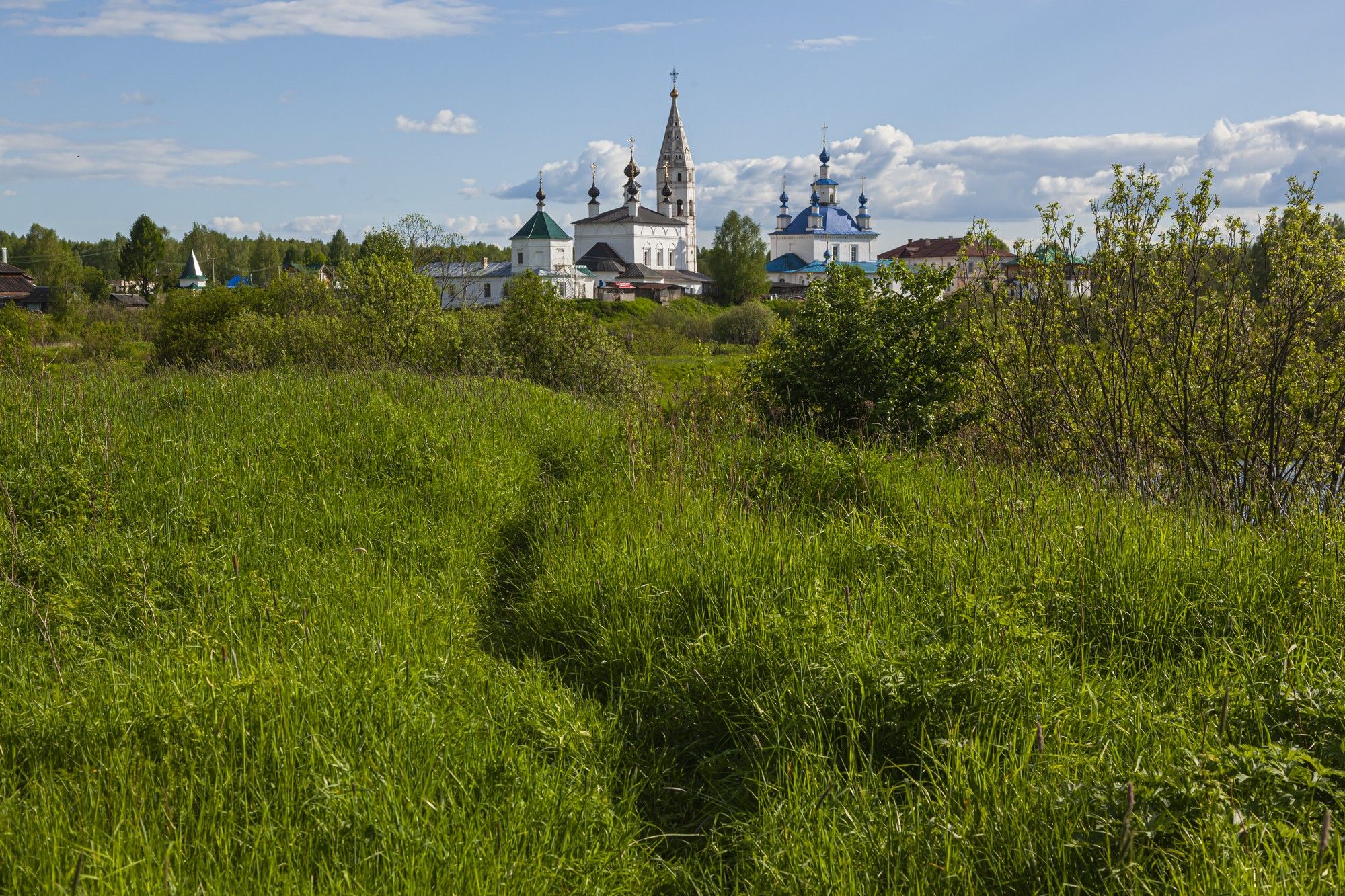
Holy Forerunner Jacob-Zheleznoborovsky Monastery
The monastery is located in a place called Borok. In the 14-15 centuries, these places belonged to the son of Dmitry Donskoy, Yuri Dmitrievich.
The monastery was founded in 1392 by a student of Sergius of Radonezh. At this point, iron ore was mined from the swamps. Large deposits of iron in the floodplains of the rivers and local swamps provided this important material to the entire Galich land.
From the name of the place - Borok and this metal - iron was the name of the monastery Zheleznoborovsky.
The monastery was engaged in this important craft and quickly grew rich. In 1429, wealth came to an end, as the Tatars came and ruined everything.
The monastery had quite a few different important matters in Russian history, but the fact that it was the place of formation of one of the prominent representatives of Russian history is interesting.
We set off from Kostroma on the way to the city of Bui, located 100 kilometers from Kostroma. The road is in excellent condition and we quickly arrived in the village of Borok, which is located on the road to Bui, very close to this city.
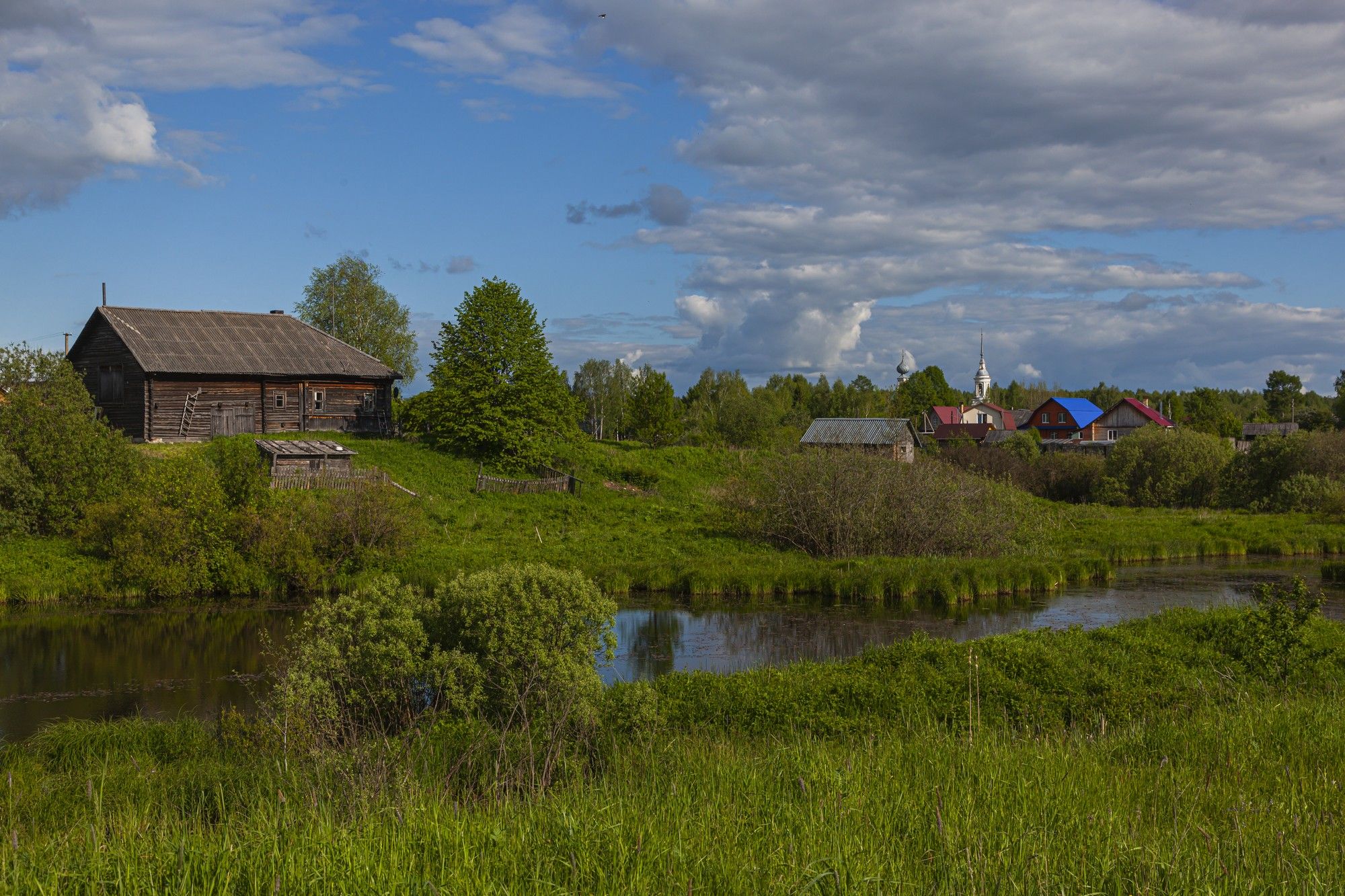
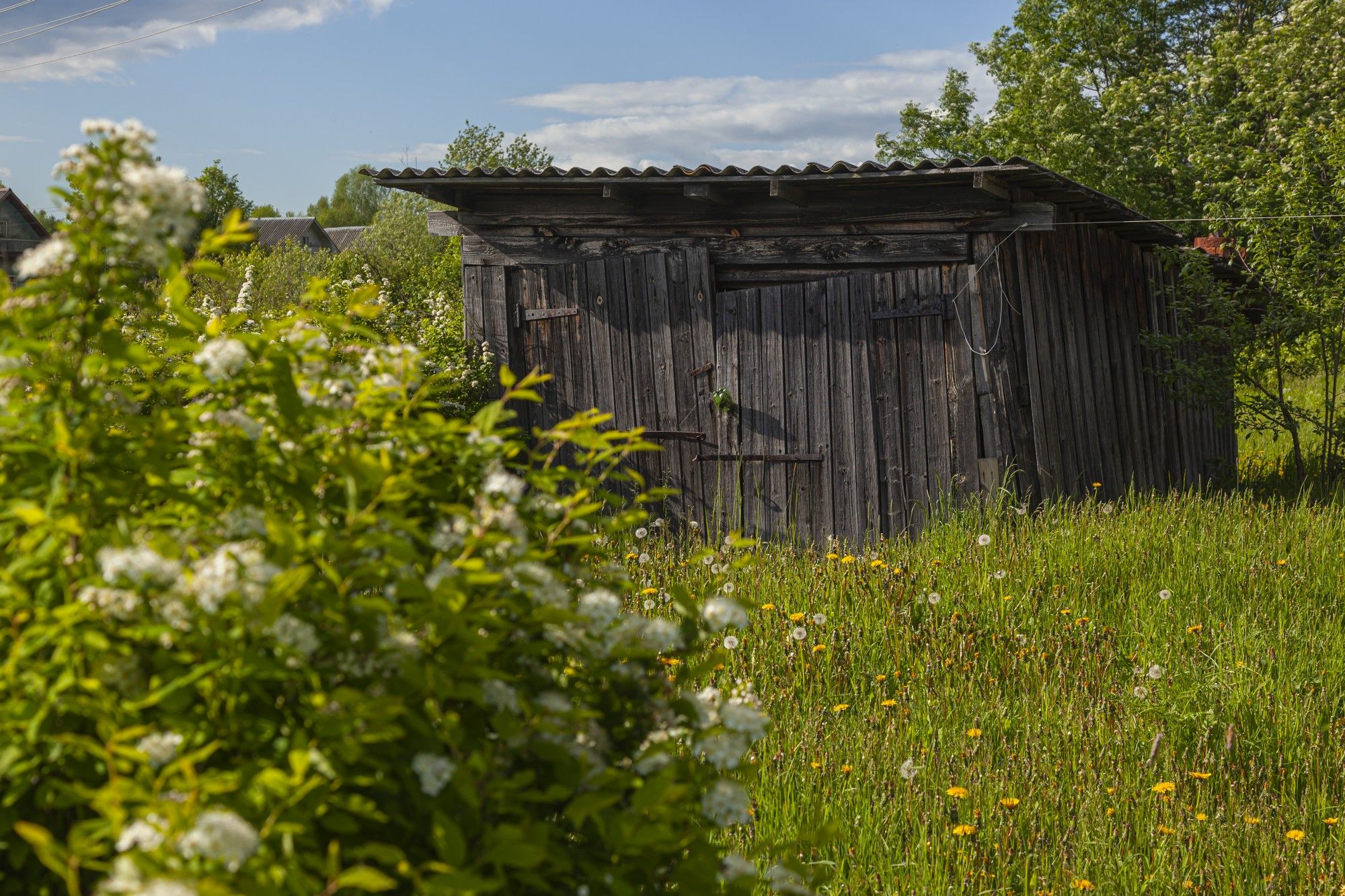
The weather was great. The sun was shining and birds were singing around and insects were chattering. It was a real Russian summer. Immediately from the road I saw the spiers of the monastery and another church located nearby.
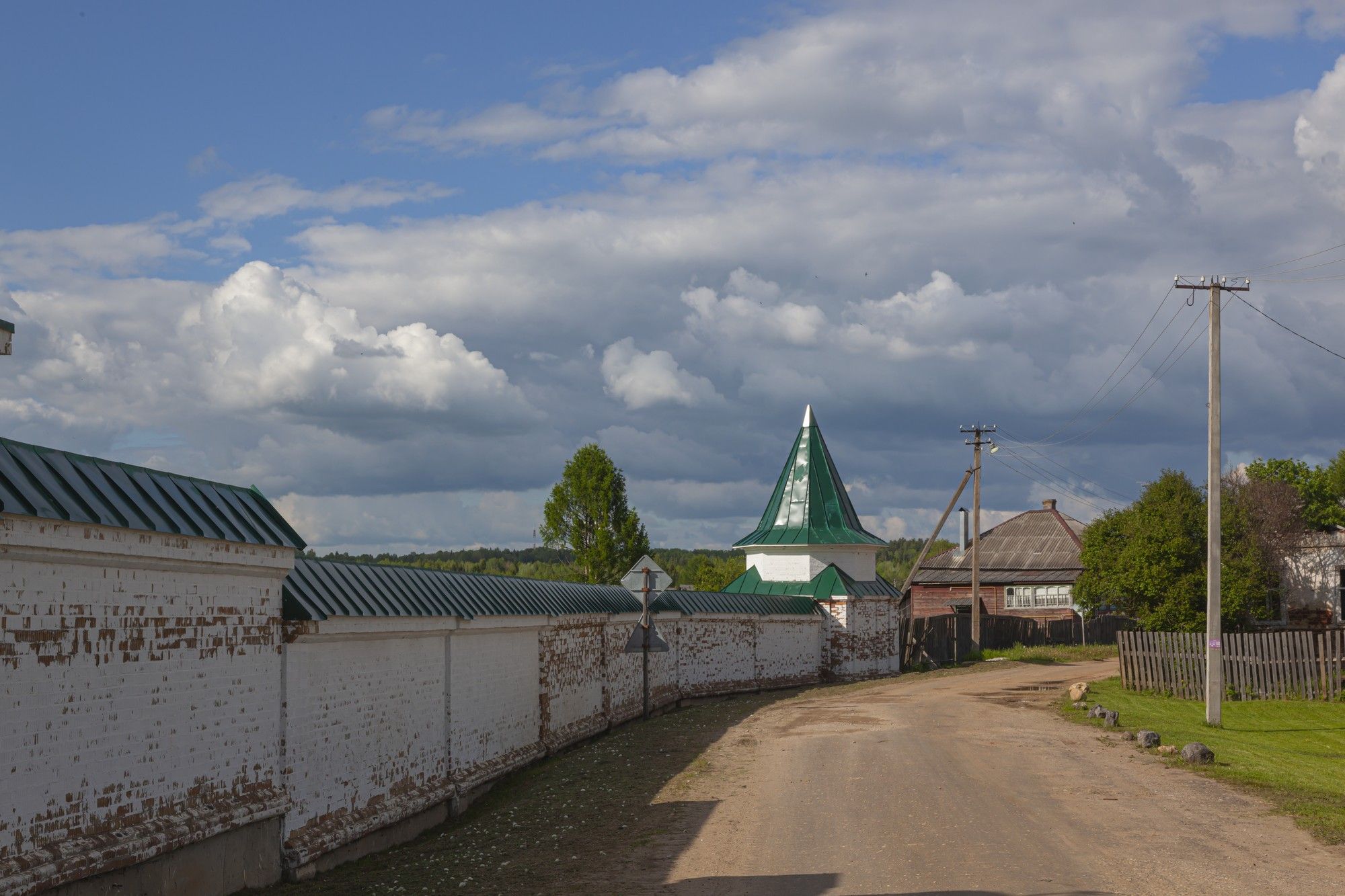
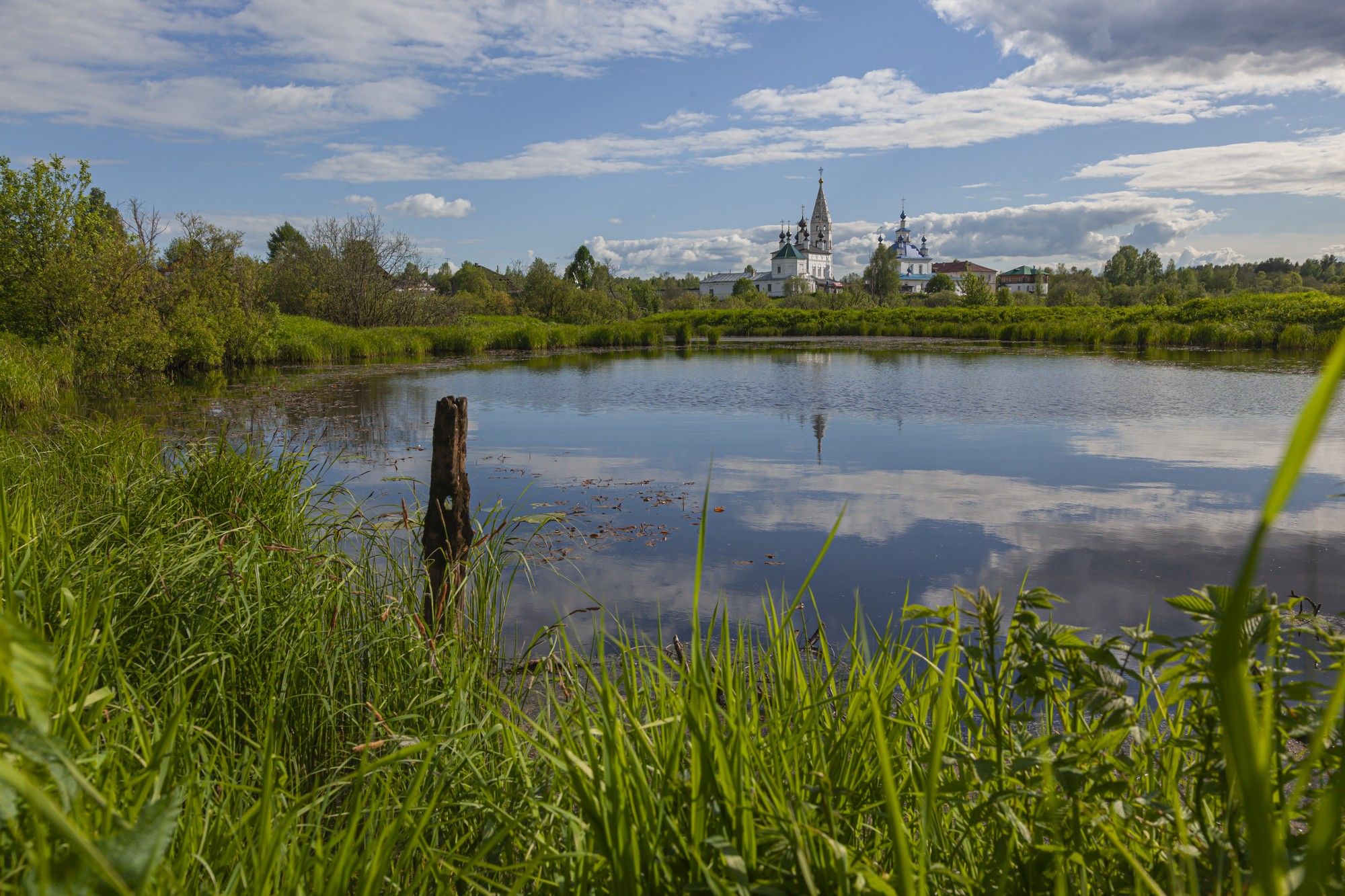
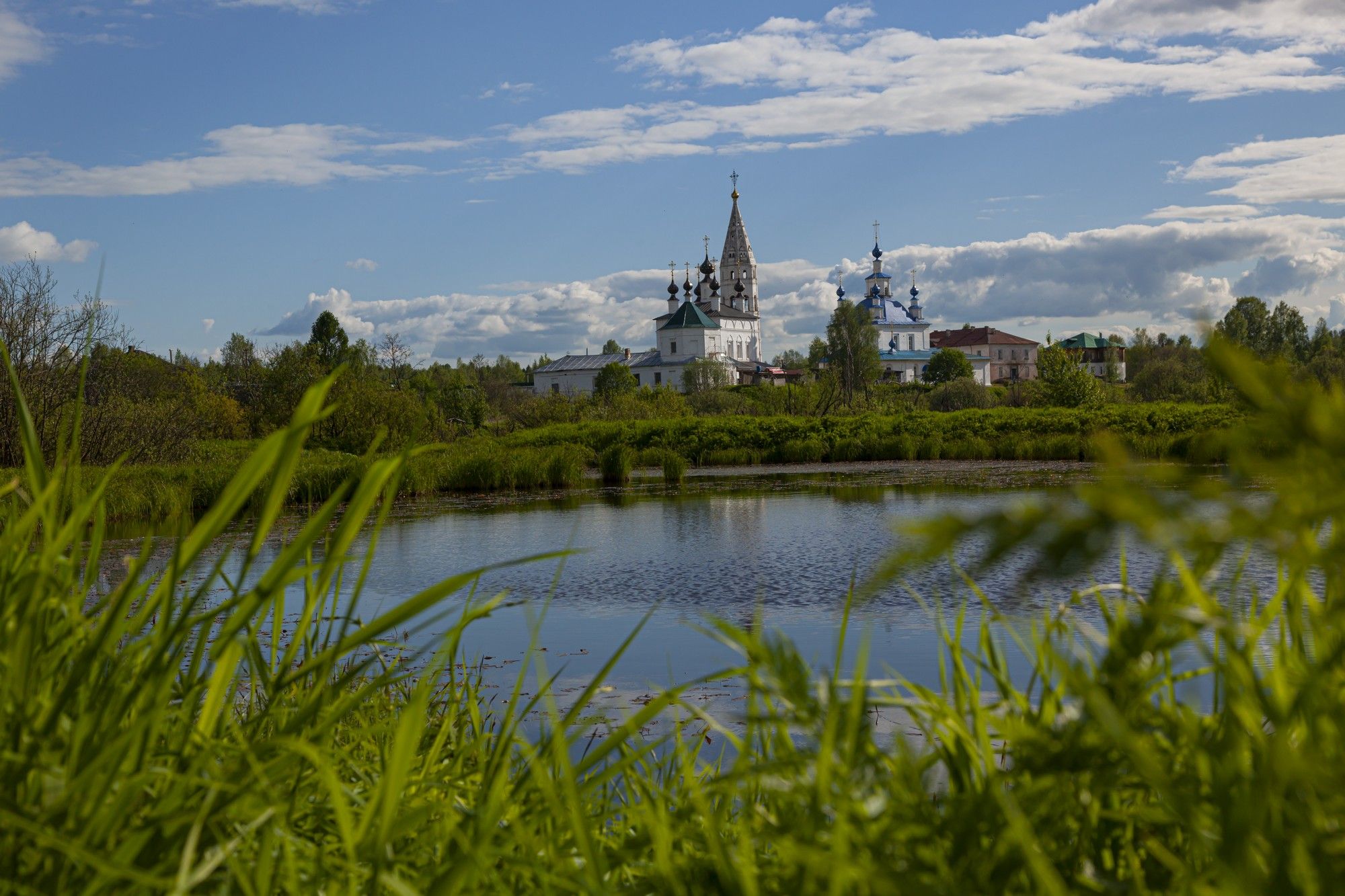
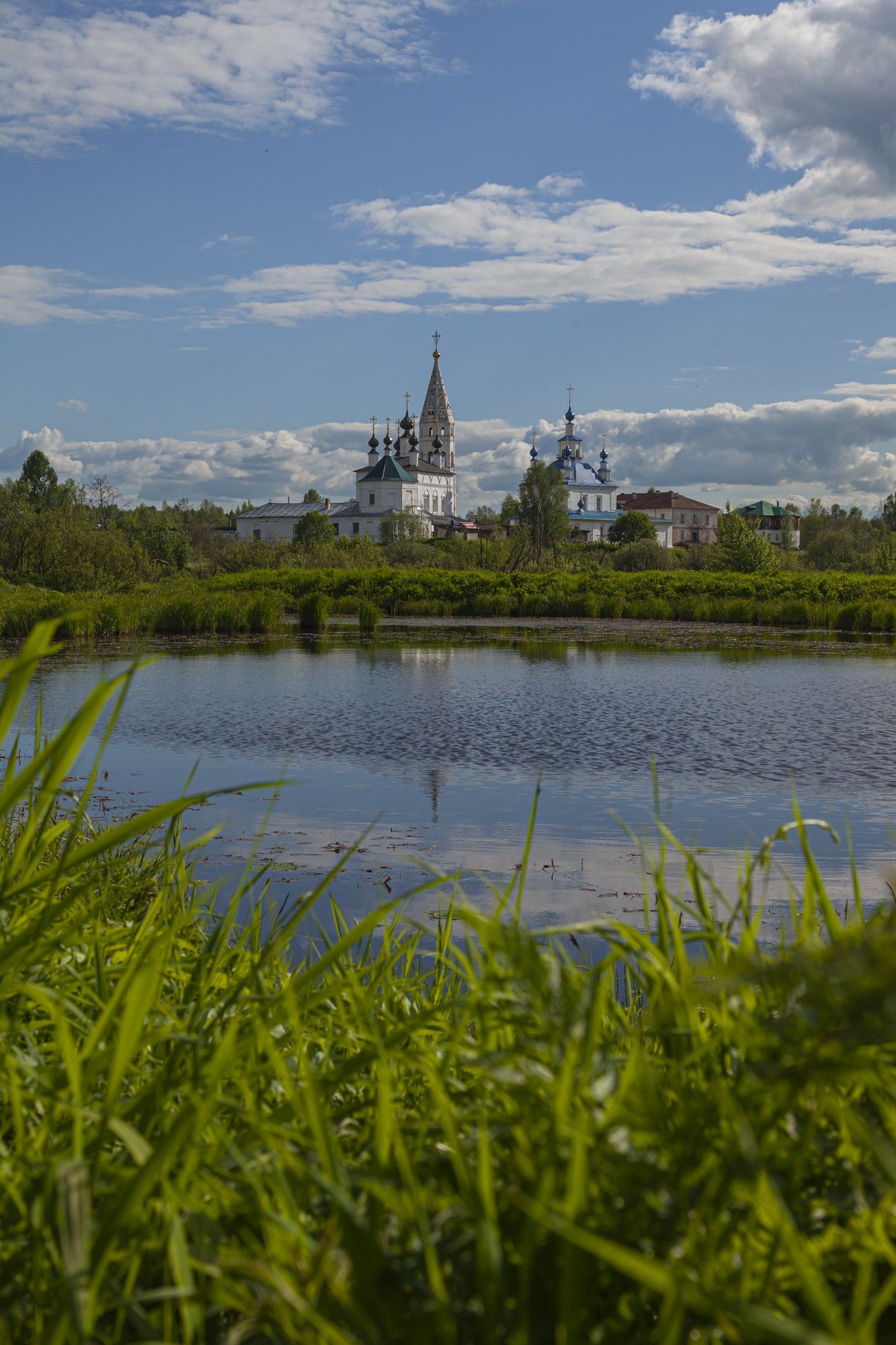
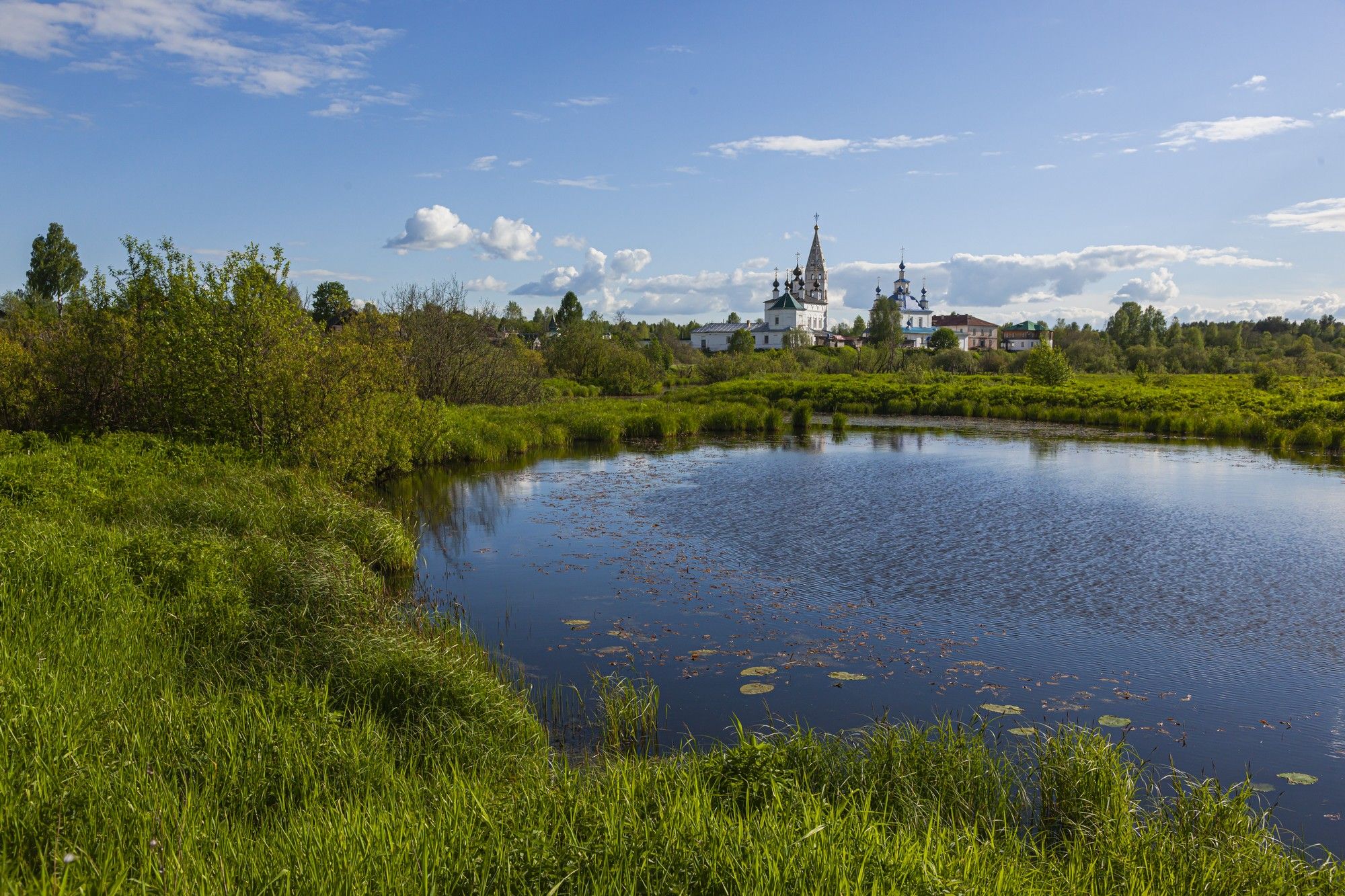
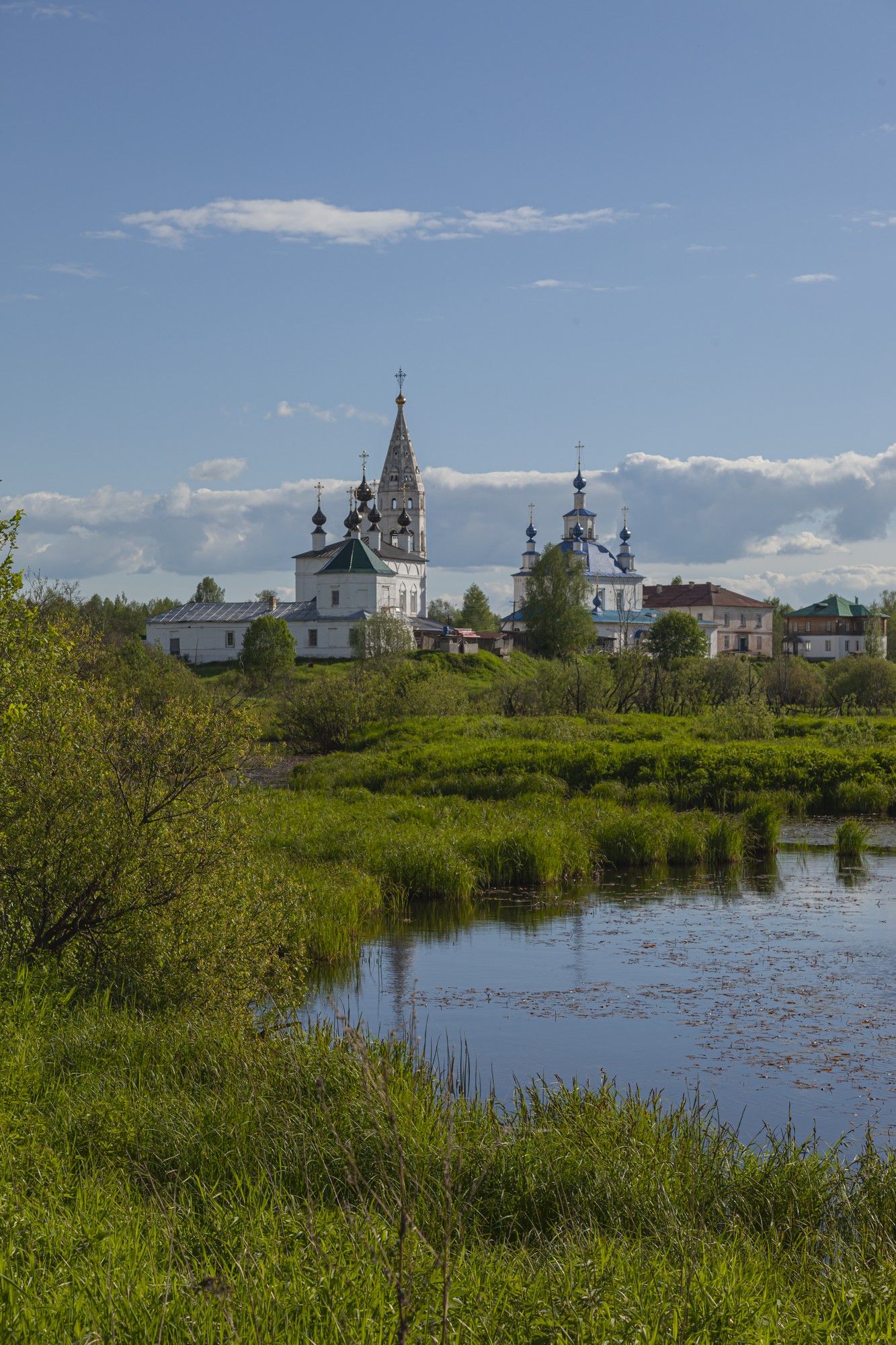
To inspect the monastery, we traveled along the roads almost around it. On the one hand, the road approaches the monastery, on the other there is no approach, since the monastery stands on the banks of the Tebza River and there is a flood meadow between the river and the monastery. More recently, there was a flood and the meadow was covered with water.
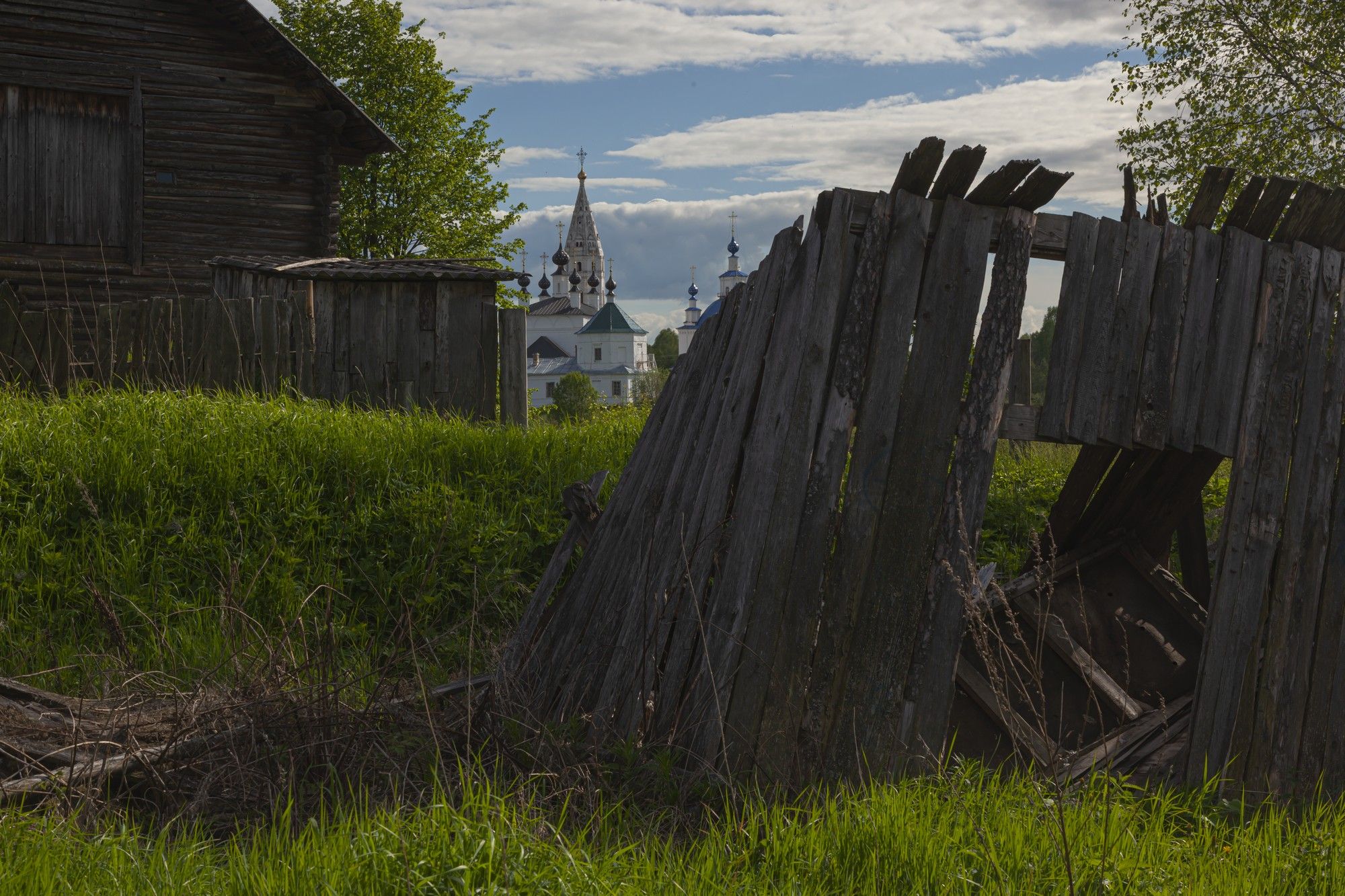
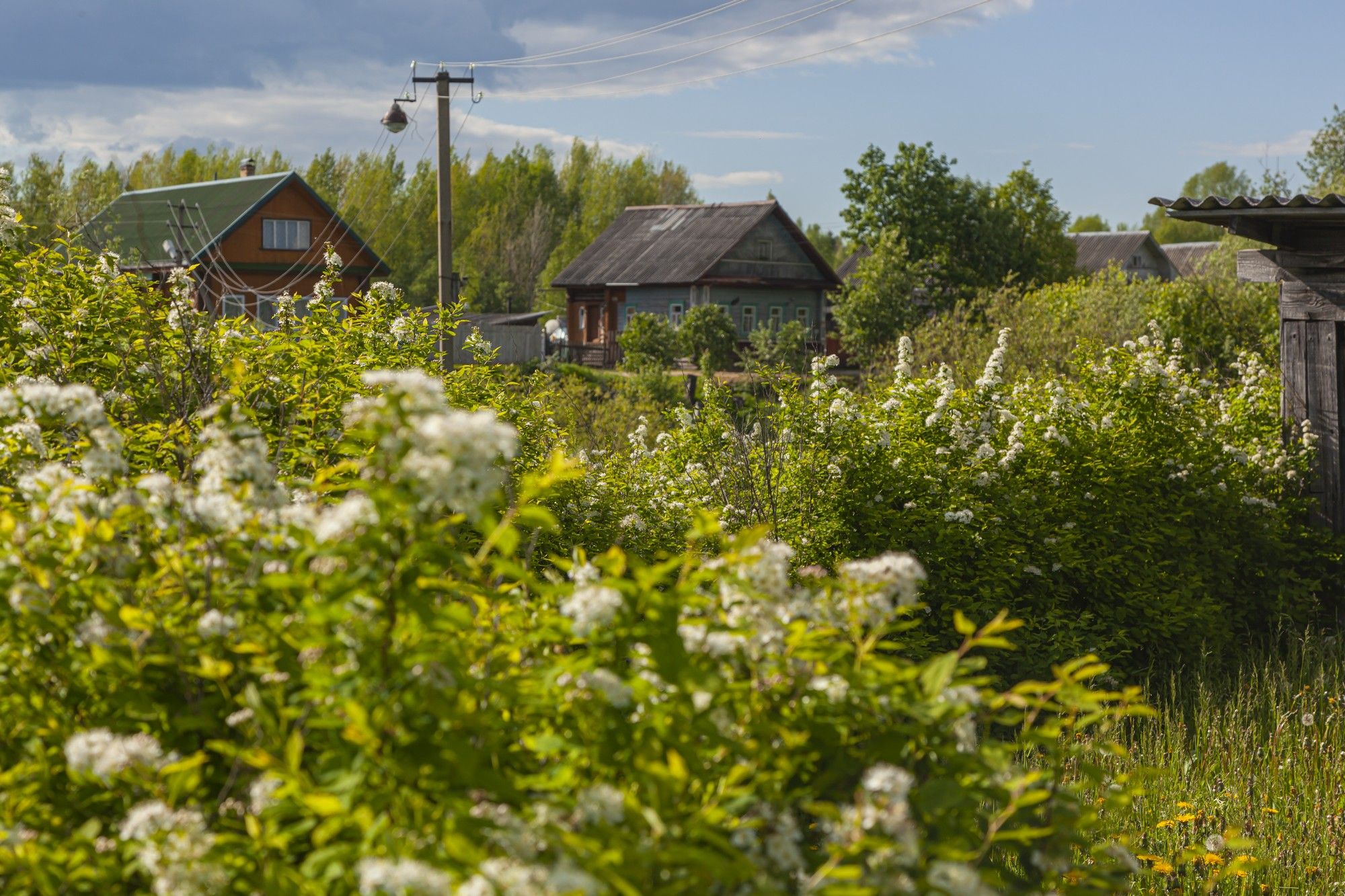
We found the opportunity to go to the monastery on the other side of the river and found beautiful views that I hasten to share.
I must also say about the church, which I mentioned in my story. But I think I’ll talk about her in the next part of the story tonight