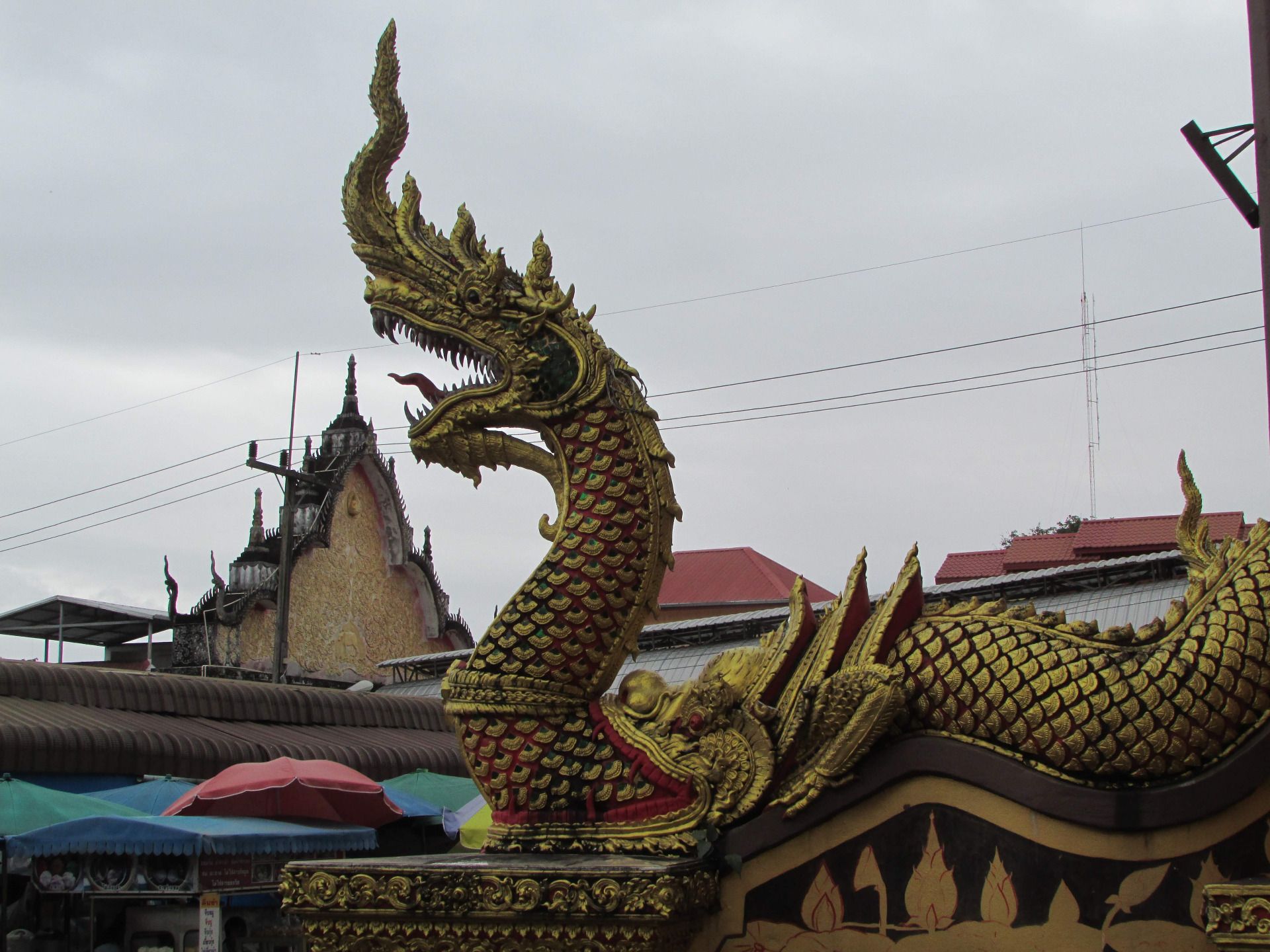
 Khon Kaen, Khon Kaen Province, Thailand
Thai Buddhism, also known as Theravada Buddhism, has its roots in the early spread of Buddhism in Southeast Asia. The story of Thai Buddhism begins with the arrival of Buddhism in the region during the 3rd century BCE when Indian traders, missionaries, and monks traveled to what is now Thailand. However, it wasn't until the 5th to 6th centuries CE that Buddhism began to take root and flourish in this part of Southeast Asia.
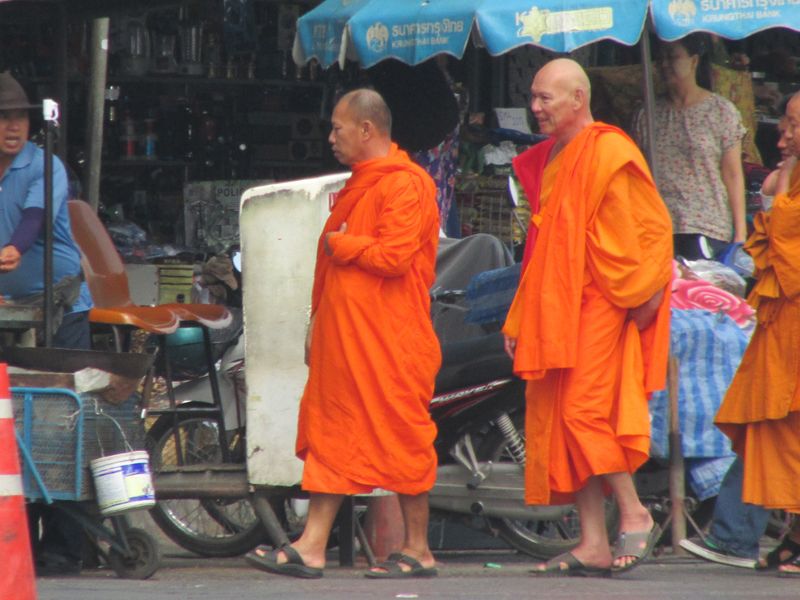
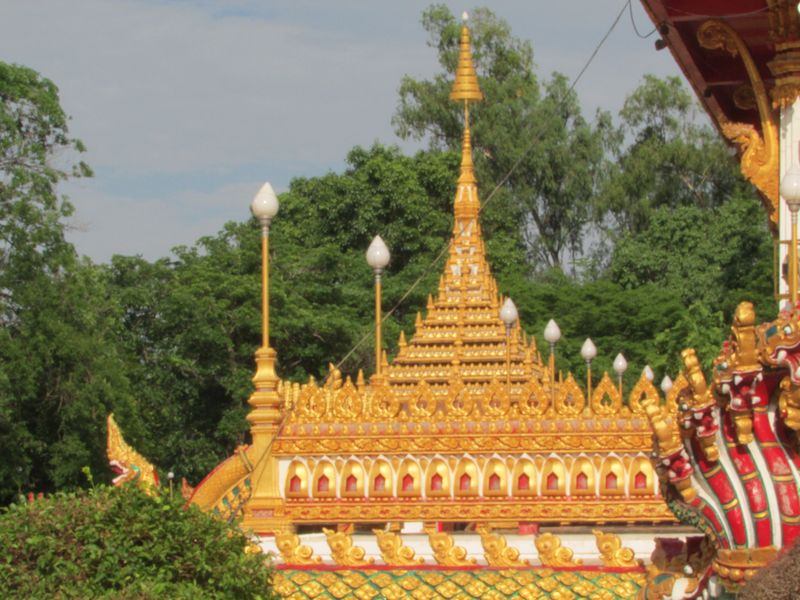
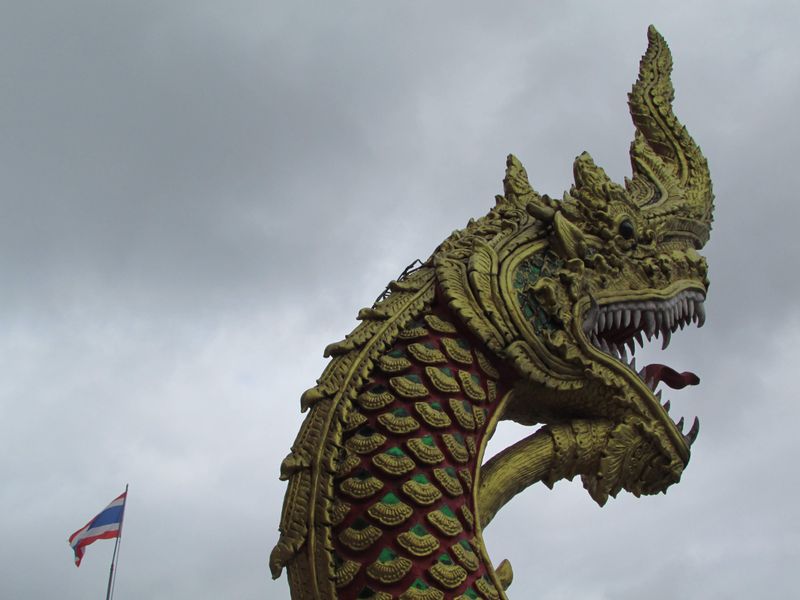
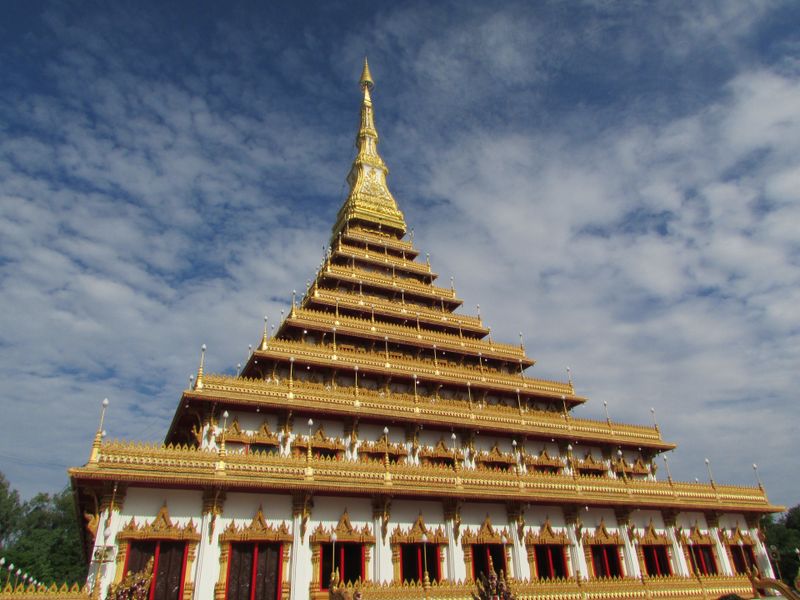
Here are some key points in the origins of Thai Buddhism:
Introduction of Buddhism: Buddhism was introduced to the region that would become Thailand through trade contacts with India. The teachings of Siddhartha Gautama, the Buddha, were gradually absorbed into local belief systems.
Monastic Communities: Monastic communities, or sanghas, were established in various parts of the region. These monasteries served as centers for Buddhist practice, study, and meditation.
Influence of Indian Buddhism: Early Thai Buddhism was heavily influenced by Indian Buddhism, particularly the Theravada tradition, which emphasizes the original teachings of the Buddha as preserved in the Pali Canon.
Conversion of Kings: The conversion of local rulers and kings to Buddhism played a significant role in the spread of the religion. These rulers often provided support and patronage to Buddhist monks and monasteries.
Integration with Local Beliefs: Thai Buddhism integrated with indigenous animistic beliefs and local customs, creating a unique blend of spiritual practices. This fusion is often referred to as "Buddhism with Animist Characteristics."
Spread and Growth: Over the centuries, Buddhism continued to spread throughout the region that is now Thailand. Monasteries became centers of learning and culture, and Buddhist art and architecture flourished.
Theravada Tradition: Thai Buddhism predominantly follows the Theravada tradition, which emphasizes the study of Buddhist scriptures and the practice of meditation. It places a strong emphasis on individual enlightenment and the path to nirvana.
Royal Patronage: Throughout Thai history, kings and monarchs have played a crucial role in supporting and promoting Buddhism. This relationship between the monarchy and the sangha has remained significant.
Today, Thailand is a predominantly Buddhist country, and Buddhism plays a central role in Thai culture and daily life. Temples, known as "wat," are scattered throughout the country and serve as both places of worship and centers for community activities. Thai Buddhism continues to evolve while preserving its rich historical and cultural heritage.
