

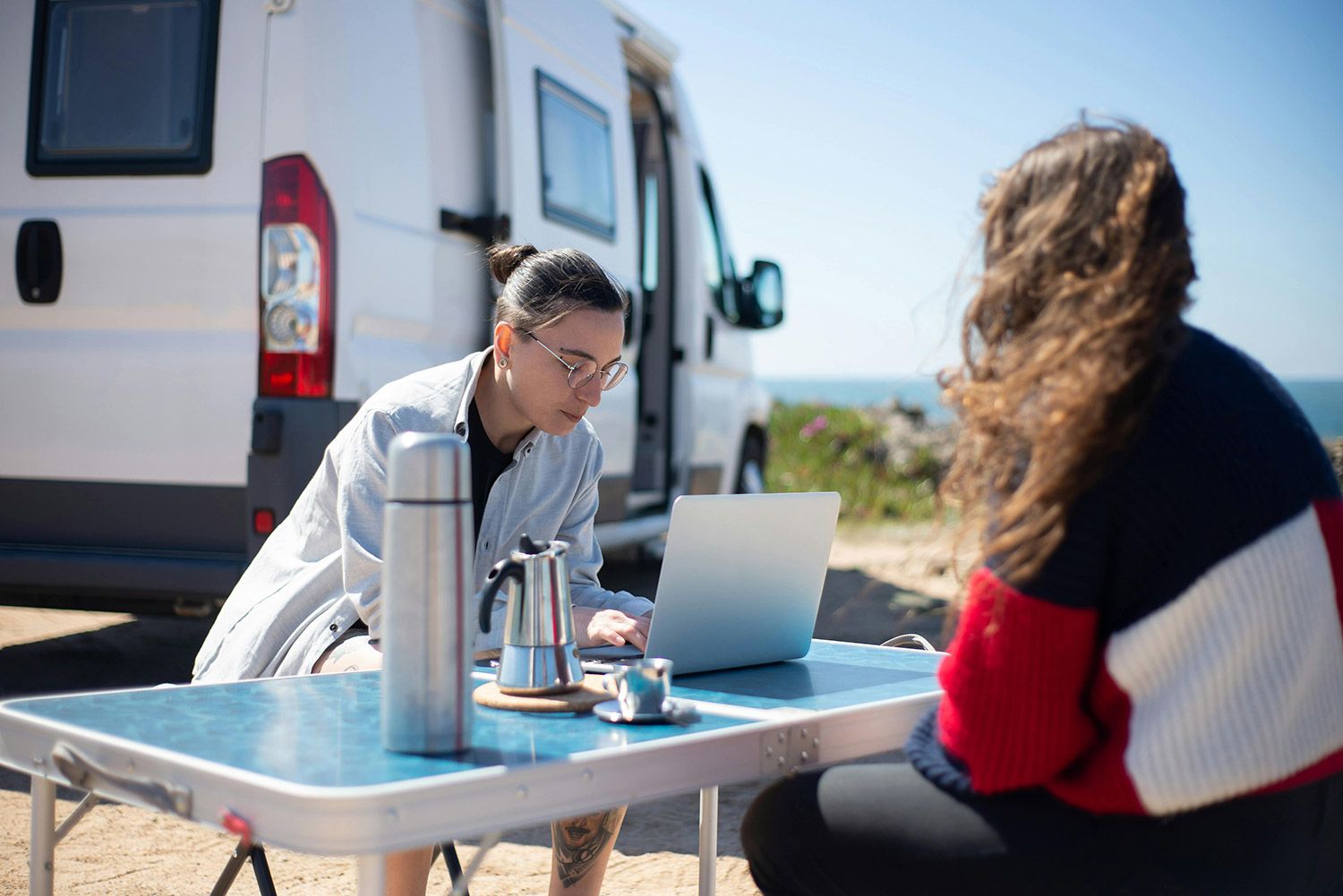
Staying connected is one of the most important parts of international travel today. Whether you are navigating a new city, calling a ride, checking in on family, or managing work on the go, reliable data makes everything easier. The good news is that travelers have more options than ever, from Wi-Fi to eSIMs to affordable local data plans. This guide walks through the main choices and helps you decide which option fits your trip.
Understand Your Current Phone Plan
Before buying anything new, take a look at what your current mobile carrier offers for international travel. Many carriers provide daily or monthly roaming packages that allow you to use your phone abroad just as you do at home. These plans are convenient, especially if you only need service for a short trip, but the cost can add up quickly.
Roaming also depends on phone compatibility. Some regions use different network types, so make sure your phone is unlocked and able to connect to international networks. A little research here can save you money and frustration later.
For a clear explanation of how roaming works and why it can get expensive, you can reference this helpful guide from Verizon.
Using Wi-Fi Abroad
Wi-Fi is the simplest way to get online and often the cheapest, since many hotels, cafes, and airports offer free or low cost access. This makes it easy to download maps, plan your day, check messages, and make calls through Wi-Fi based apps.
The downside is that public Wi-Fi can be unreliable and sometimes unsafe. Hackers occasionally target unsecured networks, and this can put your personal information at risk. Avoid logging into bank accounts or entering sensitive data when you are on open networks.
If you want to use public Wi-Fi more safely, a trusted VPN can help add a layer of protection. CNET provides a useful overview explaining how VPNs work and why travelers use them.
It is also smart to download offline resources before you leave your hotel. Google Maps, translation tools, and saved reservations are all easy to access without data once you download them to your device.
Local SIM Cards
A local SIM card is one of the most affordable ways to stay connected abroad. This option involves replacing your home SIM with one purchased in the country you are visiting. Local data plans are often inexpensive and provide fast, reliable service.
The tradeoffs are worth considering. To use a local SIM, your phone must be unlocked, and you will typically receive a new phone number for the duration of your trip. This can make two-factor authentication or receiving verification codes from home more difficult. Also, if you are traveling to several countries, you may need to buy a new SIM for each one.
Local SIM cards are widely available in airports, mobile shops, and convenience stores. Shop around a bit if you can, since airport kiosks sometimes charge higher prices.
eSIMs: The Easiest Option for Most Travelers
For many travelers, an eSIM is the most convenient way to stay connected abroad. An eSIM is a digital version of a SIM card that can be activated directly on your phone without swapping anything physically. Most modern phones support eSIMs, and activating one usually takes only a few minutes.
One of the biggest advantages is that your home SIM remains active. This allows you to keep your regular phone number available for calls and security codes, while your eSIM handles international data. eSIMs are also ideal for multi-country trips since many providers offer regional or global plans.
eSIMs are widely available from companies like Airalo, Holafly, and Nomad. Pricing varies based on data amounts and coverage regions.
For a deeper explanation of how eSIMs work and why they are becoming popular, this guide from PCMag is helpful.
The only real downsides are that some older phones do not support eSIM technology and some destinations have fewer eSIM options. Also, many eSIM plans include data only and do not support traditional voice calls.
Portable Wi-Fi Hotspots
Portable hotspots are another good option, especially for groups or families. These small devices create a personal Wi-Fi network that you can connect multiple devices to. They usually come with a set amount of data and offer predictable pricing, which appeals to travelers who need steady connectivity.
The drawbacks include the added cost of renting or buying the device, the need to keep it charged, and possible deposit requirements. For solo travelers, an eSIM or local SIM is often cheaper, but hotspots can make sense for shared travel situations or remote workers who need a consistent connection.
Tips for Managing Data Use Abroad
Even with a solid plan in place, managing your data wisely will help you avoid overages or slow speeds. Some simple habits can stretch your data further:
- Download large files, photos, and videos when connected to Wi-Fi.
- Turn off background app refresh so apps do not consume data without your knowledge.
- Limit video streaming when using mobile data.
- Enable data saving modes on your phone.
- Turn off automatic app updates.
These small adjustments can make a noticeable difference, especially if you are working with a limited plan.
Helpful Apps for Staying Connected
A few apps make international travel much easier:
- Offline maps, such as downloaded Google Maps sections
- Messaging apps that use Wi-Fi (WhatsApp, Telegram, Messenger)
- Translation tools, especially ones with offline language packs
- Cloud storage apps for backing up photos and documents
These tools help you stay connected even when your data connection is limited or unreliable.
Final Recommendations
No single method works best for every traveler. The right choice depends on your destination, trip length, budget, and comfort with technology.
Roaming is the simplest option but can become expensive. Local SIMs offer the best value if you plan to stay in one country for a while. eSIMs are ideal for most travelers because they combine convenience with flexibility. Portable hotspots work well for groups or travelers who prefer a single device with predictable costs.
Whatever option you choose, preparing in advance will help you stay connected and confident throughout your trip.
Photo by Kampus Production / Pexels