 Saare County, Estonia
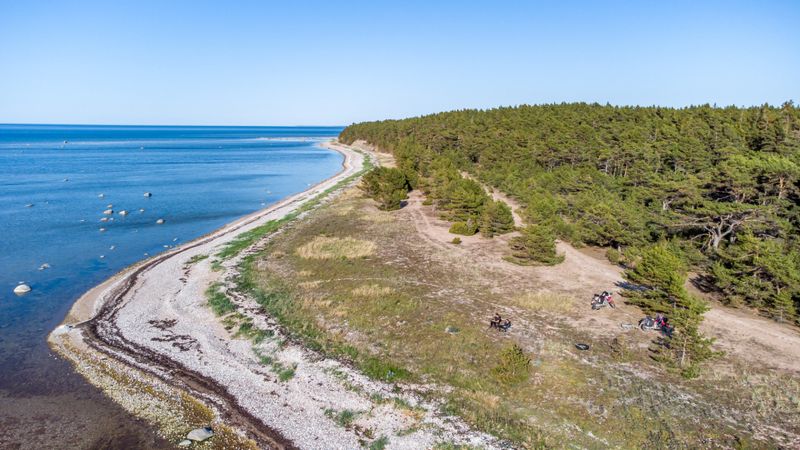
Exploring the Estonian islands on two motorcycles is an exercise in slowing down. While the rest of Europe’s coastlines are often defined by fences and crowds, Saaremaa and Hiiumaa offer a rare sense of openness. It is a place where the pavement often gives way to fine white gravel, forest trails or sandy tracks, leading to corners of the Baltic that feel largely untouched by modern tourism.
Saaremaa: Stone, Dust, and Deep History
Our journey began on Saaremaa, the larger of the two islands. It is a landscape defined by juniper bushes, ancient stone walls, and a network of offroad tracks that are perfect for dual-sport bikes.
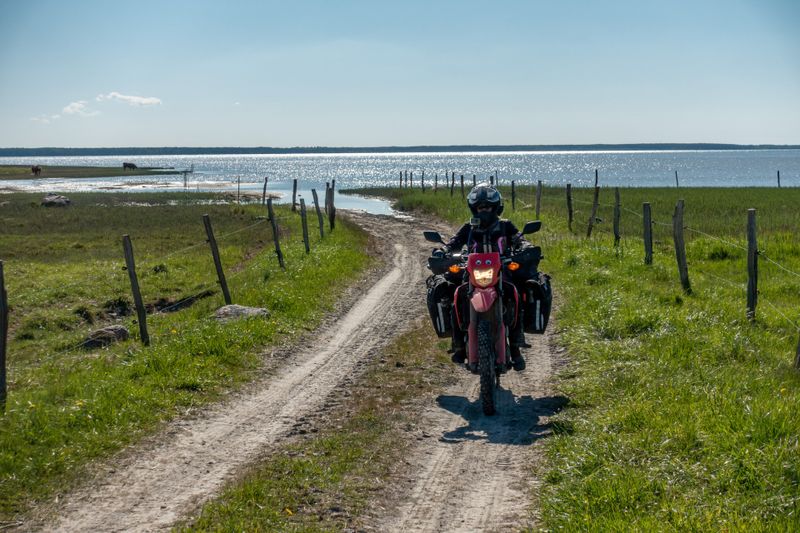
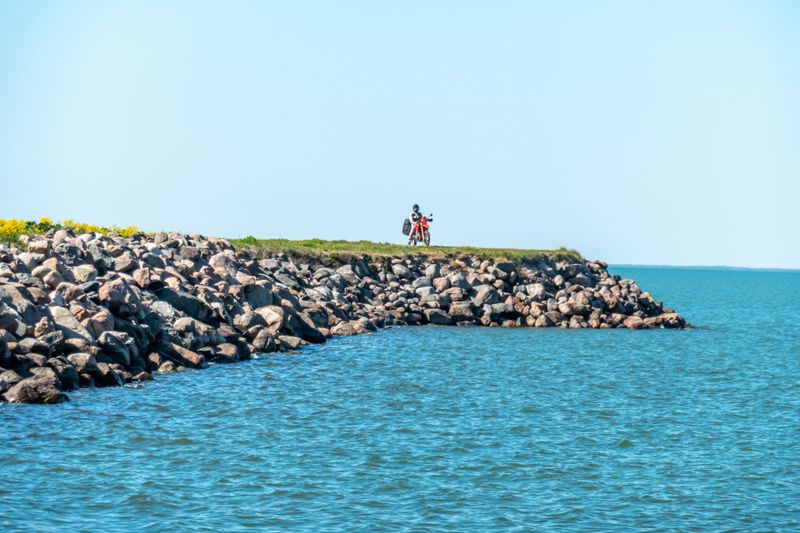
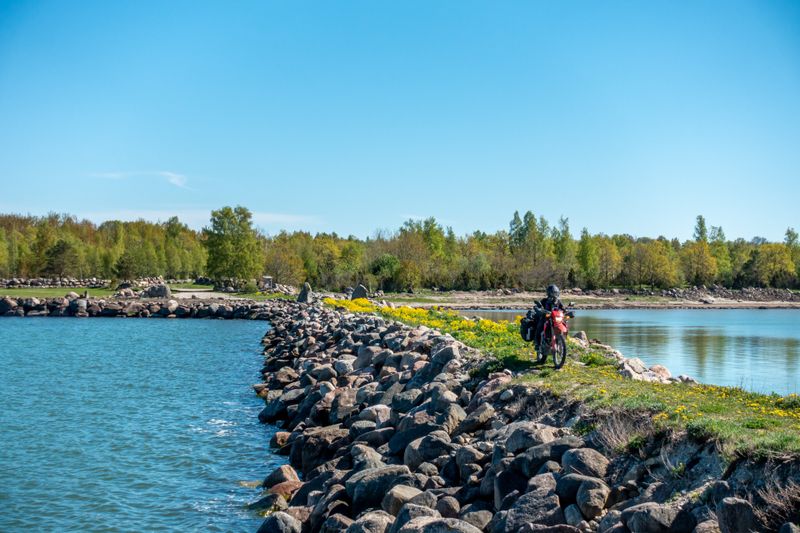
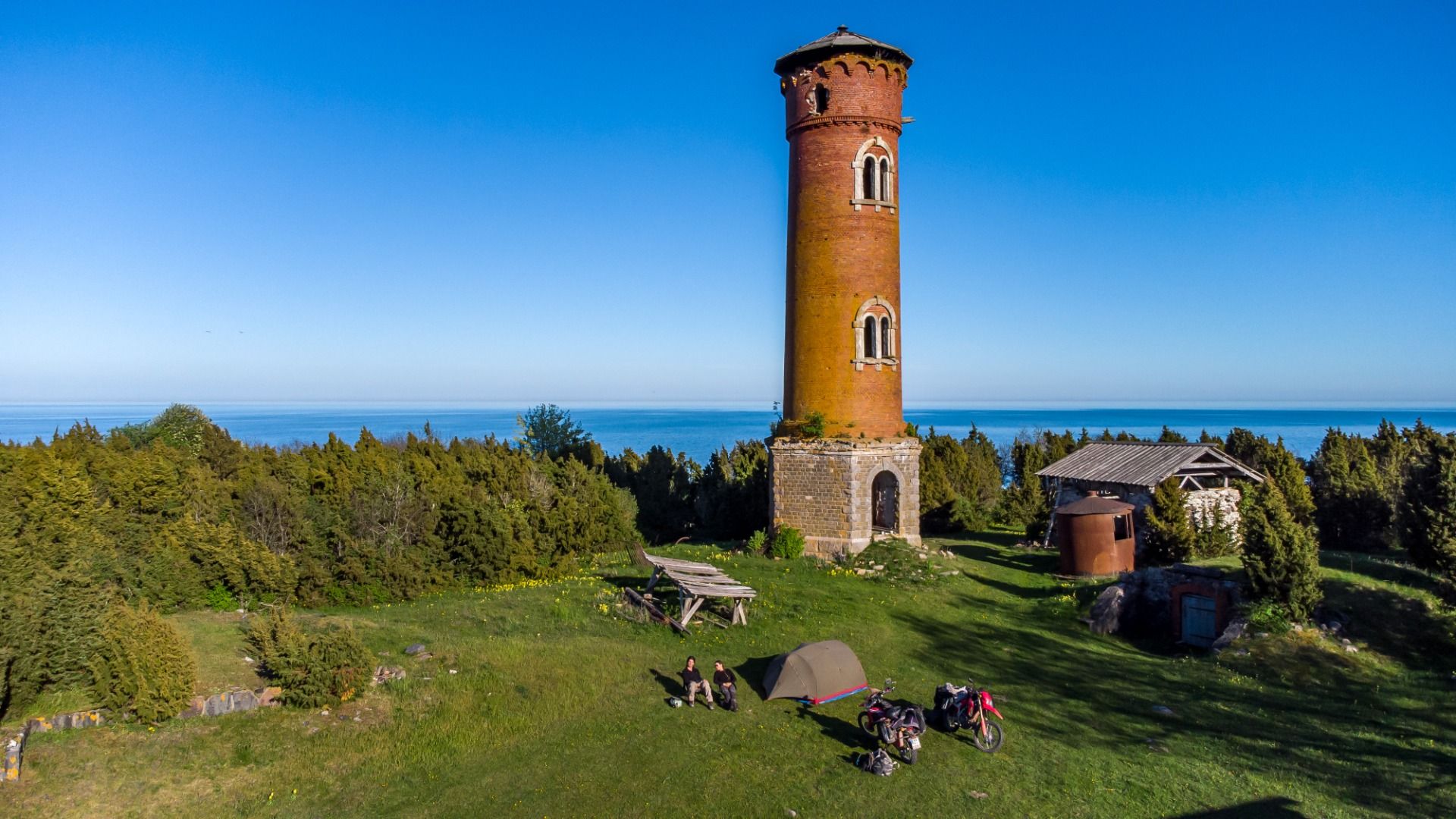
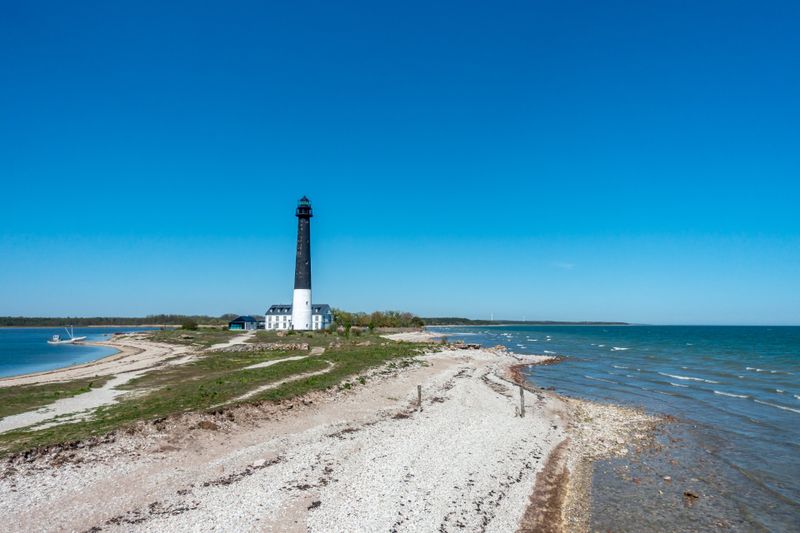
Riding along the western shore, we found miles of limestone cliffs and empty beaches. The tracks here vary from hard-packed dirt to loose coastal sand, offering enough technical variety to keep the riding engaging without being exhausting. There are also plenty of possibilities to pitch a tent at phantastic spots e.g. like this amazing place near an ancient lighthouse.
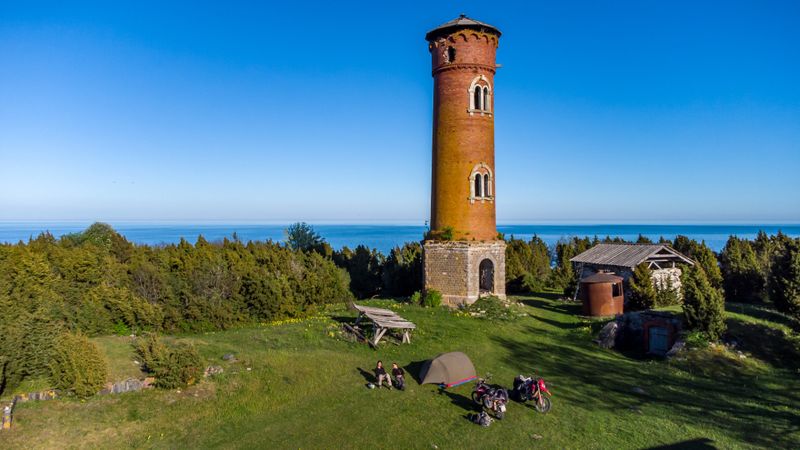
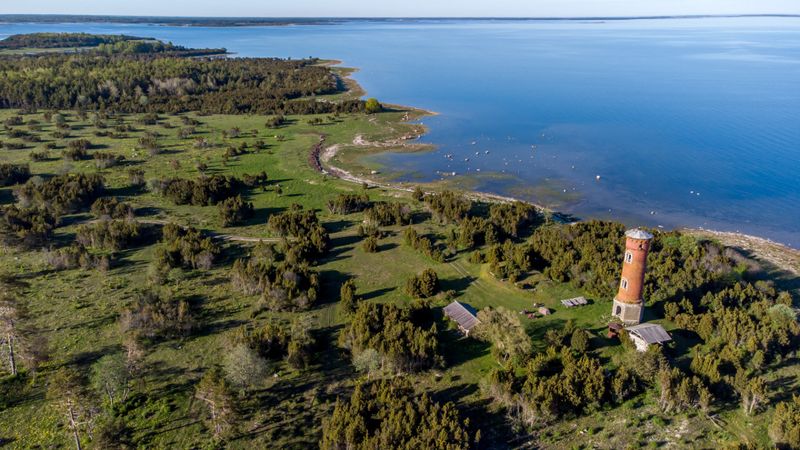
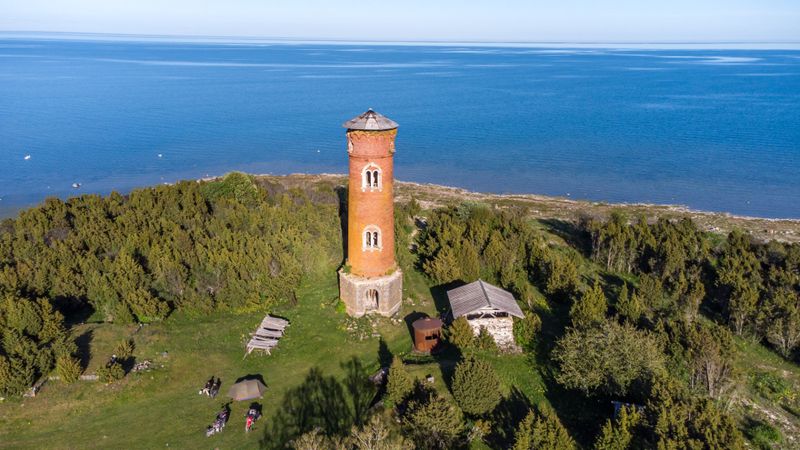
On the way deeper into the island one passes many special places and often you discover beautiful sights simply because you happen to ride past them by chance. Like beautiful ancient buildings, lighthouses or the Kaali Meteorite Crater - a perfectly circular lake formed thousands of years ago. It is a quiet, humbling experience. It’s easily accessible by bike and serves as a stark reminder of the island’s cosmic history.
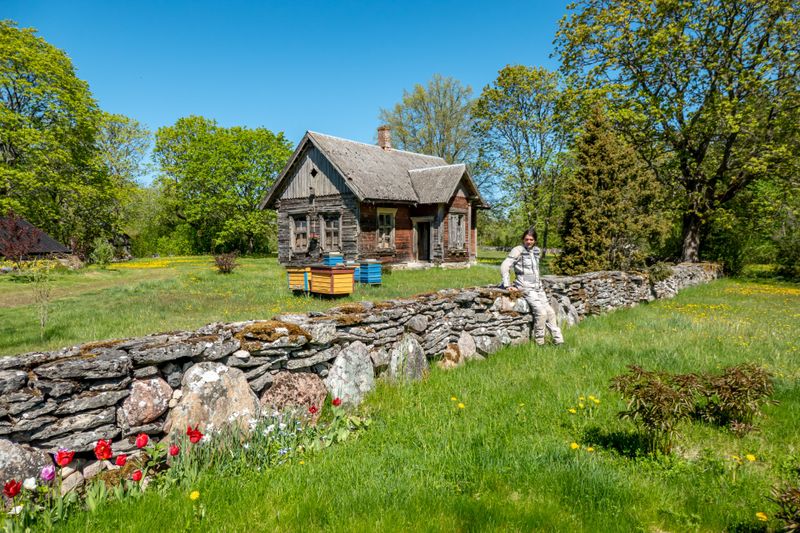


The most remarkable aspect of riding in Estonia is the RMK (State Forest Management Centre) infrastructure. Estonia has a deeply ingrained "right to roam," and the RMK supports this with prepared Campsites - free, legal camping spots often equipped with fire pits, benches, and dry toilets.
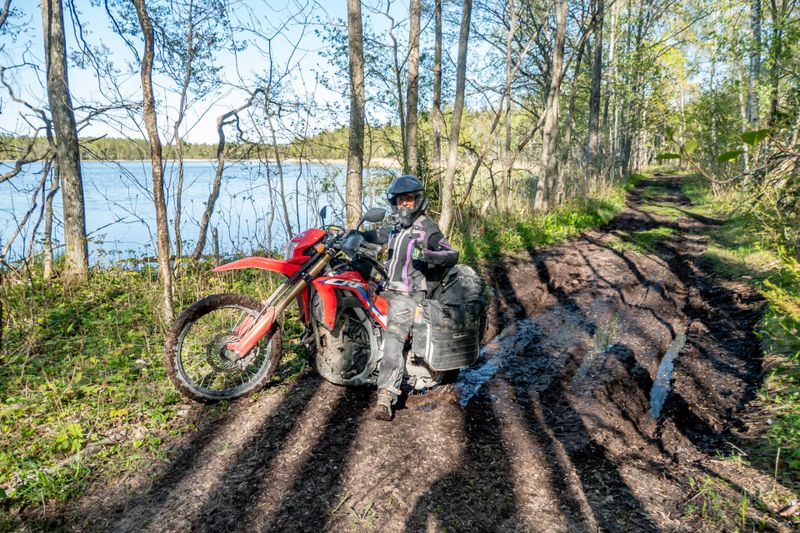
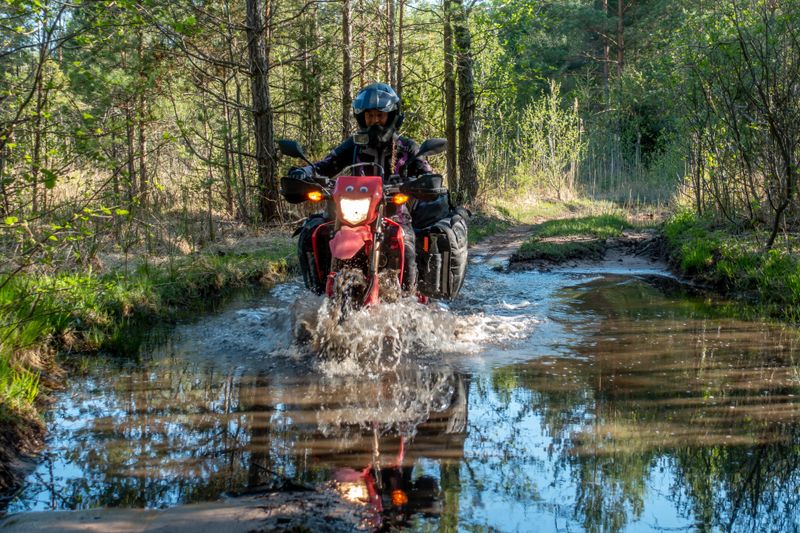
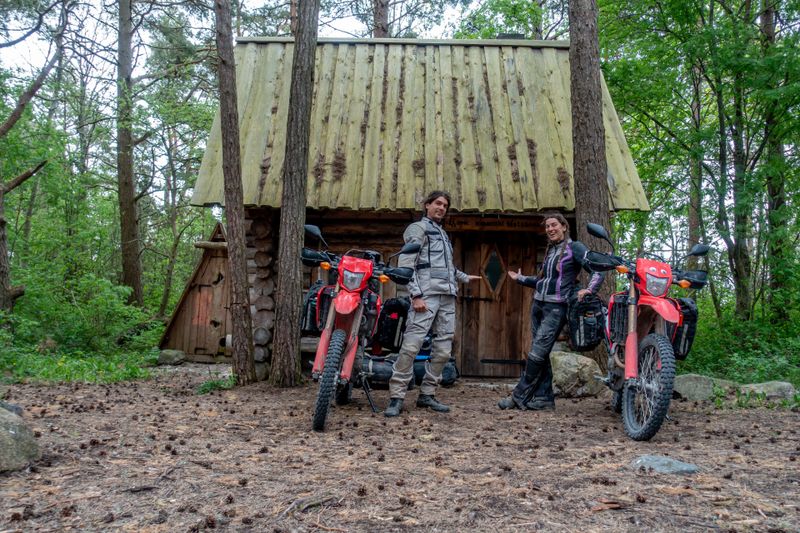

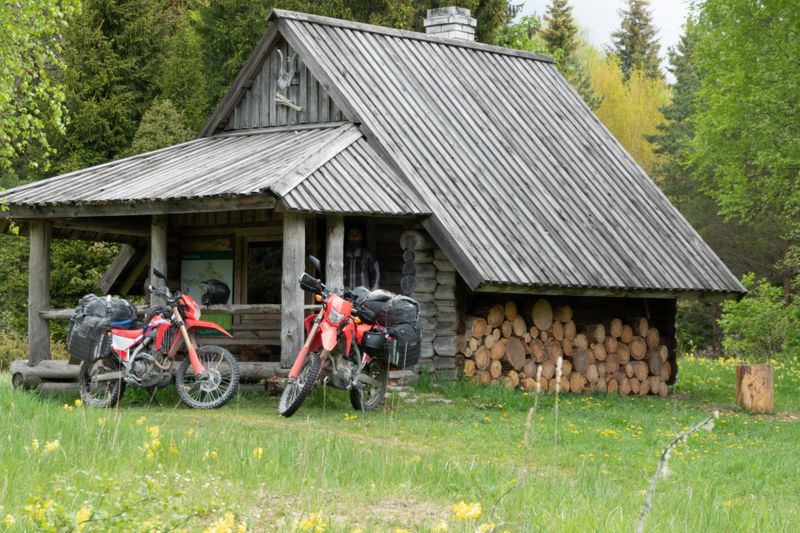
In some remote areas, there are simple wooden cabins available for anyone to use on a first-come, first-served basis. Spending a night in a small hut is especially nice when the weather gods aren’t in your favor again. That also means, that some trails can become quite muddy or even completely flooded. The puddles can be very deep, so sometimes its better to check the water level in advance before ending up as a submarine.
Crossing to Hiiumaa
The transition between the islands is a highlight in itself. The small ferry from Triigi (Saaremaa) to Sõru (Hiiumaa) is a peaceful hour-long transit. For a few Euros, you and your bike are carried across a shallow, turquoise strait. As you roll off the ramp in Sõru, the atmosphere shifts; Hiiumaa feels even more remote, more forested, and more secluded.
Hiiumaa is an island for those who prefer the shade of the woods and the solitude of the northern coast.


The Lighthouses: The island is famous for its navigational landmarks. The Kõpu Lighthouse, one of the oldest in the world, sits high on a forested hill, while the iron-clad Tahkuna Lighthouse stands guard at the northernmost tip.
Echoes of the Cold War: Near the Tahkuna point, the forest hides a dark history. Hidden among the pines are Soviet-era bunkers and coastal artillery batteries. Exploring these ruins, some half-sunken into the earth, on foot after parking the bikes provides a fascinating, somewhat eerie glimpse into the island’s strategic past.


A Different Pace
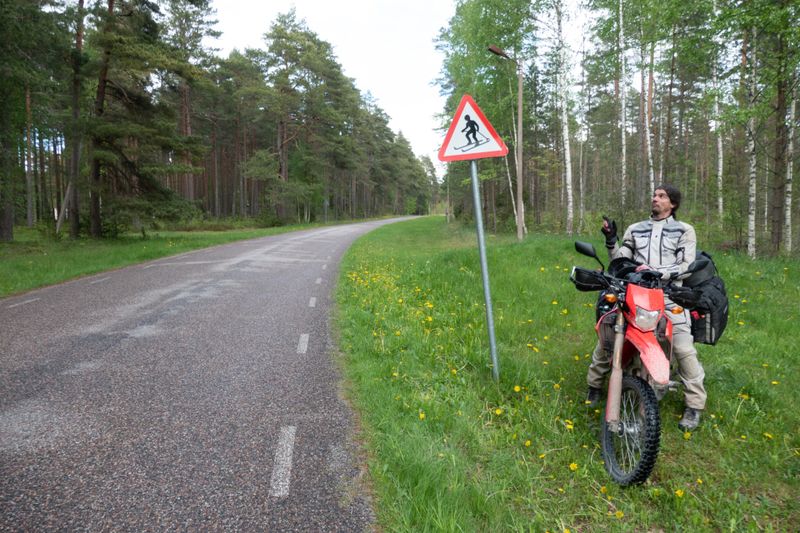
This trip isn't about high-speed corners or dramatic mountain passes. It’s about the rhythmic crunch of gravel under your tires, the smell of pine needles, and the freedom to set up camp wherever the forest meets the sea. If you value solitude and the ability to disappear into the landscape for a few days, these two islands are perhaps the best-kept secrets in Northern Europe.

Comments