 Lecce, Apulia, Italy
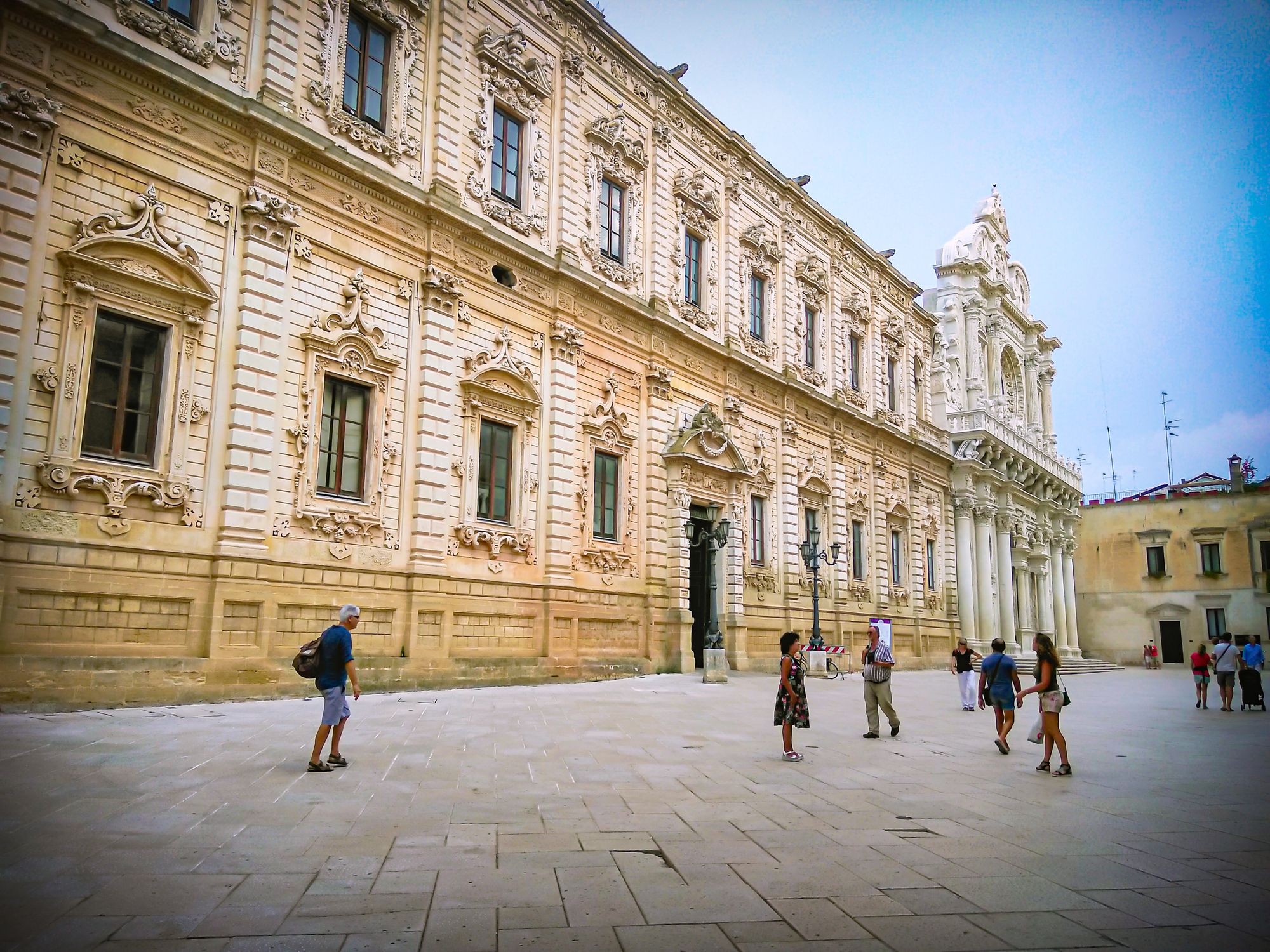
Lecce is an astonishing Mediterranean city located in the south of Italy and it is an unmissable destination for those who appreciate Baroque art and architecture.
It has a unique cultural charm. Tourists can explore its old town and hang out in what we might even define as an open-air museum, because when you see everywhere you can admire the impressive architecture of the Baroque period.
I've done this pictures last summer, during a short holiday and I’m happy to share them with you.
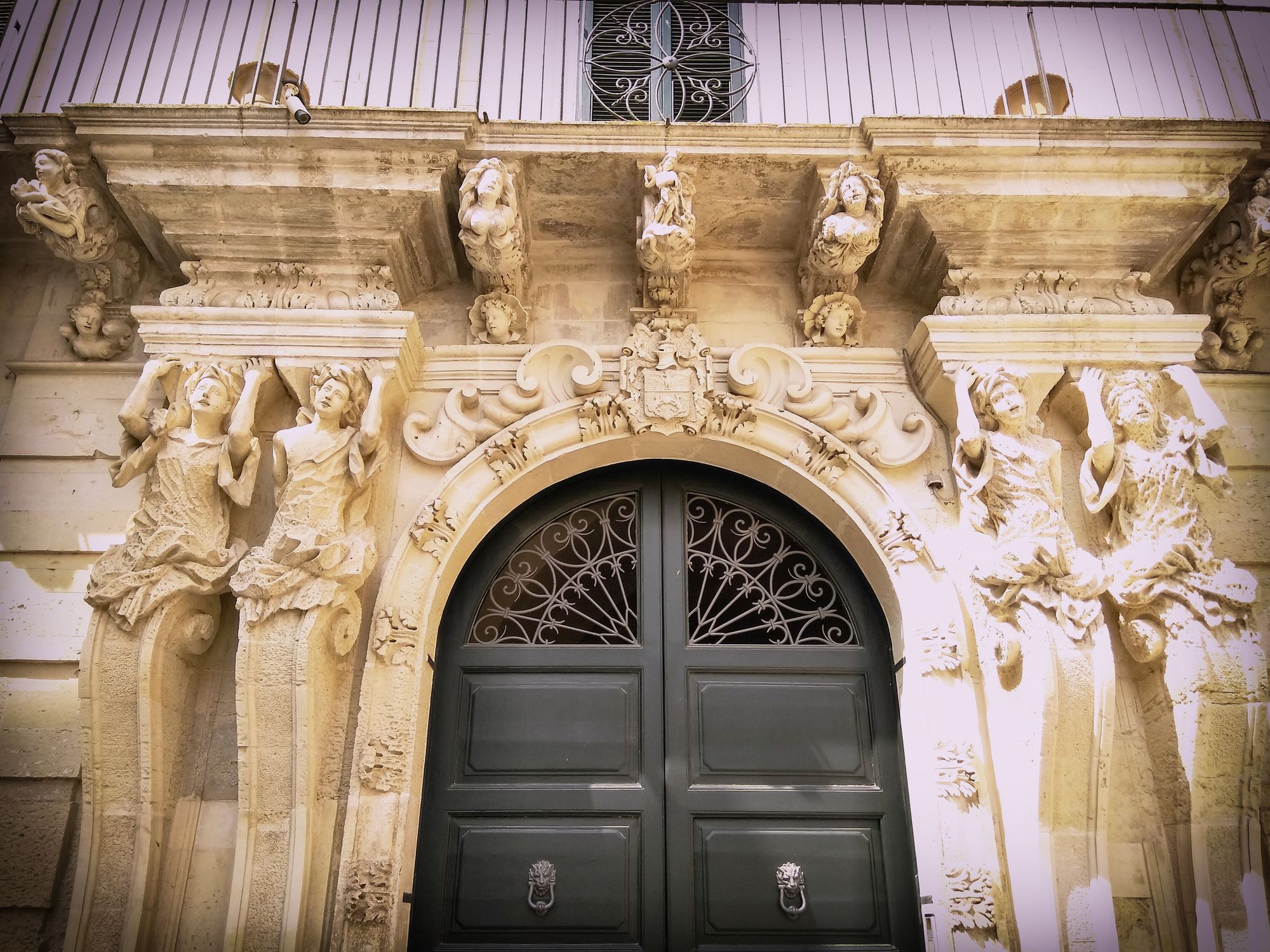
Marrese Palace is one of the most striking examples of what you can admire in Lecce: located in piazzetta Ignazio Falconieri, the building has an elaborate baroque-style façade which I would describe as "hauntingly beautiful".
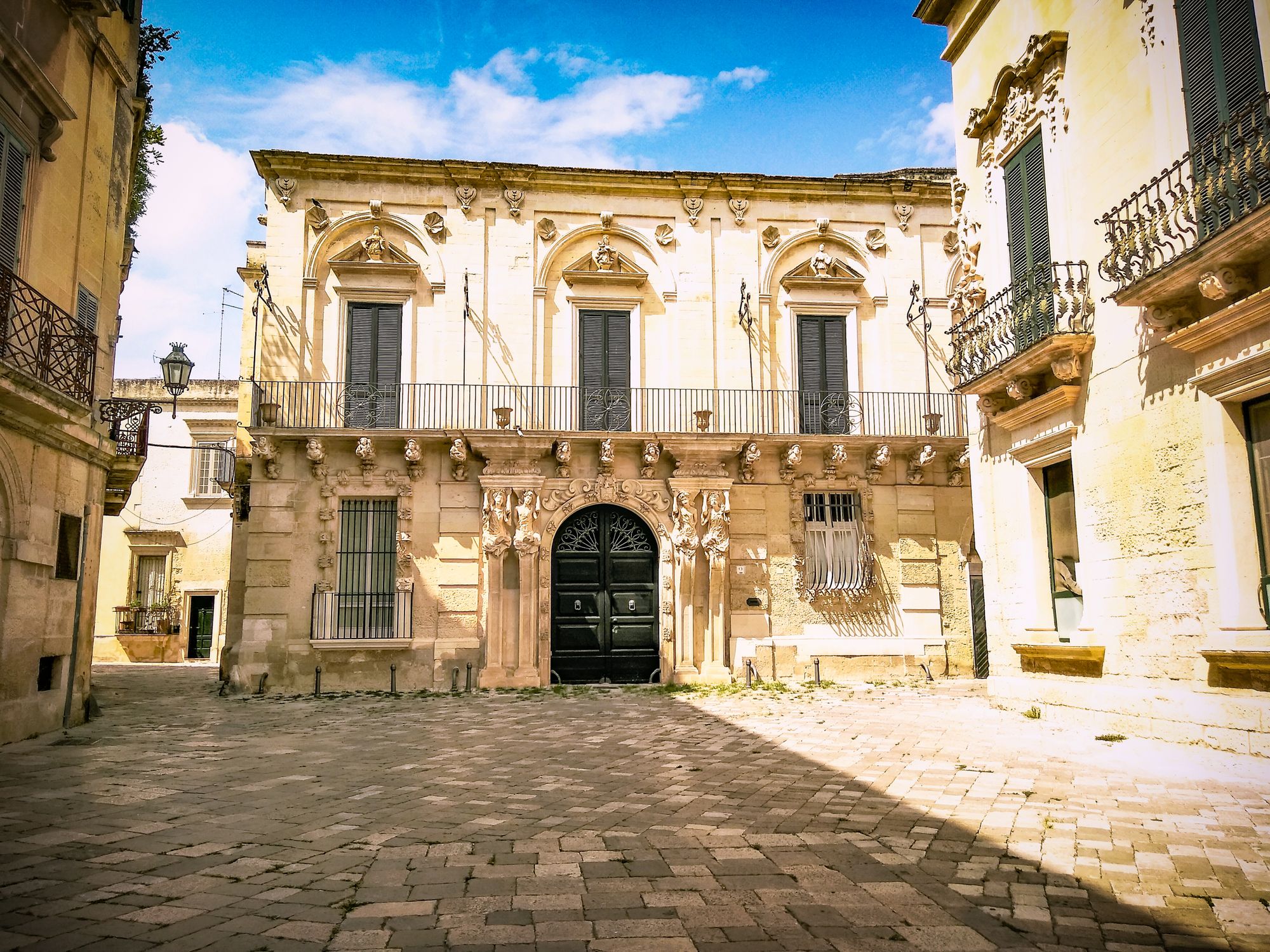
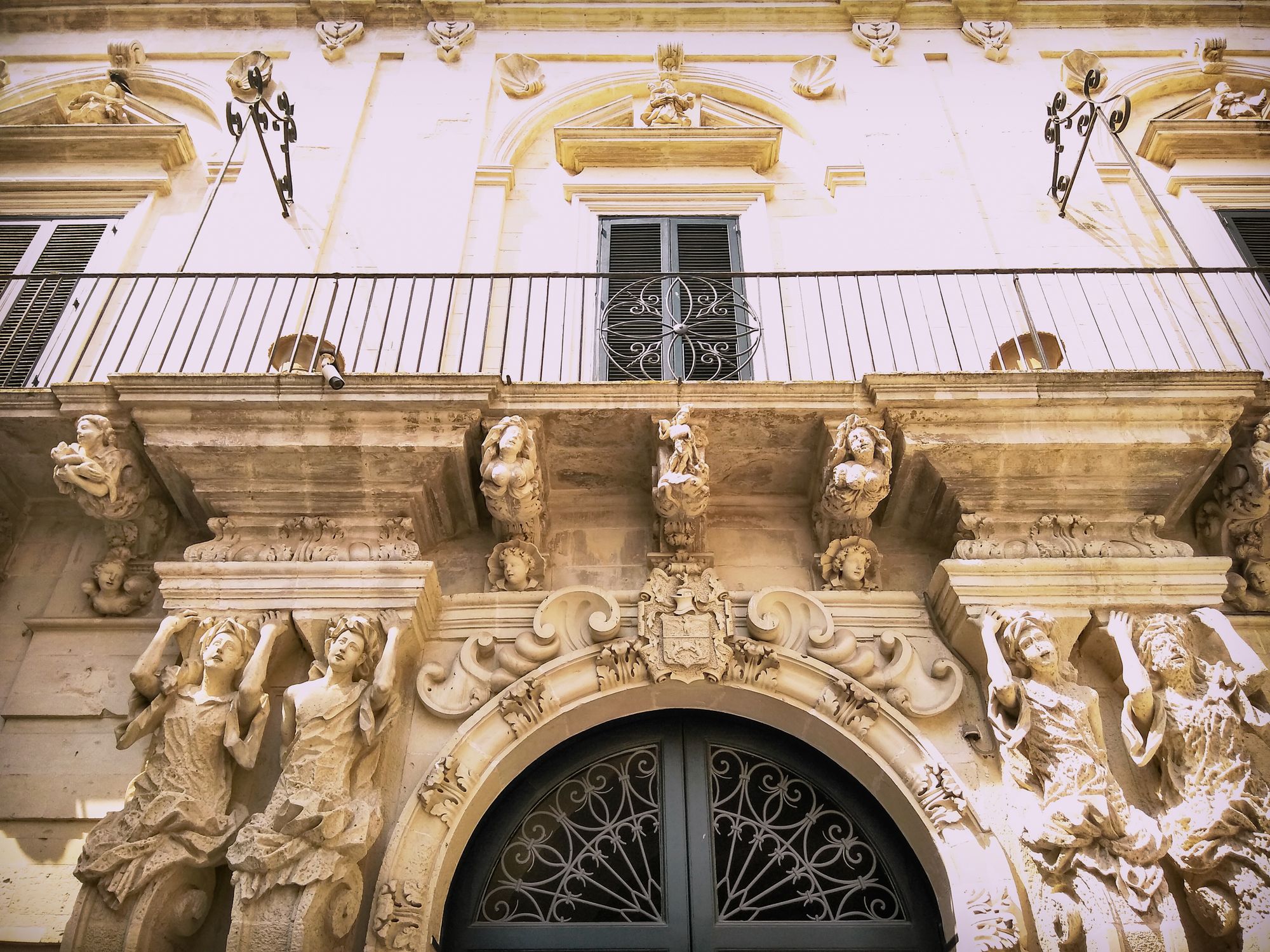
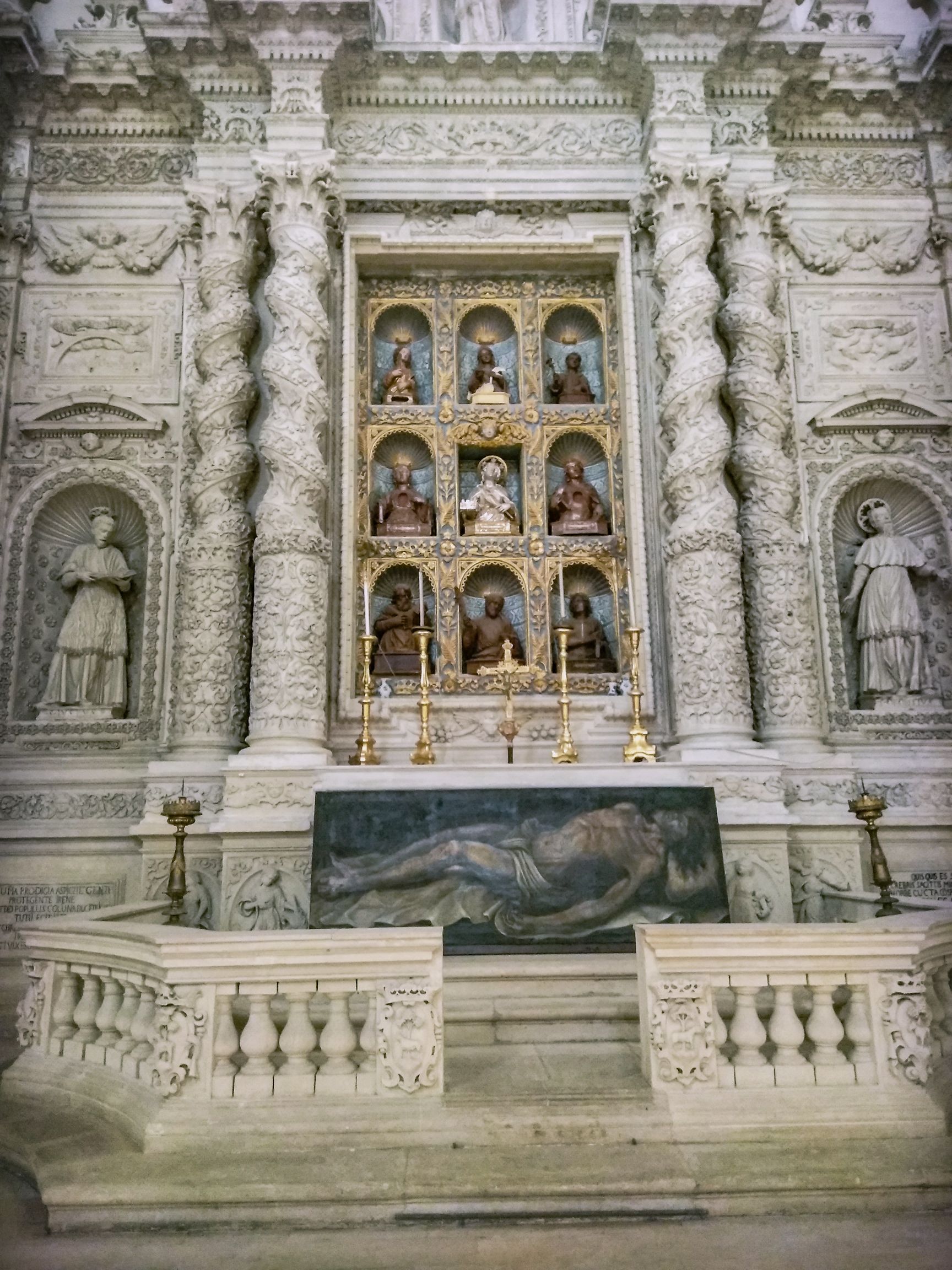
Another fascinating example of baroque architecture is represented by the multitude of churches, convents, and other religious monuments deployed throughout the whole old town of Lecce.
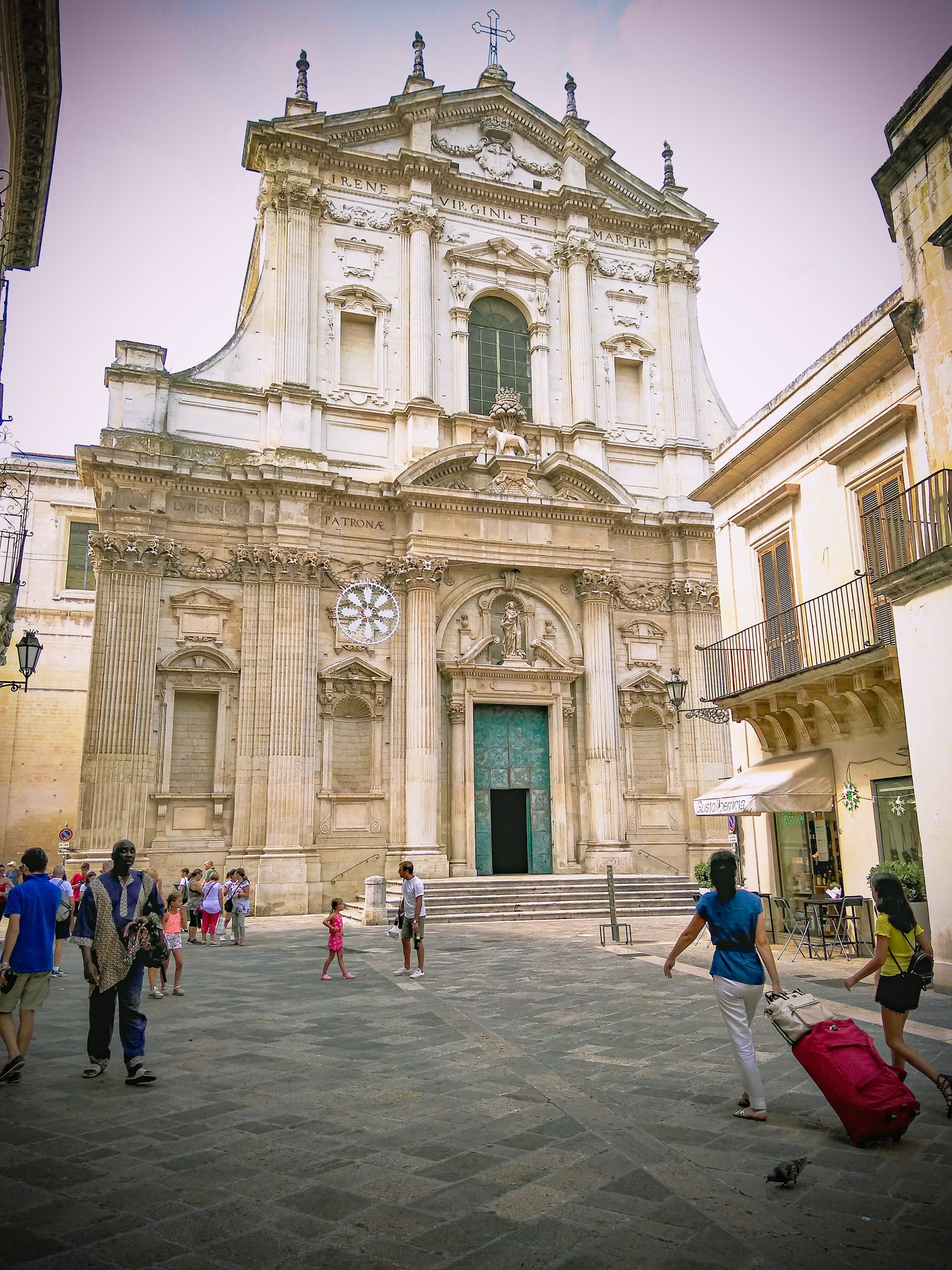
Important among these is the Church of Santa Croce which is perhaps the best expression of the religious baroque architecture in this city.
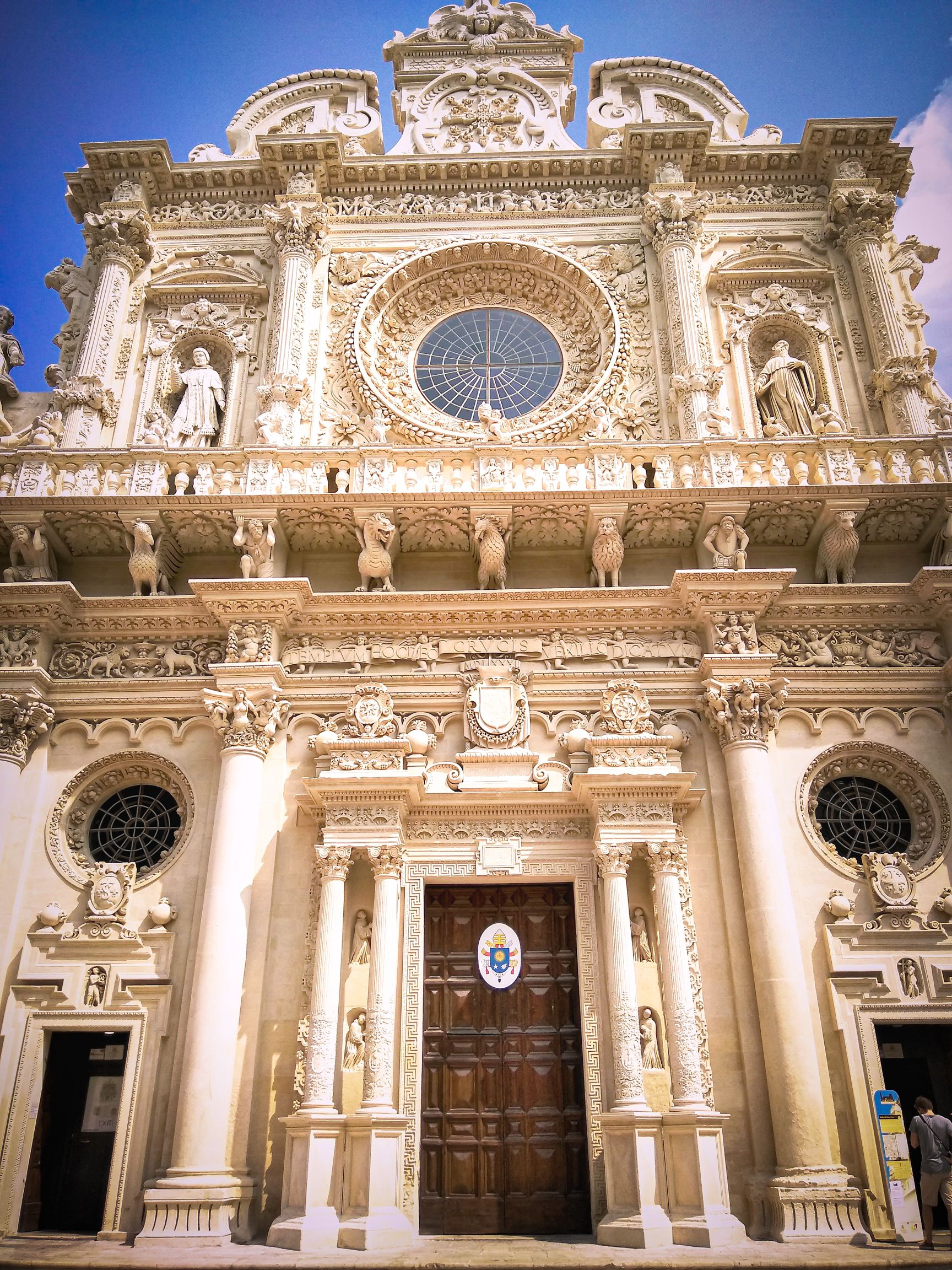
The Church of Santa Croce is flanked by the Convent of the Celestine Fathers which with its imposing Baroque façade complete the beautiful apparatus of Santa Croce.
Lecce Cathedral is the city's most important and imposing church and it is dedicated to the Assumption of the Virgin Mary. The main building dates back to 1144 but it was rebuilt in 1659. Its bell tower is 72 meters high.
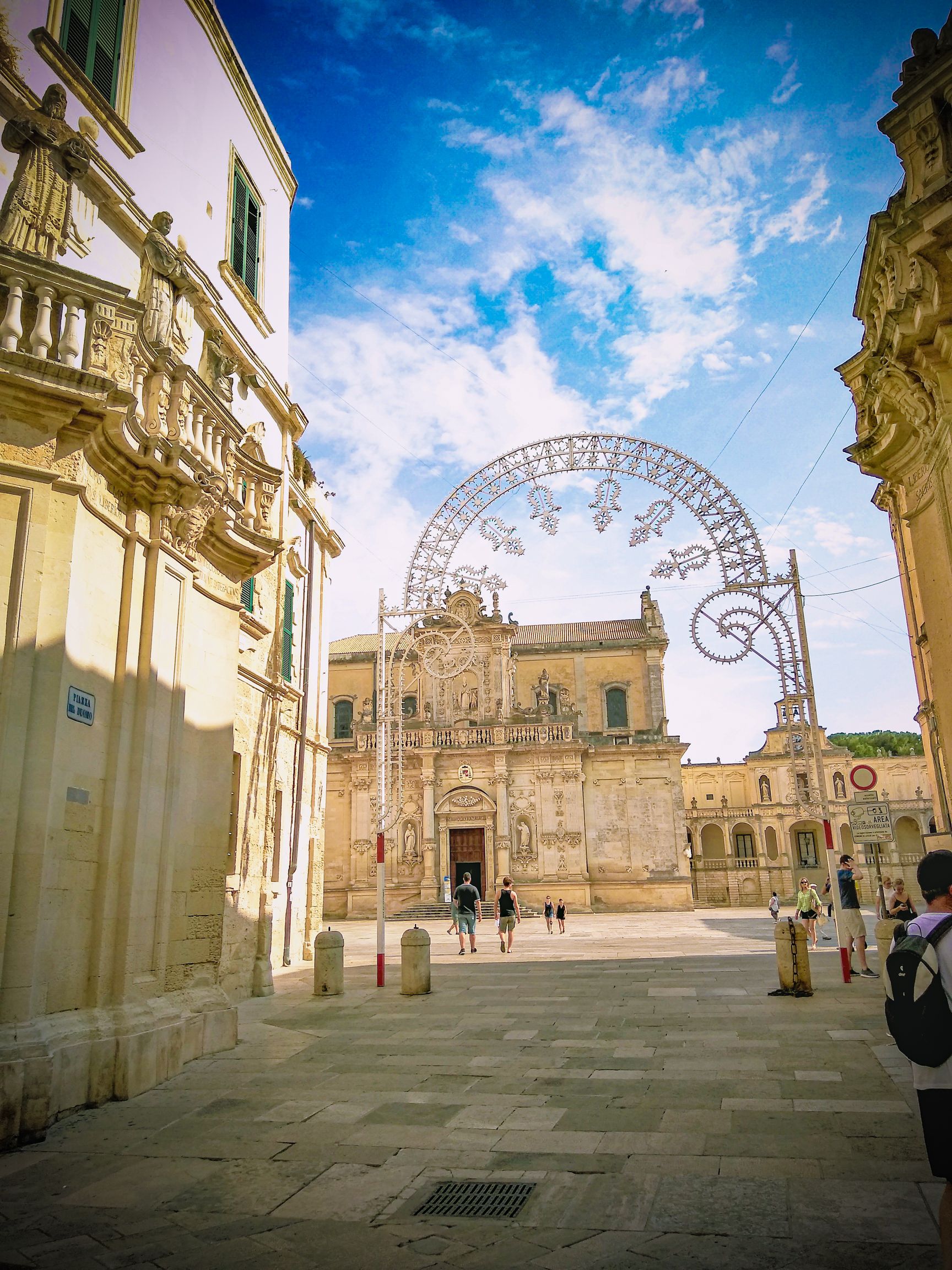
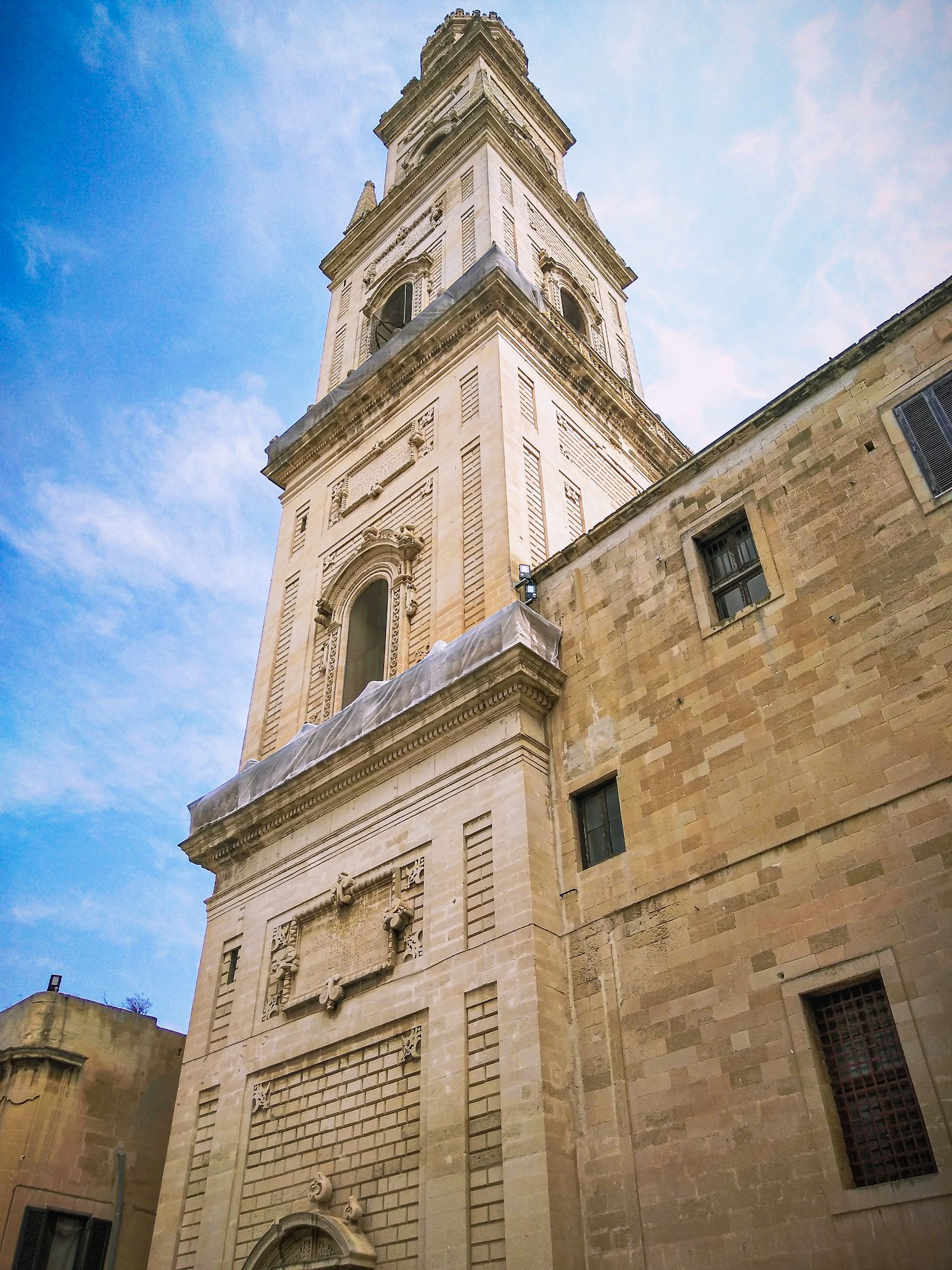
Whether the outside the churches will seems beautiful, the interior is even more so with rich baroque decorations and breathtaking details.
Till now I've talking only about the Baroque period, but Lecce's origins are much older.
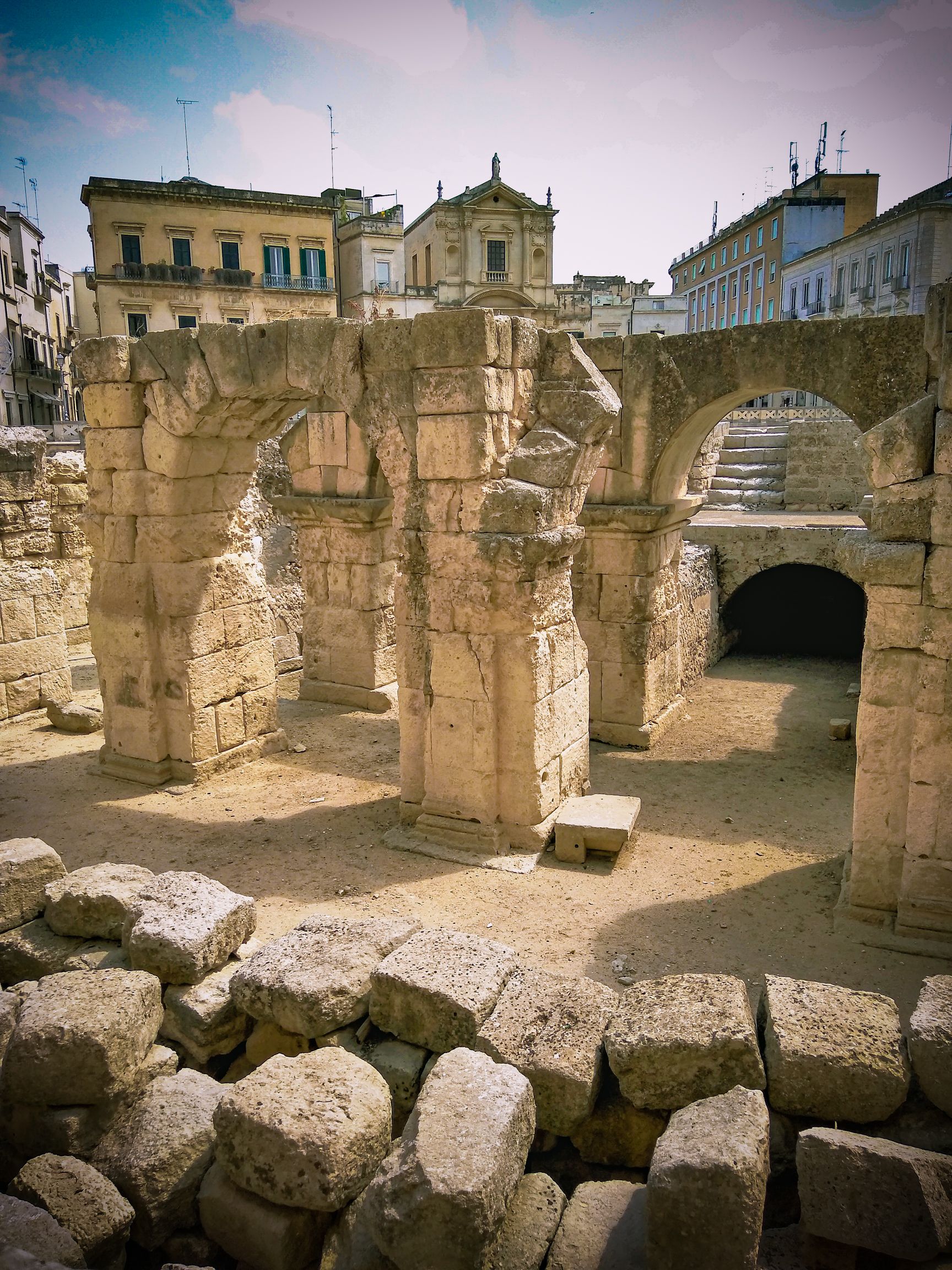
Piazza Sant'Oronzo (the most important square in Lecce), with its Roman amphitheatre, is a witness of this.
Also known as Augustan amphitheatre, it is one of the most important evidence of the fact that here was established the ancient Roman Empire town of Lupiae.
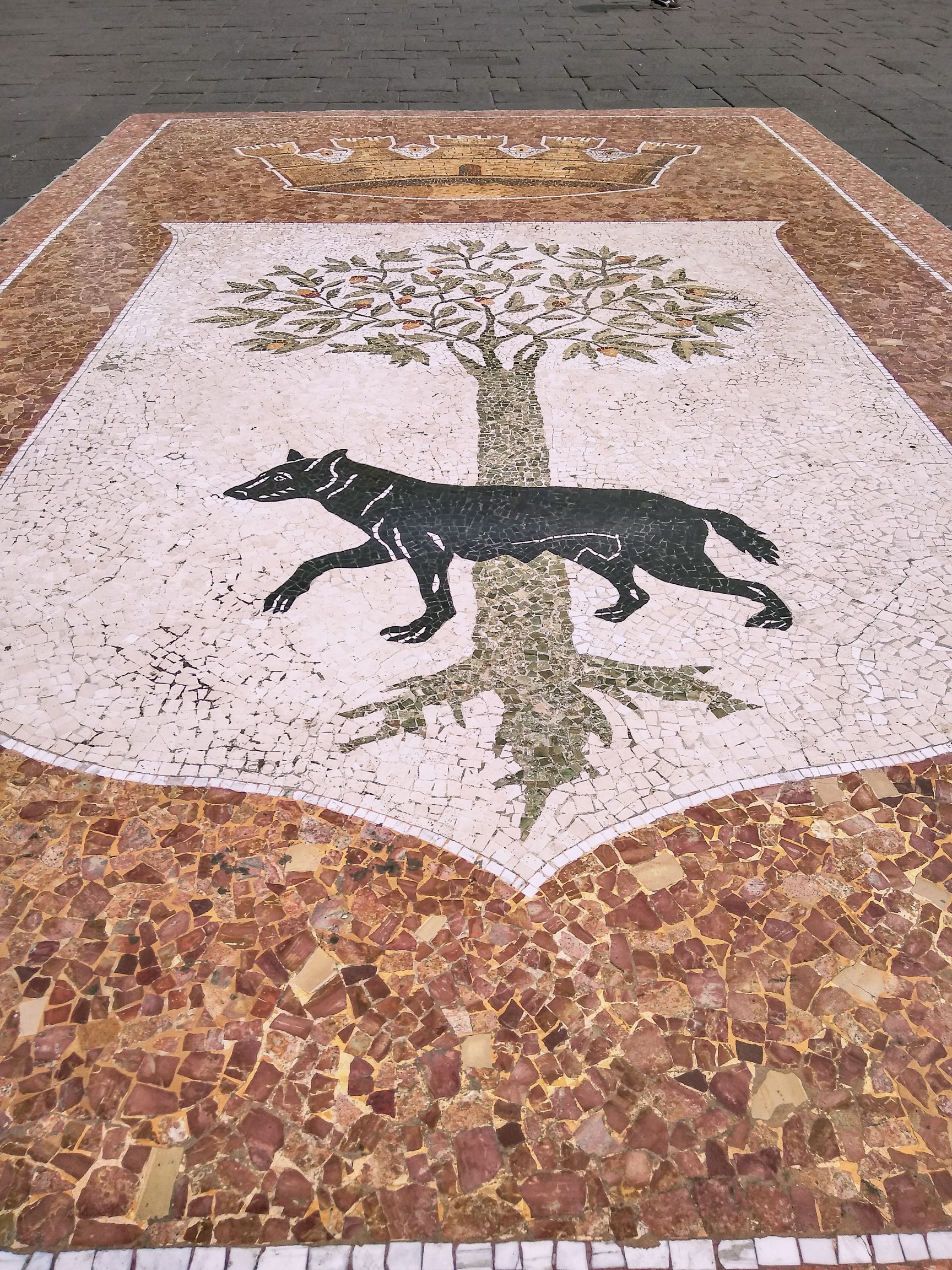
Some historians sustain that the ancient name of Lupiae means "Lupa" (aka female Wolf) and the female wolf is the symbol of Lecce; it tends to give weight to the argument that actually this is the origin of its name.
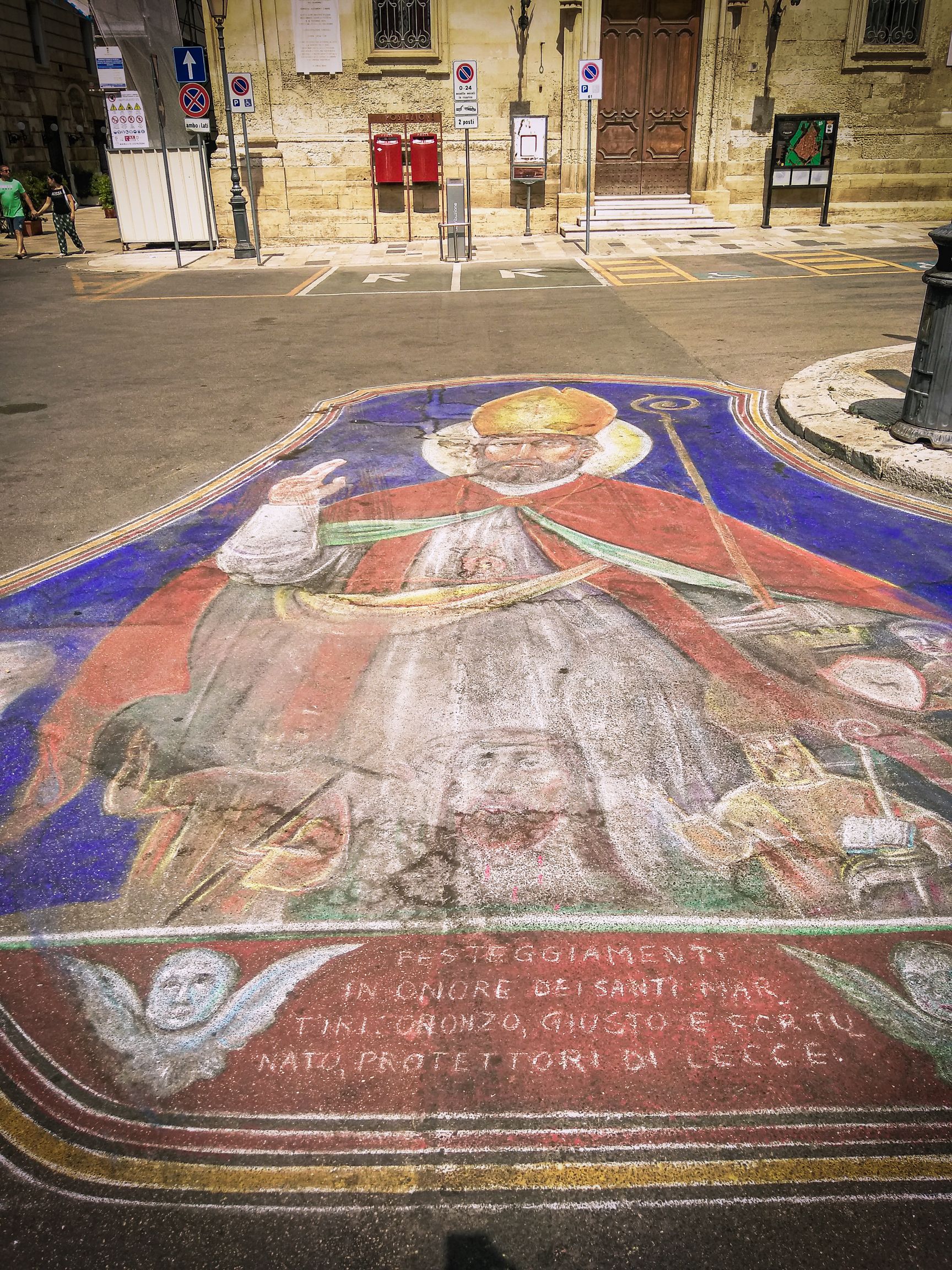
Saint Orontius of Lecce is the patron saint of the city (toghether with Saints Fortunatus and Justus) and is commemorated each year, on August 24, with solemn celebrations.
The celebrations for the patronal feast usually last three days and during these festivities the "Madonnari" (pavement artists) color the main square with their works of art.
The tourist offer is very extensive. The economy of the town is partially based on tourism thanks also to the several and well equipped accomodation facilities.
There were info points in many locations around the old town, so if tourists need any information, they can ask these info points.
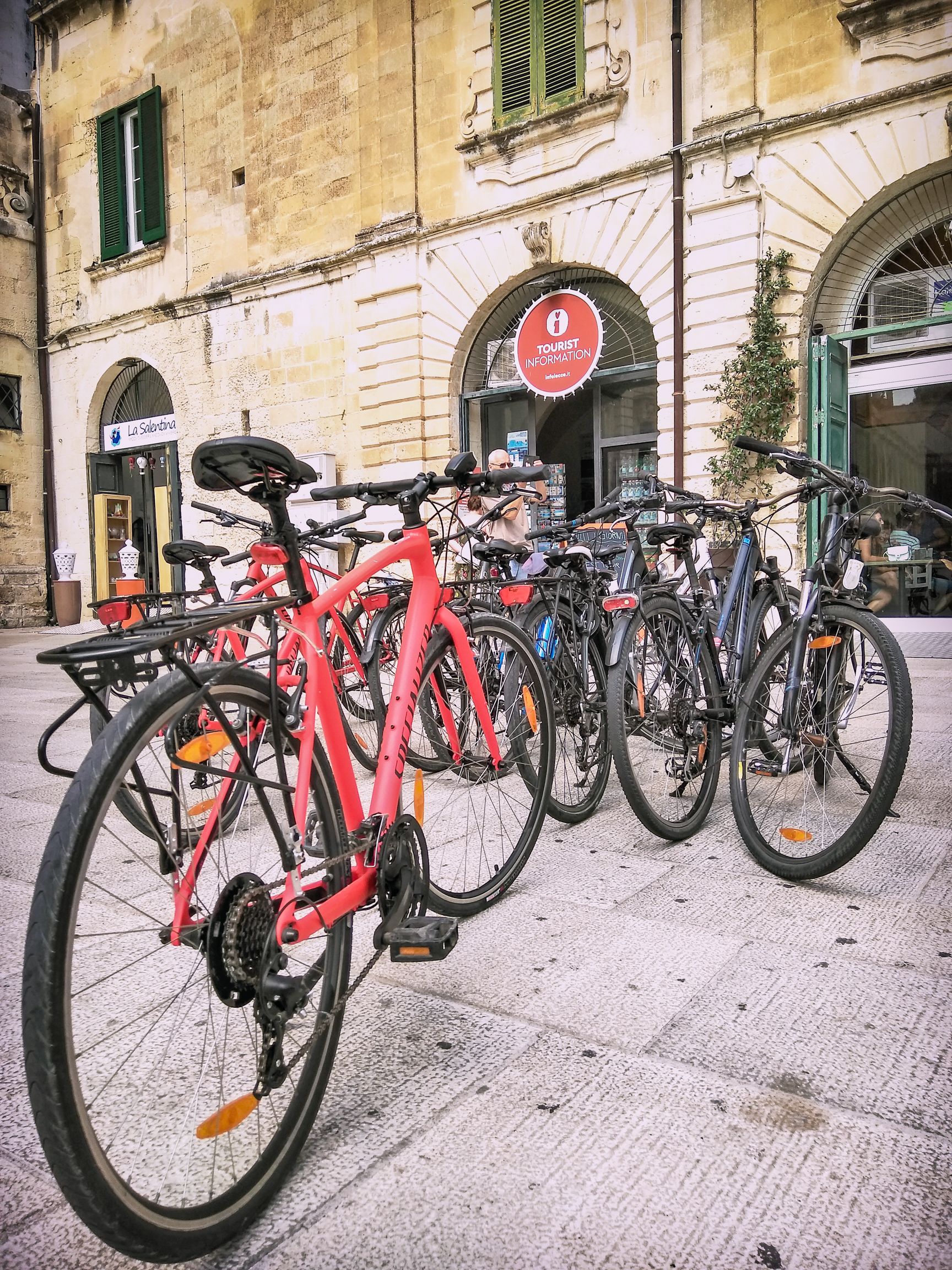
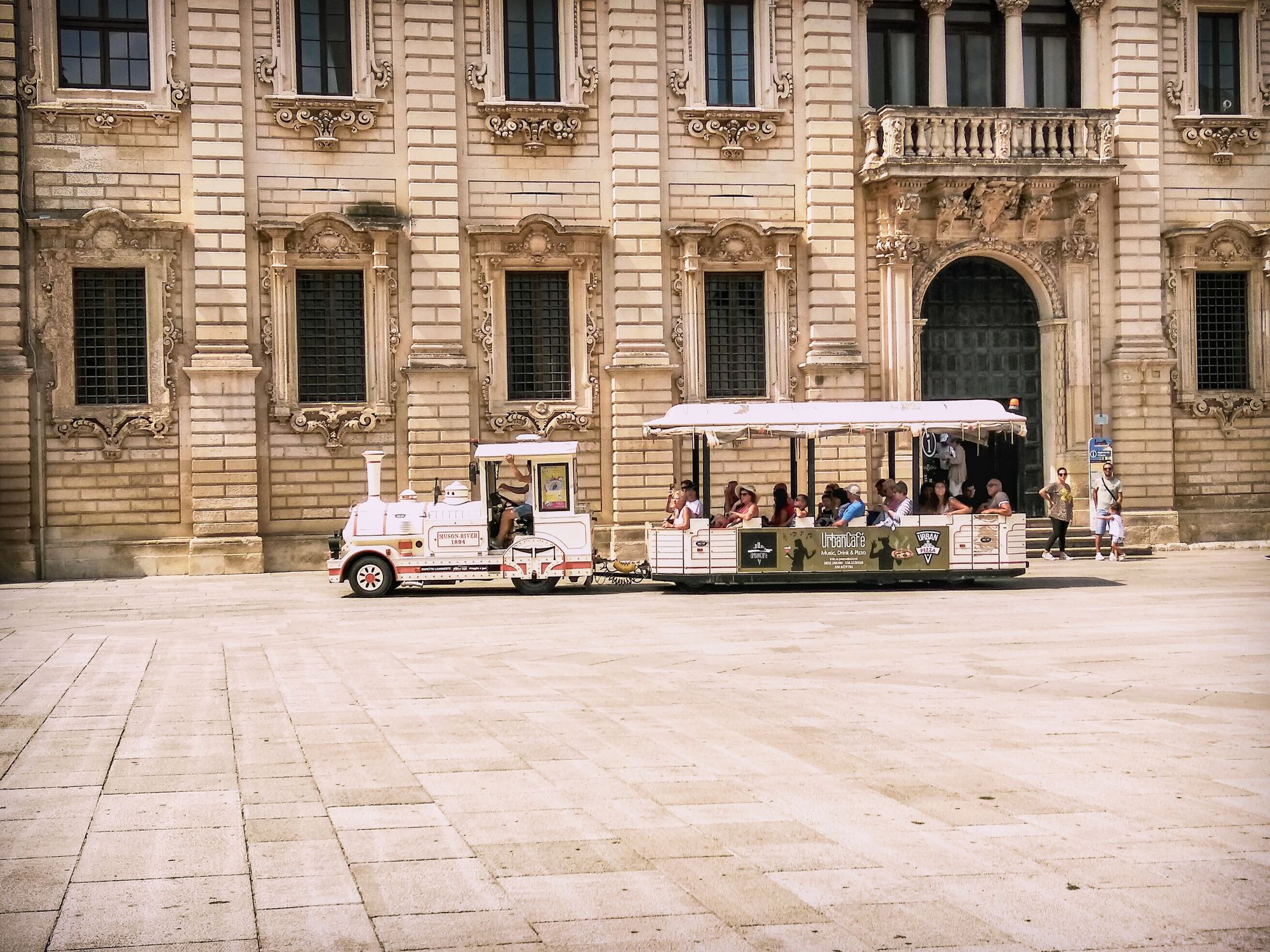
It is possible to rent bikes in proximity to the old town with which tourists can discover this marvellous baroque city but guided tours with small train and rickshaw are also available for those who want to use them.
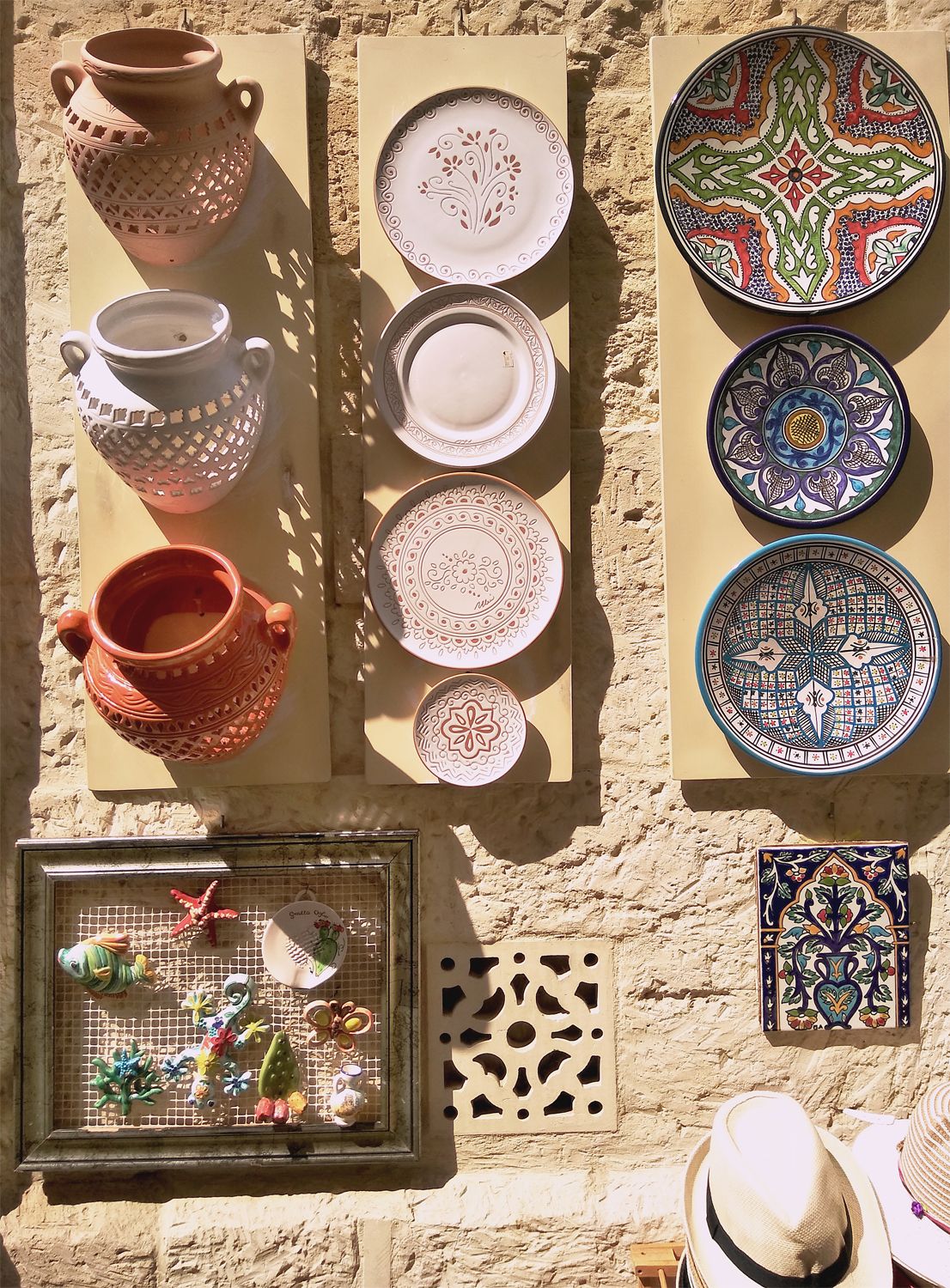
Tourists can not miss the workshops and the renowned craftsmanship of the objects in "Tufo Leccese" (tufa and Lecce stone), terracotta, ceramic, basketry and papier mache available in the old town of Lecce.
Some photos contain some Lightroom post processing.
All rights reserved.
View this post on TravelFeed for the best experience.

Comments