 India
India
There are trips you take for fun, and then there are journeys that pull you in — gently, but deeply. Char Dham was that for me.
I didn’t go to tick it off a bucket list. I went because I was tired of the noise, both outside and within. I wanted silence, a reset. What I didn’t expect was how many moving parts a Char Dham trip involves — the roads, the weather, the crowds, and yes… even something as simple as finding a decent stay.
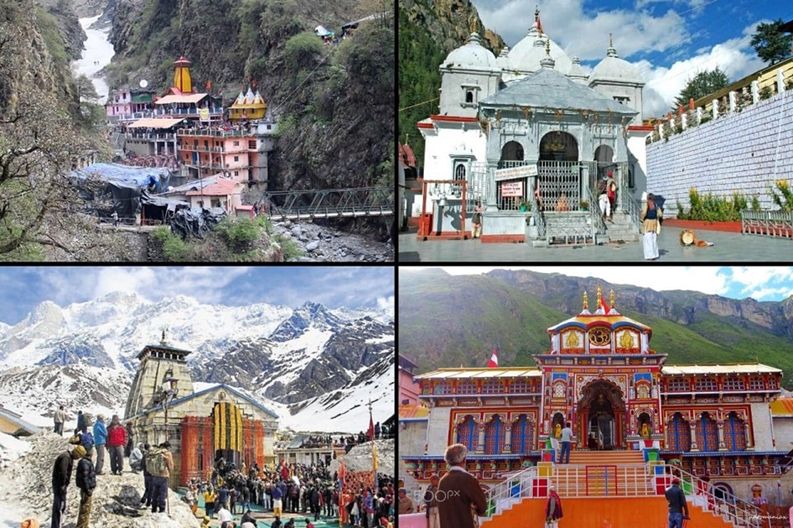
So this blog isn’t a “how-to” list. It’s a memory. Of places that tested me. Of people who helped. And of one app that kept me sane when everything else felt unpredictable.
My peaceful journey through Char Dham — one step, one stay at a time
Starting the Journey: Haridwar – The Gateway to Everything
I started from Haridwar, just like most travelers. The energy there is surreal. People from all corners of India arriving with hope, hands folded, eyes wide. I stayed overnight near Har Ki Pauri, watching the Ganga Aarti with strangers who somehow felt like family. There’s something powerful about that kind of shared silence.
The next day, I began my Char Dham yatra — Yamunotri, Gangotri, Kedarnath, and Badrinath, in that order. I had a cab booked for the entire route, thinking that was the biggest hurdle. Turns out, it wasn’t.
Yamunotri: The First Wake-Up Call
Yamunotri was where I realized how real this trip was going to be
The trek was tiring but beautiful. But the real challenge hit when I reached the guesthouse I’d pre-booked: “Sorry bhaiya, rooms full. Network mein problem tha, update nahi hua.” I wasn’t the only one. Several others sat with backpacks on stairs, waiting and hoping.
That’s when I tried something a cousin had told me about. I posted my location and stay requirements on a travel app called cheQin.ai I had just downloaded out of curiosity a week ago — something that lets hotels respond directly with offers. I didn't expect much.
Within 10–15 minutes, I got five replies. No marketing, no spam — just basic stays saying, “We have one room available, here’s the price, we’re 200 meters from the trek base.” It felt like local help coming to me, instead of me searching door-to-door. That was the first time I smiled that day.
Gangotri: Where the Mountains Calm You
After Yamunotri, I headed to Gangotri. The roads were decent, the views magnificent. You pass through pine forests and little hamlets where time seems to slow down.
This time, I didn’t book anything in advance. I trusted the method that worked last time — I just updated my travel need, and again, responses started coming in. I picked a quiet lodge with an old couple who made chai like home. They even packed parathas for my next day’s ride.
There’s something calming about Gangotri — the Ganga in its raw form, snow-capped peaks watching over you, and a sense that the mountain doesn’t need you, but still welcomes you.
Kedarnath: The Test of Spirit and Patience
Kedarnath was… emotional.
From Gaurikund, the trek is intense — 16 km that pushes you to your limit. But every step feels worth it when you finally see the temple, standing tall among snow, wind, and clouds
Finding a place to sleep in Kedarnath is tricky. Even when you book in advance, things change. Weather can shut down a route. Electricity goes off. Hotels get overbooked.
Again, I posted my requirement, even with low signal. I got responses after a delay, but they came. One dharamshala owner even sent his staff to pick me up when I reached late evening. I didn’t feel like a tourist. I felt cared for.
I stayed warm, ate a bowl of khichdi under layers of blankets, and stepped into the temple early morning when it opened. That morning felt like everything I had come for.
Badrinath: The Gentle Finish
After Kedarnath, reaching Badrinath felt easier. The roads were smoother, and the town more developed. But by now, I was emotionally full. I wasn’t chasing photos or temple check-ins anymore. I just wanted to sit.
And I did. For hours near the Tapt Kund, dipping my feet into the warm water, surrounded by sadhus and kids and tired yatra-goers like me.
My stay was again booked through that same simple process — post the requirement, get real-time responses, choose, and confirm. It became a routine I didn’t have to think twice about. No hidden costs, no drama, no calls to random hotel numbers that never answer.
Looking Back: Lessons I Didn’t Expect to Learn
The mountain doesn’t follow your plan — You have to adjust. The more rigid your plan, the more stressed you’ll be
Talk less, observe more — You’ll learn more from one hour watching the Ganga flow than any travel vlog.
Local help is everything — Whether it’s a chai stall uncle telling you shortcuts, or an app that lets local stays reach you, being connected to the ground is key.
Flexibility is freedom — I didn’t need a fancy hotel. I needed a clean bed, hot water, and a kind smile. That’s all.
Comfort matters, even on spiritual journeys — Being at peace physically lets you absorb spiritual energy better.
A Final Word to Future Travelers
If you're planning Char Dham, go prepared — but more importantly, go open. Open to surprises, open to change, open to people helping you.
Trust me, it’s not the temple pictures you’ll remember. It’s the night someone lent you a power bank. The lady who made you chai while it rained. The guesthouse that waited an extra hour because your road was blocked.
I went looking for peace. And I found it — not just in the temples, but in the unexpected calm of being taken care of, even when I didn’t expect it.
