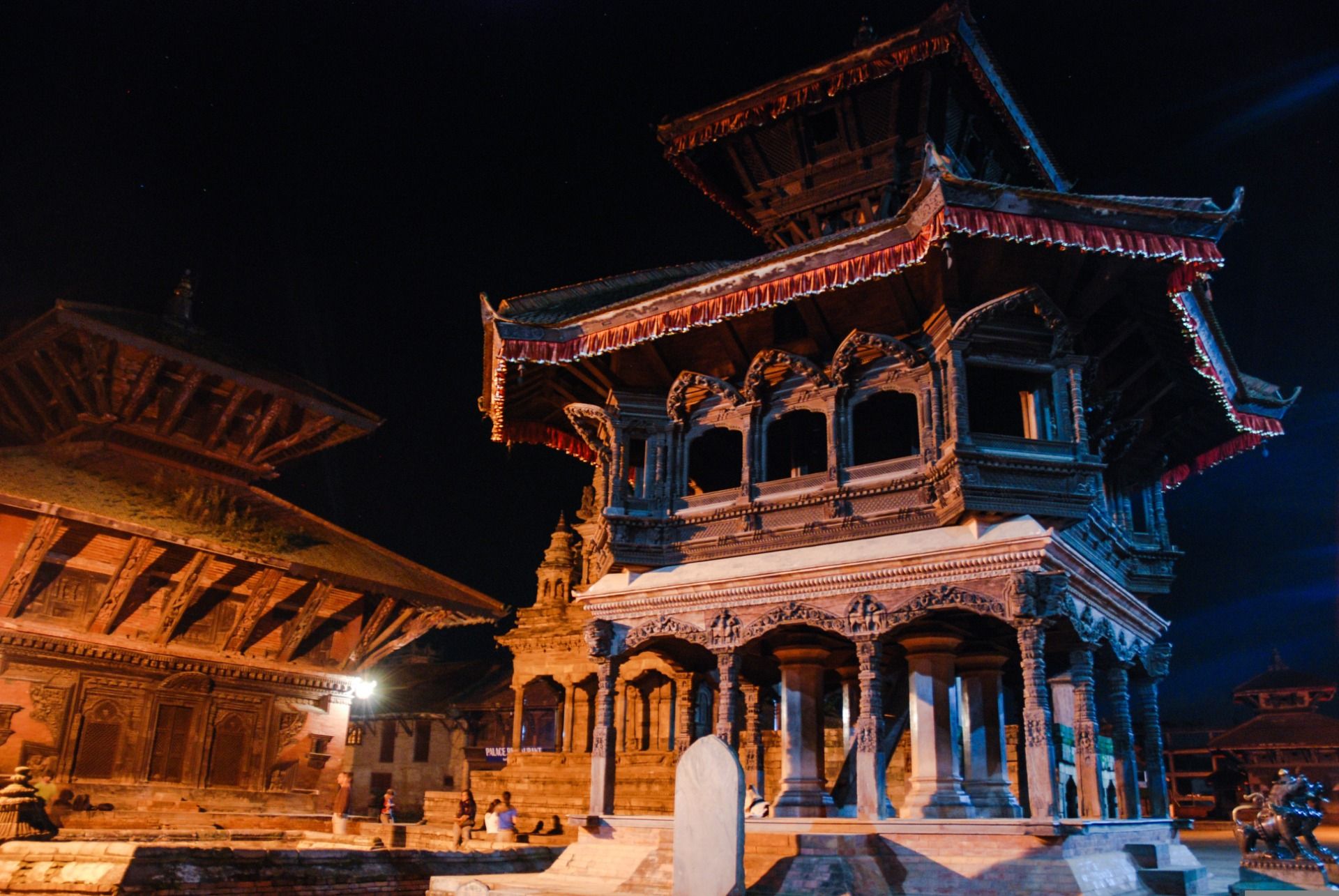

Nepal is one of the world’s most spectacular travel destinations, known for its dramatic Himalayan landscapes, ancient temples, and rich cultural heritage. Choosing the right time to visit can make a huge difference in your experience, especially if you are planning trekking adventures or sightseeing tours across the country. Weather conditions, visibility, and trail safety all vary throughout the year, so timing your trip wisely is essential.
One of the most iconic trekking experiences in the world is the Everest Base Camp Trek, which attracts thousands of adventurers every year. The best time to attempt the Everest Base Camp Trek is during the clear-weather seasons when the skies are bright, mountain views are unobstructed, and the trails are safer and more accessible. These ideal conditions usually occur in spring and autumn, when Nepal’s trekking routes are at their most beautiful and comfortable.
Understanding Nepal’s Seasons for Travel
Nepal experiences four main seasons, and each offers a different travel experience depending on your goals—whether trekking in the Himalayas or exploring cultural cities like Kathmandu and Pokhara.
Spring (March to May) – Best for Blooming Trails
Spring is one of the most popular times to visit Nepal. The weather is warm, skies are generally clear, and rhododendrons bloom across the hills, painting trekking routes in vibrant colors. This is an excellent season for high-altitude trekking, including routes in the Everest and Annapurna regions.
Temperatures are moderate, making long hikes more comfortable, and visibility is usually good enough for stunning mountain photography. However, popular trails can get busy during peak spring months.
Autumn (September to November) – The Best Overall Season
Autumn is widely considered the best time to visit Nepal for both trekking and sightseeing. After the monsoon rains, the air becomes crystal clear, offering breathtaking views of the Himalayas. The weather is stable, dry, and ideal for long trekking expeditions.
This is also festival season in Nepal, with major cultural celebrations like Dashain and Tihar adding a unique cultural dimension to your trip. Trekkers heading to regions like Everest or Annapurna will find perfect trail conditions during this period.
Winter (December to February) – Quiet but Cold
Winter brings cold temperatures, especially at higher altitudes. While trekking is still possible, it is better suited for lower-altitude routes. The advantage of winter travel is fewer crowds and peaceful trekking trails.
Sightseeing in cities like Kathmandu and Pokhara remains enjoyable, with crisp air and clear mountain views on sunny days. However, snow can block high passes, making some treks inaccessible.
Monsoon (June to August) – Lush but Challenging
The monsoon season brings heavy rainfall across most parts of Nepal. Trails can become slippery, and landslides may disrupt travel plans. However, the countryside becomes lush and green, offering a very different and peaceful side of Nepal.
This season is not ideal for high-altitude trekking, but it can be a good time for cultural exploration in rain-shadow regions like Upper Mustang or Dolpo, where rainfall is minimal.
Best Time for Trekking in Nepal
For most trekkers, the ideal months are March to May (spring) and September to November (autumn). During these periods, the weather is stable, visibility is excellent, and mountain conditions are safest.
Popular trekking routes such as Everest Base Camp, Annapurna Circuit, Langtang Valley, and Manaslu Circuit are all best experienced during these seasons. Tea houses are fully operational, and guides and porters are readily available.
Best Time for Sightseeing in Nepal
If your focus is cultural exploration, sightseeing in cities like Kathmandu, Bhaktapur, and Patan is enjoyable throughout much of the year. However, the best conditions are still spring and autumn, when the weather is pleasant and outdoor walking tours are more comfortable.
These seasons allow visitors to explore UNESCO World Heritage Sites, ancient temples, and traditional markets without the discomfort of heavy rain or extreme cold.
Trekking vs. Sightseeing: Choosing the Right Time
- For trekking: Spring and autumn are ideal for high-altitude adventures and long trails.
- For sightseeing: Spring, autumn, and even winter offer good conditions in major cities.
- For budget travel: Monsoon and winter seasons often have lower prices and fewer tourists.
Travel Tips for Visiting Nepal
- Always check weather conditions before planning a trek.
- Pack layered clothing, especially for high-altitude treks.
- Book permits and guides in advance during peak seasons.
- Stay hydrated and acclimatize properly when trekking in the Himalayas.
- Carry rain gear if traveling during the monsoon season.
Final Thoughts
The best time to visit Nepal depends on your travel goals, but spring and autumn remain the top choices for both trekking and sightseeing. Whether you are exploring ancient temples or hiking toward the base of the world’s highest mountain, timing your visit well ensures a safer, more comfortable, and visually stunning experience.
