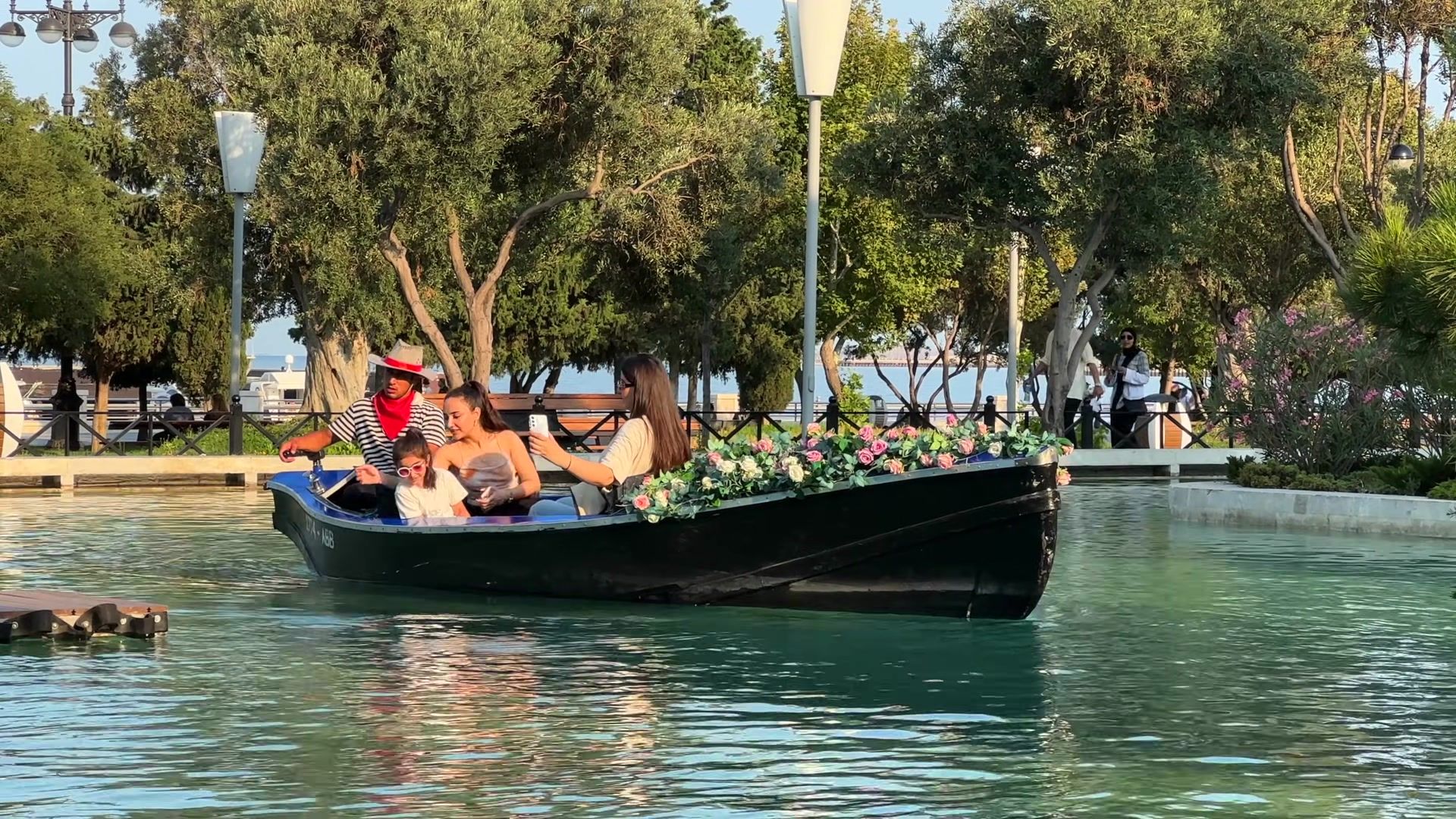
 Venice, Veneto, Italy
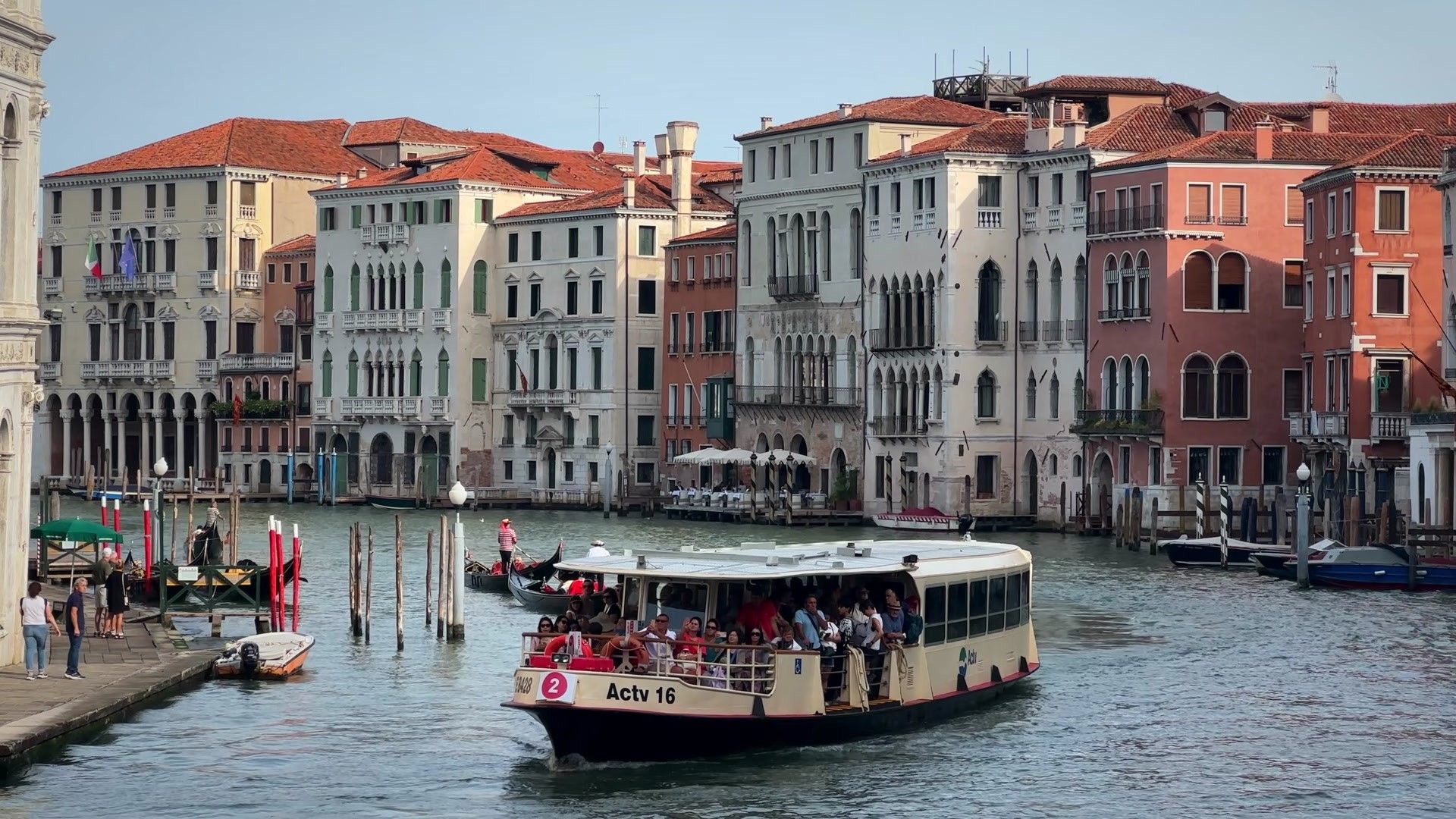
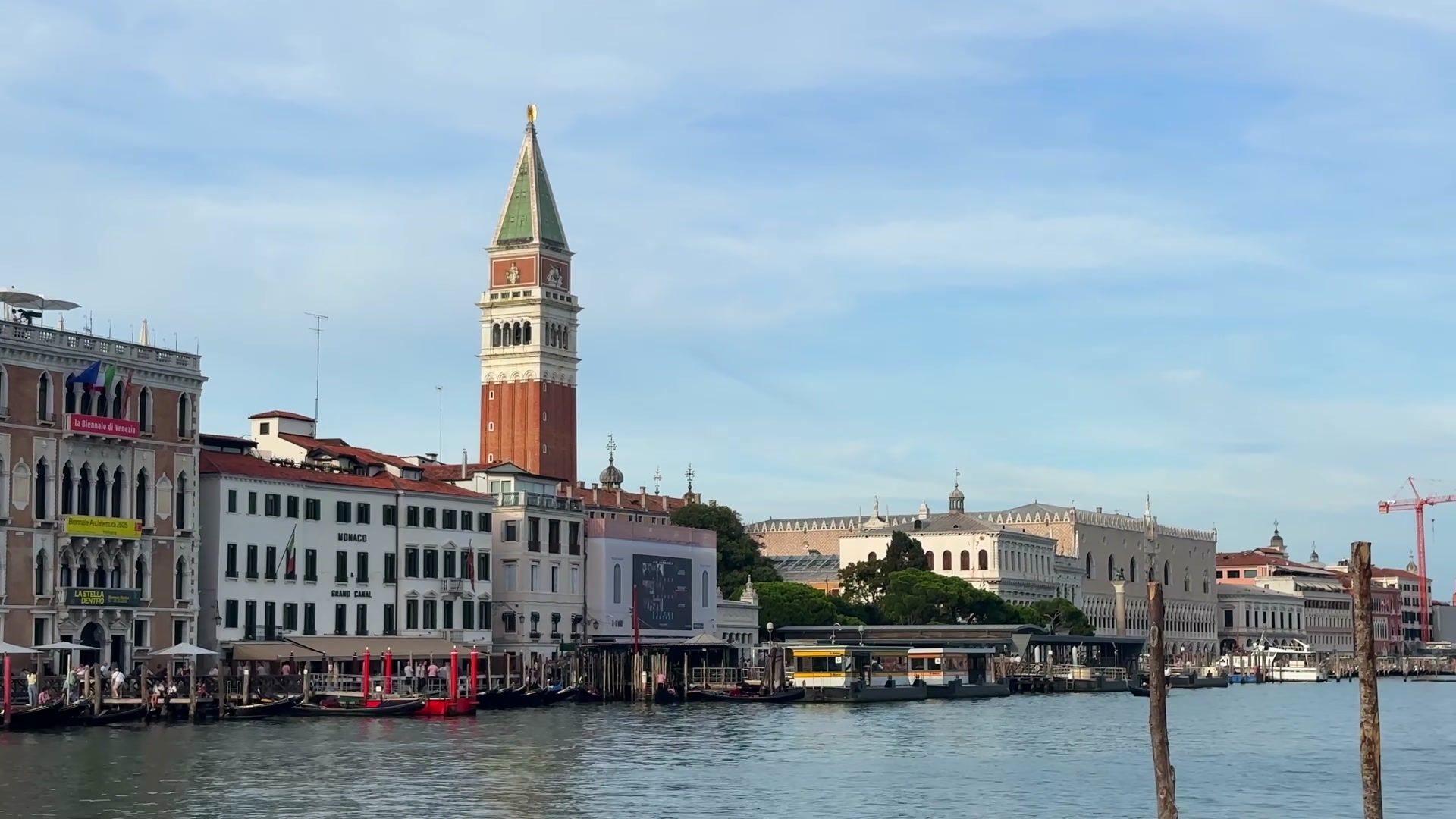
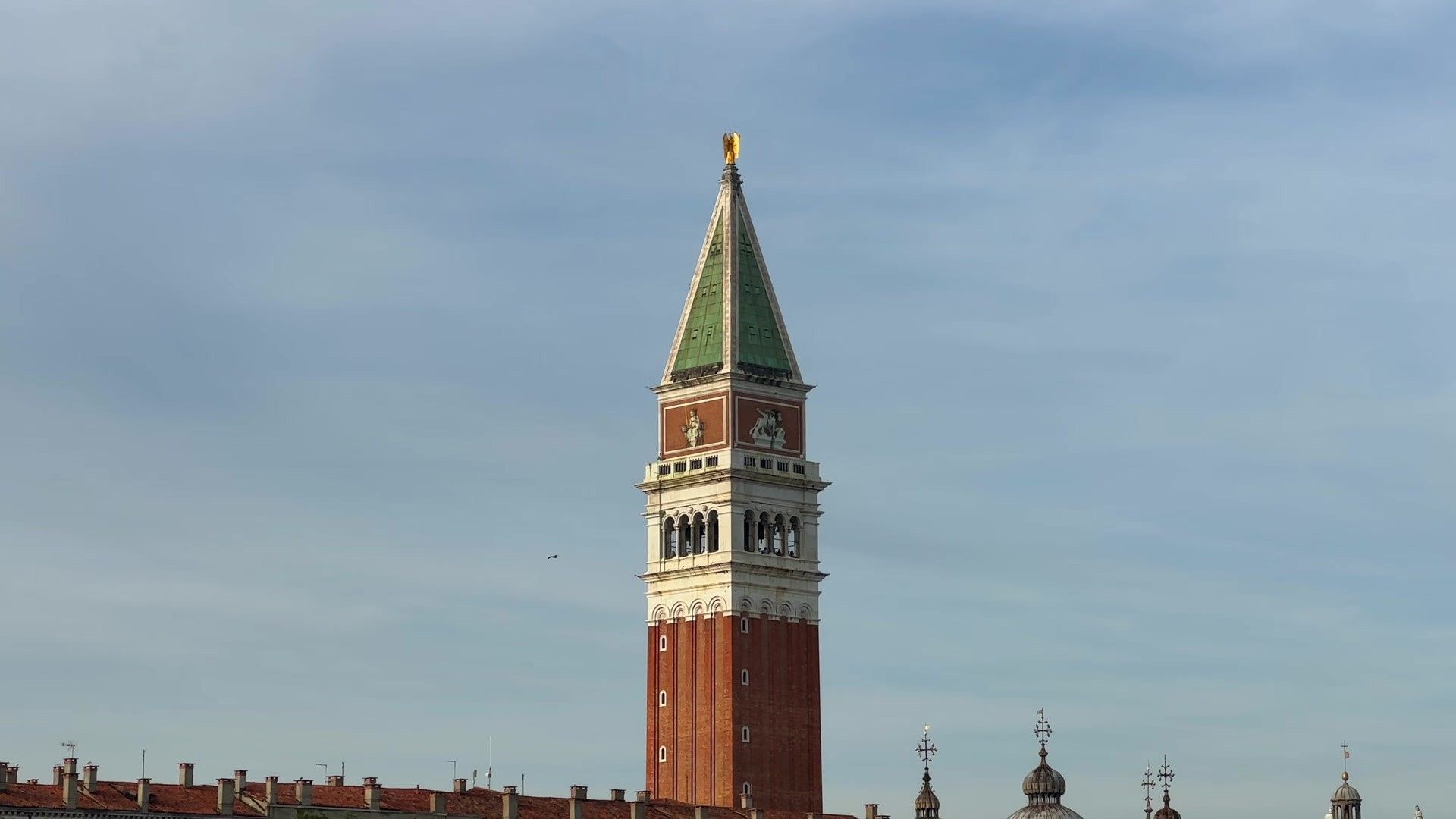
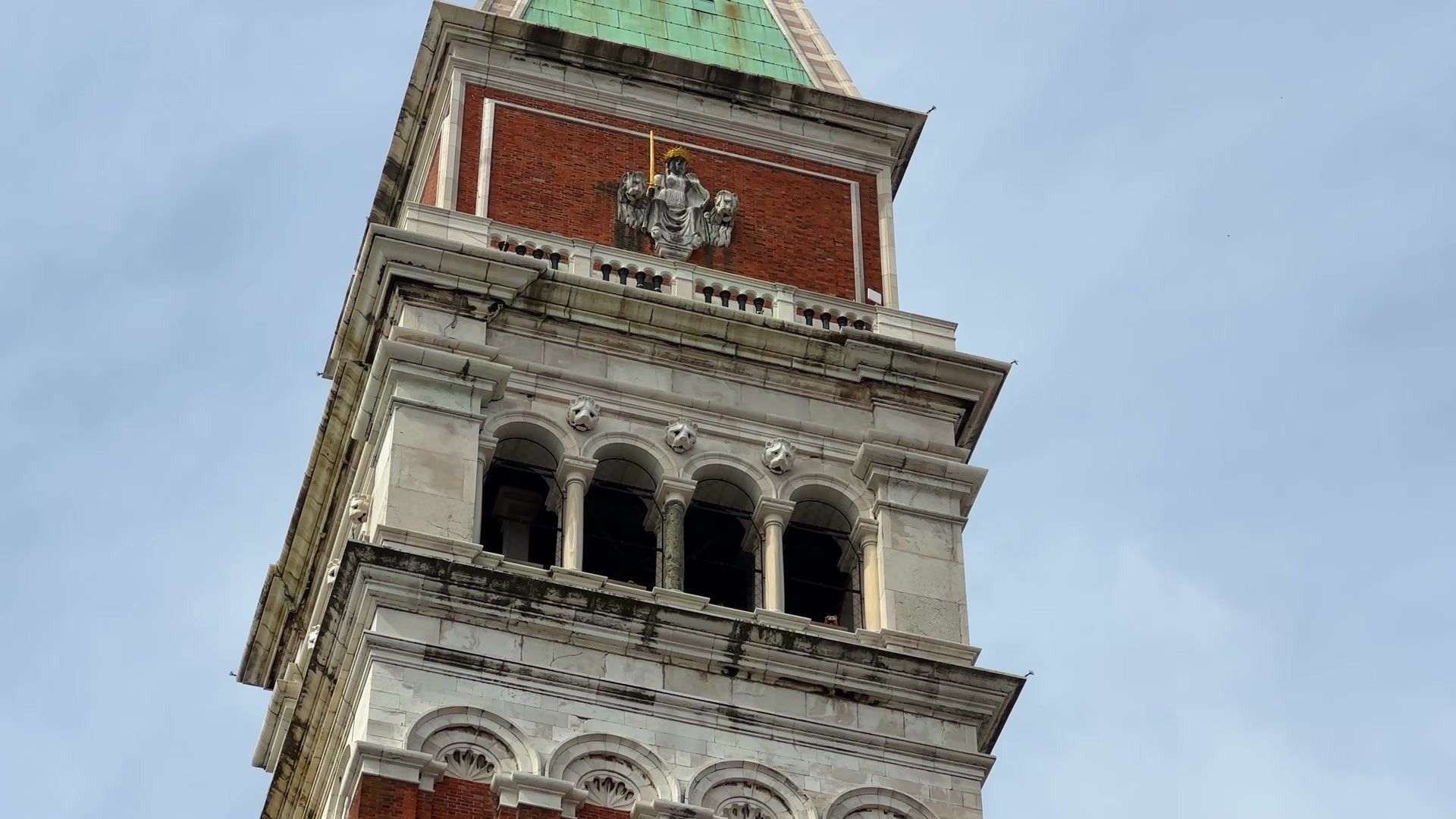
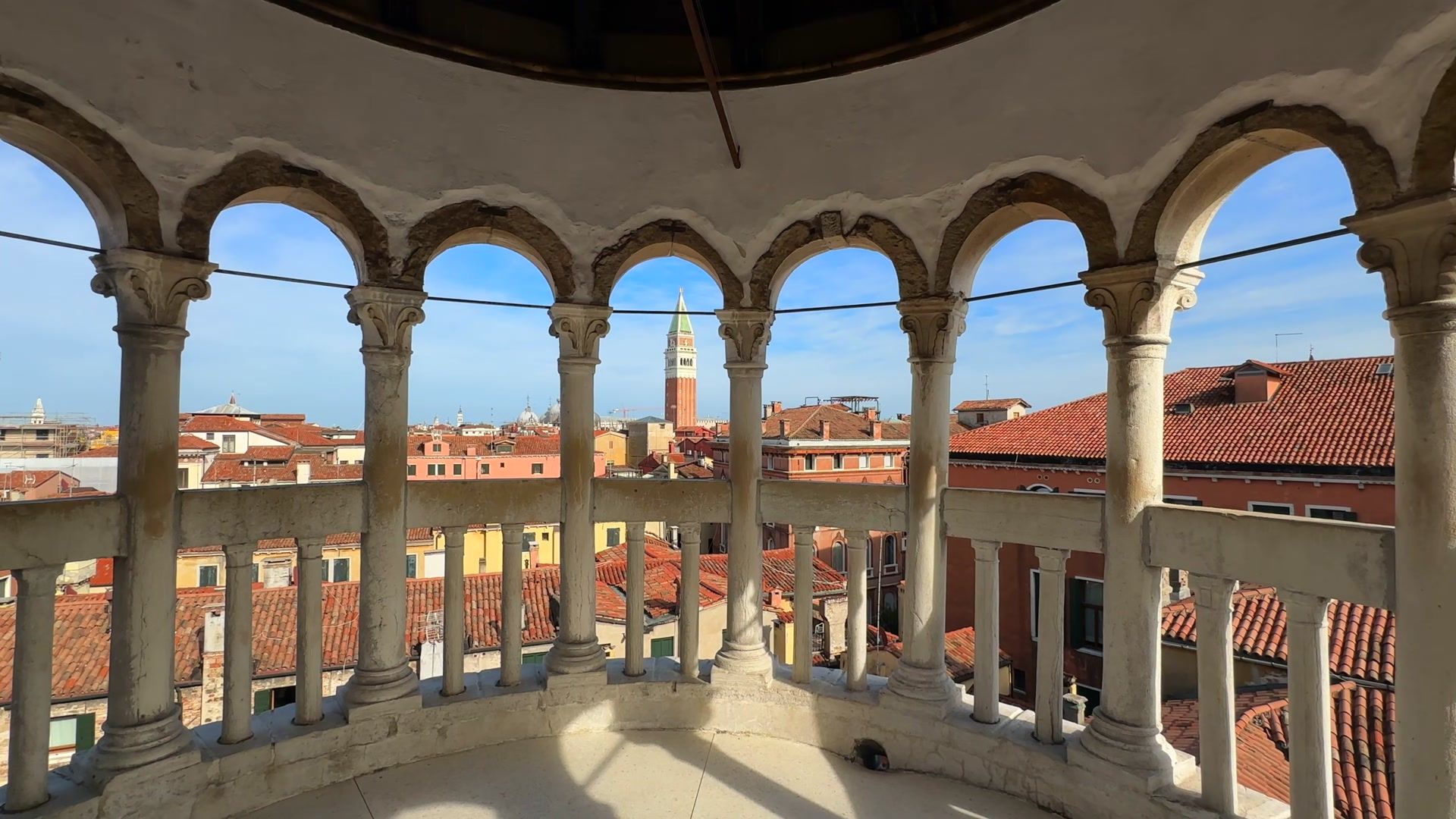
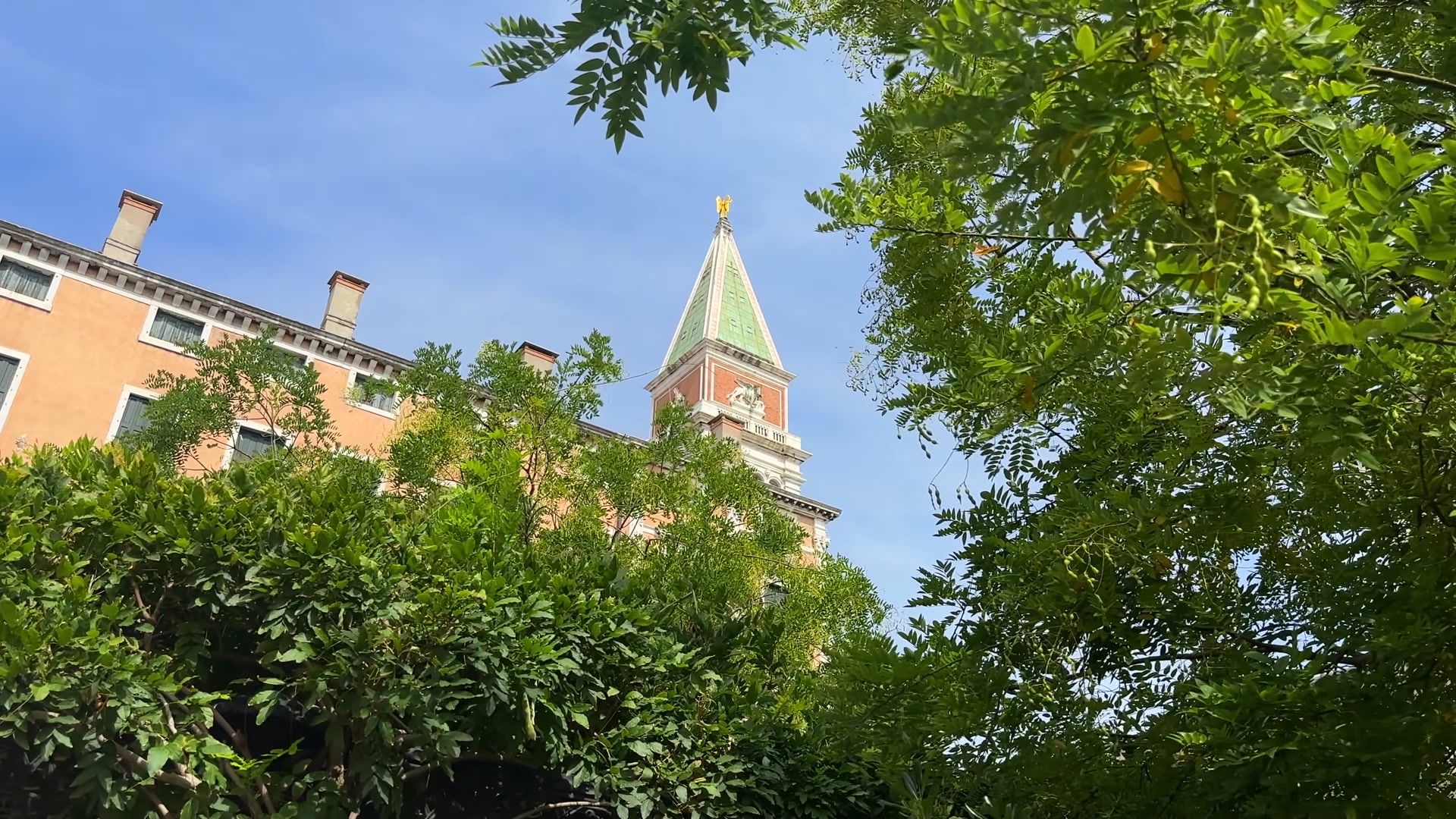
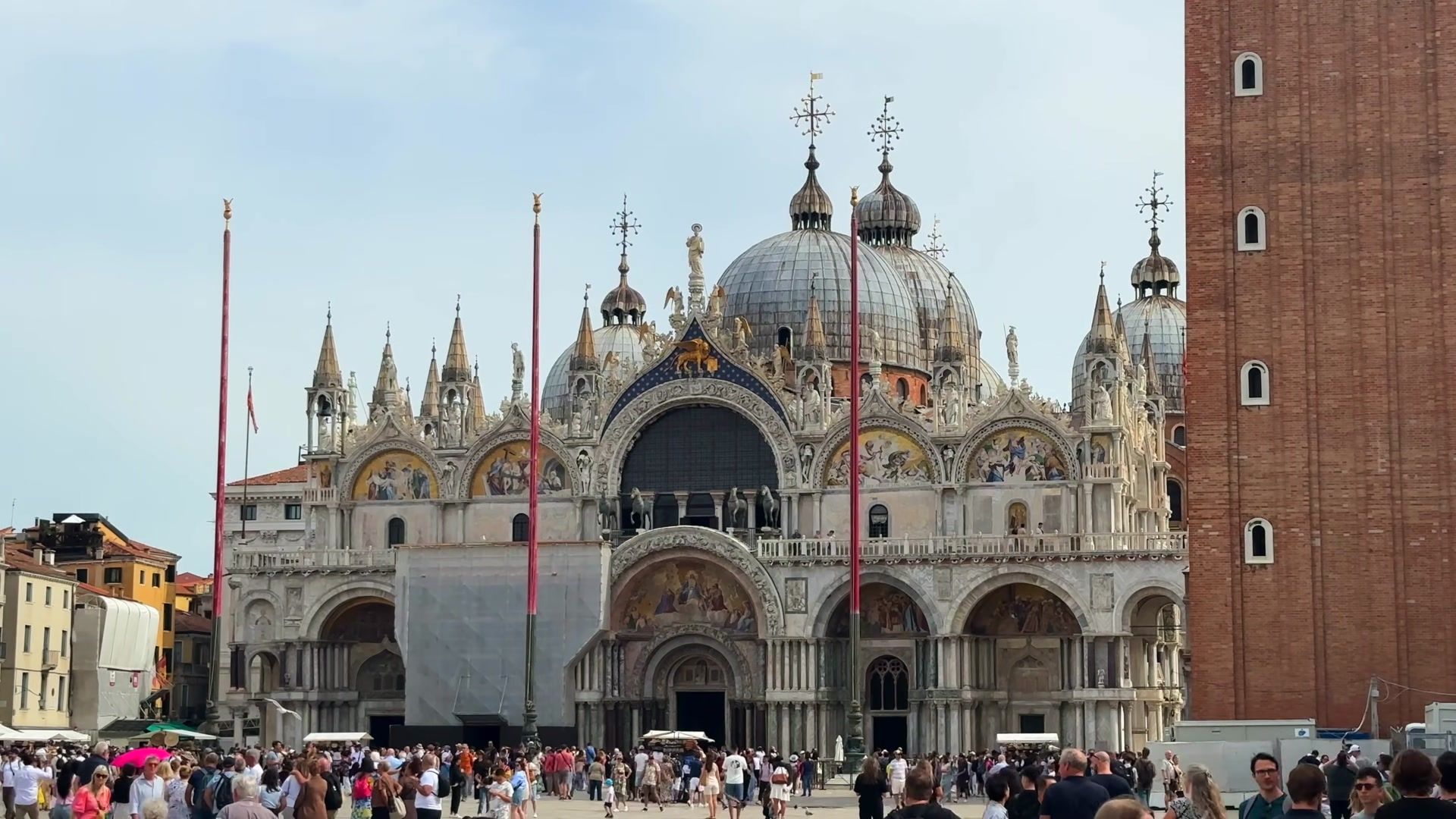
Hello dear travel lovers. I went up to the observation deck to see the city from above. We saw St. Marks Bell Tower from there. This tower is one of the iconic symbols of Venice. The first watchtower here was built as early as the ninth century and has served as a lighthouse since then. The tower got its look in the early fifteenth century. It is hard to believe but in a past not too distant by Venetian standards, this tower was completely destroyed. This event happened at the start of the twentieth century. The building was not strong enough. It collapsed into the central square due to earthquakes and general wear. No one was injured fortunately. The tower only damaged the corner part of the Doge's palace. But the damage was much less than expected. The bell tower was restored quite quickly and now we can go up to that magnificent observation deck by elevator.
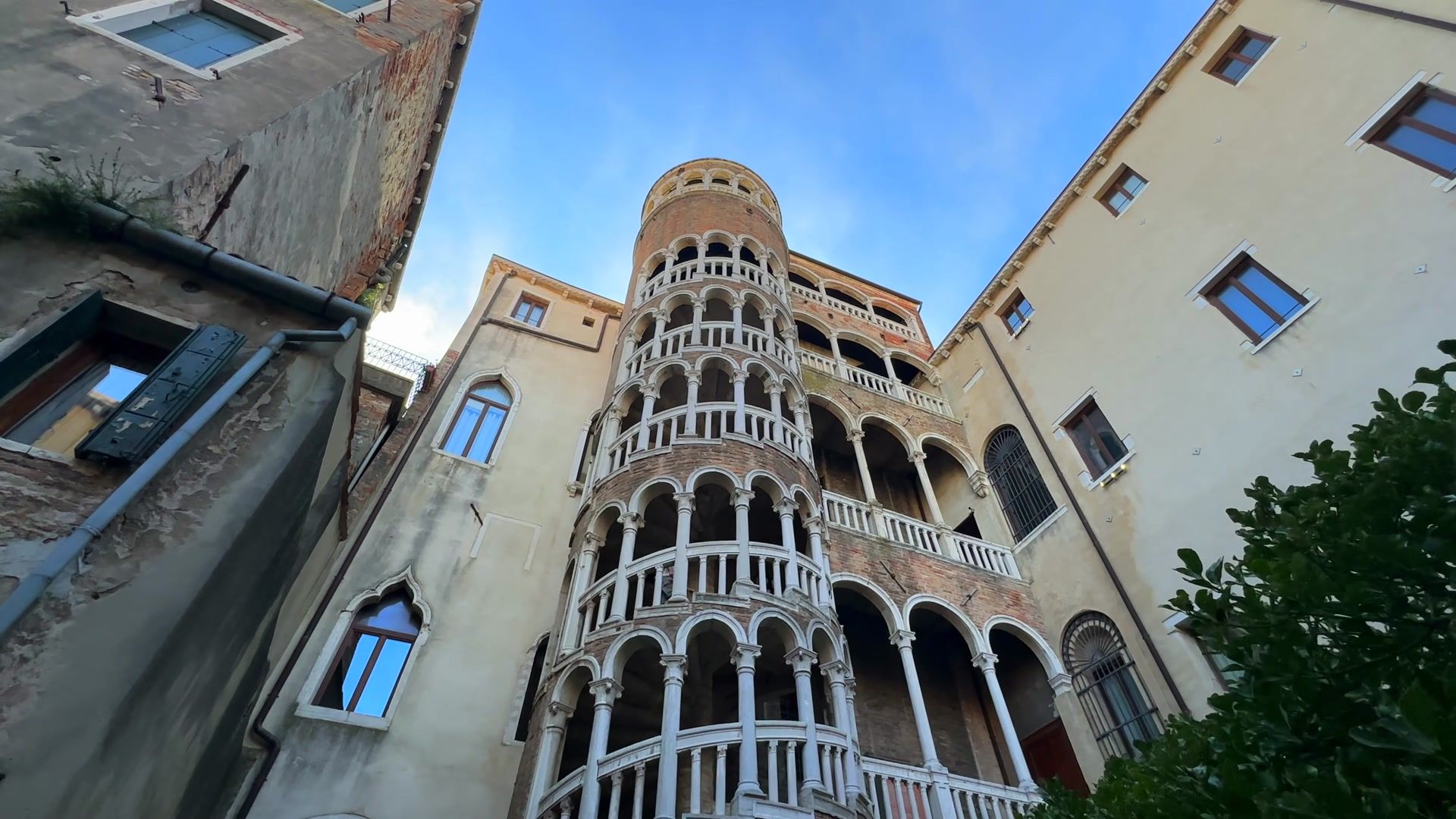
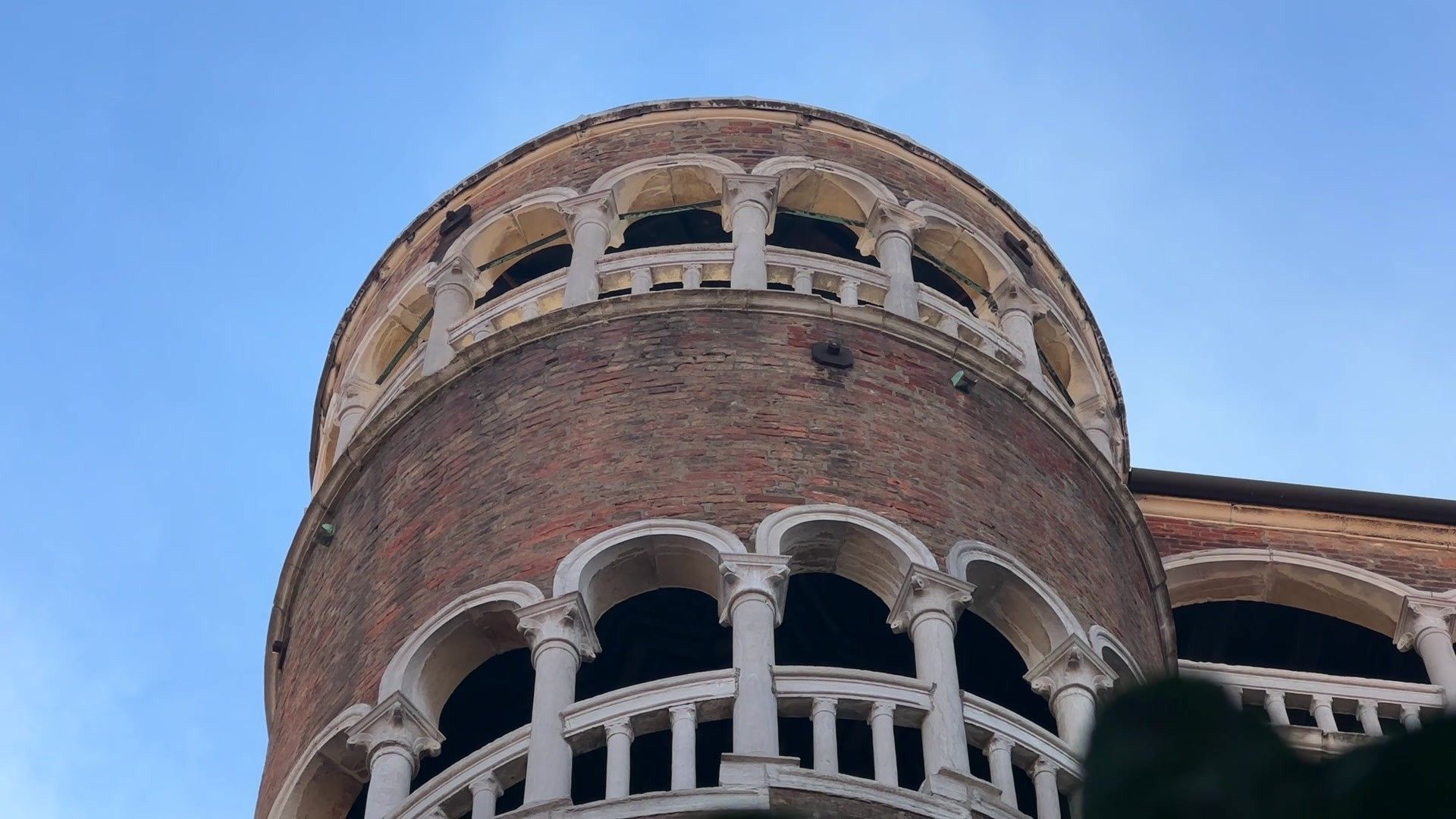
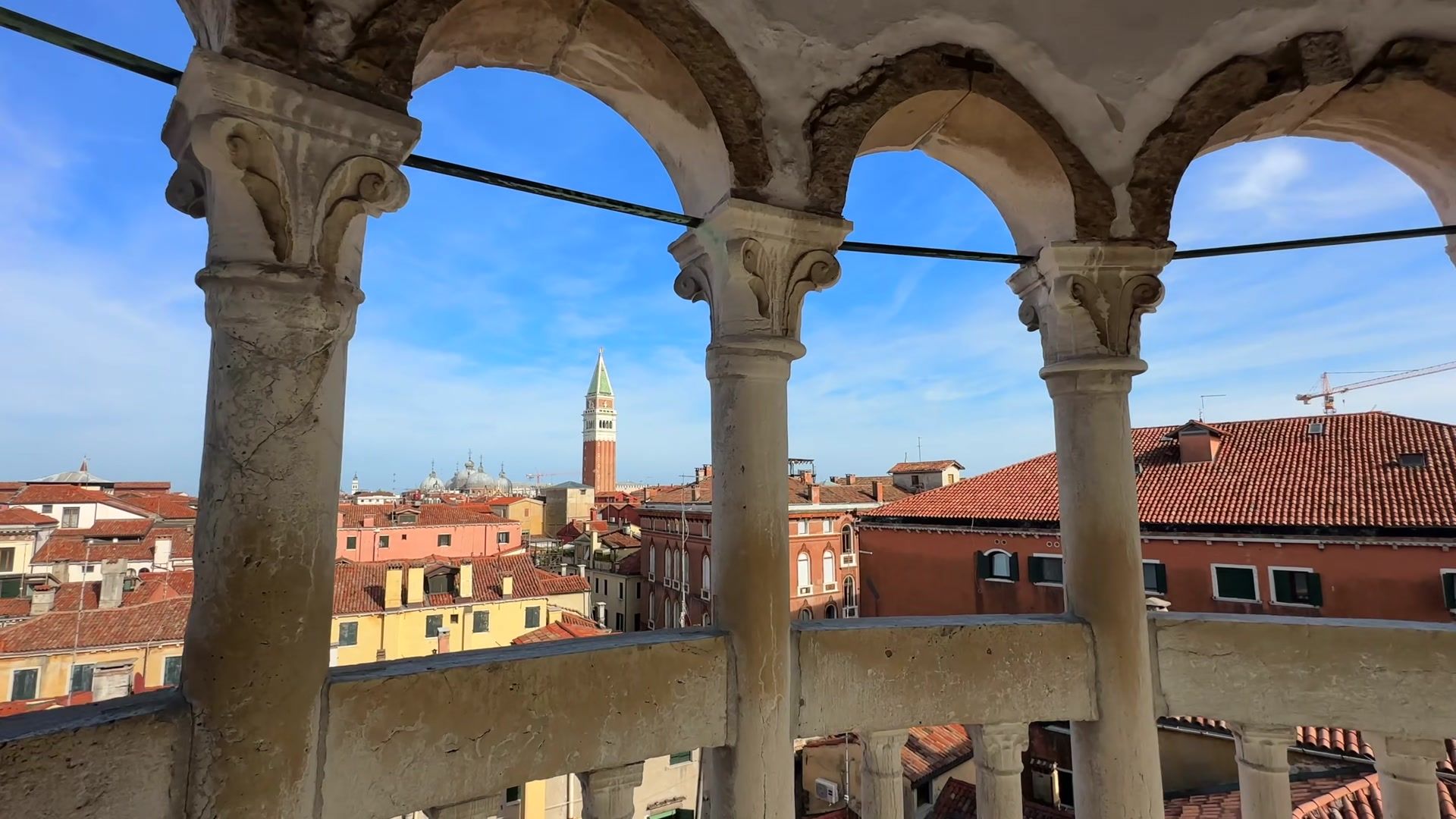
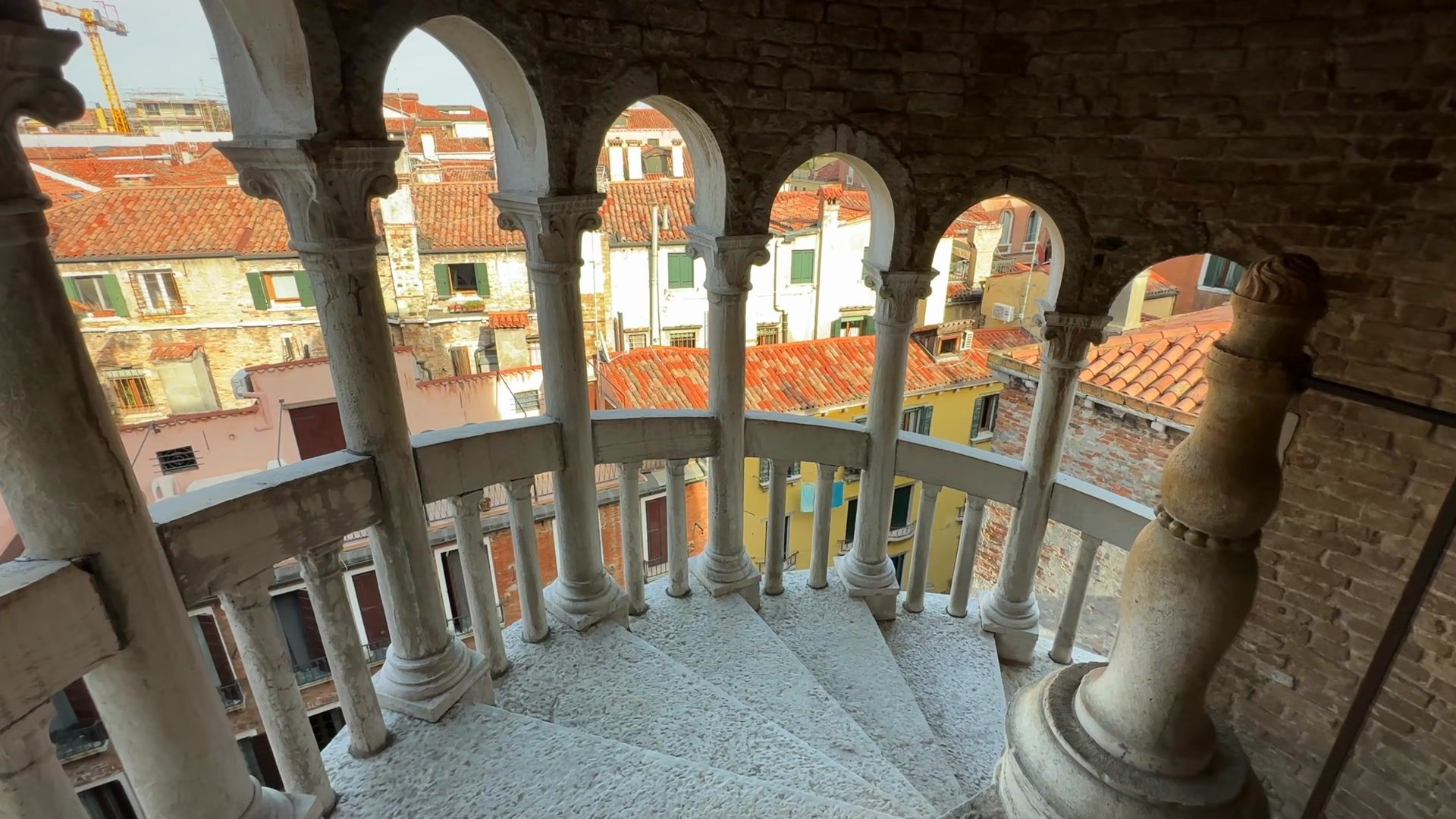
Then I wanted to check out another spot that I think is pretty interesting. Palazzo Contarini del Bovolo was one of the places I really did not want to miss. It was a five minute walk from the square. It falls far behind the tower in terms of height. But its aesthetics are completely different. The palace was built in 1499 for the Contarini family, senators of the Republic of Venice and representatives of a deep-rooted patrician family. Today each of us can be their guest. If you come near sunset around 5 pm, you have a chance to be completely alone here. The panorama is very beautiful. But most importantly, the stairs. This is definitely the most beautiful staircase in Venice imo.
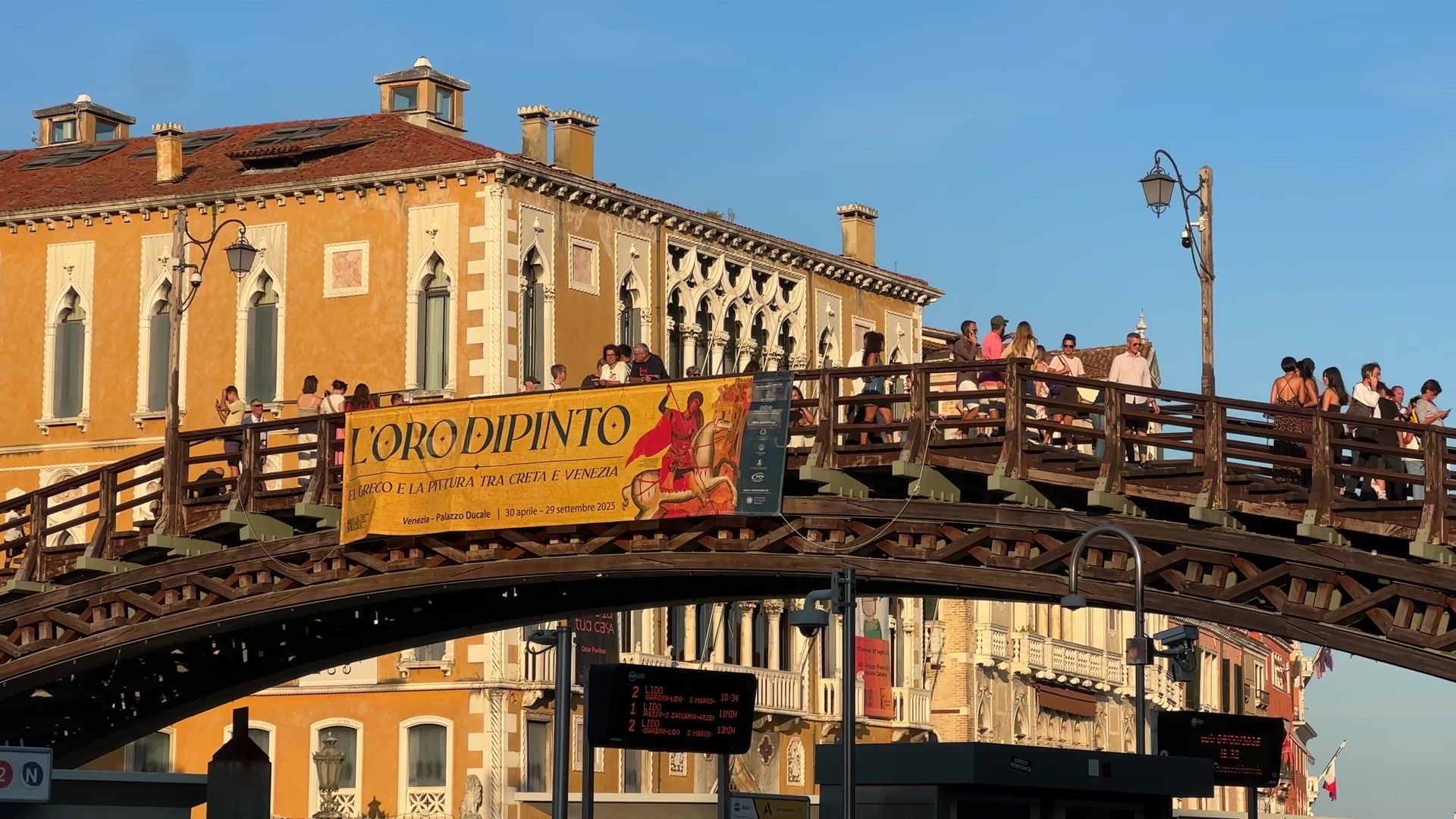
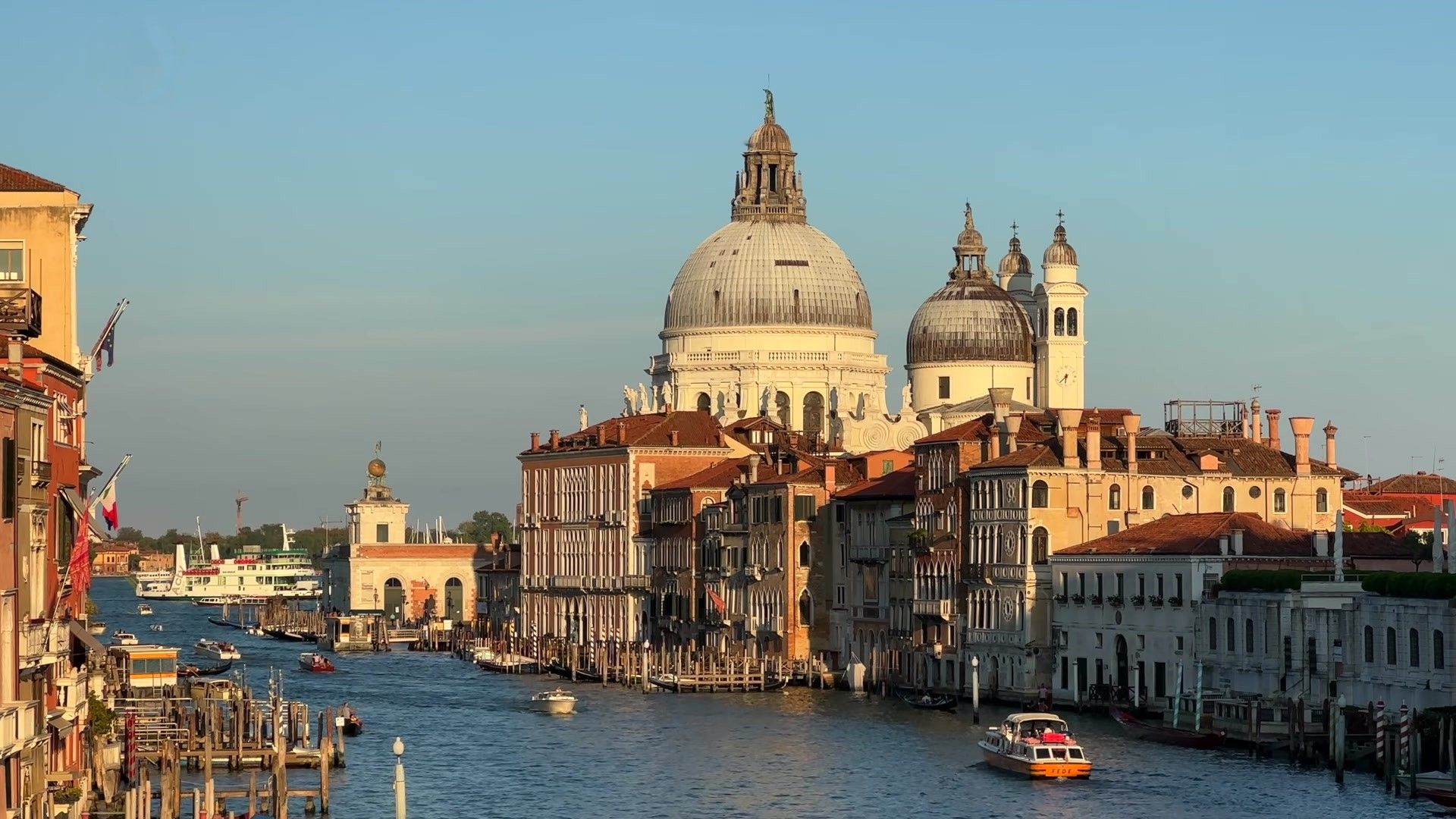
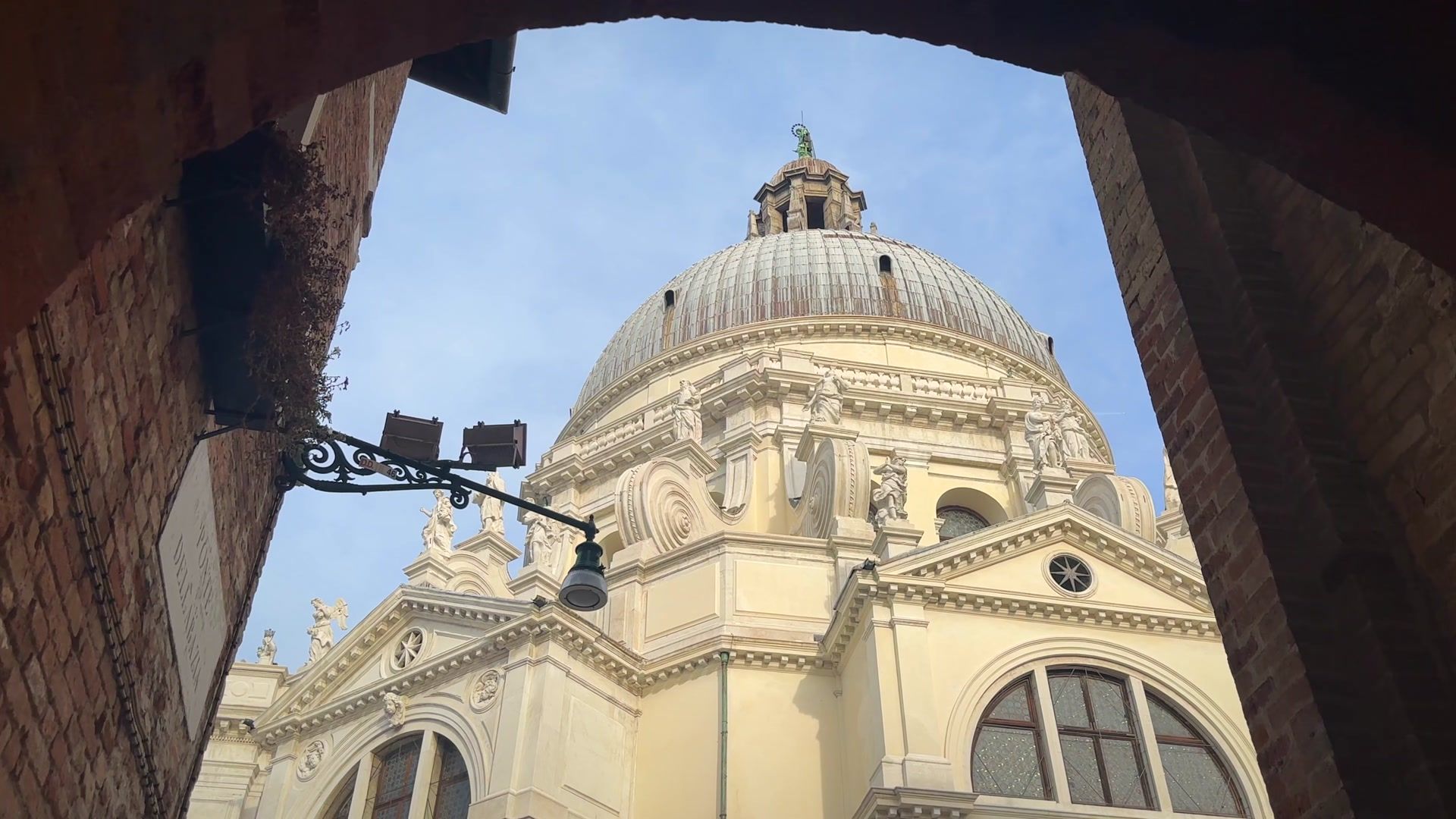
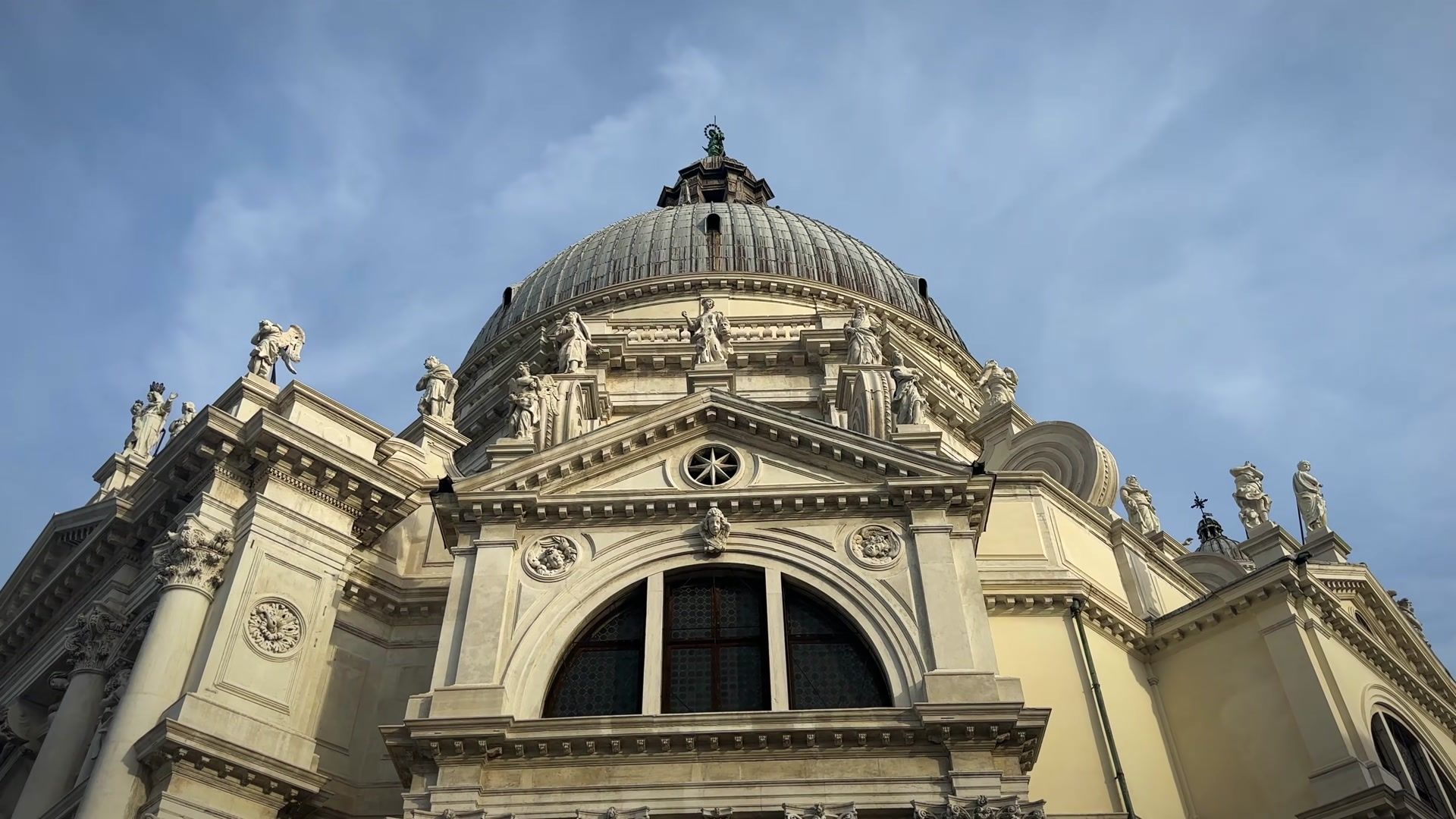
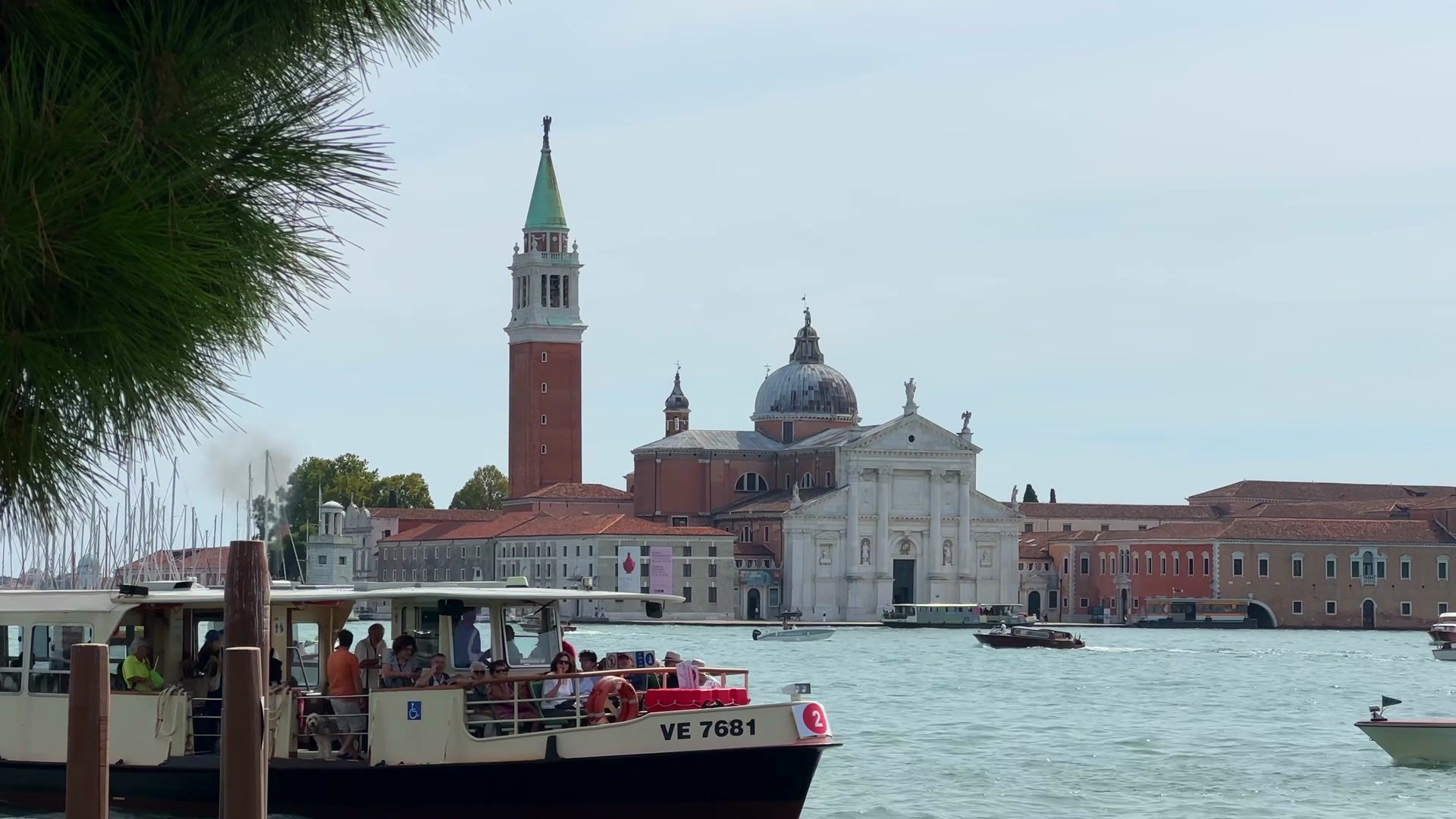
Very close to Palazzo Contarini, there is a place that again imo, should be visited during the golden hour. The best photos of the Grand canal and Santa Maria della Salute church view are taken from this wooden Accademia bridge. Also I strongly recommend you cross the bridge and walk along the Accademia museum towards the Peggy Guggenheim Modern Art Gallery and the basilica with the most luxurious view of Venice. This church was built because the city survived a terrible sickness in 1631. That illness was so bad that it killed around one hundred thousand people. It was more than one-third of the city. You can find the church at the very tip of the Dorsoduro district. On one side of you is the Grand canal and St. Mark's bell tower. If you walk towards the old customs building Dogana da Mar, a massive area of water stretches out before you. I say definitely come here. To avoid returning by the same path, you can use a traghetto from here.
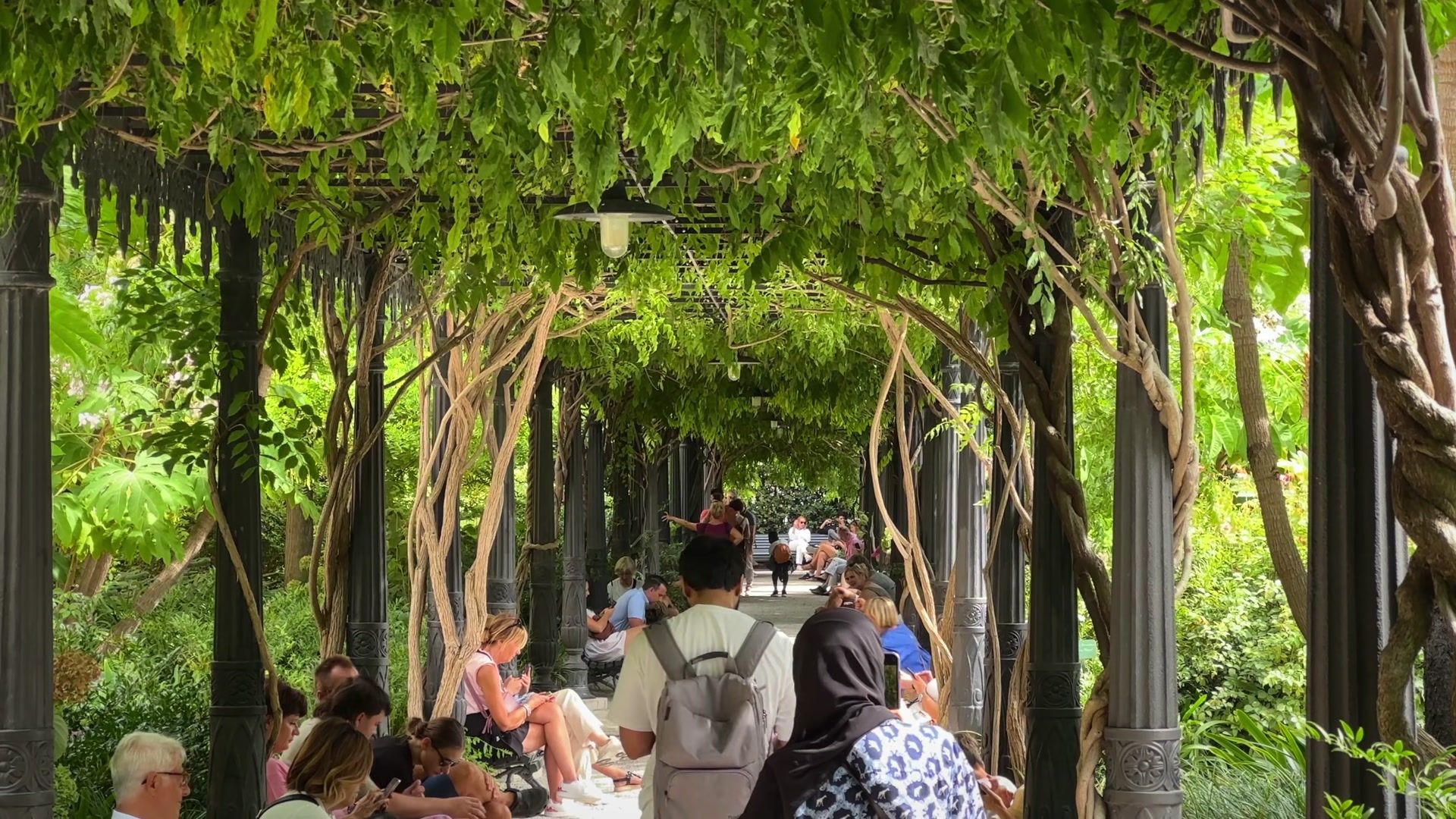
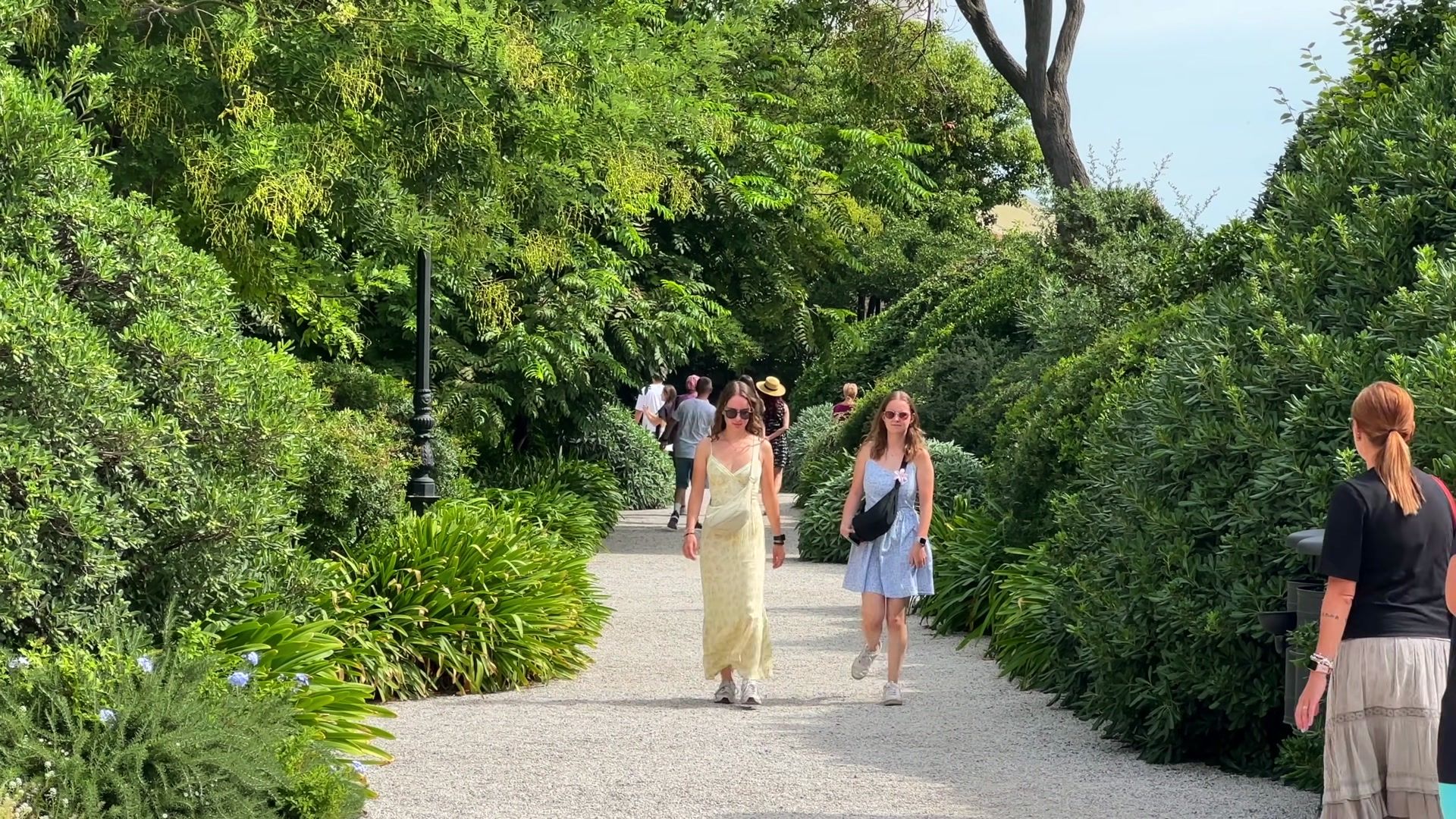
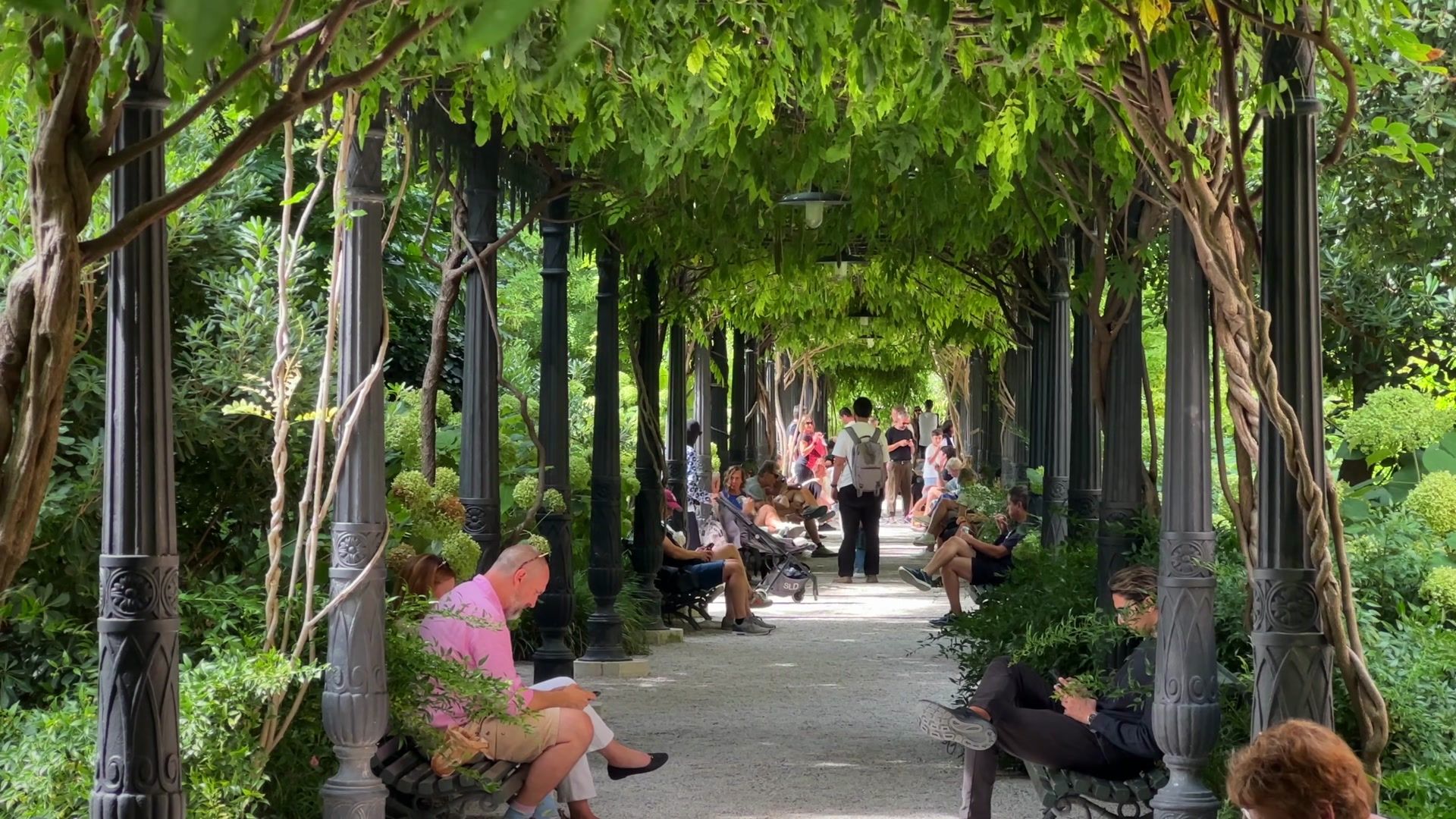
We crossed to the other side of the canal. It had become essential to stop by that rare green area that almost breathes freshness and health. The Royal Gardens are located here. Its foundations were laid during the Napoleonic era. After a while when Venice came under the control of the Austrian empire, it became the favorite spot of Empress Elisabeth in the second half of the nineteenth century. Princess Sisi visited Venice frequently and with her influence, the gardens gained a romantic appearance with decorative elements. They were recently reopened after restoration. This is a true oasis in the heart of the city imo. The Royal Gardens are a special place that was added to the map of Venice a long time ago in the nineteenth century.
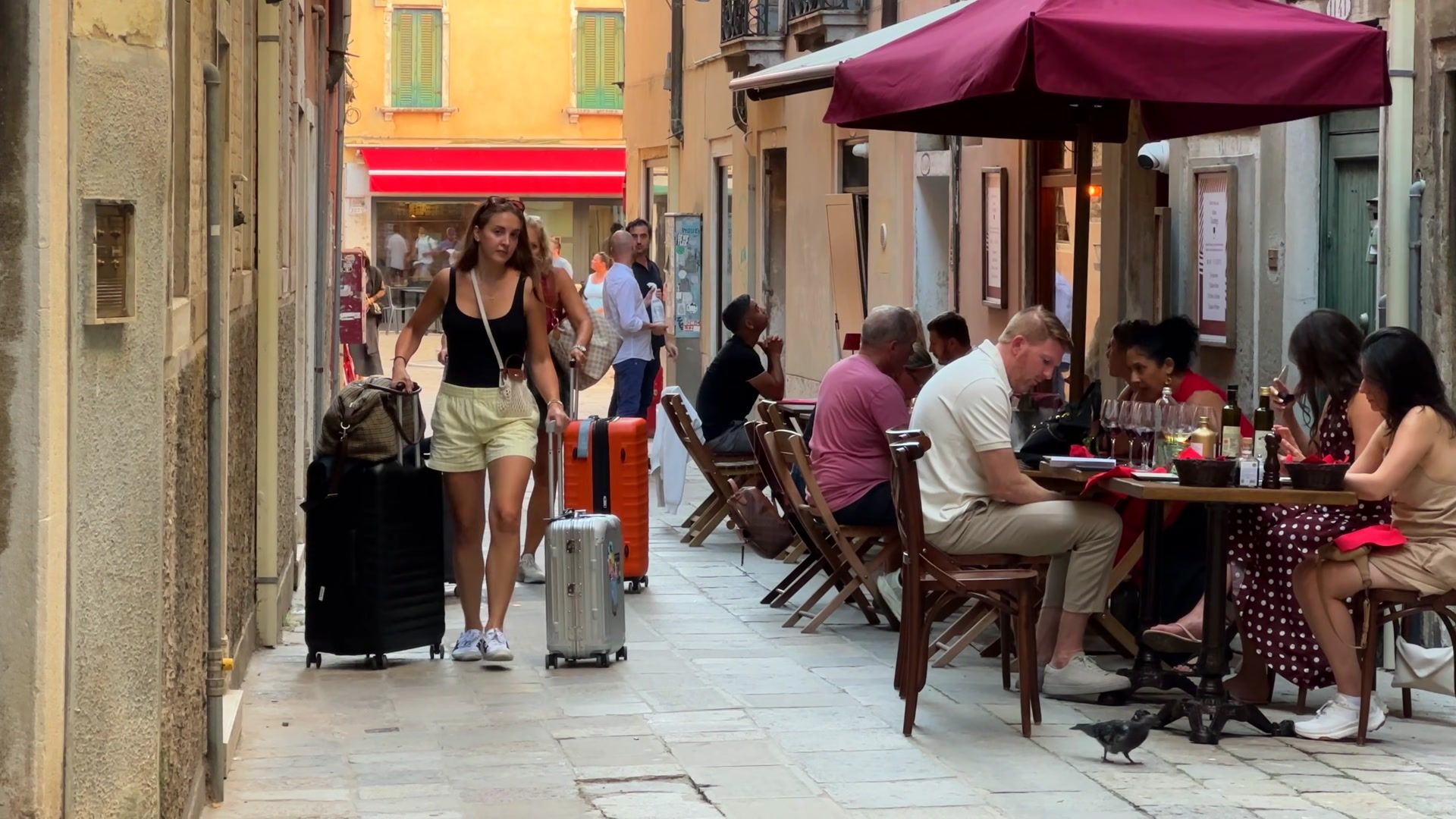
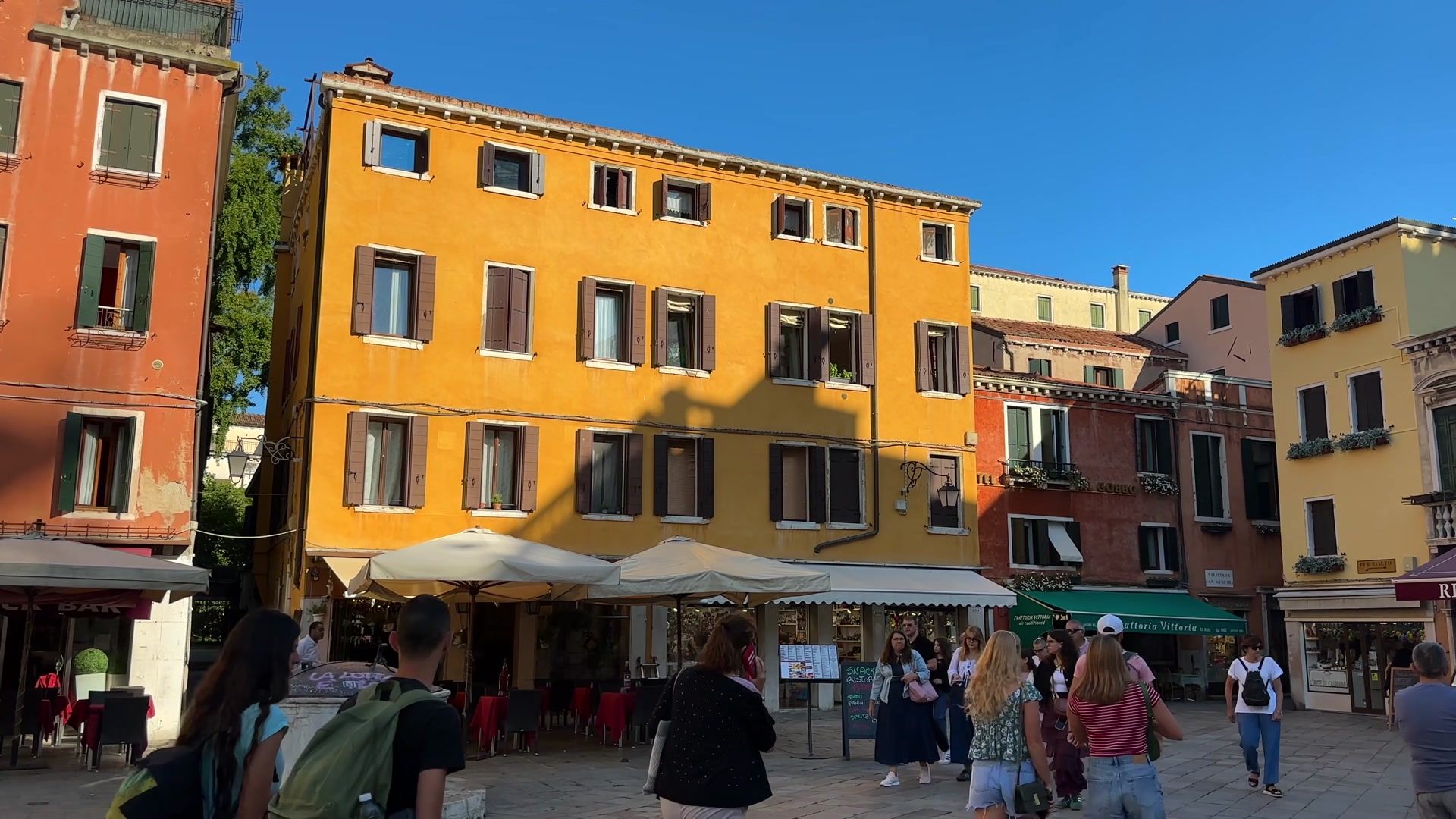
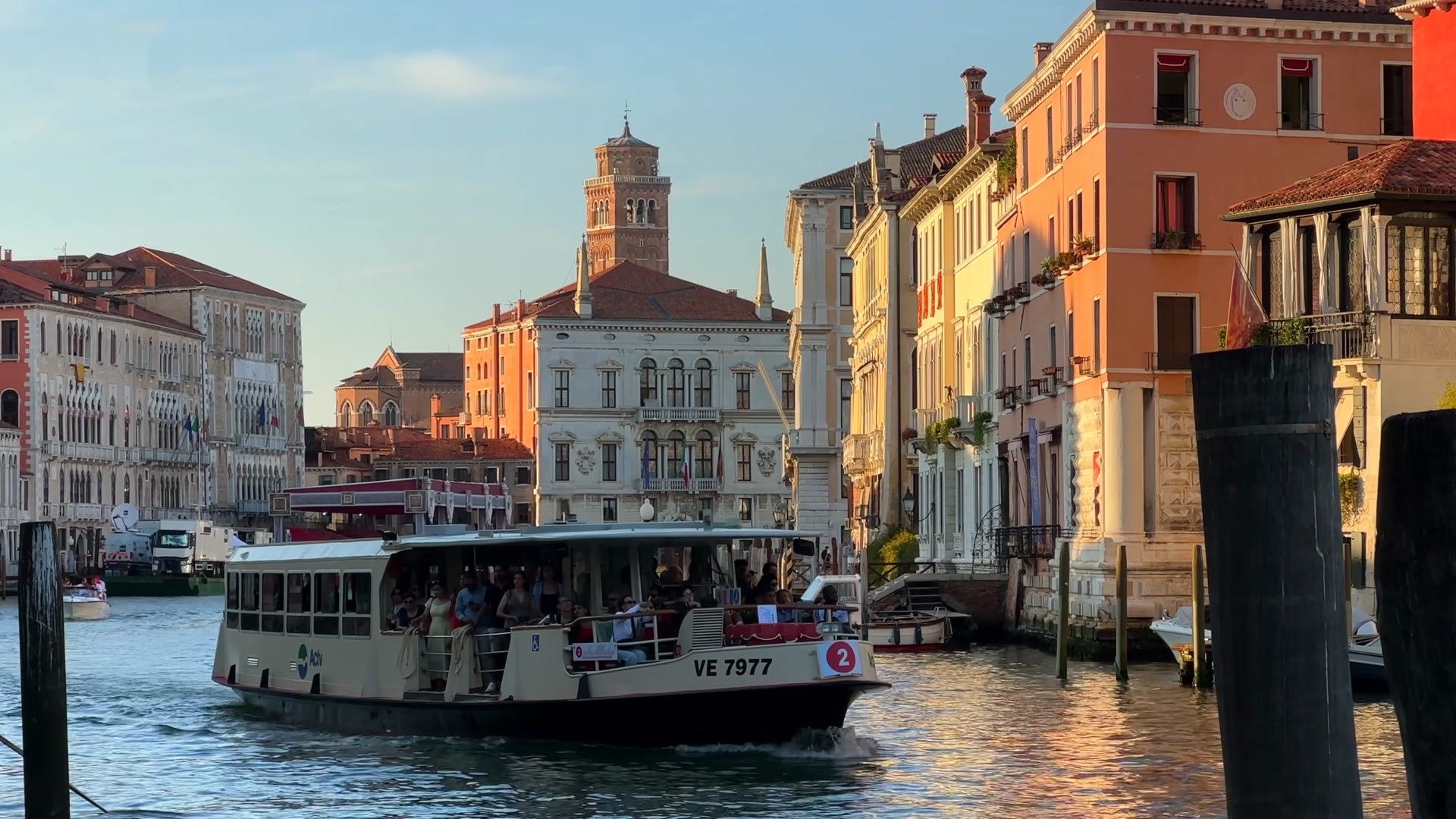
Venice is a city that people talk about a lot. You hear phrases like Little Venice everywhere. But if you really want to experience Venice, do not come and go like a day tripper. Stay in Venice for one night if you can. People who come for the day only see the crowds. But at night the streets are empty and quiet. You can walk slowly and enjoy this city. It costs more money, but it is worth it.
This is the end of my Venice stories. Thank you for reading. On my next posts I will share with you the new places I visited during my Italy trip.

Comments