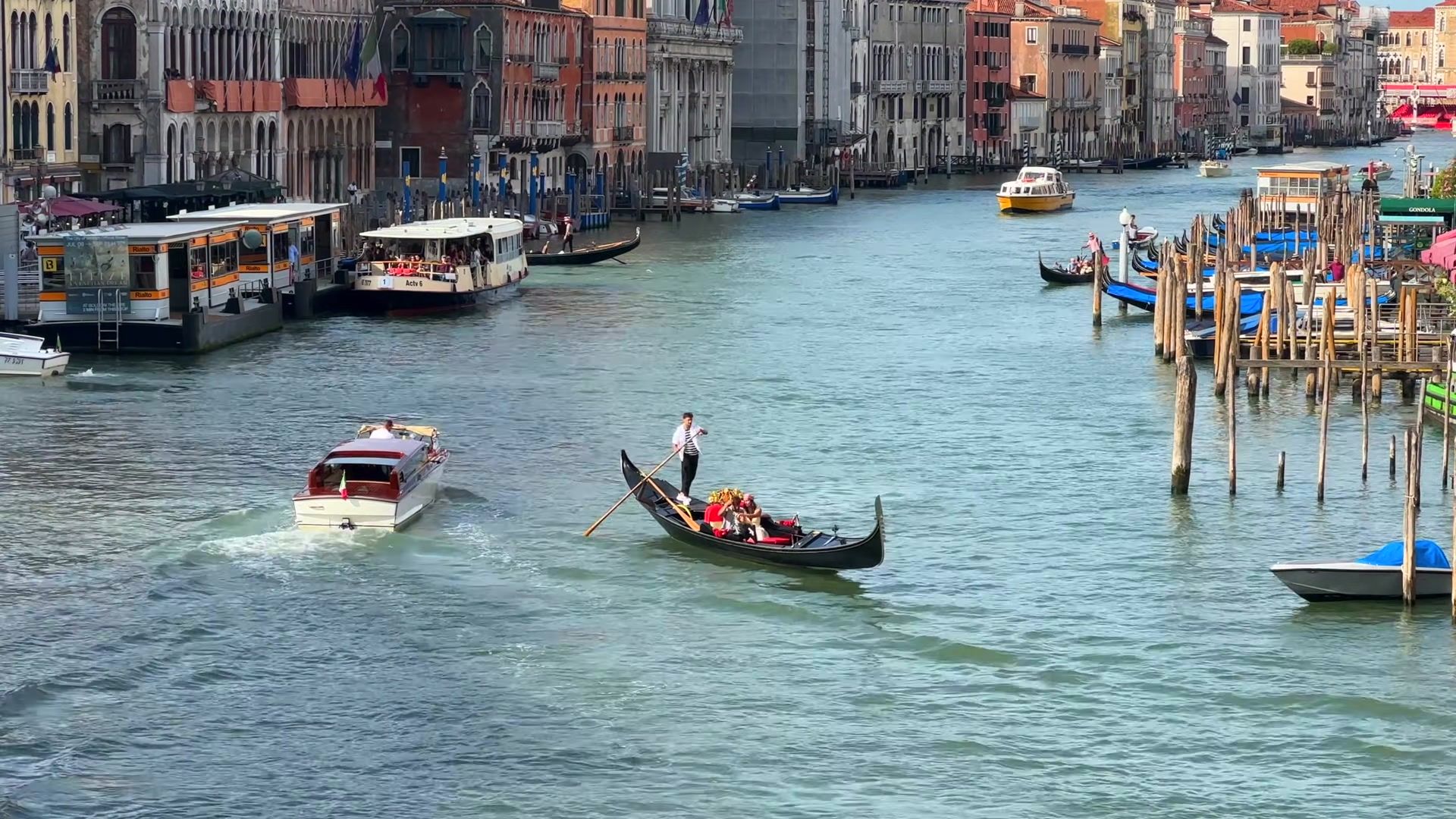
 Venice, Veneto, Italy
Hello dear travel lovers. I will share our Venice adventures with you today. First I would like to talk about transportation. There are two airports near the city. The main one is named after the famous traveler Marco Polo and the other is in Treviso. From both airports, you can reach the city center by express buses. If you are traveling within Italy by train, trains take you directly to the island area. Those looking for a more economical option can go to Mestre and then continue to the center by tram or bus.
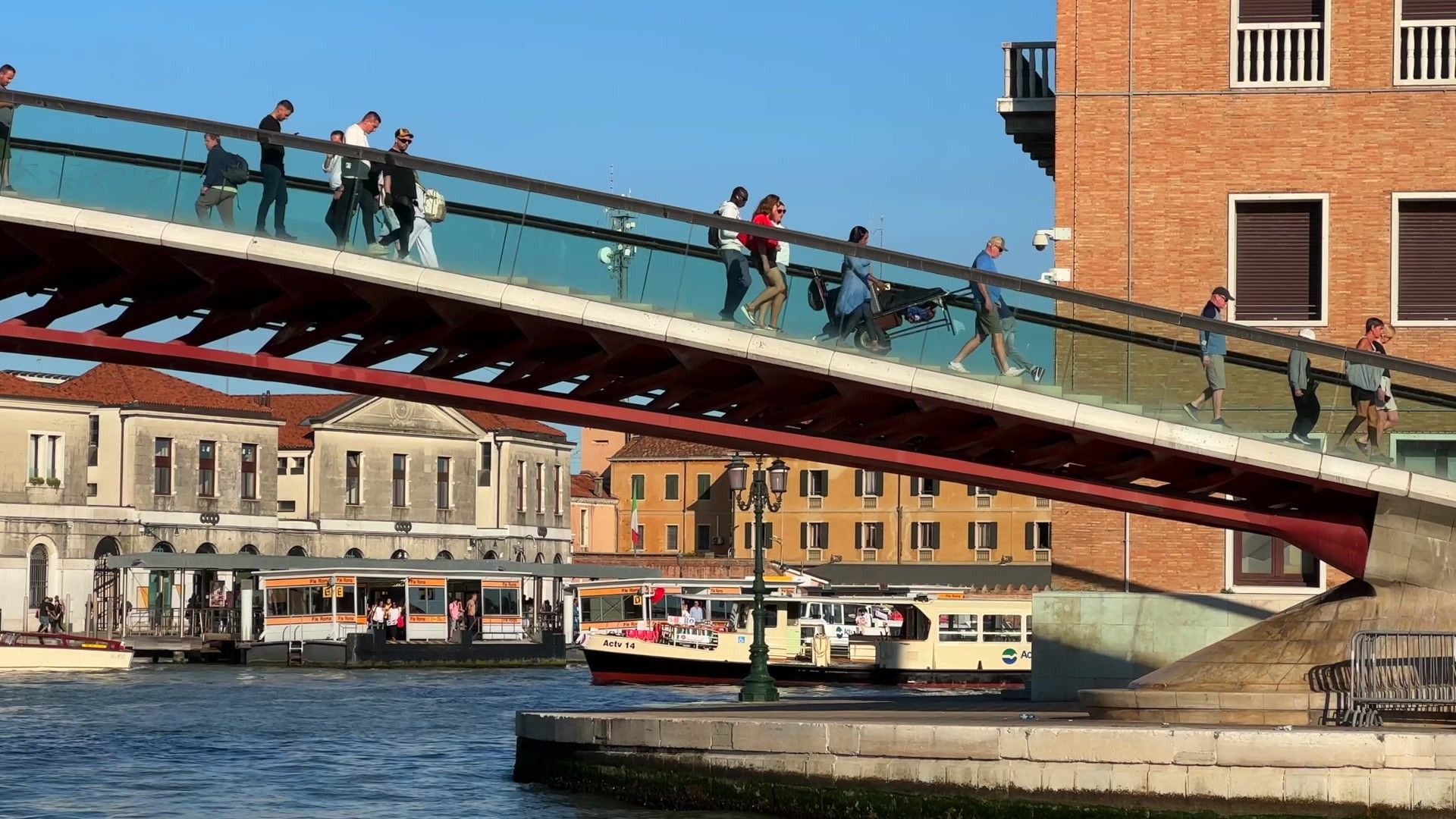
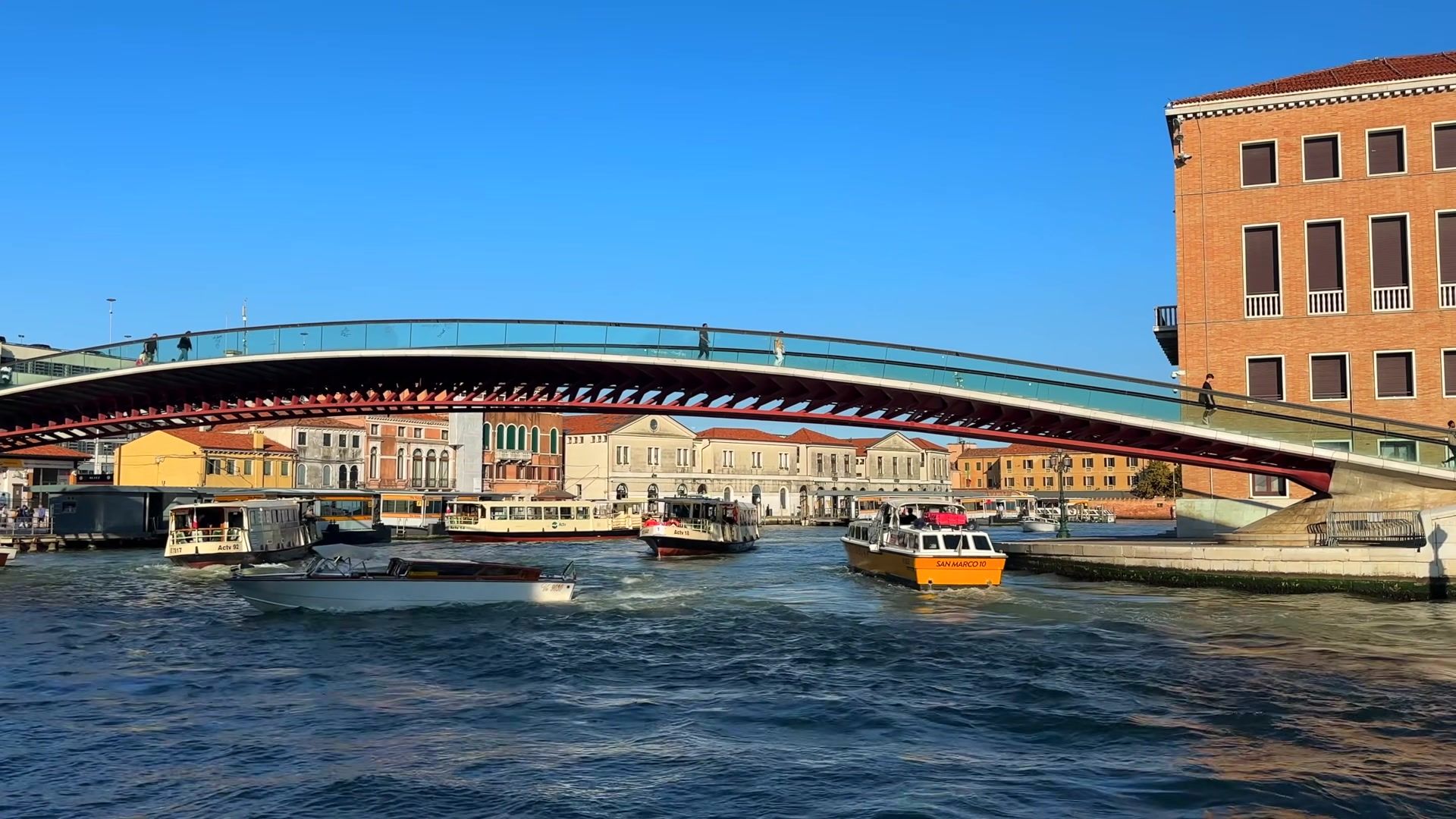
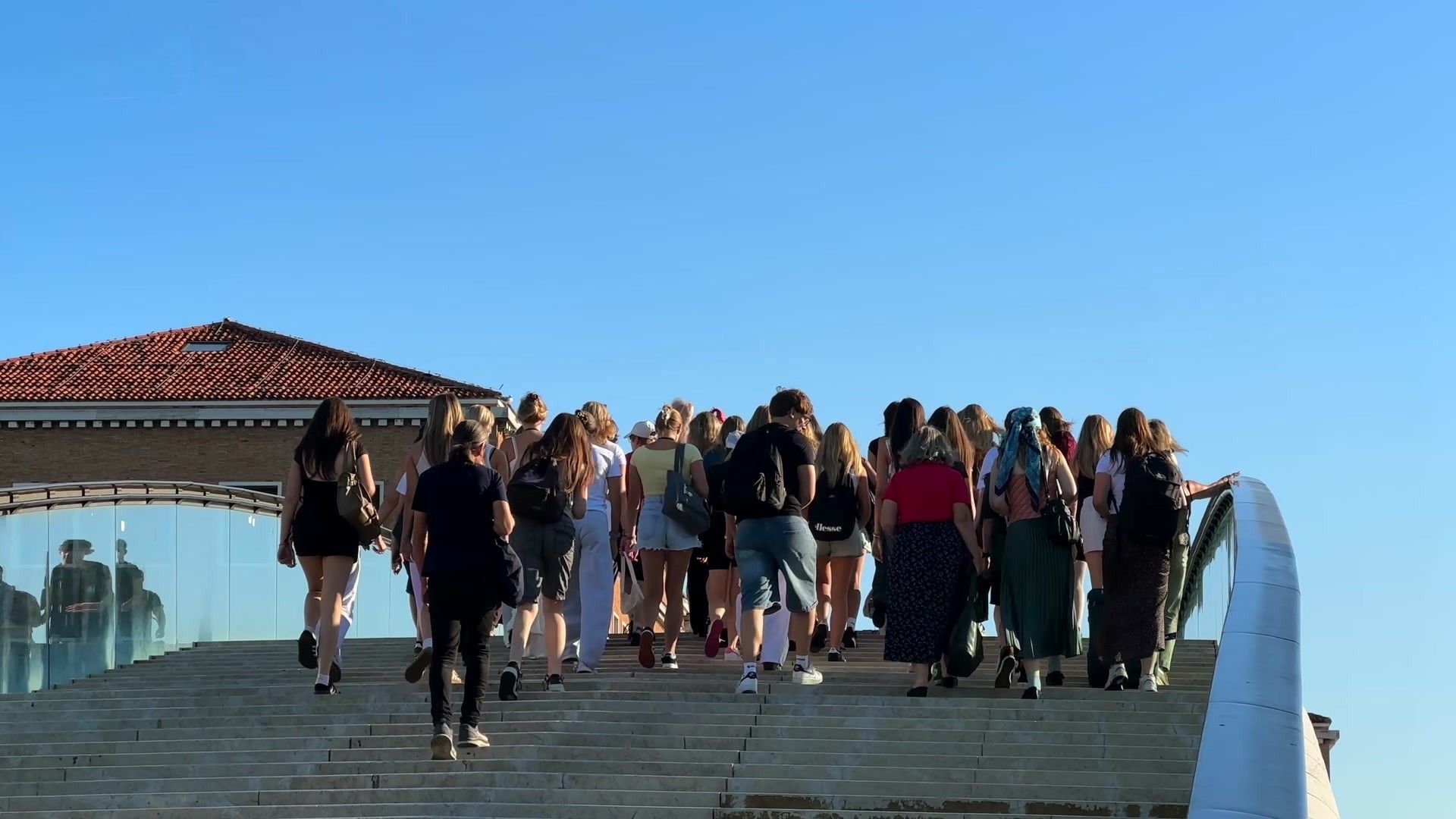
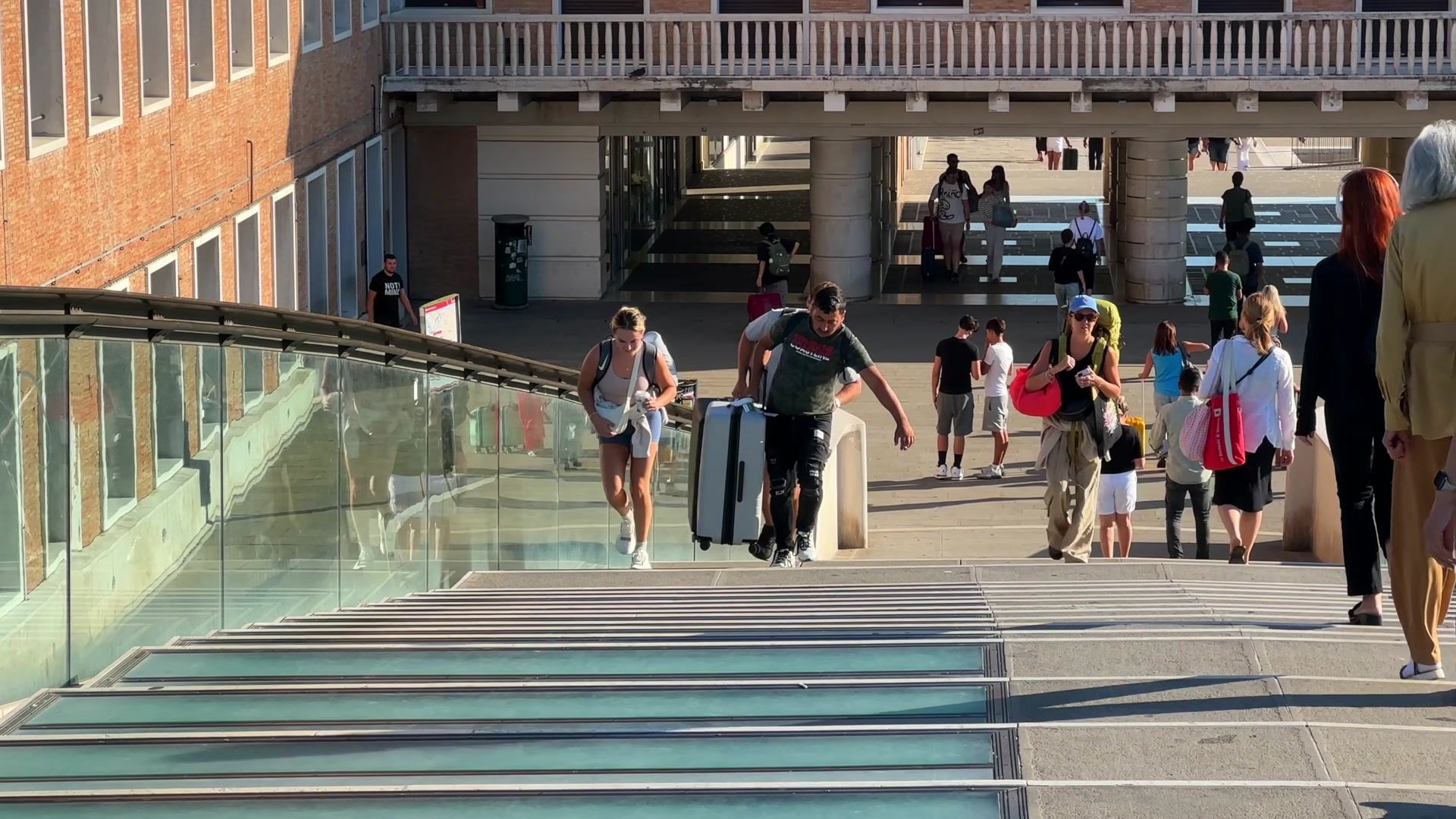
The first structure we saw was the Constitution Bridge, designed by the modern architect Santiago Calatrava. It is one of the rare modern projects in Venice and in my opinion it looks quite impressive. However not everyone agrees. Many people think the bridge does not fit the historical atmosphere and was built in the wrong location as the fourth bridge. Its stepped design can be a nightmare for tourists with suitcases, but this reflects the nature of the city. Everything here is built around boats and water.
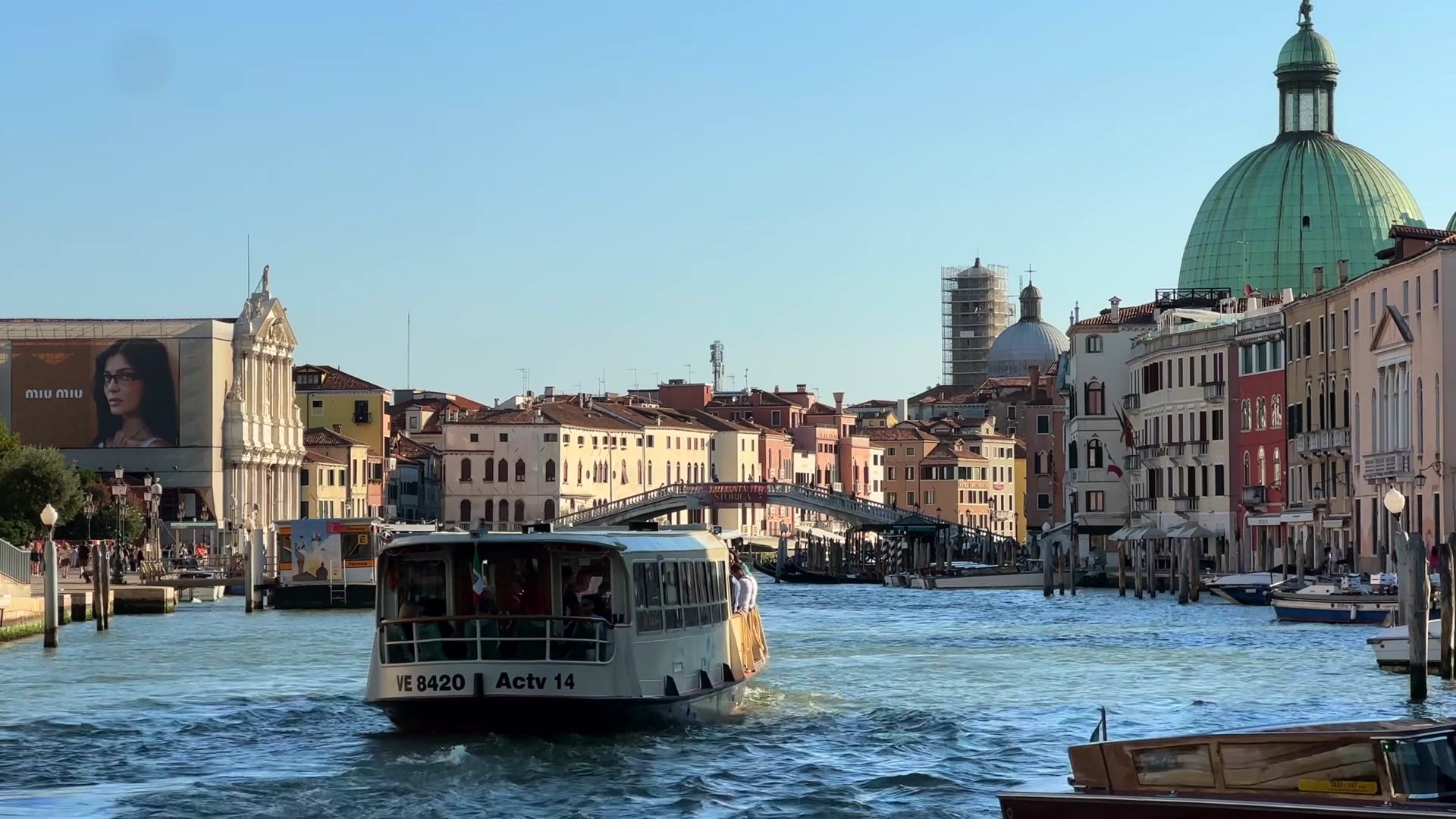
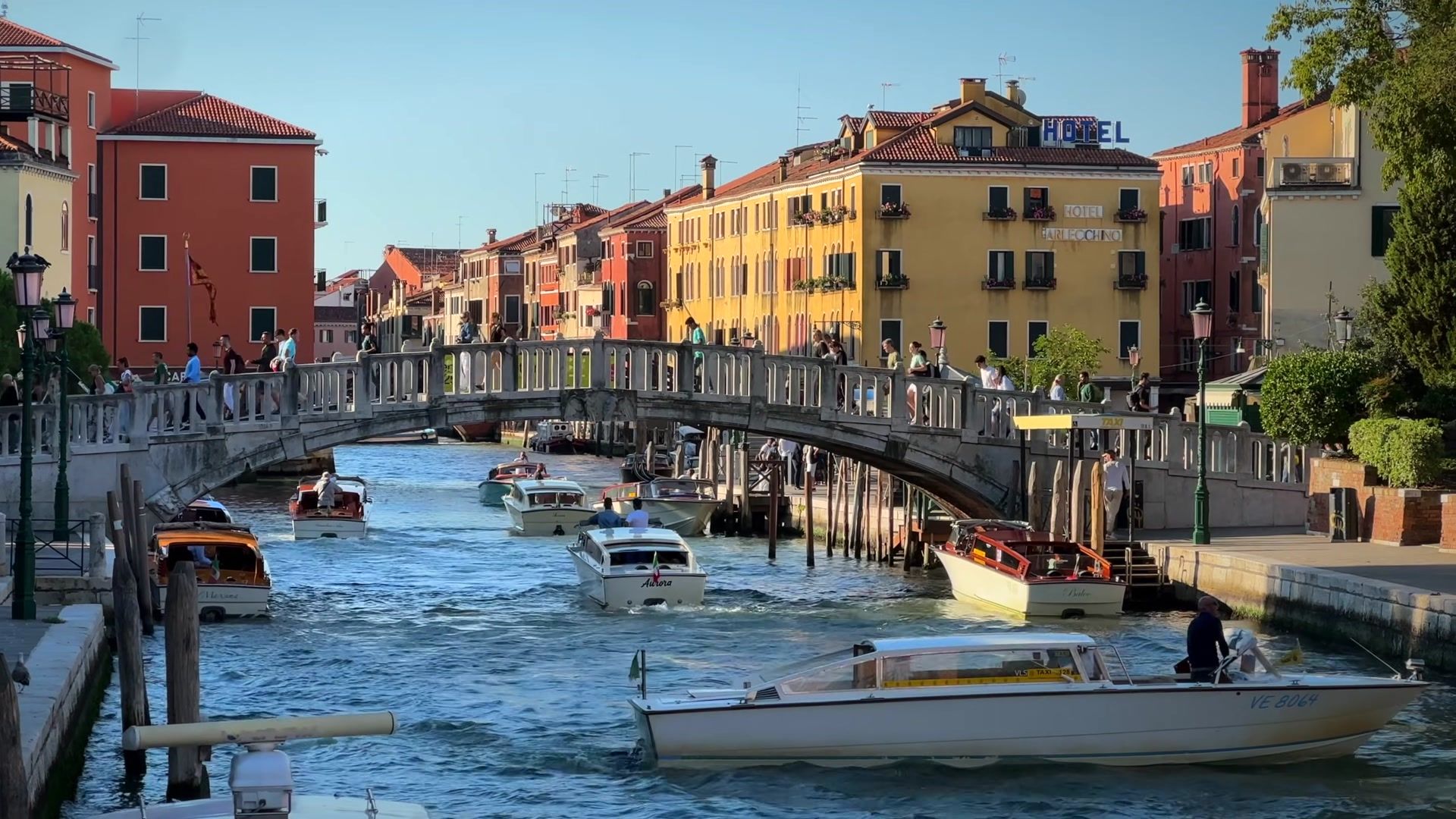
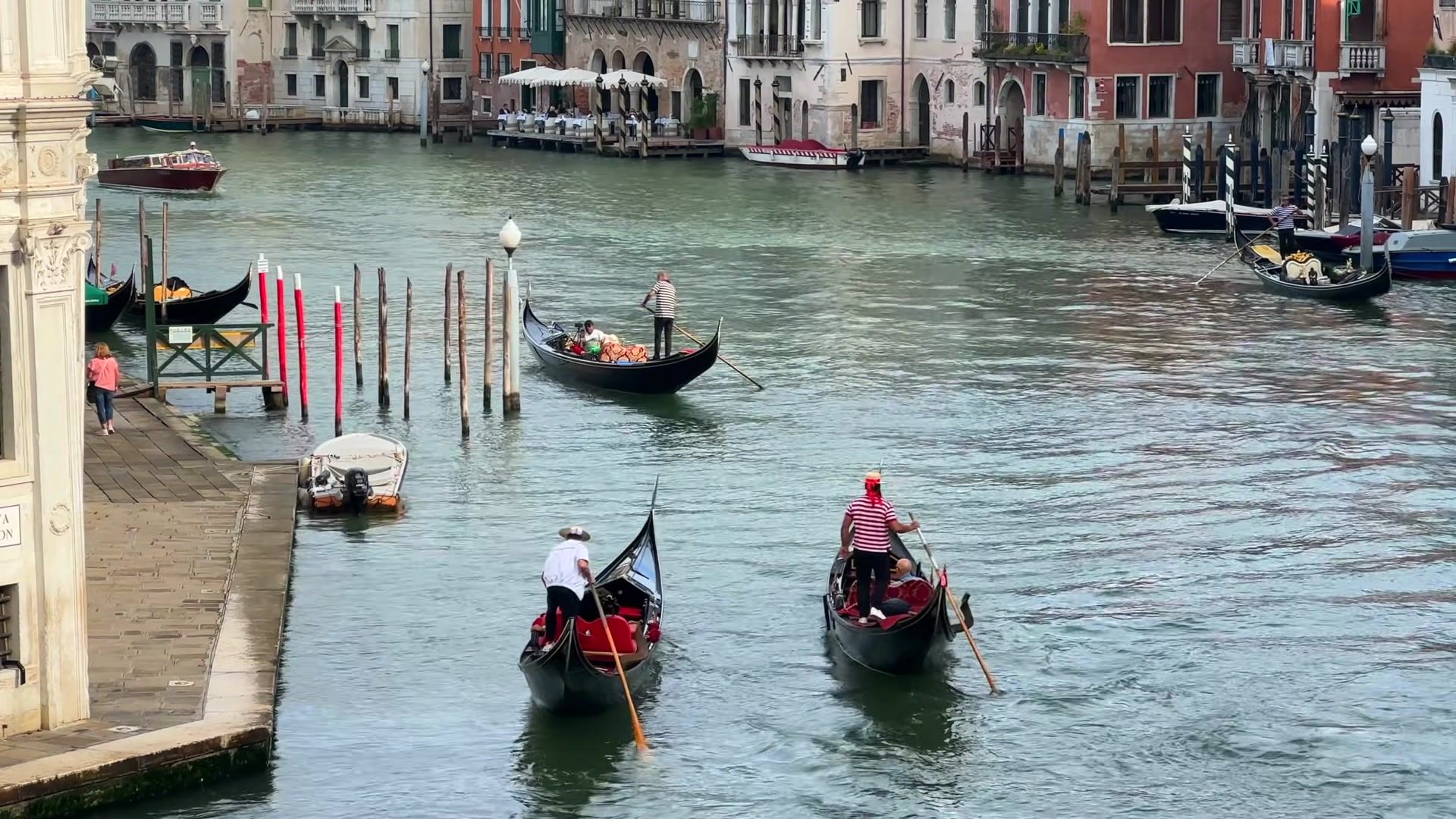
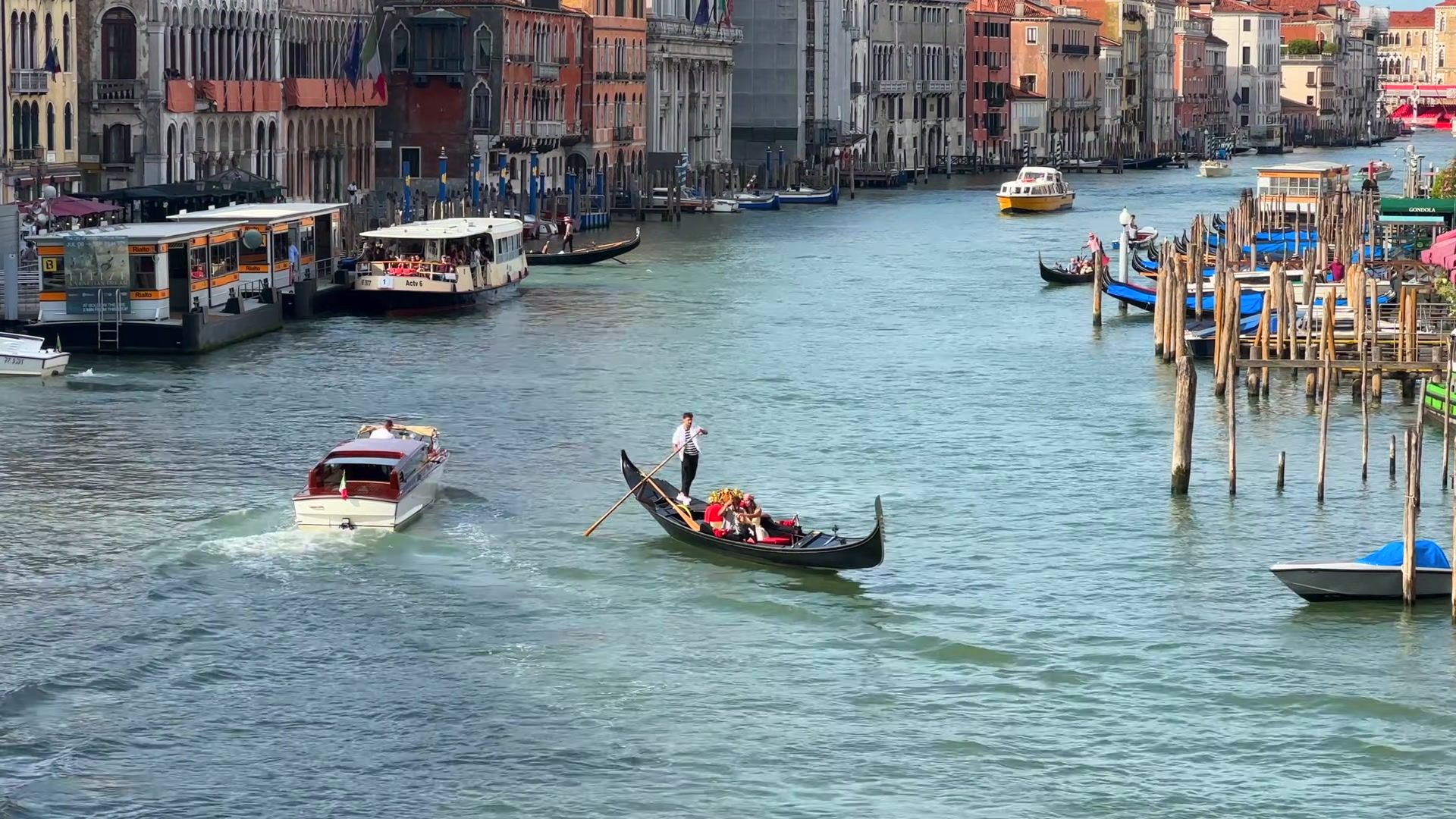
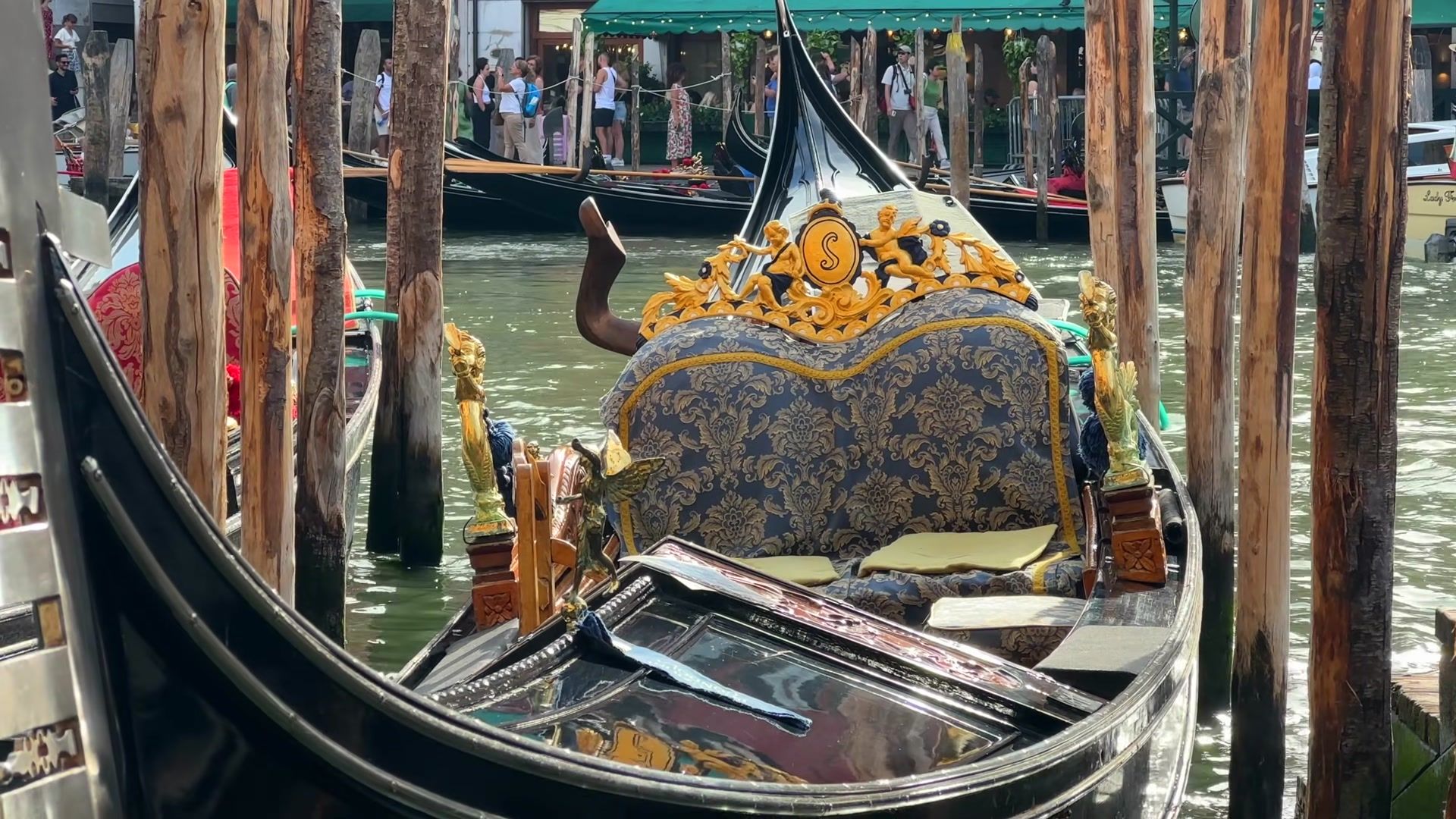
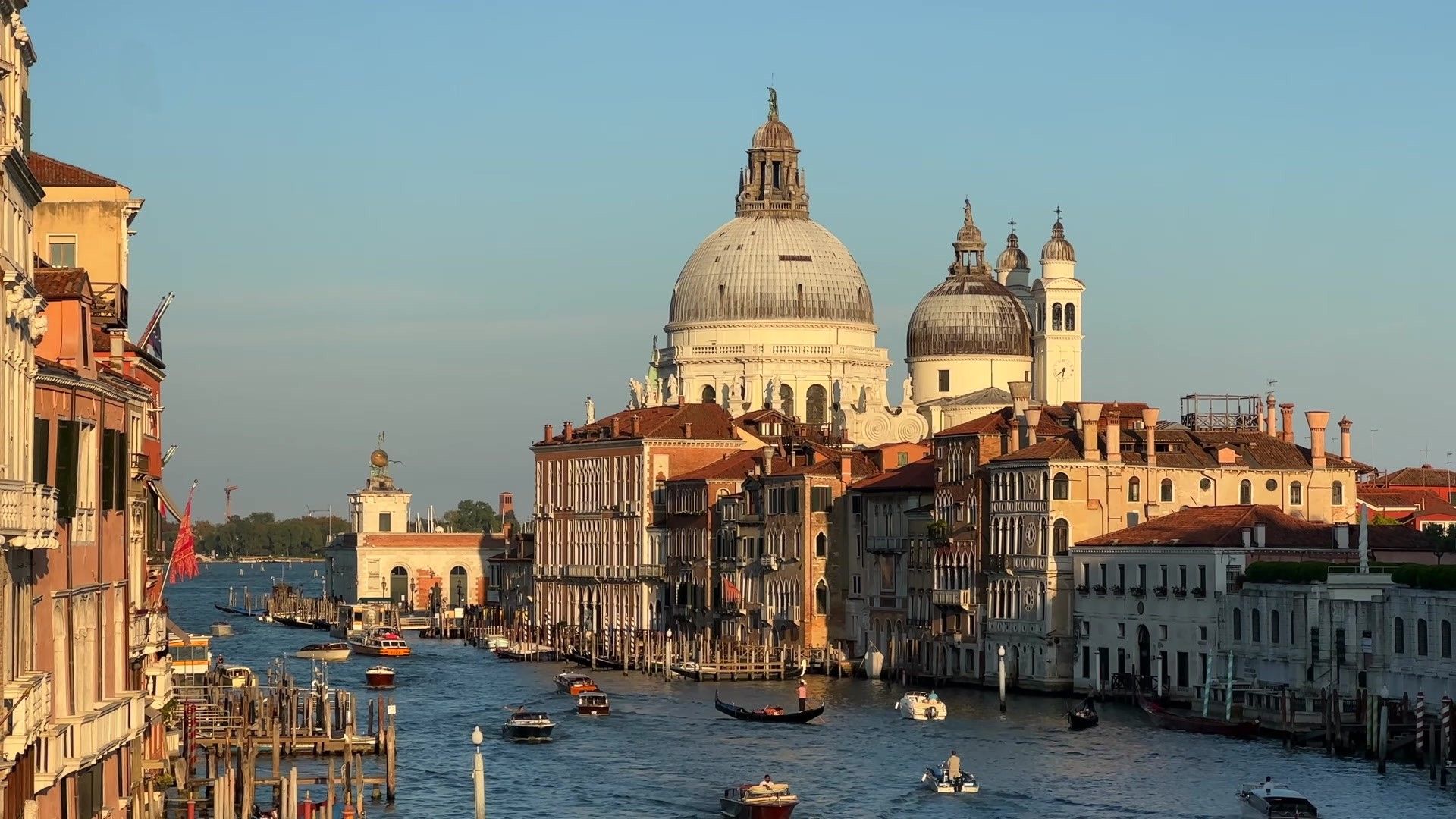
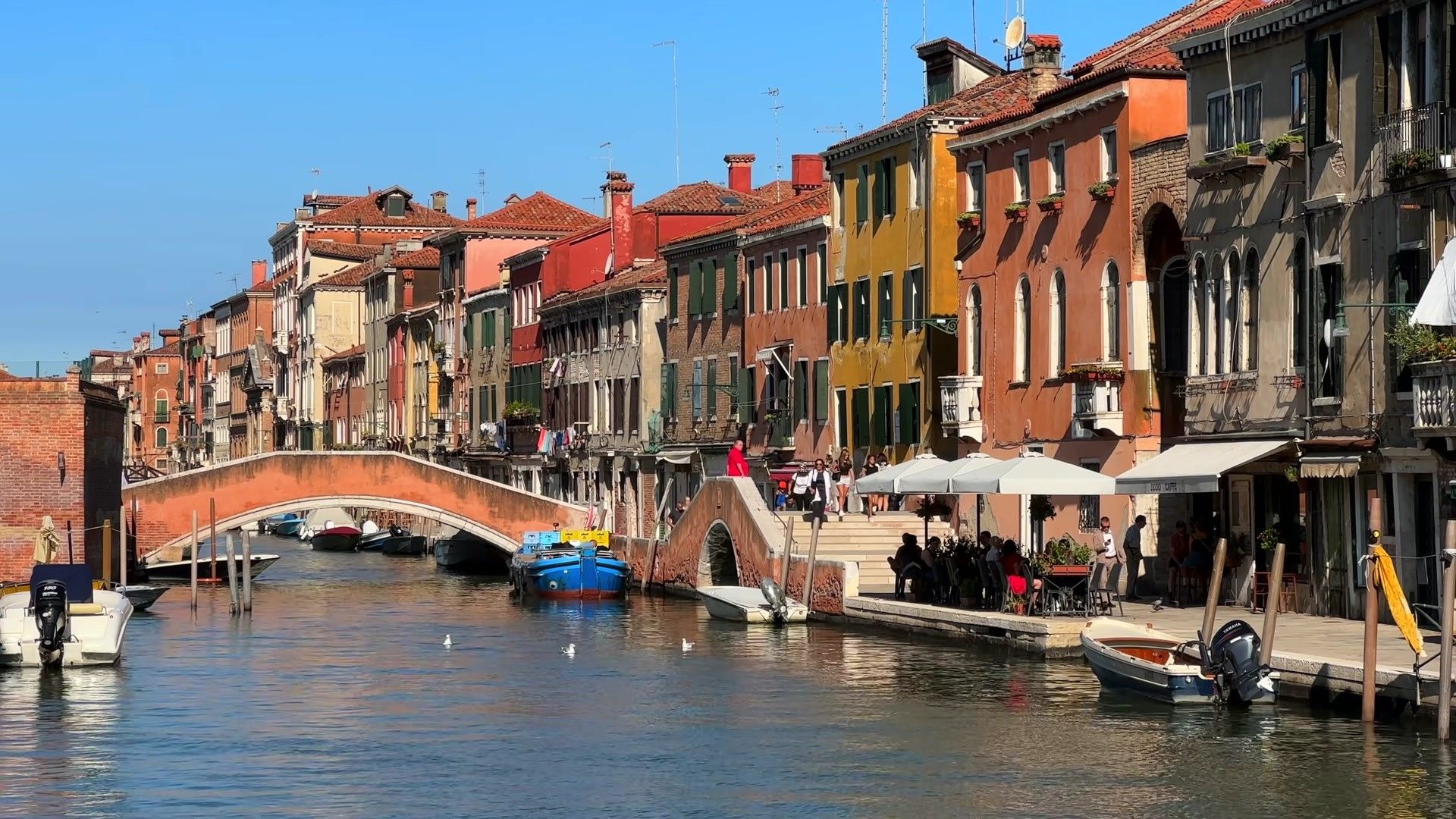
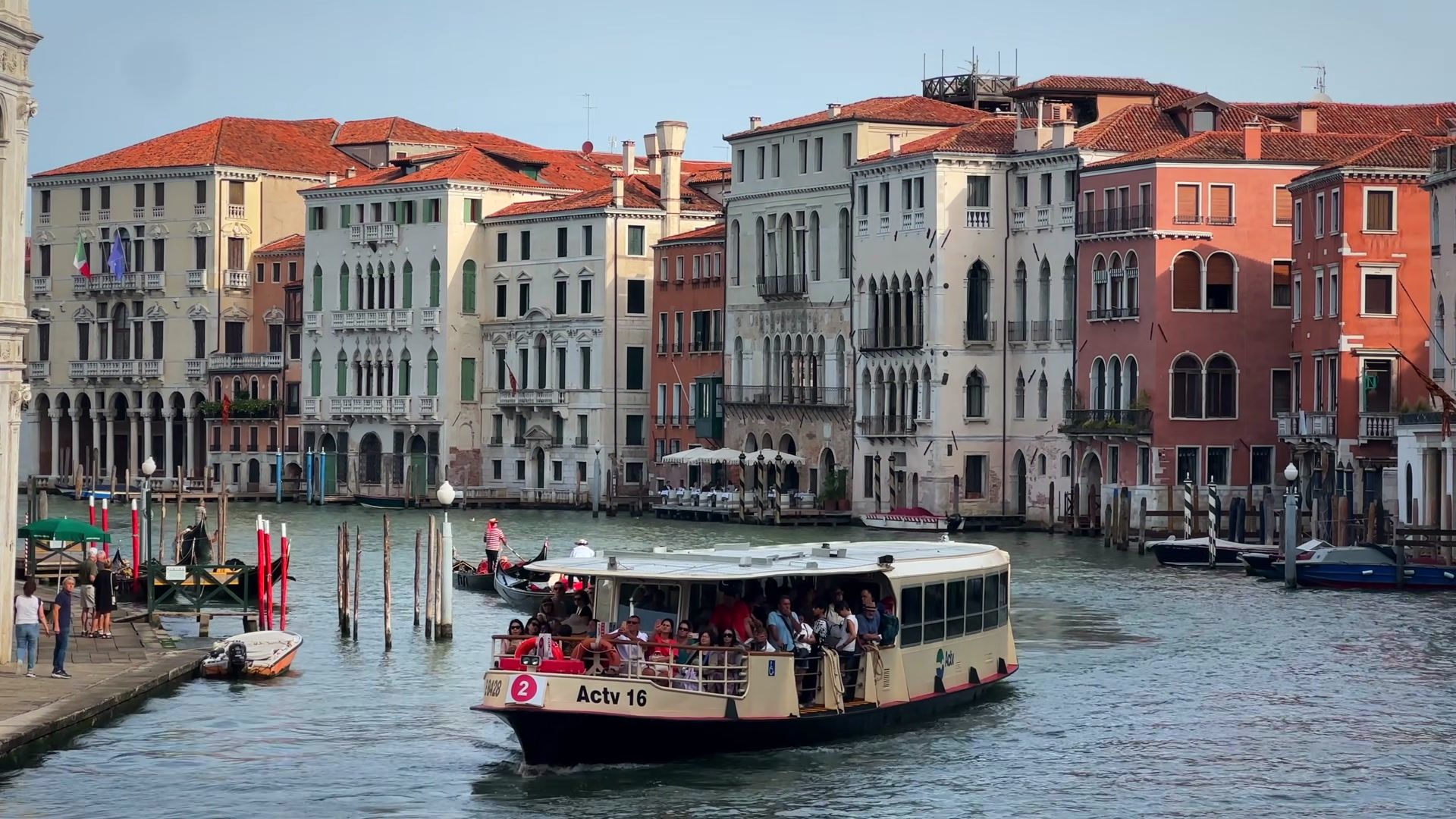
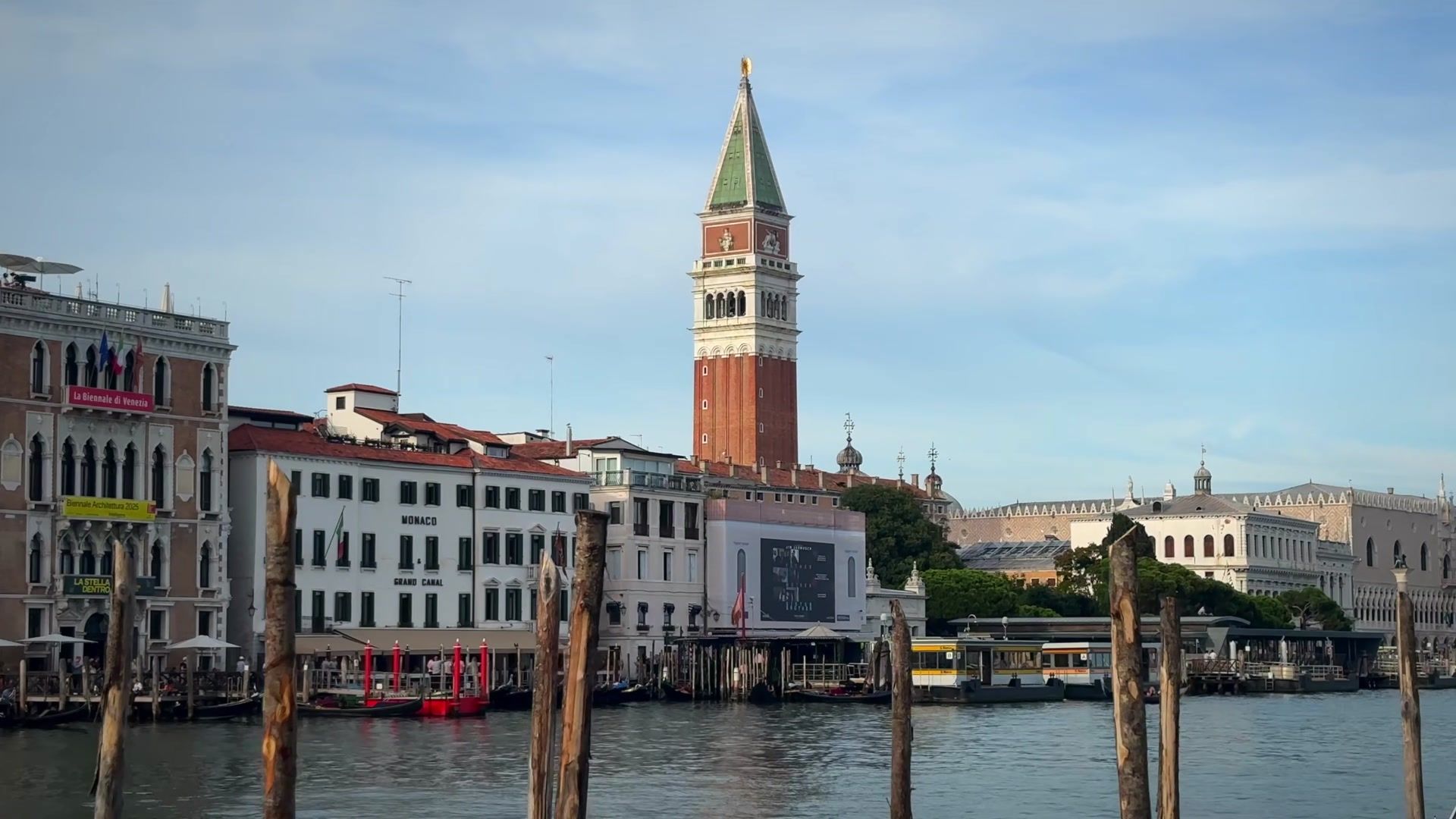
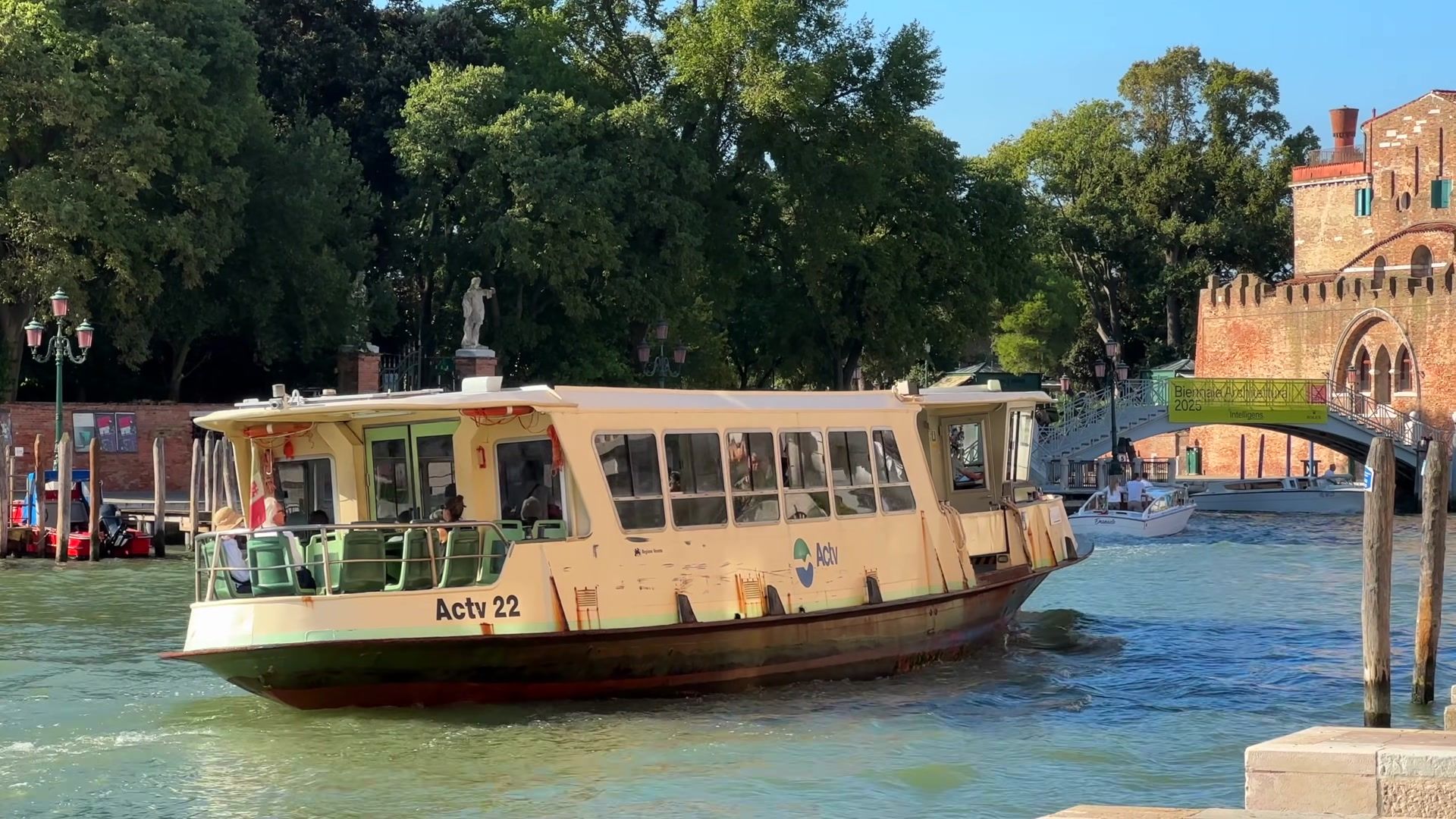
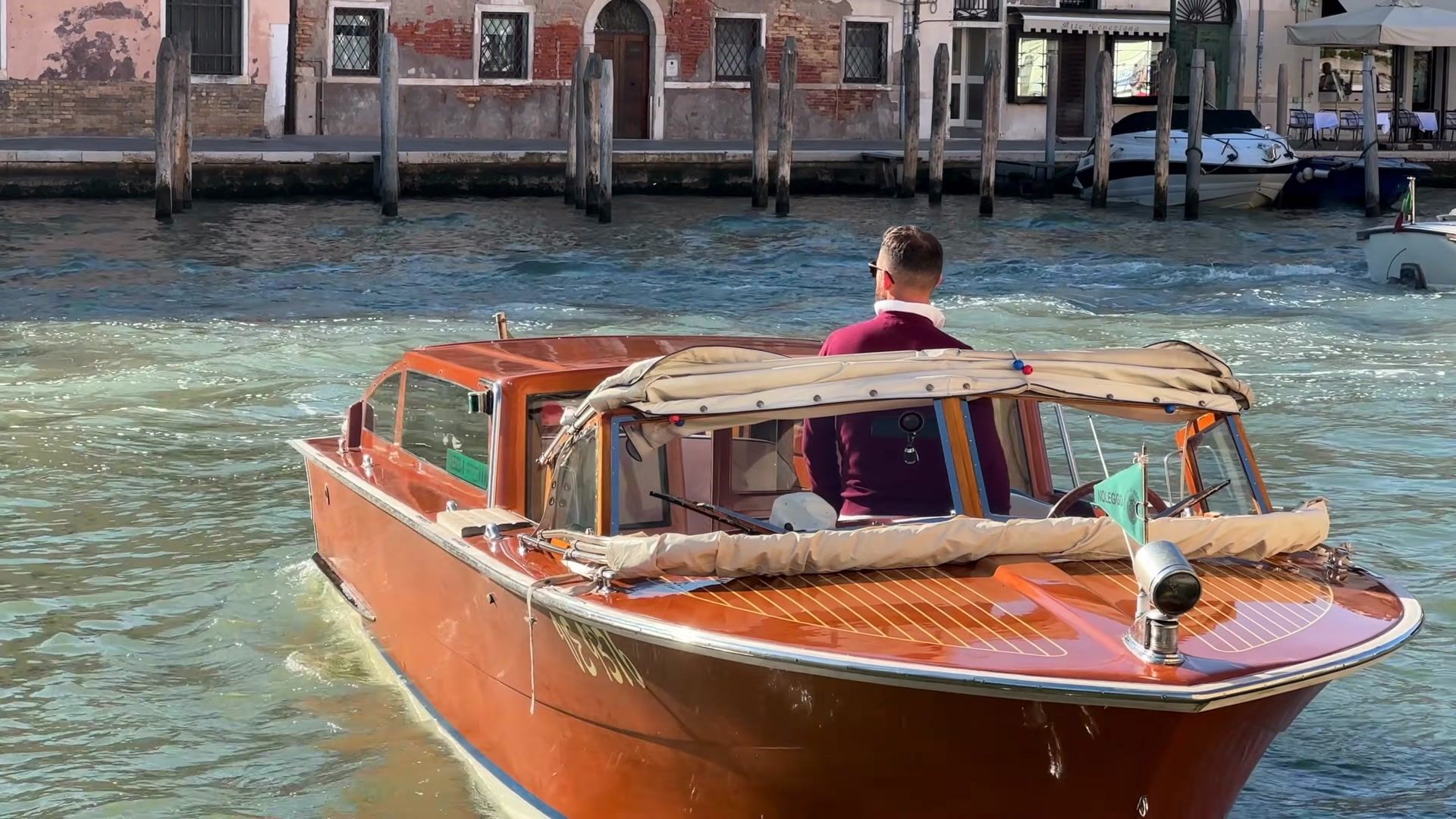
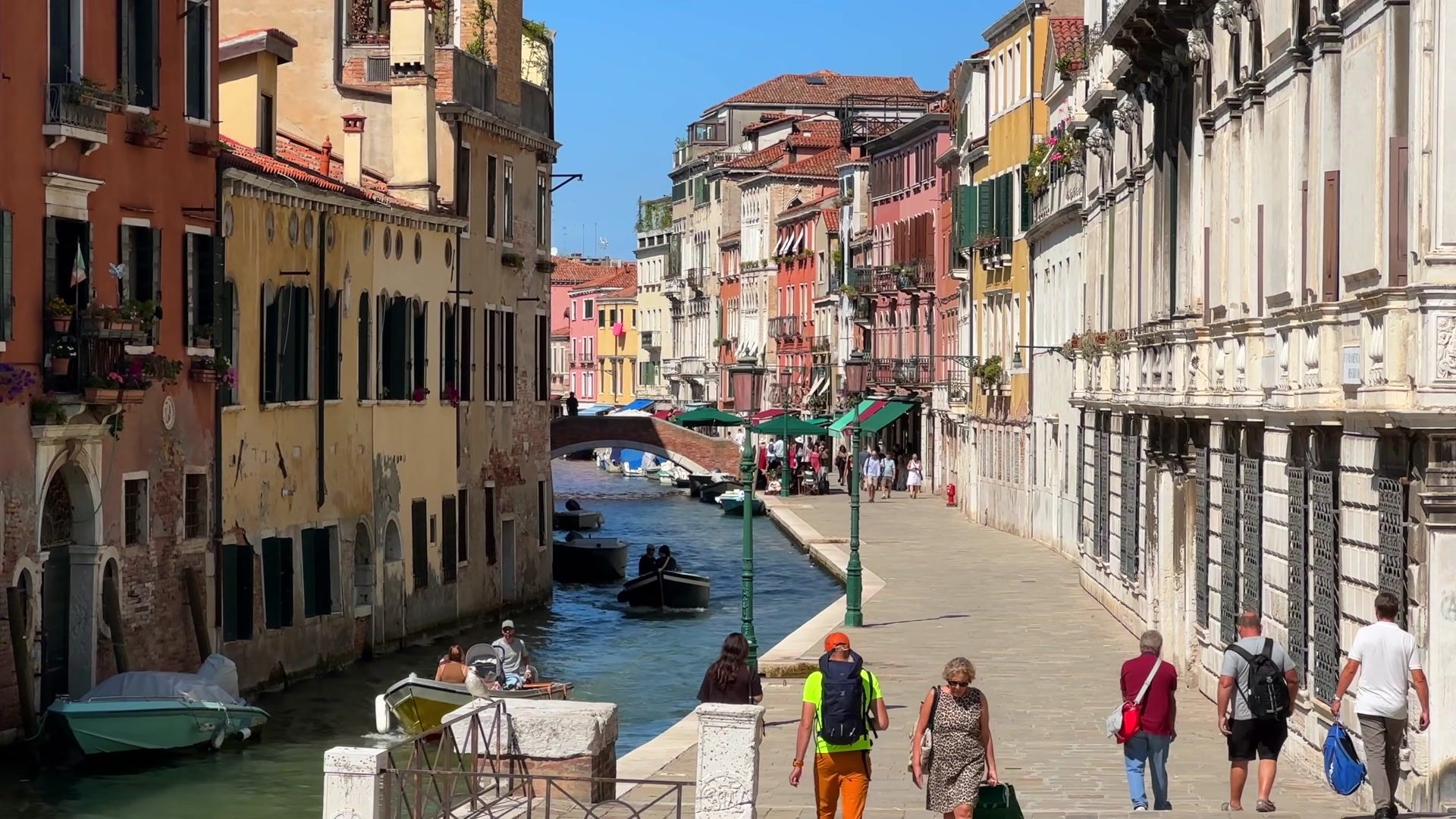
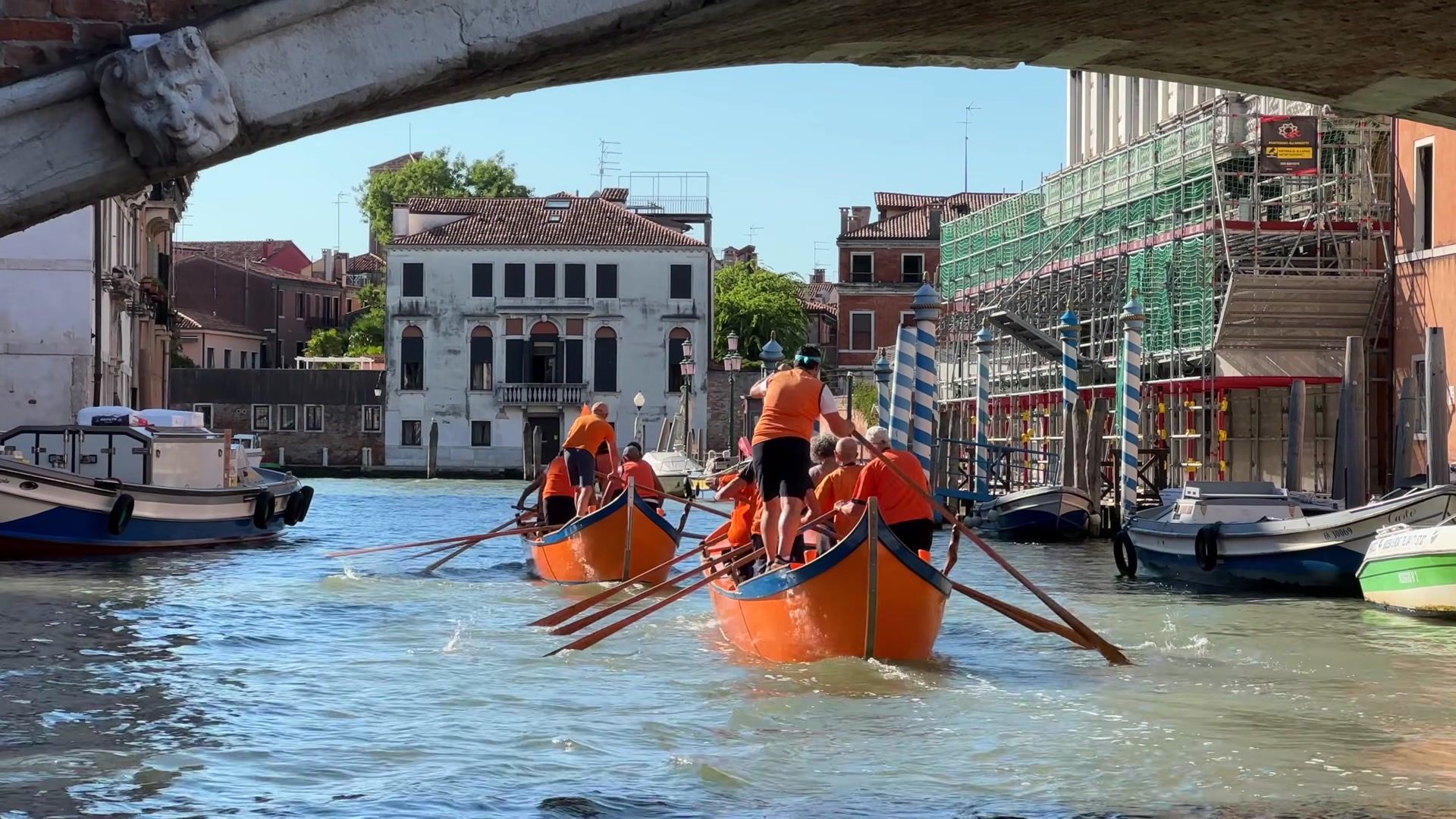
While most people use the water buses called Vaporetto, the wealthy prefer luxury speedboats. Of course there are also gondolas, but I will mention them separately. It is also possible to explore Venice for days without using water transportation. Although there are only four bridges over the Grand Canal, hundreds of smaller bridges connect the narrow canals, making walking very comfortable
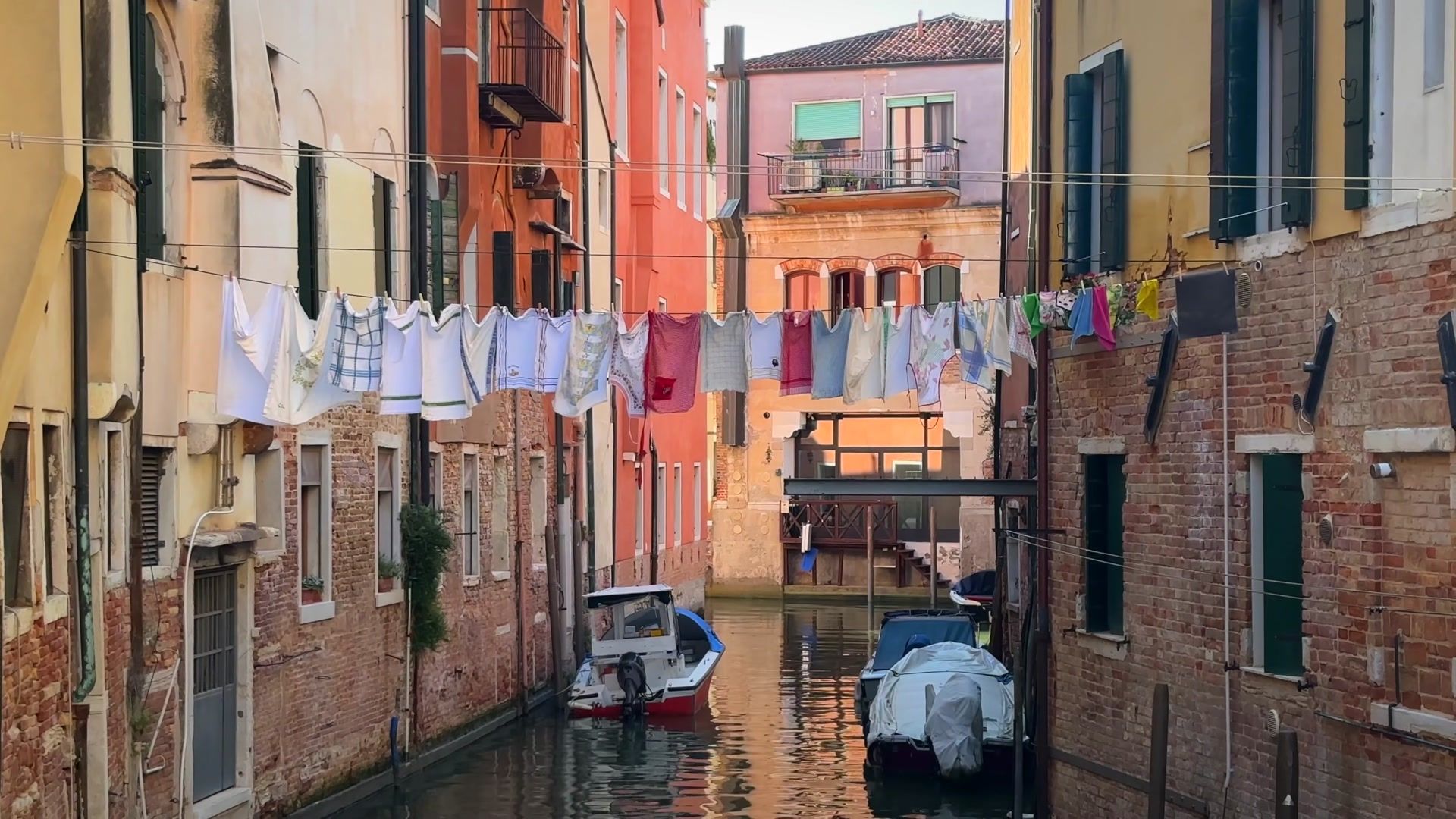
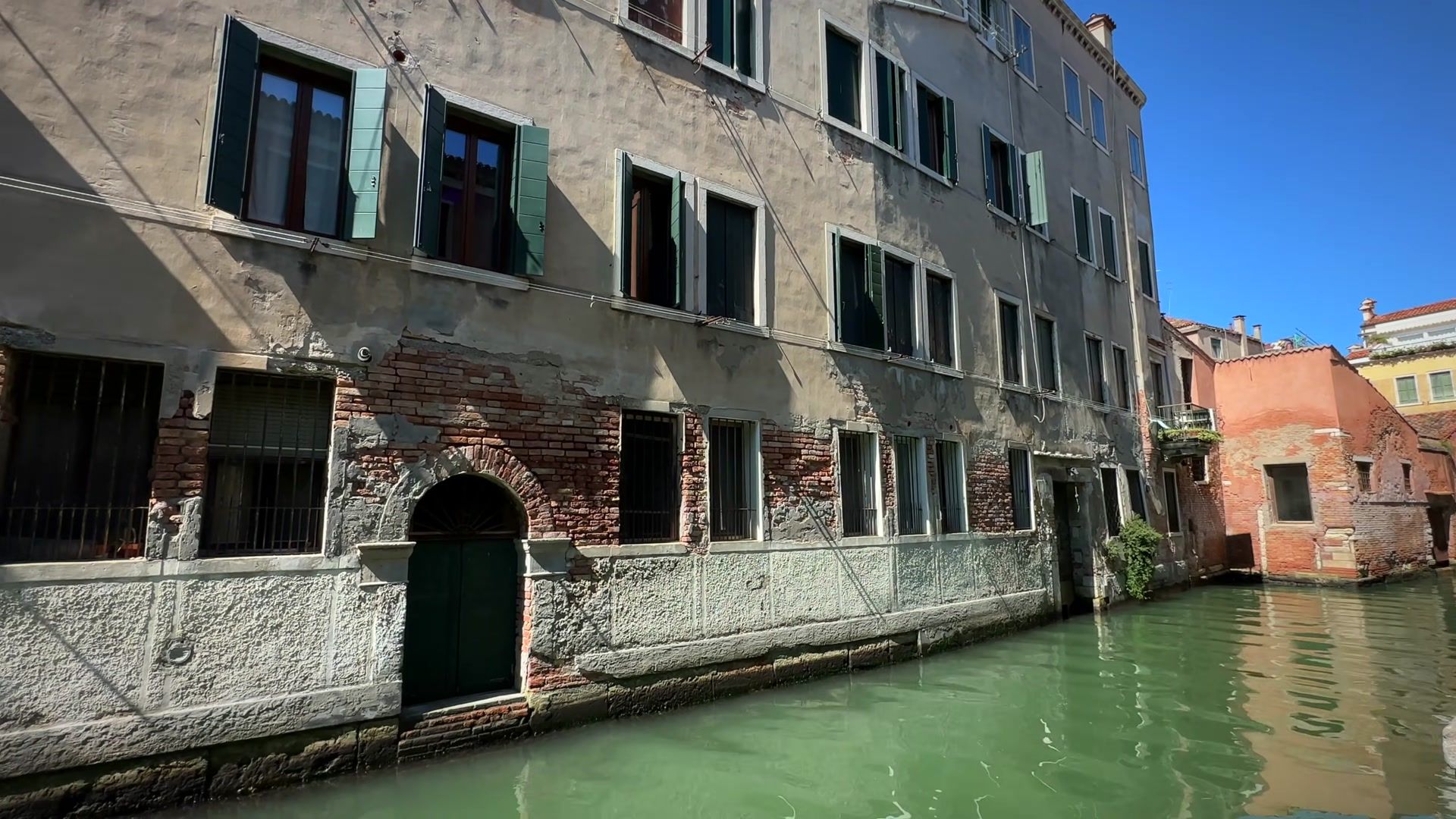
So what is Venice built on? Are these buildings really standing on a swamp? In fact, yes. Venice stands on water. The Venetians discovered that wood kept underwater without air does not rot. On the contrary, it hardens over time and almost turns to stone. They drove millions of larch piles into the ground under the water and placed horizontal beams on top.
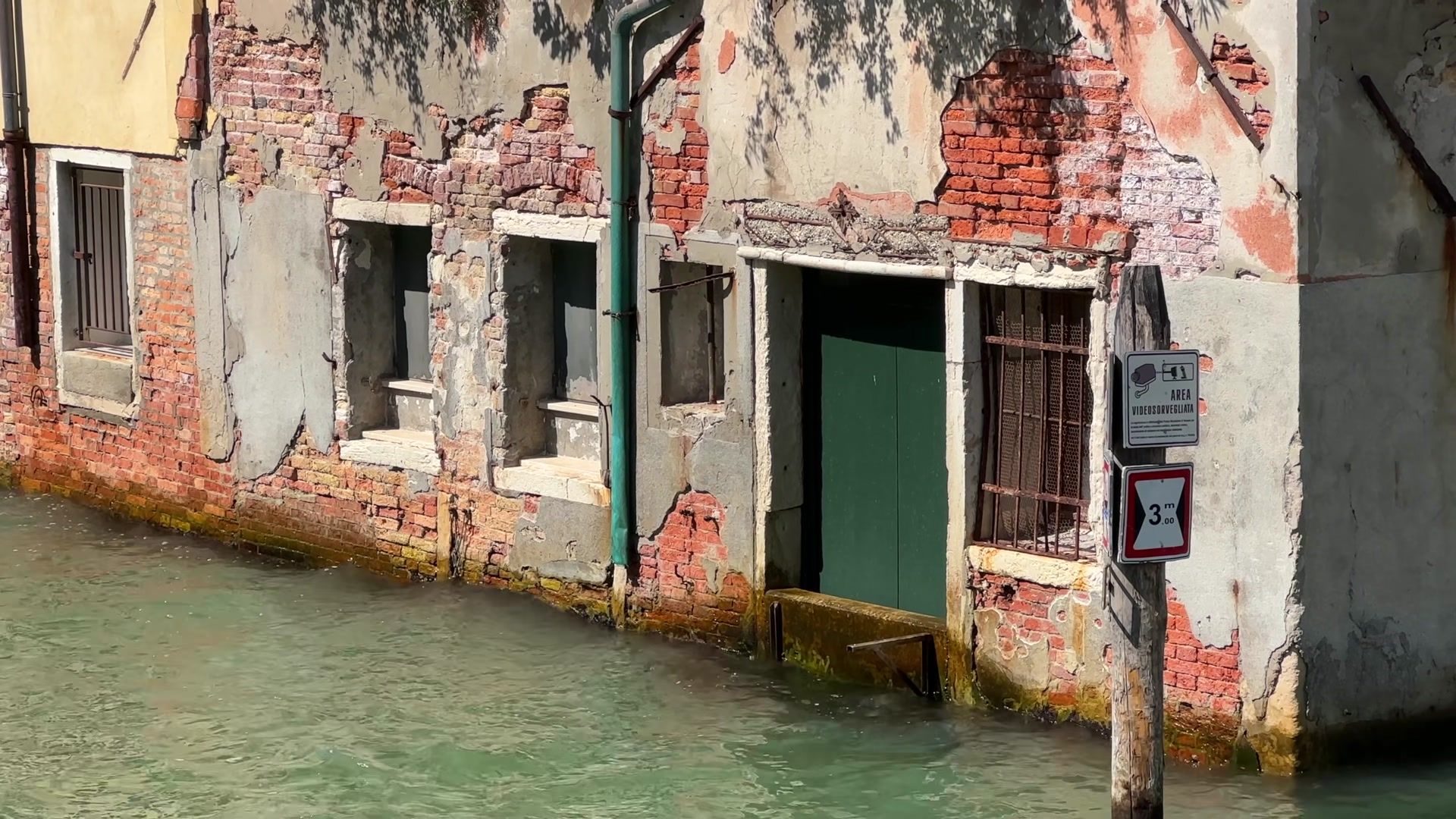
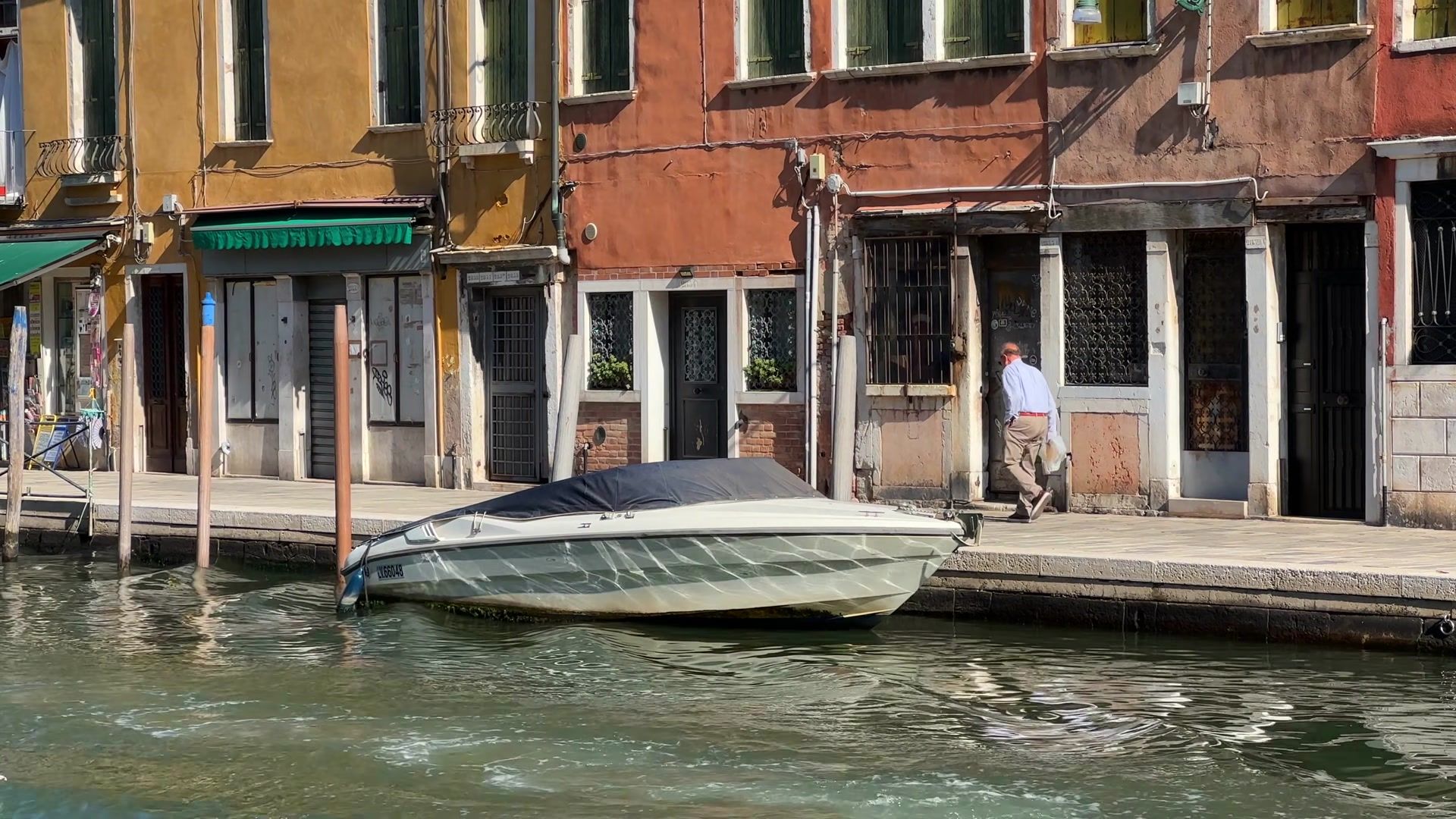
Between these wooden foundations and the brick walls, they used a special limestone called Istrian stone. This stone has two important qualities. It is non porous, so it does not let moisture pass through and it becomes even harder when it comes into contact with salt water. Another secret behind the survival of the buildings is a special mortar mixture invented by the Venetians. It is more flexible than concrete. Thanks to this, even if the foundations shift slightly, the buildings can bend without collapsing.
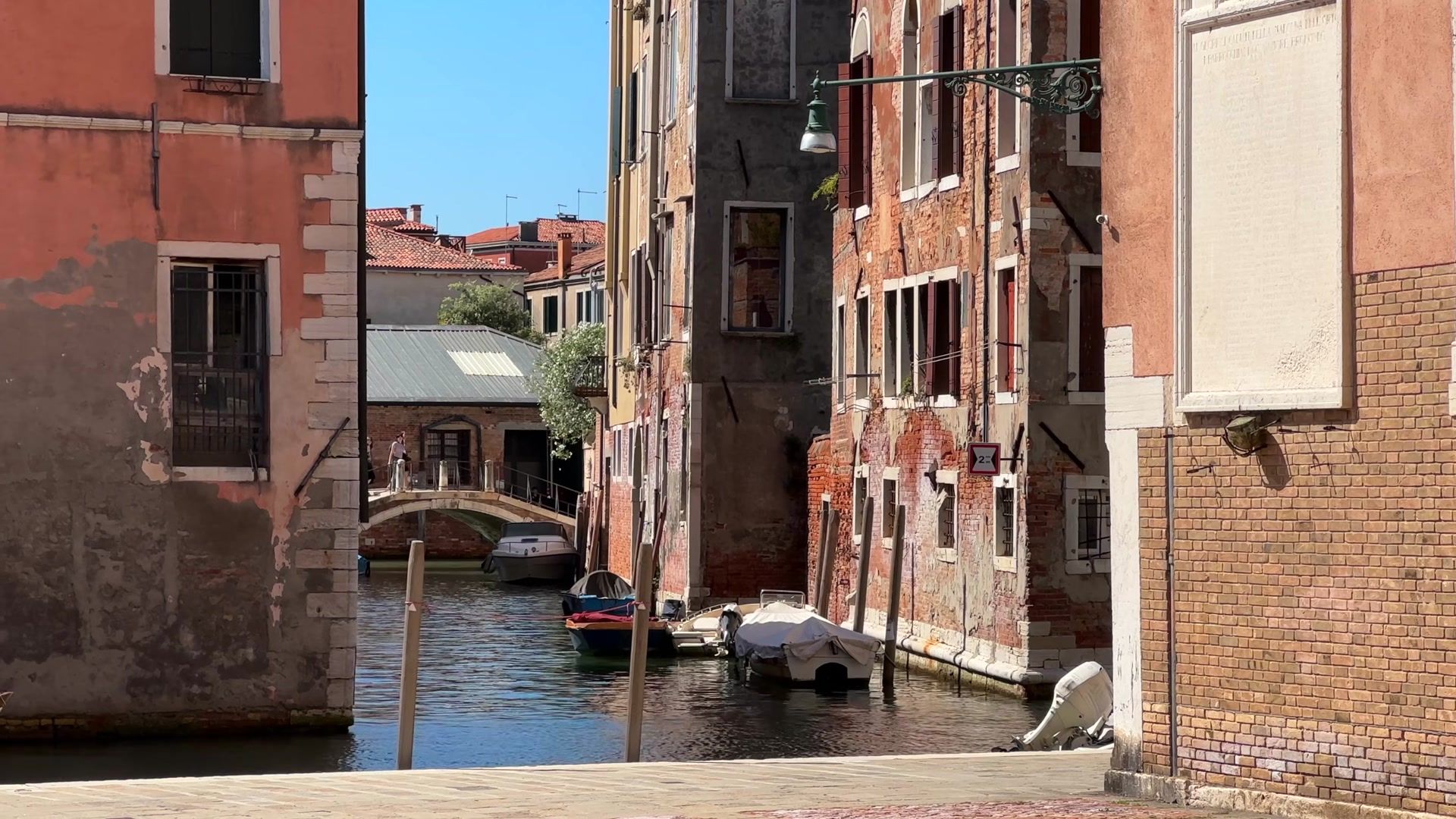
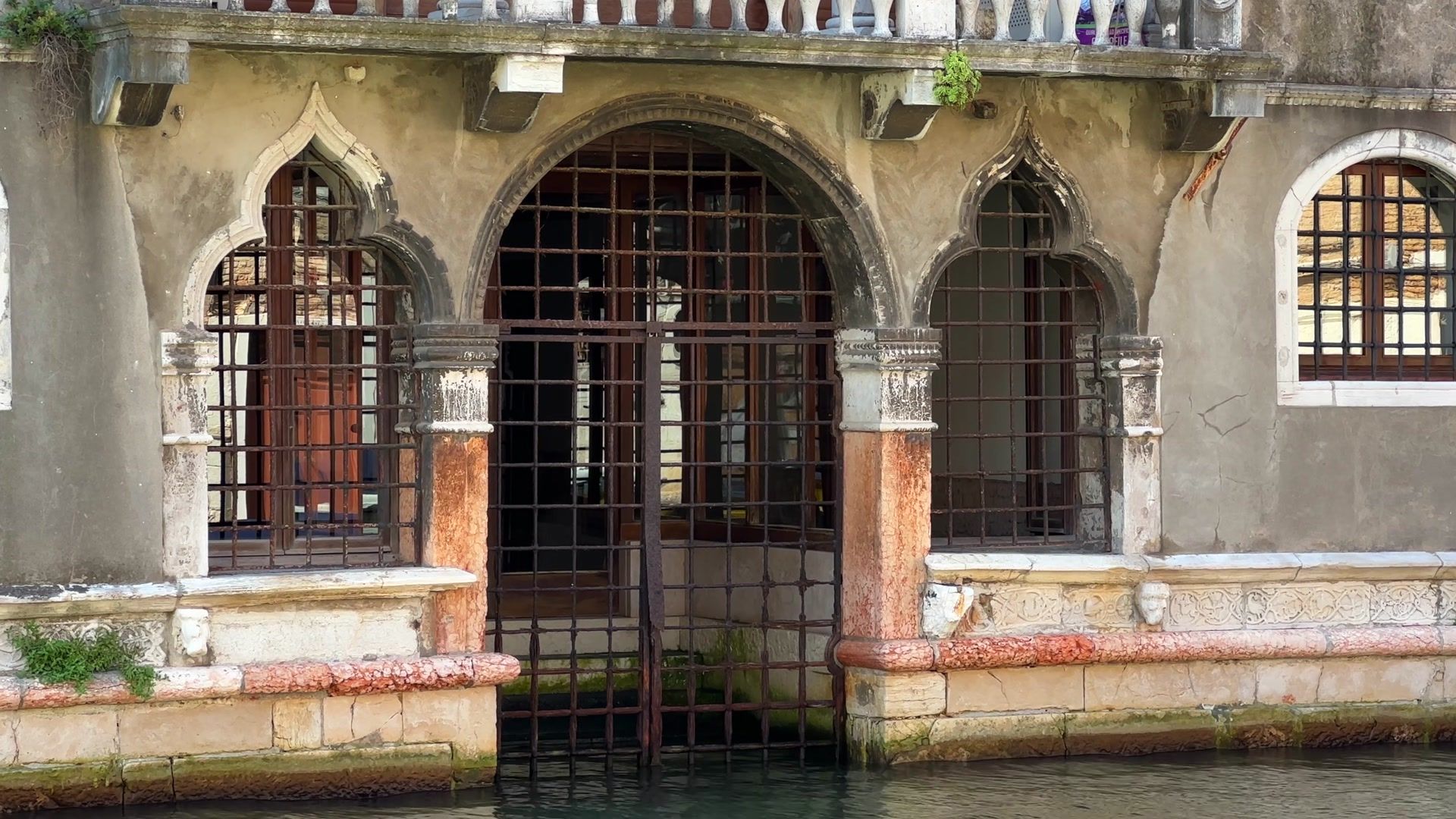
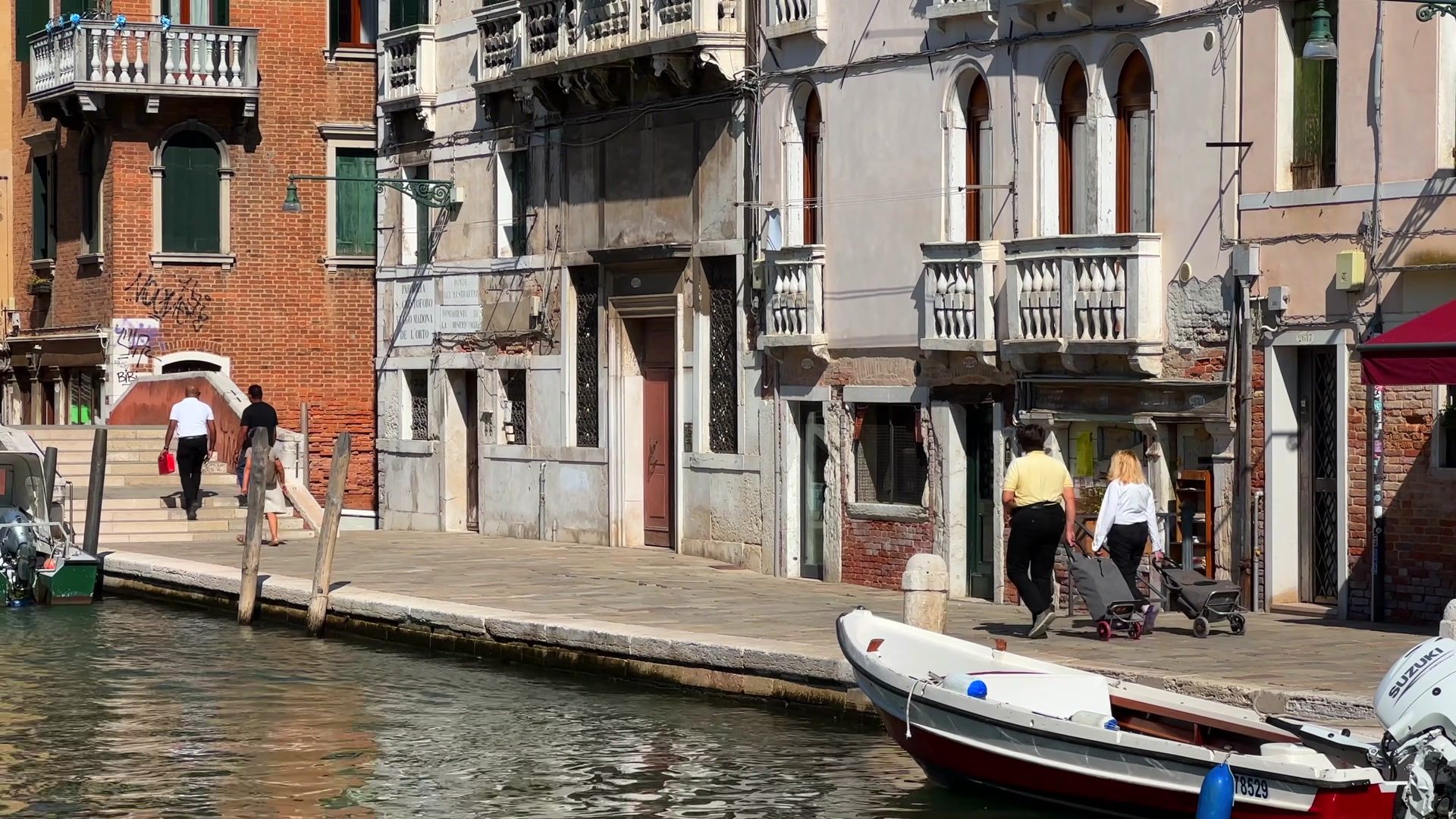
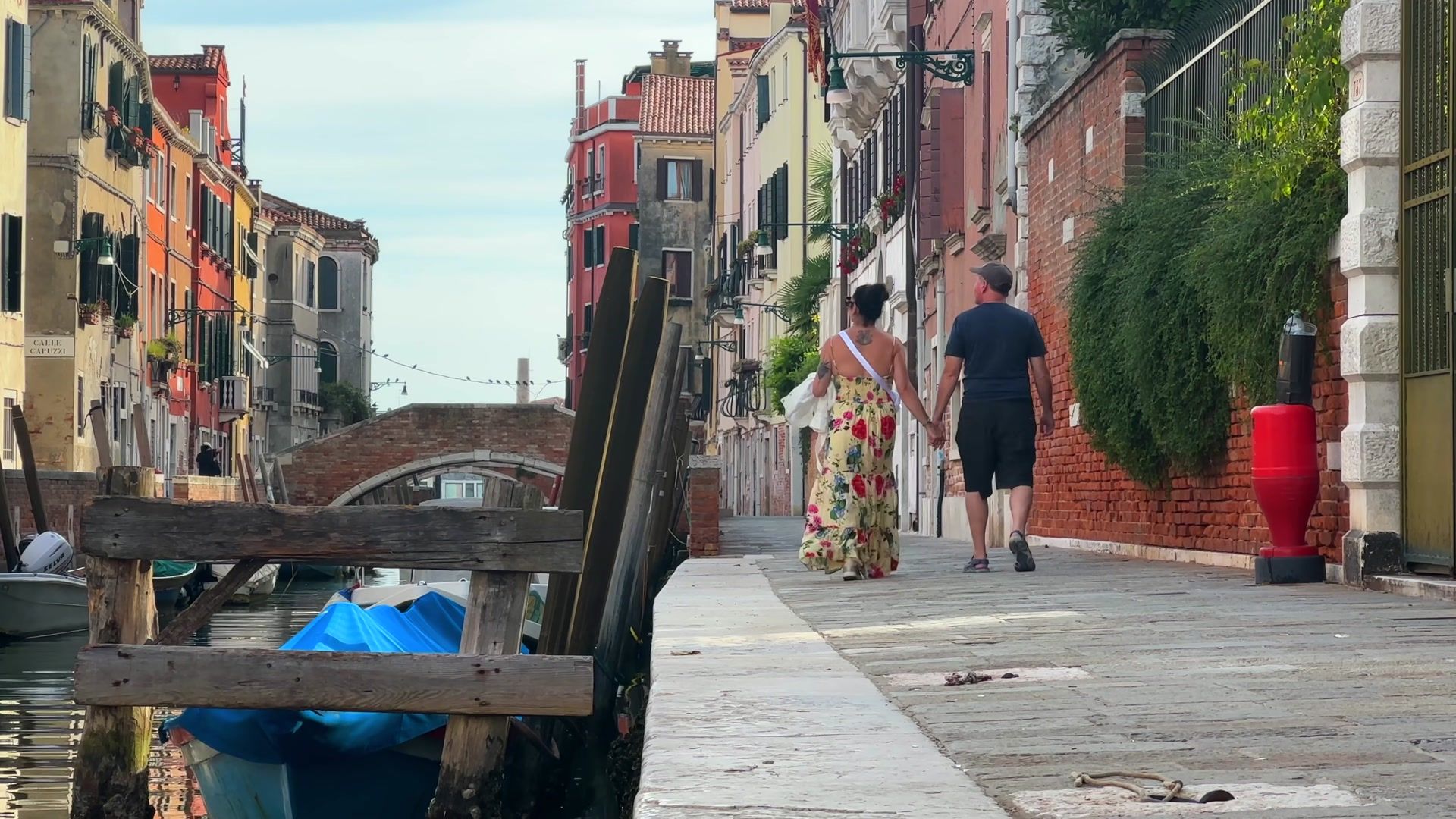
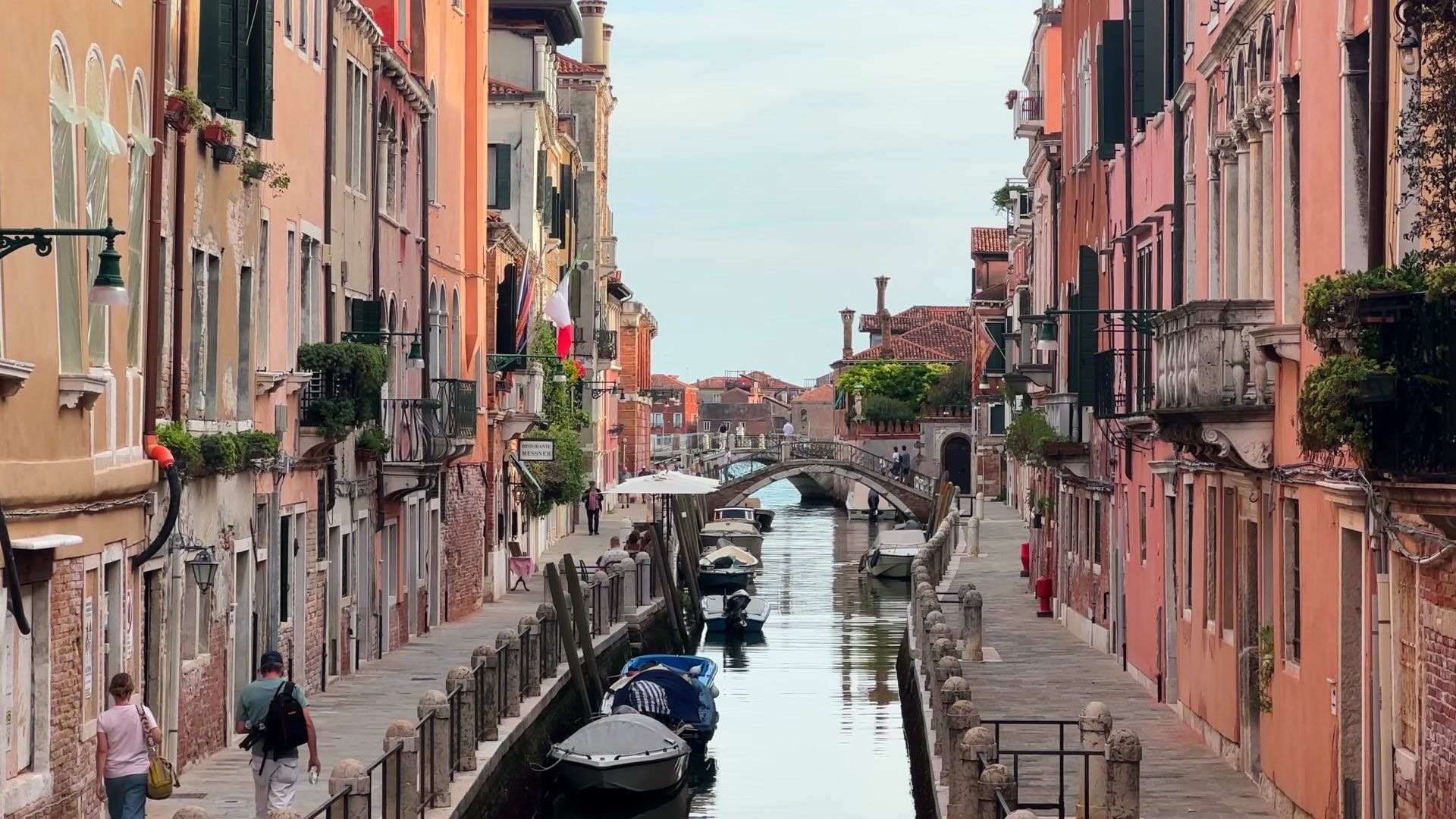
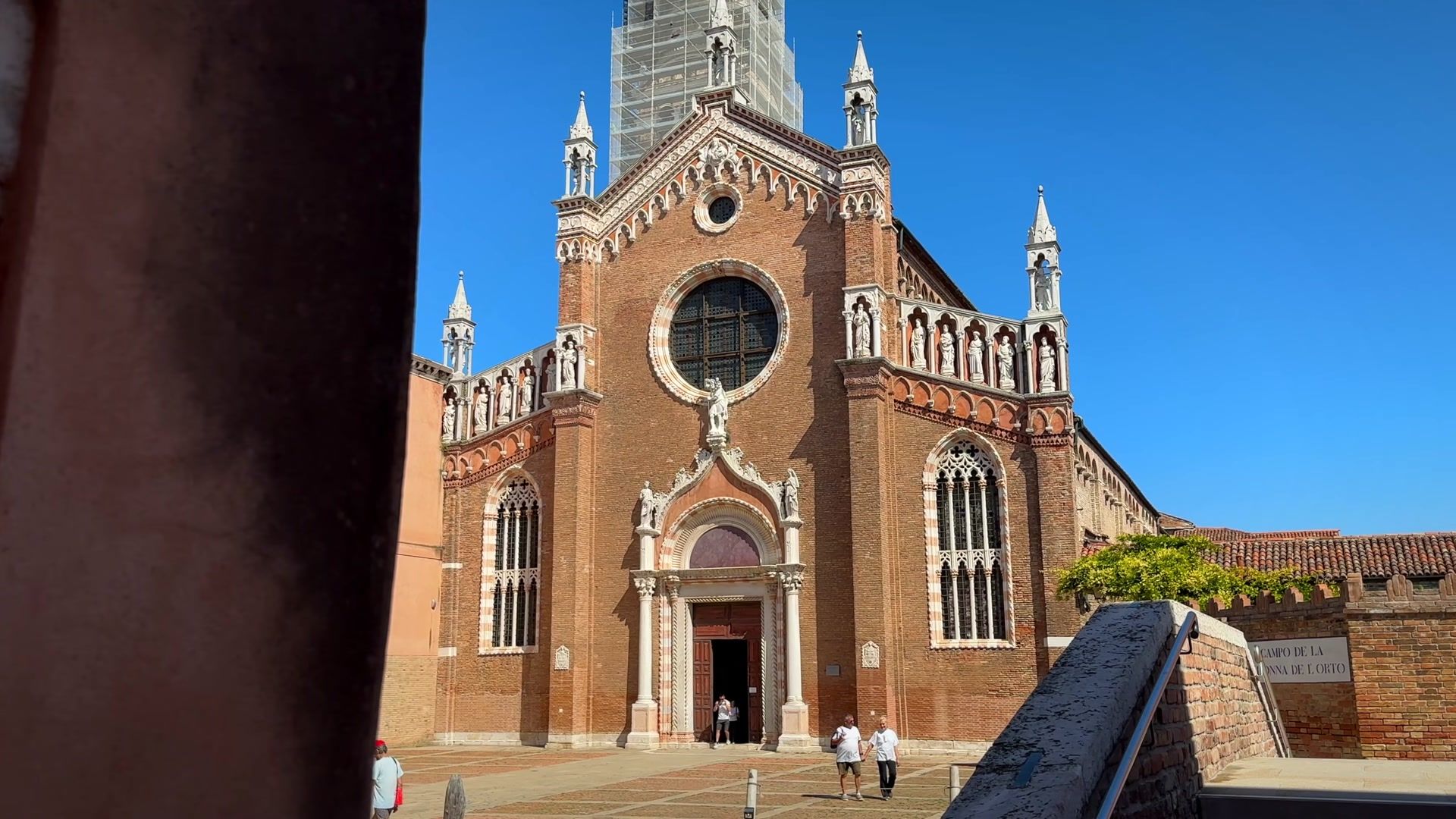
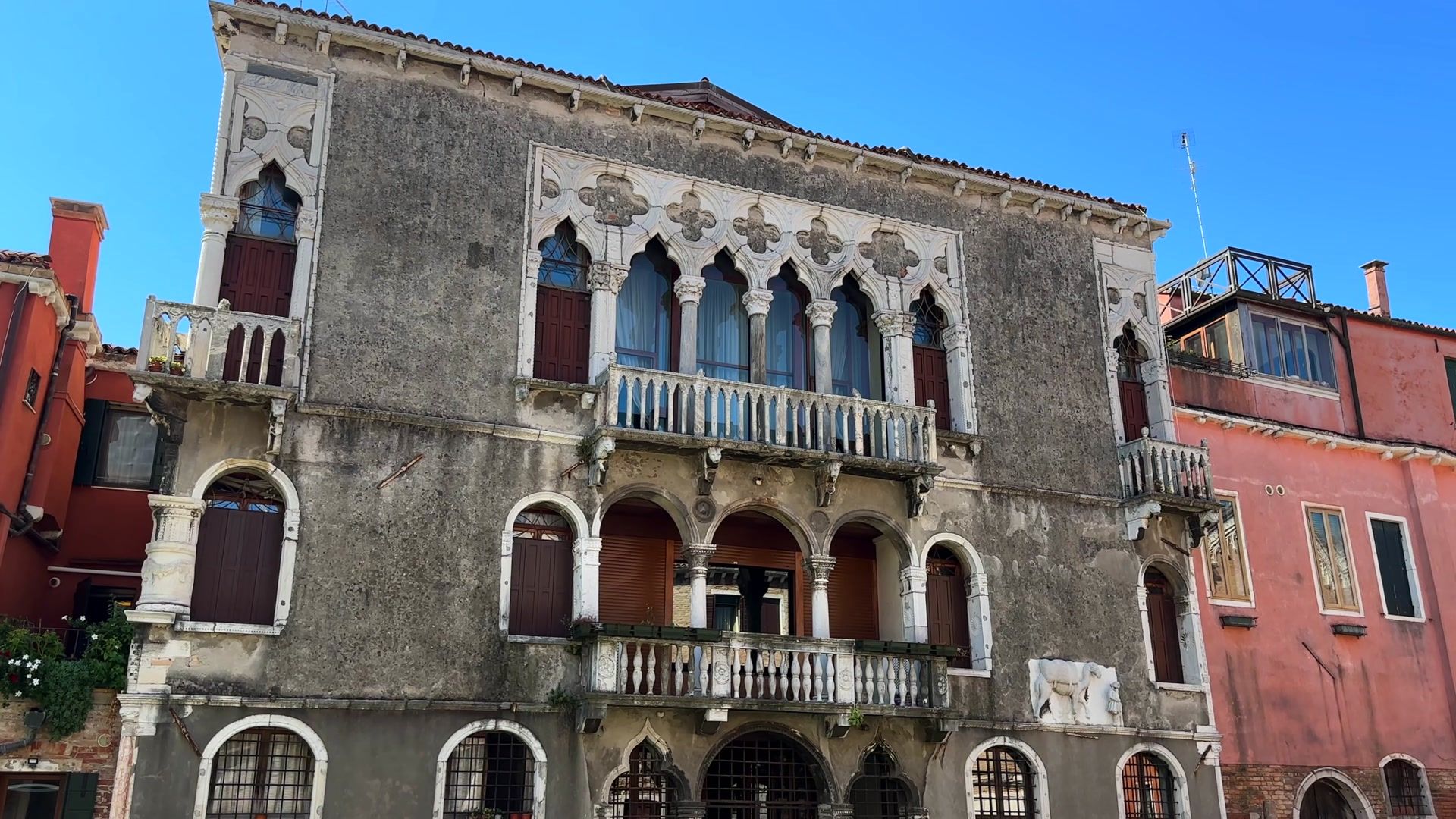
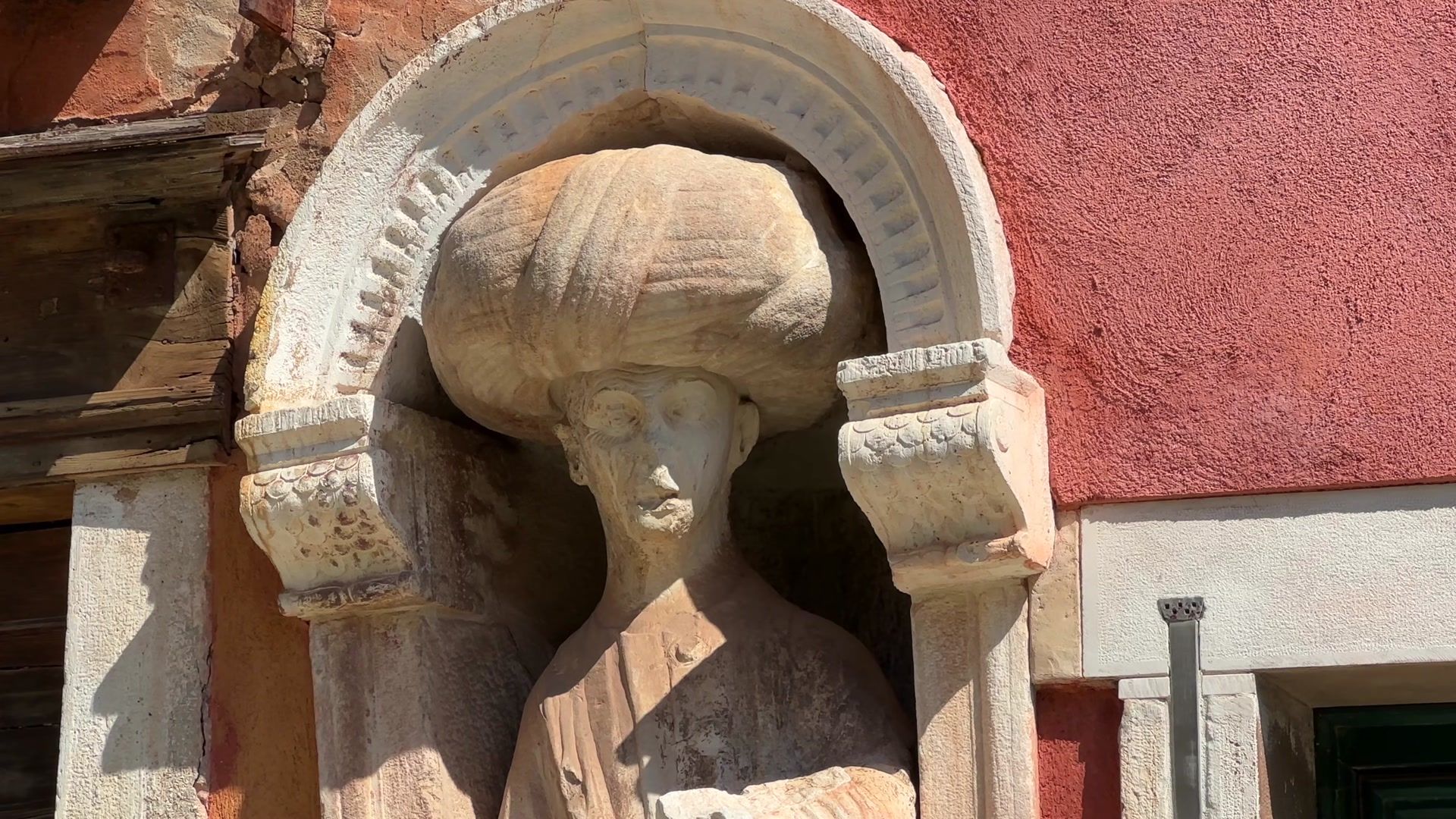
We wanted to get away from the crowds and turned our route to Cannaregio, where the world’s first ghetto was established. Founded in 1516, this area was the only place where Jews were allowed to live in the city. Because the space was limited, the buildings here are among the tallest in Venice. Today it is still a lively center of Jewish culture. In this district you can also see the Madonna dell Orto Church decorated with works by Tintoretto and the magnificent Palazzo Mastelli, famous for the camel relief on its facade.
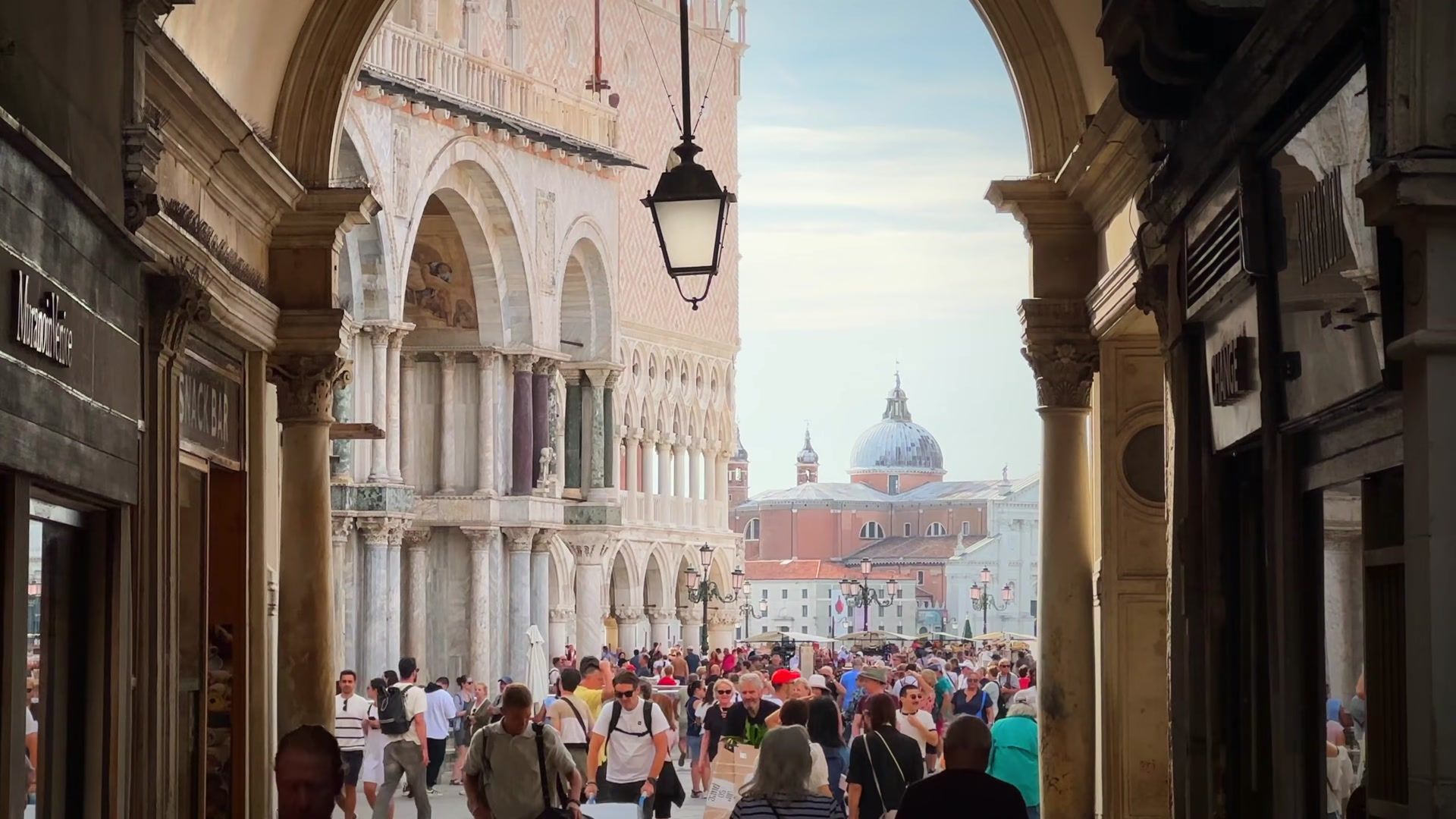
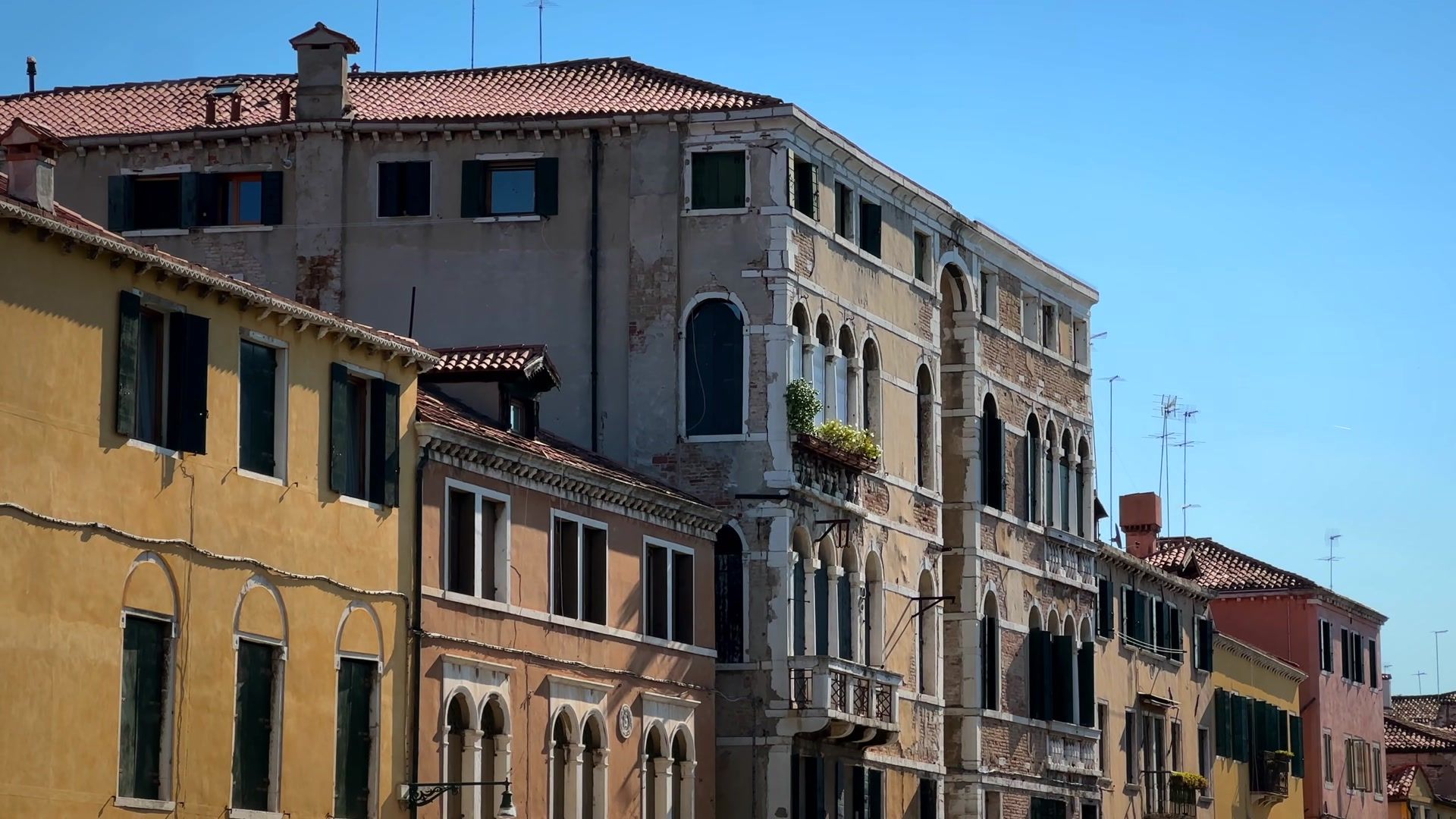
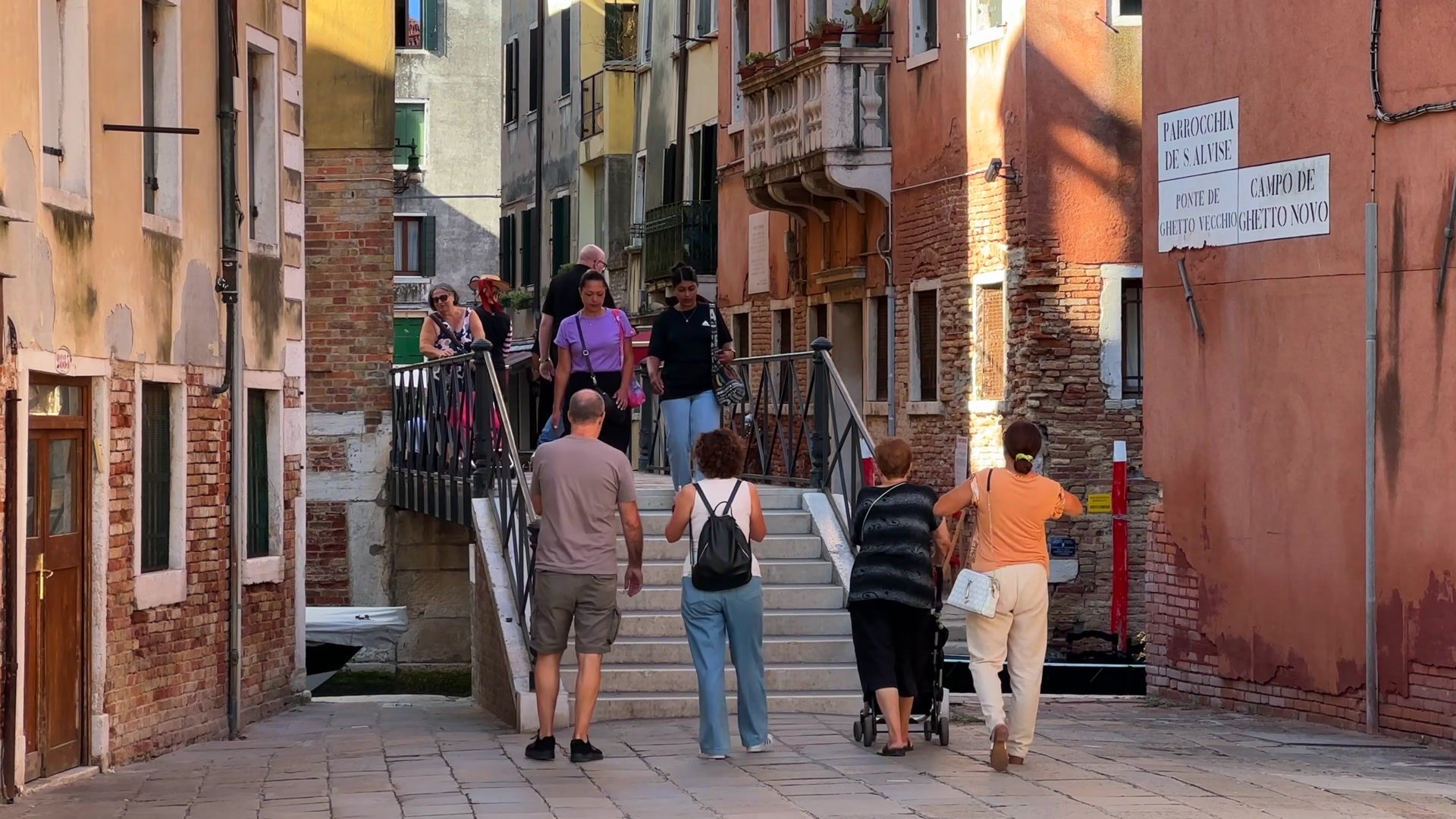
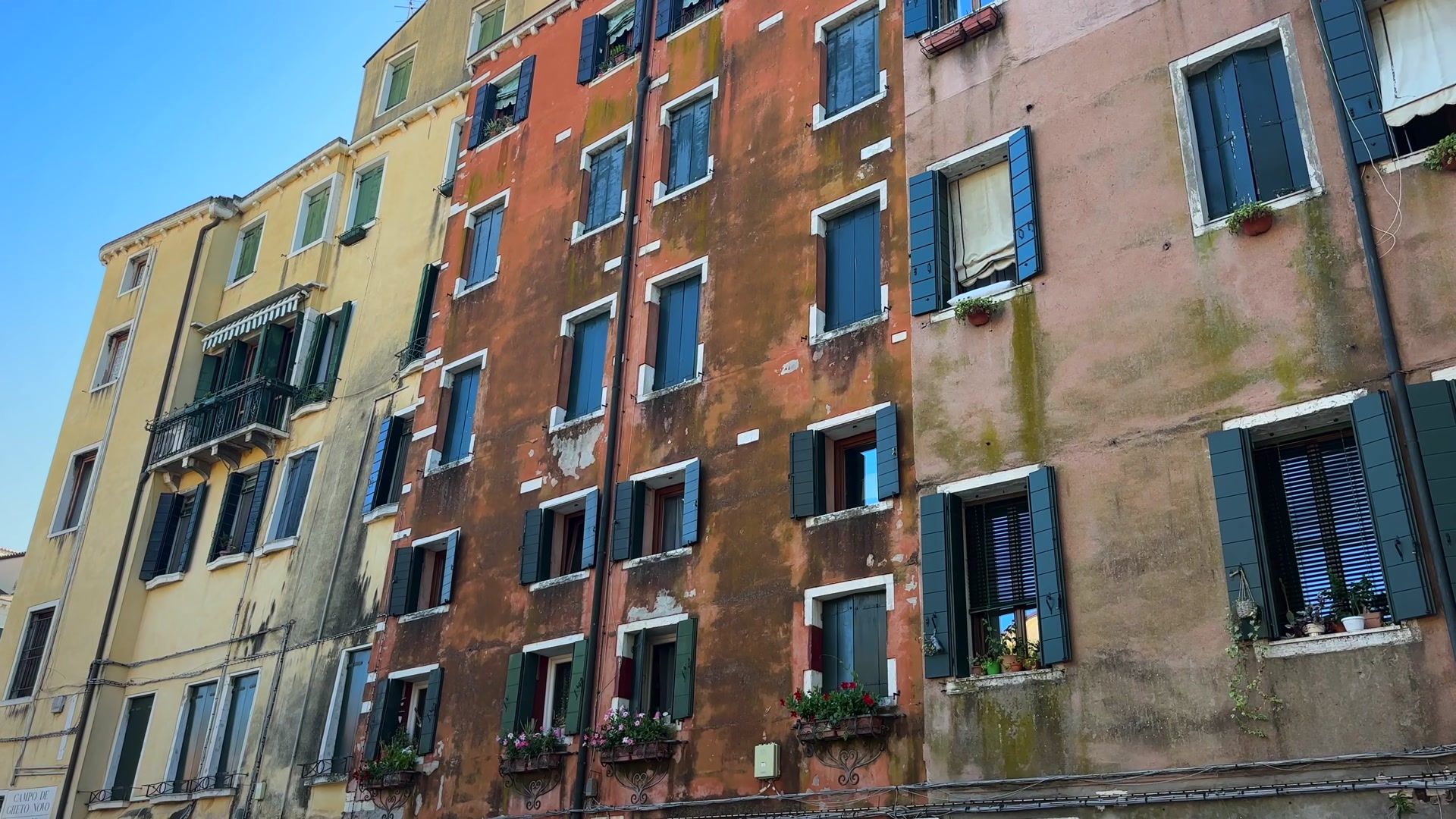
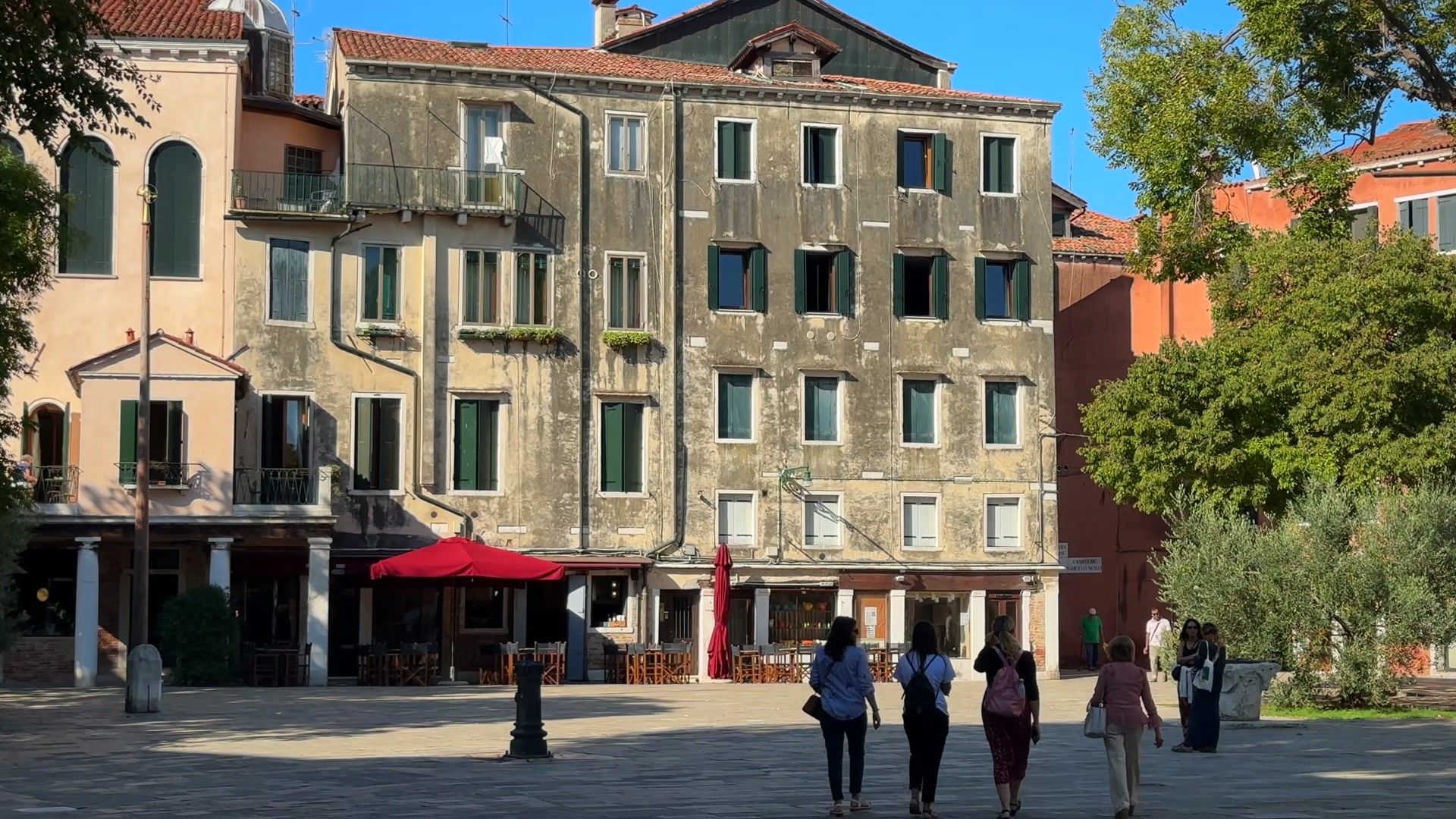
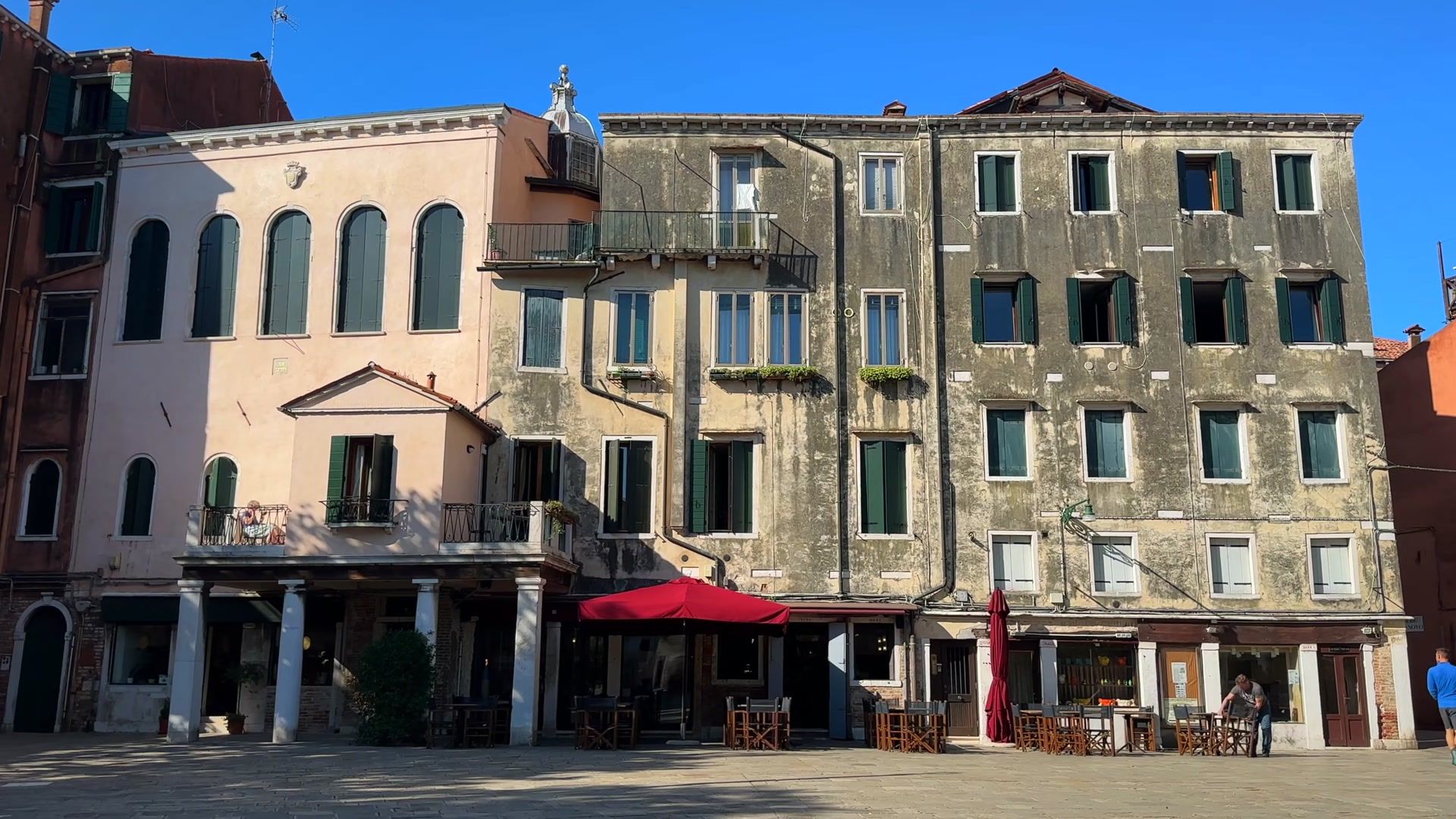
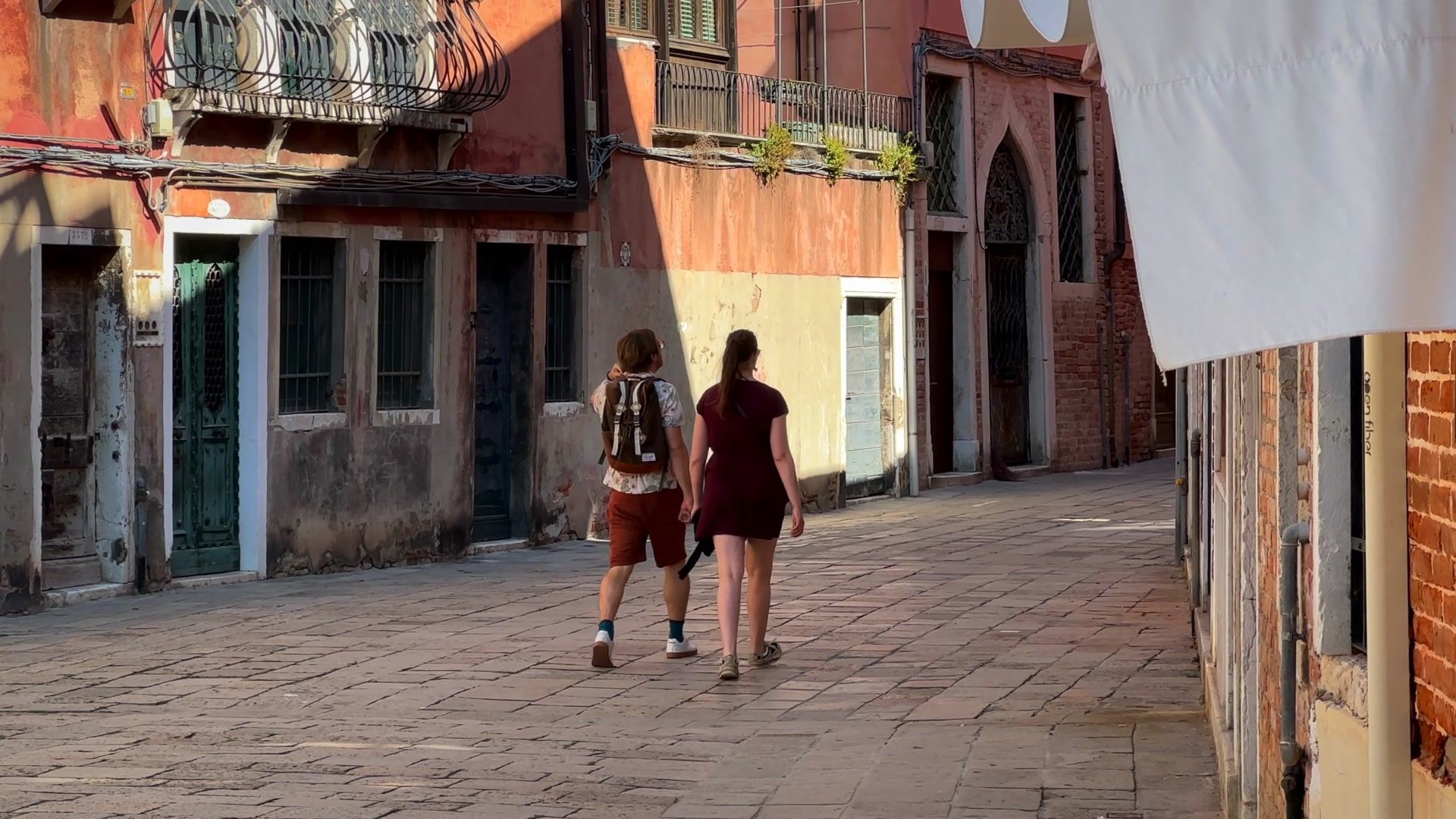
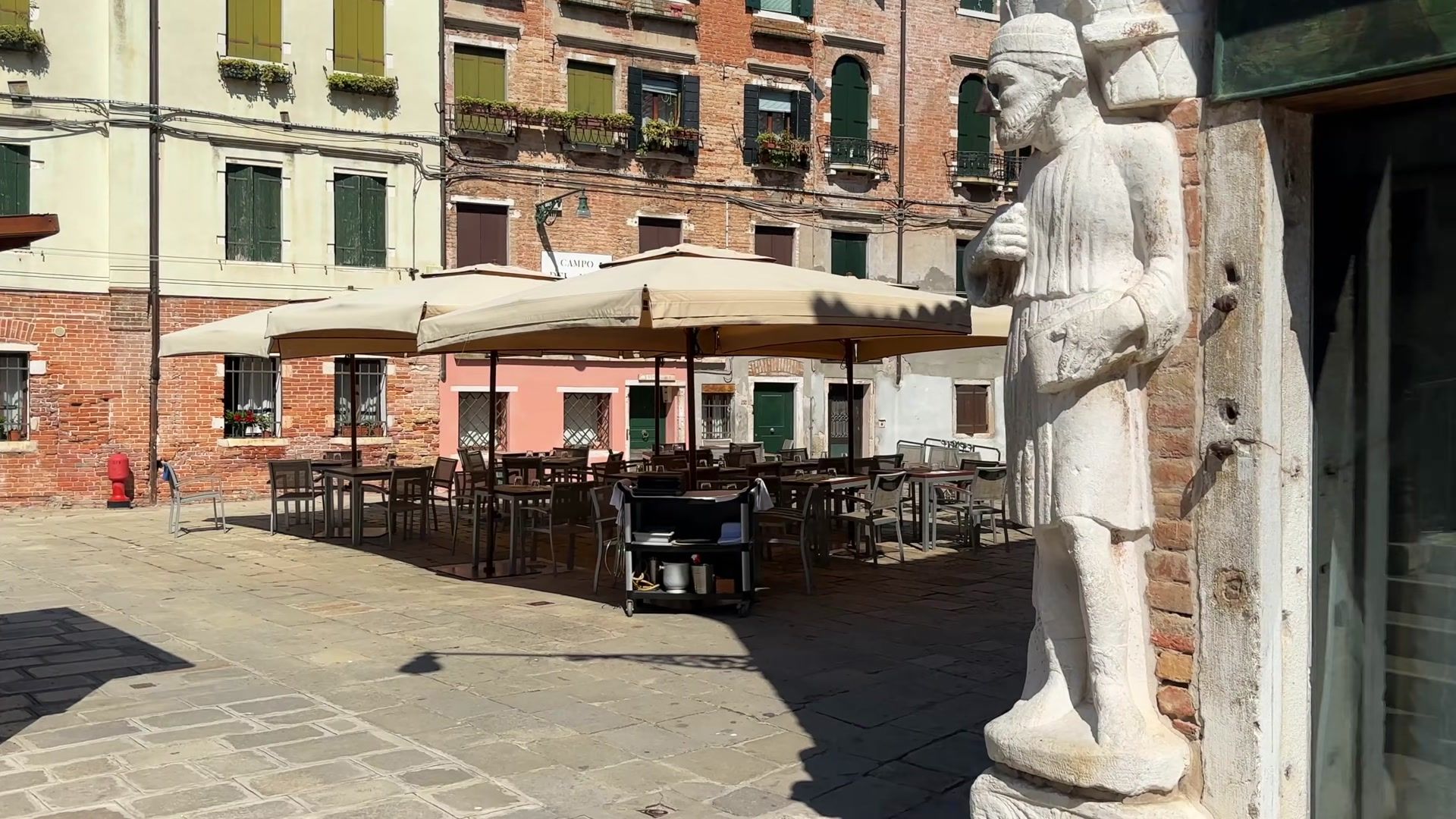
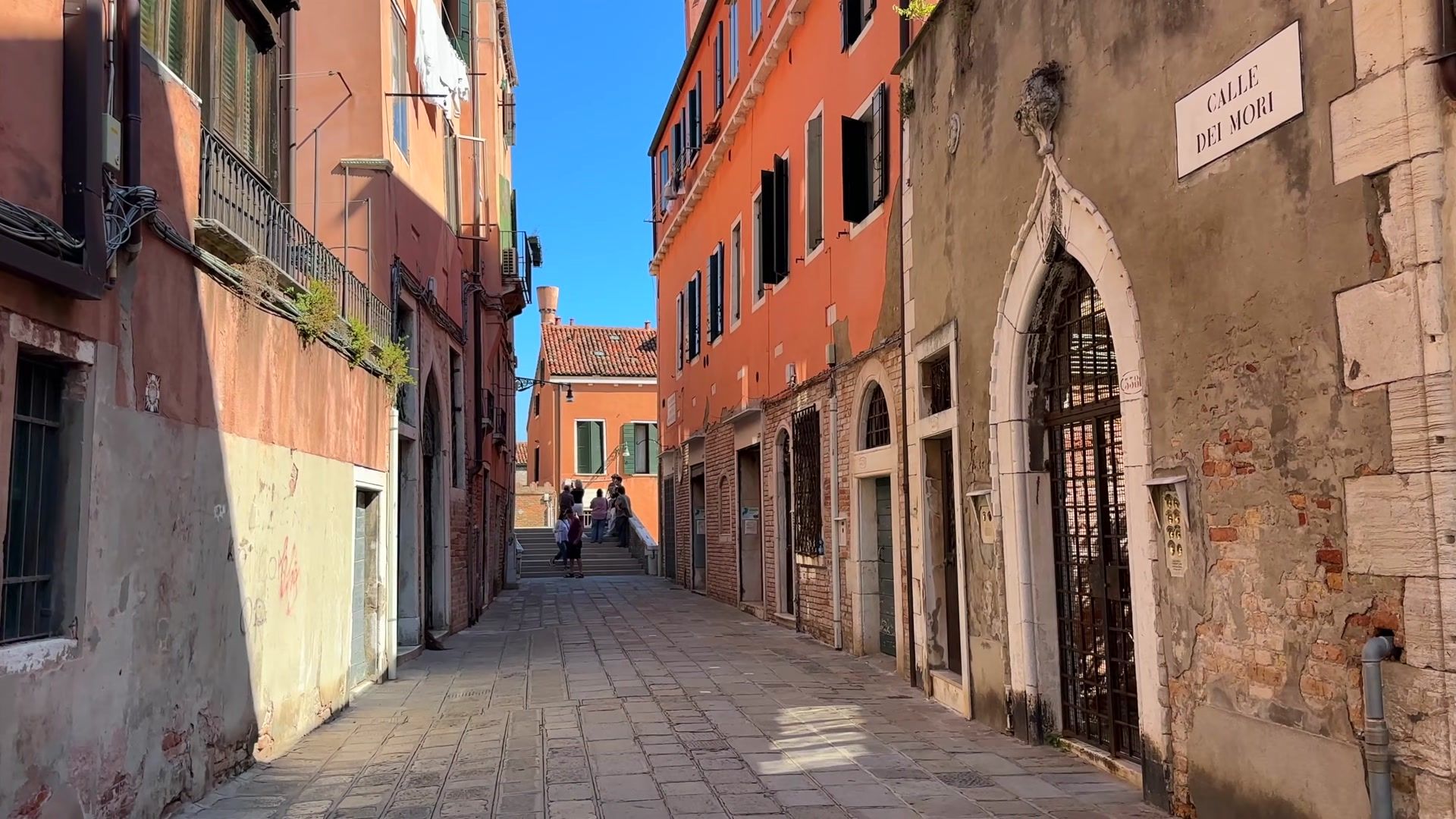
Names in Venice can also be quite confusing. Instead of the Italian word via meaning street, Venetians use the word Calle for passages between buildings. There is only one Piazza in the city and that is Piazza San Marco. All other squares are called Campo. Instead of the word quay, they use Fondamenta, which means foundation. One of the most beautiful names of the city is La Serenissima, meaning the most serene and the most radiant. The reflections of light on the water decorate the buildings in such a magical way that in this city without asphalt or pavements, every structure becomes a work of art. Venetian architecture is so powerful that if you moved any ordinary house from here to another city, it would become that city’s main tourist attraction.
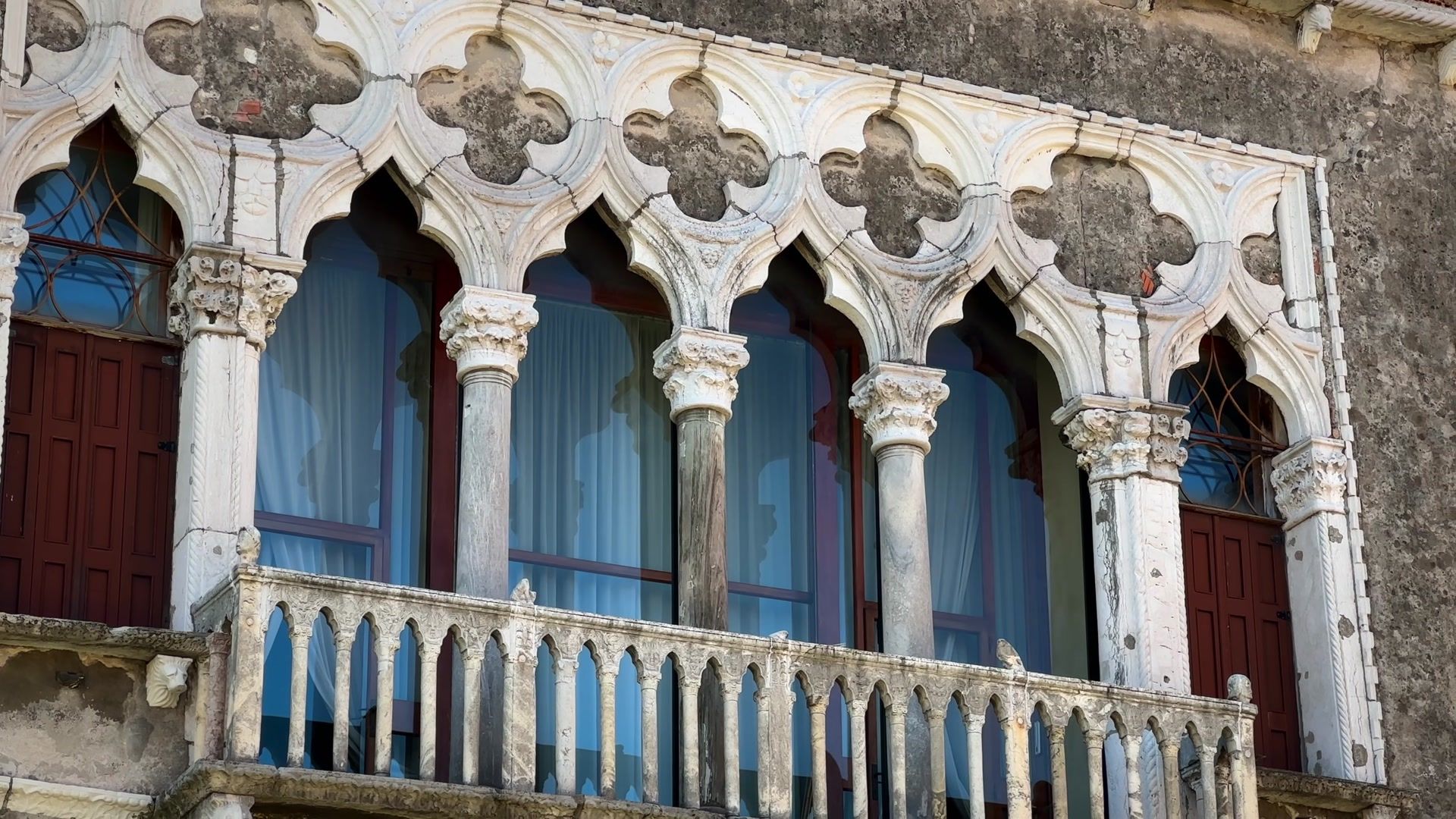
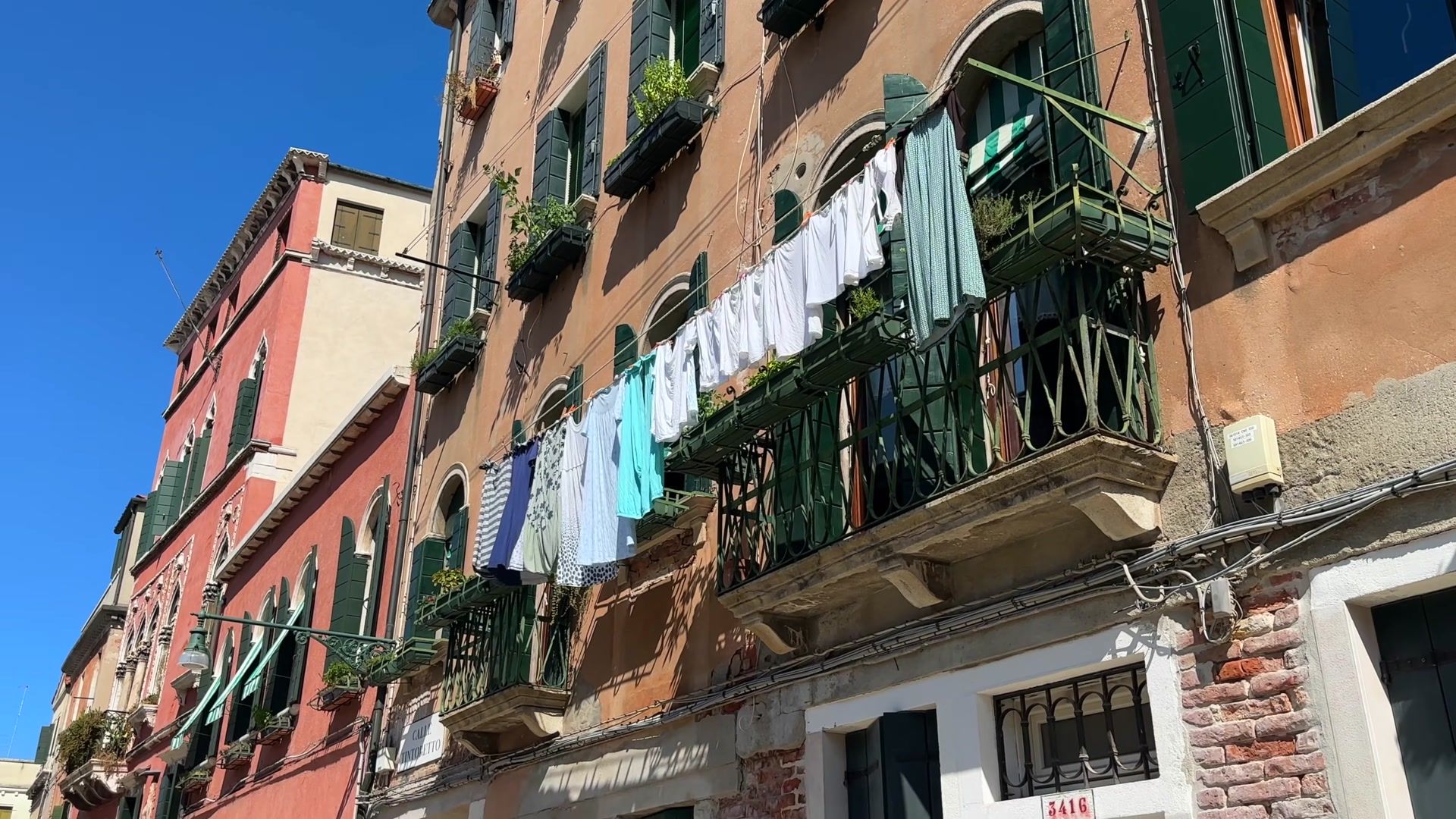
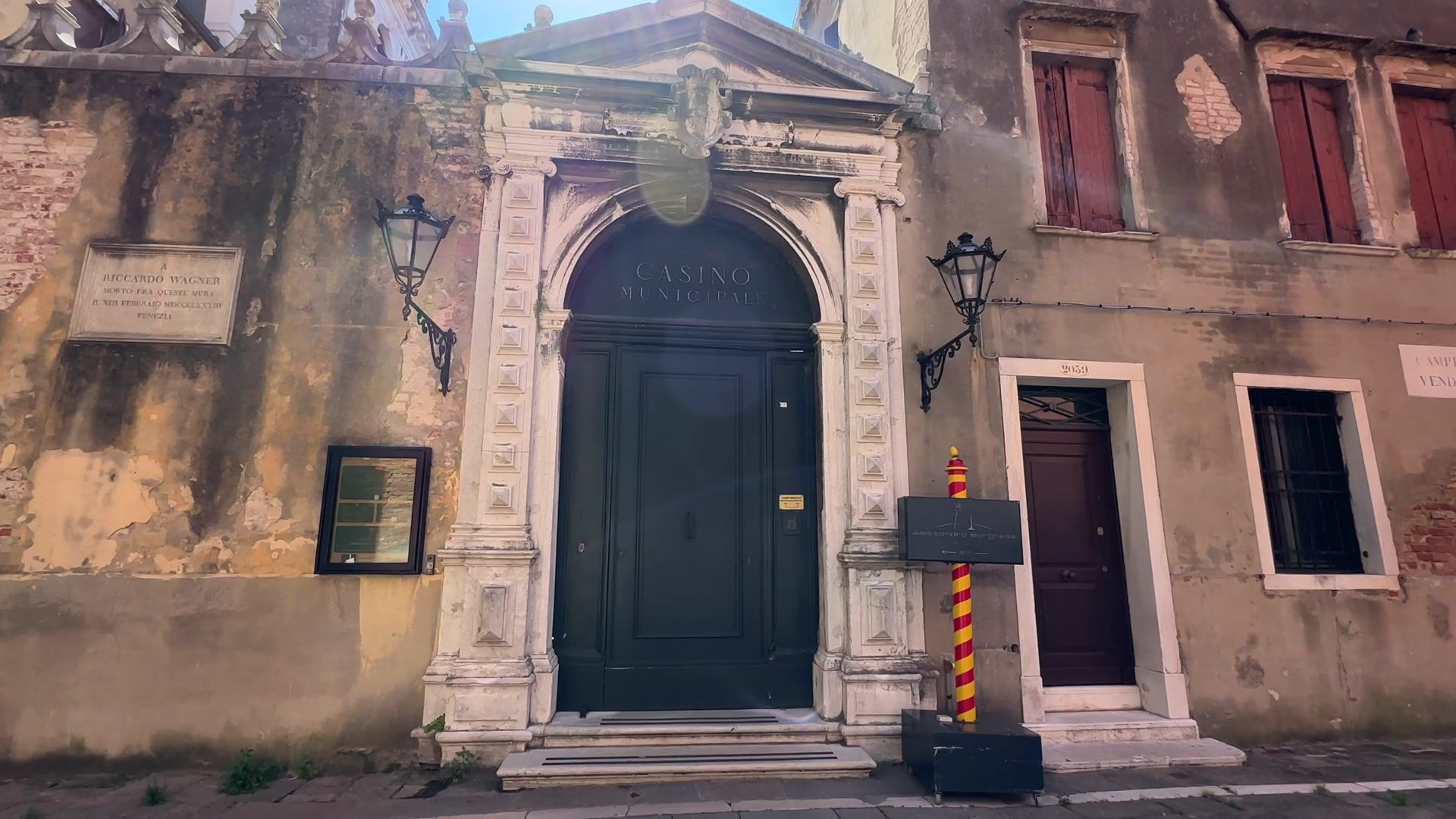
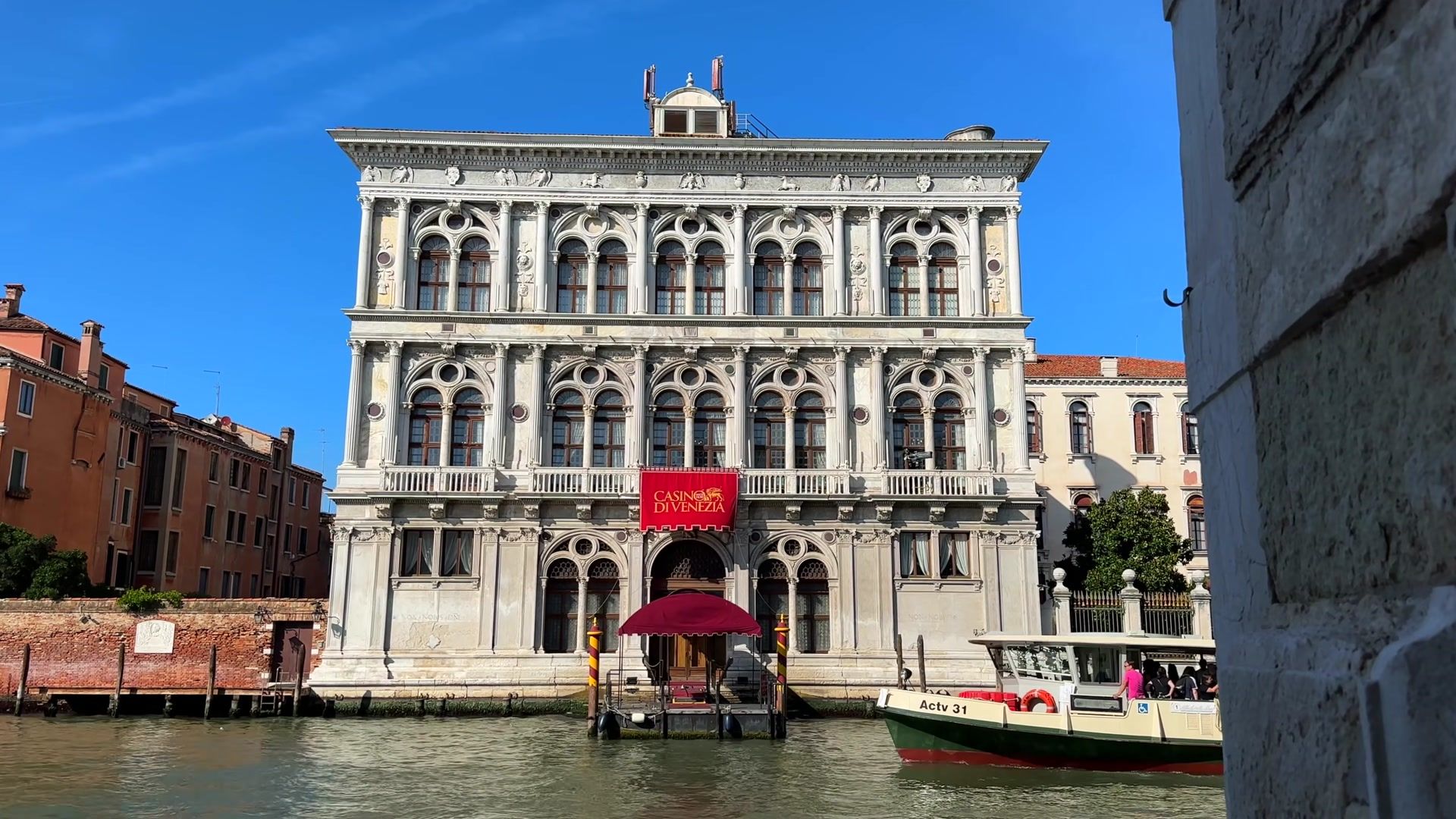
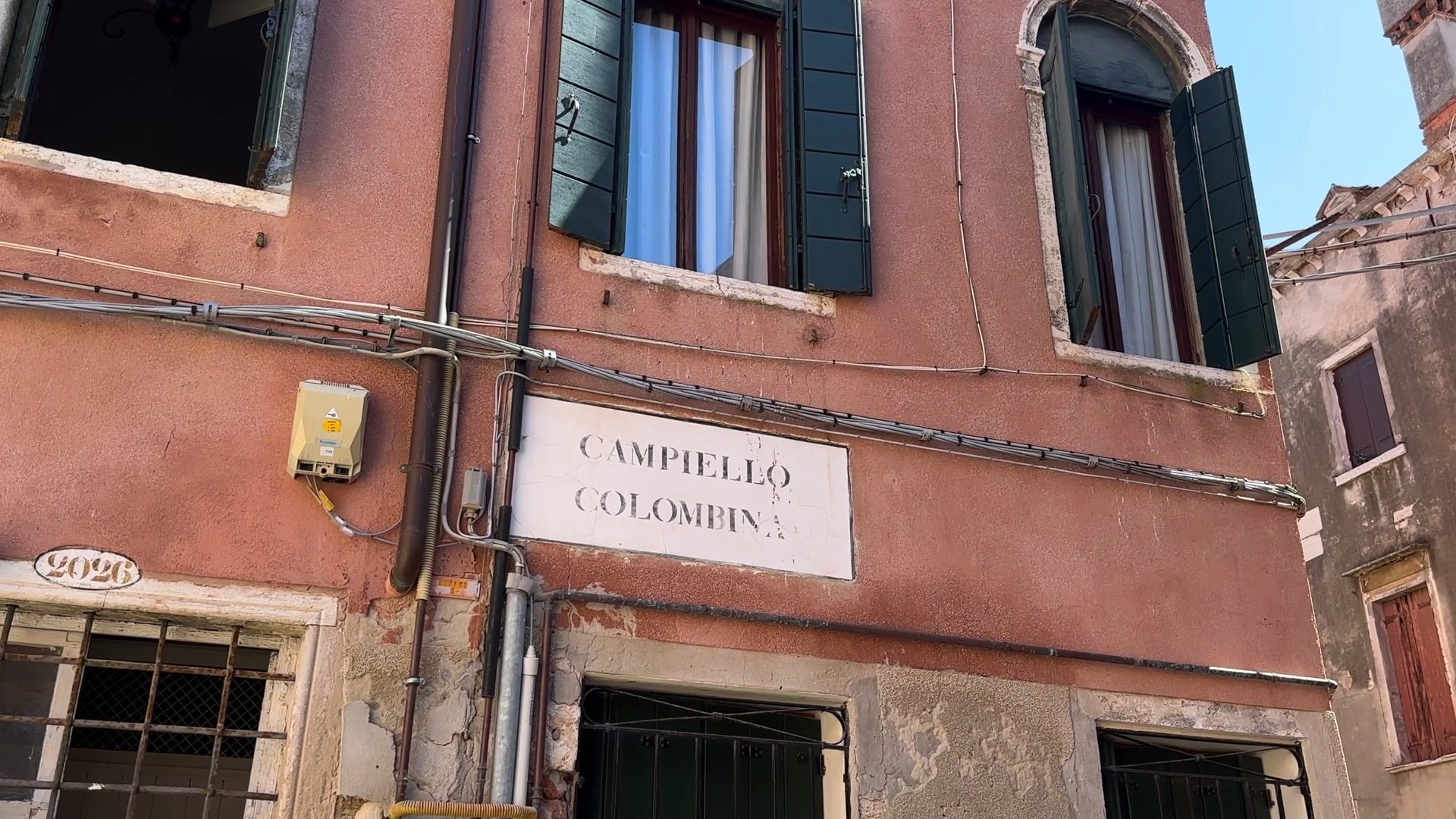
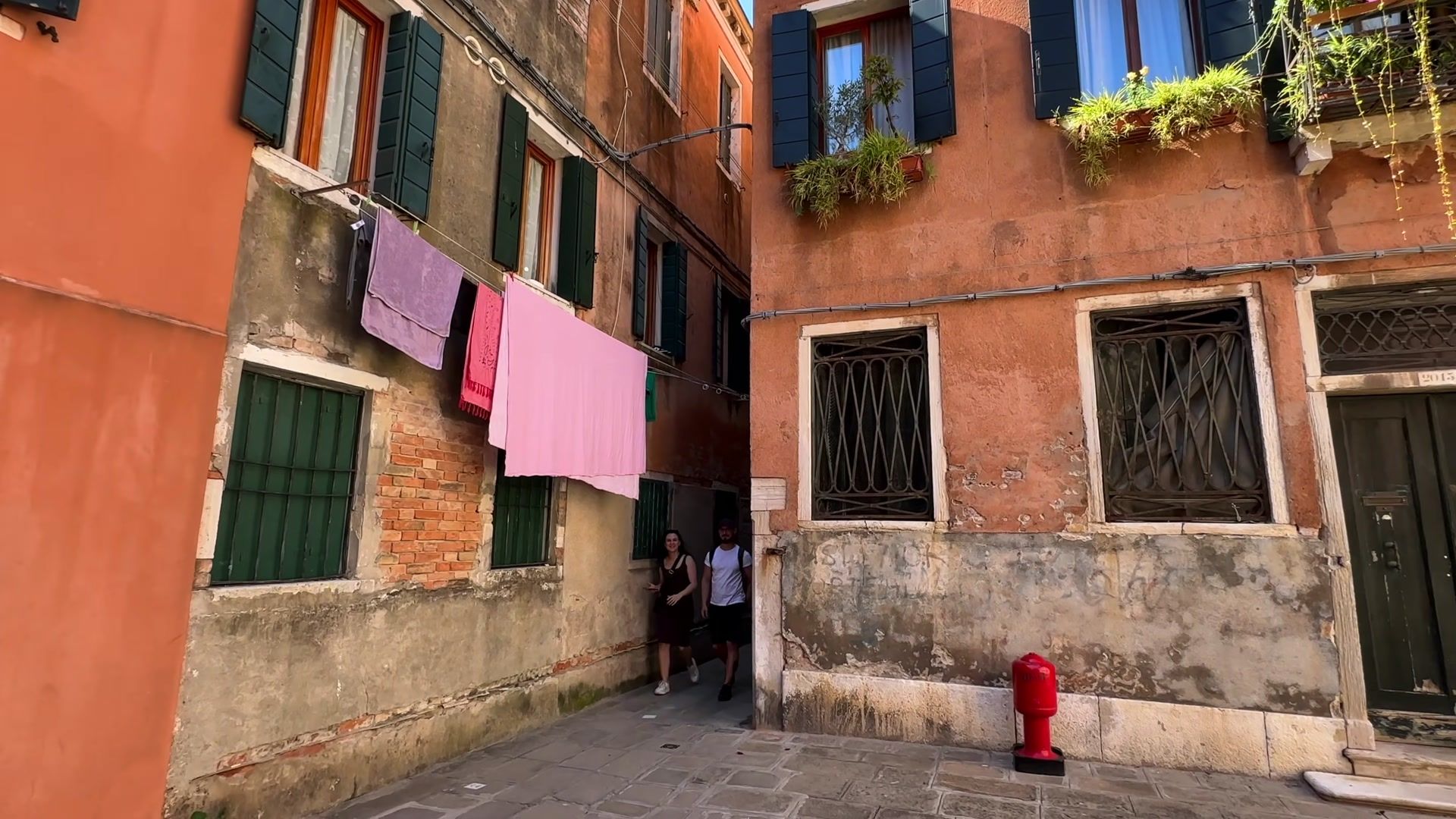
Even if you have only one day in Venice, I recommend leaving the main route, getting lost in the side streets and feeling the true spirit of this floating museum. In my next posts I will talk about the damp buildings of Venice and the other places we visited.
