 Naples, Campania, Italy
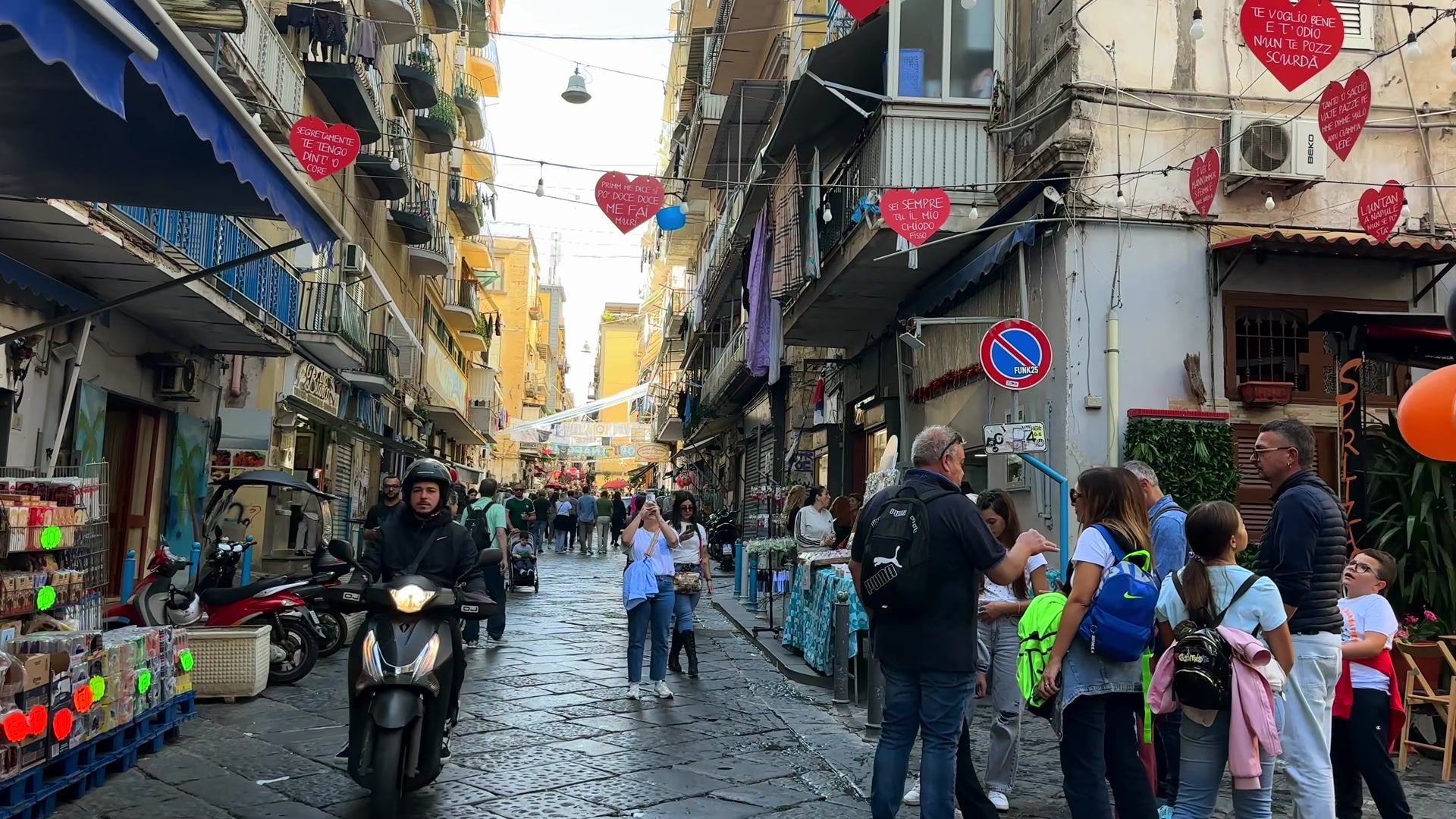
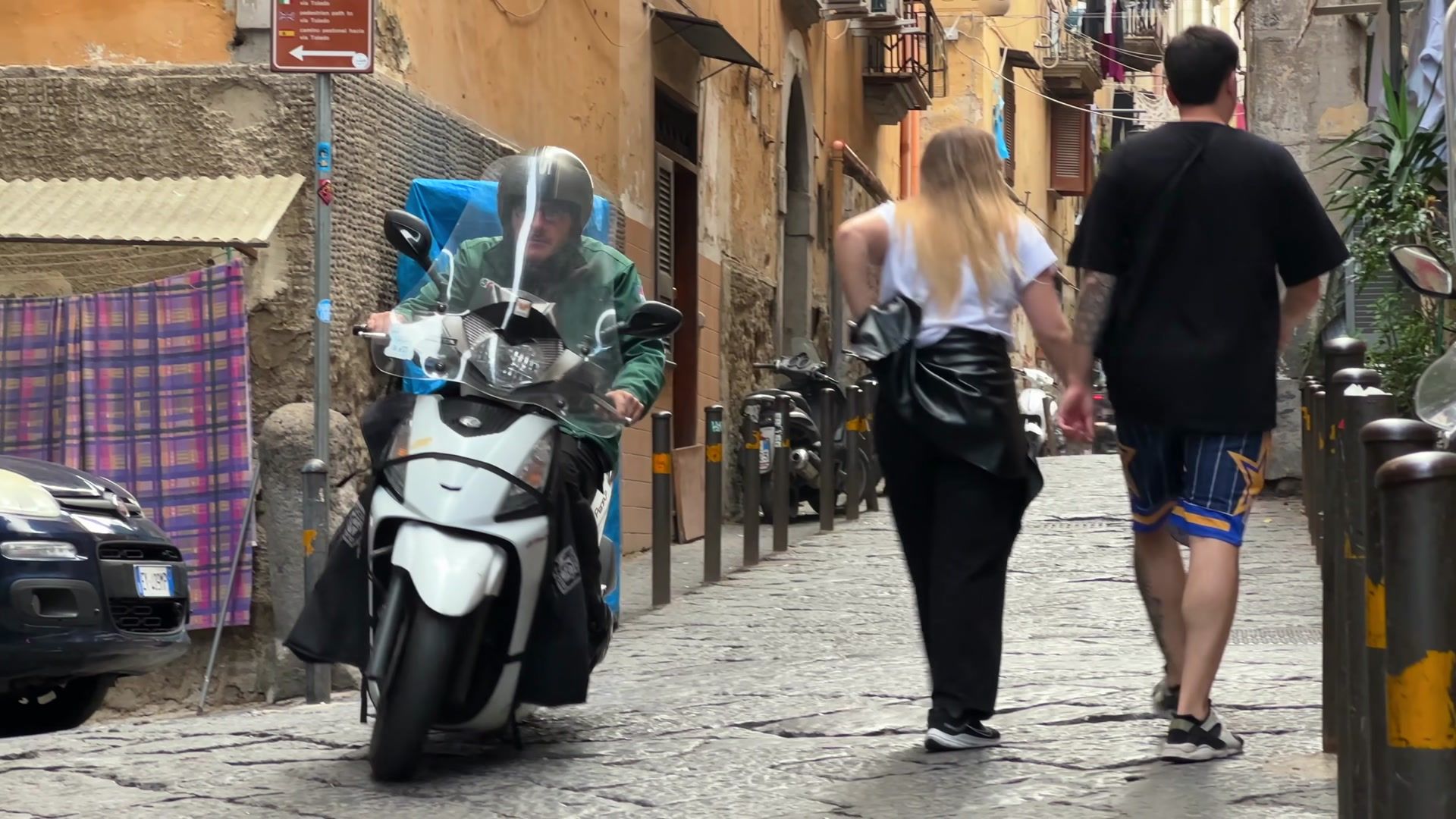
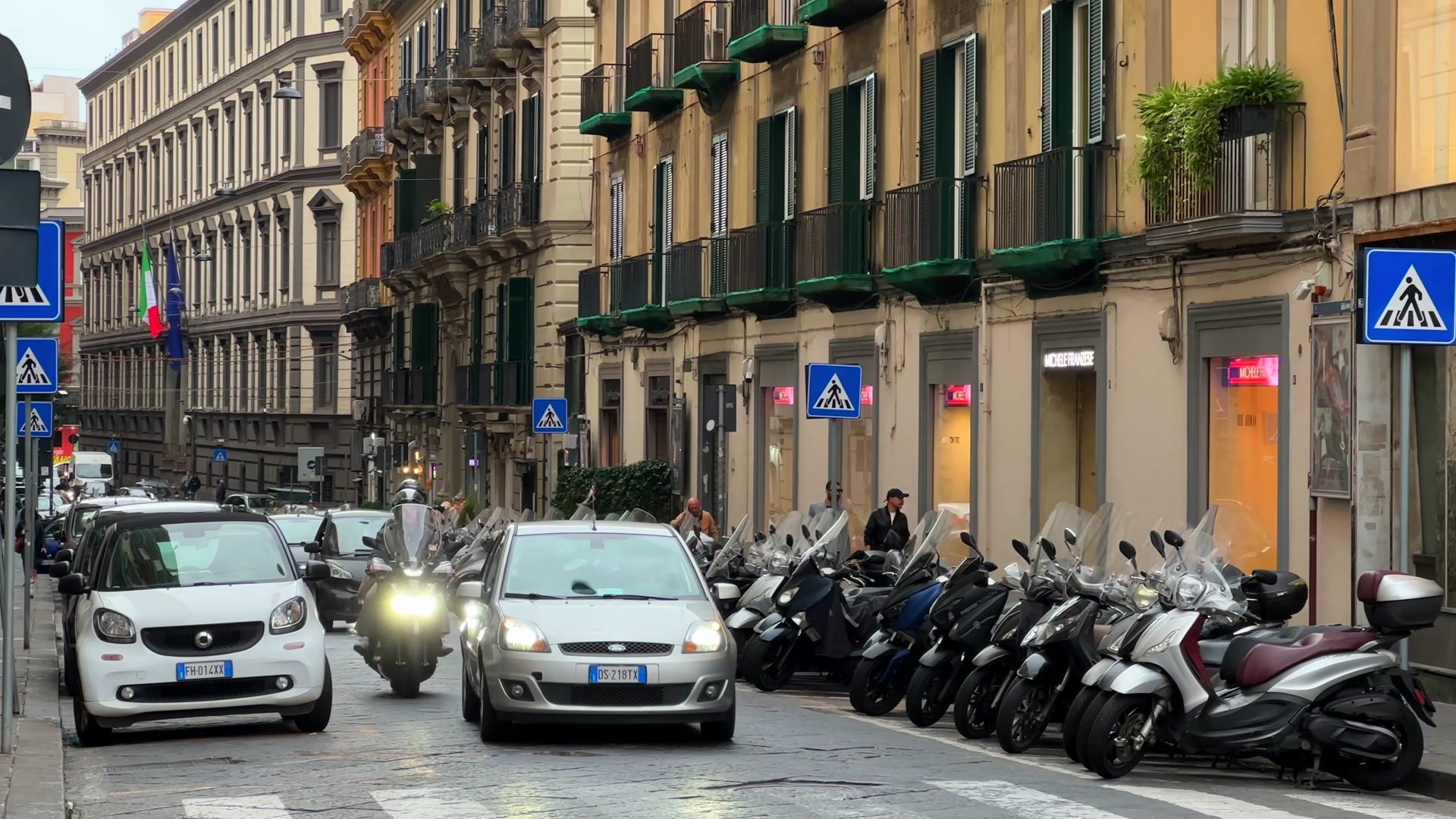
Hello dear travel lovers. I continue to tell you about my memories of Naples. In my opinion the definitive sound identified with Naples was definitely the sound of scooters and motorcycles passing by us. Because they were in an incredible density here. While walking on the pedestrian street, I thought, Maybe they won't be here. But no, it was absolutely impossible to escape them. Just as the number of cyclists in Denmark or the Netherlands amazes you, here the people on these scooters and sometimes on huge, roaring motorcycles, surprise you. In short all kinds of vehicles with flat tires are used here. On top of that, they constantly honk and make noise. I saw a similar situation in Genoa too. The terrain there is also very rugged and it is obvious that you need to use a scooter instead of a car because you can't fit anywhere with a car. But the fact that there were so many of them and that I heard them constantly was still a first for me.
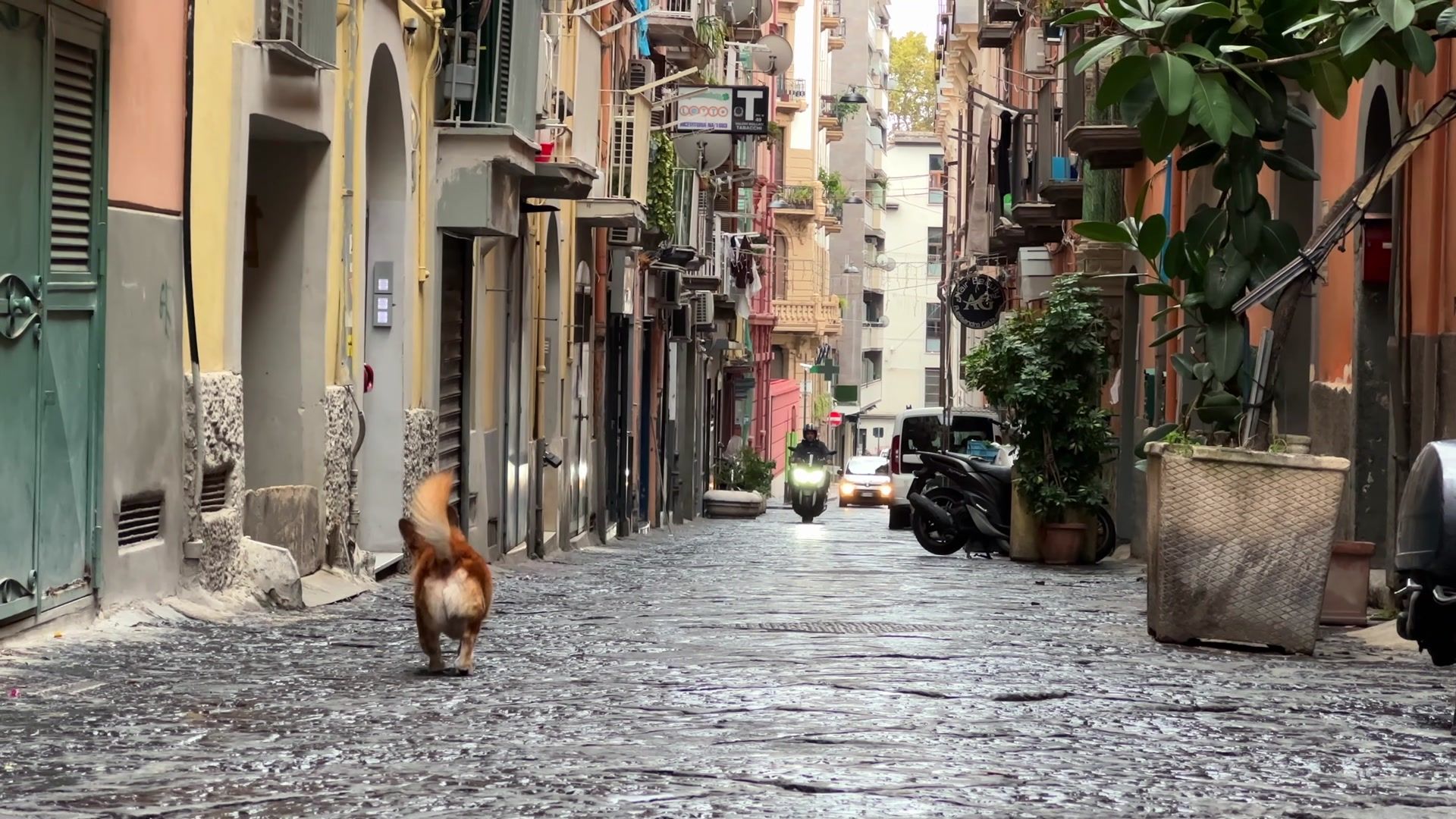
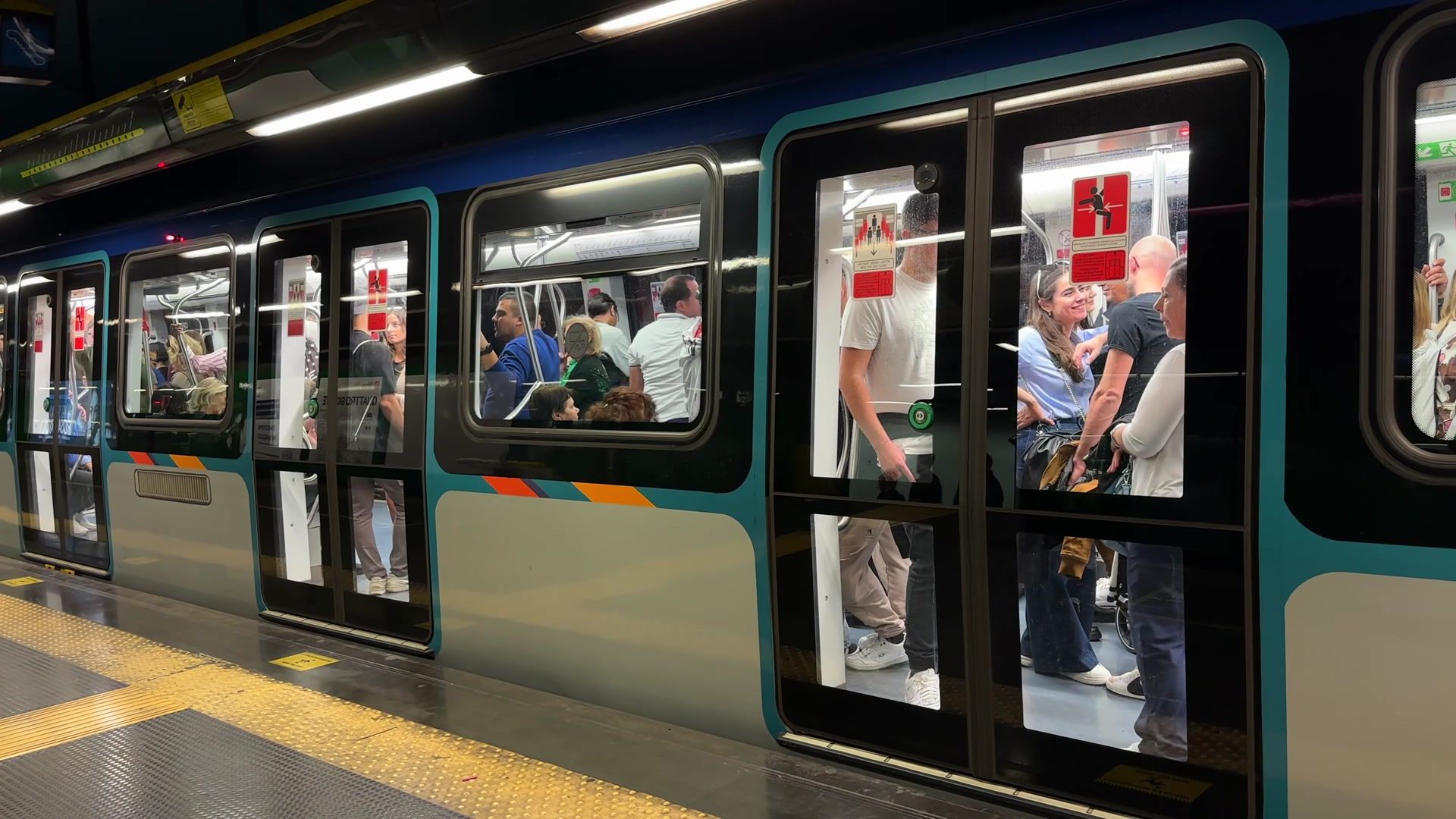
Dedicated lanes exist, but only on the houses. And those are graffiti. Of course, I am exaggerating a bit. After all there is public transport in the city and the situation with pedestrian streets excluding the motorcycles is not that terrible. Ultimately there is even a metro in the city. The Naples metro consists of six lines. You wil surely say that six lines are not bad at all for such a city. But there is a small detail. The thing is the real metro is only line one and line six. Line two is a suburban train running from east to west and has no connection to the metro. Lines three, four and five are also rail transport, but whether it is a metro or a suburban train, I didn't understand either. If you know write it in the comments. The Neapolitans made such a system so that life wouldn't seem too easy. Very practical. As far as I understand, there are still three metro lines in Naples. On the other hand in the Naples metro, there is a station considered to be one of the most beautiful in the world.
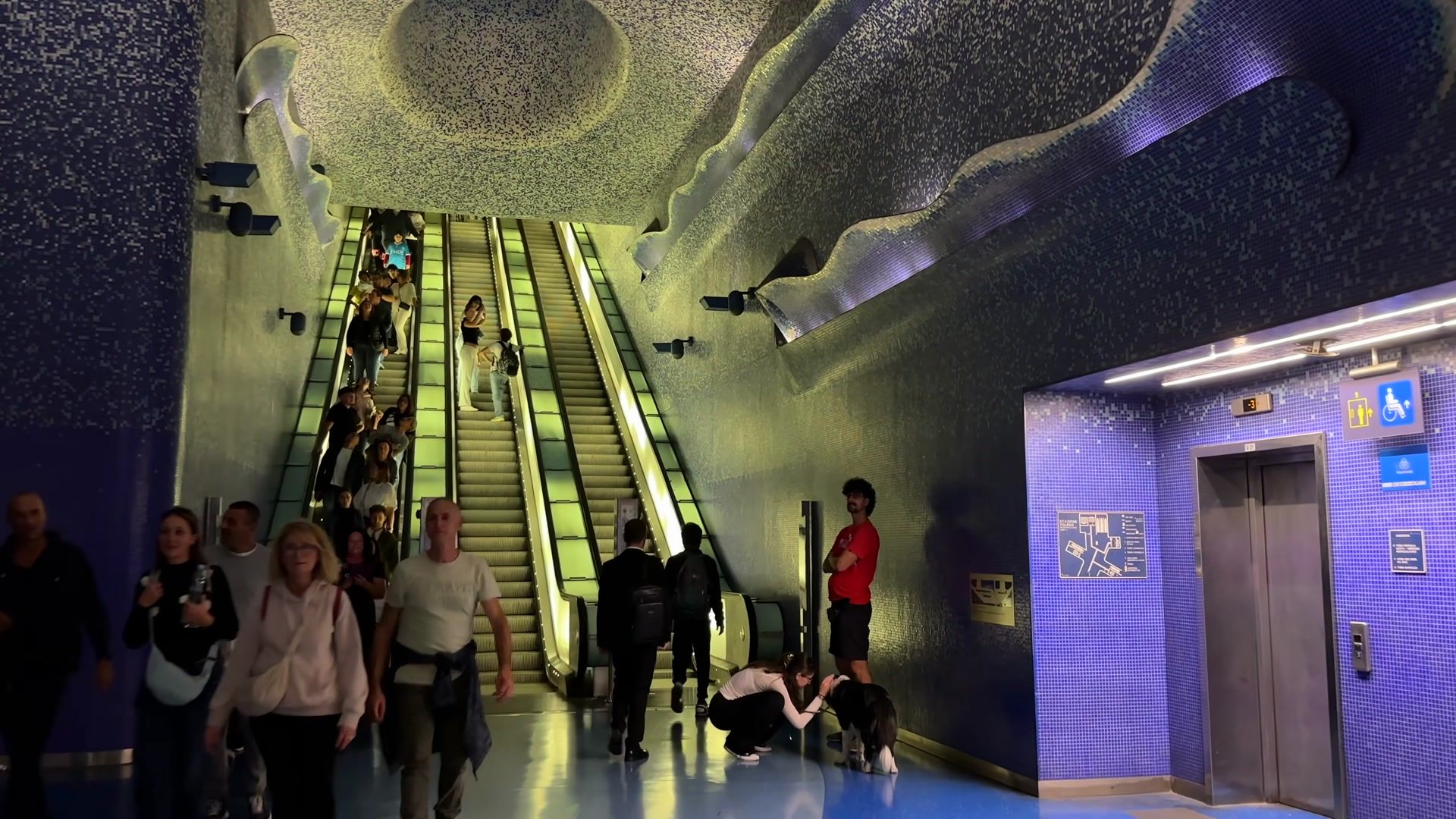
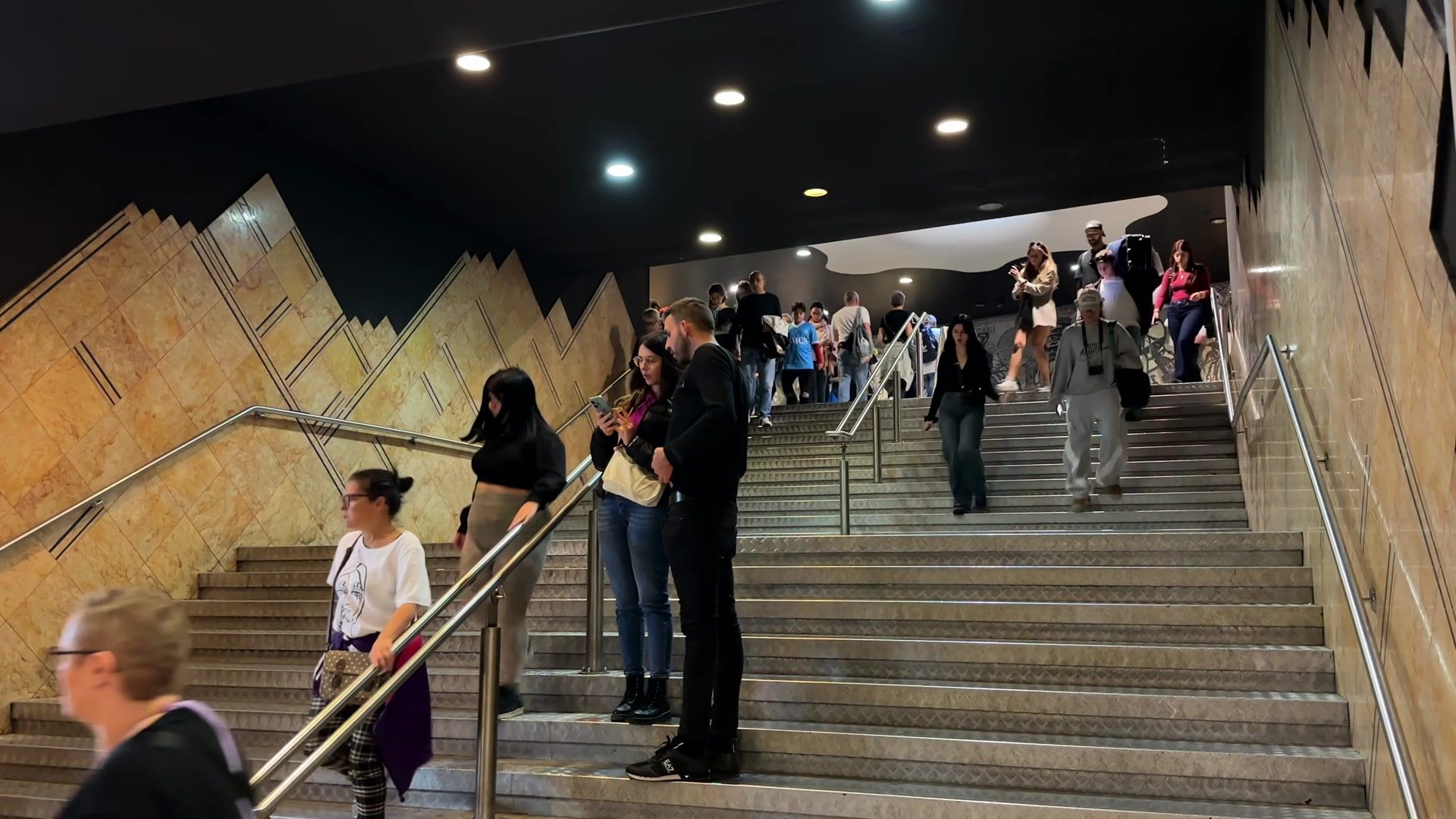
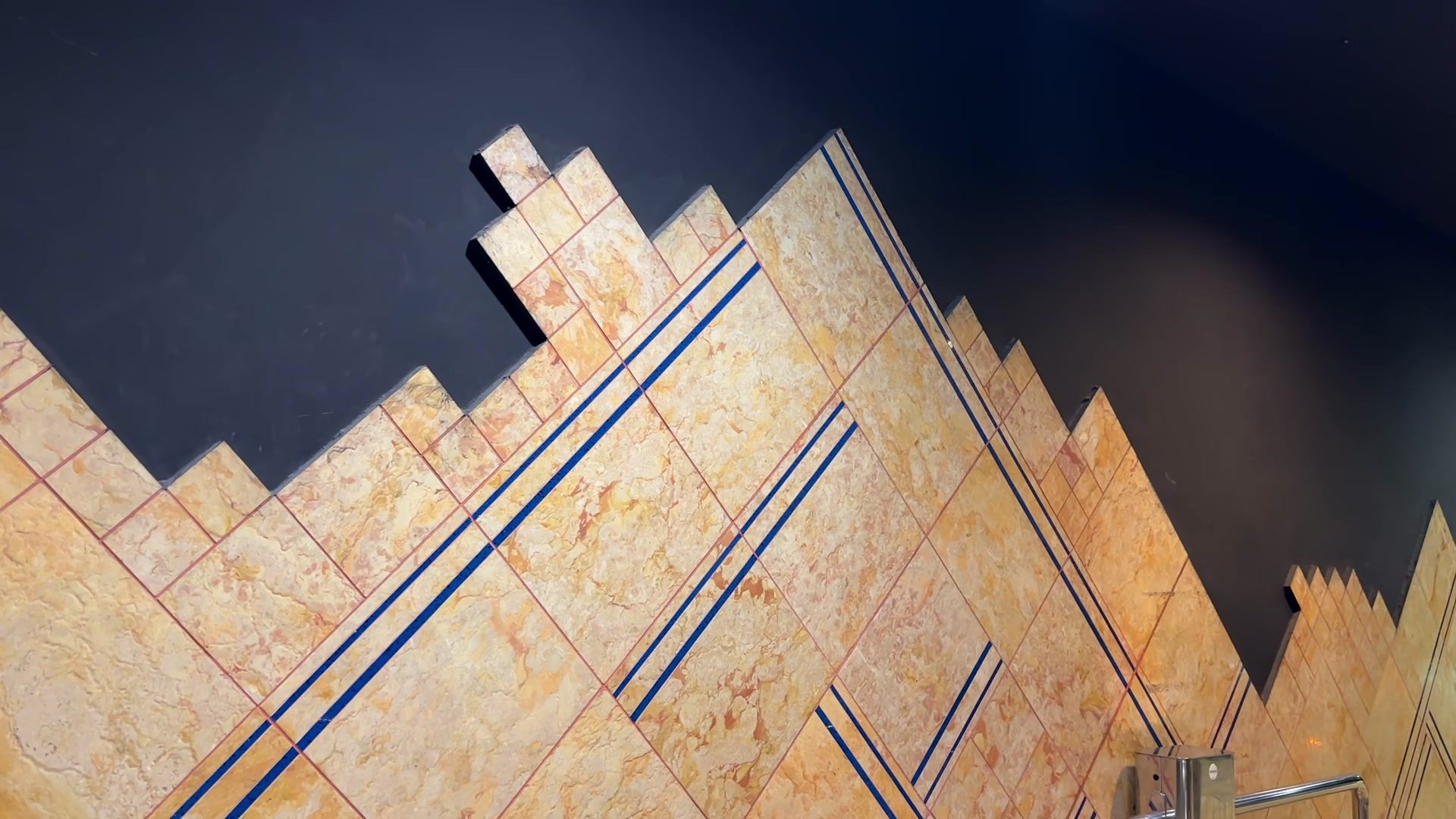
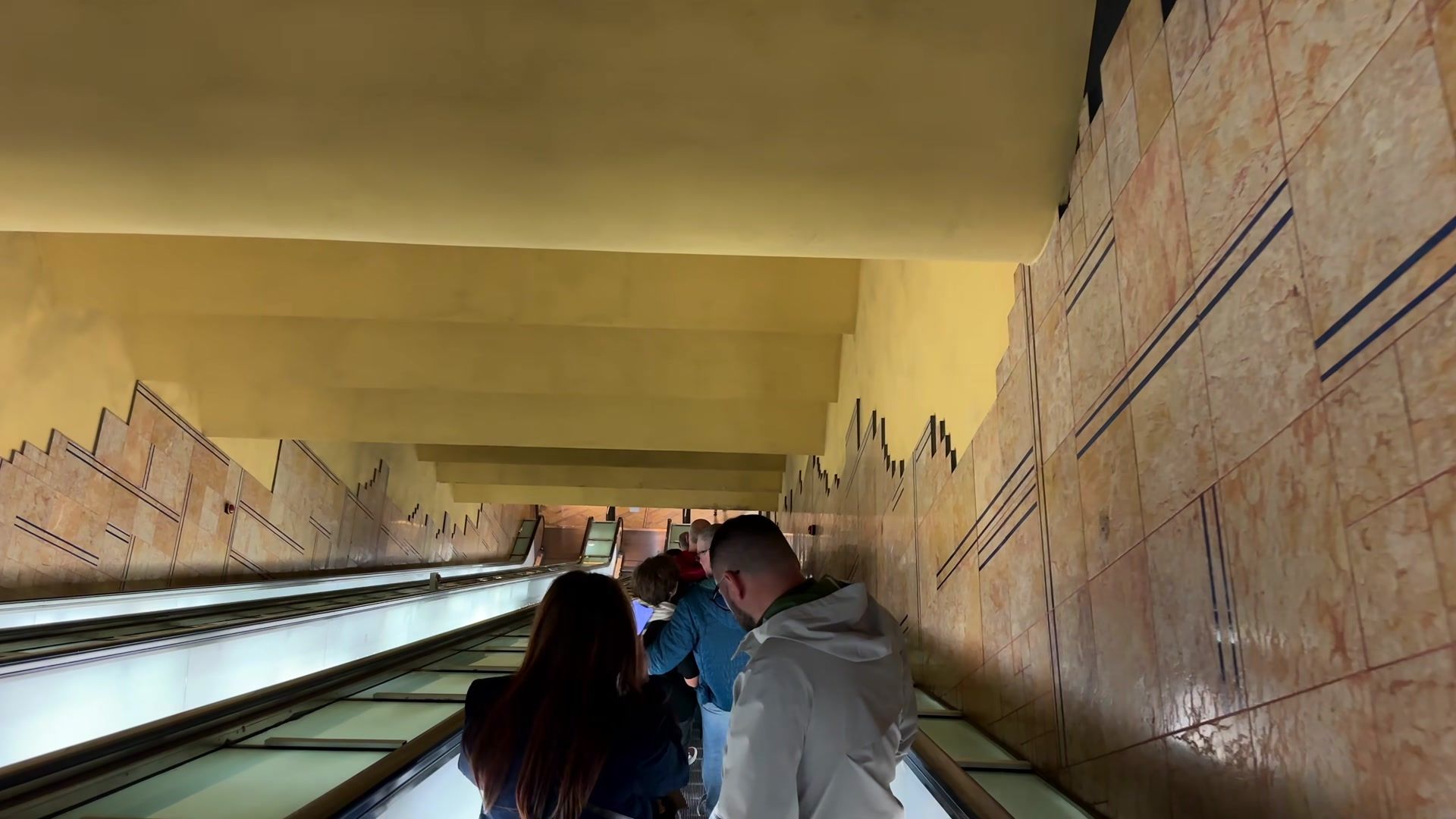
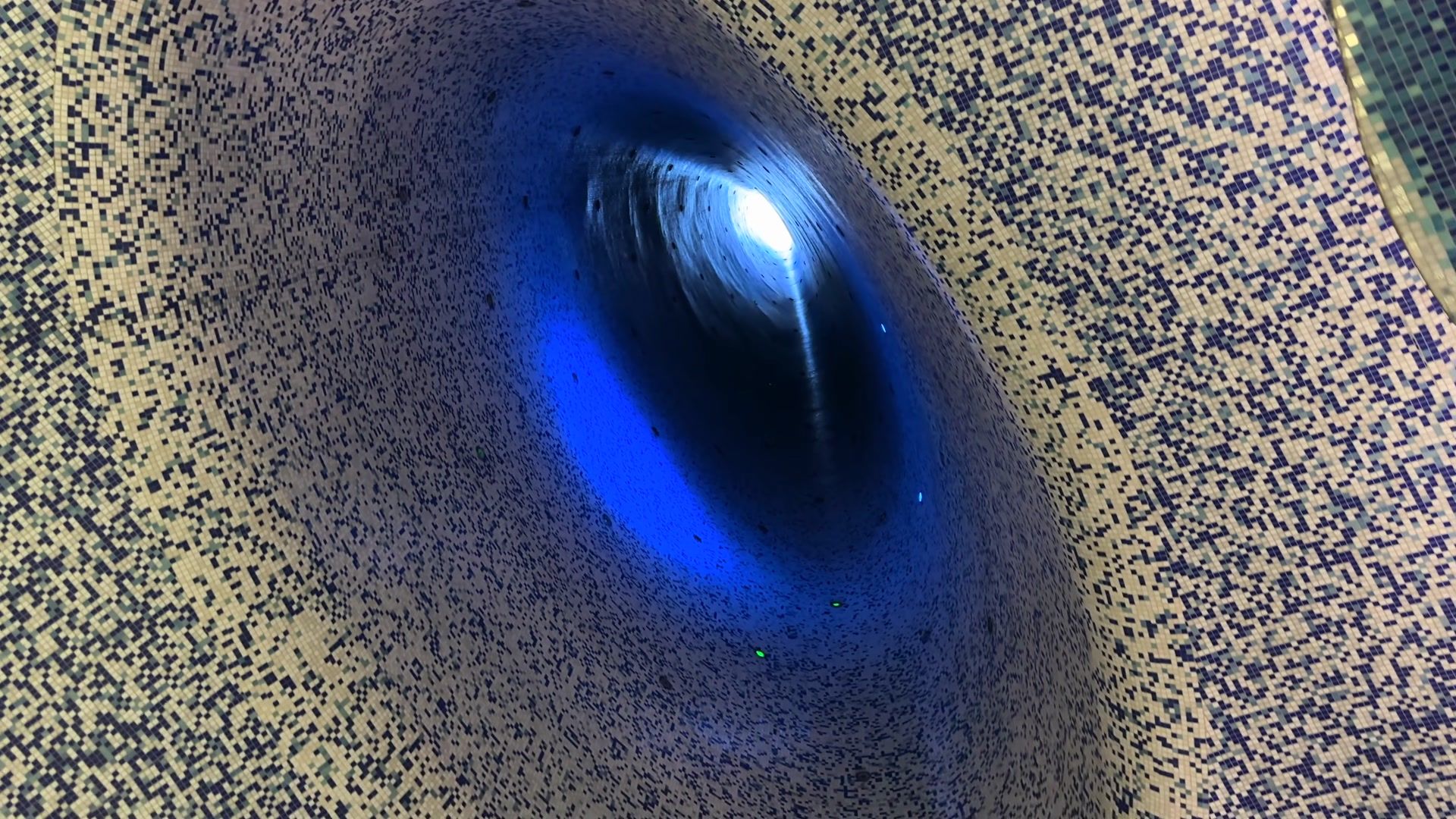
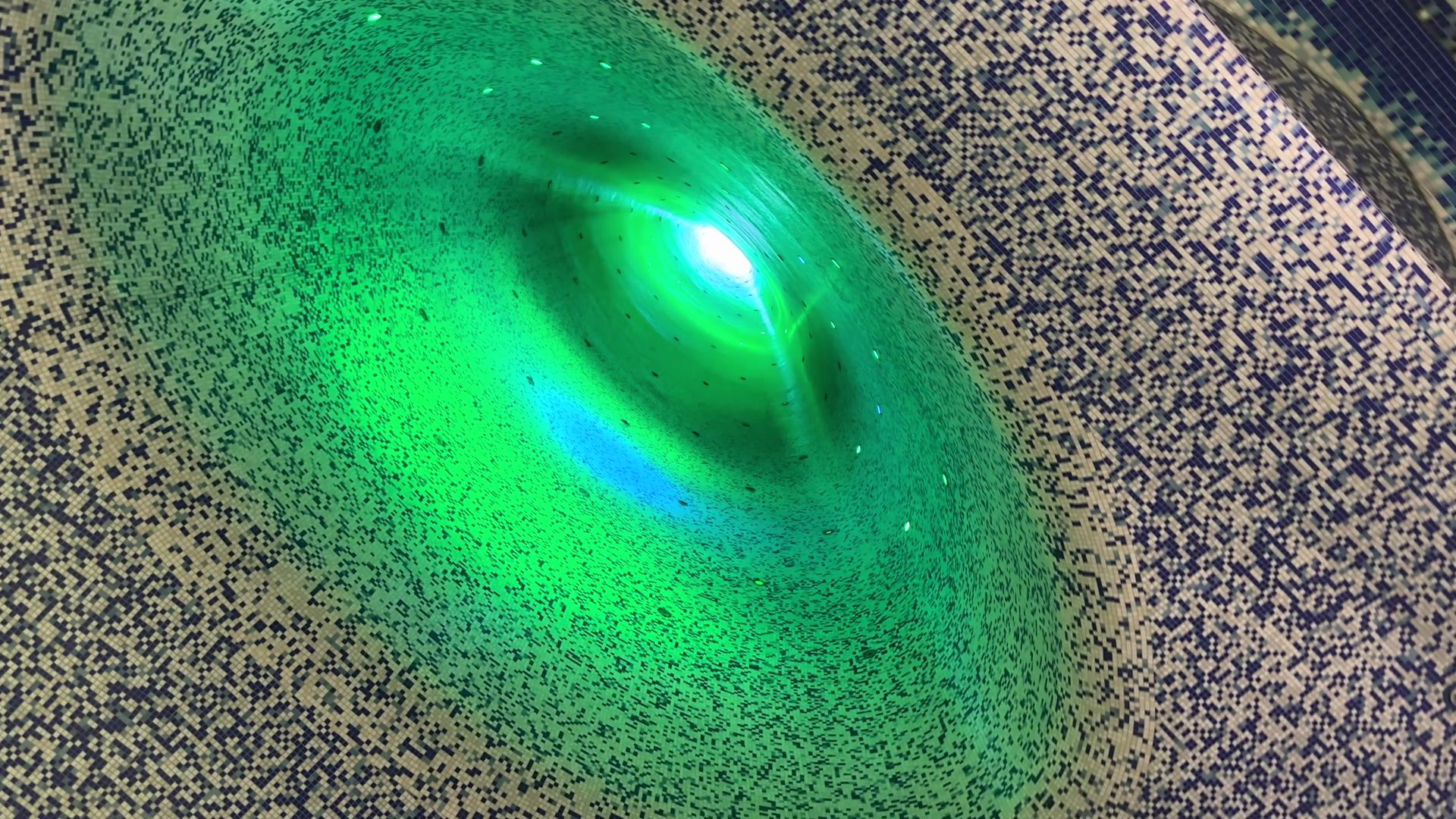
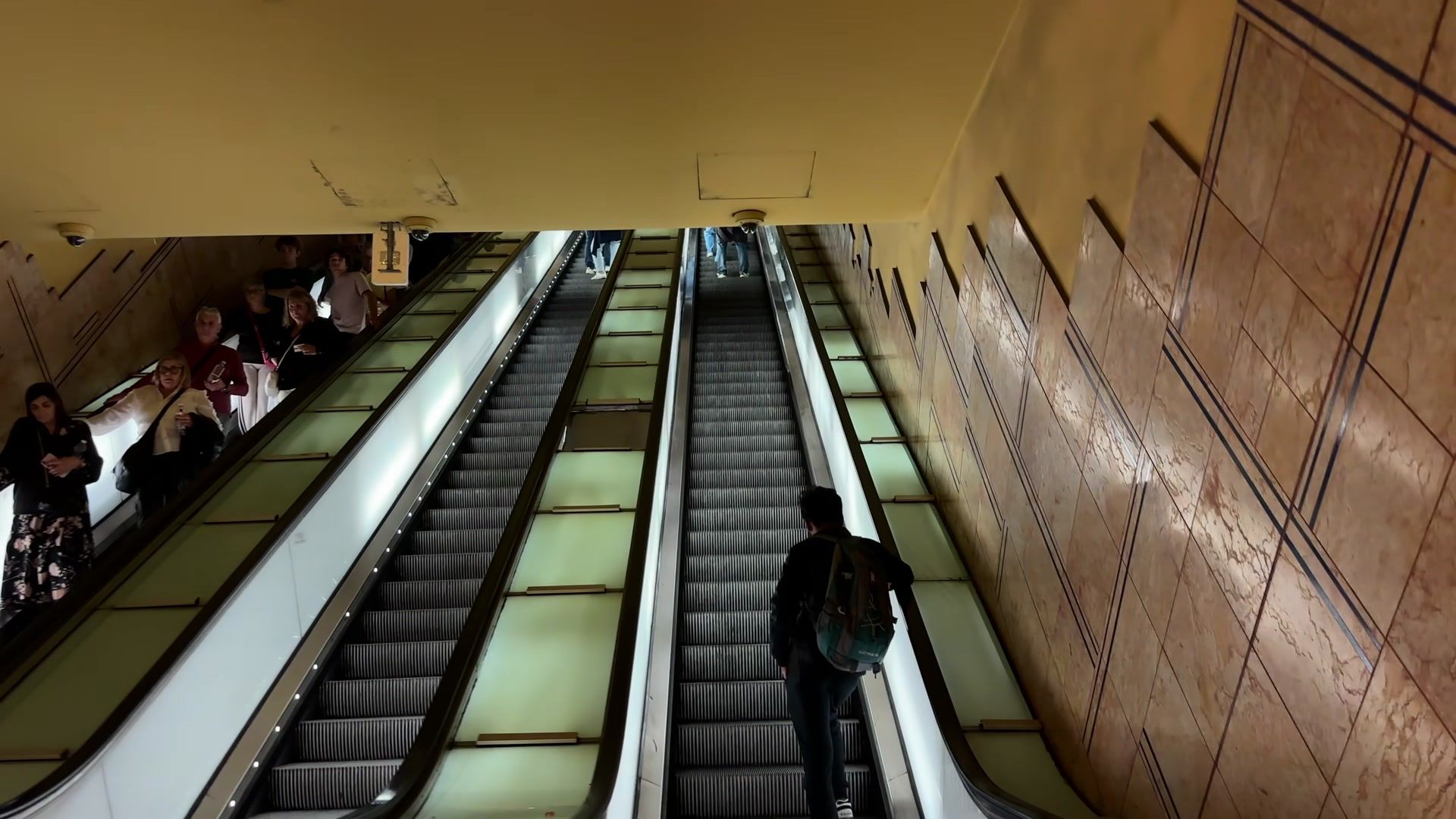
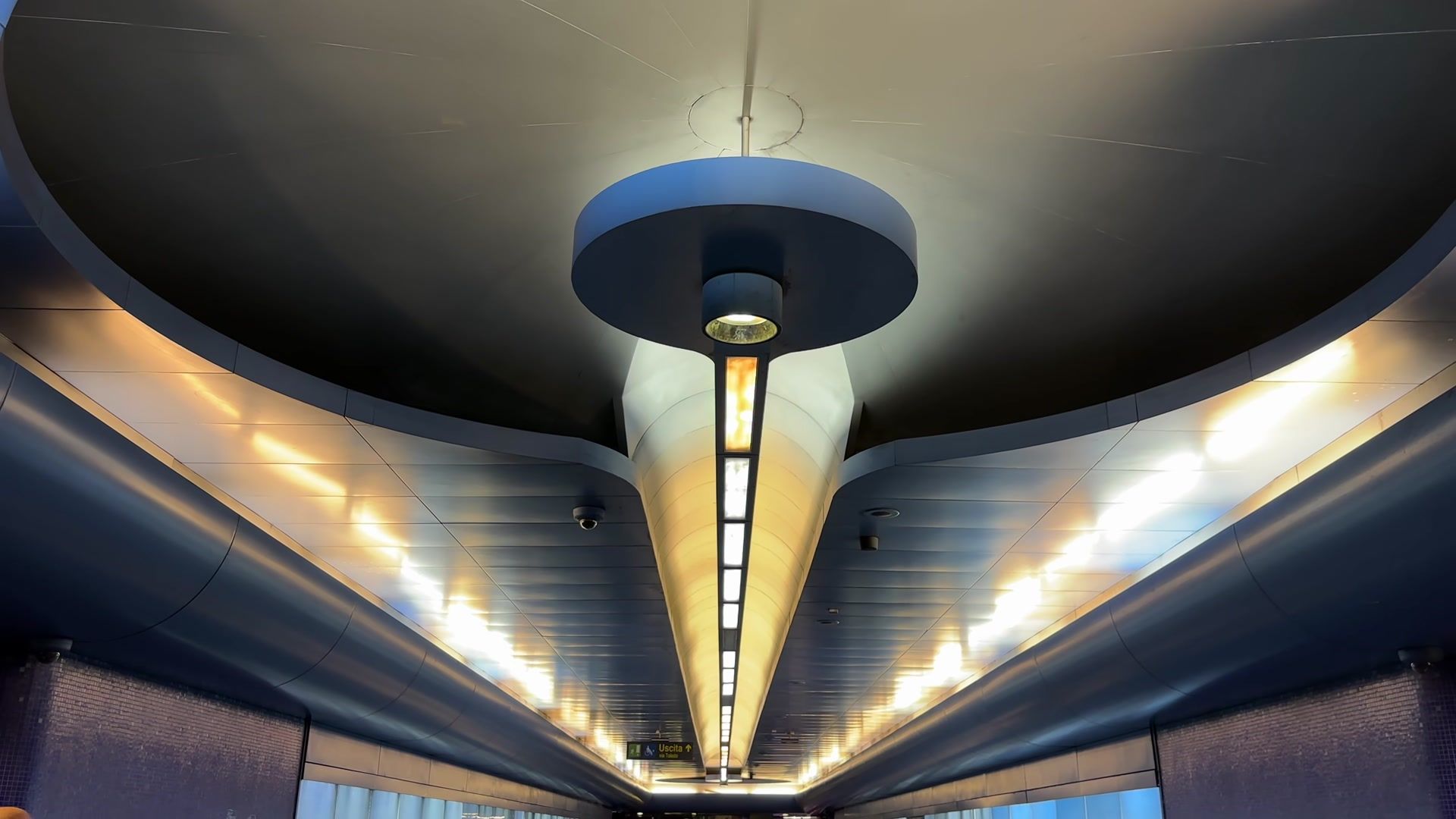
The interesting idea here was to create a sea atmosphere with wonderful lighting, but this situation requires care and good maintenance. Here everything flickers and some panels are completely dead. That's why you know, it looks like a mouth with missing teeth. There is a smile, everything is beautiful. But it feels as if it would be better not to smile at all. Sometimes one thinks like this. Still the escalator is wonderfully made. It is very pleasant to go down into the metro and see something impressive or at least surprising for the first time, instead of gray walls.
Of course, Naples is not a very safe city by European standards. Here snatching phones or bags is done as masterfully as Roberto takes pizzas out of the oven. Illegal drug trade, turf wars of mafia groups all of these are present here. And there are real ghettos on the outskirts of the city, some of which are officially demolished by the state. Mind you these are not tourist places at all and the probability of us finding ourselves there by chance is very low. Stil in recent years, judging by statistics and my personal feeling, the city has become a bit safer. Ultimately you don't necessarily have to go to Naples to lose your wallet. You can leave it on a cafe table in Barcelona, put it in a zipperless pocket in Paris or forget it in a visible place inside a car in almost all metropolitan cities. By the way there is another funny story about cars in Naples. The point is you can often see cars with Polish license plates here. This is not because Poles adore pizza and Maradona. The issue is that car insurance is quite expensive in Naples due to the high risk of accidents, damage and theft here. Therefore to save money, many people get the registration from Poland.
Now let's move on to another important myth about Naples. This place is the trash capital of Europe and there is an officially terrible situation regarding waste. Well, this perception certainly did not form out of nowhere. I could even say it formed in a place filled to the brim. Firstly no one actuall denies that the mafia deals with trash in Naples. This is not officially written anywhere but believe me, Naples is close to us in spirit. Everyone knows everything here. According to documents, it is written that this much was moved and that much was destroyed. But in practice the streets are drowning in filth. The peak of this process occurred in the year two thousand and seven. Because all the landfills in the region were full to the brim, trash stopped being collected from the city streets altogether. The problem grew even bigger with a strike at one of the waste recycling factories. On top of that, the New Year holidays came, when people traditionally throw away more trash. As a result, those horrible images of the city literally suffocating in garbage traveled across all television channels. After a while, the problem had to be solved with the help of army units, directly by military force. Almost trash troops were formed. Even Prime Minister Silvio Berlusconi, who made an agreement with Germany for the recycling of Italy's waste, intervened in this situation. But unfortunately the situation could only be partially resolved. The trash in the city was moved, but huge piles accumulated in the surrounding areas, including radioactive waste that requires special technologies to be recycled. In practice some of it is just burned and some just sits there rotting and causing terrible damage to the environment. Of course, this situation hits the local people first. Tourists are not even aware of the current scale of this disaster.
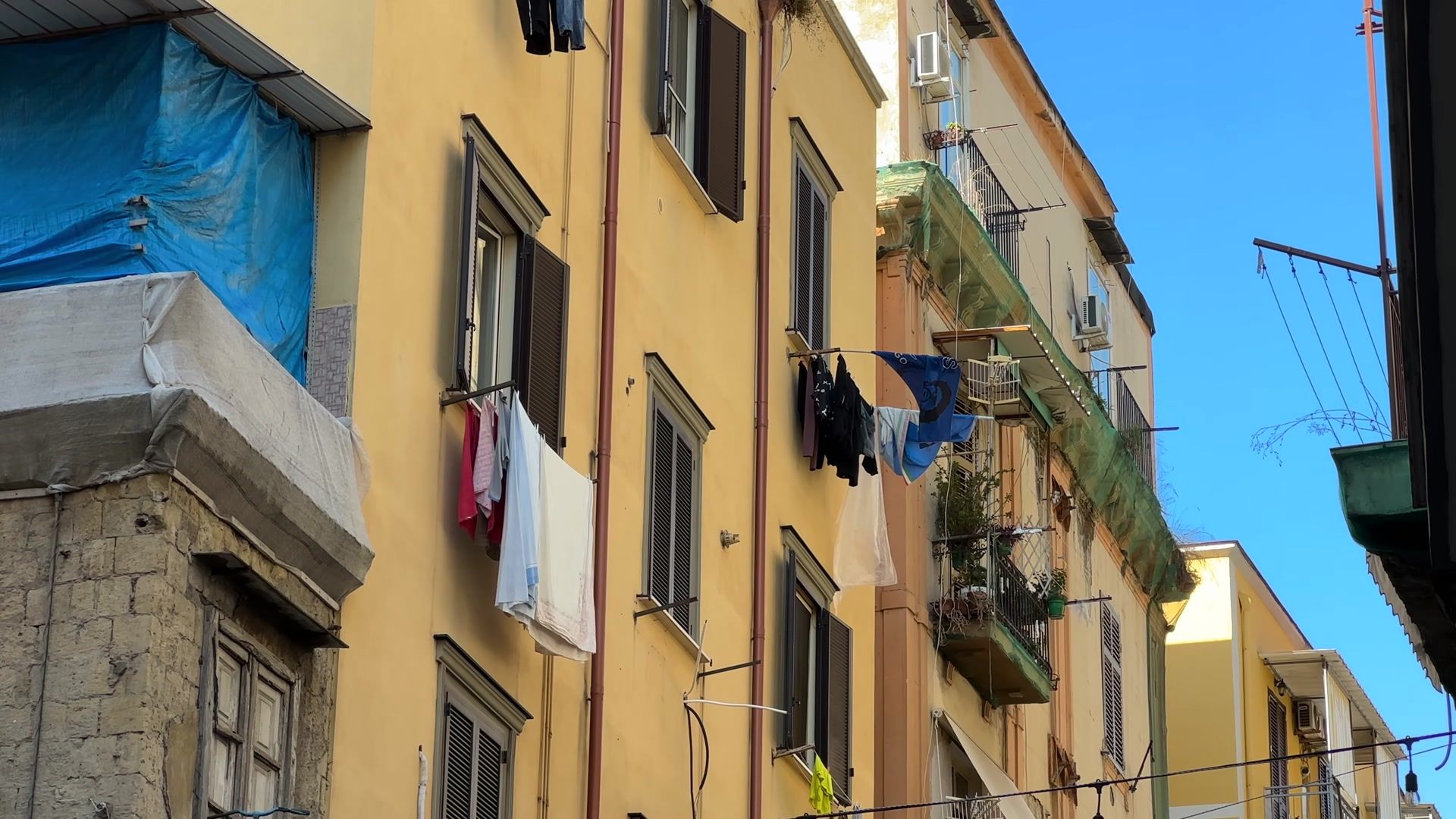
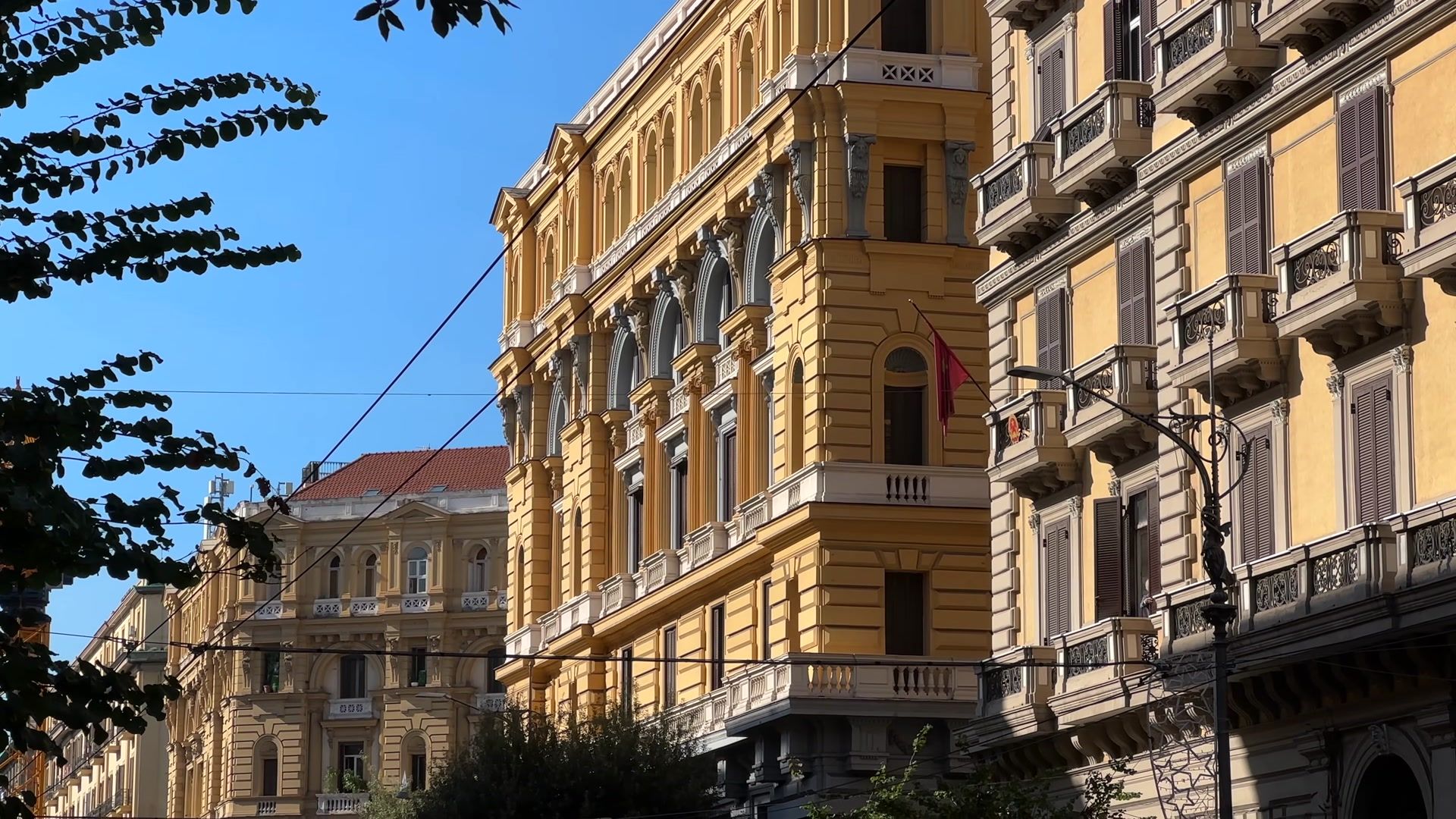
And today it is important to accept that Naples is no longer such a dirty city. The situation has changed drastically in recent years. If you just come to this city without knowing anything about the trash mafia, you won't actually feel anything unusual. Compared to cities in Southern Italy, you won't see a huge difference. The level of cleanlines is roughly the same as Rome. Rome is undoubtedly not a spotless city, it is clearly dirtier than Paris. However while all that trash in Rome is, above all, what tourists leave behind, here it belongs to the locals. But still, the situation is not that severe, it's not a criminal case. Though no, the word criminal is exactly the word that should be used here because everything here is a complete world of crime. Still really, everything is not that bad, at least for now. I know some people miss the past because of this, but these are very selfconfident travelers who want to see Naples without tourists. They want to see how Naples was before it started hosting such a huge influx of travel, that is, how it used to be, the trash crisis in two thousand and seven. This is really a unique sight, but I wouldn't want to look at it for too long. I would look for two or three minutes, then say goodbye.
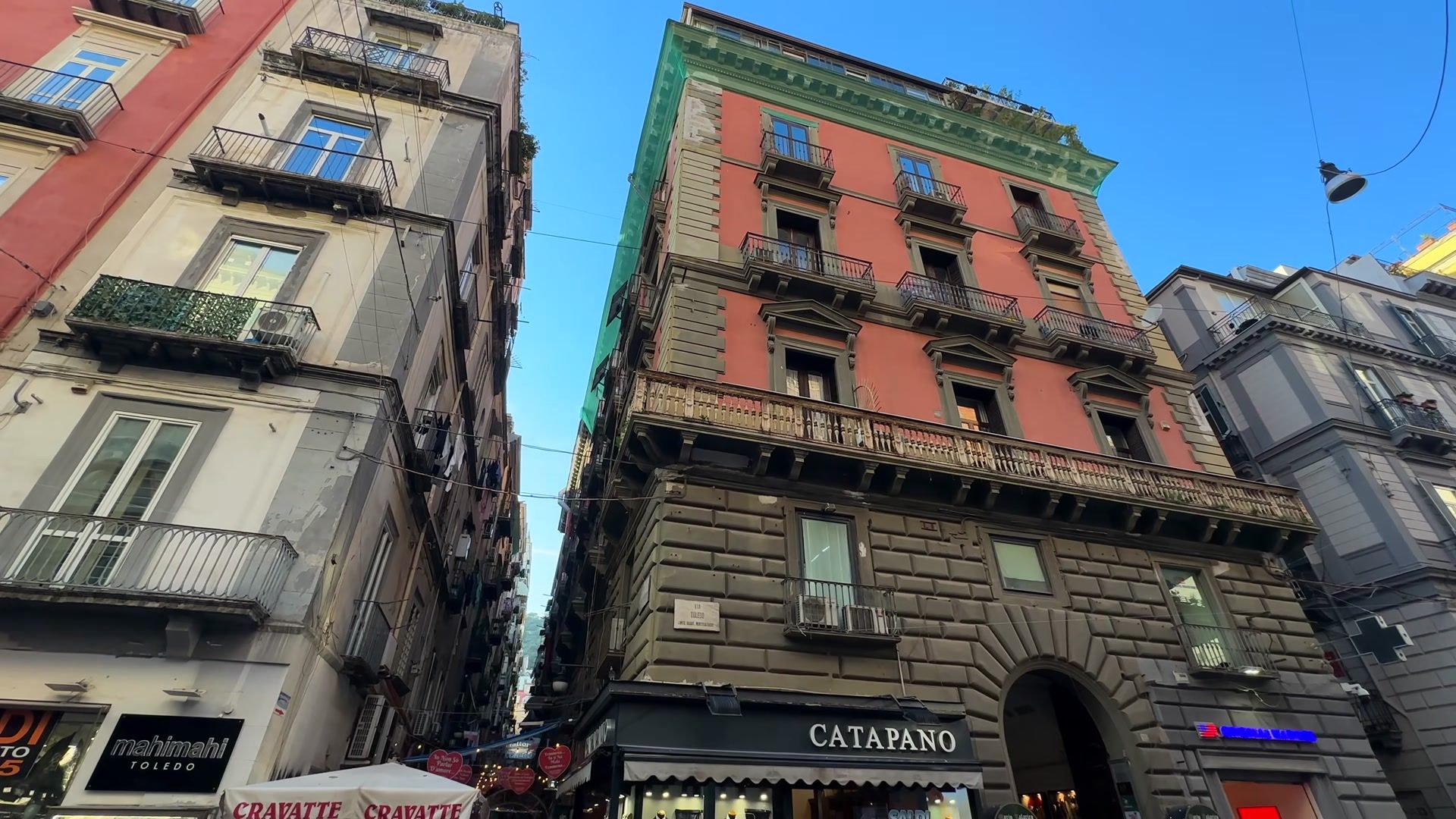
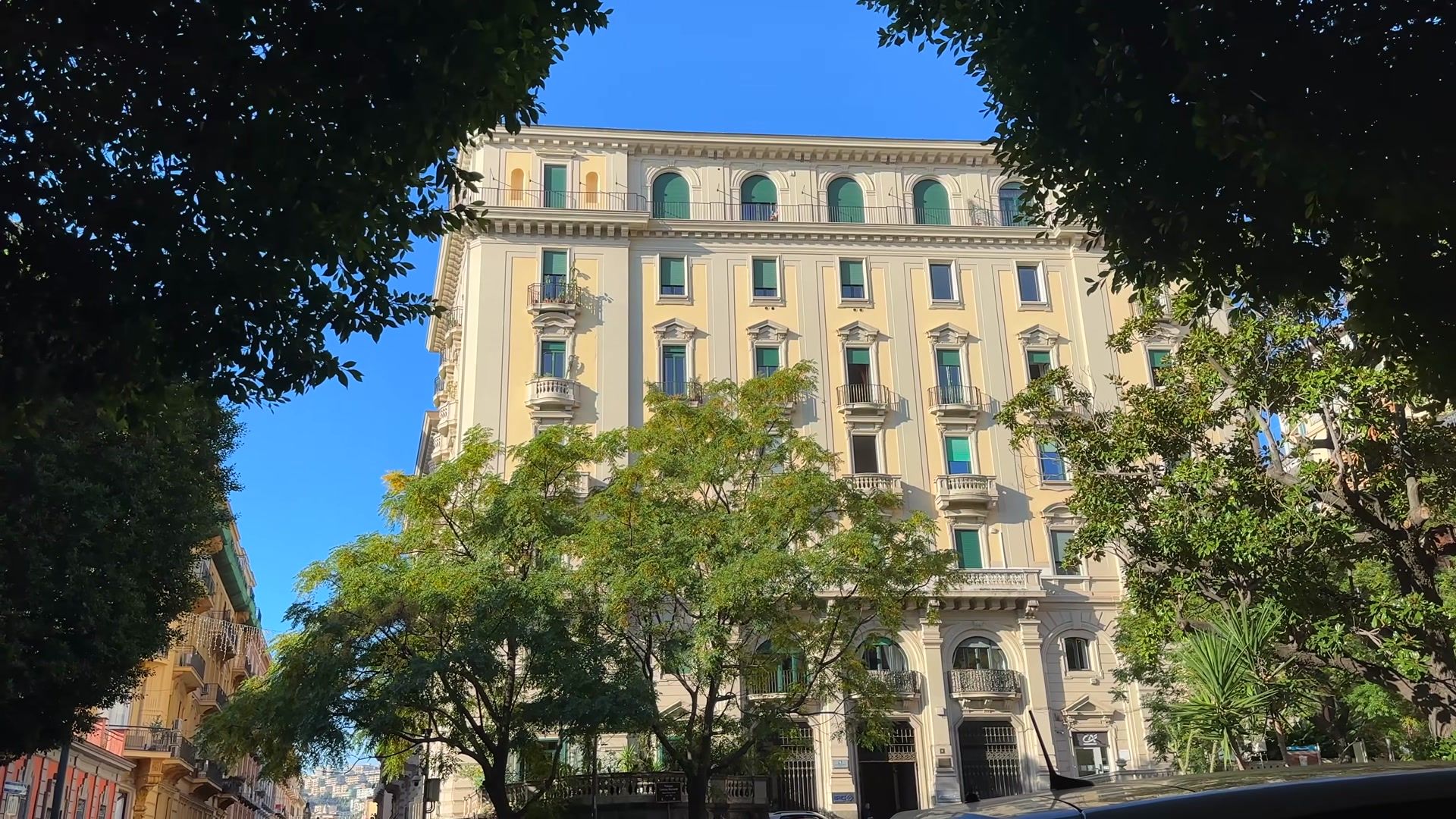
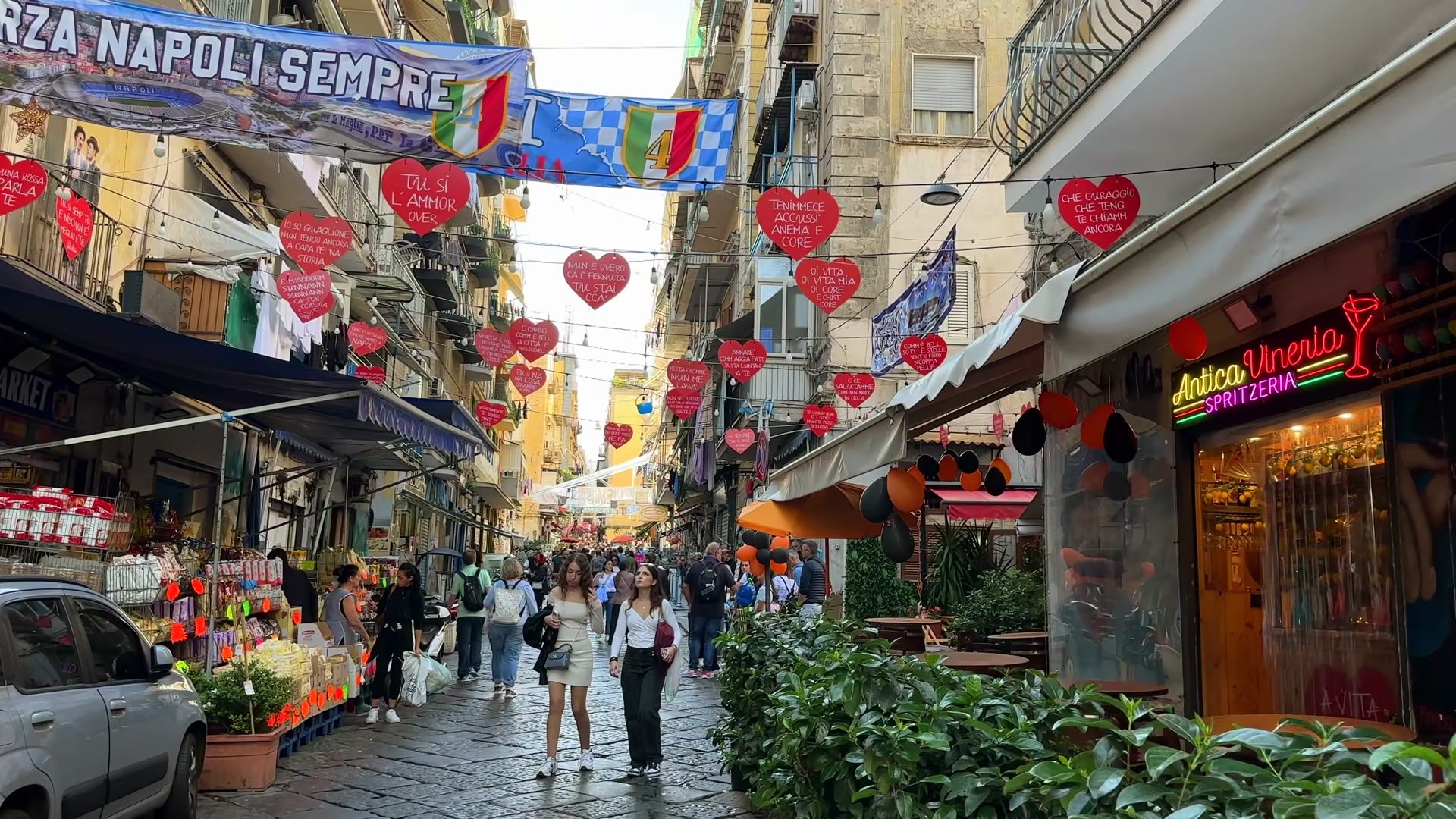
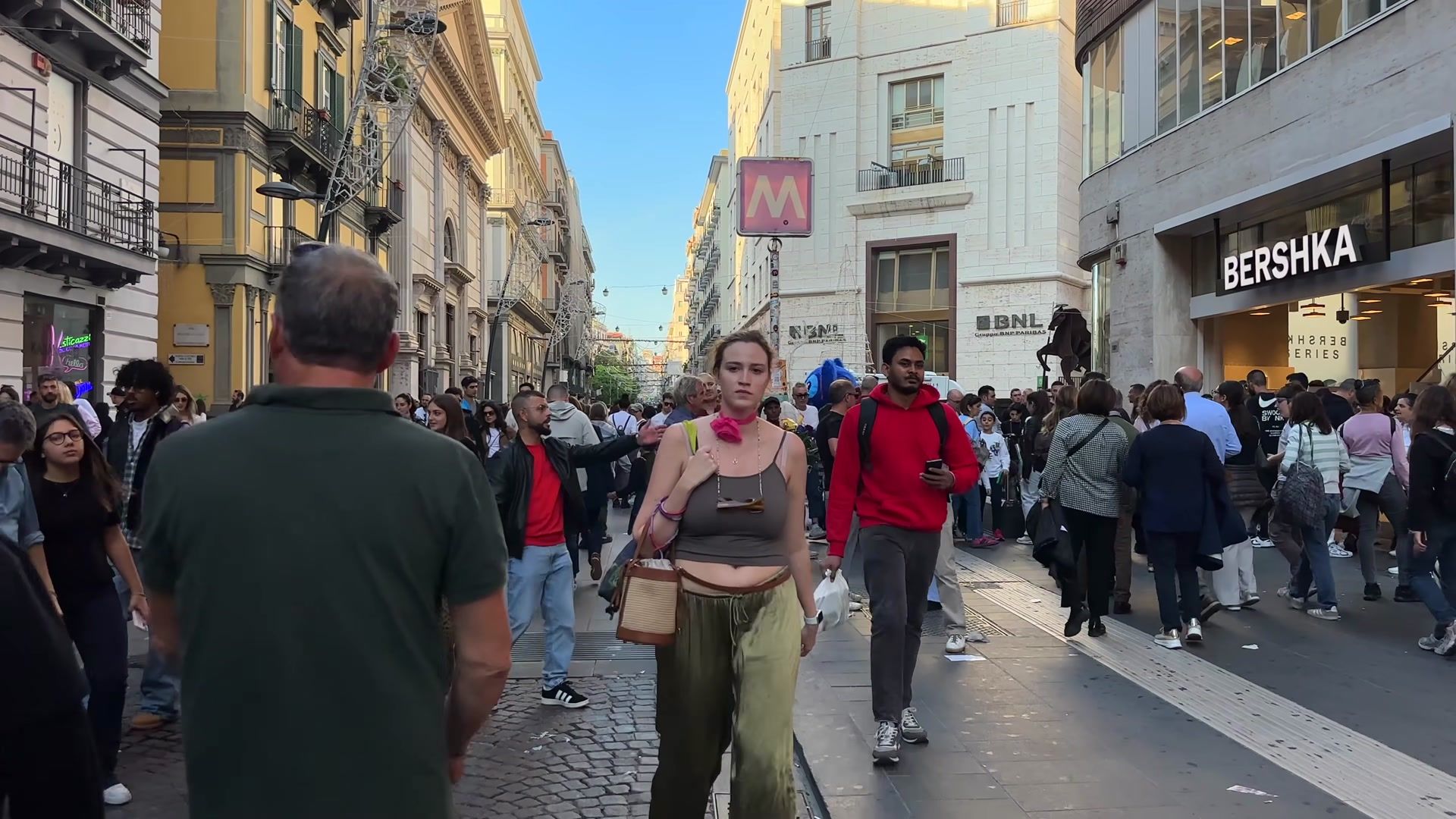
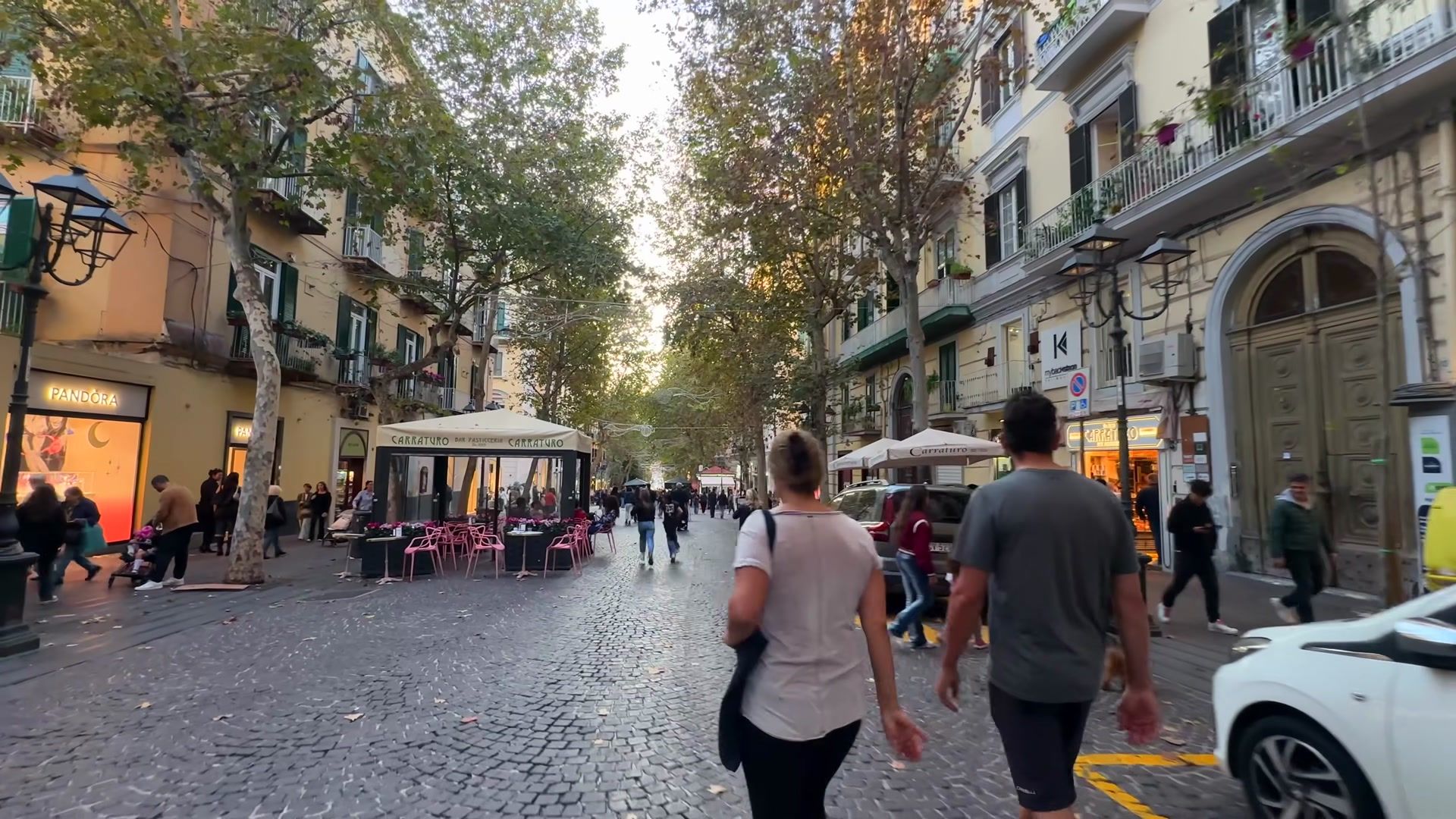
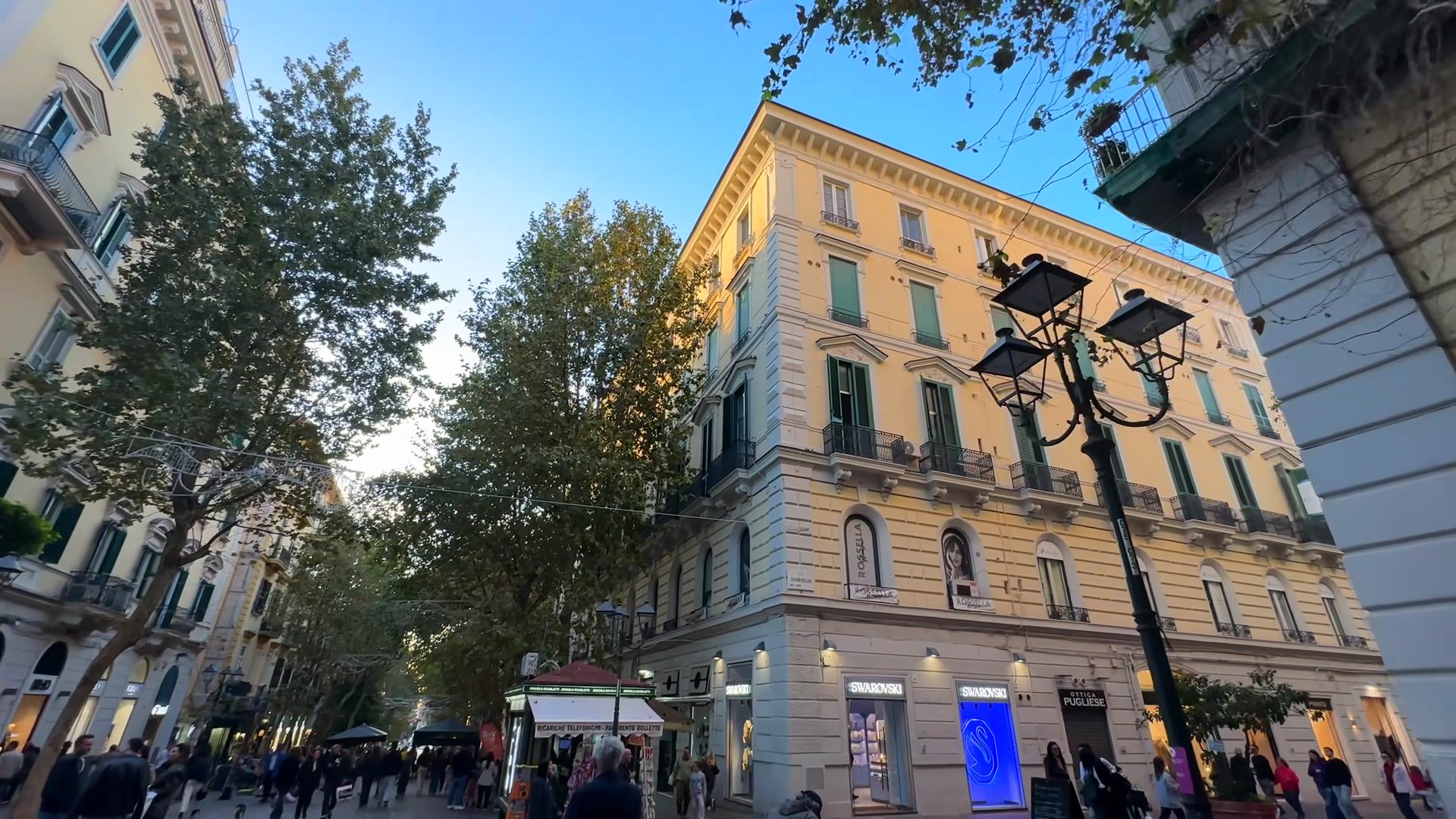
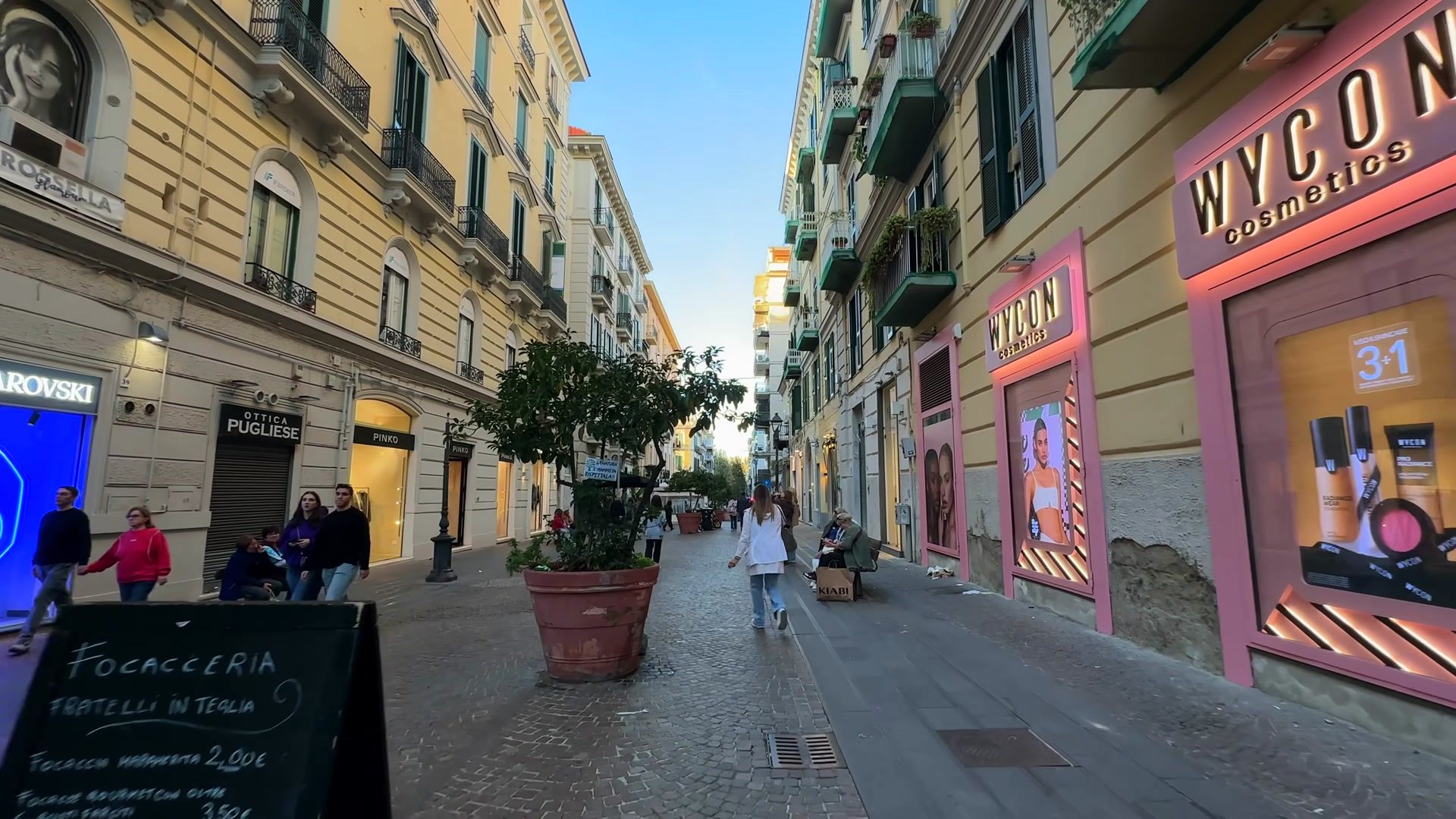
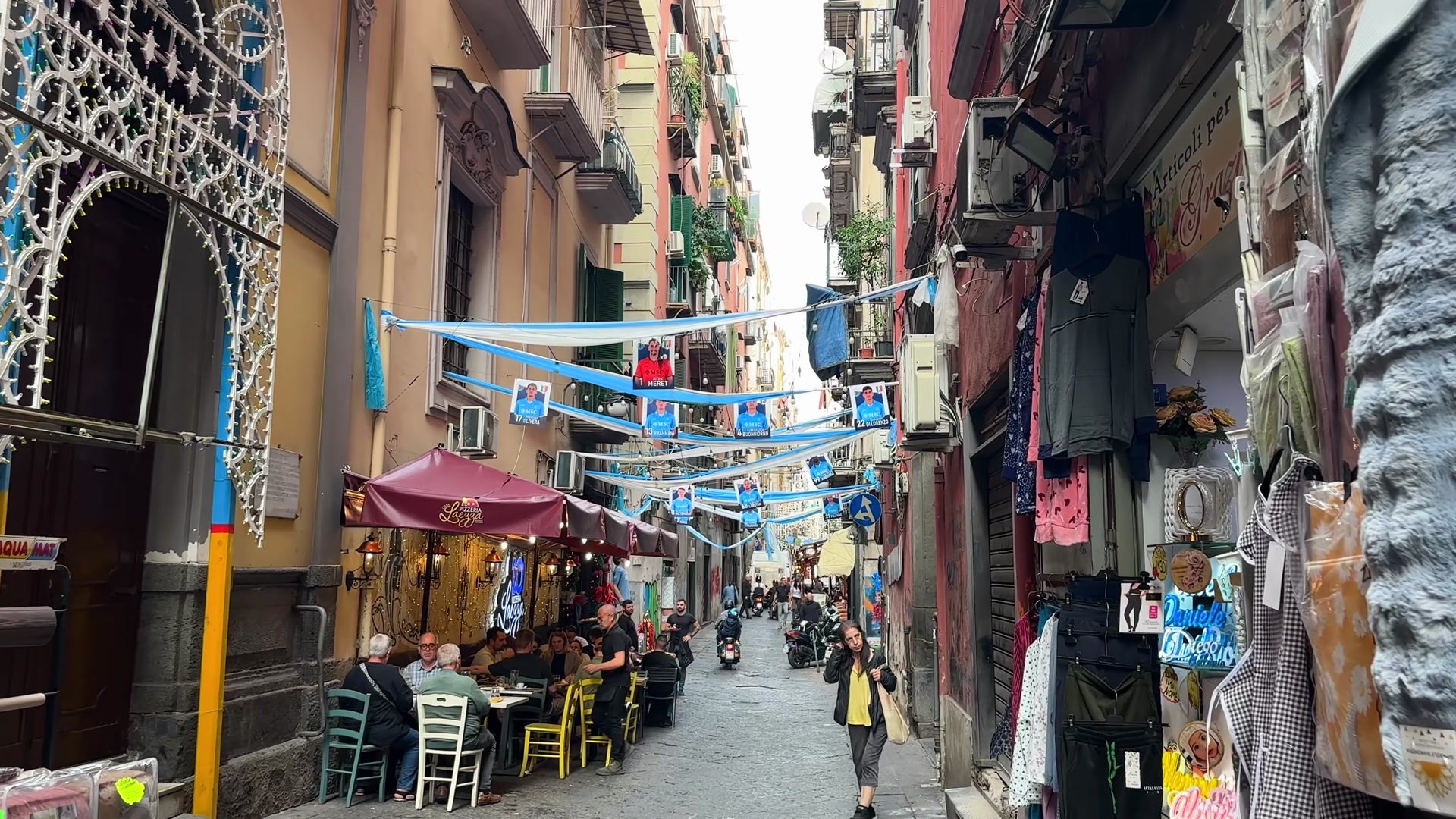
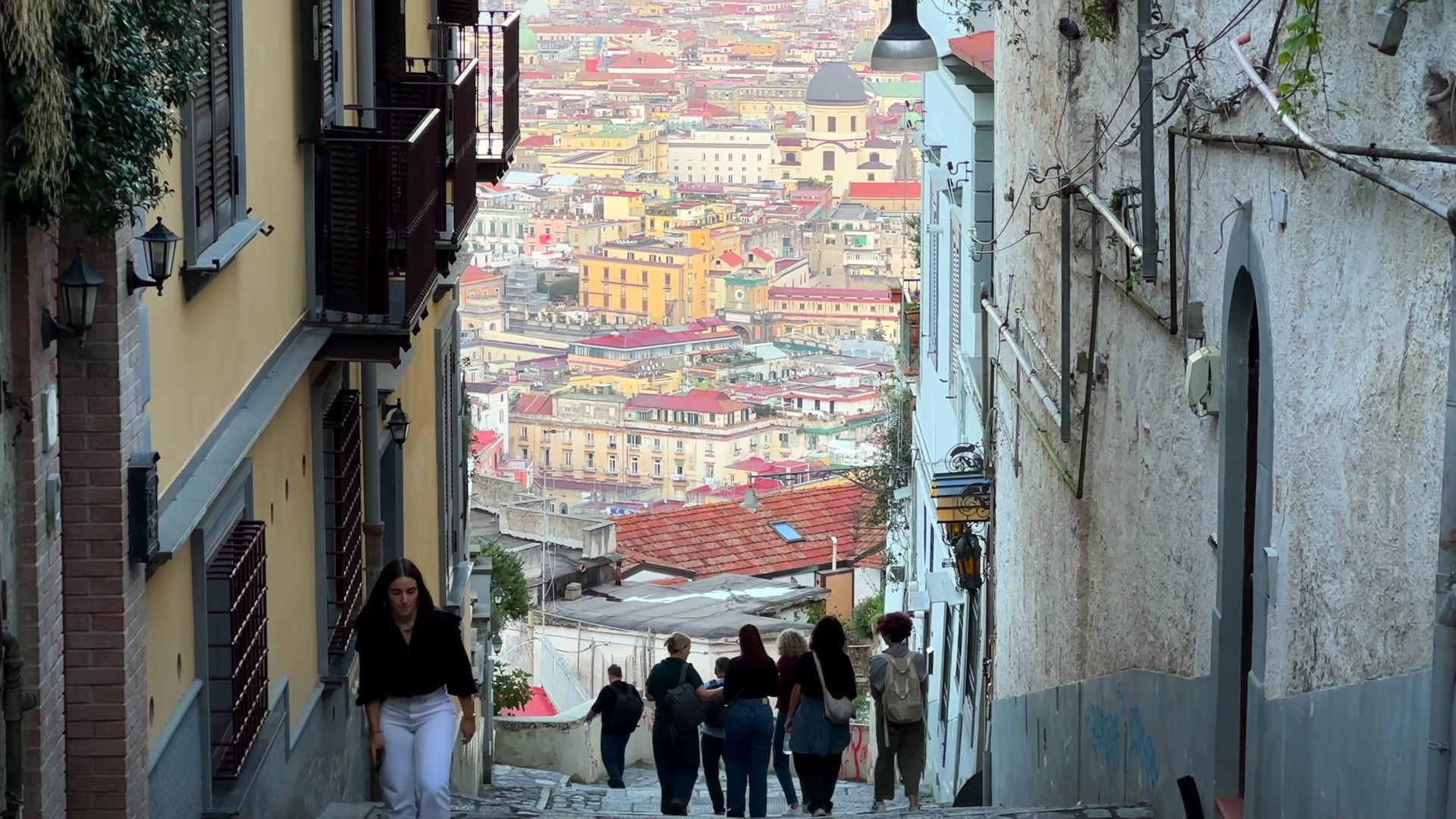
We moved on to Toledo street, which is the main pedestrian street. On the left side is the Spanish Quarter and it extends from there up the hill. It was Saturday, around three o'clock in the afternoon, which is why there were so many people. Moreover, there was a Naples match that day. For this reason I could see many people wearing the football team's jersey. At the top, a completely different neighborhood begins. We took the metro up to Vomero Hill and started walking in the neighborhood of the same name. And I know very well that the same question pops up in the minds of all people coming here for the first time, which is this. Why did Naples suddenly start to look more like Milan or Rome? There are beautiful shop windows like in Milan, beautiful buildings like in Rome, but at the same time, there is no graffiti. You can hardly find these wall writings here. They are not here. Furthermore the pedestrian area is huge, not limited to a single street. Besides, there are no scooters either. And somehow a noble silence prevails. Children are playing. It is very pleasant to be here and walk. Of course, it is somehow pleasant to walk in Naples in genera, but you understand, this is a completely different atmosphere. The point is, the richest people of the city live here. And of course, this place was being built in the fourteenth century. However in the nineteenth century, a terrible cholera epidemic broke out in Naples. And at that time, the richest people of the city decided to isolate and distance themselves on this hill with wonderful views. Funiculars were built immdiately, providing ease of transport. And this neighborhood has maintained its existence since then and is only getting richer, because the wealthiest people move exactly here. Undoubtedly I think it is worth coming here just to feel this contrast. Ultimately being able to look at such beautiful architecture and at the same time walk on wide pedestrian streets is unusual for Italy too. After all such a thing is not encountered frequently. Yes, you can see this in Turin, in Milan, I guess. But the same situation is quite difficult in Rome because there, as a rule, cars surround you and get in your way. But besides that, of course, Vomero is quite a high hill. So there are magnificent observation decks here. And it is worth going up here just for them. There are public free escalators here even for a very small climb. I haven't seen anything like this anywhere else in Naples.
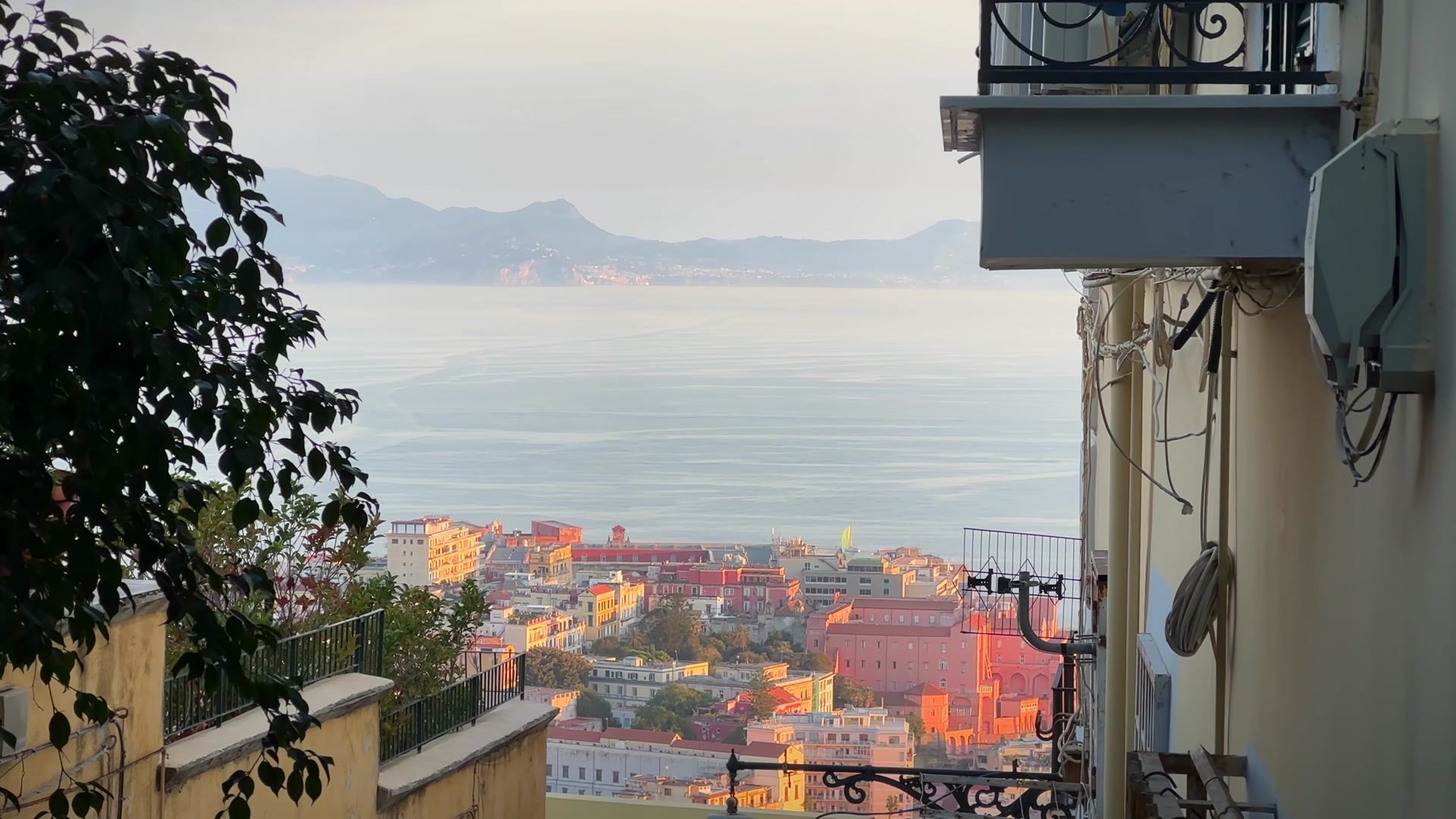
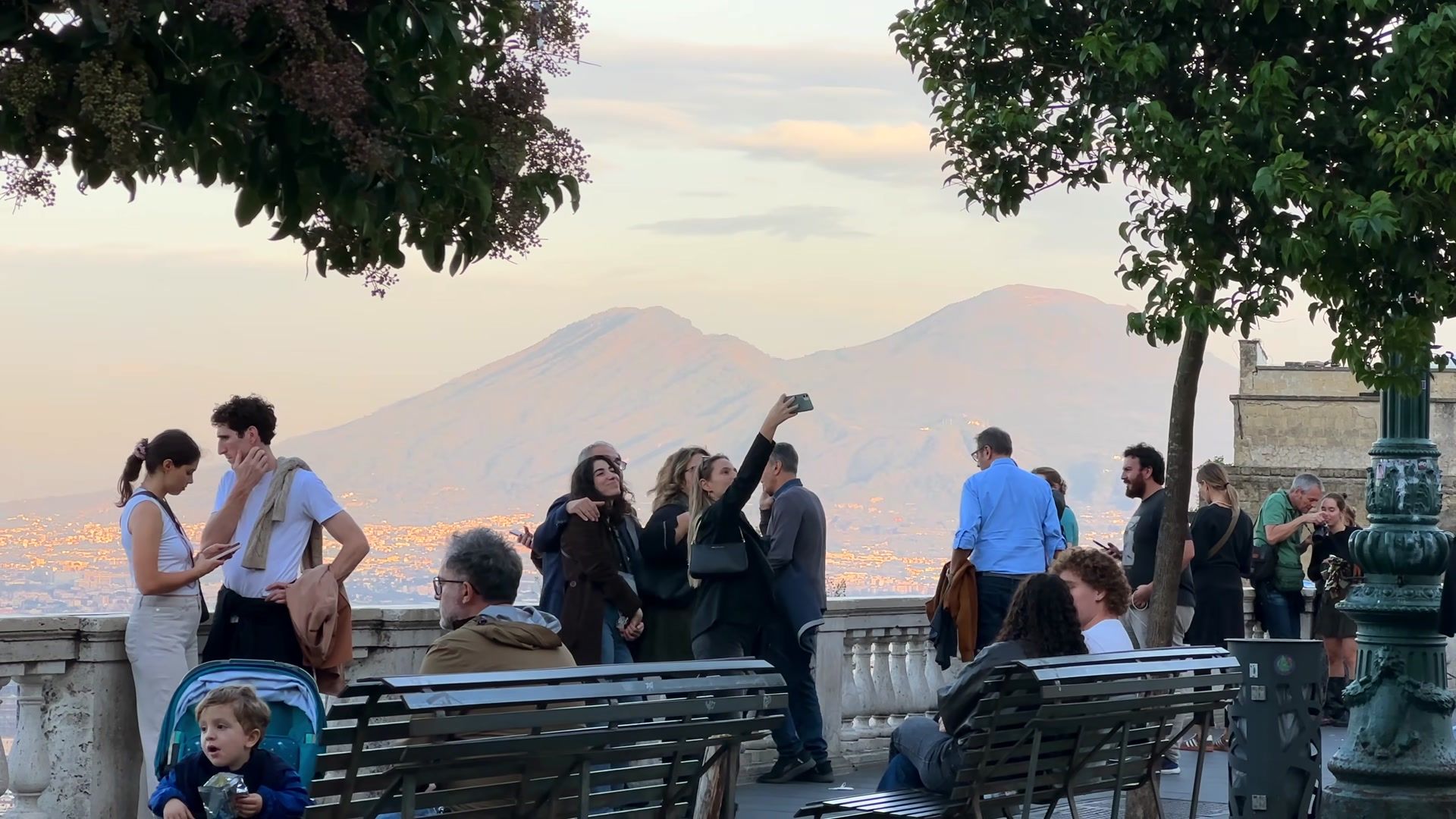
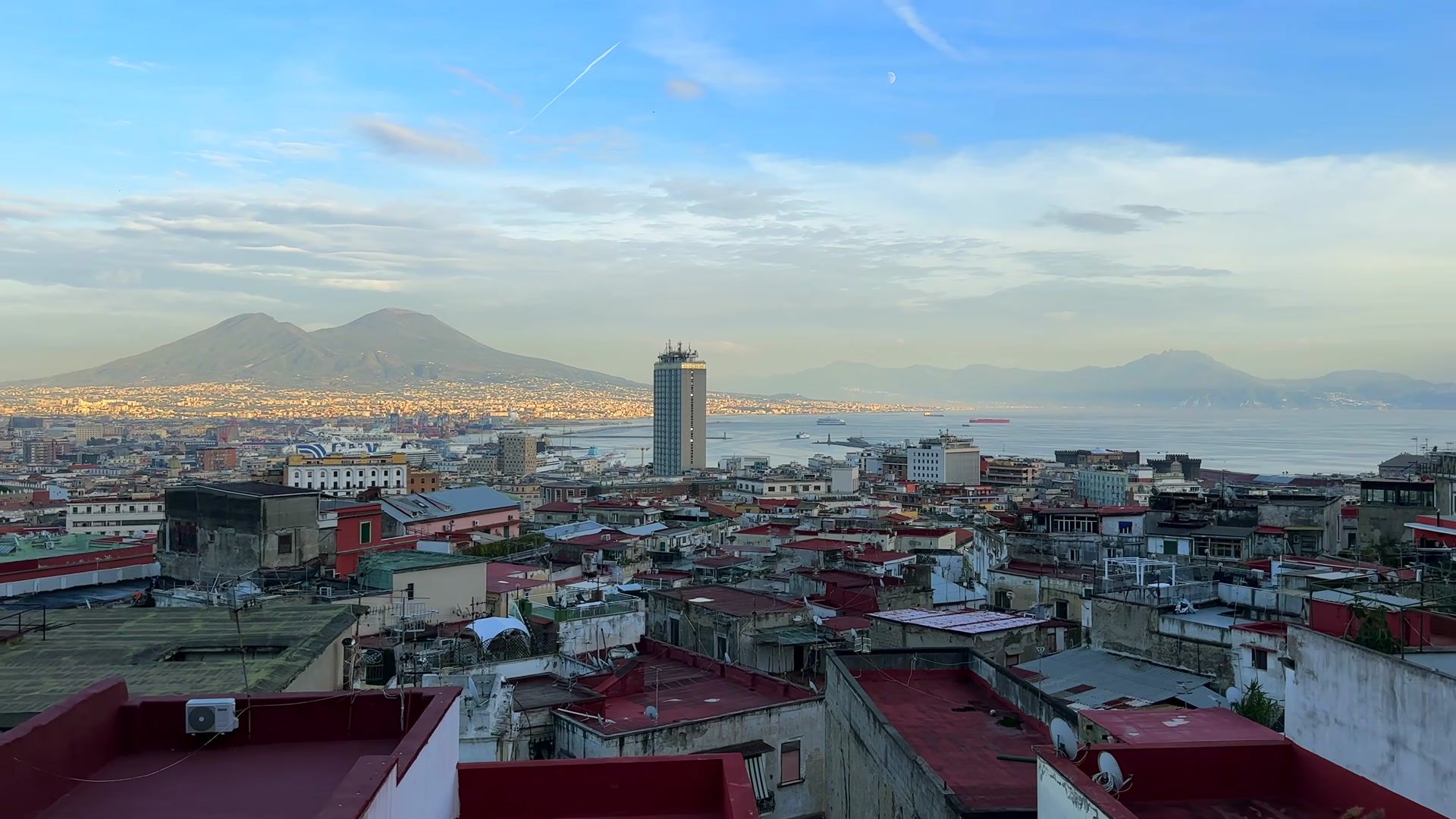
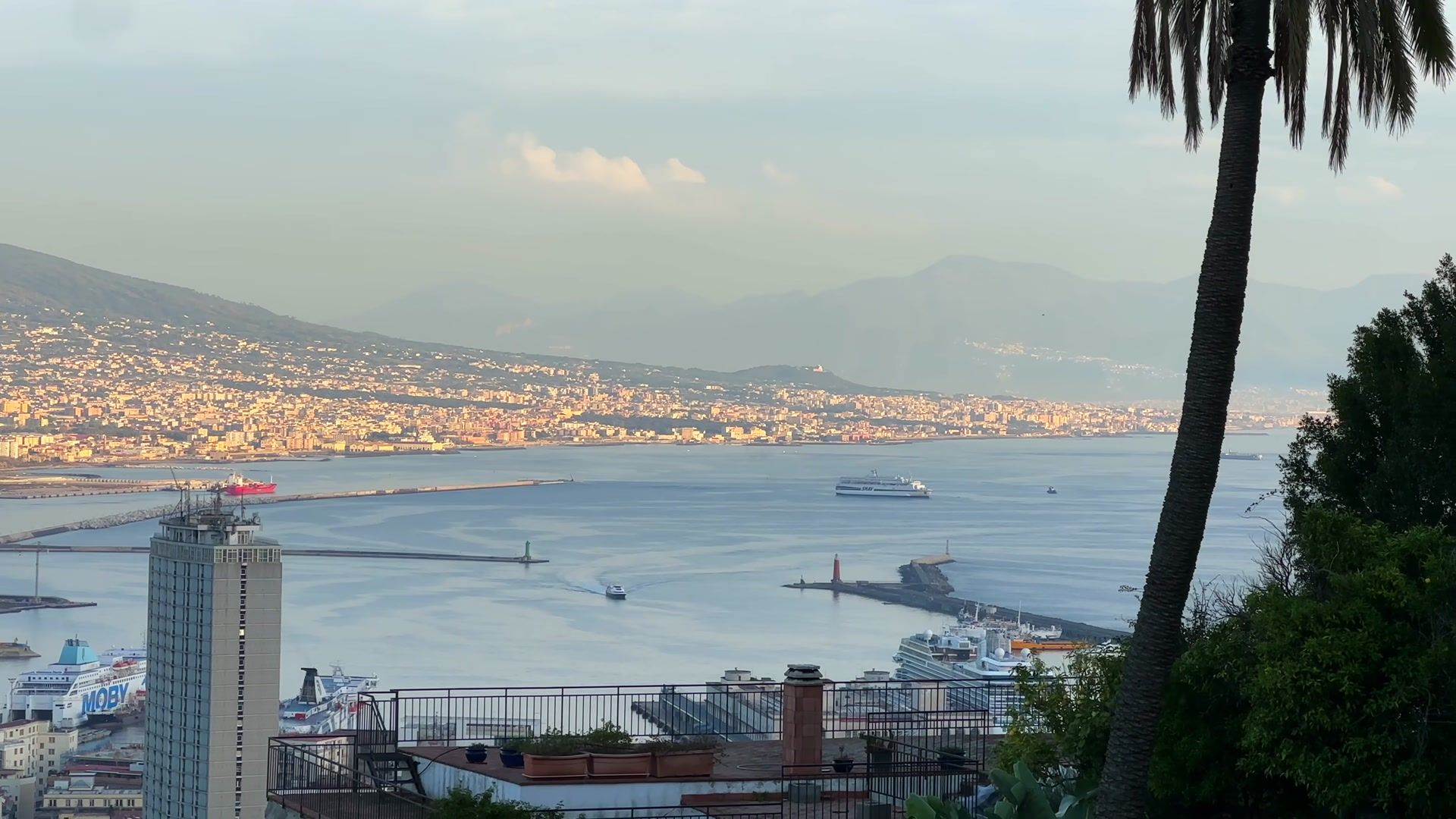
We moved towards the main observation deck of Naples. The terrace is located right across from Sant'Elmo Castle. Actualy the castle itself is also a magnificent, perhaps even more striking panoramic point. Castel Sant'Elmo was built in the middle of the fourteenth century in place of already existing defensive fortifications. And there is a very interesting piece of information for us: in the year seventeen seventeen, Tsarevich Alexei Petrovich stayed in this castle for a while. He fled from the cruelty of his own father, Peter the First, known as Peter the Great and hid here. From this observation deck, the second, slightly harder to-reach panoramic point of Naples is perfectly visible.
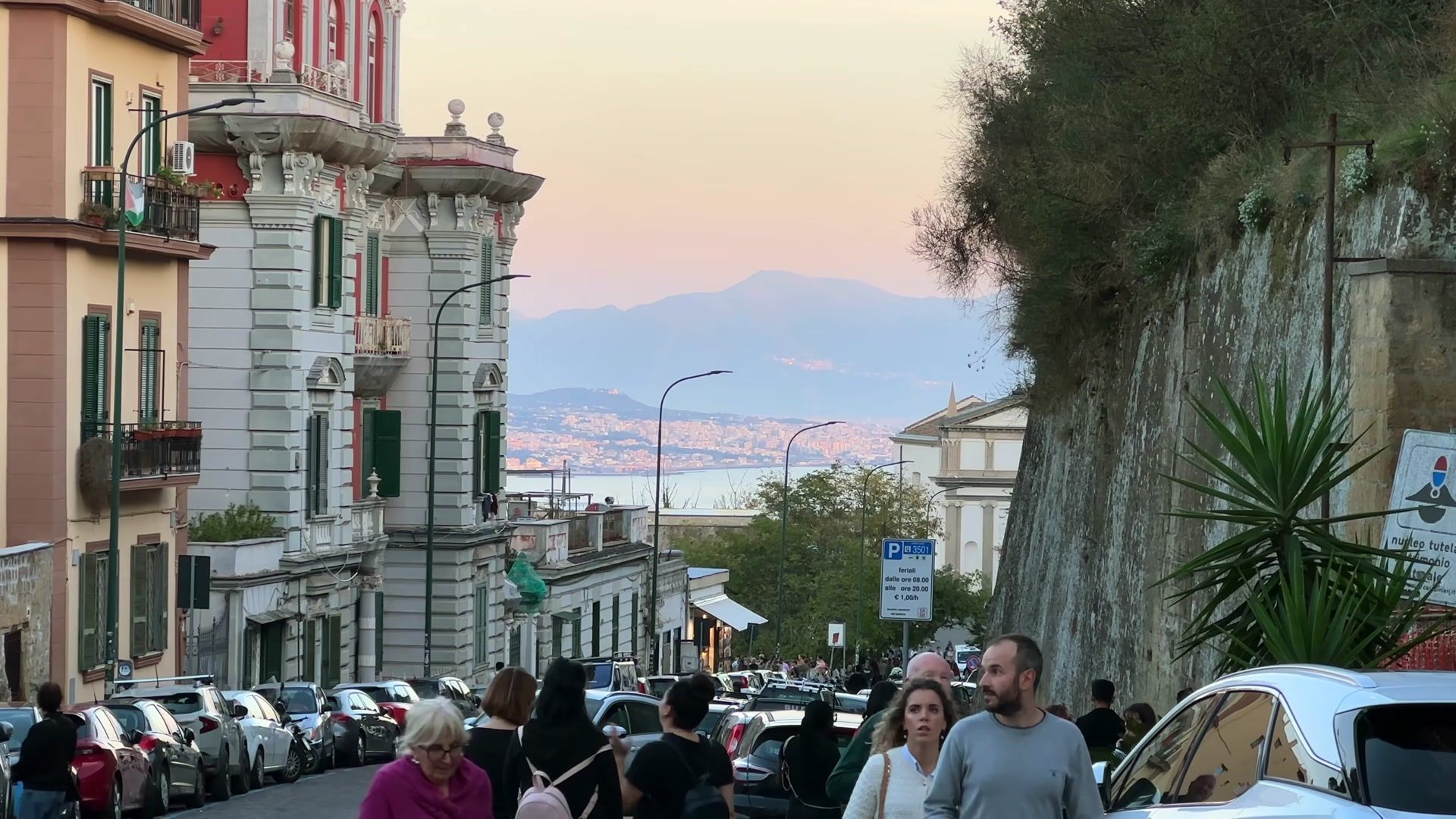
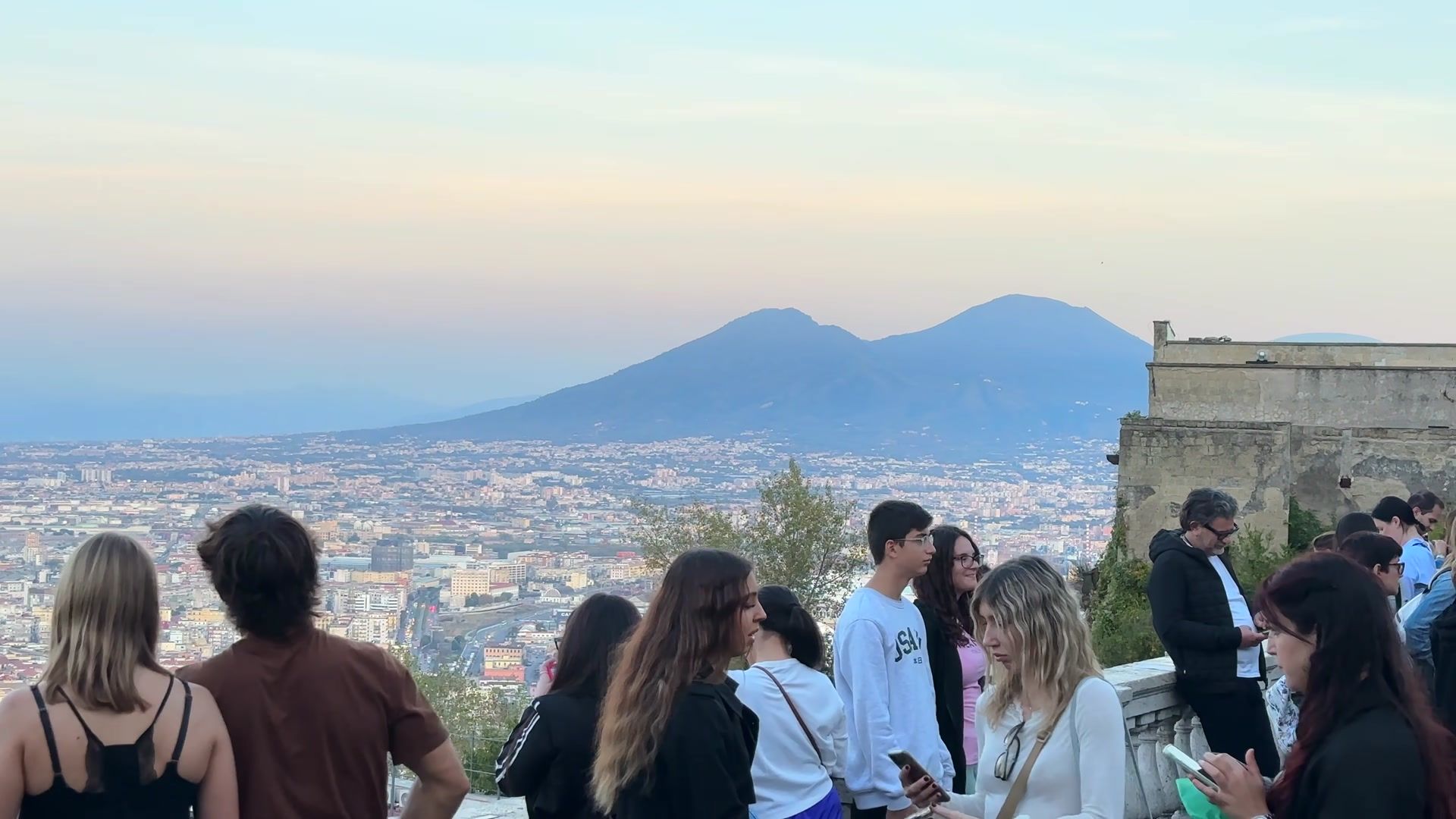
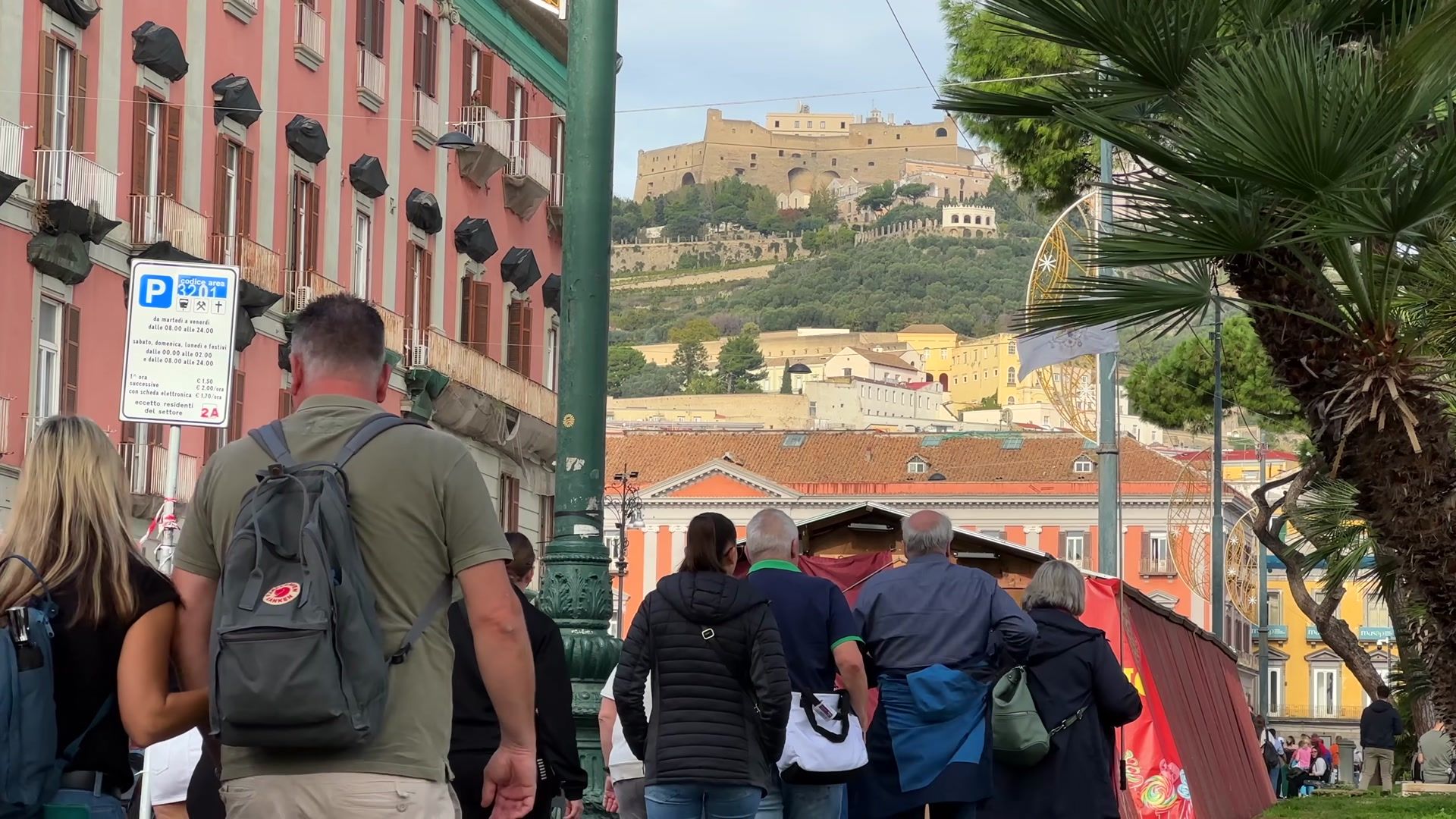
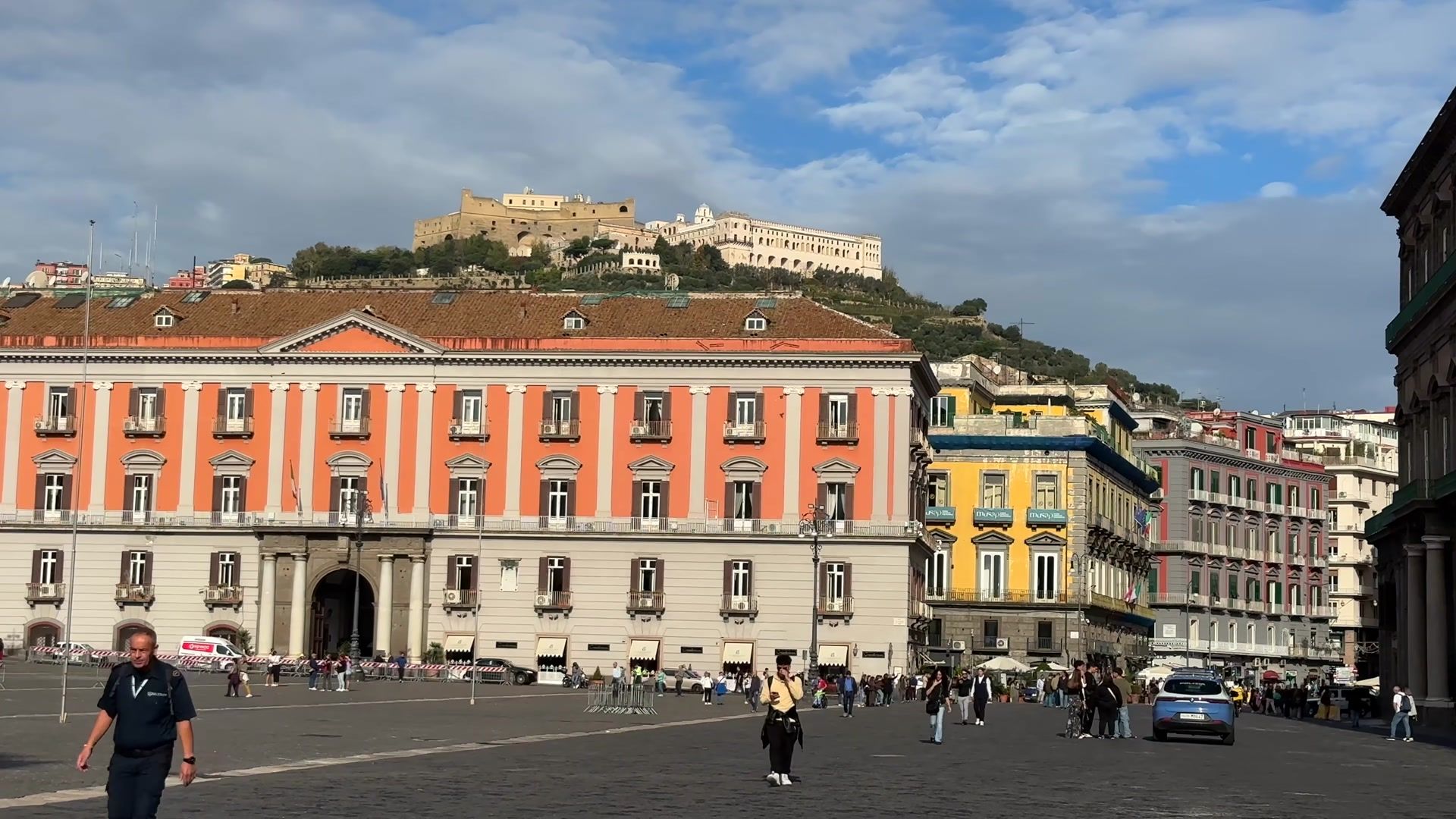
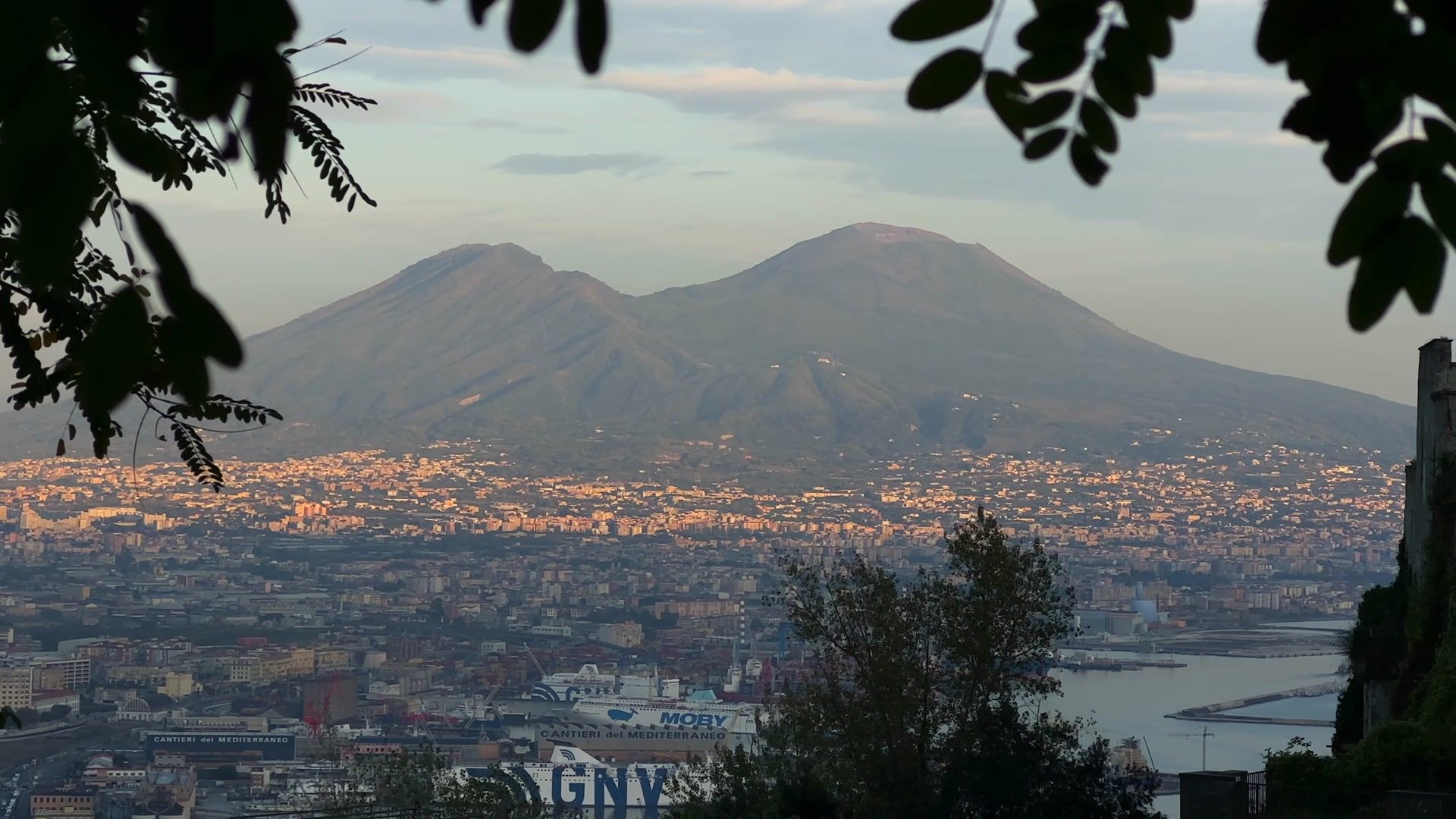
Vesuvius is an inseparable part of the city. And yes, this is the very Vesuvius, the only active volcano in mainland Europe. You can climb up there and look at Naples from the exact opposite side. Currently the area around the volcano has the status of a national park and archaeological excavations are carried out there all year round. Of course, if you go to Vesuvius, it is also worth visiting Pompeii, which is a unique openair ancient museum. Undoubtedly Vesuvius is a part of the identity of Neapolitans. Being located right under an active volcano, entirely in a seismic hazard zone, probably pushes people on a subconscious level to live for the day. That's why they talk to each other on the street and create traffic jams. They boldly break the rules, laugh, have fun, throw feasts and support their football teams as if it were the last time. It's the first time I've seen a city that loves its football team so much.
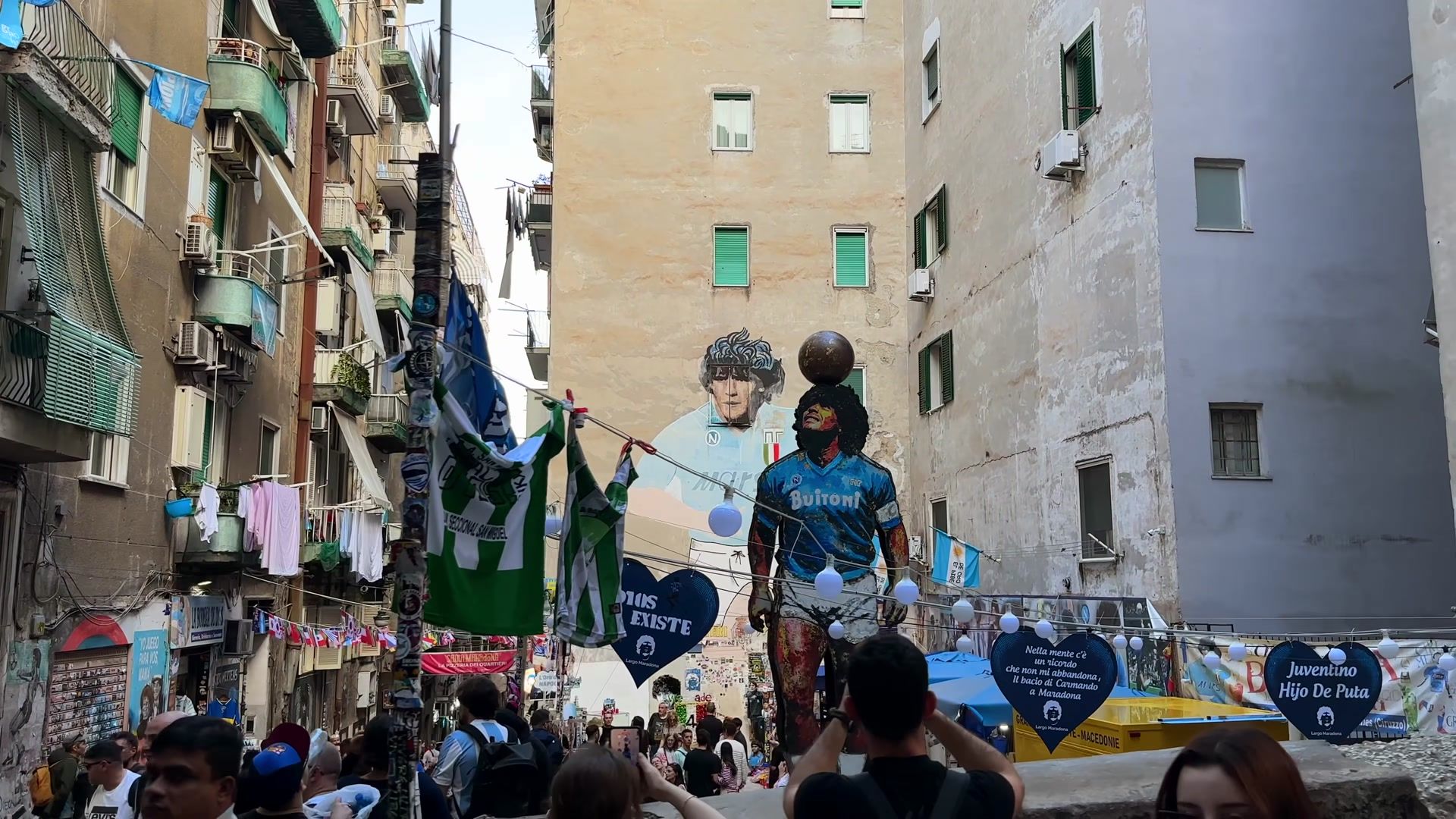
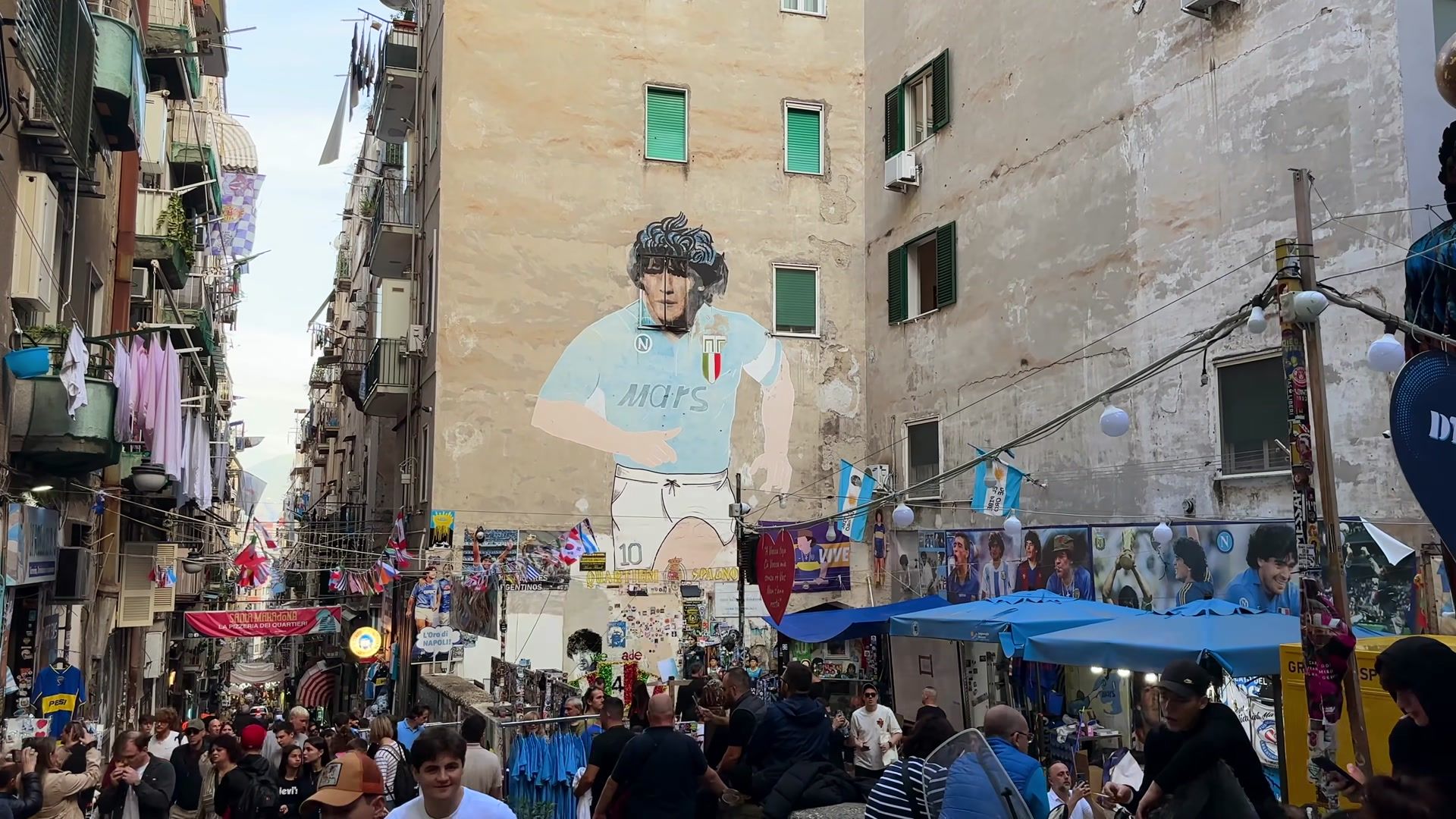
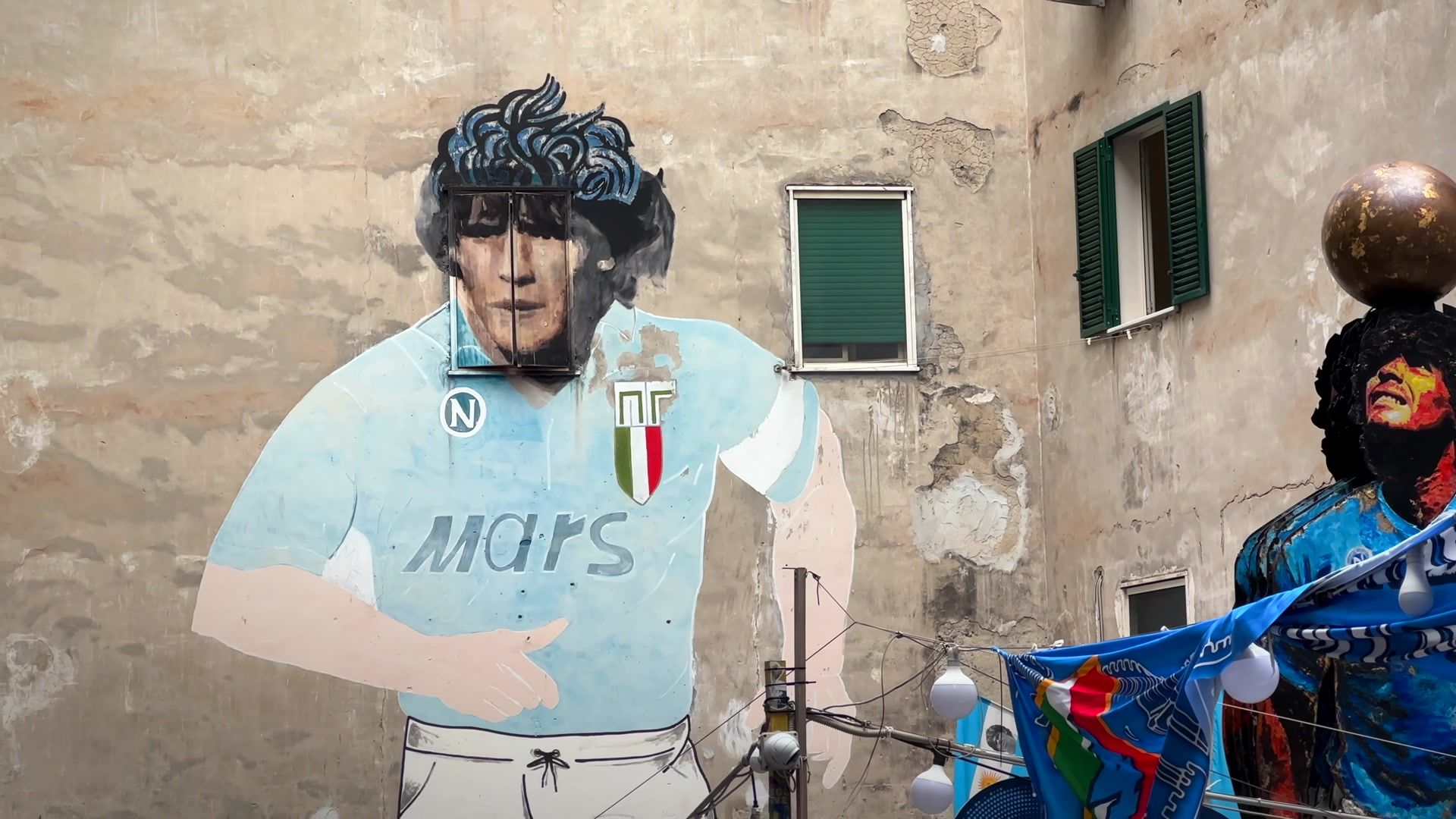
We went up to one of the modern symbols of Naples. And this place looks a lot like the Trevi Fountain, because while walking in relatively quiet streets, a small courtyard that suddenly appears before you amazes you both with the crowd of people and with what you see there. There is exactly the same view here and you can guess to whom this symbol is dedicated. This is precisely that wall with the picture of Diego Maradona, meaning the mural made here in the year nineteen ninety. Oh, how crowded this place is. At that time Naples had become the Italian champion for the second time and Maradona would score sixteen goals back then. And since then, Maradona will of course, remain in Naples forever. And undoubtedly, this place is now a place of respect, a place of pilgrimage for a massive crowd of people. And again, I have never seen so many images of Maradona and the various jerseys he played in, the different faces of him you can encounter here.Sometimes as a saint and sometimes in states that are not saintly at all anywhere else. And of course, this place became an especialy important spot after the year twenty twenty, when Diego Maradona closed his eyes to life at the age of sixty. And this became a true day of mourning or rather a year of mourning, for Naples. No one could believe it. On the other hand, very few people actually believed that Maradona could live such a long life with that lifestyle. After all sixty years is not that little. On the heart here, it says Dios existe in Spanish, meaning it expresses that God exists. D10S ten is, as you can guess, the number Maradona played with.
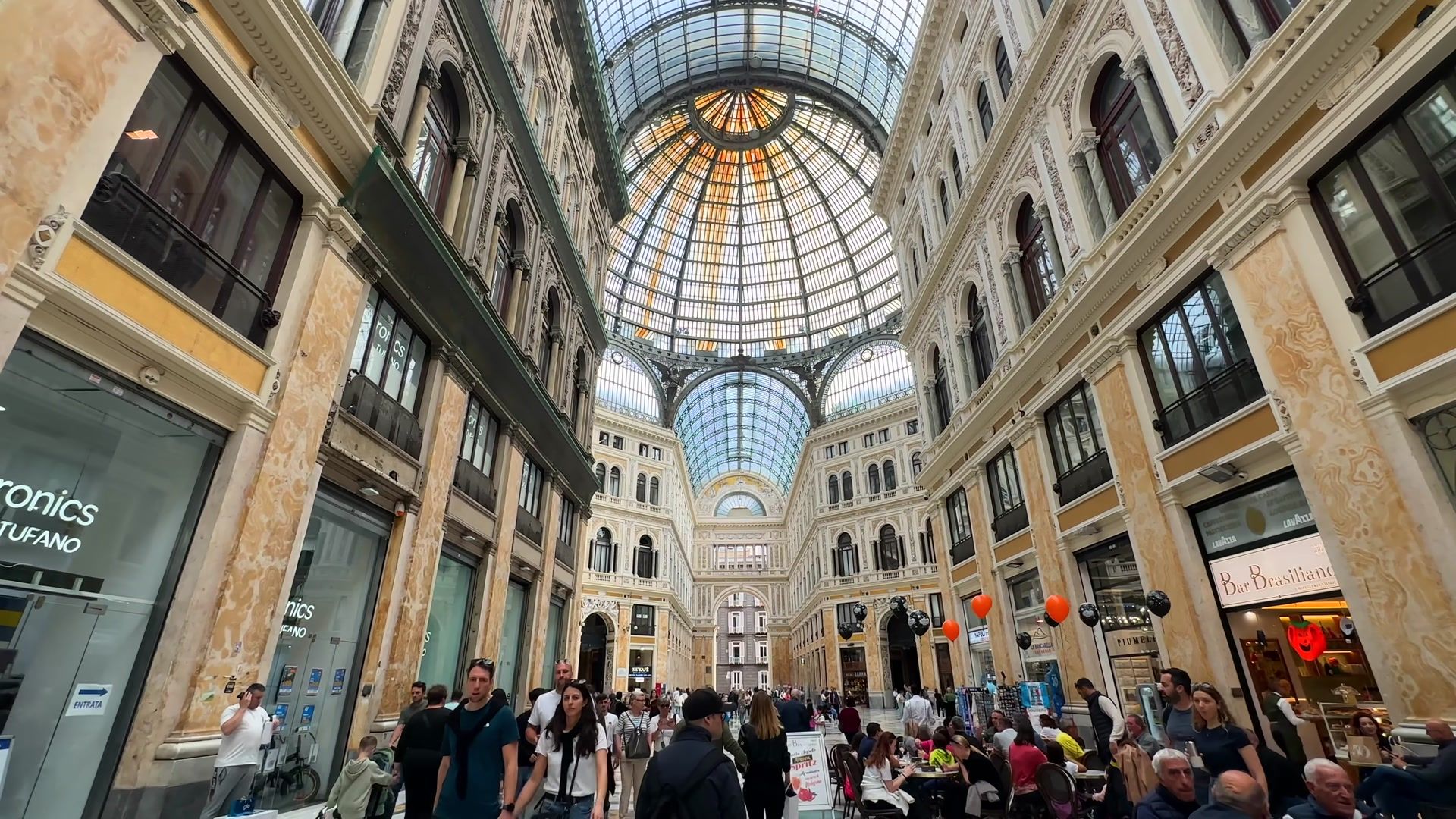
Despite its rich history and occasionally wellpreserved heritage, it is important to come here above all for the atmosphere and delicious food. Still those who need spiritual food can always satisfy this need at the legendary San Carlo Opera House. This place was opened in the year seventeen thirtyseven and held the title of the largest theater in Europe for a long time. It has a capacity of more than three thousand seats. Right across from the theater is the famous Umberto I Gallery. It is very clear that the project was inspired by the arcade in Milan. It has four wings uniting under a huge dome. However, unlike Milan, the atmosphere in this gallery is not noble at all, because the cafes and shops located here do not match such architecture at all. There are just some stalls, sketchy places, souvenir shops and a McDonalds.
I think many of you would never want to live in Naples. But coming here as a tourist, now that is a completely different matter, because it is incredibly interesting. I think there is no other place on the entire Apennine Peninsula where you can get so many experiences, learn, see, feel and at the same time taste so many interesting things. Moreover Naples is not such an expensive city. So, compared to Milan, there is definitely a huge difference and with Rome, there is a pleasant difference in our favor. Along with this, I strongly recomend you come to Naples not for one day, but for two, preferably three days. Because I know that many people come for a single day, they have five or six hours and they supposedly do not visit many neighborhoods that are unsafe to enter, they are afraid of everything and they just keep circling around the train station. And of course, very, very bad impressions remain and these are wrong, because entering the Spanish Quarters is important, going up to the high points is important. Undoubtedly it is possible to climb in one day, but many do not go up. They walk by the castle, by the sea and so on. And also I know that people are initially afraid of Naples, they close themselves off a bit, then as the days pass, they open up and realize that the city is actually very unique, very interesting and you just have to let it pass through you, to accept it somehow. The important thing is that it shouldn't leave too many habits behind for you. So that when you return home, you don't scatter your clothes, your belongings and so on around.
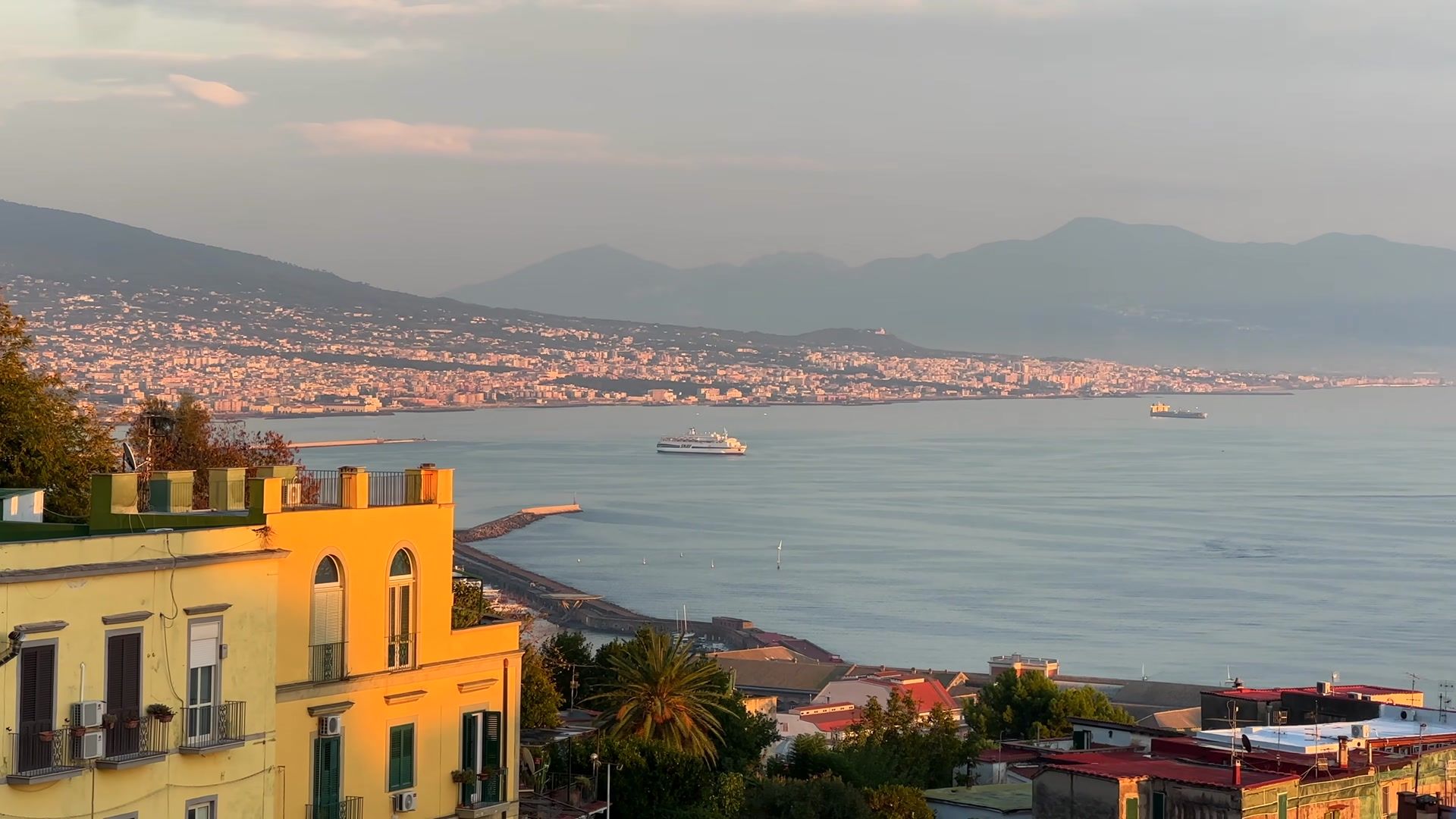
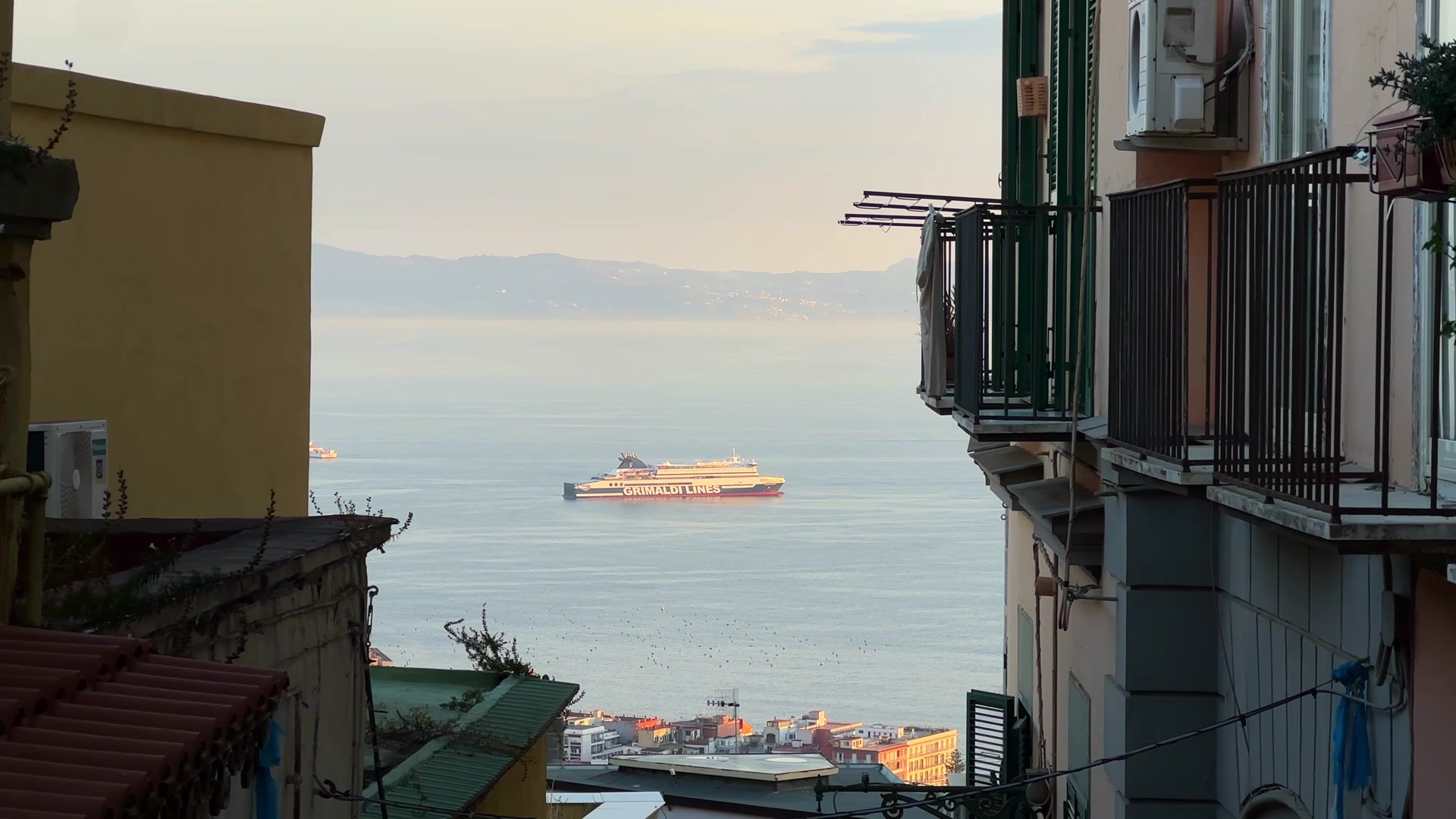
Another point is that many people come here to visit the Amalfi Coast at the same time. And I think this is absolutely correct. If your path has led you here, you should definitely go to Capri, maybe to Ischia too, though that place is more for thermal spring lovers. And definitely to the Sorrento Coast, but above all to Amalfi, Positano, etc. I am returning from Naples with a huge impression. And yes, that pizza experience. Of course, it was incredible. And I am sure that this could only happen here, only in the south. Because no matter how much I walked in the north, there was never a situation where someone said come inside, let's make pizza together. This is ultimately a story completely unique to the south. That's how it is in this region, in Campania and probably in some other neighboring regions too. The airport is located at a distance not too far from the city. And while walking on the streets, you constantly see how a plane flies right over you at a quite low altitude. See you with you on the next trip.

Comments