 Reinberg, Mecklenburg-Vorpommern, Germany

The Route 66 is a legendary road in the United States. Germany has the F 96—a long-distance highway that, during the era of the GDR, served as the country’s primary north-south artery. The streat is nearly 200 years old, composed of millions of small, Swedish granite stones.
Along a tiny stretch near the Baltic Sea, this nearly 200-year-old route remains much as it was back when it was the road of dreams for vacationers.

A long line of socialist-era vehicles—Trabants, Wartburgs, and Ladas—would wind its way through the landscape near Reinberg in Western Pomerania. Children grew fussy, and cars broke down, while motorcycles and mopeds nimbly wove their way past.
The line of vehicles crawled at a snail’s pace toward Stahlbrode, the departure point for the ferry to the island of Rügen.

In the days of the GDR, the F 96 was a well-kept secret for those hoping to avoid the massive summer holiday rush toward the island’s beaches—and the loss of precious vacation time spent stuck in traffic before the Rügen Causeway.

The causeway’s bridge would open six times a day to let ships pass, bringing all traffic to a standstill. Yet, word of this alternative route spread so widely that the line of cars on the F 96 could reportedly stretch as long as 20 kilometers.

None of this diminished the allure of the road—then known as Fernverkehrsstraße 96 (Long-Distance Highway 96)—which held a special place in the hearts of East Germans. Spanning 545 kilometers, the road ran from Zittau in the far south, through Bautzen, Berlin, Neubrandenburg, and Stralsund, all the way to Sassnitz—offering an escape from the daily grind of socialist working life.

Much like Route 66 in the United States—which stretches from Chicago to Los Angeles and has left an indelible mark on pop culture—the F 96 became a magical artery. The German band Silbermond dedicated a song to it, and rappers Marteria and Casper have also featured it in their music. The same is true for singer-songwriter Gerhard Gundermann in his song "Straße nach Norden" ("Road to the North") and author Marc Kayser in his book "Große Freiheit Ost" ("Great Freedom East").

Much like Route 66, the F 96—which continued as the B 96 after the end of the GDR—can no longer be found on any map today. Parts of the route have been absorbed into other roads, completely overhauled, or have simply vanished. It is no longer possible to drive the entire length of the old F 96. In some places, it now coincides with the A 20 Baltic Sea motorway: a wide, featureless ribbon of asphalt, replacing what was once a narrow, nightmarish stretch leading up to the expansive coast.

Hot, reeking of exhaust fumes, and—just before the final turn toward the Baltic Sea—cutting a perfectly straight, six-kilometer path through the flat landscape, the road once demanded patience from drivers and passengers alike, and tested the endurance of their vehicles.

Although the GDR had built a new road as early as 1964—running alongside the old cobblestone route with its cramped passages through towns—even this two-lane F 96a could not handle the surge of traffic during the holiday season.

Seven kilometers of the original F 96 still exist in their authentic state in Western Pomerania (Vorpommern). Yet, this "longest monument in Germany" goes largely unnoticed by tourists.
As it happens, the old road has outlived its successor. Traffic now roars along the B 105, which was constructed after the fall of the GDR. Meanwhile, the final remnant of the historic F 96 lies quietly—almost invisibly—beside it.

Built between 1927 and 1930, the stretch of road between Mesekenhagen and Reinberg stands as Germany’s longest monument; nearly 200 years old, it is composed of millions of small, Swedish granite stones. Beginning in 1836, Grand Duke Georg of Mecklenburg ordered these hand-sized stone blocks to be laid with meticulous care, aiming to improve connections between the settlements in his sparsely populated realm.

Today, this heritage-protected stone mosaic still stretches for kilometers between the small villages—polished smooth by millions of wheels and slightly worn away along the center, yet remaining in better condition than many concrete or asphalt roads less than half its age.

Grass grows leisurely from the gaps between the stones, while the linden saplings—which once gave this thoroughfare, then known as a Chaussee (highway), its current name, Lindenstraße (Linden Street)—have matured into giants, their canopy transforming the route into a tunnel filled with green light.
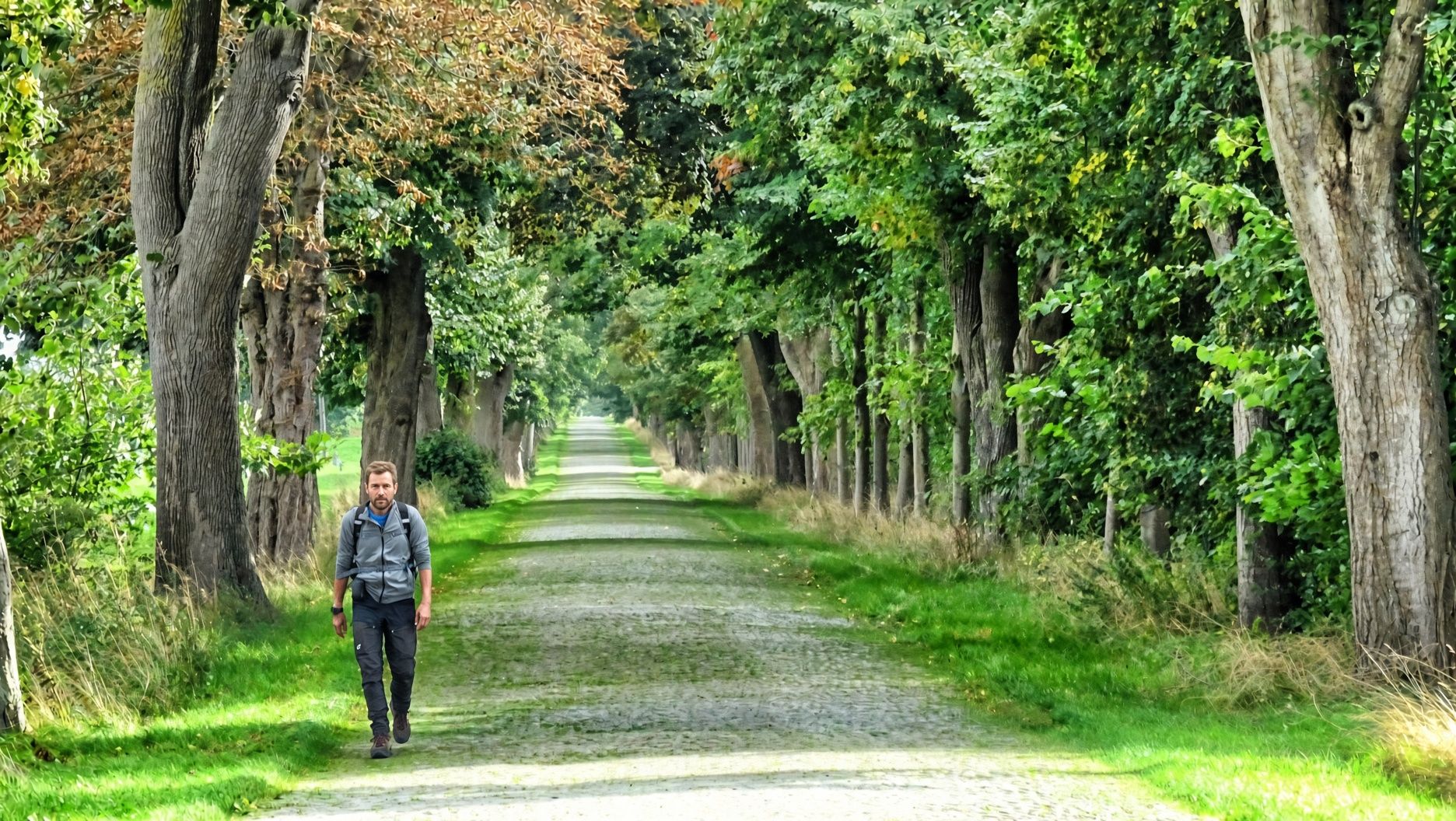
The romantic charm of what remains of the old F 96 highway is quiet and largely overlooked. The sea lies three kilometers away as the crow flies—far too distant for an evening stroll—and cyclists tend to avoid the uneven surface. Most of the pubs in the villages along the way closed their doors years ago.

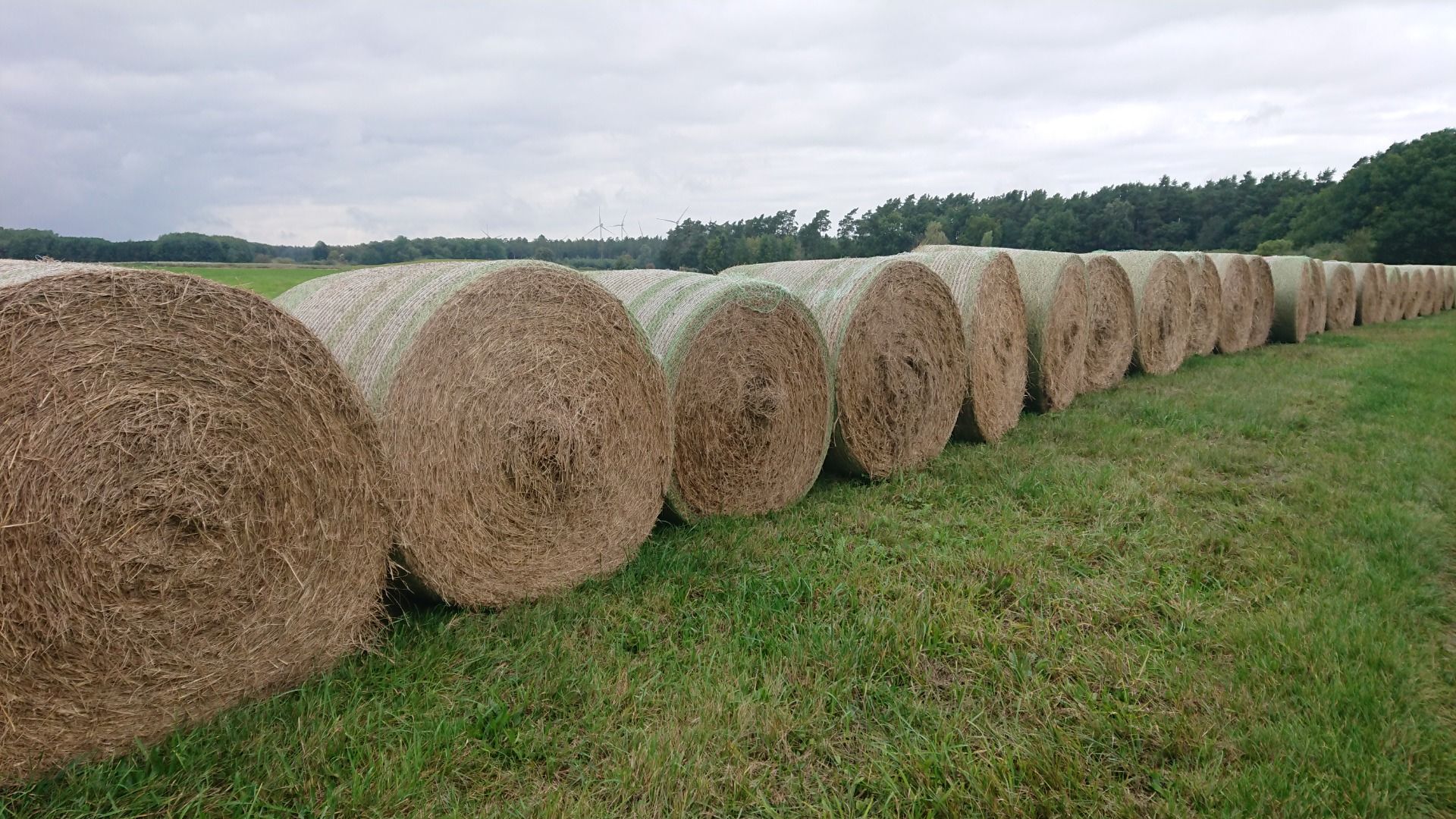
Wind turbines hum in the fields, sheep graze in front of abandoned farmsteads, and nearby, a graveyard of old cars sprawls across the landscape—as if this were Flagstaff, Arizona, rather than Kirchdorf in Western Pomerania.






Comments