Halle (Saale), Saxony-Anhalt, Germany

Where ivy now grows through decaying windows and motorhomes are parked, a dark chapter of Halle's history lies hidden: During the Second World War, hundreds of female prisoners were forced into hard labor for the German armaments industry behind the ruins of the once-renowned porcelain factory in Lettin. A journey through overgrown barracks, dusty GDR files, and the traces of two transformations of a forgotten place.

Hidden within a dense, overgrown thicket behind the former porcelain factory on the outskirts of Lettin lies a dark chapter of history. During the Third Reich, female prisoners were held here and forced to perform hard labor.

More remains of this site’s "second life" than of its first—back when Heinrich Baensch, a native of Halberstadt, founded his porcelain factory here in 1858, just outside Lettin on the road toward Salzmünde.

Go-Kart and Dust
A large sign on the modern production hall still points to its long-standing use—long after the factory had ceased producing porcelain—reading "Go-Kart Track Entrance."

It is accompanied by a faded image of one of the miniature race cars that once sped around the track, particularly during the 1990s.

The massive hall—a flagship project during the GDR era, intended to comprehensively modernize porcelain production—now serves as a storage space for campers and caravans.

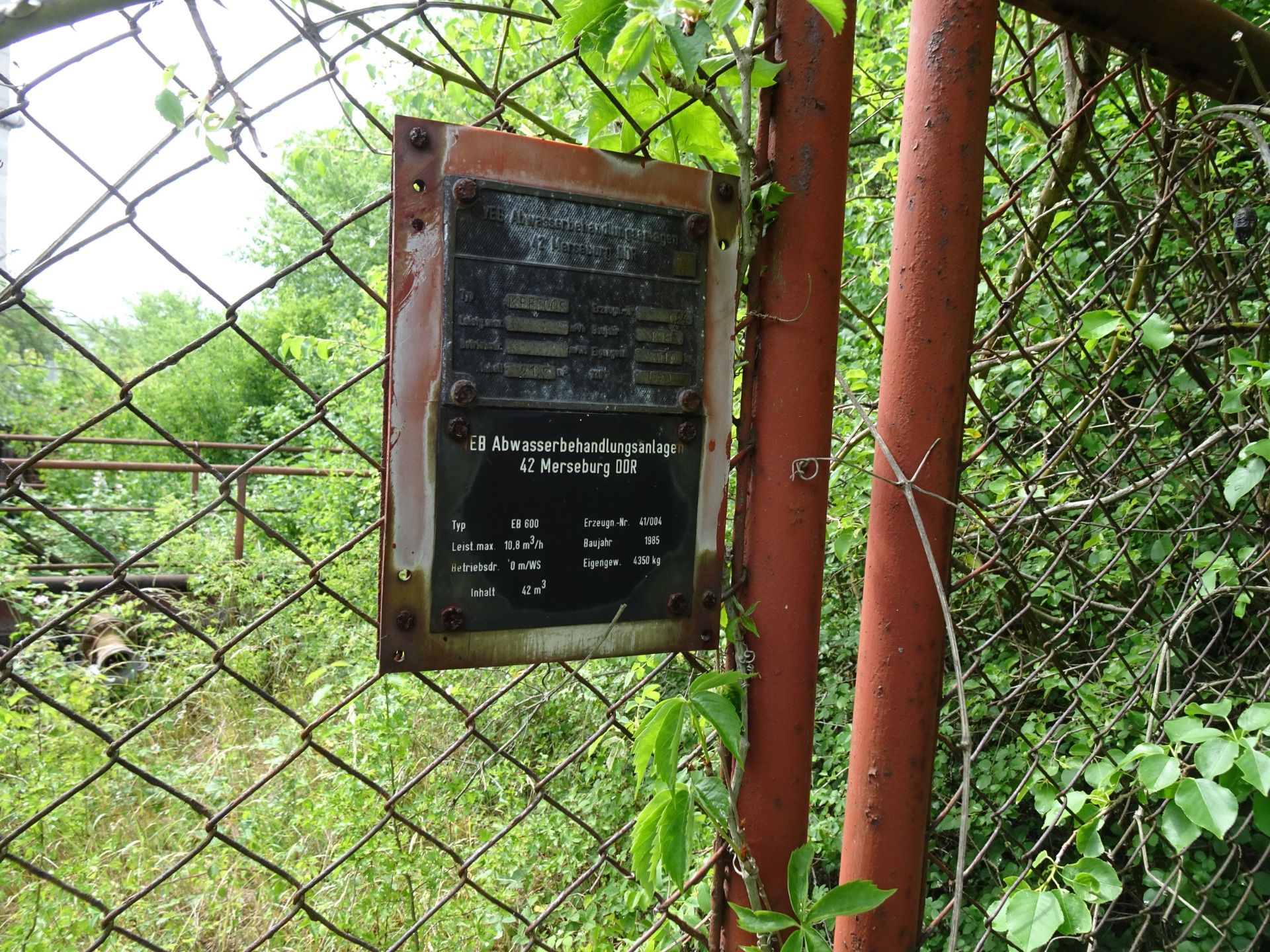
The rest of the former factory grounds—most recently known as VEB Vereinigte Porzellanwerke Colditz – Werk Lettin—are now privately owned. The site is currently occupied by a veterinarian, the local volunteer fire department, a helicopter charter company, and a group of car enthusiasts.

Under climbing plants
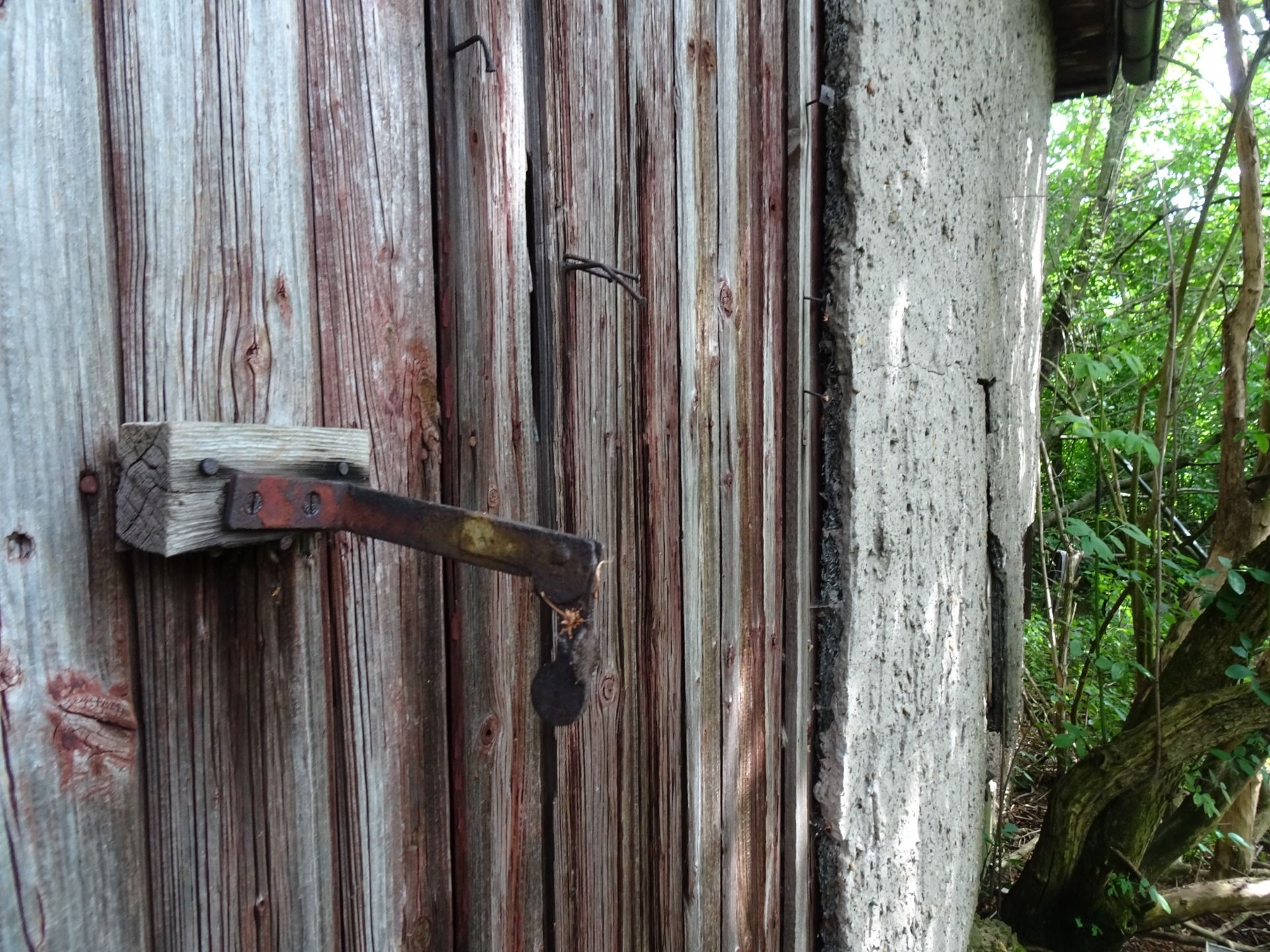
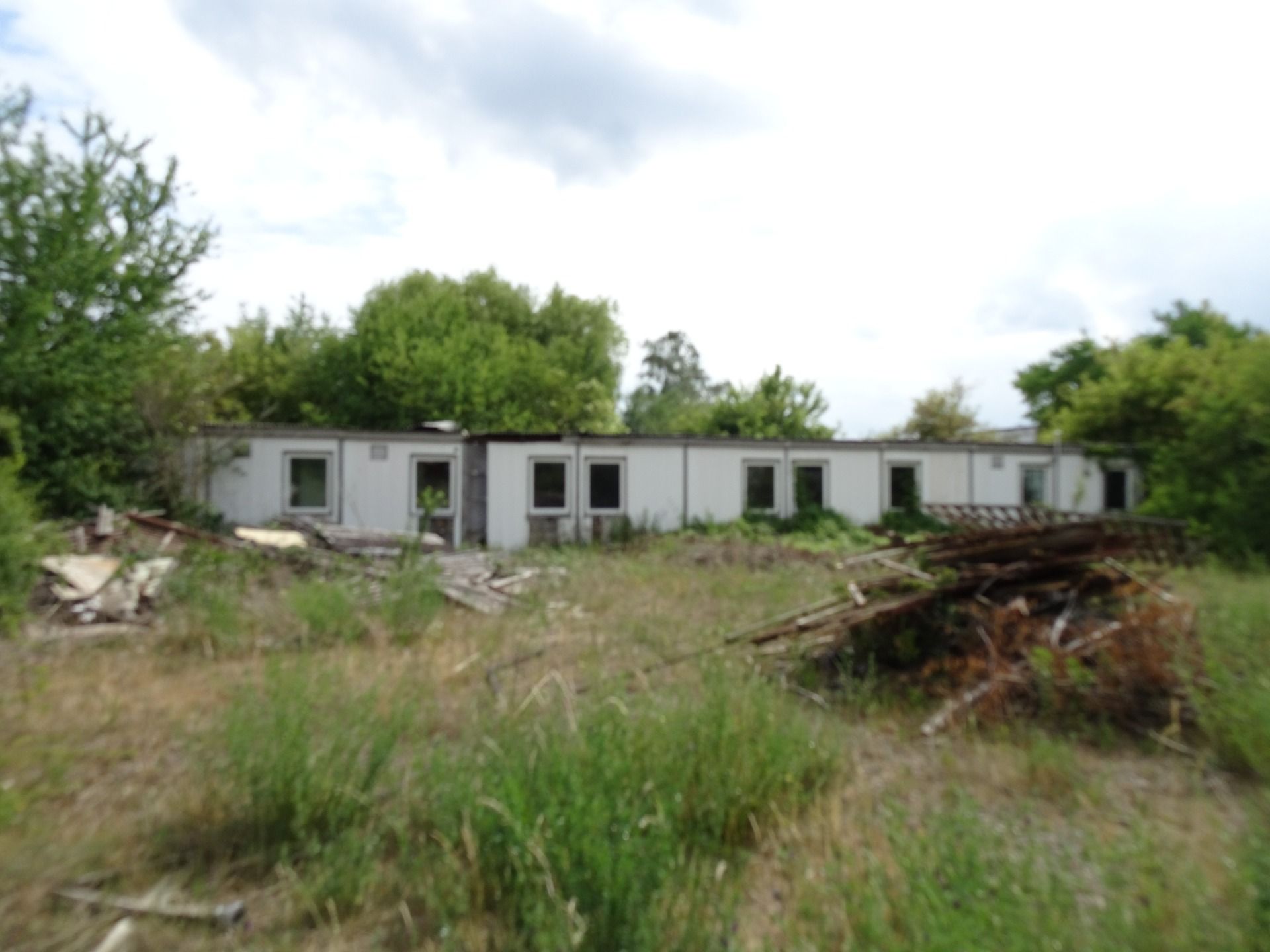
Scattered across the expansive property, alongside surviving pump houses, electrical cabinets, and garages from the GDR era, stands a dilapidated barrack—completely engulfed by shrubs, trees, and climbing plants. Its doors and windows gape open, large sections of the roof have collapsed, and the insulation—made of wood-wool cement boards—has peeled away in great swaths from the wooden facade.

The departure from this building must have taken place in a tremendous hurry. Throughout the abandoned offices, construction documents, project plans, and drawings still lie scattered—including, for instance, plans from 1986 for the installation of a ventilation system in the porcelain factory’s dining hall.

The Guide to labor law
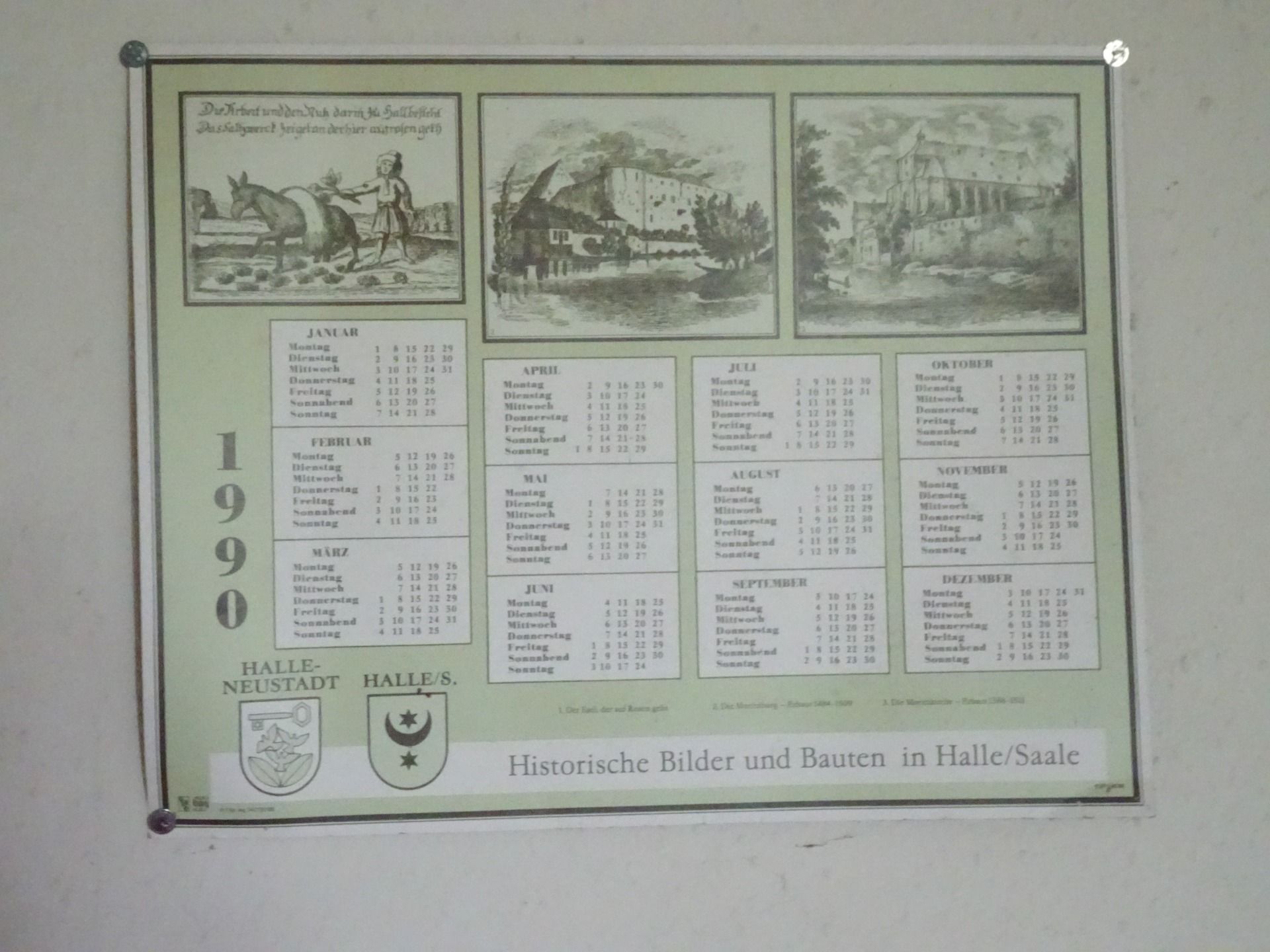
Files sit in stacks on moldy shelves, paint peels from the walls, and a single abandoned copy of a "Guide to Labor Law" suggests that other companies must have rented space here even after the production of "Lettin porcelain"—a highly sought-after commodity during the GDR era—had come to an end.

These tenants occupied rooms with a history that—unlike that of the renowned porcelain factory next door or the forced-labor camp associated with the Siebel aircraft works in the Halle district of Frohe Zukunft—remains largely unknown.

Bloody and dark

Here, where ivy now grows through windows still covered by iron bars, a file folder labeled "K37.8.103V" contains plans for the renovation of the fireclay processing and sagger-making departments—a site where, during the Third Reich, one hundred women were forced to perform hard labor.

A contract signed in 1943 between the director of the Halle detention center and Richard Wickmann—one of three brothers leading an electrical engineering firm based in Witten, North Rhine-Westphalia—stipulated that these women were to be deployed for tasks "essential to the war effort and armaments production." By the 1930s, that firm had grown into one of Germany’s most significant high-tech companies, driven by its development of electrical fuses.

Working for Hitler
In 1935, Josef, Karl, and Richard Wickmann had acquired the Lettin porcelain works and gradually shifted its production. Instead of cups, plates, and teapots, the Lettin factory began producing insulators for electrical fuses—components required by the German armaments industry for use in aircraft, tanks, and radio equipment.

By 1944, such items accounted for three-quarters of the total output of the former porcelain manufacturer, Heinrich Baensch AG und Nachf. This production would have been unthinkable without the women from the barracks, who were made available to the company with the approval of the Reich Administration of Justice.
Supervision day and night
For Wickmann AG—a firm that would later grow into a global corporation in the Federal Republic of Germany—this proved to be a profitable investment. The women worked five and a half days a week, for which a fee of 4.50 Reichsmarks per day was paid to the justice administration.
According to a contract from November 1943, the prisoners were to “remain under supervision day and night” once their workday ended; the agreement also stipulated that the porcelain factory was required to provide them with “a straw mattress, two blankets, tableware, and eating utensils.”