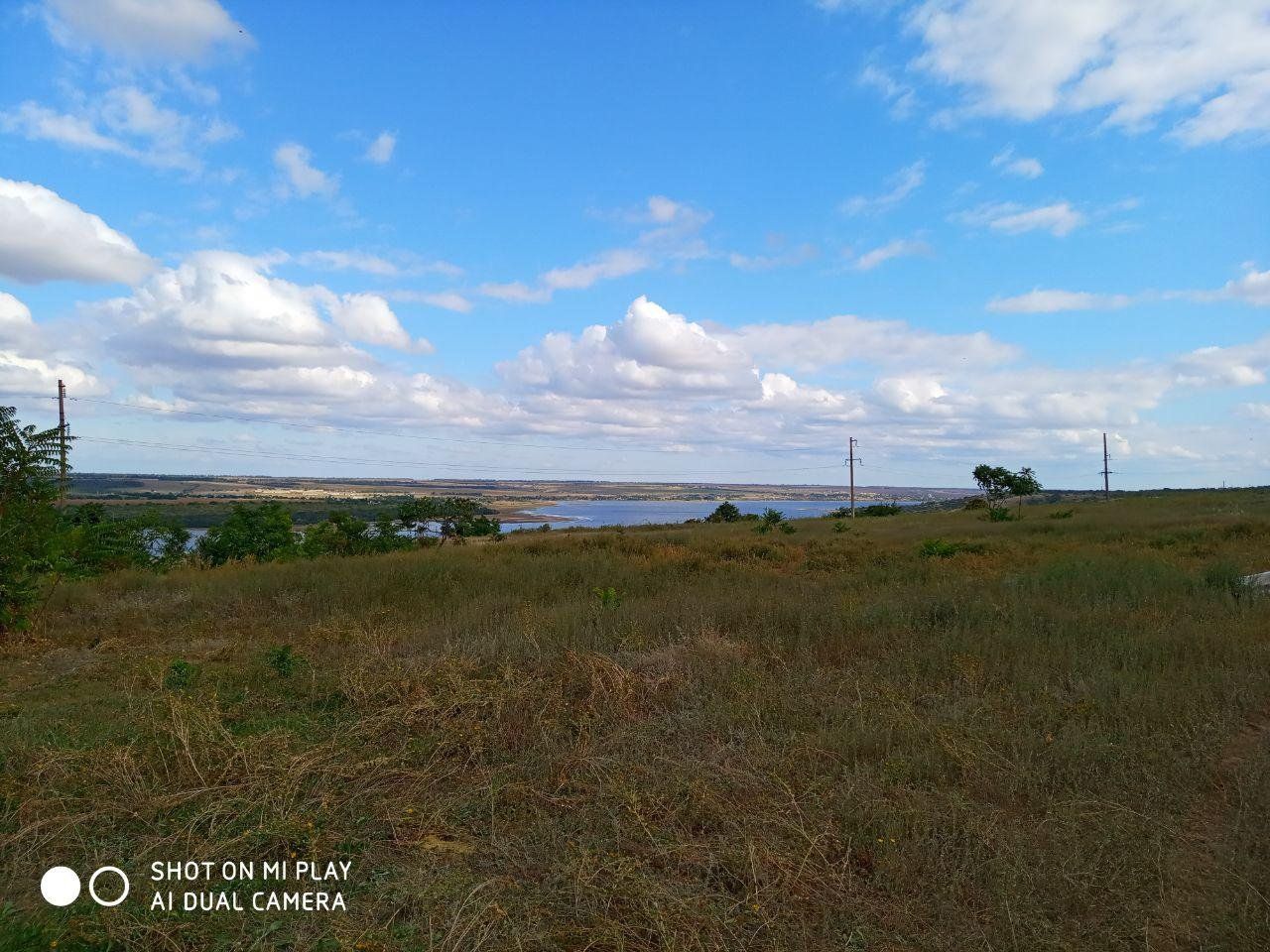
 Odesa Oblast, Ukraine
We continue to speak for the Tiligulsky estuary. As promised, today we will focus on flora and fauna. In addition, we’ll talk about mud that is healing! It is plants, animals and mud that attract many tourists to these parts.
On the coast of the estuary, excellent conditions for the living of animals, fish and birds are created. Among animals, the most common here are: wolves, hares, foxes, ermines, hamsters and so on.
There is practically no human interference in nature. Due to this, a zoological reserve was created here. It has state significance. Thanks to the warm climate and plenty of sunshine, gardening is booming here. This region is in the TOP of the largest garden areas of the country. Important! This is where one of the largest deposits of hydrogen sulfide mud in Europe is located.
Underwater world of Tiligul estuary of Odessa region
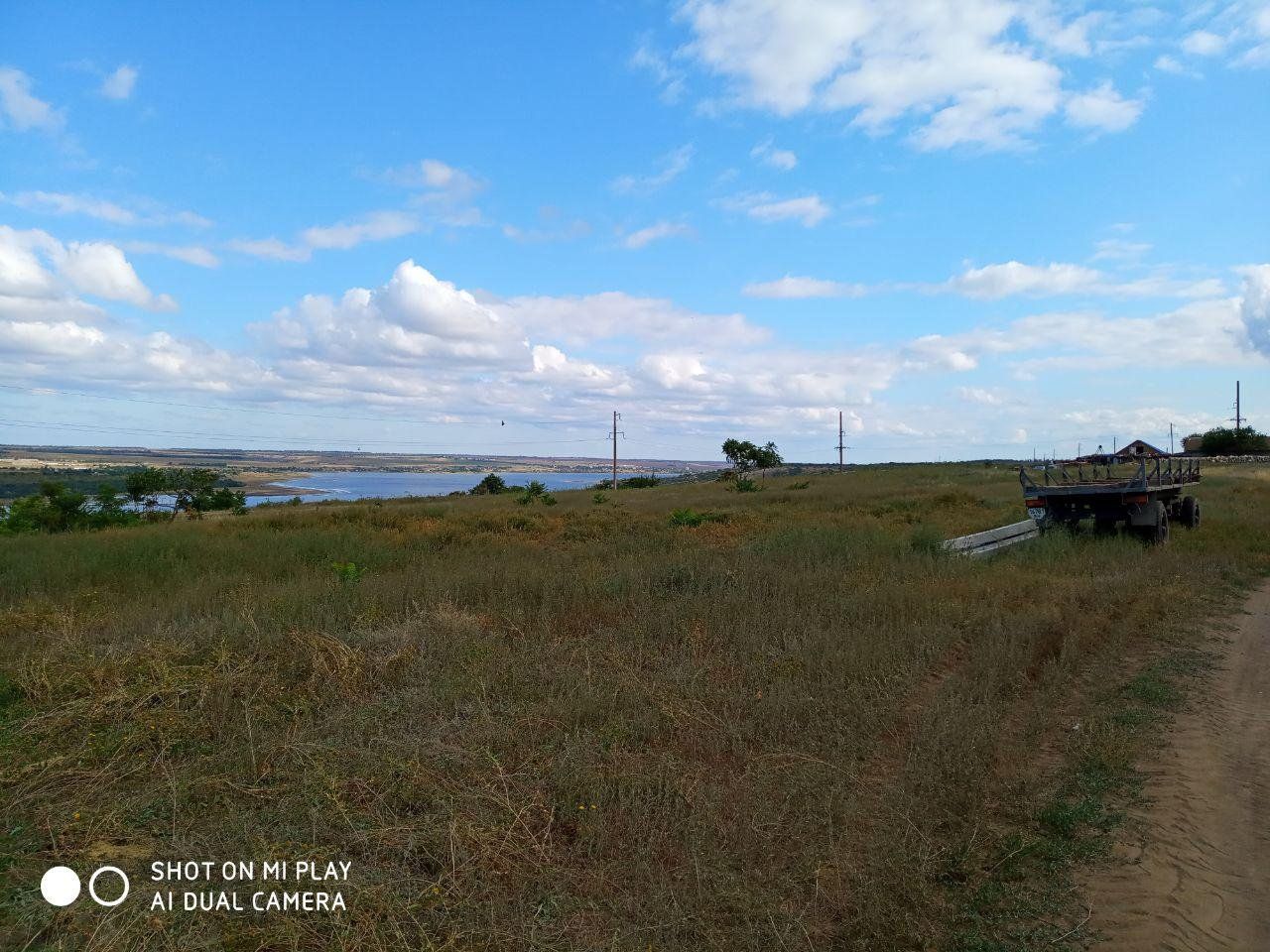
All ponds that are located on the territory of the estuary are called Caspian. The peculiarity is that after a sharp shallowing, they can suddenly fill with water. The underwater world is very rich. Since the 18th century, there have been sharp changes in the level of water and its salinity. In this regard, a large number of different species of fish live here.
Previously, there lived: tuna, mackerel, zander, carp and so on. Since there is a connection with the sea, today there are more than 30 species of representatives of the underwater world. Such fish species as hamsa, mullet, goby, gobies and atherin are of industrial importance.
Feathered world of Tiligul estuary
This area is favored by many species of migratory birds that settle during the migration seasons. In general, on the coast of the estuary you can see more than 270 species of feathered inhabitants. There is: a small and marine sandpit, grunts, meadow derichtail, etc. In the reeds live: herons, gray goose, mute swan, mowing, kryzhnee, cows, cormorant and others.
In the season when migratory birds gather here, the total number of people living here exceeds 50 thousand. There are representatives of the red book. There are more than 40 species. Among them we can distinguish: yellow heron, balaban, peregrine falcon, gray crane, pink pelican, cow, and so on.
Muds that are still slightly healing
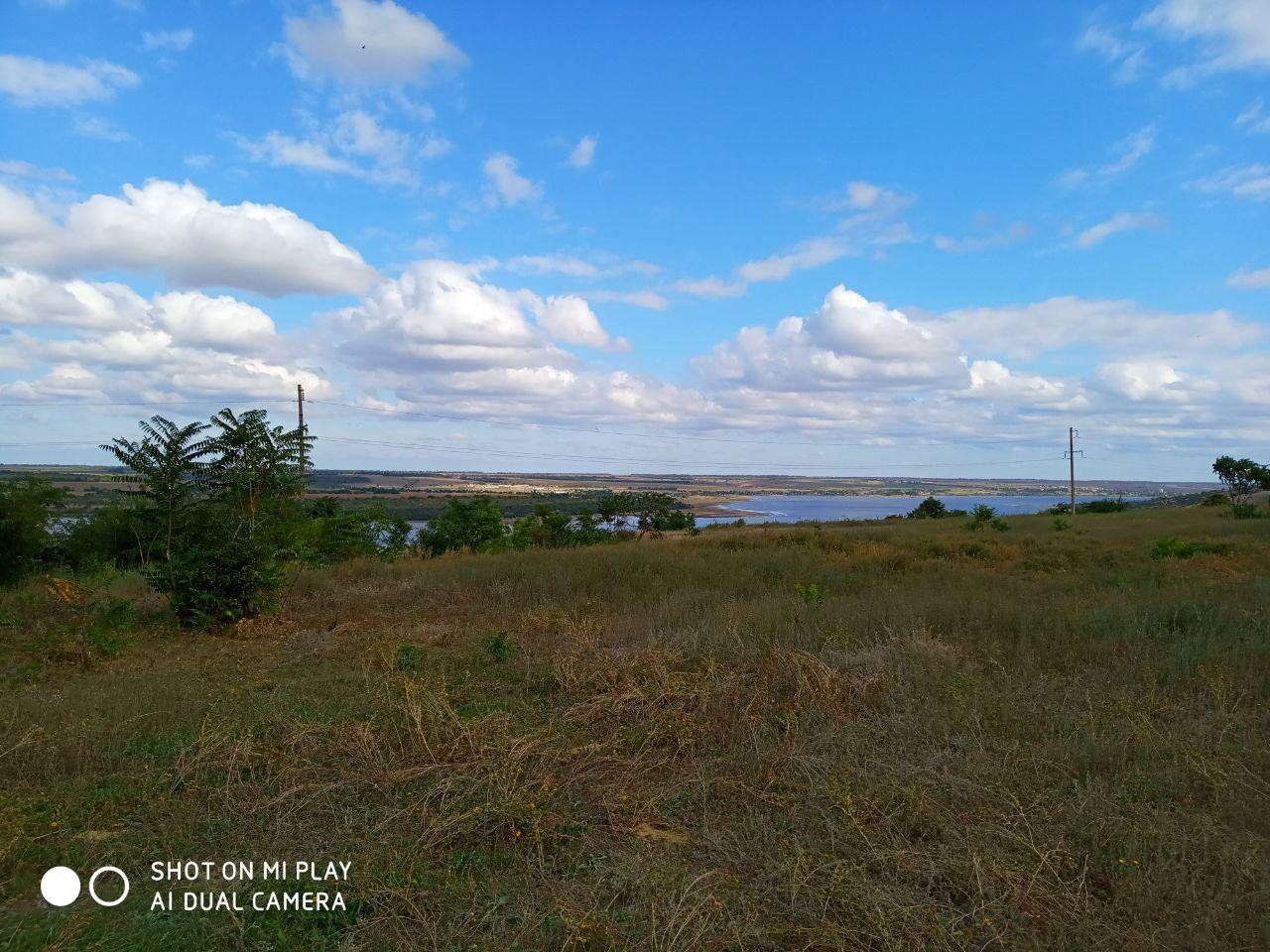
Hydrogen sulfide mud is especially popular here. Experts estimate that reserves exceed 14 million tons.
These very muds contribute to the restoration of the nervous and musculoskeletal systems, improve skin and improve metabolism. They have antiseptic and anti-inflammatory properties. Normalize cardiac activity and circulatory system.
These features of mud attract a lot of tourists here not only from the territory of the Post-Soviet space, but also from the West.
We invite you to visit! Have a rest in Odessa region! Here is a paradise for tourists!
Posted by @jurgan, @ olya-vichenka
_______________________________________
[Trade, exchange and withdrawal of cryptocurrency on banks and PS cards](https://livecoin.net/?from=Livecoin-dtfQaHGF)
___________________________________________
[Distribution of free Satoshi](https://7-go.ru/BitcoinOpenProjectBot?start=332447)

Comments