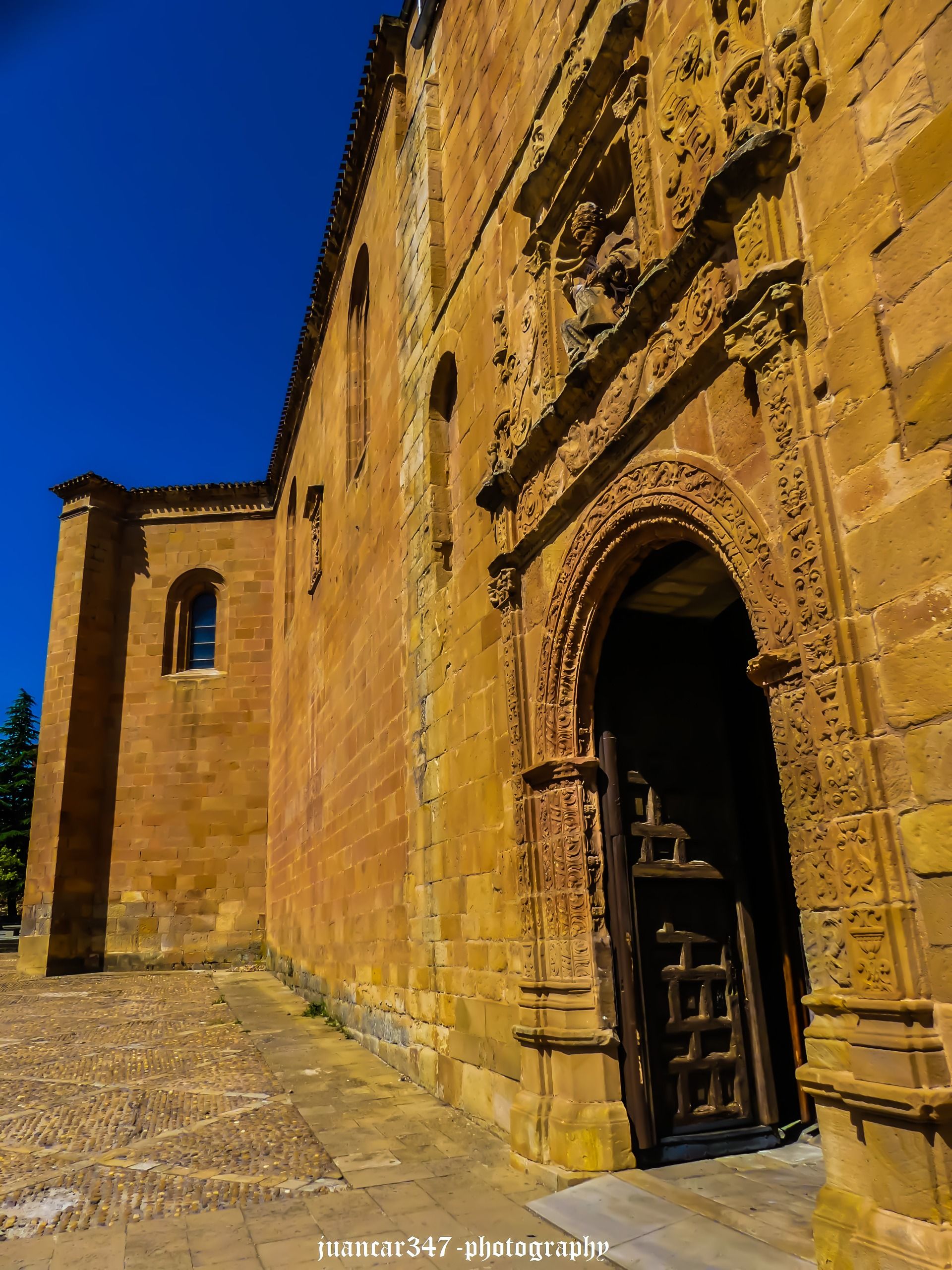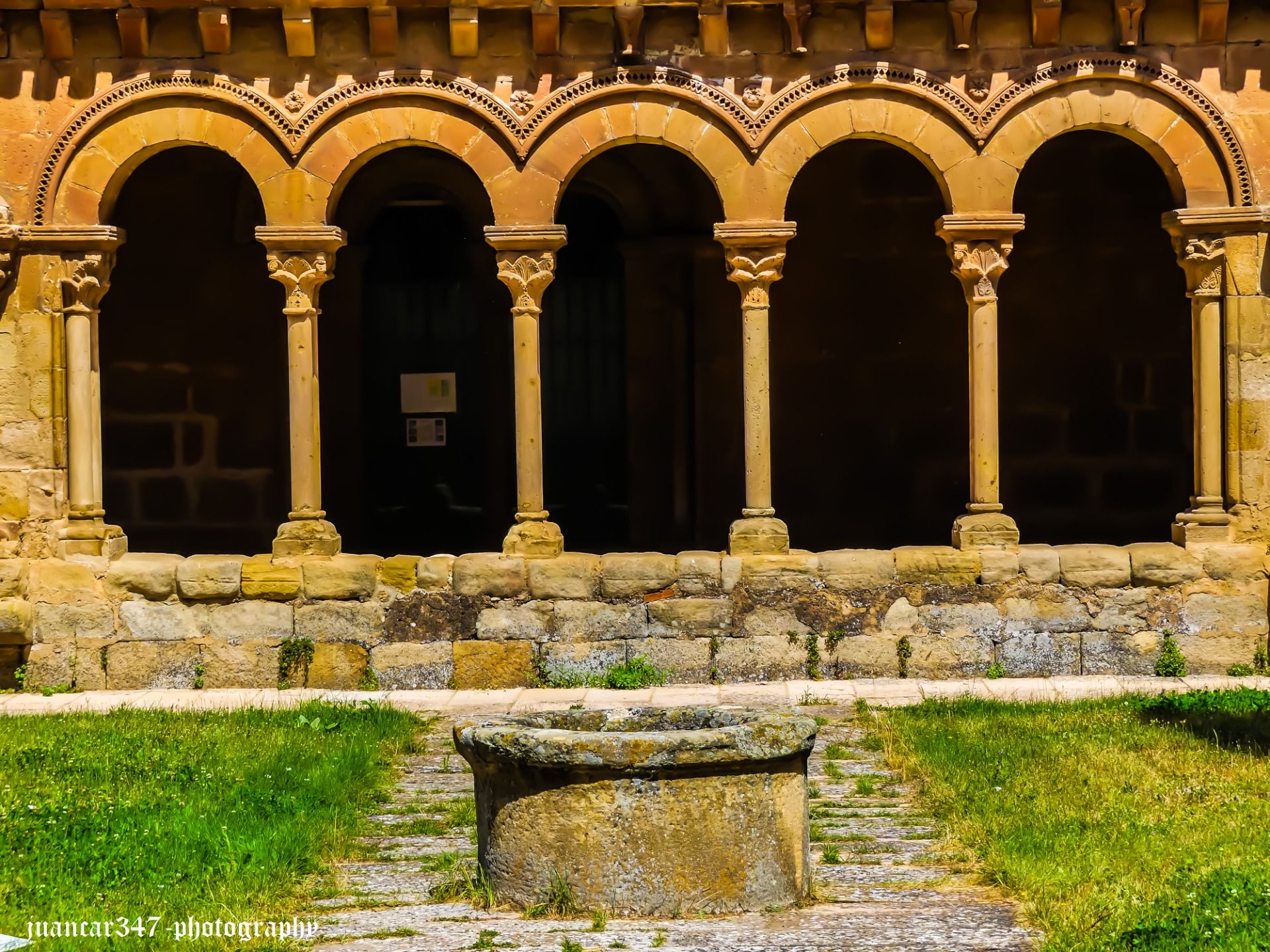

From that ancient Soria, whose Twelve Lineages united to protect the infant Alfonso VIII and later accompanied him to the nearby church of Santo Domingo to celebrate his betrothal to Princess Eleanor of Aquitaine, there are still memorable places worth discovering.
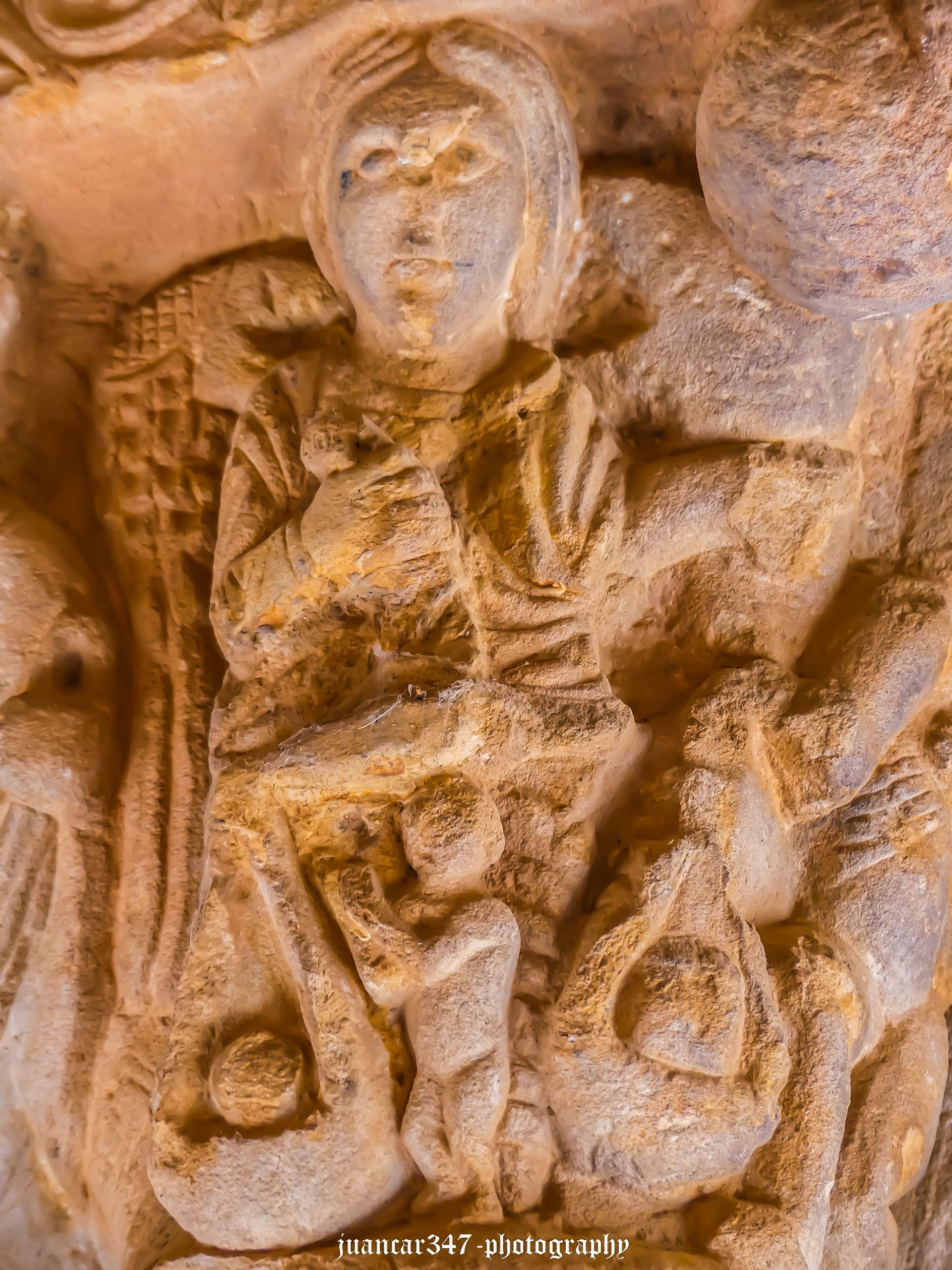
One of them, precisely, is found by the traveler a few hundred meters before reaching that same Monastery of San Juan and those same banks of the Duero River, which exerted such a strong influence on the fevered imagination of the poet Gustavo Adolfo Bécquer.
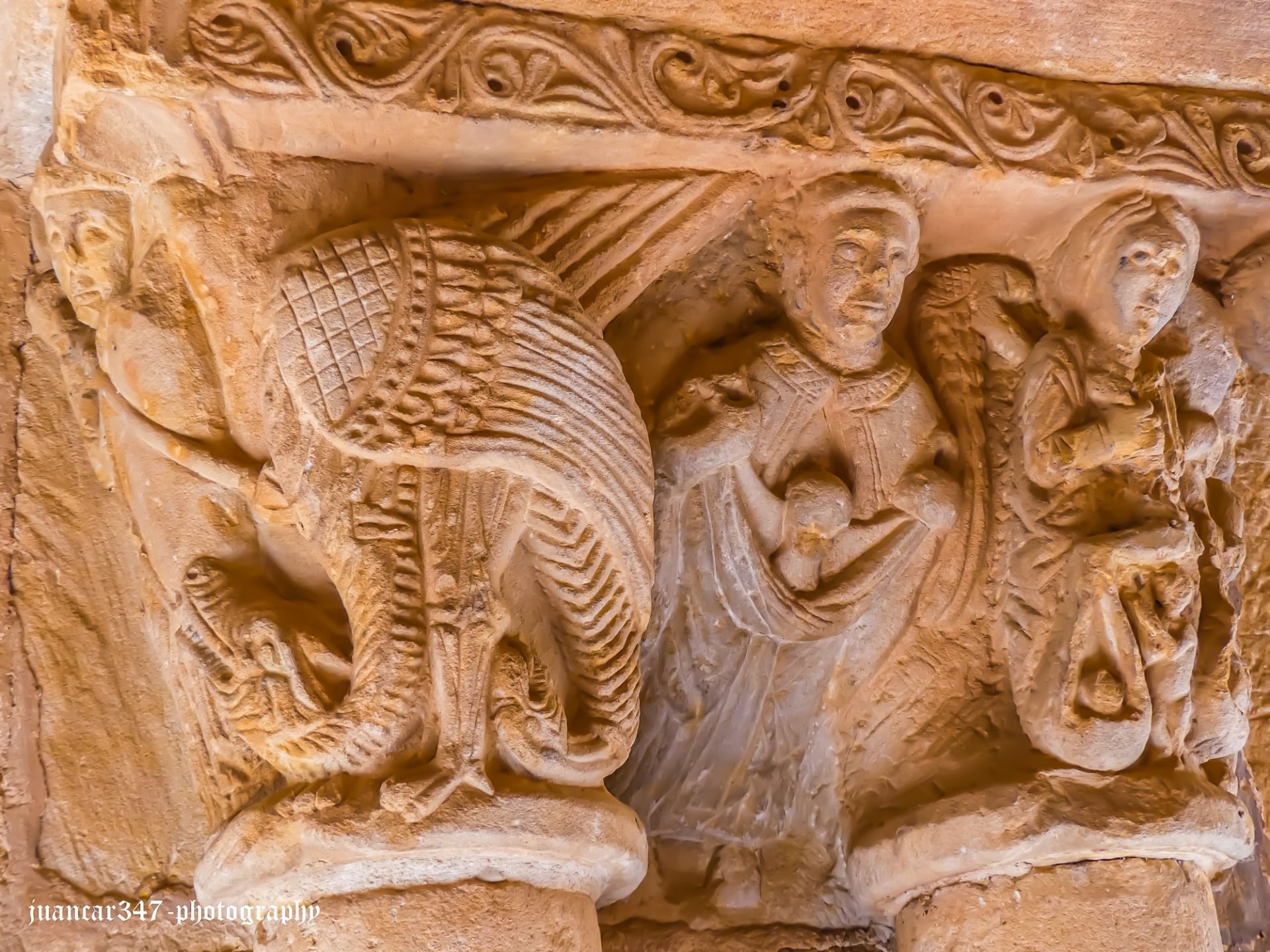
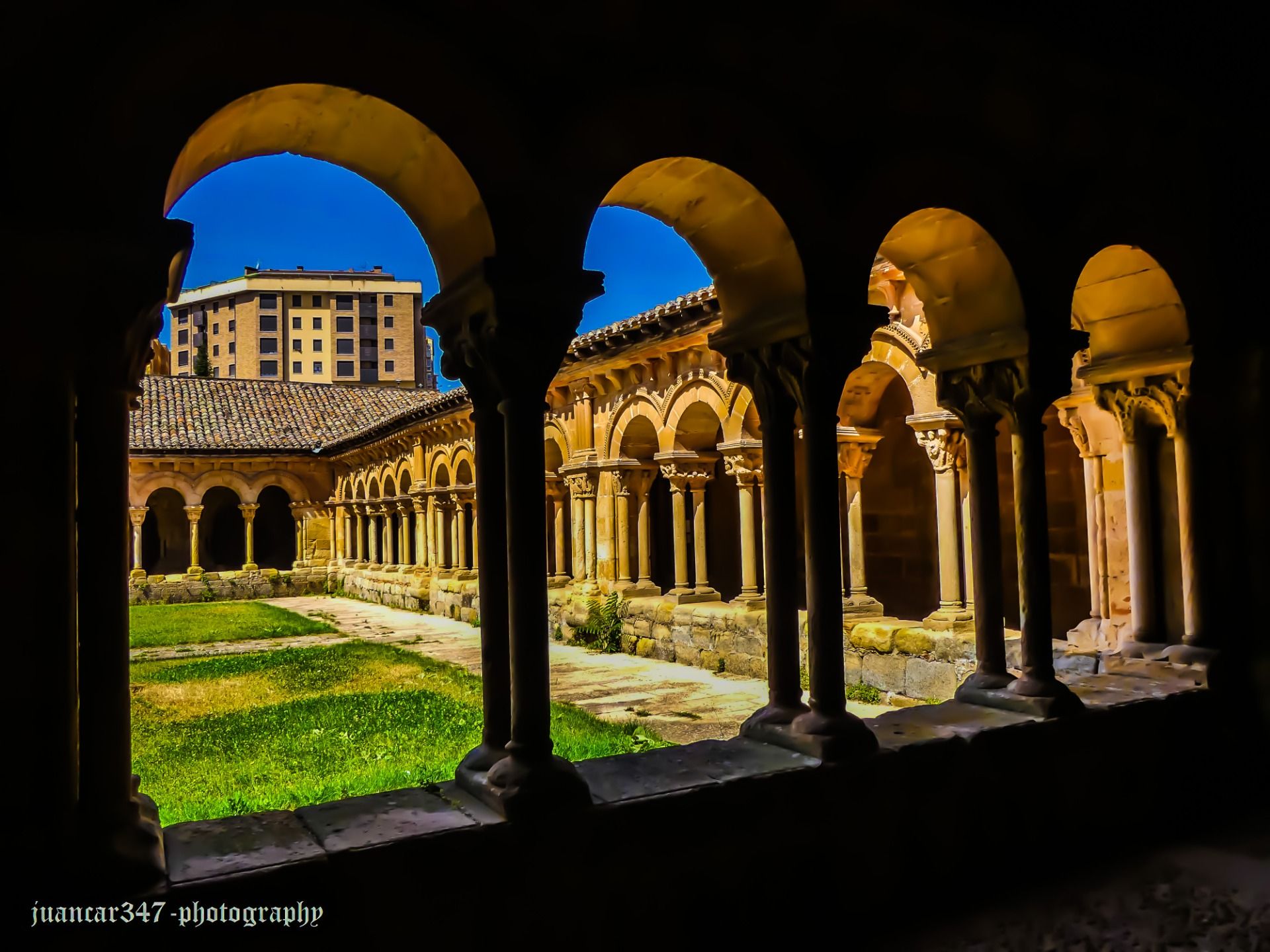
It is the Romanesque cloister of a co-cathedral, that of San Pedro, whose story, more or less preserved amidst the turbulence of the centuries, still exerts its fascinating original power on the astonished eyes of tourists, travelers, and pilgrims.
In that plot of land, whose backdrop is assaulted by architecture of all types and eras, assembled like the layers of dust and earth that covered Homer's original Troy, ancient constraints assault the imagination and invite the indulgence of speculation.
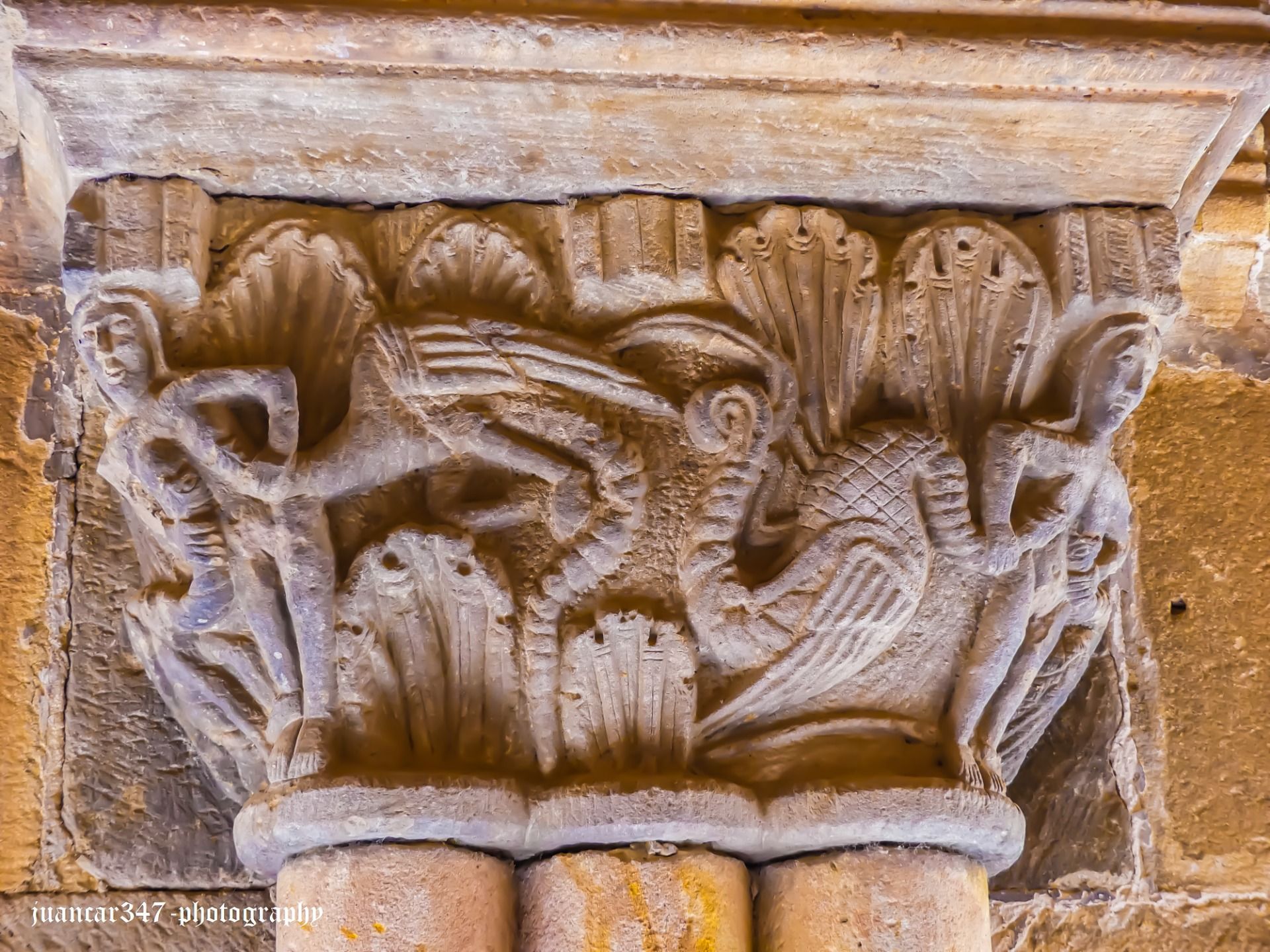
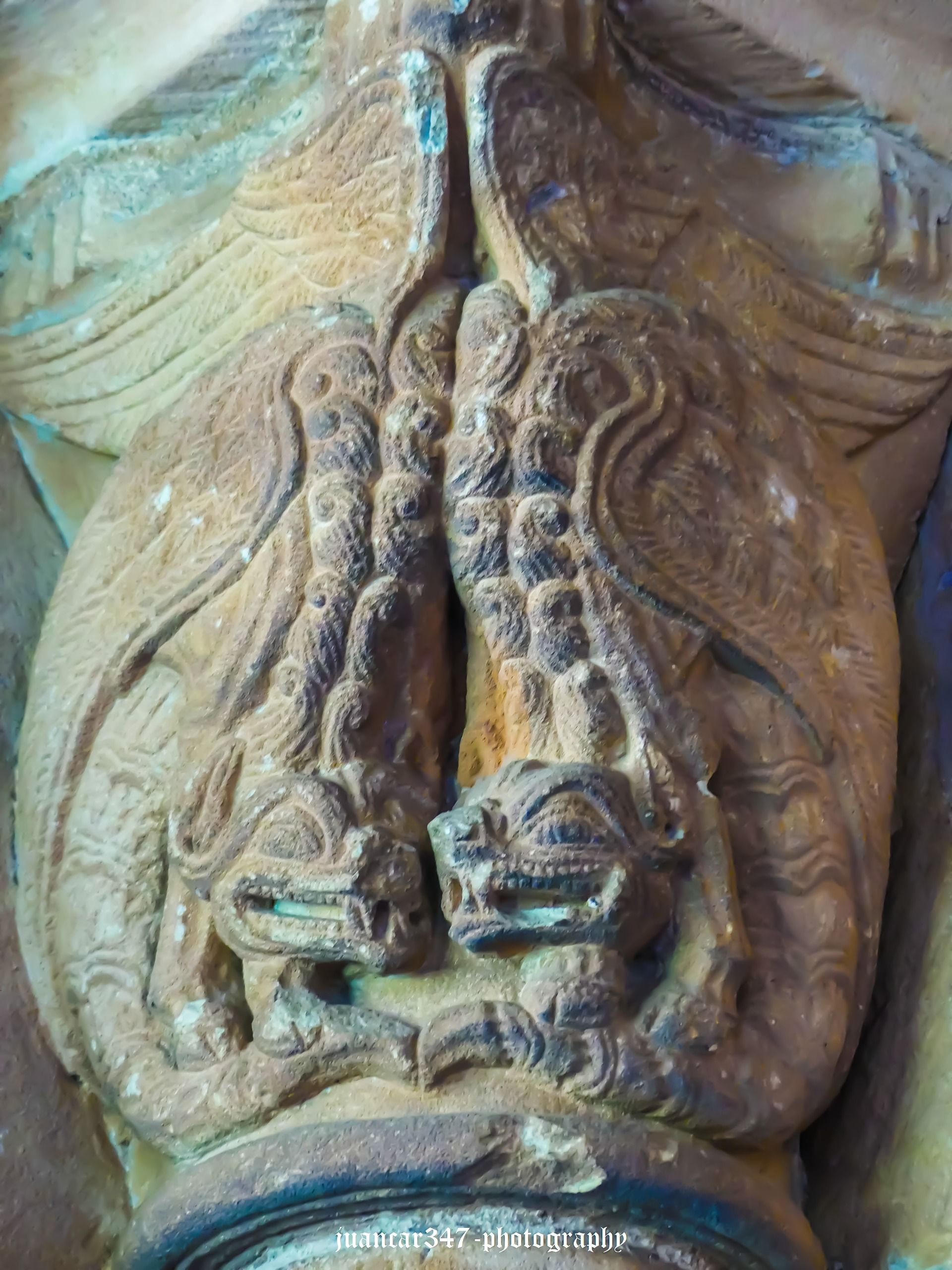
Among angels, lions, harpies, serpents, and faces with penetrating and unchanging gazes, the astonished traveler, accompanied by the echoes of his footsteps on the ancient stones of a cloister brimming with memories, involuntarily trembles, trying to find the key to such a fantastical tale.
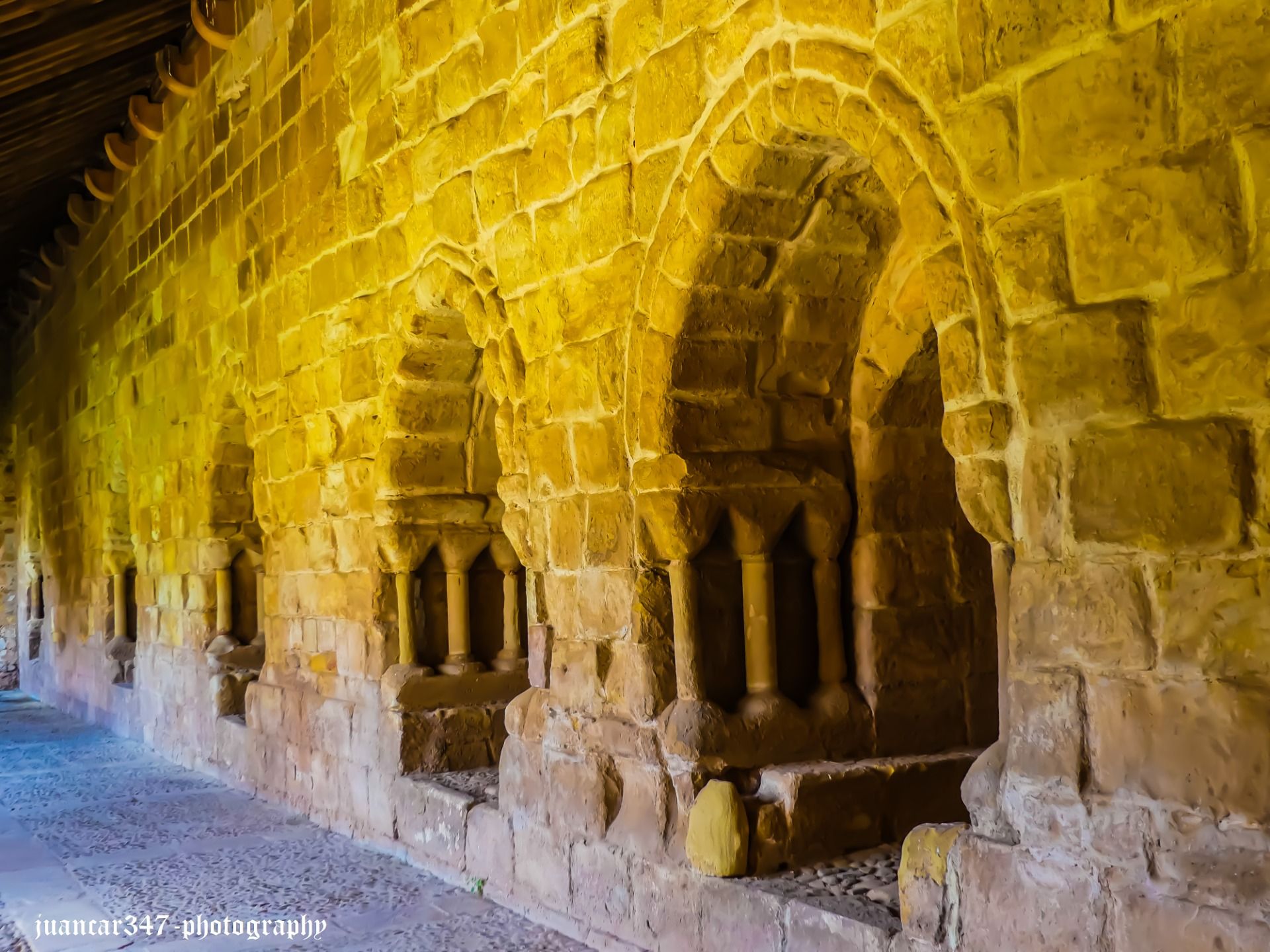
And amidst his speculative musings, he senses, without fully understanding it, the shadow that, beneath what Antonio Machado called his complement and Ortega y Gasset defined as his circumstance, that deep down, very deep down, like that shadowy place where the Mothers dwell, to which even a devil like Mephistopheles refused to descend, lies the key that unlocks the door to other worlds.
Worlds like those in which H.P. Lovecraft featured one of his most famous characters, Randolph Carter, are none other than those dreamlike worlds that we all forget upon waking.
NOTICE: Both the text and the accompanying photographs are my exclusive intellectual property and are therefore subject to my copyright.