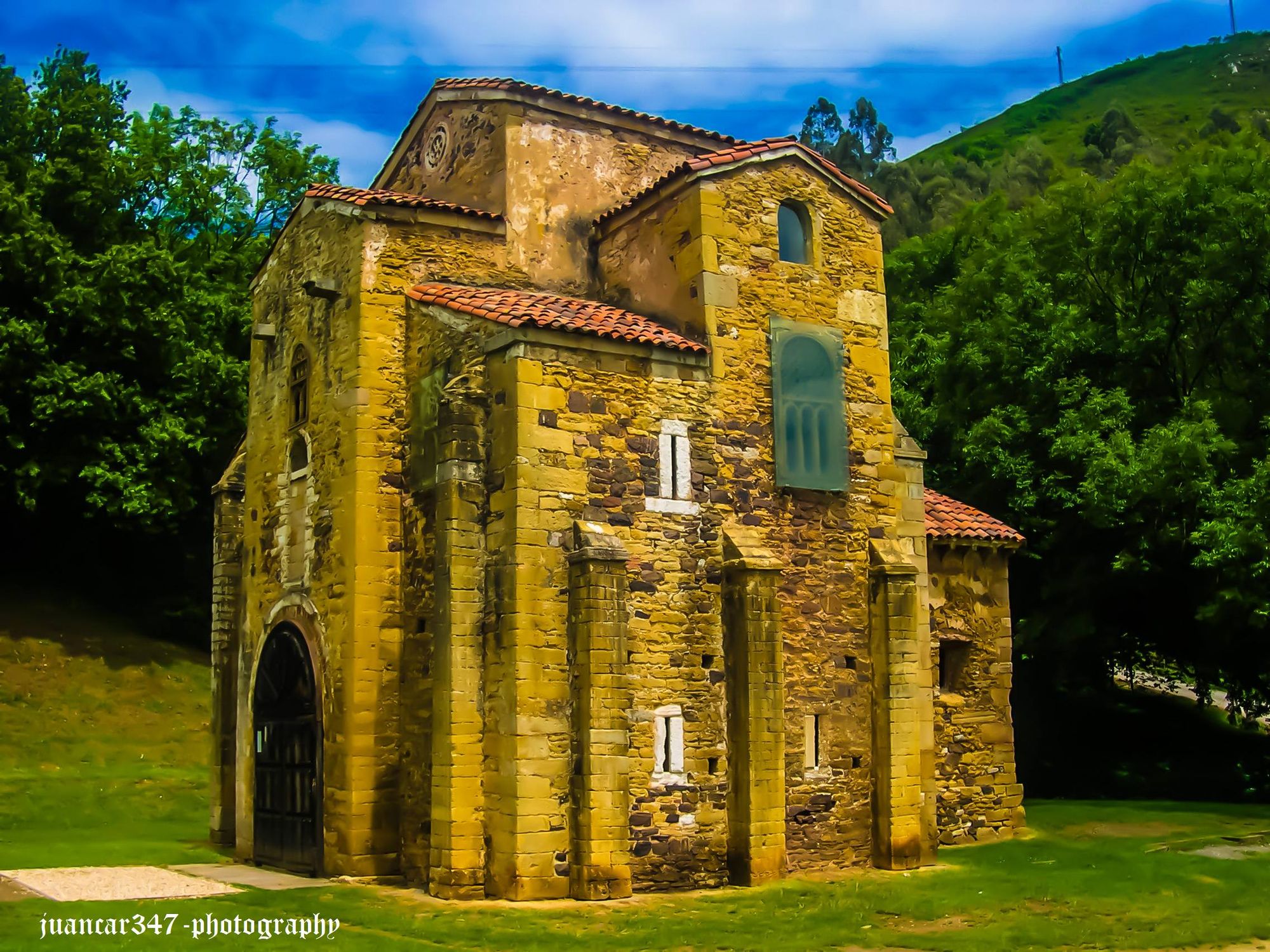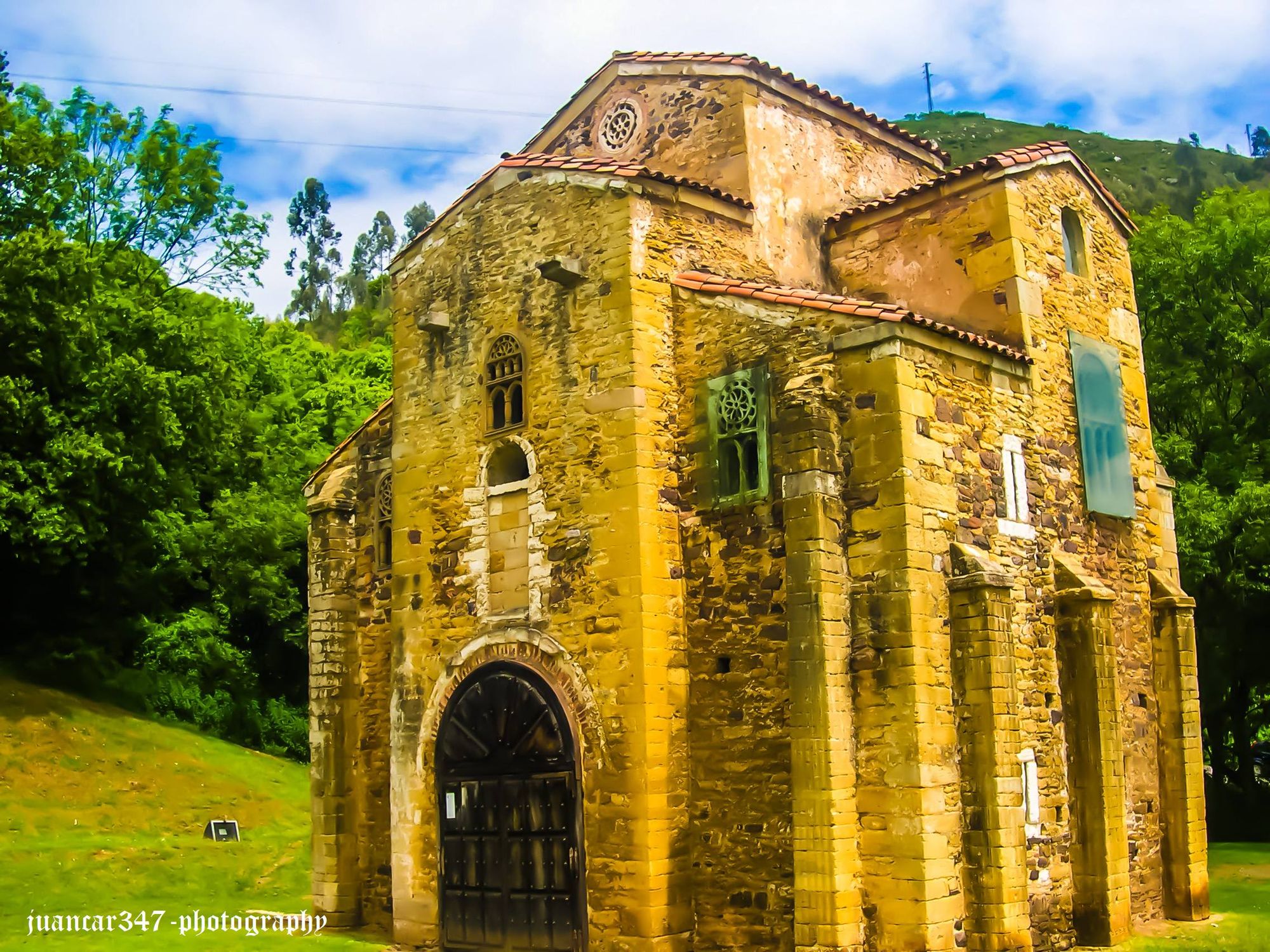

Contemporary to the era when a sudden decision led King Ramiro I to consecrate a residential palace and transform it into a sacred space, the Church of San Miguel de Lillo is another of those monumental Asturian legacies whose roots lie not only in the dawn of time, but also in the dawn of mystery.
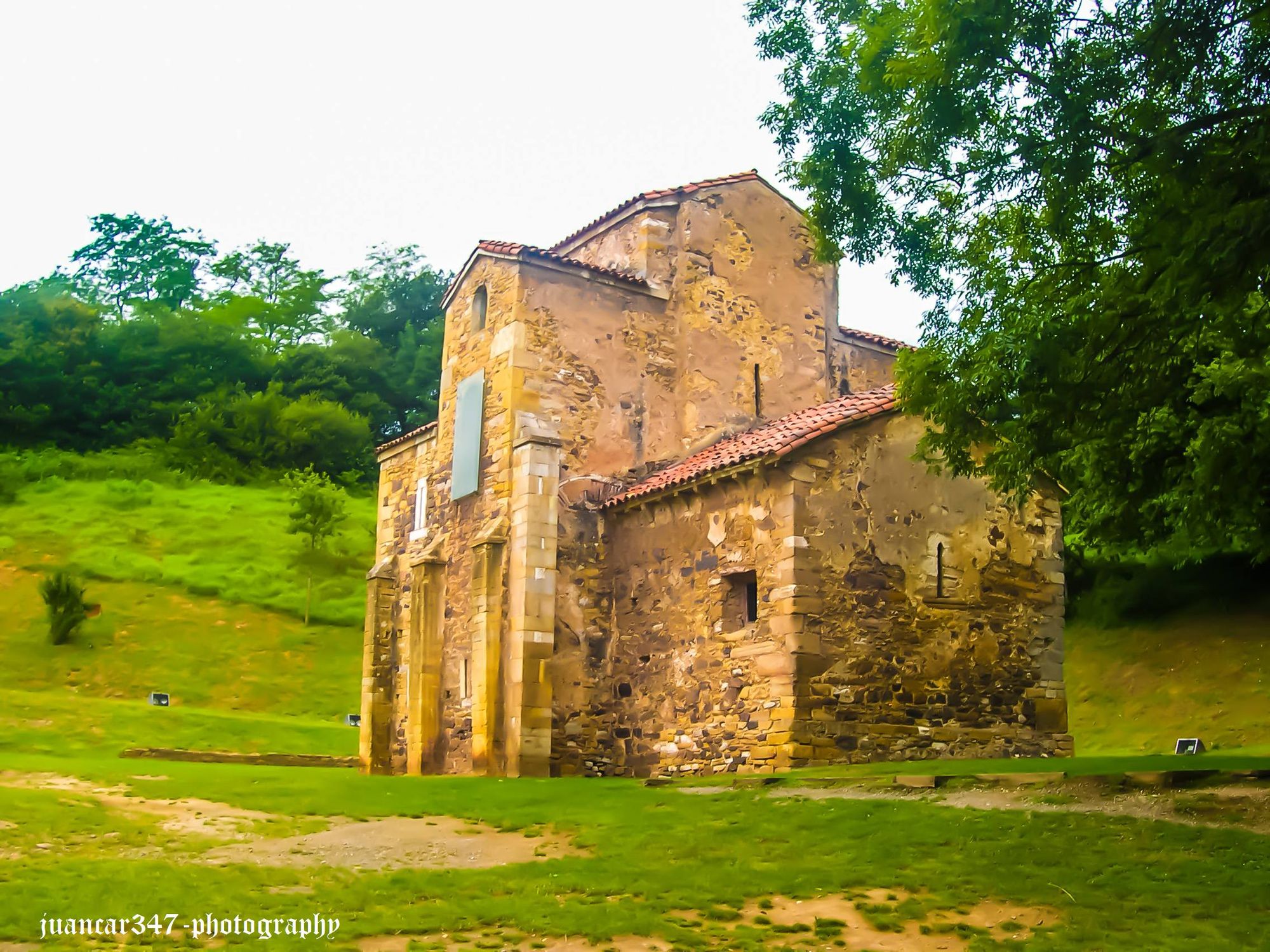
The choice of location for one of the most unique monastic buildings—embodied of that Asturian spirit, and at the same time, profoundly Numantian—is incomprehensible, except perhaps as a poor decision by the powers that be of the time.
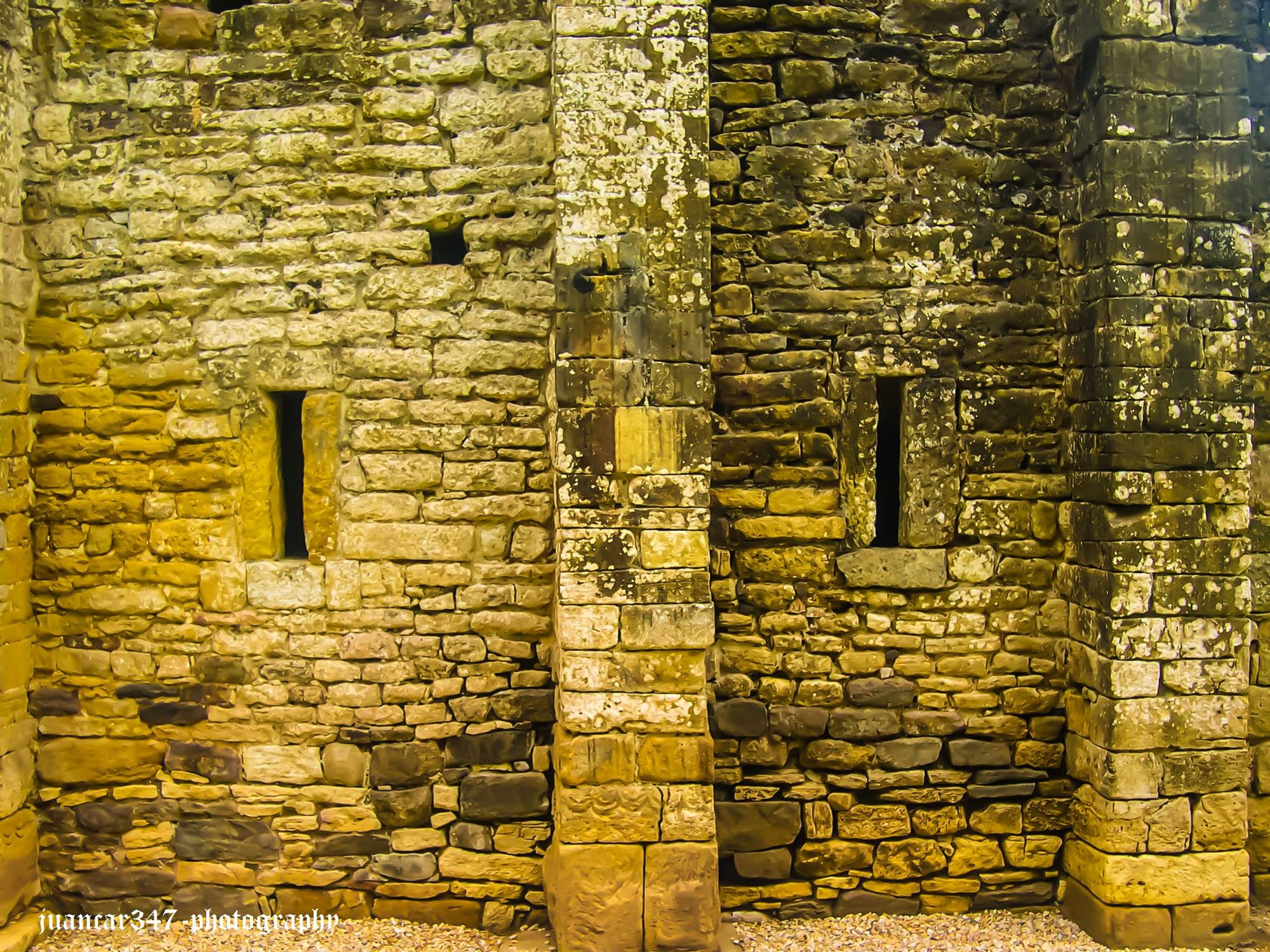
This spirit dreamed of death or freedom from the mountains of Covadonga when the Castilian counts were still in their infancy, at least in terms of historical achievements.
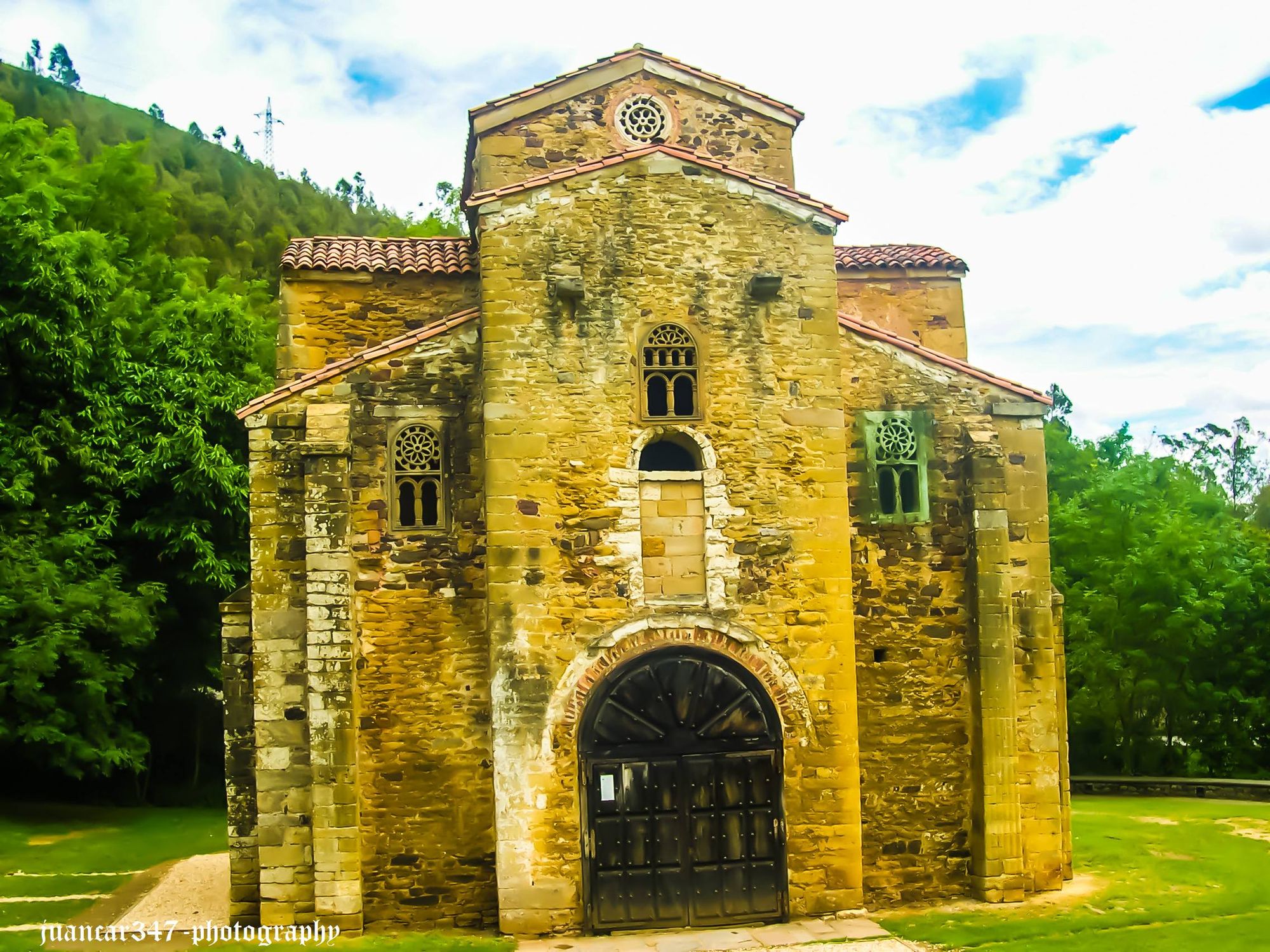
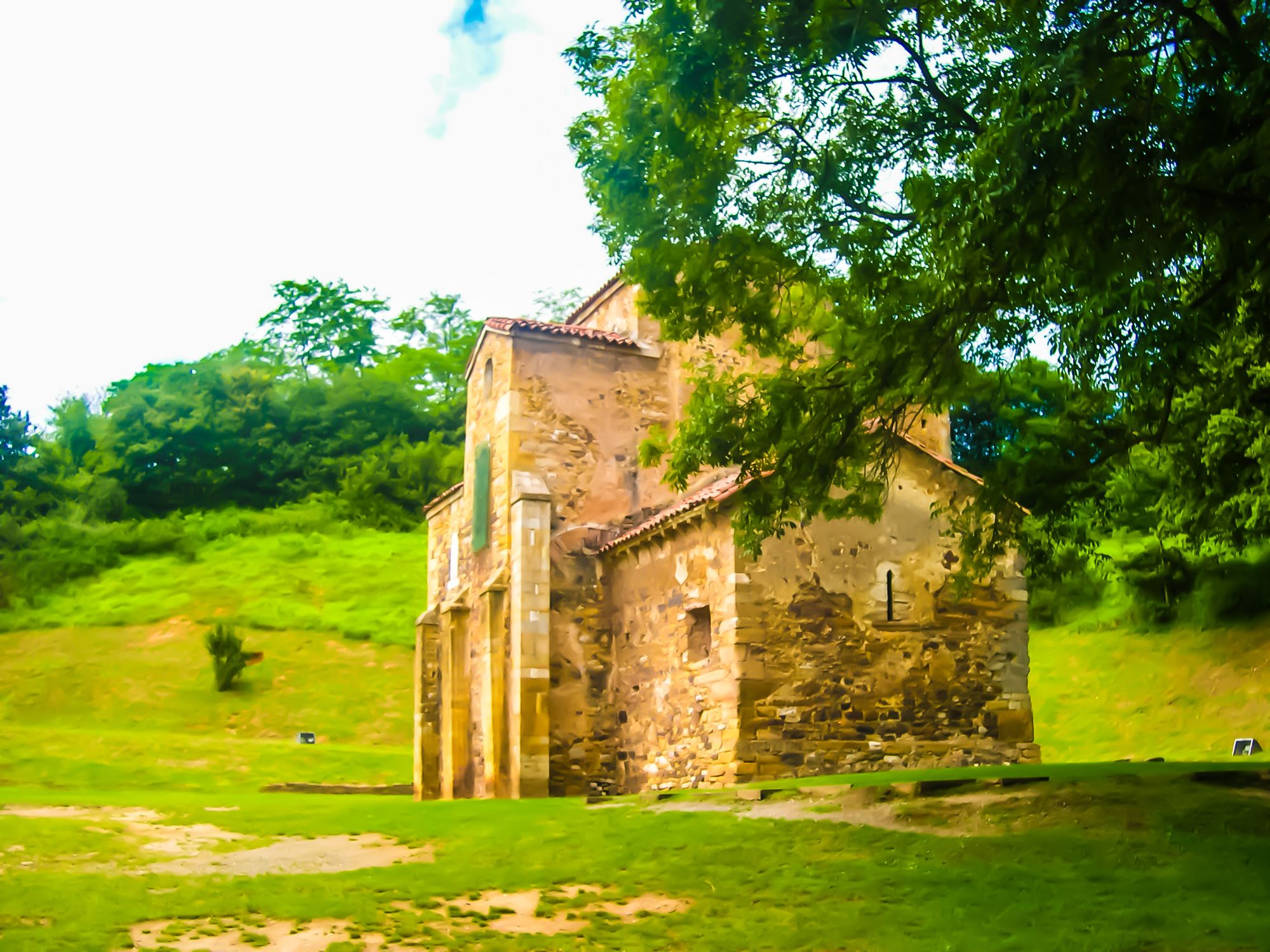
Also located on the slopes of Mount Naranco, a mere one or two hundred meters from the church-palace of Santa María, the church of San Miguel de Lillo, viewed through romantic eyes, is another metaphorical Atlantis that the ravages of time are slowly burying.
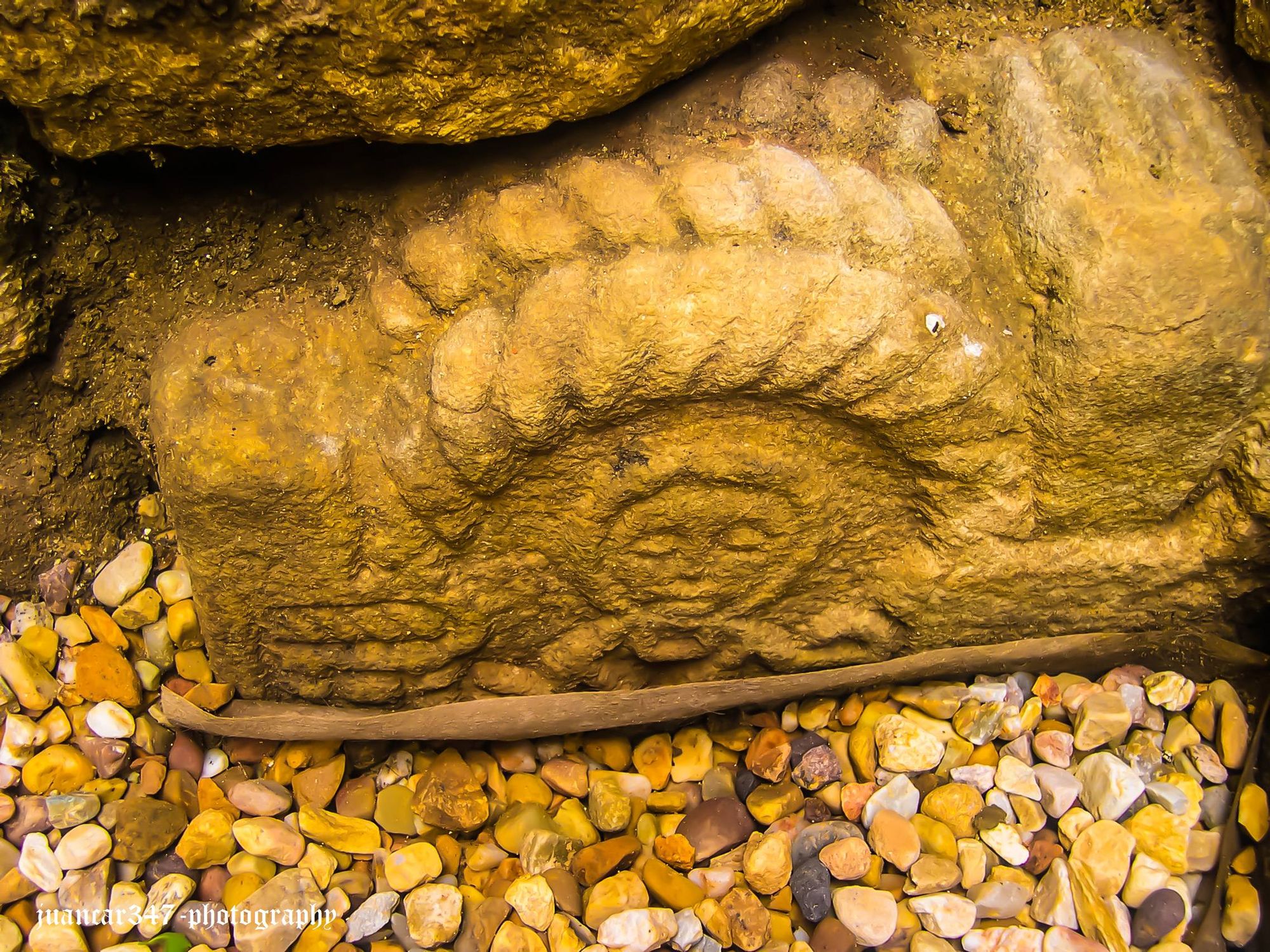
But, unlike Plato's extraordinary myth, it is not the Poseidonian sea that is swallowing it year after year, but a fertile mountain meadow, crisscrossed by underground streams that make it impossible for its ancient foundations to settle.
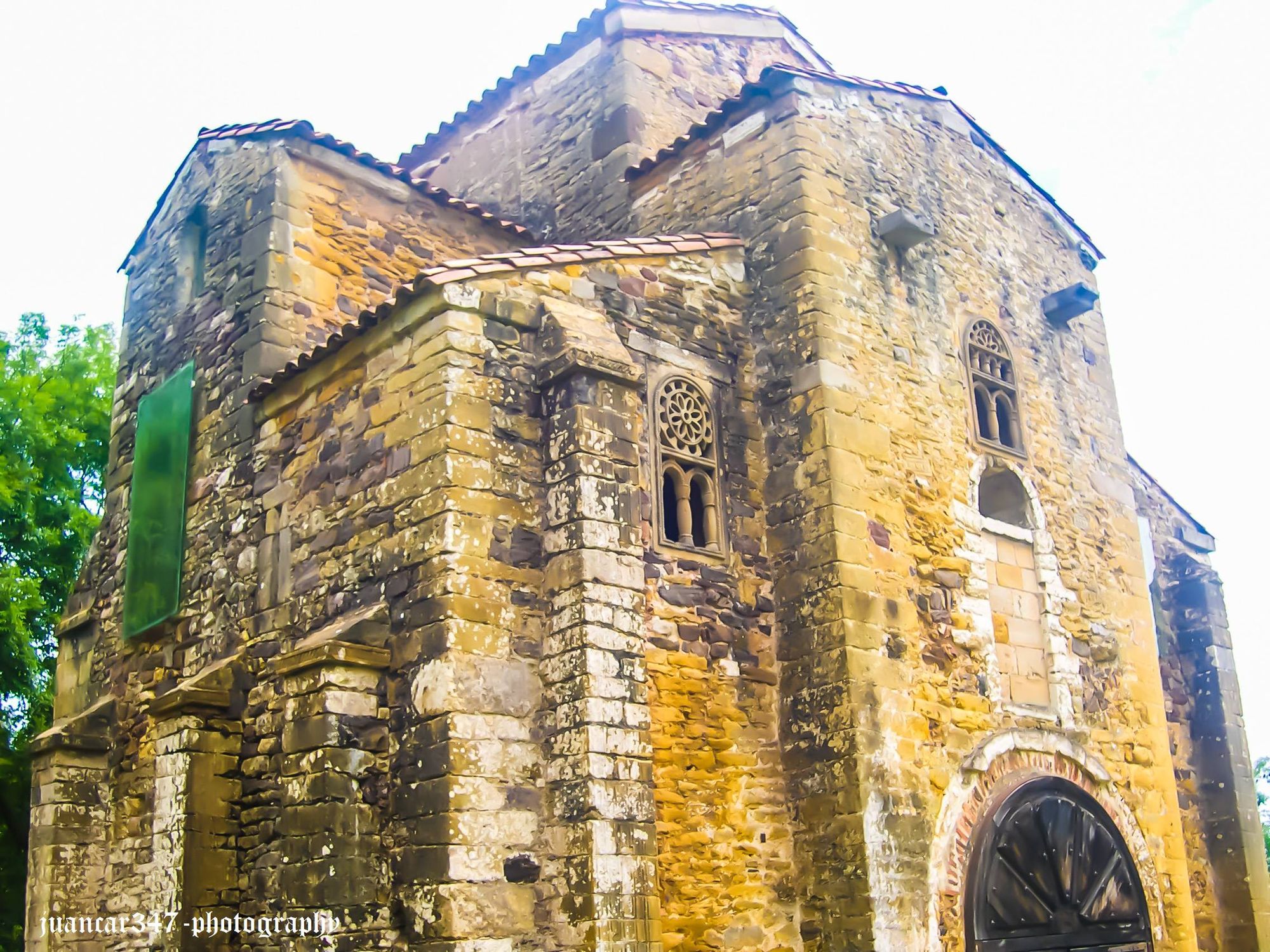
And possibly, in a few years, this imposing architectural ensemble from a forgotten era will become, by fate, yet another legend that forever affects another great landmark of World Heritage.
NOTICE: Both the text and the accompanying photographs are my exclusive intellectual property and are therefore subject to my copyright.