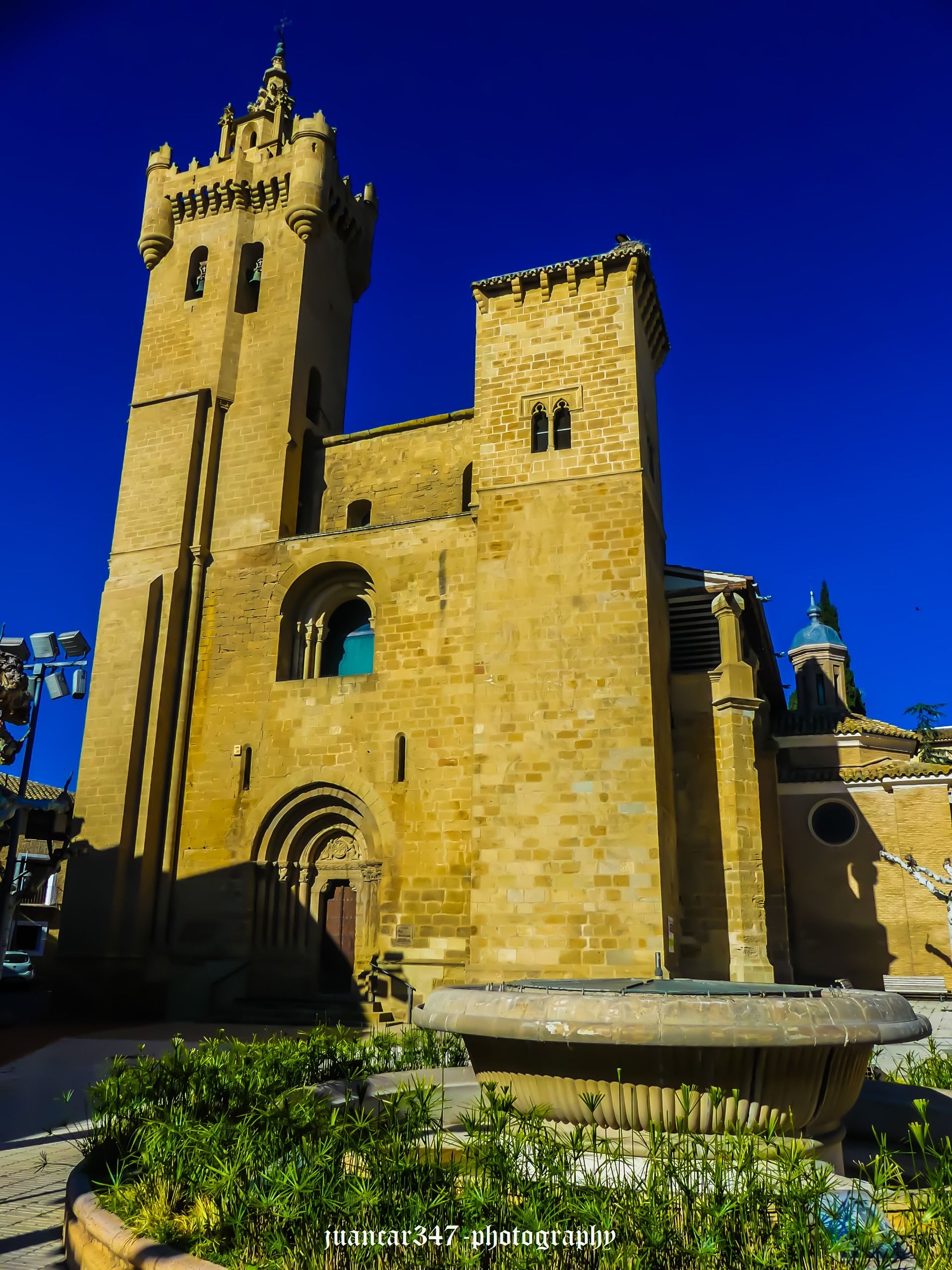

Before concluding our fascinating adventure through the Highlands of Soria, we take a brief detour into Aragonese lands, bordering Navarre.
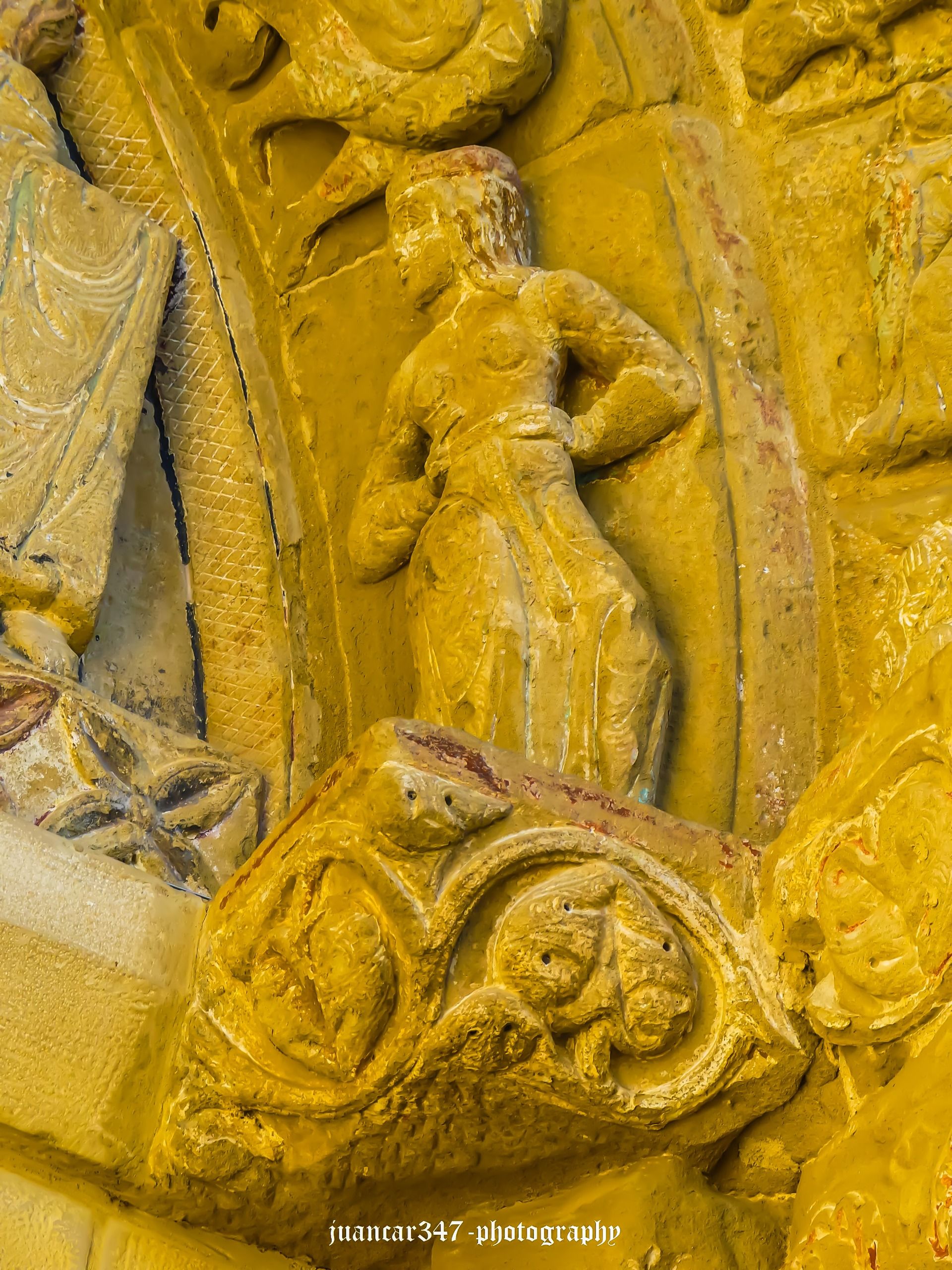
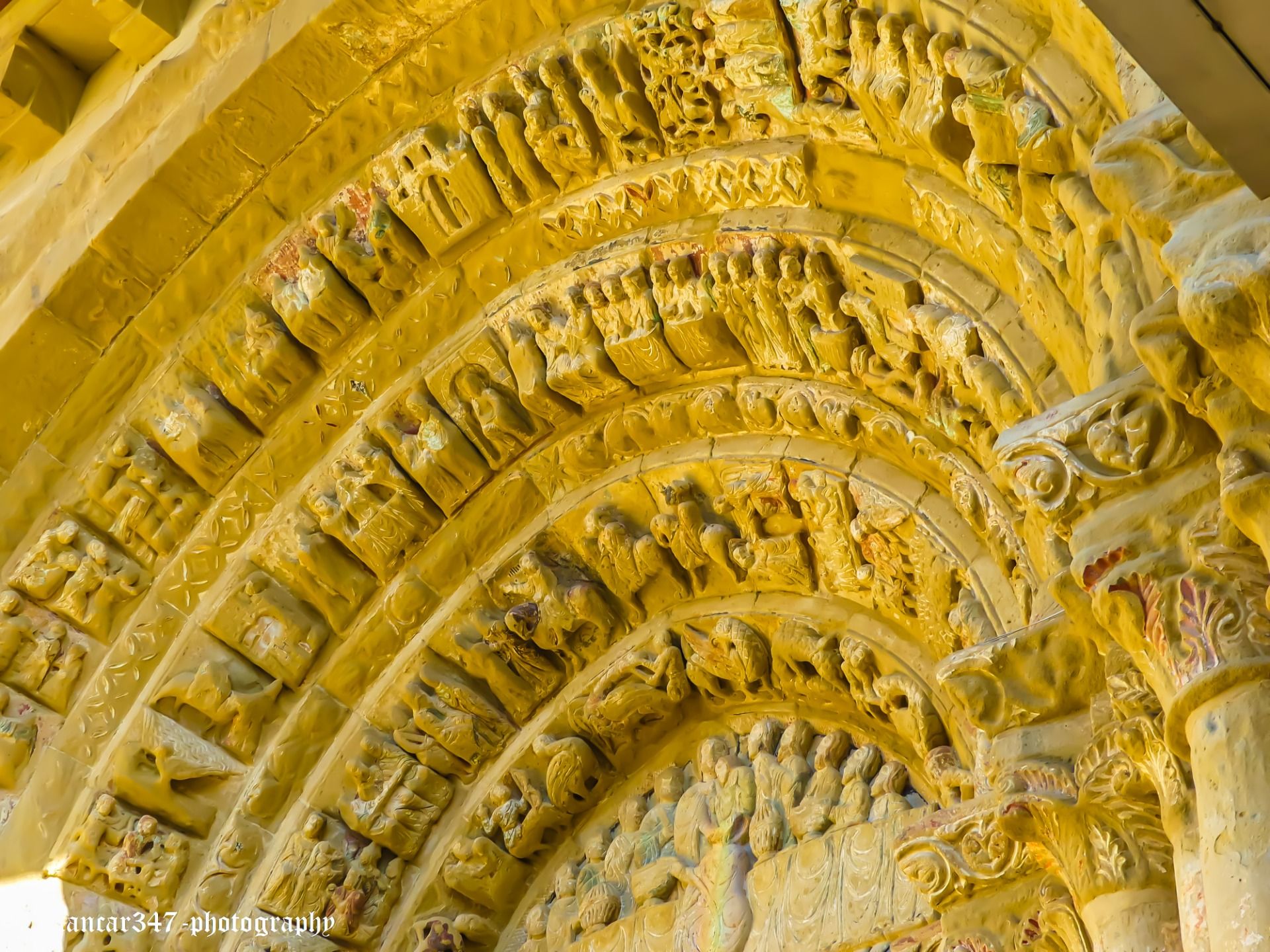
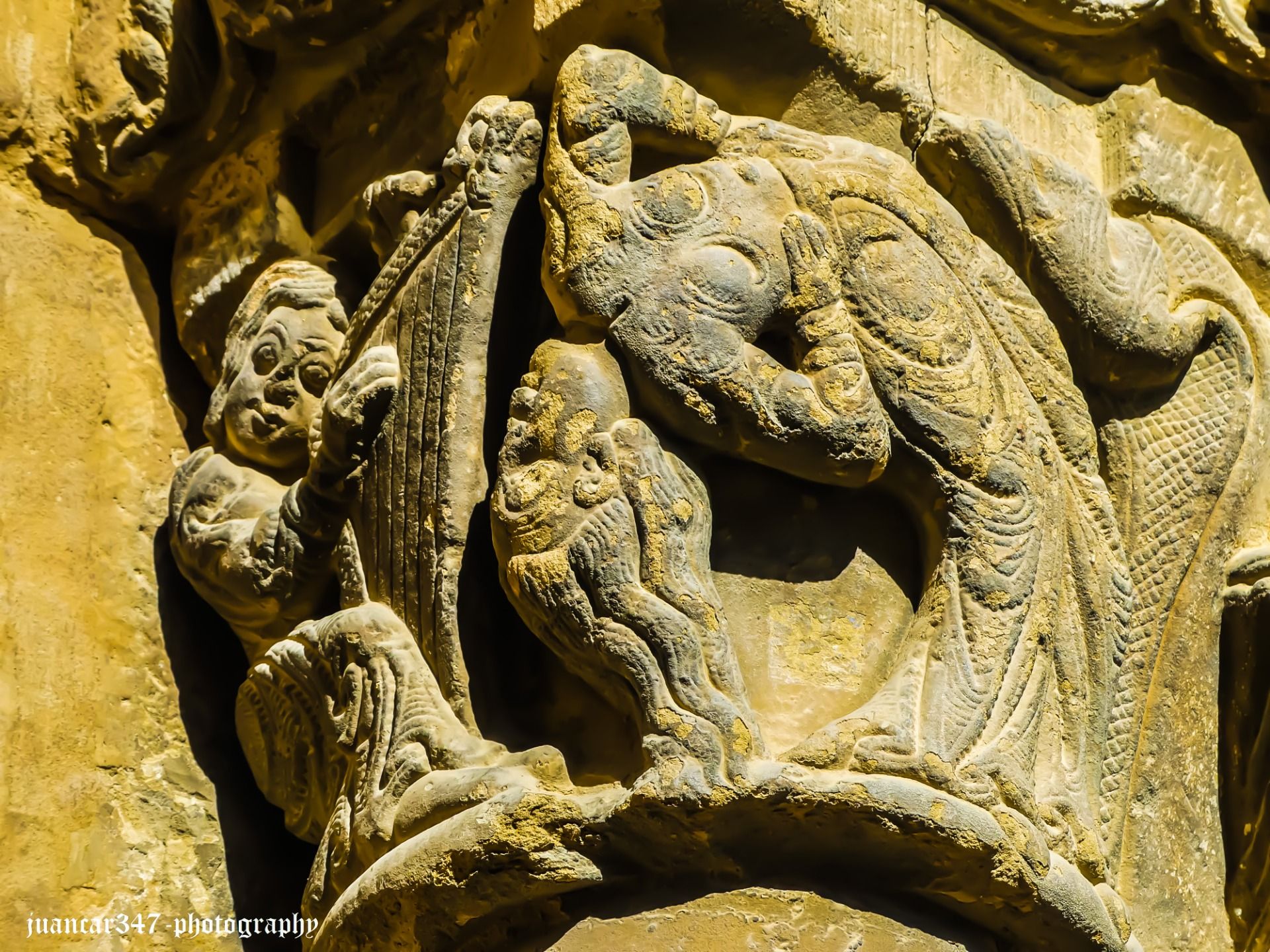
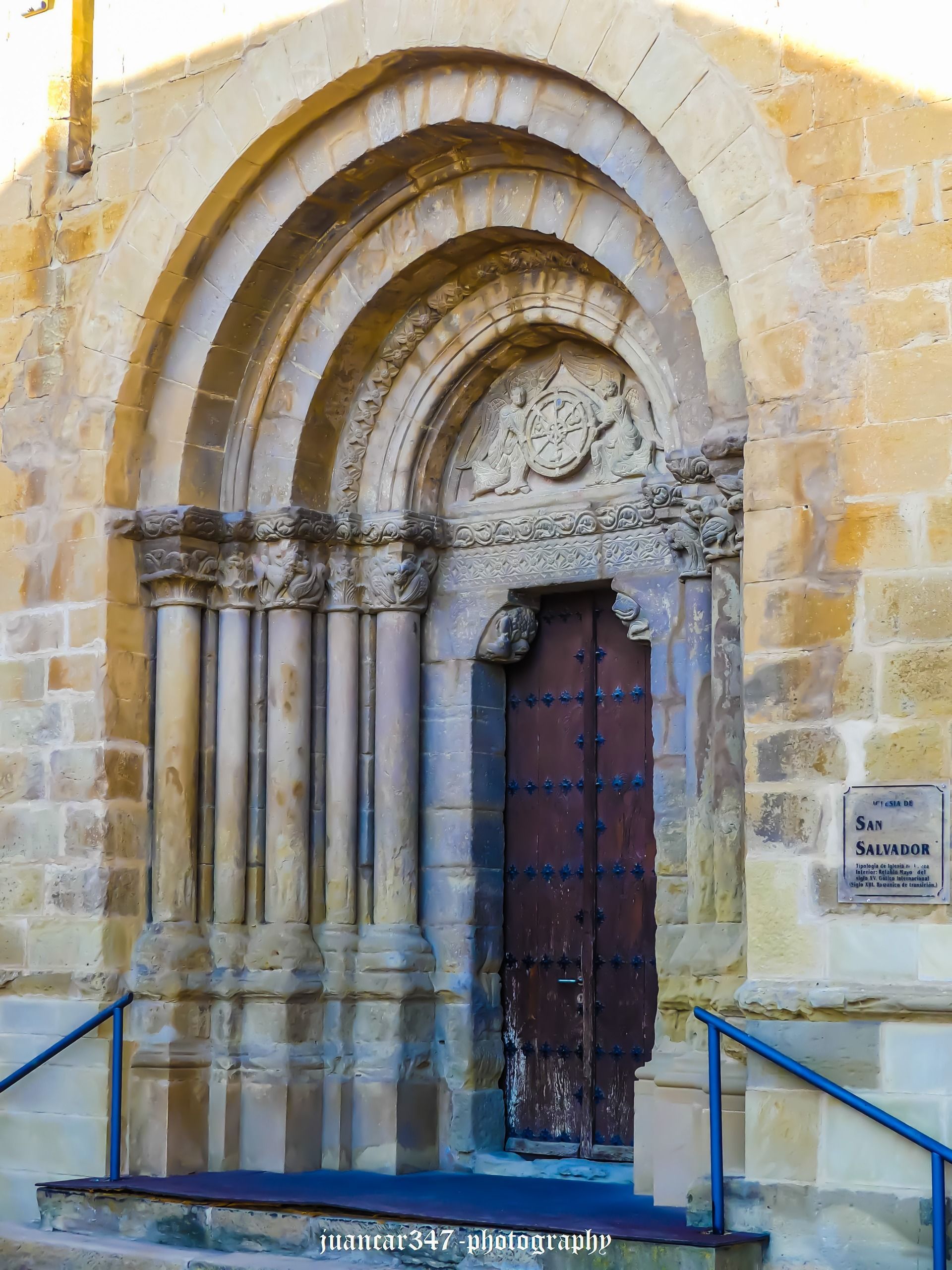
Our destination this time is one of the most important towns in that medieval and intriguing region of Aragon known as the Cinco Villas (Five Towns): Ejea de los Caballeros. Overwhelmed by the beauty of the Church of San Salvador, we once again admire the spectacular sculpture of an anonymous master who left ample trace of his skill in legendary sculptural archetypes, including those enigmatic pairs of musicians and dancers, whose subtle symbolism would have delighted that intrepid "magician of archetypes," Dr. C.G. Jung: the mysterious Master of Agüero.
But our main focus on this occasion is the interior of a nave which, like cathedrals, was adorned with diverse architectural styles, conjured into a spectacular landmark. We turn our attention, at least in a dreamy and contemplative way, to the magnificent Gothic altarpiece, where we encounter once again that authentic medieval storytelling of Art and Symbolism, related to events—those of the life of Jesus of Nazareth—laden with mysteries and messages.
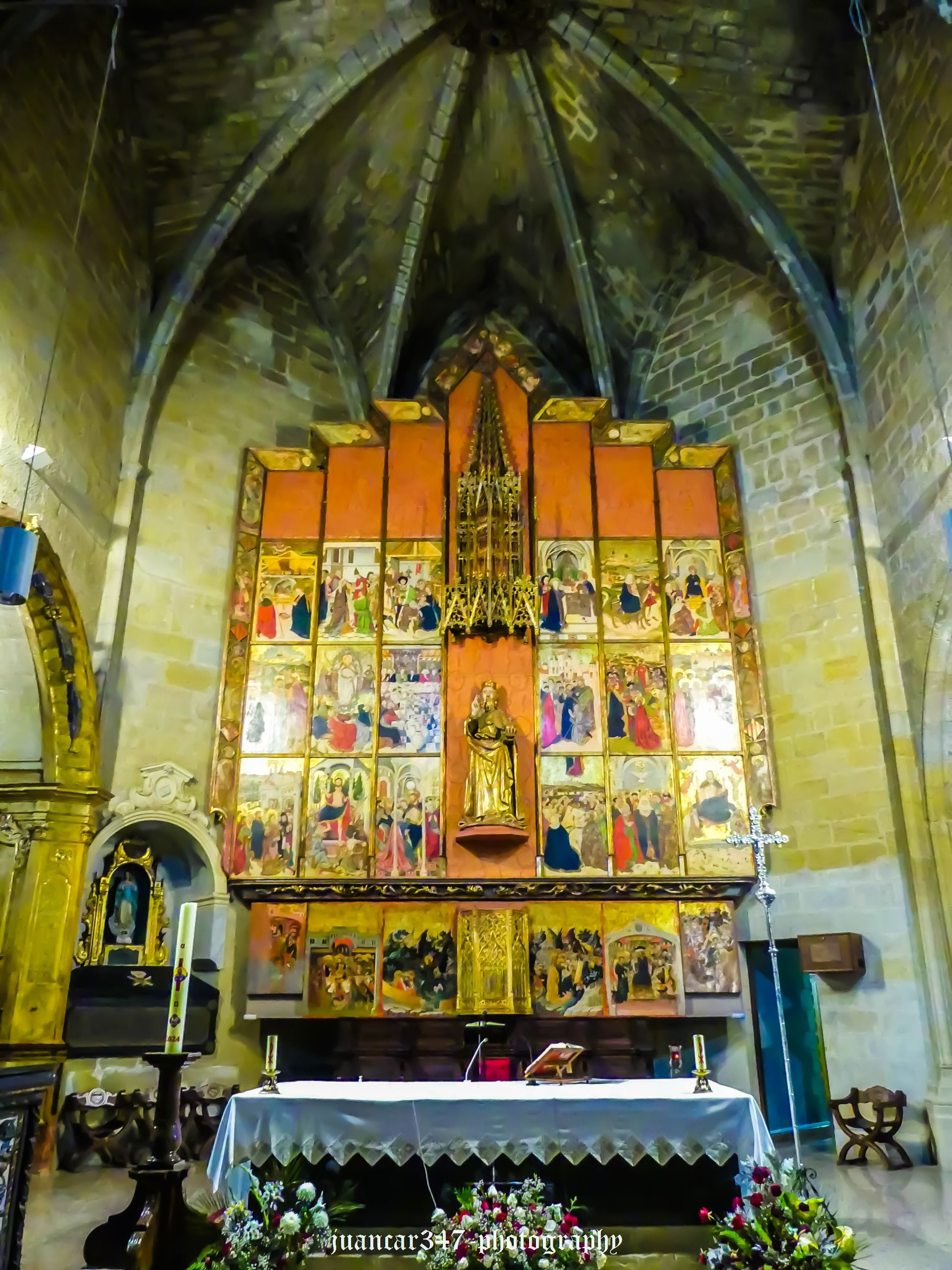
These events unfolded from that prodigious birth, which supposedly left so many enigmatic signs in the society of his time, shaping the life of wonders of that true CEO of Divine Marketing. This still inexplicable figure, in whose shadow John the Baptist had to diminish so that He might grow, remains, even after centuries, a fabulous landmark waiting to be discovered.
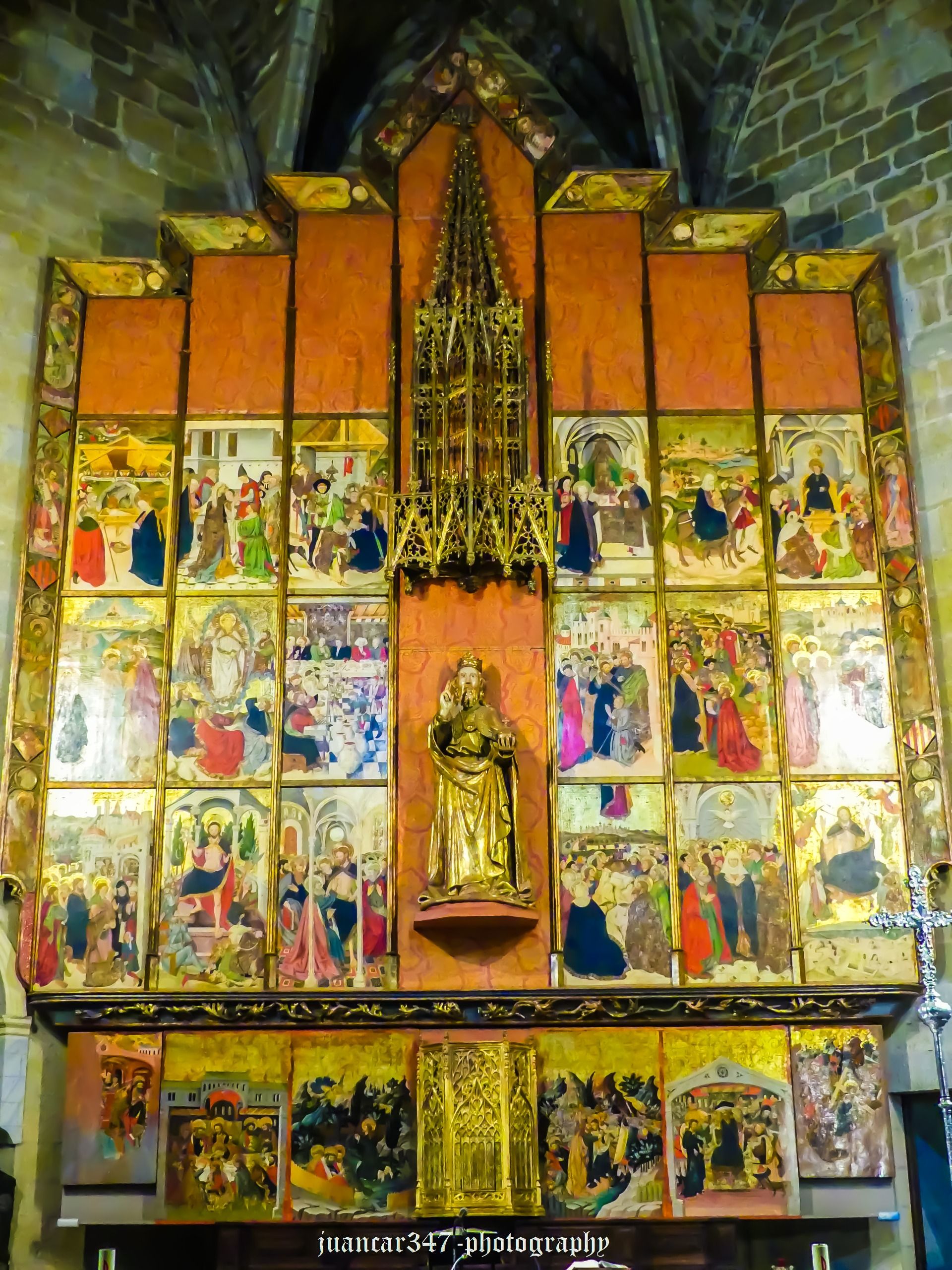
This landmark, besides being a model of models for medieval Western art and thought, was also an example of fantasy and, one might even say, a model of expression bordering on heterodoxy for artists of the Gothic style, a style already inherently akin to the hidden expressiveness of double meanings, multiple interpretations, and the subliminal.
NOTICE: Both the text and the accompanying photographs are my exclusive intellectual property and are therefore subject to my copyright.