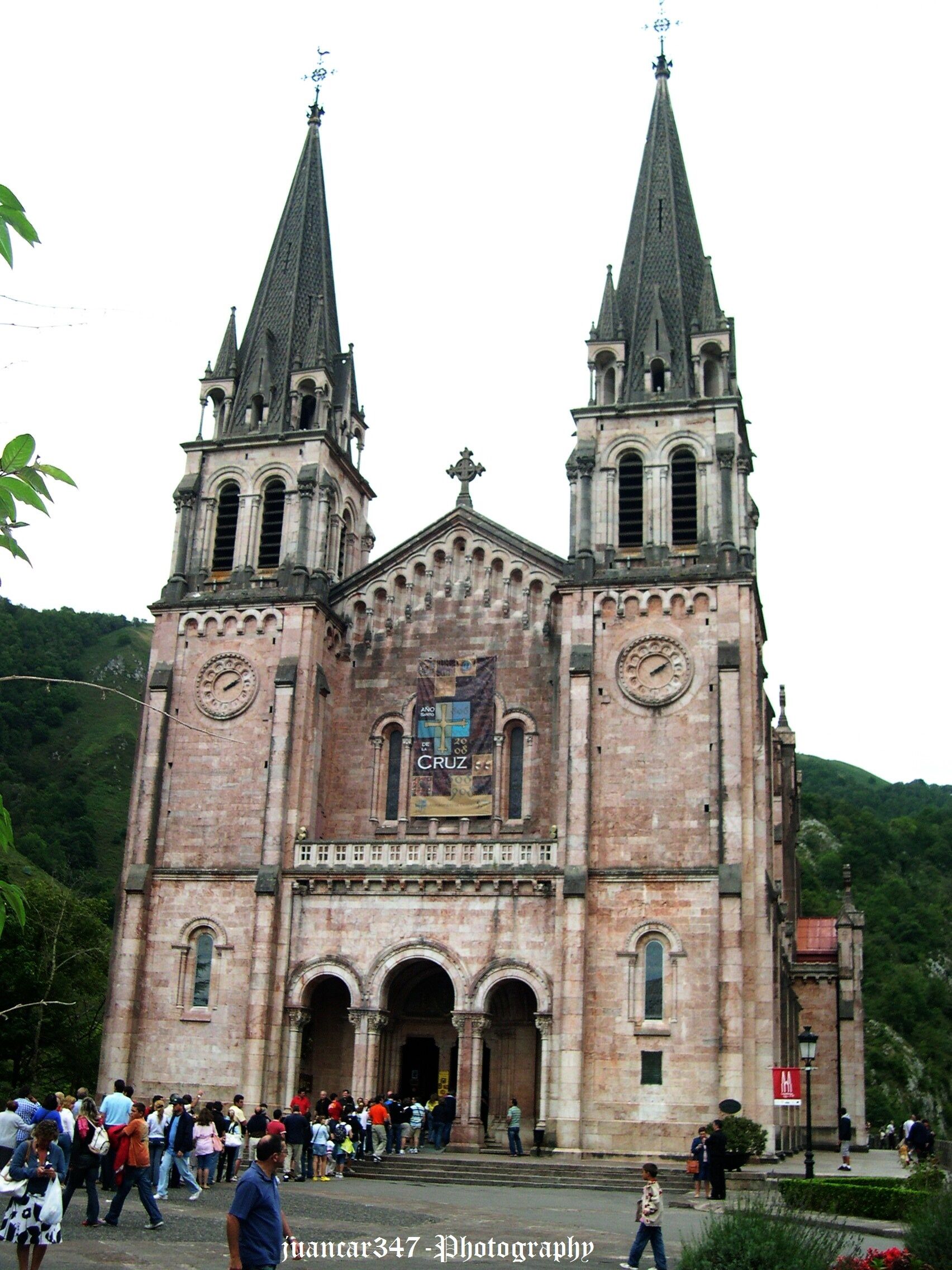
Cangas de Onís, Cangas de Onís, Spain
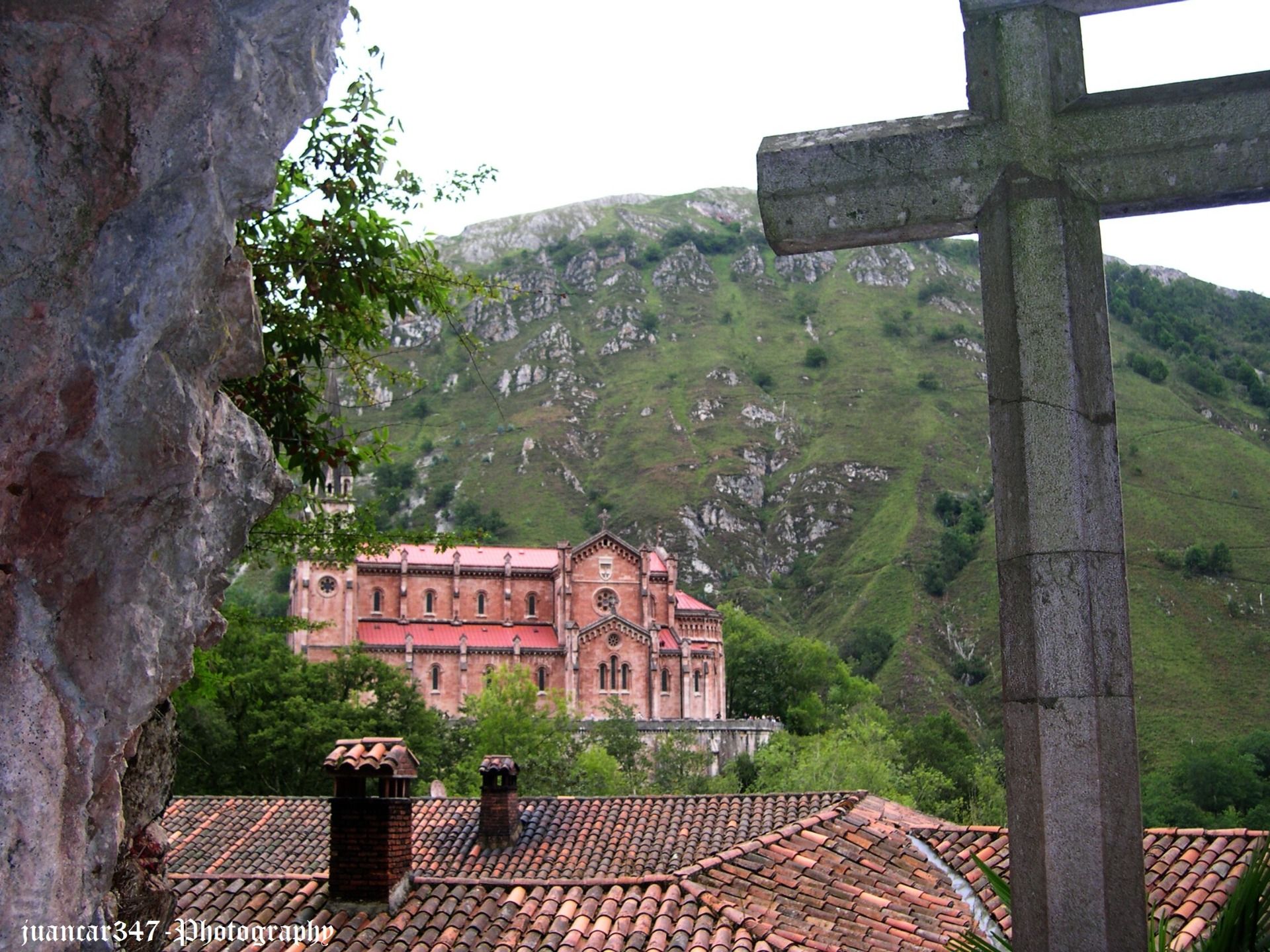
Covadonga in Asturias, like Montserrat in Catalonia, is another of those places of ancient mystery, which could perfectly fit with the medieval chivalric cycles related to the Holy Grail and be, comparatively speaking, another Montsalvat or Mount of Salvation.
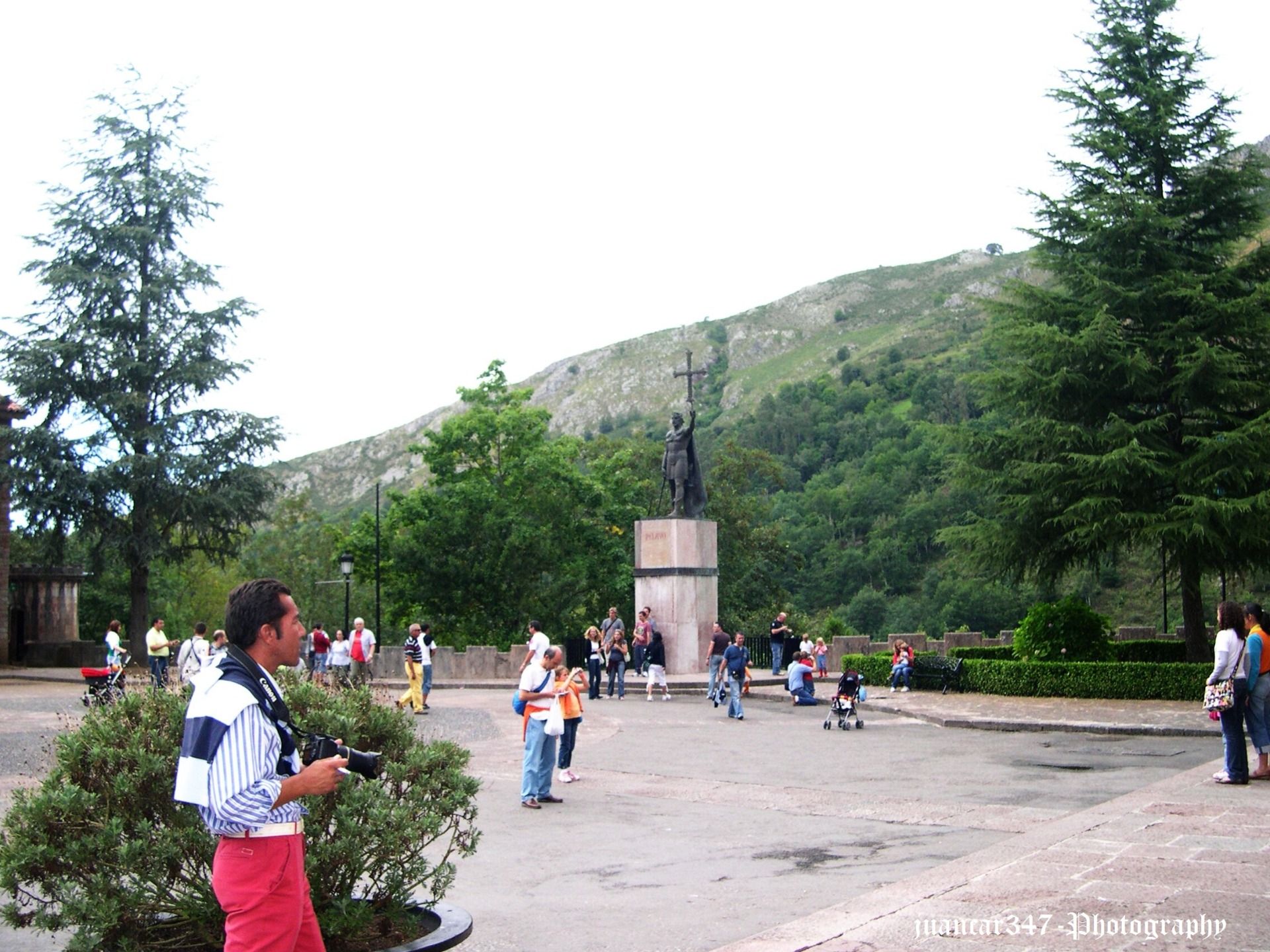
In those impenetrable sumptuousness of Mount Auseba, the remains of the helpless Visigoth army took refuge, which succumbed to the unstoppable advance of the Muslim hordes led by Tariq, in the overwhelming battle of the Guadalete River, which occurred in 711.
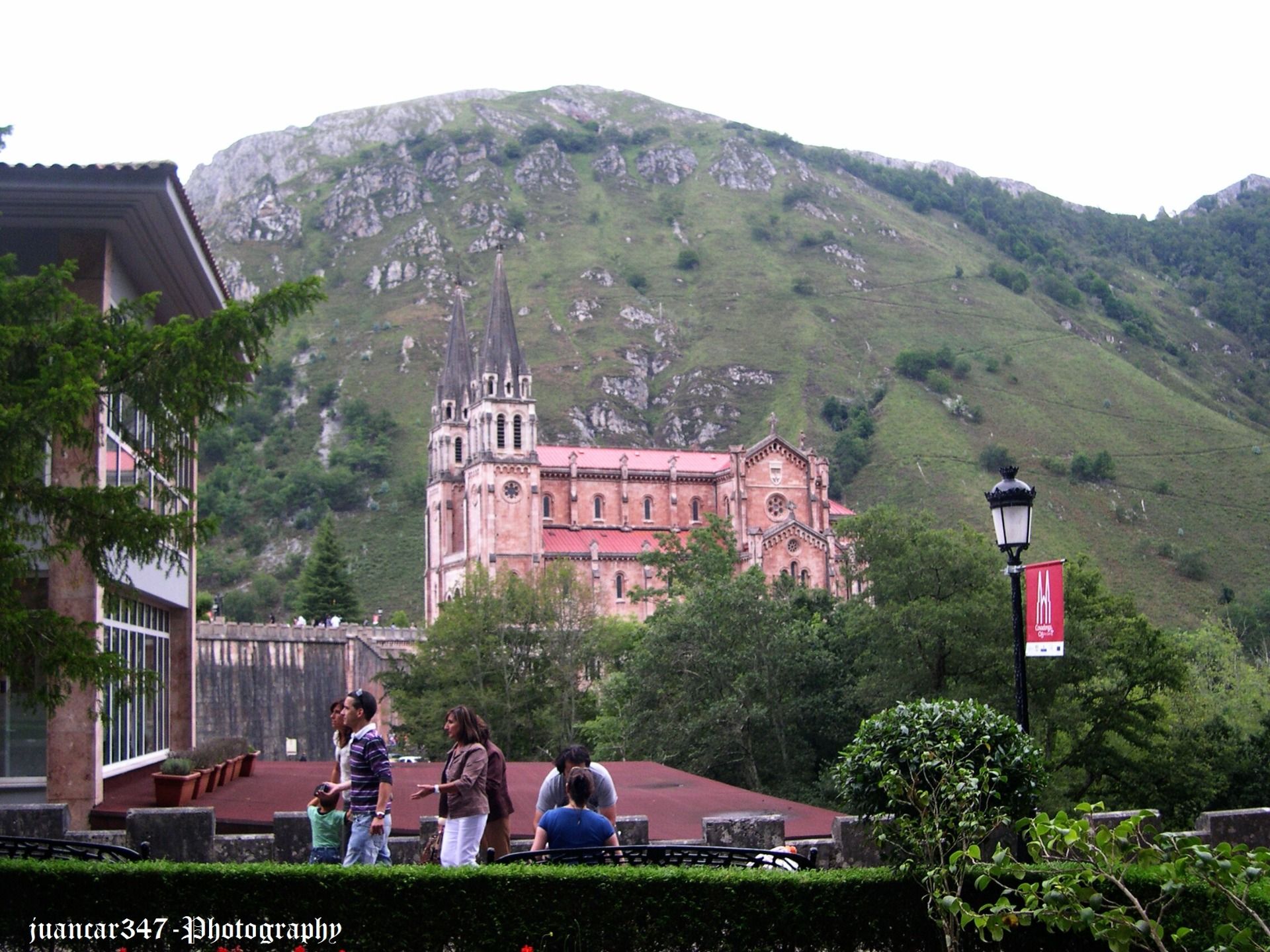
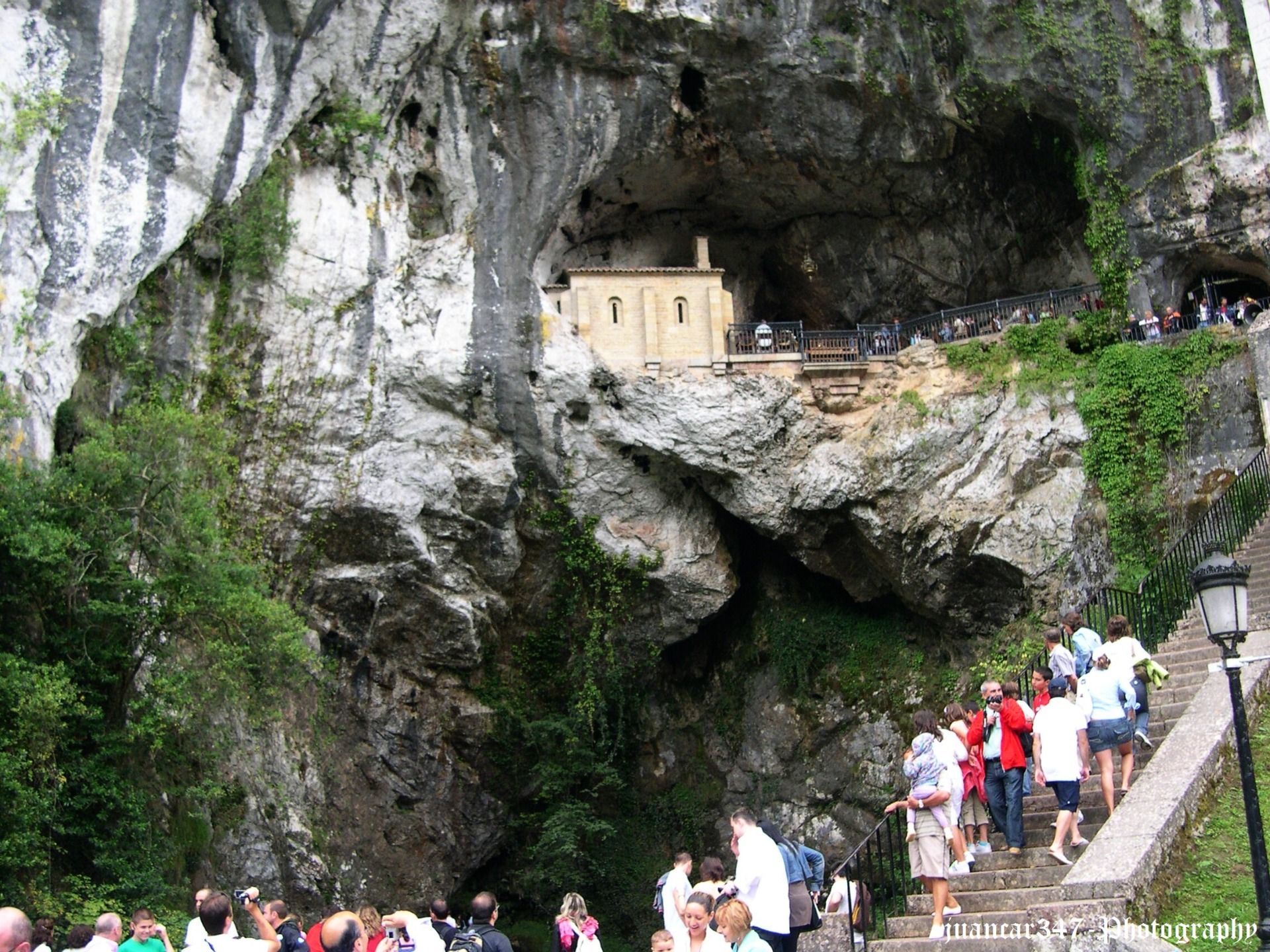
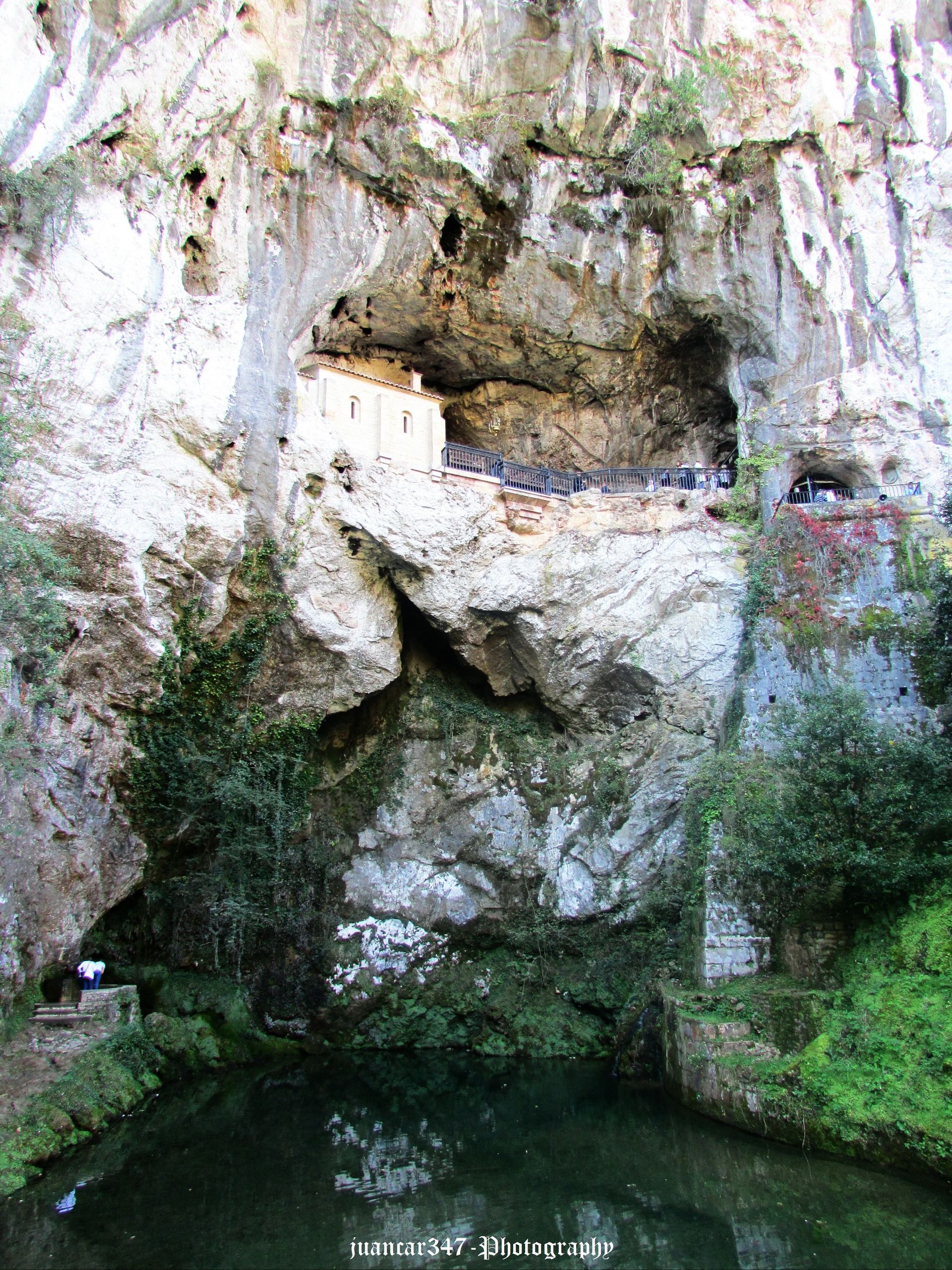
Here, as happened in Montserrat or Zaragoza or Guadalupe and even in other similar places on the Iberian Peninsula, a mystery event also took place, which would make the place, not only the cradle of a resistance whose thrust would have to recover , approximately seven centuries later, a Spain invaded, laying, incidentally, the foundations of a deep national feeling: the appearance, in a cave, of the image of a Black Virgin, which Asturians popularly and affectionately refer to as the Santina.
It is not surprising, therefore, that tradition, still deeply rooted in the soul of Asturians, sees in this Virgin of Covadonga or Santina, "the Queen of the mountain, whose throne is the Cradle of Spain."
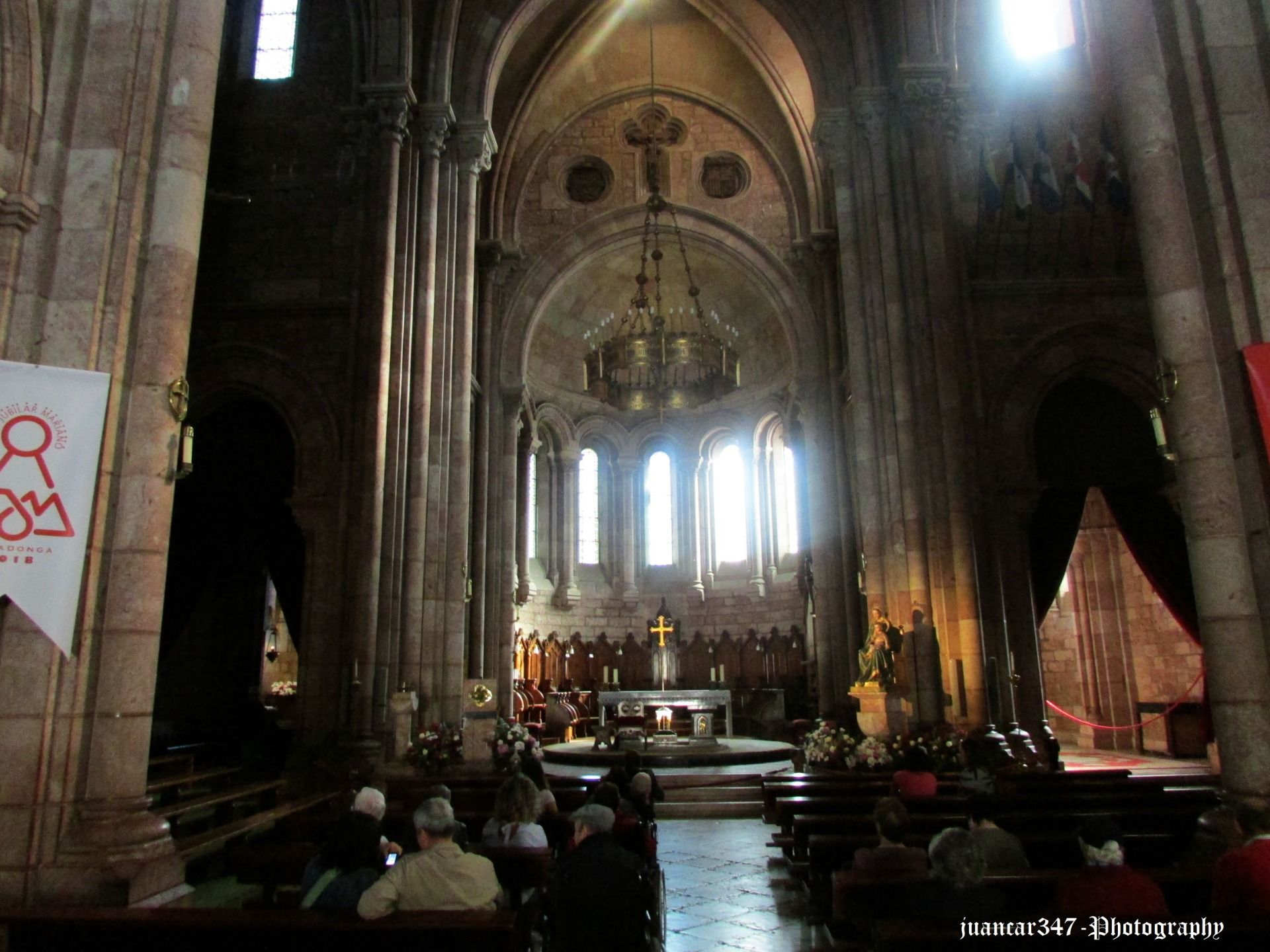
But Covadonga is not only one of the key points for the pilgrim, who heading towards Oviedo and its cathedral, following the winding primitive road through the coast and mountains, makes good the old saying that 'who goes to Santiago and not to Salvador , visit the servant and forget the Lord ', but also a true recipient of the sick, who at the same time, regardless of the religious beliefs that animate in his soul, also makes good that no less ancient tradition, that faith moves mountains.
So, it is common to see how true legions of people suffering not only from various ailments, but also from numerous physical problems, are encouraged to go to Covadonga, with all their faith in the miraculous actions of that small but great Santina, she has been venerated since the dawn of time.
That said, it is no less true, in addition, that in Covadonga and its surroundings, curious characters were also seen, who, in love with its greatness, its showiness and its ancient mystery, also left their mark on the place, adding a note of great romanticism, also not exempt from numerous mysteries, many of them still unsolved.
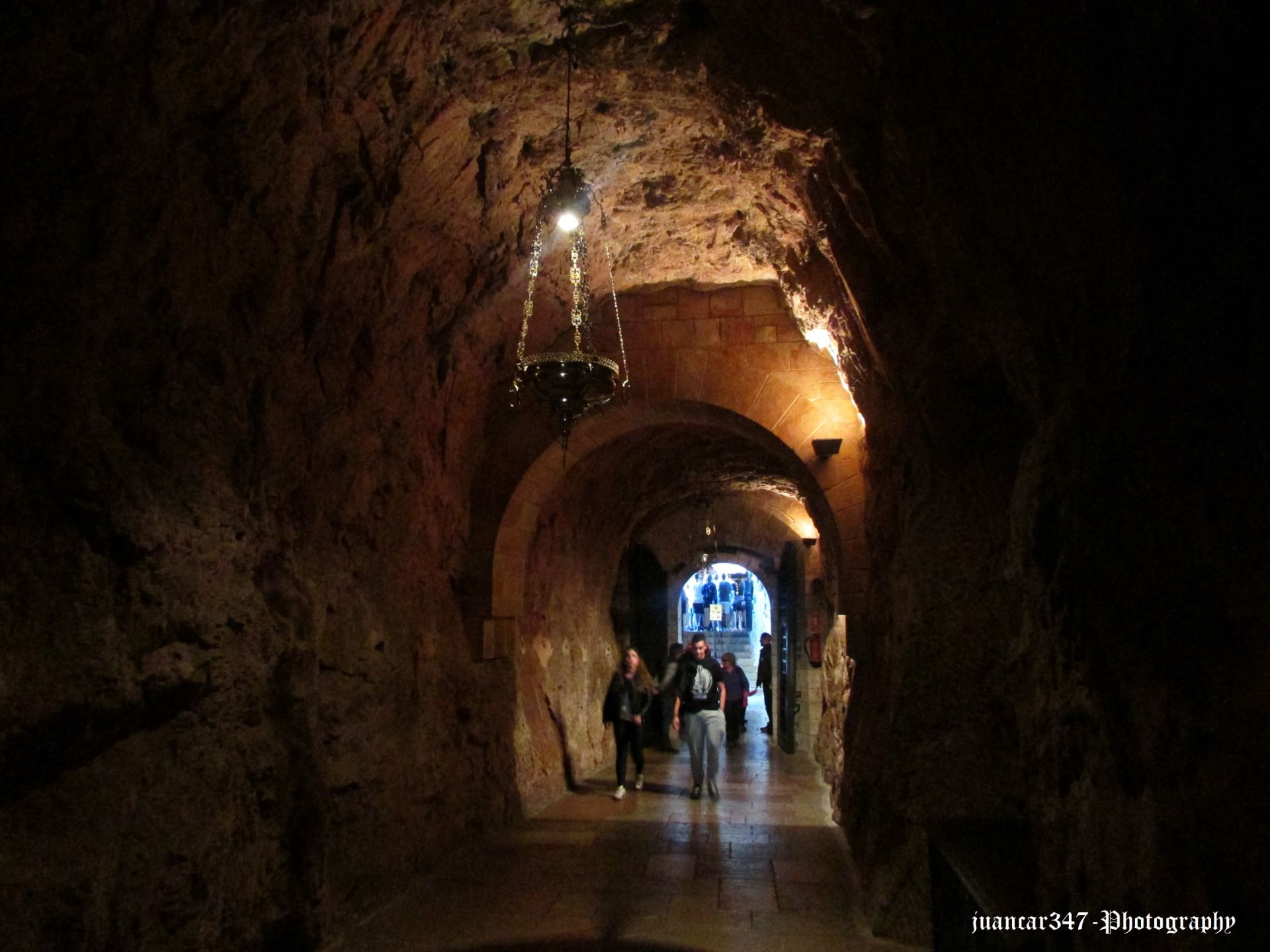
It would be the case of a curious but fascinating character of German origin, Roberto Frassinelli, who, in love with these mountains, their history, their art and especially their immemorial traditions, settled here as a pilgrim of the unusual, diving, metaphorically speaking, in the best of Asturian tradition.
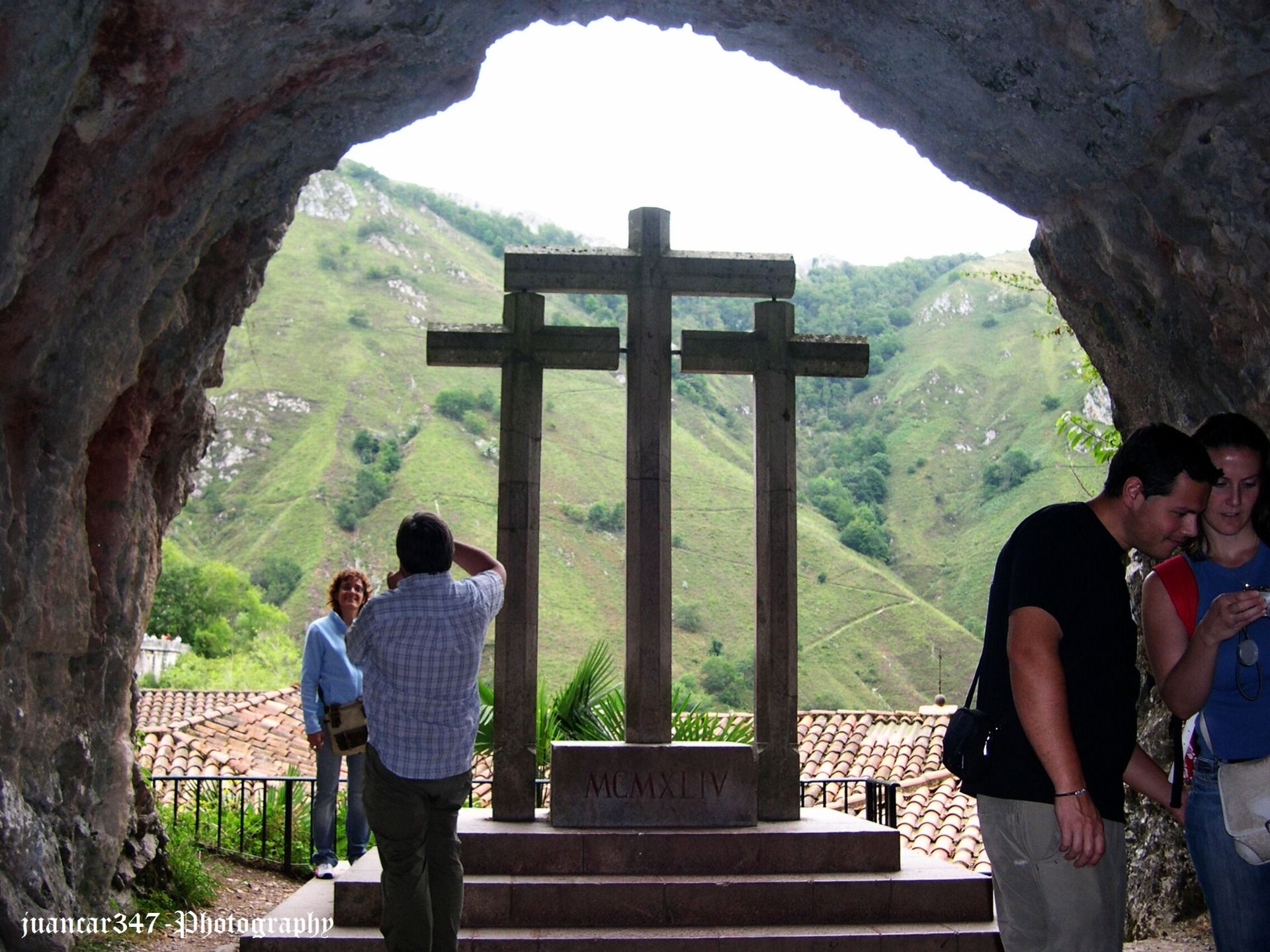
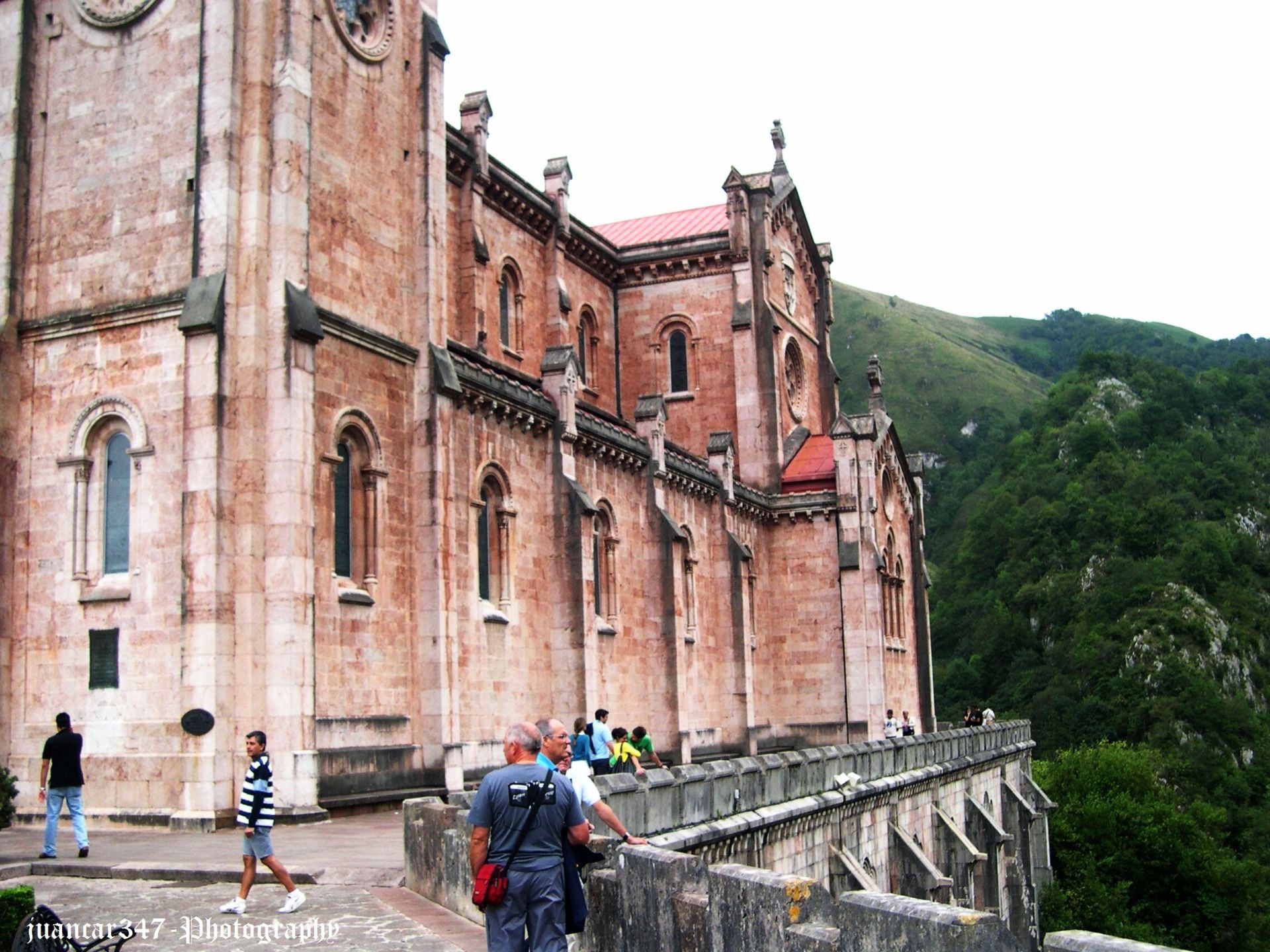
Familiarly nicknamed 'the German of Corao', Frassinelli was, in addition to a formidable chronicler with skillful hands for drawing and the artistic recovery of numerous cultural elements that were part of his tireless work, the designer of the Basilica of Covadonga, that complex neo-gothic building that located a few meters from the small lake that feeds on the waters collected by the complex system of caves adjacent to that other that serves as a refuge for the small hermitage where the Santina is venerated, sees how the needles of its Towers point indolently towards generally covered skies, whose clouds rise above these immemorial mountains, attached to a mythical place and even collected in ancient Roman traditions, such as the Picos de Europa.
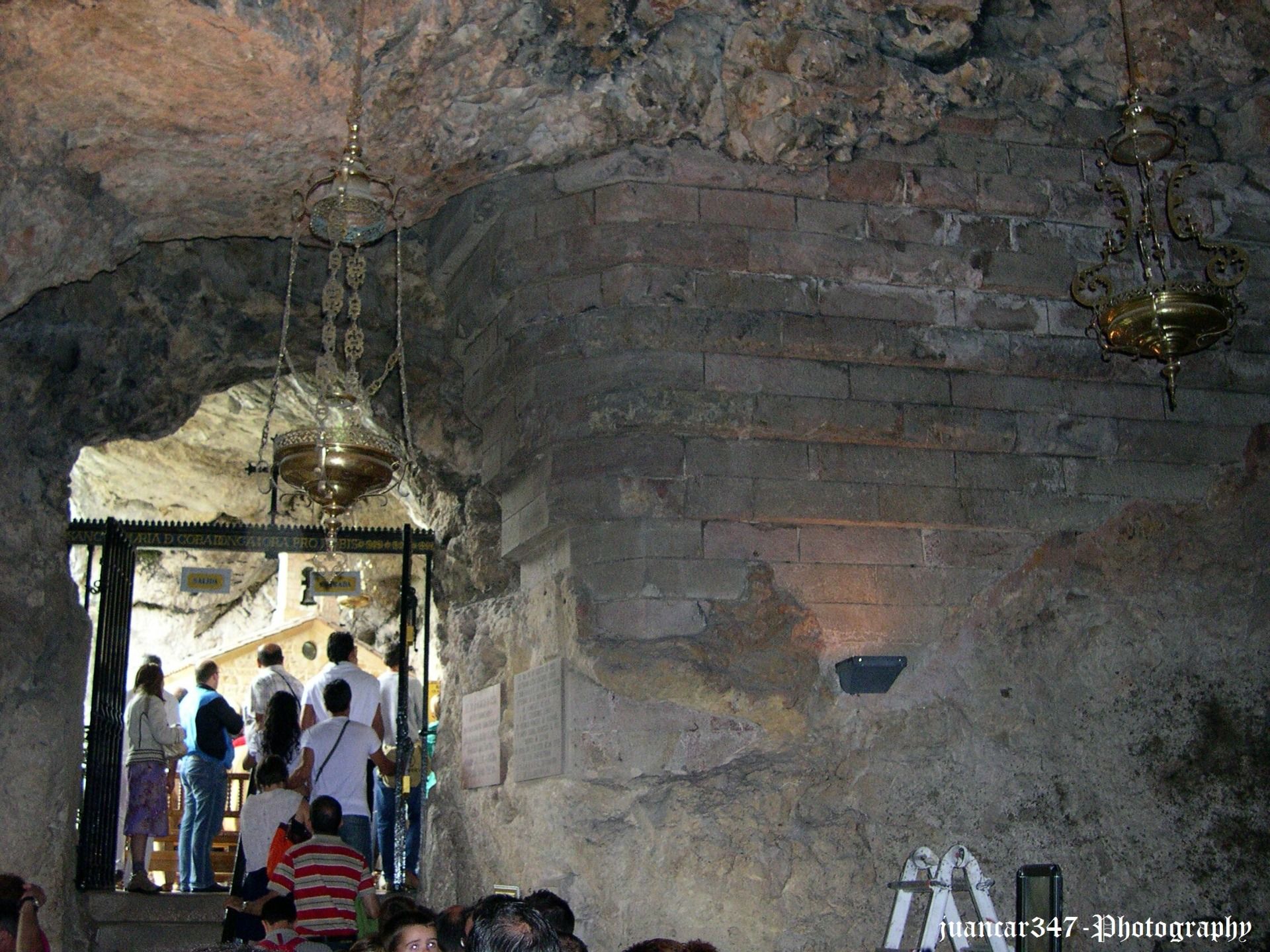
In Corao, a small town located about five kilometers from what was the first seat of the Asturian monarchy, Cangas de Onís and at an approximate distance of ten kilometers from Covadonga, it is another of those places of Magical Asturias, which is worth visiting, on all to get to know the house where this curious character resided –where a project was planned to make a small museum dedicated to his figure and work- who bathed naked in one of the glacial wells of the Picos de Europa, to the point that there is a This route also leads to them and where the famous Cueva del Cuélebre is also on private property, where his love of archeology also led him to make remarkable discoveries of the mountain past.
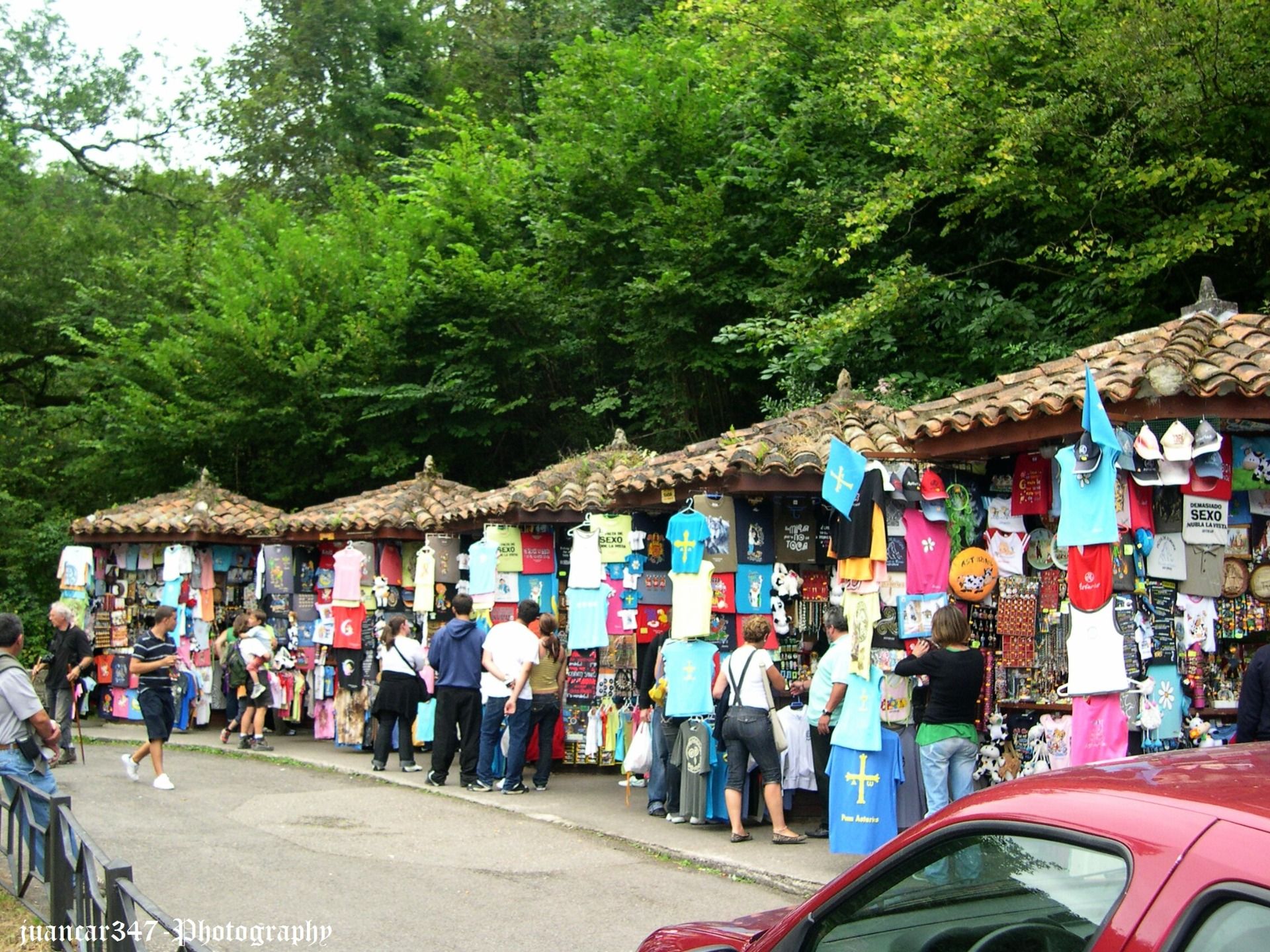
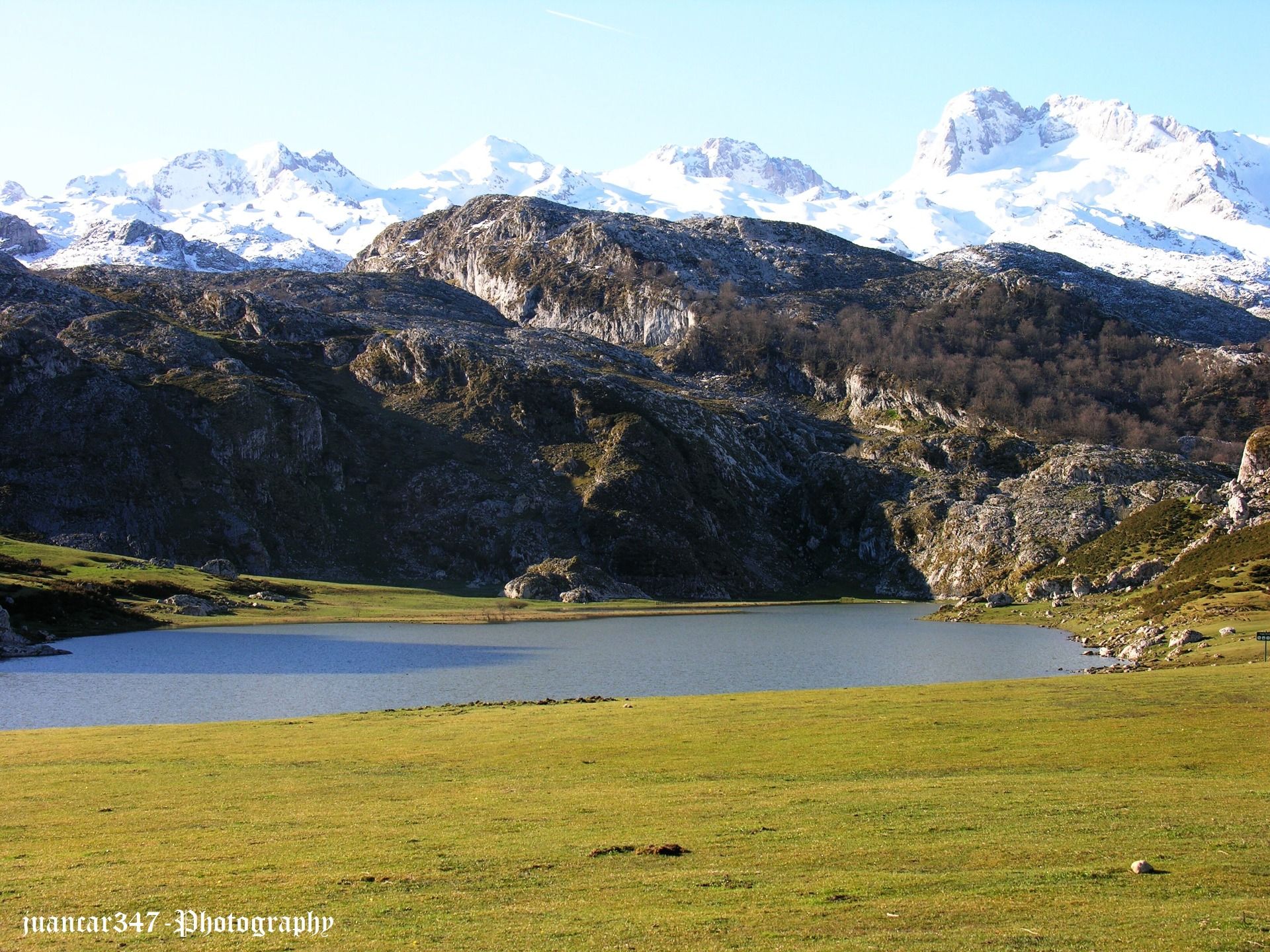
From Covadonga, a narrow road climbs vertiginously towards the Picos de Europa and its famous Lakes, in a truly surprising itinerary due to its extraordinary beauty, where the wild and mediatic picturesqueness of the Enol and Ercina lakes stand out, places where the tradition, that Octavio Augustus, after encountering the so-called 'lightning stones' - possibly primitive axes made from those sacred stones, which were meteorites - was predicted that he would be the future Caesar.
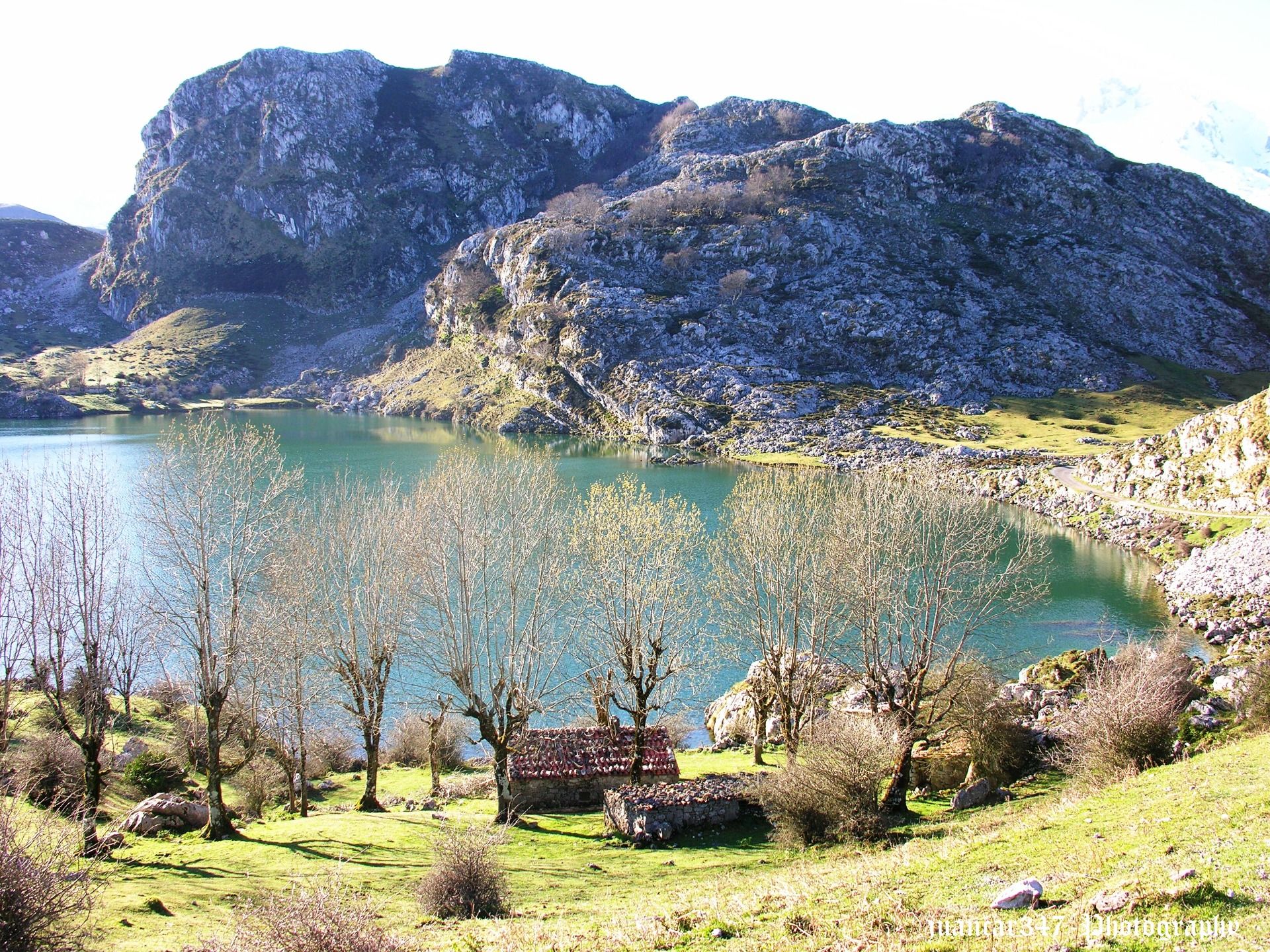
In short: Covadonga and its surroundings, there is no doubt that, apart from constituting the magical and cultural heart of Asturias, they have enough strength, enough character to offer all kinds of travelers enough attractions, to think Not only that they have the privilege of being in a decidedly special place, but also, in a place where they can develop a thousand and one adventures, of which I am sure they will be enormously satisfied.
NOTICE: Both the text and the photographs that accompany it are my exclusive intellectual property and therefore are subject to my Copyright.