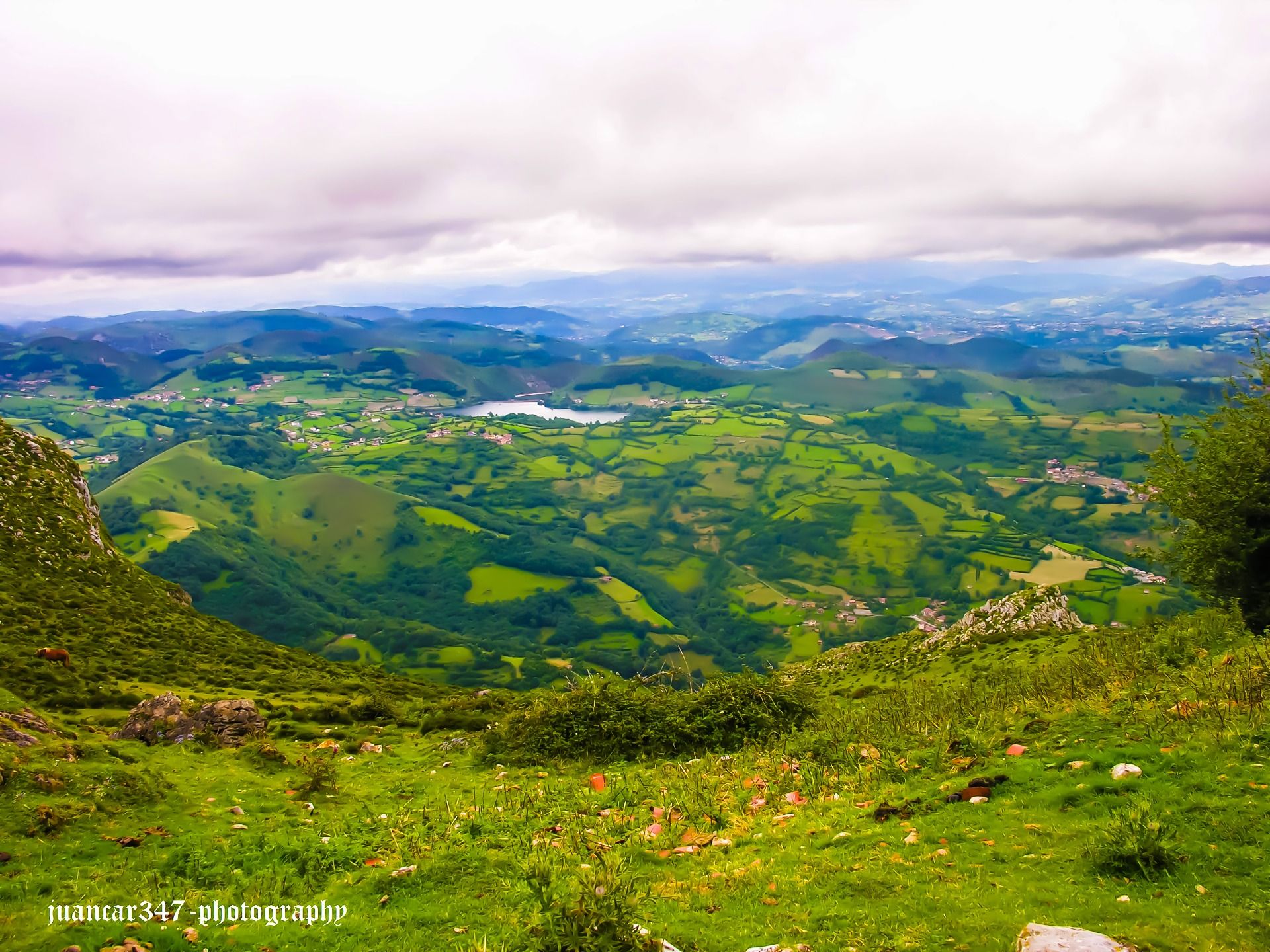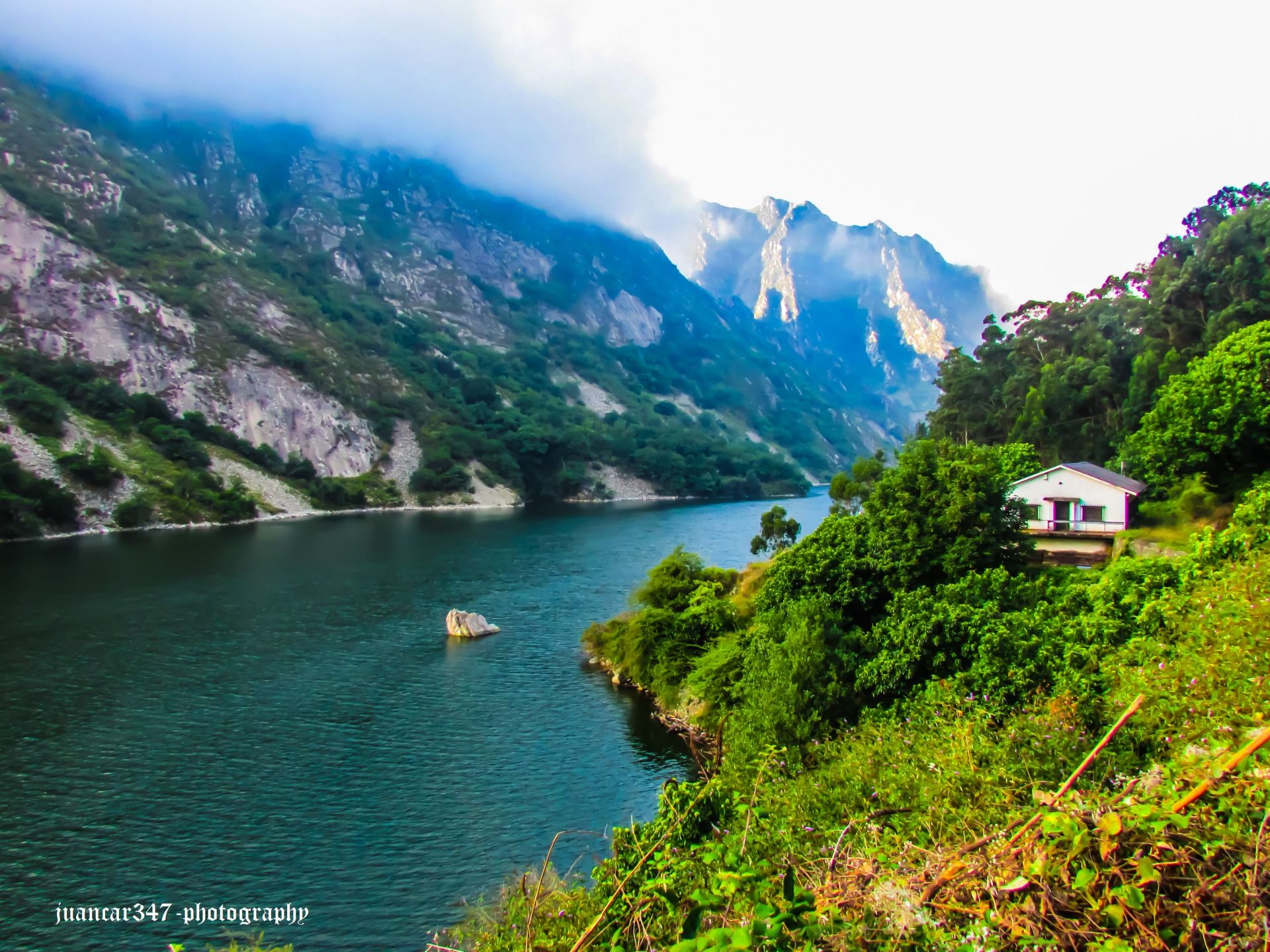

Today, like that cunning Ulysses who embarked on the hero's journey compelled by the gods, we too feel the call of adventure and return to Asturias, aware that the secrets of its dark past are not always best left undisclosed. Ignoring contemporary misfortunes and defying, even if only metaphorically, the tempest, like Shakespeare's forgotten heroes, we travel to Ciaño, in the heart of the revolutionary mining region, to take a look at one of its Romanesque relics. Although badly damaged over time, it still displays interesting details worth noting.
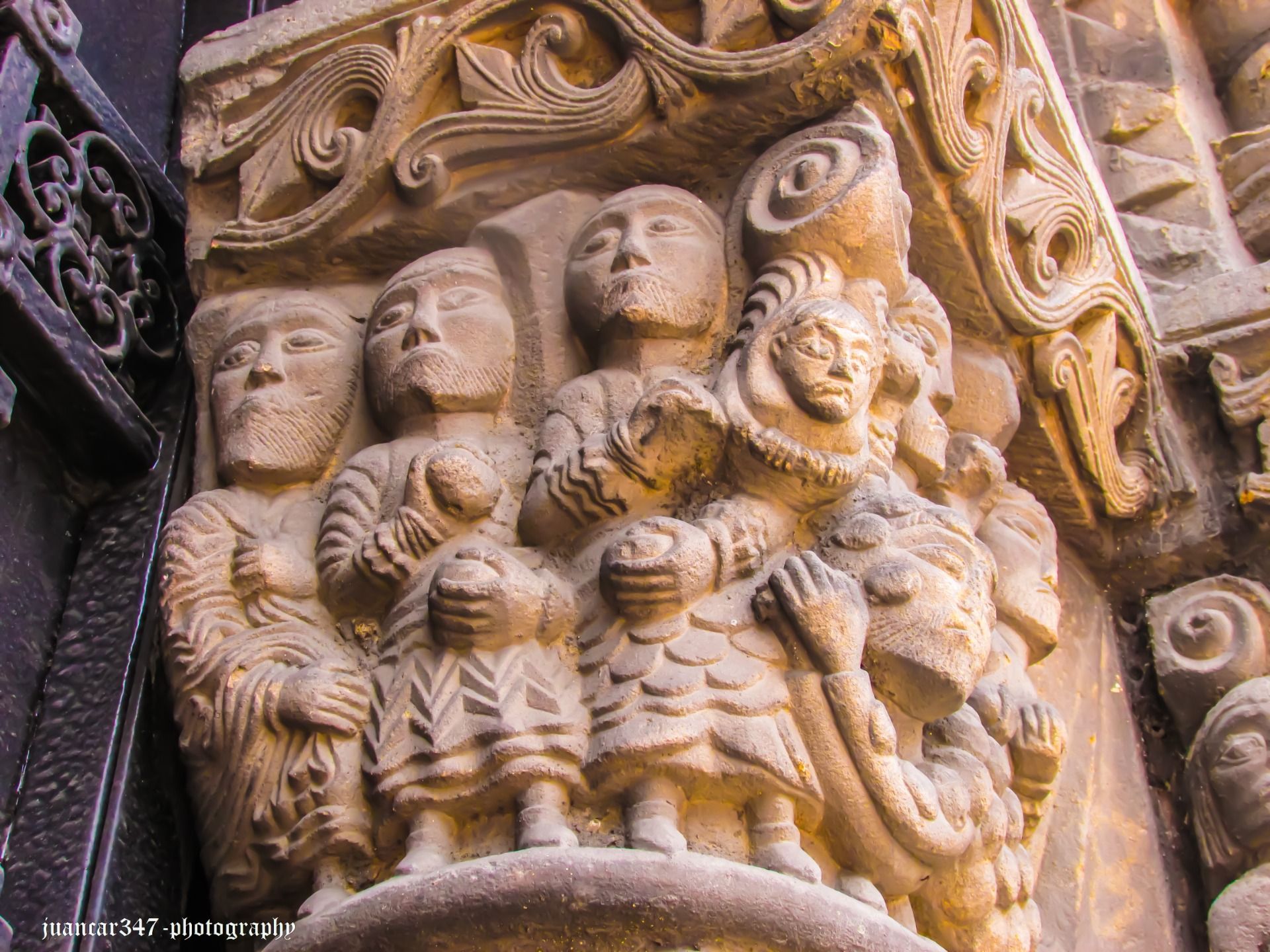
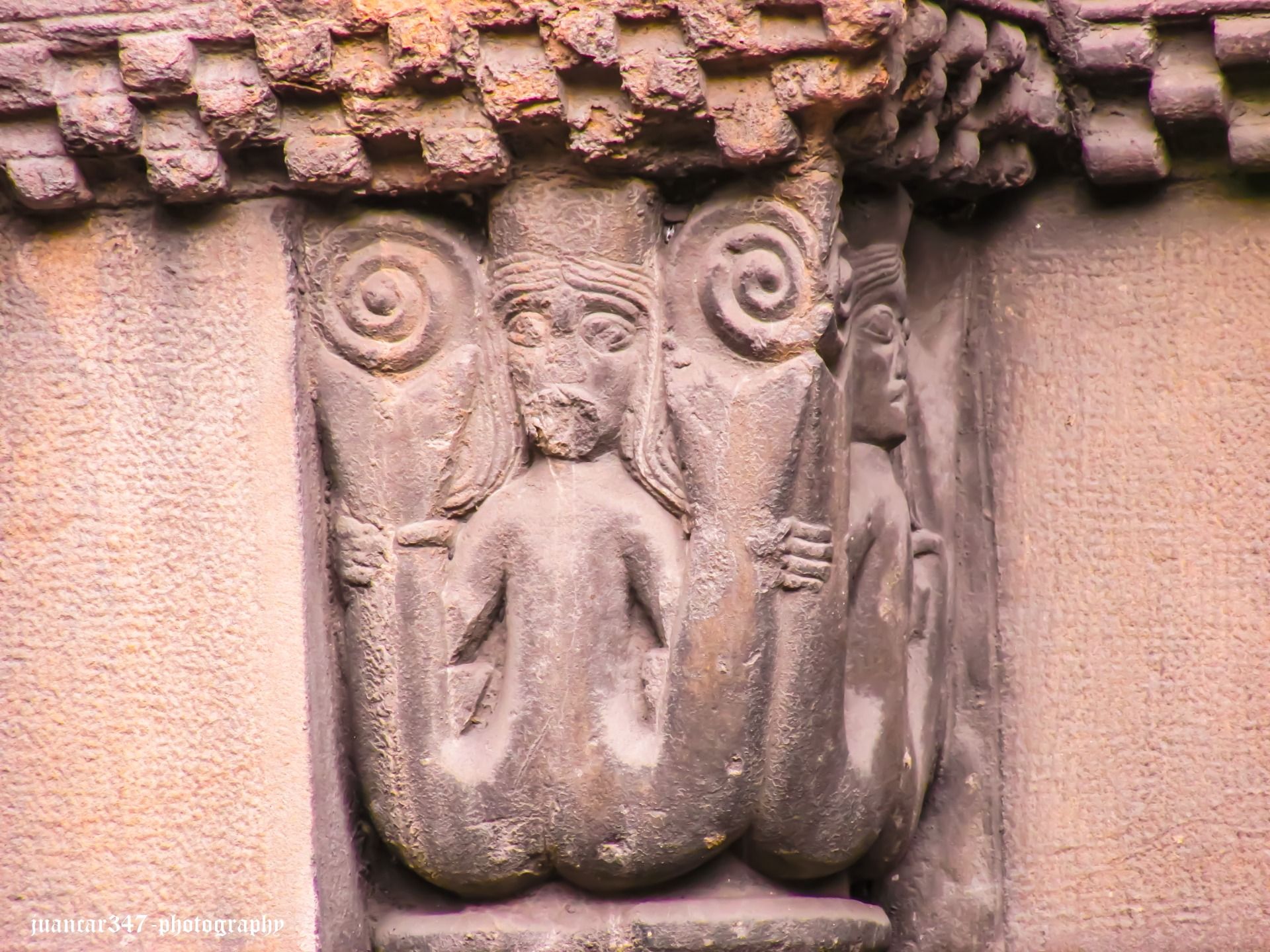
We are referring to the Church of San Esteban, a striking example of 12th-century Romanesque architecture. Its skillfully crafted main portal features some of those curious examples of medieval branded content, which, believe it or not, has yet to be surpassed by the grand campaigns of modern marketing.
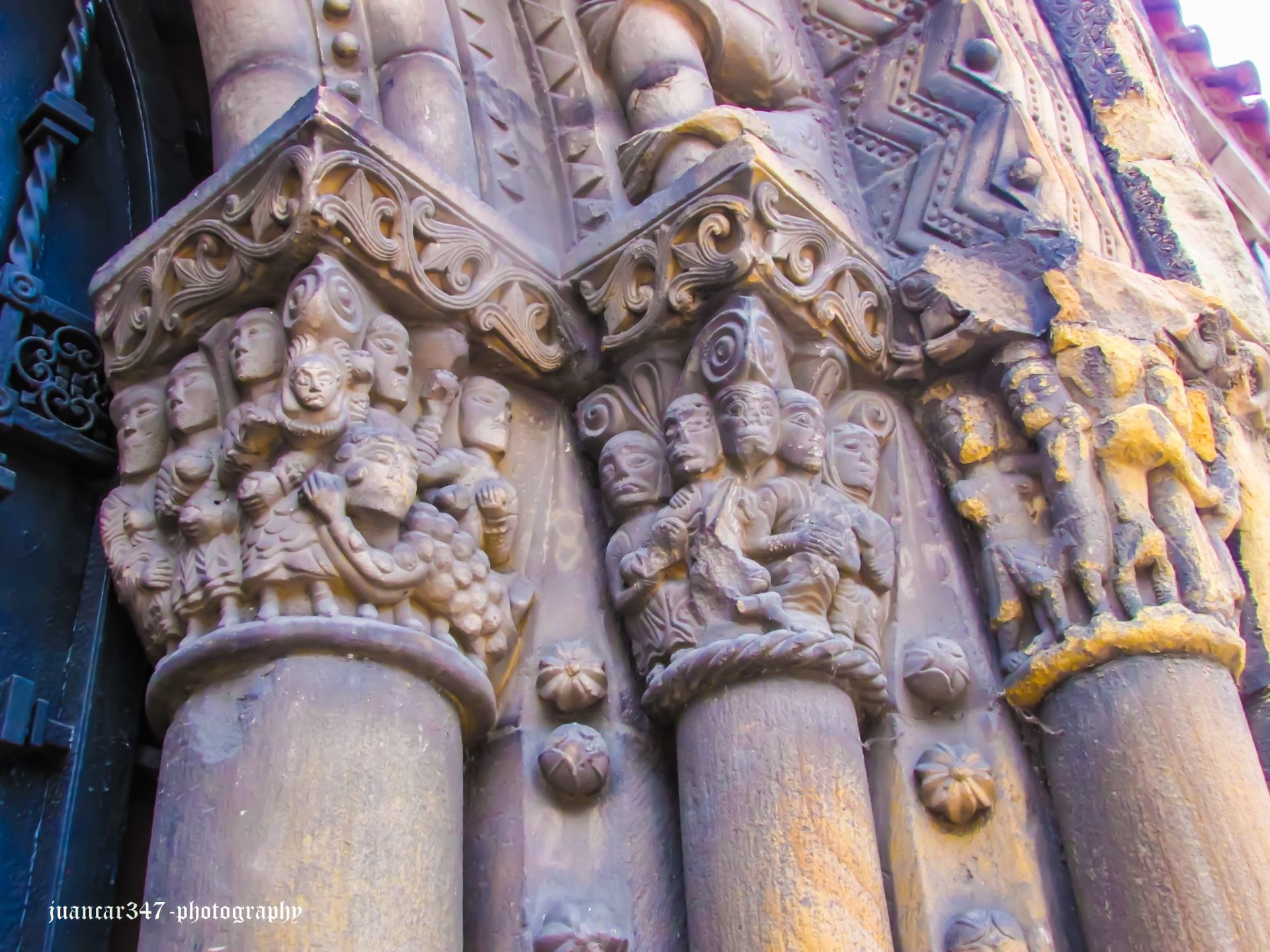
Without the need for metrics, KPIs, or decision-making subordinated to the biased whims of algorithms, the medieval stonemasons, likely relocated to the misty Asturian mountains, also developed a subliminal yet meticulously crafted message here, whose power can still be measured in conversions.
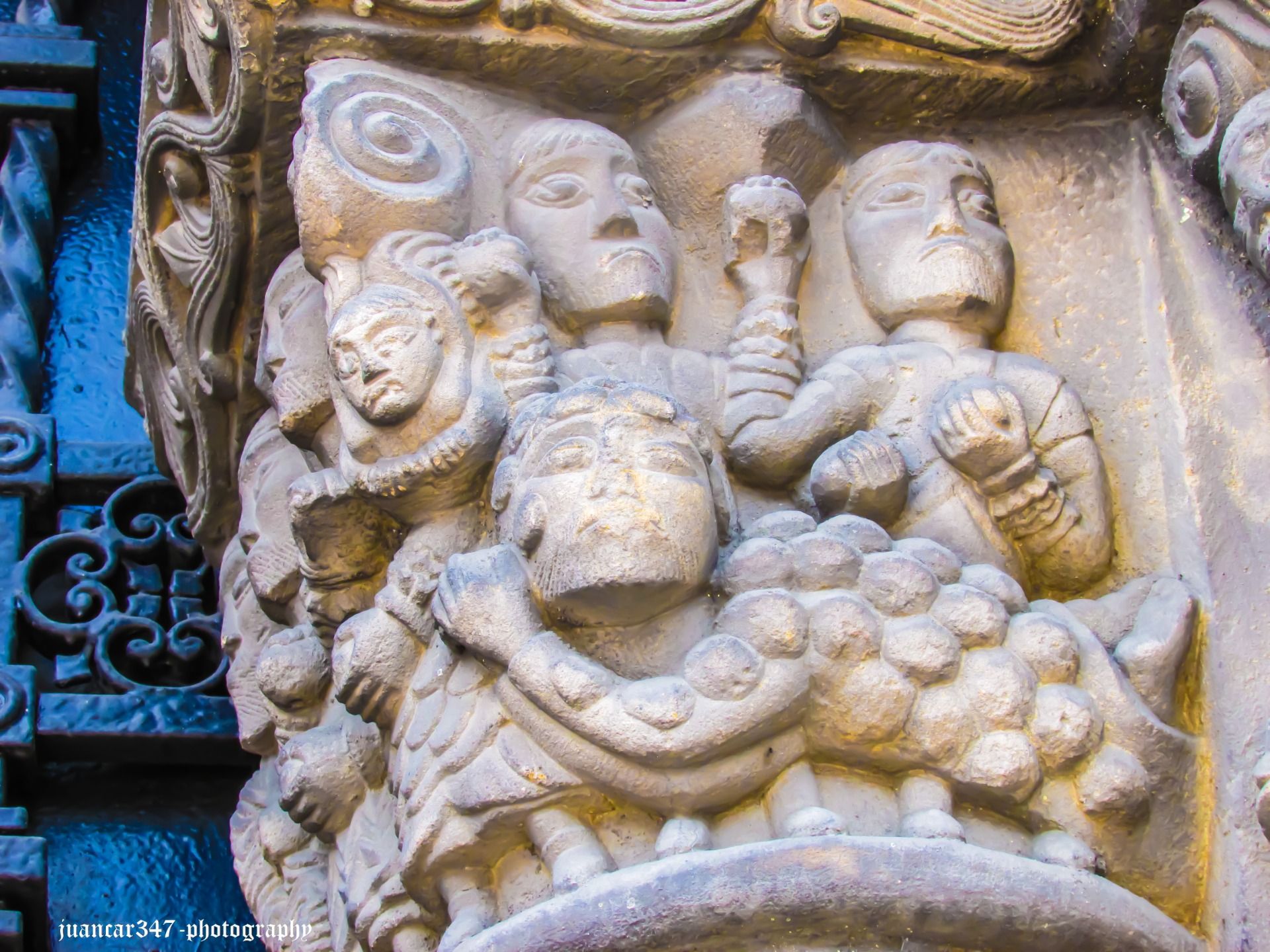
Aside from the grotesque scene of the stoning of Saint Stephen, we observe, in the curious Norman birds that populate the upper archivolts, that motivating and, at the same time, transformative traffic of the discovery of the supposed remains of the Apostle James in a somber Galician forest and the opening of pilgrimage routes, which once again fueled adventure, the economy, culture, and the growth of a society—European society—that was only just beginning to leave behind the misfortunes of a dark period known as the Early Middle Ages.
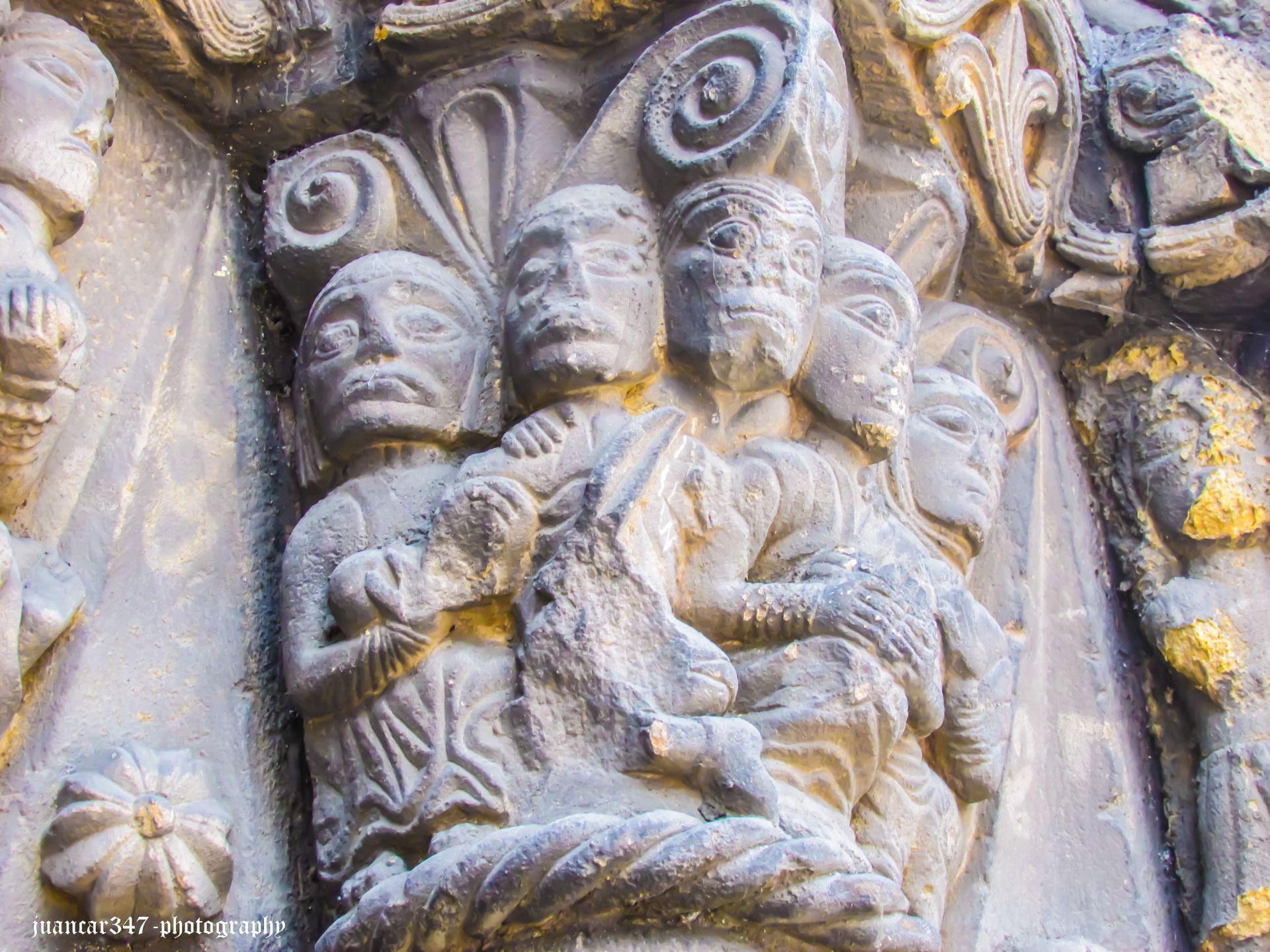
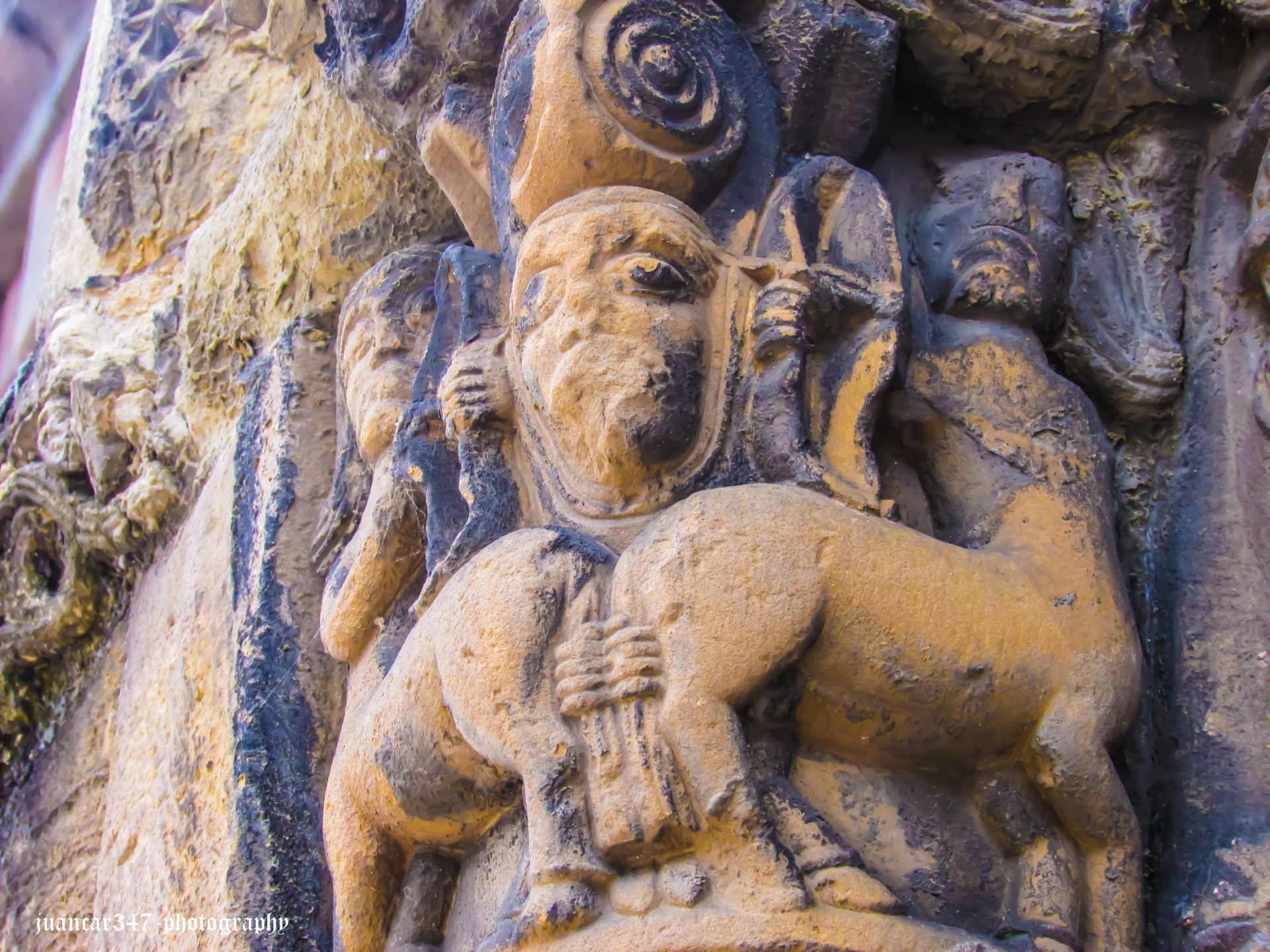
How thought also evolved and began to develop the potential of what centuries later the world would know as modern psychology: the stonemasons who built this church left us the precedents of certain archetypes, such as the centaurs, precursors of Jung's shadow, Machado's complementary nature, or Ortega y Gasset's concept of circumstance.
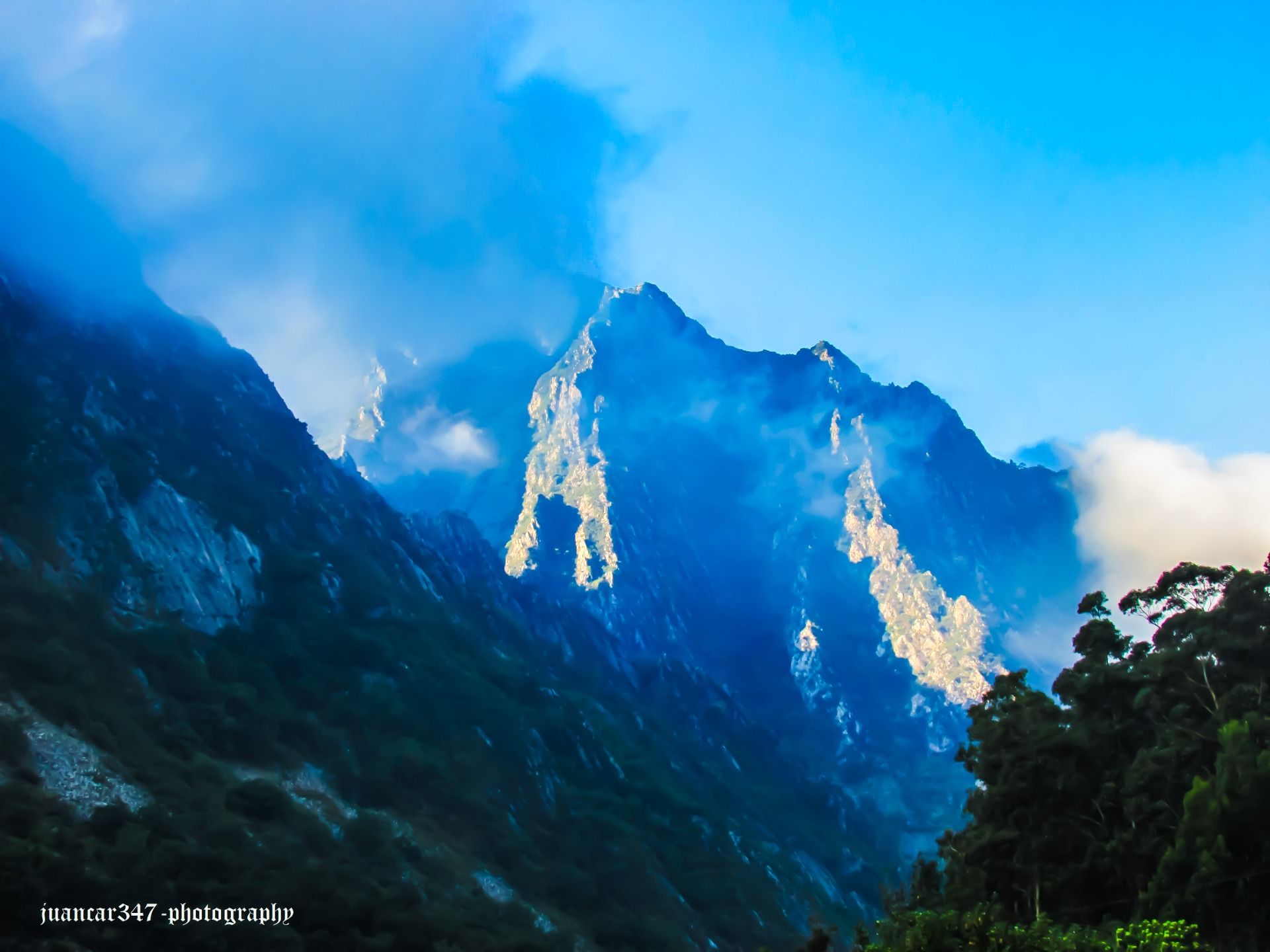
The promiscuity of the sirens, with the evocative mirage of their sensual song, combined with the magnetism of those queens of bias, who, deep down, were their sisters, the harpies, formed, within the complex framework of this fabulous spiritual marketing, the natural Prozac that kept the most primitive instincts of the faithful and pilgrims in check, and thus provided the indicators that taught them to practice more social and rational behavior.
These remnants, in short, not only continue to teach us a multitude of things, but also remind us that the fascinating adventure of travel is a school where learning doesn't have to be at odds with that other great adventure, which is, of course, always living.
NOTICE: Both the text and the accompanying photographs are my exclusive intellectual property and are therefore subject to my copyright.