 Corrientes, Argentina
![The natural beauty of the streets of Targuí [Esp/Eng].](https://img.truvvle.com/?src=aHR0cHM6Ly9pLnBvc3RpbWcuY2MvMlNOcXJZUHEvcG9ydGFkYS1kZS1kb21pbmdvLmpwZw&width=2000)
Source: Family Álbum
Bienvenido a todos mis amigos y seguidores de ¨Amazingnature¨-¨AN¨-¨Community¨: a esta genial caminata ¨científica¨: que tenemos acostumbrados a hacer en las calles del microcentro. Como saben, vivo en una provincia llamada ¨Corrientes¨: los que vivimos aquí somos de habla hispana, pero tenemos un idioma ¨alternativo¨, el ¨guaraní¨: por eso es muy común ver que a las cosas se las llama con ambos idiomas; es decir, si tuviera que decir el nombre de mi provincia en el idioma alternativo, diría que el nombre de nuestra provincia es ¨Taragui¨-¨Tetãmini¨:
Welcome to all my friends and followers of Amazingnature-AN-Community to this great scientific walk that we are used to doing in the streets of the city center. As you know, I live in a province called ¨Corrientes¨: those of us who live here are Spanish-speaking, but we have an "alternative" language, ¨Guaraní¨: that's why it's very common to see things called by both languages; That is, if I had to say the name of my province in the alternative language, I would say that the name of our province is ¨Taragui¨-¨Tetãmini¨:
Source: Family Álbum
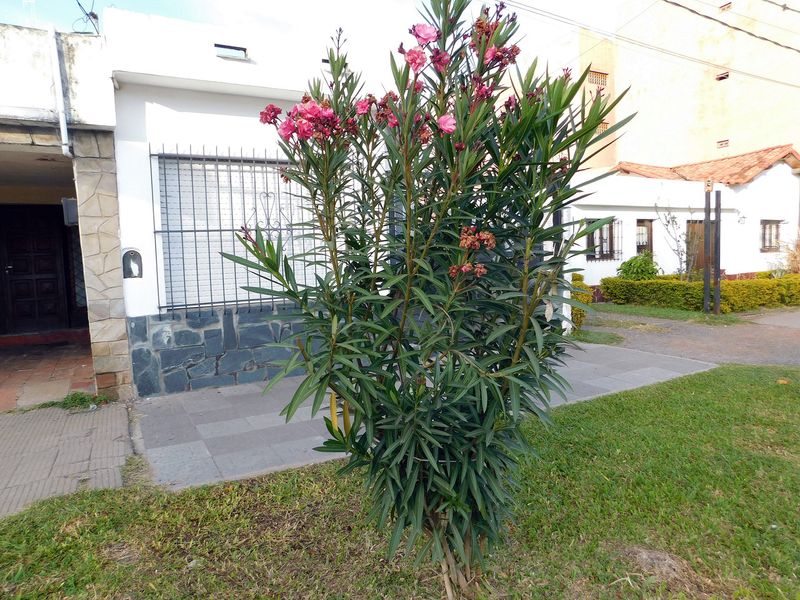
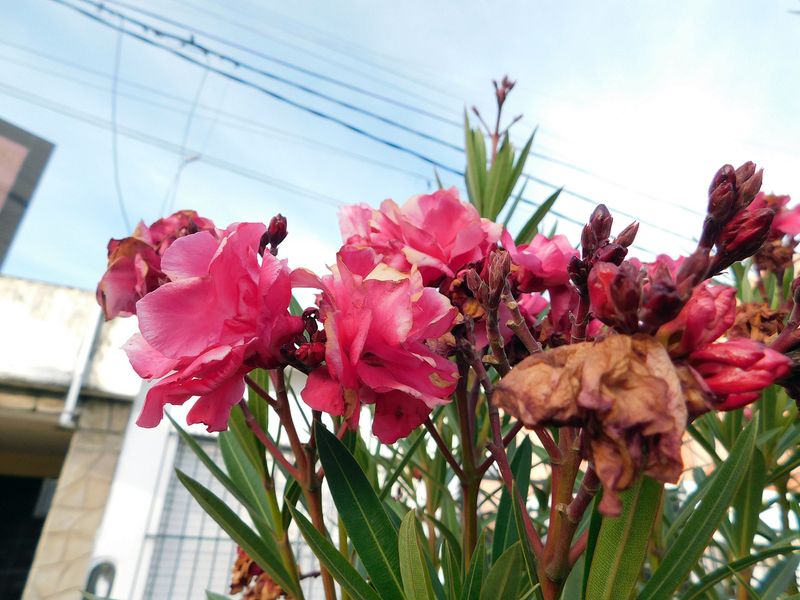
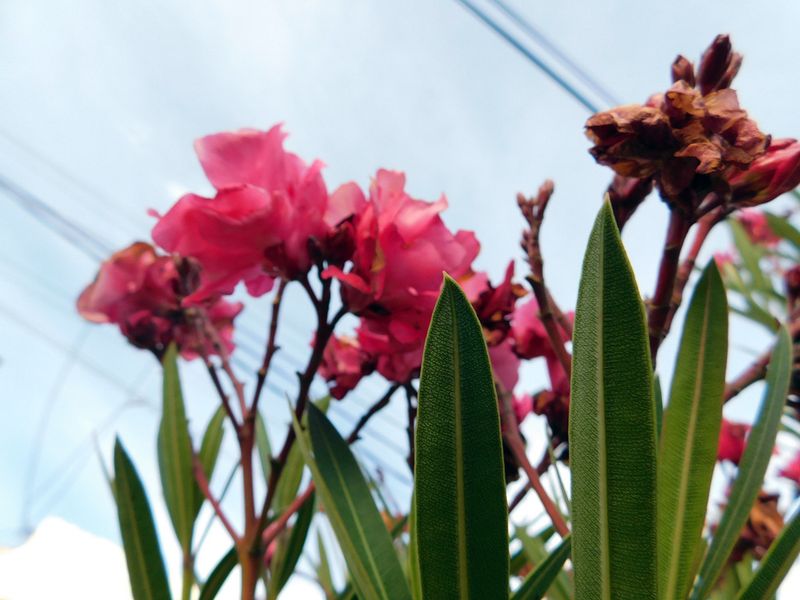
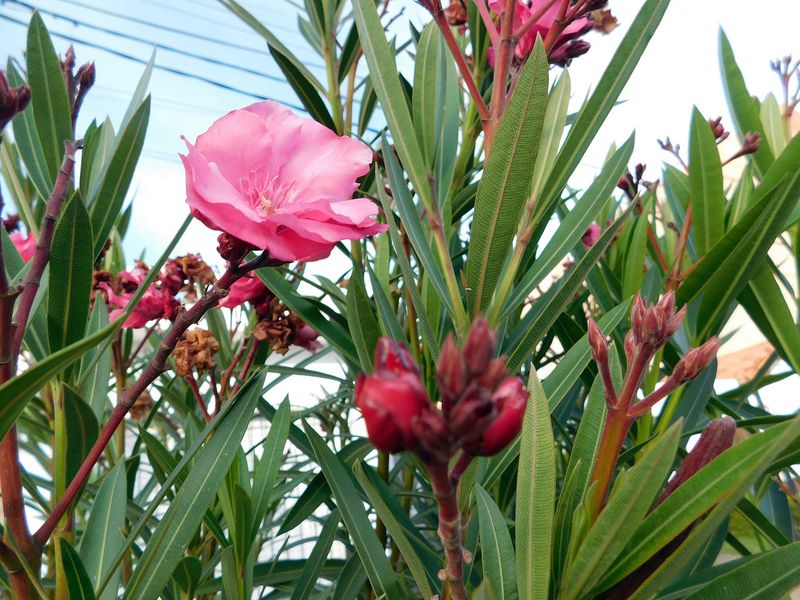
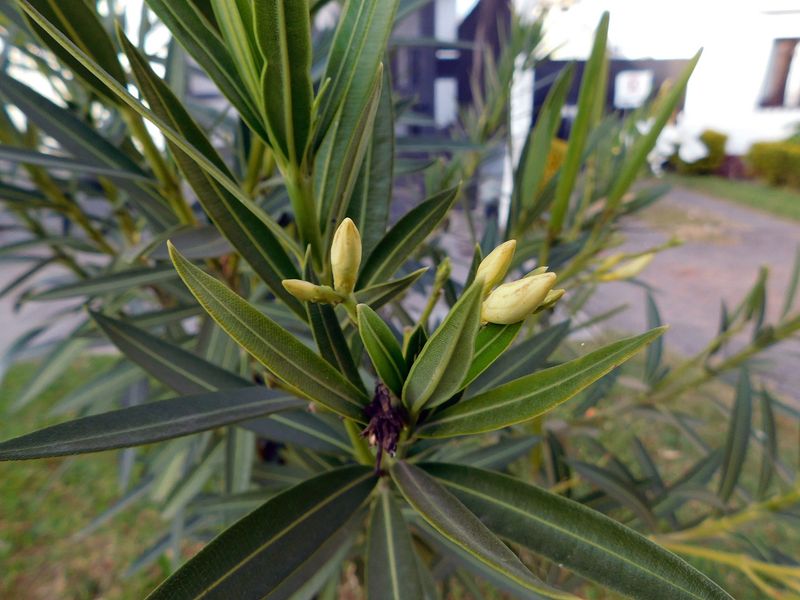
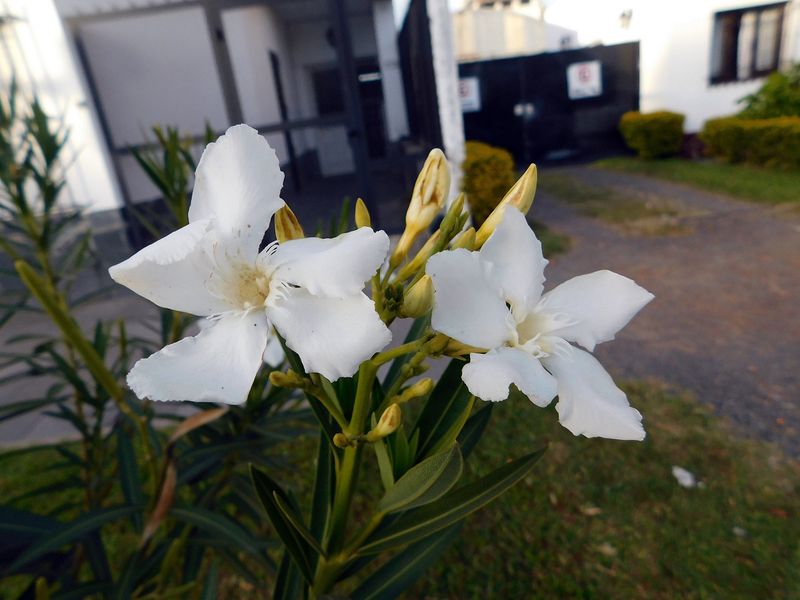
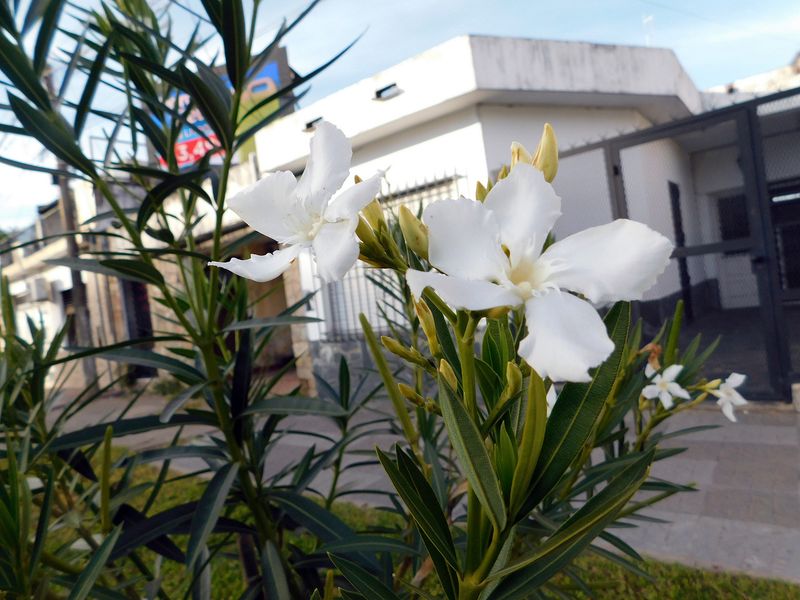
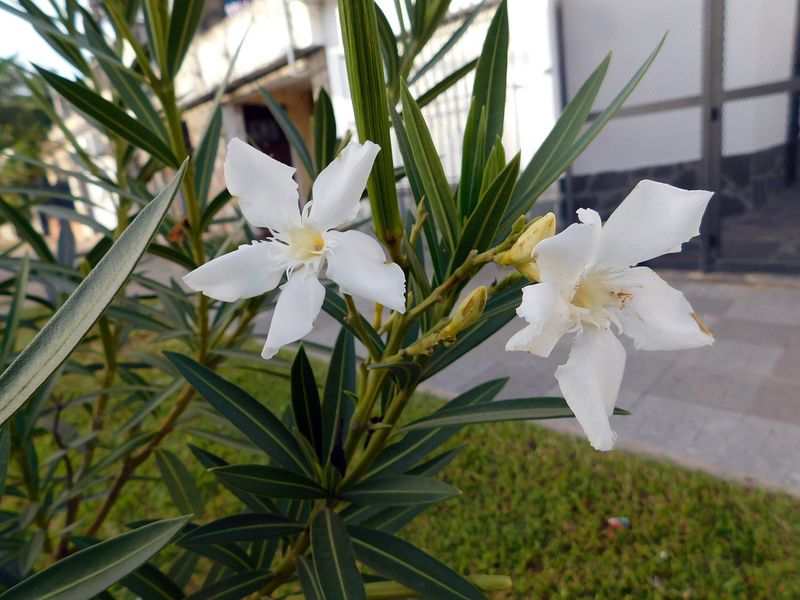
Las bellezas naturales que les voy a presentar las encontramos en el microcentro de la ¨Taragui¨: un pueblo encantador repleto de plantas preciosas; algo realmente admirable al caminar nuestras calles es ir descubriendo a cada paso plantas que valen la pena conocer. La primera planta con la que nos cruzamos en esta caminata es una conocida con el nombre de ¨Adelfa¨: Cuando se piensa en una planta para ornamentar un espacio en la ¨vía¨¨publica¨ se piensa en esta hermosura, porque no requiere de muchos cuidados, es muy resistente y, como lo ven, es preciosa, pero algo que debes saber de esta belleza, que es tan tóxica como bella, es que se cree que es la más tóxica del mundo de las plantas.
The natural beauties I'm going to show you can be found in the heart of "Taragui":a charming town full of beautiful plants; something truly admirable about walking our streets is discovering plants worth knowing at every turn. The first plant we came across on this walk is one known as ¨Oleander: When you think of a plant to decorate a public space, you think of this beauty because it doesn't require much care, it's very hardy, and as you can see, it's gorgeous. But something you should know about this beauty, which is as toxic as it is beautiful, is that it's believed to be the most toxic plant in the world.
Source: Family Álbum
Esta que parece otra planta es la misma que la anterior, conocida científicamente como ¨Nerium¨-¨oleander¨: y, como les mencioné anteriormente, es una de las plantas más ¨toxicas¨: que existen. Son originarias de las costas del ¨Mediterráneo¨: y del ¨Sahara¨: aunque en la actualidad se las puede hallar en muchas partes del mundo. Lo curioso de esta planta es que en algunos países se la comercializa como planta medicinal. En ¨Japón¨: ha sido todo un milagro, ya que fue la primera planta en florecer después de la trágica explosión de ¨Hiroshima¨:
This plant, which looks like a different one, is the same as the previous one, scientifically known as ¨Nerium¨-¨oleander¨: and, as I mentioned before, it is one of the most ¨toxic¨: plants that exist. They are native to the coasts of the ¨Mediterraneo¨: and the ¨Sahara¨: although nowadays they can be found in many parts of the world. Interestingly, in some countries this plant is sold as a medicinal plant. In "Japan": it has been a true miracle, as it was the first plant to bloom after the tragic explosion of "Hiroshima":
Source: Family Álbum
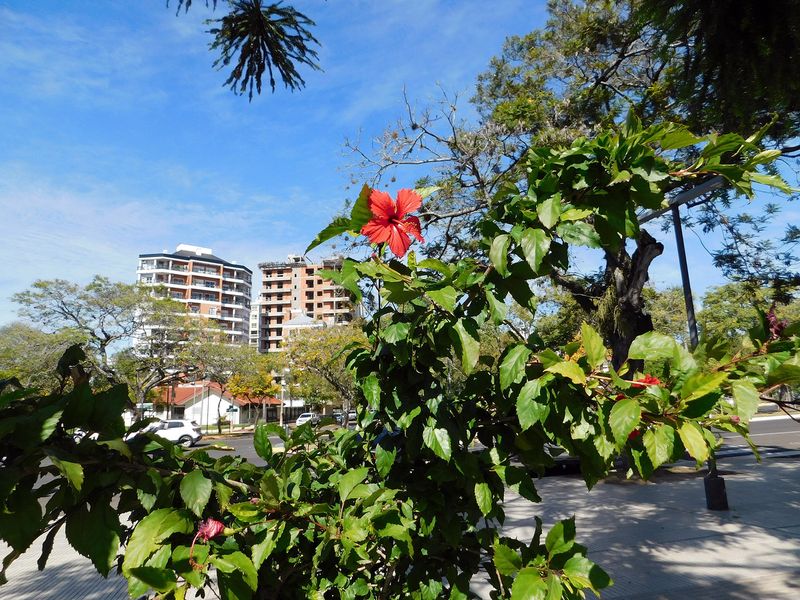
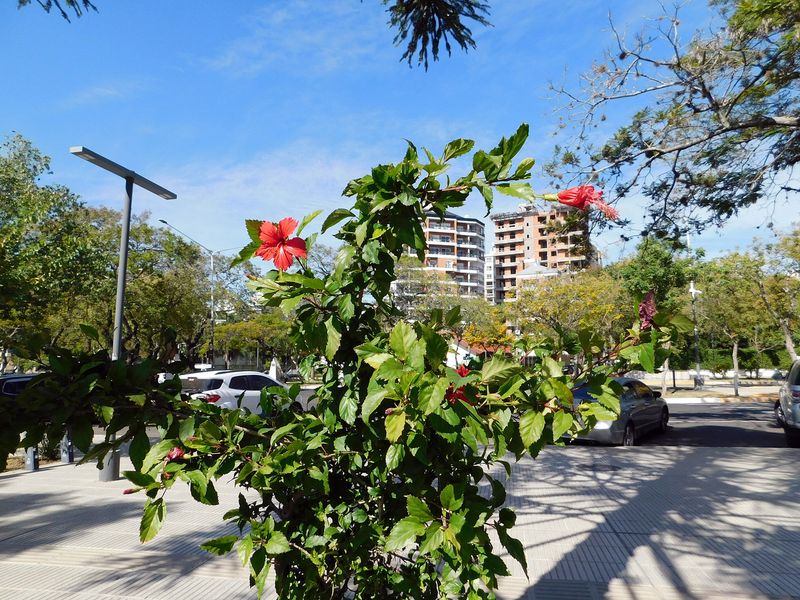
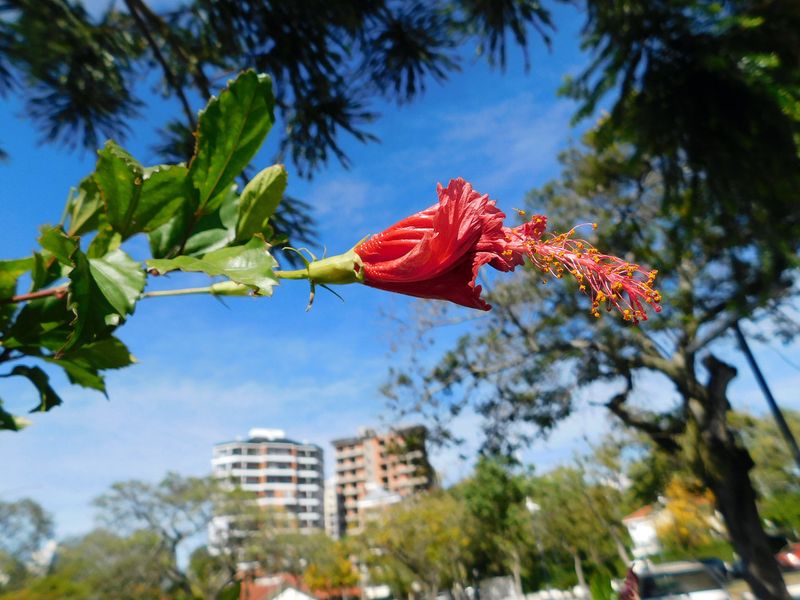
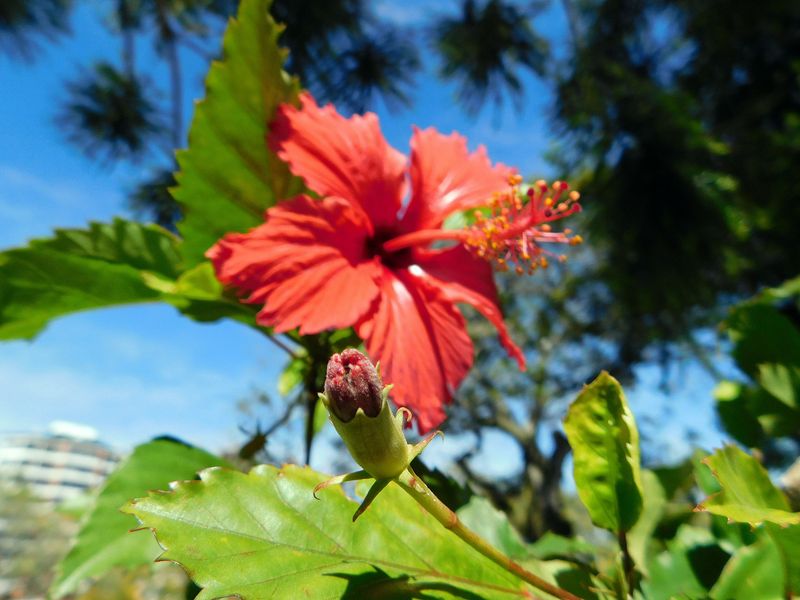
La planta que les voy a enseñar a continuación es originaria de ¨Asia¨: pero es realmente muy conocida en gran parte del mundo como ¨Hibiscus¨-¨rosa¨-¨sinensis¨: esta quizás sea una de las plantas más conocidas del universo, y varía el nombre dependiendo de dónde se encuentre; hasta donde sé, se la conoce con más de treinta nombres diferentes. Otro dato curioso, además de los diferentes nombres, es que es una planta comestible; sus flores, incluso sus raíces, en algunas culturas se las consideran medicinales y en otras son de usos cosméticos.
The plant I'm going to show you next is native to Asia but it's actually very well known in much of the world as Hibiscus rosa-sinensis. This is perhaps one of the most well-known plants in the world, and its name varies depending on where it's found; as far as I know, it's known by more than thirty different names. Another interesting fact, besides the different names, is that it's an edible plant; its flowers, and even its roots, are considered medicinal in some cultures and used in cosmetics in others.
Source: Family Álbum
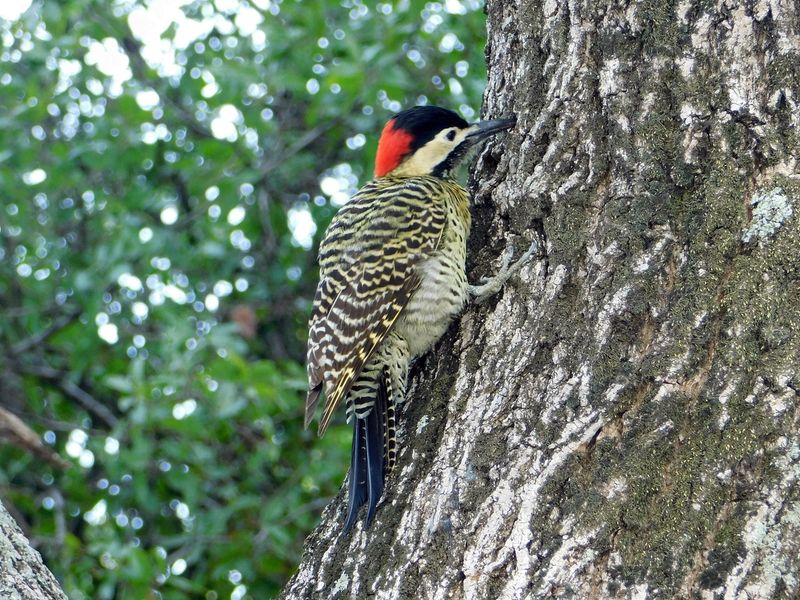
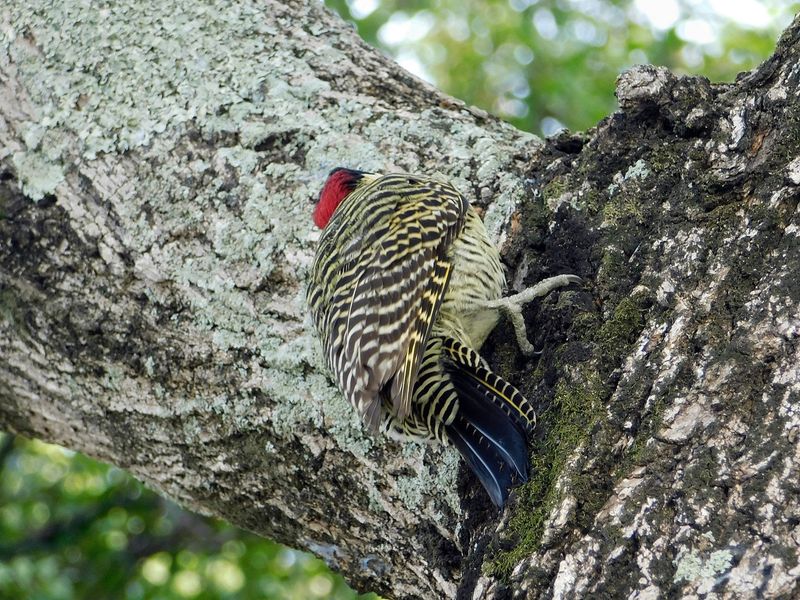
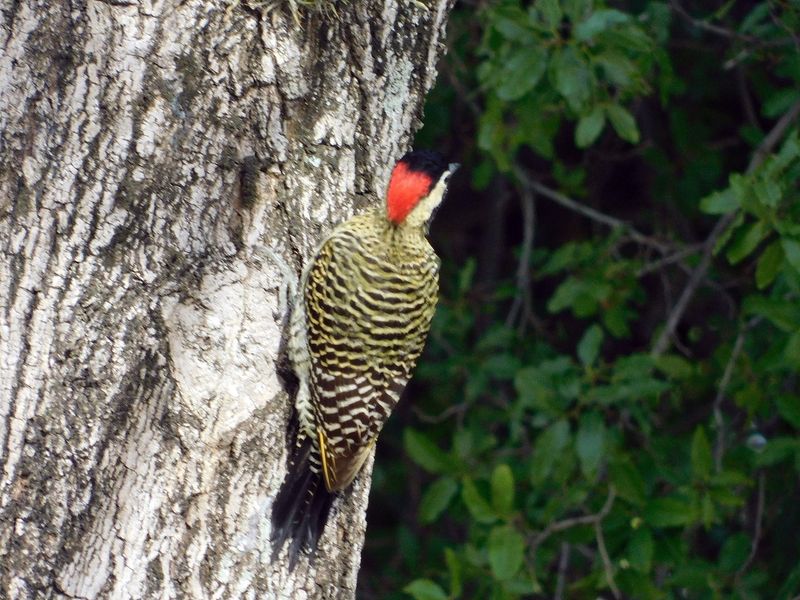
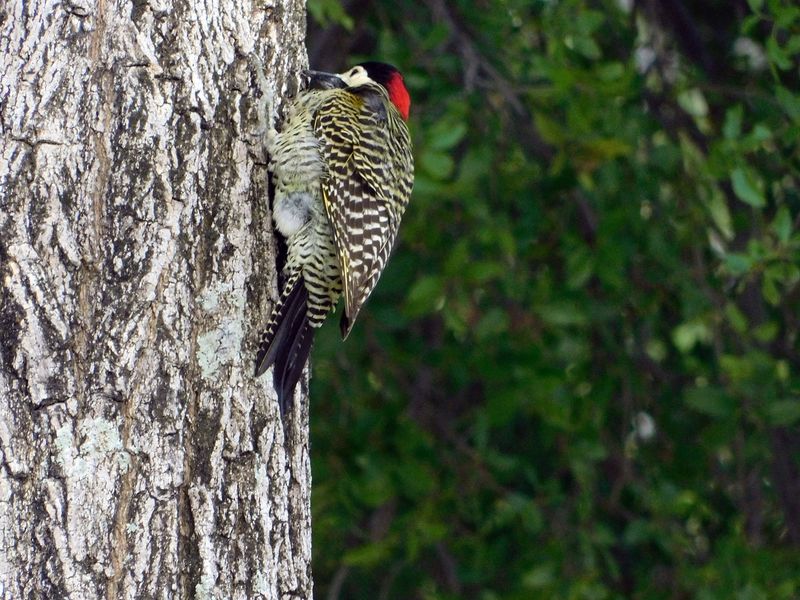
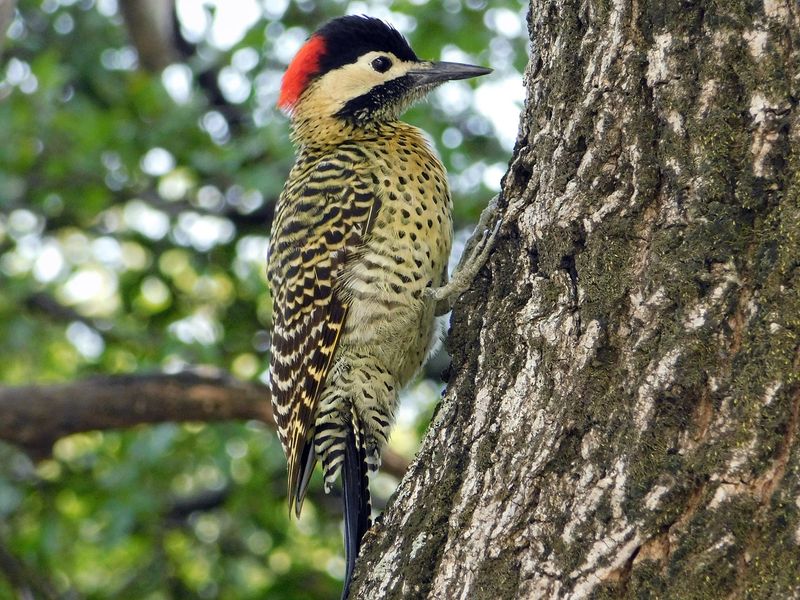
Puede que para aquellos que siguen regularmente mi post, esta ave les cause confusión, dado que no hace mucho les di a conocer otro pájaro ¨carpintero¨: extremadamente parecido a este bello ejemplar. Se trata de un carpintero ¨real¨: . Originarios de ¨América¨-del-¨Sur¨: , a diferencia del ave anterior que se alimentaba en el suelo, este lo hace en los árboles de ¨Larva¨: e insectos¨: un dato realmente curioso es su lengua, que es tan larga que pasa alrededor de su ¨cráneo¨: . Esto tiene múltiples propósitos más allá de alimentarse. Un ave realmente hermosa y con muchos datos científicos para aprender.
Source: Family Álbum


Source: vimeo-free-videos

Comments