
 Shangcheng District, Zhejiang, China
I arrived in Hangzhou knowing almost nothing about its most famous craft. By the time I left, silk had followed me from museums and markets all the way into my suitcase.
The old man and I had no language in common.
My Chinese was nonexistent, his English was no better, and whatever conversation we were having depended on a translation app, a calculator and the internationally recognised vocabulary of pointing at things. Somewhere in the process, however, the transaction became unexpectedly enjoyable.
He was selling ties in Hangzhou’s China Silk City, and I was buying rather more of them than I had intended.
There was bargaining, obviously. I had been through variations of this ritual in Istanbul and Ankara, where negotiations can occasionally feel as though refusing to buy a belt might trigger a minor diplomatic incident. This was different. Quieter, less aggressive, almost elegant. The old man radiated such uncomplicated good humour that I stayed at his shop, looked at another tie, and then another.
Eventually there were six.
Some could have come from a good menswear shop anywhere in Europe: beautiful silk, excellent colours, patterns I could wear with a suit without having to explain myself. Others were unmistakably Chinese. One in particular had insects as its main decorative motif and crossed decisively from distinctive into avant-garde.
I bought that one too.
The total came to roughly fifty euros.
Whether every fibre was chemically verifiable pure silk, I cannot prove. Reviews of Silk City contain the usual warnings about fakes and dubious merchandise. I inspected the material, the finish and the way the ties fell, and they looked and felt good to me. If somebody fooled me, they did a remarkably professional job of it.
More importantly, I had not bought six souvenirs destined to spend the rest of their lives in a drawer. I bought six ties to wear.
What makes the scene slightly absurd is that, a few days earlier, I had known almost nothing about Hangzhou and silk.

Researching a city after arriving in it
The weeks before China had been hectic enough that my usual travel preparation simply did not happen. I arrived in Hangzhou and started researching Hangzhou from Hangzhou.
Not an approach I would normally recommend, but it does have one advantage: discoveries arrive without much interference from expectations. Once I began reading about what to see, one word kept appearing.
Silk.
At first I assumed this meant a famous local product polished into a convenient tourism brand. A museum, a few specialist shops, something soft to take home.
It went considerably deeper than that.
Hangzhou was not one of the famous desert stops of the overland Silk Road. It belonged to another part of the same enormous network. For centuries, this region was one of the places producing the commodity that eventually gave those routes their name. Hangzhou stood at the southern end of the Grand Canal, linked to China’s internal transport system, while the ports of the Zhejiang coast opened the region towards maritime trade. Its importance grew enormously after 1138, when Hangzhou — then Lin’an — became the capital of the Southern Song dynasty and the wealthy Jiangnan region developed into one of China’s great centres of textile and silk production.
Hangzhou was not simply somewhere silk passed through.
It helped put silk on the road.
Once I knew that, I started noticing it everywhere.
There were specialist shops, elegant boutiques and market stalls. Scarves, dresses, shirts, fabrics and ties appeared with such regularity that the connection between city and material quickly stopped feeling like something invented by a tourism office.
I bought silk scarves at a night market.
Clothing proved more complicated.
There were pieces I genuinely would have worn, until Chinese sizing introduced itself. Apparently a Chinese XXXXL and the European XXL I normally wear occupy different regions of the mathematical universe. The labels suggested optimism. The mirror supplied peer review.
Ties, fortunately, are much more inclusive.
Before buying them, however, I wanted to understand why silk mattered here in the first place.
That meant another taxi.
A silk museum without much of the silk museum
I travelled through Hangzhou almost exclusively by taxi. Distances were substantial, the schedule was full and taxis were cheap and convenient enough that there seemed little reason to pretend otherwise.
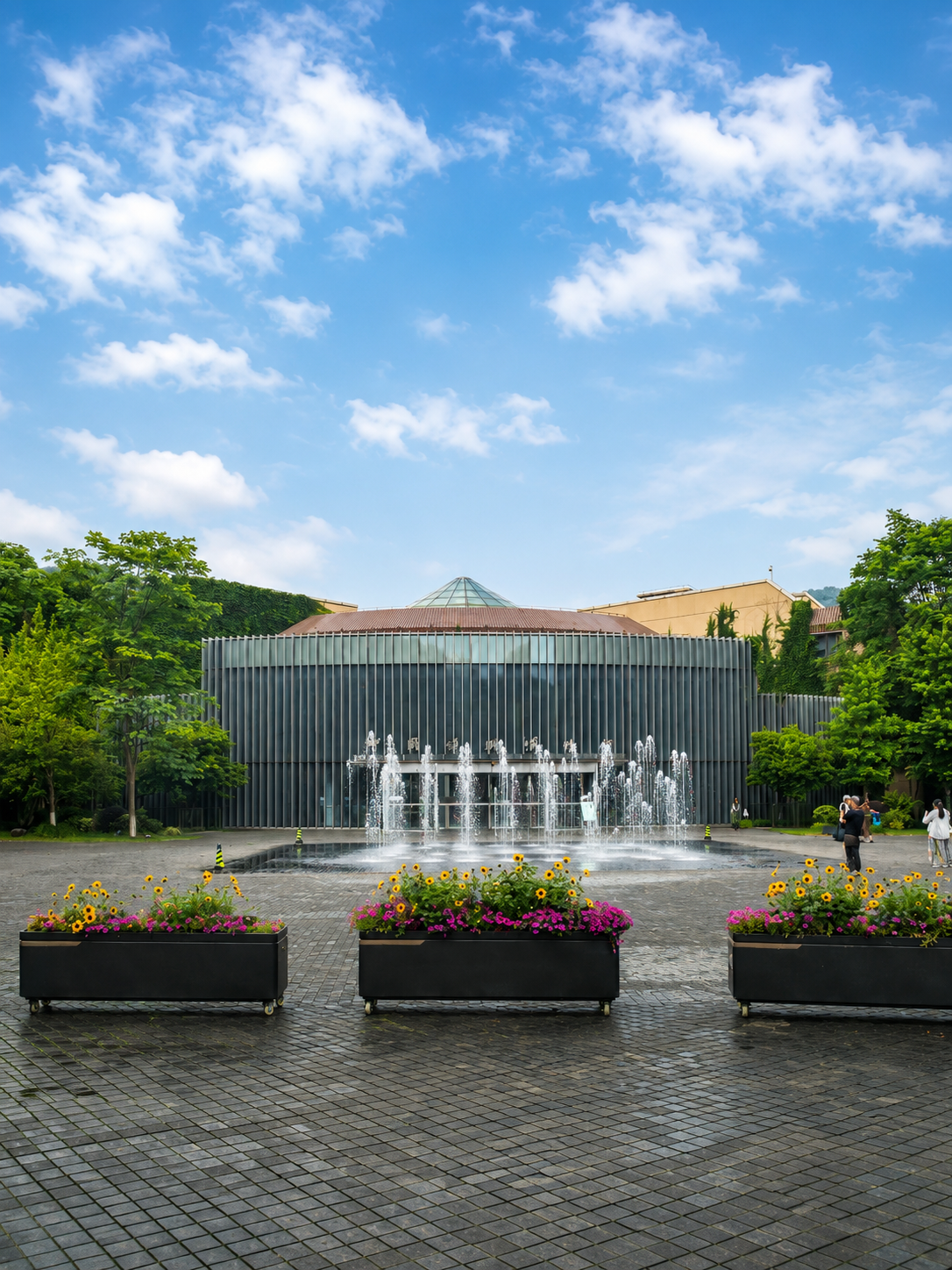
The China National Silk Museum kept appearing among the city’s essential sights, so on the morning of 17 May I went there expecting the obvious: silkworms, looms, ancient fabrics and a reasonably linear history of how China turned a caterpillar’s cocoon into one of the most desirable commodities on earth.
There was one problem.
Much of precisely that part of the museum was closed.
Renovation had begun earlier in 2025, taking several galleries devoted to sericulture, weaving and the Silk Roads out of circulation. My timing was impressively unfortunate.
Initially, this looked like a fairly serious flaw in my new method of researching attractions only after reaching the destination.
Then I walked into the Fashion Gallery.
And stopped caring.
Four hundred years of looking into someone else’s wardrobe
I expected Chinese clothing.
I did not expect such a substantial history of Western fashion.
The permanent exhibition From Rural to Urban: 400 Years of Western Fashion treats European and later Western dress as a serious subject in its own right rather than as a few foreign curiosities placed beside a Chinese collection.
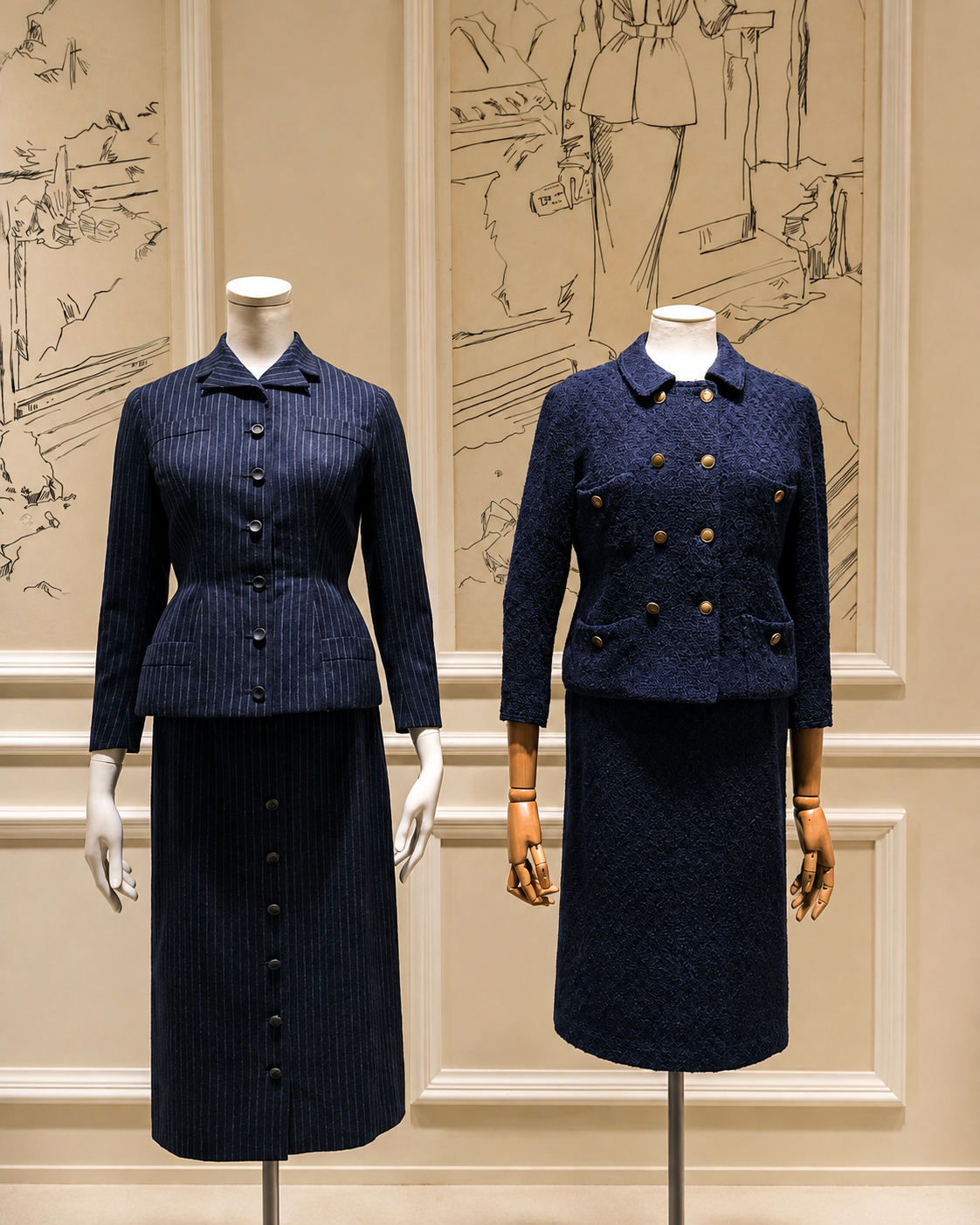
Room after room moved through silhouettes, fabrics and changing ideas of what a human body should apparently look like once society had finished interfering with it. Historical European clothing gradually gave way to modern fashion. Some pieces were beautiful, some strange, some surprisingly familiar.
Then came the Chinese side.
An Evolution of Fashion: Chinese Costume from the 1920s to the 2010s followed almost a century of enormous change: the development of the qipao, the arrival and adaptation of Western suits and dresses, the radically different clothing culture after 1949 and the renewed internationalisation of Chinese fashion from the 1980s onward.
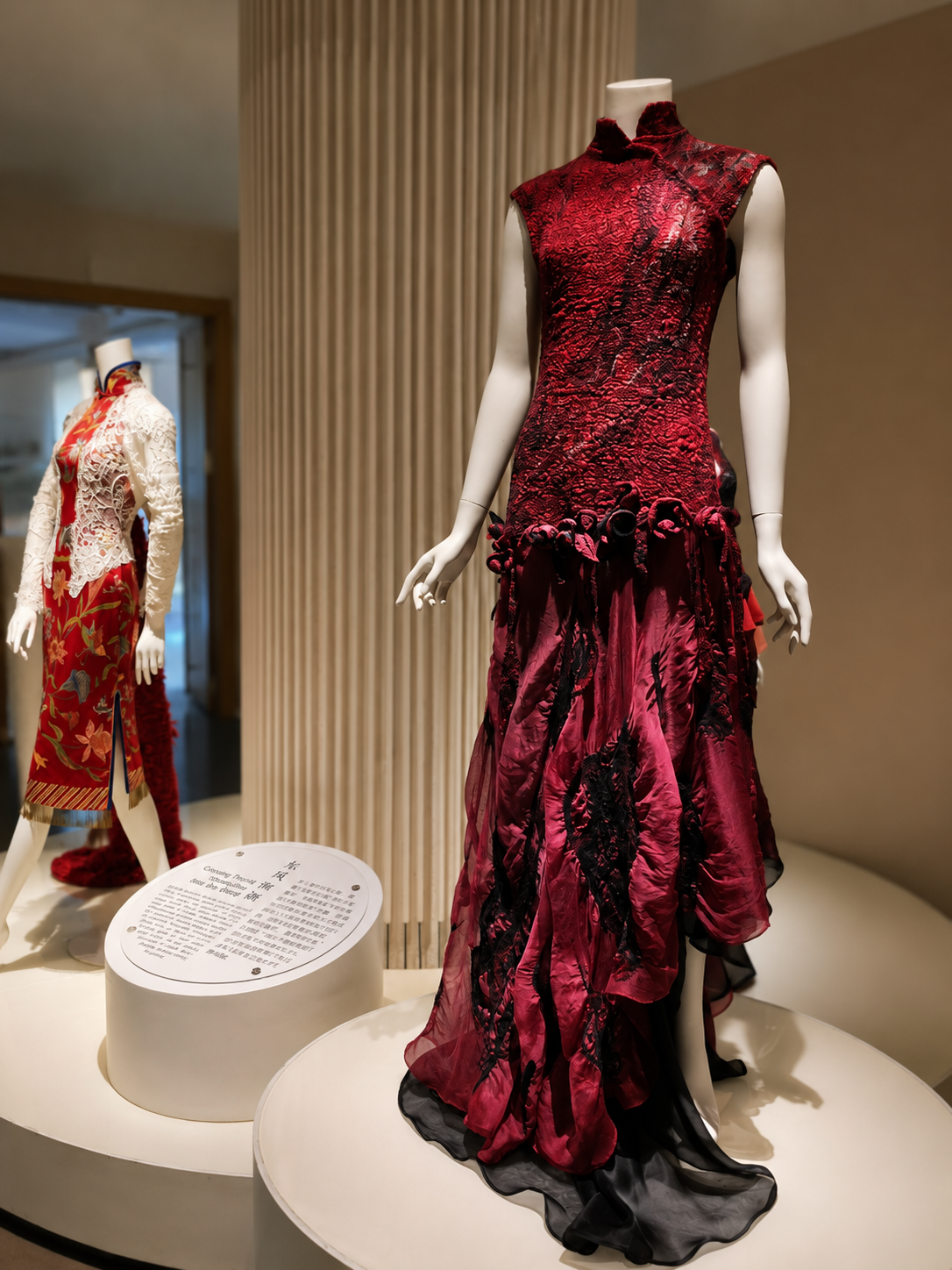
This was the part someone had really thought through.
The Western exhibition was not there merely to make the Chinese one look more exotic. Together they became a comparison of two traditions that had spent a very long time influencing one another.
By the contemporary section, deciding precisely where “Chinese” stopped and “Western” began was becoming rather pointless.
That seemed particularly appropriate in Hangzhou. Long before modern fashion became global, silk from this part of China had already been travelling outward across continents and seas.
I had entered the museum expecting to learn how silk was made. Because the obvious galleries were closed, I instead spent the morning looking at what people had done with textiles once history, politics, technology, vanity and fashion got involved.
I am not convinced I got the inferior version of the museum.
Why does a silk museum need gardens this good?
Then there were the gardens.
They puzzled me.
Museums need exhibition rooms, conservation facilities and storage. They may need a café where somebody can sell you an unnecessarily expensive coffee. They do not, strictly speaking, require ponds, stone paths, dense vegetation and enough carefully composed landscape to make you forget temporarily why you came.
Yet the China National Silk Museum has devoted an extraordinary amount of space to exactly that.

The galleries are spread through a large landscaped complex near West Lake, at the foot of Yuhuang Mountain, rather than packed into a single monumental building.
Eventually the logic becomes obvious. Silk starts in nature long before it reaches a fashion designer: mulberry leaves feed silkworms, cocoons provide the fibre and plants historically supplied dyes. The garden is not entirely separate from the story inside.
That explanation came later.
At the time, I mostly enjoyed the silence.
Hangzhou is not a small city and my days there were densely packed. Inside I had been processing several centuries of clothing. Outside there was water, greenery, stone and very little demand on my attention.
I stayed longer than necessary.
That may be the highest compliment I can give a museum garden.
From display case to shop window
After that morning, silk became even harder not to see.
Part of that was probably psychological. Tell someone a city is famous for something and suddenly every third shop appears to confirm it. Hangzhou, however, hardly made me search. Silk boutiques, textile shops and market stalls appeared everywhere I went.
At a night market, I bought scarves. Elsewhere I kept looking.
Before the museum, those shops had simply sold one of Hangzhou’s characteristic products. Afterwards, they felt connected to the much older story I had just seen behind glass.
Centuries earlier, silk produced in this region had travelled outward through vast trading networks. Now I could walk into a shop, touch the material, argue about the price through a telephone and put it into my suitcase.
History had become considerably more convenient.
By the final morning, one obvious stop was still missing.
China Silk City.
Six ties and no room for several metres of silk
China Silk City is less a single market hall than a specialised shopping district, packed with shops selling fabric, clothing, scarves, household textiles, accessories and just about every other plausible application of silk.
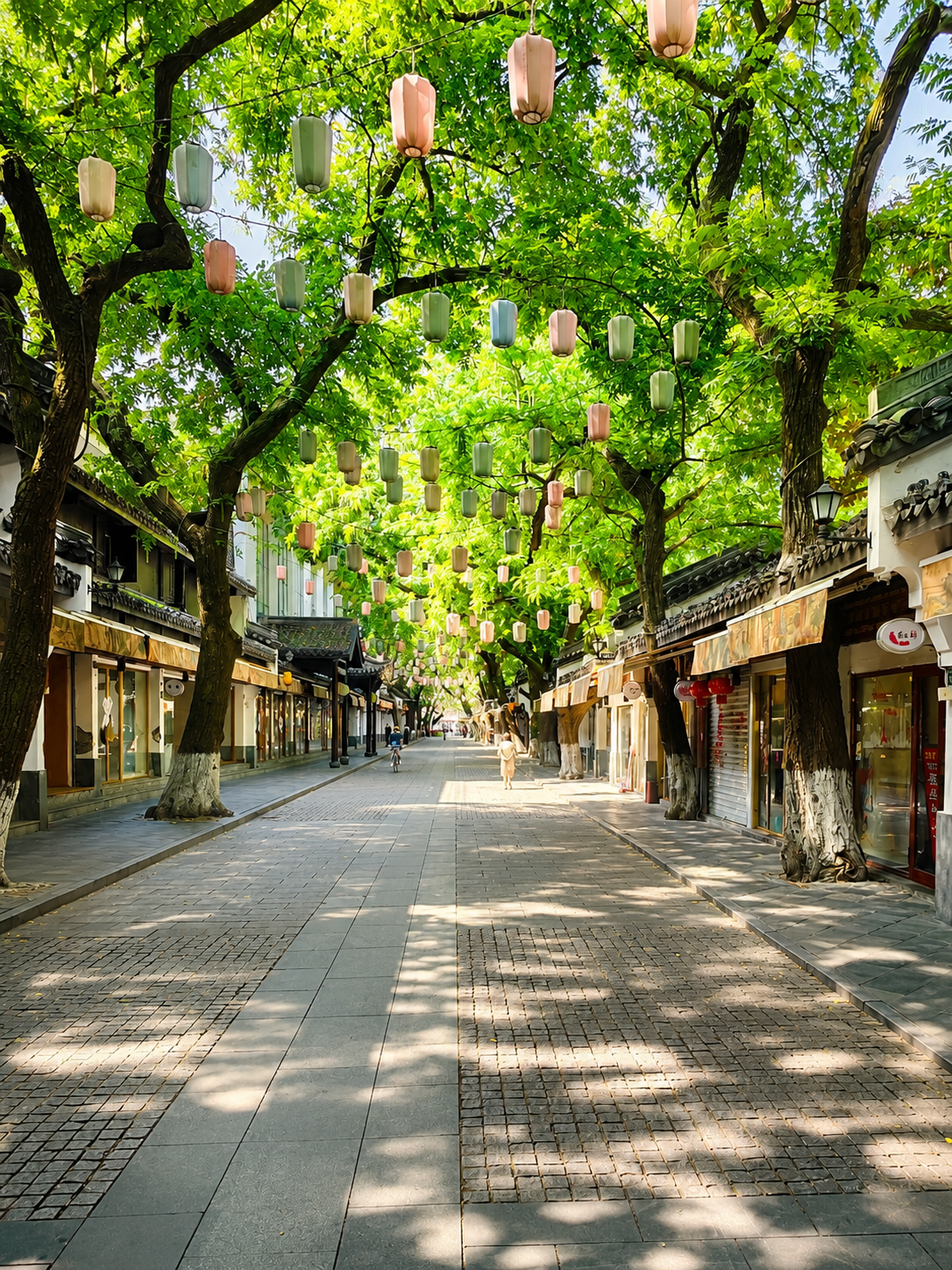
It was also considerably more enjoyable than some online reviews had suggested.
There was cheap merchandise and enough variation in quality to justify a functioning level of scepticism. There were also rolls and rolls of fabric that became increasingly tempting the longer I looked at them.
Unfortunately, metres of silk require litres of suitcase.
I had no litres left.
Ready-made clothing brought another encounter with Chinese sizing, which had already established a comfortable lead over me.
So I arrived at the ties.
And eventually at the old man from the beginning of this story.
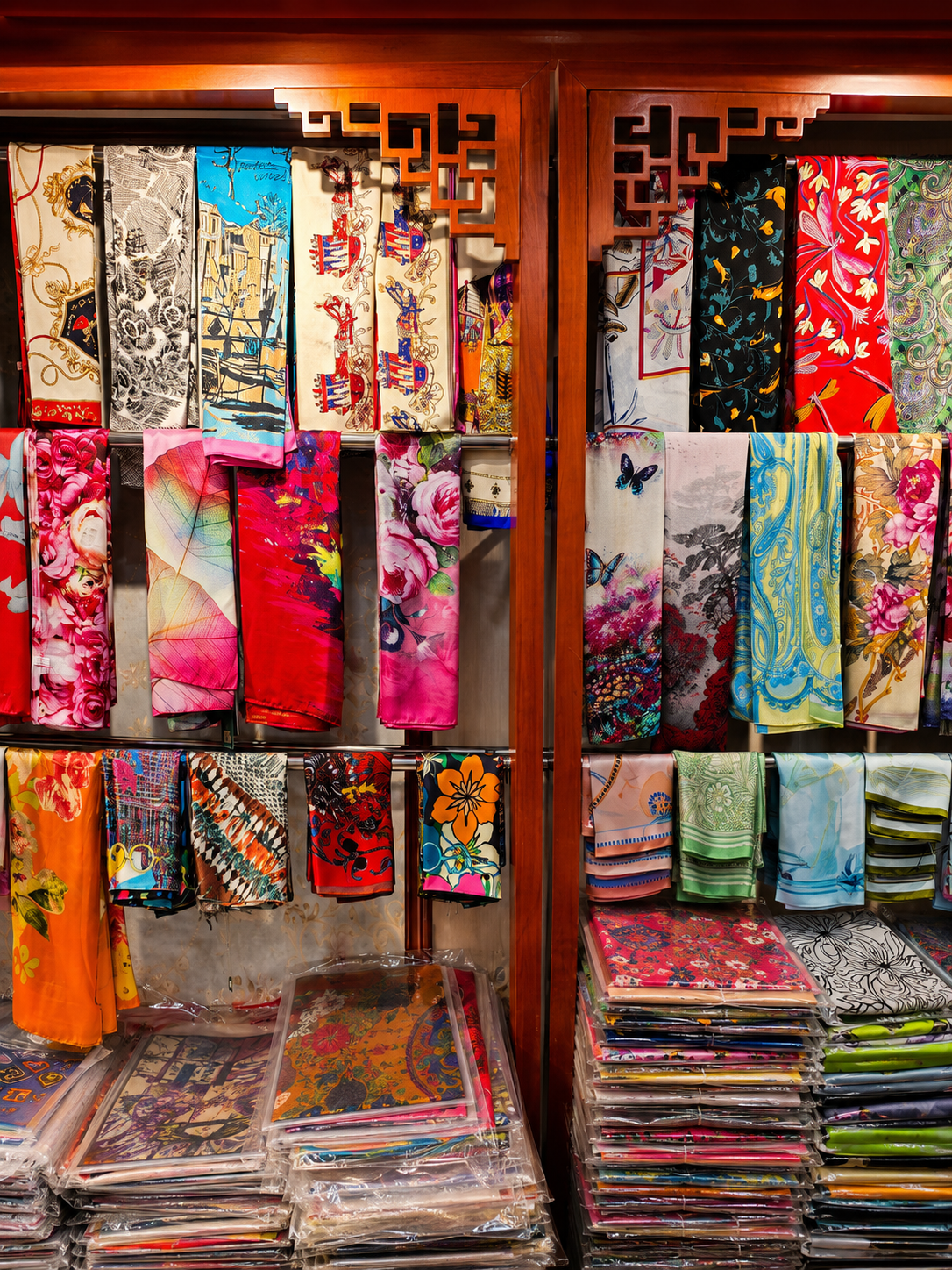
There is no memorable sentence to reproduce because neither of us could have produced one the other would understand. The translation app did some work, numbers did the rest, and hands and facial expressions filled the gaps.
He showed me designs. I rejected some, kept others, changed my mind, looked again. The price moved around accordingly.
And somewhere in there, we simply got along.
He had that difficult-to-explain quality some people possess: nothing theatrical, just an immediate sense of positivity. The bargaining never acquired the aggressive edge I had encountered in some other markets. It felt more like a game than a contest.
Six ties later, we had a deal.
Approximately fifty euros for all of them.
I could spend that on one silk tie in Croatia without making a particularly extravagant choice.
The six ranged from conventional to unmistakably Chinese. That was intentional. I did not want novelty ties announcing that I had once visited China. I wanted things I could actually wear.
Five presented no difficulty.
Then there are the insects.
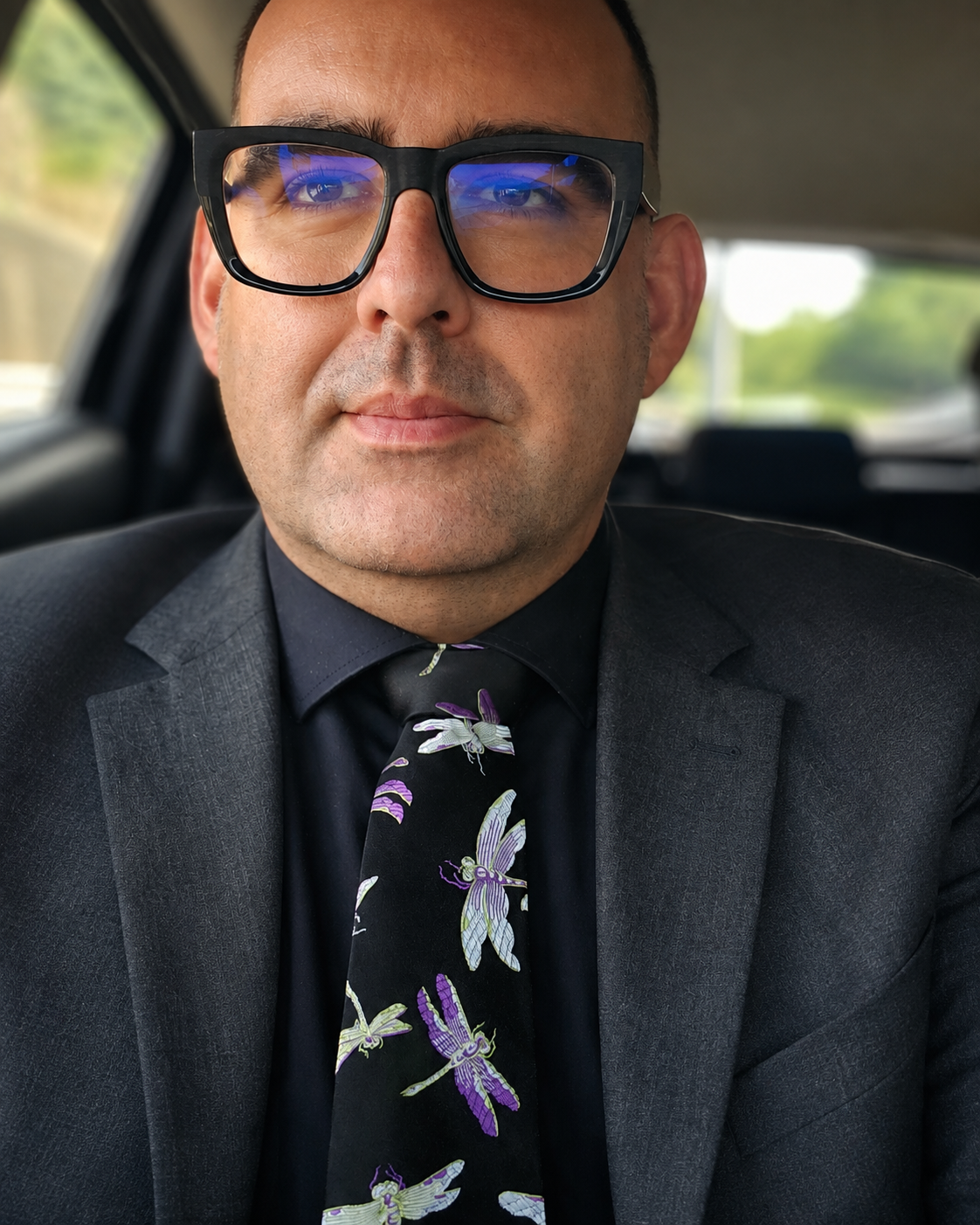
It is a beautiful design. It is also sufficiently avant-garde that putting it on requires accepting that the tie may enter the room a few seconds before I do.
I still wear it occasionally.
Leaving with the city around my neck
After Silk City, there was no final attraction.
I returned to the hotel, collected my suitcase and took a taxi to the railway station.
Only then did the sequence look almost suspiciously neat.
I had arrived knowing practically nothing about Hangzhou’s relationship with silk. A few hurried searches turned a word into a theme. The museum gave it history, fashion gave it another dimension, the shops returned it to everyday life, and on my final morning an old man in Silk City sold me six small pieces of it to take home.
The railway station belongs to another Hangzhou story.
So does West Lake, which deserves one entirely to itself.
This one ends with the silk.
The ties did not become memorabilia. I wear them. Whenever I knot one, I still know exactly where it came from: that little shop, the translation app, the bargaining and the cheerful old man on the other side of the counter.
I would go back.
Next time, perhaps with a larger suitcase.
