 Caserta, Campania, Italy

Caserta had to fit between an evening flight and a fast ferry to Capri. I hadn't expected the most useful man that morning to be a driver with a digital translator and a very personal interpretation of royal history.
I came to Caserta for the Reggia di Caserta, but gave myself about as much time as if I had come only for pizza. I flew from Trieste to Naples that evening, and by two the next afternoon I had a fast ferry booked to Capri. The plan was simple: dinner and a short walk around town that evening, sleep, then leave the morning for the Reggia. The only thing I still wasn't entirely sure about was how that enormous palace and its gardens were supposed to fit into my morning.
Five Euros Too Many
The hotel had arranged a transfer from Naples airport for €70. Compared with other offers I had found, mostly over a hundred, it sounded like a bargain. The driver had been in touch beforehand, sent me his photograph, tracked the flight and made sure we found each other immediately. It began exactly the way I like these things to begin: no wandering around, no phone calls and no asking where the other person was.
As soon as we got into the car, the price became €75. Luggage, he explained, was another five. Then came the full charm offensive, complete with a suggestion that I sit up front beside him rather than in the back. I had nothing against chatting, but the tip soon became his favourite subject. He mentioned it every few minutes, presumably in case it might somehow slip my mind.
As we neared the hotel, he also began pushing rather hard for me to book him for a ride from Caserta to Naples the following day. That offer was easy to decline. The tip, however, was more interesting: had he kept to the agreed €70 and not started asking for it himself, I would have left him ten.
Instead, he annoyed me enough that he got exactly €75. He managed to charge me for the luggage and lose the tip, leaving himself five euros worse off than if he had done absolutely nothing extra.
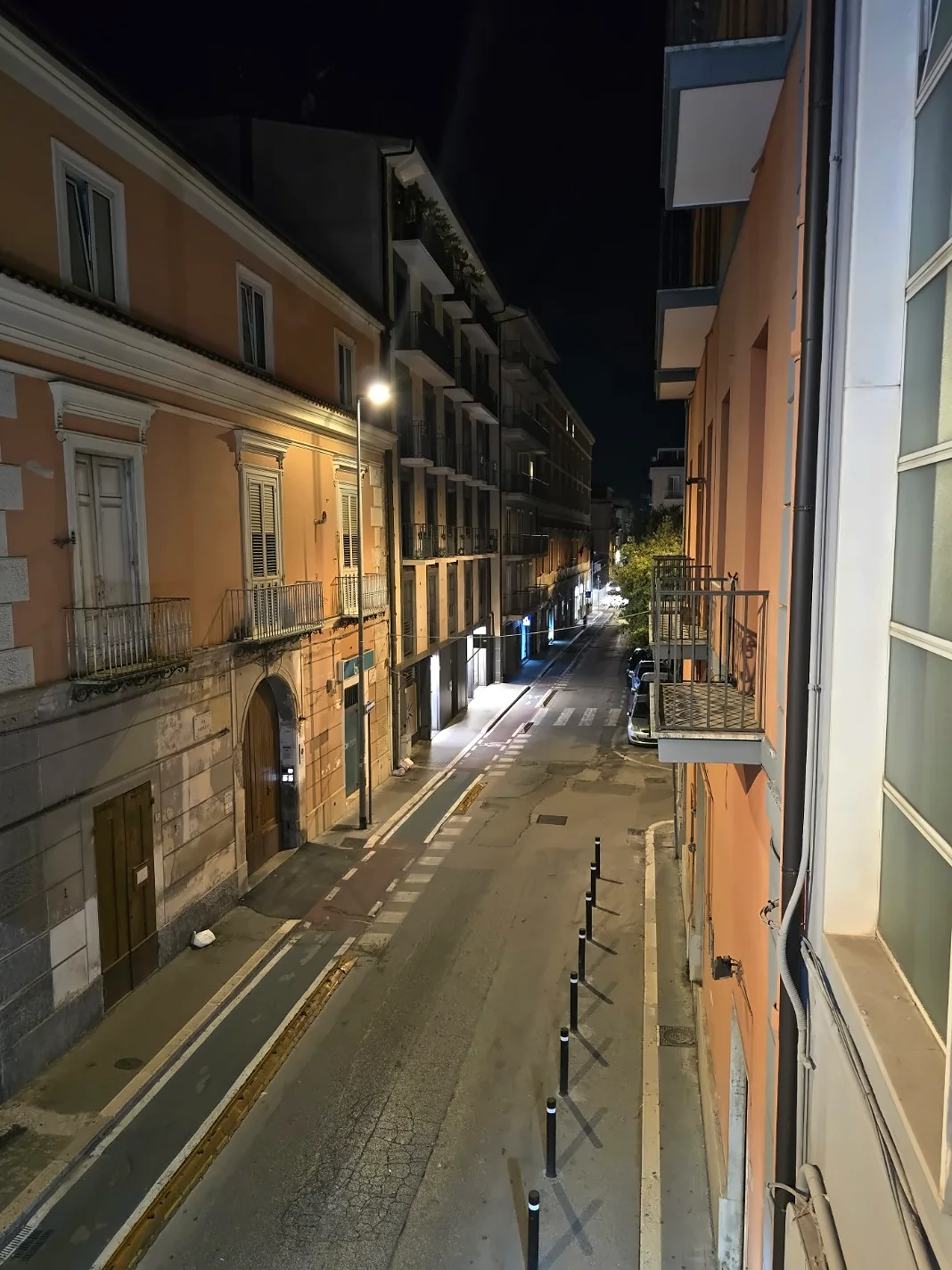
I found the hotel on Booking.com for €65. Sweet Central Hotel did not belong to any chain: three floors, three or four rooms on each, and a slightly flustered but very, very kind woman at reception. Before arriving, I had received a message saying that check-in was only possible until 11 p.m. After that the hotel was locked, and late entry required a code.
The room, however, was perfectly decent. Neat, clean, with an interior no worse than what I have been given in some mediocre Marriotts. I especially liked the little balcony — a real balcony that you could actually step onto, rather than merely open a door and stare at a railing in front of your nose. I had no serious complaint about the room. It was simply that this small, almost family-run atmosphere was not really my thing.
The Pizza Wasn't Left to Chance
Caserta is not just a city where you come to see the palace and happen to eat something along the way. With several Caserta pizzerias in the 2026 50 Top Pizza Italia ranking, it is a serious destination for a pizza hunt in its own right. Pizza here can be the reason for coming, not merely what you eat between two sights.
Unlike some other parts of this trip, I had researched dinner in advance. People had already recommended the Martucci brothers, who run two separate pizzerias under the I Masanielli name. The one run by Sasà Martucci was closer to my hotel, so that was where I went. I did not have a reservation. I still got a table, with the fairly clear impression that I had been lucky.
I ordered Sapore di Casa, one of the pizzas whose dough goes through three successive methods of preparation: first steamed, then fried and finally baked in the oven. It comes with Riccio tomato, dried red and yellow datterino tomatoes, capocollo from Casertana pork, Parmesan, basil and olive oil.
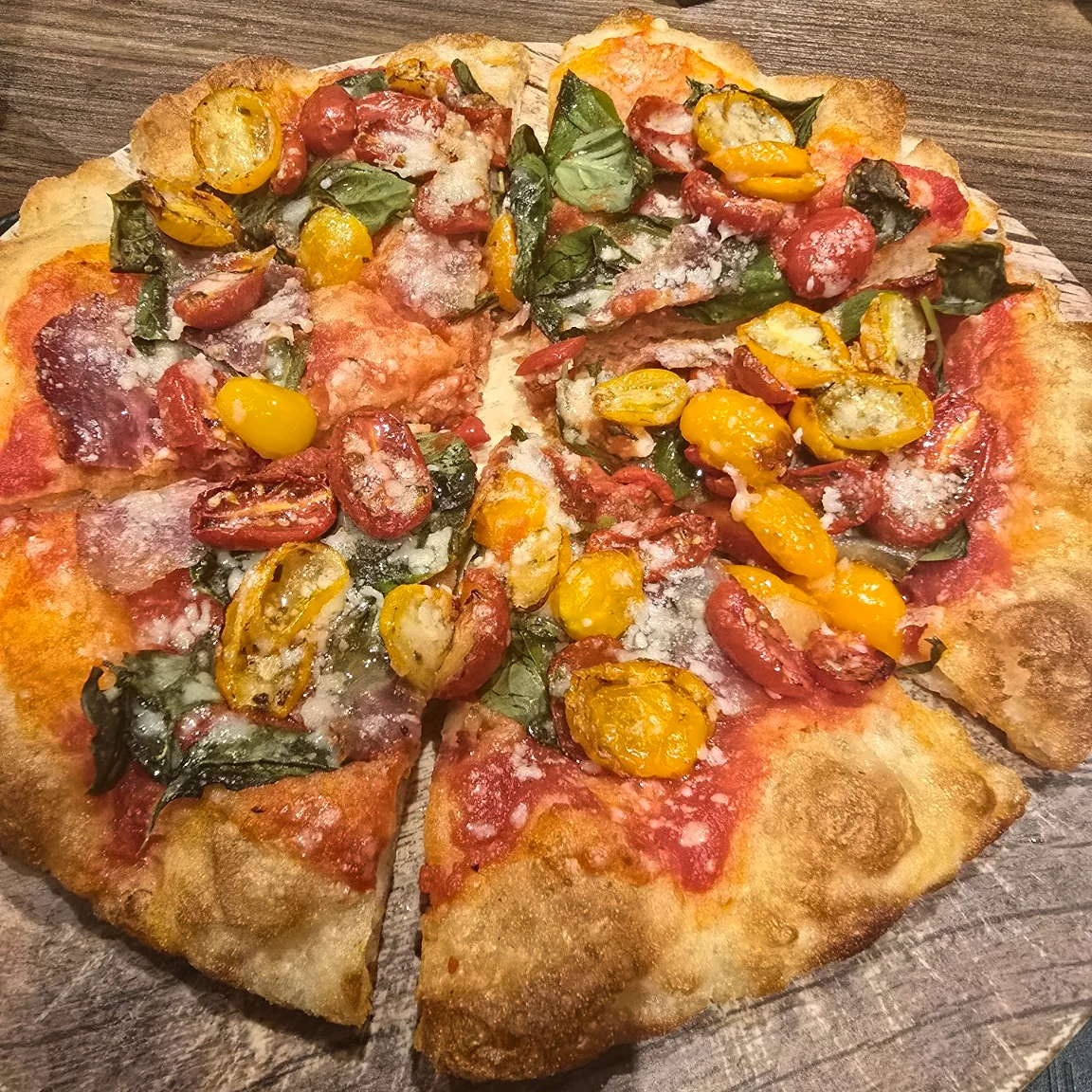
It sounds like someone trying to prove far too much with a single pizza. In practice, it was bloody good. I never felt as though I was eating a technical demonstration; it was simply something that made the advance research into dinner entirely worthwhile. I had not even seen the Reggia yet, and Caserta had already put its first serious reason for visiting on the table.
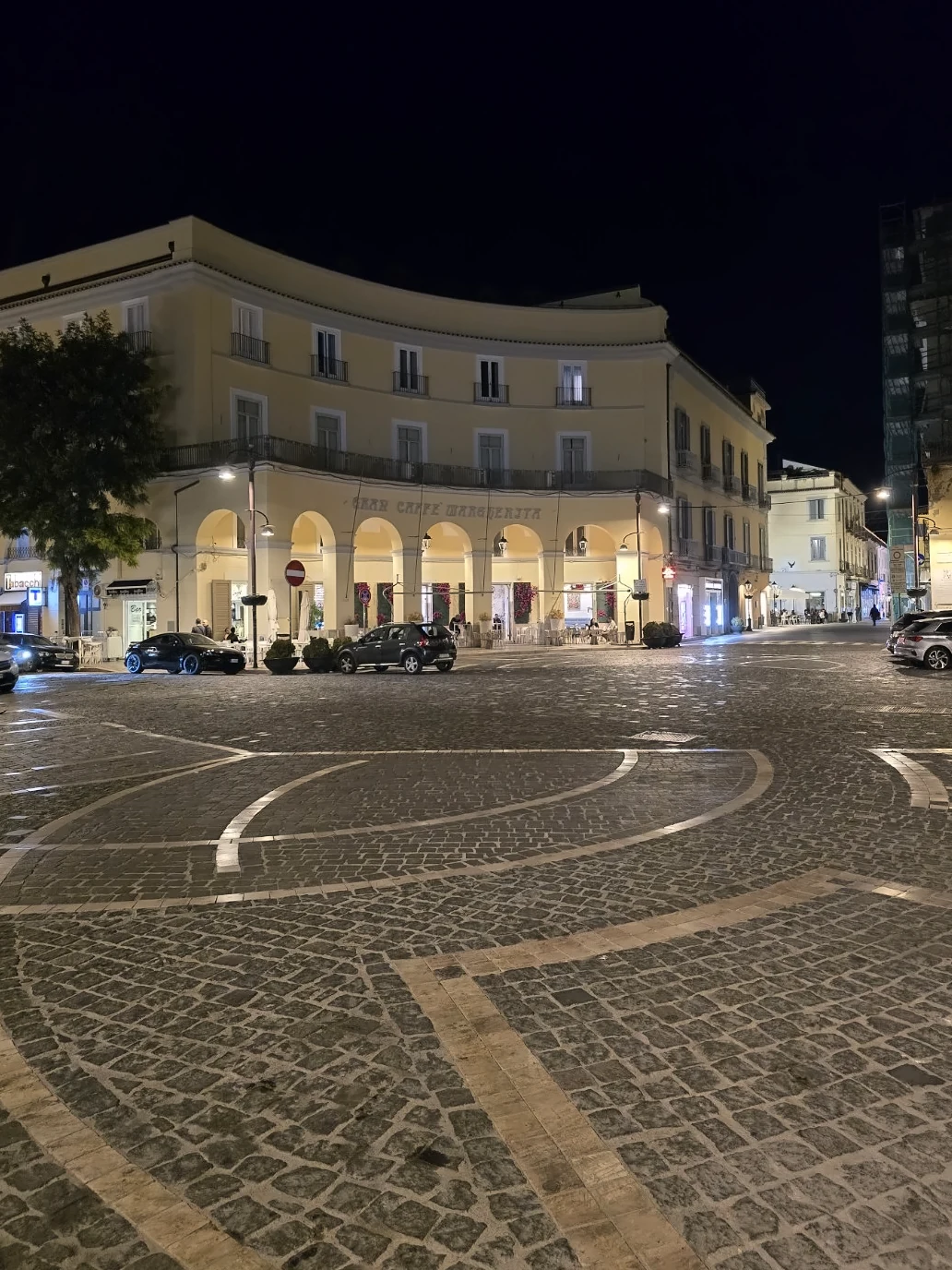
After dinner I walked to Piazza Dante. I found the square photogenic, especially at night, but it was hardly some great urban revelation. I continued towards the cathedral and Piazza Duomo, where my enthusiasm was even more modest. I took a few photographs and went back to the hotel.

Four and a Half Hours I Didn't Have
Breakfast was the weakest part of the stay: a little salami, a little cheese, reheated croissants and stale toast. Edible — and that is about the highest praise I can give it. After the previous night's pizza, the return to hotel basics was particularly noticeable, but at least nothing encouraged me to linger at the table.
I had bought my ticket for the Reggia in advance, covering the whole complex: the royal apartments, the park and the English Garden. The guides I had read suggested roughly four and a half hours for a visit. I did not have four and a half hours. I still had to return for my suitcase, catch a train to Naples and reach the port before the ferry to Capri. The 10:27 train gave me a safe margin; anything later made the rest of the day too complicated.
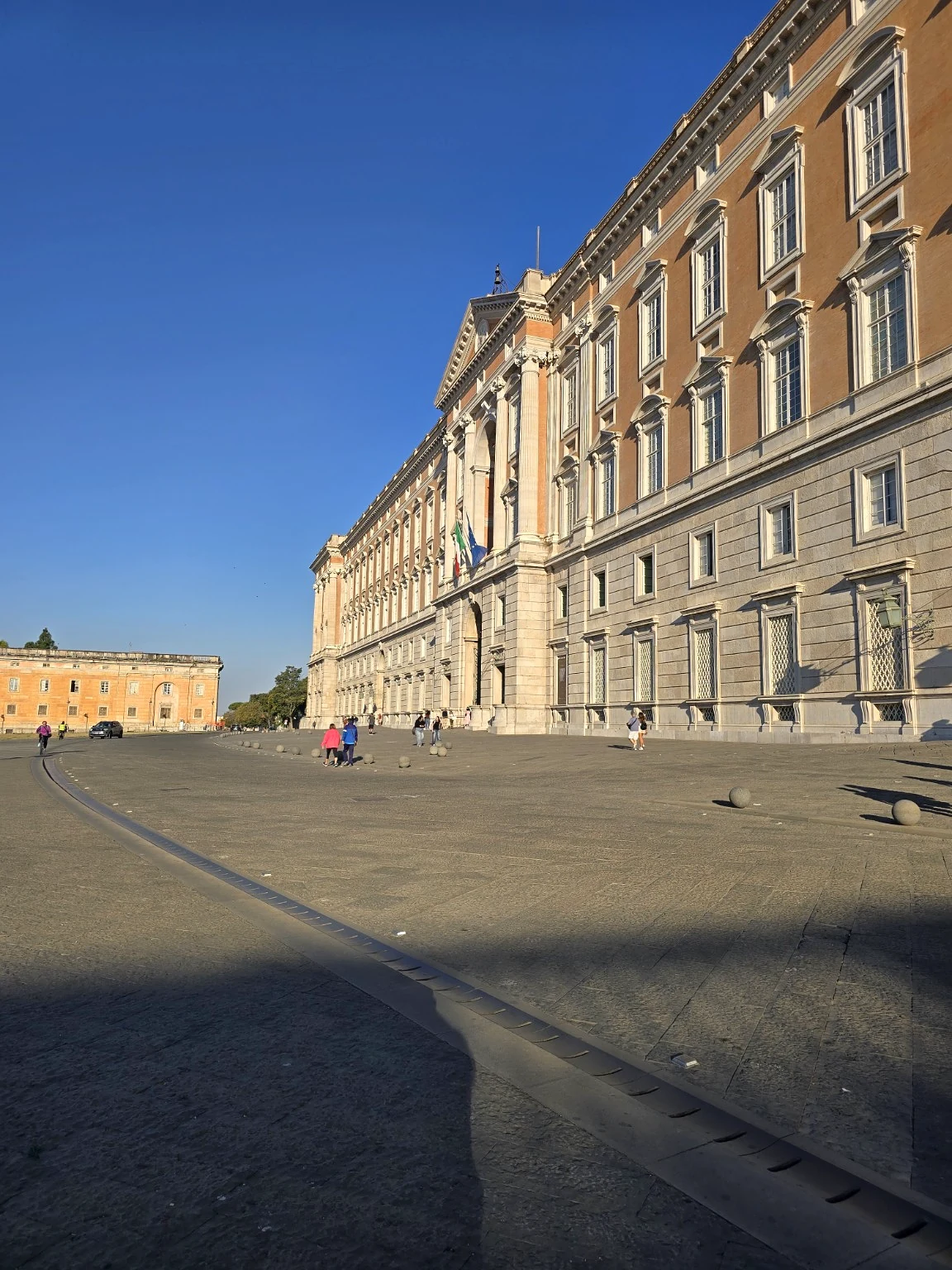
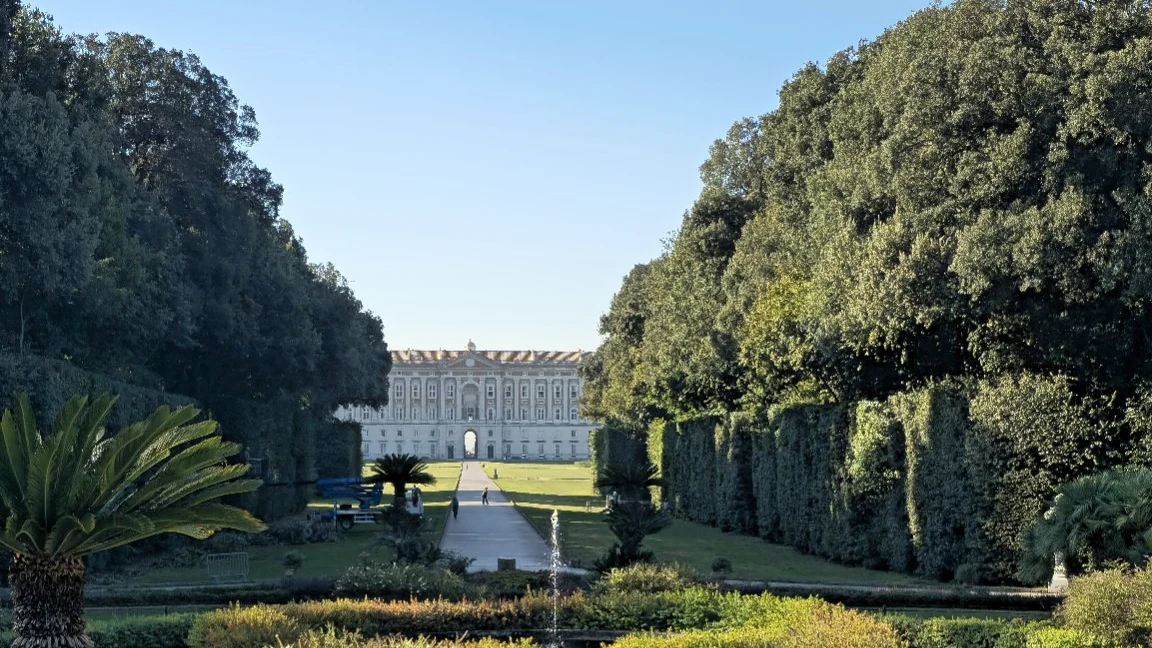
As soon as I entered the complex and looked down the park, I understood where those hours disappeared. The main axis, with its succession of pools and fountains, stretches for roughly three kilometres. And I still had to get there and back, look into the English Garden and only then visit the palace.
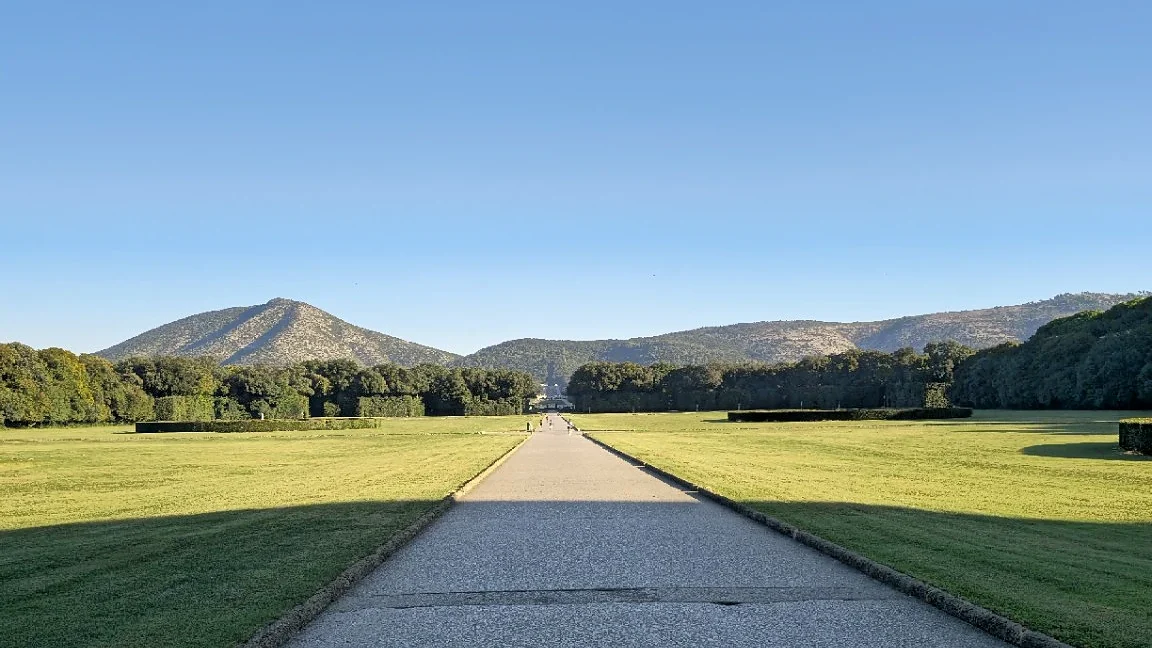
I could not squeeze that much walking into the schedule. To be fair, I was not even sure I had the stamina for all of it. Fortunately, a solution appeared almost immediately: a small shuttle bus or an electric cart like the ones you see on golf courses.
I chose the cart because its route could be adapted more easily to the time I had. The price I was quoted was €15 per person, with a minimum of two people. We solved that problem simply enough: I paid €30 and booked two places — one for me and one for the person who never turned up.
I could not drive the cart myself. It came with a driver, which turned out to be a considerably more important part of the deal than I could have guessed.
Domenico, Giuseppe and the Extra Offer
They introduced him, as far as I remember, as Domenico. Later he introduced himself to me as Giuseppe. I may simply have misheard something, but considering the extra services that soon entered the conversation, the change of name had a certain charm.
His English was limited, but he was excellent with a digital translator. Very quickly he offered to take me into a hidden part of the complex, to the queen's secret garden. According to him, it was not something management was supposed to know too much about. Then he showed me on the screen the main reason I should agree: “The secret garden where the queen’s lovers f**ked her.”
At first I just stared at him. Then I nearly died laughing. I have no idea what it sounded like in Italian, but the English translation left very little room for alternative interpretation. A queen's garden alone might still have made me wonder whether I had the time. After an introduction like that, I had to see it.
He expected a tip for the extra detour, but left the amount to me. I agreed. I still wasn't even sure what the man was called, yet I had already entrusted my remaining time in Caserta to him because of the queen's sex life. Which queen he meant, I am still not entirely sure.
From that moment on, he became an excellent guide. He stopped where there were good shots, pointed out what to photograph, took photographs of me and used the translator to explain details of the complex. I no longer simply had transport through the park. I had a man who understood how little time I had left and was trying to show me as much as possible within it.
They told me the standard tour lasted about an hour and a half, but ours was cut to fit my schedule. For me, that was exactly where the cart earned its money: I did not waste time on the long stretches between the things I wanted to see, but I could still stop and take photographs.
The Queen's Secret Garden in Caserta
In the English Garden we reached a secluded corner with water, rocks and dense vegetation. According to the driver's version of events, the queen bathed here naked, accompanied by equally naked lovers. Judging by the expression on his face, he had already cast himself in a role in that pool. To me it looked more like a pond, but his description immediately corrected that impression.
When he moved on to the rocks, the digital translator became even more eloquent. Here I will exercise a little editorial discretion and censor what appeared on the screen, because otherwise I would have to mark the entire post 18+. In any case, very little imagination is needed to work out what those rocks were used for in his version of royal history.
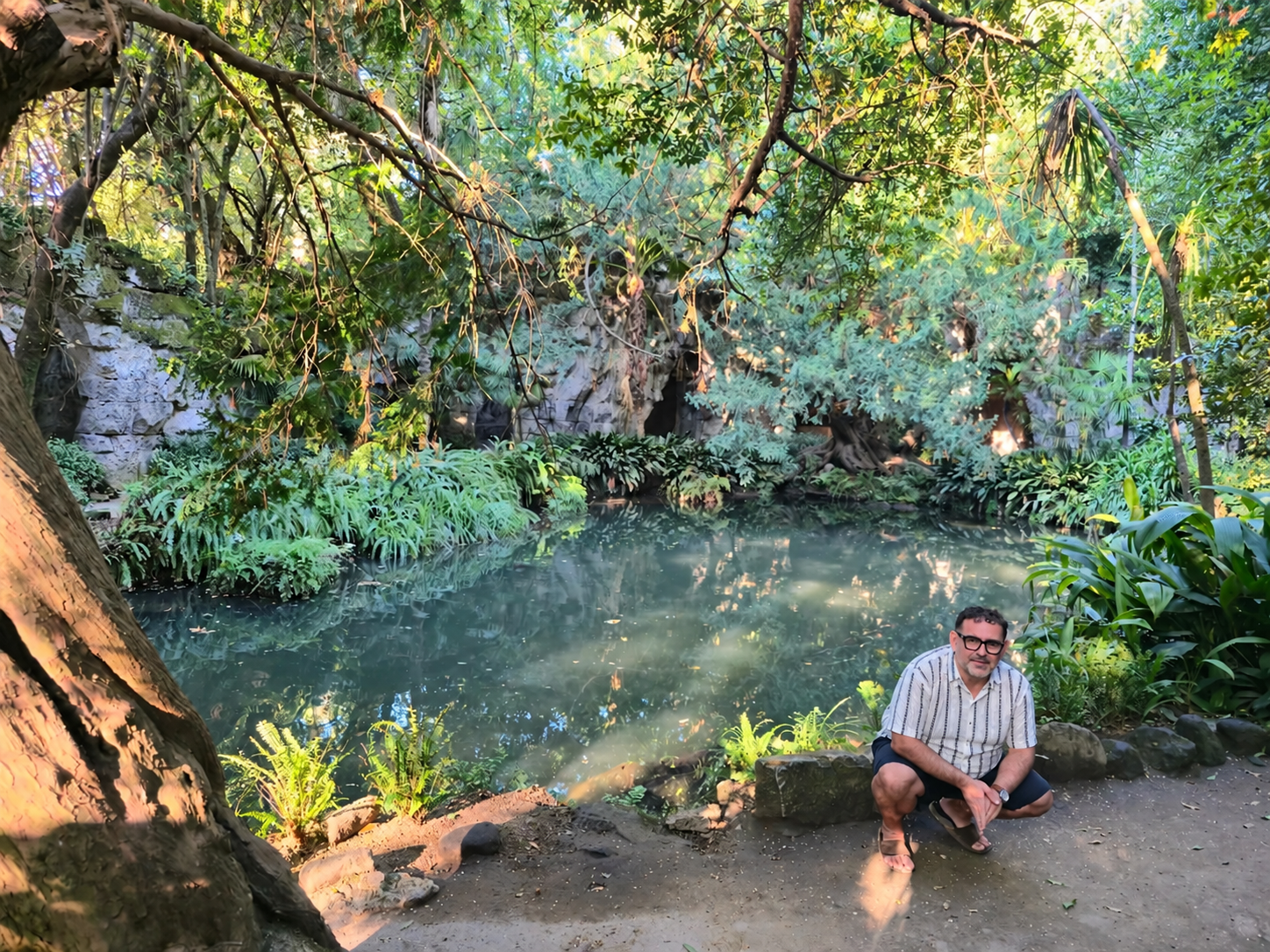
The place is called Bagno di Venere, the Bath of Venus. A marble Venus stands by the water, while the greenery almost completely hides the scene from the rest of the garden. Even without my driver's contribution to history, it was obvious why this was a place worth lingering. The supposedly “secret” corner, incidentally, also has its place on the official map.
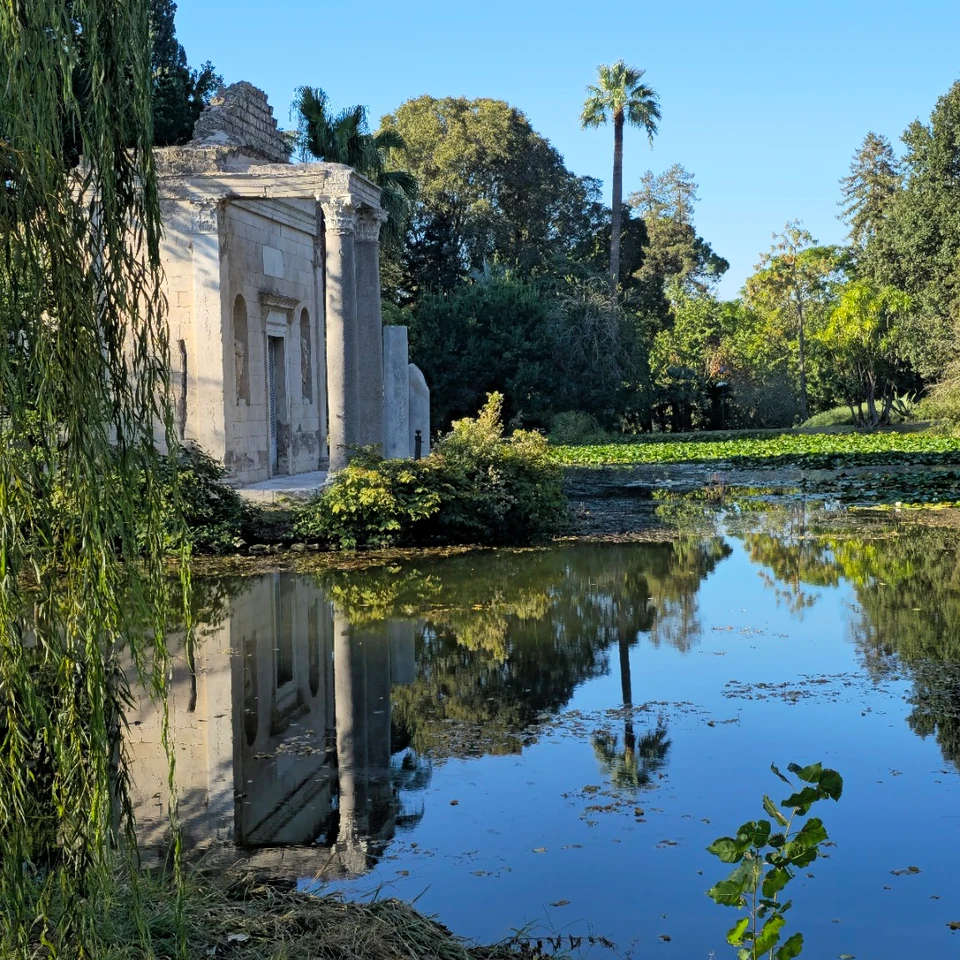
The story about the queen's lovers, however, comes from the driver alone. What can actually be documented is rather more respectable: the English Garden was created at Queen Maria Carolina's request. Carlo Vanvitelli and the botanist John Andrew Graefer shaped it as a landscape of carefully staged wildness, with water, unusual plants and ruins that drew on the contemporary fascination with the discoveries at Pompeii and Herculaneum. The feeling that you have suddenly wandered out of the formal royal park is no accident.
I particularly liked the neighbouring cryptoporticus, a semicircular gallery with columns, statues and openings through which the light falls. Carlo Vanvitelli designed it to make visitors think they had found themselves among newly discovered ancient remains. The cracks and collapses were created deliberately, while the ancient statues on display are genuine. Even the decay was carefully designed.
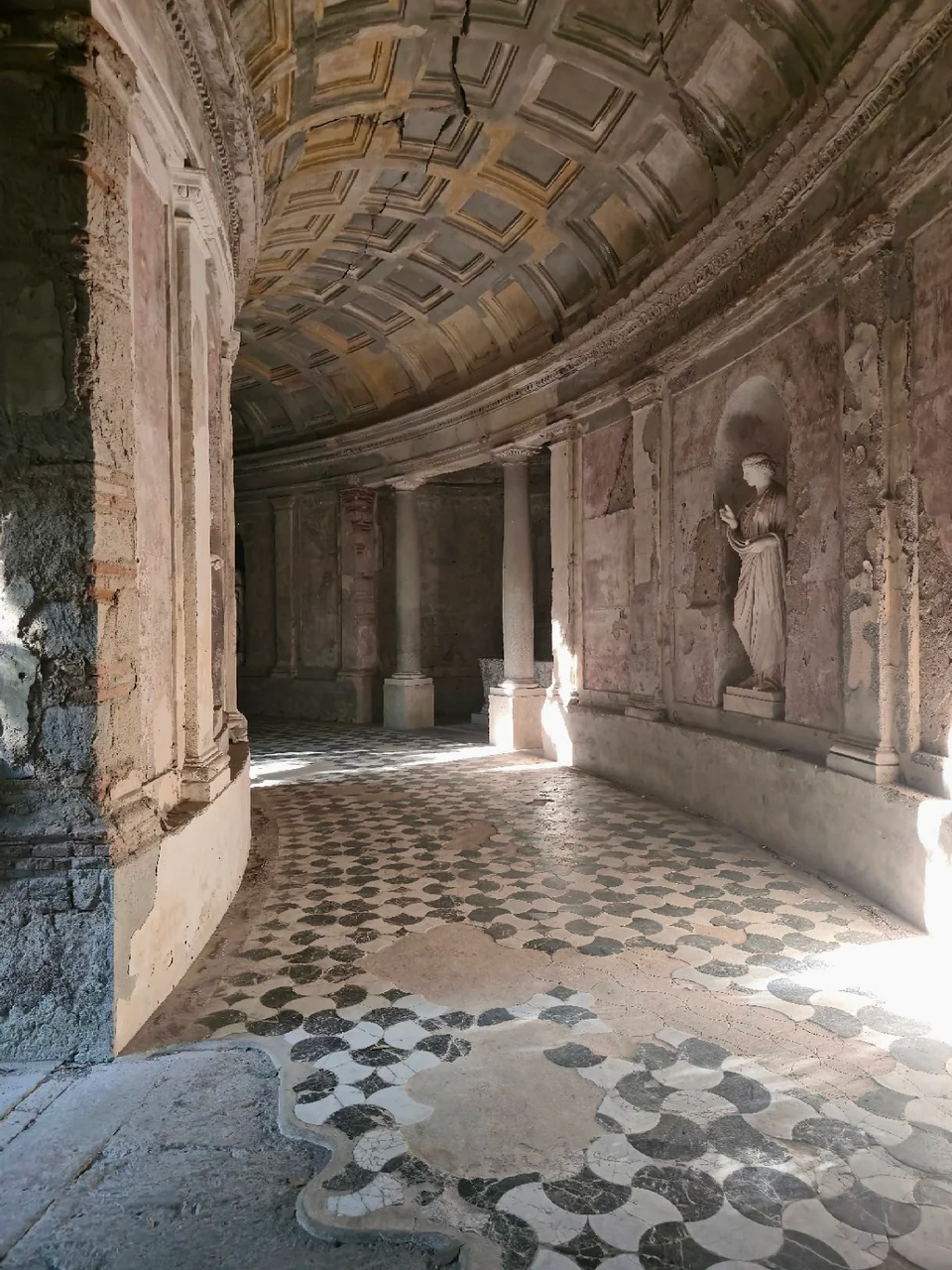
The driver mentioned Pompeii and volcanic stone. That part of his story stood on considerably firmer ground than the one about the queen's lovers.
The water, shade, greenery and those strange passages were perhaps my favourite part of the entire complex. It is quite possible that, had I been rushing around on my own, this is exactly where I would have rushed through or missed the turn altogether.
The Second Tip
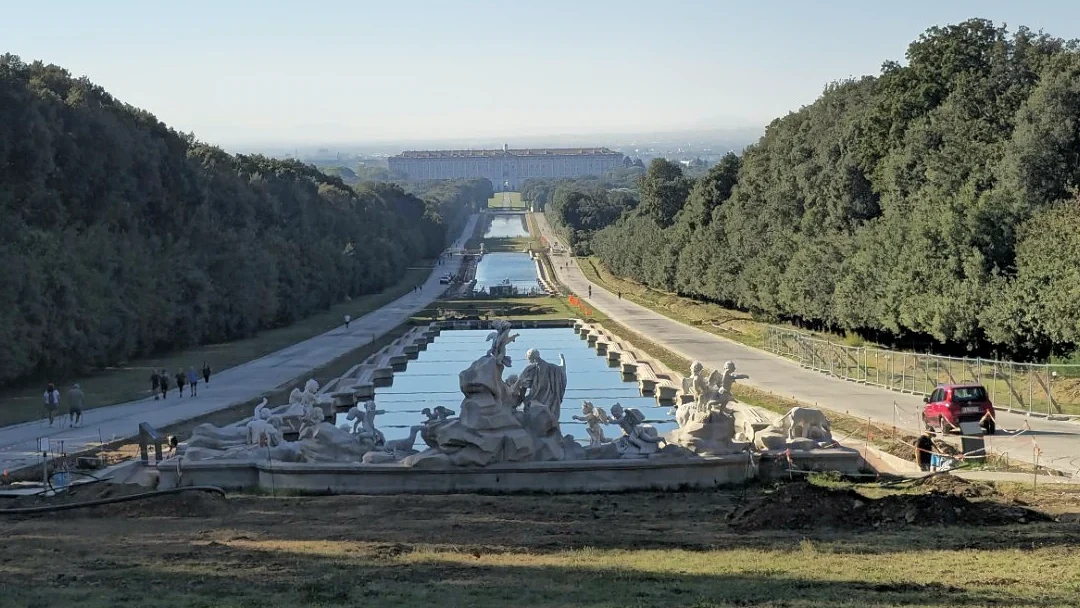
After the garden we stopped at the Fountain of Diana and Actaeon, at the upper end of the long watercourse. From there I could photograph the sculptures and the great axis descending towards the palace. That view finally gave me the true scale of a space I had just been judging mainly in terms of how much walking it required.
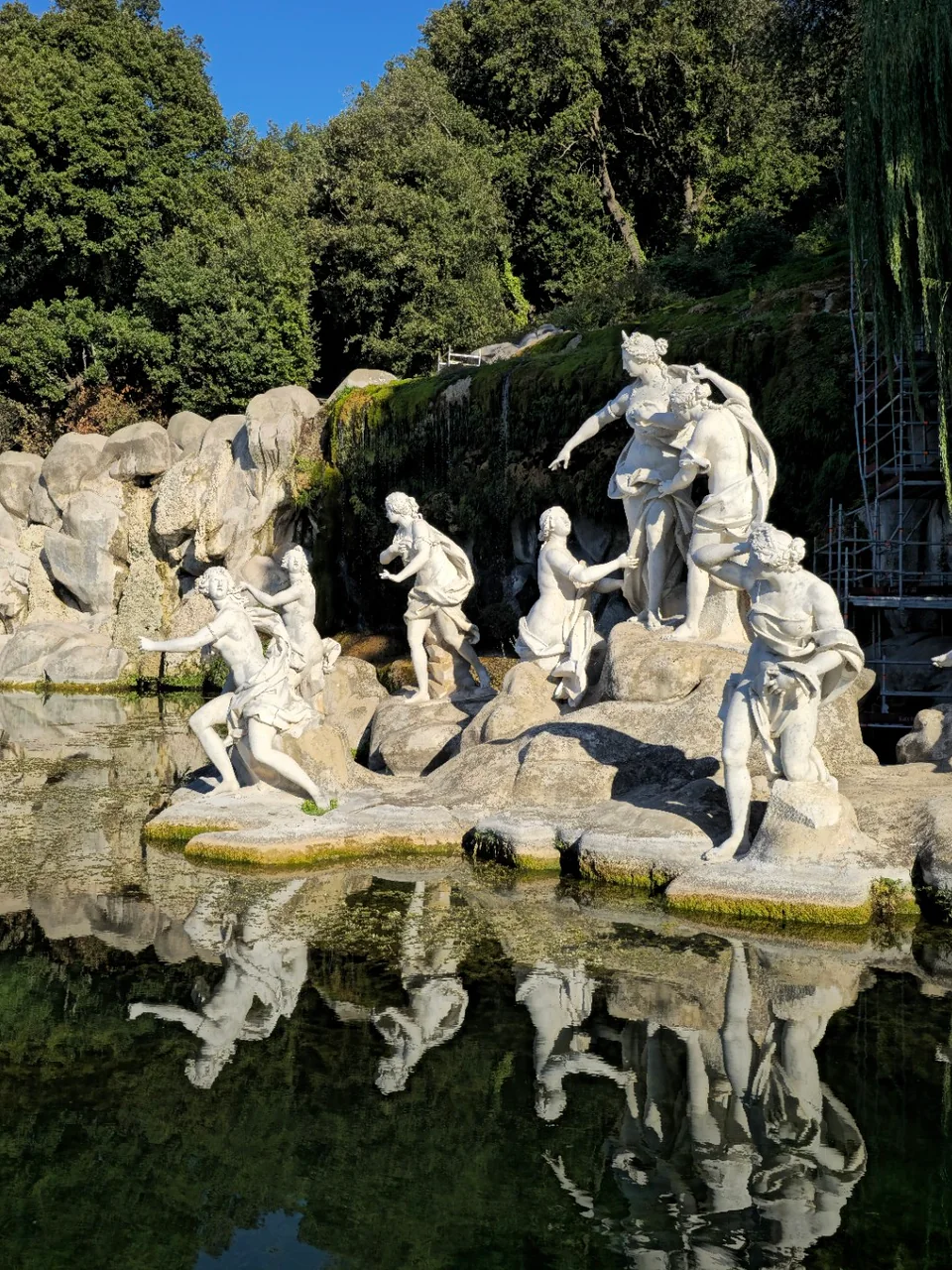
In a photograph, all of it easily becomes a neat perspective: water, trees, palace in the distance. When you are standing up there and know that you would otherwise have to walk all the way back, perspective acquires a very practical dimension as well. At that point, I was feeling rather good about my €30.
On the way back we also stopped beside what the driver called the queen's little house in the woods. According to his story, it served similar purposes. Clearly I was not merely touring a royal park, but something we might, in polite company, call a training ground for extramarital affairs. My guide displayed admirable expertise on the subject.
He also kept repeating that he was not normally allowed to drive guests into that hidden section. I had no way of checking how much of this was a genuine exception and how much was a well-rehearsed upsell. It suited me either way: I saw a great deal, had time for photographs and did not spend the entire morning looking at my watch while walking towards something that never seemed to get any closer.
When we returned to the palace, I left him a €20 tip. For a moment I wondered whether it would be enough, but his reaction quickly answered that question. He seemed genuinely grateful, as if he had expected less.
So, on top of the ticket I already had, the tour of the park cost me another €50: €30 for the cart and €20 for him. It was worth it. Without him, I would not have managed to see everything he showed me in the time available.
This driver had mentioned a tip in advance too. But he had not changed the agreed price or tried to charge me for friendship; he offered something extra, left the choice to me and then genuinely made the effort.
The Palace, Then the Train
Only after the park did I enter the royal apartments. The Reggia really is imposing: a monumental staircase, marble, enormous halls and long sequences of rooms through which the eye travels almost as it does along the great axis outside. In some of them I would have expected more furniture, but there was certainly no shortage of space.
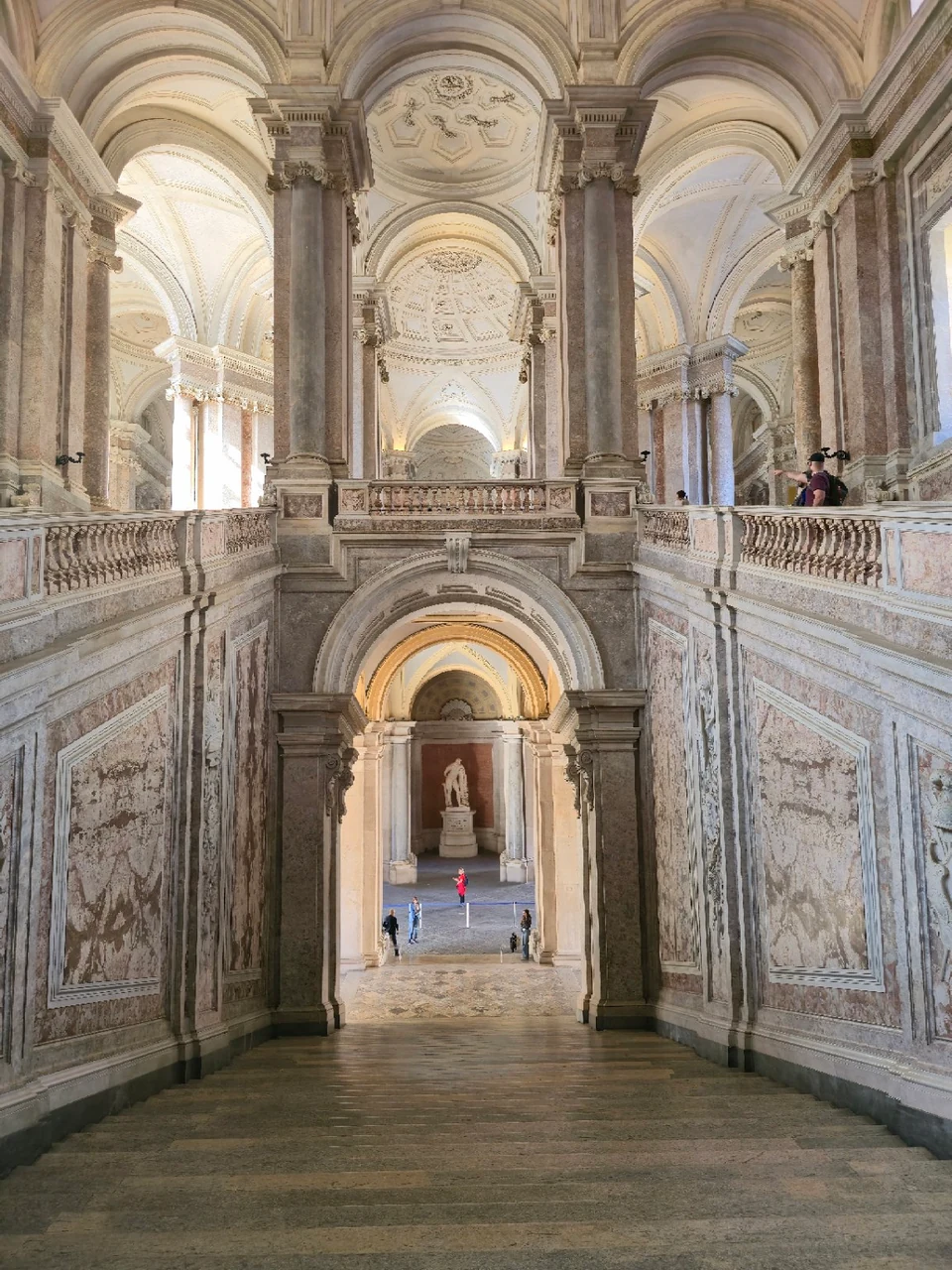
The palace was commissioned by Charles of Bourbon, designed by Luigi Vanvitelli, and construction began in 1752. It was intended not merely as a comfortable royal address, but as a visible expression of the scale and power of his kingdom. Work on the apartments continued long after Vanvitelli's death, well into the first half of the nineteenth century.
All of that helps me understand what I am looking at, but it does not mean I automatically fall on my arse the moment I enter another lavish room. I have seen Versailles, Schönbrunn, the Hofburg and enough English stately homes that sheer quantities of gilding are no longer enough on their own. I also admit that I had not prepared properly for the interiors. It is easier to connect a room with people and events when you know something about them before you walk in, rather than afterwards, while putting a travel story together.

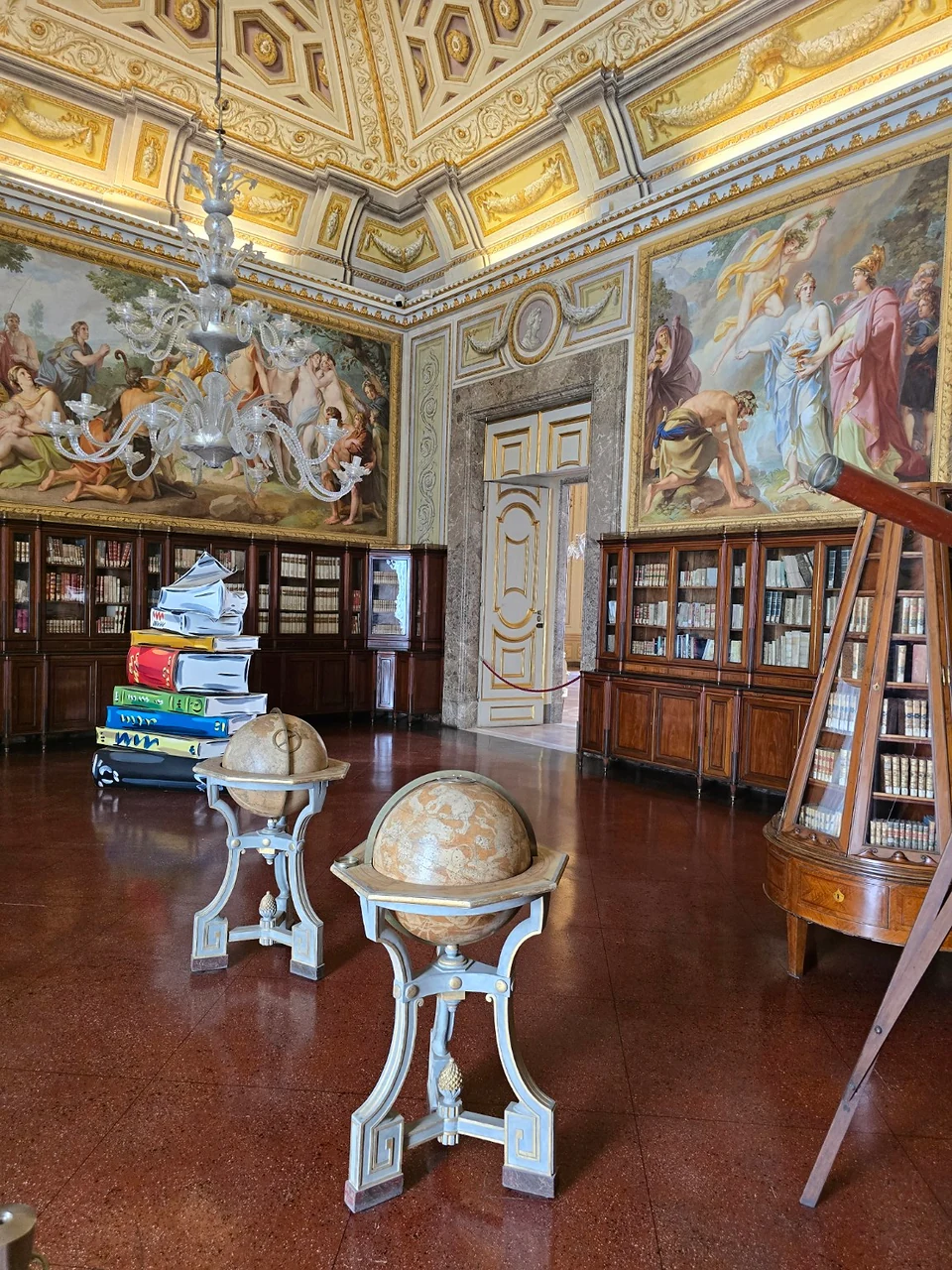
So I rushed through the apartments more than I seriously explored them. I took a few photographs and headed for the exit. The palace impressed me with its scale, but that morning the garden interested me more. Not only because of the queen's alleged activities, but because of the real space into which my driver had placed them so convincingly.
The hotel had kindly kept my suitcase for me. I collected it, went to the station and at 10:27 boarded the train for Naples. The plan that had looked distinctly questionable when I entered the Reggia had somehow worked.
Now I am sitting in Naples, drinking coffee, eating a sfogliatella and getting ready to head towards Molo Beverello before continuing to Capri. Caserta fitted into an evening and a morning, with the help of one very good pizza and one very adaptable driver. What his name was, I am still not sure. Why he got a tip, I know exactly.
