 Fornelo e Vairão, North, Portugal
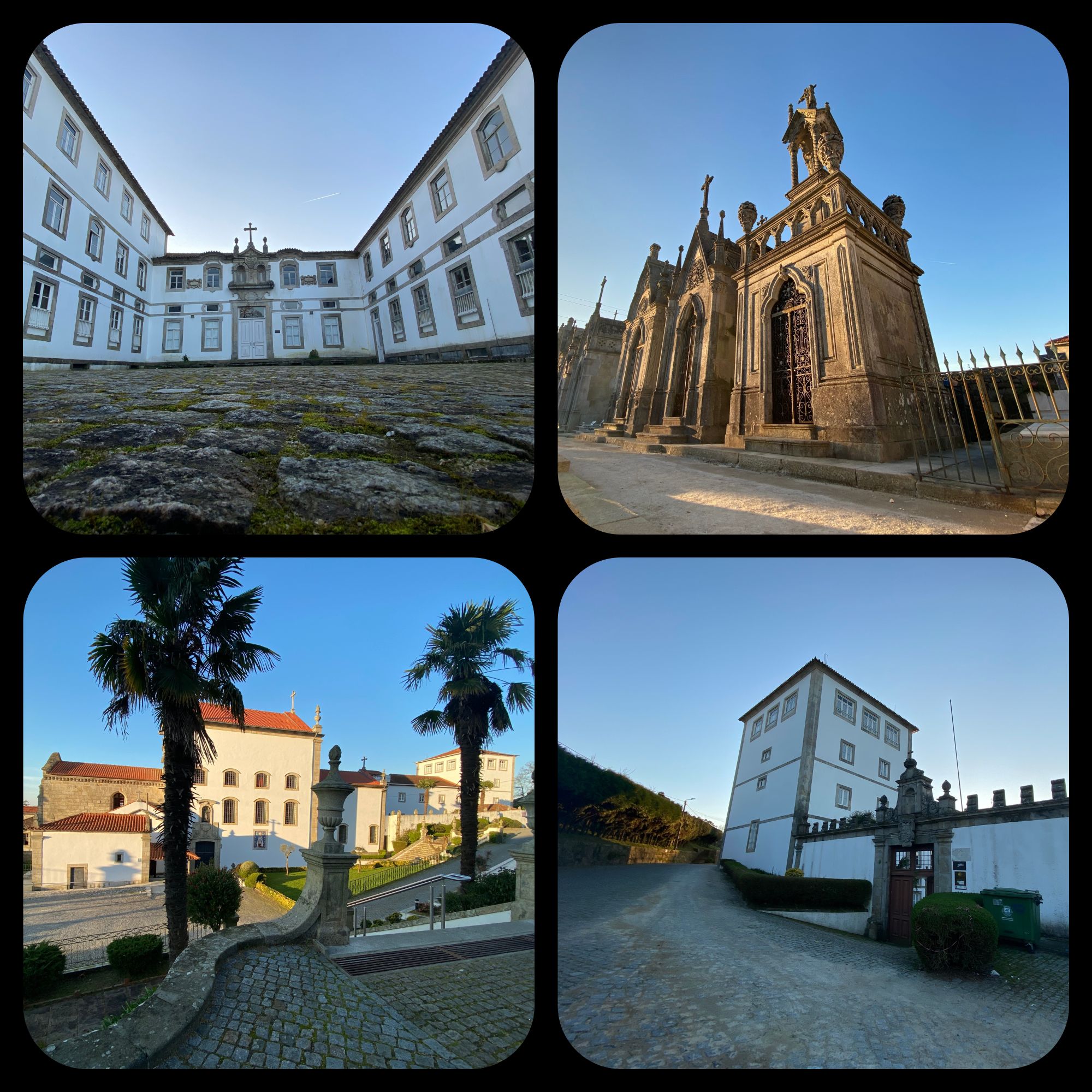
Welcome
As promised with my backpack, I went from Castro Boi to the Monastery of Vairão, I walked about 3 km along the trails of São Tiago de Compostela
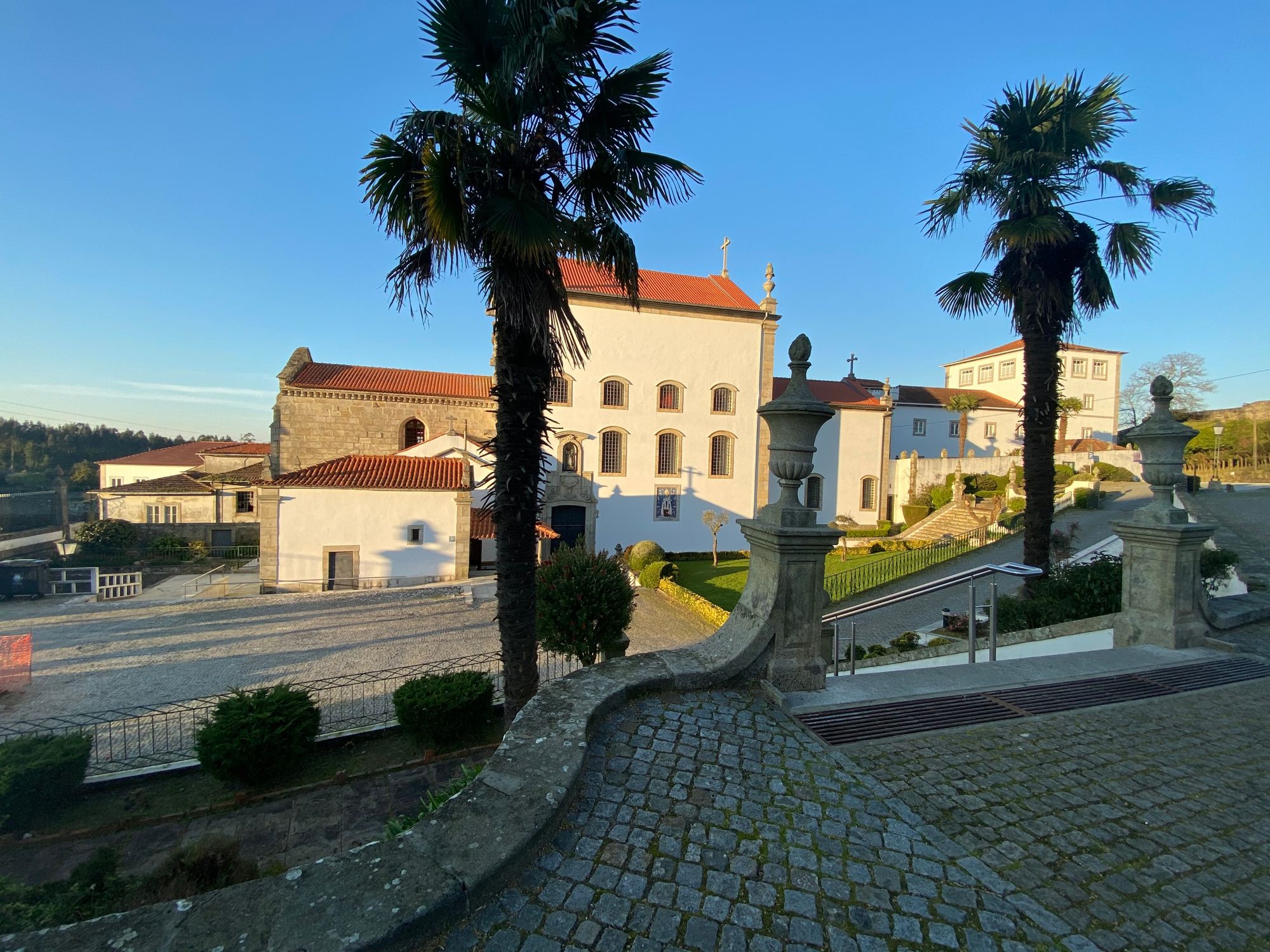
The Monastery of Salvador de Vairão was female and belonged to the Order of São Bento and was under diocesan jurisdiction.
From what is known, this monastery was founded in the year 974 (documented)
As already mentioned in Castro boi Vairão comes from the First inhabitant of the place called "Valerien".
In 977 the monastery was looted by the troops of Almançor and the Normans in 1015-1016 years, thus losing most of the art objects of that same time.
In 1021, it was inhabited again after being abandoned after looting between 1080 and 1115, it adopted the rules of São Bento and its skin was later inhabited in 1126, and this time by the nuns, its abbess Elvira Toderais
being governed alone under diocesan jurisdiction
The persistence in the documentation of the formula "fratres et sorores" is explained by the presence of clergy who, living near the monastery, presided over liturgical offices.
In 1320, in the Catalog of churches, monasteries and commendations of the Kingdom, Vairão was taxed at 230 pounds.
Until 1634, it was ruled by perpetual abbeys and, later, by triennial abbeys.
In 1834, in the context of the "general ecclesiastical reform" undertaken by the minister and secretary of state Joaquim António de Aguiar, carried out by the Commission for the General Reform of the Clergy (1833-1837), by the Decree of 30 May, all convents were extinct, monasteries, colleges, hospices and houses of religious of all religious orders, the religious being subject to the respective bishops, until the death of the last nun, date of the definitive closure.
The assets were incorporated into the National Treasury's own assets.
In 1891, the monastery was closed due to the death of the last nun.
As the law applied at the time
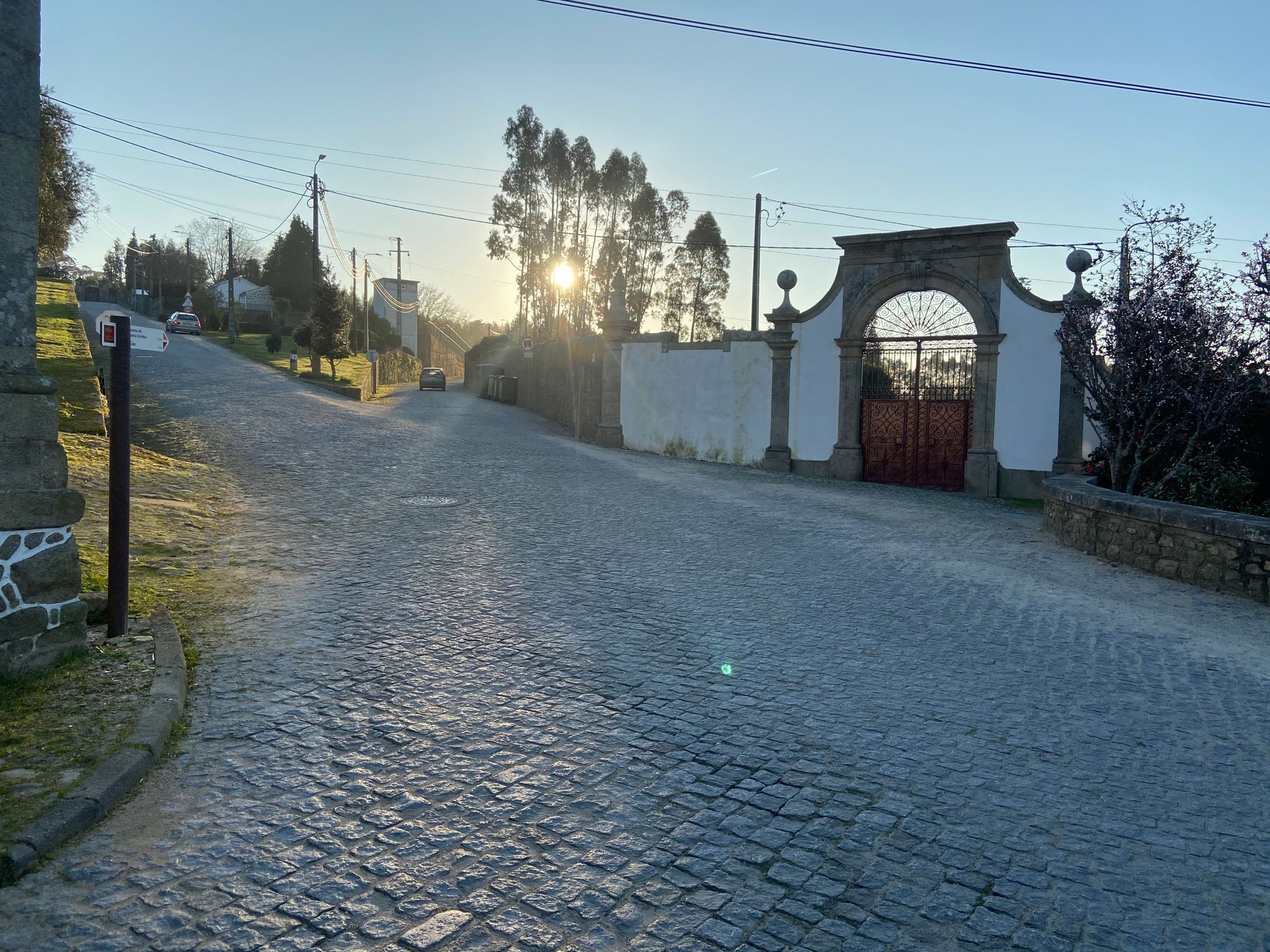
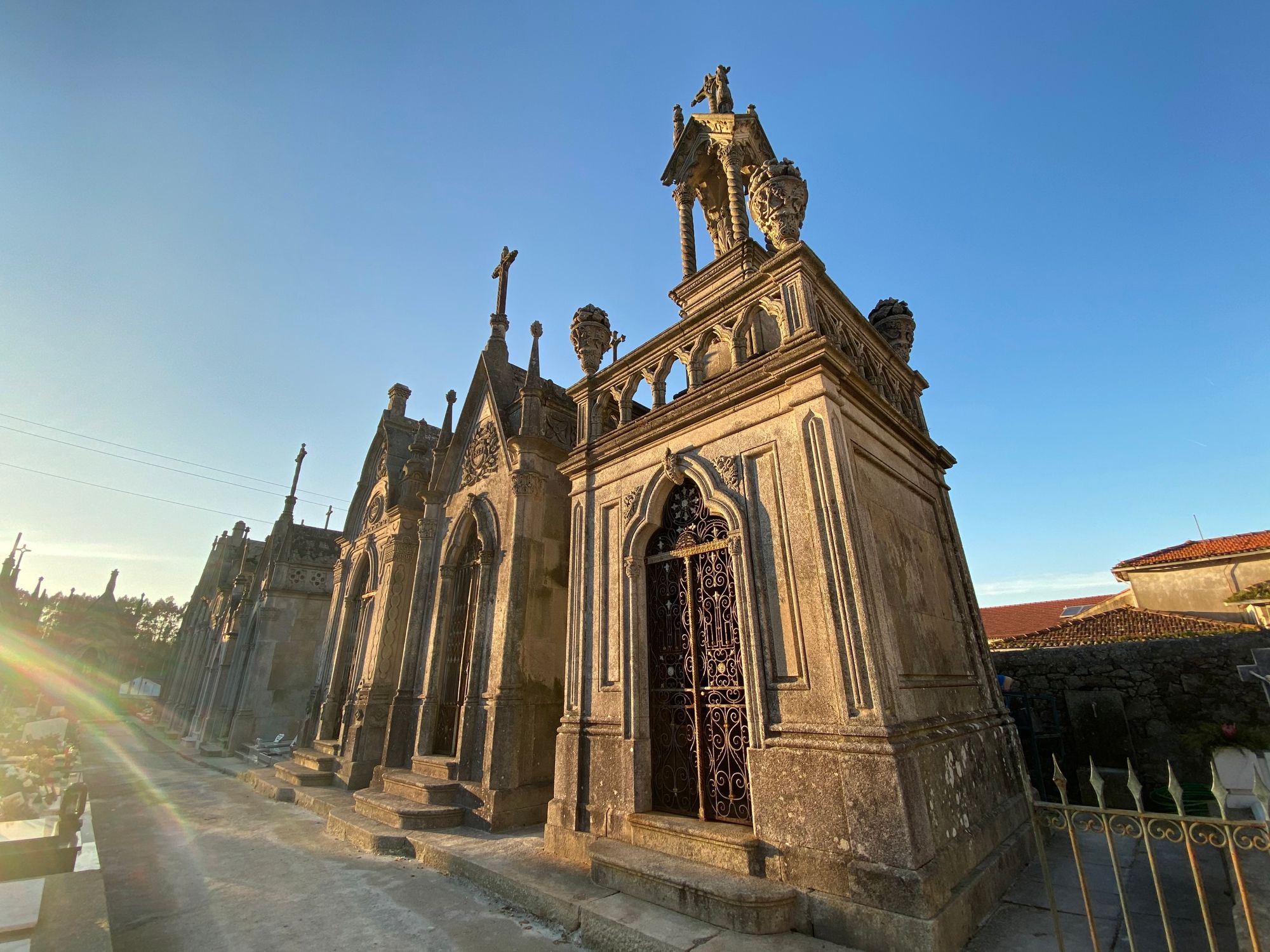
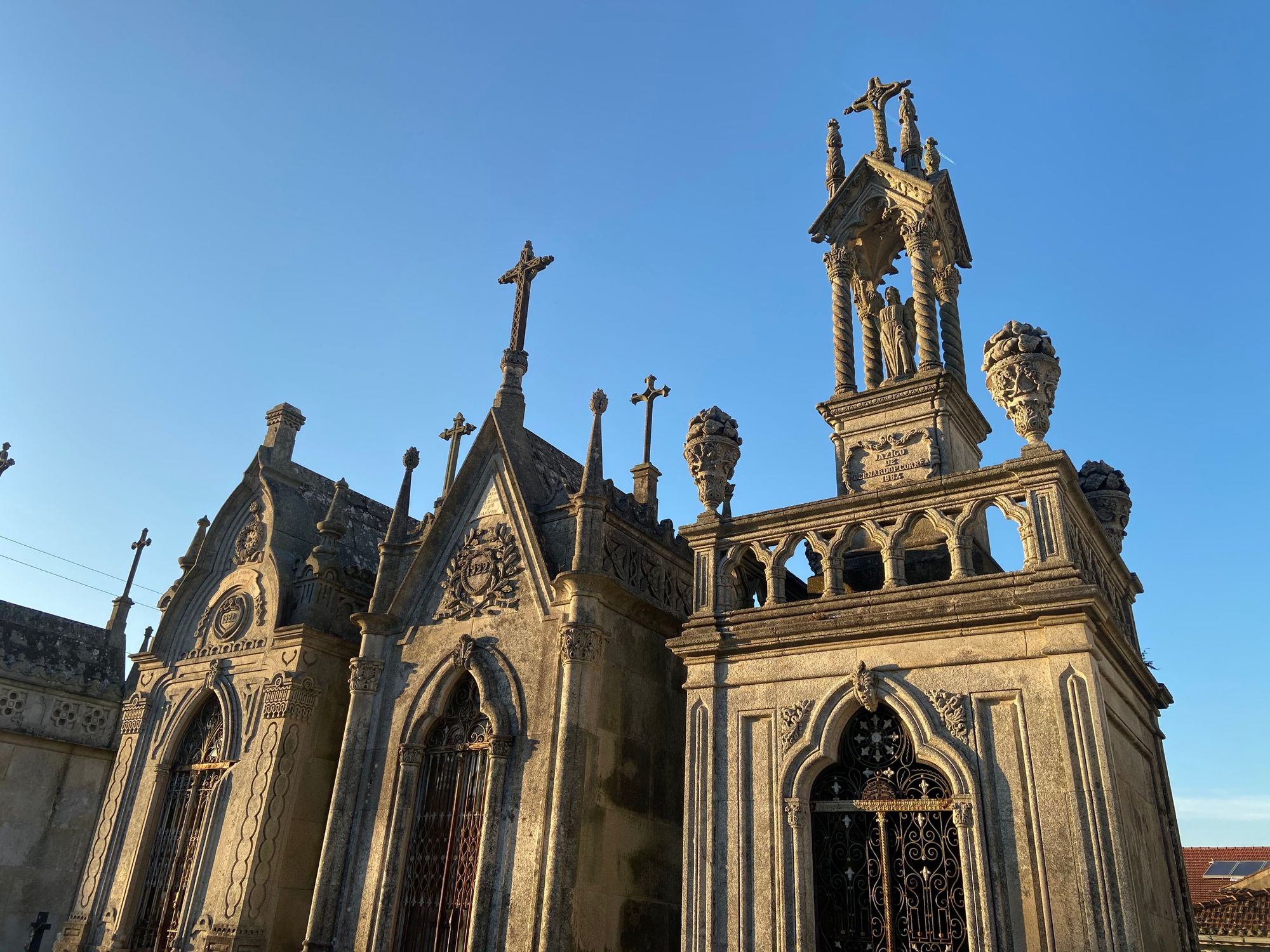
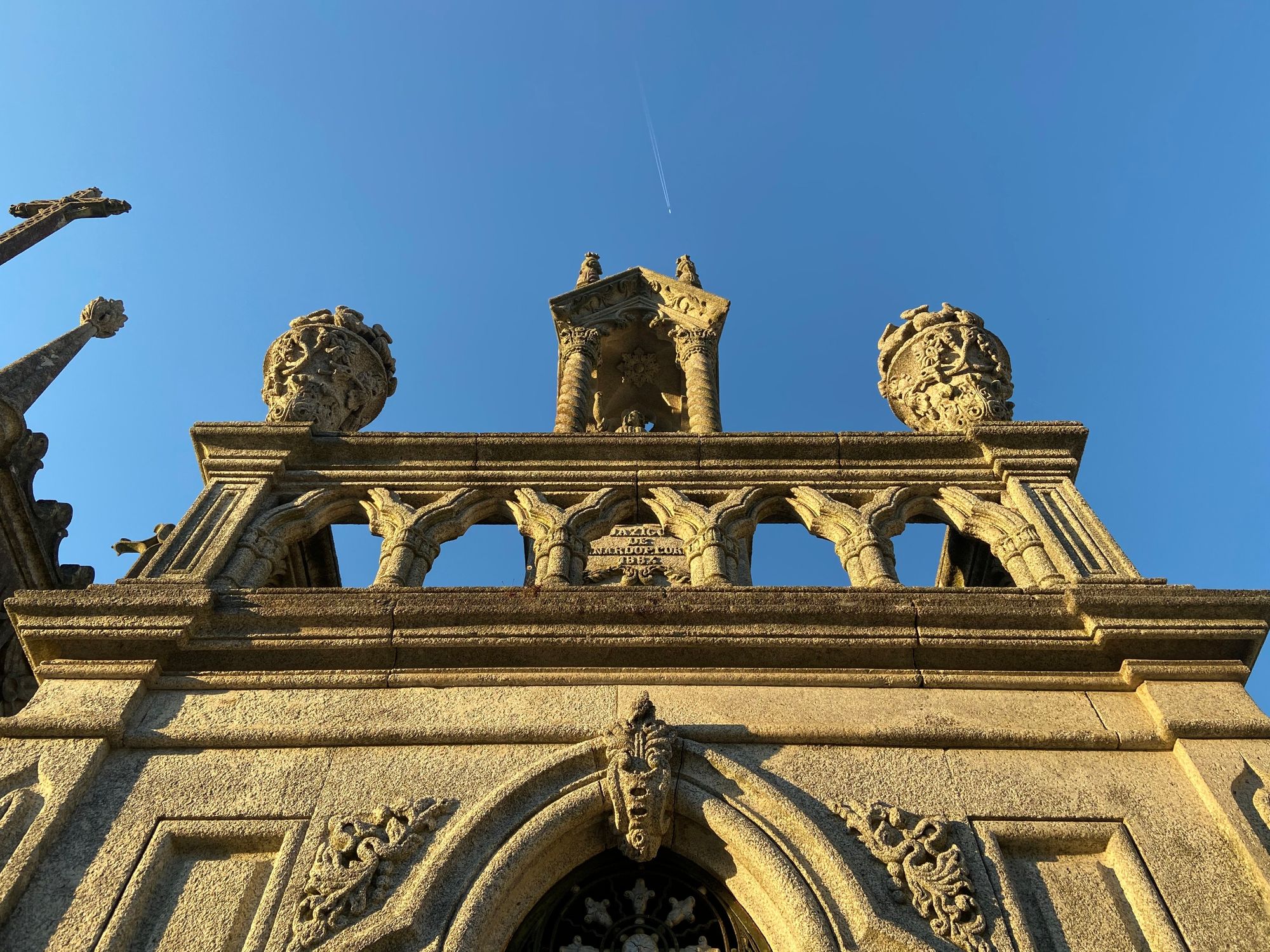
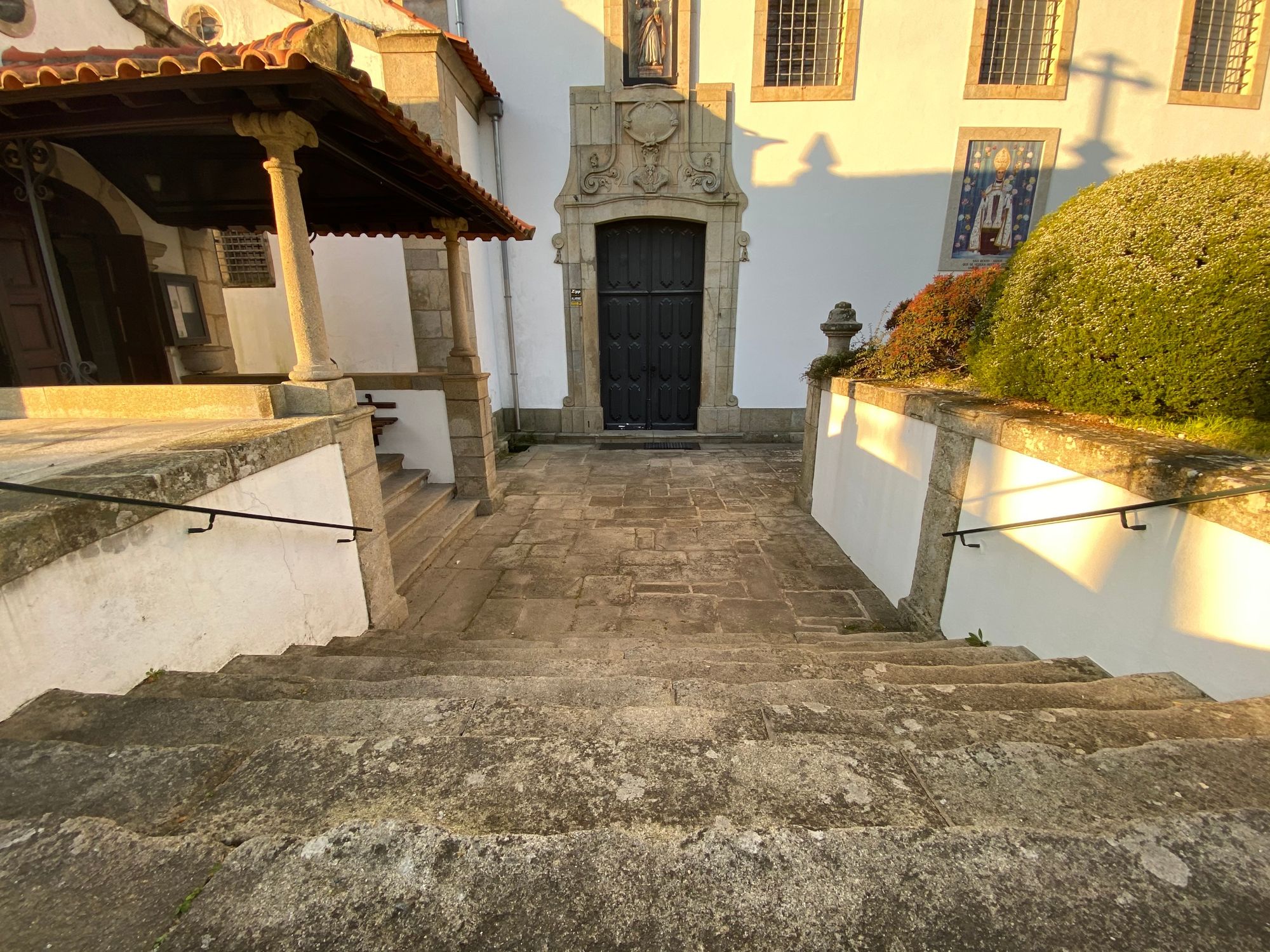
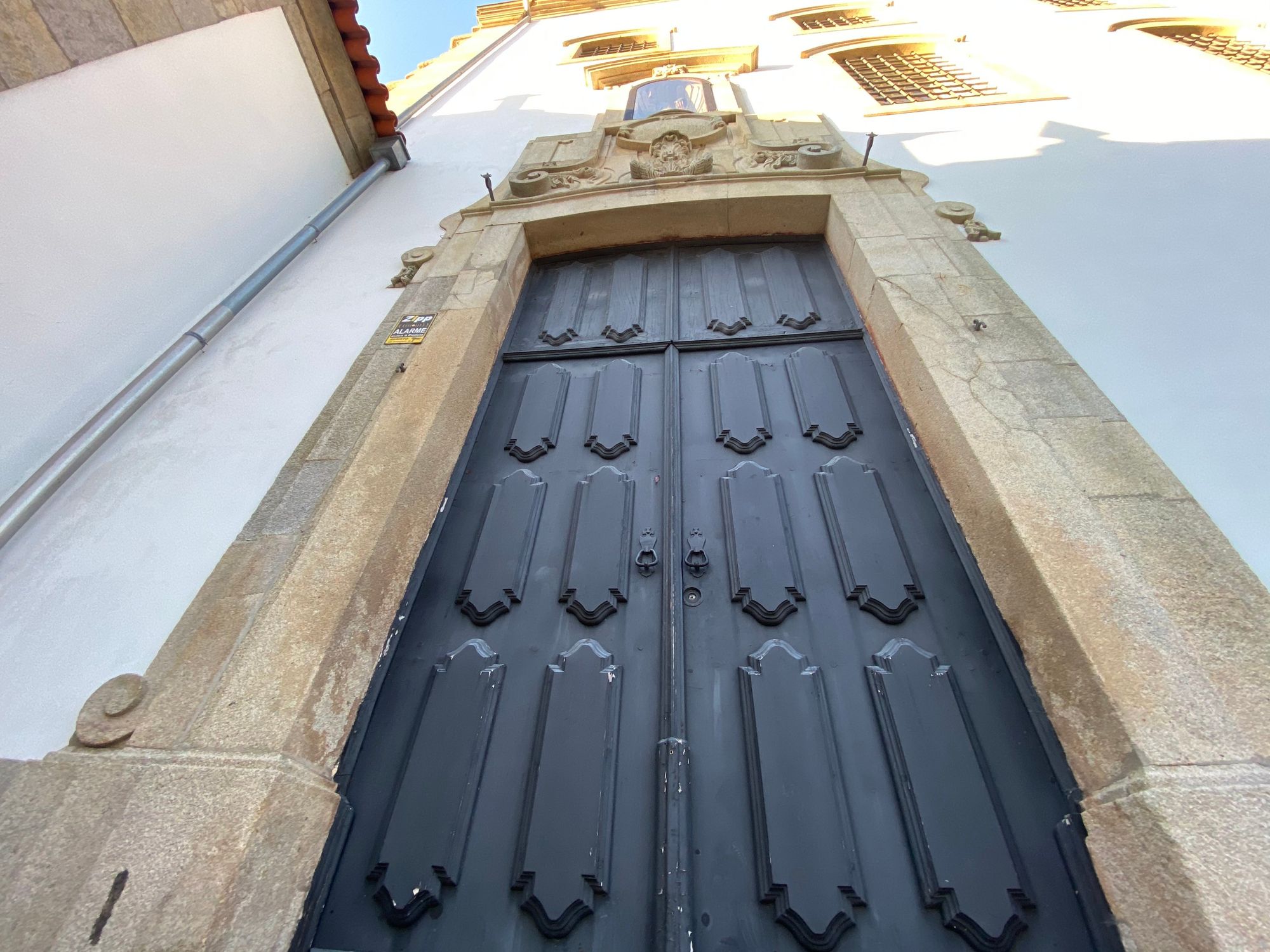
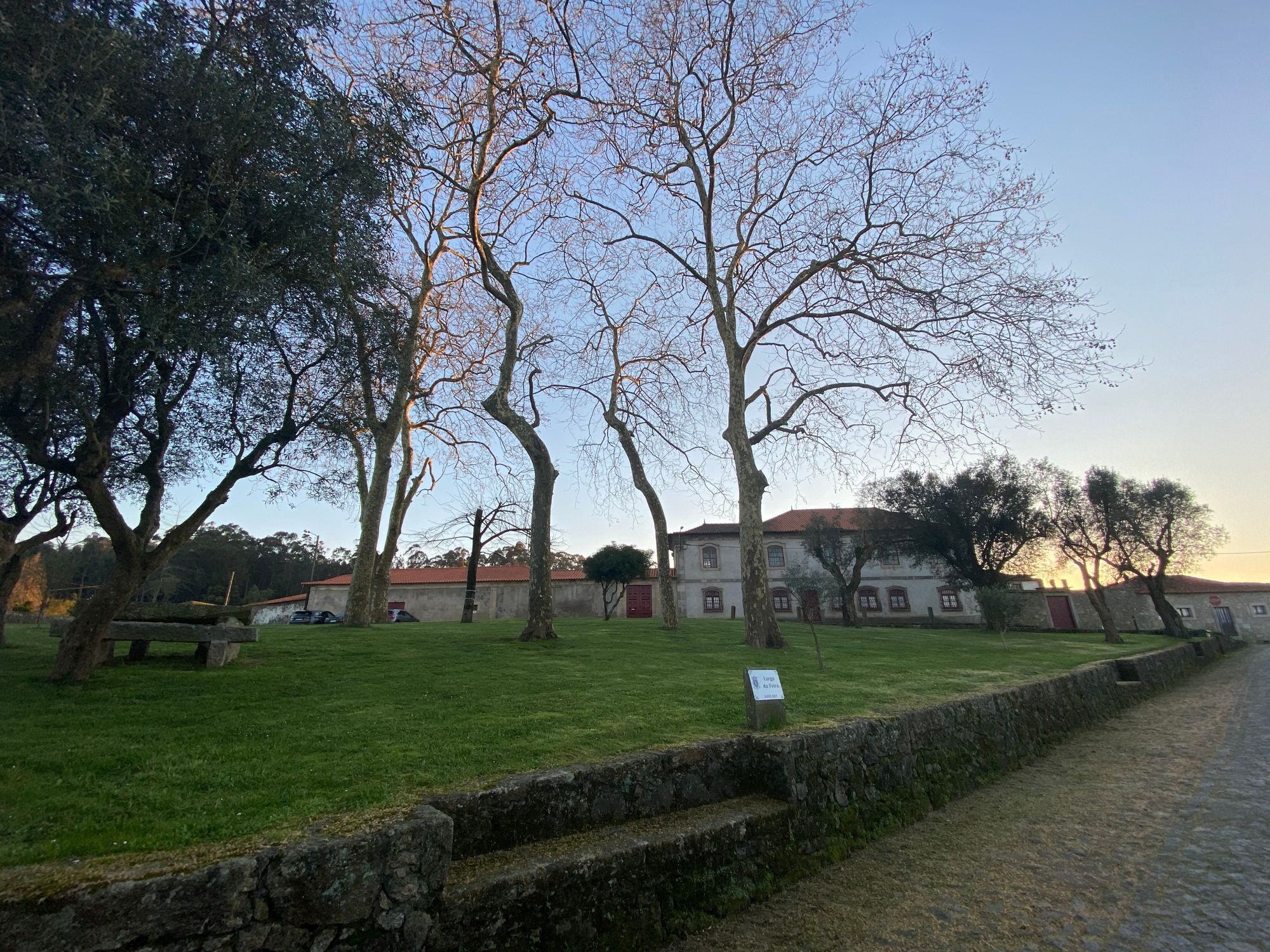
Nowadays the Church is functional and the overnight stay has become a hostel for pilgrims on the roads of Santiago
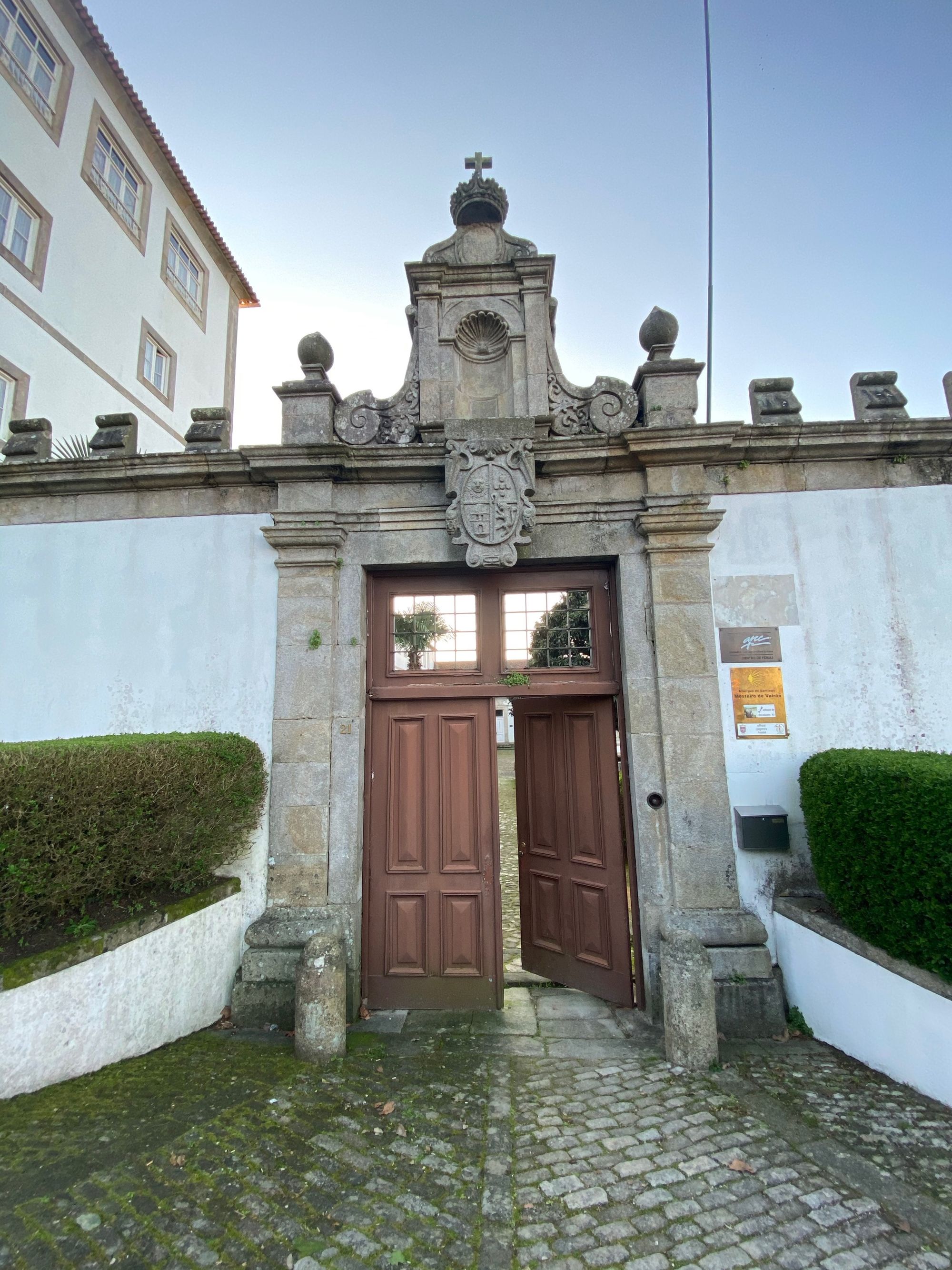
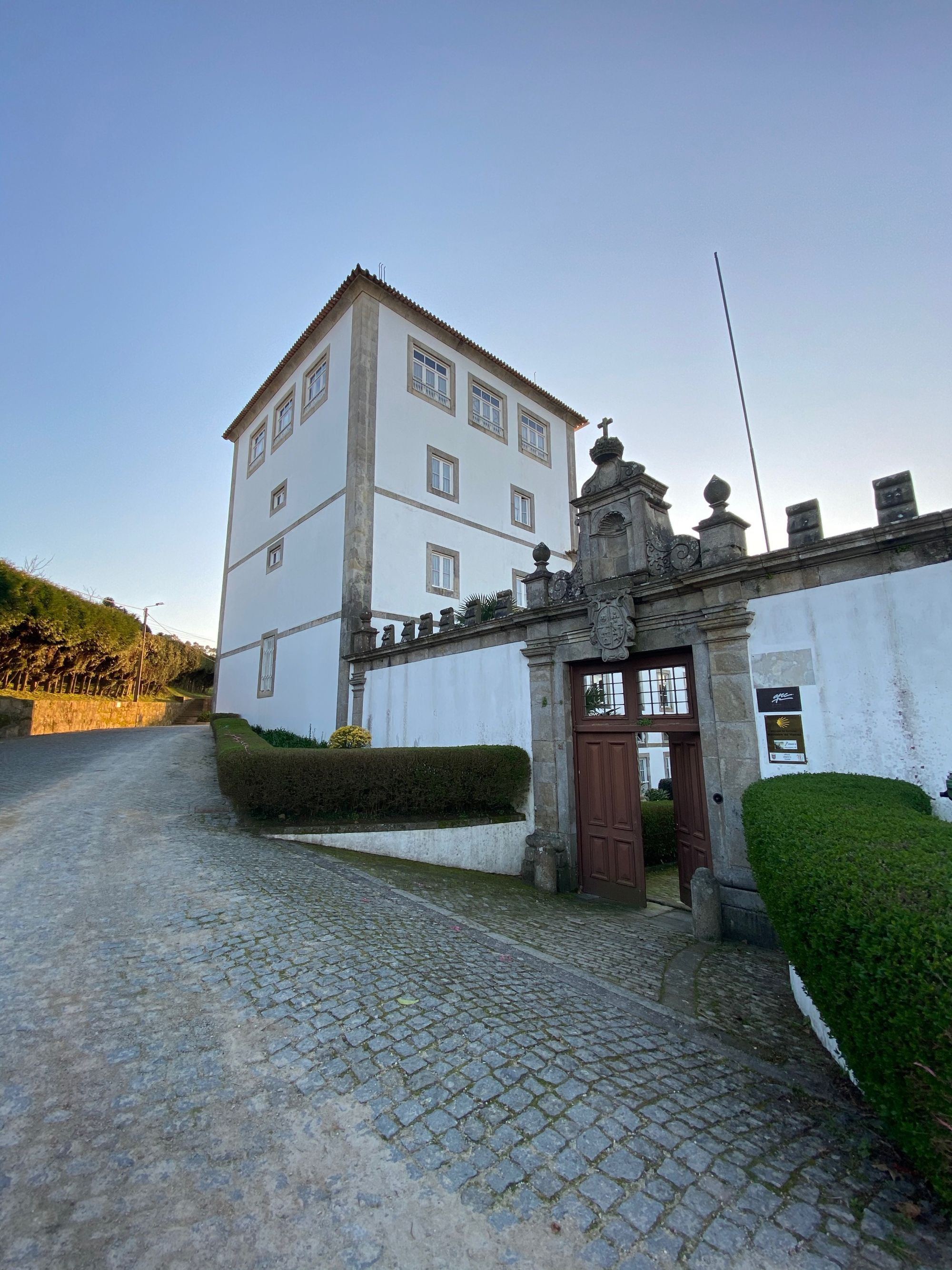
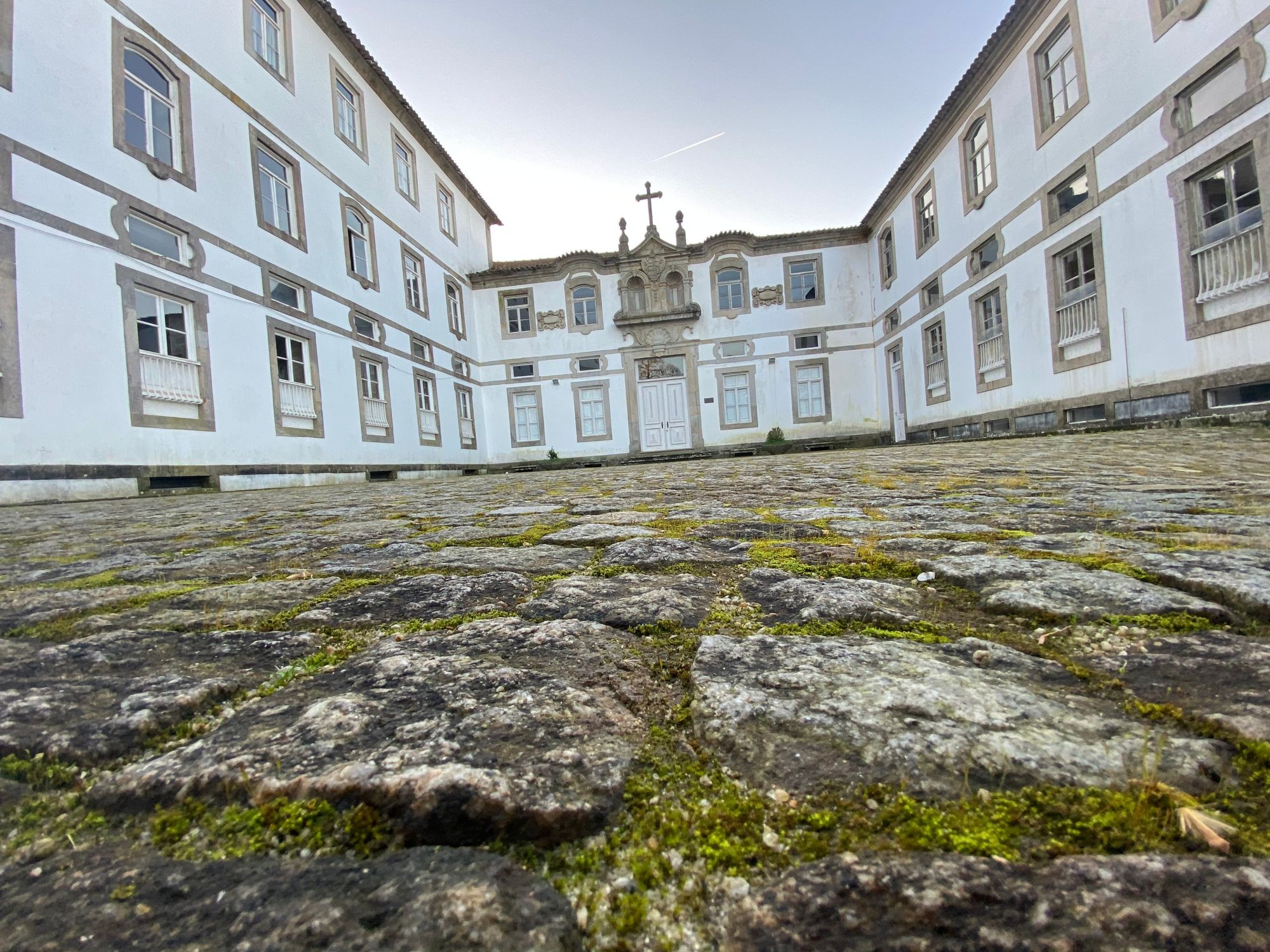
The hostel part also includes the small chapel where the nuns said their prayers
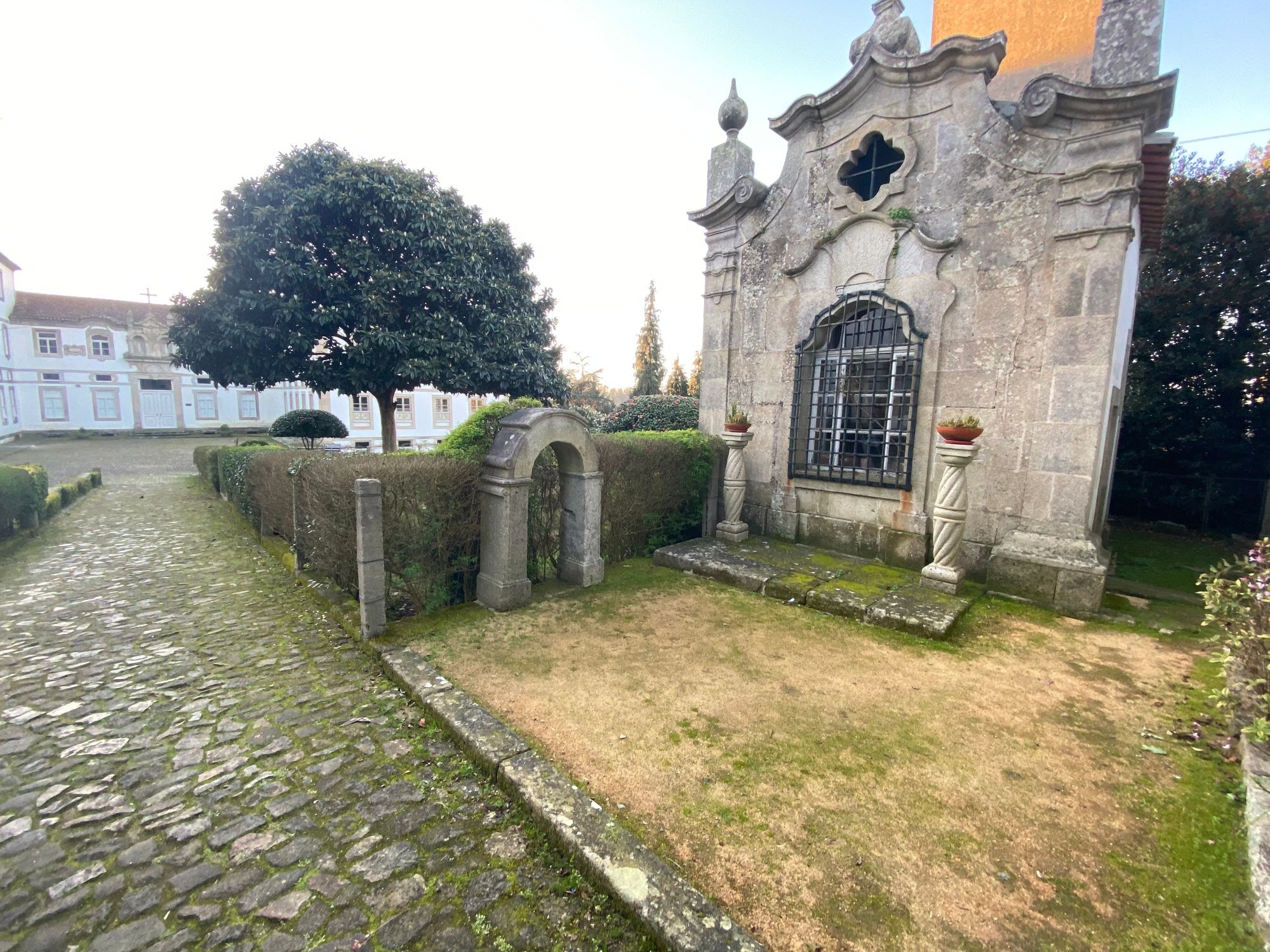
The site also has green areas as it is rural, and shaded areas and tables for small meals on the walks.
To get this information, I used the national archive of Torre do Tombo, I hope you like it
Well, today I'm going to stay here.
I'm going to spend the night here, and tomorrow I'm going somewhere else. I hope to continue counting on you on my journey through castles and churches in the historic area of Vila do Conde, I have already dropped my backpack, now I am going to rest for a while.
see you soon
### DREW

Comments