 Samarqand Region, Uzbekistan
Hello again! Please see the second part of the story about my trip to the mountainous regions of Samarkand. The first part devoted to the stone idols of Kara-Tepa and the "Demons Plateau" I published few days ago. Unfortunately, it’s not always possible to put all the photos in the post, so I got myself an Instagram account, where I will post photos from my trips. Welcome :).
On the second day it was planned to visit an interesting place called "Hazrati Dowud" or "Cave of St. Dowud (Daud or David)." He was biblical Jewish king and prophet David who defeated the giant Goliath. In general, according to the legends, Samarkand was a very popular place to visit among biblical prophets. On the outskirts of Samarkand there is a mausoleum of St. Daniyar (prophet Daniel). It seems that Samarkand was very popular with biblical prophets in ancient times :).
But what about St.David? There are two legends of the origin of this place. According to the first legend, Allah sent David to these lands to preach monotheism and the locals (Zoroastrians) were not happy about this. Well, they can also be understood - from history we know that the introduction of monotheism is not limited to sermons only, but is often accompanied by inquisitorial fires, throwing heretics from minarets and imprisoning them in dungeons.
So, the locals decided to kill David and pursued him with bloodthirsty goals. Running away, David prayed to Allah for help and he endowed David with supernatural power. Although, I immediately had a question - if there was such a supernatural force that allows David to push rocks, then why he run away? Why to not beat the offenders? I think that in this case there would be no legend.
Let return to David. He spread the rocks with his hands and climbed into the cave. As confirmation of this legend, the recesses at the entrance to the cave are cited, reminiscent of imprints of huge knees and streaks on the walls of the cave which look like traces of giant fingers.
There is a second legend too. According to it, David was preparing for the battle with Goliath and was gaining strength, resting not far from Samarkand. The “efreets” (demons, evil spirits) decided to speed up the battle and dragged Goliath straight from Jerusalem but David was not yet ready for battle and therefore decided to flee. He ran, ran, and ran to the mountains. Seeing that there was nowhere else to run, he prayed to Allah and he softened the rocks, making them malleable like wax. David crawled inside and Allah turned the slope of the mountain back into stone in front of the very nose of Goliath. An enraged Goliath pounded stones with his huge club and tried to get David. According to this legend, the prints of knees and fingers at the entrance to the cave belong already to Goliath, but not to David.
Later, already near Jerusalem, David nevertheless got into revenge and defeated Goliath by planting a stone from a sling in his forehead. Why he didn’t do this near Samarkand, where there are a lot of stones? Why did he has to run and hide in a cave? Why did he has to wander between Samarkand and Jerusalem, especially in those days when there were no planes and trains? Legends don’t answer on these questions :). Well, let's not be picky - the cave is interesting and the places here are beautiful in their own way.
This cave "Hazrati Dowud" has been an object of worship for believers for several centuries. Probably tens of thousands of believers from all over Uzbekistan come here every year. Also, it is possible to notice more and more foreign tourists. Sometimes there are so many people that at the entrance to the cave the most natural traffic jam is formed.
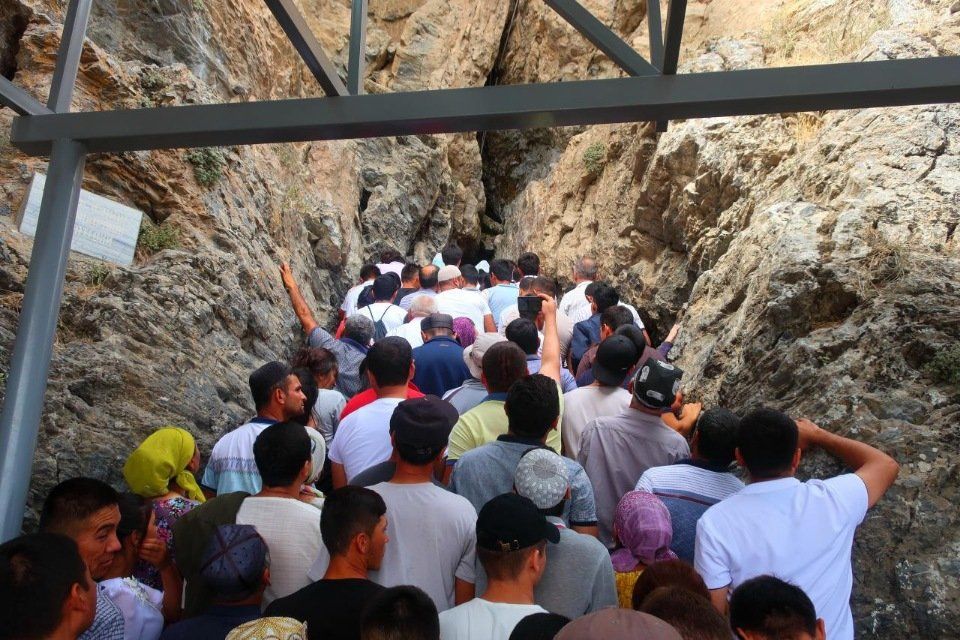
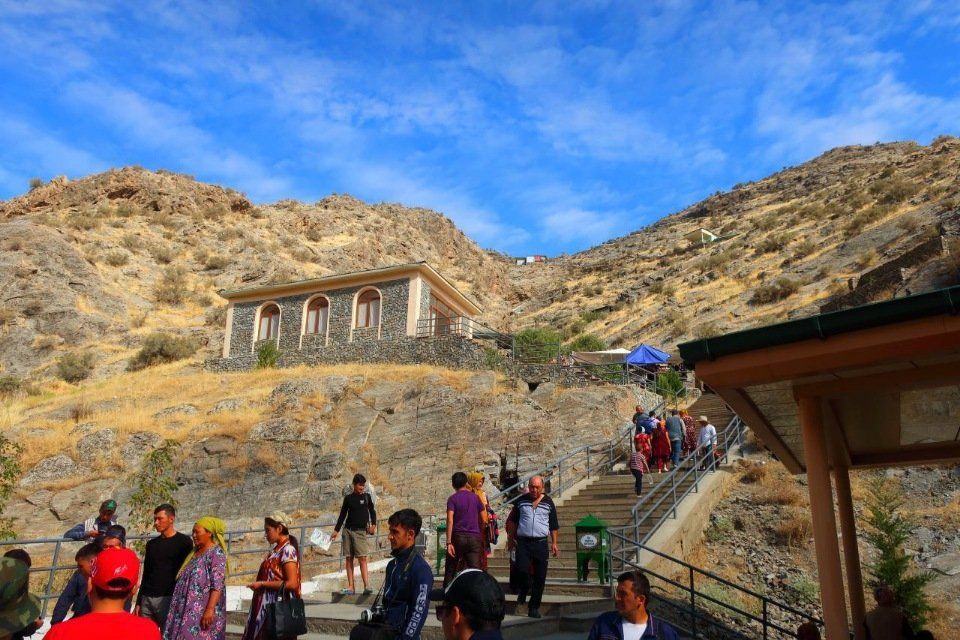
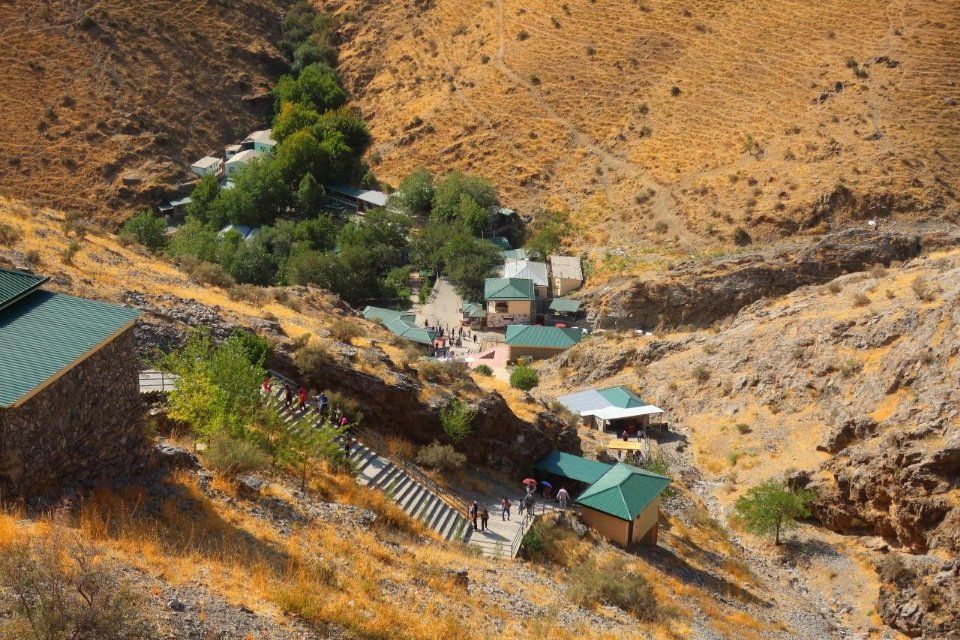
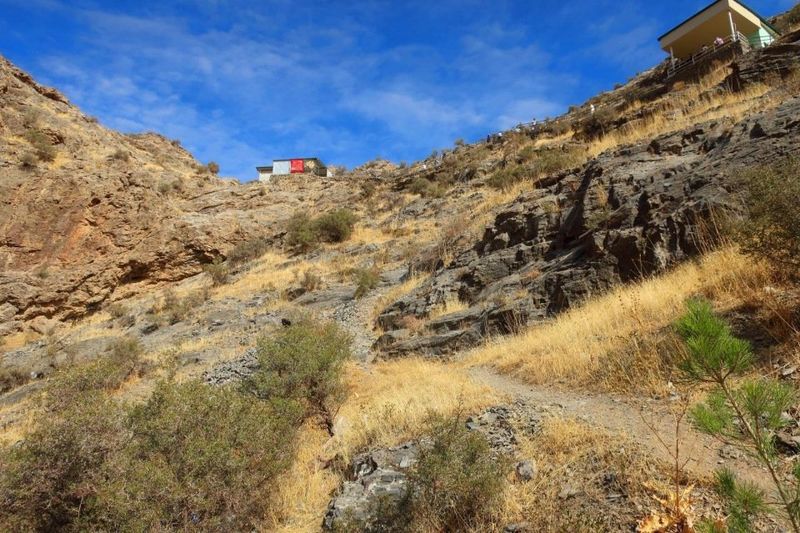
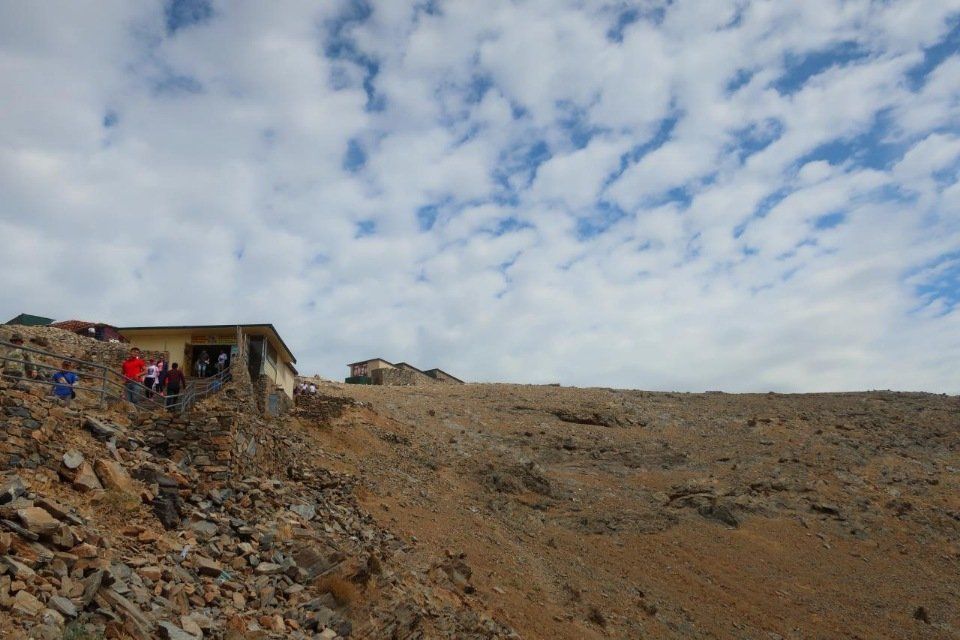
The cave itself is located at an altitude of 1250 meters and to get to it is necessary to climb 1300 steps to the top of the hill, go around it and go down about 200 more steps to the cave itself. People of all ages climb these steps - both young children and already very old people. I saw pregnant women and newlyweds in national wedding dresses.
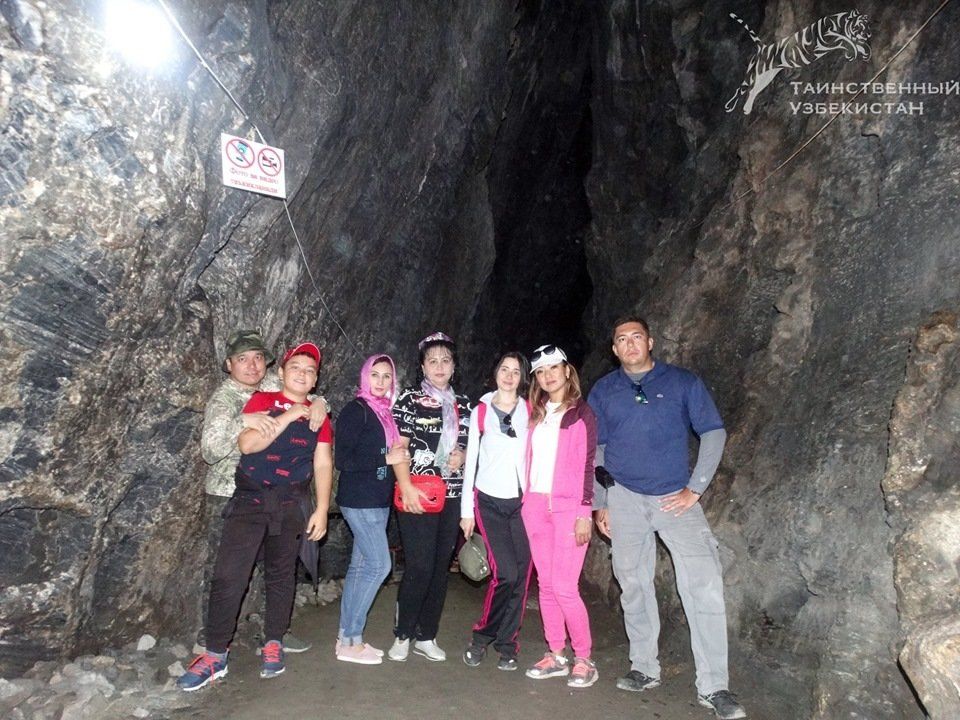
The depth of the cave is approximately 60 meters and the height is about 15 meters. There are constantly watchmen who regulate the flow of pilgrims. According to legend, if you touch the David's "fingerprints" and make a wish, it will come true. Even if this desire is the most incredible. This is a Muslim shrine and local ministers of religion consider this custom a superstition saying that all this is nonsense. Nevertheless, people come up, leave offerings, mutter prayers and still make wishes. Taking pictures in the cave is forbidden, but our guide broke the rule by taking a quick picture of us while the ministers were distracted ...
[Source] (

The cave is located near the kishlak (settlement) called Aksai and in my opinion the entire local population lives off this cave.
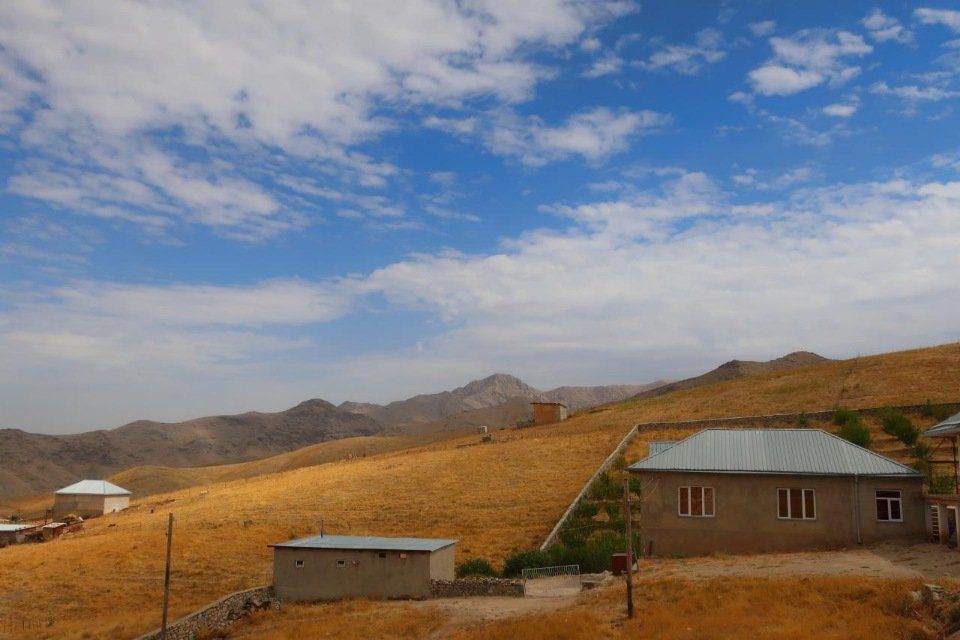
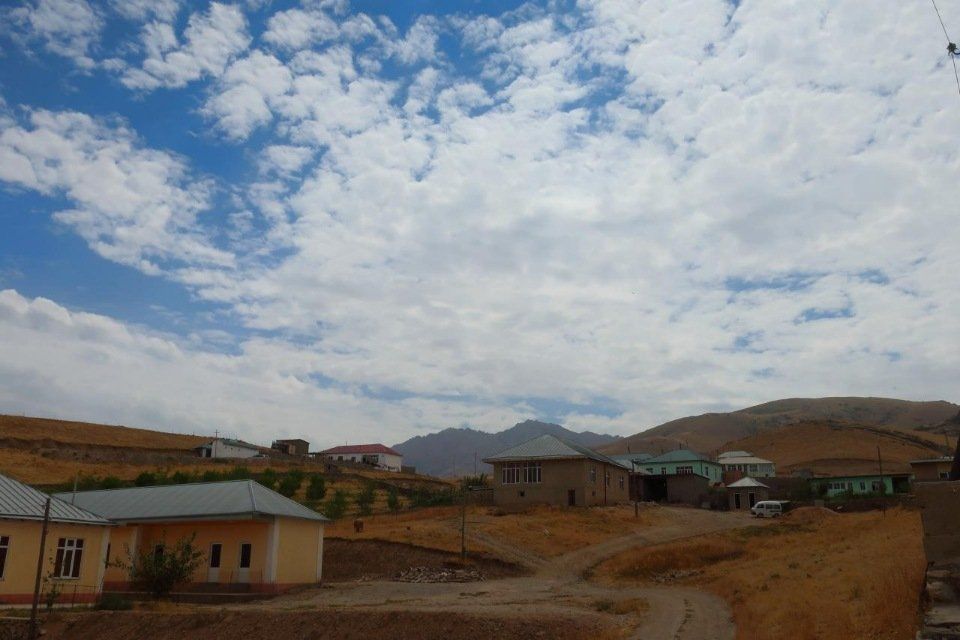
Service is organized in full. If you want, a taxi can take you from the bottom of the hill to the very stairs for $1.5 per person. Do you want to climb 1300 steps? If no, then the locals can easily be taken upstairs by a donkey or a horse. Riding a horse costs about $5. At the foot of the hill, guest houses and pavilions are organized, where you can gain strength before lifting or relax after it.
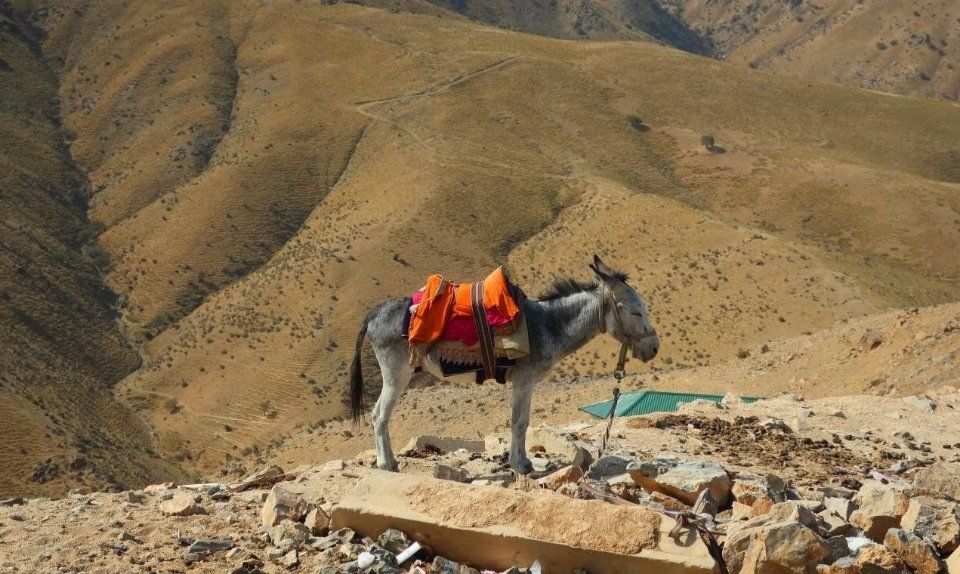
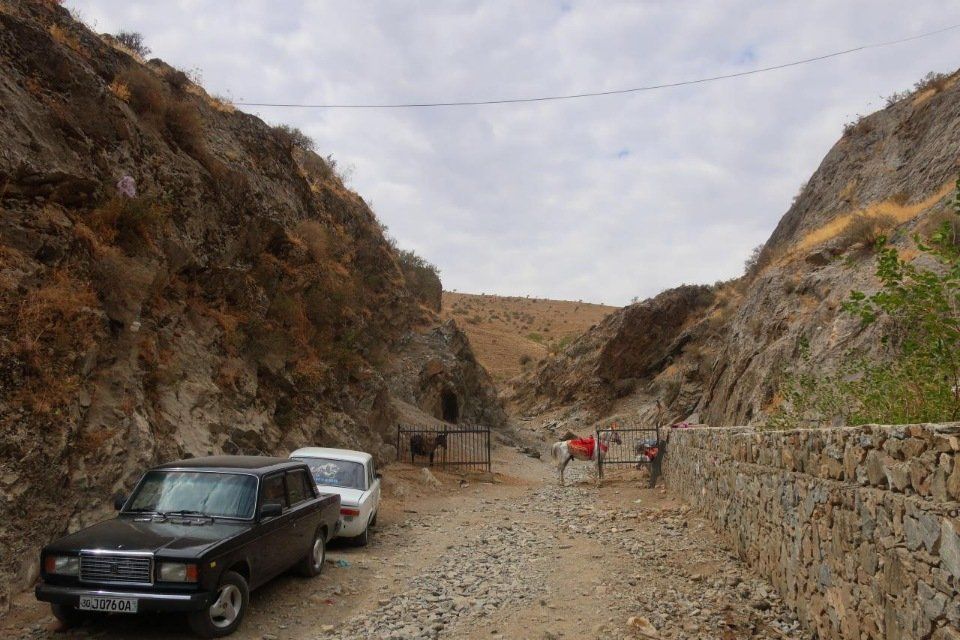
If you decide to go upstairs, then you do not need to carry water or a snack with you - throughout the entire staircase there are small recreational areas where you can take a breath, buy water or chocolate. Also, all sorts of souvenirs, talismans and amulets are sold here.
At the top of the hill there are souvenir shops and a small mosque. The locals drag horses and camels on the top of hill for people who wish to take pictures. Honestly, I fill pity for the local horses - for beauty they are so tied that the head is constantly pressed to the chest. This clearly gives them inconvenience.
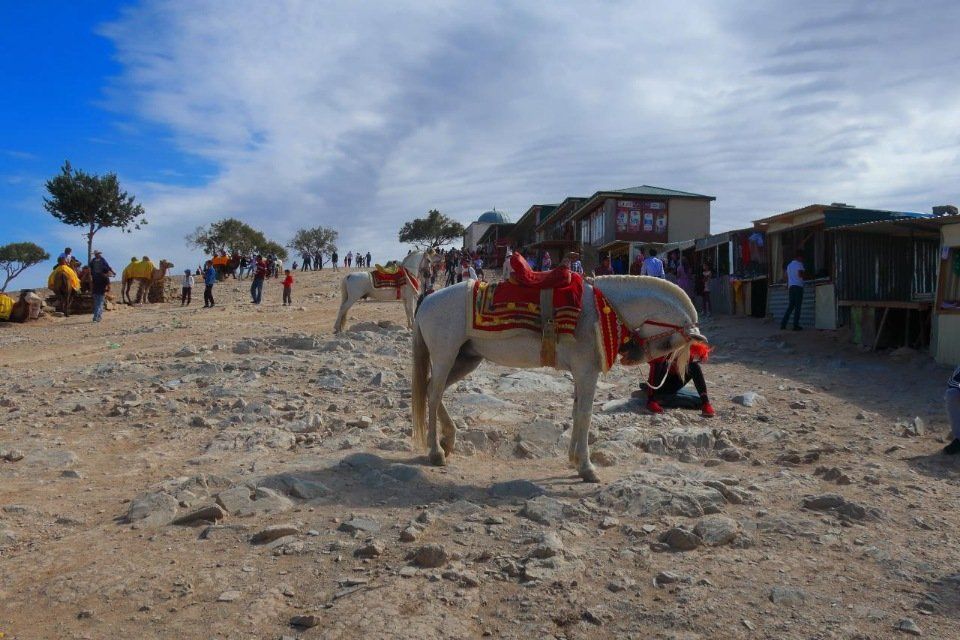
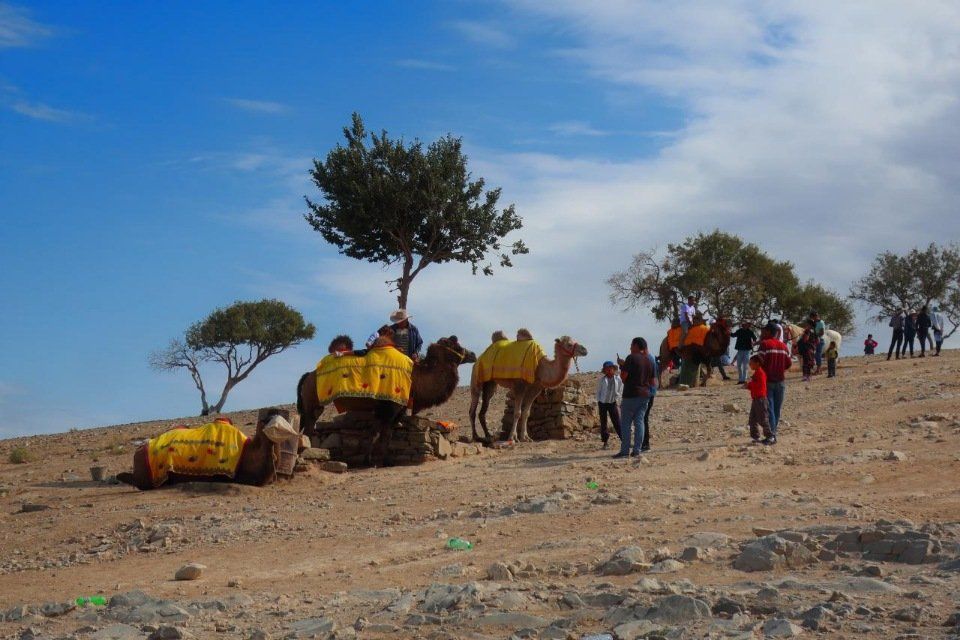
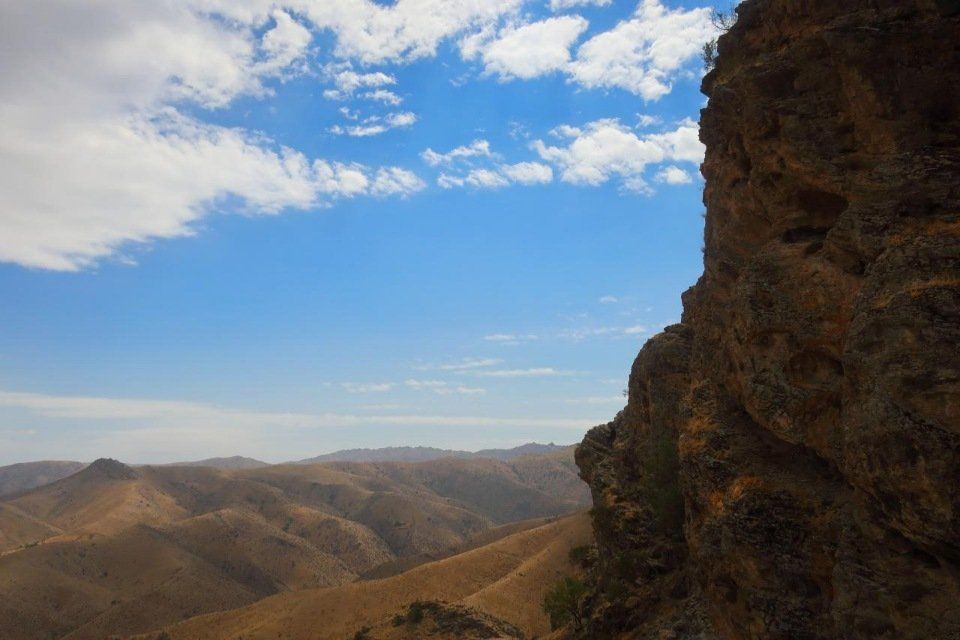
From the top of the hill offers a very beautiful view of the surroundings.
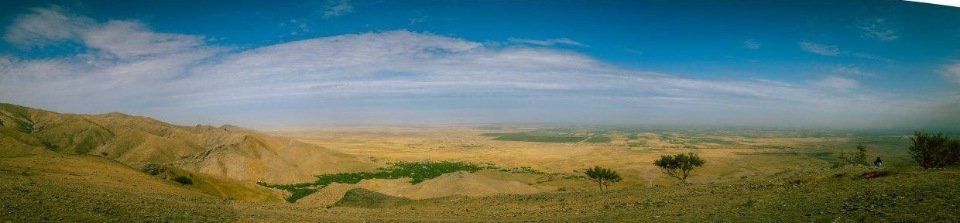
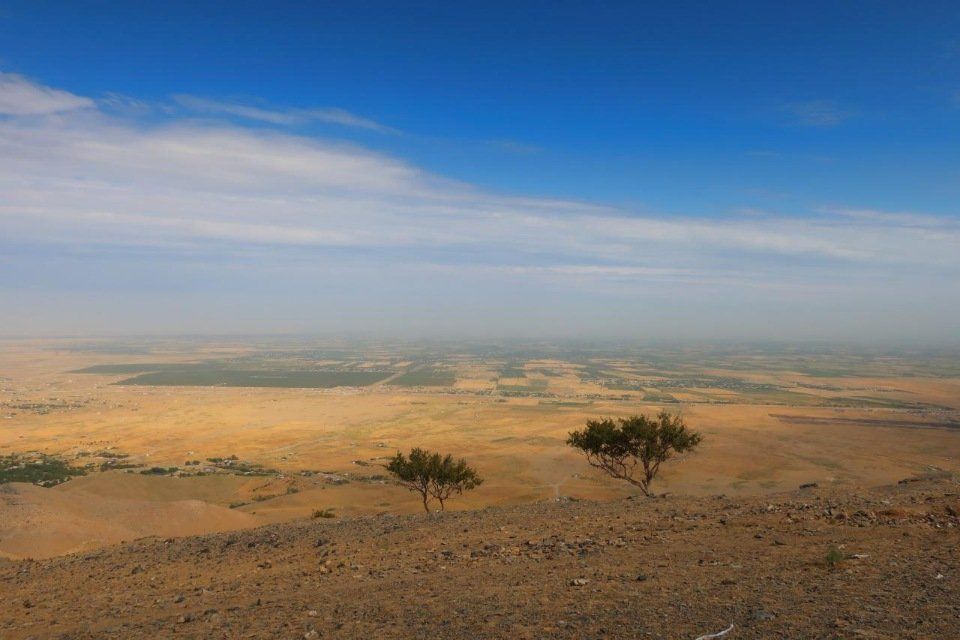
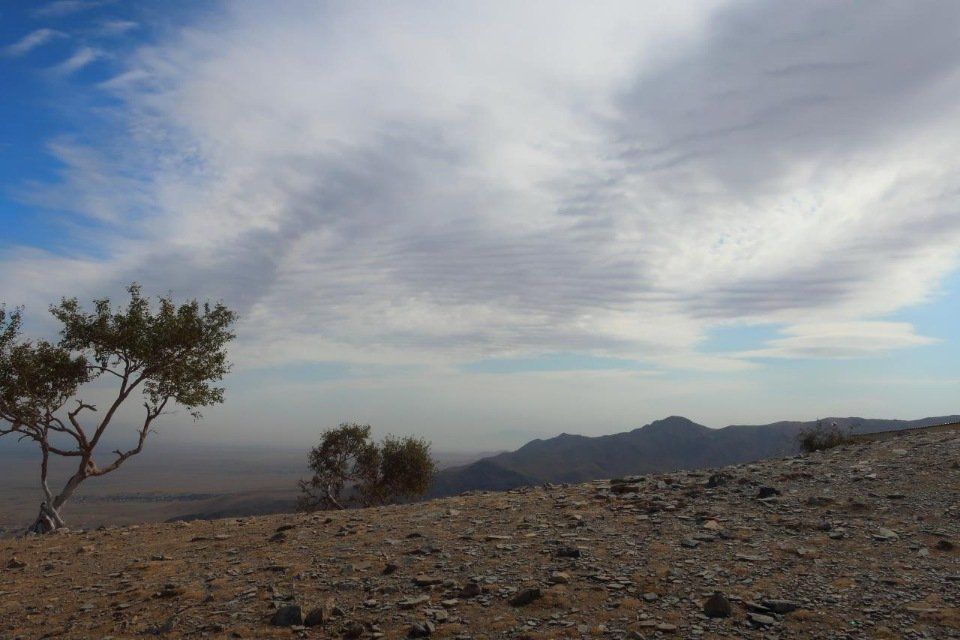
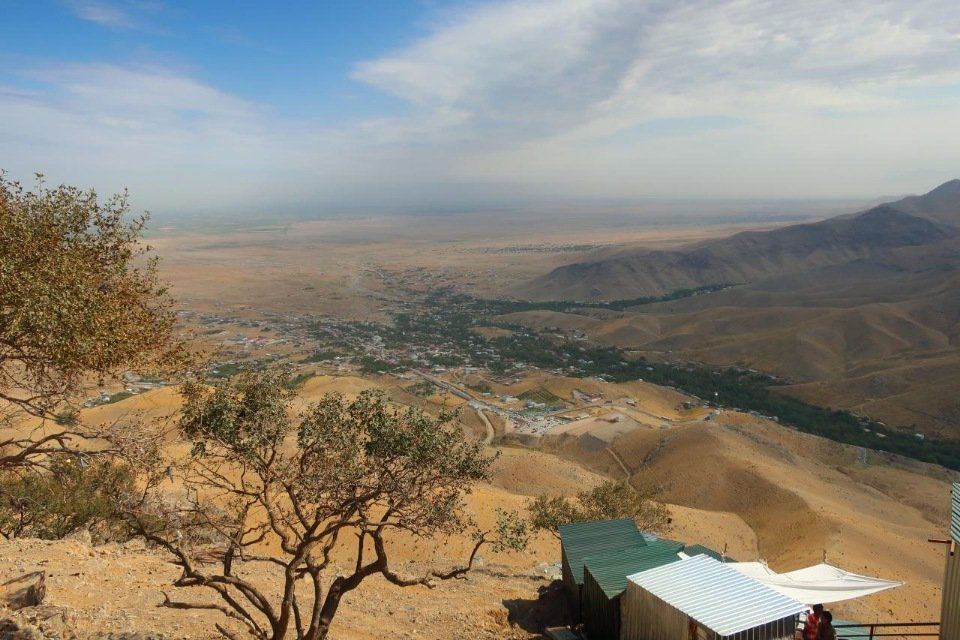
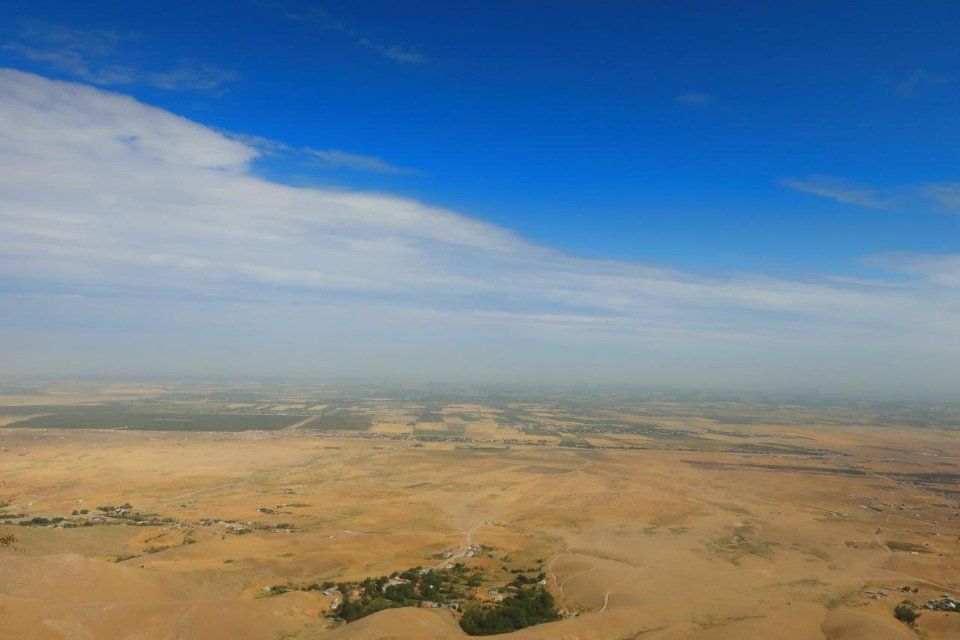
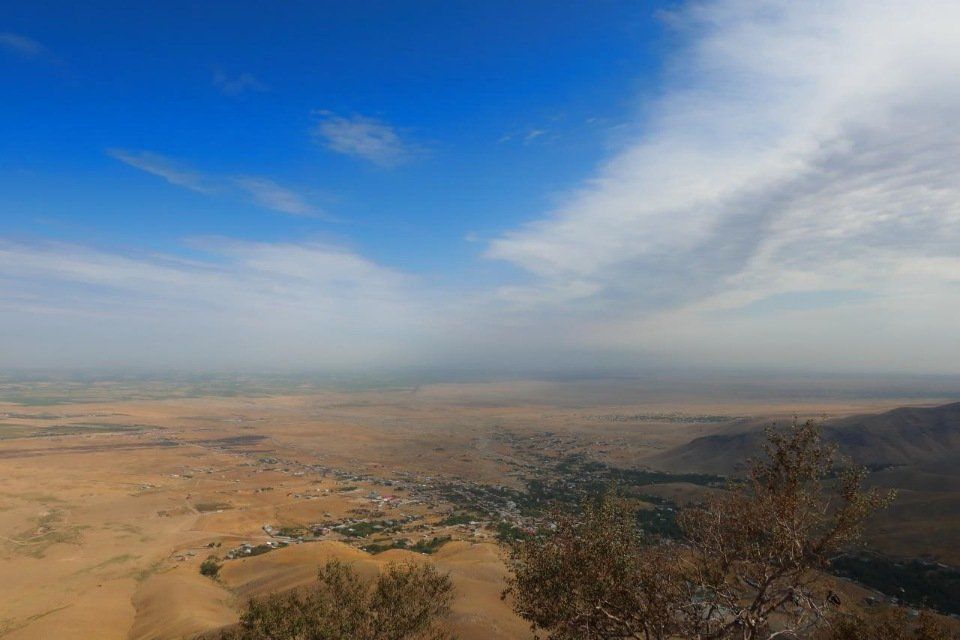
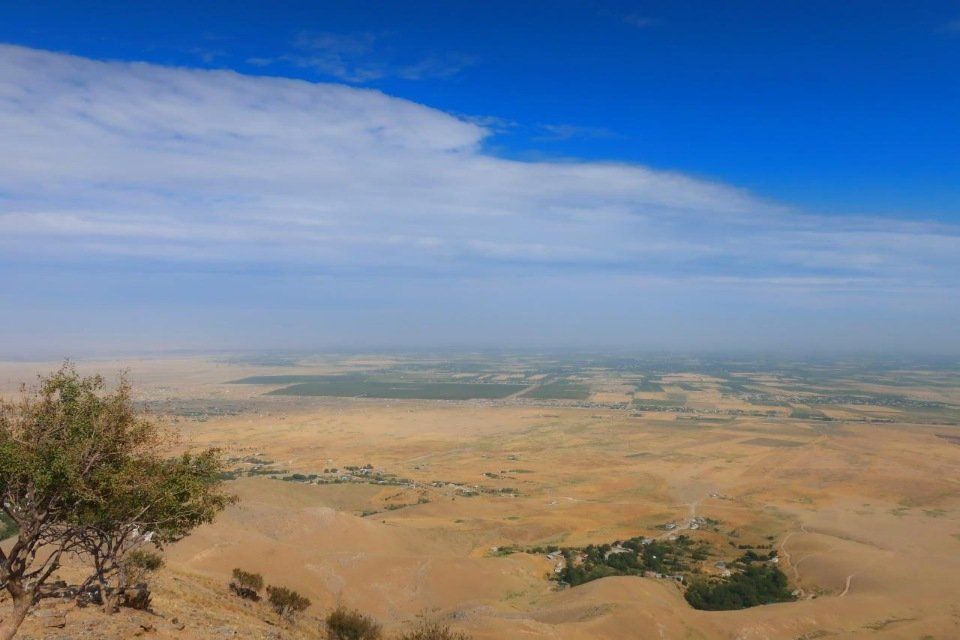
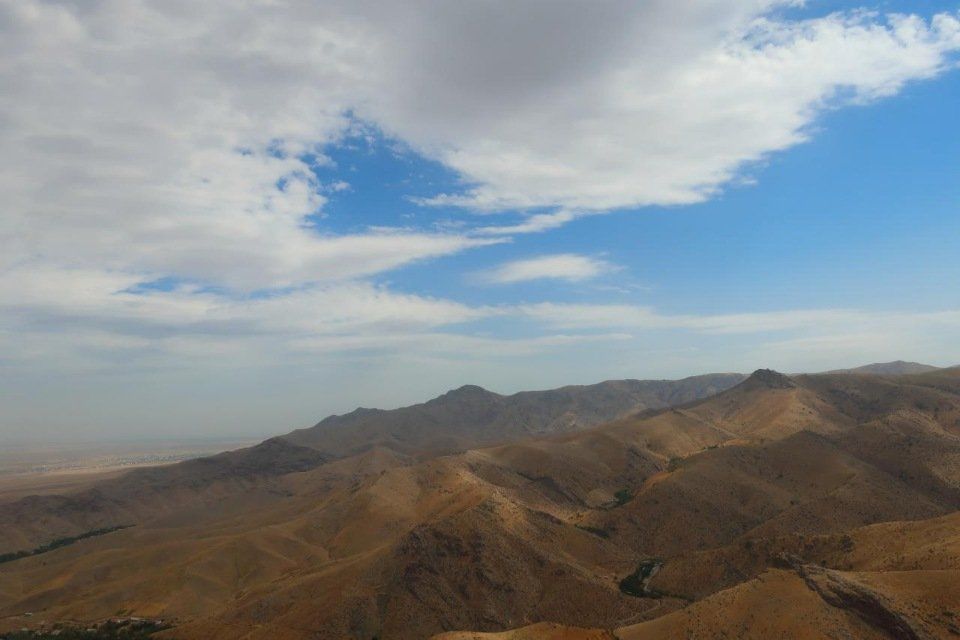
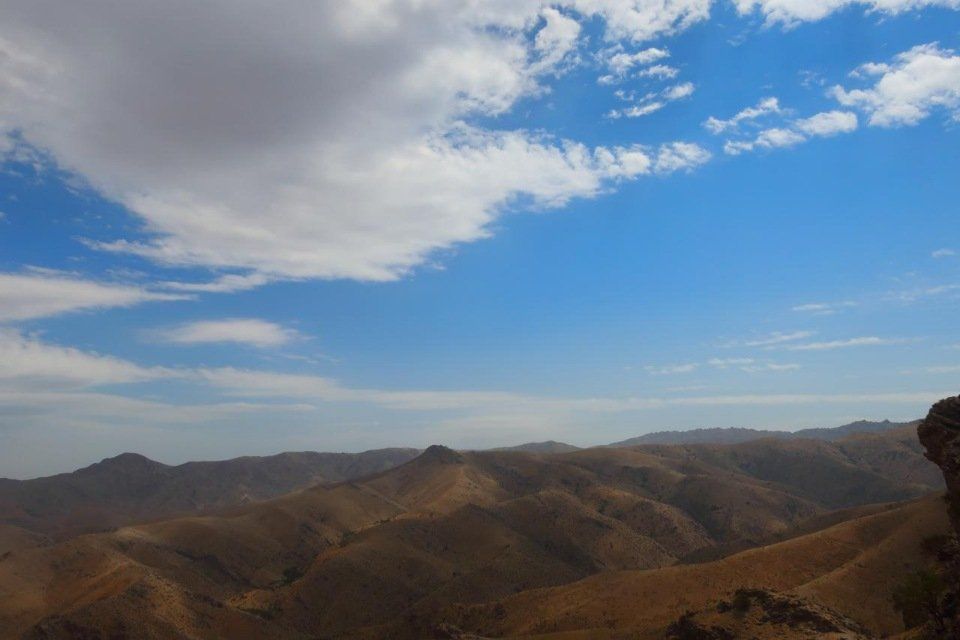
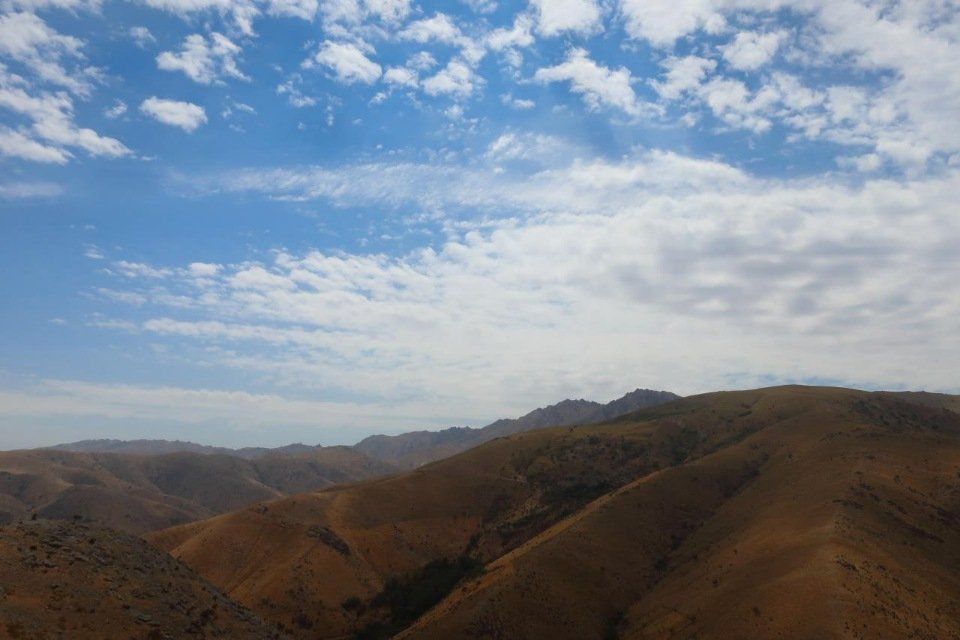
We went into the cave, stood in line of pilgrims, made a wish and returned back to Samarkand. We had lunch there and drove back to Tashkent. It will be interesting to return here after a couple of years.


Comments