 Hajnówka County, Podlaskie Voivodeship, Poland
In the north of Poland, in the Białowieża Primeval Forest, one of the few populations of wild European bison (wisent) lives. The species considered extinct shortly after the First World War was brought back to life thanks to the few specimens preserved in European zoos. Currently, wisent is one of the many attractions of the Białowieża Forest. It can be found in natural conditions, especially in the morning, when it comes out of the forest to the clearings in search of food.
However, if you were not lucky enough to see it in the wild, you can visit the European bison Show Reserve. Several local species of animals live here, kept in conditions similar to natural. Among them, there are also wisents.
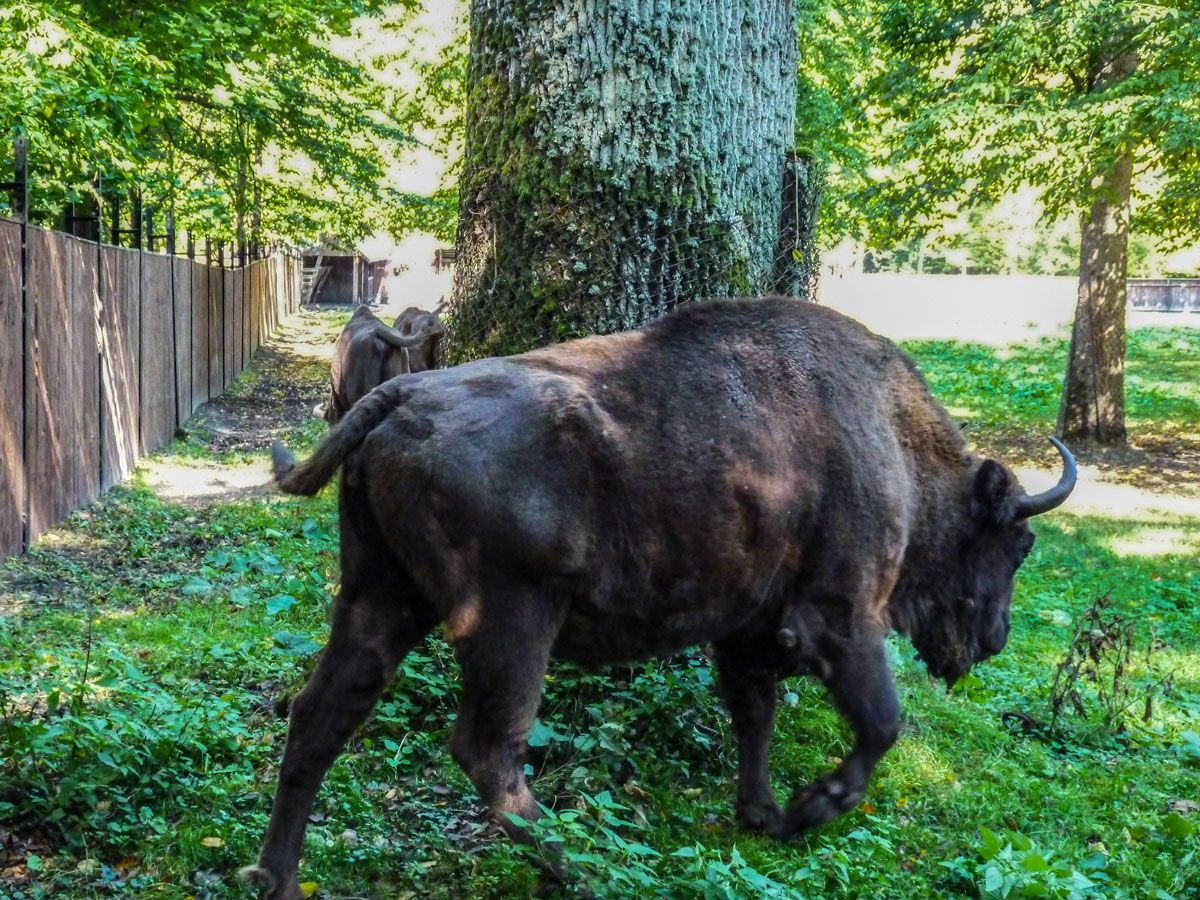
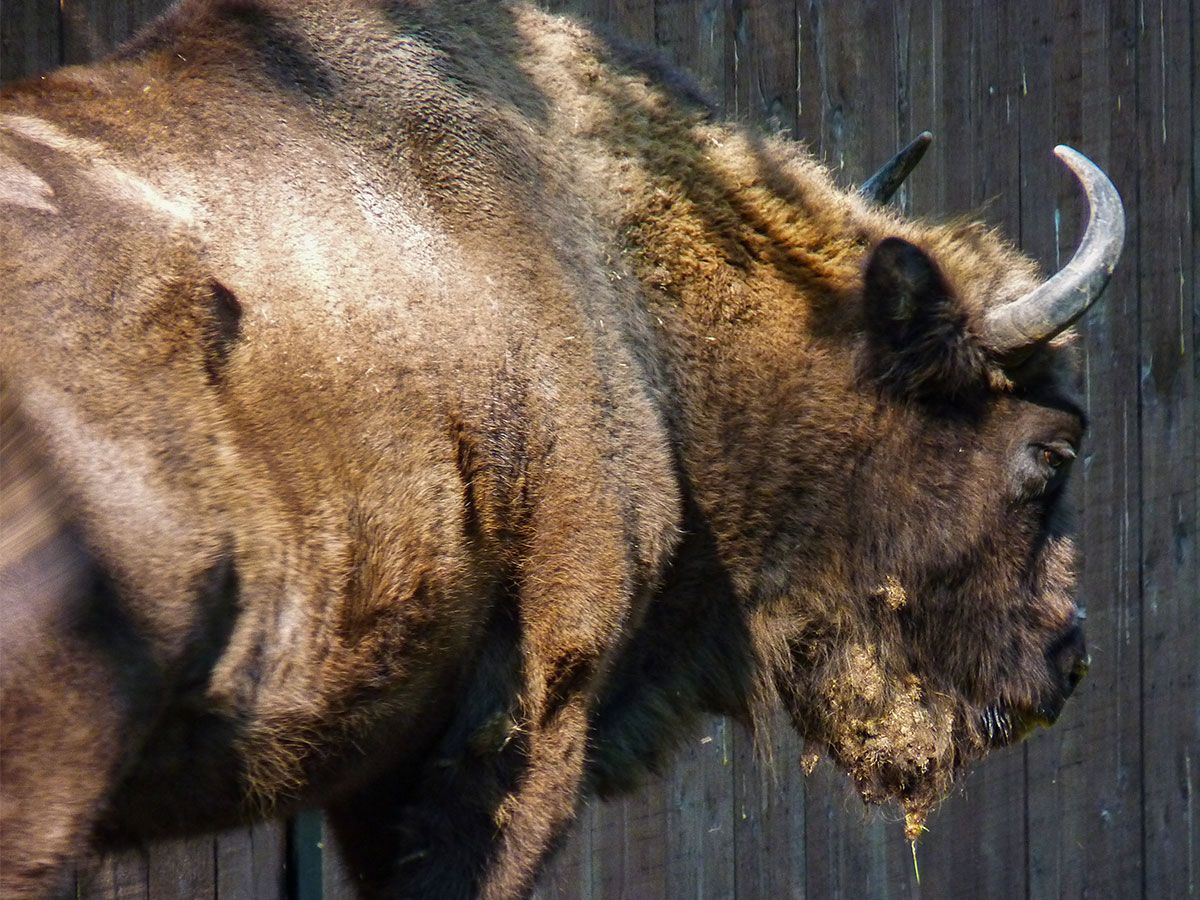
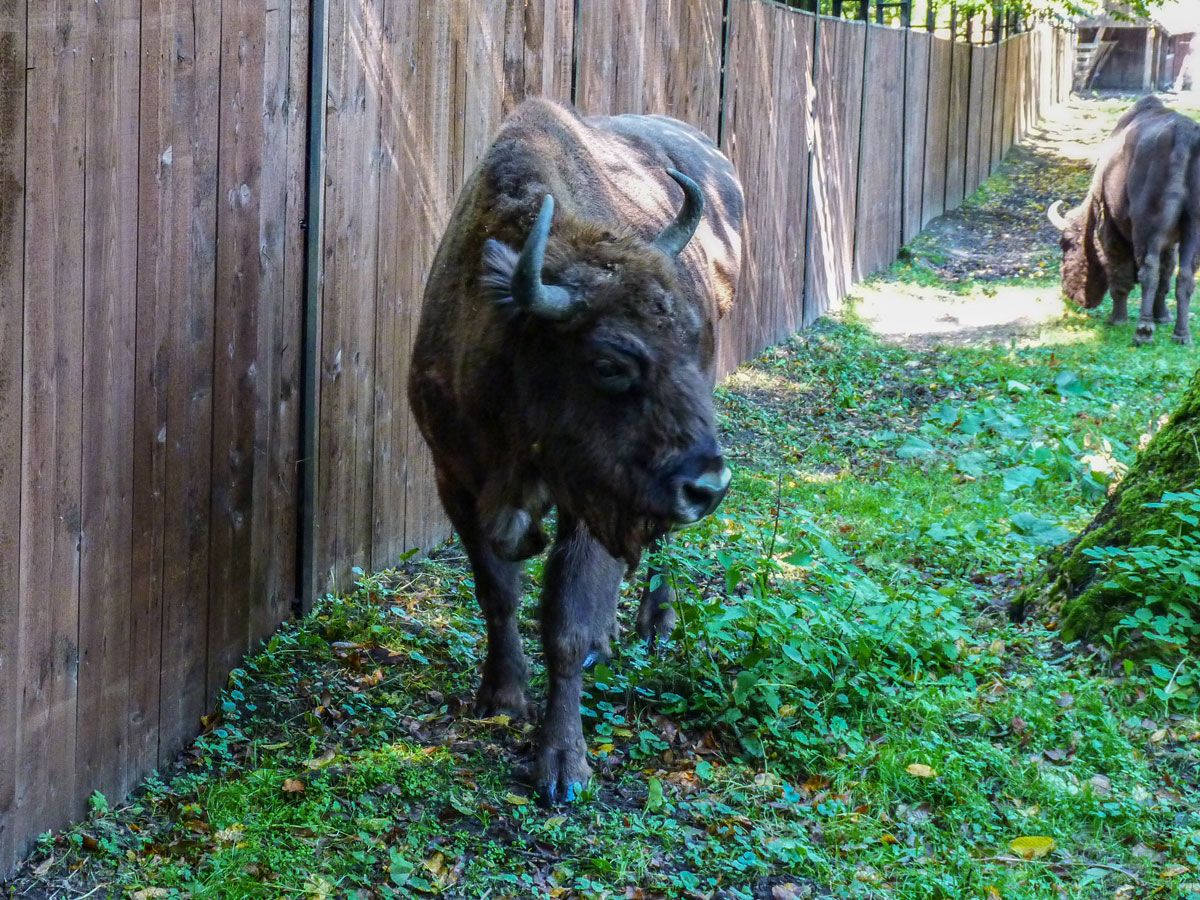
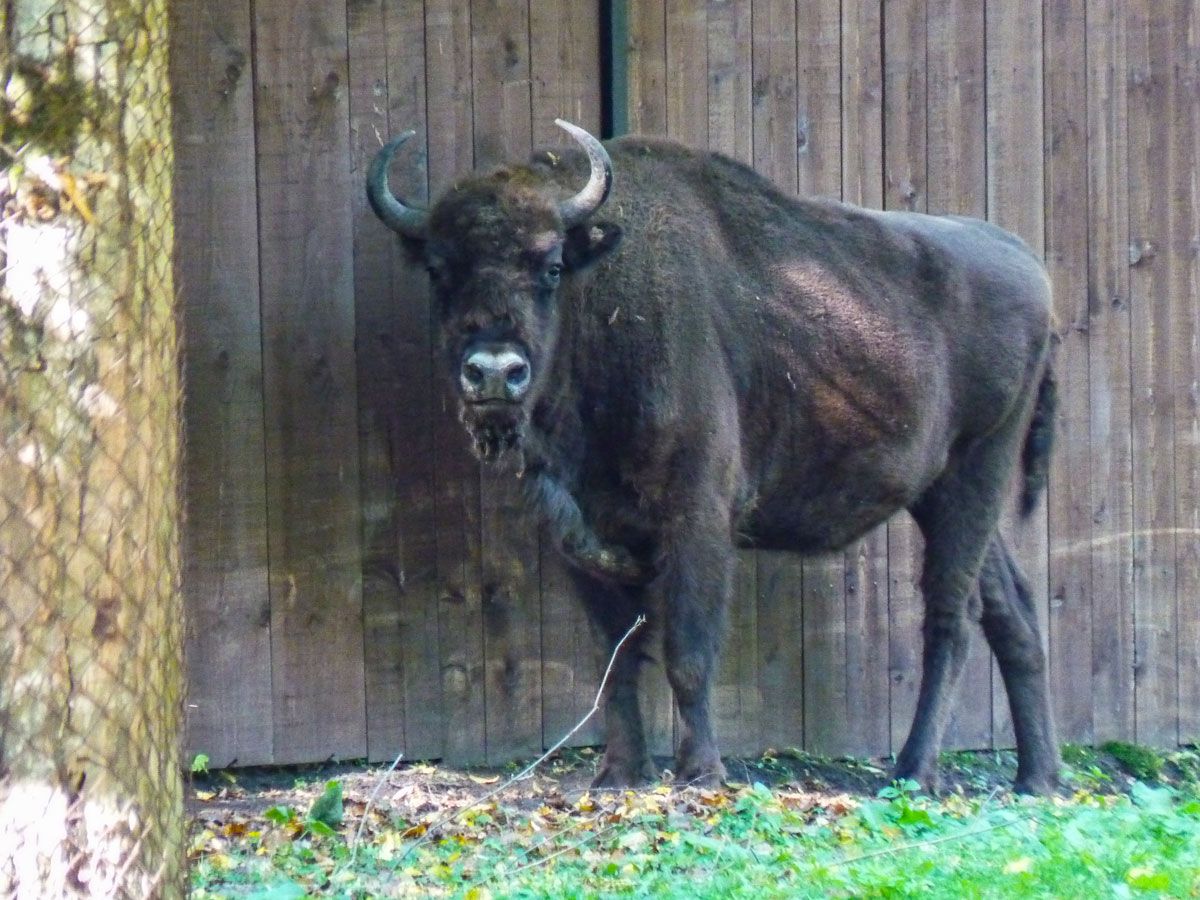
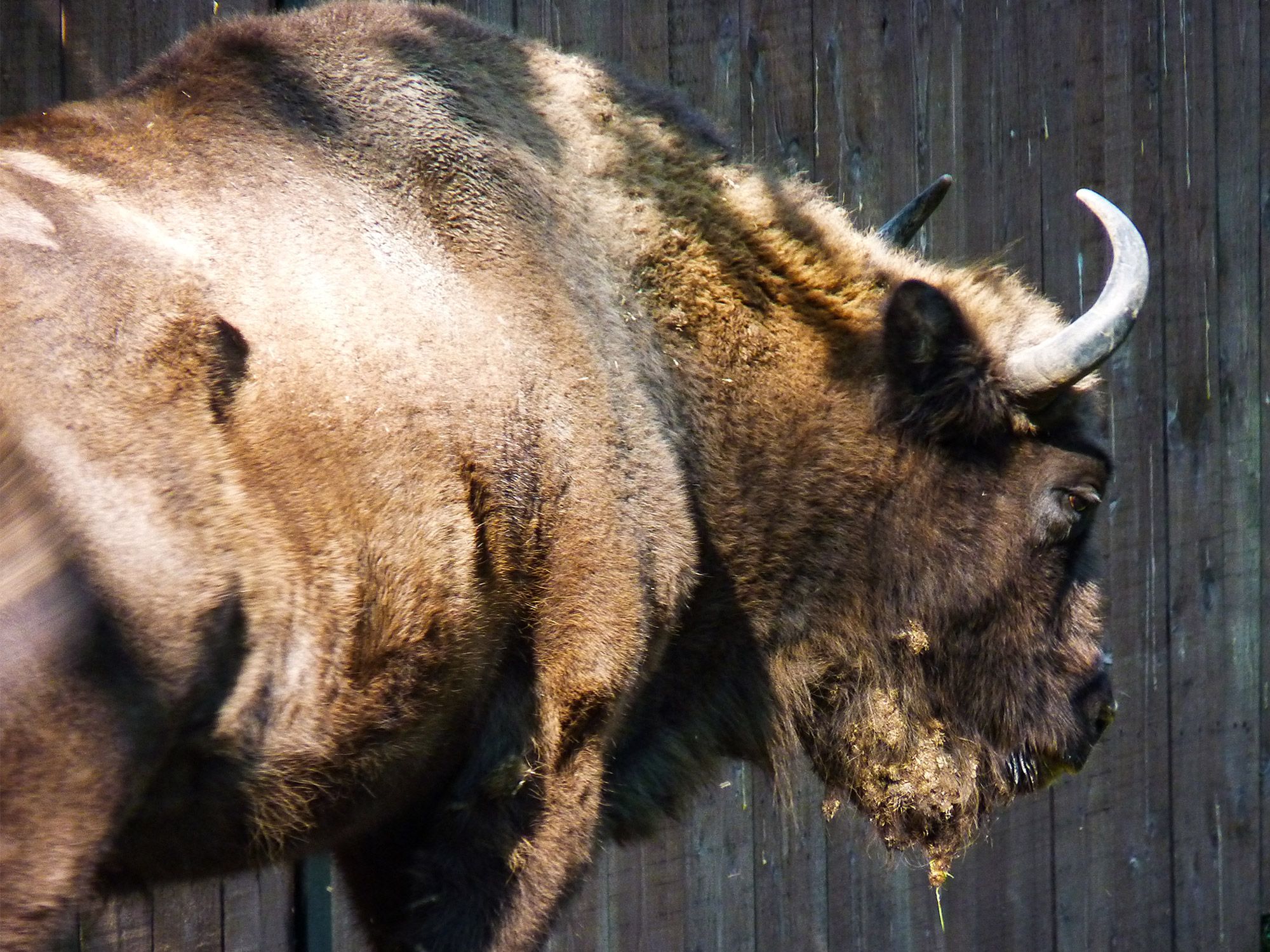
Few people know, the admired by everyone, the majestic wisents have their "poor relatives", who are in addition the product of human experiments from almost 200 years ago. In the mid-nineteenth century, male wisent was crossed with a cow, resulting in a hybrid that was to become an alternative to domestic cattle. The enormous body weight, resistance to external conditions and diseases were to allow the breeding to be maintained without much work. The experiments continued for over a hundred years, until attempts to replace common cows with an artificially breed were finally abandoned. At present, few of them lives in captivity in Poland - some of them are in the reserve in Białowieża.
It's a żubroń.
Despite their apparent lethargy, these animals evoke respect.

Observing them, I felt both admiration and sadness. Wisents are widely admired, but hybrids live somewhat forgotten. Artificially bred, kept in captivity, a bit like circus freaks.
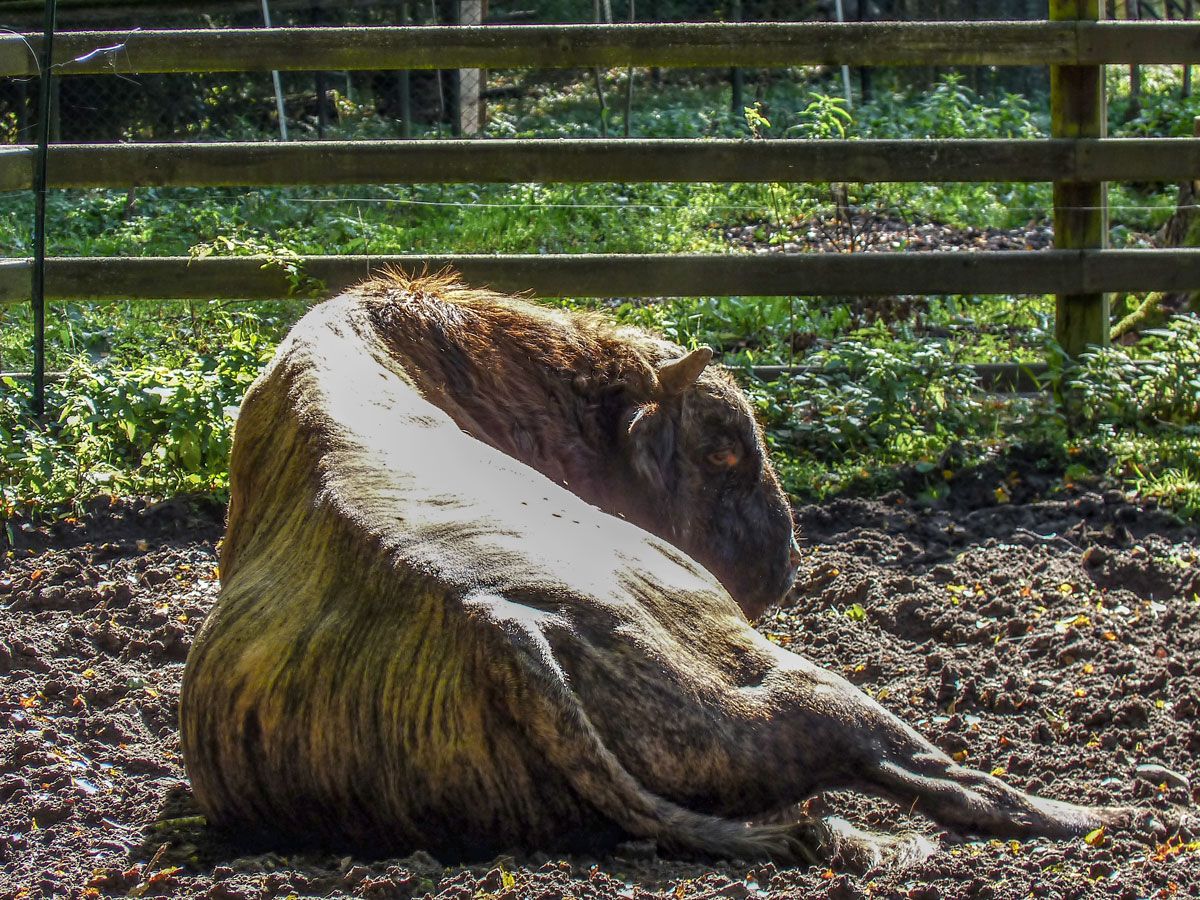
But they don't care, I think.
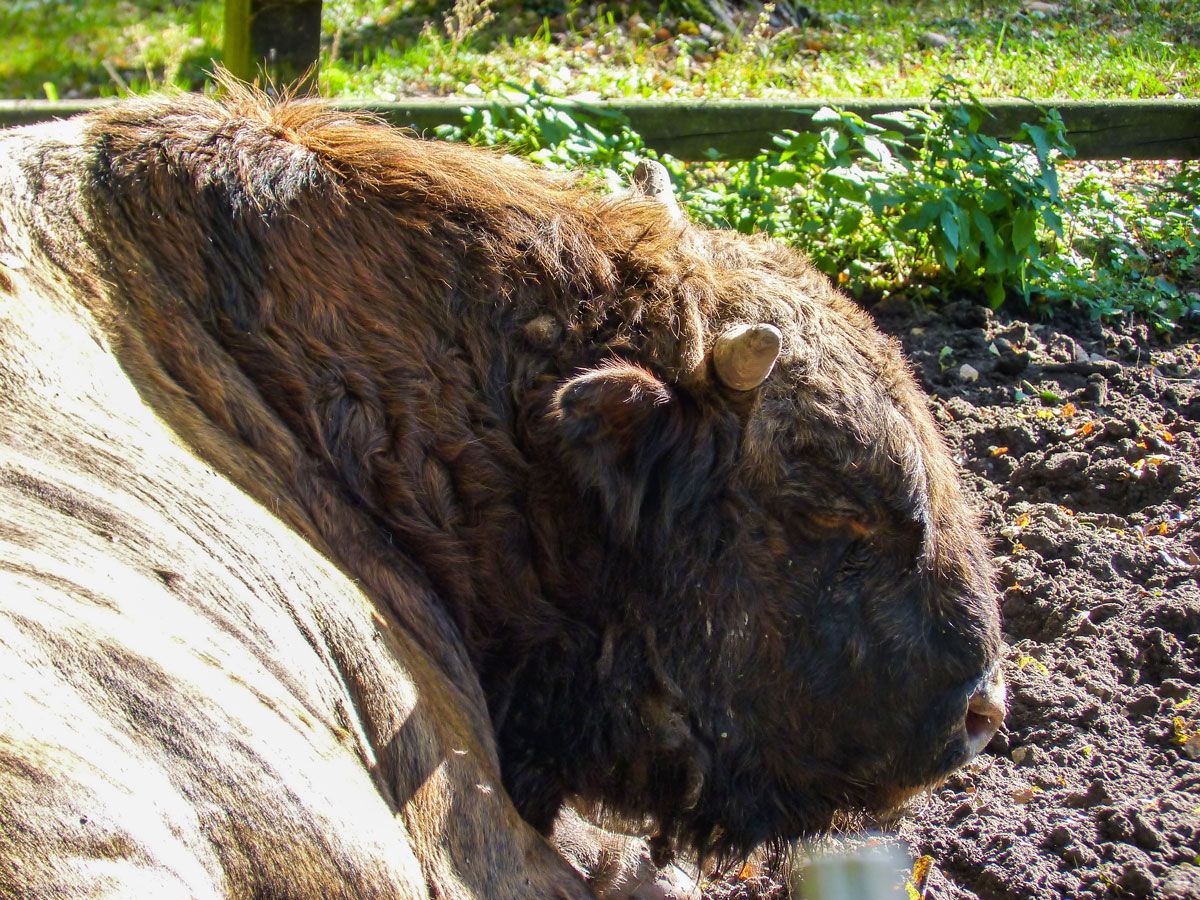
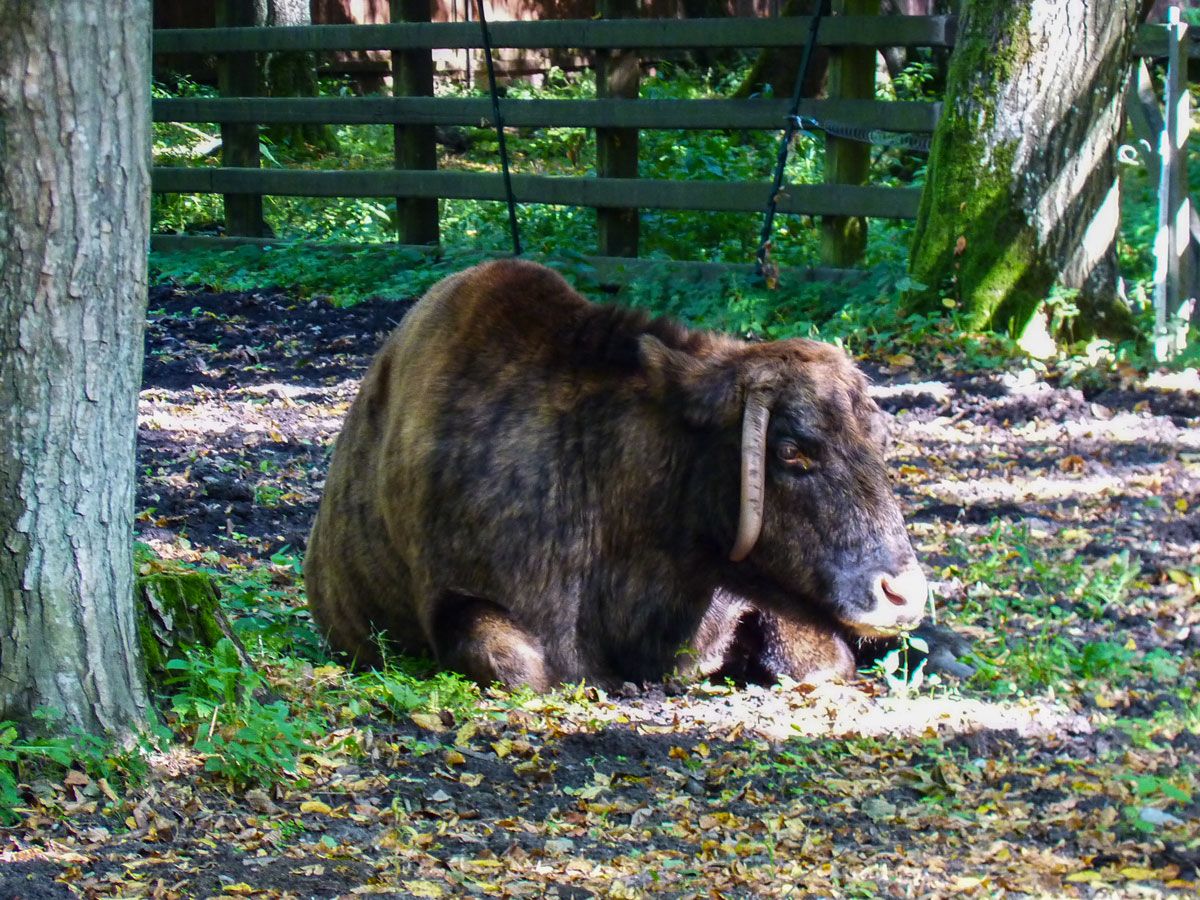
People have always been experimenting. Whether it's a curiosity and a love of learning, or a desire to play god - motivations vary. On the one hand, we want to improve the world; on the other - to subdue it and make it more efficient. Sometimes we are like children experimenting out of pure curiosity, with varying degrees of success.
Apart from wisents and żubroń, the reserve also hosts wolves, elks, lynx, deer, boars, and the Polish Konik horses. I wanted to see the wolves the most. Unfortunately, that day they didn't show up, and elks neither.
A few other residents were in very lazy moods.
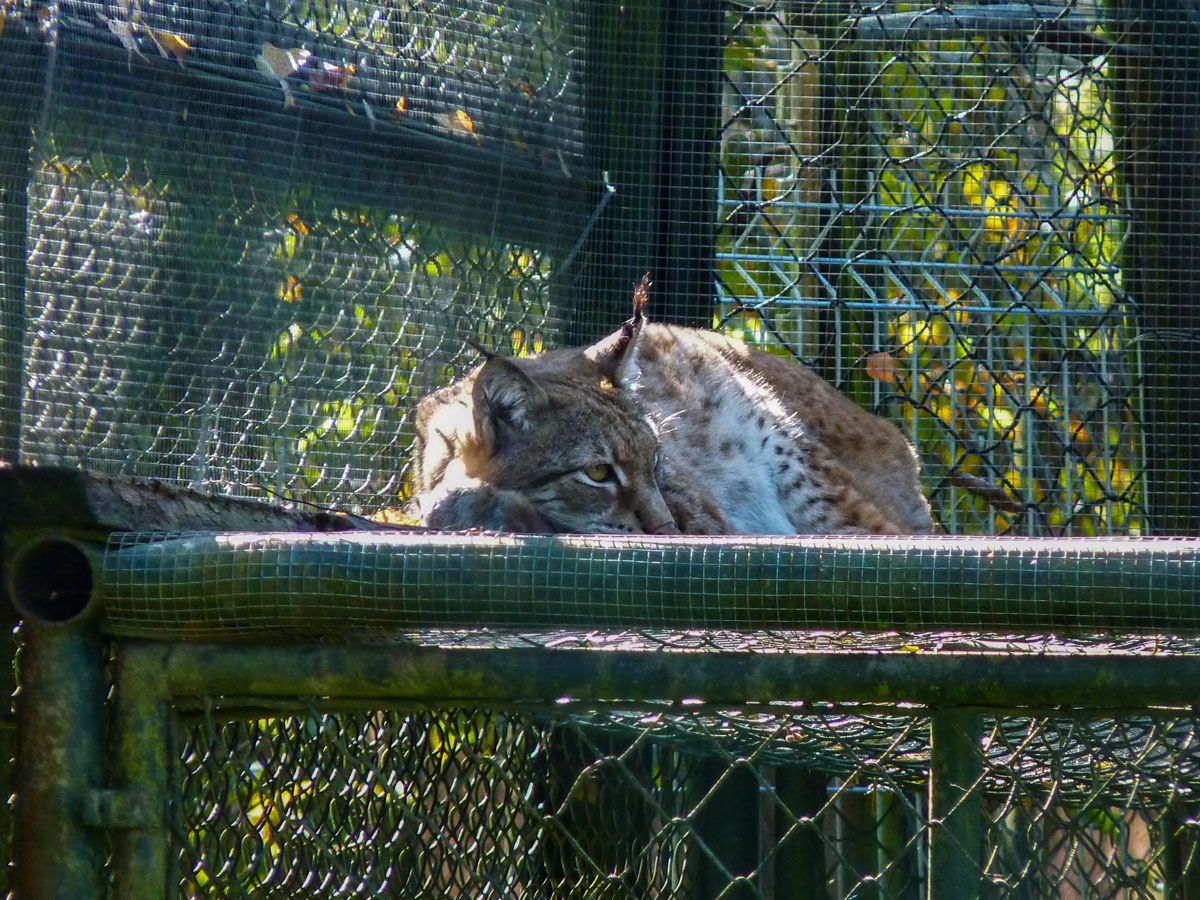
The lynx took a nap in the shade.
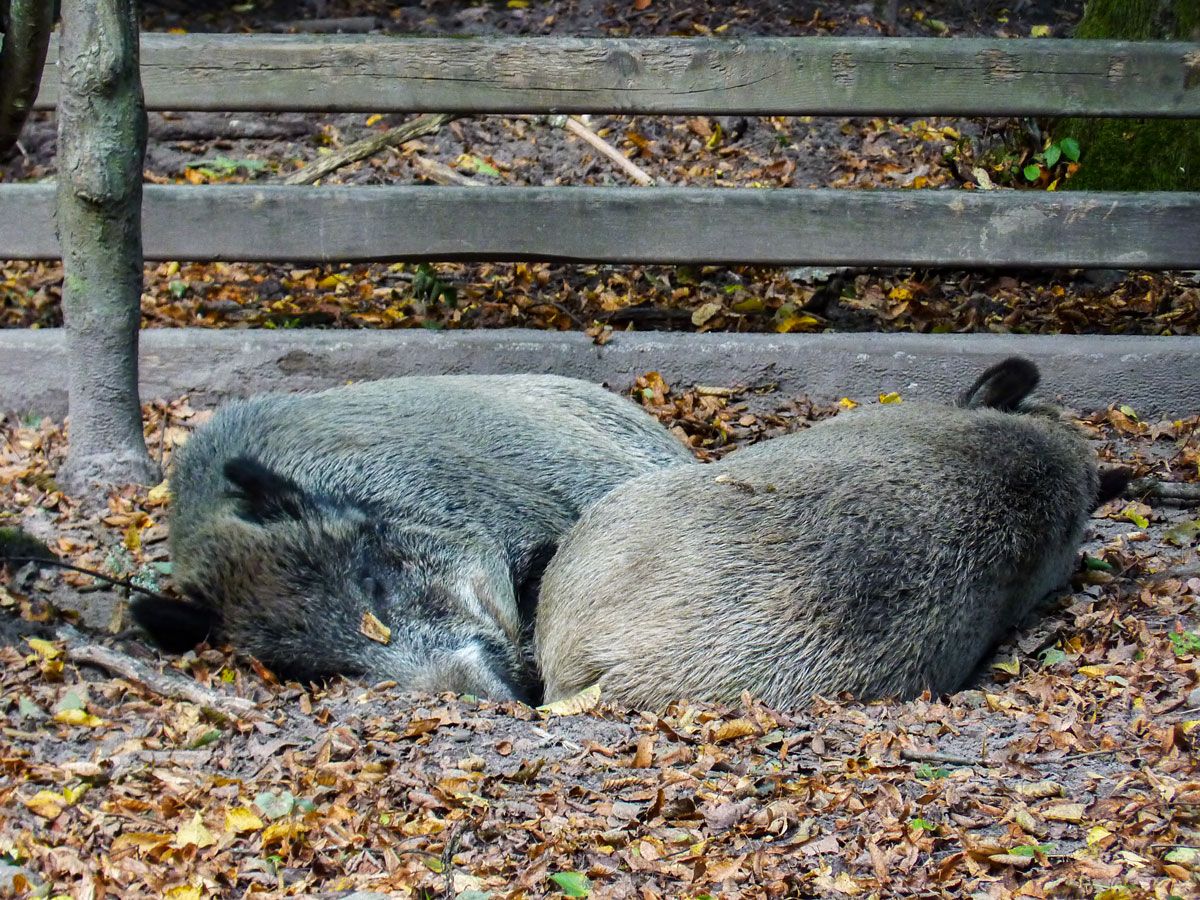
All the boars slept like a log.

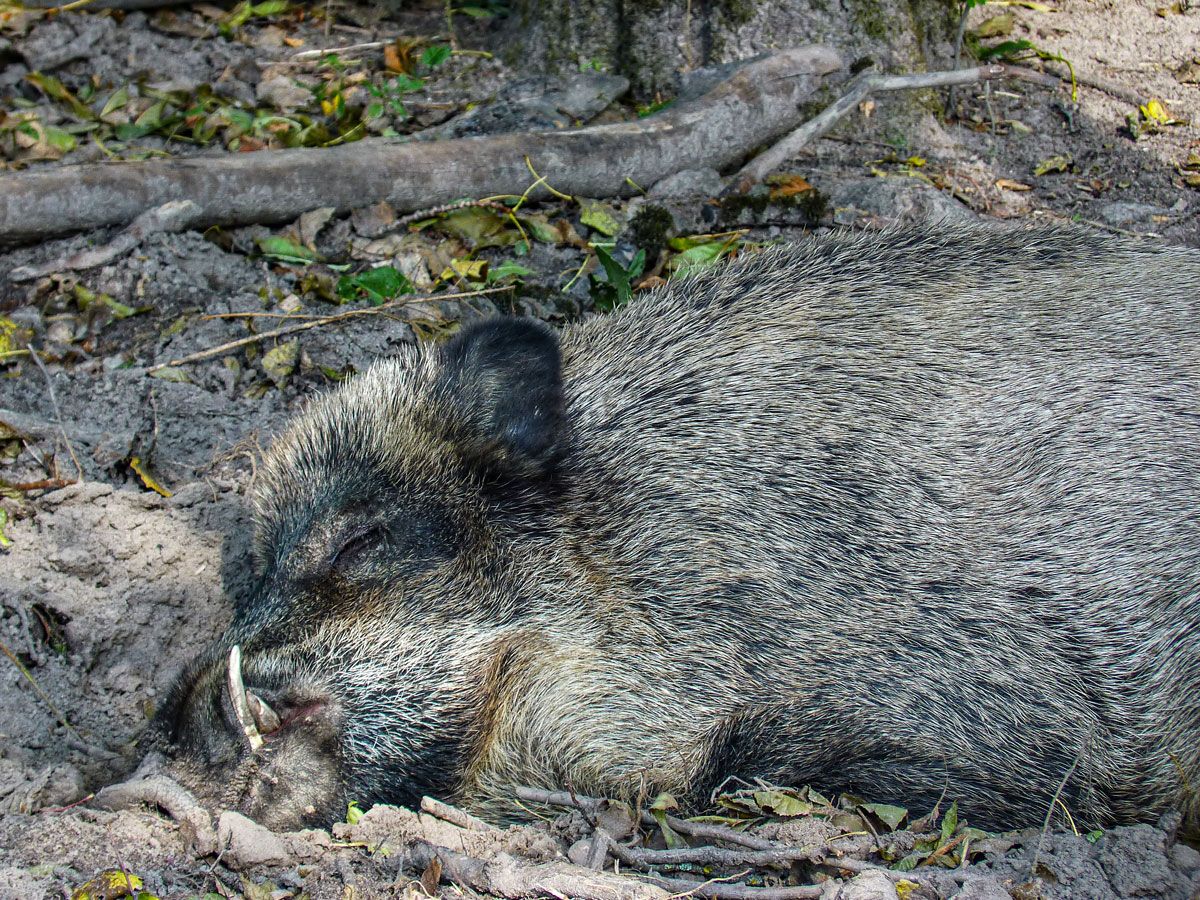
There's nothing like a nap in soft mud!
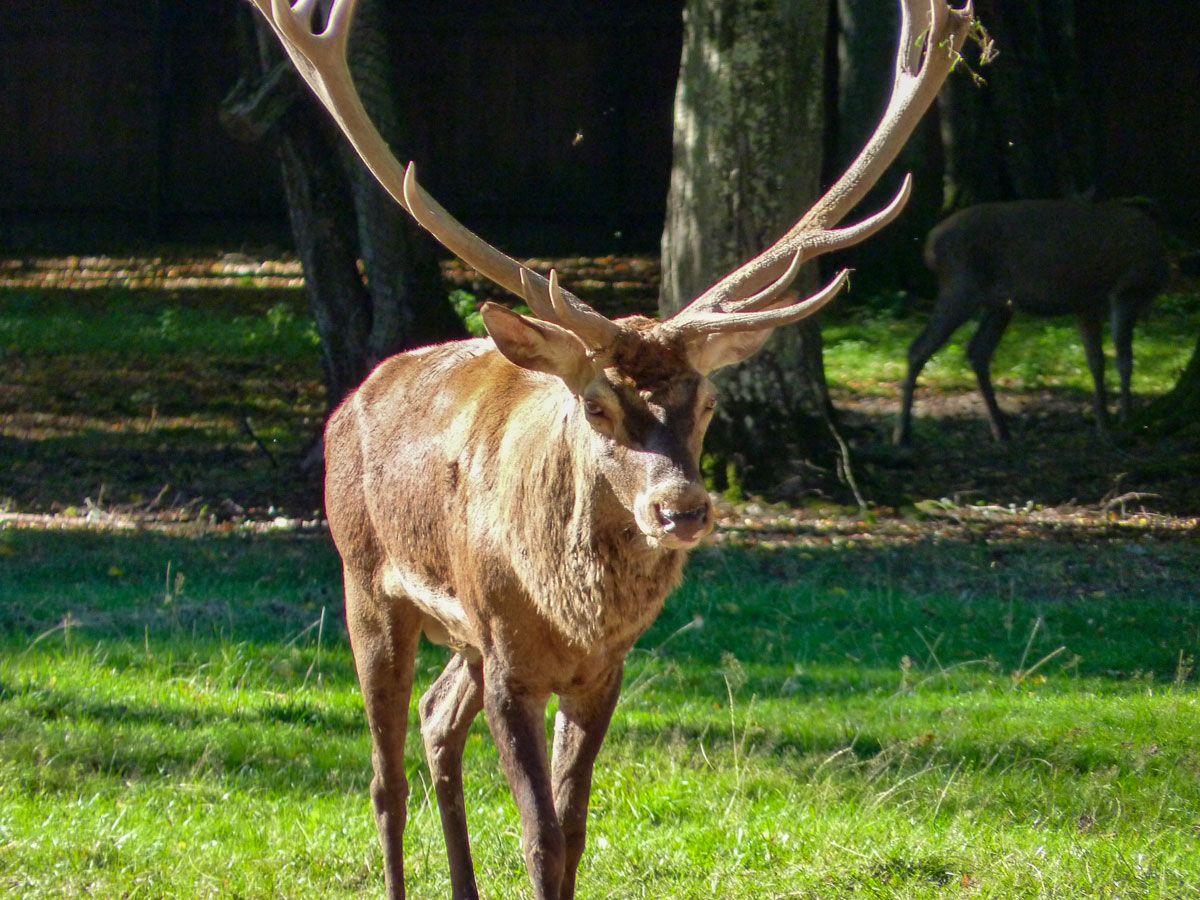
For the first time in my life, I heard a deer roar, it was amazing!
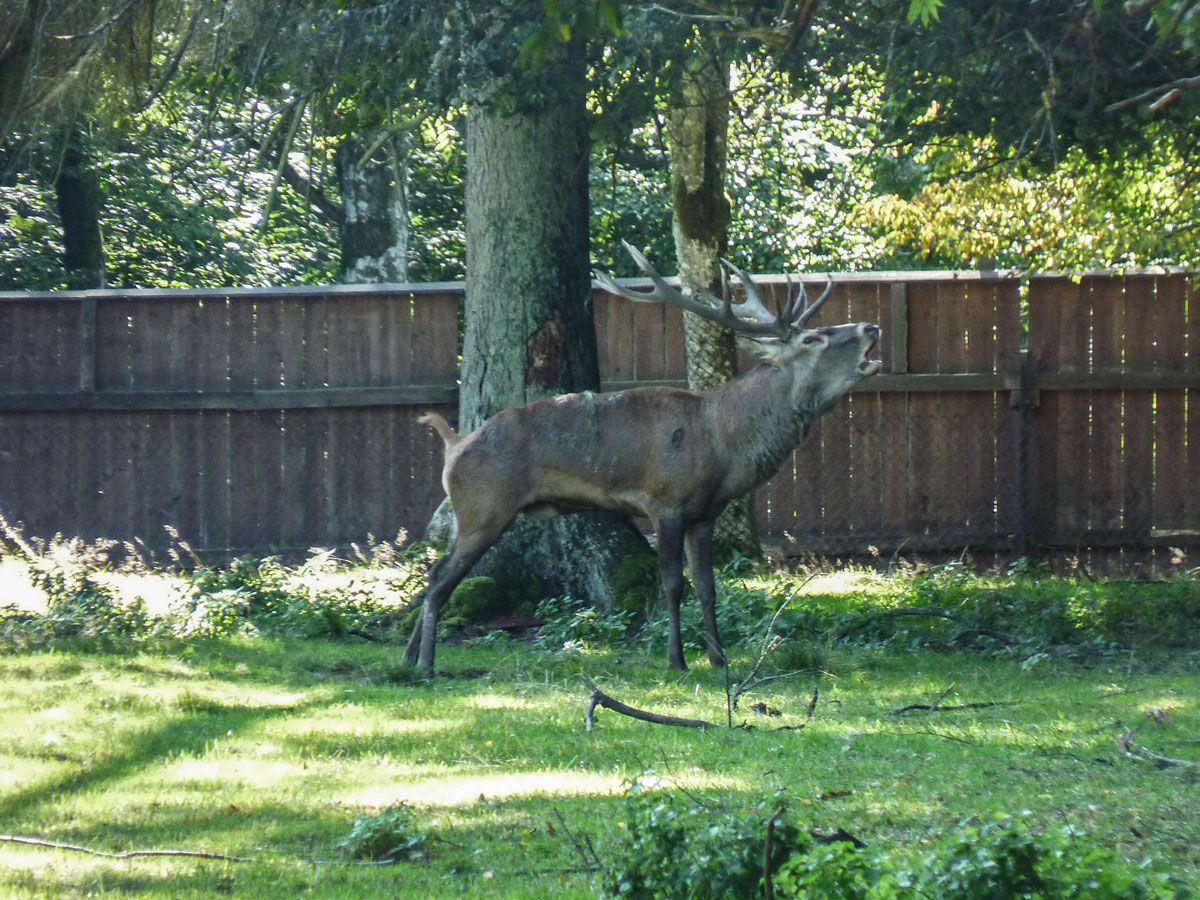
The deer mating season was still ongoing, and the male courted one of the does.
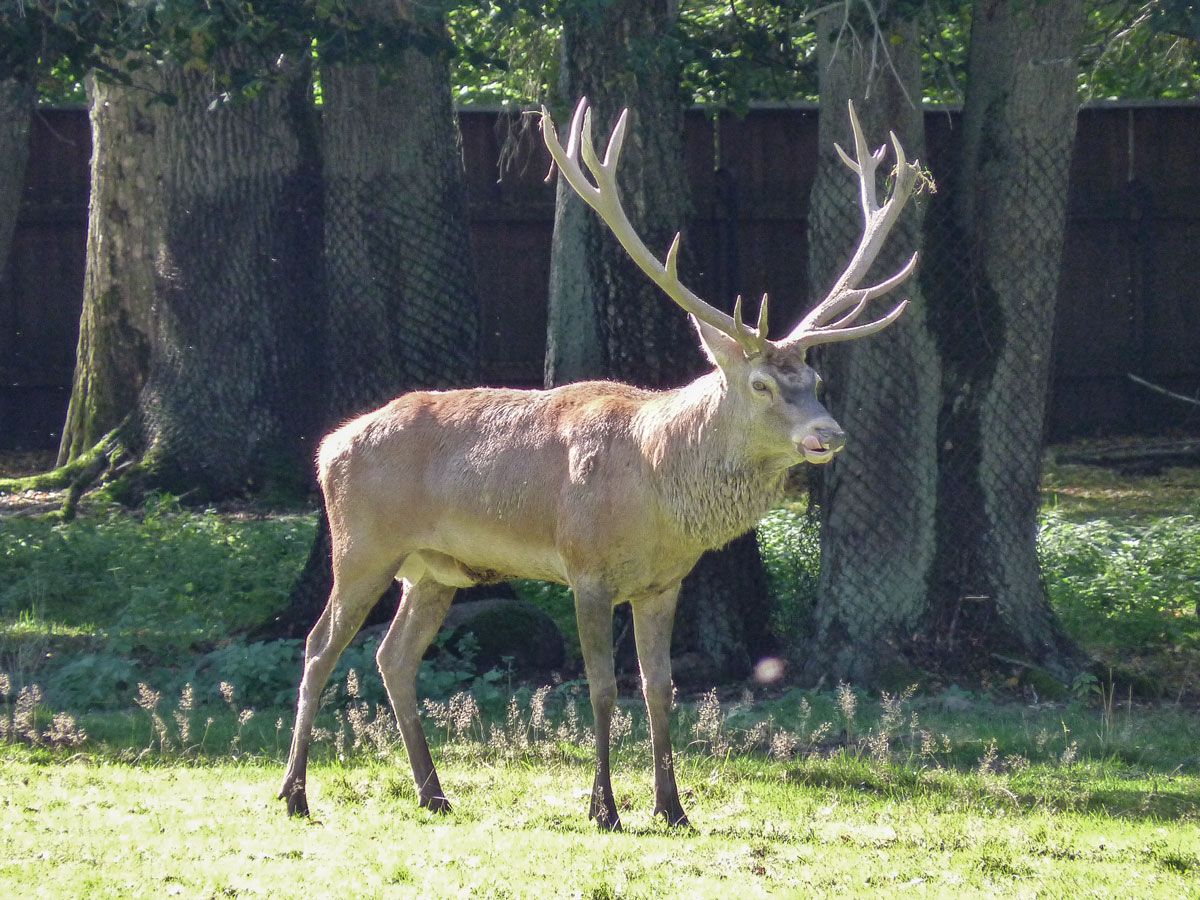
He was still following her, but she avoided him.
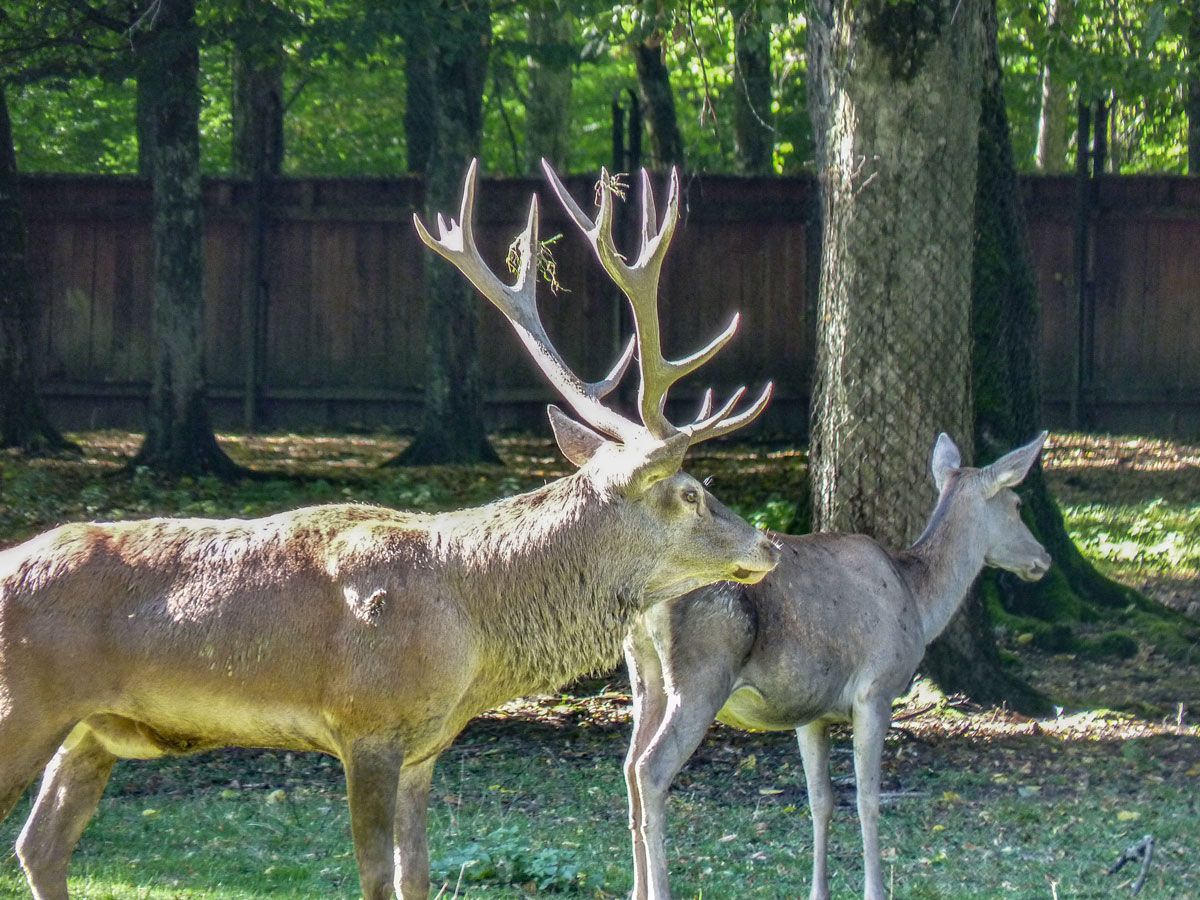
That look: Oh no, he's coming here again!
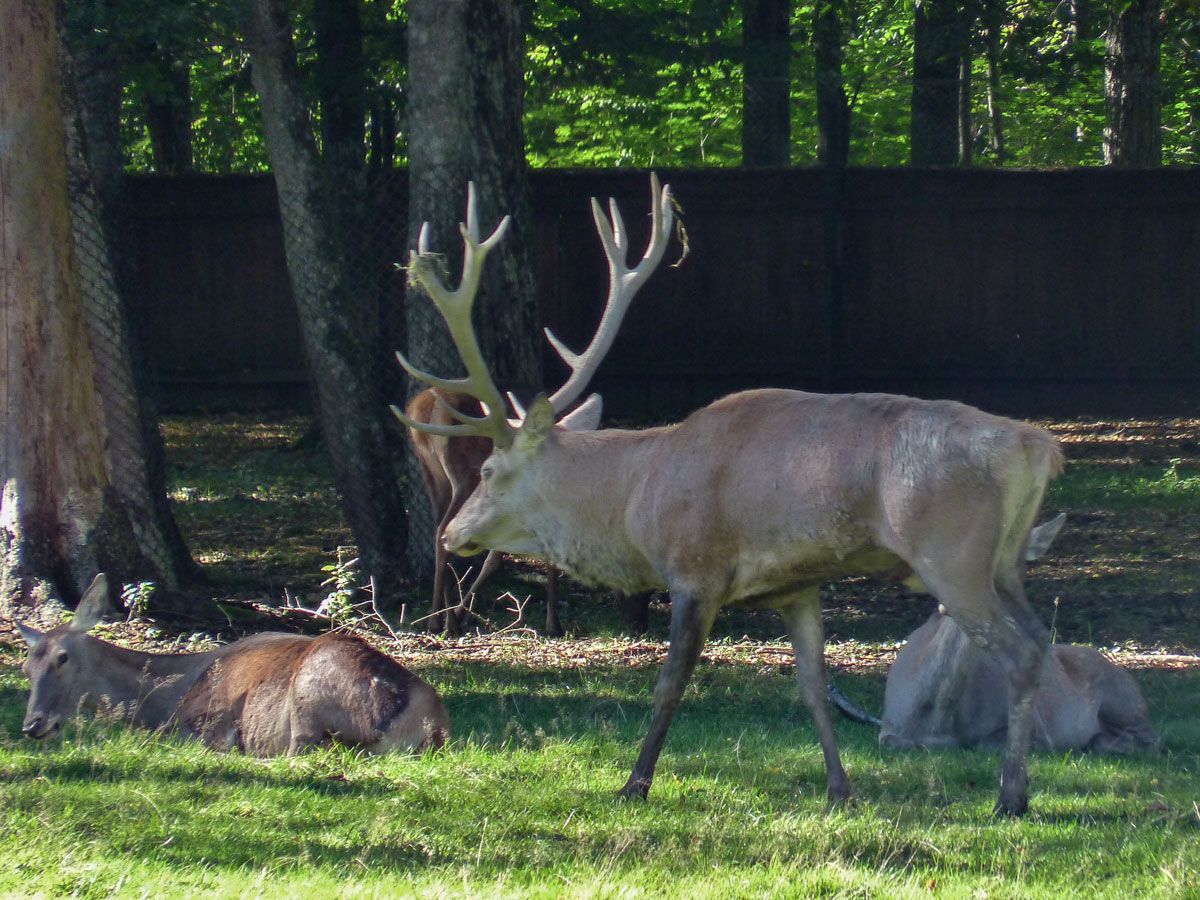
Hey pretty, are you sleeping?
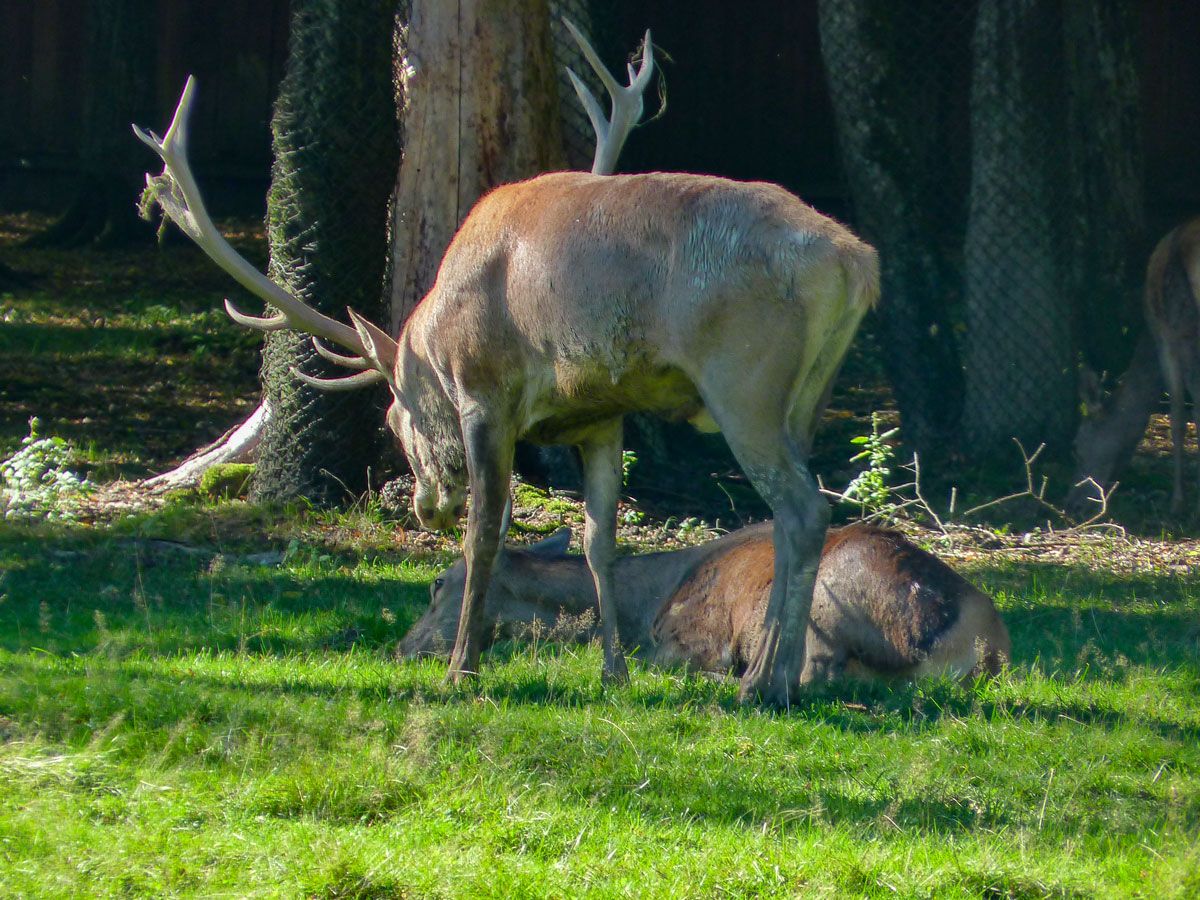
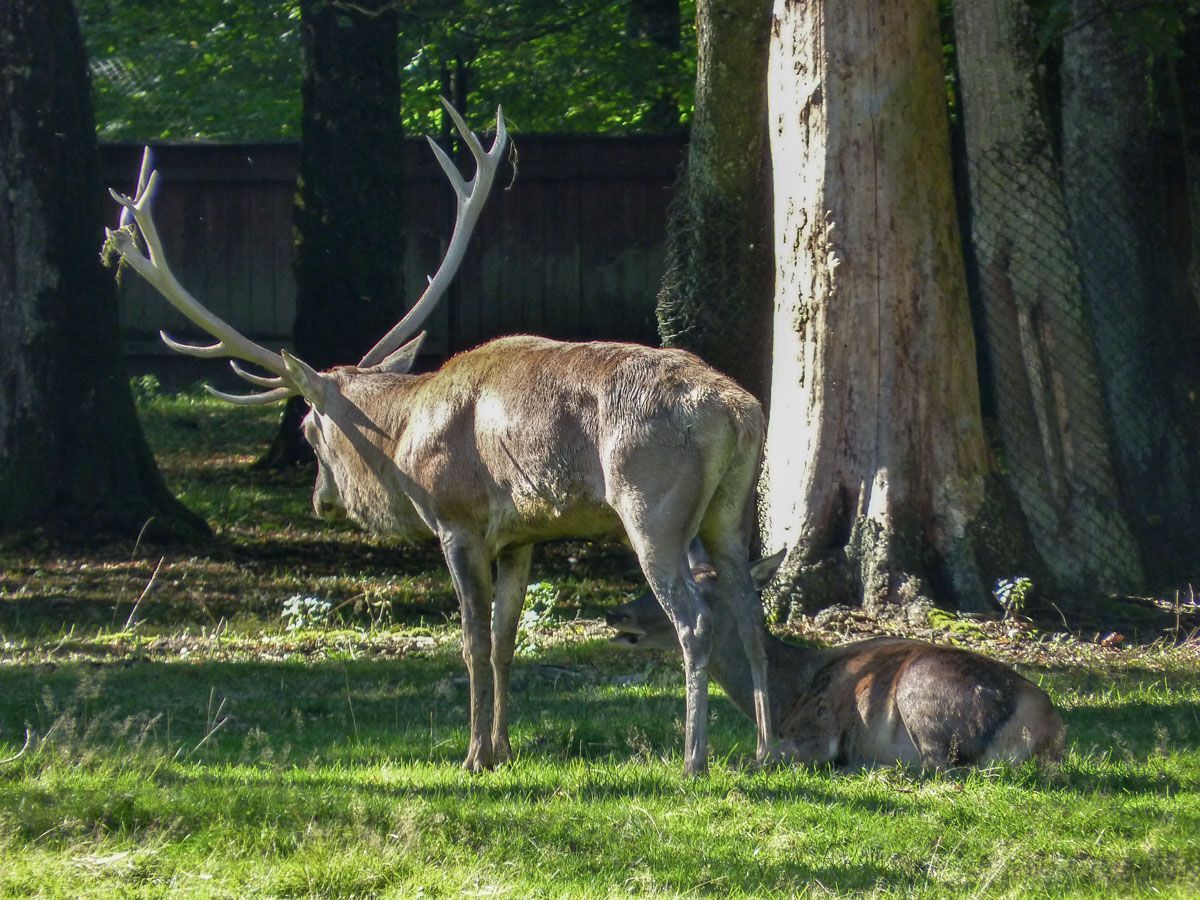
It looked like neither of the ladies was in an amorous mood.
The nicest animals in the resereve were the Polish Konik horses (Polish primitive horses, kind of pony breed).

These little horses (max height 130-140 cm at the withers) are very hardy and disease resistant. They are similar to tarpan, an extinct wild horse.
The reserve is not a typical zoo with a huge number of animals, but a quiet place where you can see several local species. It'is a good alternative for those who don't like forest hike at dawn in search of wild animals ;)
