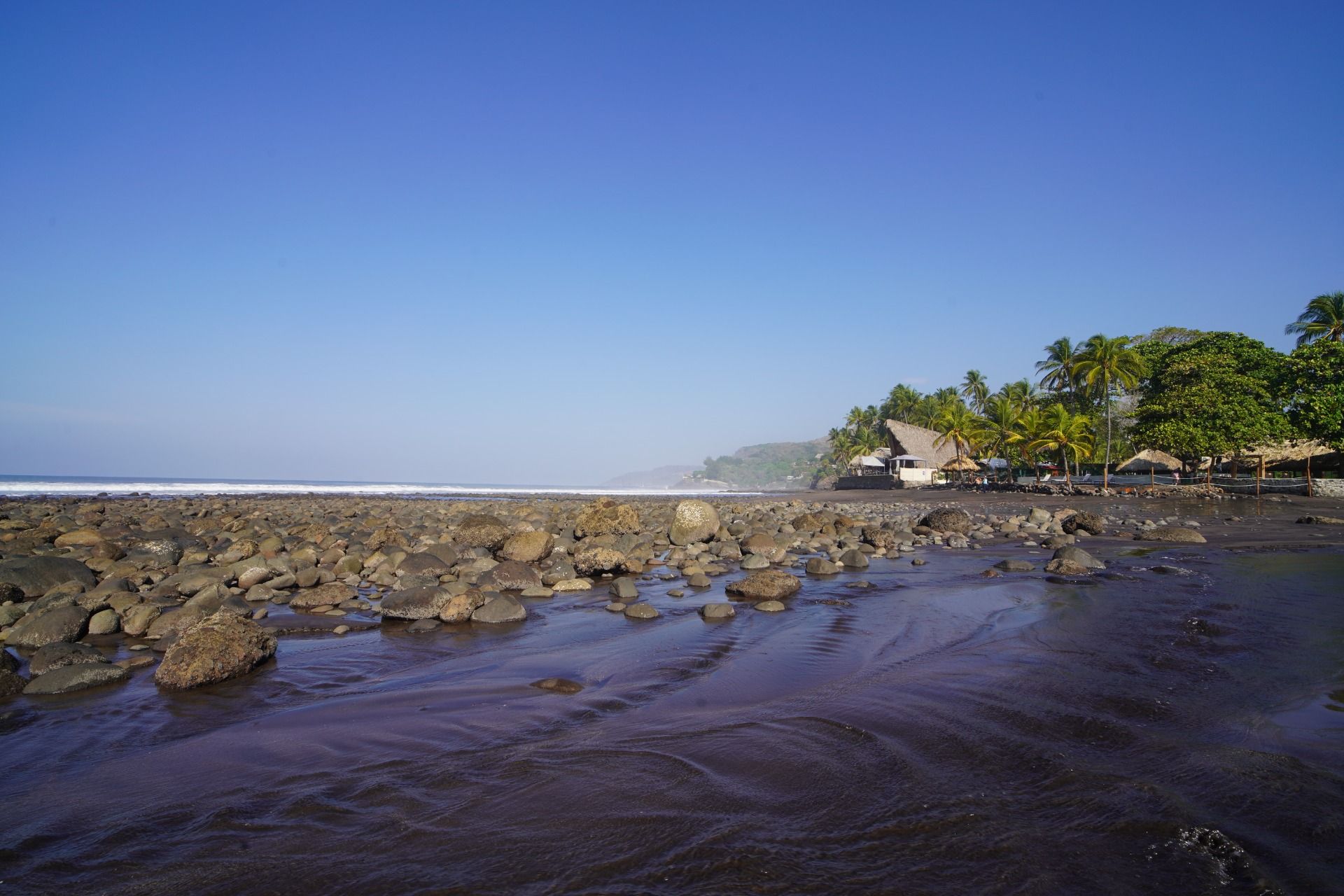
 El Salvador
Why I Traveled to El Salvador
When Bitcoin became the reason to travel
This is a question I kept hearing in my own head long before I ever set foot on the plane: why would someone choose a small, often overlooked country in Central America as their next destination?
The honest answer is that it didn’t begin as a travel decision at all. It began with Bitcoin.
The shift in 2024
At the start of 2024, after finishing a winter seasonal job, I suddenly found myself with a small amount of savings—nothing life-changing, but enough to make me pause and reconsider the usual default of simply leaving money to sit quietly in a bank account. Around that time, my attention kept drifting back to something I had first stumbled across years earlier, in 2017, when Bitcoin briefly exploded into public awareness and then just as quickly became surrounded by noise, confusion, and half-truths. Back then, I dismissed it like most people do when something feels too abstract or too chaotic to understand.
But in early 2024, something had clearly shifted.
The introduction of Bitcoin ETFs marked the beginning of a new phase—one where Bitcoin was no longer just a fringe experiment discussed on the edges of the internet, but something increasingly absorbed into the structures of traditional finance. Curiosity turned into routine: videos, articles, late-night reading sessions. And then, almost without noticing the exact moment it happened, I started converting my savings into Bitcoin.
It felt uncertain at first—almost uncomfortably so. But the deeper I went, the more that uncertainty slowly transformed into fascination. I wasn’t just learning about a technology anymore; I was being pulled into an entirely different way of thinking about money, trust, and systems. Books followed, more research, and gradually Bitcoin stopped being just an investment topic and became something closer to a worldview.

Why El Salvador entered the picture
And somewhere inside that growing world, one name kept appearing again and again: El Salvador.
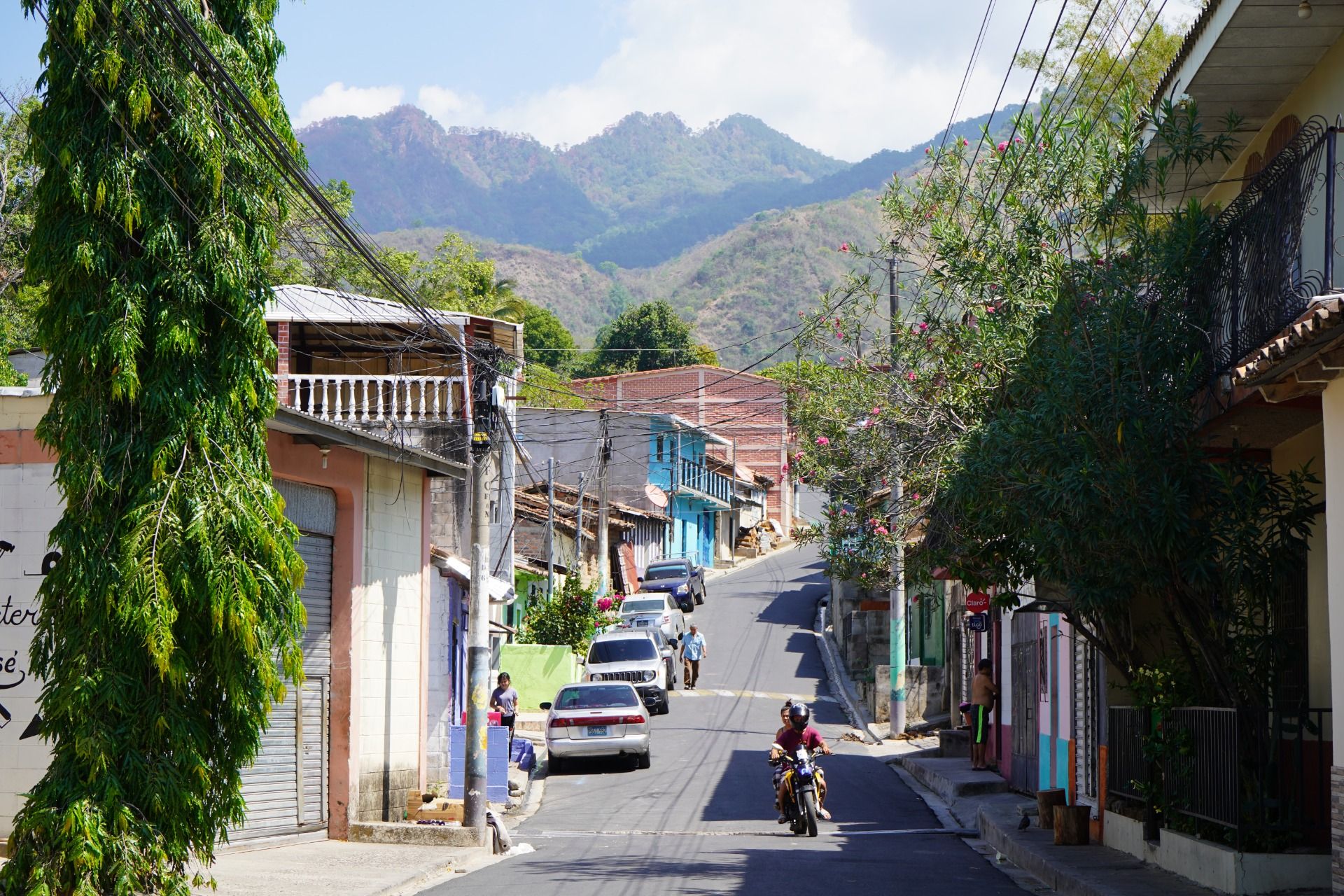
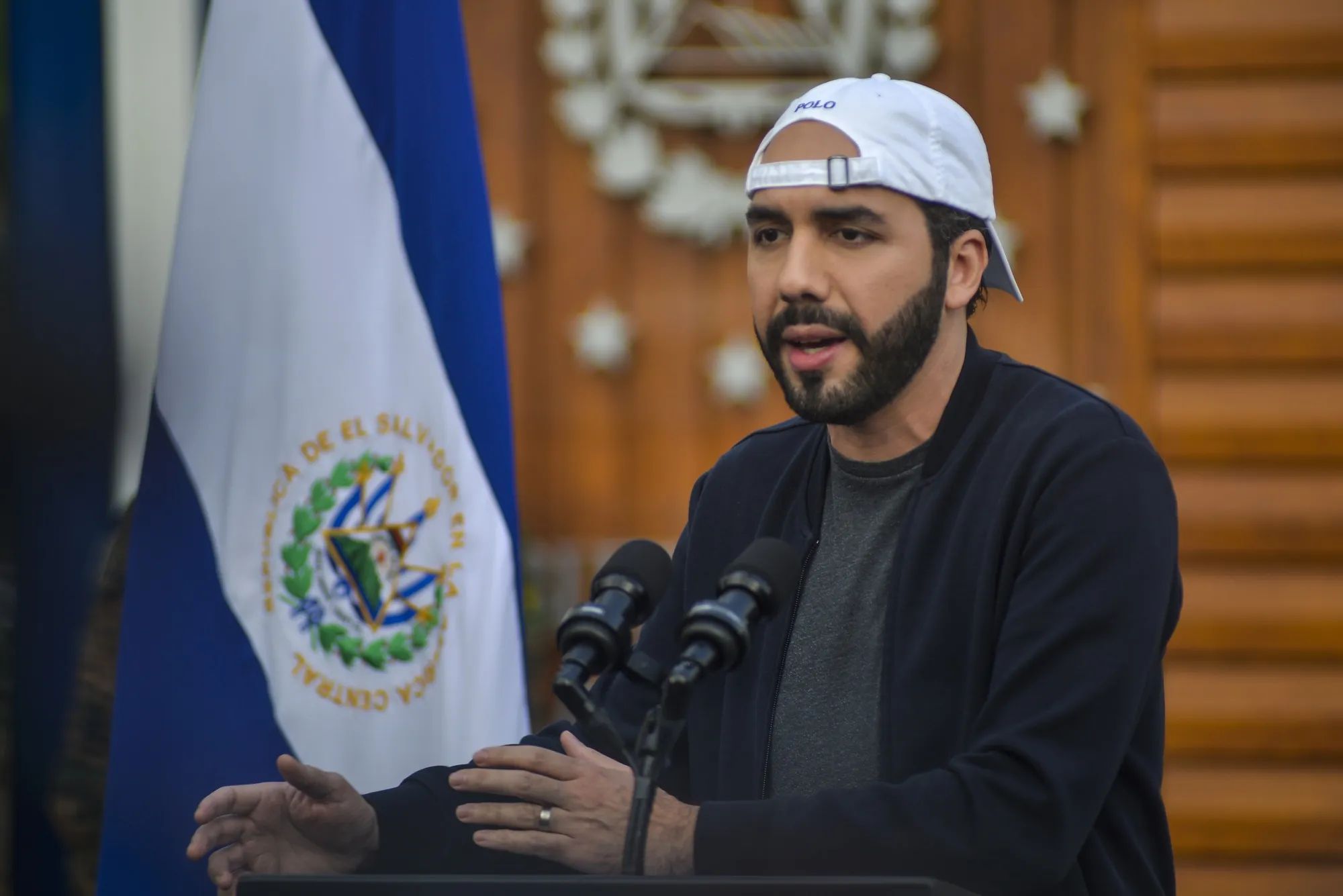
In 2021, under President Nayib Bukele, the country made a decision that the rest of the world still struggles to fully process—it became the first nation to adopt Bitcoin as legal tender. Not as an experiment in theory, but as an actual state policy. Since then, the government has continued buying Bitcoin daily, and what followed was something few could have predicted: a global community of Bitcoin believers, builders, and curious outsiders slowly began to orbit the country.
What was once considered one of the most violent and unstable countries in the Western Hemisphere started to reappear in conversations in a completely different context—not as a warning, but as a question mark, even a possibility. A place where something unusual was unfolding in real time.
By the end of the 2024 winter season, the decision had already formed quietly in the background of everything else I was doing: if I was going anywhere next, it would be there.
Not because it was the obvious choice.
But precisely because it wasn’t.
And that’s where this story begins.
Planning the journey
As is often the case with my travels, I planned roughly a month in El Salvador, hoping to fit in a couple of weeks of Workaway volunteering somewhere along the way. Since the country is far from a mainstream tourist destination, the number of available opportunities was limited—barely twenty listings on Workaway.
As usual, I reached out to several hosts, and after a few exchanges, I received three or four serious replies. One of them stood out immediately: a permaculture farm in the north of the country. I connected with one of the volunteers there, Ruben, over WhatsApp, and from the very first conversation he seemed like a perfect fit for the kind of place I was looking for. Even more unexpectedly, he turned out to be a Bitcoin enthusiast as well, and mentioned that he could introduce me to other “maxis” currently in El Salvador.
At that point, it already felt like the journey had started taking shape.
The journey to Central America
I flew from Amsterdam with KLM, and after a long chain of connections—San Francisco, Los Angeles, and finally Central America—I landed in San Salvador at around five in the morning.
Exhausted, slightly disoriented, and running on almost no sleep, I stepped out into a completely new world. I had been through long journeys before, but there’s always a familiar edge of uncertainty when you arrive somewhere unknown at dawn.

First impressions of El Salvador
El Salvador itself is a small Central American country on the Pacific coast, squeezed between Guatemala and Honduras. Despite its size, it is home to more than six million people and uses the US dollar as its official currency. For many, the country is still associated with its past—gang violence, poverty, and instability—but in recent years it has undergone a dramatic transformation under President Bukele. Safety has improved significantly, infrastructure is developing rapidly, and the country is slowly appearing on the map for surfers, travelers, and digital nomads alike.
They call it the “land of volcanoes,” and not without reason: more than twenty volcanoes rise across the landscape, including the striking Santa Ana. The coastline is known for world-class surf, and the locals for their warmth and openness.
Into San Salvador
That morning at the airport, my goal was simple in theory: reach my volunteer farm directly. In practice, it meant stepping into an unfamiliar transport system while dealing with jet lag and exhaustion.
After navigating the chaos of taxis and airport traffic, I quickly realized there was no obvious bus stop. Two locals gave me completely different instructions, and I found myself standing on the roadside trying to make sense of passing buses. Eventually, I discovered I was dealing with the colectivo system—informal buses that stop wherever passengers wave them down, part transport system, part moving social space.
Once I understood that, everything changed. I flagged one down and stepped into the Salvadoran rhythm of life: loud music, open doors, people hopping on and off mid-motion, and a fare of just a few cents dropped into a small metal box.
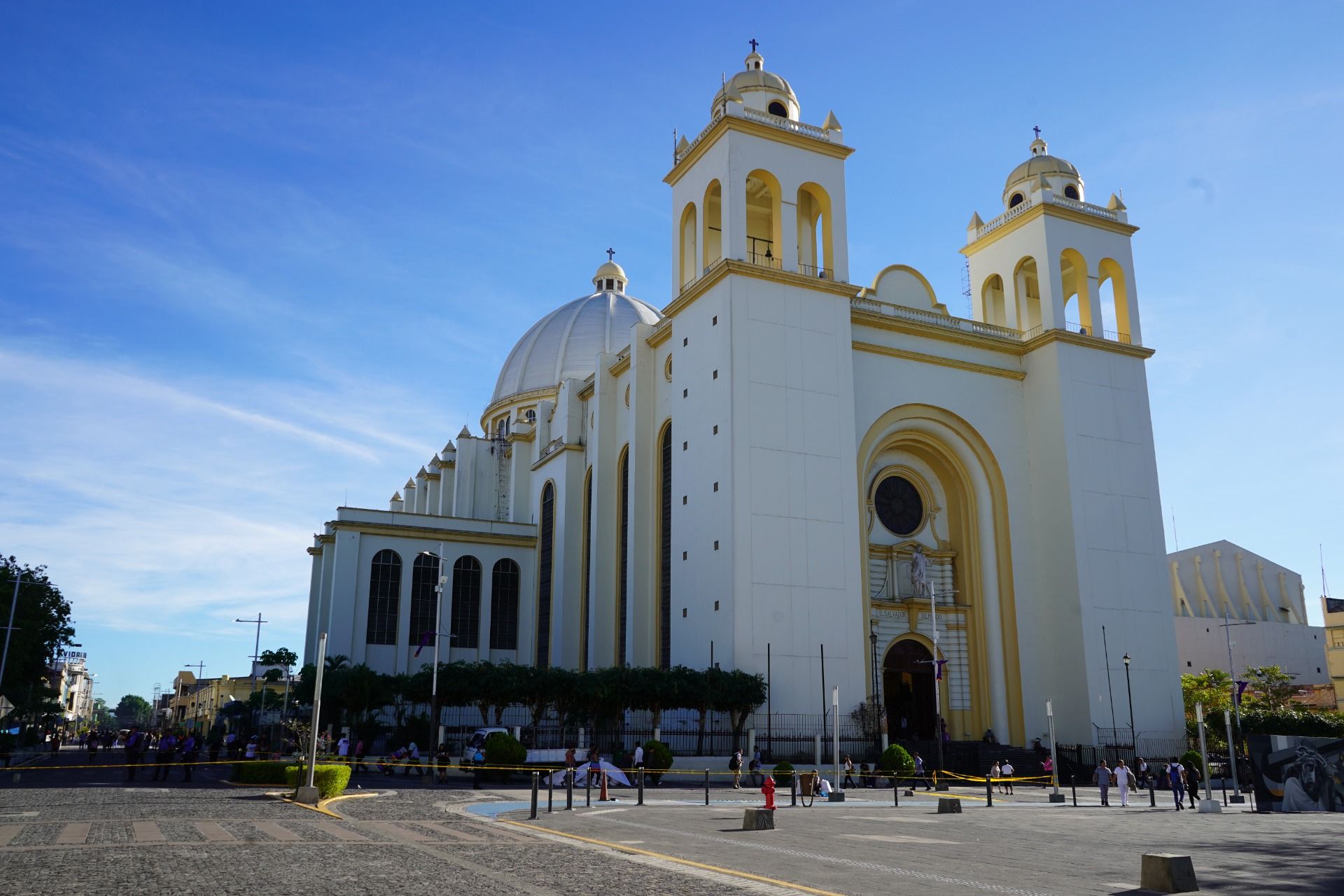
My first impression of San Salvador was mixed. The city felt chaotic, noisy, and overwhelming, and I was too tired to fully process it. Still, I made my way to the historic center, where beautifully restored colonial buildings suddenly shifted my perception. The contrast was striking: newly renovated streets on one side, and only a few blocks away, signs of poverty and decay.
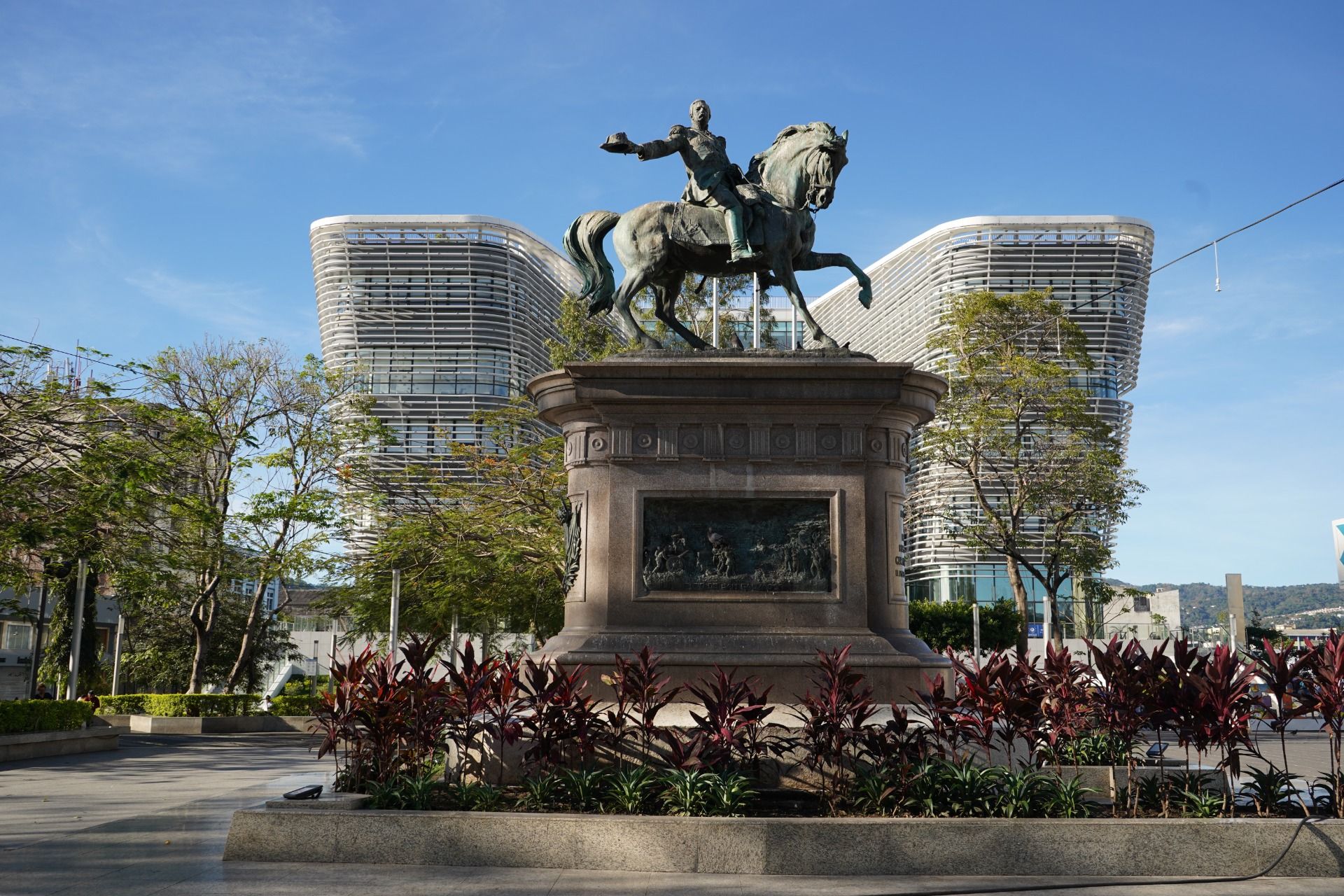
After a quick stop at a Burger King to recover from jet lag and hunger, I tried again to figure out how to reach the northern bus terminal. After multiple failed attempts asking locals, police officers, and street vendors, I eventually gave up and ordered an Uber.
Leaving the city behind
From there, a long bus journey took me north toward Chalatenango. At one of the crossroads, I transferred to a smaller bus heading toward Dulce Nombre de María, and after a short walk, I finally arrived at the farm: Esquinita del Bambú.

Arrival at the farm
At the entrance, I was greeted by Ranulfo, a calm, elderly Salvadoran man whose presence immediately grounded the place. Over coffee, he told me his story: decades spent working in agriculture in Switzerland, where he built a life, raised a family, and eventually saved enough to return home.
With those savings, he slowly began transforming an abandoned piece of land into a permaculture farm—one that works with nature rather than against it. Bamboo became central: used for furniture, tools, and even construction. Over time, the farm evolved into a living ecosystem where plants, animals, and people coexist with minimal intervention.
What once looked like wild, forgotten land is now a carefully balanced system.
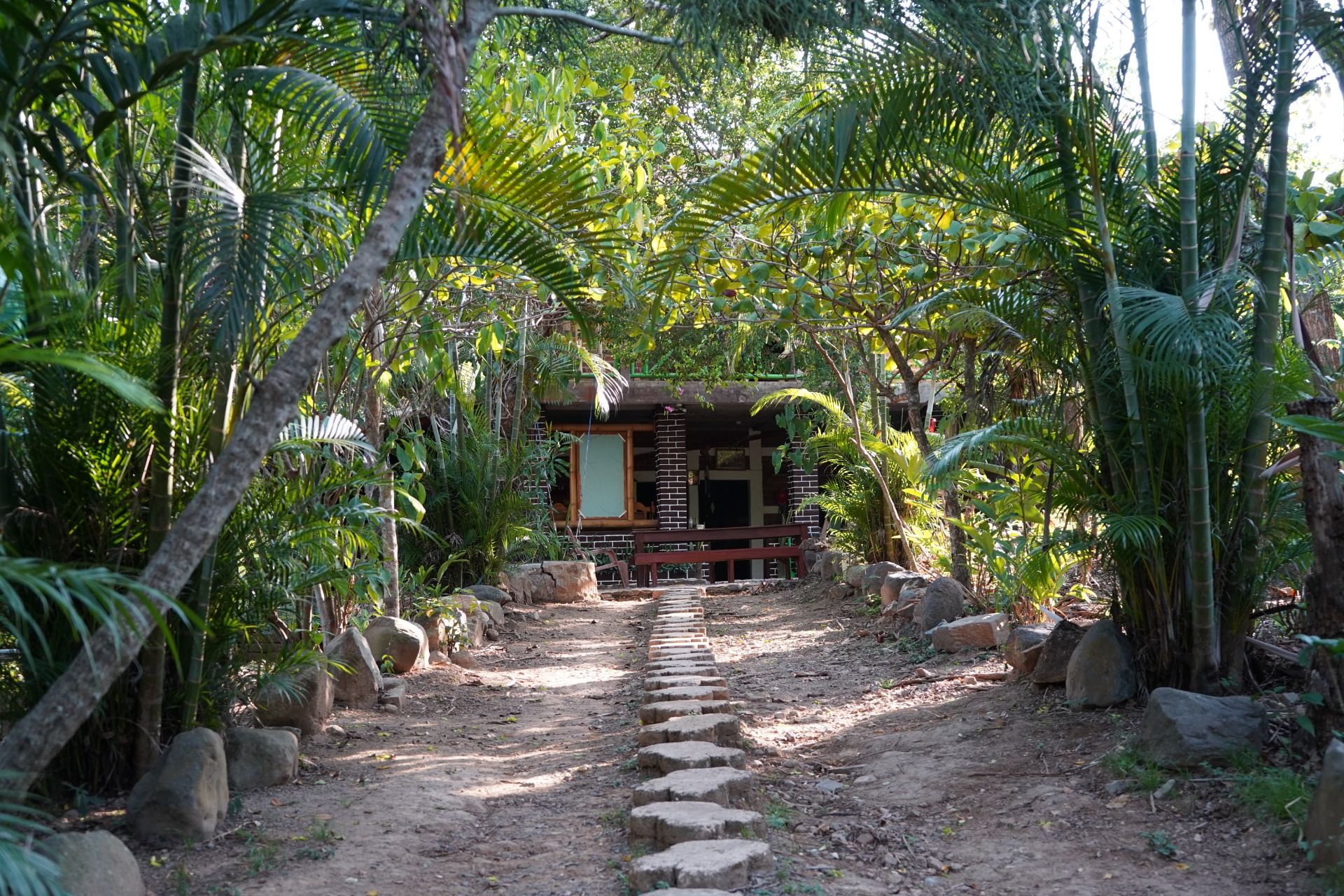
Soon after, I met the other volunteers, including Hagen, a young German traveler spending his gap year in Latin America. Despite language barriers, we communicated mostly in Spanish. The farm already had a small international community forming around it, and I was stepping right into the middle of it.
And just like that, the next chapter of the journey began.
