 Osaka, Japan
There’s something magical about visiting Japan in January. The crisp winter air, festive vibes lingering from the New Year, and the cosy atmosphere in every ramen shop and corner café. This time, I found myself wandering the vibrant streets of Osaka, a city that effortlessly blends ancient history with bright neon modernity.
A Spiritual Start at Shitennouji & Namba Yasaka Shrine
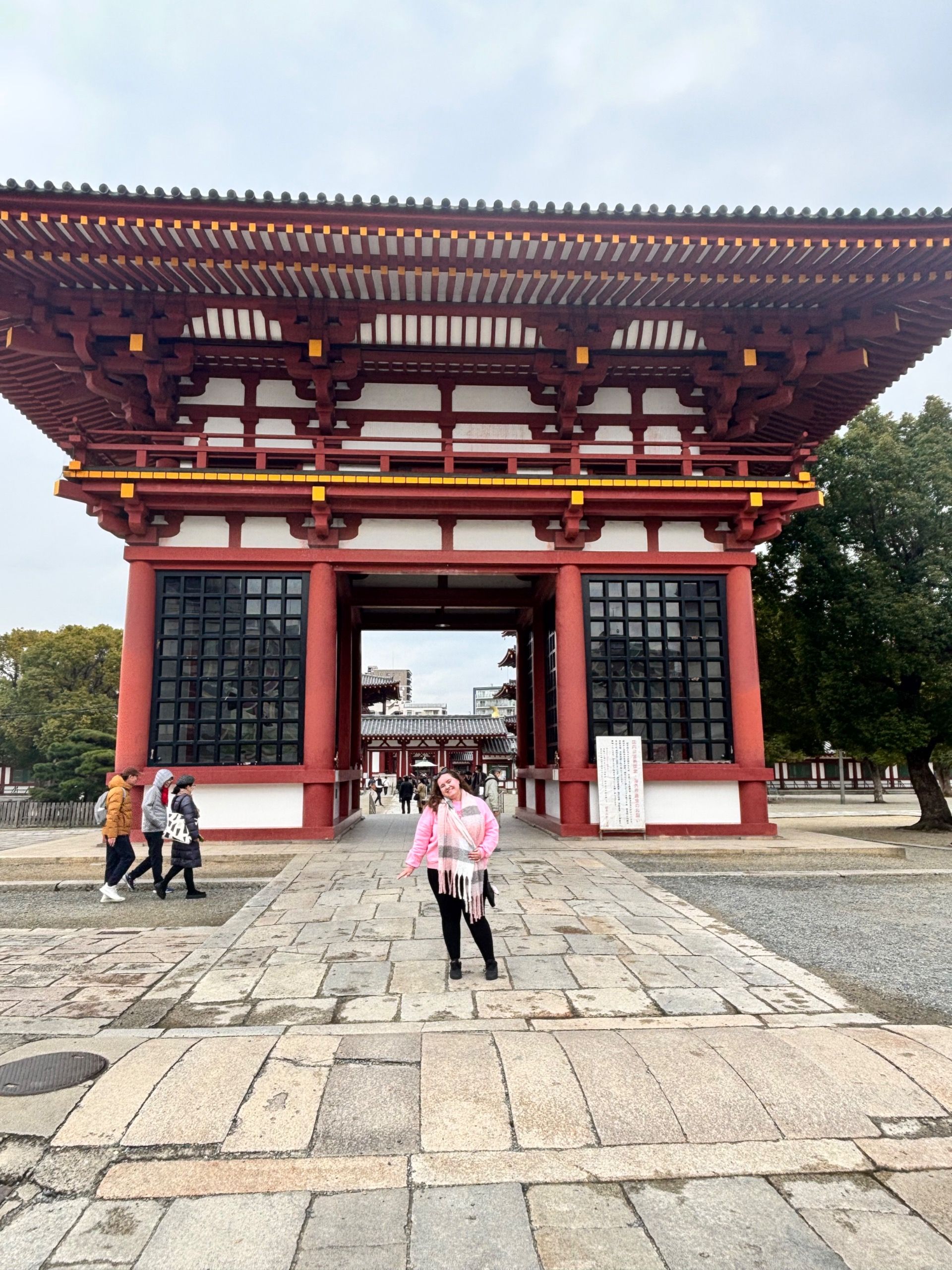
My journey began with a quiet morning at Shitennouji Temple, Japan’s oldest state-sponsored temple. Getting there was easy—I hopped on the Tanimachi Line and got off at Shitennoji-mae Yuhigaoka Station. A short walk later, I was surrounded by serene temple grounds, koi ponds, and the gentle chime of temple bells.
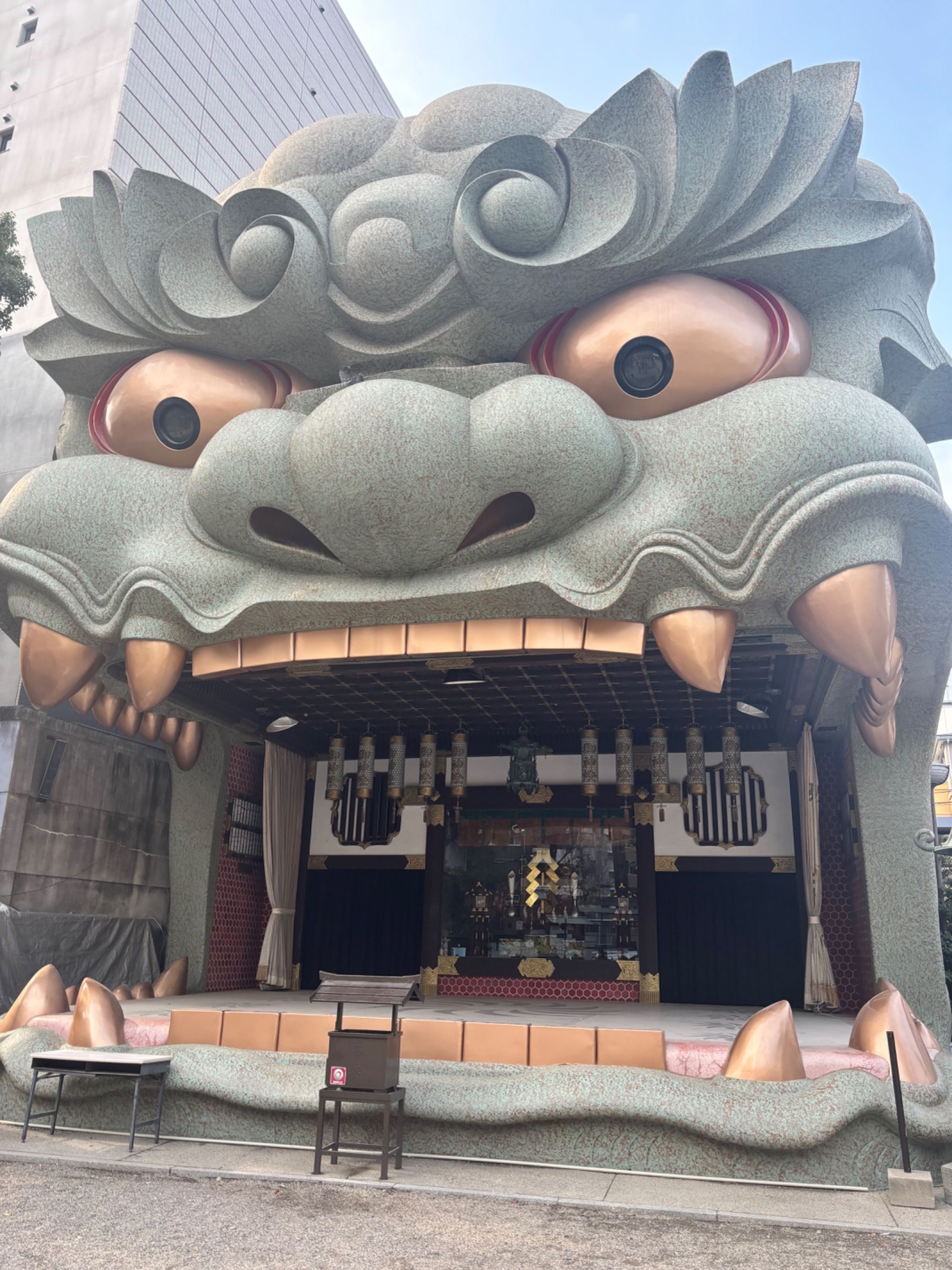
Next up was Namba Yasaka Shrine, home of the massive lion-head stage that has to be seen to be believed. From Shitennouji, I took a quick transfer using the Osaka Metro, arriving at Namba Station, one of the city’s main hubs. The shrine is tucked away just a few minutes’ walk from the station—a quiet spot in the middle of the action.
Lights, Charms, and Dotonbori Delights
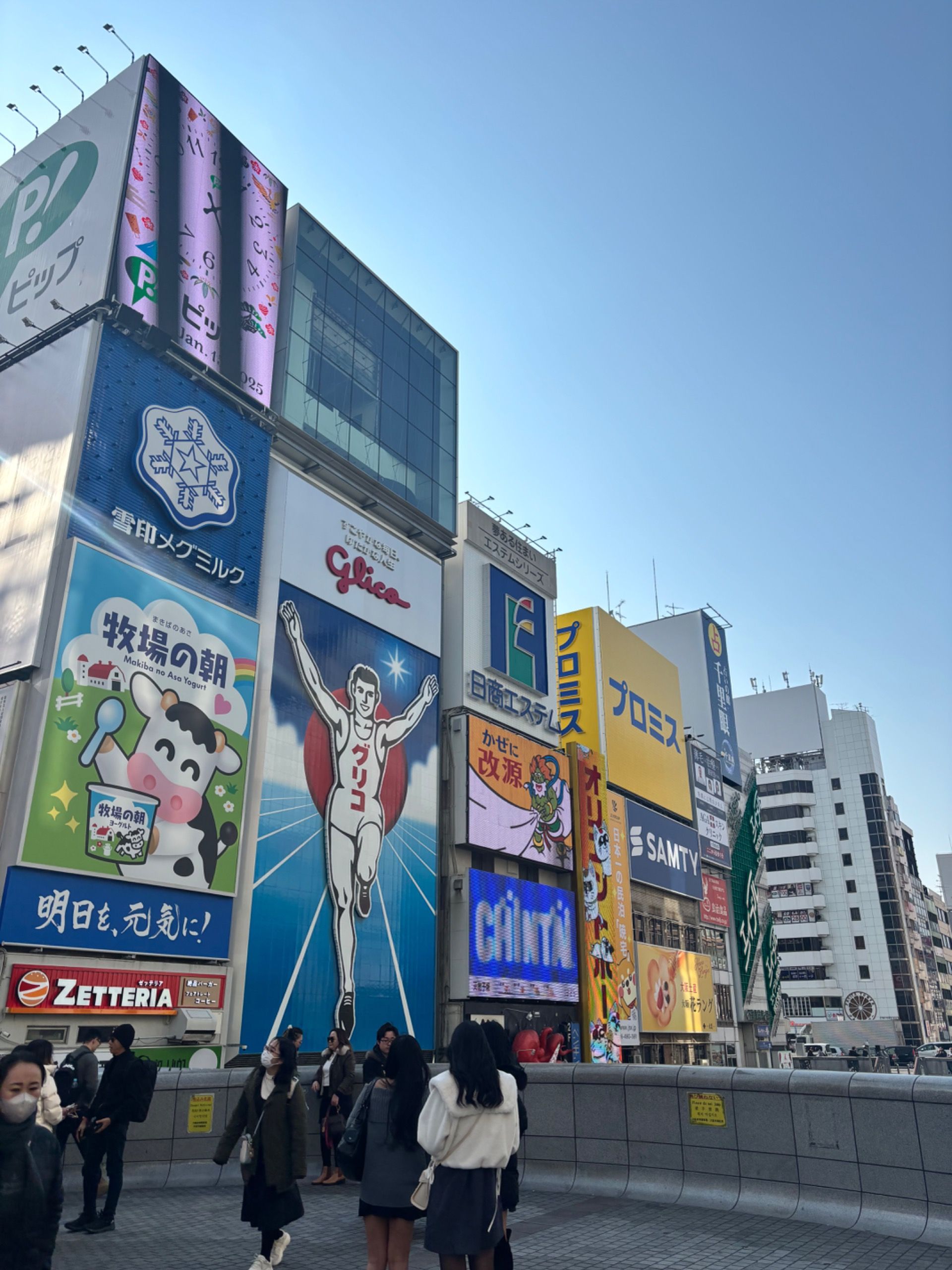
From Namba, it was just a short walk to Dotonbori, where I was swept up in the neon glow, the scent of sizzling street food, and the nonstop energy. I posed with the famous Glico Running Man sign, wandered along the canal, and even popped into Pandora to add a new charm to my travel bracelet. Shopping and snacking here is a must—and the Osaka Metro Midosuji Line makes it super easy to get in and out if you’re staying further out.
A Walk Through History at Osaka Castle
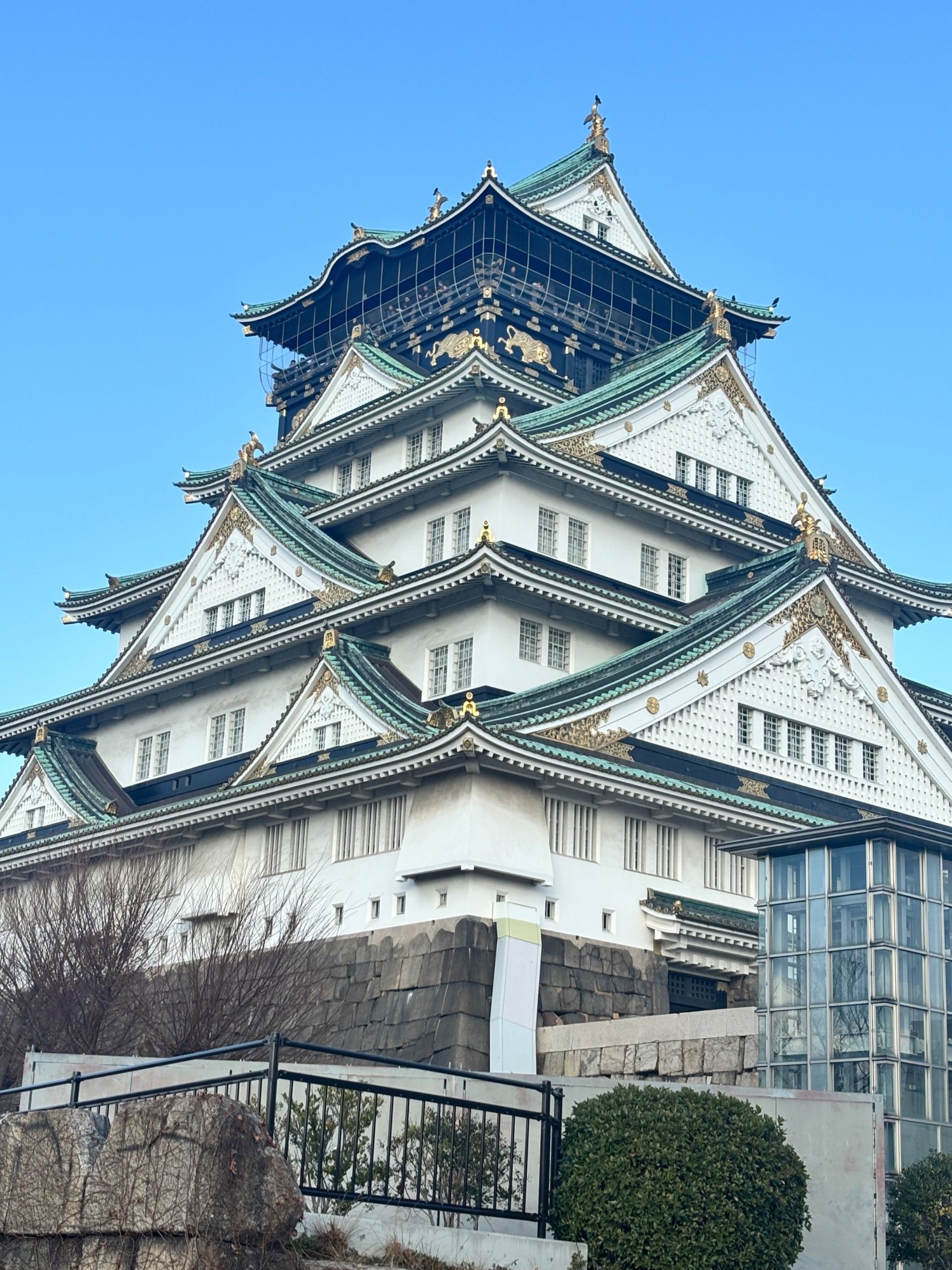
One of the most breathtaking places I visited was Osaka Castle, a true icon of the city and a symbol of strength and resilience. From Namba, I took the Chuo Line to Tanimachi 4-chome Station, then followed a peaceful route through Osaka Castle Park, where the wide walking paths, ancient stone walls, and stillness of the moat offered a calm contrast to the urban energy just beyond.
The castle, originally built in the late 1500s, was the vision of Toyotomi Hideyoshi, one of Japan’s greatest unifiers. He constructed it as a demonstration of power during the turbulent Sengoku period—a time when warlords vied for control across Japan. When it was first completed, Osaka Castle was the largest and most formidable fortress in the country.
Over the centuries, the castle faced destruction multiple times—from war and fire to lightning strikes. But like the city itself, it always rebuilt. The current structure, a majestic reconstruction completed in the early 20th century and beautifully restored since, still towers with pride, topped with green copper roofing and golden tigers gleaming against the sky.
I took my time exploring the expansive grounds. Even in winter, the plum trees were just starting to hint at blossom, and the still waters of the outer moat reflected the castle’s grandeur like a mirror. Walking up the stone steps toward the main keep, I could imagine the samurai who once patrolled this fortress centuries ago.
From the top platform, the views of the city were wide and sweeping, the skyline blending modern towers with layers of living history. It’s a place that makes you pause and take in just how deep the roots of Osaka run.
Cool Neighbourhoods and Cosy Moments
I visited Nishinakajima, a local neighbourhood not far from Shin-Osaka Station. I took the Midosuji Line and explored cosy cafés and small bakeries, soaking up the slower rhythm of local life. It was the perfect contrast to the grandeur of the castle and the buzz of Dotonbori.
Universal Studios Japan: A Winter Wonderland of Fun
Of course, no visit to Osaka is complete without a day at Universal Studios Japan (USJ). Getting there is simple: I took the JR Osaka Loop Line to Nishikujō Station, then transferred to the JR Yumesaki Line, which dropped me right at Universal-City Station. It’s fast, easy, and the excitement starts the moment you see the park’s skyline.
Inside USJ, I was instantly swept into different worlds. I wandered throughThe Wizarding World of Harry Potter, where snowy rooftops and hot butterbeer made it feel like I'd stepped into a wintry Hogsmeade. The detail in the shops, the castle, and even the moving paintings was unreal.
Then came Super Nintendo World—a dream for any Mario fan. Racing through Mario Kart: Koopa’s Challenge, collecting virtual coins with my Power-Up Band, and walking through Peach’s Castle felt like living inside a video game. It's bright, interactive, and insanely fun.
But that’s not all—there’s so much more at USJ:
Jurassic Park with its river ride and towering dinosaurs was a thrilling escape into prehistoric adventure.
Minion Park was packed with chaos, laughs, and bright yellow cuteness. The Minion Mayhem ride had me grinning like a kid.
Hollywood Area brought out the glitz, with attractions like the Spider-Man 4K3D ride and classic film-themed experiences.
Amity Village (inspired by Jaws) still has that old-school movie charm—yes, the shark jumps out, and yes, I screamed!
And New York, where I caught a high-energy street performance that made me forget I was in Japan for a moment.
Even in January, the park was buzzing with energy. Seasonal decorations, warm snacks like churros and hot cocoa, and shorter queues made it feel like the perfect time to visit.
The best part? Getting there and back was super smooth, thanks to Osaka’s rail system. The JR lines made accessing Universal Studios simple, even from the heart of the city.

Sumo Wrestling: An Interactive Cultural Experience
One of the most unique and unforgettable experiences I had in Osaka was attending a sumo wrestling event. But this wasn't just any sumo match—it was an interactive experience, giving me a chance to dive deep into the world of this ancient sport.
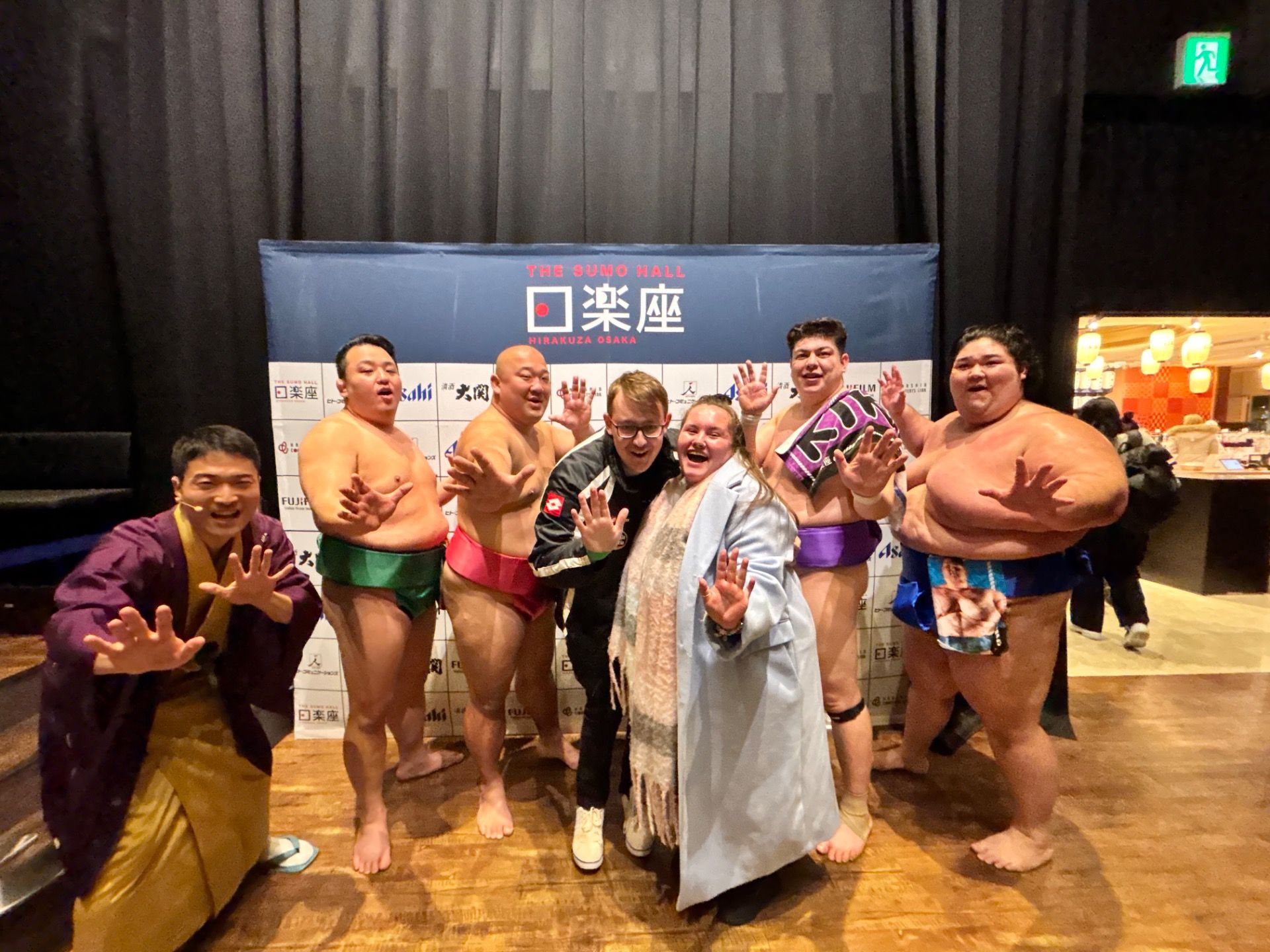
We were welcomed into the arena where sumo wrestlers, dressed in traditional mawashi (loincloths), demonstrated their intricate pre-match rituals. The rituals—like the symbolic throwing of salt, the stomping, and the intense staring down of opponents—were a fascinating look into the spirituality and history of sumo. I learned that these rituals are meant to purify the ring and ward off evil spirits before the wrestlers face off.
What made it so memorable was how interactive it was. The audience was invited to participate in some of the rituals, including learning how to perform the ceremonial stomping and clapping that sumo wrestlers do before a match. The energy in the room was infectious as we tried to mirror the wrestlers' movements and chants, all while the crowd cheered on.
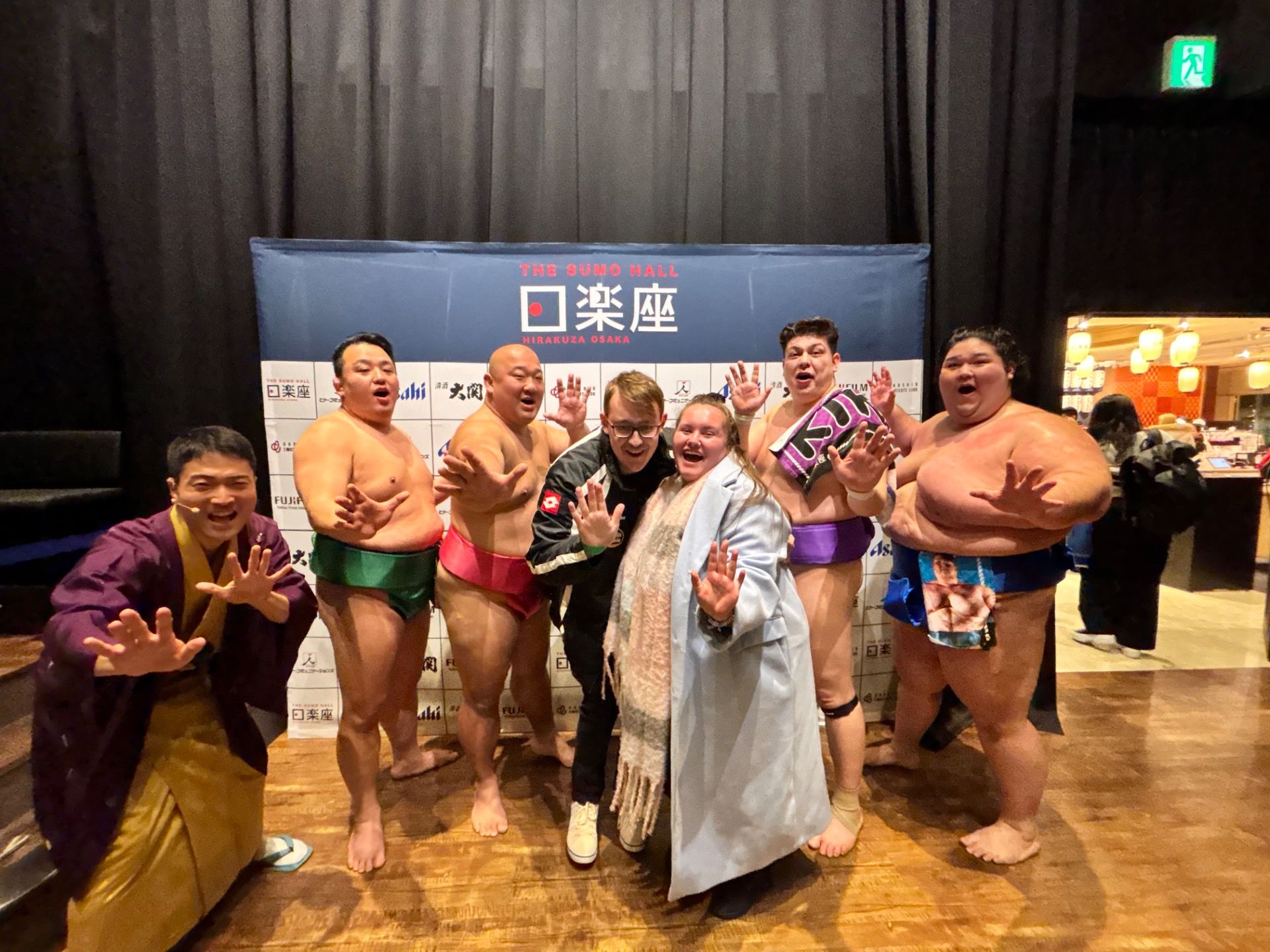
Afterward, I got a chance to meet some of the wrestlers, who were incredibly friendly and willing to share stories about their training and careers. It was amazing to hear about the dedication it takes to reach the highest levels of the sport. The event ended with a traditional sumo meal, where we feasted on chanko nabe, the hearty stew that sumo wrestlers eat to maintain their massive size and strength. I learned that chanko nabe is packed with proteins, vegetables, and noodles—perfect fuel for someone who needs to stay strong in the ring.
The venue was easily accessible by subway, further demonstrating how efficient and simple it is to get around Osaka. It was a deeply cultural experience and one of the highlights of my trip. Sumo wrestling isn’t just a sport; it’s a living tradition that you can feel with every move and gesture, and getting to experience it in such an intimate and interactive setting was something I’ll never forget.
Currency in Osaka: Keep It Handy
When traveling in Osaka, the local currency is the Japanese Yen (JPY). You’ll find that most places accept cash, and it’s often easier to pay this way in smaller shops, markets, or street vendors. While credit cards are accepted in most larger stores, some smaller establishments and restaurants may prefer cash, so it’s good to carry some yen on hand. ATMs are readily available, and I used the 7-Eleven ATMs, which are known for accepting international cards, to withdraw cash when I needed it.
Vending Machines: A Winter Treat
One of the most delightful surprises about Osaka in winter were the vending machines scattered throughout the city. While Japan is known for its vast array of vending machines, I found that many were stocked with hot drinks—perfect for a quick pick-me-up on chilly days. Whether it was a warm can of coffee, cocoa, or even soup, these vending machines were a welcome sight during my adventures. I couldn’t resist grabbing a hot drink from them whenever I needed a break from the cold!
Getting Around Osaka: Simple, Swift & Super Efficient
Osaka’s public transport made every move effortless. The Osaka Metro and JR Lines cover every corner of the city, with signs and announcements in English. I used an ICOCA card for seamless transfers between subways, trains, and buses—just a quick tap and go. Whether heading to historical sites, modern attractions, or hidden neighbourhoods, I was never more than a short ride away.
Osaka in January: A Cool, Captivating Adventure
From serene temples to roaring lions, from a castle that shaped history to sumo matches that stirred the soul, Osaka in January was the perfect mix of culture, fun, and warmth—despite the chilly weather. Every corner had a story to tell, a snack to taste, or a moment to remember.
So if you’re thinking of visiting Osaka in the winter—do it. Bundle up, grab an IC card, and let the city carry you on a journey through time, taste, and unforgettable experiences.
