
 Sichuan, China
A business trip to Shenzhen gave us the opportunity to tour a bit more of China, starting with a journey inland to Chengdu.
The capital of Szechuan province is famous for three things. First, the main event for me, is the mouth-numbing spice of its signature dishes which we sampled daily, like mapo tofu, dan dan noodles and hot pot. We had an apartment with a full kitchen, so we didn’t have to eat every meal out, but still got to try a wide variety of snacks as the street food game here is strong.

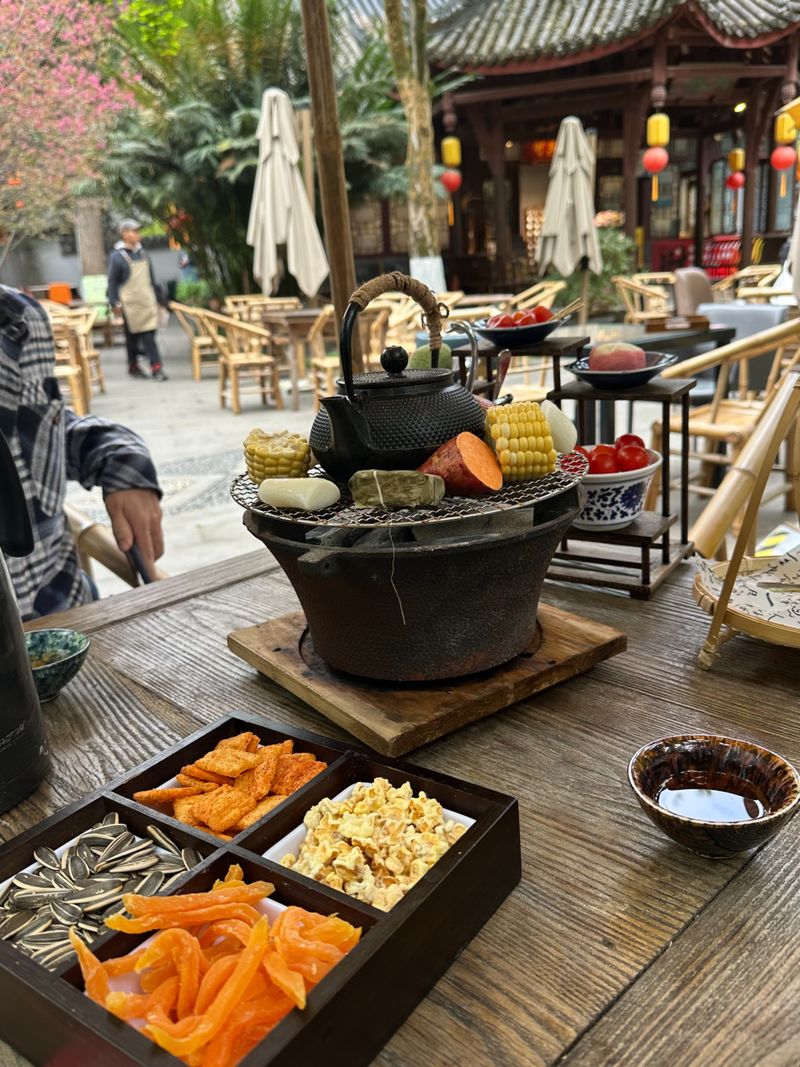
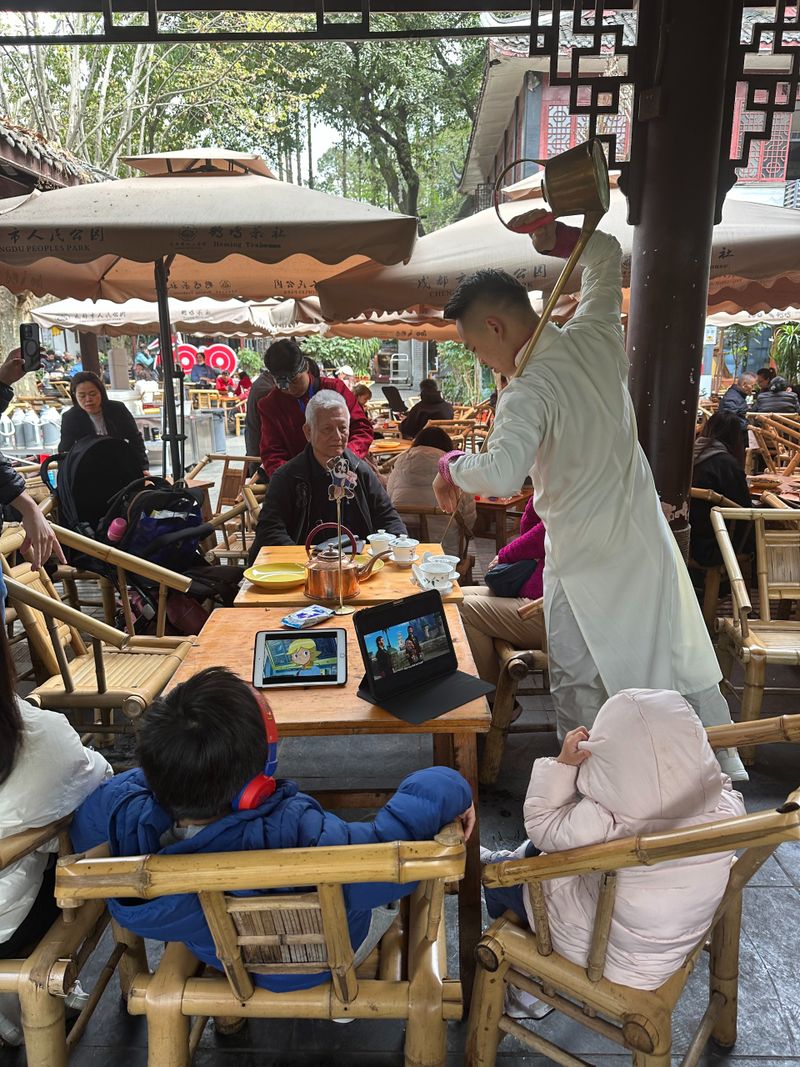
Second is its reputation as the ‘happiest city in China,’ with a more laid back culture built around tea houses and gardens, where you can sit for hours with your own snacks and unlimited hot water. This is also right up my alley as a way to rest during long explorations or even sit and work outside the apartment. One especially fun experience was like Chinese high tea - ready to eat snacks as well as others to cook on your personal barbecue which also heated the kettle.


Third, and perhaps the biggest draw, is that Szechuan is the home of the Giant Panda. There are three research and breeding facilities near the city, and we took an early morning train out to one on the weekend to catch the bamboo breakfast hour before the pandas go back to bed around 10 or 11am. The giant pandas have large zoo-like enclosures, but there are also several free range red pandas in the park!


Not far from this breeding center is a popular hiking area, Qingcheng Mountain. The birthplace of Taoism, this park is dotted with temples and misty mountain views.


Speaking of temples, we took another weekend daytrip to the nearby town of Leshan to see the 71-meter Buddha carved into the mountainside. This was a really intensive day of walking, but luckily: street food. Their specialties are sweet-skin duck, chili oil chicken skewers, and tiny pancakes filled with anything from sweet red bean or fruit, to spicy beef or corn and cheese.


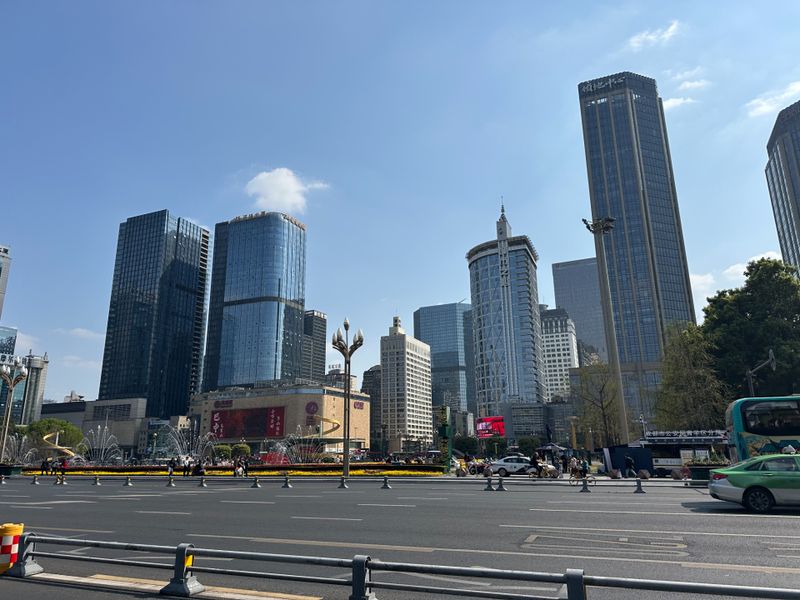
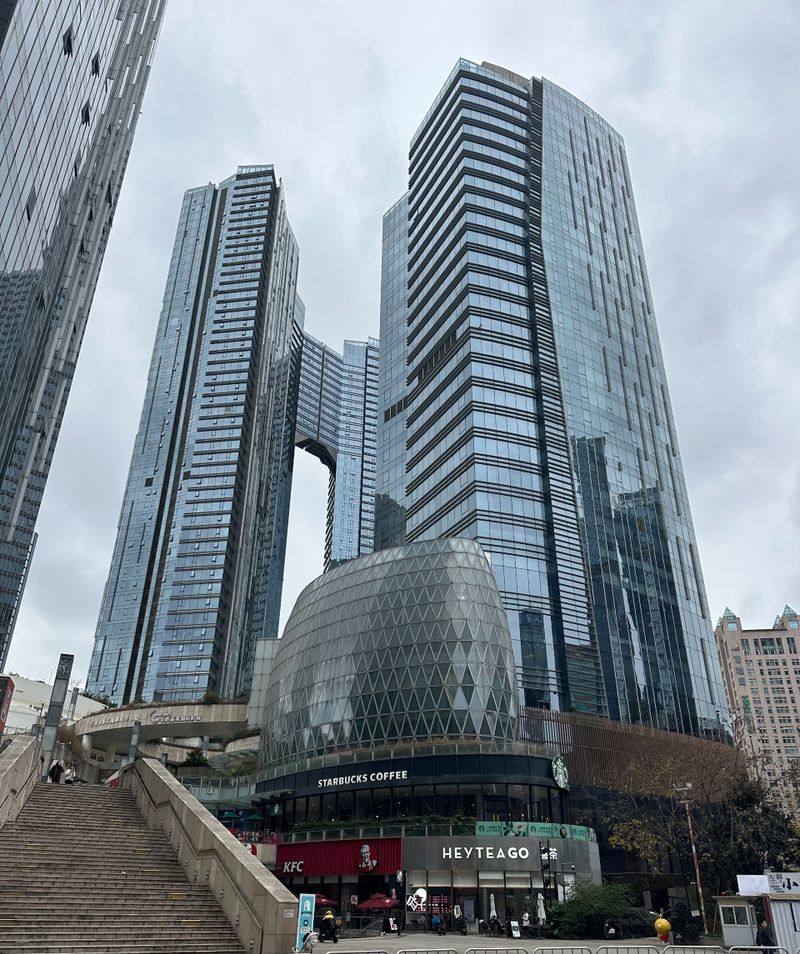
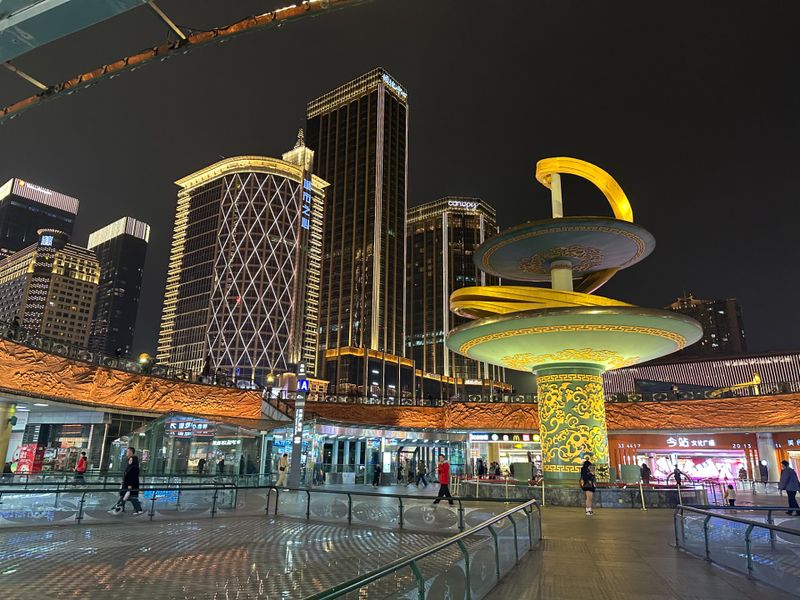
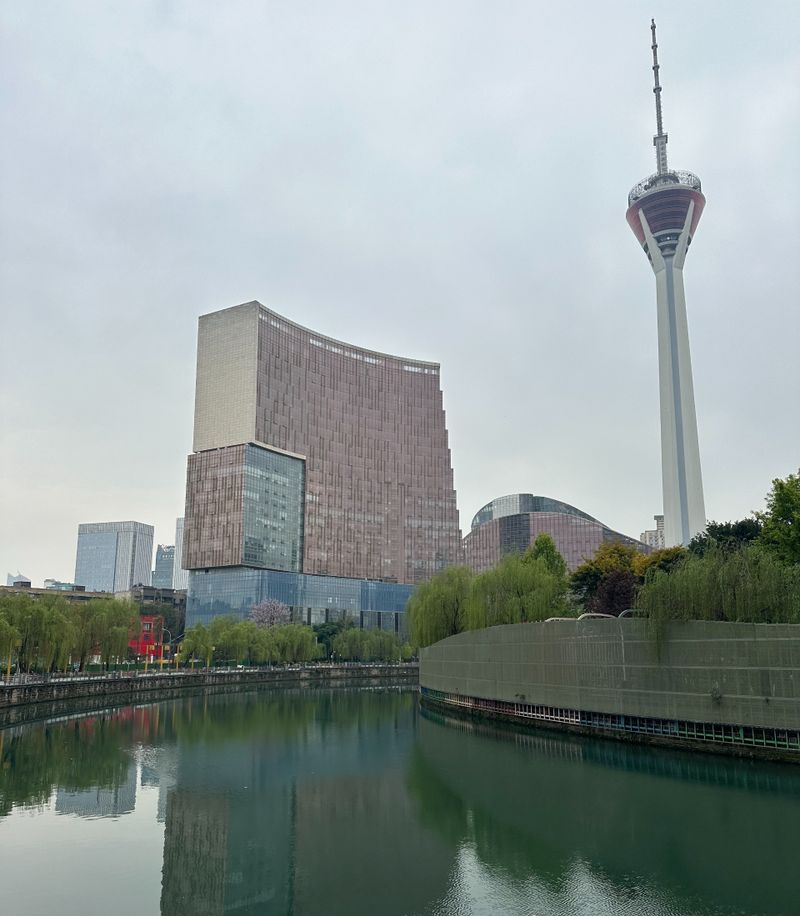
The city itself is a two hour flight but a whole world away from ultra-modern Shenzhen, which made the even newest parts of Chengdu seem almost dated.
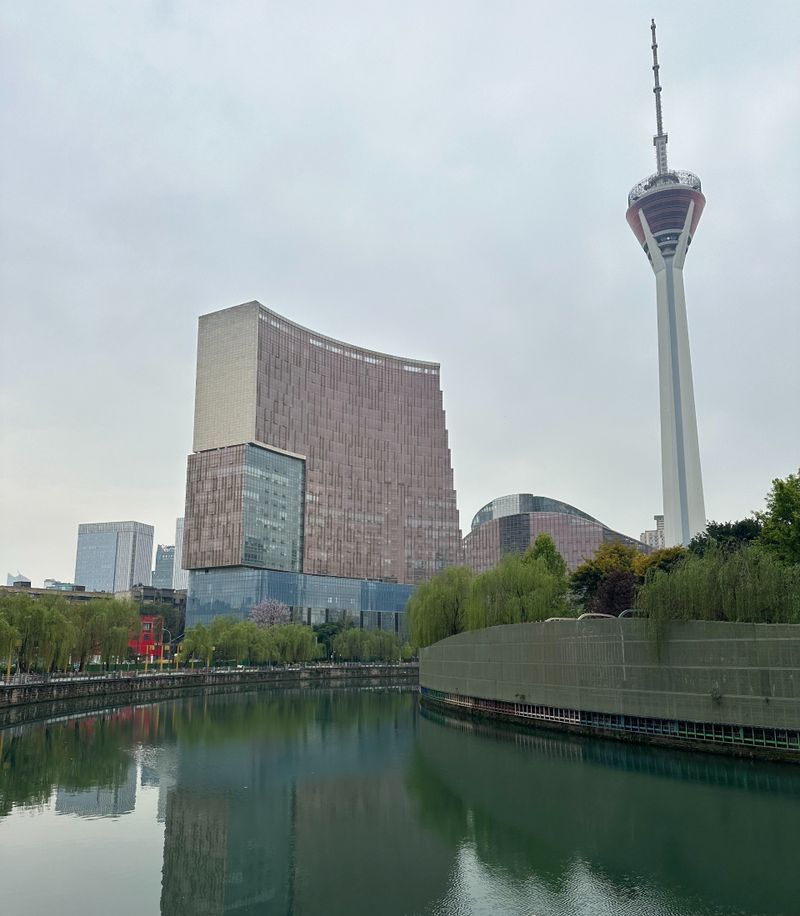

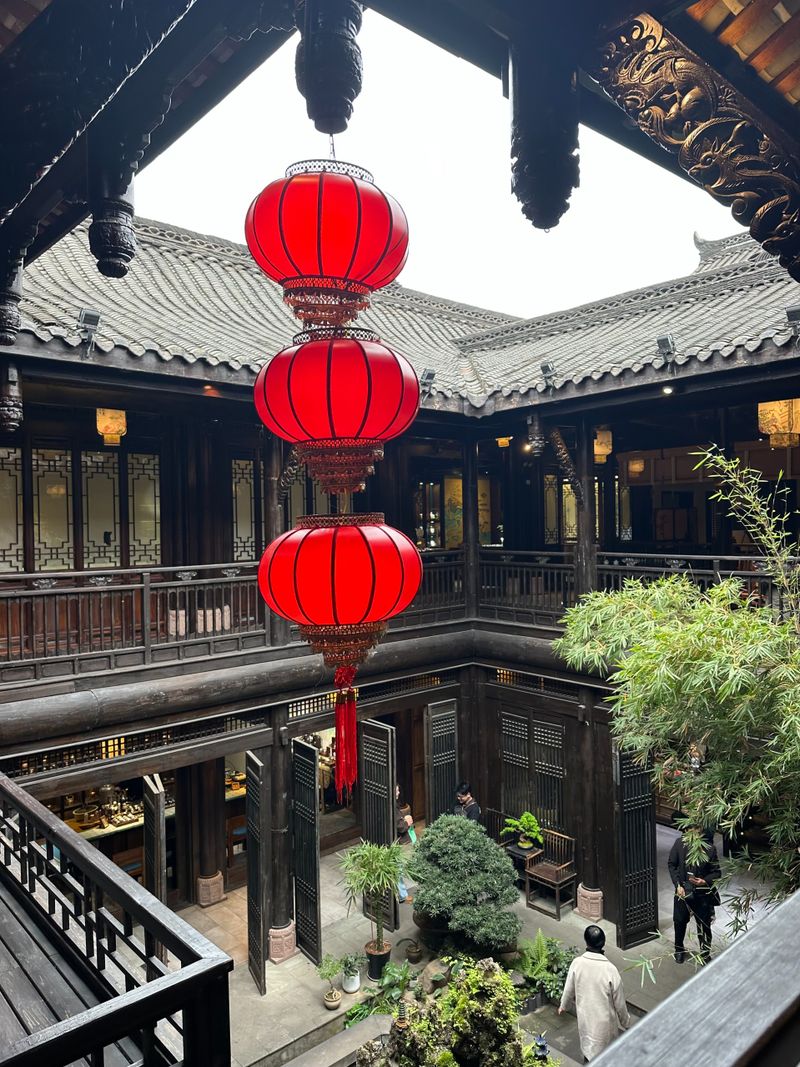
Those areas still contrast sharply with the truly ancient, like a Three Kingdoms-era shrine, and a series of narrow Tang dynasty alleys.


We stumbled into one particularly colorful neighborhood, Little Lhasa, stores overflowing with gold, Tibetan prayer flags, yak fur, yak leather, yak butter and yak meat. That same day, a neighborhood equally vibrant with murals, music and hip hangouts.


Chengdu was so much more than the home of giant pandas and amazing food. It felt like a very livable, down to earth city, and I understand why everyone loves it. From here, it's on to the West's favorite Chinese city, Shanghai.
