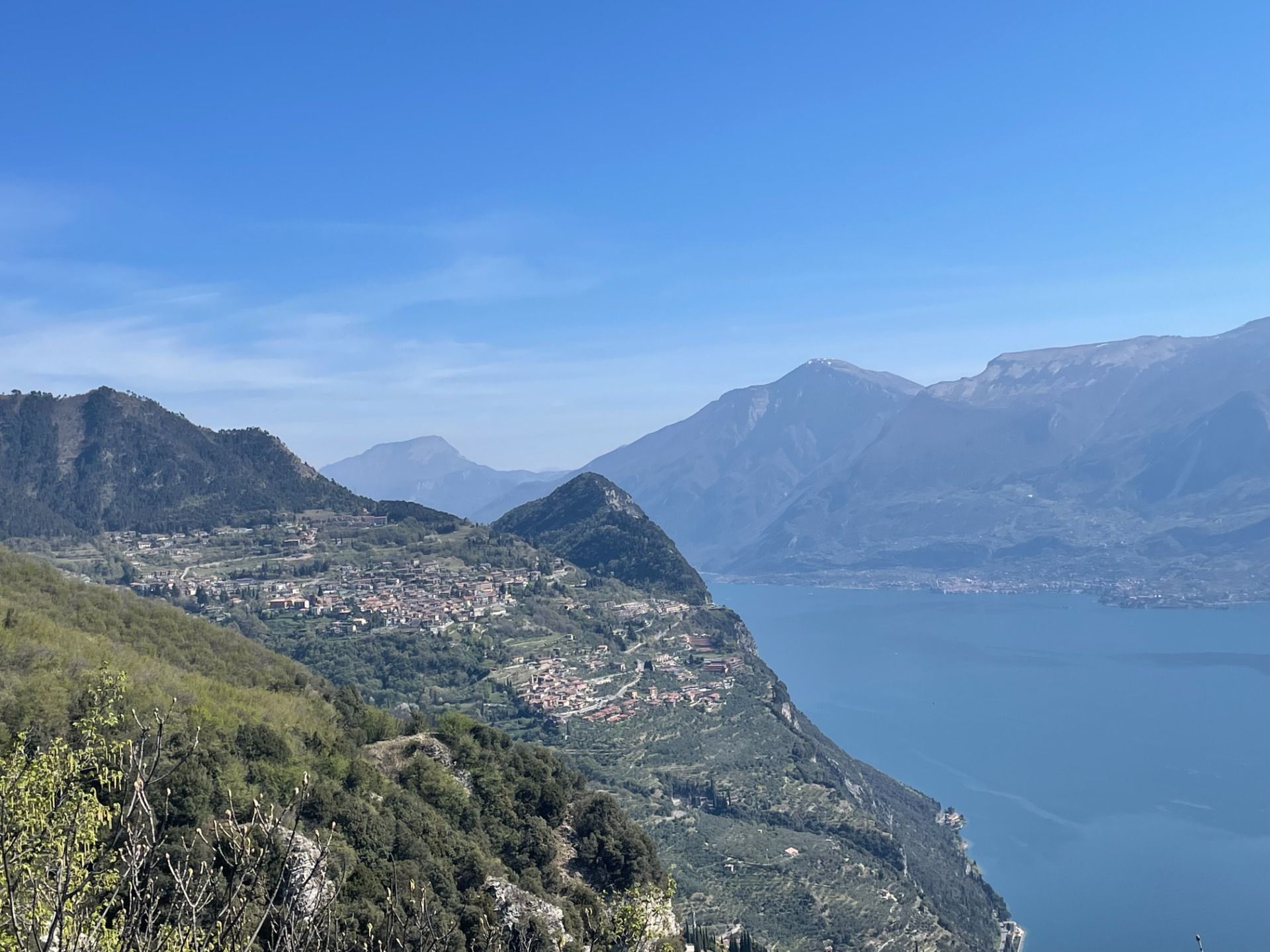
 Lombardy, Italy
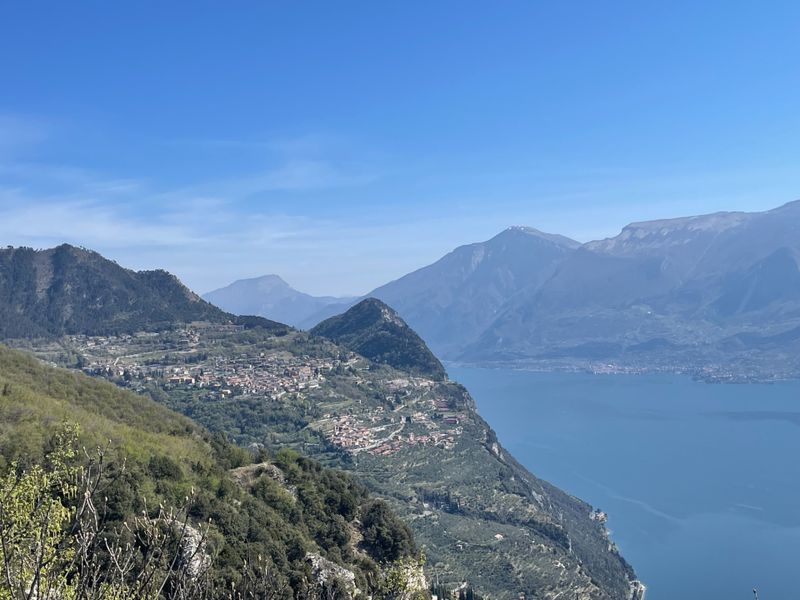
The trail that connects the two mountain villages of Muslone and Piovere is part of the Bassa Via Gardesana (BVG) long-distance trail that runs at medium altitude along the lake from Salò to Limone. It is a hiking trail that allows you to discover the typical and lesser-known corners of the Garda Riviera. An extraordinary succession of natural landscapes in ever new and surprising sceneries and of medieval mountain villages, still well preserved, of historical and architectural interest.
Die Wegstrecke, die die beiden Bergdörfer Muslone und Piovere verbindet, ist Teil des Weitwanderweges Bassa Via Gardesana (BVG), der in mittlerer Höhe entlang des Sees von Salò nach Limone führt. Es ist ein Wanderweg, auf dem man die typischen und weniger bekannten Ecken der Gardesaner Riviera kennenlernen kann. Eine außergewöhnliche Folge von Naturlandschaften in immer neuen und überraschenden Szenerien und von mittelalterlichen, noch gut erhaltenen Bergdörfern von historischem und architektonischem Interesse.
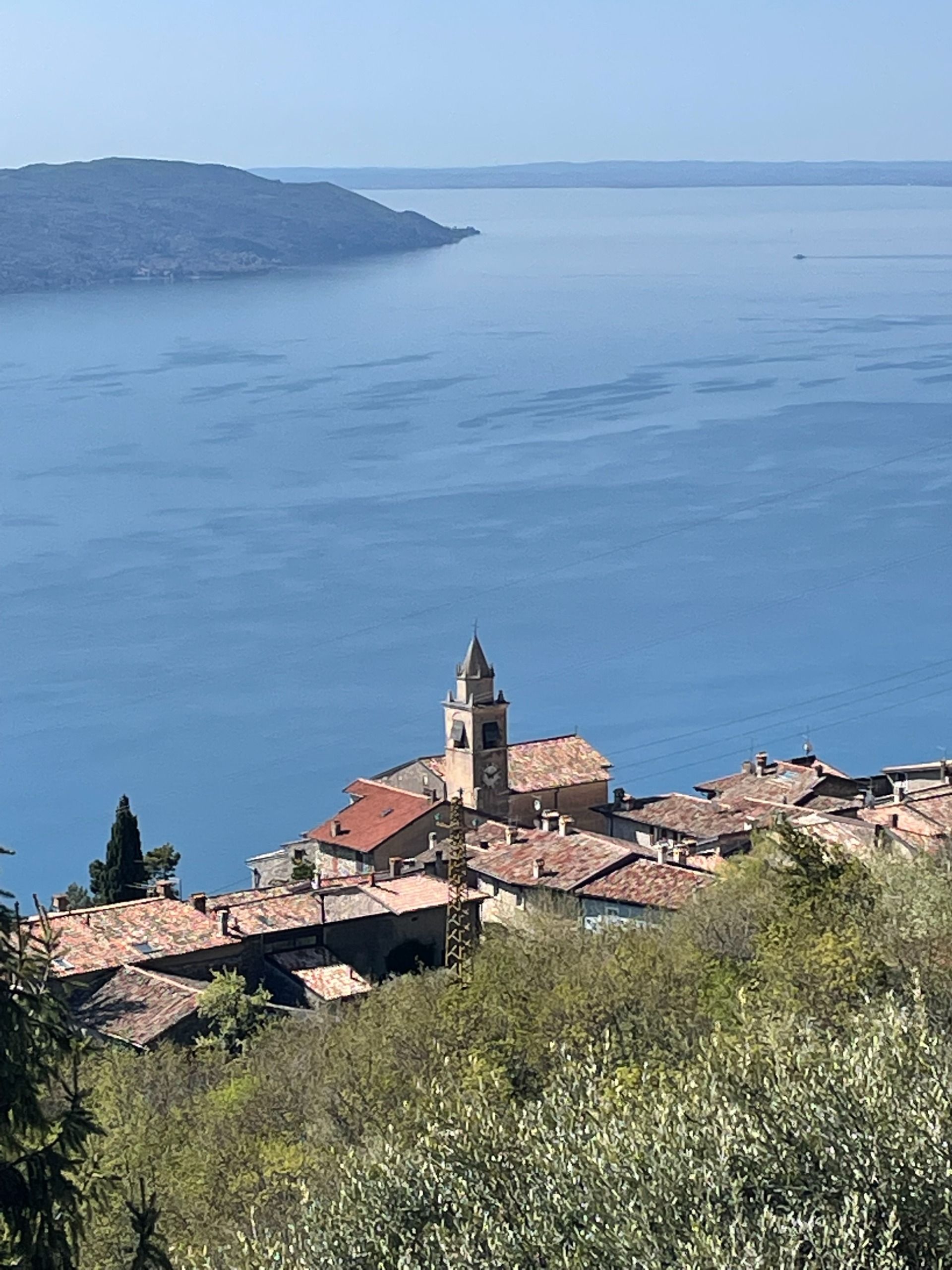
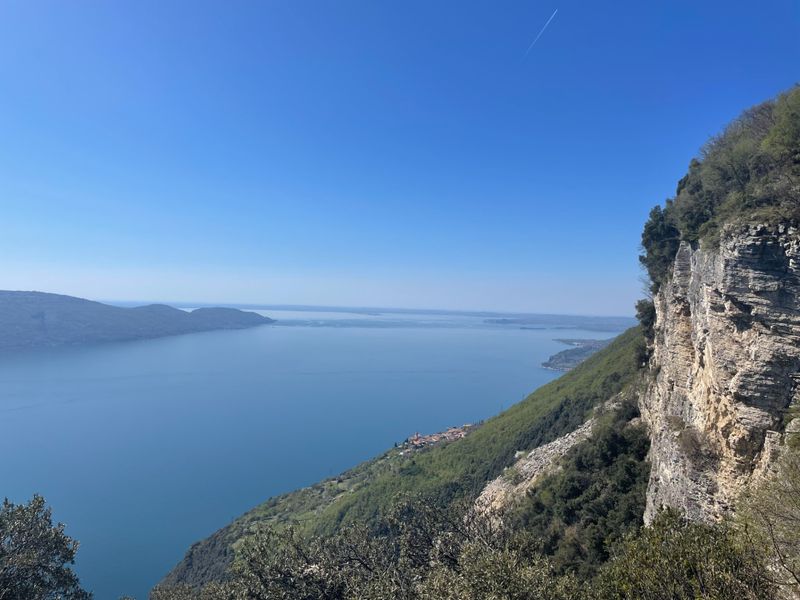
Starting from Muslone, there are two very different paths that we used as a circular route. The upper path, which is more demanding and further away from the lake, has a very steep ascent in Muslone, but it is really worth it. There are wonderful viewpoints of Lake Garda, steep cliffs and wonderfully untouched nature. However, you really need to be in good shape.
Ausgehend von Muslone bieten sich zwei sehr unterschiedliche Wege, die wir als Rundwanderweg genutzt haben. Der durchaus anspruchsvolle und weiter vom See entferntere obere Weg, hat einen sehr steilen Aufstieg in Muslone der sich aber wirklich lohnt. Es bieten sich wunderbare Aussichtspunkte auf den Gardasee, steile Klippen und wunderbar unberührte Natur. Die Kondition muss aber wirklich stimmen.
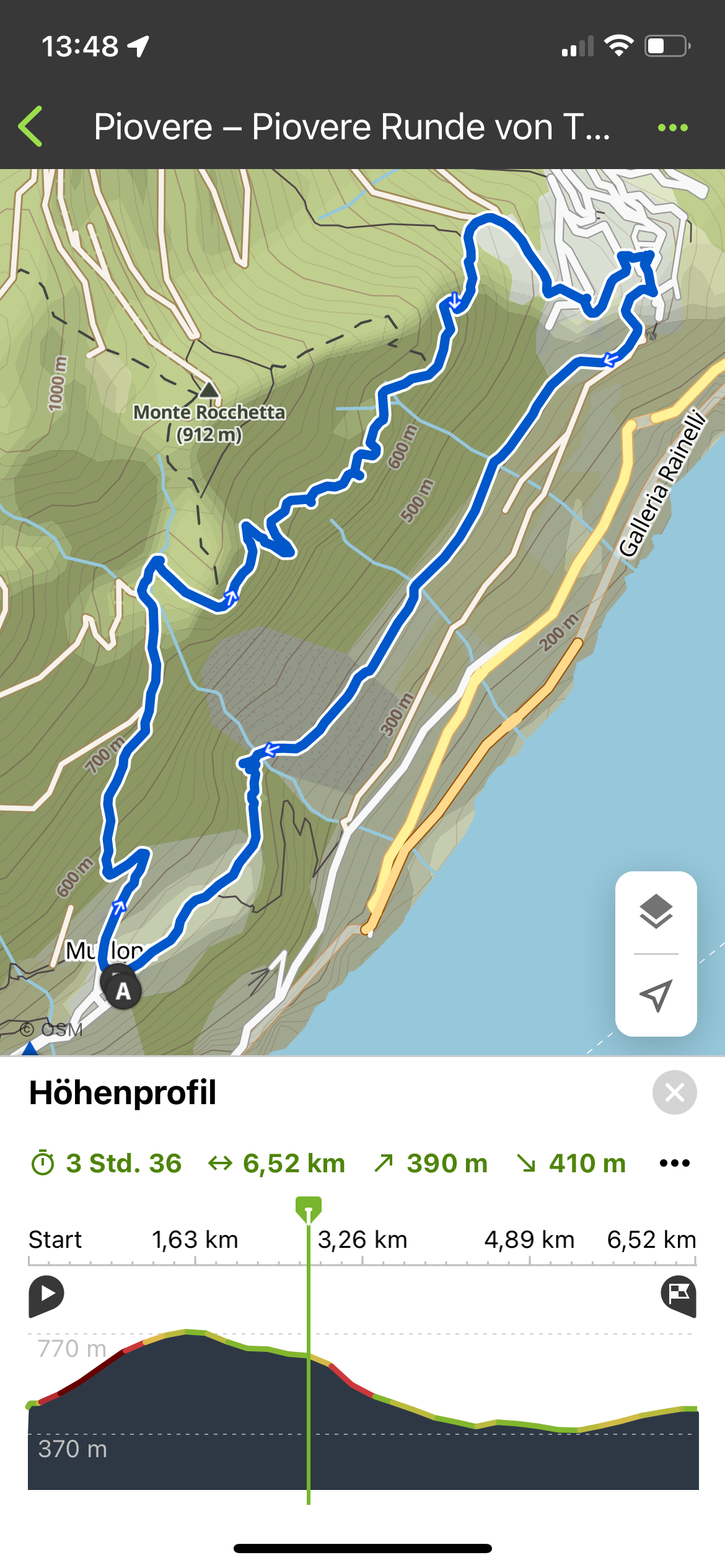
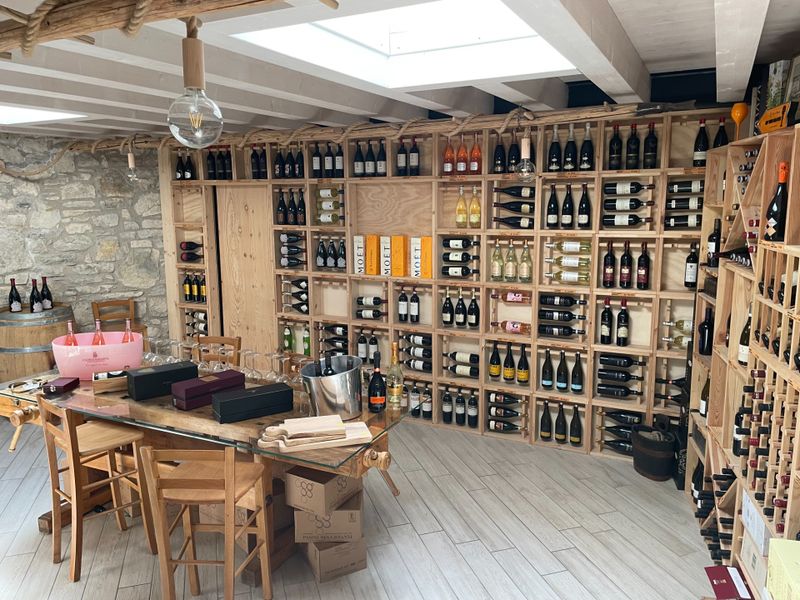
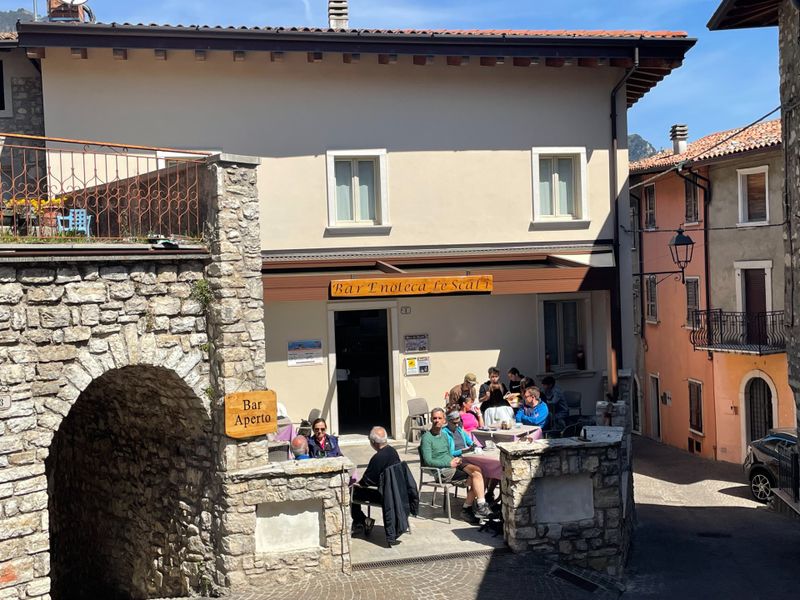
The descent to Piovere is also steep, stony and requires surefootedness. The small mountain village of Piovere has a church that is well worth seeing and a highly recommended stop with an attached wine and general shop - "Bar le Scali".
Auch der Abstieg nach Piovere ist steil, steinig und verlangt Trittsicherheit. Das kleine Bergdörfchen Piovere hat eine sehenswerte Kirche und eine sehr empfehlenswerte Einkehr "Bar Le Scali" mit angeschlossenem Wein- und Gemischtwarenladen.
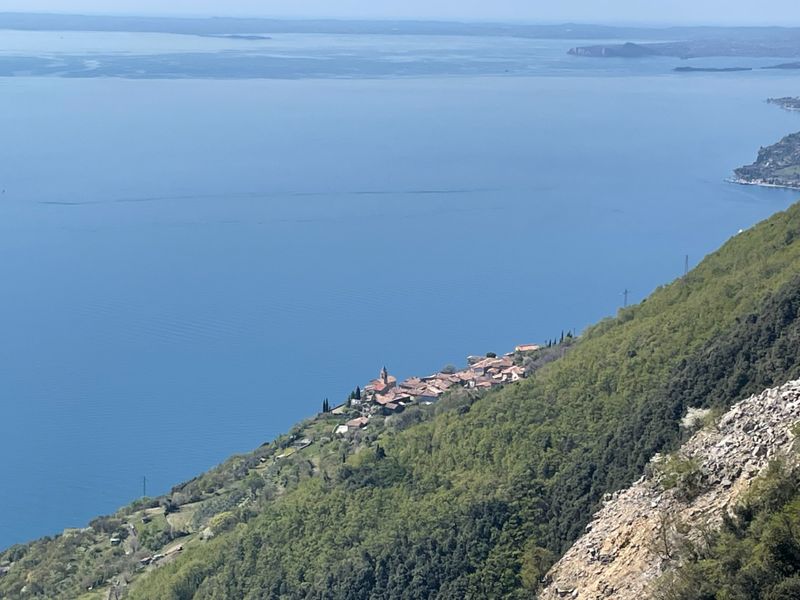
The second, lower section of our circular trail is much easier to access and not particularly strenuous. It is therefore very suitable for hiking beginners with a moderate fitness level and also smaller children. The particular structure of the landscape suggests that this path was already used in Roman, if not prehistoric times, as it was the only possible land connection from south to north along the lake, which was blocked in some places by high, impassable rock faces or deep valley gorges. Besides the picturesque beauty of the villages and the panoramic variety of the hiking trail, there are other interesting aspects to marvel at: the debris avalanches whose stones seem to slide directly into the lake, the extensive terracing of the slopes with dry stone walls (recently declared a UNESCO World Heritage Site), the delicate vegetation that colonises them, the spontaneously grown holm oaks with tall trunks typical of a Mediterranean climate, or even the olive groves that the locals passionately still keep alive despite the inaccessibility of the terrain and the meagre harvest. Once in Piovere, it is essential to go up to the Church of San Marco, from whose forecourt there is a breathtaking view of the entire southern part of the lake and the trail.
Das zweite, tiefer gelegene Stück unseres Rundweges ist viel leichter zugänglich und nicht besonders anstrengend. Es ist daher sehr gut geeignet für Wandersport-Anfänger mit mäßigem Fitnesslevel und auch kleinere Kinder. Die besondere Struktur der Landschaft lässt vermuten, dass dieser Weg schon in römischer, wenn nicht sogar schon in prähistorischer Zeit genutzt wurde, da er die einzig mögliche Landverbindung von Süden nach Norden entlang des Sees darstellte, der an einigen Stellen durch hohe, unwegsame Felswände oder tiefe Talschluchten versperrt war. Neben der malerischen Schönheit der Dörfer und der Panoramavielfalt des Wanderpfades gibt es noch andere interessante Aspekte zu bestaunen: die Gerölllawinen, deren Steine direkt in den See zu rutschen scheinen, die weiträumige Terrassierung der Abhänge mit Trockenmauern (kürzlich zum UNESCO- Weltkulturerbe erklärt), die zarte Vegetation, die sie besiedelt, die spontan gewachsenen, typisch für ein mediterranes Klima hochstämmigen Steineichen oder auch die Olivenhaine, die die Einheimischen aus Leidenschaft noch am Leben erhalten trotz der Unzugänglichkeit des Geländes und der kargen Ernte. In Piovere angekommen, muss man unbedingt zur Kirche San Marco hinaufgehen, von deren Vorplatz sich eine atemberaubende Sicht auf den gesamten südlichen Teil des Sees und den Wanderweg auftut.
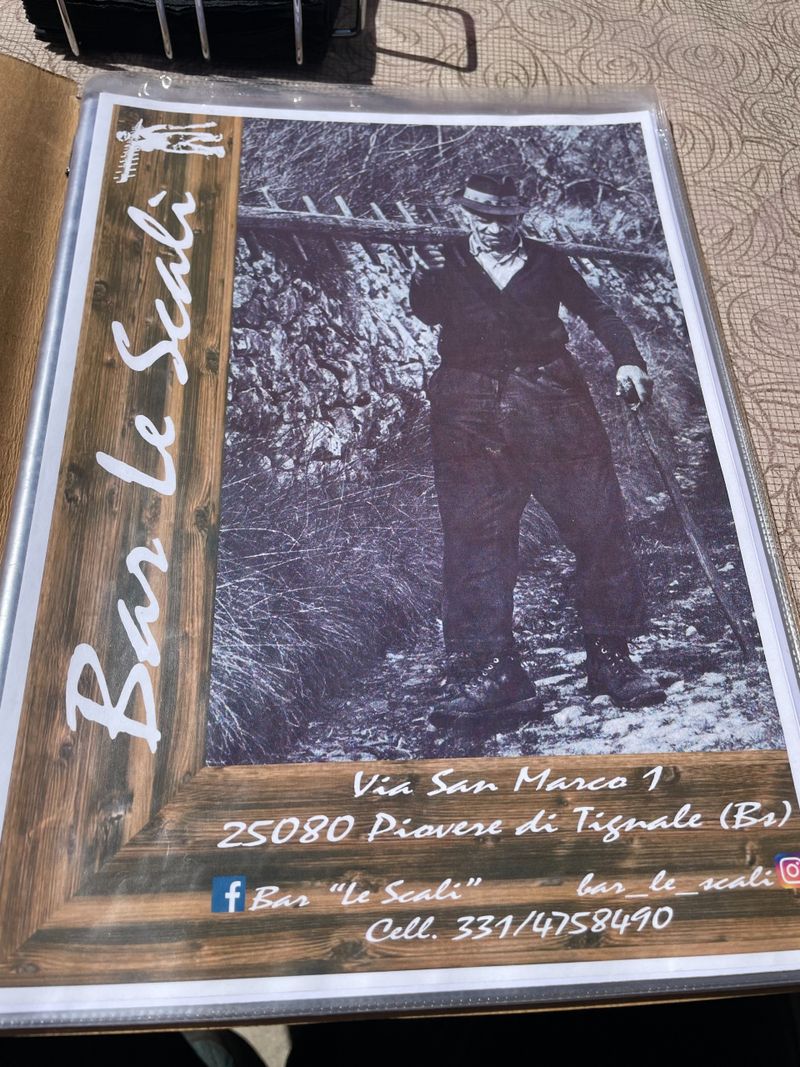
This trail is also called "Senter del Tampa" and is dedicated to a charcoal burner named Tampa from Piovere, protagonist of an incredible story. At the beginning of the 20th century, he lived in these mountains to produce charcoal from the thin branches of ash and hornbeam trees. He suffered greatly from his hard work, which was made even more difficult by the fact that there was no water in this mountain region because of the limestone rocks. To fetch water, he had to go down into the valley below each time. So he got it into his head to look for water. He dug deep trenches and eventually also tackled the rocks until he had bored a tunnel into them with the simplest of tools. Despite the scepticism and perhaps also the ridicule of the villagers, his attempts were successful in the end. The charcoal burner was able to draw water from his spring. As was the custom at the time, he also made it available to the other mountain farmers and hunters from the surrounding area. Thus the Tampa is an example of the mentality of the mountain farmers. They are used to making do with the little that nature offered them and wringing it from her with tenacity and unwaveringness. His life ended tragically. He burned to death in his hut just a few metres from the grotto where he had found his personal treasure. If you want to know more about it, go to the website of the municipality of Gargnano www.thisisgargnano.it , which reports in detail about the discovery of the path and the person of Tampa. In addition, you will find useful information about the trail, its peculiarities and its incredible viewpoints a veritable terrace above the lake.
Dieser Wanderweg wird auch „Senter del Tampa" genannt und ist einem Köhler mit Namen Tampa aus Piovere gewidmet, Protagonist einer unglaublichen Geschichte. Anfang des 20. Jhdt. lebte er in diesen Bergen um aus den dünnen Ästen der Eschen und und Hainbuchen Holzkohle herzustellen. Er litt sehr unter seiner harten Arbeit, die noch dadurch erschwert wurde, das es Aufgrund der Kalkfelsen dieser Bergregion kein Wasser gab. Zum Wasserholen musste er darum jedes Mal in das darunterlegende Tal absteigen. So hatte er sich in den Kopf gesetzt, nach Wasser zu suchen. Er grub tiefe Gräben und ging letztlich auch die Felsen an, bis er sich mit einfachstem Werkzeug einen Tunnel hineingebohrt hatte. Trotz der Skepsis und vielleicht auch des Spotts der Dorfbewohner hatten seine Versuche am Ende Erfolg. Der Köhler konnte an seiner Quelle Wasser schöpfen. Wie es damals Brauch war, stellte er sie auch den anderen Bergbauern und Jägern aus der Umgebung zur Verfügung. So ist der Tampa ein Beispiel für die Mentalität der Bergbauern. Sie sind es gewohnt mit dem wenigen, was die Natur ihnen bot, auszukommen, und es ihr mit Hartnäckigkeit und Unbeirrbarkeit abzutrotzen. Sein Leben endete tragisch. Er verbrannte in seiner Hütte nur wenige Meter von der Grotte entfernt, in der er seinen persönlichen Schatz gefunden hatte. Wer mehr darüber erfahren will, geht auf die Internetseite der Gemeinde Gargnano www.thisisgargnano.it , auf der ausführlich über die Entdeckung des Pfades und die Person des Tampa berichtet wird. Zusätzlich findet man dort nützliche Informationen über den Wanderweg, seine Besonderheiten und seine unglaublichen Aussichtpunkte eine wahre Terrasse über dem See.
