 Chiang Mai Province, Thailand
1. Introduction to the Lisu Hill Tribe
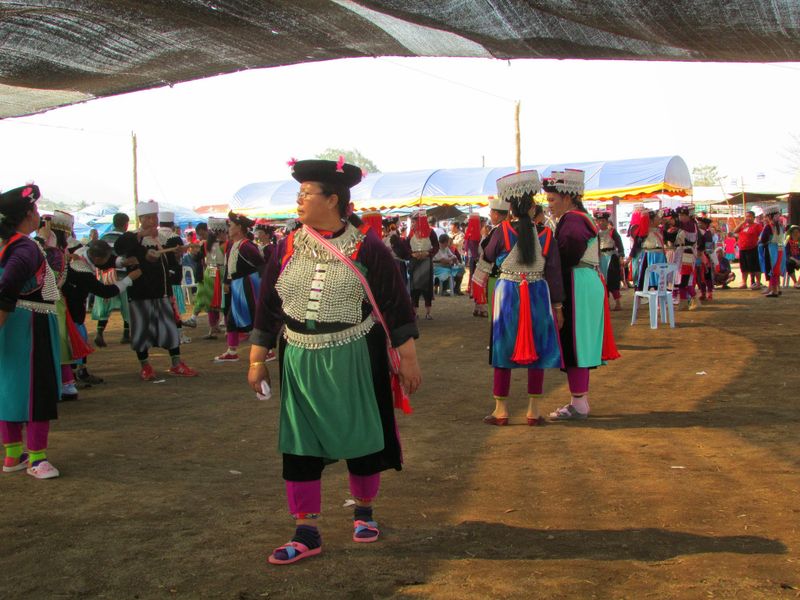
Tucked away in the misty hills and valleys of Northern Thailand, usually in the highests villages, the Lisu hill tribe encapsulates a world of culture, traditions, and community that stretches back through generations. As one of the many ethnic groups that grace the region, the Lisu people contribute to the vibrant tapestry of Northern Thailand's cultural mosaic.
Geographical Distribution and Significance
The Lisu people, also known as the Liso or Lisaw (not much appreciated by the Lisu, the Lisaw and the Liso meaning and being a three cords guitar reminding the Isan Ping guitar). They primarily inhabit the remote hills of Northern Thailand, extending into neighboring countries such as Myanmar, China, and parts of India. In Thailand, they are predominantly found in areas like Chiang Mai, Chiang Rai, Chiang Dao and Mae Hong Son, where their presence enriches the cultural diversity of the region. Despite their dispersed settlements, the Lisu share a common thread of heritage that binds them together.
2. Historical Roots and Origins
The origins of the Lisu people trace back to ancient migrations and movements across the mountainous terrains of Southeast Asia. Believed to have migrated from regions now encompassing Tibet, Yunnan, and Myanmar, the Lisu's journey led them to settle in the highlands of Northern Thailand. Their history is intertwined with that of other hill tribes like the Akha the Lahu and Mhongs, as well as the broader dynamics of trade, cultural interactions, and territorial shifts.
Role in the Region's History
Throughout history, the Lisu people played a crucial role in shaping the cultural landscape of Northern Thailand. Their interactions with neighboring communities, including other hill tribes and lowland populations, fostered a unique blend of customs and practices that set them apart. As the region experienced changes brought by colonization, trade, and modernization, the Lisu people retained their distinct identity while adapting to the evolving world around them.
3. Lisu Way of Life: A Glimpse into Daily Living
The Lisu hill tribe's way of life is deeply intertwined with the land they inhabit. Their practices and livelihoods are a harmonious reflection of the natural environment that surrounds them. From their traditional housing to their agricultural pursuits, every aspect of their daily lives is a testament to their resilience and resourcefulness.
Traditional Housing and Architecture
Lisu villages are often composed of sturdy wooden houses, raised on stilts to protect against floods and pests. These houses are built with local materials, reflecting an intimate understanding of the natural resources available in the region. The architecture not only meets practical needs but also resonates with the cultural values of unity and family ties.
Subsistence Farming and Agricultural Practices
Central to the Lisu way of life is subsistence farming, which sustains both the community and the connection to the land. Rice, corn, vegetables, and fruits are cultivated on terraced fields that contour the hillsides. Lisu farmers employ traditional techniques passed down through generations, emphasizing the sustainable use of the land's resources.
Family Structure and Community Dynamics
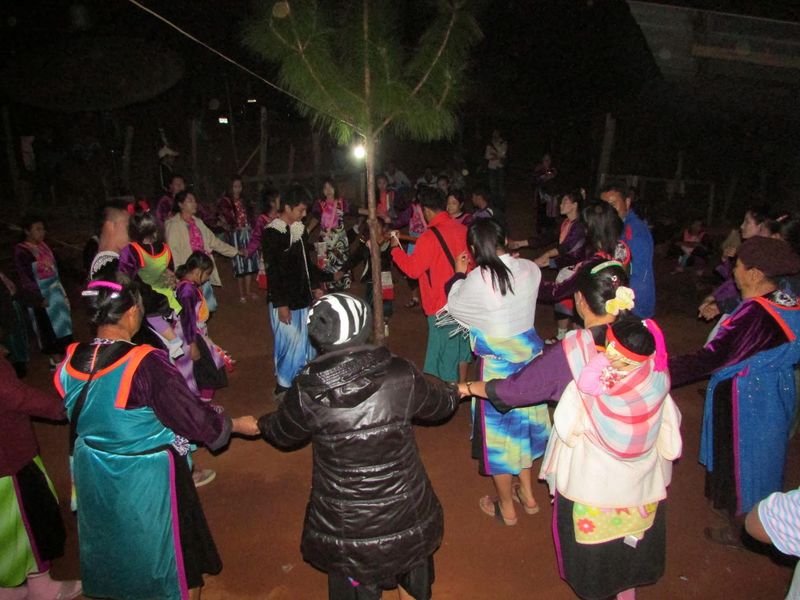
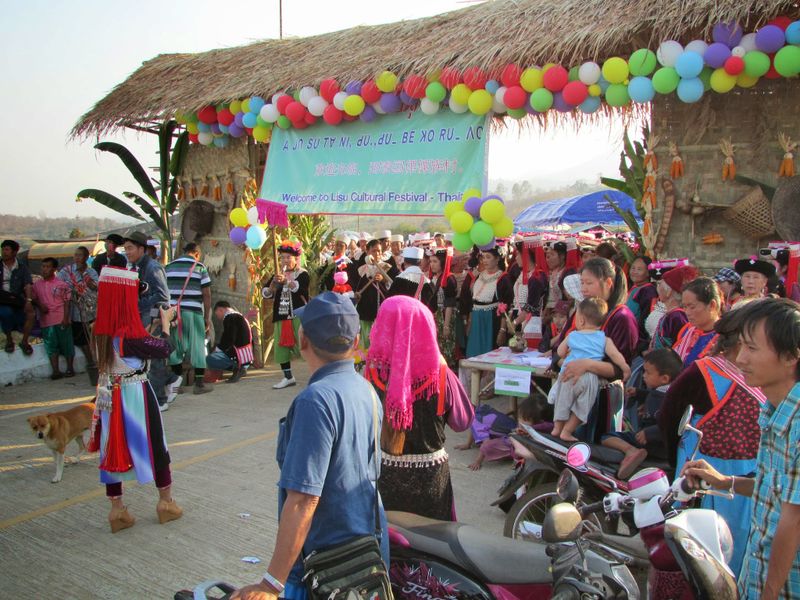
The Lisu people place a strong emphasis on family bonds and community cohesion. Family units are typically extended, encompassing multiple generations living together. Elders hold a position of respect and authority, contributing their wisdom to the communal fabric. This sense of community extends beyond kinship, with villagers coming together for celebrations, festivals, and mutual support.

Overview of the Lisu People: Navigating Traditions, Diversity, and Identity
Nestled within the emerald hills of Northern Thailand, the Lisu people are a vibrant and distinctive ethnic group that adds a layer of cultural richness to the region's diverse tapestry. With their unique customs, vibrant clothing, and enduring connections to the land, the Lisu people beckon us to delve into their history, traditions, and the essence of their identity.
Geographical Distribution and Settlements
The Lisu people, often referred to as the "Liso" or "Lisaw," inhabit not only the remote corners of Northern Thailand but also neighboring countries such as Myanmar, China, and parts of India. In Thailand, they predominantly reside in provinces like Chiang Mai, Chiang Rai, and Mae Hong Son. This geographical distribution is a testament to their adaptability to various terrains and climates, showcasing their ability to thrive in the highlands and valleys of Southeast Asia.
A Tapestry of Origins and Migrations
The origins of the Lisu people are rooted in a journey that spans across the rugged landscapes of the Himalayas and the adjacent regions. It's believed that their ancestral migration began from areas encompassing present-day Tibet, Yunnan, and Myanmar. As they navigated through the mountainous paths, the Lisu people carried with them a tapestry of cultures, languages, and traditions that would come to define their unique identity.
Cultural Diversity and Language
While the Lisu people share common threads of heritage, they also embrace a level of diversity within their community. This diversity is reflected not only in their distinct subgroups but also in their languages and dialects. The Lisu language, which falls under the Tibeto-Burman language family, comes in various dialects, each shaped by the geographical locations and historical interactions of their settlements.
Connection to the Land
At the heart of the Lisu identity lies an unwavering connection to the land they inhabit. Their customs, traditions, and way of life are deeply intertwined with the natural environment. From the cultivation of terraced fields to the construction of traditional houses, the Lisu people have cultivated a harmonious relationship with the land that sustains them.
The Significance of Traditional Attire
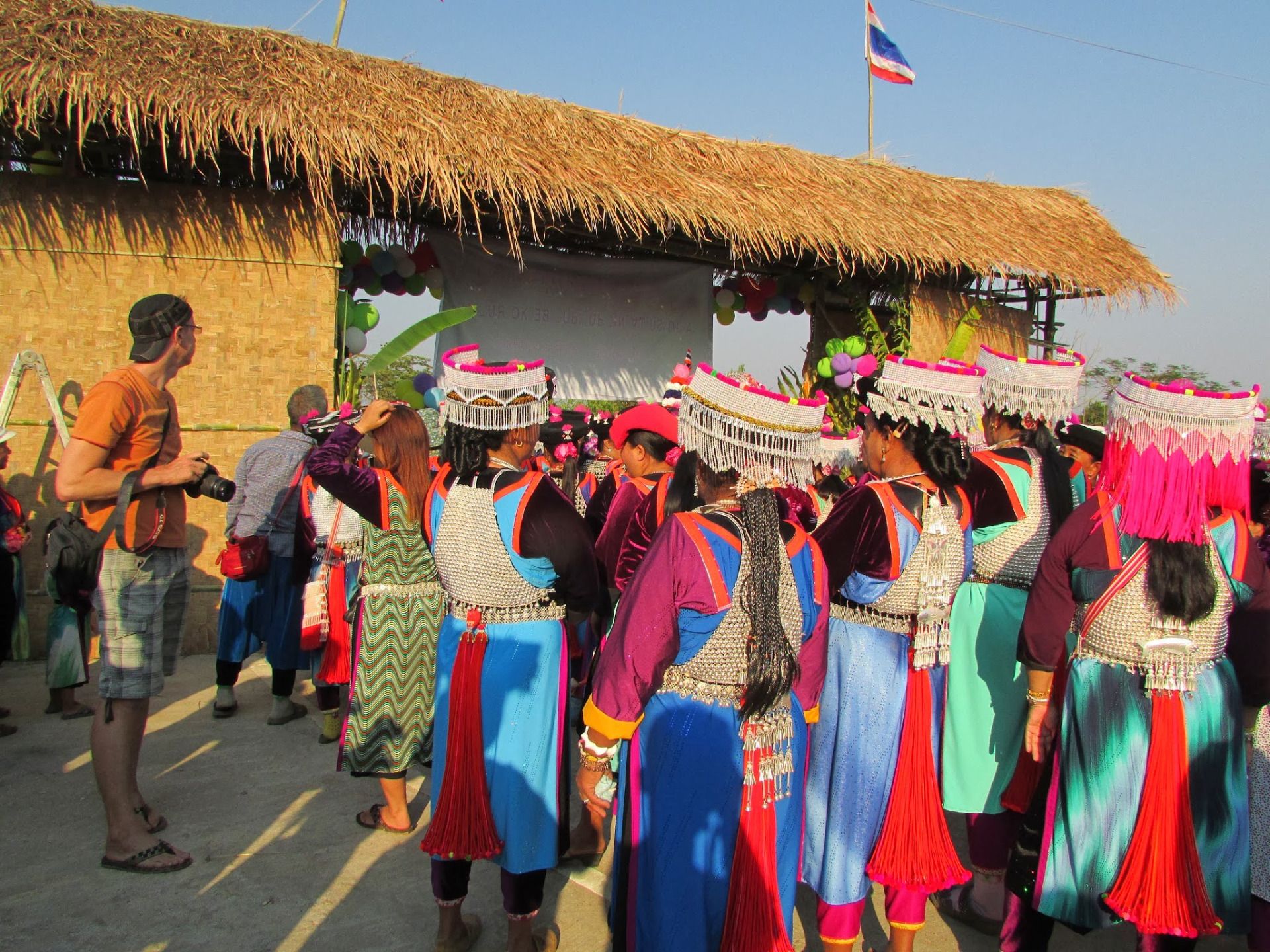
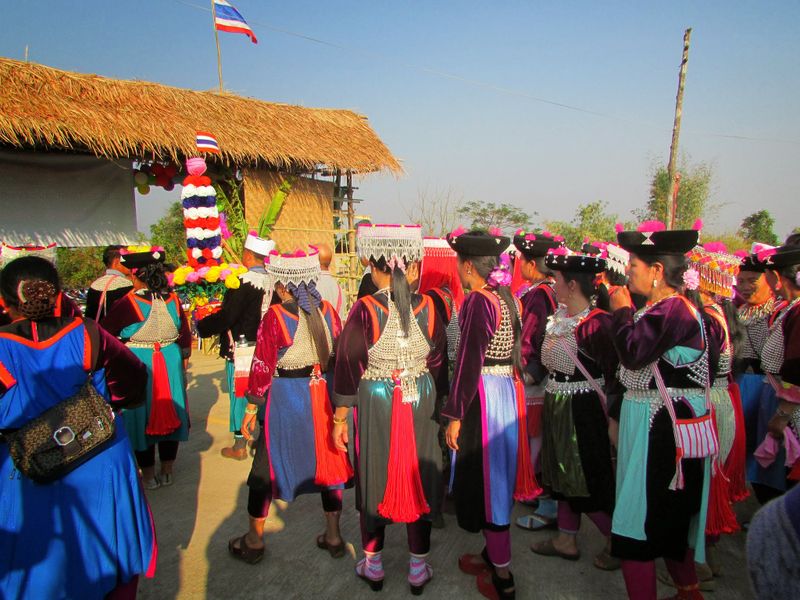
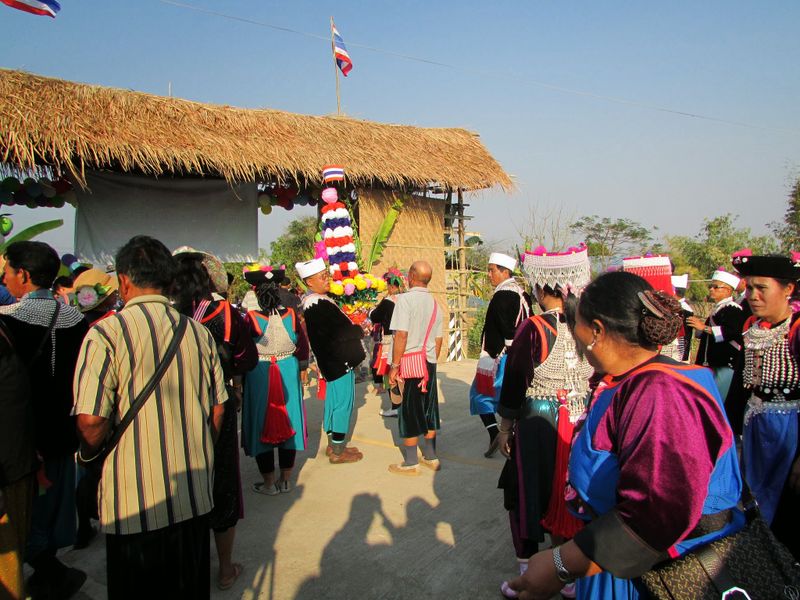
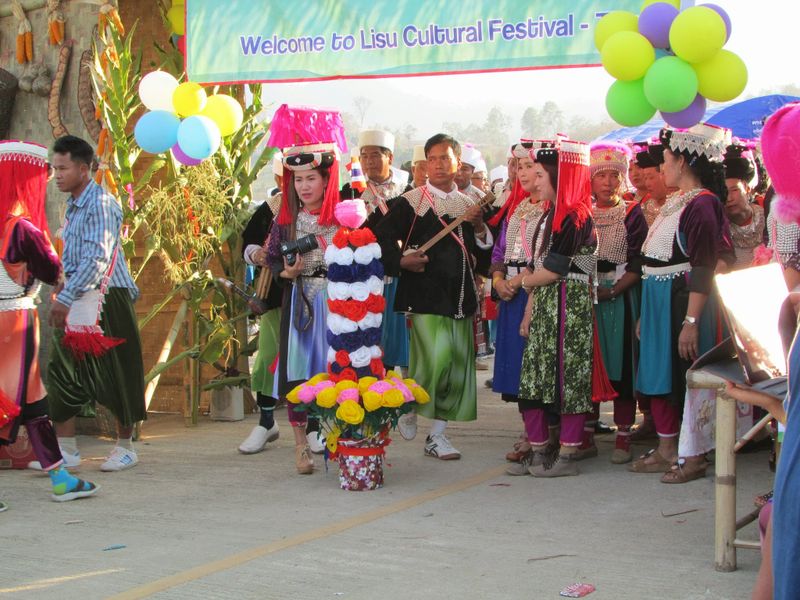
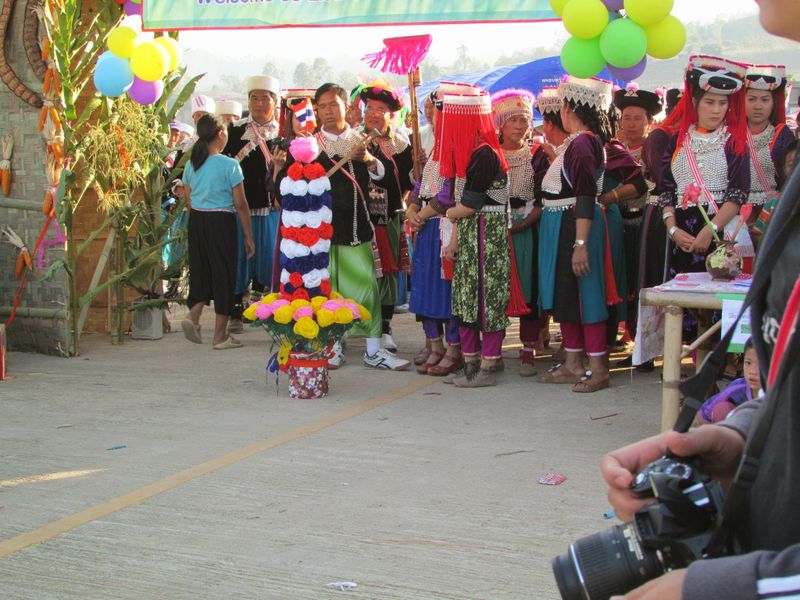
One of the most visually striking aspects of the Lisu culture is their traditional attire. The vibrant and intricate clothing worn by the Lisu people not only reflects their cultural heritage but also serves as a marker of identity. Each color, pattern, and accessory holds significance, often conveying messages about marital status, community affiliations, and familial connections.
Animism, Ancestral Spirits, and Modern Influences
The Lisu people's spiritual beliefs are rooted in animism, where they recognize and revere the spirits that inhabit the natural world. Ancestral spirits hold a significant place in their cosmology, serving as intermediaries between the human realm and the divine. Over time, Buddhism has also intertwined with Lisu spirituality, creating a unique fusion of beliefs that bridges ancient traditions with contemporary influences.
A Thriving Future in a Changing World
In the modern era, the Lisu people find themselves at a crossroads, navigating the delicate balance between preserving their cultural heritage and embracing the opportunities of the evolving world. As technology, communication, and globalization shape the landscape, the Lisu people work to ensure that their customs, languages, and traditions remain vibrant and relevant for generations to come.
Conclusion: Guardians of Heritage
The Lisu people's journey through time is a testament to the resilience of culture and identity. As they continue to celebrate their roots while embracing the future, the Lisu people stand as guardians of a heritage that bridges generations, borders, and landscapes. Their story serves as an inspiring reminder of the intricate tapestry of human diversity and the power of cultural legacy.
