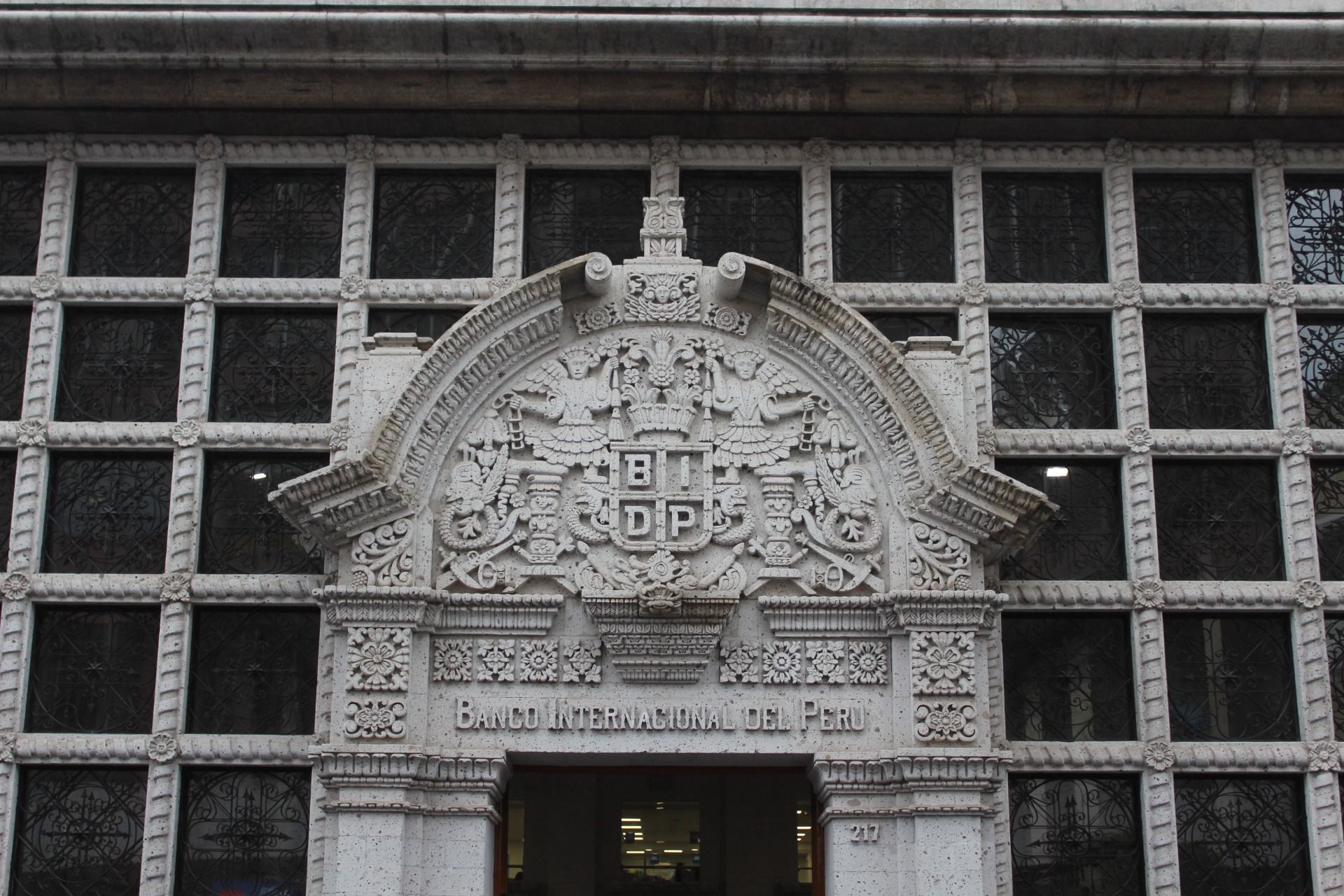
 Arequipa, Arequipa, Peru
[PL]
Jak już kiedyś wspominałem wraz z opuszczeniem Chile skończyła się dla nas dobra pogoda, ale to co przyszykowało dla nas Peru przerosło wszelkie oczekiwania. Pierwsze odwiedzone miejsce czyli Jezioro Titicaca jeszcze pozwoliło nam cieszyć się swoimi urokami, ale im głębiej w kraj tym więcej deszczu. Pierwszy postój miał miejsce w dziwnej i kompletnie niepoznanej przez nas miejscowości Juliaca, z której po jednym noclegu pojechaliśmy dalej do dobrze rozpoznanej Arequipy.
Arequipa to nie byle jakie miasto, bo wielkością zbliżone jest do Krakowa, co na Peruwiańskie warunki pozwala jej być drugą największą aglomeracją w kraju. Planowaliśmy zostać w mieście trochę dłużej i urządzić sobie z niego miejsca wypadowego do odwiedzenia między innymi pobliskich wulkanów Chachani i El Misti oraz kanionu Colca. Niestety paskudna pogoda sprawiła, że będąc u podnóża wulkanów widzieliśmy tylko tyle co odsłoniły nam deszczowe chmury, a będąc nad krawędzią najgłębszego kanionu na świecie widzieliśmy tylko wielką dziurę w ziemi wypełnioną mleczną mgłą. Jednym słowem ogromny pech, bo okolica w której z powodzeniem można by spędzić dwa tygodnie i wcale się nie nudzić dla nas okazała się istną krainą deszczowców.
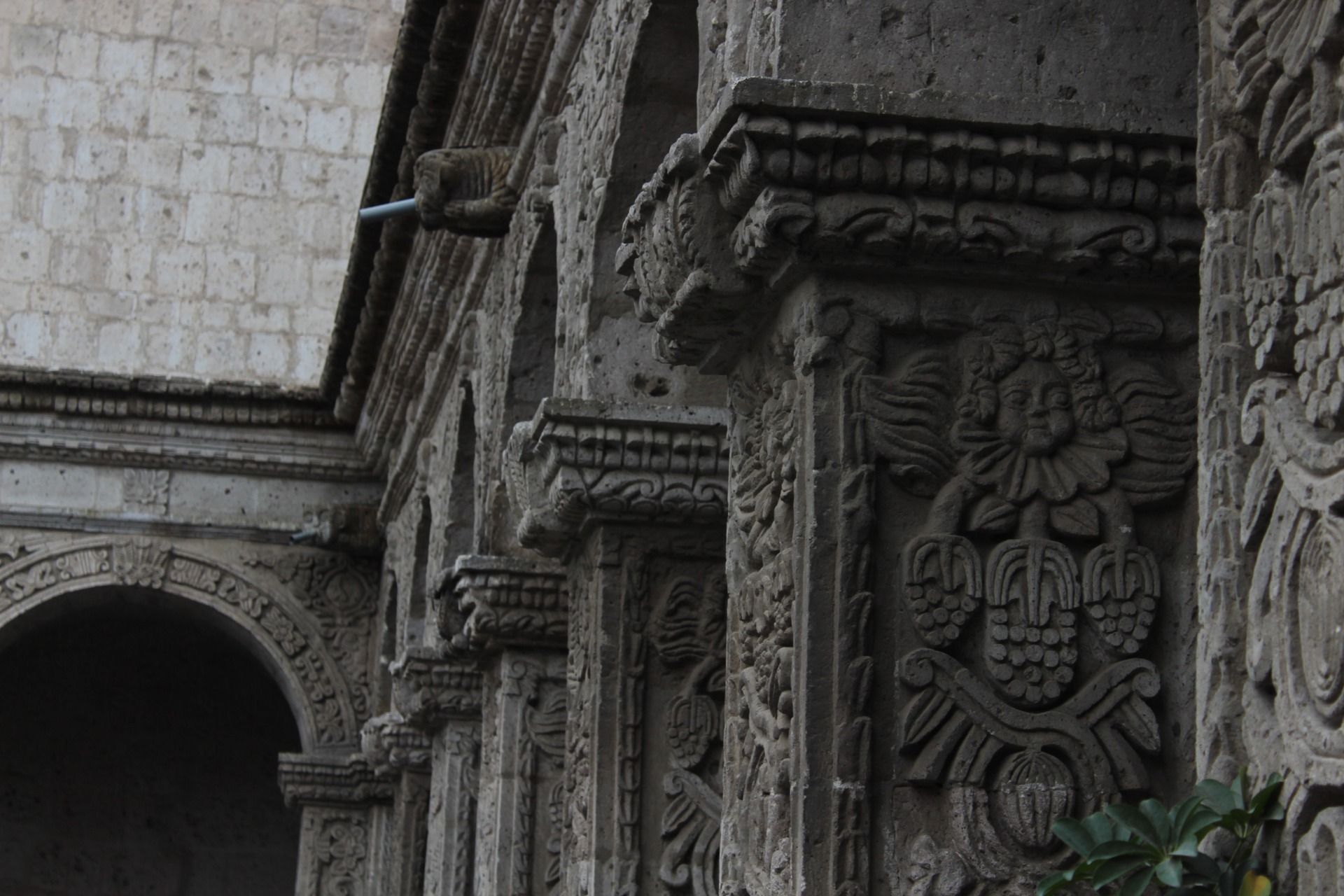
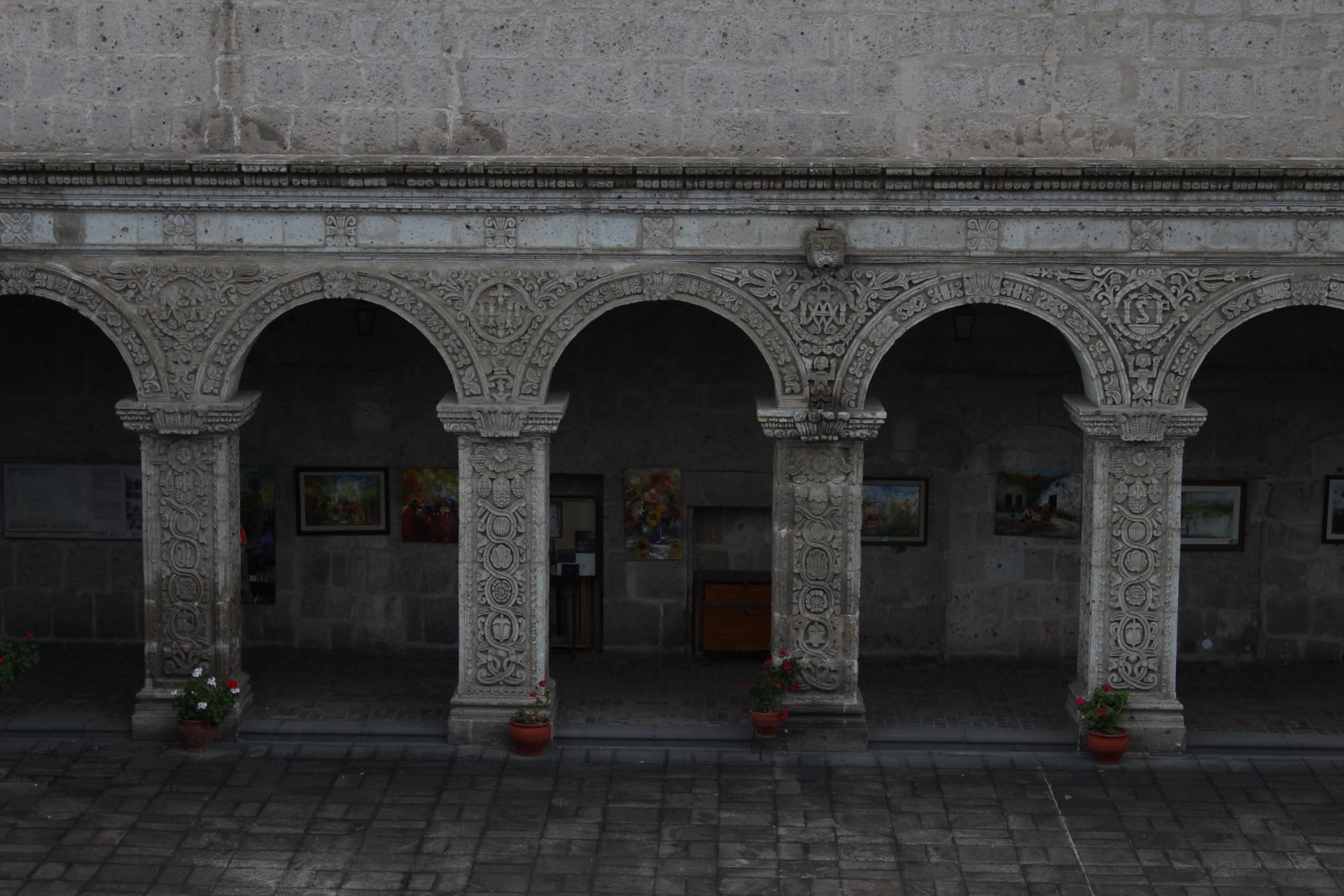
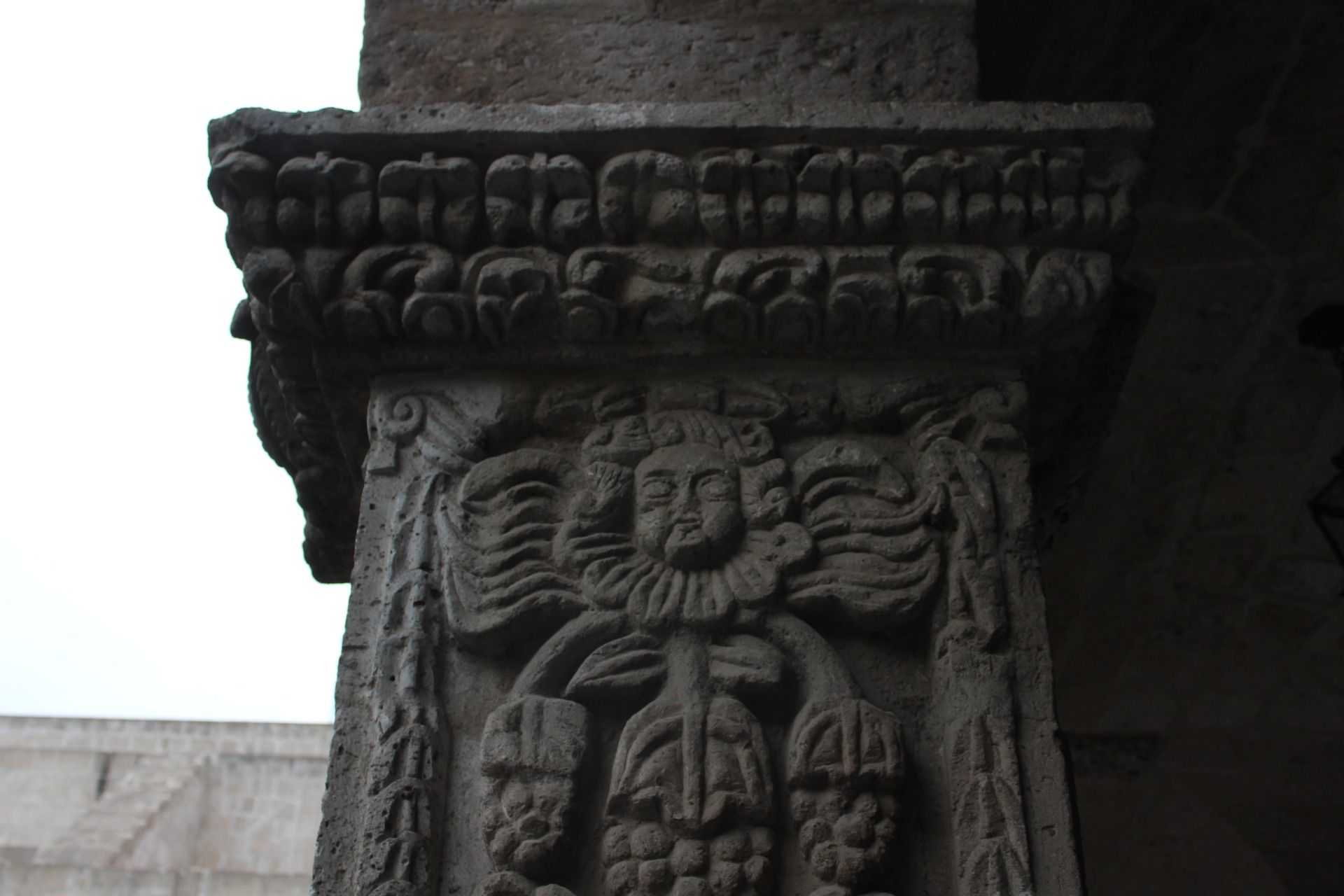
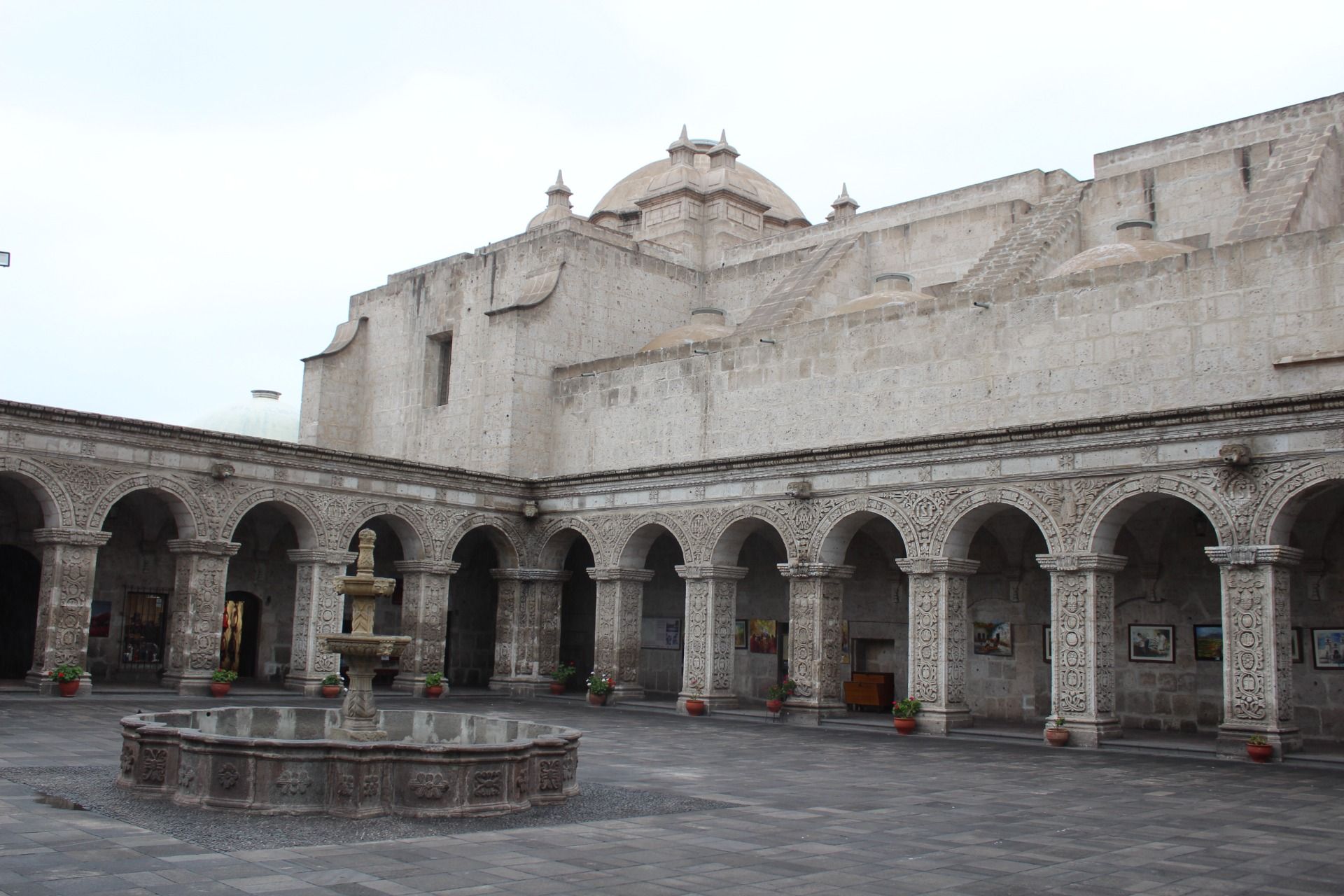
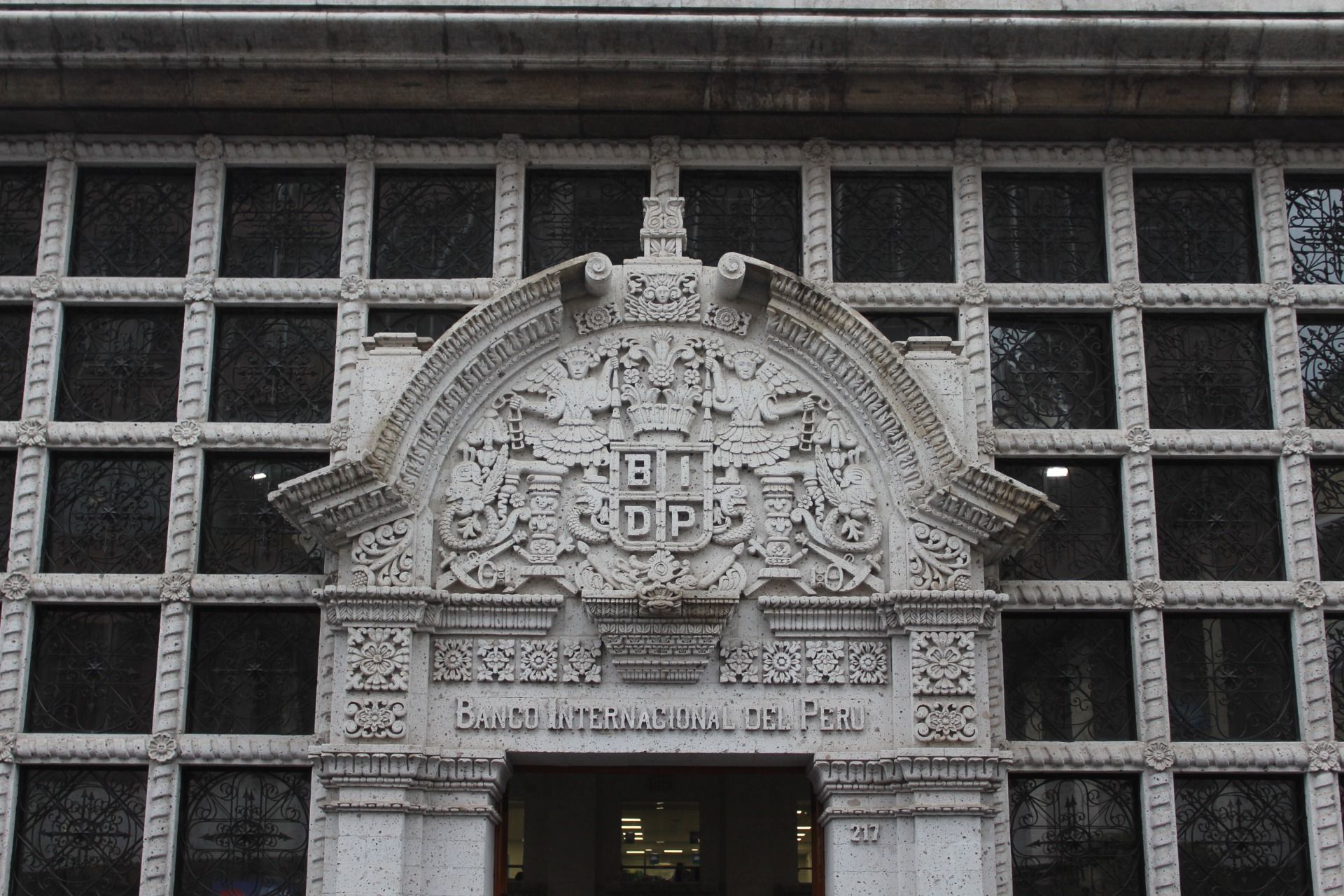
Całe szczęście Arequipa jako miasto też jest niczego sobie. Miasto zostało założone już 1540 roku co czyni je jednym z najstarszych peruwiańskich miast, a jego przepiękna historyczna zabudowa która pamięta jeszcze XVI w sprawiły, że Stare Miasto zostało wpisane na listę światowego dziedzictwa UNESCO.
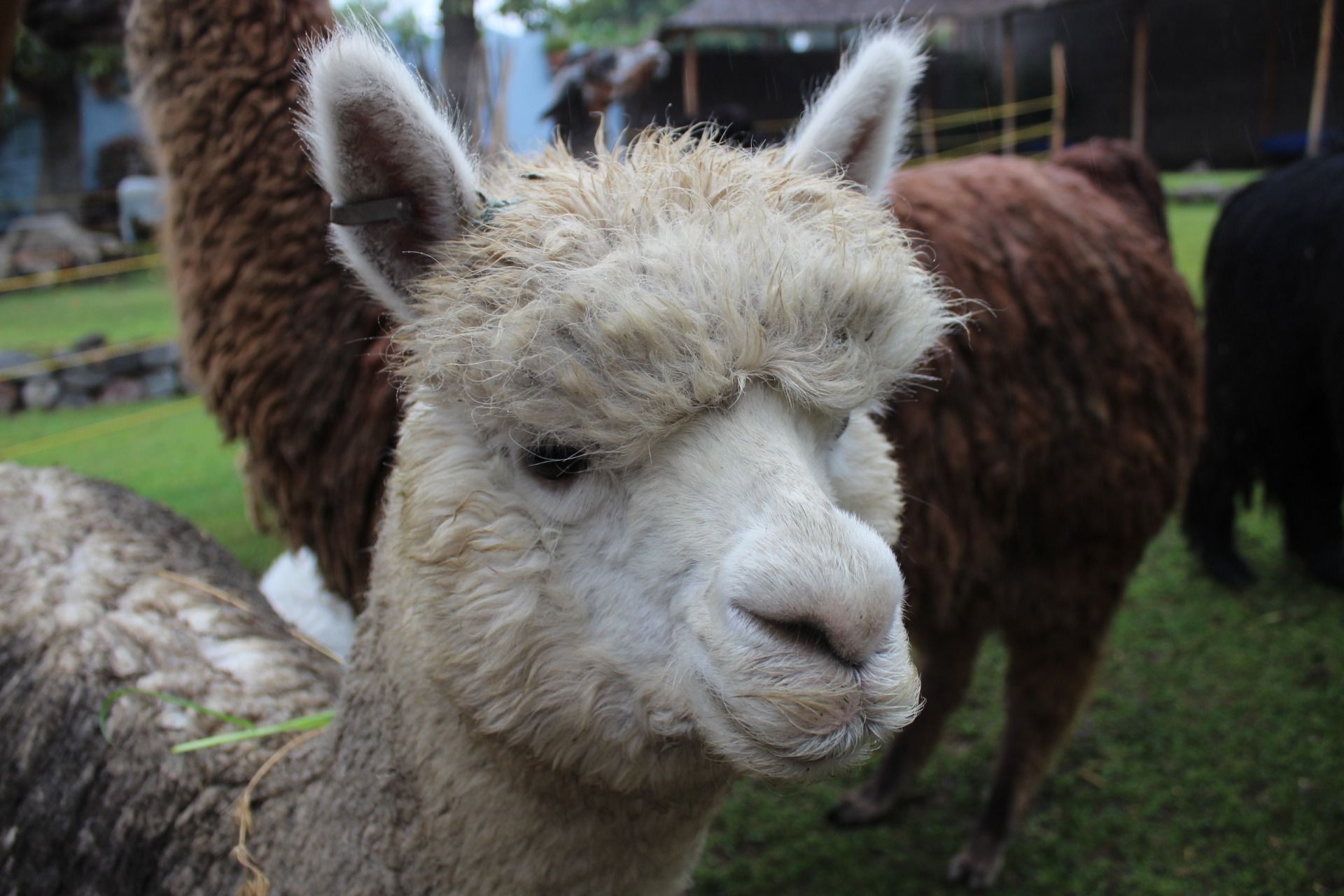
Arequipa jest także centrum peruwiańskiego przemysłu włókienniczego, co w Peruwiańskich warunkach oznacza, w mieście aż roi się od sklepów sprzedających sweterki z lam czy alpak. My dzięki pomocy jednego z mieszkańców Arequipy trafiliśmy nie do zwykłego sklepu, tylko czegoś więcej. Mundo Alpaca to zrobiony typowo pod zagranicznego turystę sklep, gdzie wizyta w sklepie jest tak naprawdę dopiero ostatnim etapem zwiedzania. Zaraz po wejściu do środka wita nas przemieszane stadko rozbrykanych alpak i lam i uważam że jest to najlepsze co nie spotkało w Ameryce Południowej, bo dopiero zestawienie dwóch zwierząt alpaki po lewej i lamy po prawej pozwoliło mi na dobre nauczyć się rozróżniania ich od siebie. Kolejne etapy „zwiedzania” sklepu to przędzalnia oraz sala pokazująca jak w tradycyjny sposób dawno temu produkowało się ubrania z wełny. Ostatni etap zwiedzania sklepu, to bardzo ekskluzywnie wyglądająca sala sprzedażowa , gdzie można kupić wszelkiej maści wyrobu z wełny. Niestety mimo tego, że ubrania te były bardzo ładne ich ceny były zaporowe jak na nasza kieszeń. W tej części sklepu czuliśmy się jakbyśmy weszli do sklepu marki Hugo Boss i przeglądali sweterki po 200 euro oraz szaliki po 100 euro. Najwyraźniej sklep był nastawiony na turystów z Europy, ale niekoniecznie z jej wschodniej części, tylko raczej z zachodniej.
[ENG]
As already mentioned, that I mentioned about leaving Chile, good weather ended for us, but Peru exceeded all expectations to prepare for us. The first place visited Lake Titicaca still in nice places that we know our own, but the deeper the more rain. The first stop was in the place of a strange and completely unknown by us in the place of Juliac, from which after the night we went on to the well-known Arequipa.
Arequipa is not just any city, because its size is similar to Krakow, which corresponds to the Peruvian conditions of allowing it to maintain the glomeration in the country. We planned to be detained and set up a starting point for work, among others, the nearby volcanoes of Chachani and El Misti and the Colca Canyon. Unfortunately, the foul weather in the world, that we saw only as much as the rain clouds were exposed to the service at the foot of the volcanoes, in the world over the rim of the deepest canyon in the world, we were just a huge hole in the ground serviced by a milky mist. In a word, great bad luck, because the area in order with additional showers that can be used for two weeks and next to each other.
Fortunately, Arequipa as a city is also not bad. The city was founded in 1540, which makes it one of the oldest Peruvian cities, and its beautiful historical buildings that still remember the 16th century made the Old Town inscribed on the UNESCO World Heritage List.
Arequipa is also the center of the Peruvian textile industry, which in Peruvian terms means that the city is full of shops selling llamas and alpacas sweaters. Thanks to the help of one of the inhabitants of Arequipa, we found ourselves not in an ordinary shop, but something more. Mundo Alpaca is a shop typically made for foreign tourists, where a visit to a shop is actually only the last stage of the tour. Immediately after entering, we are greeted by a mixed group of frisky alpacas and llamas, and I think that this is the best thing that has not happened in South America, because only the juxtaposition of two alpaca animals on the left and a llama on the right allowed me to learn to distinguish them for good. The next stages of "visiting" the store are the spinning mill and the hall showing how wool clothes were produced in a long time ago. The last stage of visiting the store is a very exclusive-looking sales room, where you can buy all kinds of wool products. Unfortunately, despite the fact that these clothes were very nice, their prices were prohibitive for our pocket. In this part of the store, we felt as if we entered a Hugo Boss store and looked through sweaters for 200 euros and scarves for 100 euros. Apparently the store was geared towards tourists from Europe, but not necessarily from the eastern part, but rather from the west.
