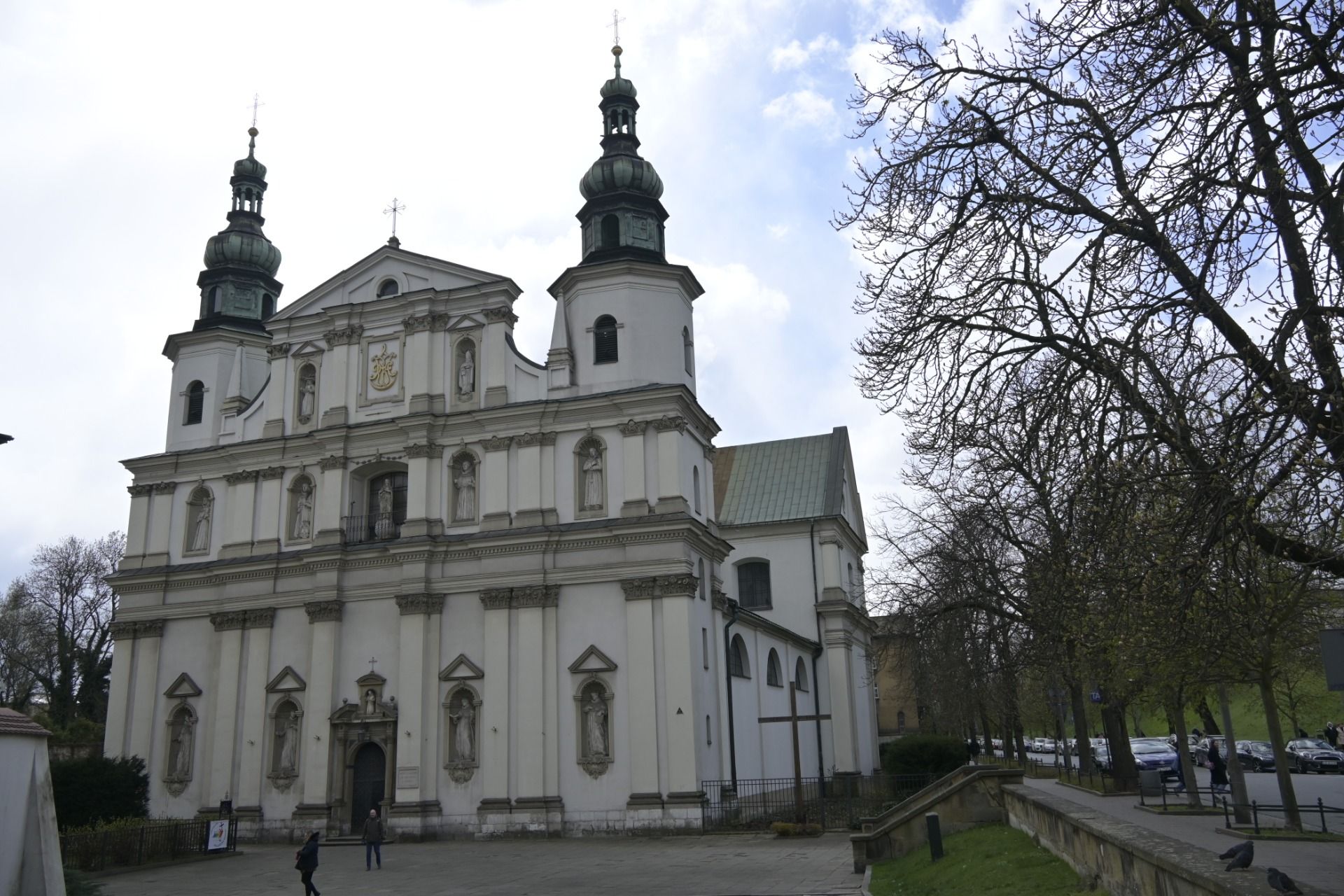
 Krakow, Lesser Poland Voivodeship, Poland
[ENG]
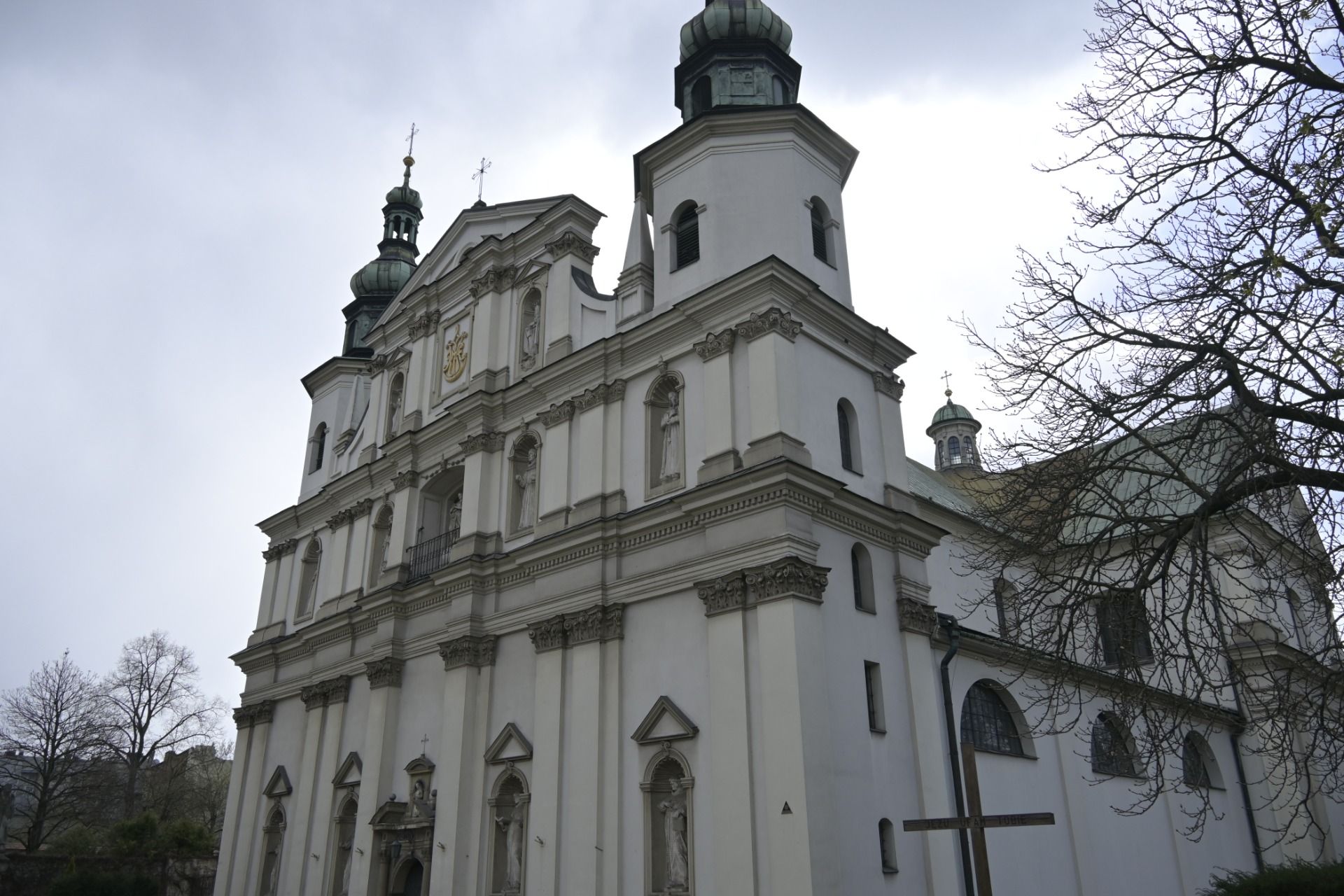
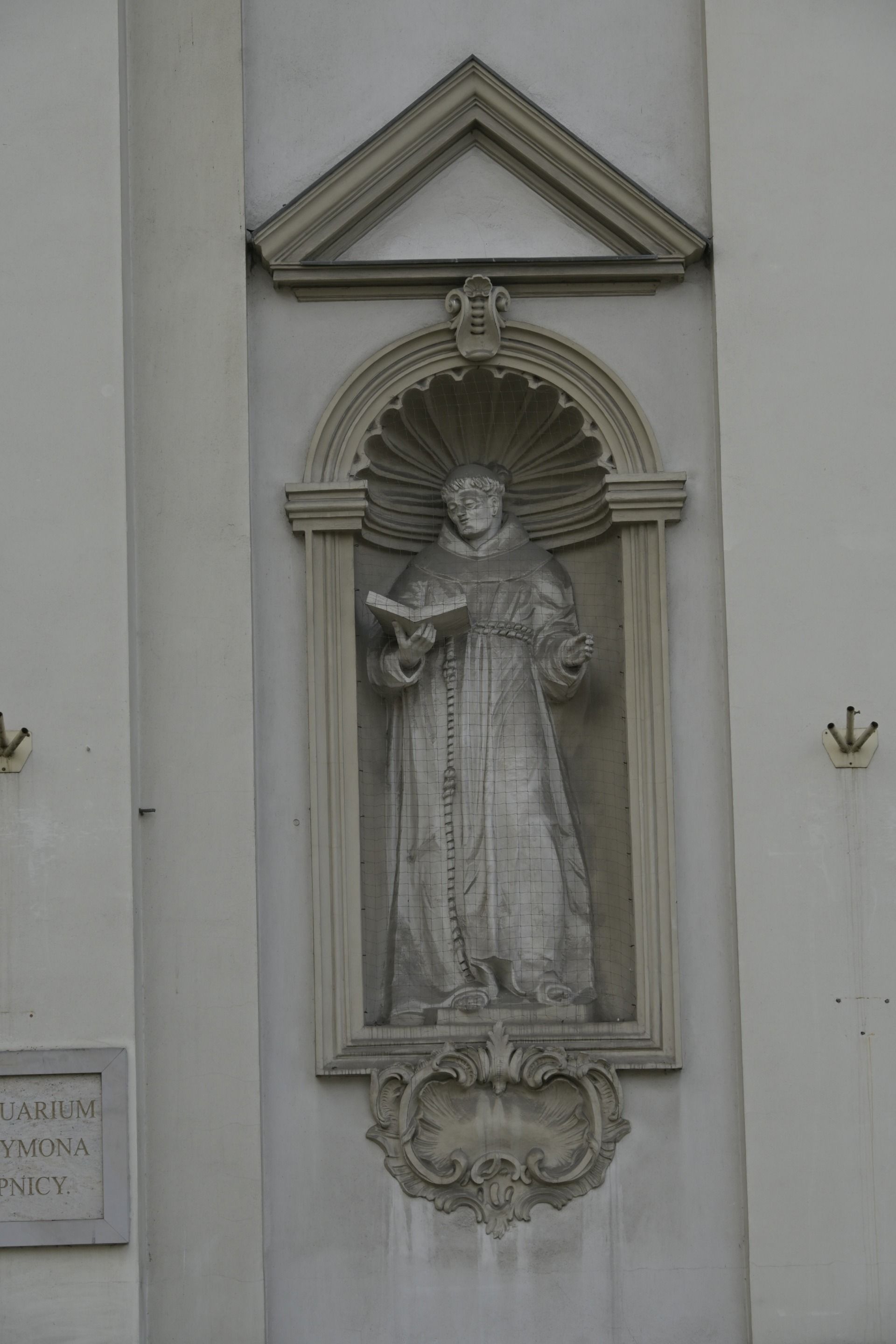
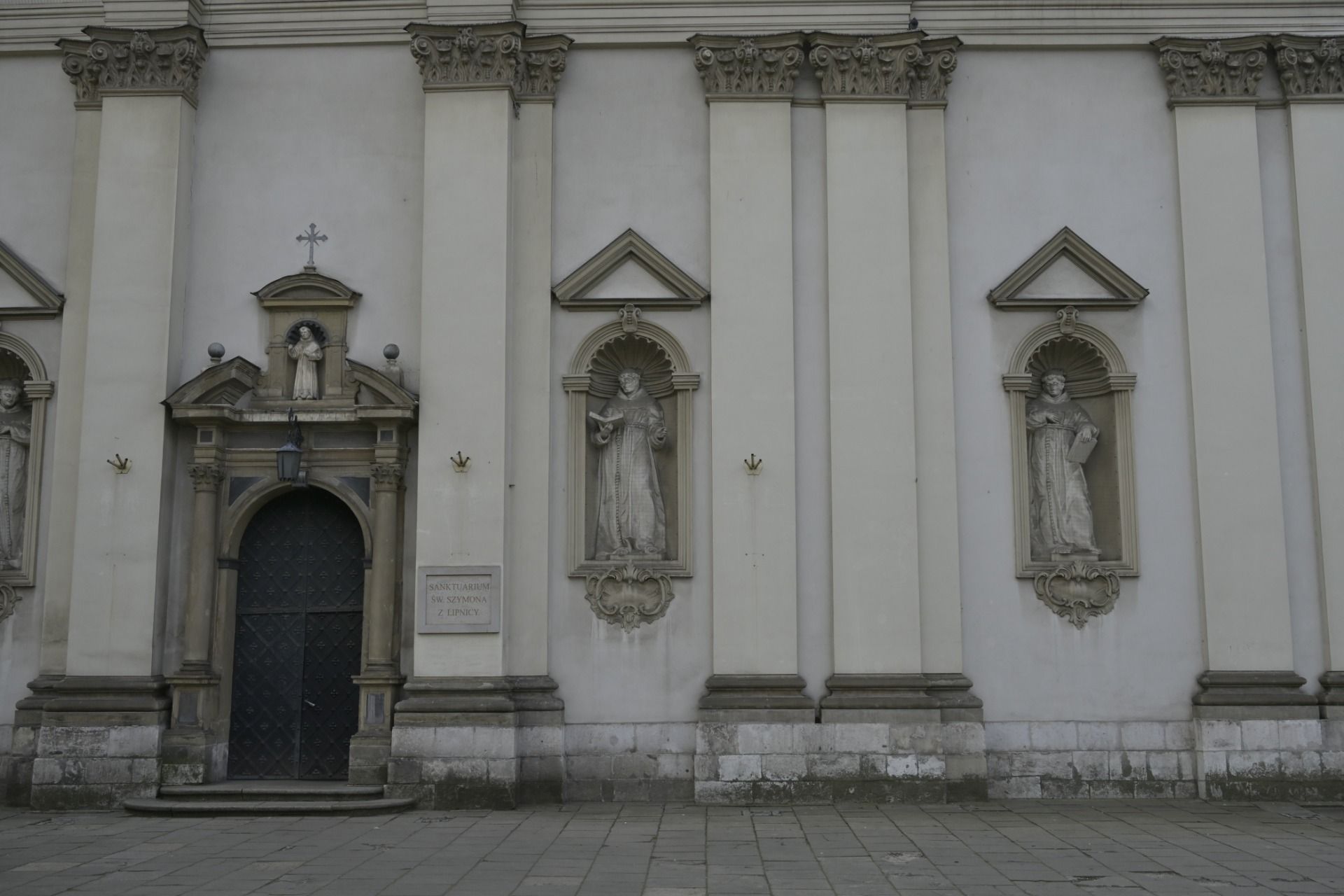
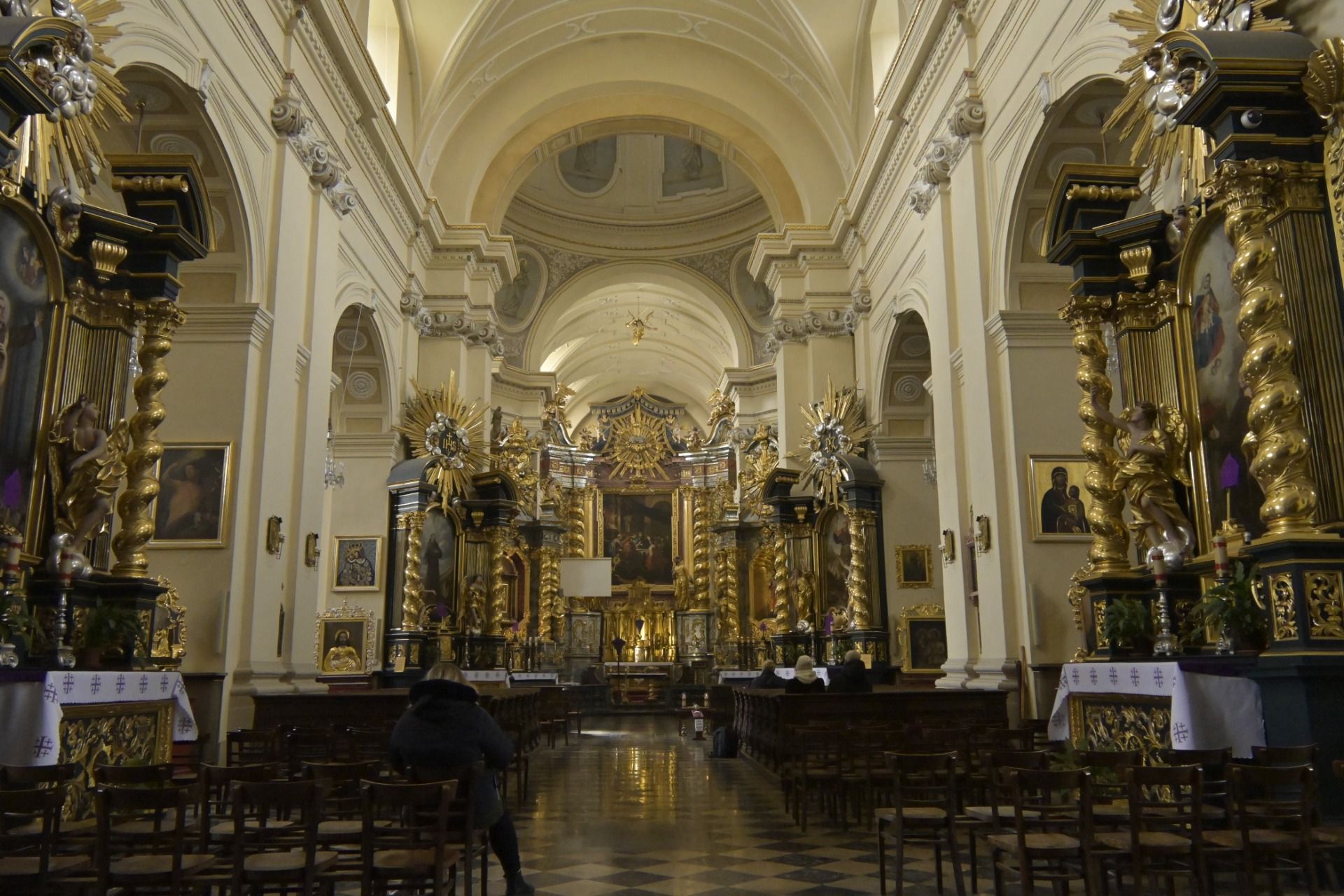
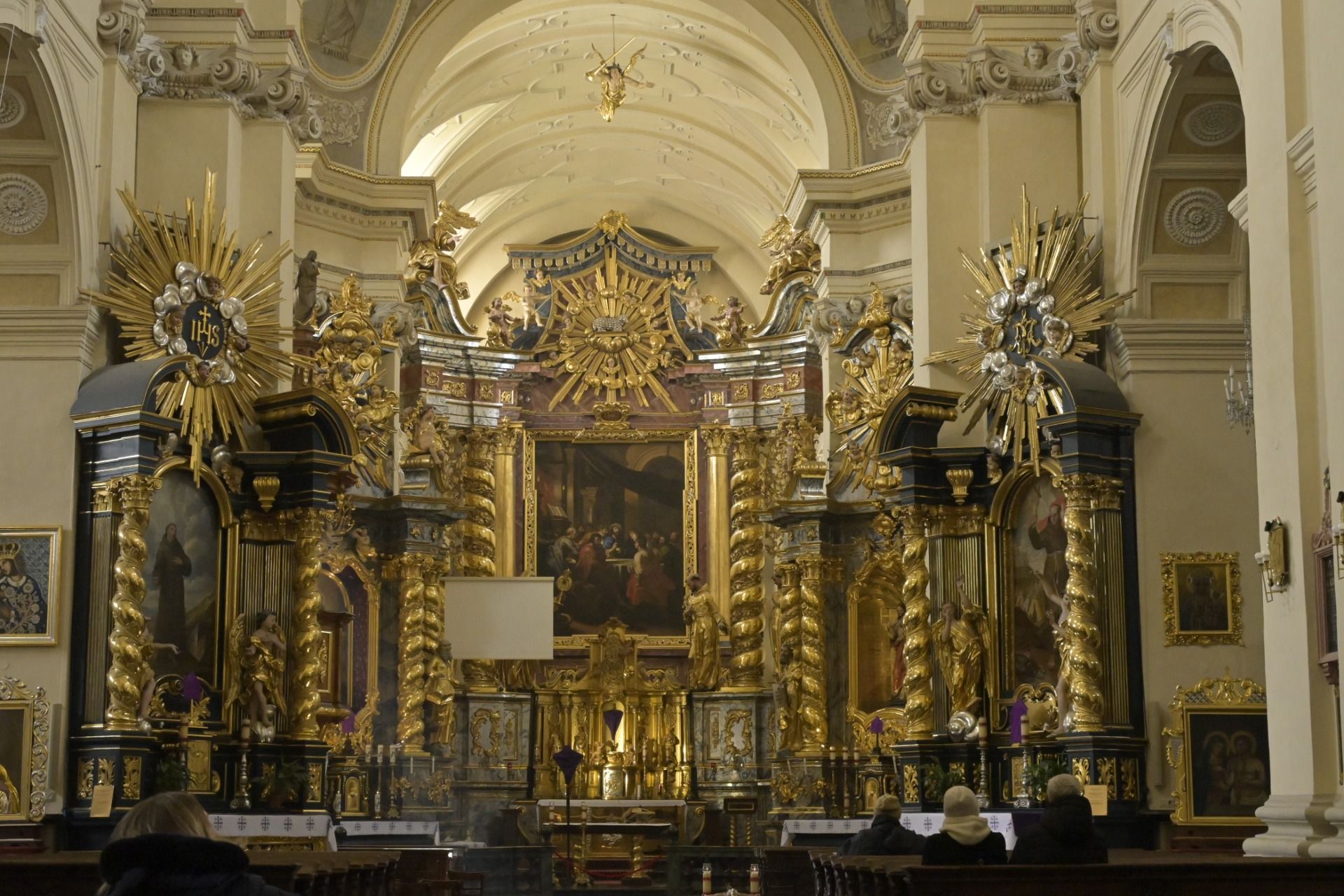
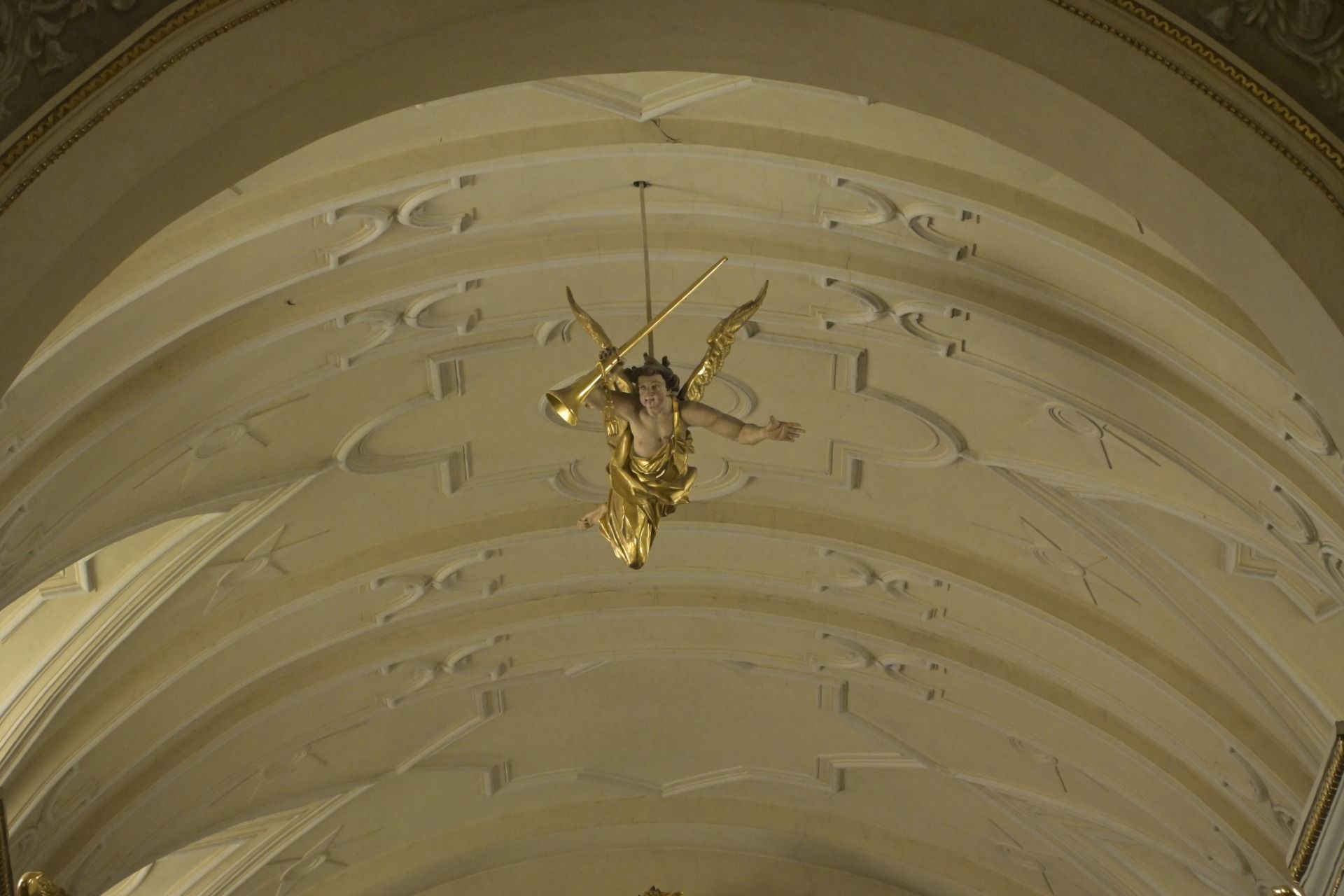
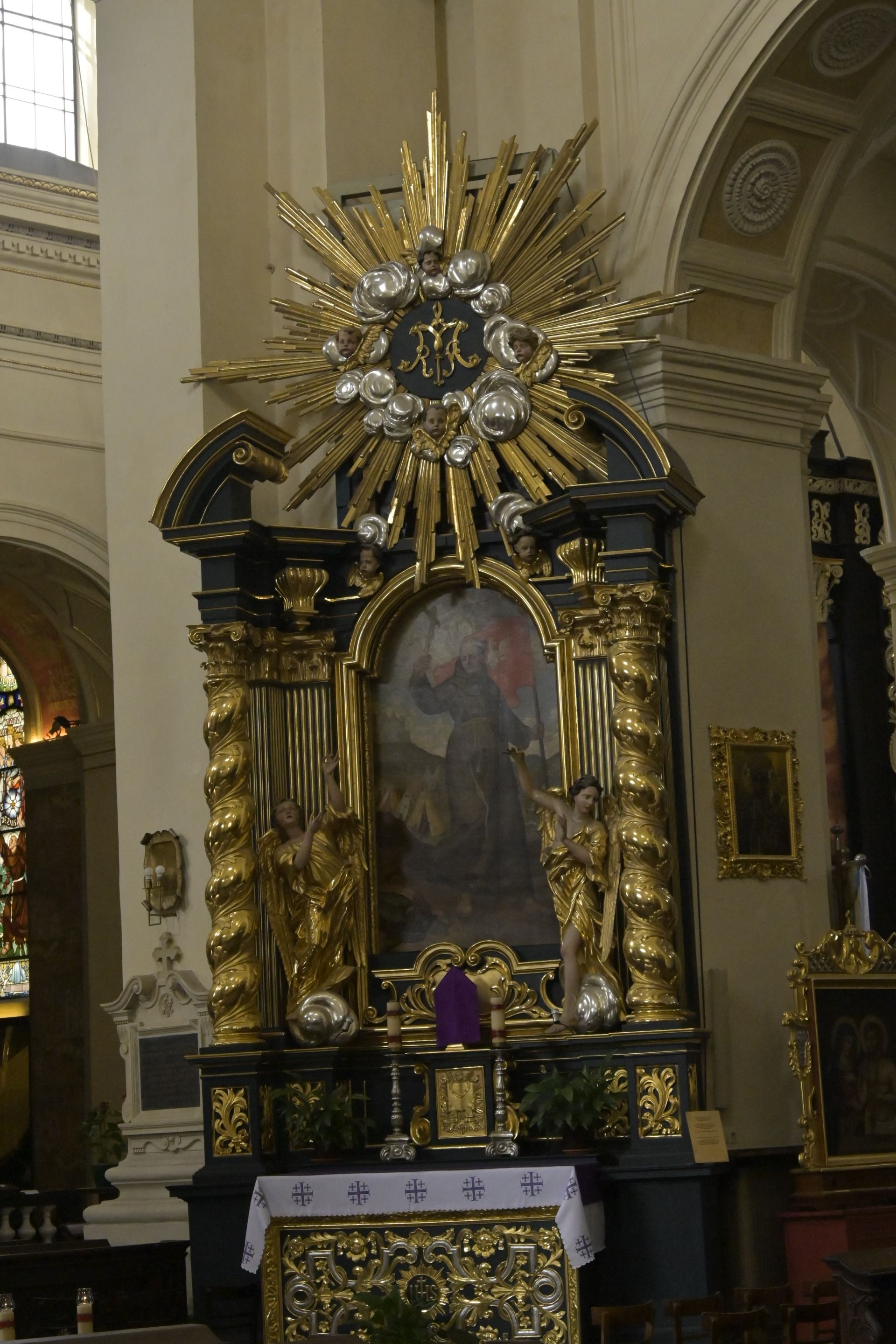
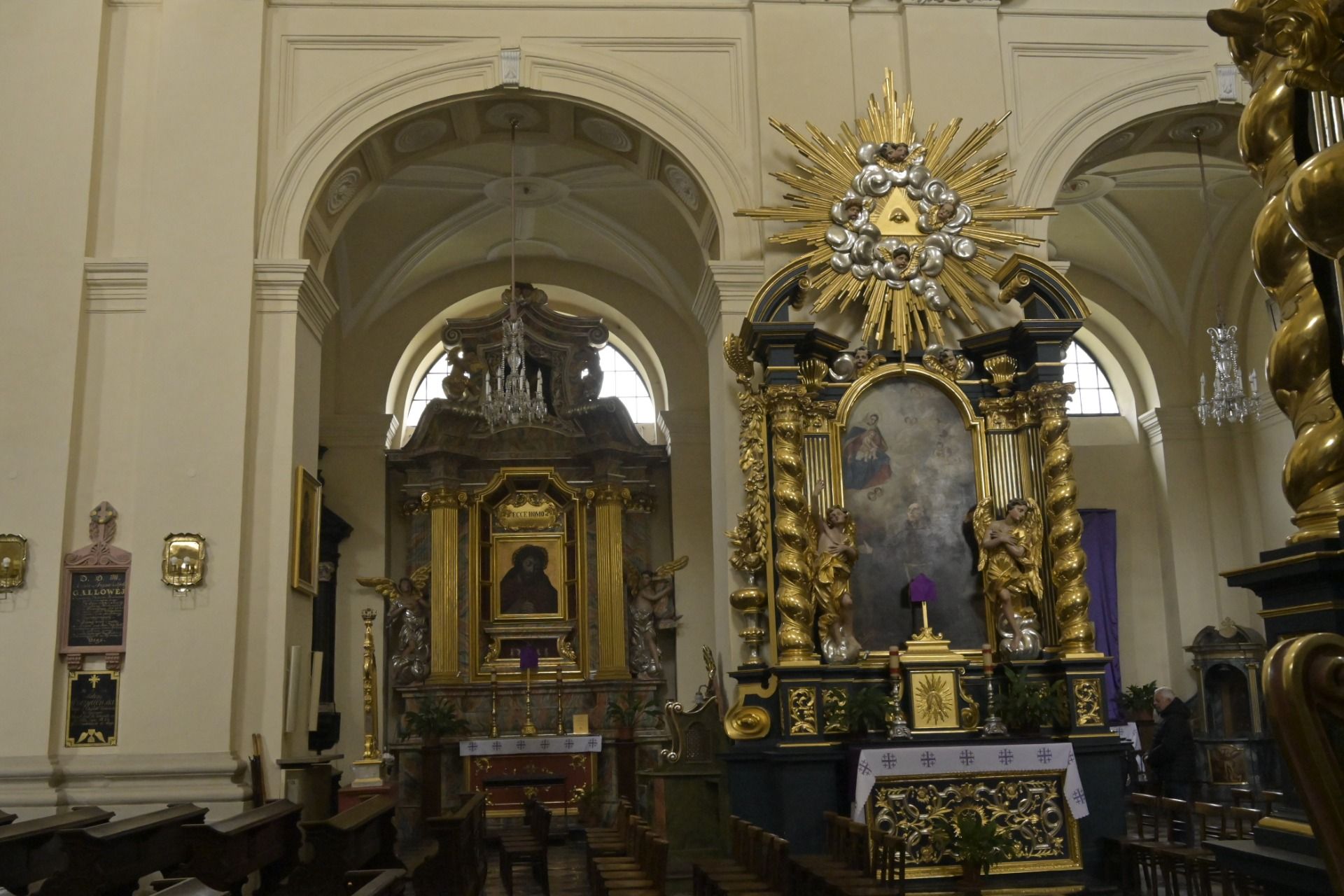
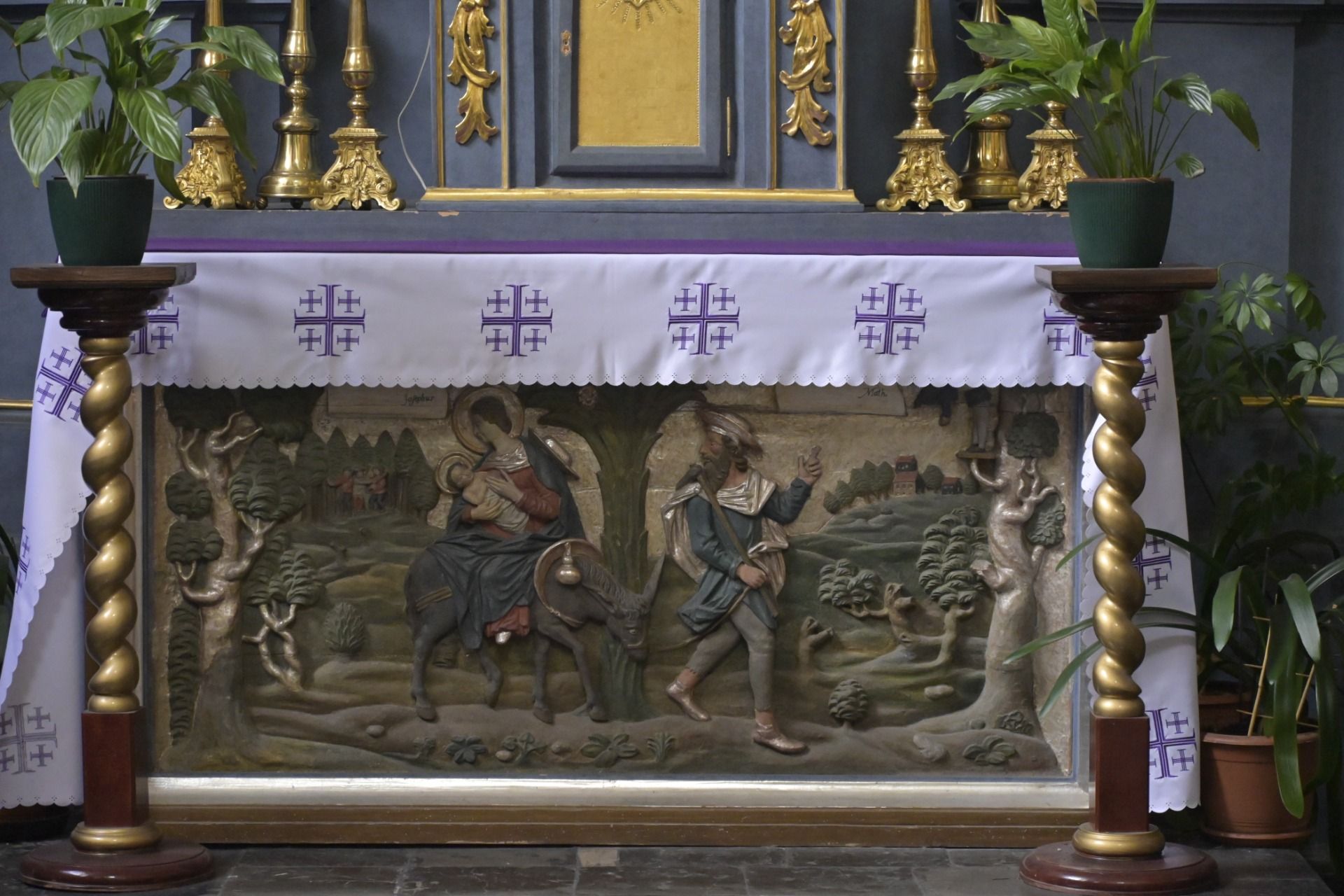
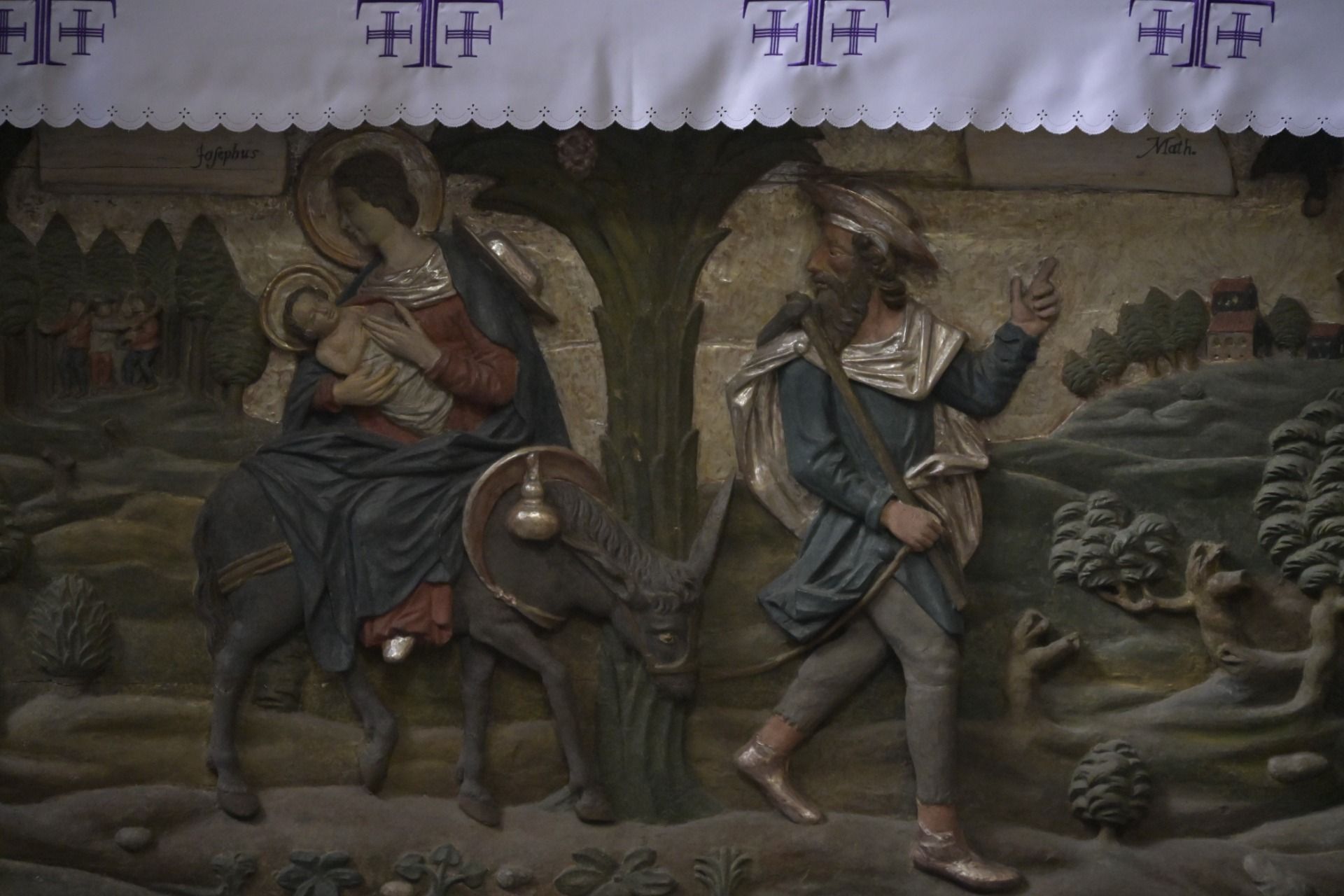
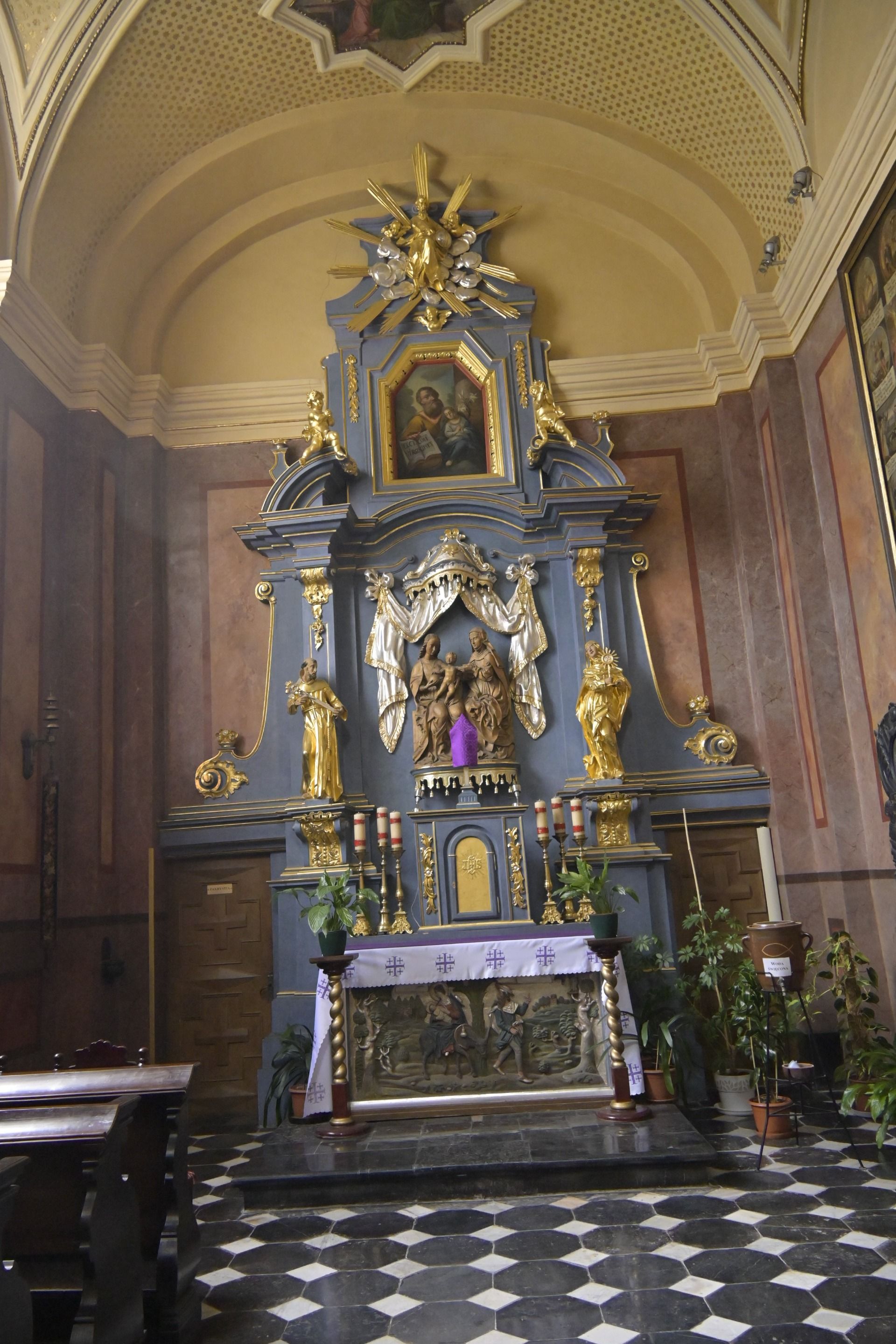
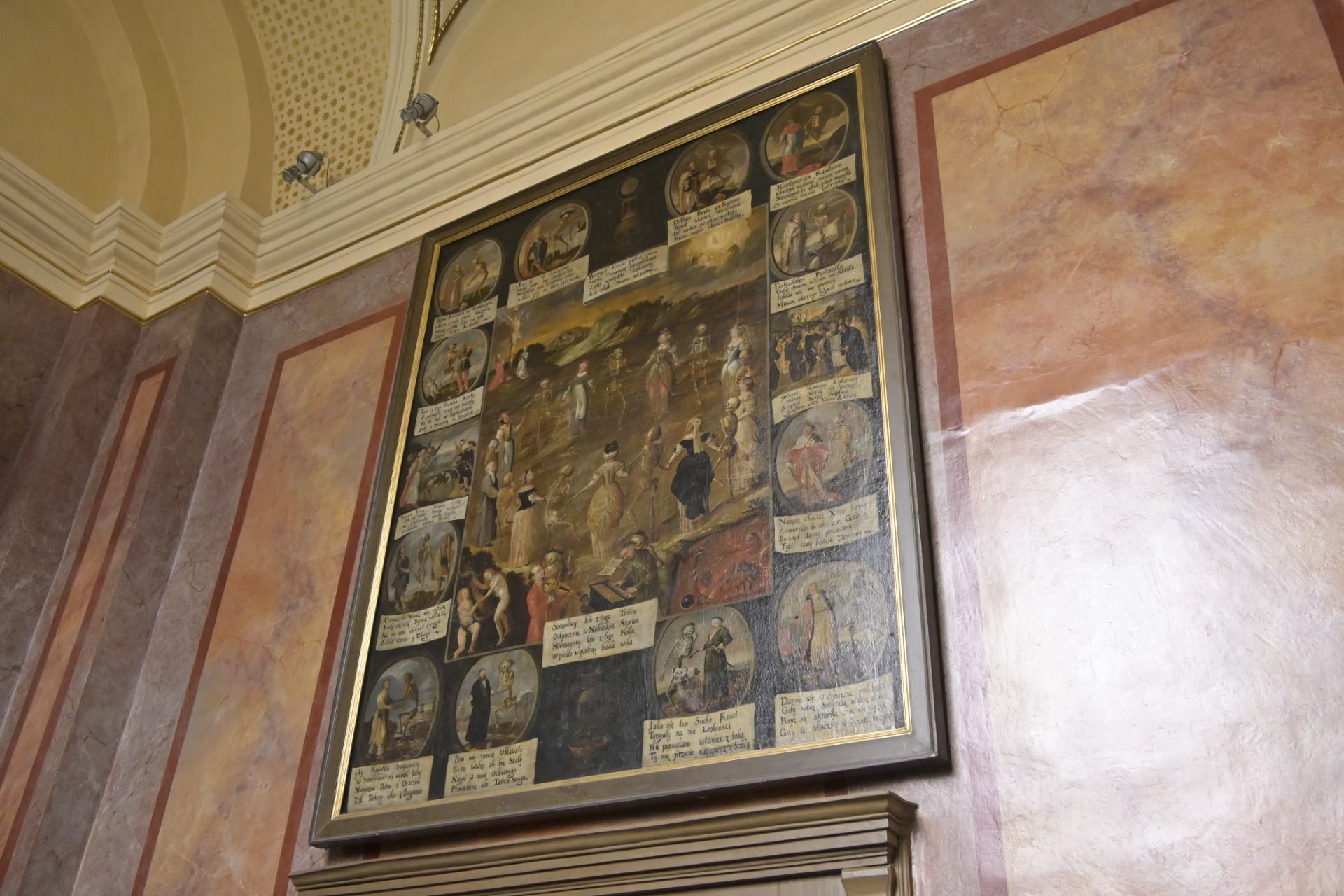
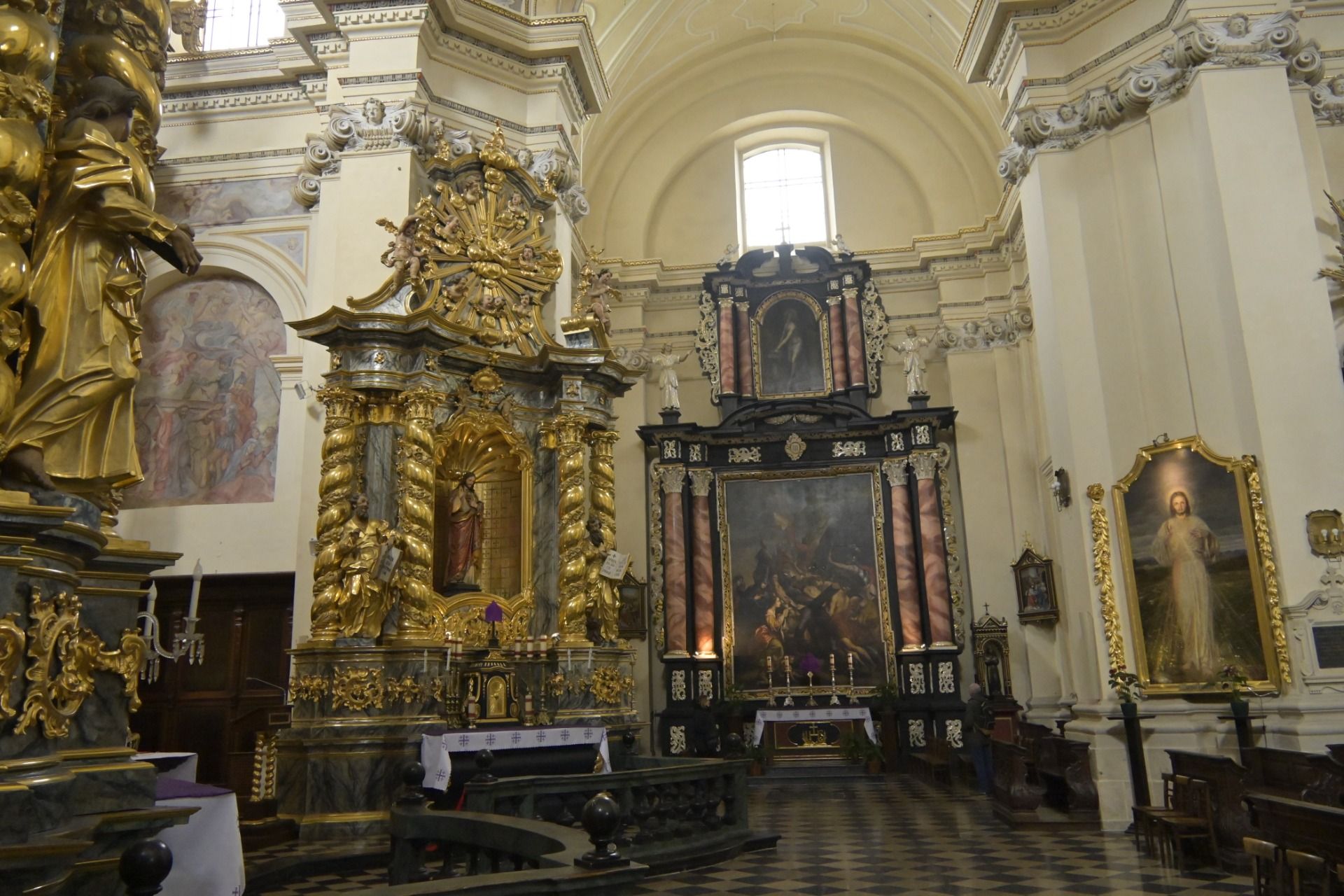
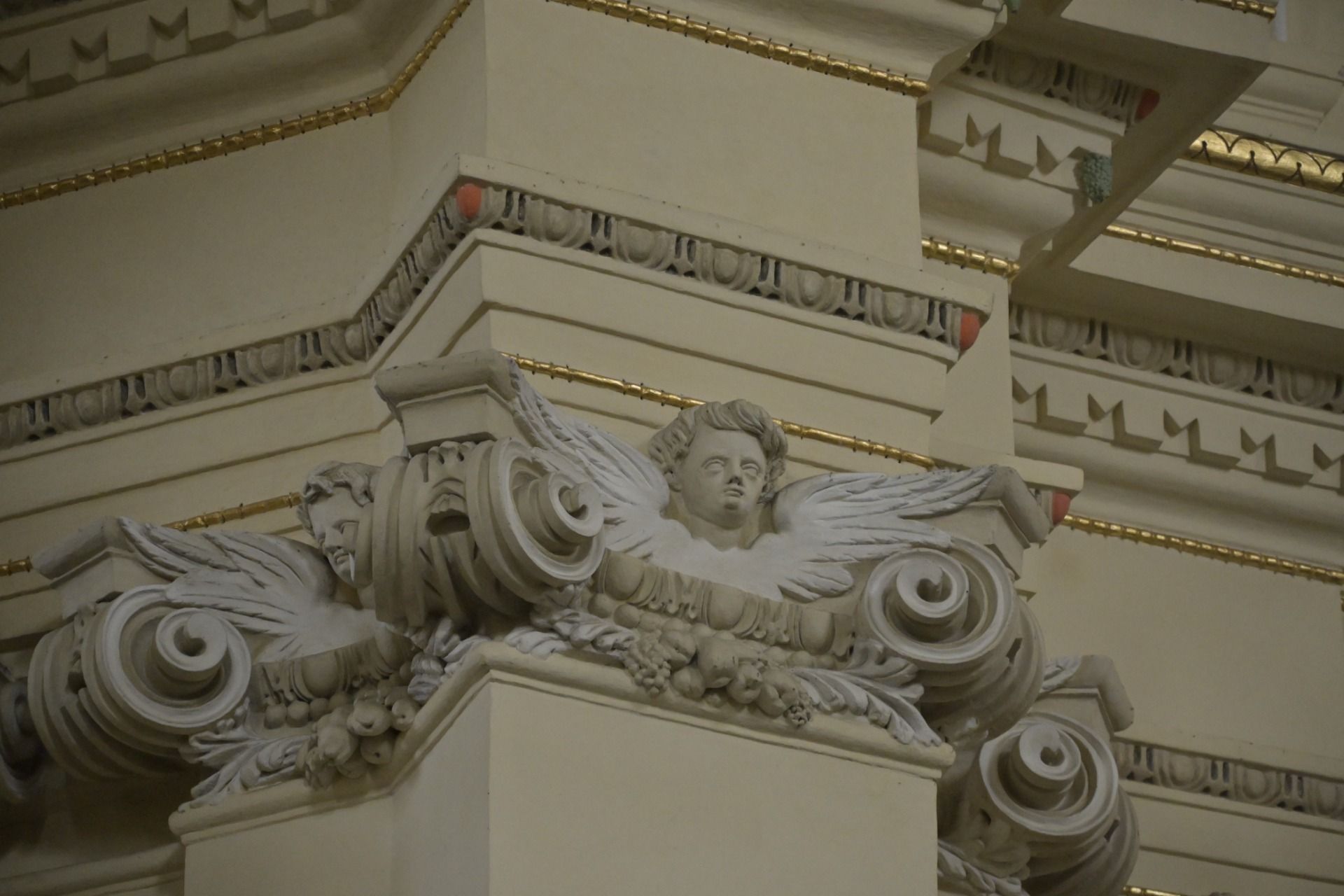
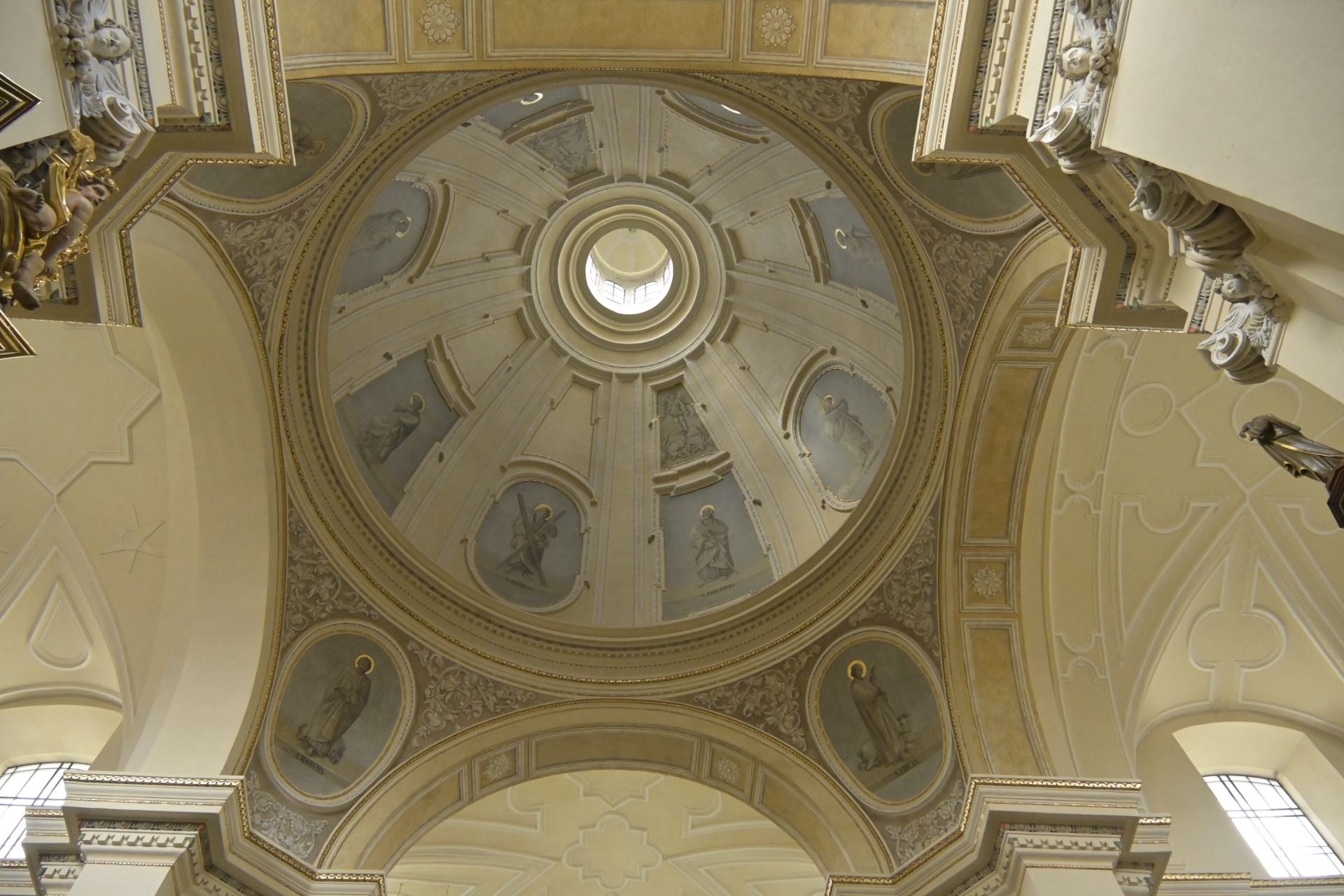
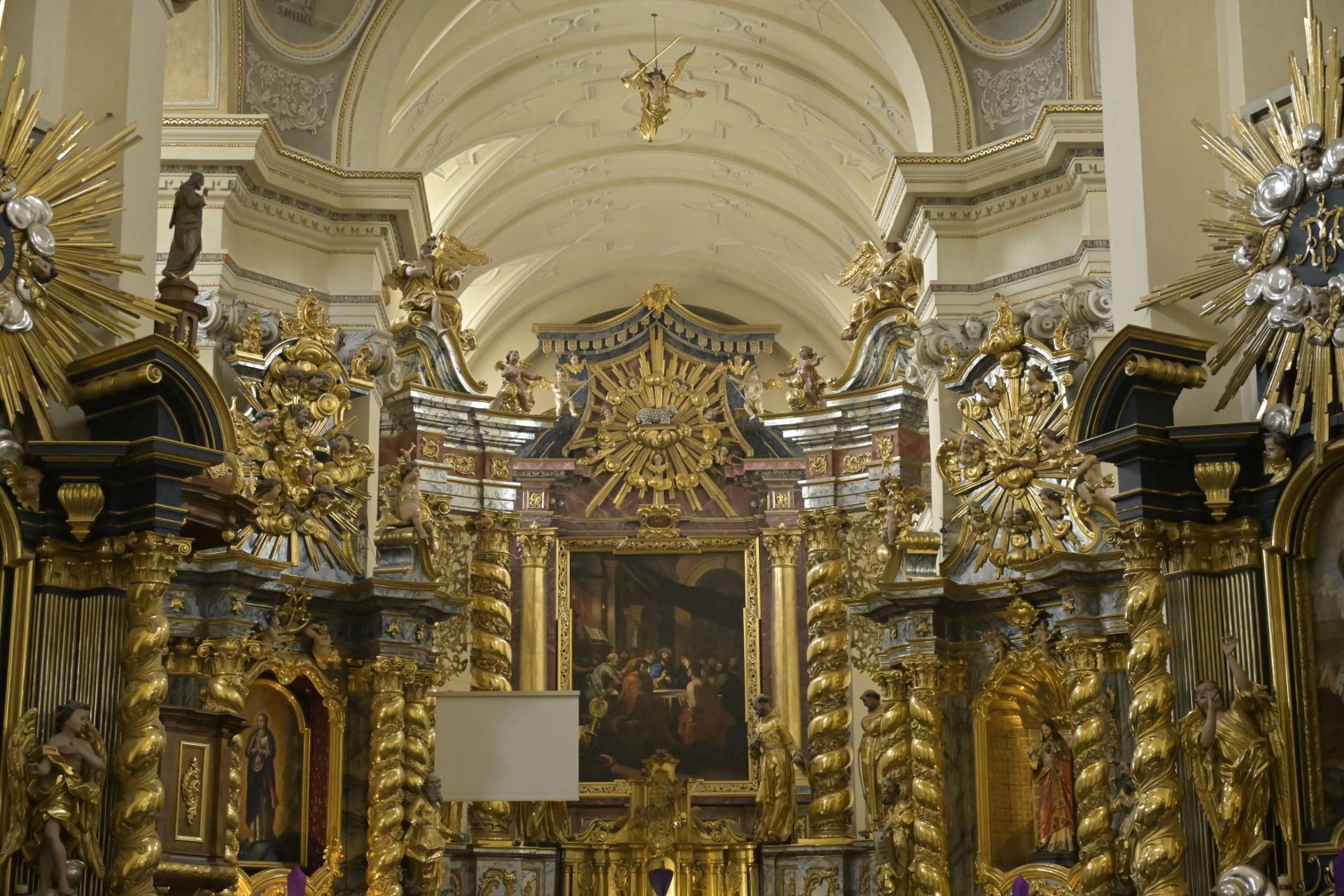
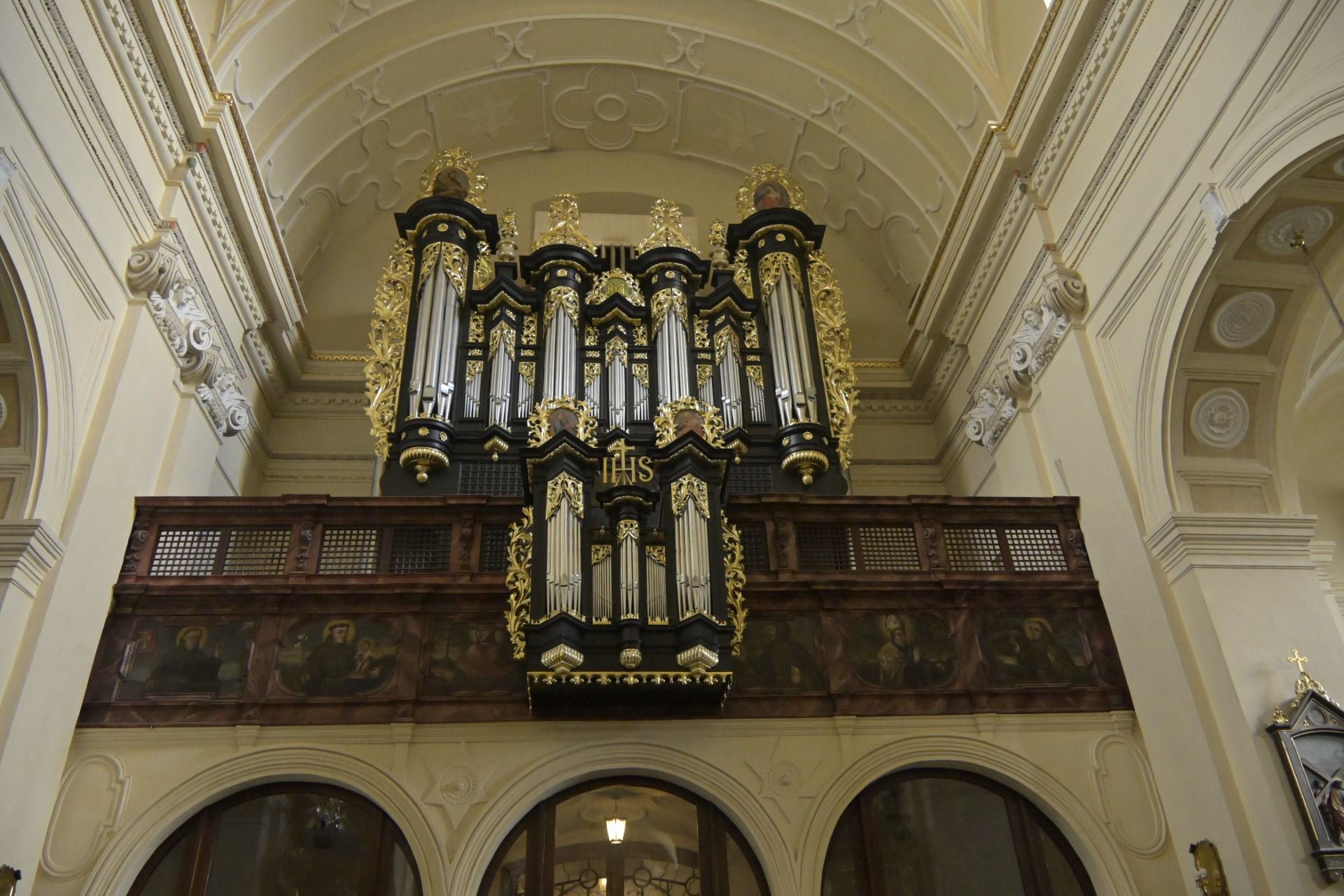
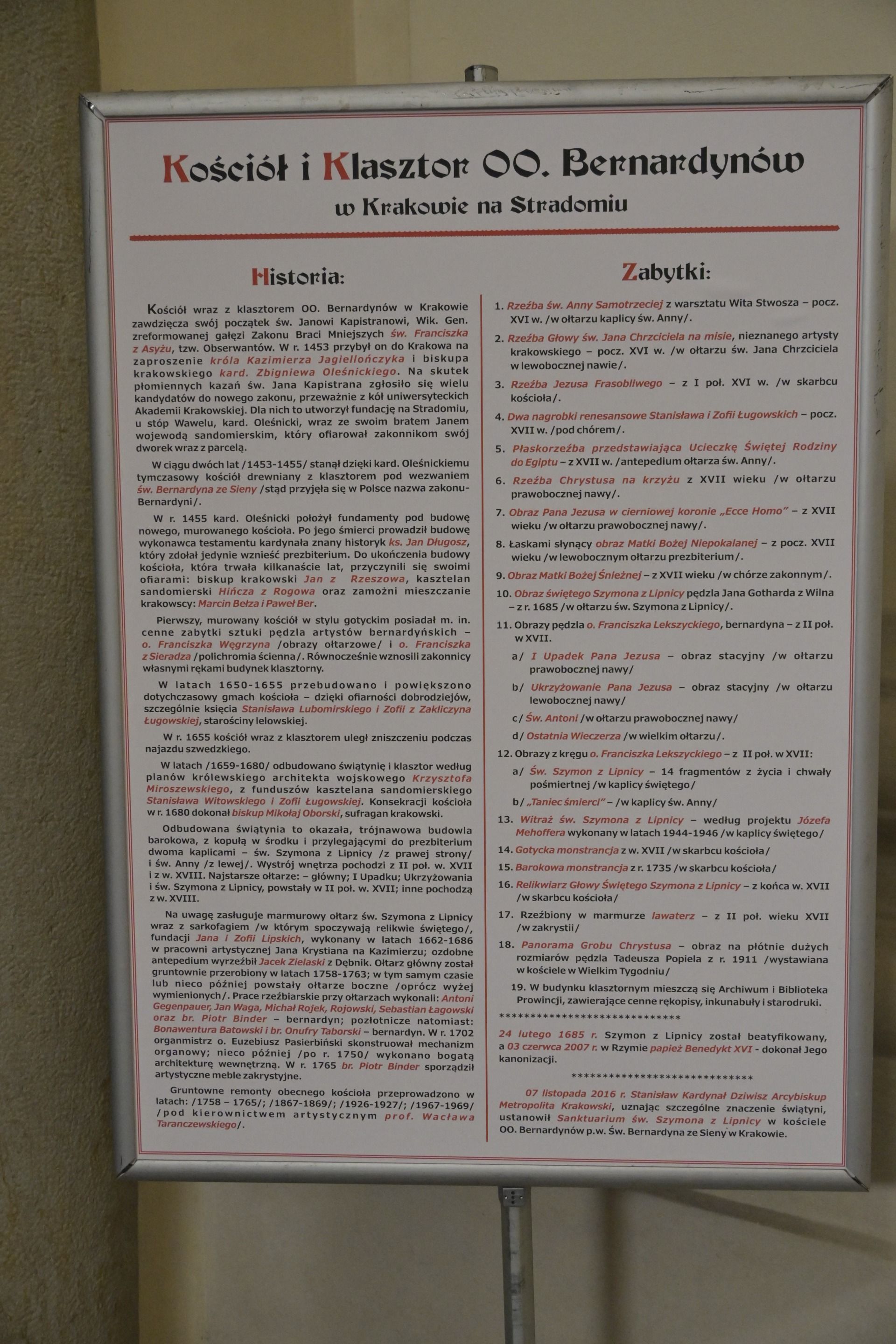
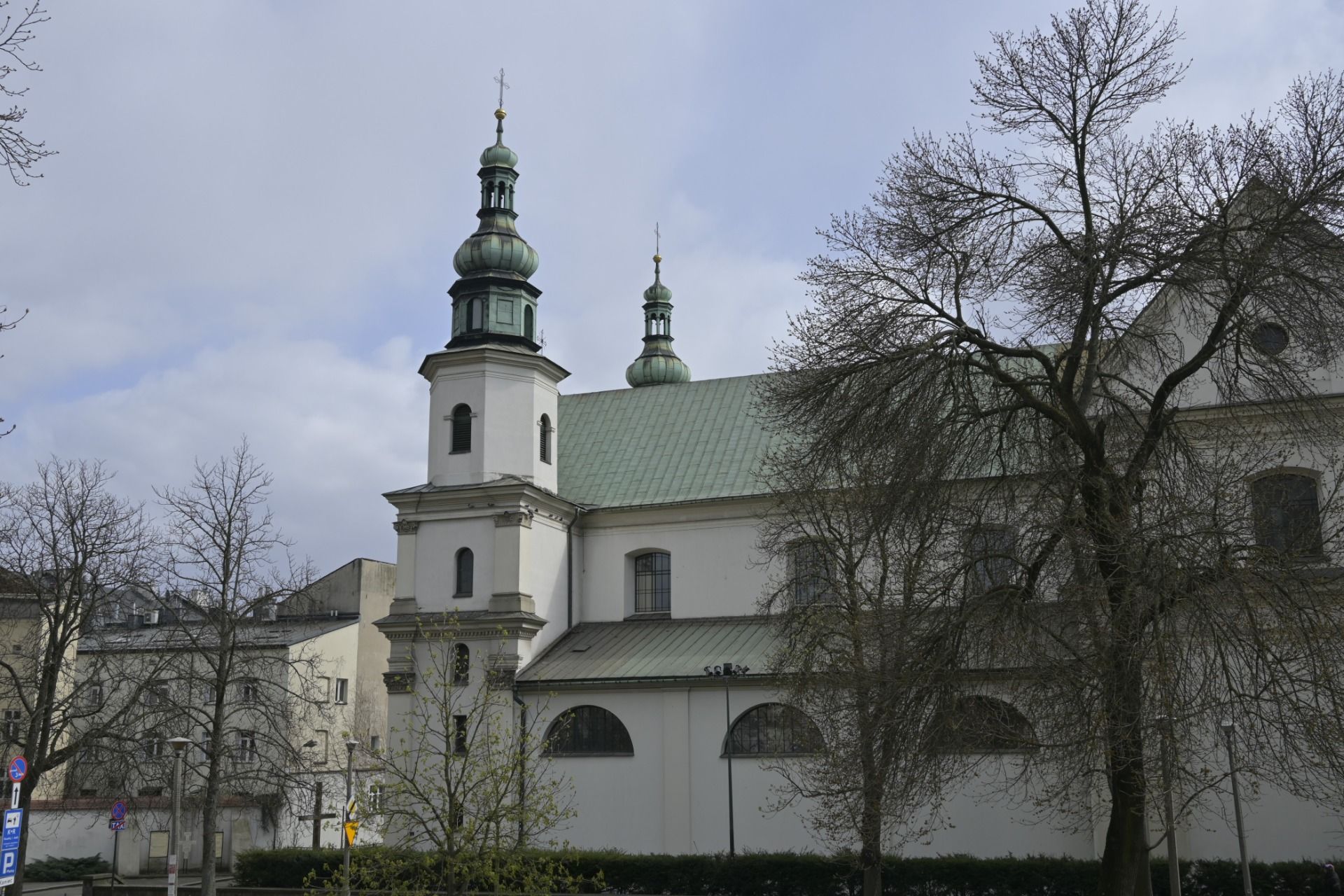
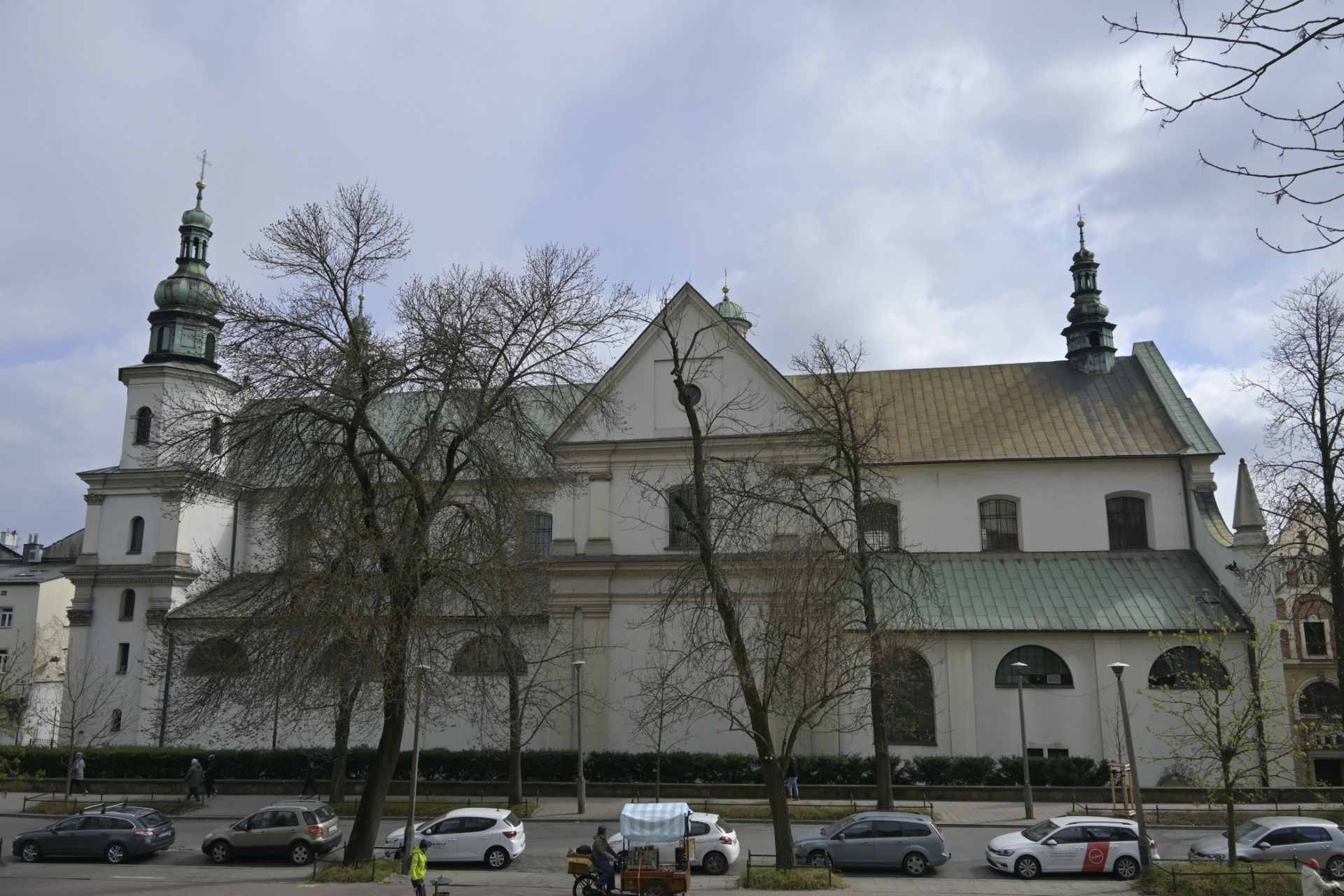
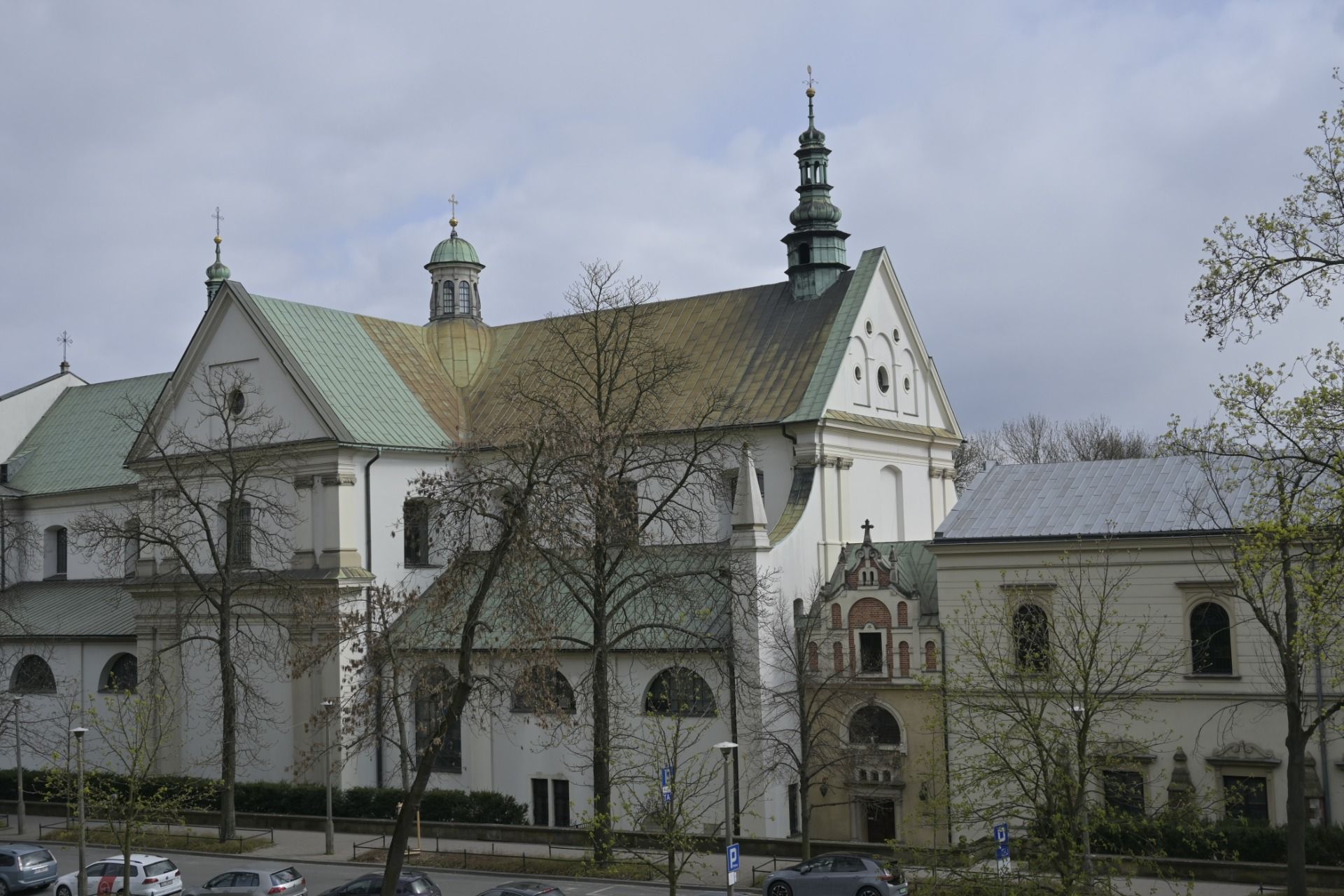
When we walk as tourists through the Old Town of Krakow, we literally pass a temple every few hundred meters, and since 100 percent of tourists in Krakow follow one main marked route leading from the Main Market Square to Wawel, they are all certain to see the Bernardine church and monastery. The first traces of the Bernardines in Krakow appeared in the mid-15th century. The order was brought to Poland by St. John of Capistrano - a preacher who in 1453 not only founded a monastery, but also personally delivered sermons here. The founder of the monastery was King Casimir IV Jagiellon, and the location was not chosen by accident - because it was on the then suburbs of Krakow, in the shadow of Wawel. The first wooden church was almost completely destroyed by fire only a dozen or so years after it was built. The current, brick temple, the construction of which began in 1659, has survived to this day, although its shape has changed over the centuries. The Bernardine church is a mixture of Gothic and Baroque in style, but the latter definitely dominates here. The interior itself makes a huge impression – especially the main altar, richly decorated, with a figure of the Mother of God and Bernardine saints, surrounded by gilding and columns in a style typical of the 17th century. One of the most important places in the church is the chapel of St. Szymon of Lipnica, canonized in 2007, whose relics are located here. Szymon was a Bernardine who died during the plague in 1482, caring for the sick – his cult continues to this day. Among the monuments, it is also worth mentioning the 18th century pulpit, built in the form of a boat with a figure of St. Peter, which was to symbolize the Church as a “boat of Peter” sailing through the stormy waters of the world. The Rococo monastic stalls in the presbytery, intricately carved in wood, with representations of saints and allegories of virtues, are also impressive. The Bernardine Church also has a rich history inextricably linked to the events in Kraków. During the Swedish Deluge, the church was partially destroyed and the monastery plundered. In the 18th century, the Bernardines played an important role in the spiritual support of national uprisings, and in the 19th century, after the Austrian authorities dissolved the order, it was only by a miracle that the monastery survived. Despite these difficulties, the order survived and continues its pastoral and charitable activities to this day. Interestingly, the Bernardine monastery in Kraków was one of the most important centres of learning in Poland before the development of universities. It was here that the first Polish sermons, monastic chronicles and theological works were written. For centuries, the Bernardines of Kraków were known for their charitable and educational activities – they ran schools, hospitals and even shelters.
Address:
ul. Bernardyńska 2
31-069 Kraków
Website:
https://krakow.bernardyni.pl/
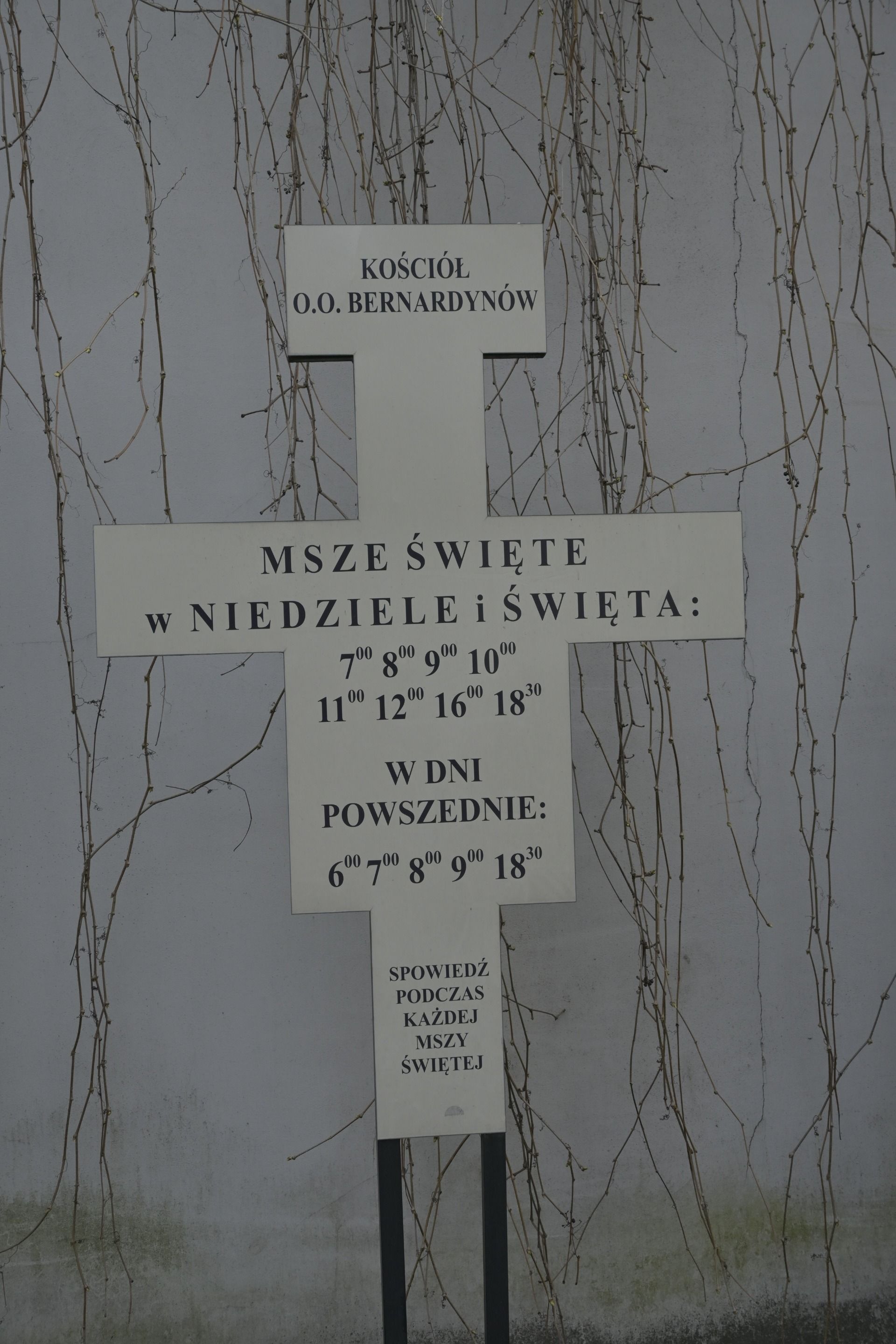
Masses on Sundays and celebrations:
7.00, 8.00, 9.00, 10.00, 11.00, 12.00, 16.00, 18.30
[PL]
Gdy przechadzamy się jako turysta po Starym Mieście Krakowa, dosłownie co kilkaset metrów mijamy jakąś świątynię, a że 100 procent turystów będących w Krakowie idzie jednym głównym wytyczonym szlakiem prowadzącym z Rynku Głównego na Wawel to wszyscy oni pewne jest, że zobaczą kościół i klasztor oo. Bernardynów.
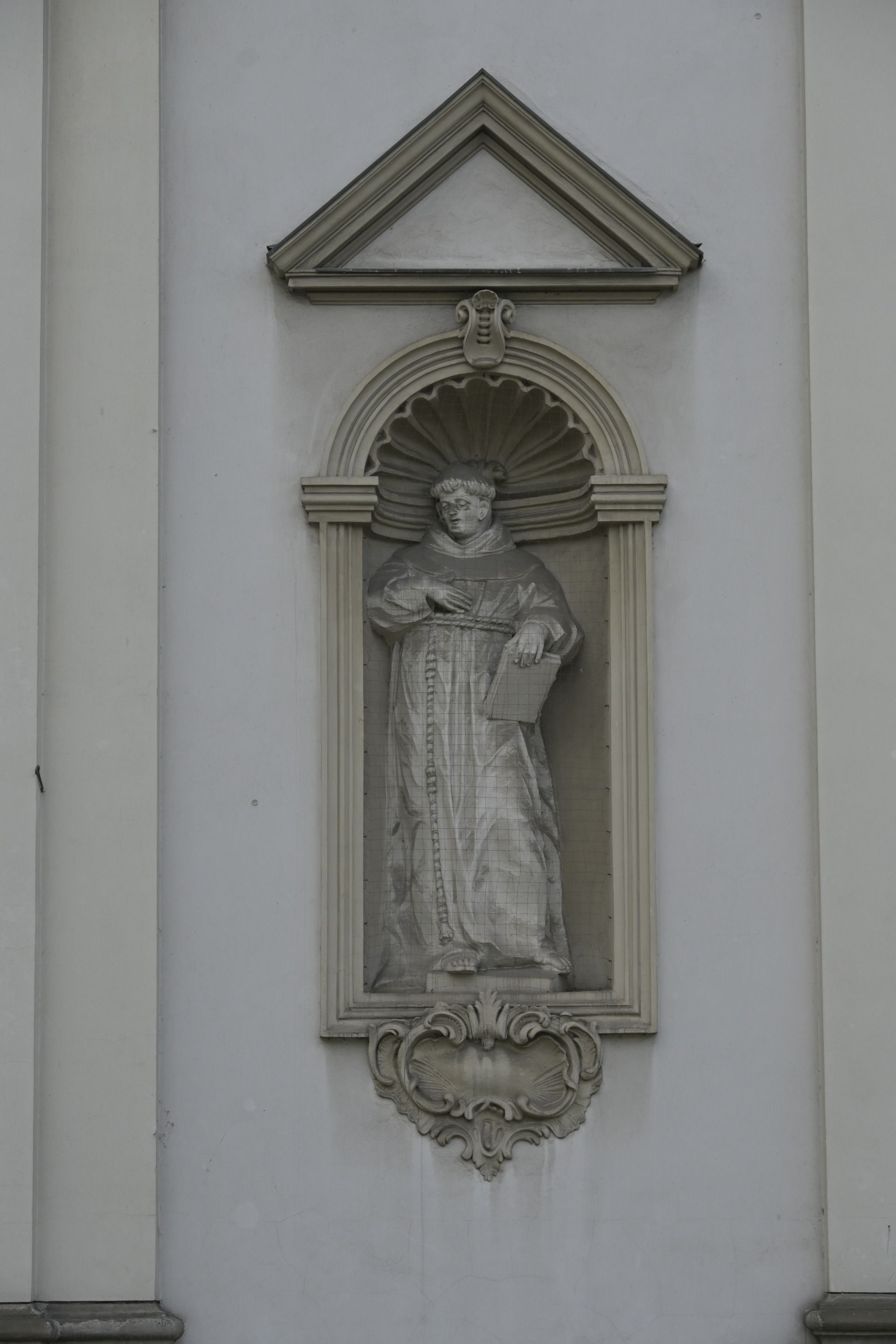
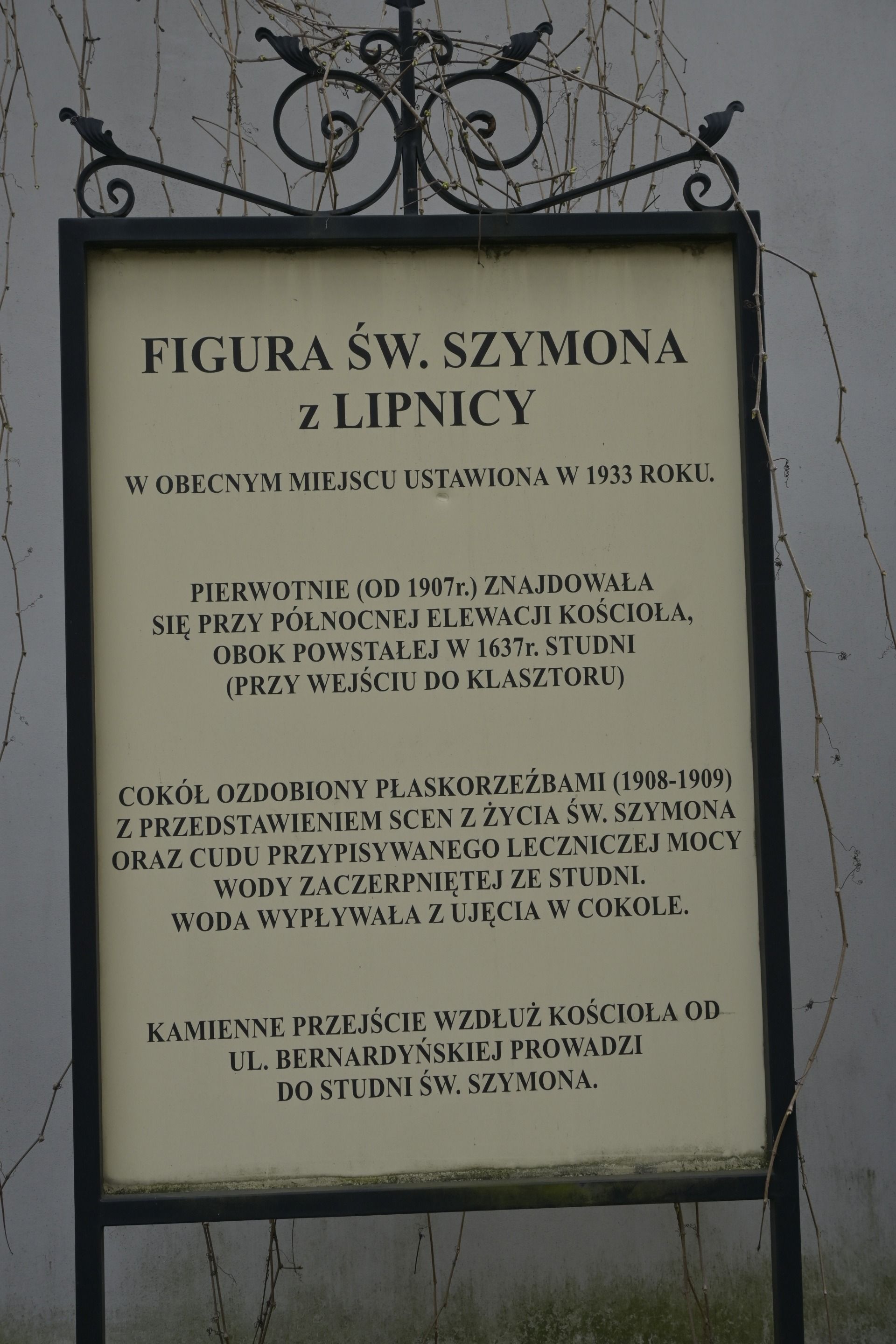
Pierwsze bernardyńskie ślady w Krakowie pojawiły się w połowie XV wieku. Zakon sprowadził do Polski św. Jan Kapistran – kaznodzieja, który w 1453 roku nie tylko założył klasztor, ale także osobiście wygłaszał tu kazania. Fundatorem klasztoru był król Kazimierz IV Jagiellończyk, a miejsce wybrano nieprzypadkowo – bo na ówczesnych przedmieściach Krakowa, w cieniu Wawelu. Pierwszy drewniany kościół został niemal całkowicie zniszczony przez pożar zaledwie kilkanaście lat po powstaniu. Obecna, murowana świątynia, której budowę rozpoczęto w 1659 roku, zachowała się do dziś, choć jej kształt ulegał zmianom przez kolejne stulecia. Stylowo kościół Bernardynów to mieszanka gotyku i baroku, ale zdecydowanie dominuje tu ten drugi. Już samo wnętrze robi ogromne wrażenie – szczególnie główny ołtarz, bogato zdobiony, z figurą Matki Bożej i świętych bernardyńskich, otoczony złoceniami i kolumnami w typowym dla XVII wieku stylu. Jednym z najważniejszych miejsc w kościele jest kaplica św. Szymona z Lipnicy, kanonizowanego w 2007 roku, którego relikwie znajdują się właśnie tutaj. Szymon był bernardynem, zmarłym podczas zarazy w 1482 roku, opiekując się chorymi – jego kult trwa do dziś. Z zabytków warto też wspomnieć o ambonie z XVIII wieku, zbudowanej w formie łodzi z figurą św. Piotra, co miało symbolizować Kościół jako „łódź Piotrową” płynącą przez burzliwe wody świata. Zachwycają również rokokowe stalle zakonne w prezbiterium, misternie rzeźbione w drewnie, z przedstawieniami świętych i alegorii cnót.
Kościół Bernardynów to także bogata historia nierozerwalnie związana z wydarzeniami w Krakowie. W czasie potopu szwedzkiego świątynia była częściowo zniszczona, a klasztor splądrowany. W XVIII wieku bernardyni odegrali ważną rolę w duchowym wsparciu powstań narodowych, a w XIX wieku, po kasacie zakonu przez władze austriackie, tylko cudem udało się utrzymać klasztor przy życiu. Mimo tych trudności, zakon przetrwał i do dziś prowadzi działalność duszpasterską i charytatywną. Ciekawostką jest, że klasztor oo. Bernardynów w Krakowie był jednym z najważniejszych ośrodków nauki w Polsce przed rozwojem uniwersytetów. To tutaj powstawały pierwsze polskie kazania, kroniki zakonne i dzieła teologiczne. Przez wieki krakowscy bernardyni byli znani z działalności charytatywnej i edukacyjnej – prowadzili szkoły, szpitale, a nawet schroniska.
Adres:
ul. Bernardyńska 2
31-069 Kraków
Strona internetowa parafii:
https://krakow.bernardyni.pl/
Msze Święte w niedziele i święta
7.00, 8.00, 9.00, 10.00, 11.00, 12.00, 16.00, 18.30