 Gegharkunik Province, Armenia
[ENG]
The modern world and ubiquitous social media have one big disadvantage. We've already seen everything on the Internet and it's really hard to be surprised, and what's worse, it's easy to be disappointed. Photos of landscapes captured in ideal weather conditions, by professional cameras and countless filters applied to each photo, and even worse, algorithms that by themselves send random photos of mountain landscapes to people who like mountains. The effect is that it's really hard to hit a place and be really surprised by what you're seeing, because usually thousands of tourists have already been there before you, and there are a million photos from hundreds of perspectives floating around on the Internet. On the other hand, in Armenia, we have repeatedly managed to find amazing places about which we knew nothing before, and about one of them below.
[PL]
Współczesny świat i wszechobecne media społecznościowe mają jedną wielką wadę. Wszystko już widzieliśmy w Internecie i naprawdę ciężko się zaskoczyć, a co gorsze łatwo się rozczarować. Zdjęcia krajobrazów uchwycone w idealnych warunkach pogodowych, przez profesjonalne aparaty fotograficzne oraz niezliczone filtry nałożone na każde zdjęcie, a co gorsza algorytmy, które same z siebie osobom lubiącym góry podrzucają randomowe zdjęcia górskich krajobrazów. Efekt jest taki, że naprawdę ciężko jest trafić w jakieś miejsce i być naprawdę zaskoczonym tym co właśnie się widzi, bo zwykle były tam przed tobą już tysiące turystów, a w Internecie krąży milion fotografii z setek perspektyw. Nam natomiast w Armenii wielokrotnie udawało się trafiać na niesamowite miejsca o których kompletnie wcześniej nic nie wiedzieliśmy, a o jednym z nich poniżej.
[ENG]
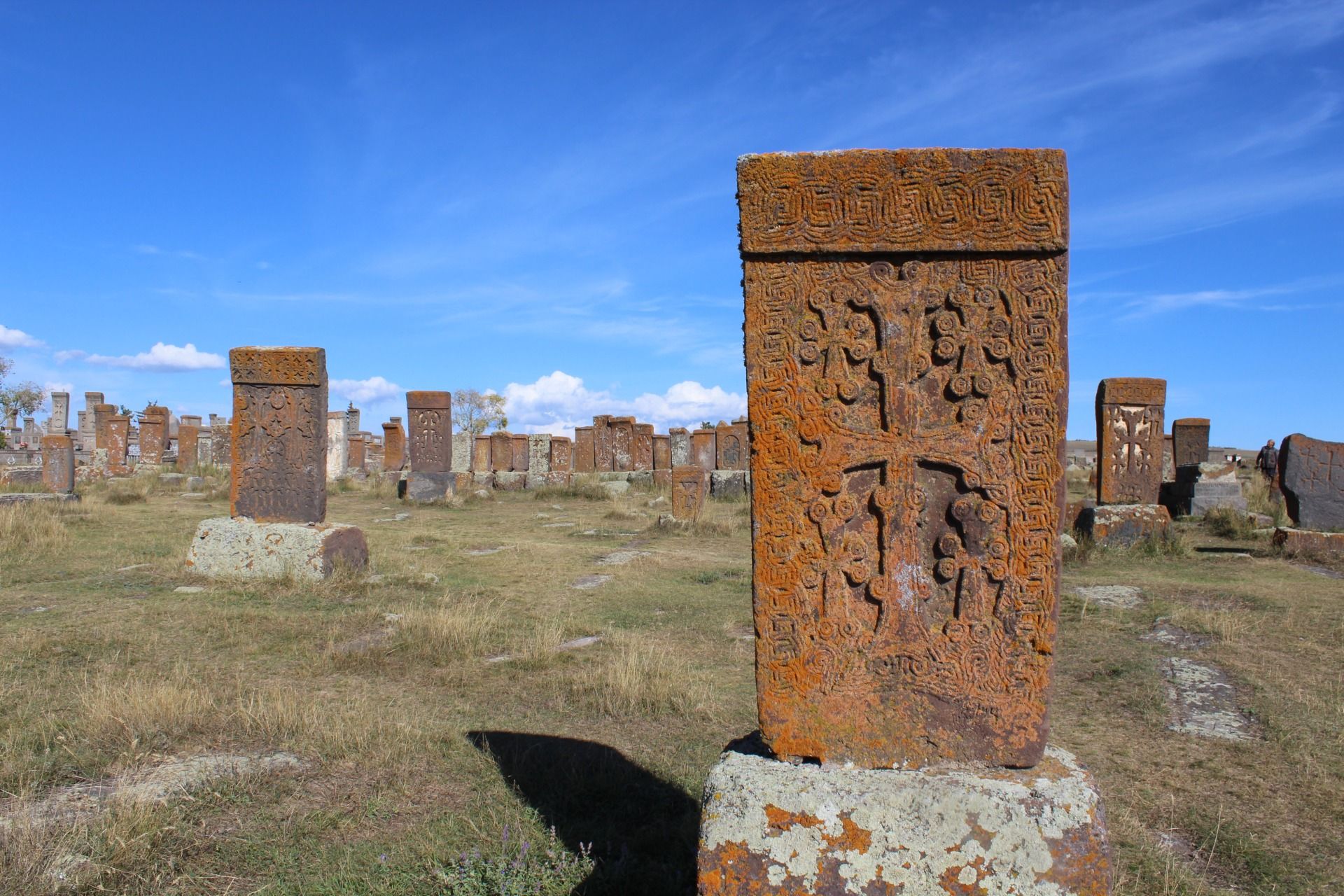
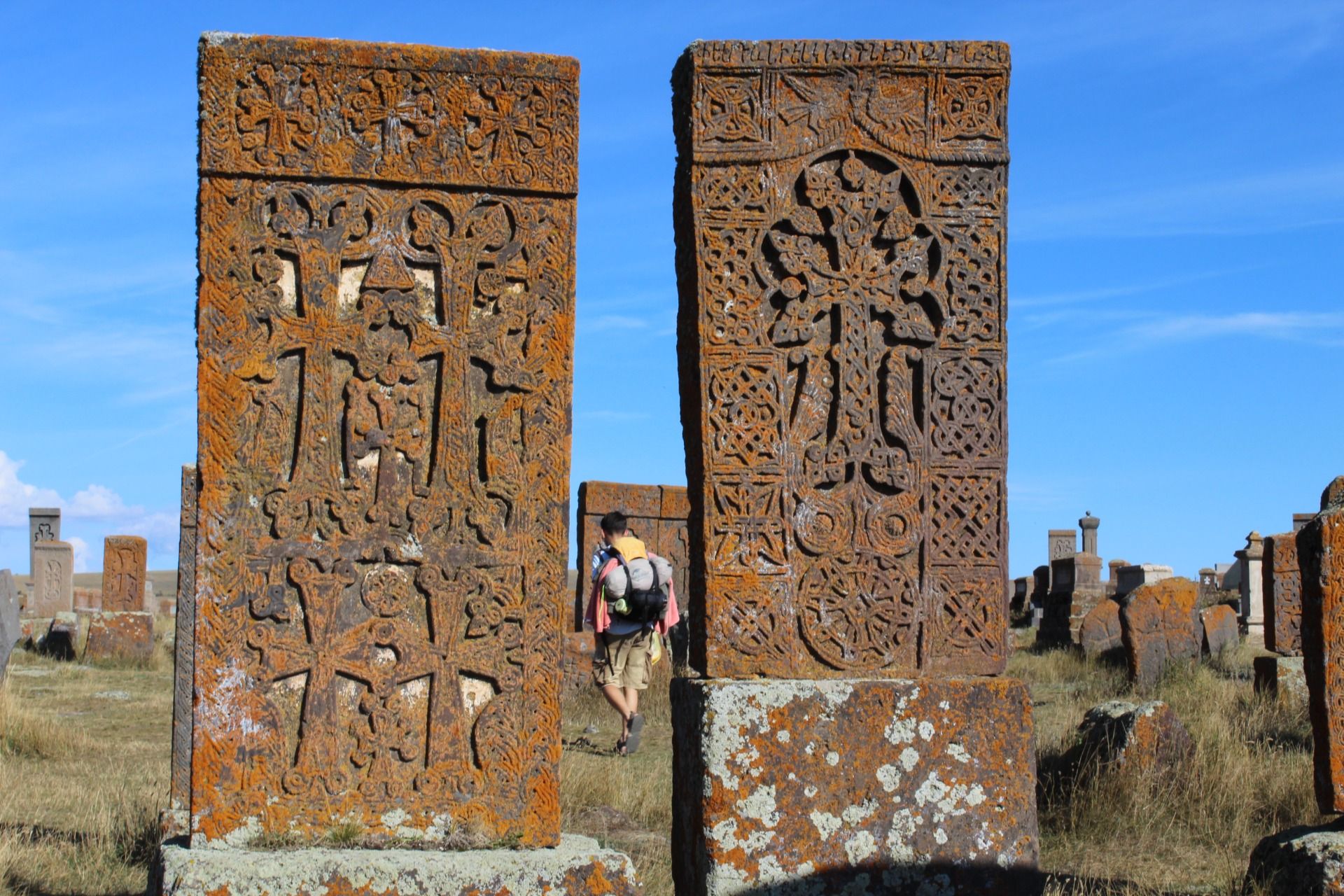
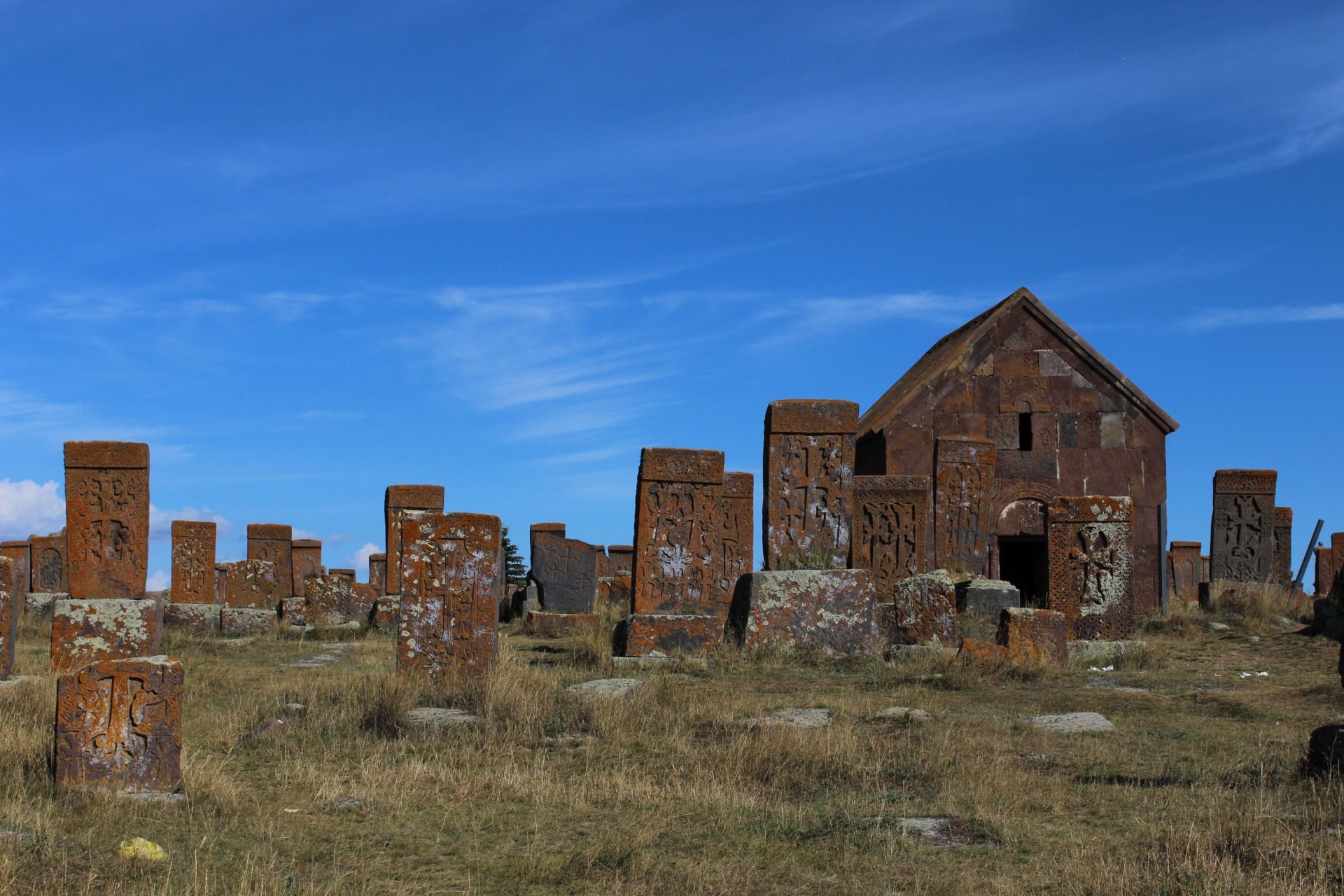
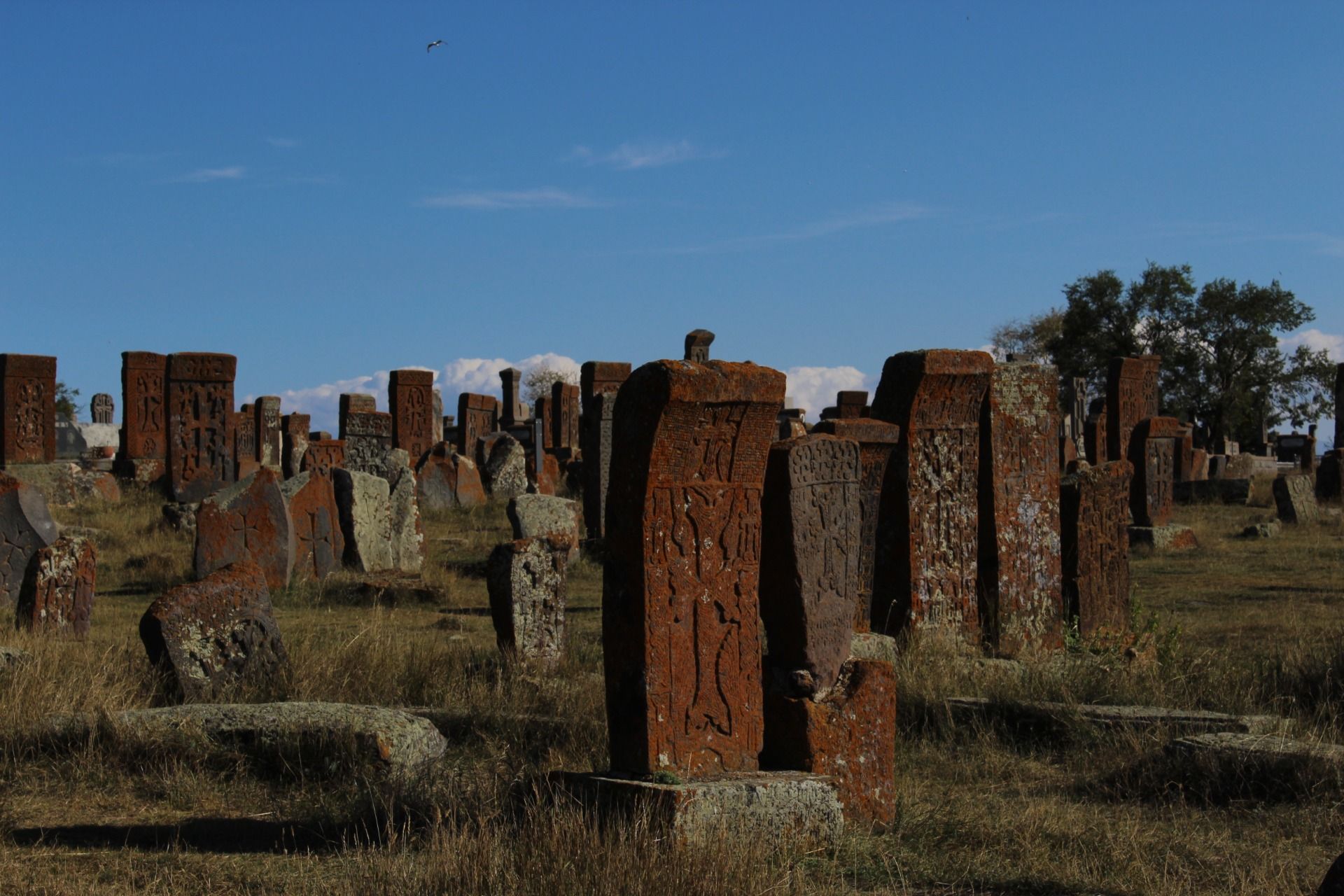
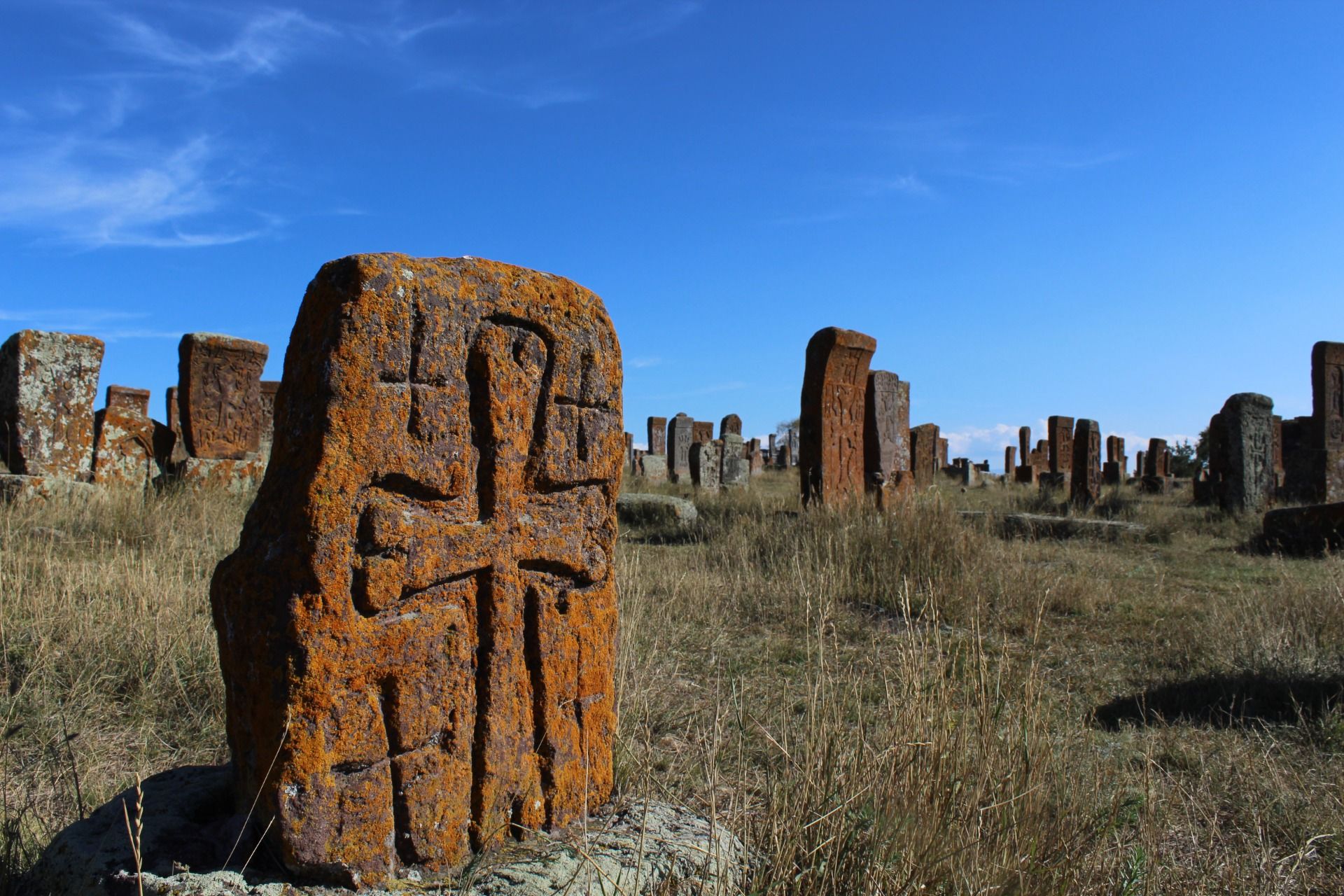
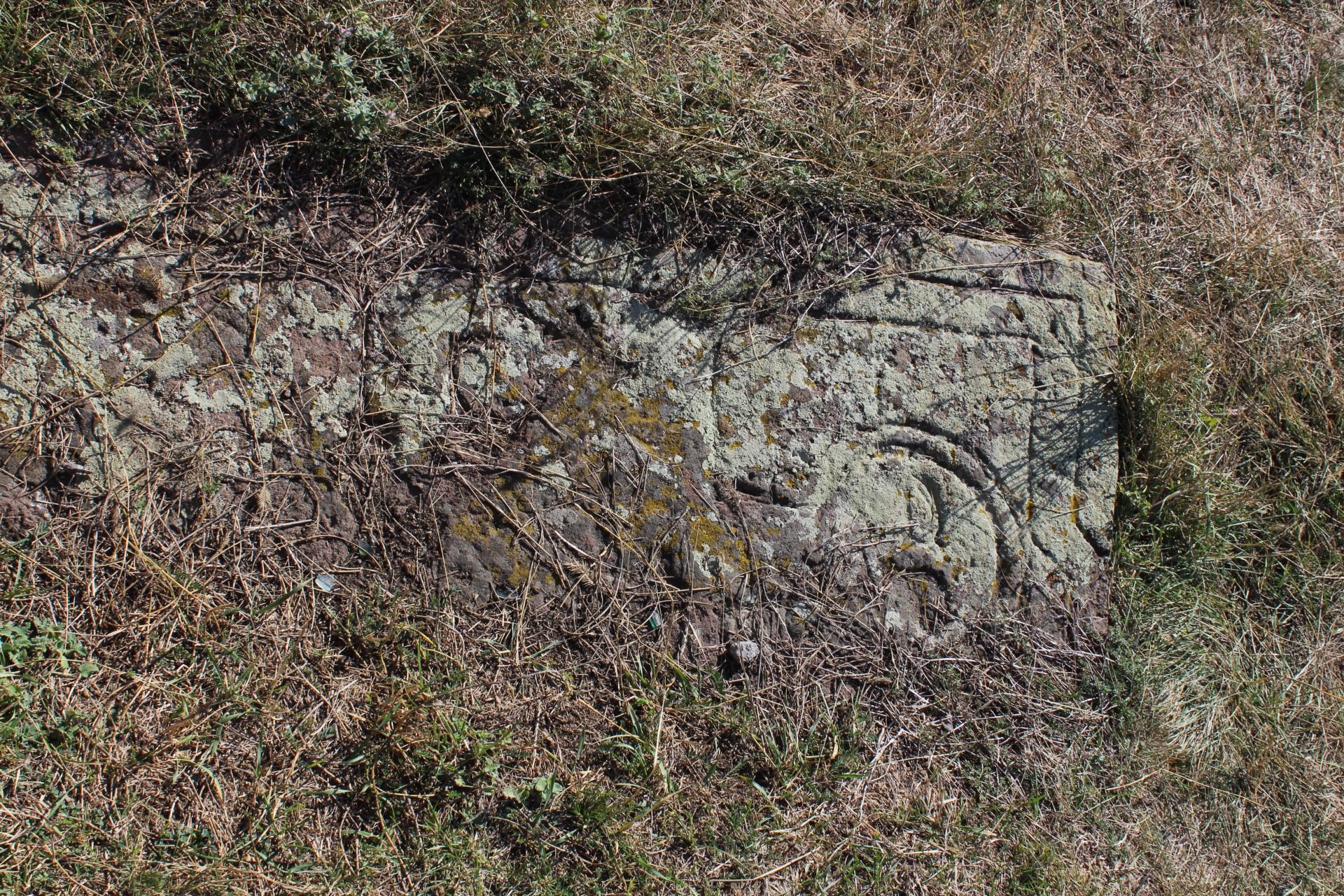
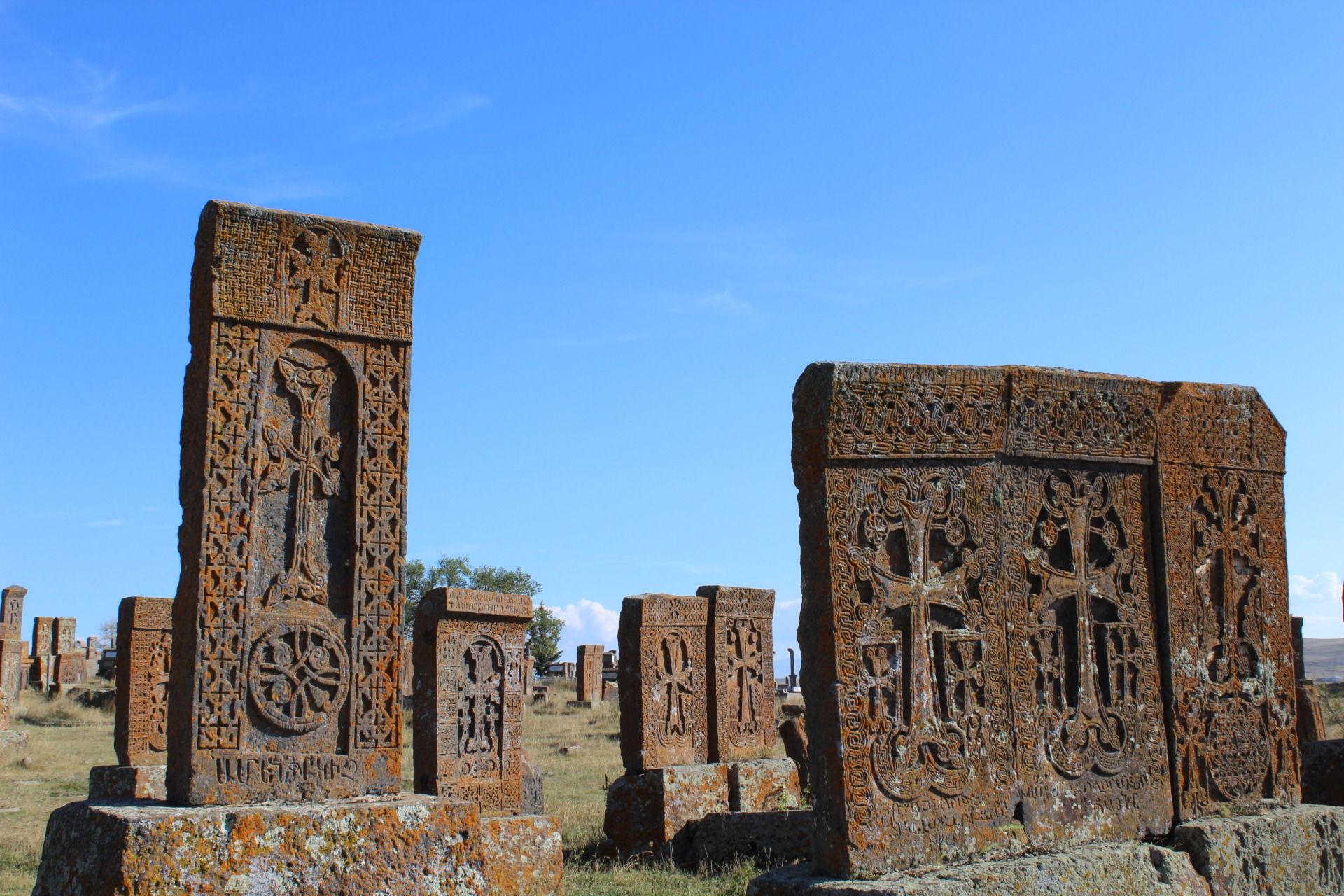
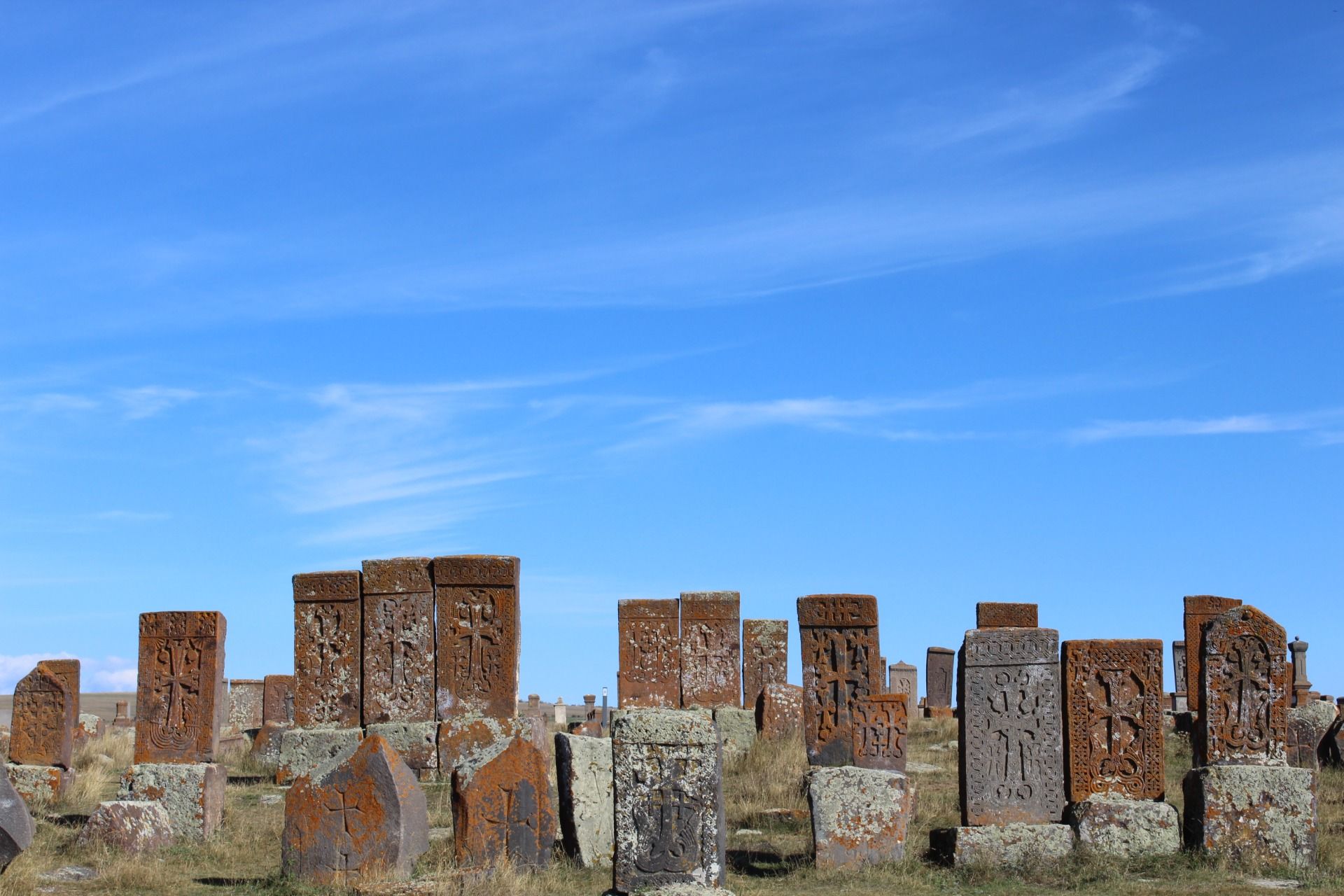
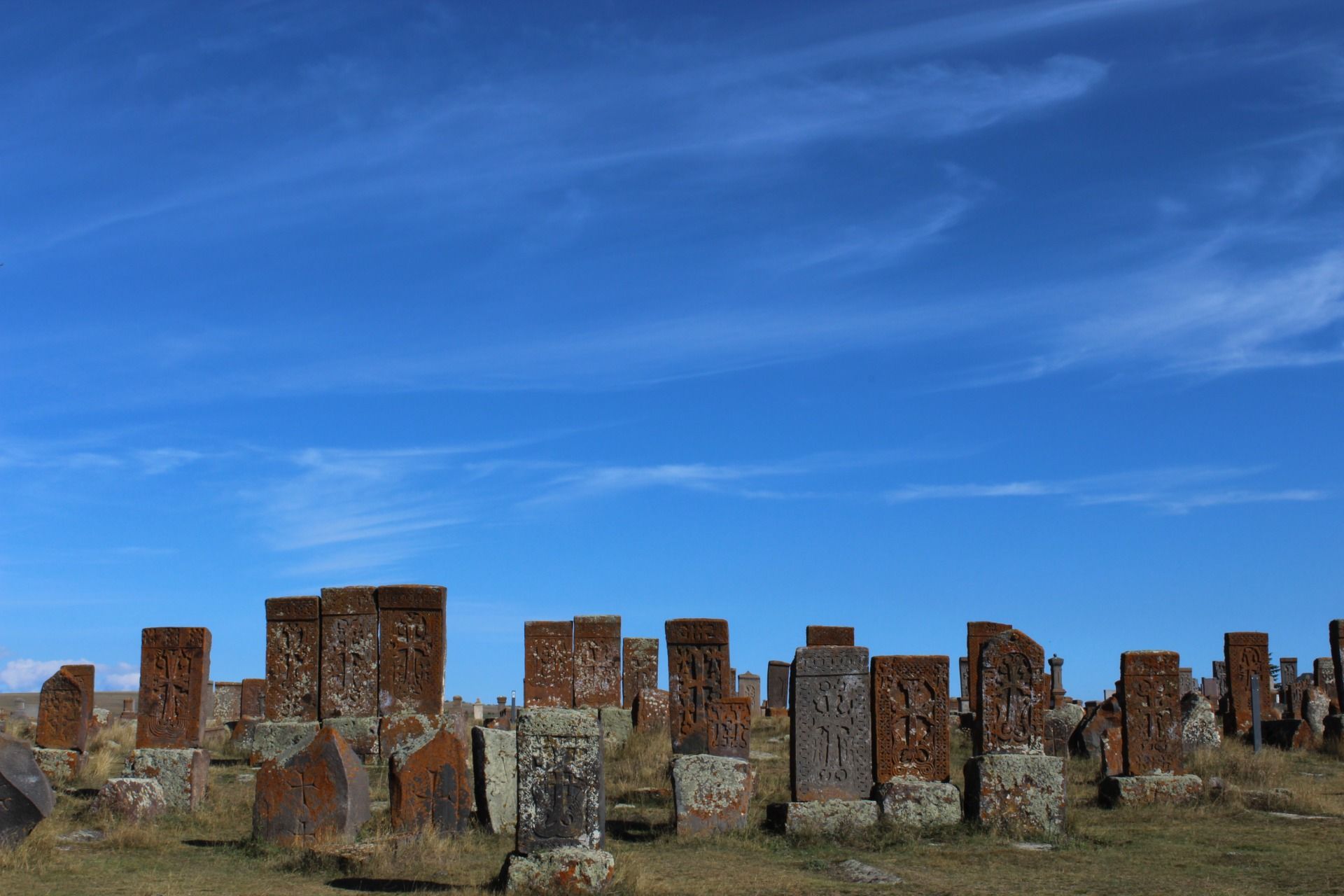
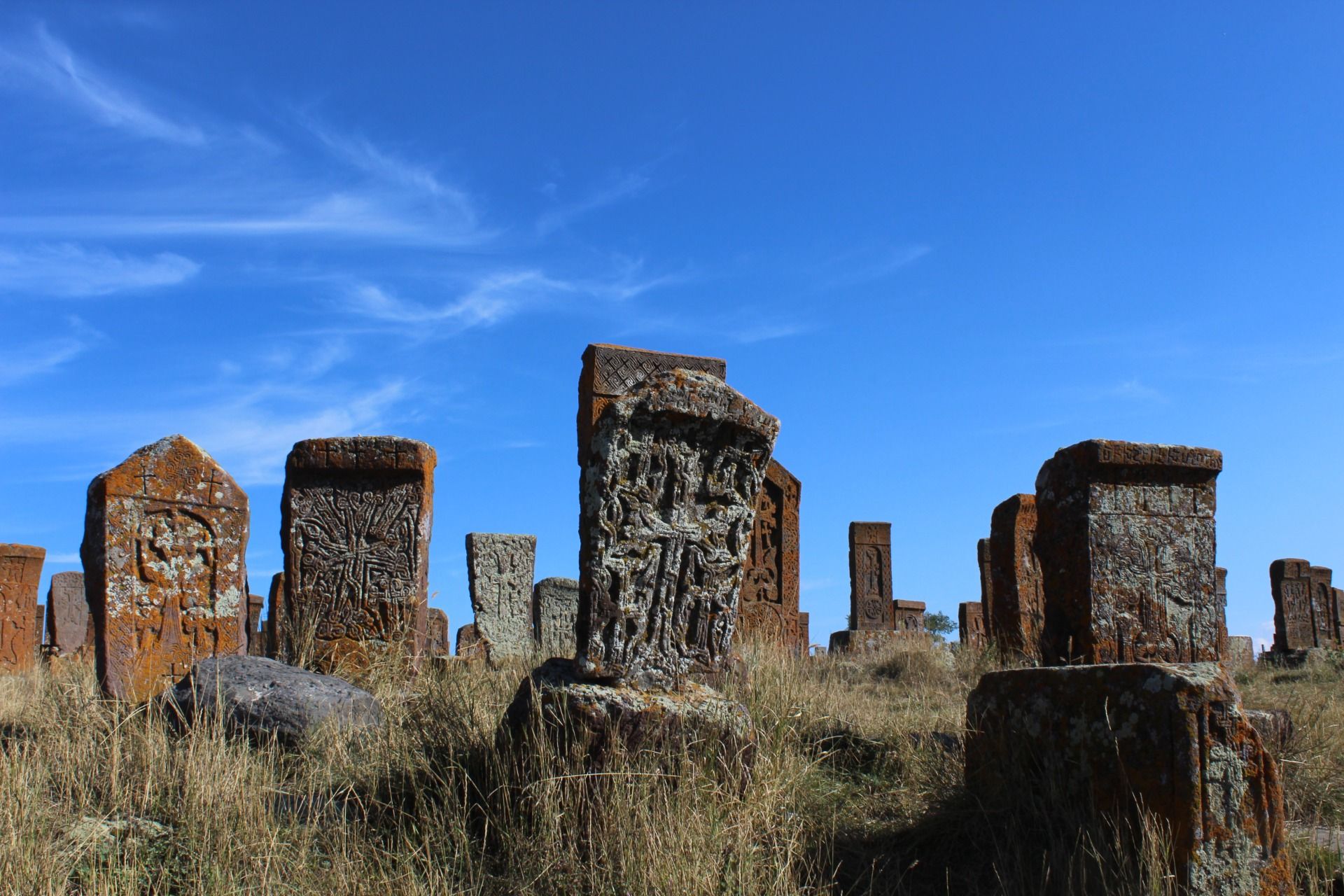
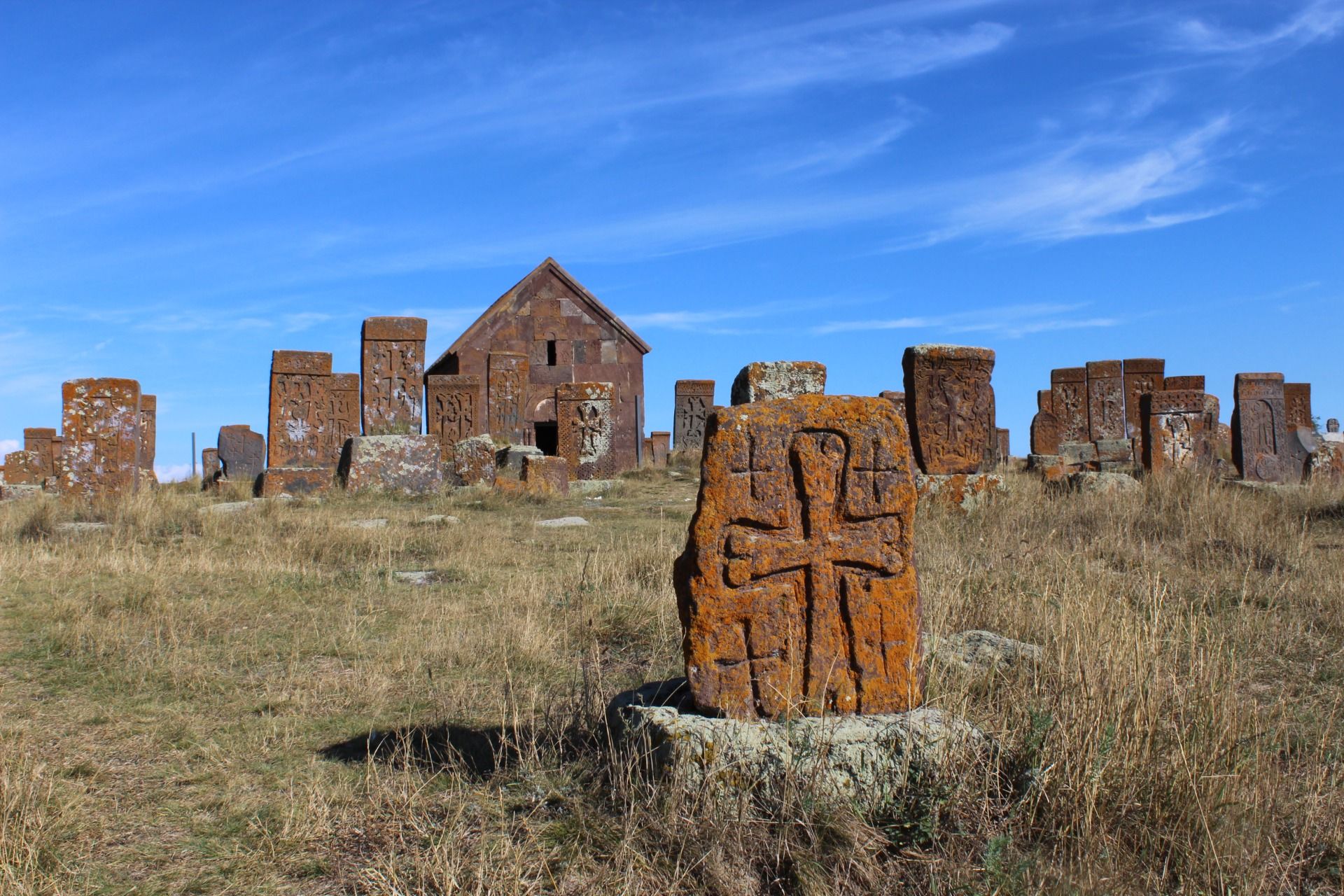
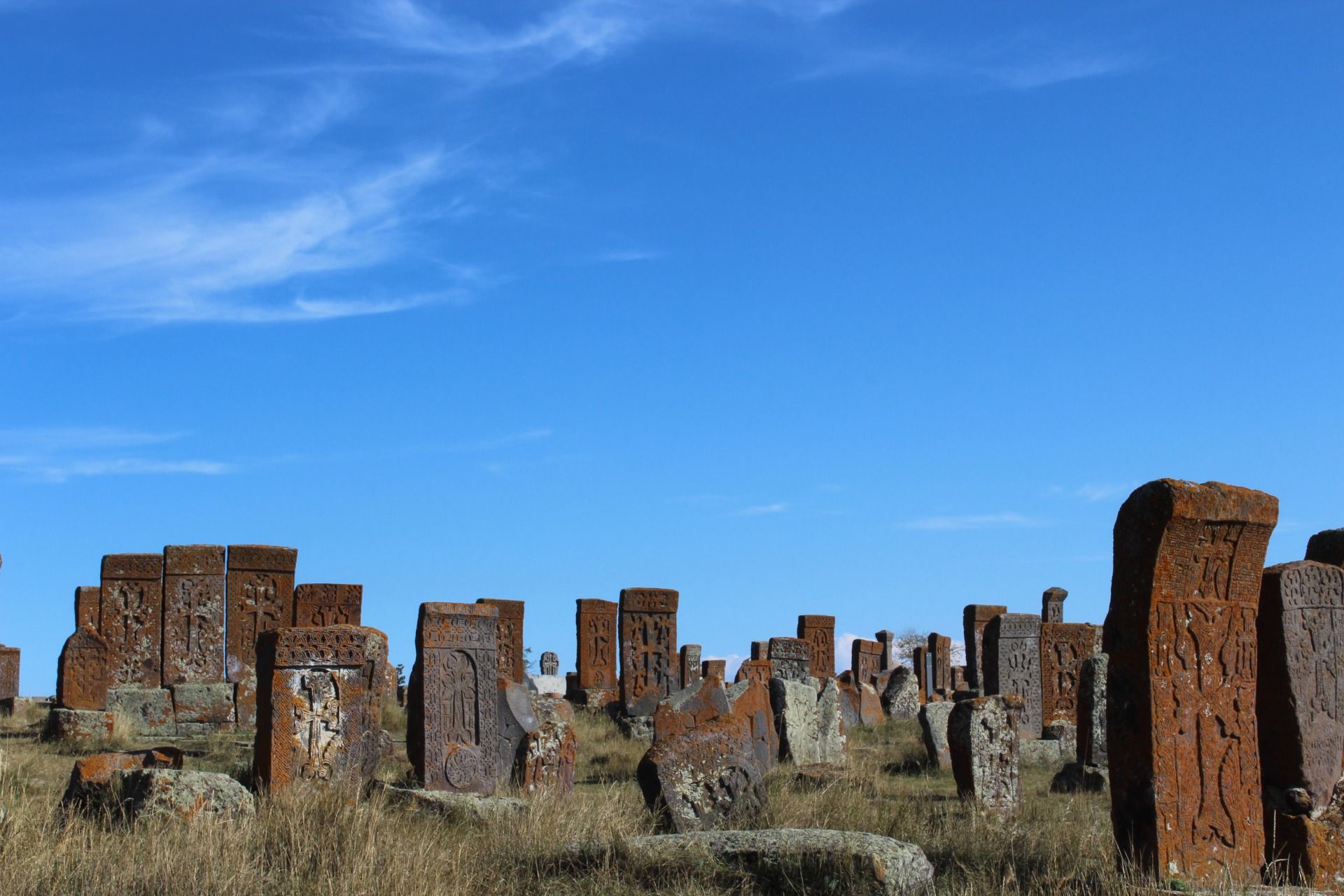
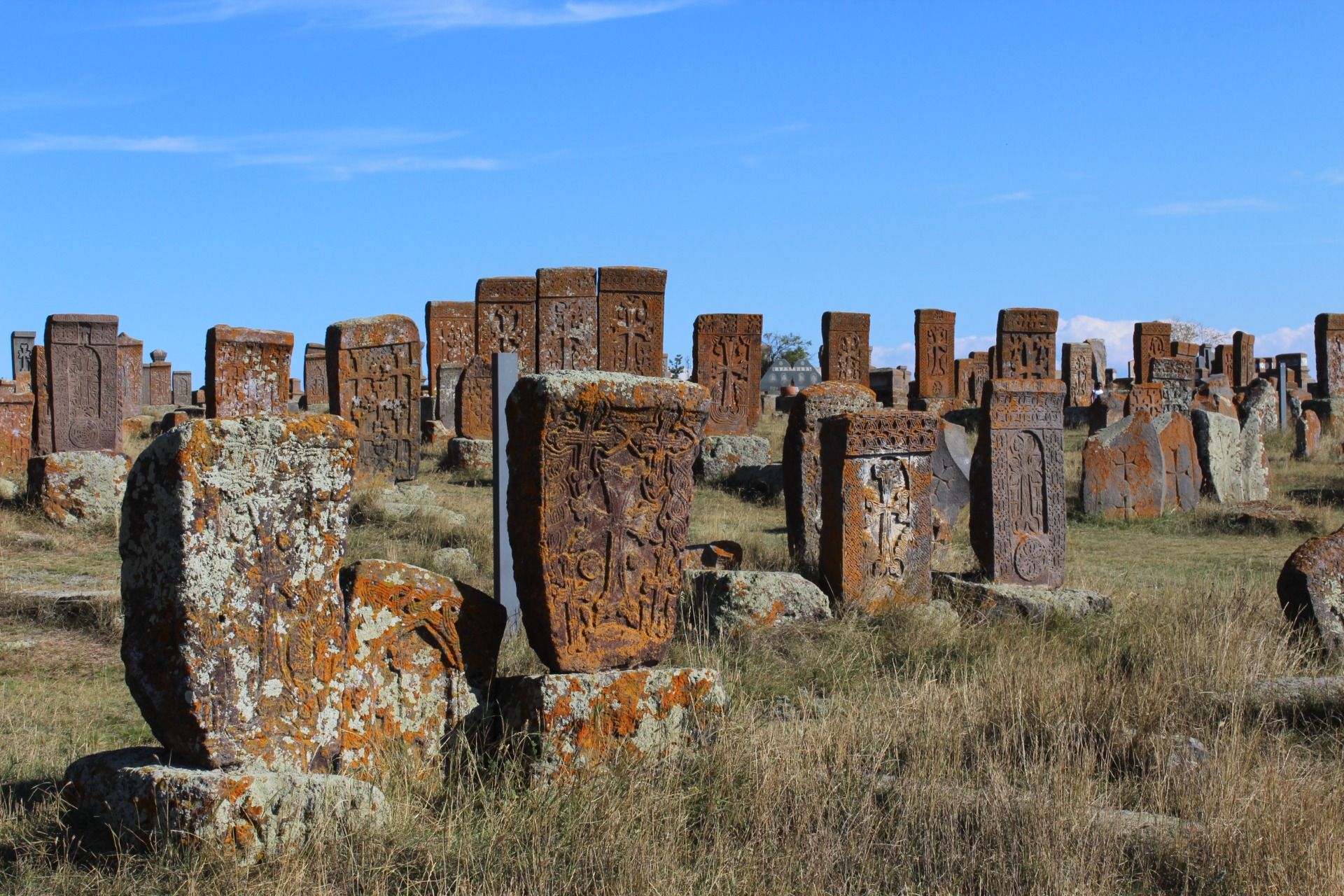
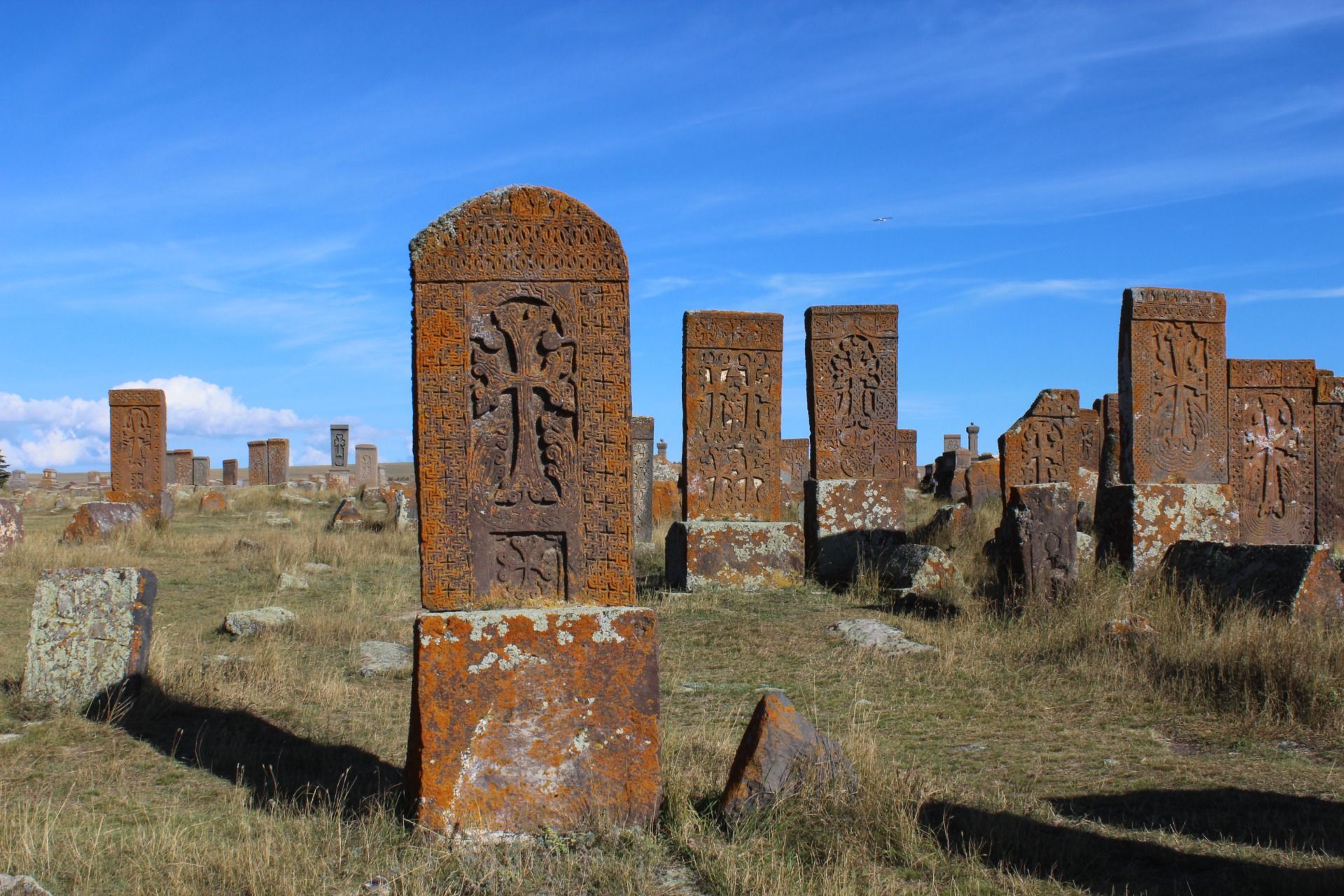
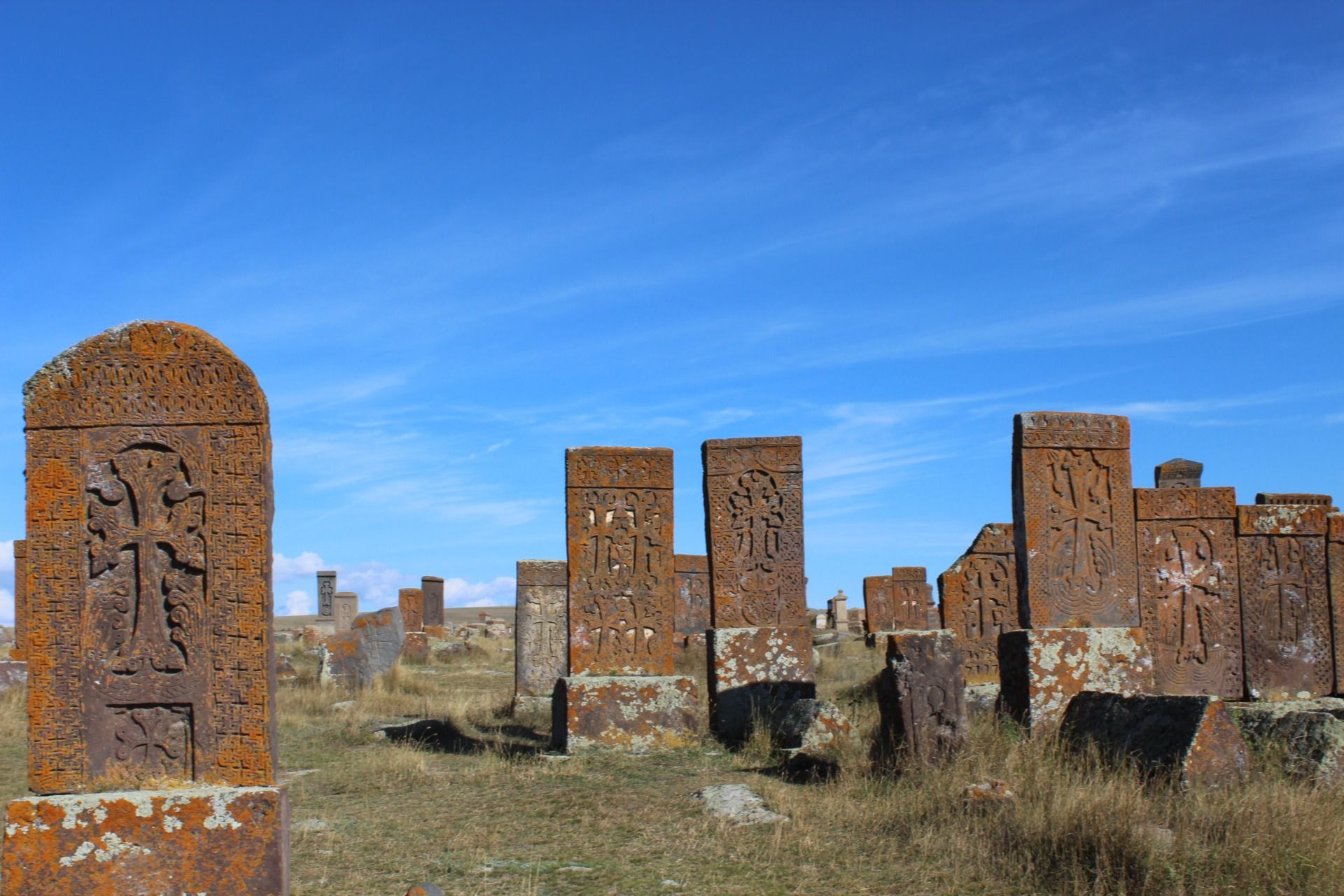
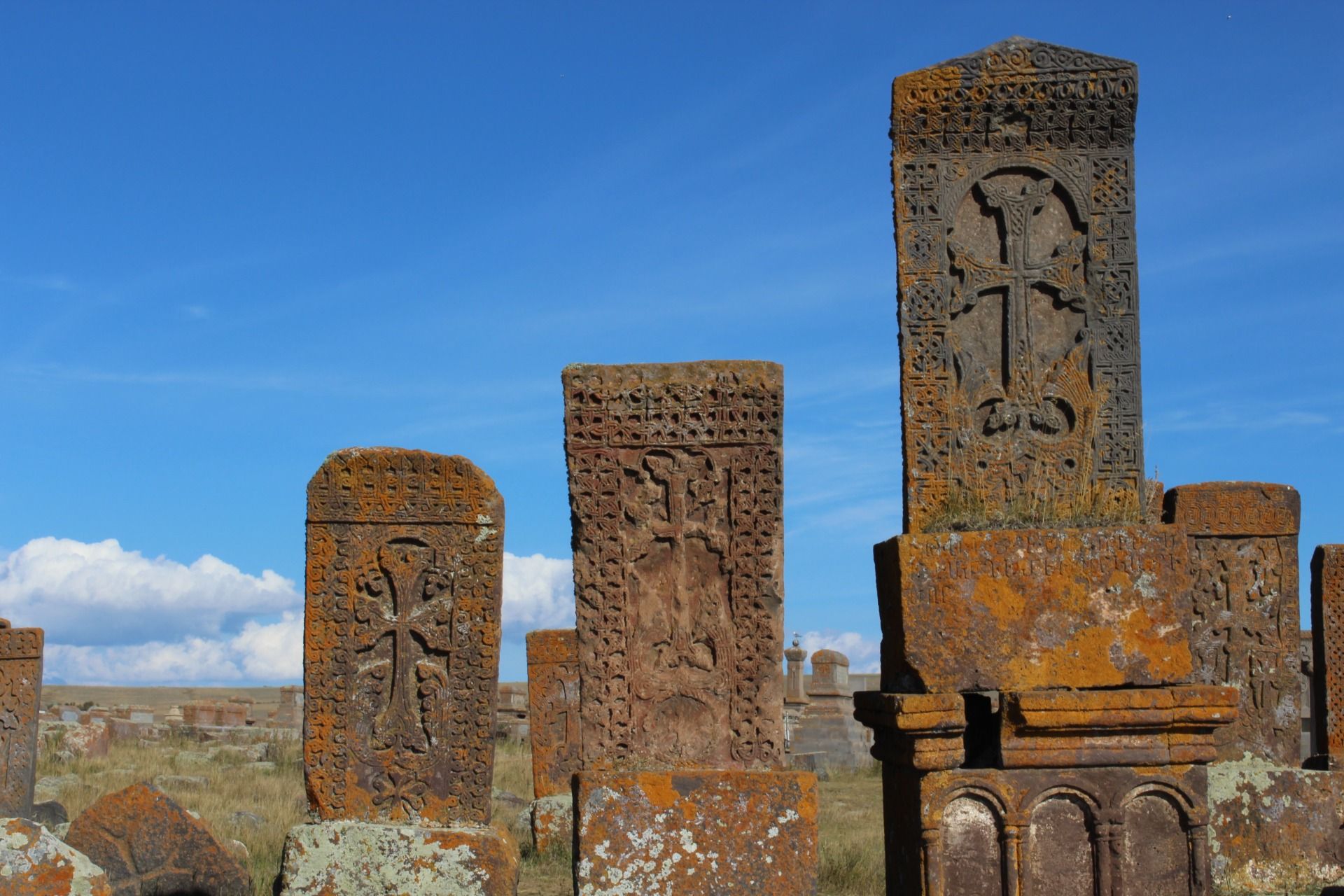
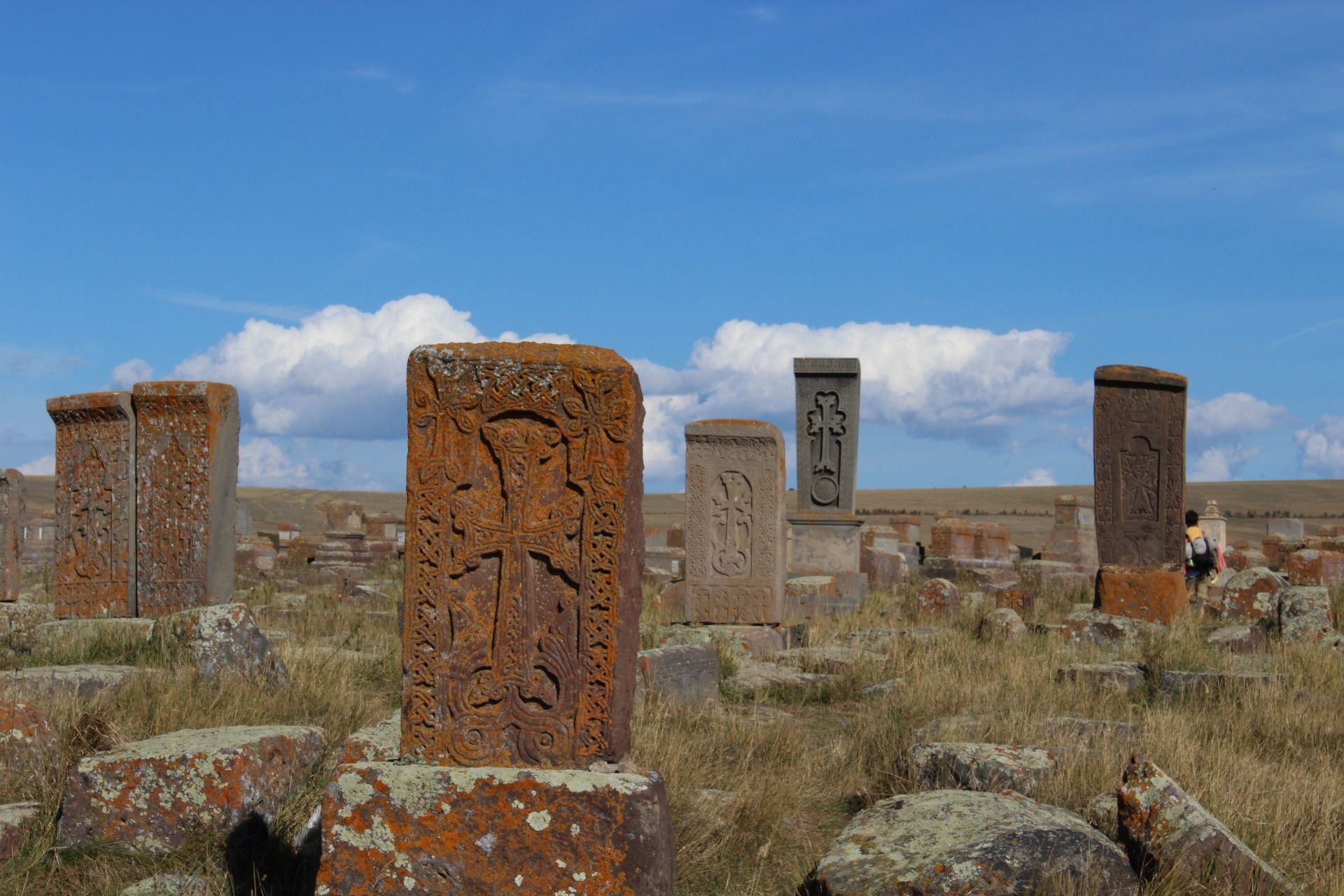
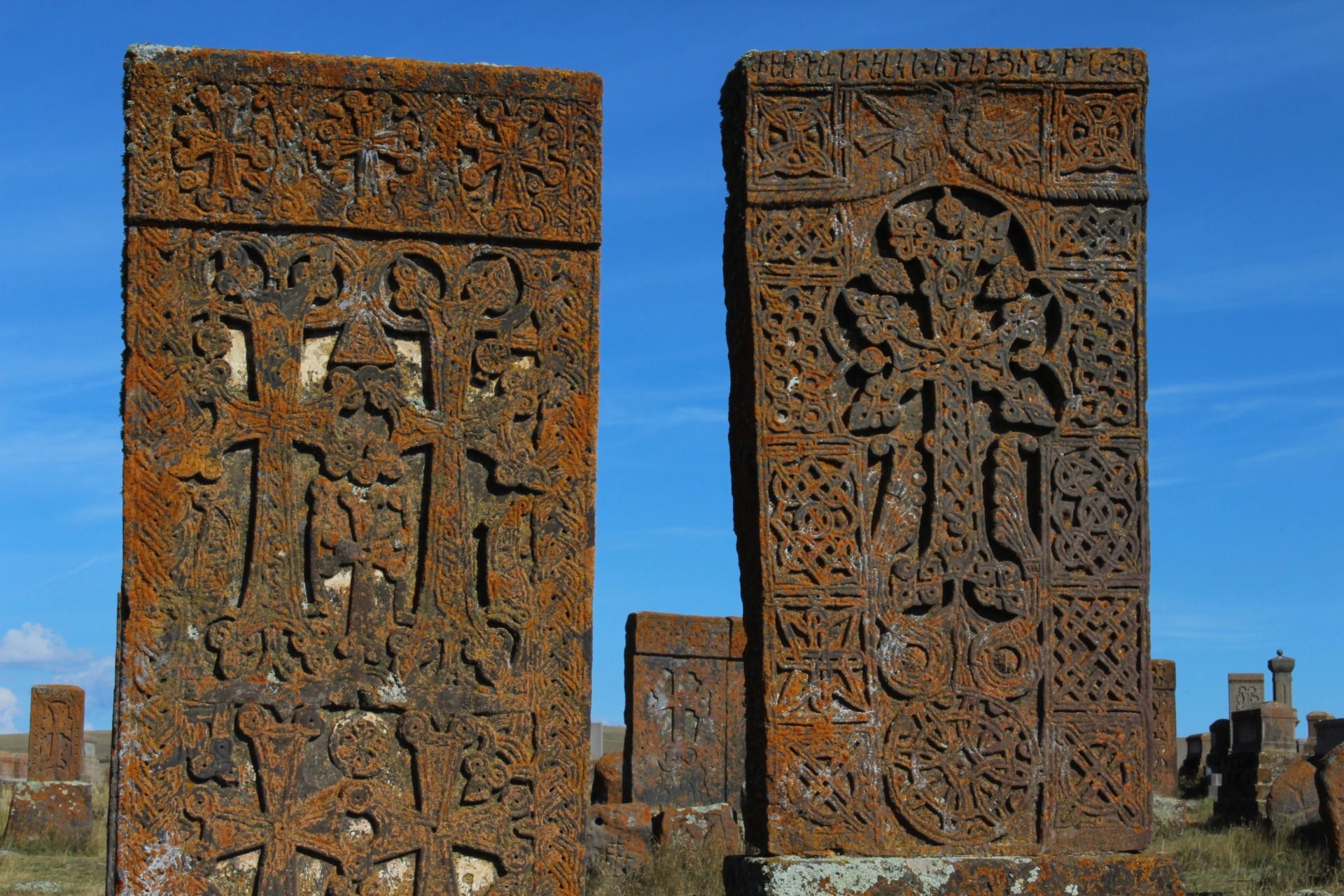
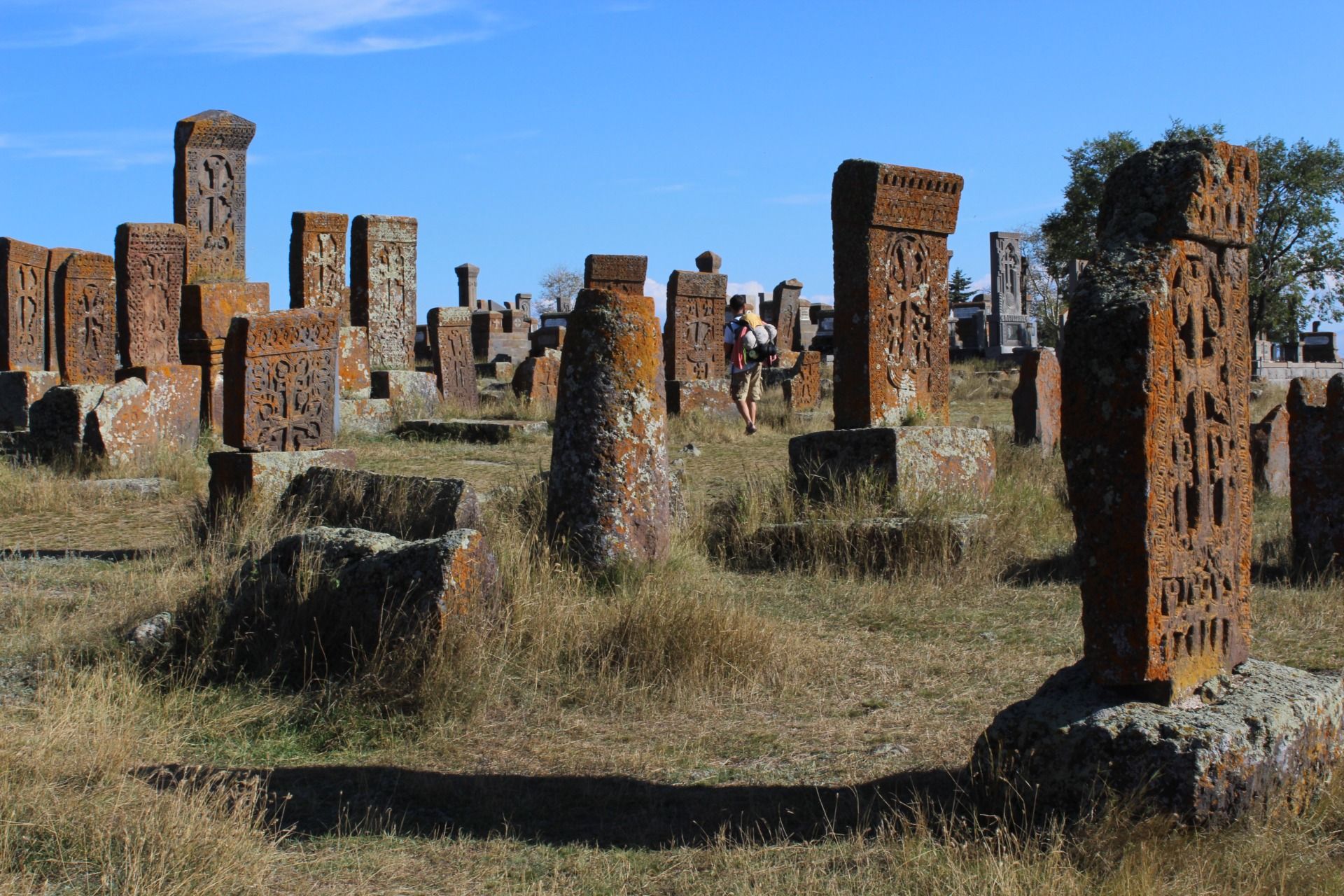
In Armenia, near the western shore of Lake Sevan, there is the town of Noratus, with an amazing archaeological site. This site is a medieval cemetery dating back to the ninth century AD with the largest concentration of Armenian khachkars in the world. There are over 800 of them here and they are loosely scattered throughout the area. Some have been preserved in very good condition, but others are almost illegible. Many of them have fallen over and are on the ground. They are smaller and larger, in rows in disarray, to color, to choose from. One of the characteristics that most of the khachkars have in common is that they were carved out of dark volcanic rock and overgrown with orange-chegle lichens. The Armenians erected such khachkars as plaques to commemorate special people or events, and they were usually placed on cemeteries, temple walls, and crossroads. An interesting legend is associated with the cemetery in Noratus, according to which during the invasion of Timur's army on Armenia, the natives put helmets on khachkars and leaned swords and spears on them. The Mongol invaders from afar saw only very massive well-armed warriors and gave up capturing the village.
[PL]
W Armenii, w pobliżu zachodniego brzegu jeziora Sewan znajduje się miejscowość Noratus, a w niej niesamowite stanowisko archeologiczne. Owe stanowisko to datowane na dziewiąty wiek naszej ery, średniowieczny cmentarz z największym na świecie skupiskiem ormiańskich chaczkarów. Doliczono się ich tutaj ponad 800 i są luźno rozrzucone po całym obszarze. Niektóre zachowały się w bardzo dobrym stanie, ale inne są już niemal nieczytelne. Wiele z nich przewróciło się i leży na ziemi. Są mniejsze i większe, w rzędach w rozsypce, do koloru, do wyboru. Jedną z cech charakterystycznych łączących większość z chaczkarów jest to, że zostały wykute z ciemnej wulkanicznej skały i zostały porośnięte przez porosty o pomarańczowo -czeglanym zabarwieniu. Ormianie wznosili takie chaczkary jako płyty mające upamiętniać szczególne osoby lub wydarzenia i zwykle stawiane były na cmentarzach, murach świątyń, rozstajach dróg. Z cmentarzem w Noratus wiąże się ciekawa legenda mówiąca, że podczas najazdu armii Timura na Armenię tubylcy na chaczkarach postawili hełmy, i oparli o nie miecze oraz włócznie. Mongolscy najeźdźcy z oddali zobaczyli tylko bardzo masywnych dobrze uzbrojonych wojowników i odstąpili od zdobywania miejscowości.

Comments