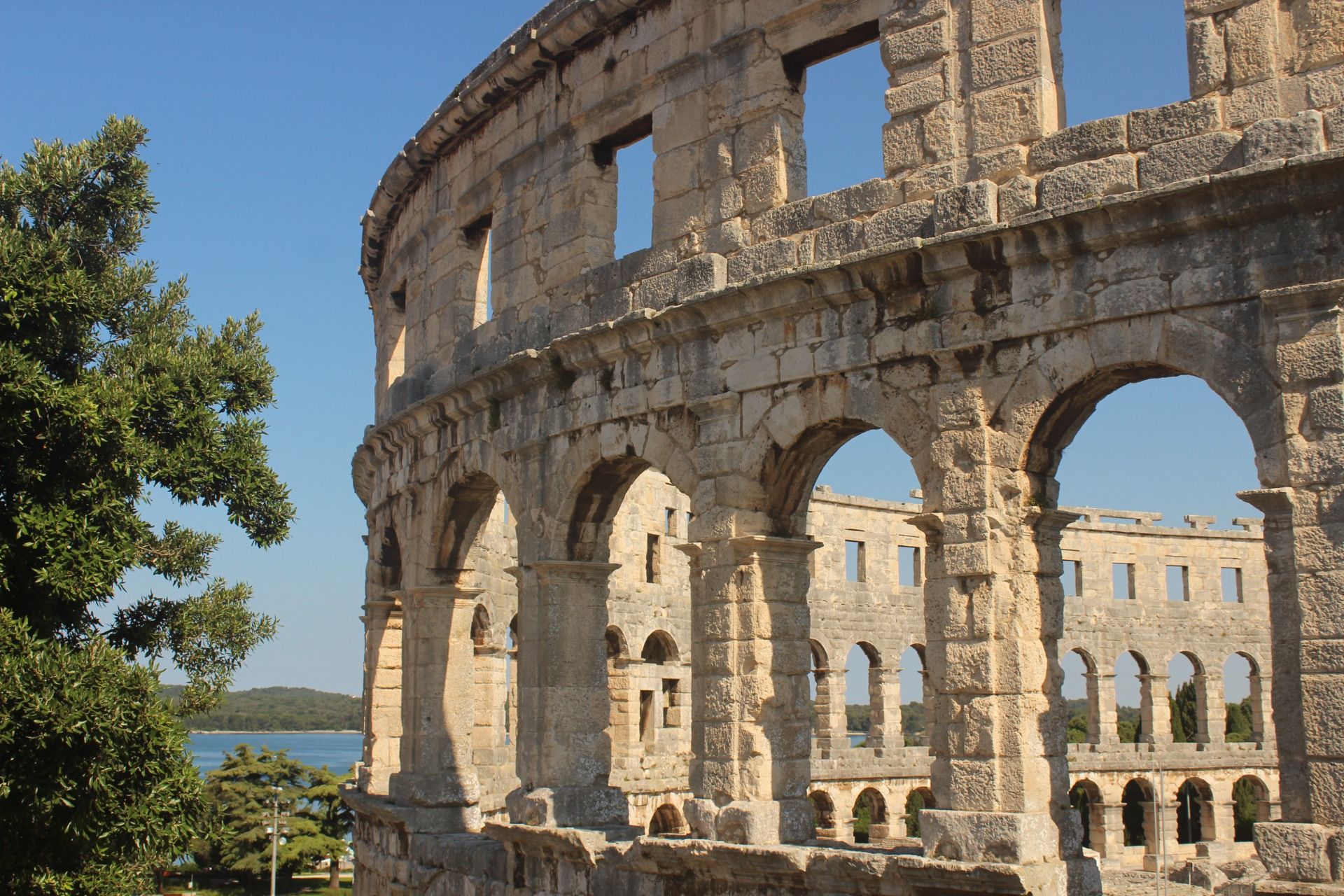
 Grad Pula, Istria County, Croatia
[ENG]
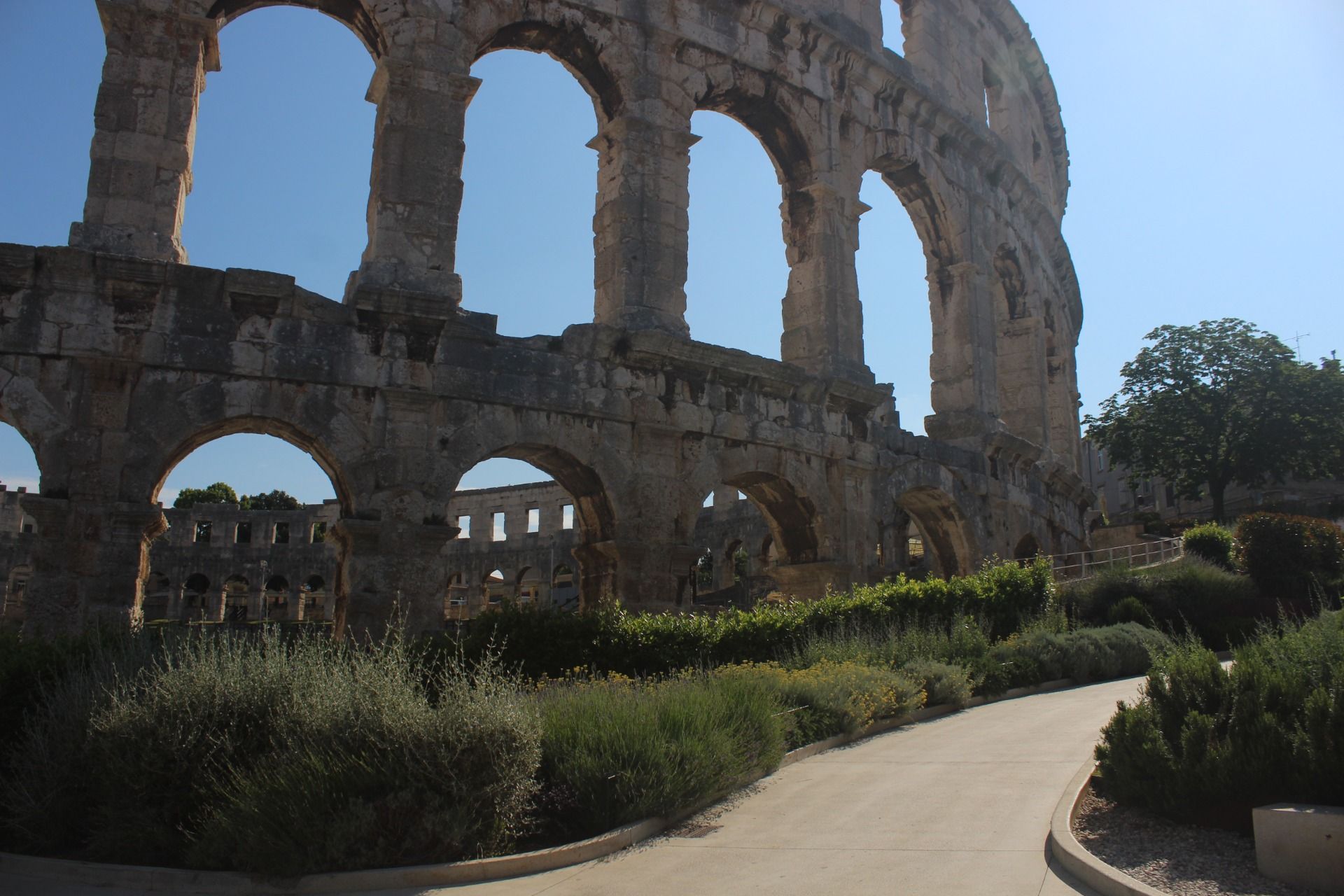
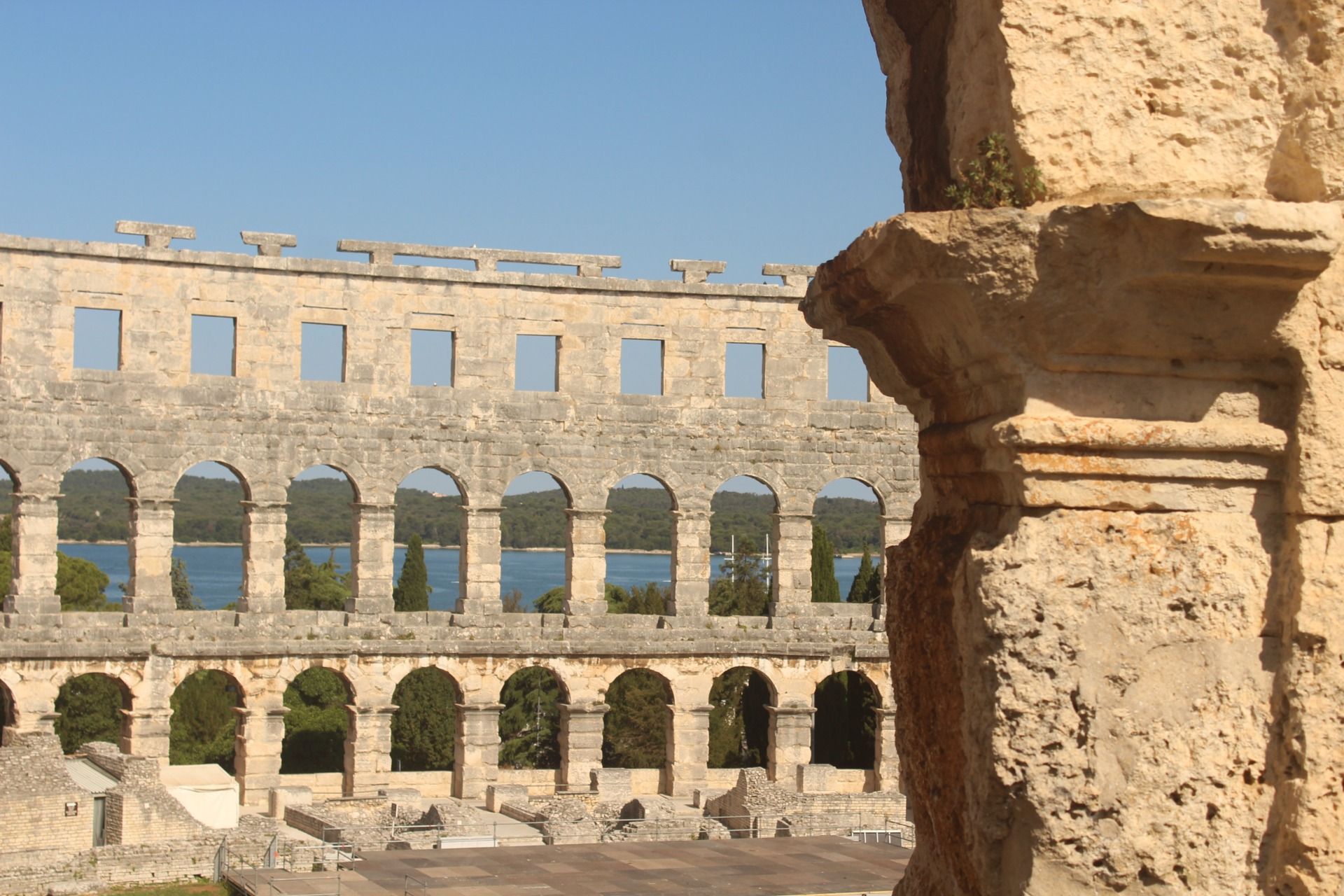
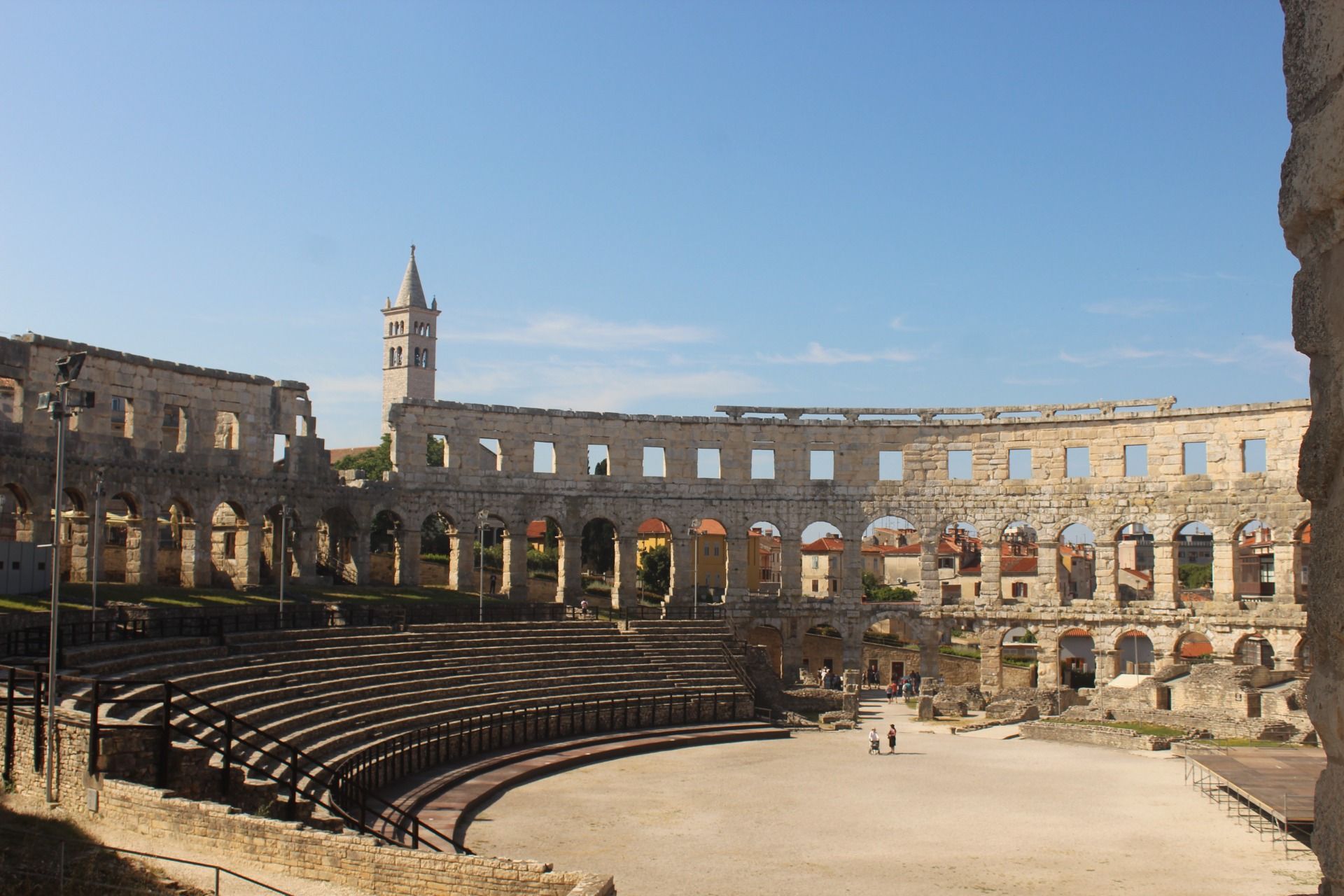
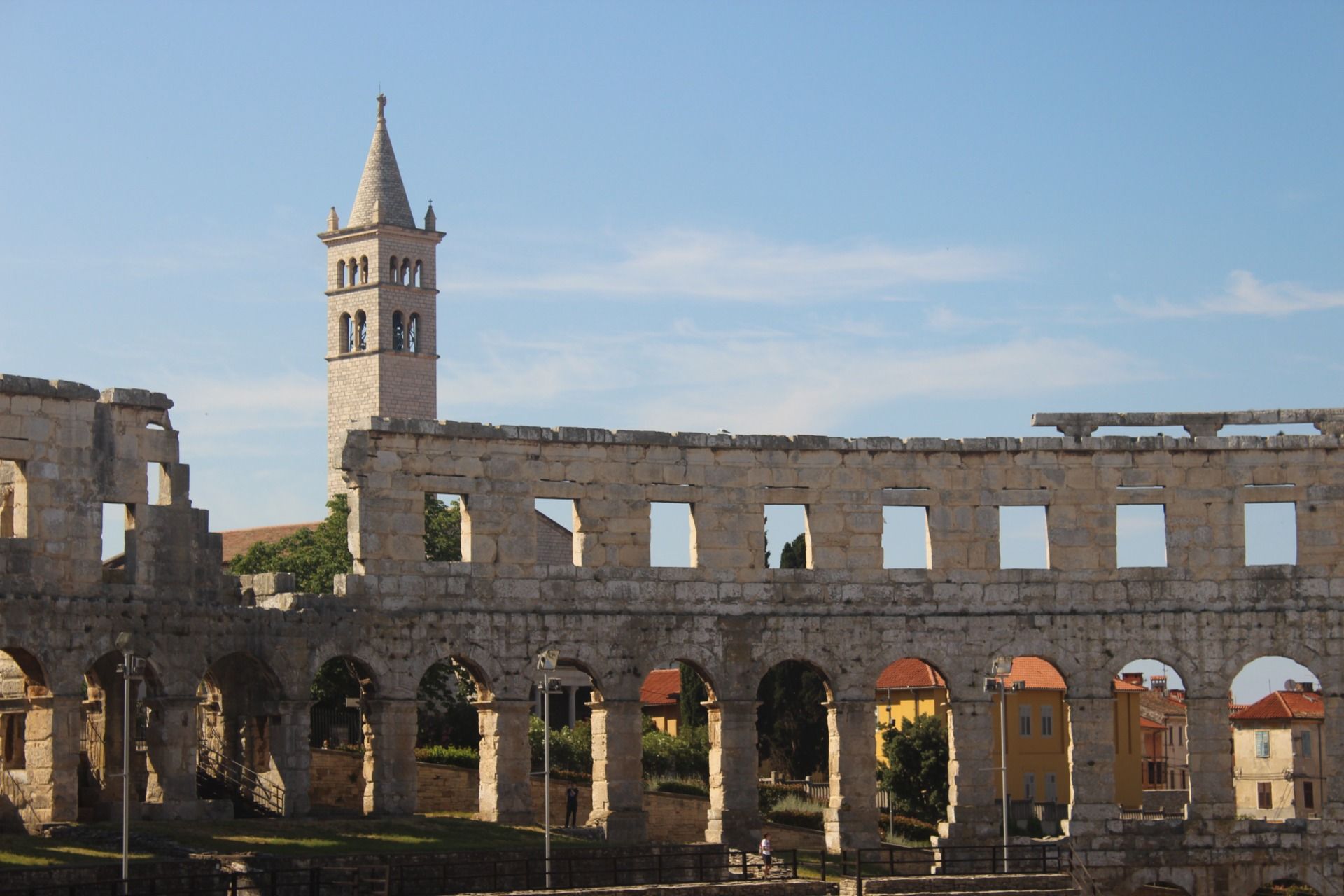
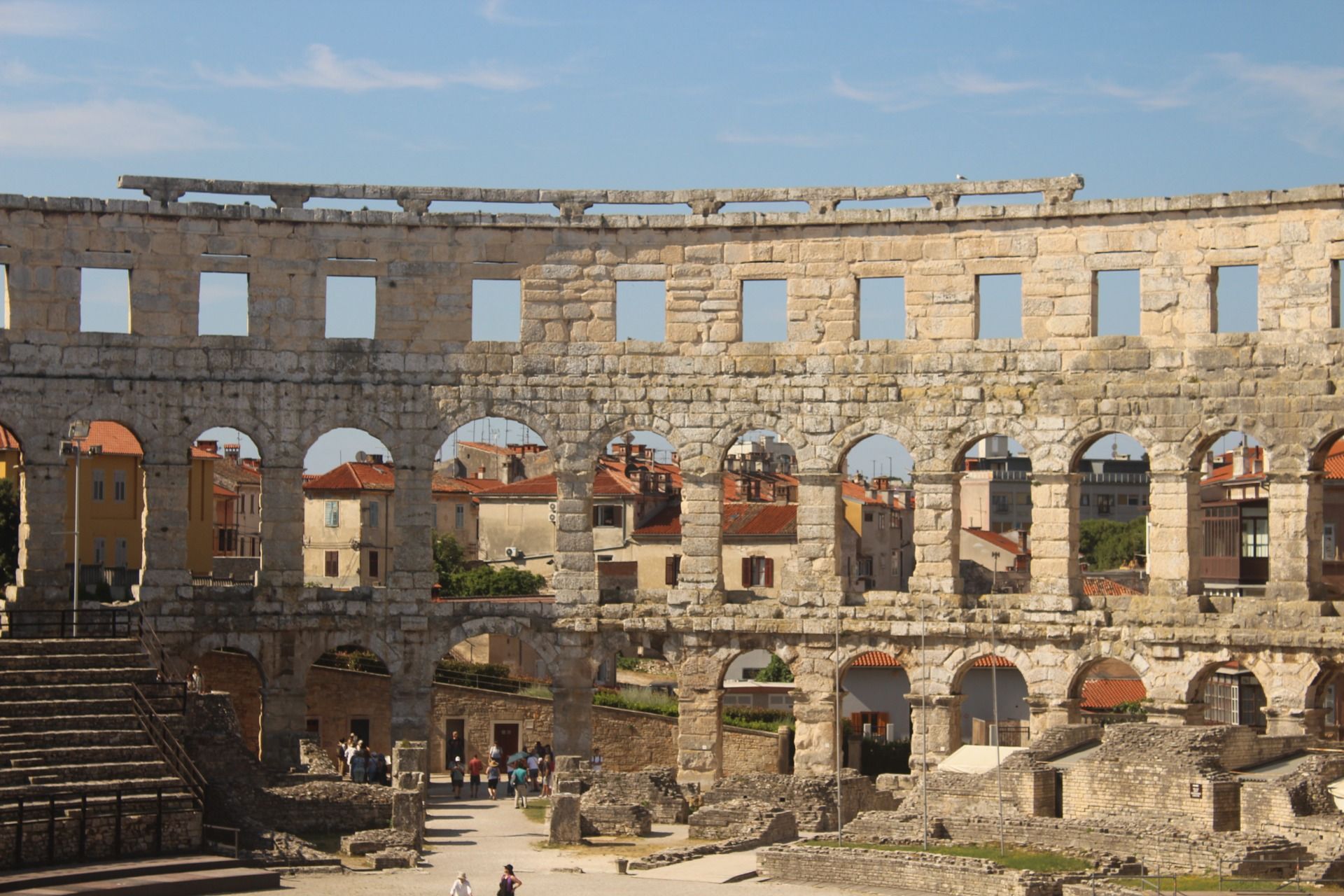
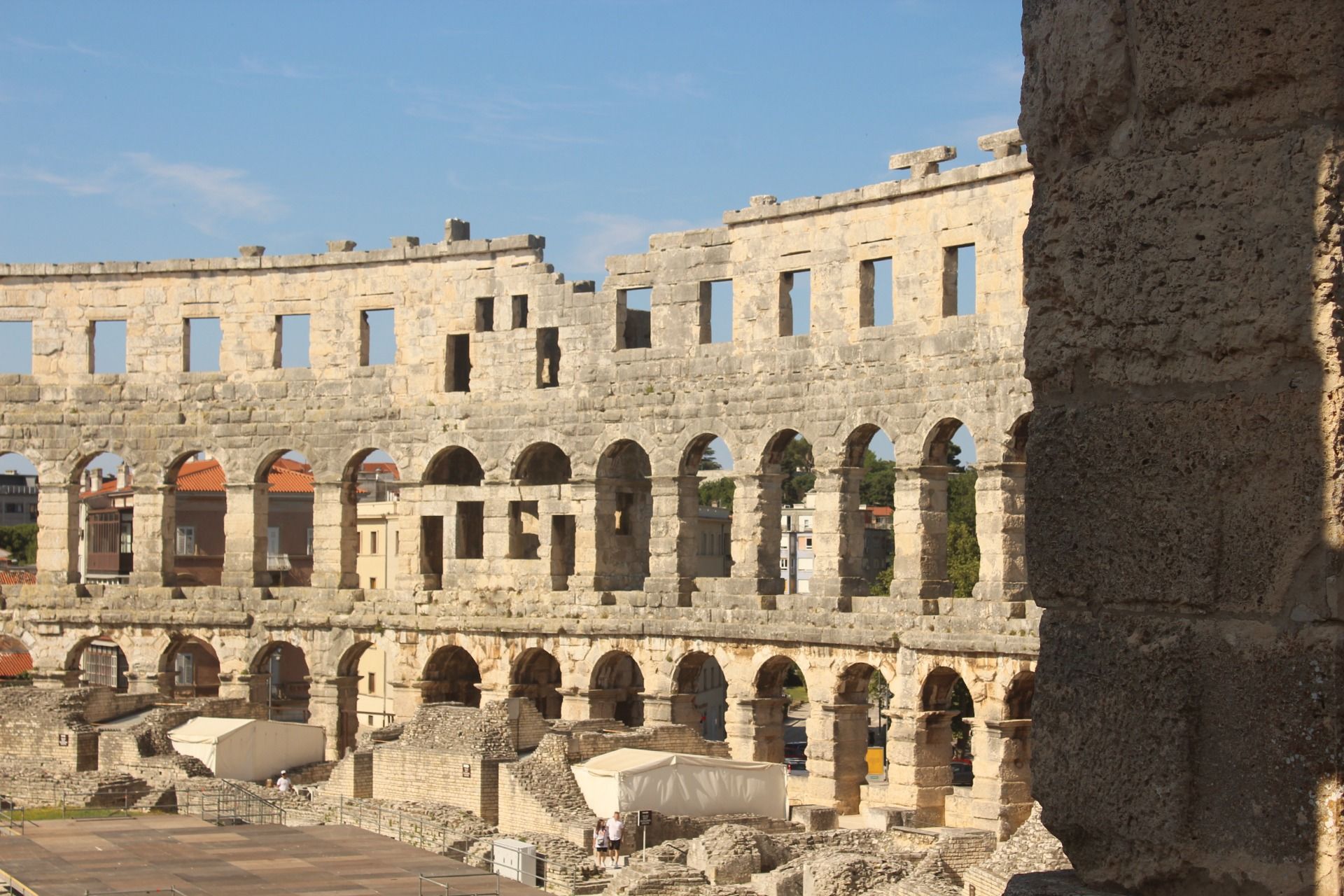
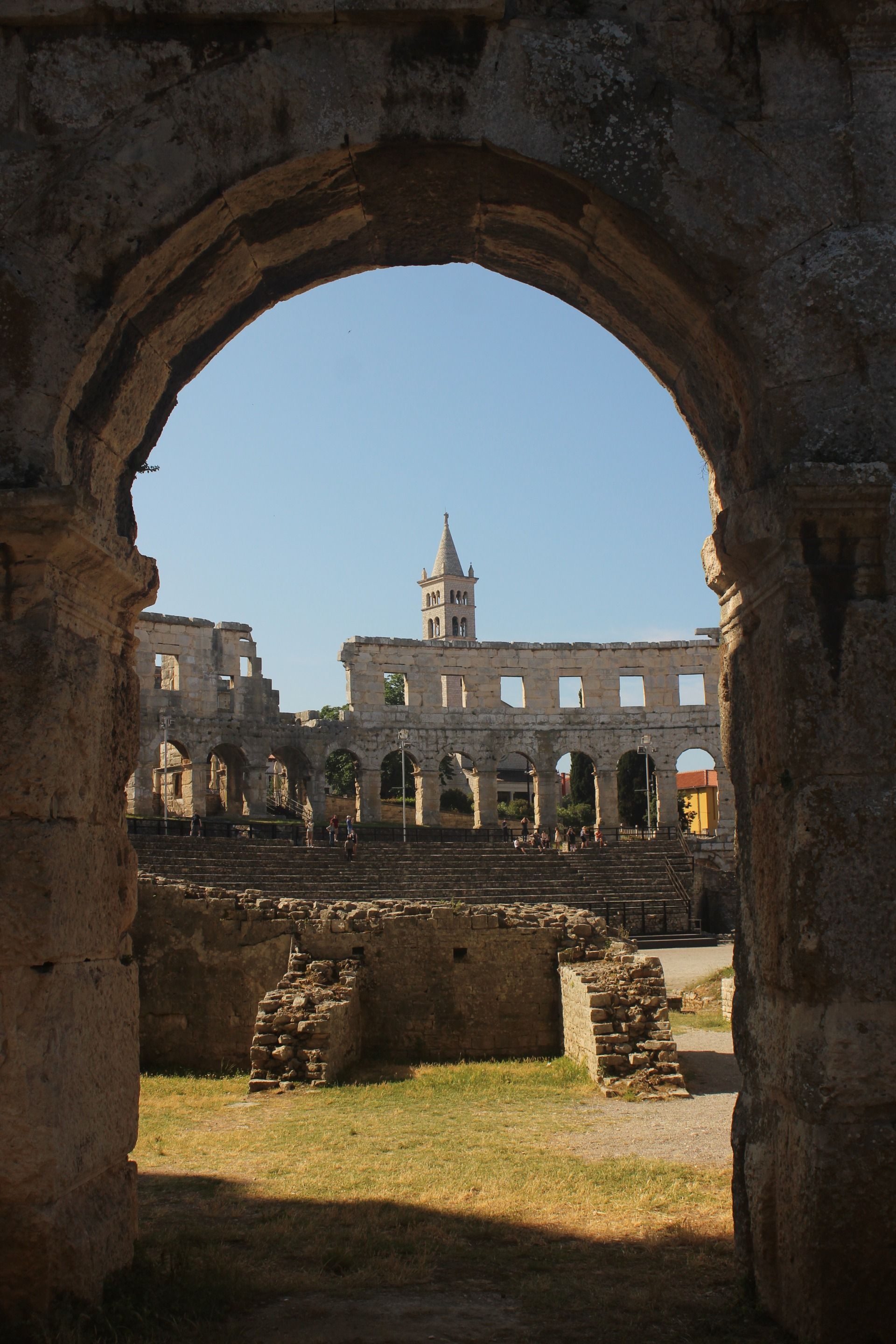
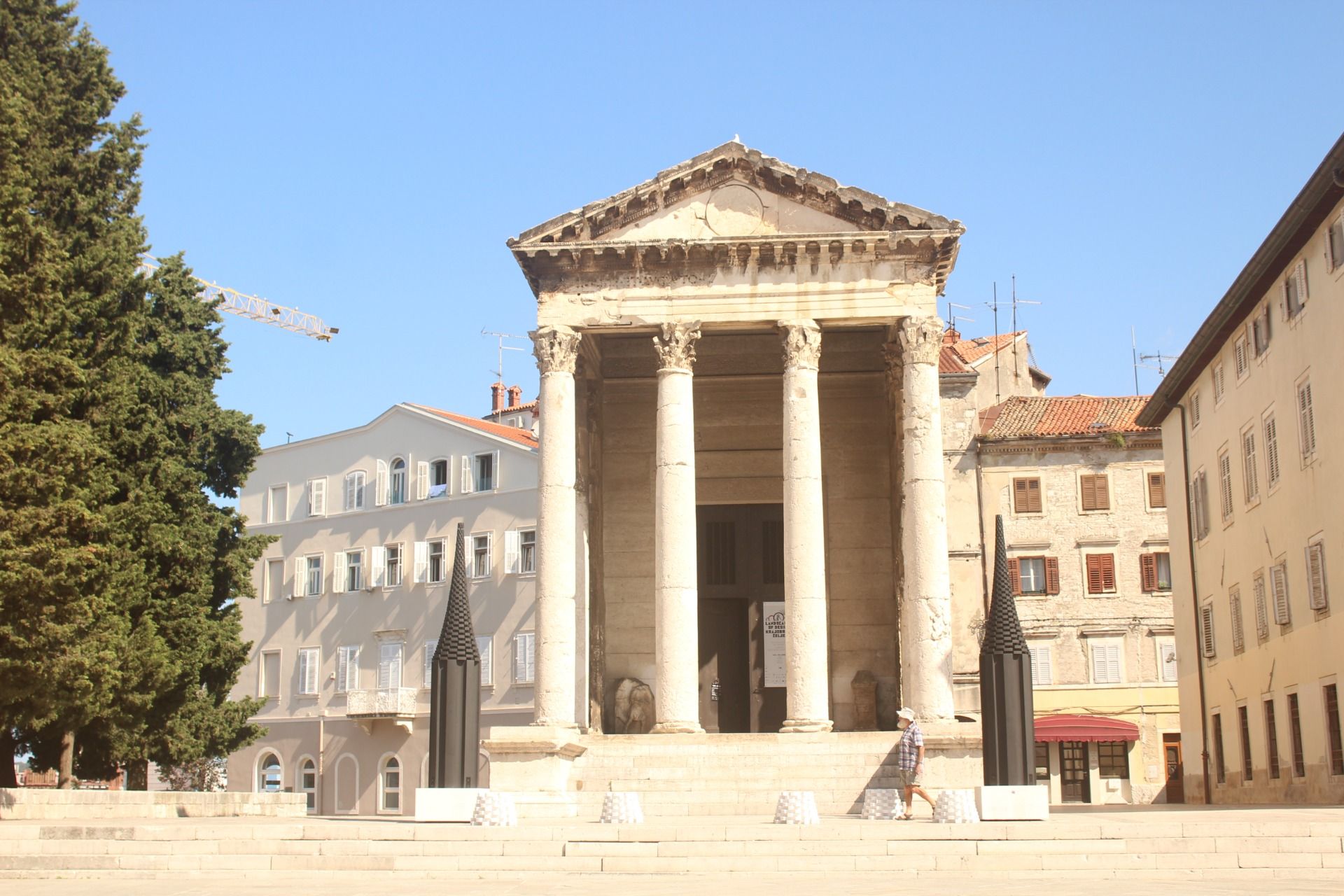
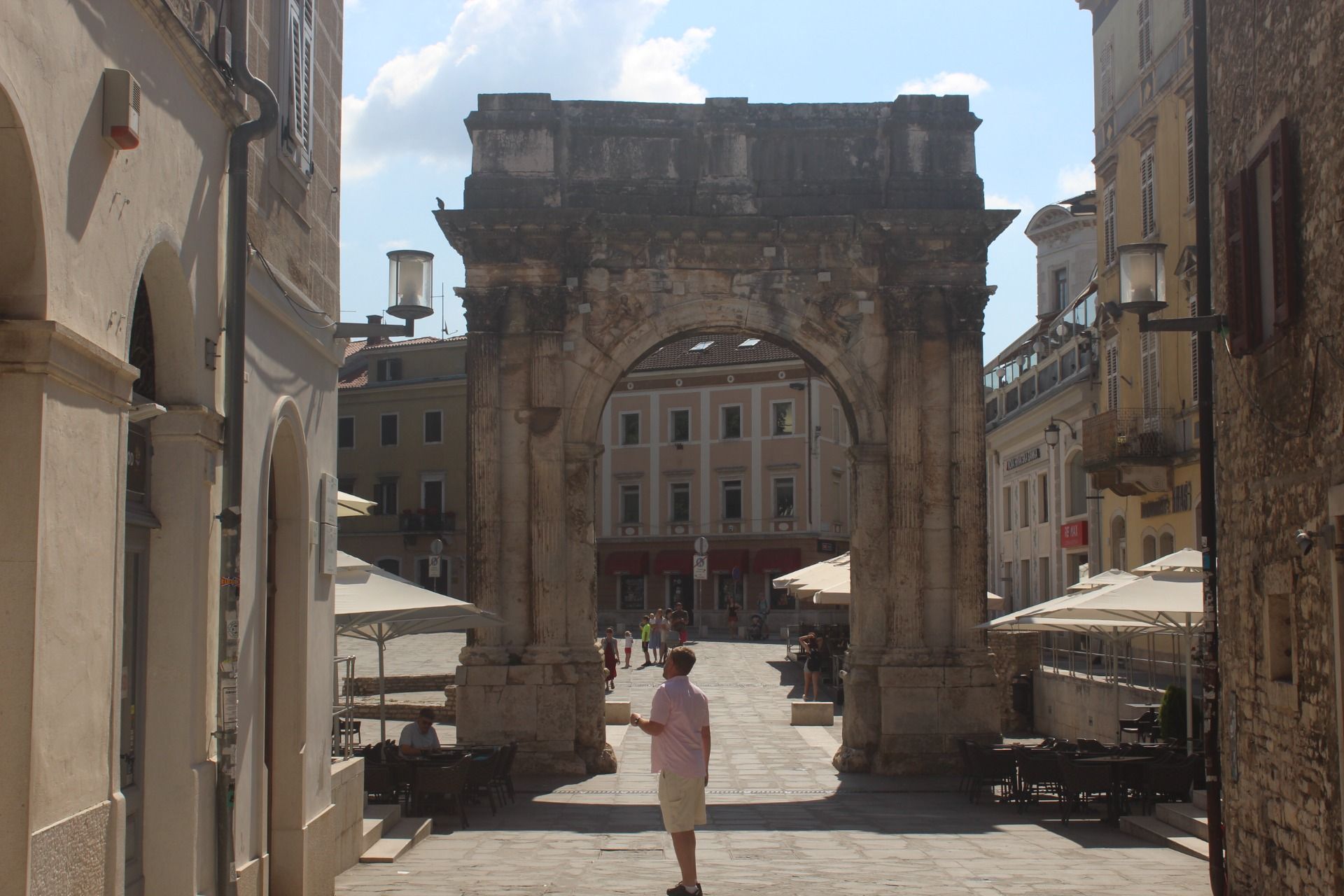
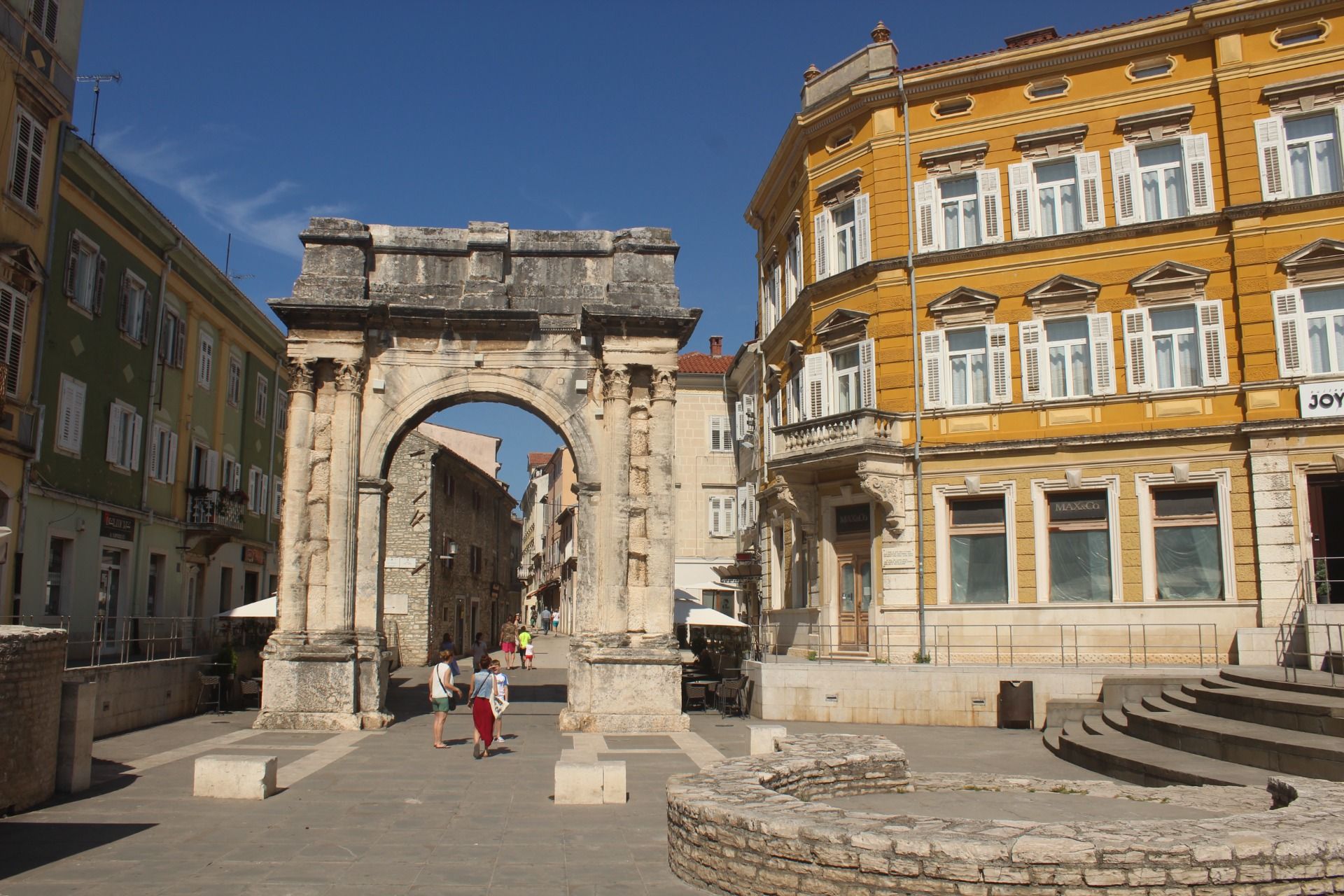
When we hear about a city located on seven hills, the city of Rome automatically comes to mind. For about half a year now, apart from Rome, I have also been thinking about another city, namely Pula, located in Croatia. Pula is an old historical but not very big city. Pula, with a population of 57,000, dates back to the 5th century BC. The city was founded by the ethnic Illyrian people and they ruled it until 177 BC, when the Romans took over the city. They turned the city into an important center of administration and trade. This was related to the intensive development of Pula. It can be mentioned that over time the city's population increased to 30,000 inhabitants, i.e. half of the number of inhabitants it has today. After the Roman episode in the history of Pula, there remains a monumental amphitheater, most likely built by the Roman Emperor Vespasian. It accommodated as many as 23,000 people who could admire the fights of gladiators and wild animals. It is said to be one of the three best-preserved amphitheaters of Ancient Rome, so a real treat for fans of ancient architecture. The later fate of the city was to change it from hand to hand. First, after the fall of the Roman Empire, Pula passed into the hands of Byzantium, and later into the hands of the Republic of Venice. The medieval period was a time of decline of the city, which resulted from numerous epidemics that hit Pula and literally decimated the city's population. The city that once had 30,000 inhabitants shrank a hundredfold to 300 inhabitants. Pula's renewed development took place only in the 19th century, when a shipyard and accompanying industrial plants were built there.
[PL]
Gdy słyszymy o mieście położonym na siedmiu wzgórzach to automatycznie przychodzi na myśl miasto Rzym. Od jakiegoś pół roku mi poza Rzymem przychodzi na myśl również inne miasto, a mianowicie położona w Chorwacji Pula. Pula jest starym historycznym, ale niezbyt dużym miastem. Licząca 57 tysięcy mieszkańców Pula pochodzi jeszcze z czasów V wieku przed naszą erą. Miasto założył etniczny lud Ilirów i rządzili nim, aż do 177 roku przed naszą erą, czyli do czasu kiedy to miasto zajęli Rzymianie. Stworzyli oni z miasta ważny ośrodek administracji oraz handlu. Wiązało się to z intensywnym rozwojem Puli. Można wspomnieć, że w czasach liczba ludności miasta wzrosła aż do 30 tysięcy mieszkańców, czyli połowę tego ilu mieszkańców ma dzisiaj. Po Rzymskim epizodzie w historii Puli pozostał monumentalny amfiteatr zbudowany najprawdopodobniej przez cesarza rzymskiego Wespazjana. Mieścił on aż 23 tysiące ludzi, którzy mogli podziwiać walki gladiatorów i dzikich zwierząt. Mówi się, że jest to on jednym z trzech najlepiej zachowanych amfiteatrów Starożytnego Rzymu, więc nie lada gratka dla fanów starożytnej architektury. Późniejsze losy miasta to przerzucanie go z rąk do rąk. Najpierw po upadku imperium rzymskiego Pula przeszła w ręce Bizancjum, a później w ręce Republiki Wenecji. Okres średniowiecza to czas upadku miasta a wzięła się ona z licznych epidemii, które nawiedziły Pulę i dosłownie zdziesiątkowały ludność miasta. Miasto niegdyś liczące 30 tysięcy mieszkańców skurczyło stukrotnie do 300 mieszkańców. Ponowny rozwój Puli miał miejsce dopiero w XIX wieku, a to dlatego, że zbudowano w nim stocznię oraz towarzyszące jej zakłady przemysłowe.


Comments