 Armavir Province, Armenia
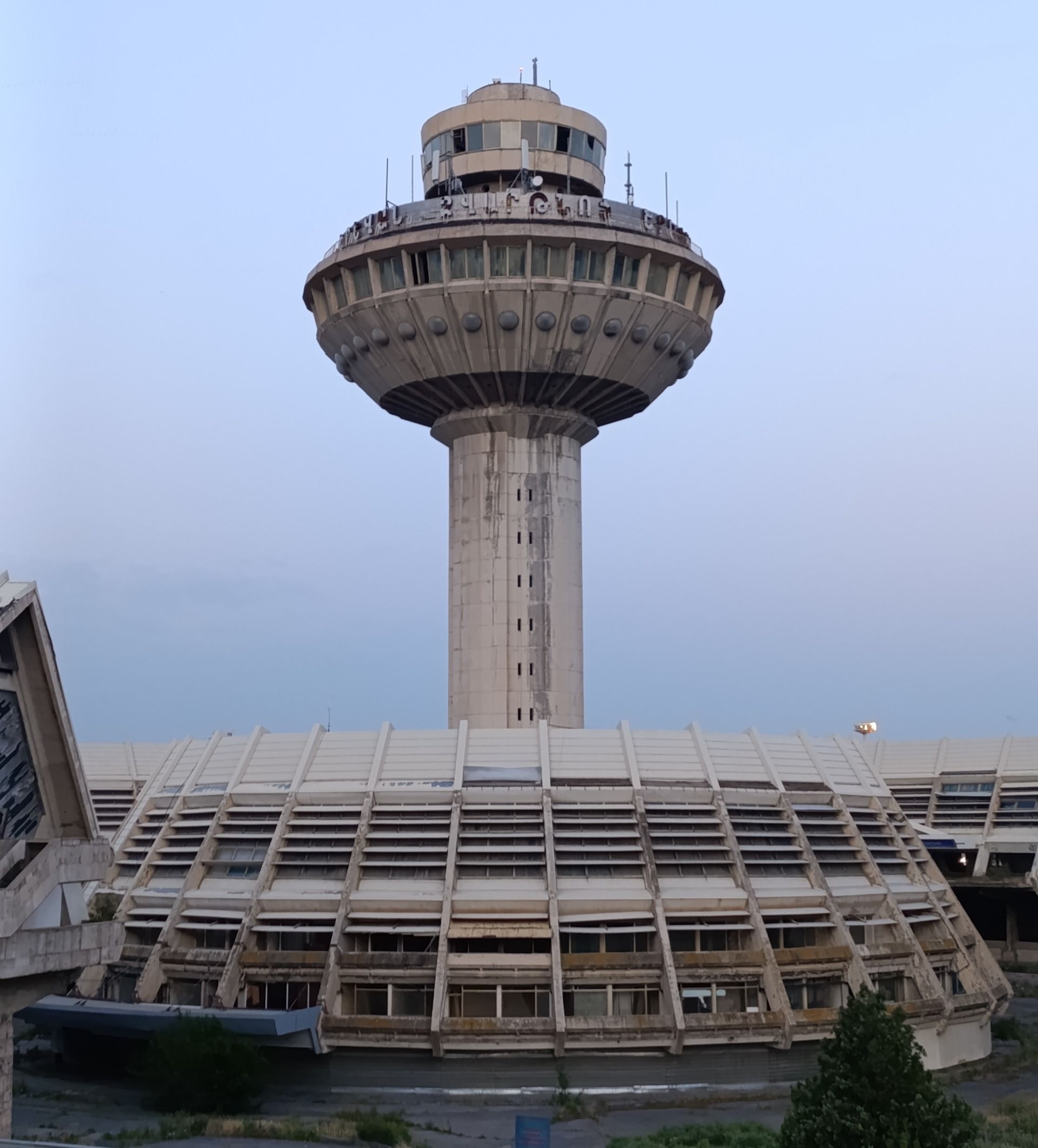
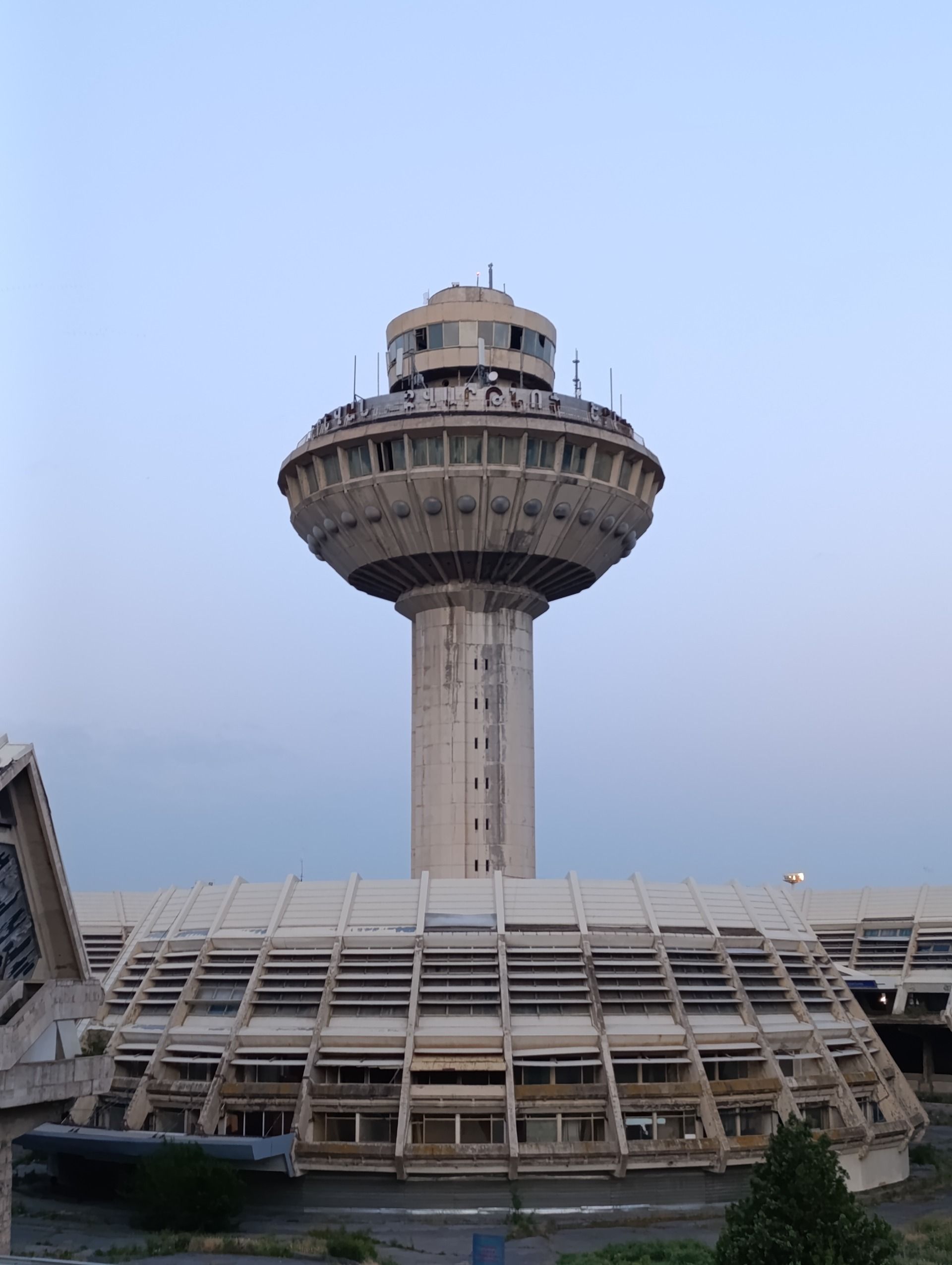
It may sound a bit strange to travel to an airport just to admire an old airport next to it, but this is something that people do for many reasons, and in the past it was something that came with a bit more explorative freedom as security was lower as was the general interest. But as the Internet continues to share stories of such locations and people find interest, such locations are becoming a bit tougher to get to. The Zvartnots airport in Armenia is almost something of science-fiction. A creation that stands out so beautifully that it really speaks of a forgotten era. Unfortunately, I am not able of going inside and appreciating the history that remains within. And there is certainly plenty of that. The Terminal 1 airport is located right next to the more modern monstrosity that Yerevan now uses, and the questions of Terminal 1's future seem rather grim. Inside, difficult to witness, remain Soviet era posters, calendars, and various forms of paperwork that tell stories of its communist past.
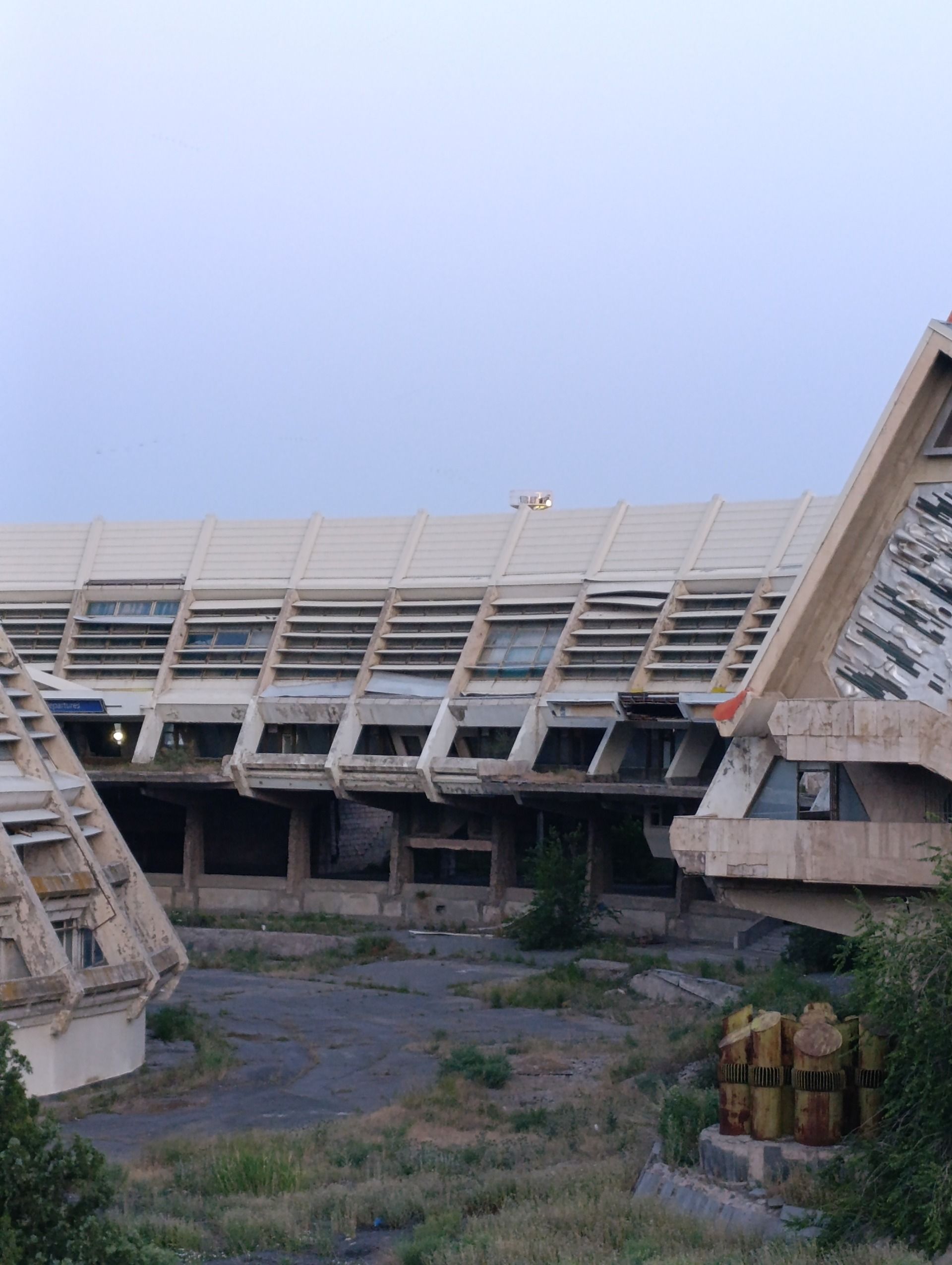
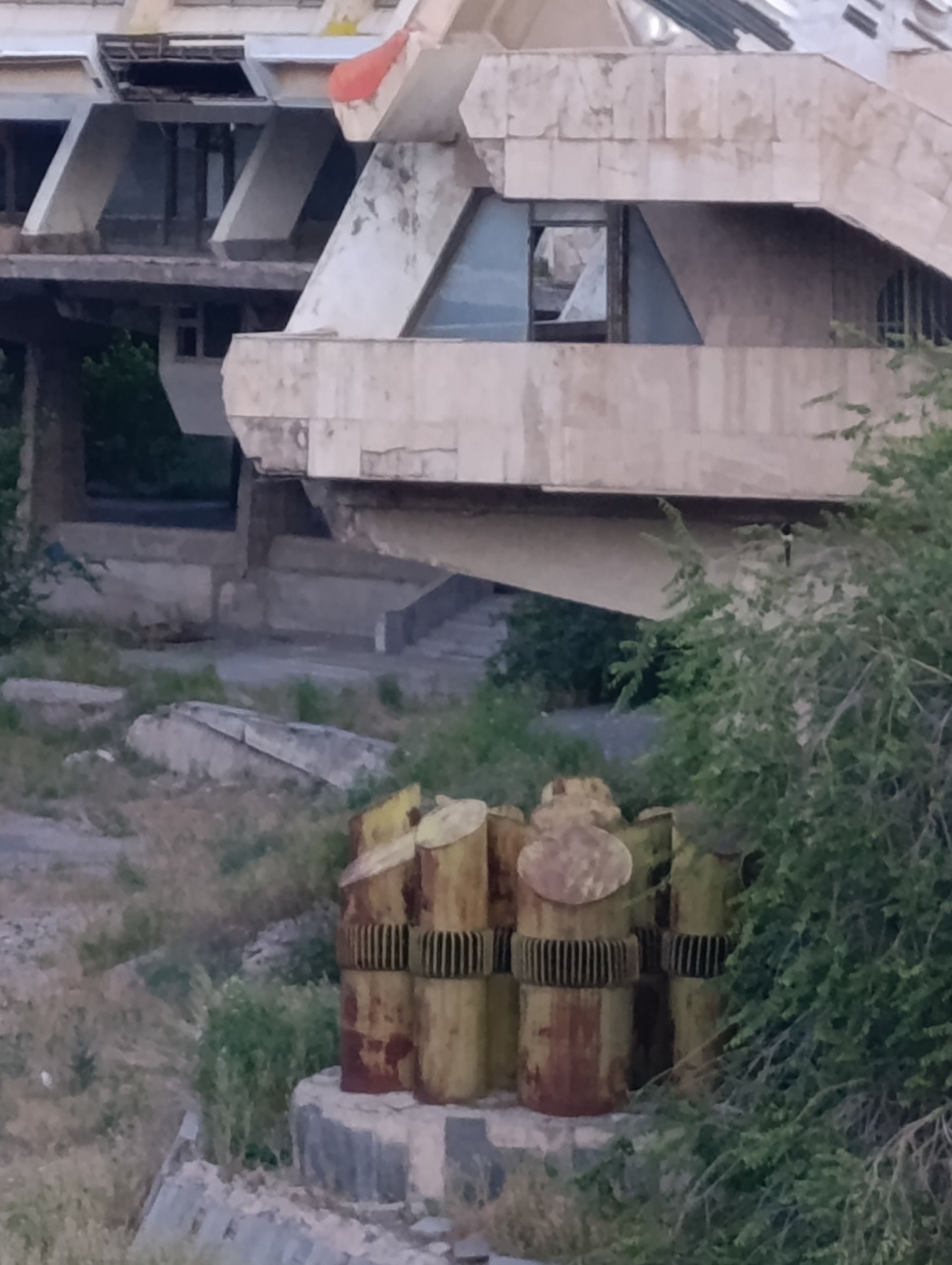
There are two ways to get some decent views of this airport that remain without breaking any laws and potentially ending up detained and given a quick tour through the departures side of the new airport: one from the ground level near its main entrance, and another from above which handles the departures. There are likely ways to get inside, but I wouldn't advise attempting to get such an up-close view of it all given it's so close to such a sensitive location with plenty of police. I did seem to notice someone coming out of one of the main entrances as well; a worker which also implies that some of these buildings likely see some attention still. Whether for workers to take a quick smoke or for them to take a break and get a bit of coffee. I mentioned that for the longest time the idiots in power have the intentions of destroying Terminal 1 and expanding the modern airport over that land. So it certainly lives on questionable time. But Armenia in recent times can show some good intent with development and reconstruction regarding the Soviet era, and I think some of the reason as to why it hasn't yet seen that demolition is because of backlash and a waiting for funds to perhaps renovate rather than destroy.
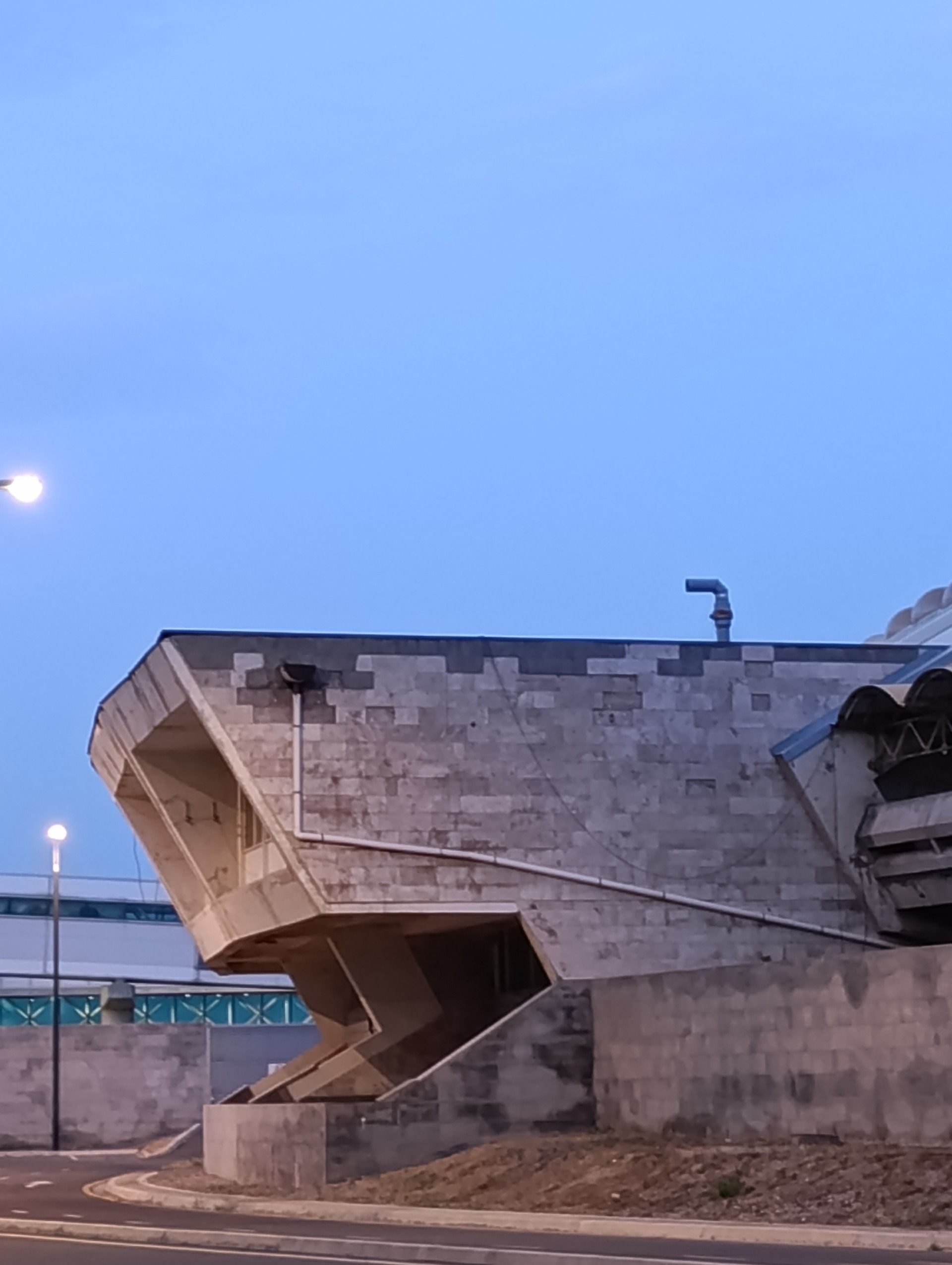
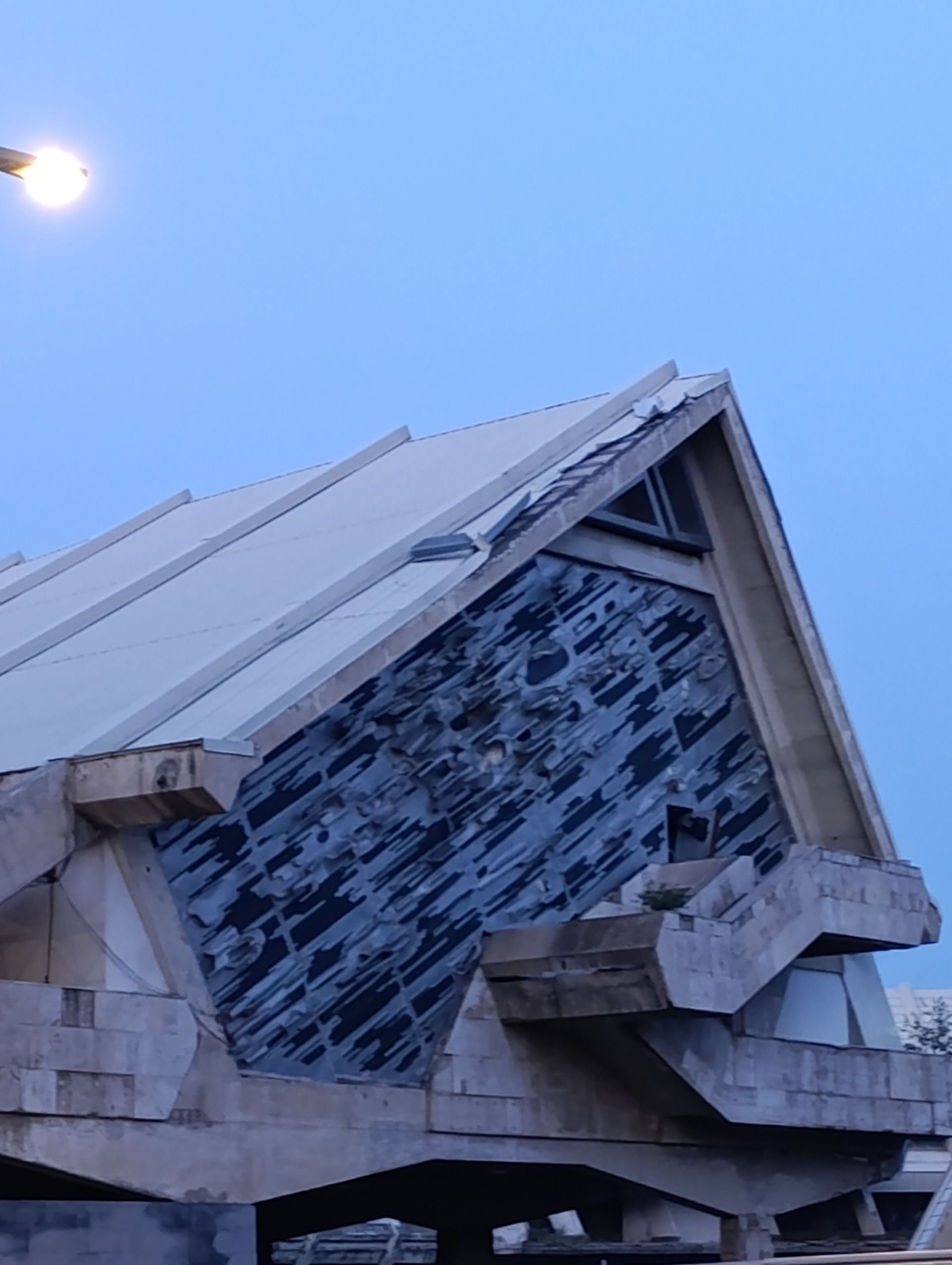
And demolition would be a shame given the context Terminal 1 holds. The historical importance for Armenia it gave both visually and quite literally as it allowed for improved travel to and from Armenia within the height of the Soviet Union. It was a symbol of its growth, a symbol of the Armenian socialist modernism that is still felt to this day. Built my proud Armenians themselves that aimed to build something for the people. That height of the Soviet Union being the decade of the 1960s, when the modernist ideology was really coming into fruition throughout the various republics, with the industrial might having established itself already from the Second World War, and the birth of the creative communist mind as the war anxiety had faded. Now was the time for celebration. The airport wasn't abandoned way back in the past, it continued to thrive and support incredible numbers even after the collapse of the Soviet Union and a capitalist's mindset was established, as new trade agreements were established through a more globalist effort. It was only in 2011 that Terminal 1 was considered too small. With the newer building only meant to serve as a temporary alternative as Terminal 1 was to receive the expansion.
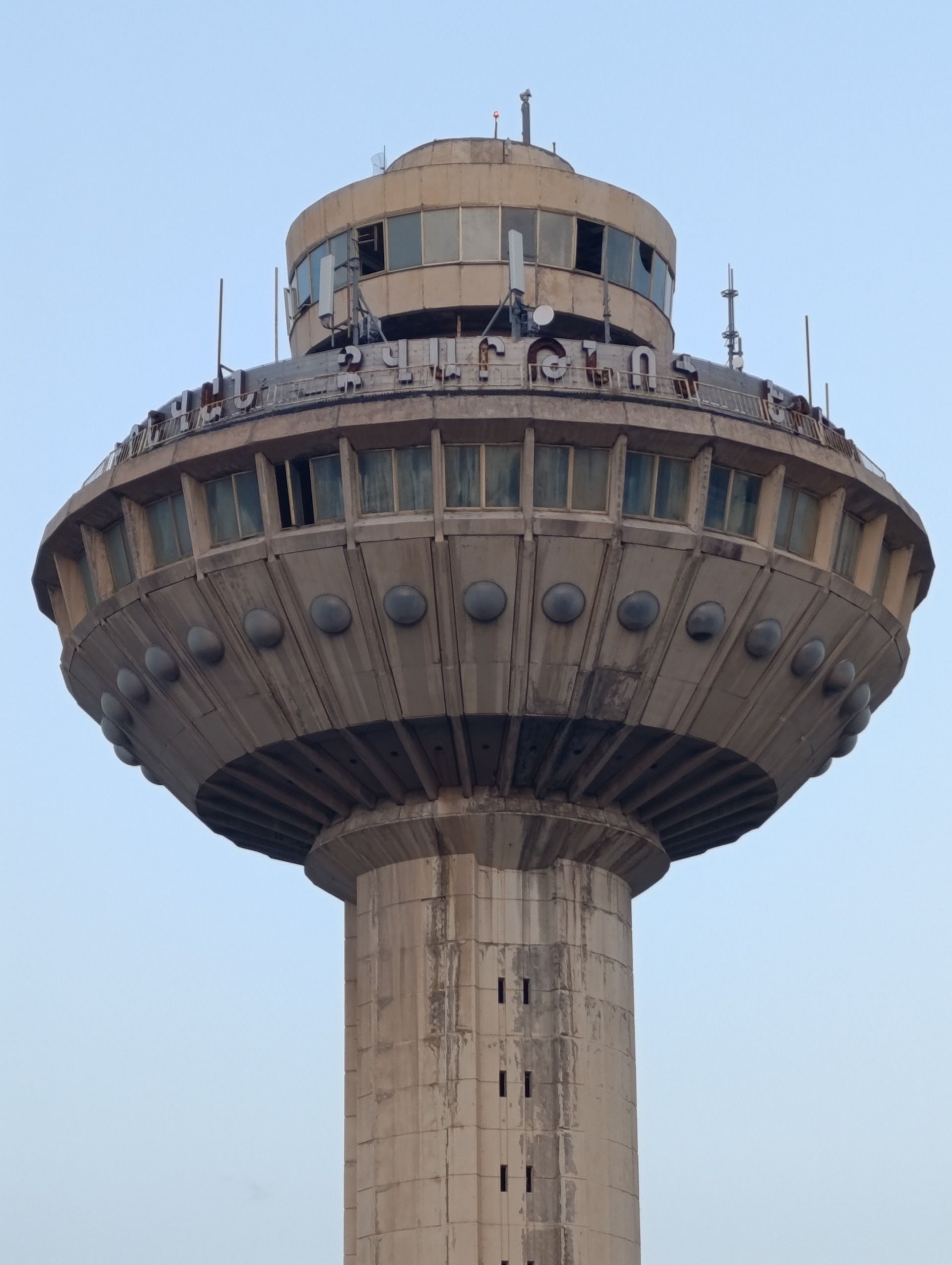
Terminal 1 was the collaboration of numerous Armenian architects that were tasked with growing the nation's ability to trade within the USSR and its allied states. It is grand in its design, but certainly does speak of a time in which less people would've been travelling by air. When that sort of thing was still considered a bit more of a luxury form of travel. As the populations of these nations were also drastically lower in comparison to today's, as well as that demand for air travel. I do hope that this airport can be saved, reconstructed in some ways and not neglected beyond repair. Its design is incredibly beautiful, unique in comparison to all others around the world, and shows how even in the early 1960s man was already pushing to create the future.

Comments