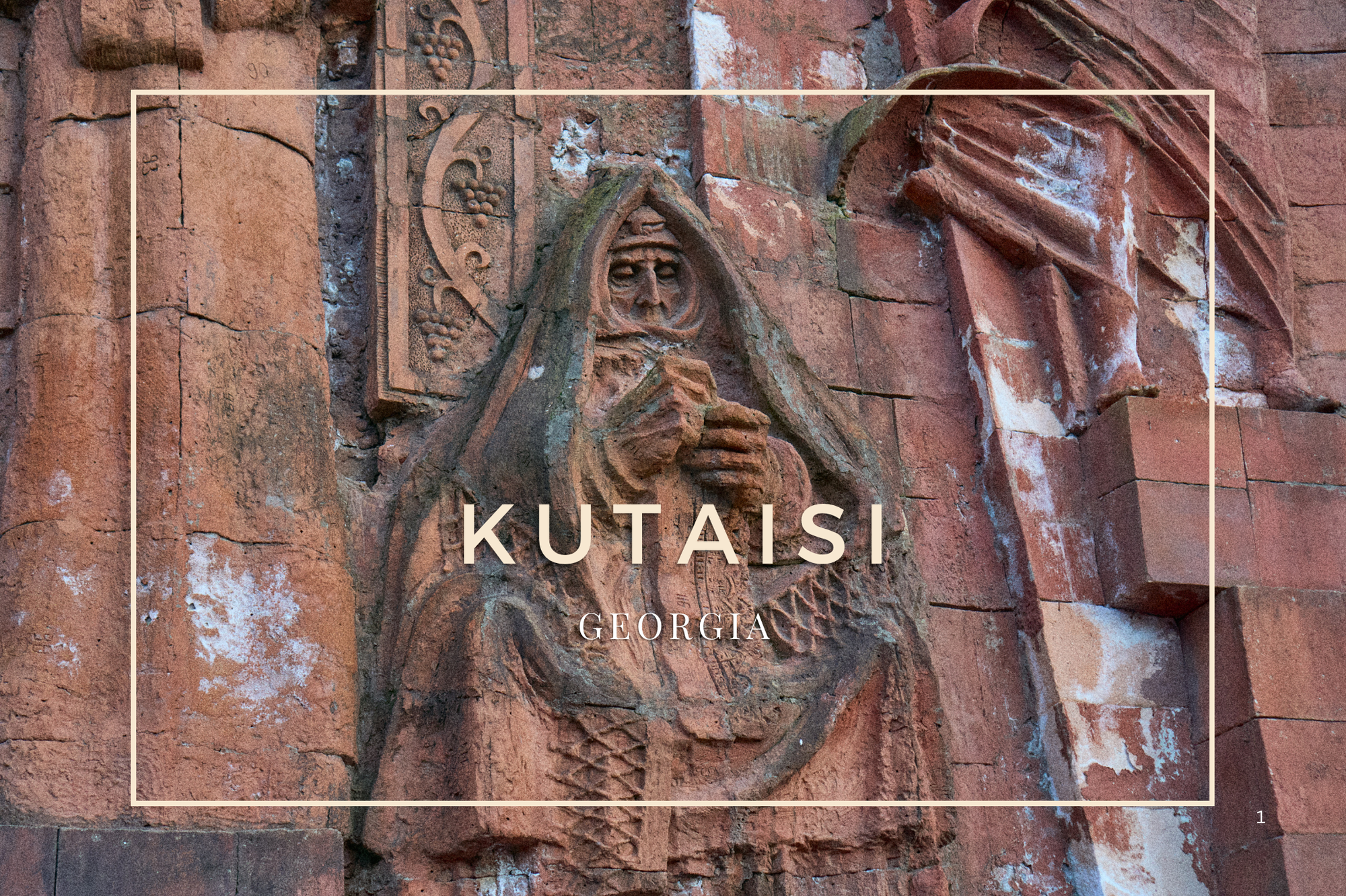
 Kutaisi, Imereti, Georgia
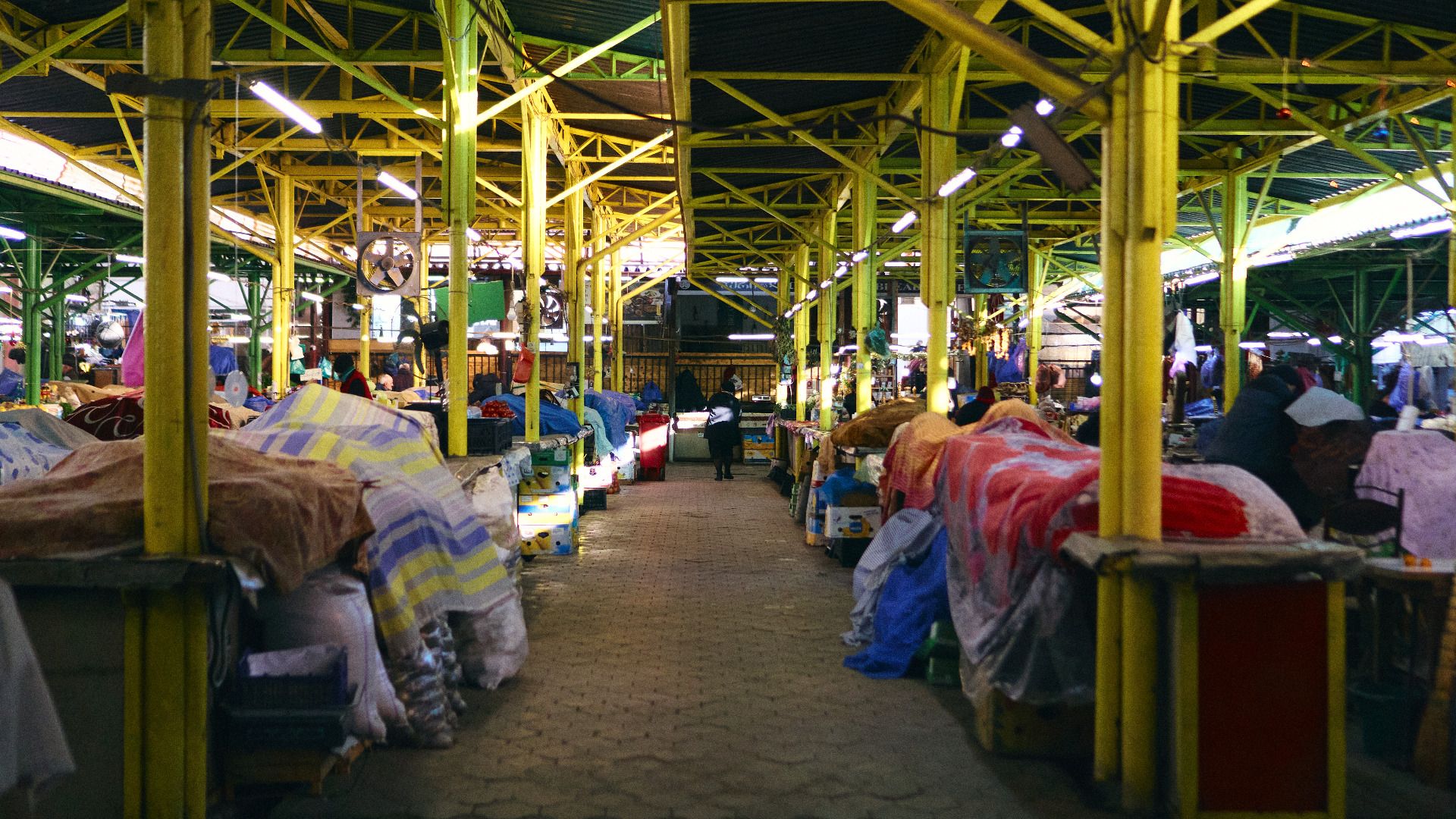
The market is a dying concept. Particularly in many western nations. Though here in the former Soviet republics, markets are a thing that many have relied on for the past thirty years as the communist ideology abruptly came to an end and money very quickly became a necessity. Through the collapse of industry and the reliance on government backing, communities grew strong with the creation of many markets. Locals would flock to them with their local produce, whether it's dairy products or fresh fruit and vegetables. Though as the years went by, the markets found less and less interest. That aspect of community dwindled with more competitive pricing and the pursuit of convenience. Where electronic doors opened and closed to higher foot traffic just across the street. This has led to the collapse of many markets throughout the region, and it really shows.
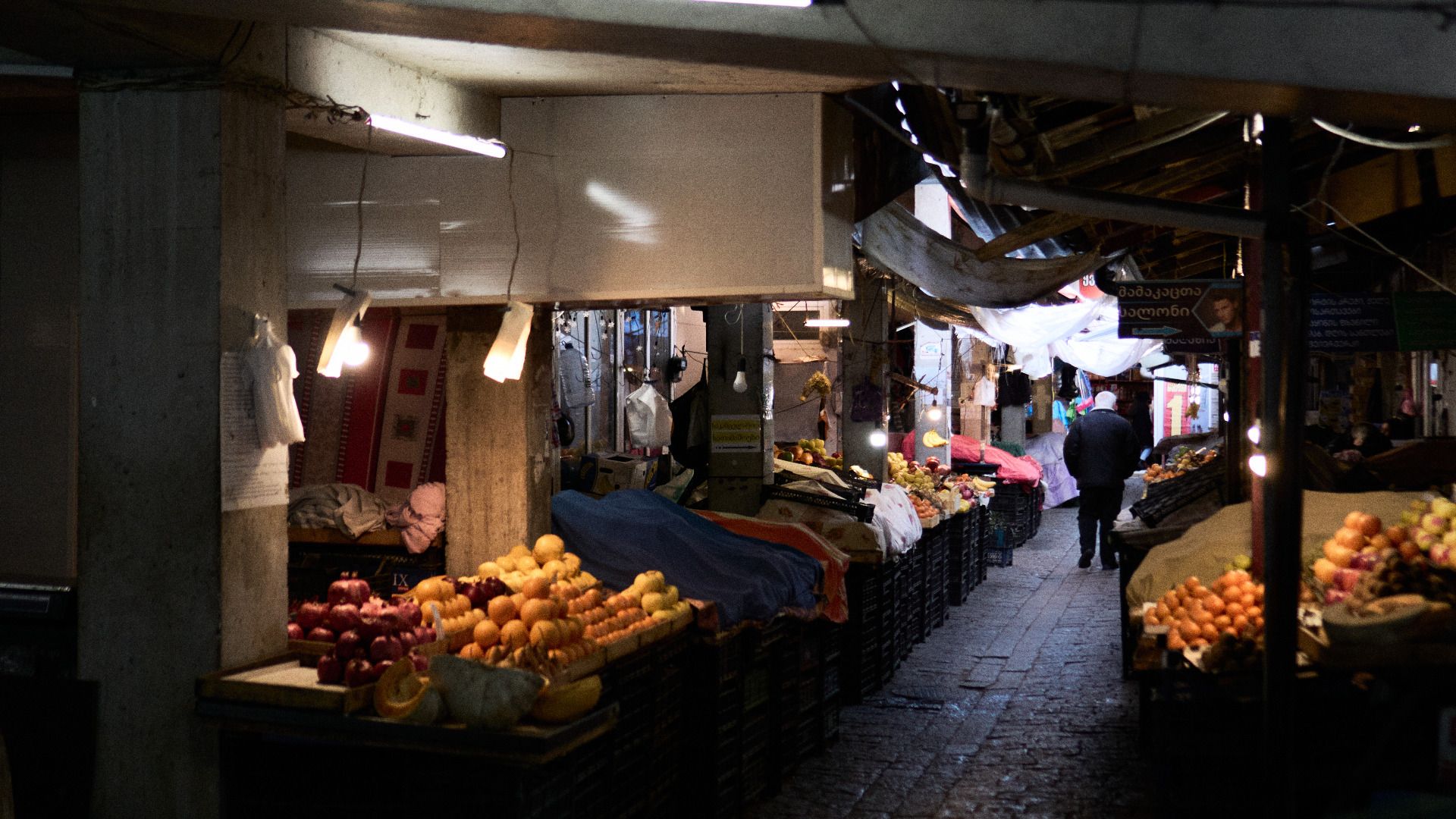
This market in Kutaisi, Georgia was one of many that I have seen that hang on by a thread. Their remaining sellers an aged population. Old women wrapped up in many layers of clothing and little blankets to protect themselves from the colder days and the more open environment. They'll sit there for an entire day waiting for someone to come by and potentially buy something from them. Other stalls are empty, covered up and rarely visited, more of a side thing that they maintain as they seek work elsewhere. Younger generations still farming, but finding other ways to make money through construction works in the area instead of the reliance on their farm output. To walk through a market is to walk around damp tents or halls with metallic rooftops, the smell is of cold stone and maybe some of the smell of fresh greens like dill. Muddy potatoes and very likely a strong stench of cheese.
These markets have dwindled with the introduction of globalism and more corporate interests in these areas, as bigger chains appear that the newer generations go to, but there's also no denying that the former communities that relied on these markets disappeared as a result of being victims of time themselves. The older populations simply dying off. Aged to the point of being incapable of walking off to the local market, reduced to staying at home, having others do their shopping for them. Again, that younger generation that'll run off to the nearest supermarket chain to grab a few things.
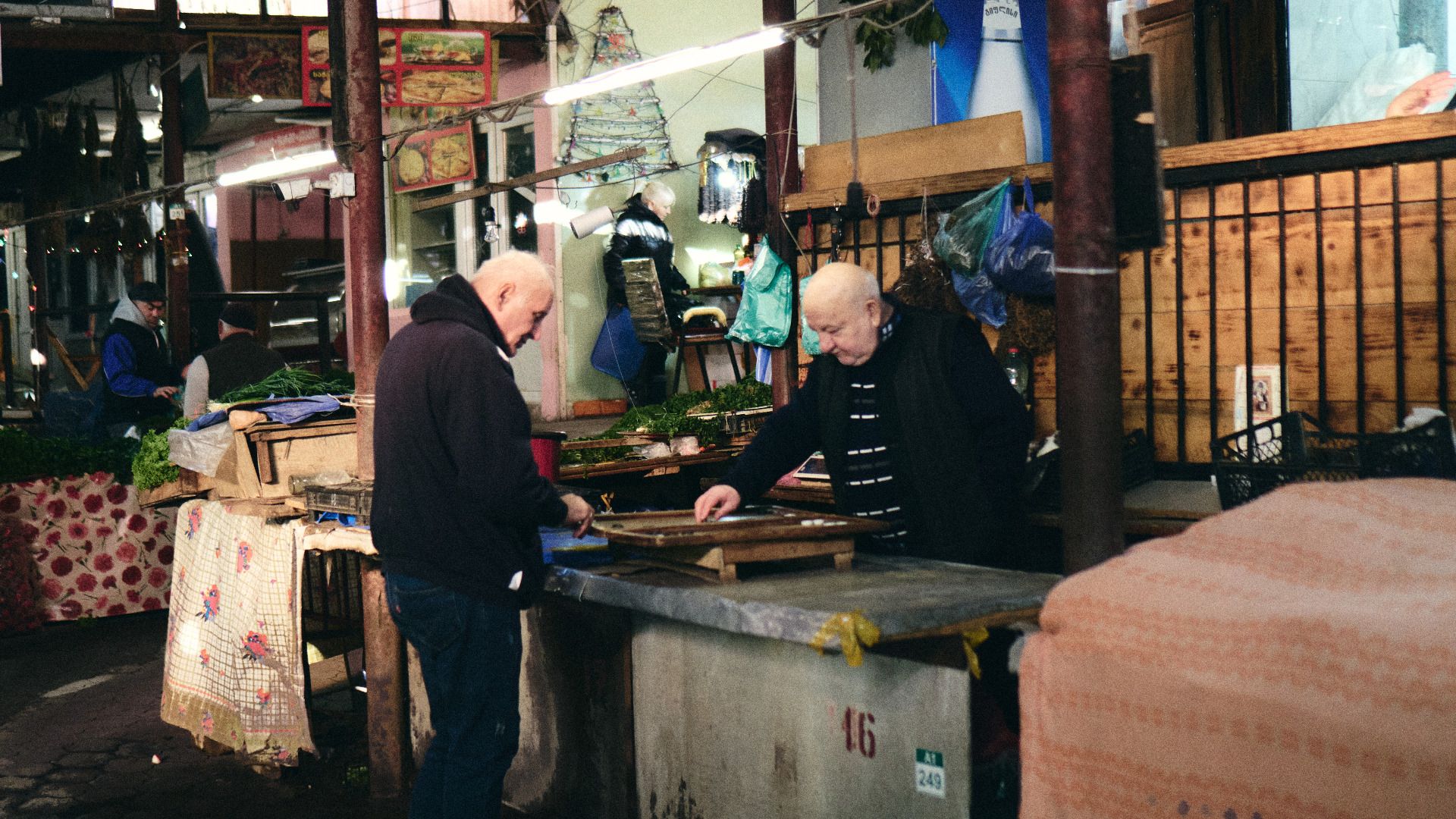
Walking through the market, I could feel the sadness. Signs of life remained with how the men would pass the time playing Nardi together. The sound of dice rolling across the board piercing through the silence of the halls. That slapping of each piece being moved as the players made their moves. This is a common sight throughout various forms of markets, not just the ones that sell food. Often enough it's accompanied by the warmth of some vodka, though in many other cases the smell of little disposable coffee cups and some strong instant coffee that's likely burnt. For the space that all of this takes place within, I couldn't help but think that this location lived on borrowed time. Throughout Georgia, in the more dense cities, it has grown a common coincidence that similar markets have gone up in flames. Overnight. Always an unknown result. Leading to a total destruction of many of these old seller's inventory. At the same time, local governments previously having expressed interest in developing the areas.
I knew, walking around, that I was witnessing the slow death of a market. The death of an era as the reliance and community withered away. Even for these remaining sellers, sooner or later they too will grow too old and weak to continue doing this. To keep appearing every day with their produce that barely sells.
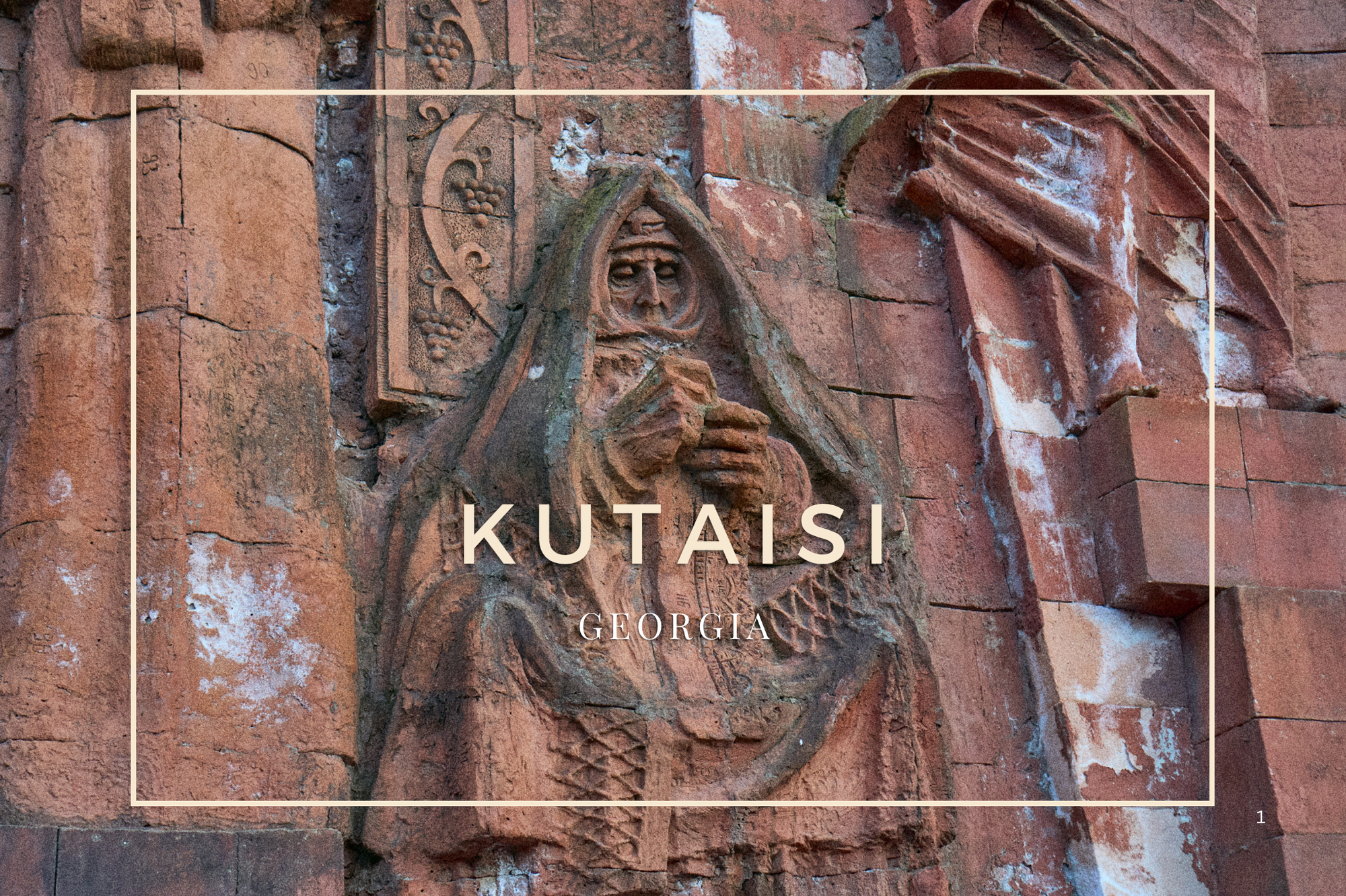
A more depressing feature of the market is a Soviet era (1985) relief that displays many Georgian cultural events and people. This sits at the very entrance of the market and covers the entire side of a building in the centre of Kutaisi. I say it's depressing, but you'll feel that impact of its images when looking deeper into its features. Many faces appear on the side of it, which detail the regular people of Kutaisi, the many faces that came and went throughout the generations. It includes people of history, but also cultural depictions within mythology. At the very bottom of the relief, it displays various aspects of war. Ultimately symbolising the roots of the region, the hardships faced from the Second World War as well as other conflicts. But also how the people have risen up above such hardships and flourished. With the growth of families. The growth of trees that yield fruit. The might of the communist worker that builds and pushes forward with their community. And also the symbols of Christianity which remains strong in the region.
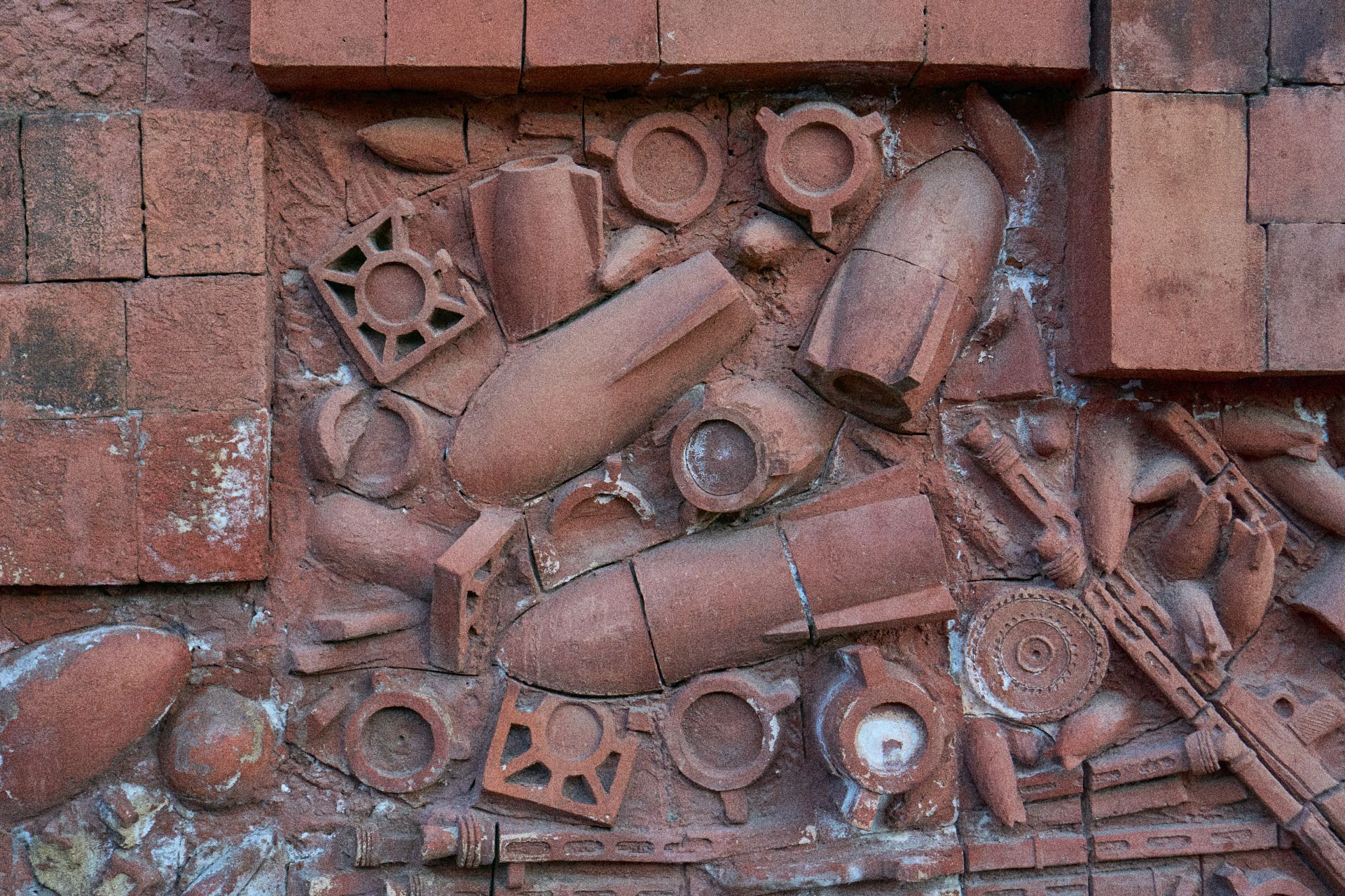
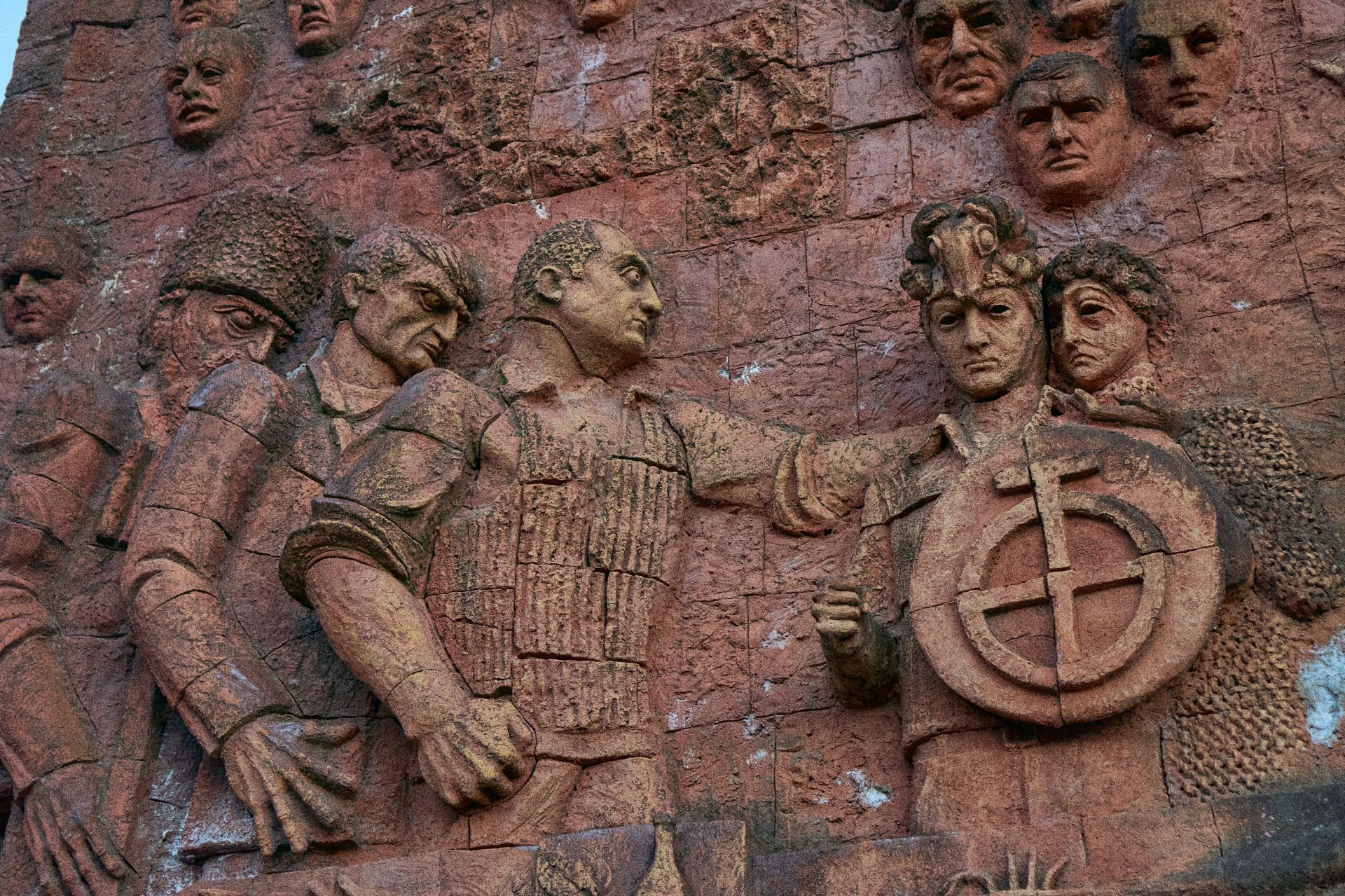
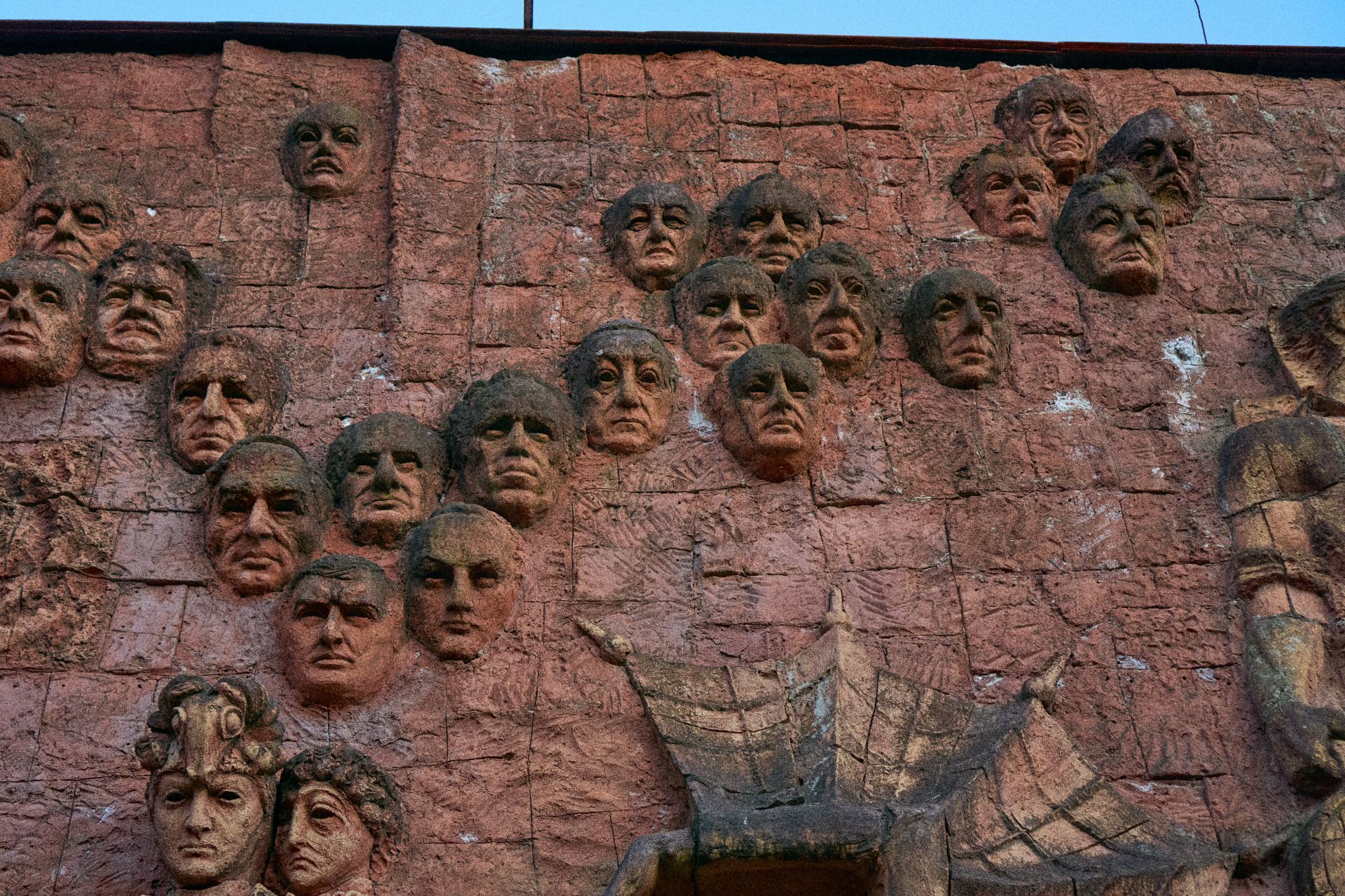
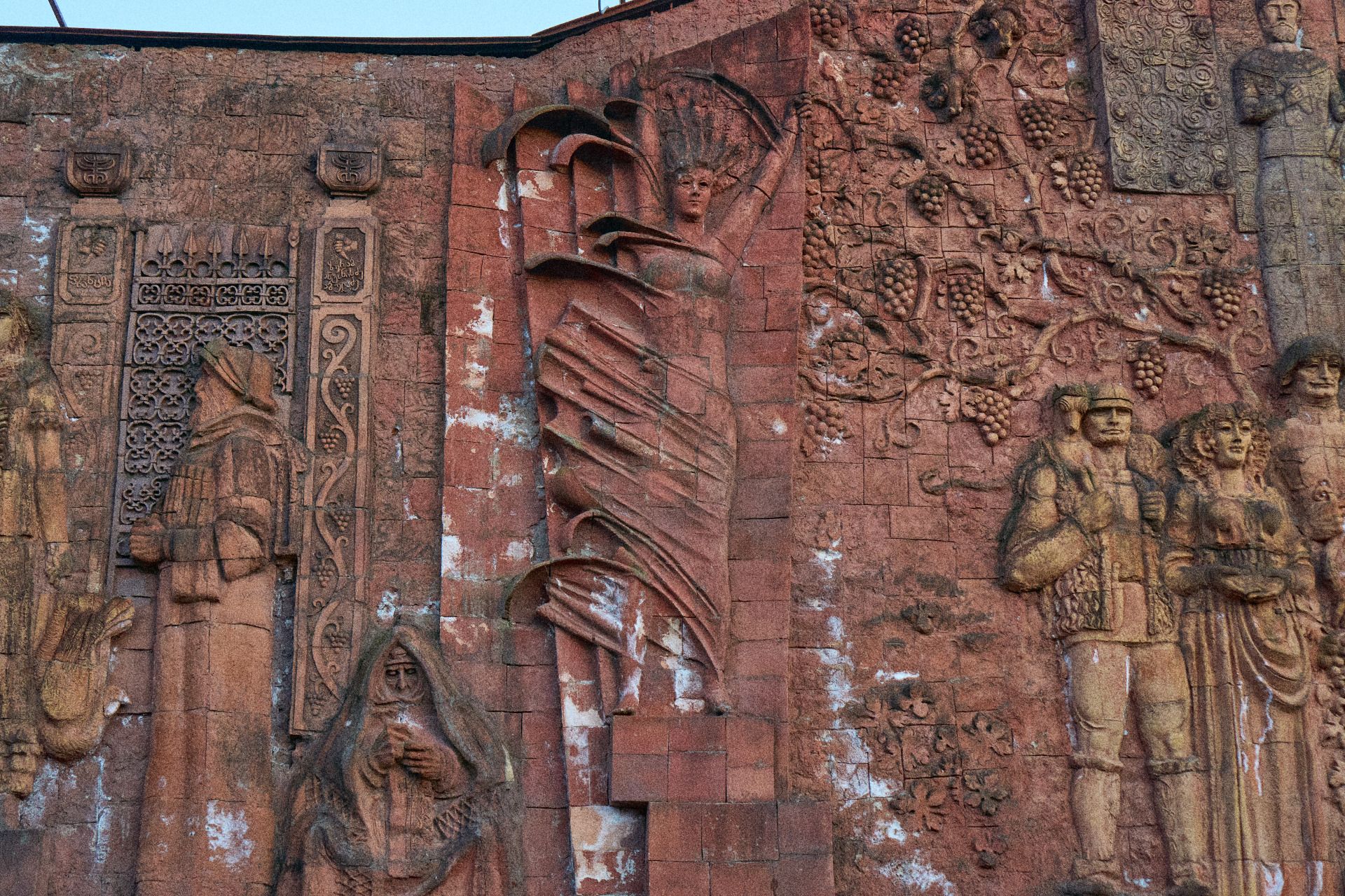
The entire relief was too wide and tall to capture in its entirety with the camera I had. My focal length being 35mm on an APS-C sensor. I think that also shows the scale of it all. And that is where some of that sadness comes into play. It's a beautiful relief that shows the hardships faced and how the people overcame them, and how growth came from culture and community. But the moment you step into those doors, you realise the decay of it all. That symbolism no longer relatable. The hardships are back, the community dwindles. The times are changing rapidly for the people of the market, even for the locals of Kutaisi that never attend it. Some can't adapt. Some are too familiar with the old ways. Having already been exposed to incredibly difficult times and societal changes. For others, it's a little too late to even try to adapt.
Soon those halls will grow more cold, more damp, and more silent. No longer filled with the sounds of Nardi. The smell of coffee no longer present. The various produce and packaging left to rot and collect dust. Blankets over stalls that darken with mould. And after, the bulldozers will come to make way for a new high-rise. And no relief will depict this era of hardships. No relief will display what one was.

Comments