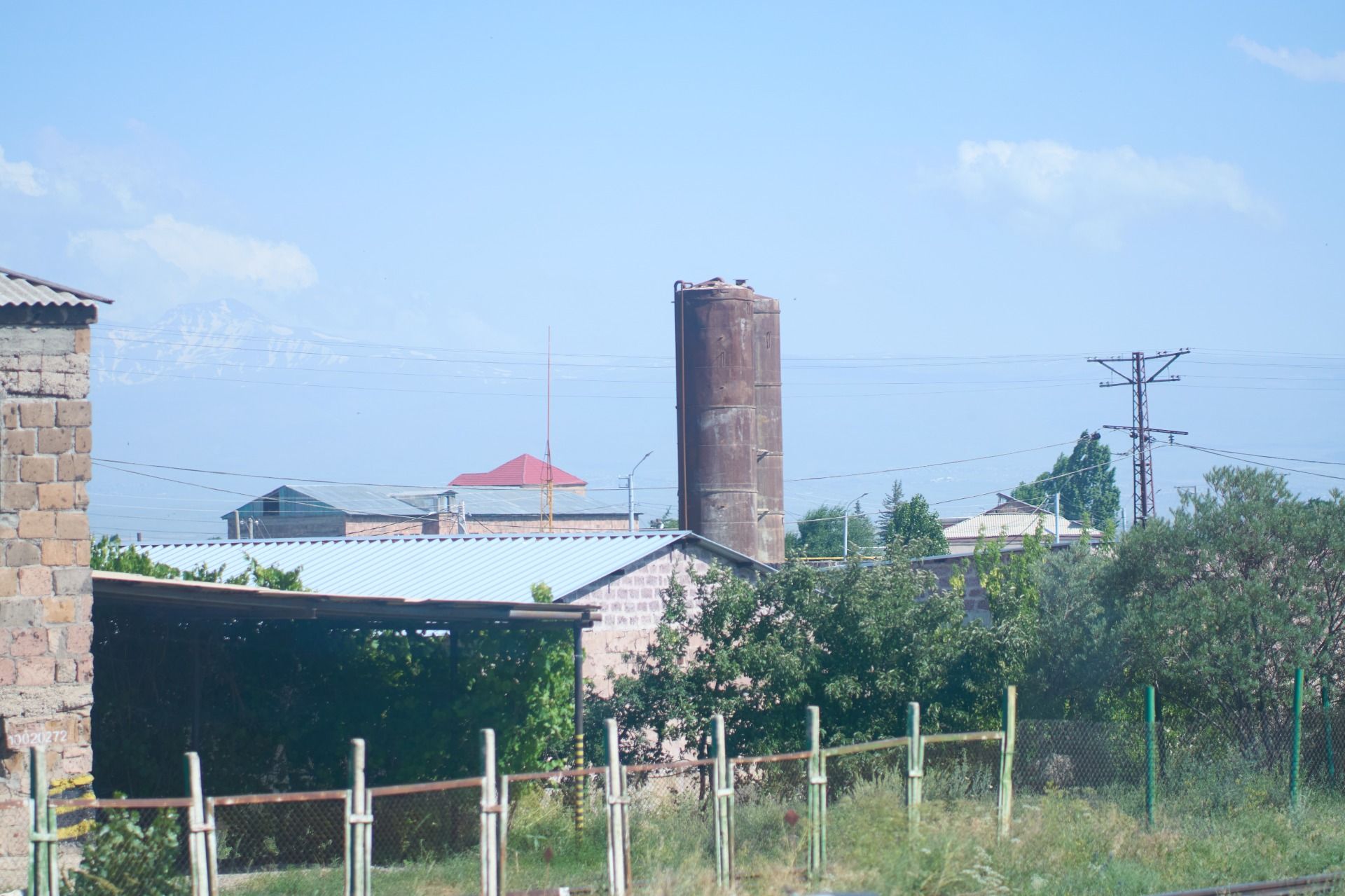
 Gyumri, Shirak Province, Armenia
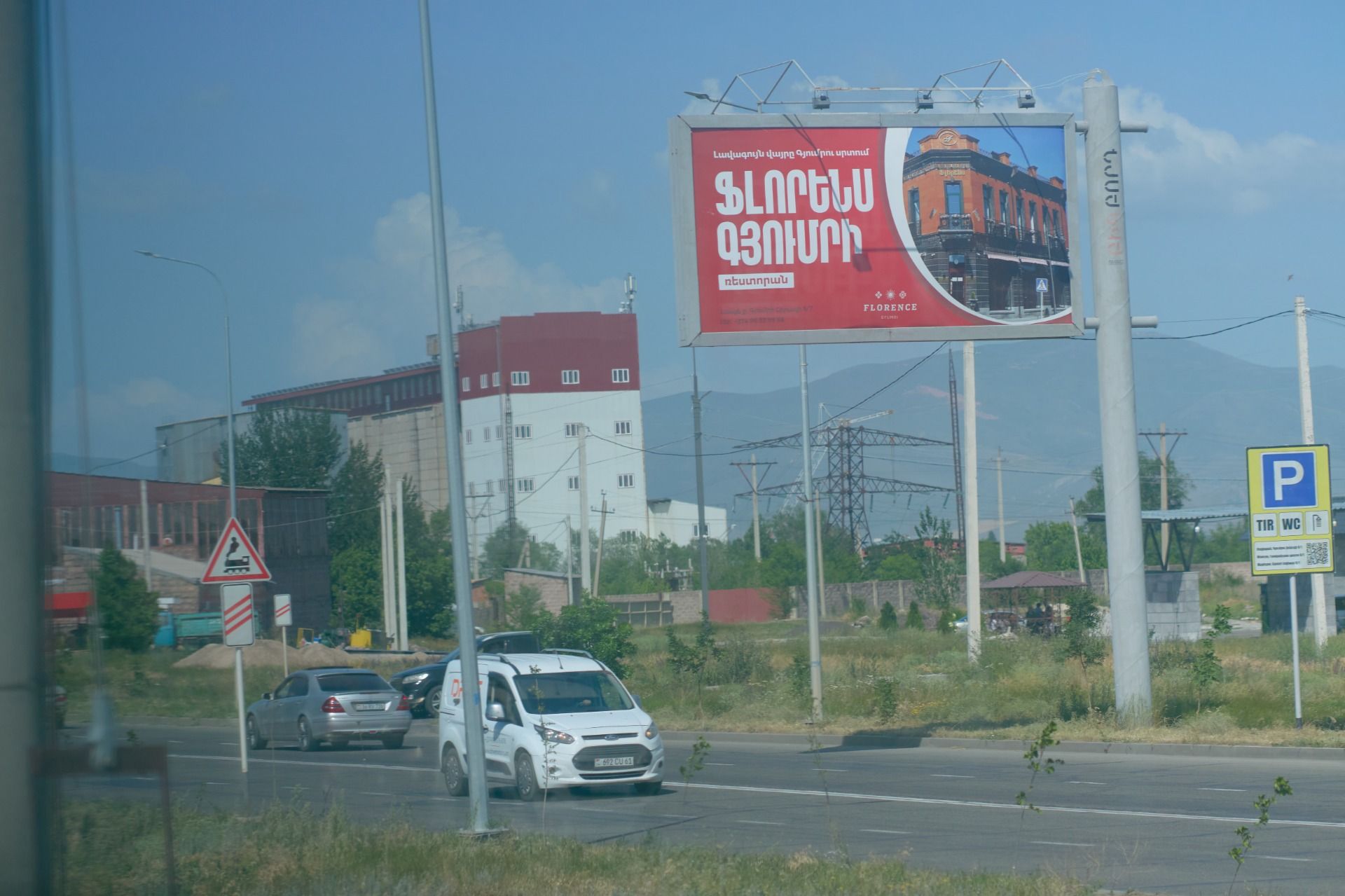
Arriving to Gyumri was one of the more boring parts of the trip. This is a city I had a bit of a glimpse at during my first run to the Georgian border. This is a town that was battered quite heavily by earthquakes a few years ago, leaving much of the city in debris, alongside a lot of general decay as the city holds little promise to those who live there still. Many move to Yerevan where the only true opportunity remains in the nation. This is a city that has seen many better days, and those better days have not been recent. The city is rundown, void of life for the most part. Its central streets are mostly empty, few people ever walking around. Clear that most people just don't bother going outside much unless they need to, after all there just isn't much to do. This is the case with much of Armenia, where the nation is incredibly old and beaten, where its best days were likely during the Soviet Union when the nation was given promise with the rise of industry. Now that industry is gone, so is the life.
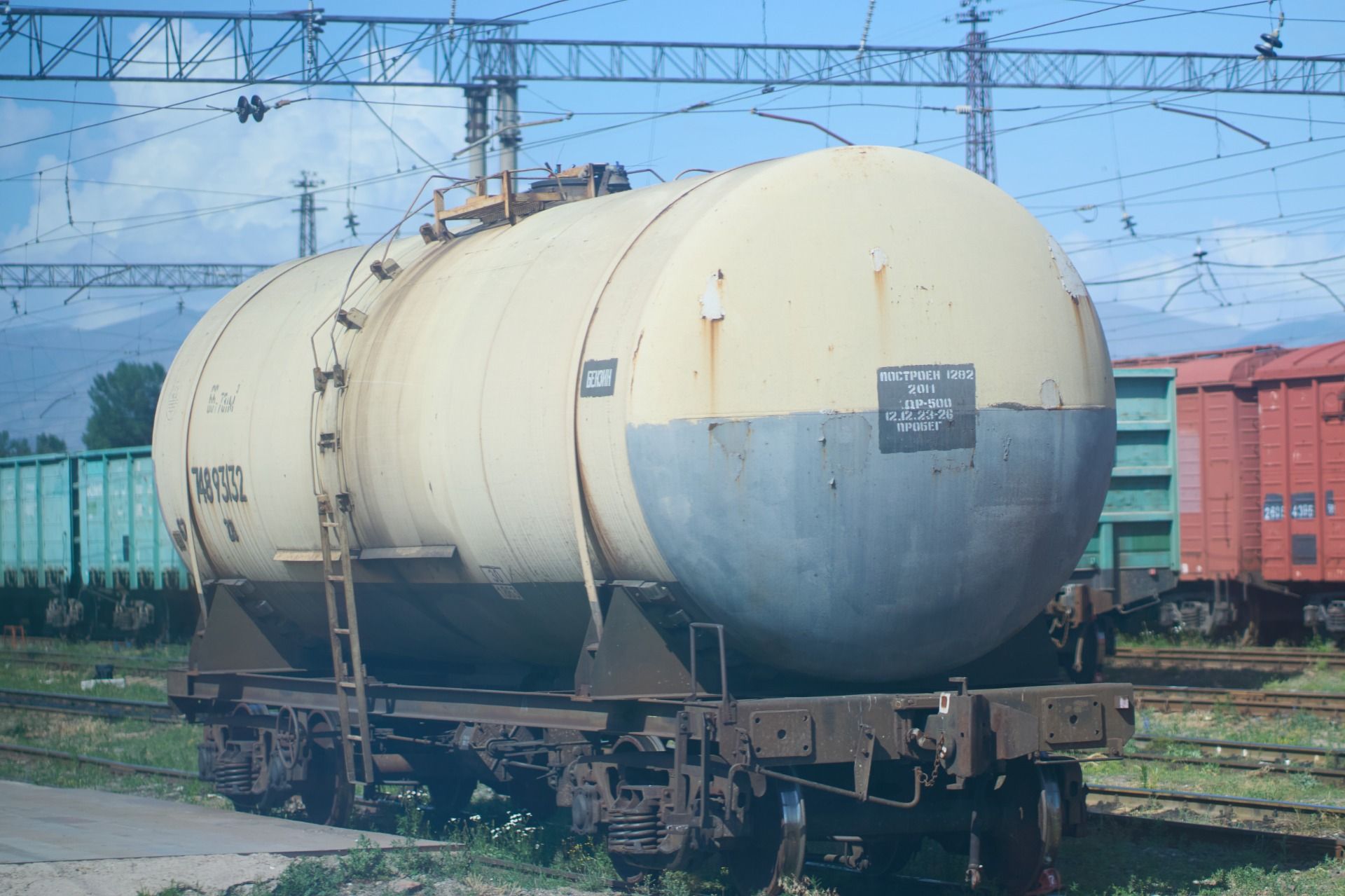
Gyumri is a city that speaks of the hard times that came with the collapse of the Soviet Union. Showcasing how cities that once flourished just lost everything they had going for them as the funds dried up, and they dried up fast. The most active side of the city appears to be the train station, which sees a lot of resources running through it, as well as those passing through on their way to Georgia or back into Yerevan. That is to say that Gyumri now exists as a commuting city, one that nobody wants to live in, but likely does out of having established a life there many decades ago and now clinging to the few things that remain. To consider life here, think of it this way: you're given a career, you're now given a home for free, and the Union that gave you such things now collapses, and you're left without work, but with a home you now own. There's next to no demand for that home on the market, so you can't really slap it on the market and try to sell it to move into a more expensive area. Particularly now you're without a stable income. You're stuck. As the years go by, those after you now take over, they're left with the house but can't move either.
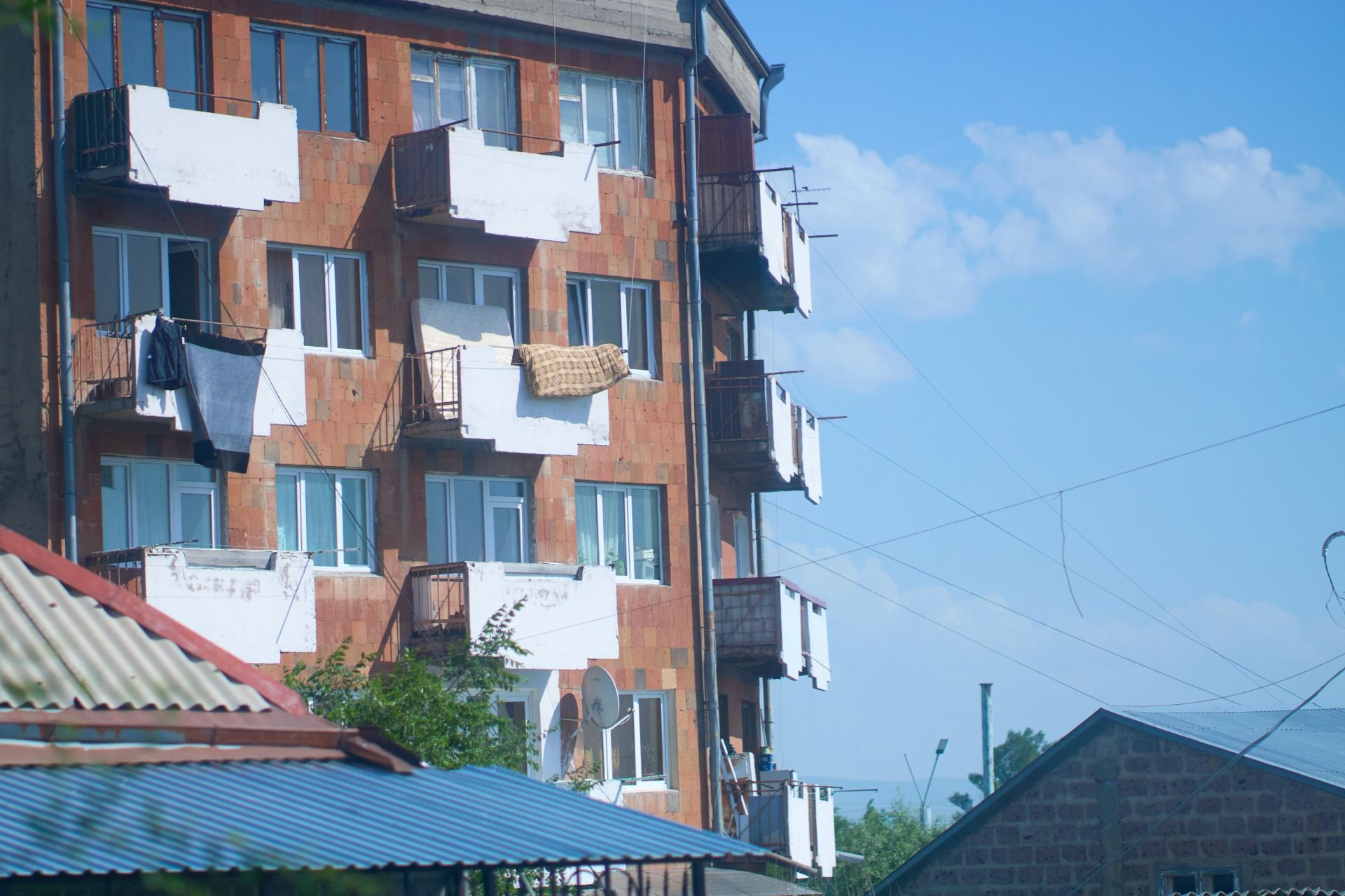
This is the problem for former Soviet Republics. Their cities, if not more European, have struggled to adapt into the capitalist world, for their very existence came from communism and couldn't flourish without it. People don't have money, they don't have the ability to spend, and the few shops around are not ones of luxury. But hold the few essentials one may need. There's no growing here, construction doesn't exist. There's no development. Those buildings destroyed by the earthquake don't have the support to be repaired. They're just left. It's truly a city of sadness. One that is stuck in the past, while absolutely tormented in the present. To visit Gyumri is to visit depression. And for that reason, I haven't enjoyed either visits to the city, no matter how brief they are. Signs of industry remain, Soviet symbols stuck on decayed buildings. Their dates of construction stand tall and proud, while reclaimed by nature and left unused. It isn't a fun place, despite the beautiful aspects of history that are visible.
I didn't have much interest in photographing Gyumri as a result. It just didn't feel right. And our stop at the train station there just felt like we'd taken a pause in purgatory. I couldn't wait for the train to get moving again.
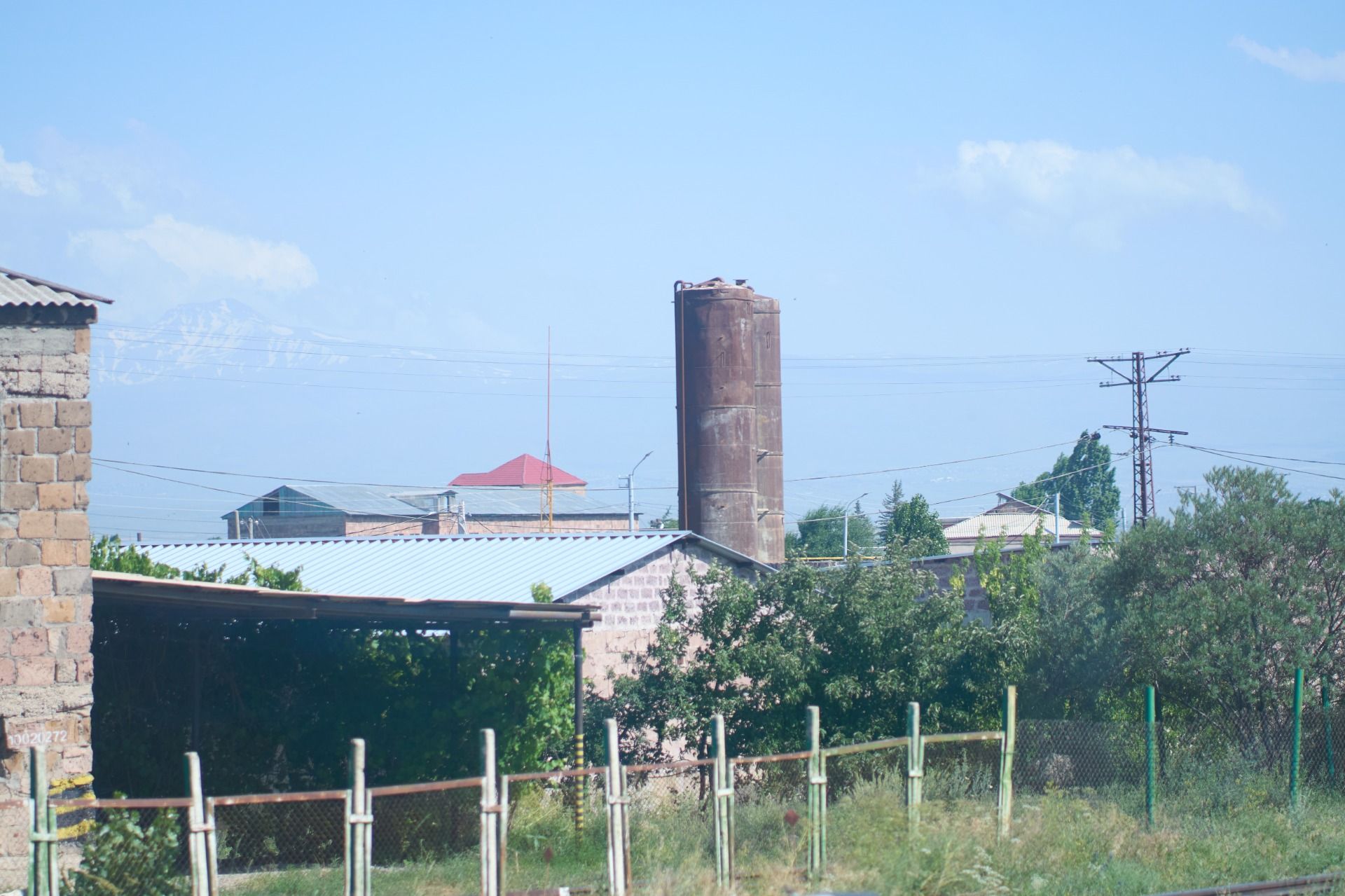
That said, despite not being all that excited to be there, Gyumri does remain a city full of Soviet creativity. A place where you can easily roam through it and see the Soviet history without really needing to look far, where in other places it may have already been hidden or tucked away by recent developments. As I mentioned, you can find the aspects of the Soviet Union on buildings here, the dates carved into rock, the star and hammer and sickle right there. It's an odd sight, and it's interesting to me to feel that aspect of roaming through a series of nations that was once considered walled off entirely to people like me. Though, parts of me wishes I could've seen it in its height. Curious, and full of that sense of wonder.
