 Salerno, Campania, Italy
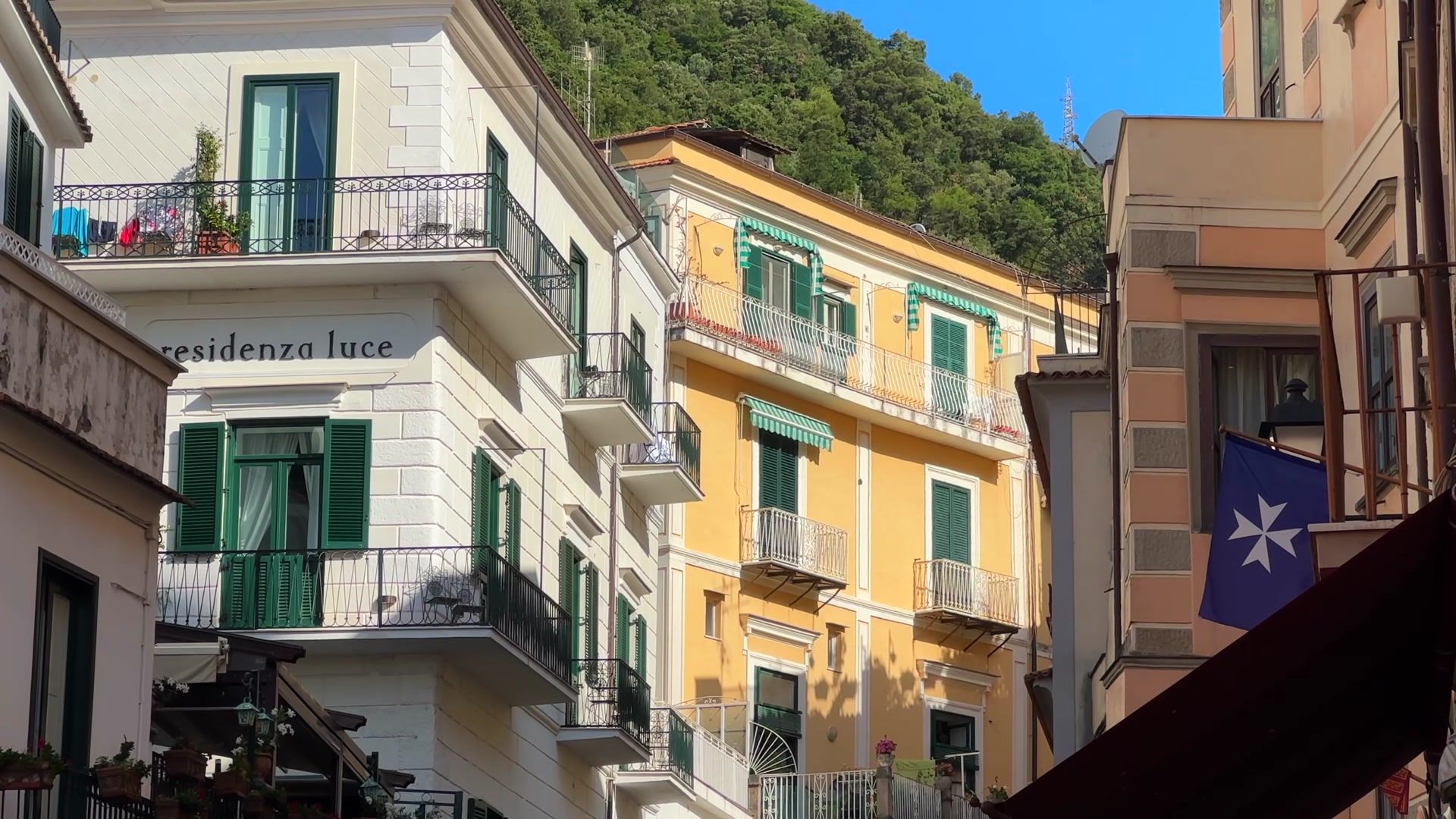
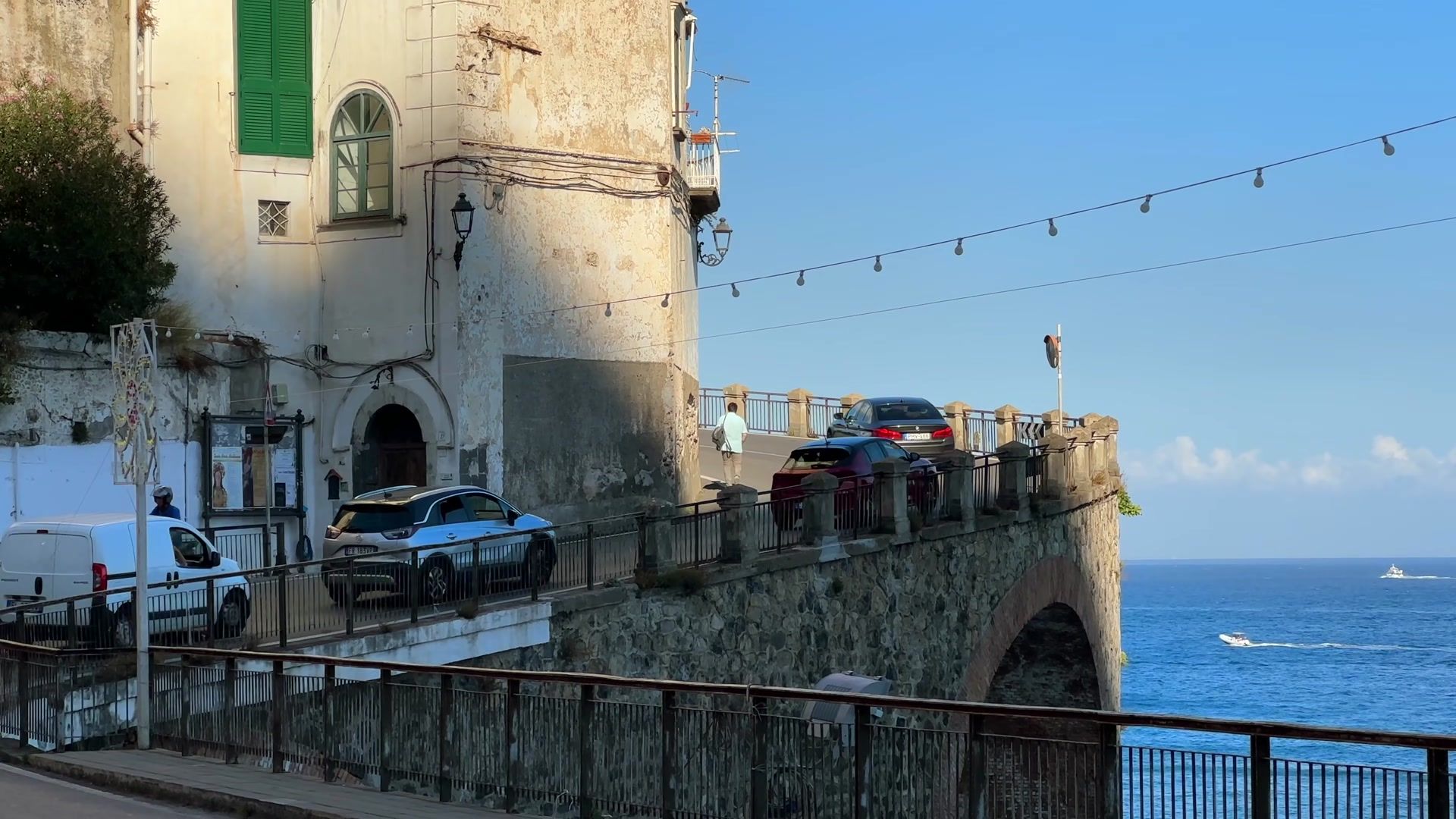
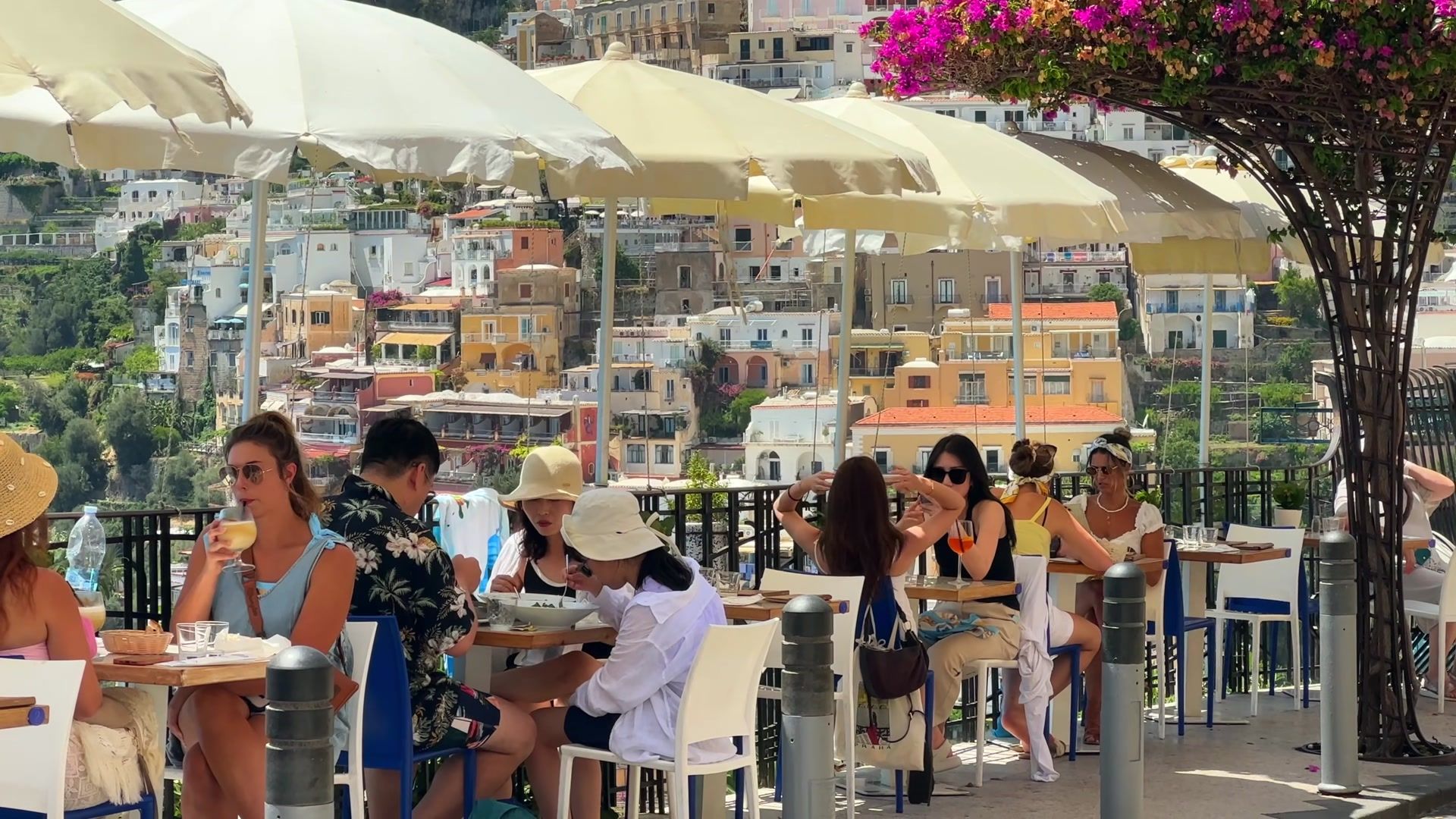
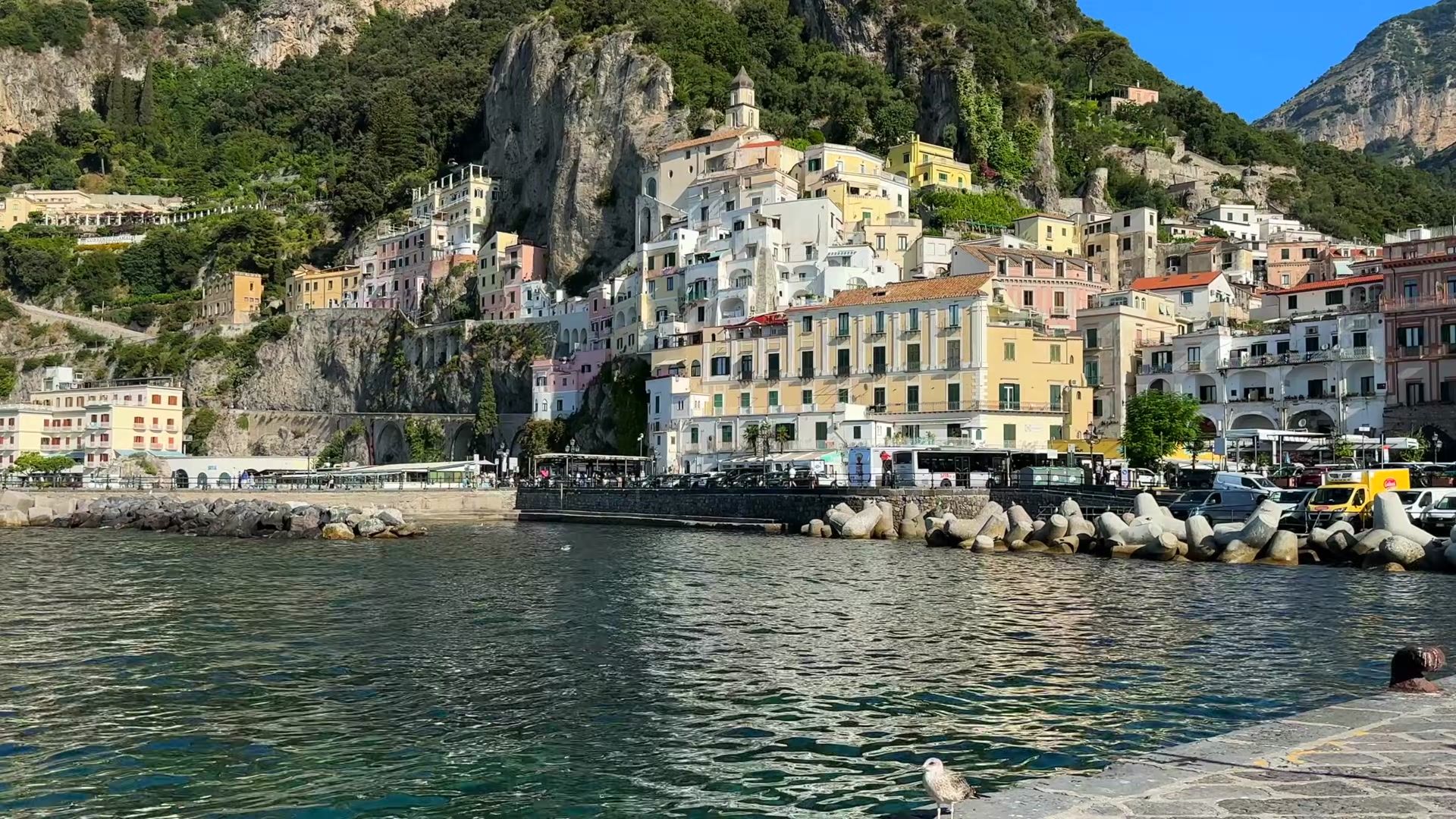
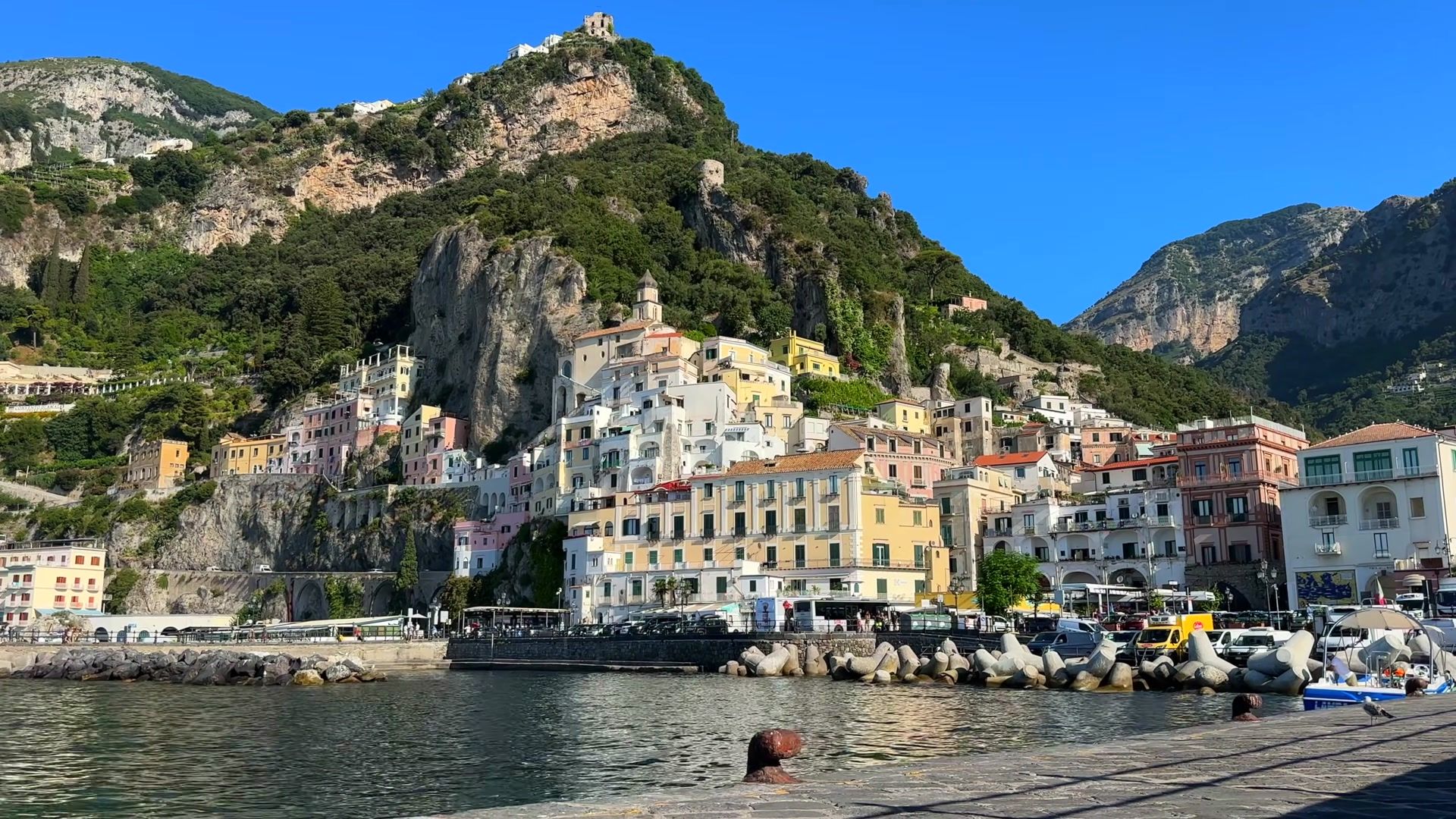
Hello dear travel lovers. In this post I want to tell you about the three-day journey I took to the Amalfi Coast last year. We visited the true gems of this region: Maiori, Minori, Atrani, Amalfi and most importantly, Positano. We walked along the Path of the Lemons, went through a tunnel carved into the cliff that connects two towns and reached some of the most beautiful beaches on the coast. We took a boat tour and observed how the local transport system works. I will describe all of this in detail in my upcoming posts. But first let me briefly explain what the Amalfi Coast is. It is an incredibly beautiful Riviera stretching for about 50 kilometers from Sarno to Salerno. The coast is washed by the Tyrrhenian sea and the nearest big city is Naples. In fact tourists do not come here only for Amalfi. Capri island and the thermal springs of Ischia are also nearby. Of course, Naples itself and Pompeii are very attractive too. I also find the Sorrentine Coast quite impressive. Still even among all these beauties, the Costiera Amalfitana is something special. I am sure everyone who has been here would agree with me. That is why, on our last trip to Italy, after Rome we came straight to Amalfi.
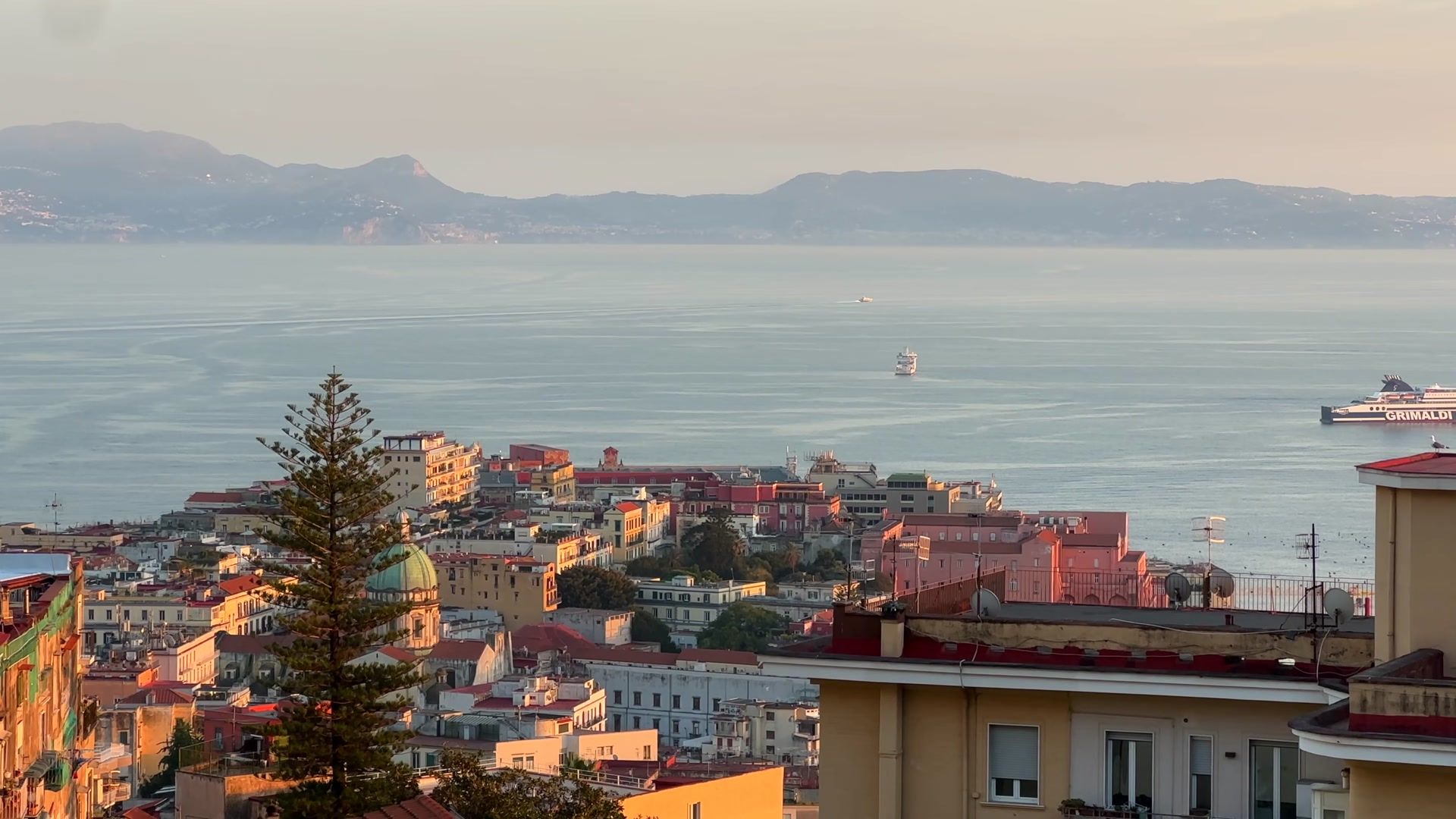
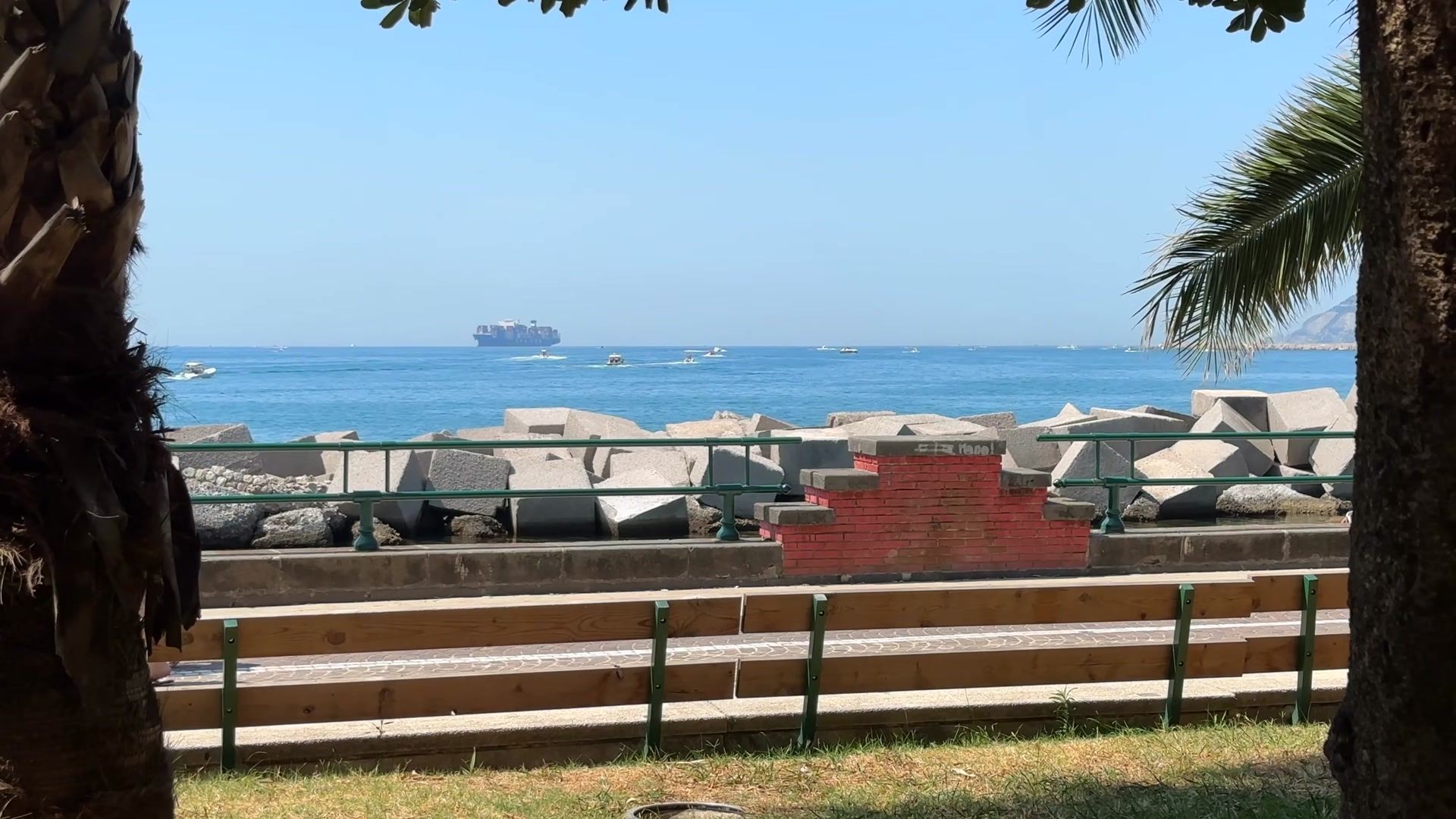
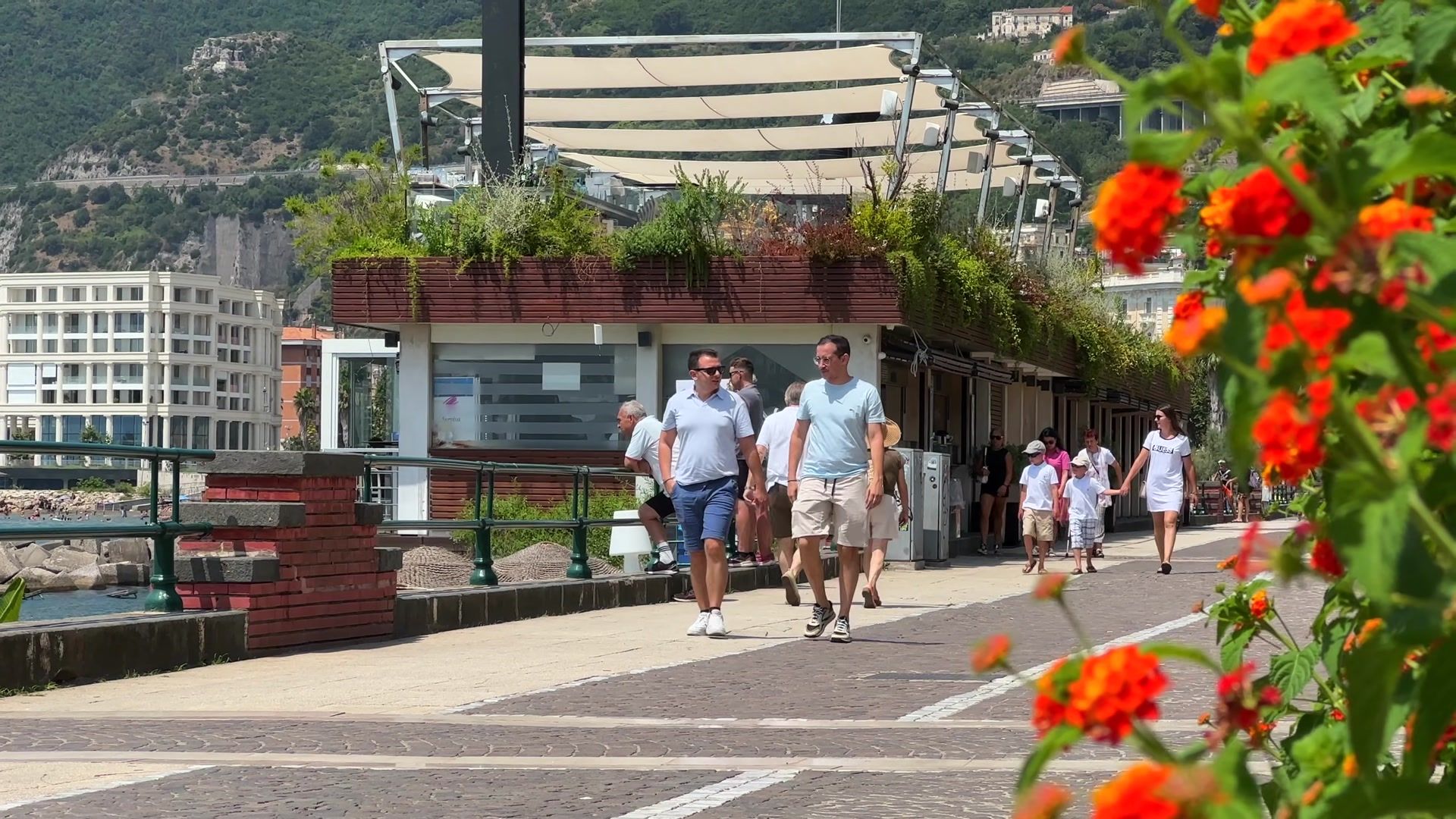
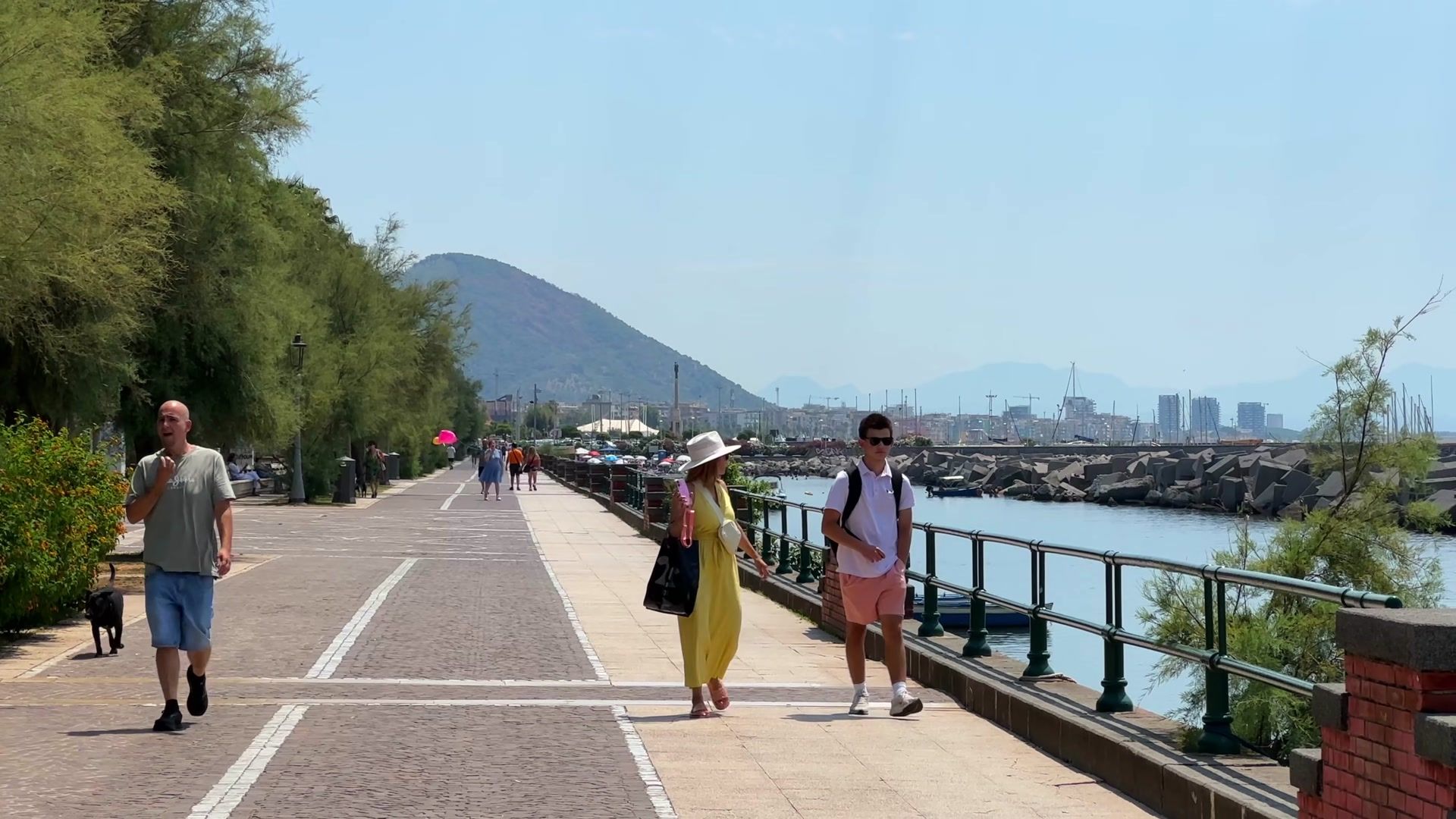
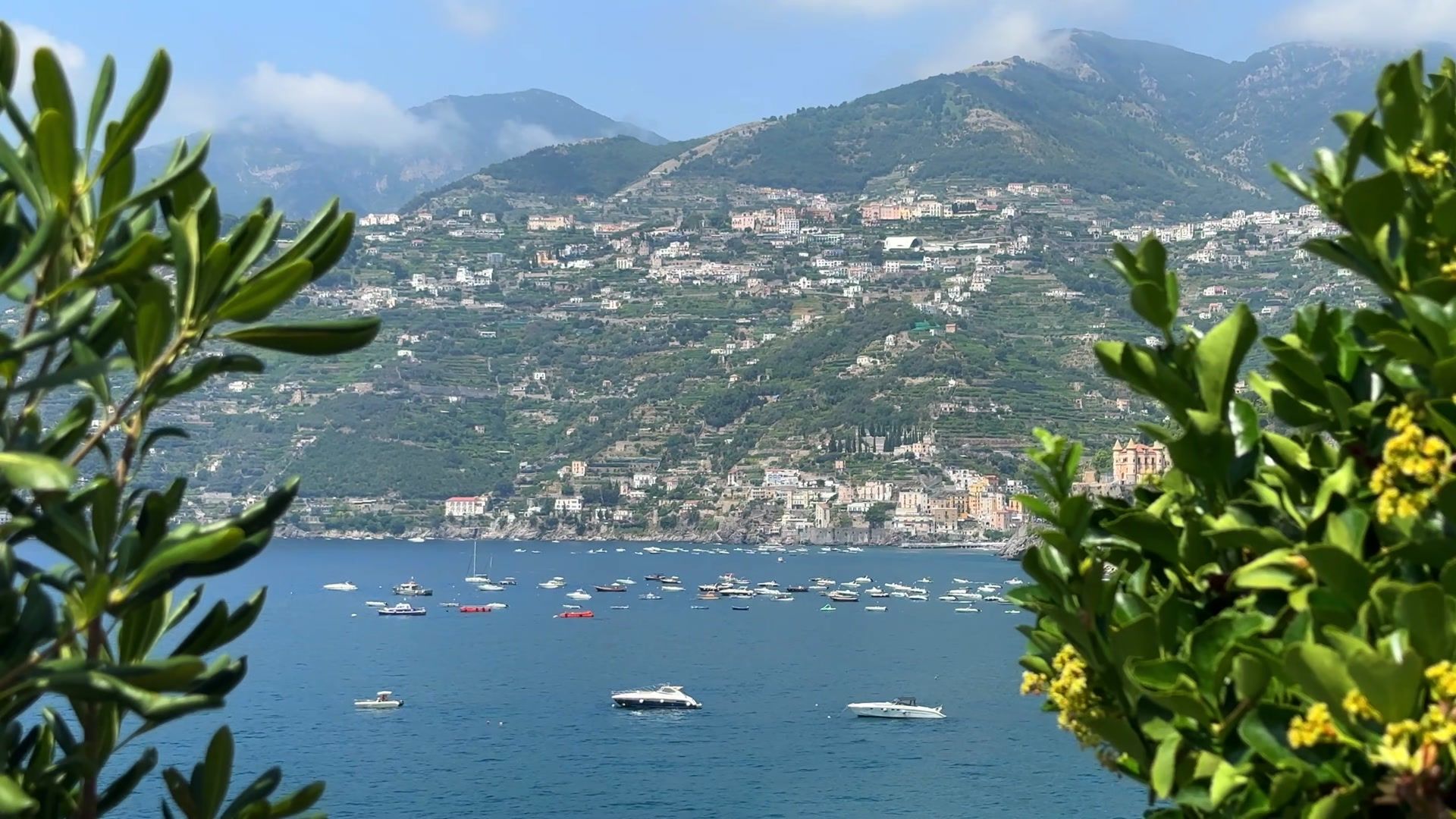
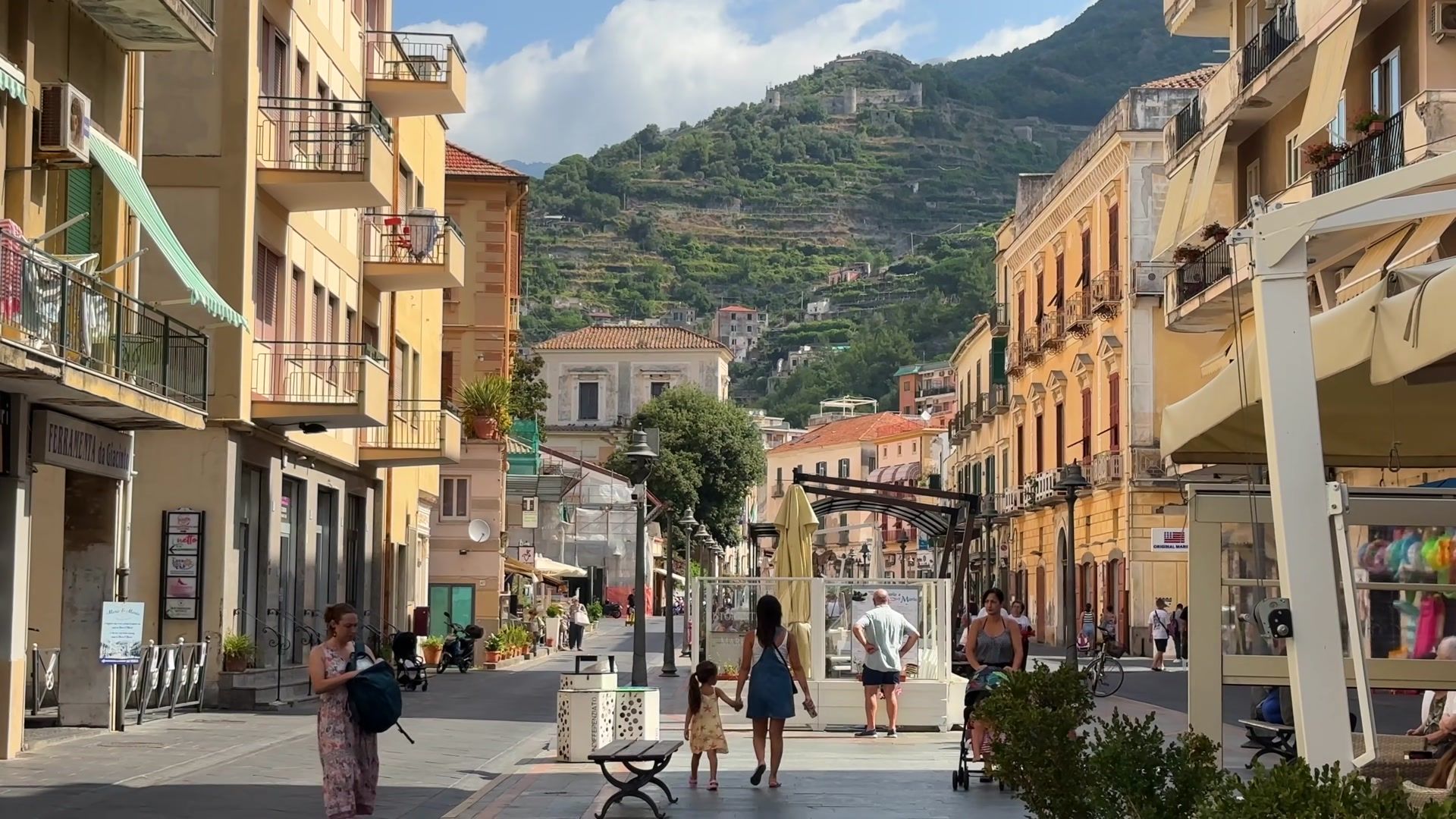
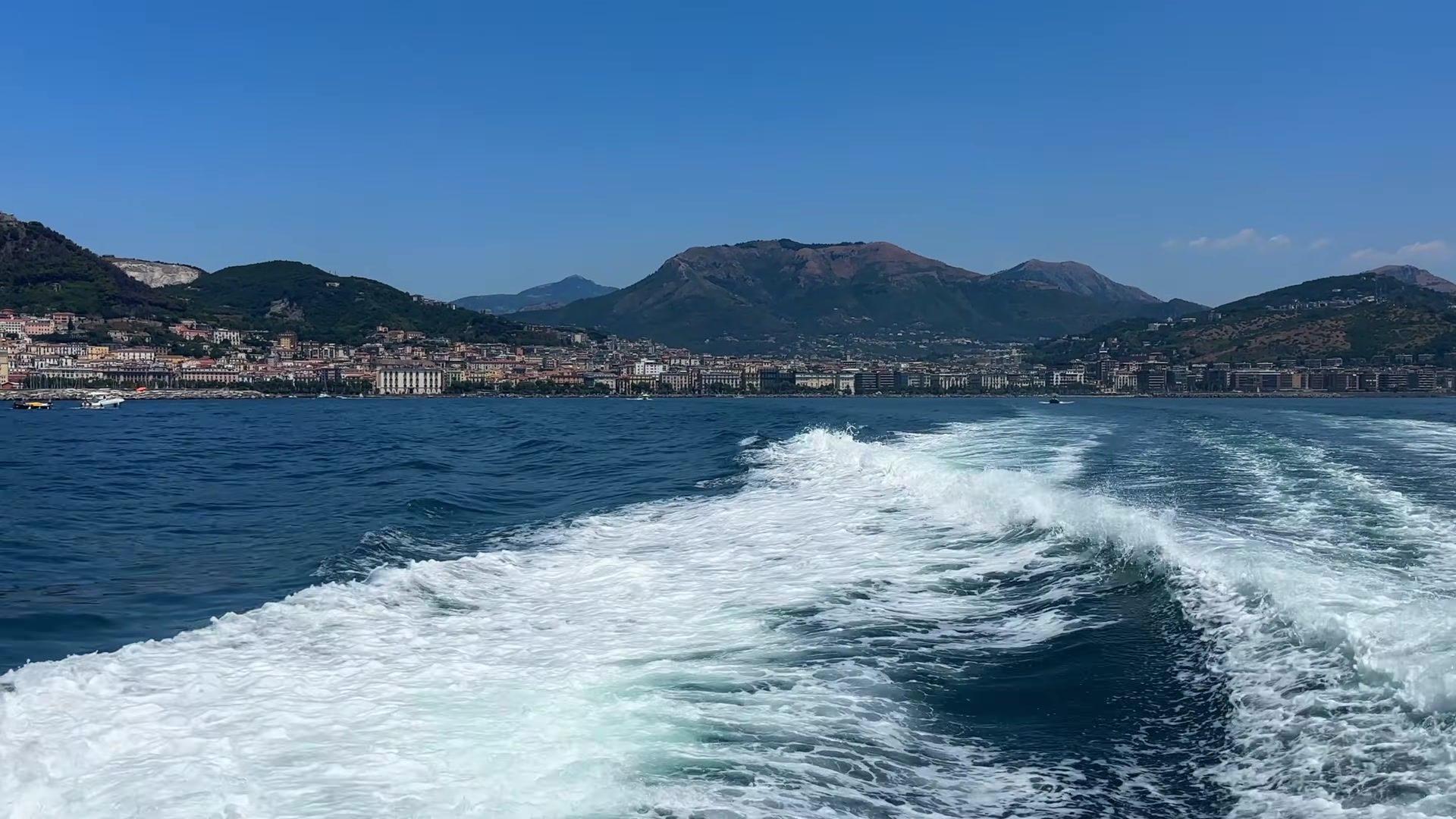
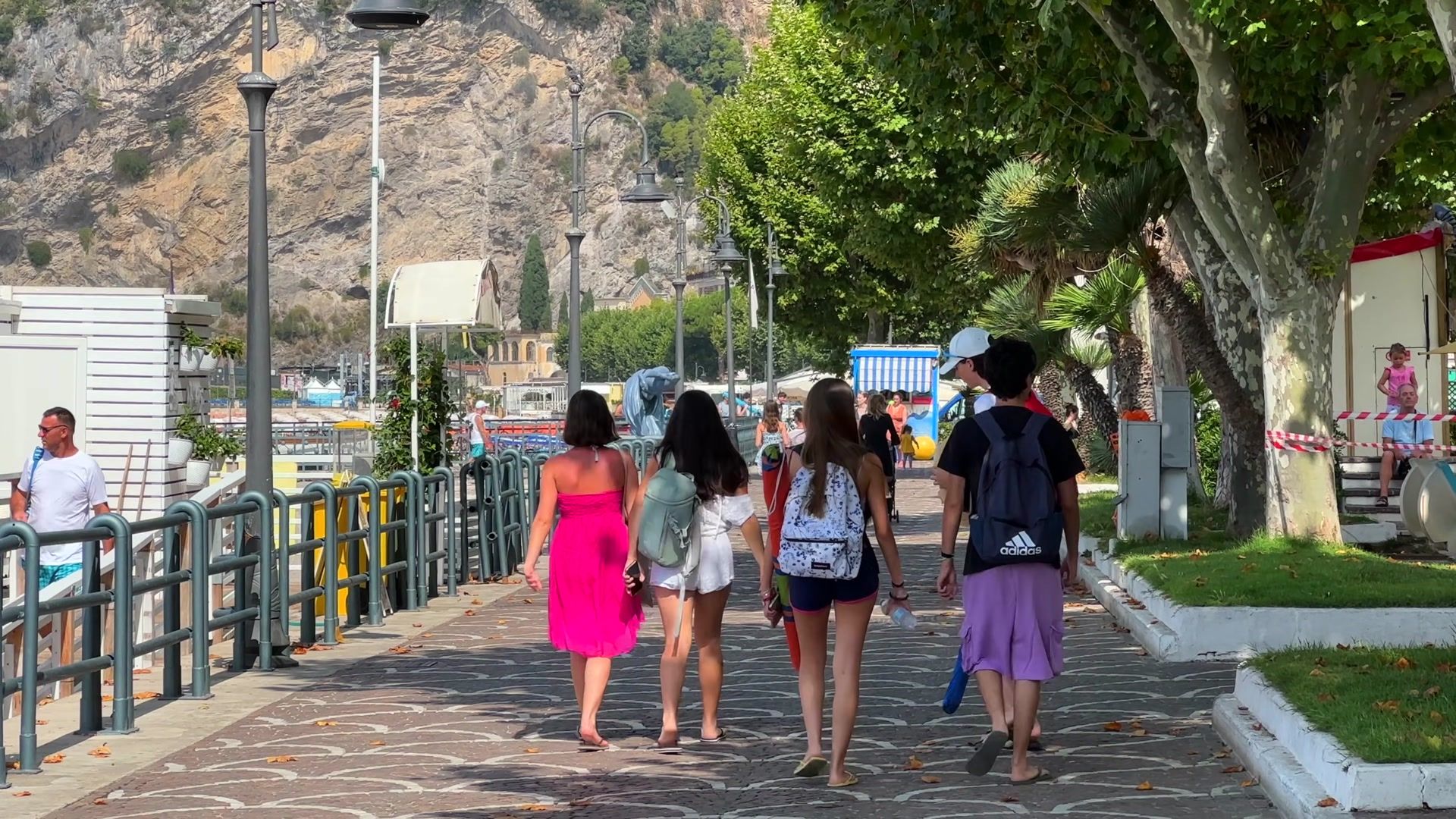
The easiest way is to take a train to Salerno and then go by boat to whichever town you like. The journey takes only about two and a half hours and suddenly you find yourself on the shores of the Tyrrhenian sea. Before boarding the boat, we decided to spend a few hours walking around Salerno. We left our luggage at a newspaper stand in the station. It did not look very trustworthy, but we had no other choice. The city is quite large compared to the coastal villages. It stretches along the sea, so the main walking area is the seafront promenade. This is considered one of the most beautiful seaside walks in Italy. Not everyone may agree, but the views are really wonderful, because the UNESCO listed Amalfi Coast begins right here. There is also a wide pedestrian area with many benches and tree-lined paths that provide shade. You do not often find such comfortable public spaces in Italy.

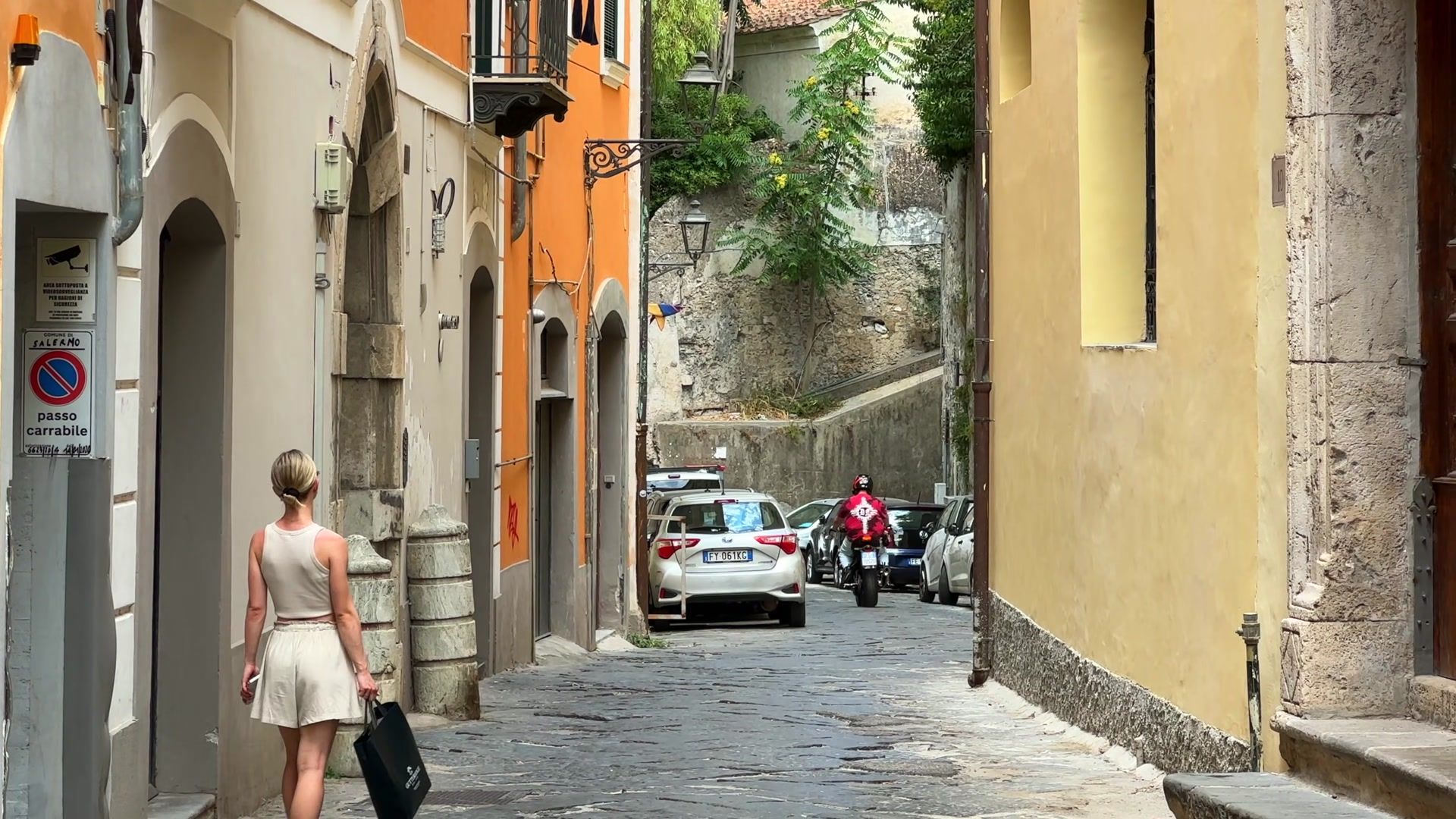
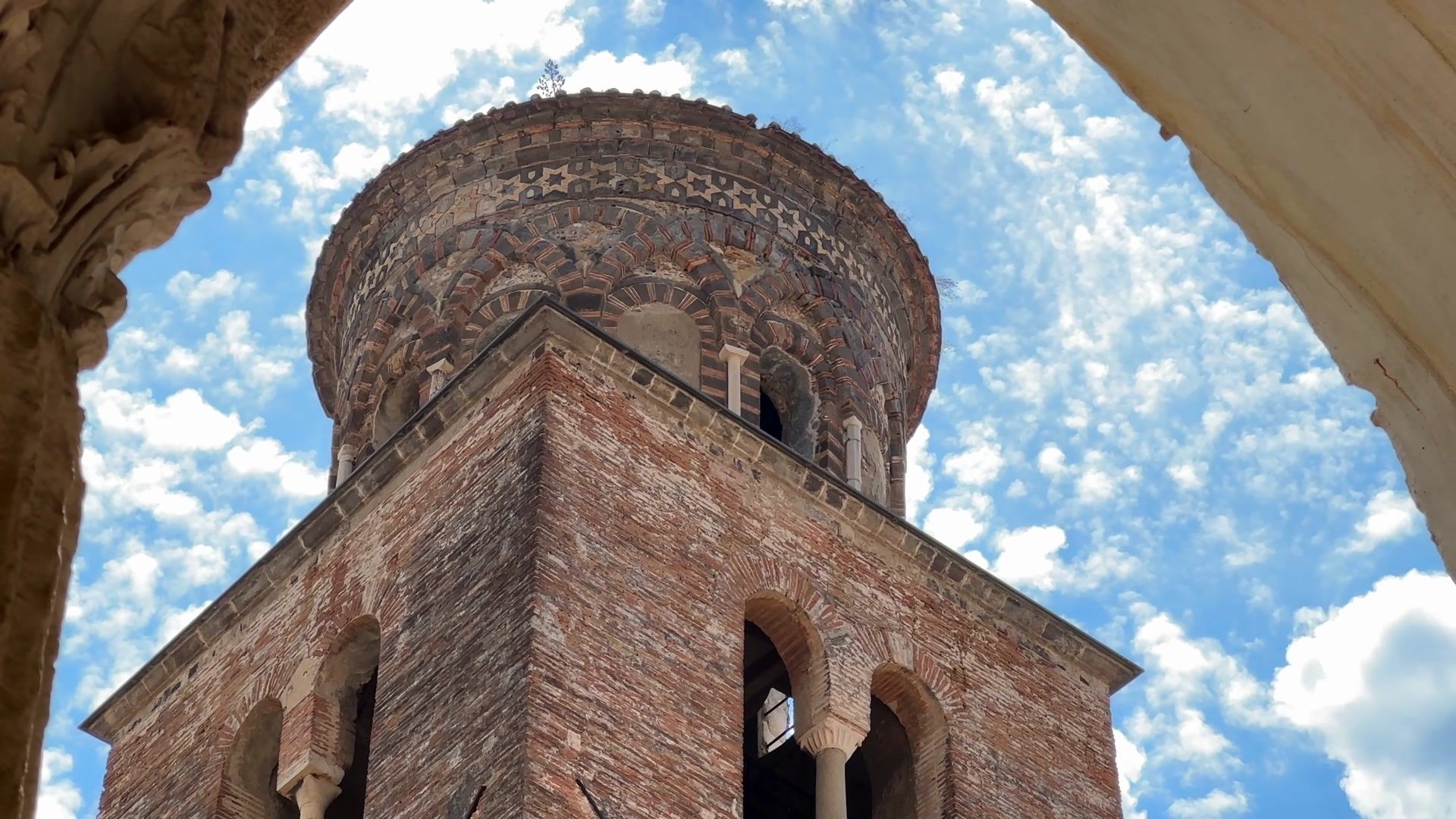
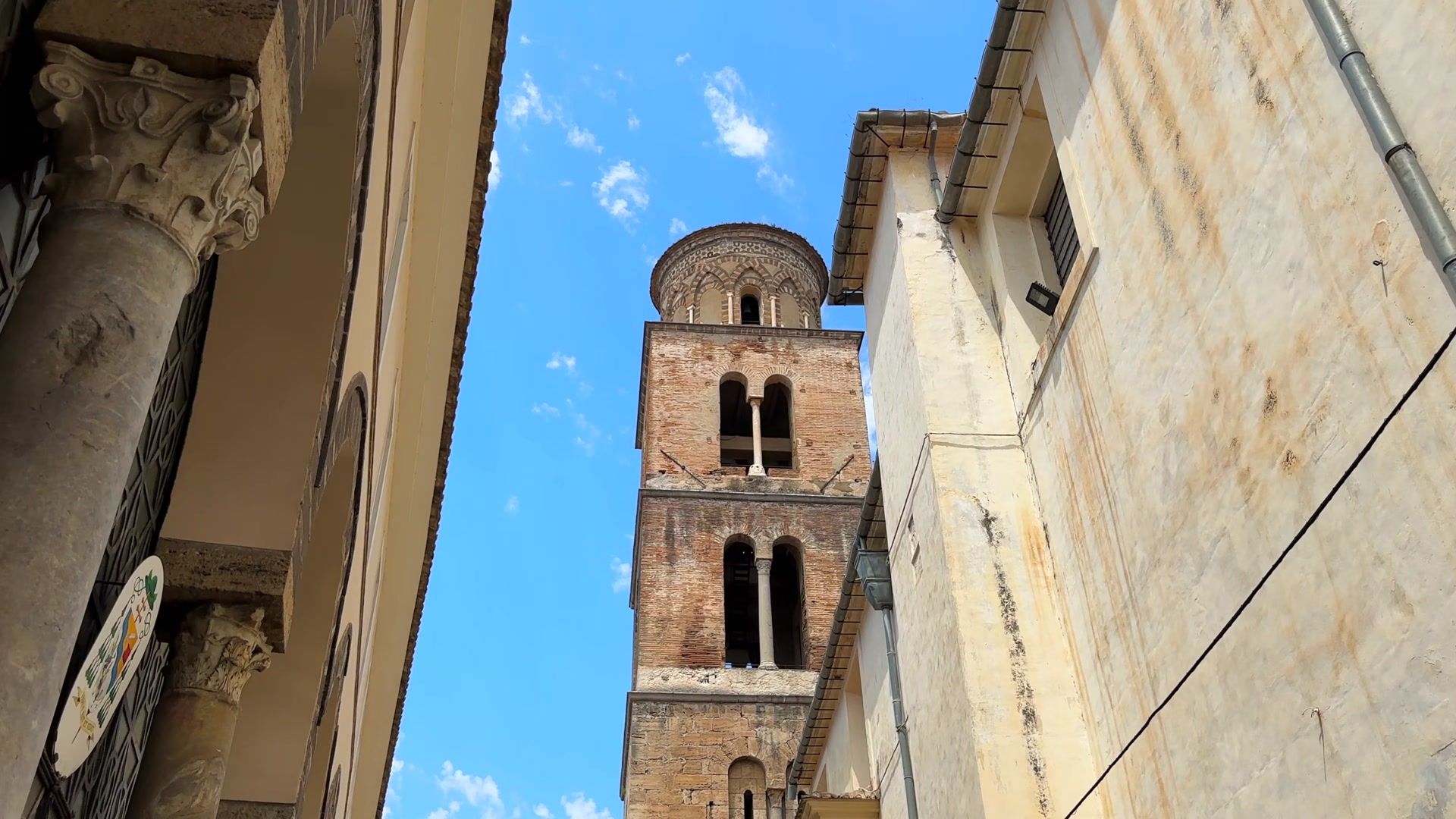
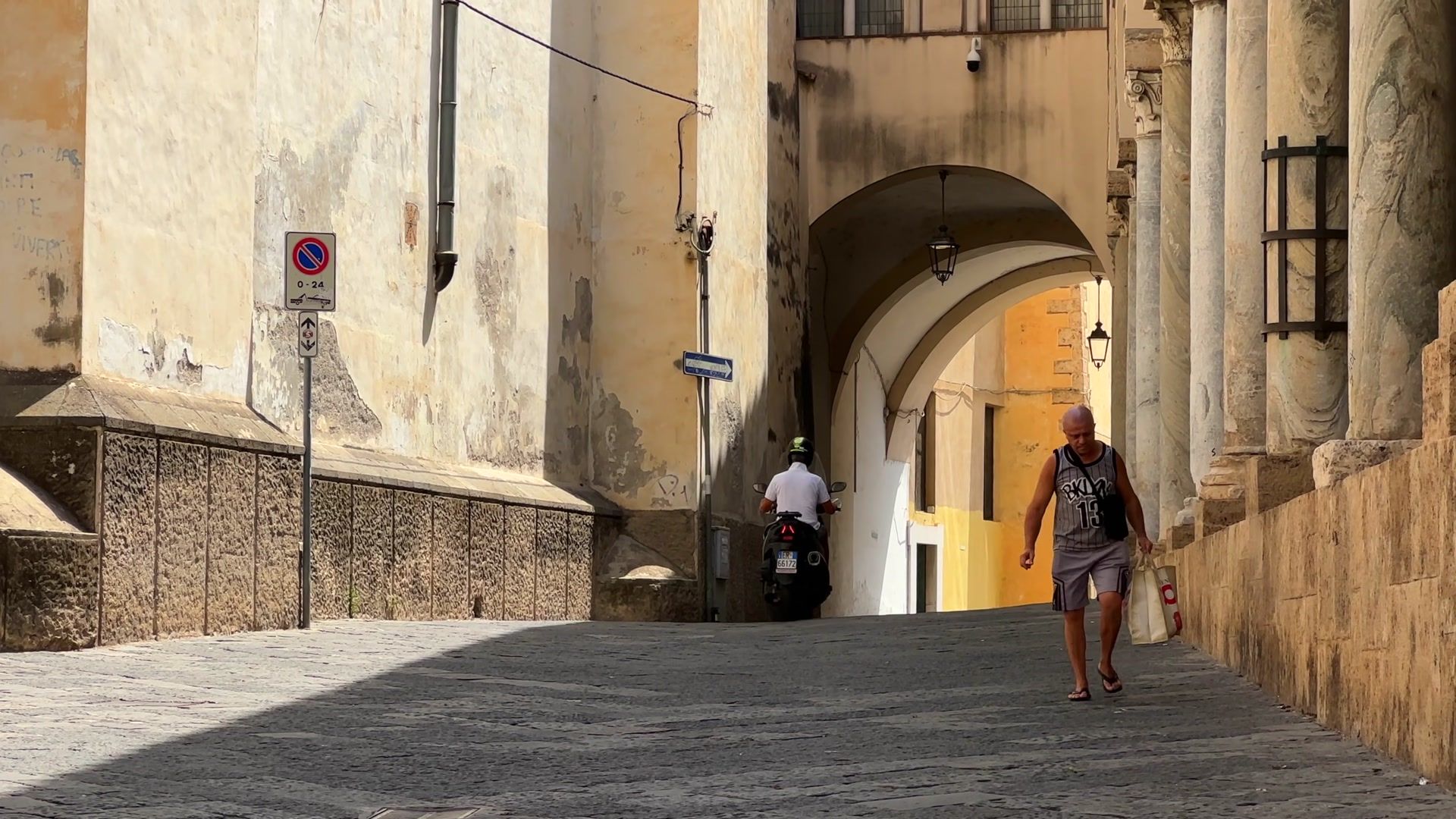
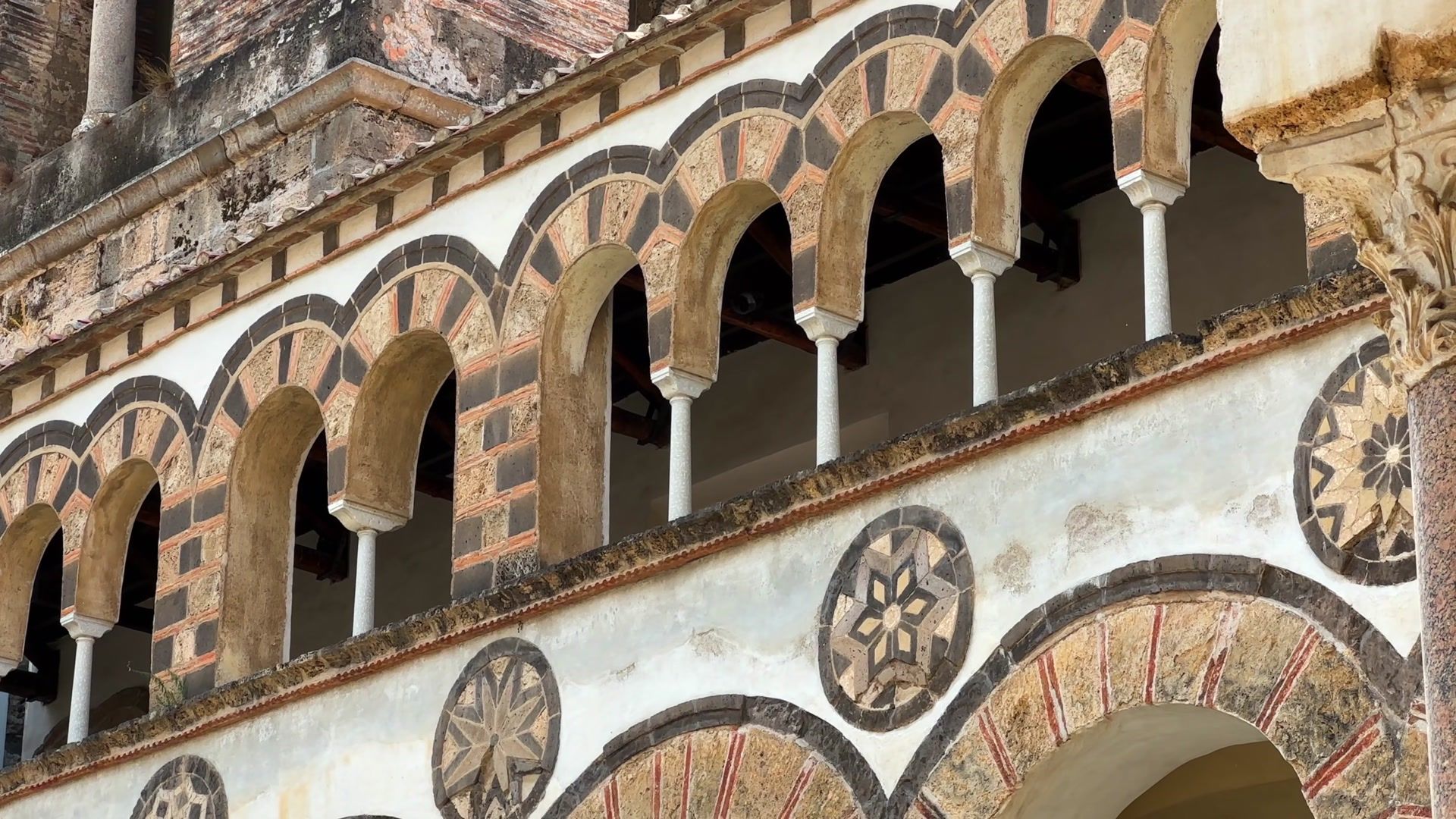
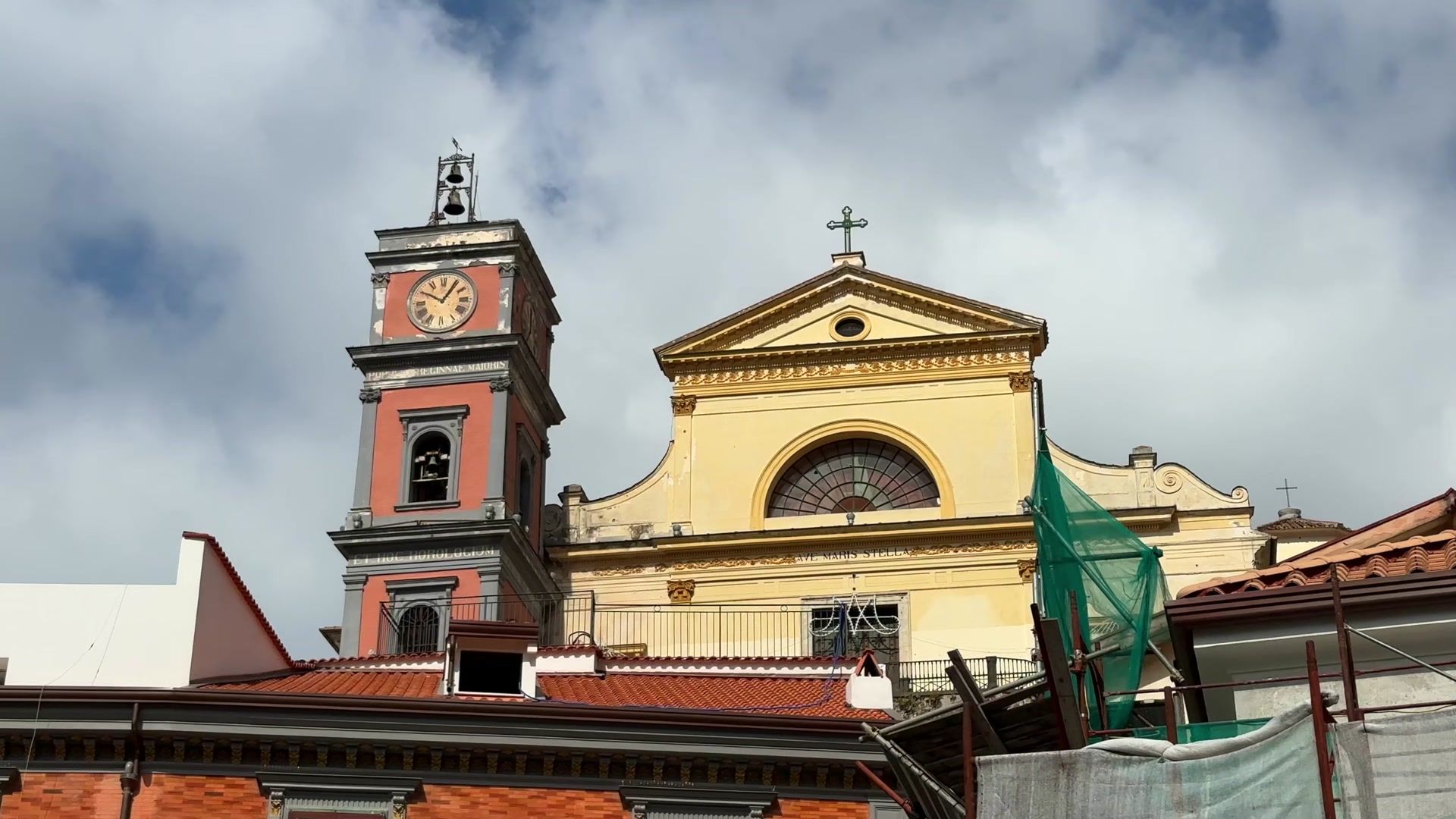
What Salerno shares with other Apennine cities is its architecture: chapels, churches, monasteries, narrow streets and old, majestic buildings. Everything is in its place. Of course, it also has its main sacred monument: the Cathedral of San Matteo, built in the 10th century. At that time much of southern Italy was under Norman rule and Salerno was one of the richest cities. Over the course of a thousand years the cathedral was rebuilt many times and after an earthquake in the 15th century it acquired its present Baroque character.
Interestingly Europe’s first secular medical school was also founded in Salerno. This happened as early as the 9th century and it reached its golden age in the centuries that followed. Greek and Arabic medical texts were translated into Latin here and pharmacy was also recognized as a separate field of science. Almost nothing of the school survives today, but it is still a great legacy. By the way, if you want to stay somewhere affordable while visiting Amalfi, it makes sense to book your hotel in Salerno. It is only 2–3 hours from Rome by train, prices are lower and there are many hotels. The same applies to restaurants. In the Amalfi villages everything is much more expensive. You can reach the villages by bus or, as I strongly recommend, by ferry. It is more comfortable and far more beautiful.
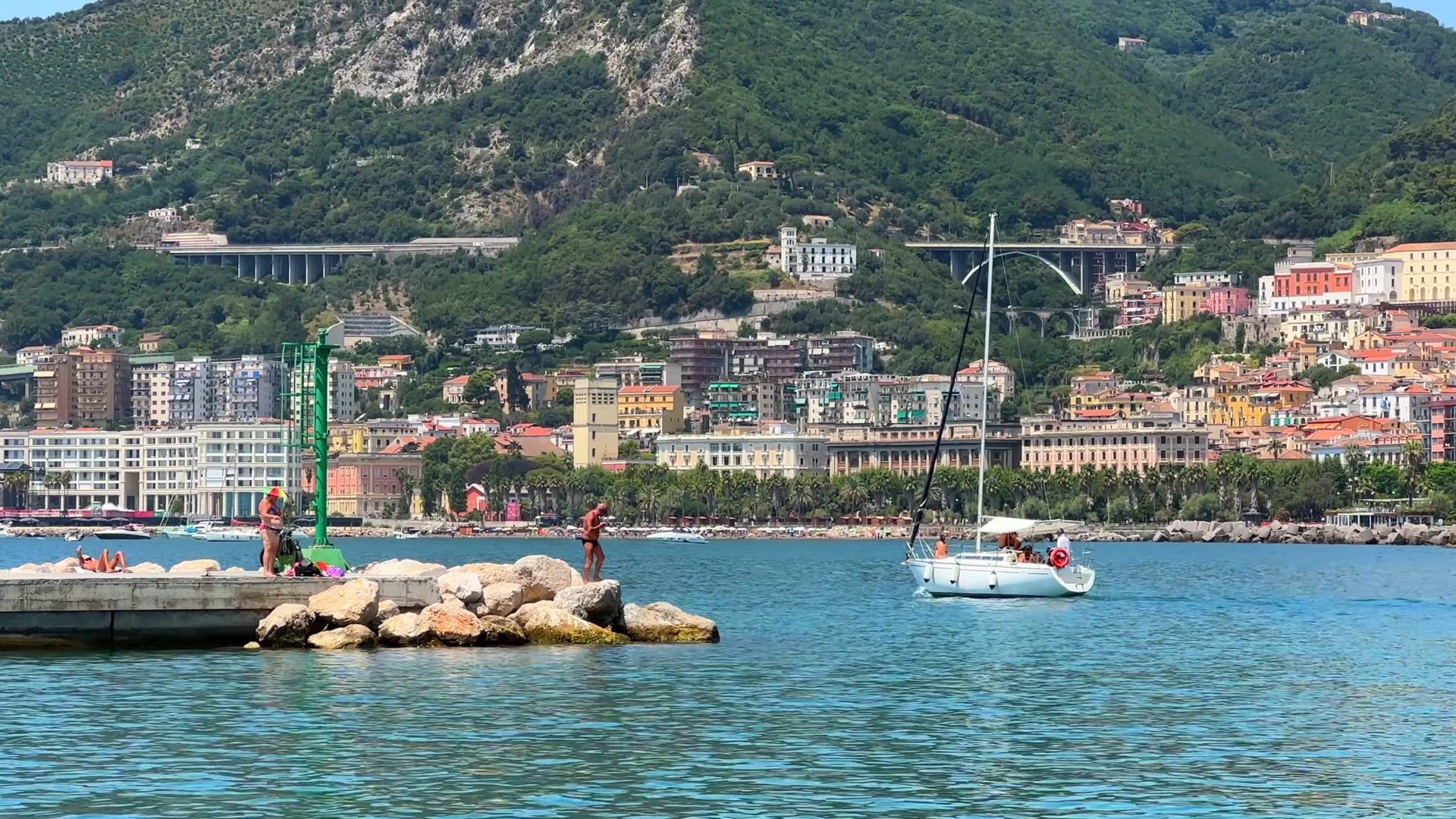
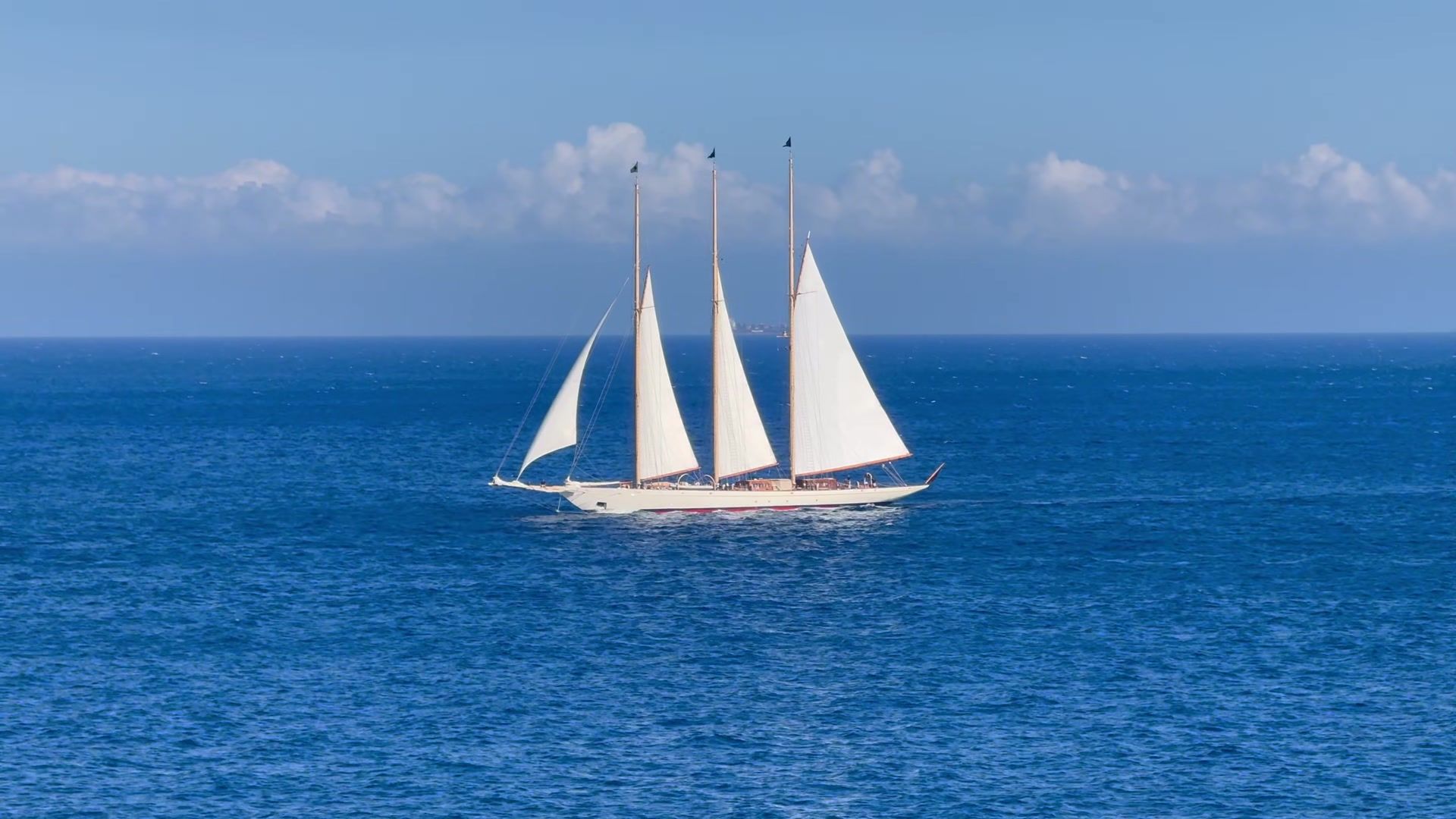
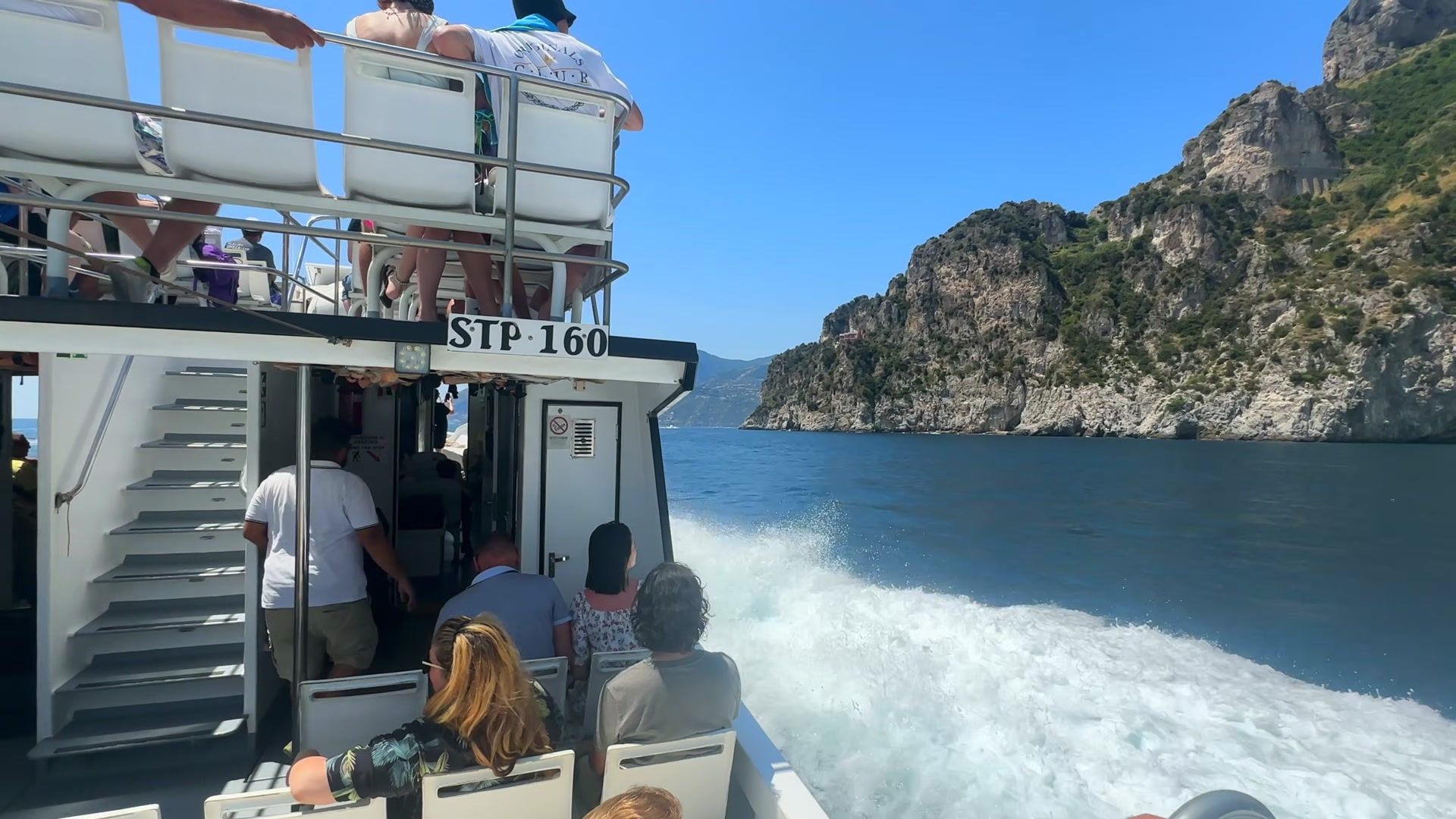
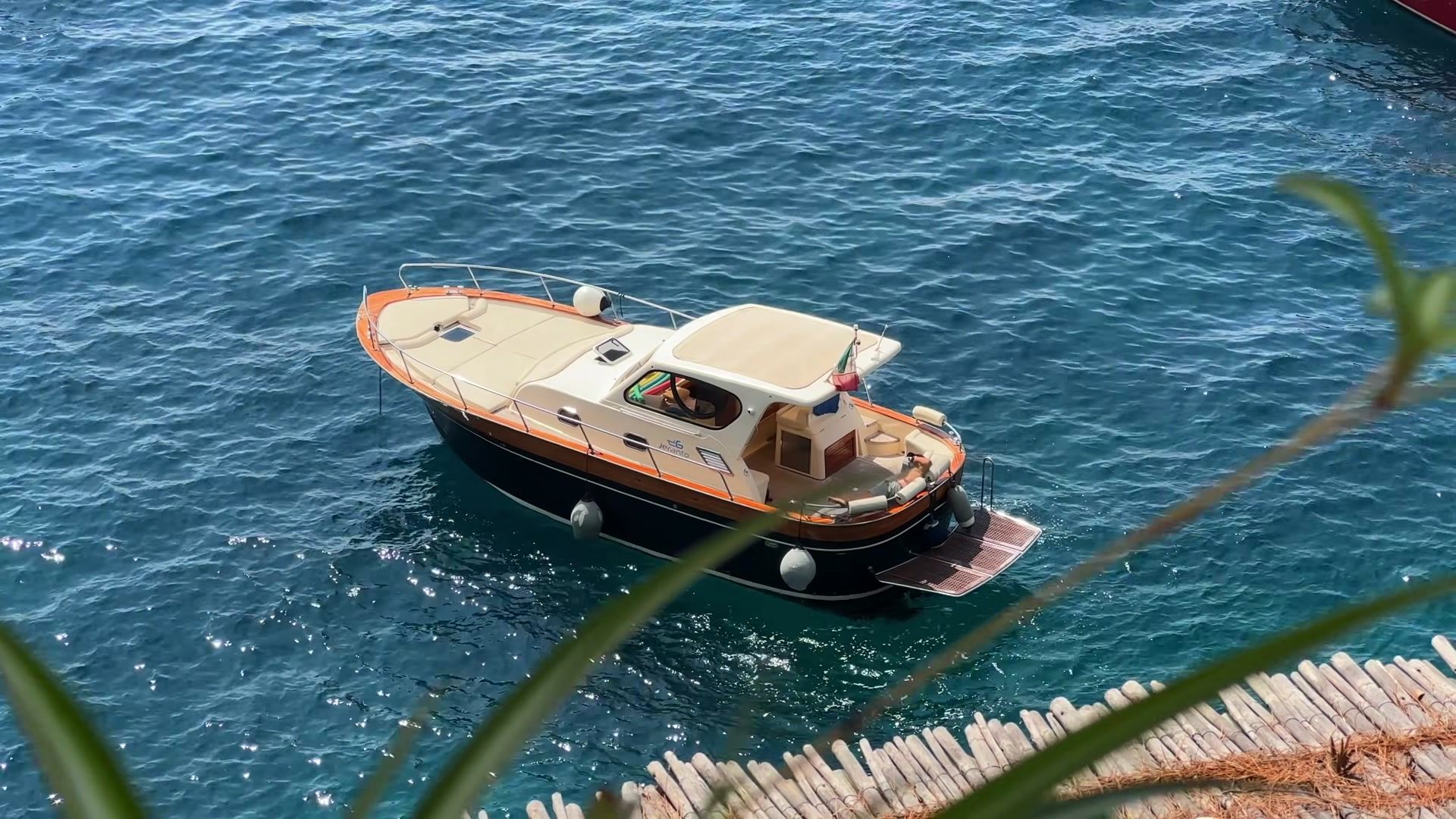
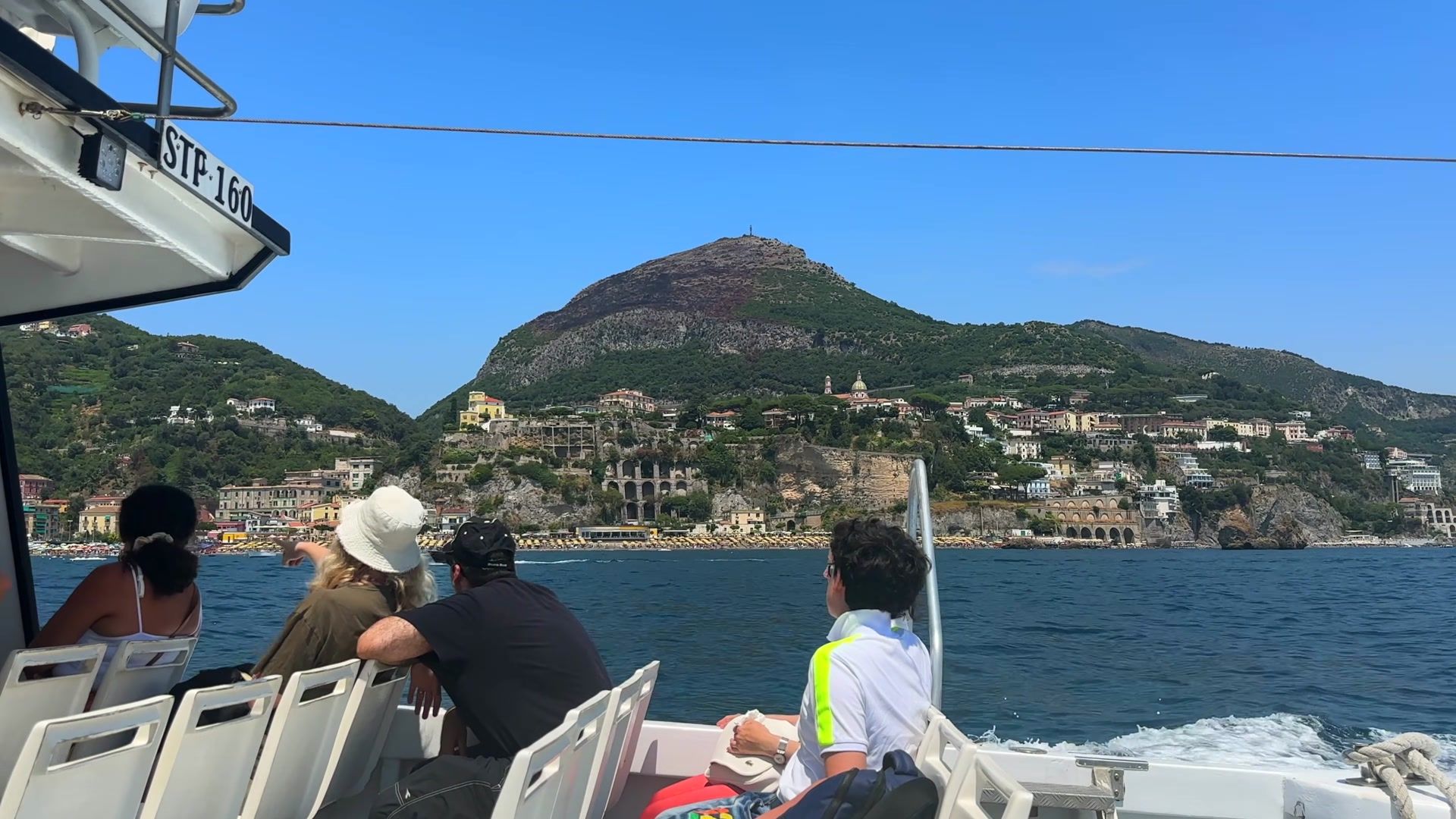
Our hotel was in Maiori. We bought our boat tickets in advance on the official website. But you can also get them at the pier. The price is the same: 10 euros. My first impression was this: I did not expect the boat to be so fast. When the engine is off it is quiet, but at full speed water splashes everywhere and you even overtake small yachts. The real beauty of Amalfi reveals itself on these sea journeys. From the shore, people swim in very narrow spaces and the beaches are extremely crowded. But from the sea, the view is completely different. Renting your own yacht would be amazing, but even a regular ferry is more than enough to move between the villages. So choose the sea instead of buses, taxis or cars.
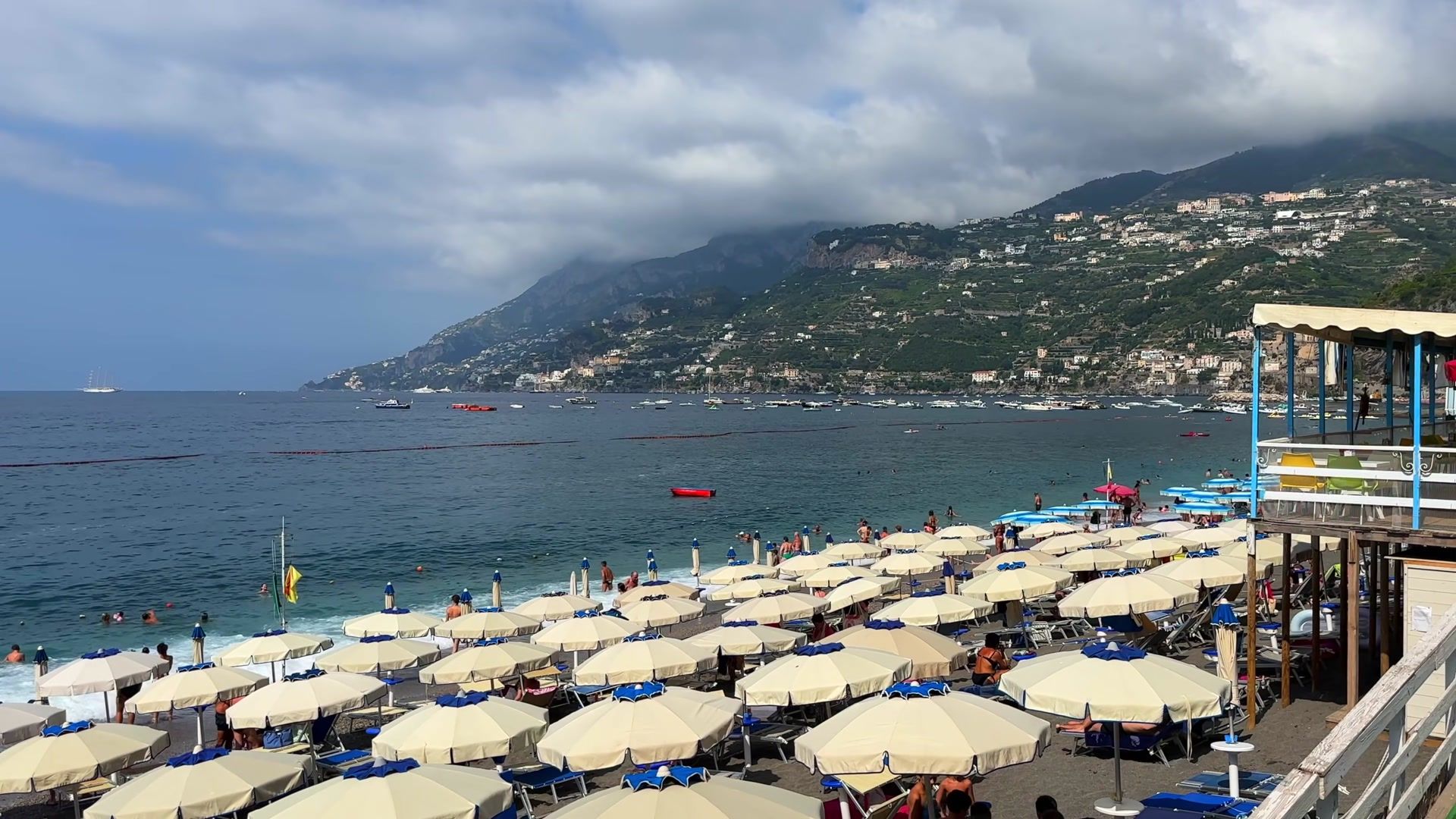
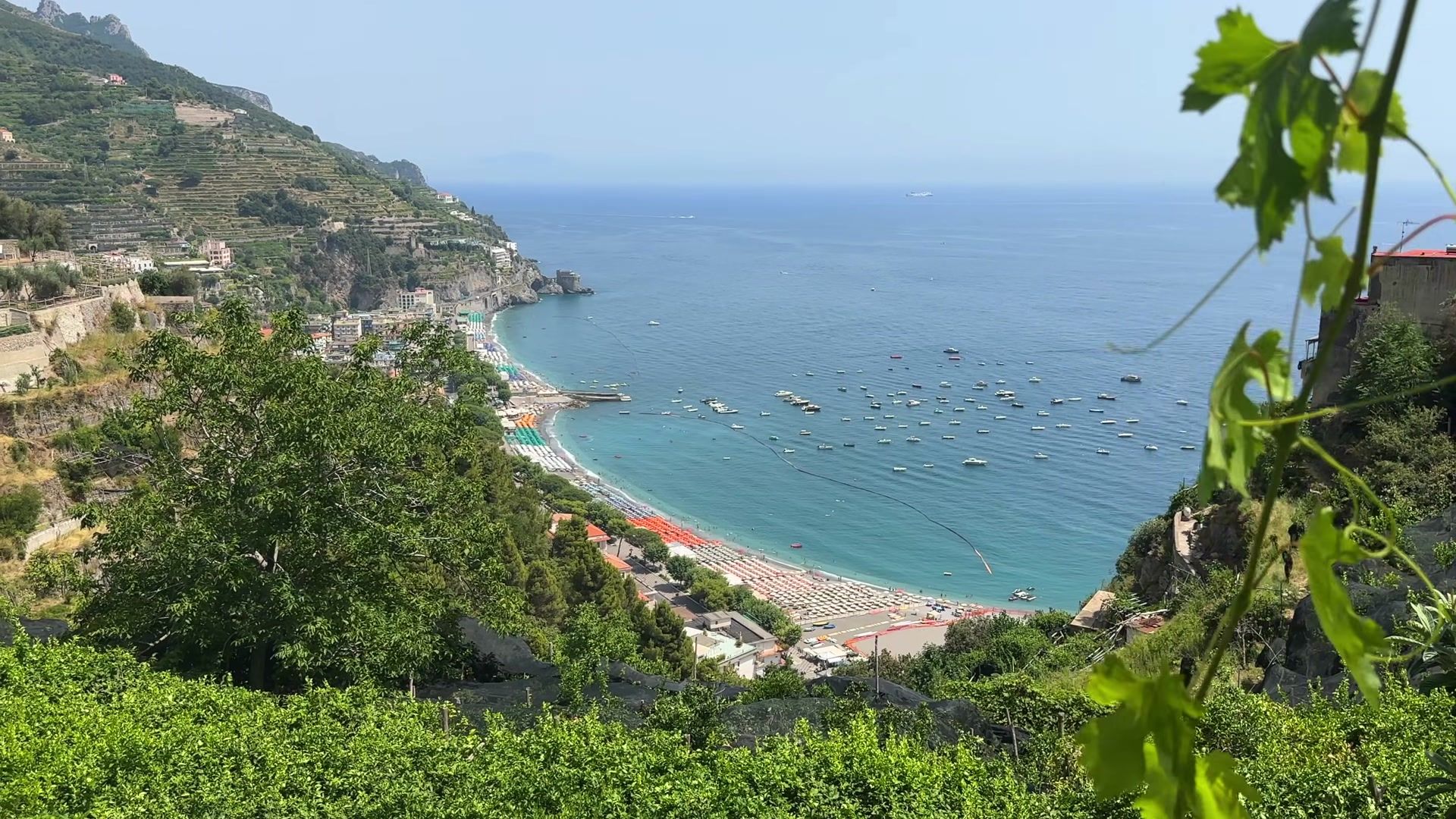
Since our hotel check-in time had not arrived yet, we went to the beach with our suitcases. It was 33 degrees and we really wanted to swim. Luckily, Maiori has a very wide beach. In July the water is perfect. We also liked our hotel room: a balcony with a sea view for 110 euros per night, which is very good for Amalfi. We had dinner at Donna Maria. It was delicious and very cheap. A Margherita was 6 euros and an artichoke pizza was 10 euros. I definitely recommend it in Maiori.
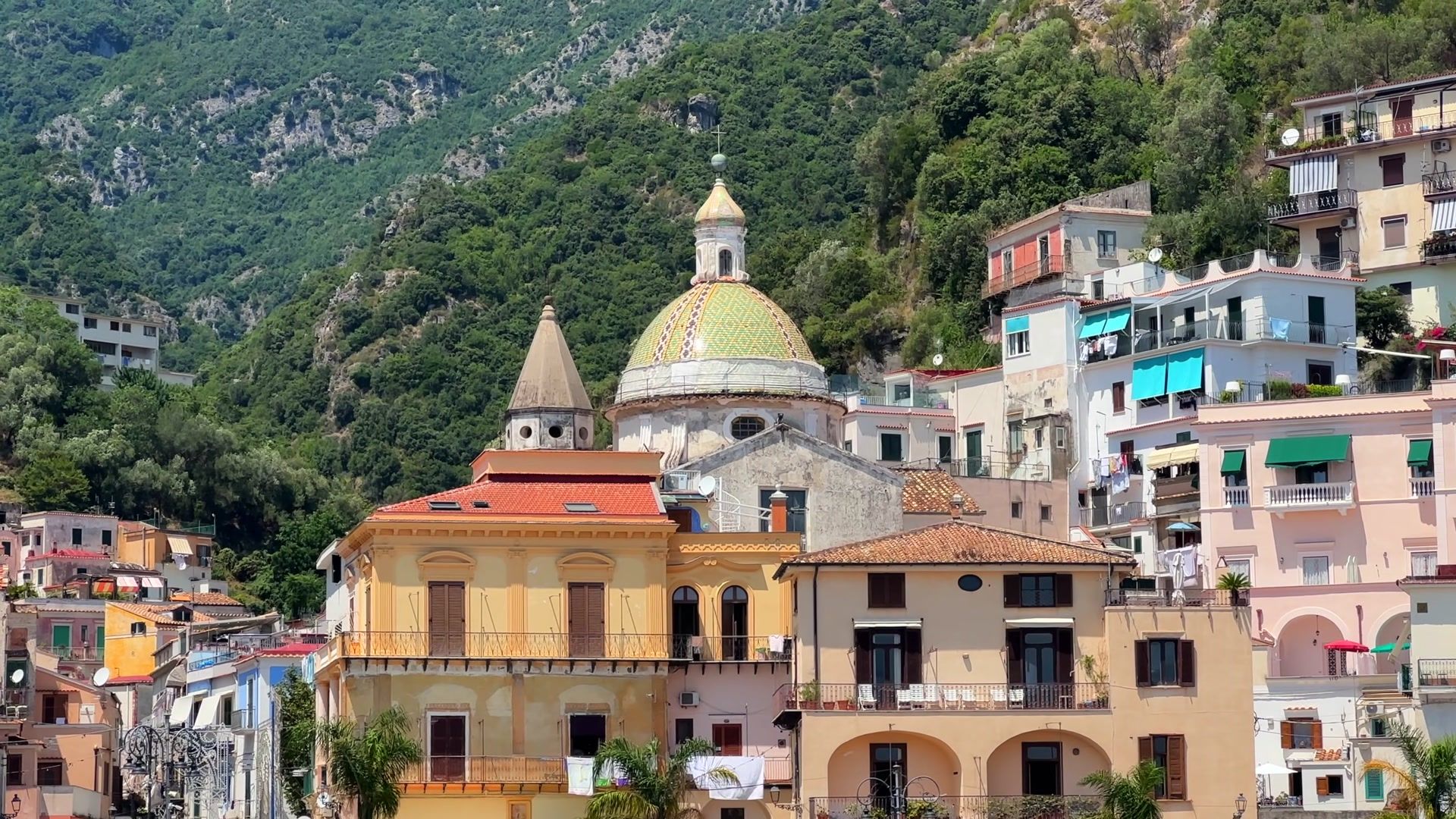
Maiori is different from the other Amalfi towns in two ways. Visually it may not be the most dramatic, but it has the widest beach, which makes it perfect for walking and swimming. If you want something more special, though, there is a small cove just 200 meters away: Acquachiara. It is not very well known because you have to go down 157 steps. The view is stunning. From above it looks beautiful, though in the water there are stones and seaweed. Still in my opinion, it is great for photos.
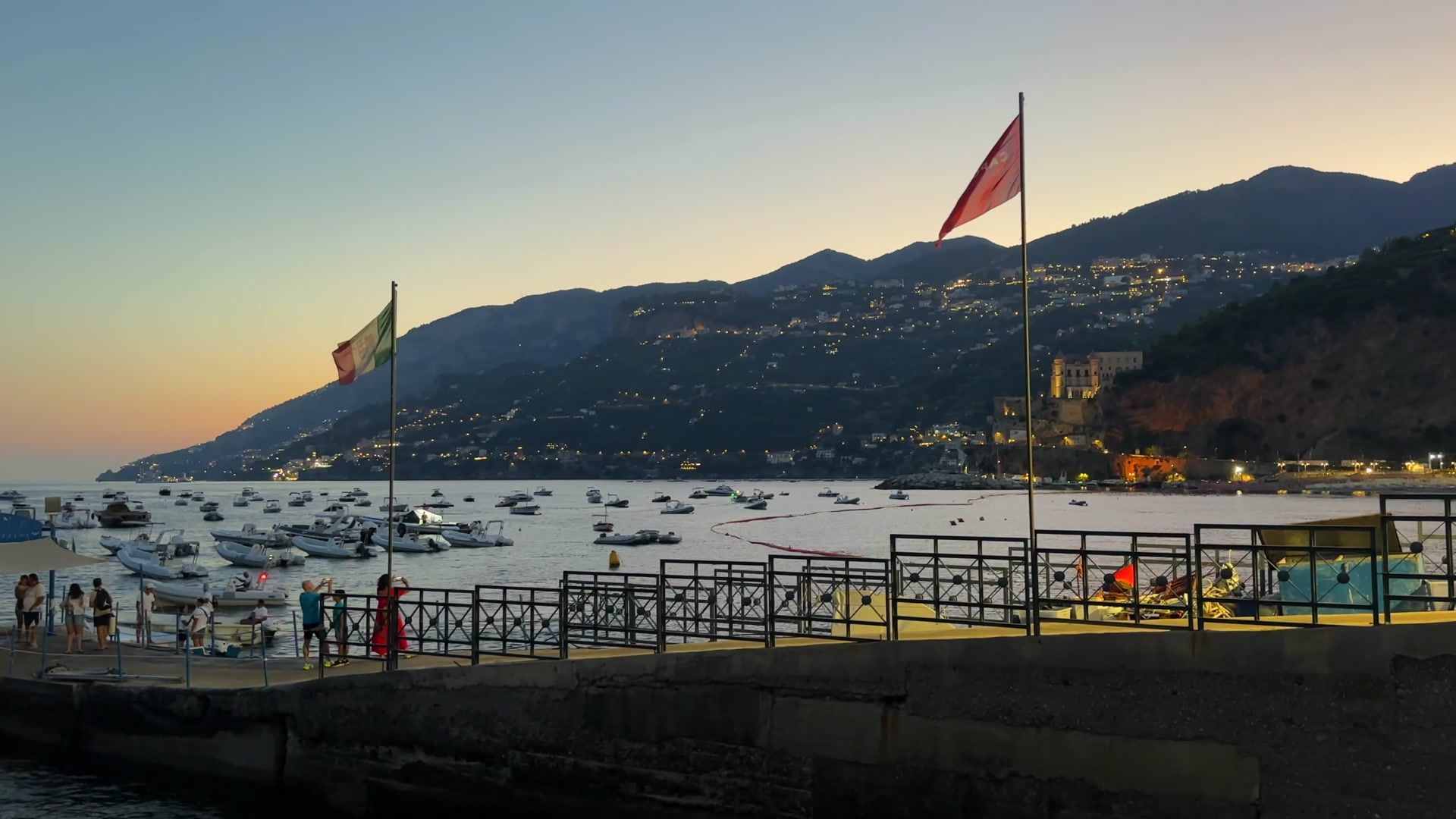
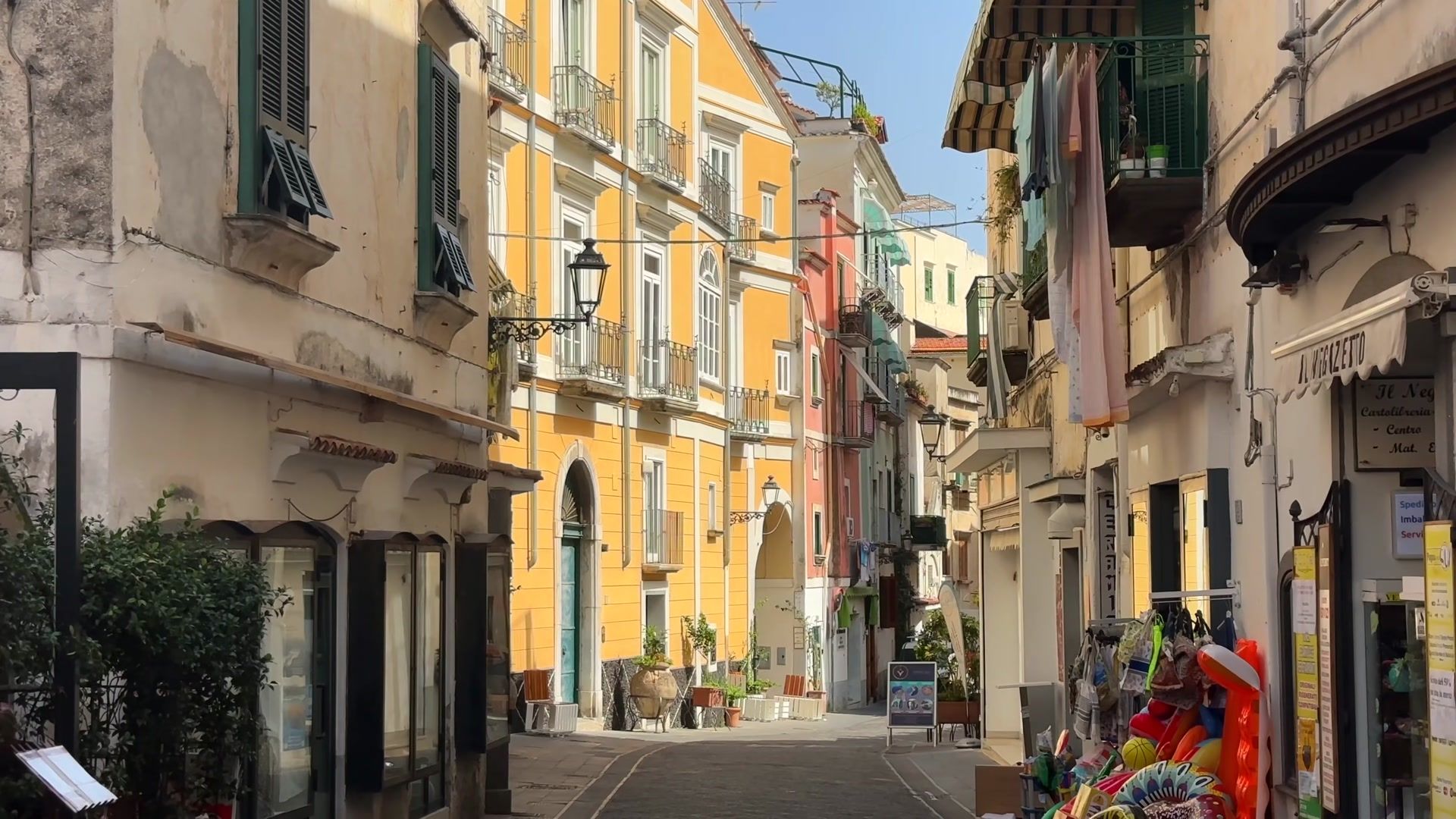
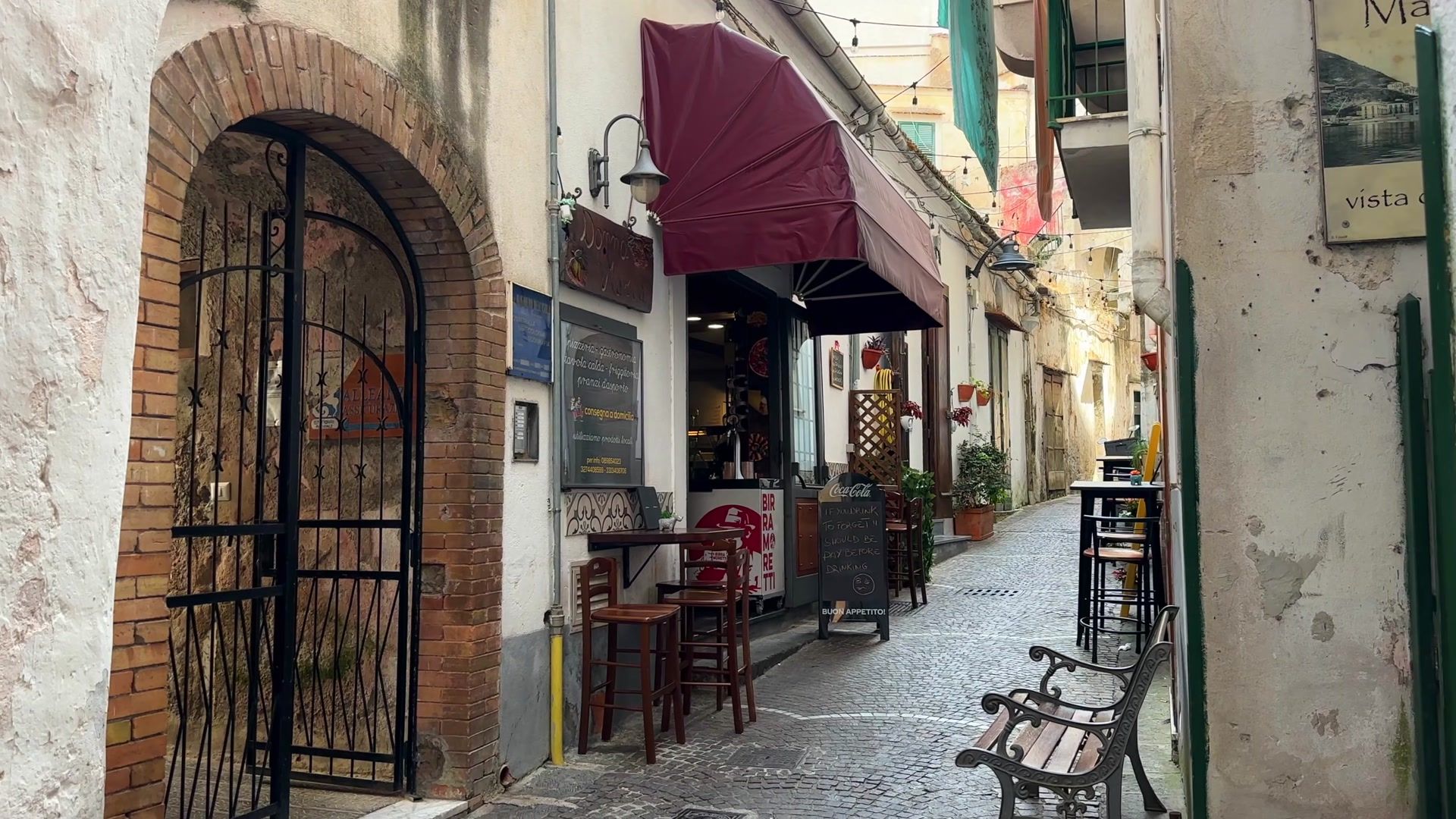
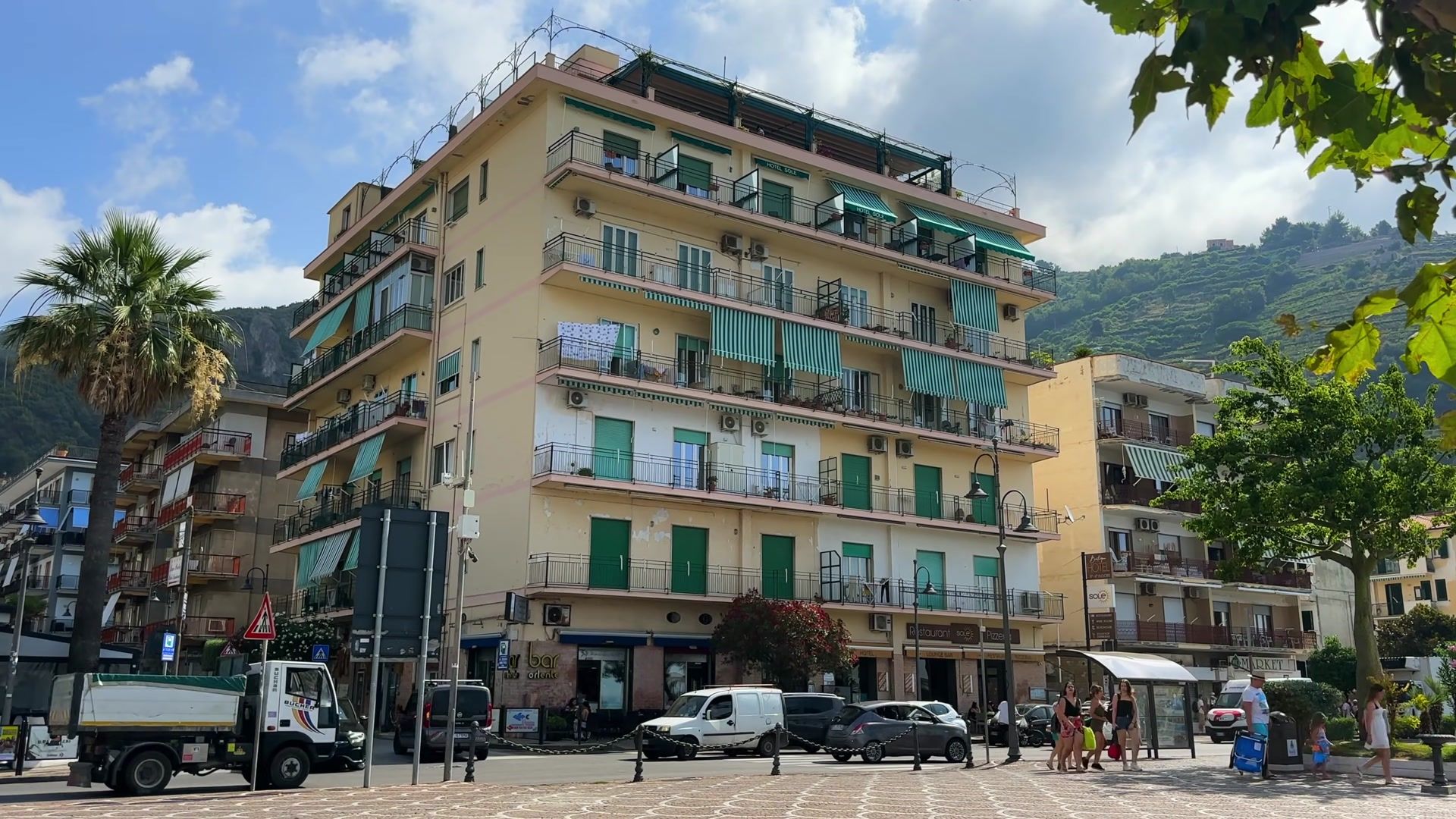
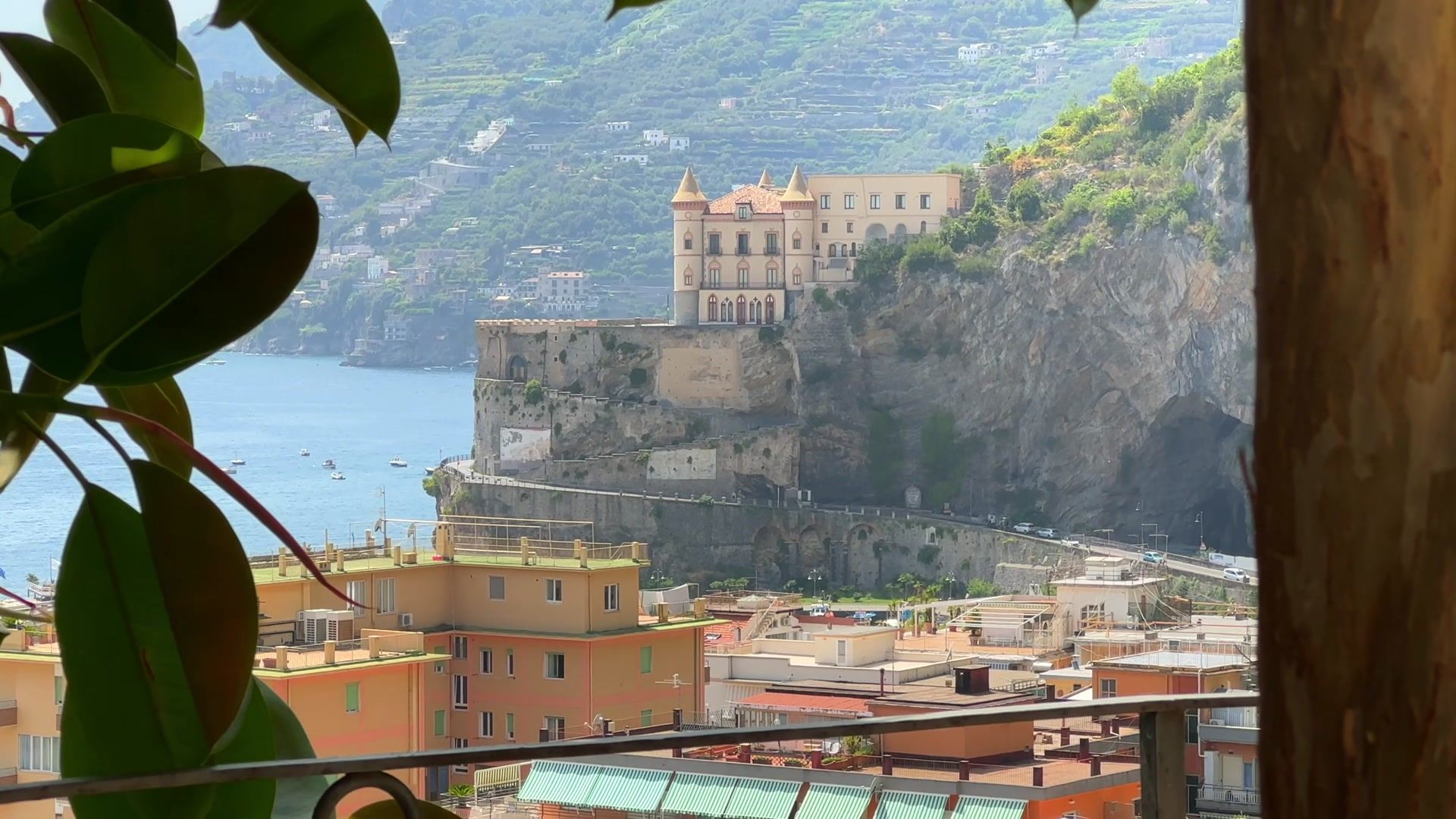
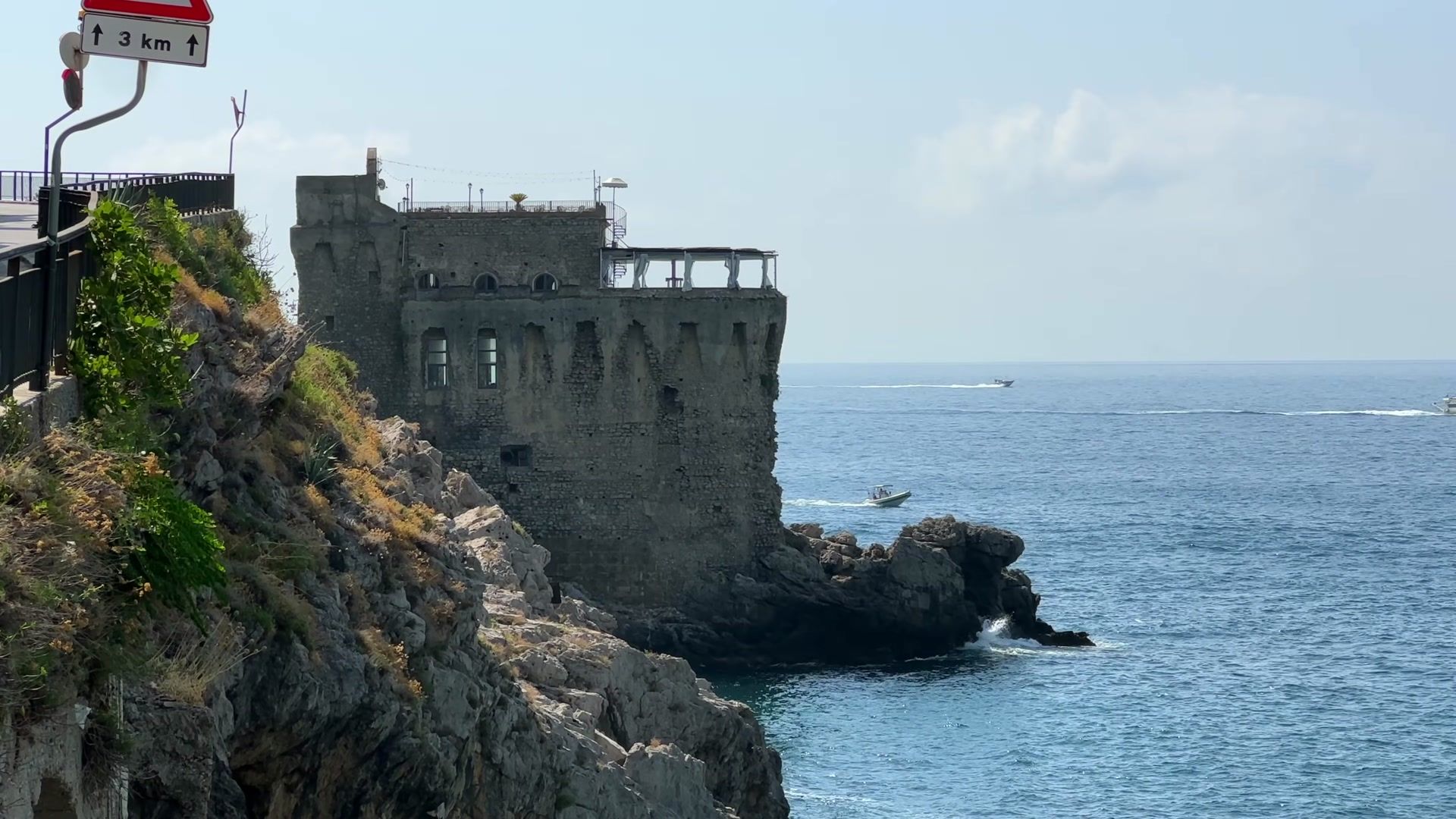
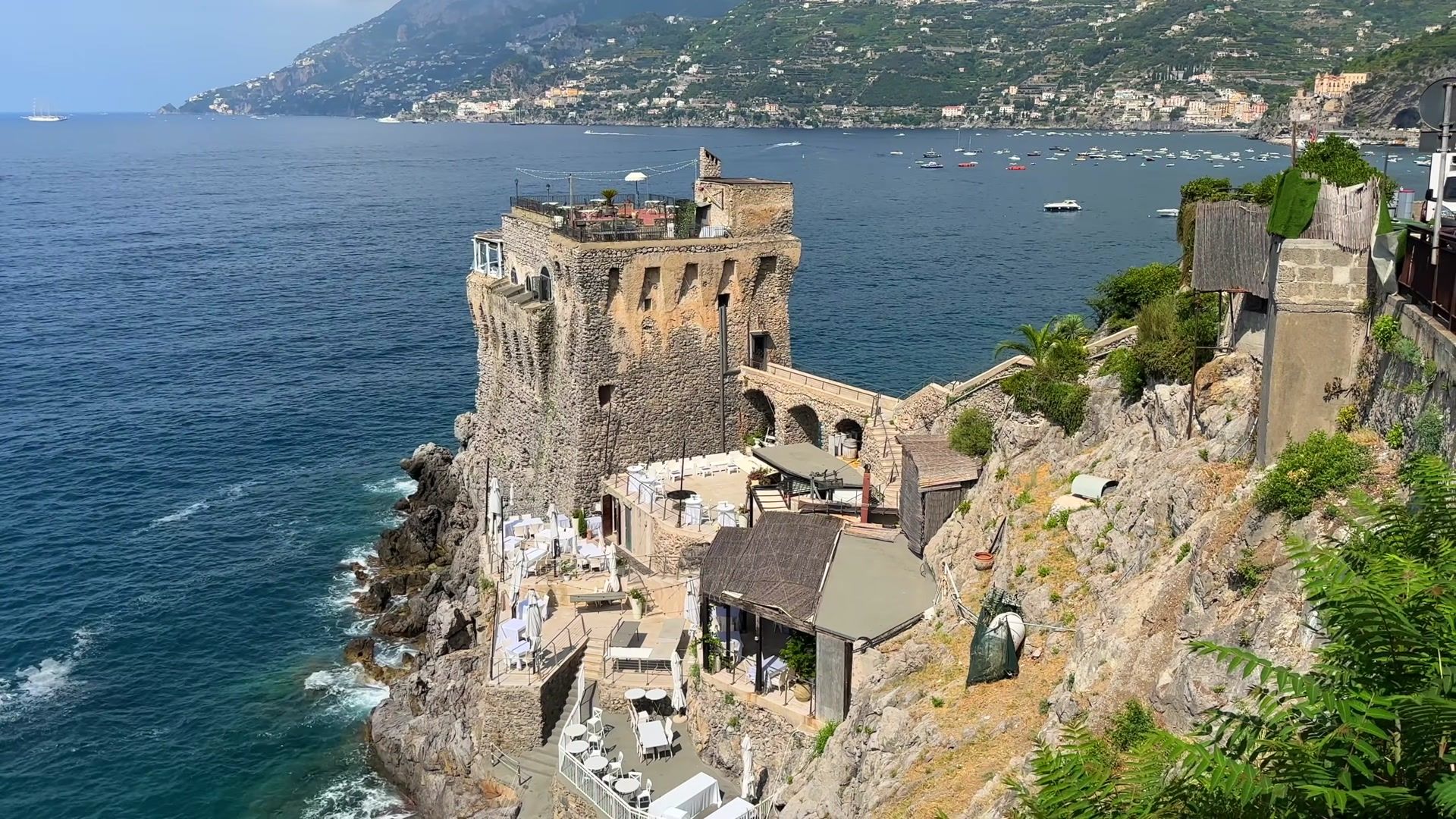
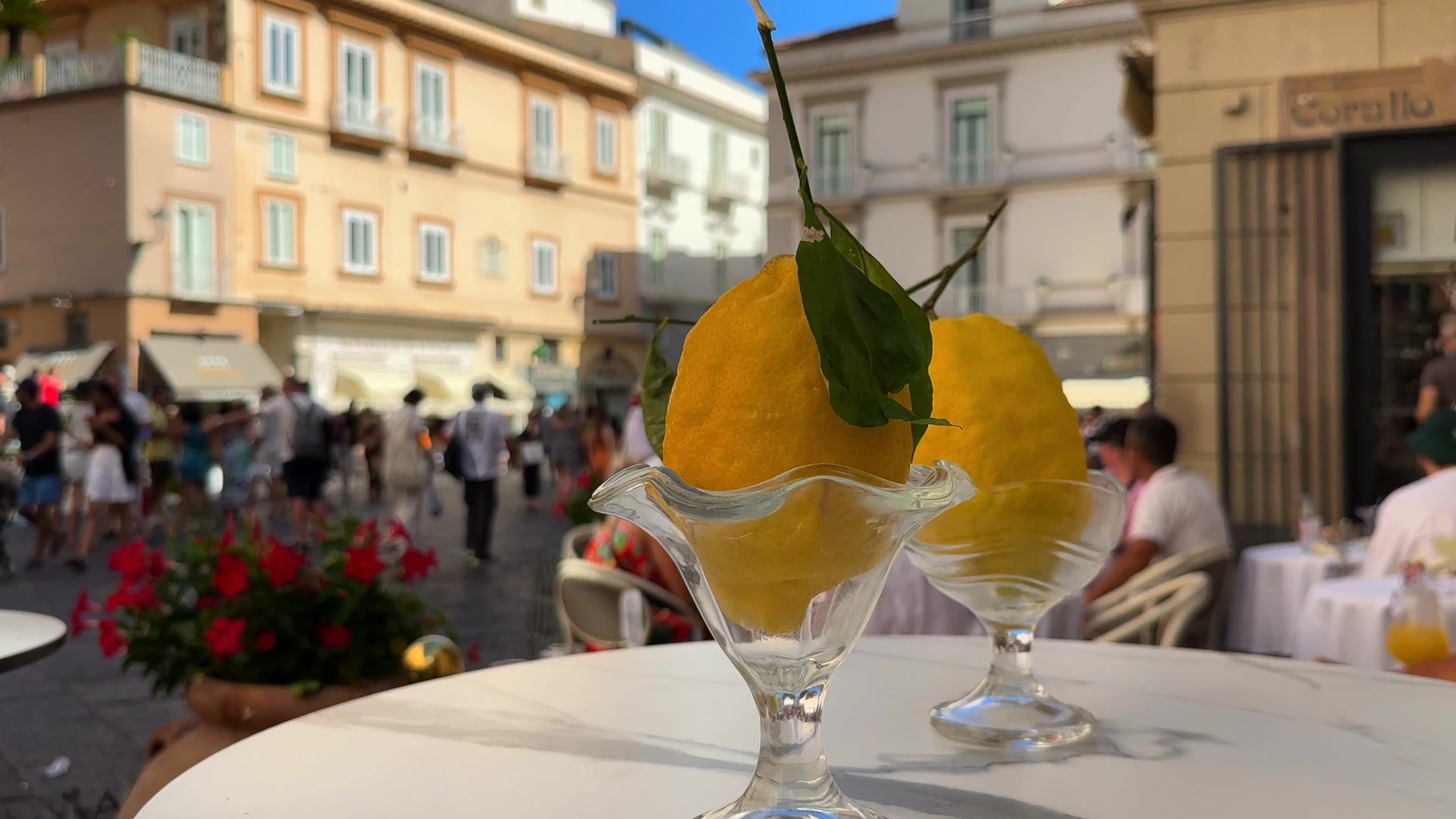
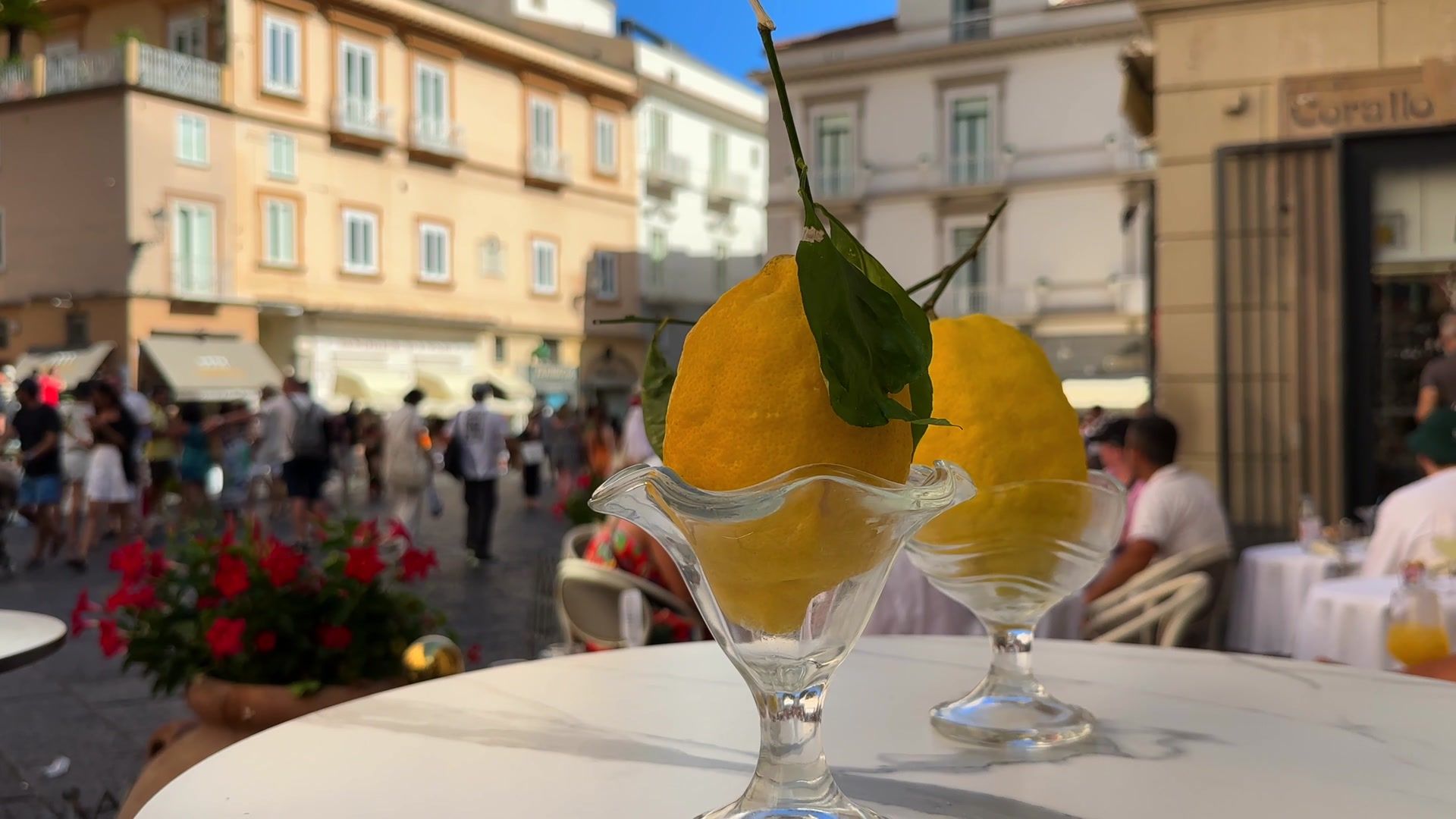
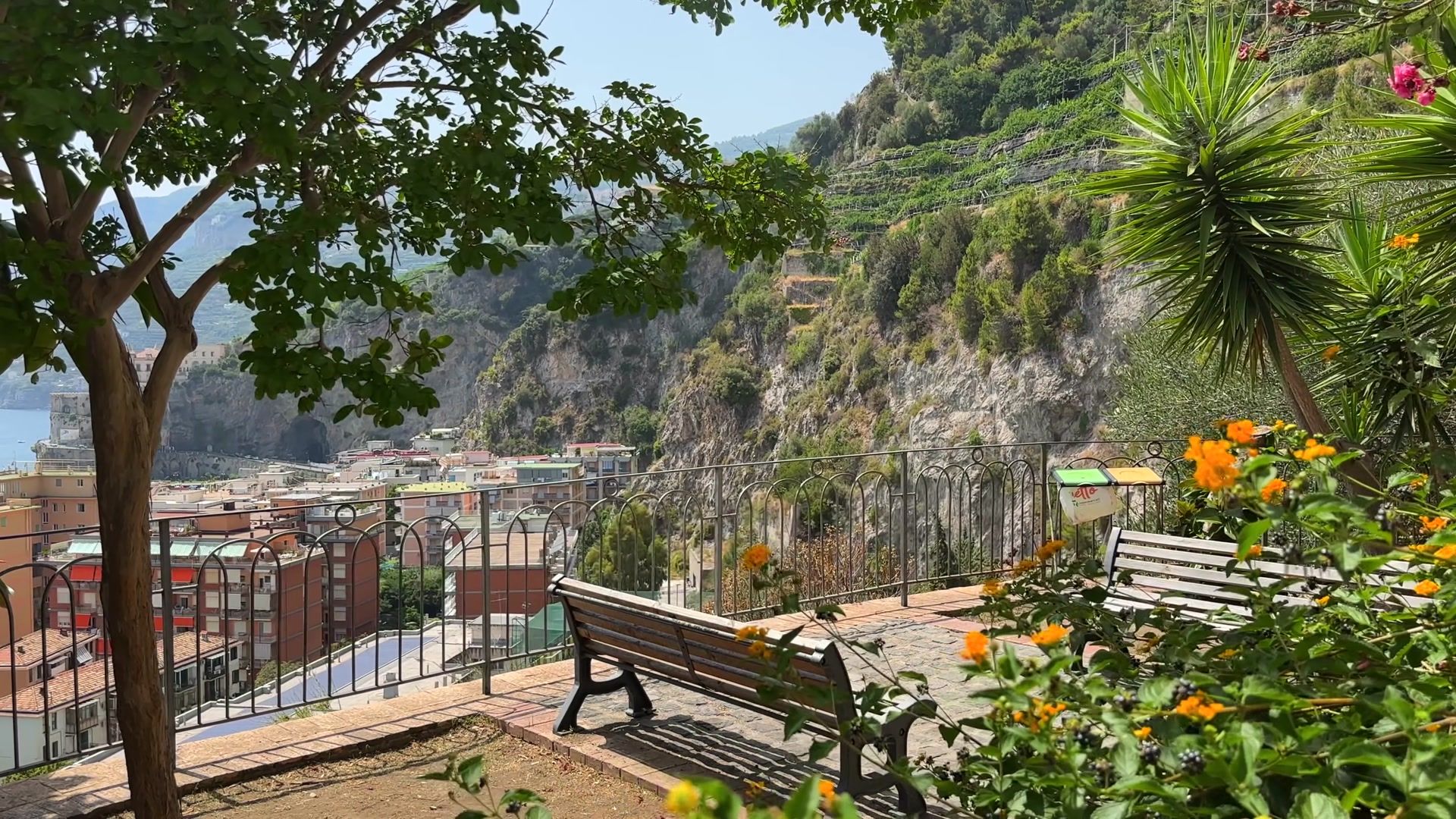
Then we set off from Maiori to Minori along the Path of the Lemons. This route is about 1.5 kilometers long and full of amazing views. Walking it in the midday summer heat is tough, but it is absolutely worth it. This is where the famous Amalfi lemons grow. They are large, very juicy and extremely aromatic. Limoncello also comes from here. And in 2025 the United Nations declared these lemon gardens a World Agricultural Heritage site.
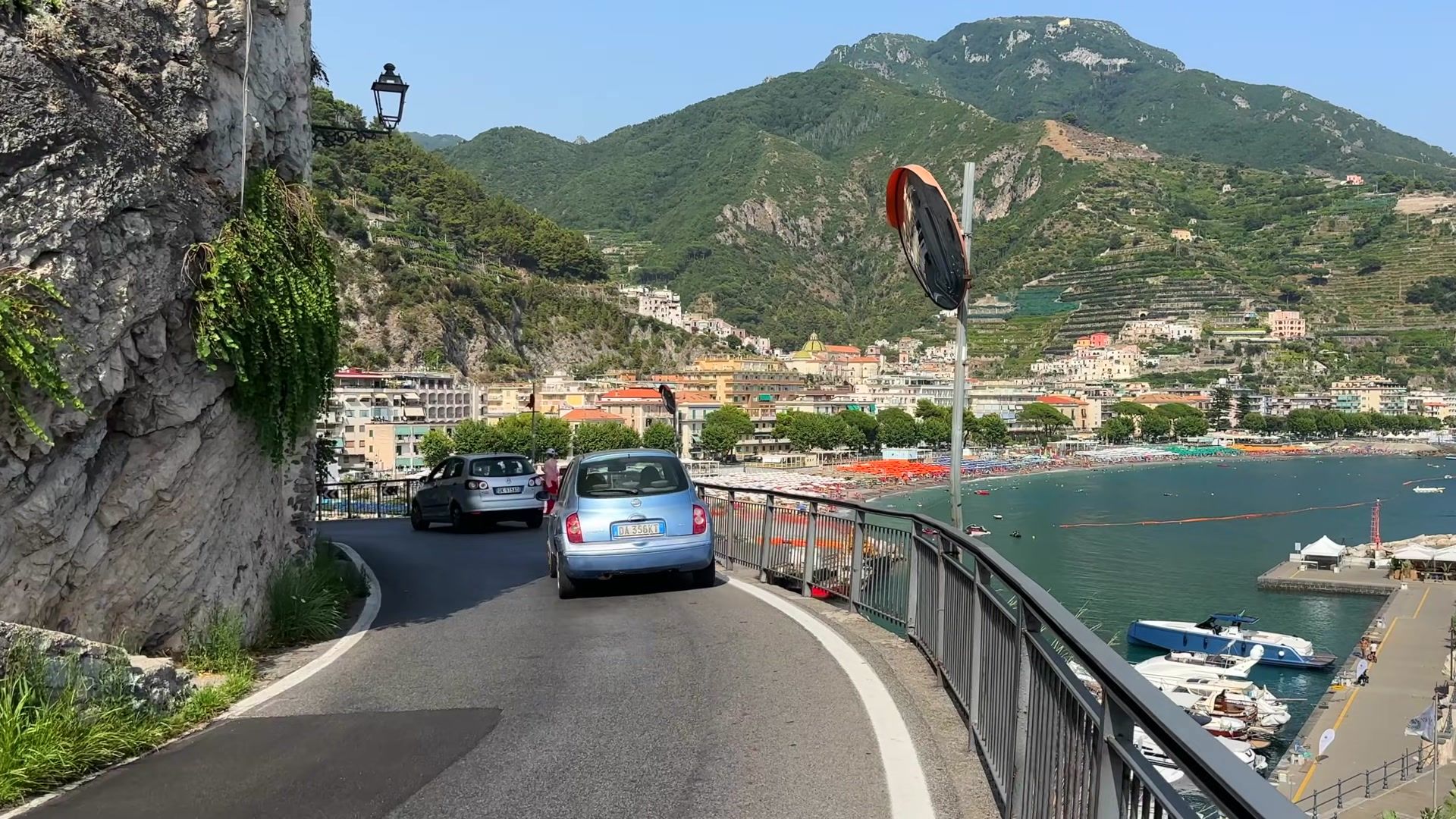
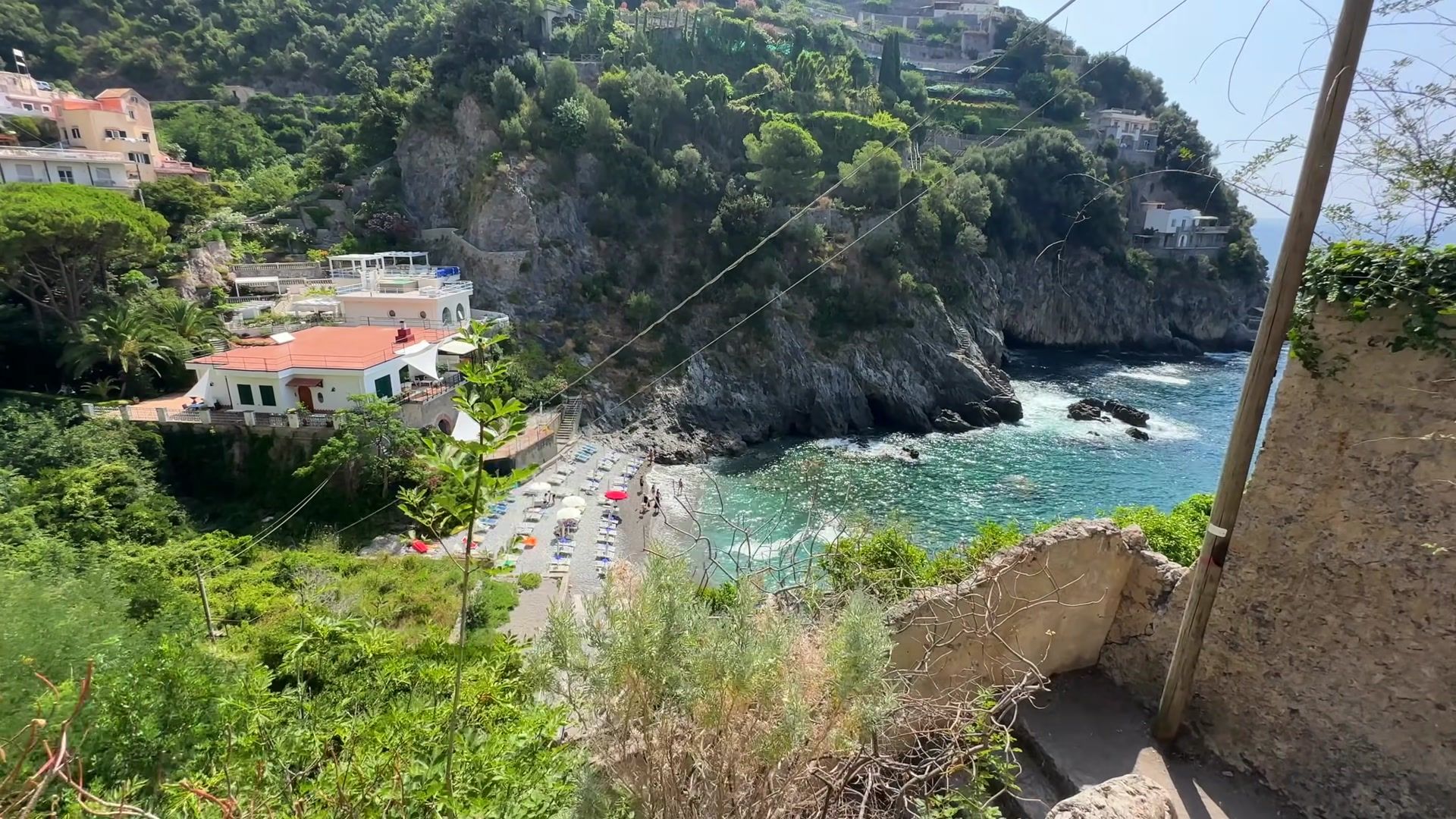
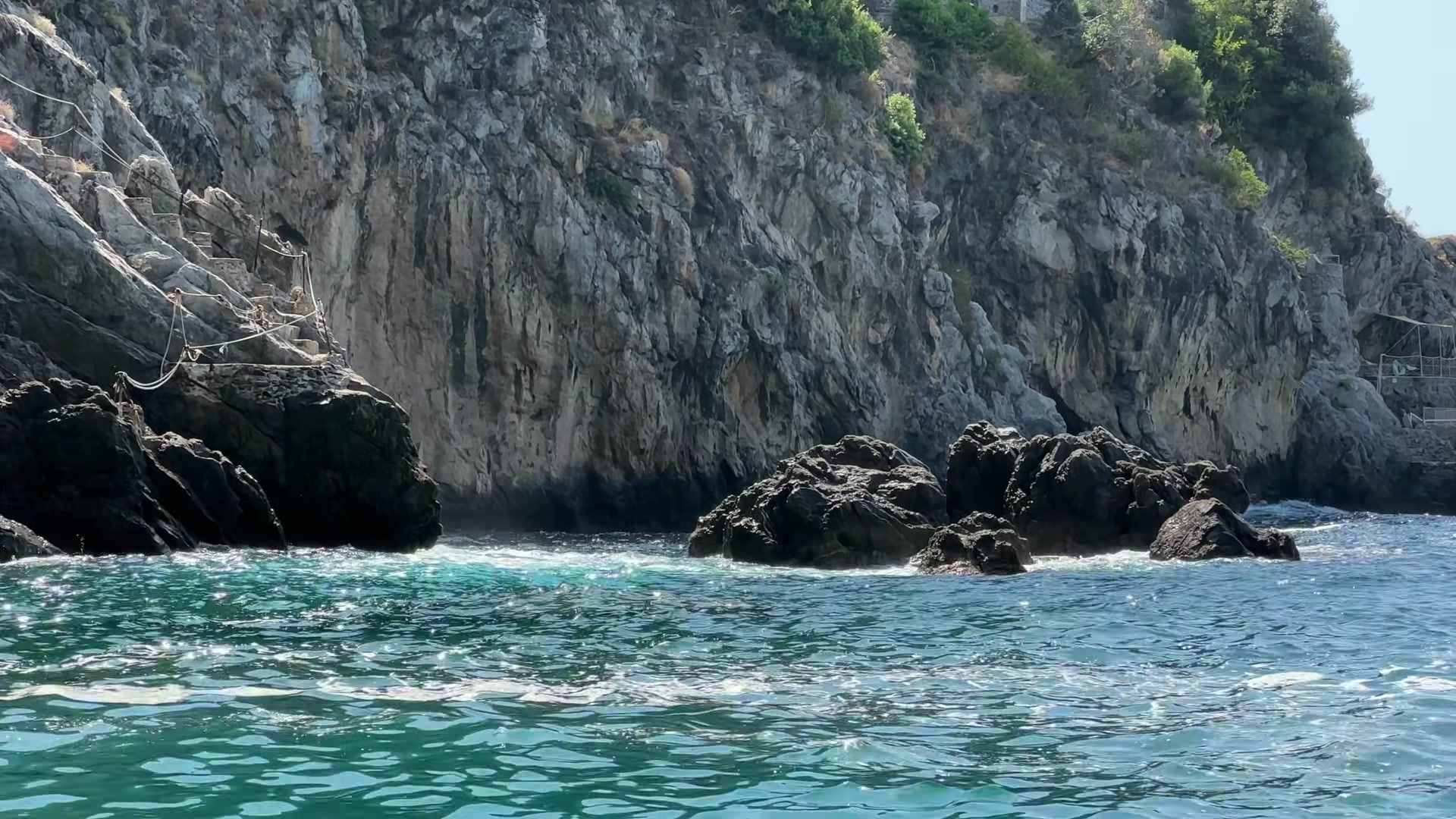
And so we continued our way through these landscapes… I will tell you more about our adventures in my next posts. See you soon.