 Rouen, Normandy, France
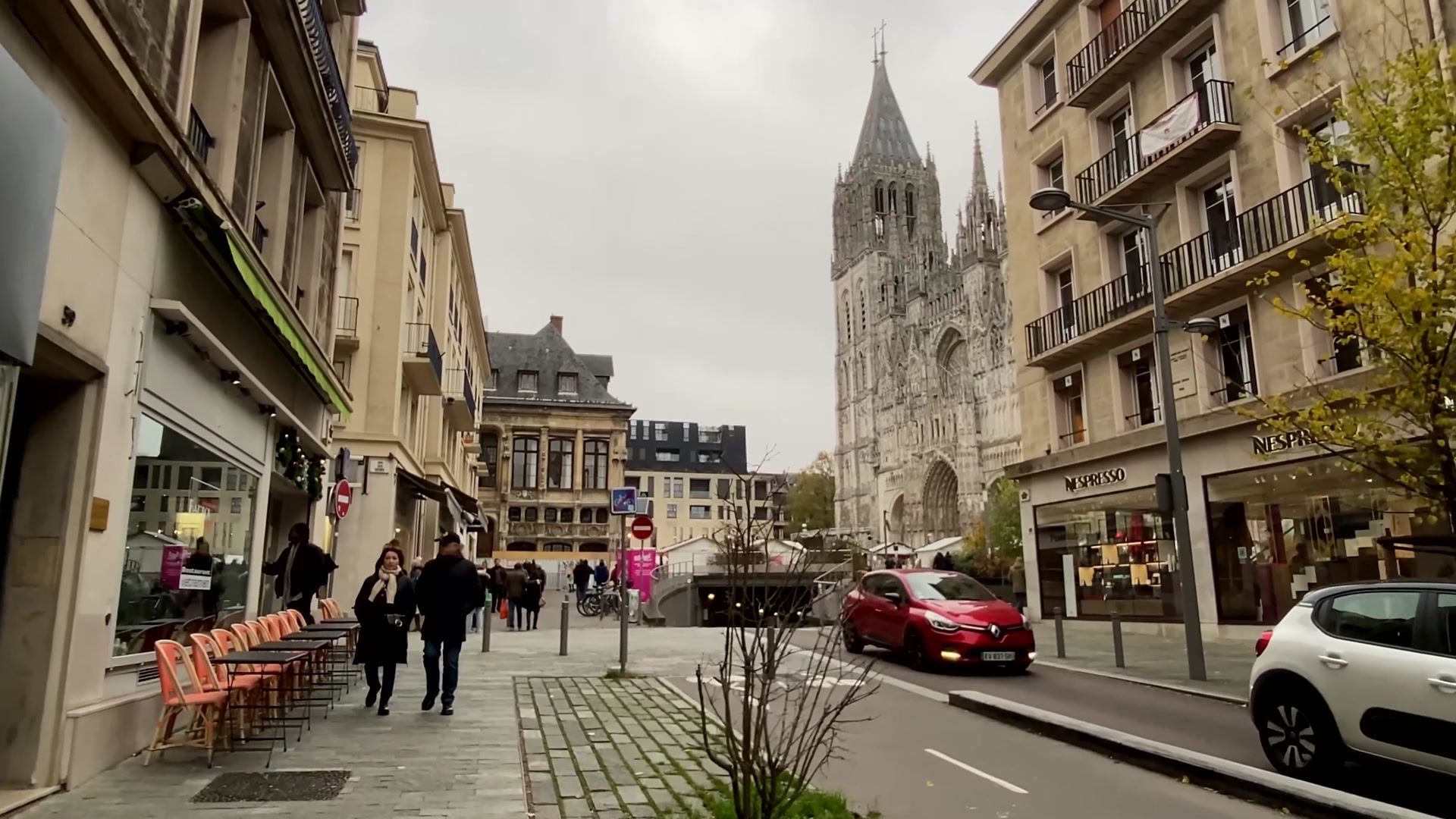
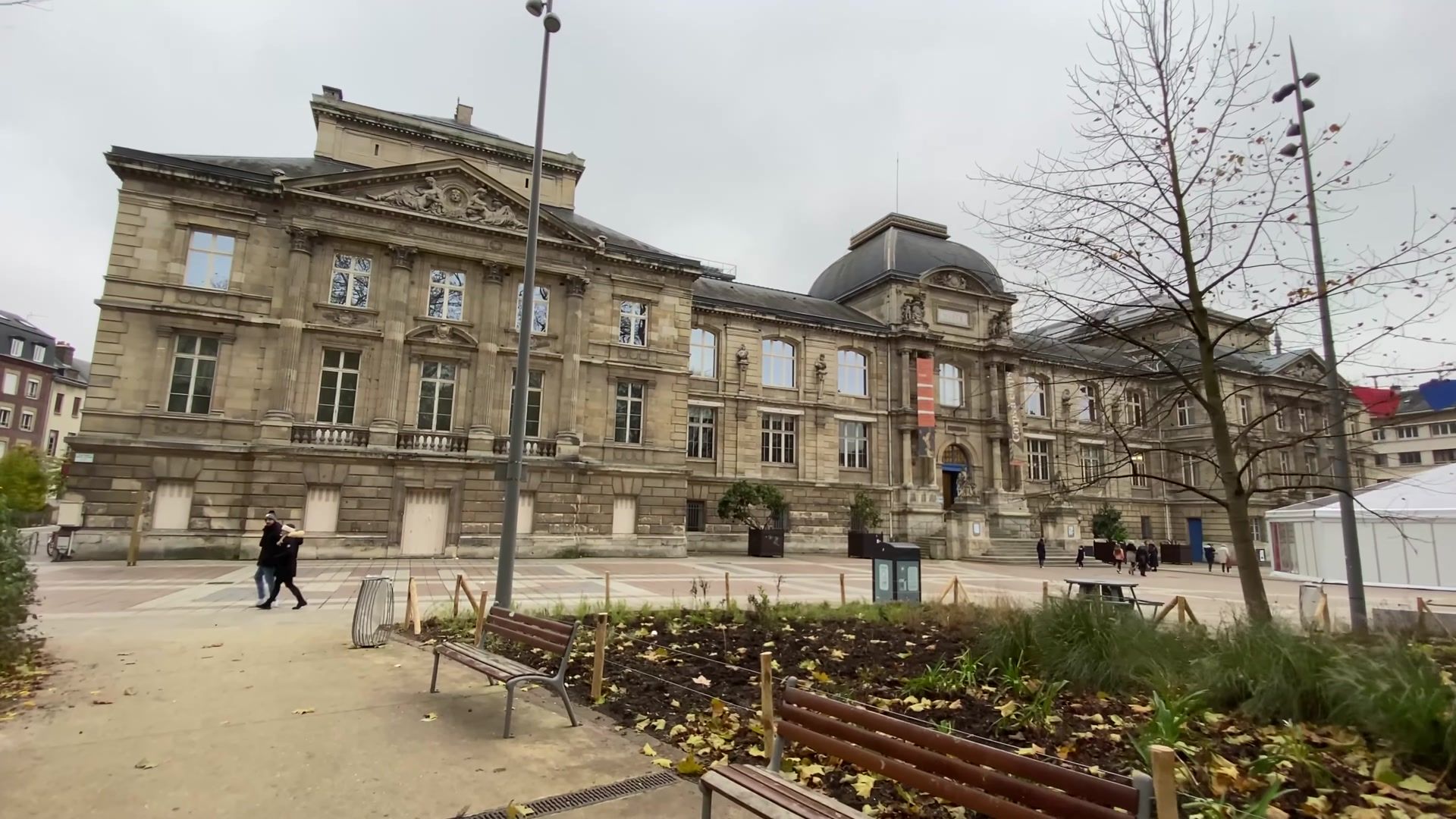
Hello dear travel lovers. Today I would like to talk about my visit to Rouen, the capital of Normandy. In this city where the medieval atmosphere is still very much alive, I wandered among Gothic cathedrals and half timbered houses. I explored the most beautiful spots of the city and felt the enchanting energy of the evening. I will also share how you can get here.
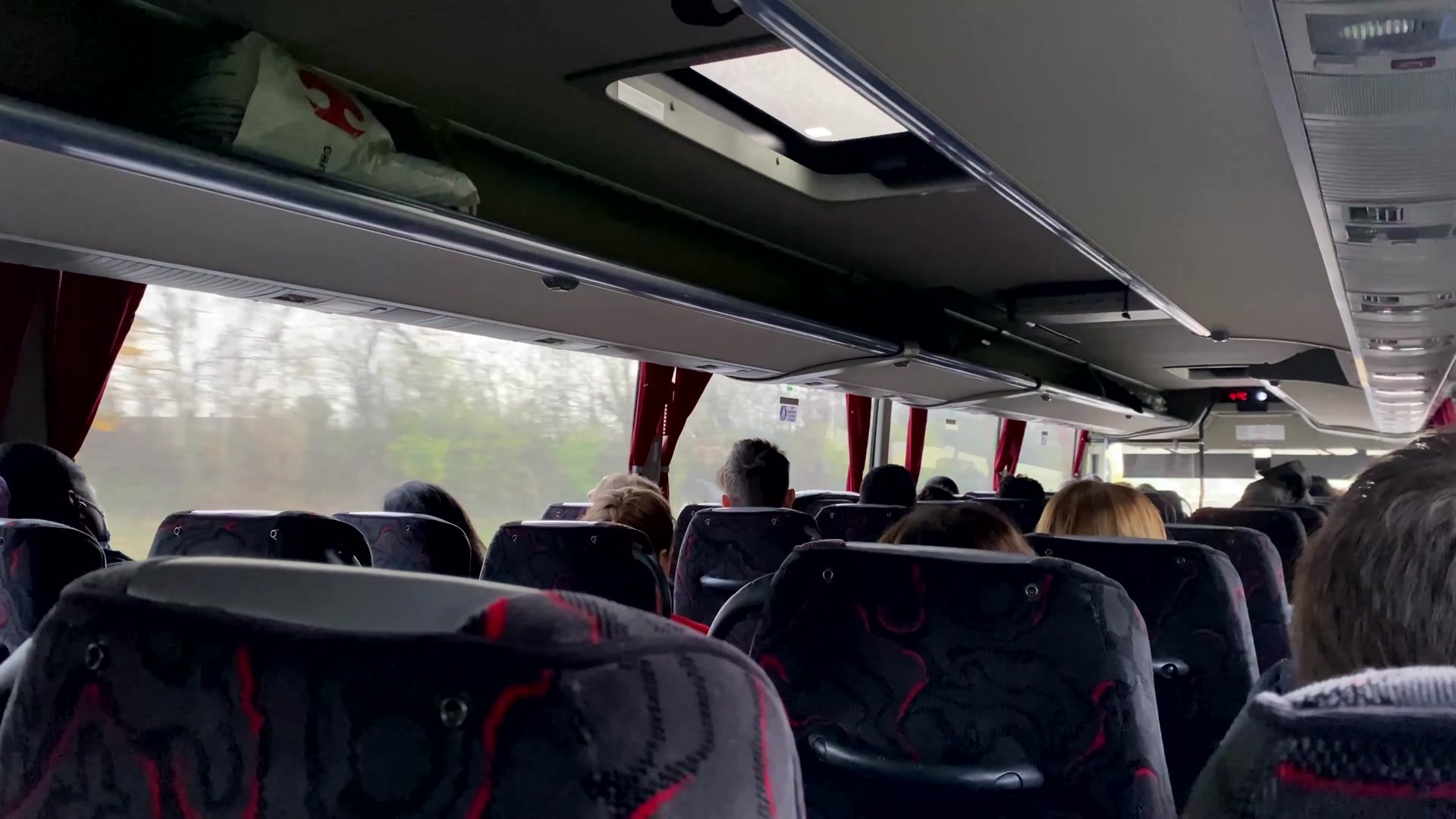
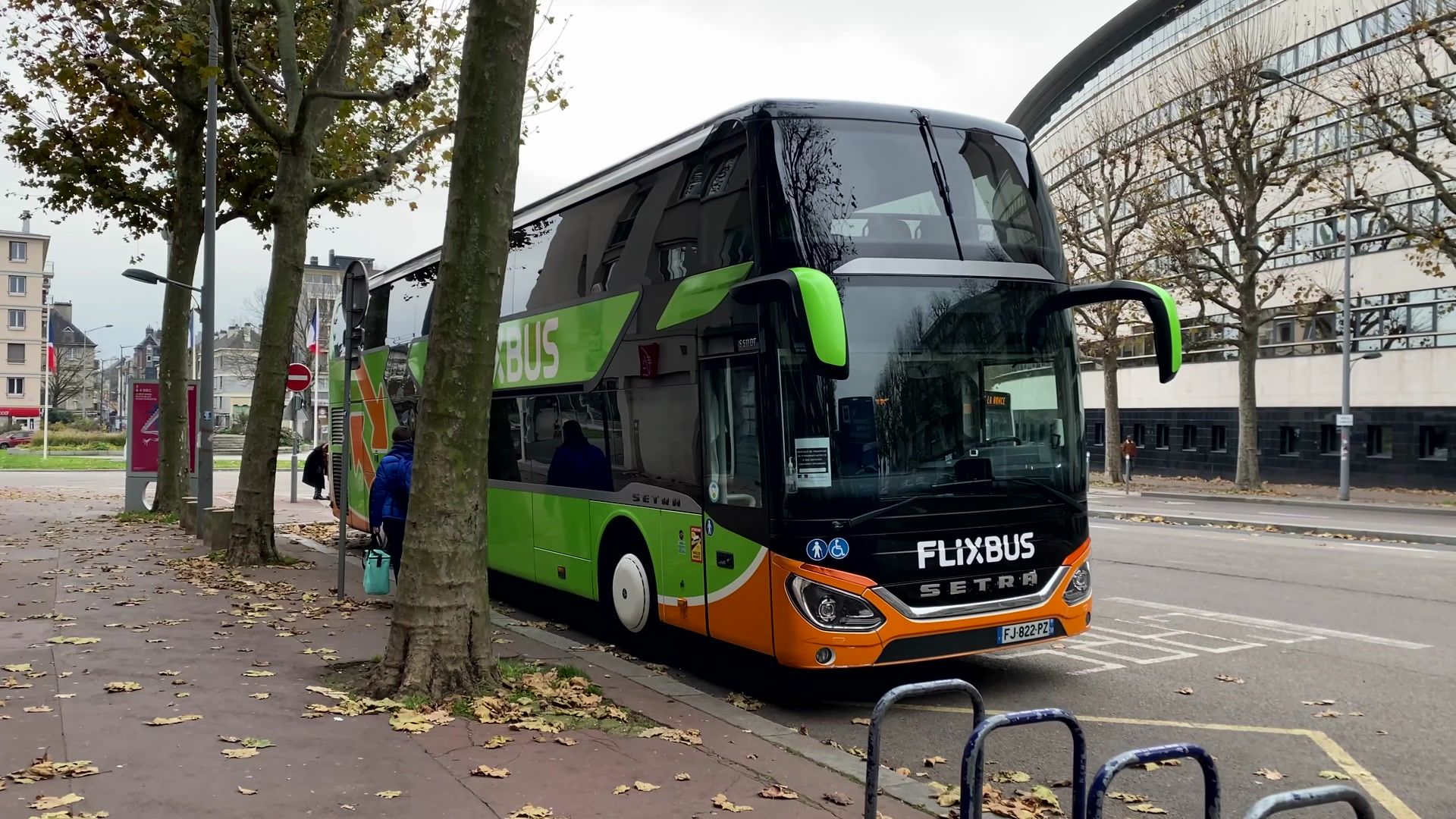
Rouen is a charming city located in northwestern France on the banks of the Seine River and about 120 kilometers from Paris. It is possible to reach the city from Paris by train or bus in around one and a half hours. I chose the bus because it was more economical and my round trip ticket cost only 13 euros. Train tickets were around 20 euros.
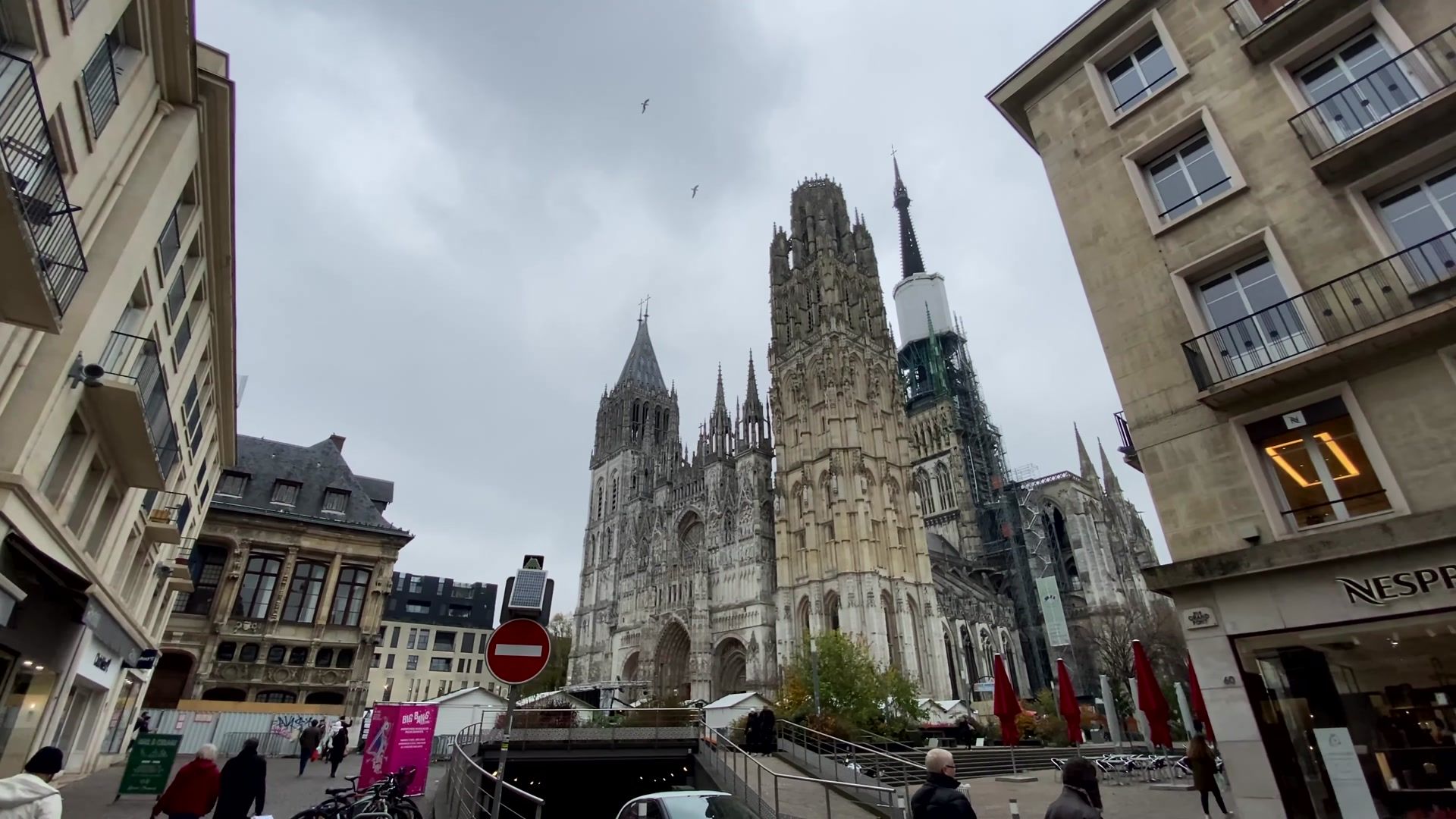
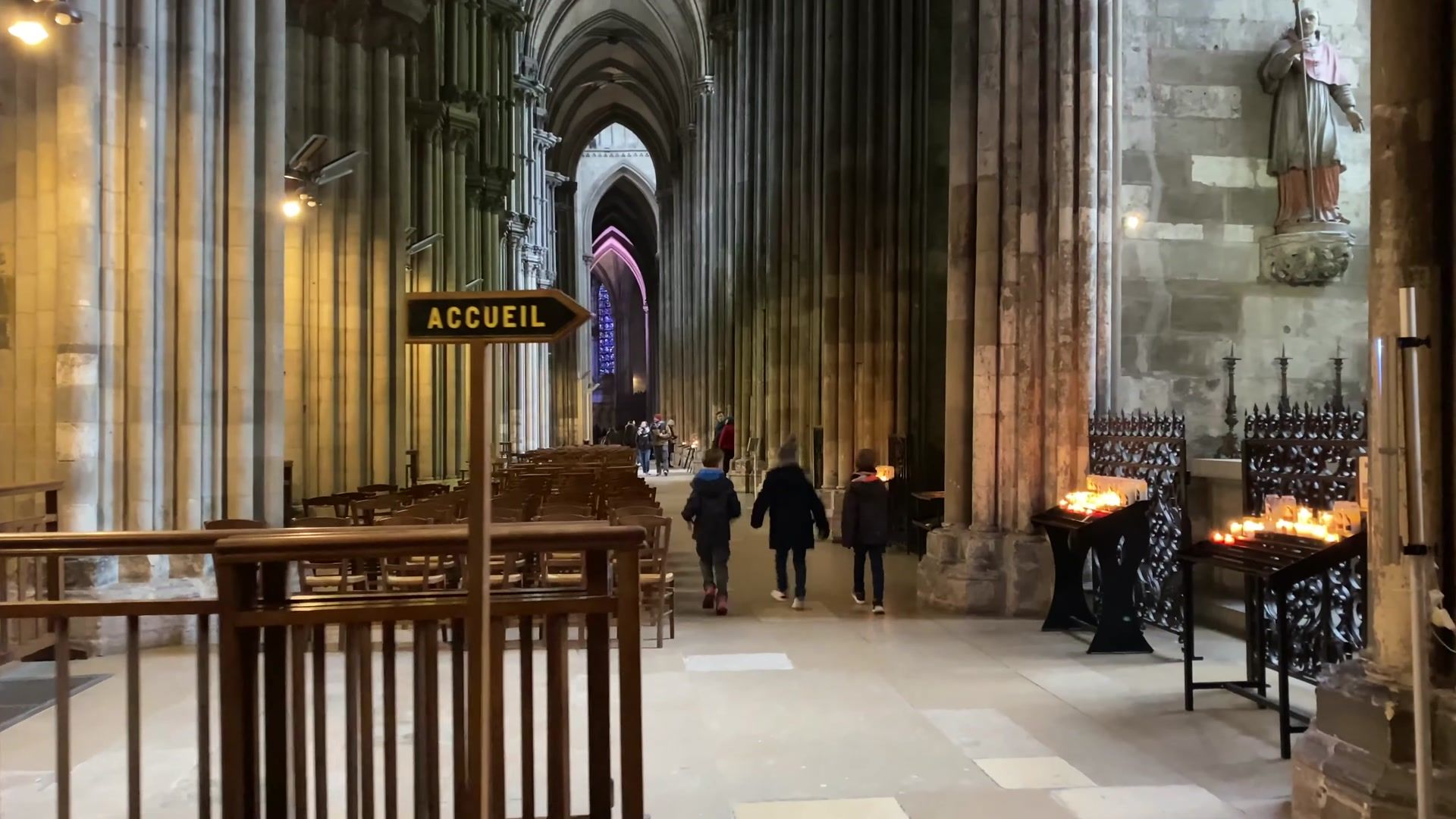
As soon as you enter the historic center, Rouen Notre Dame Cathedral, the most important structure in the city, immediately captures your attention. This massive example of Gothic architecture was built over centuries and restoration work is still ongoing today. Between 1876 and 1880, with its 151 meter tower, the cathedral held the title of the tallest building in the world for a period of time. The famous painter Claude Monet depicted this cathedral under different lighting conditions in a series of 30 paintings. The building is 137 meters long and the height of the main nave is 28 meters.
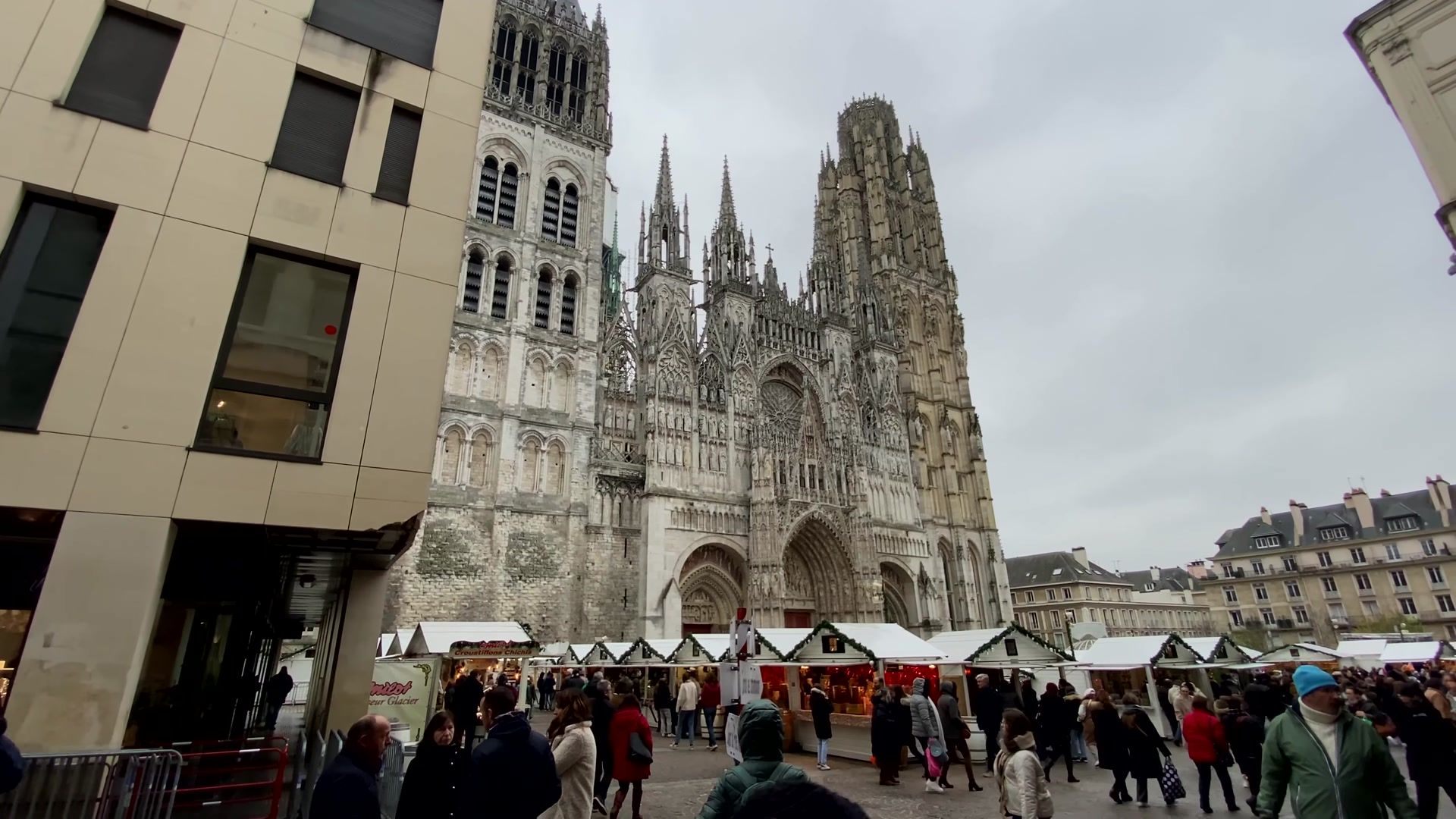
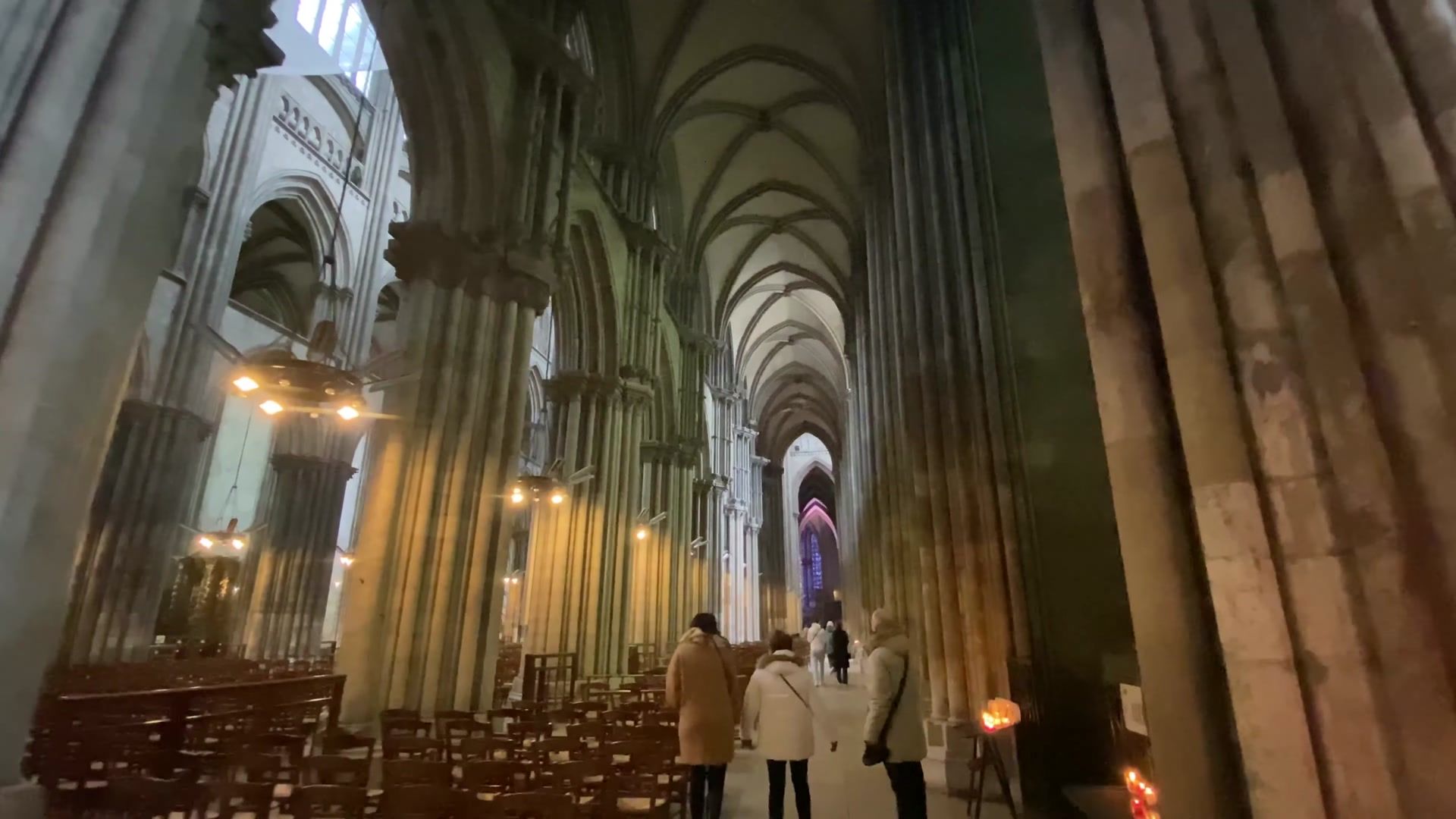
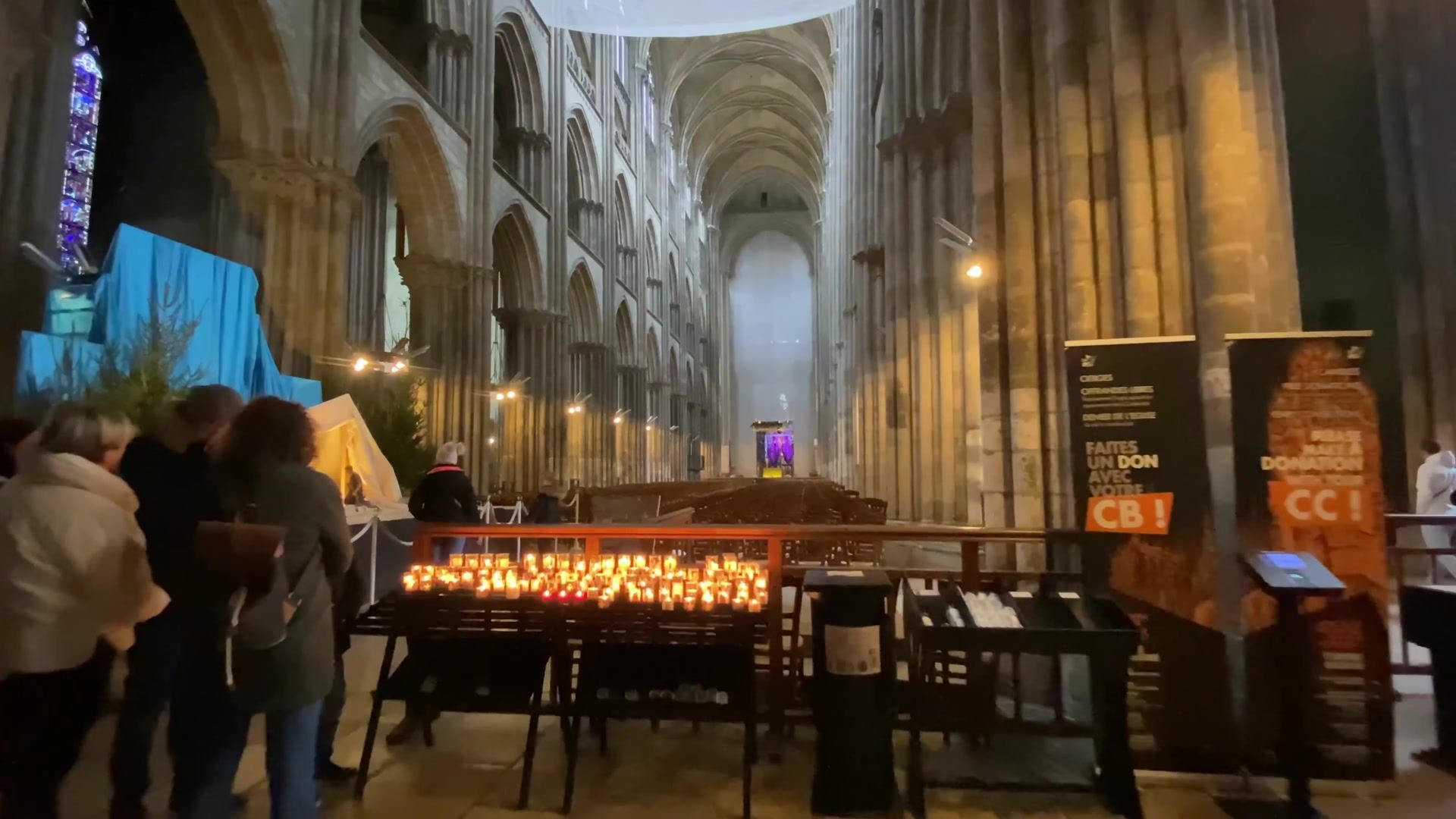
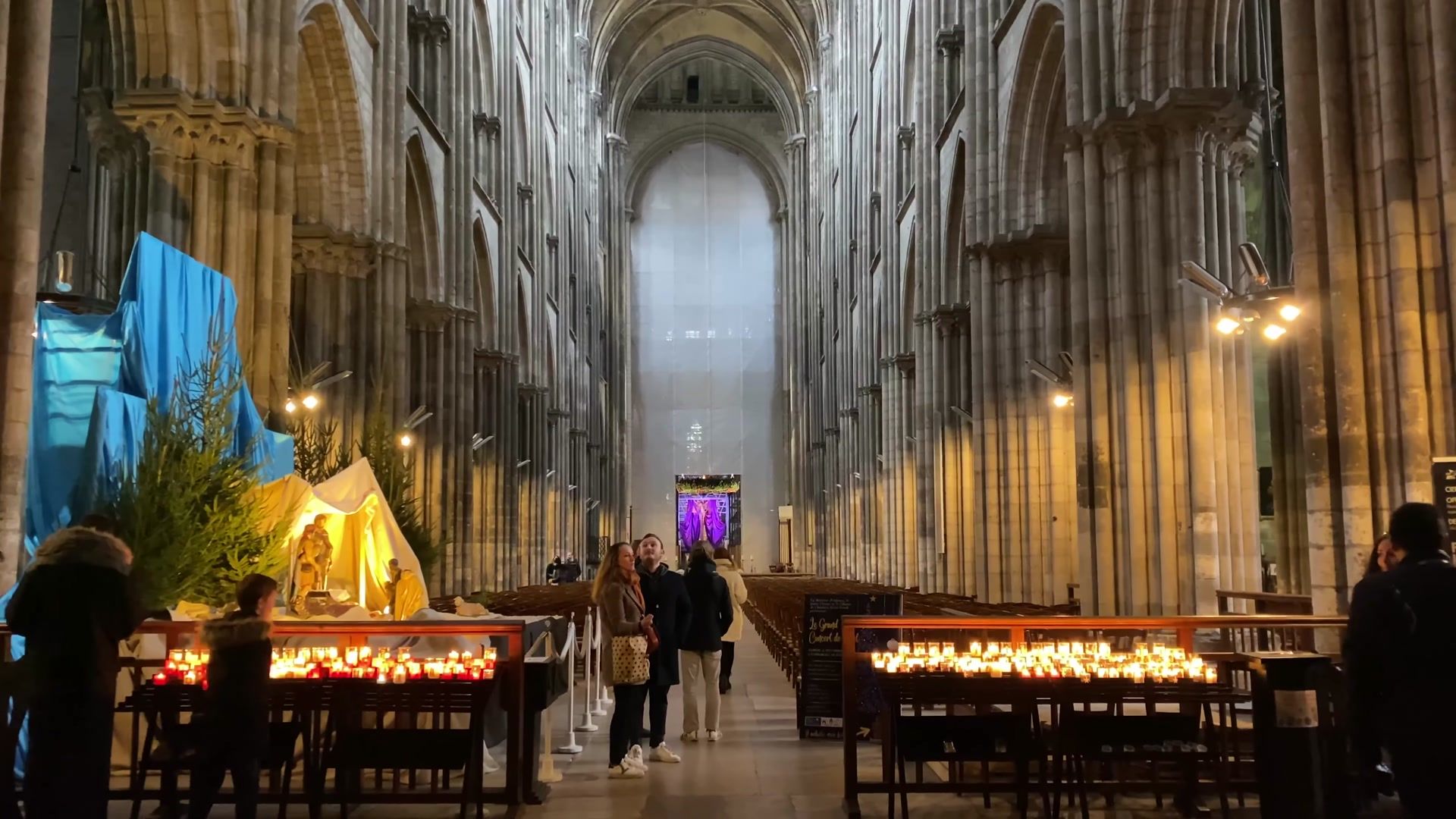
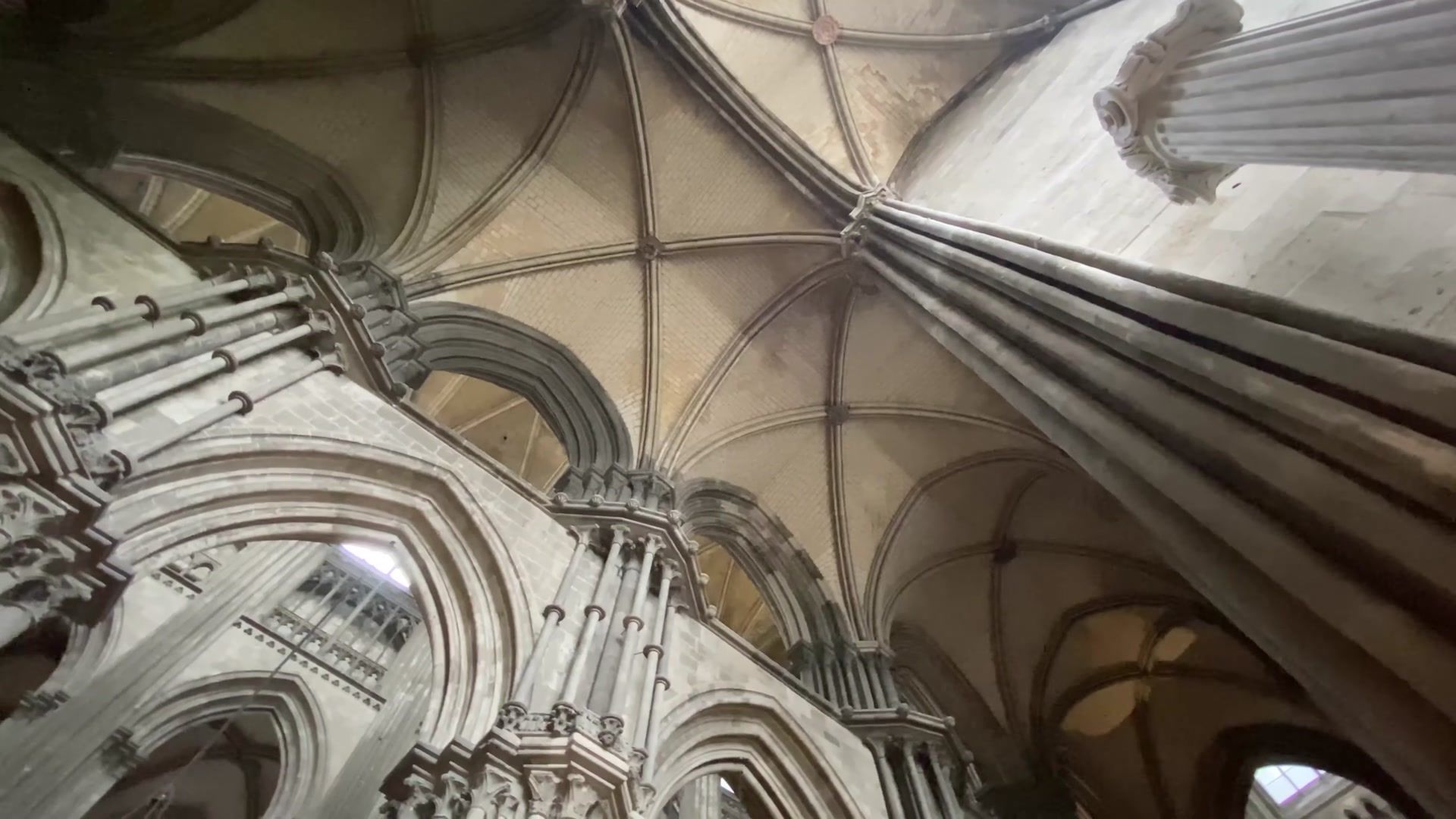
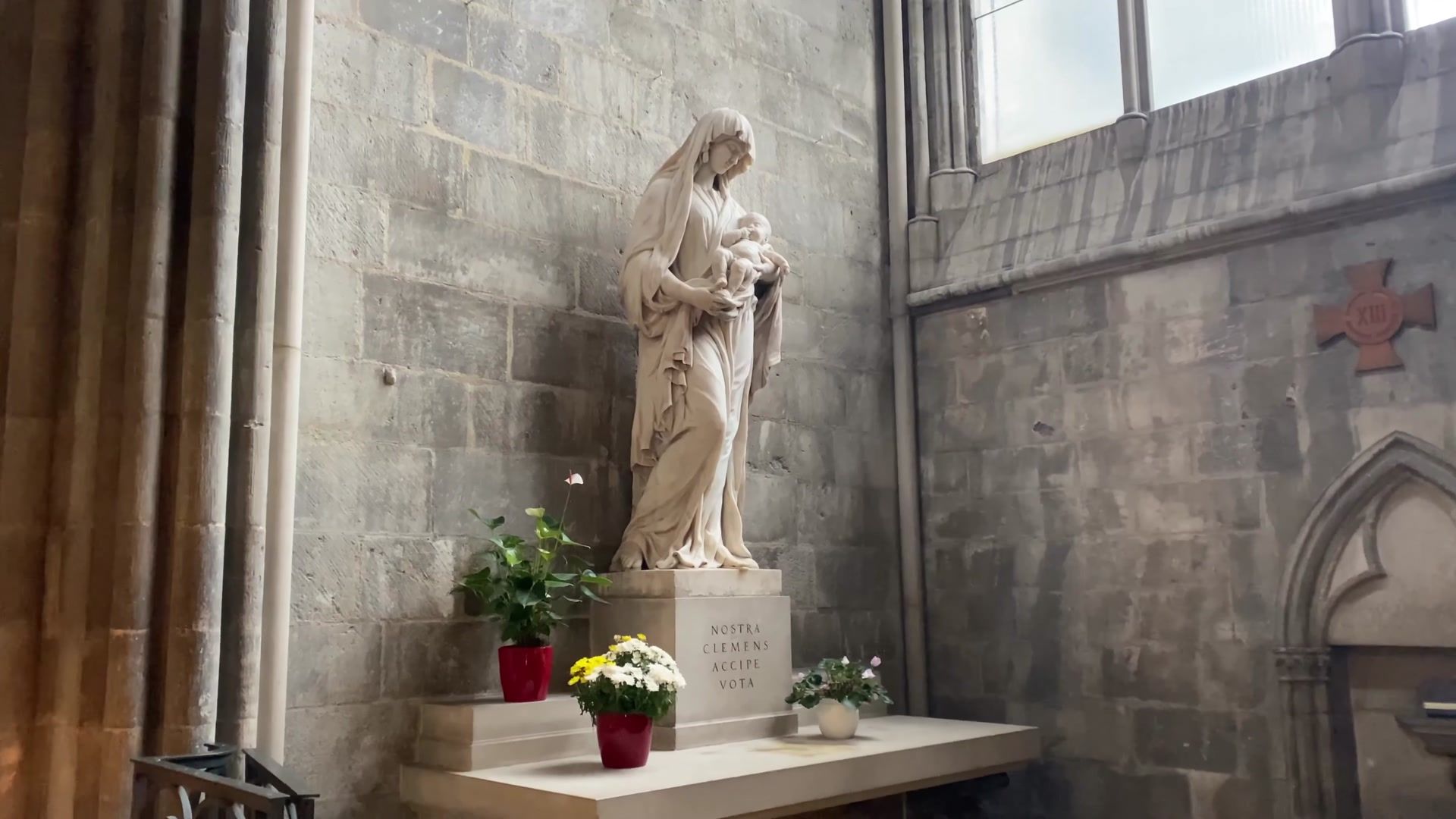
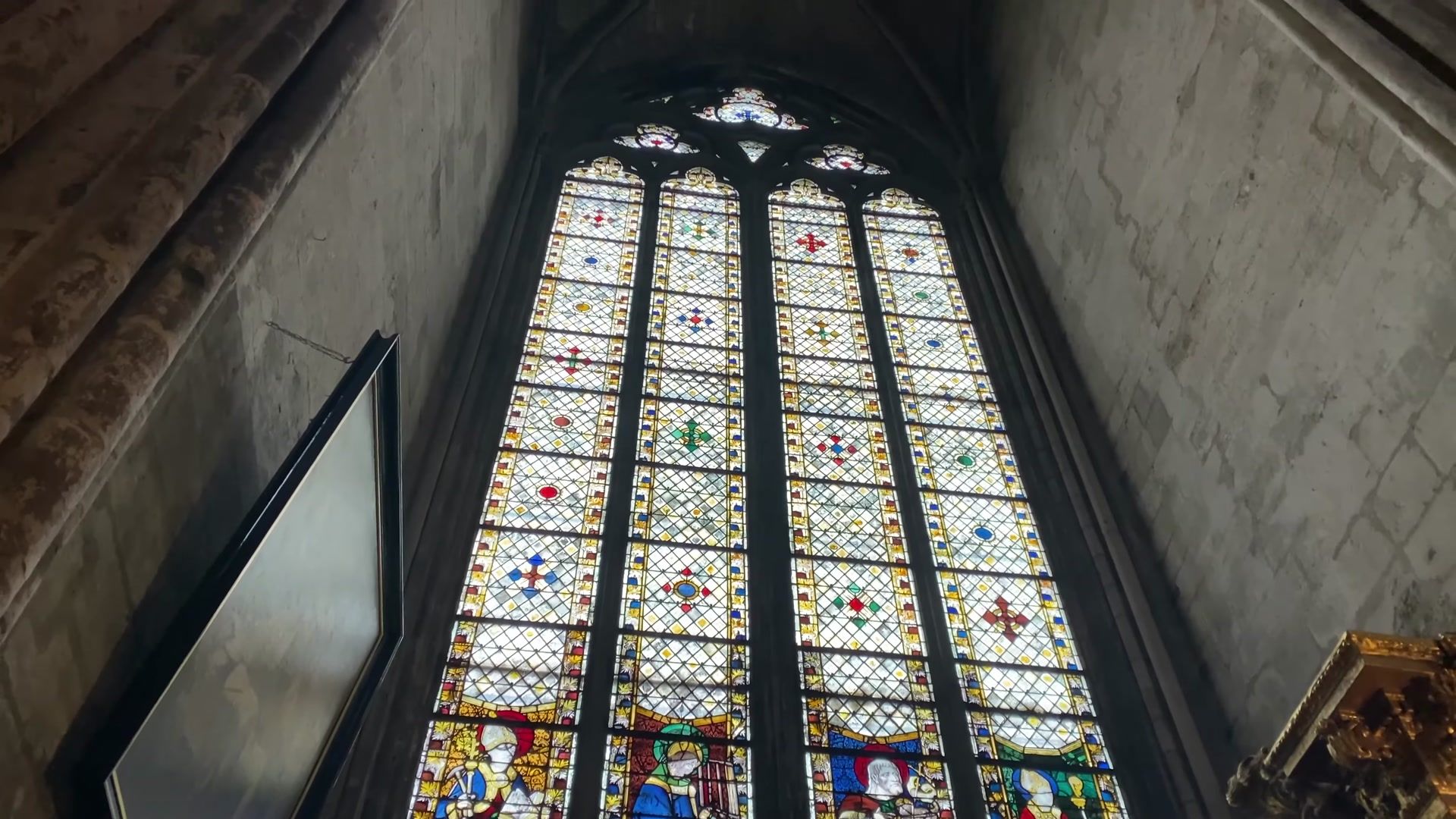
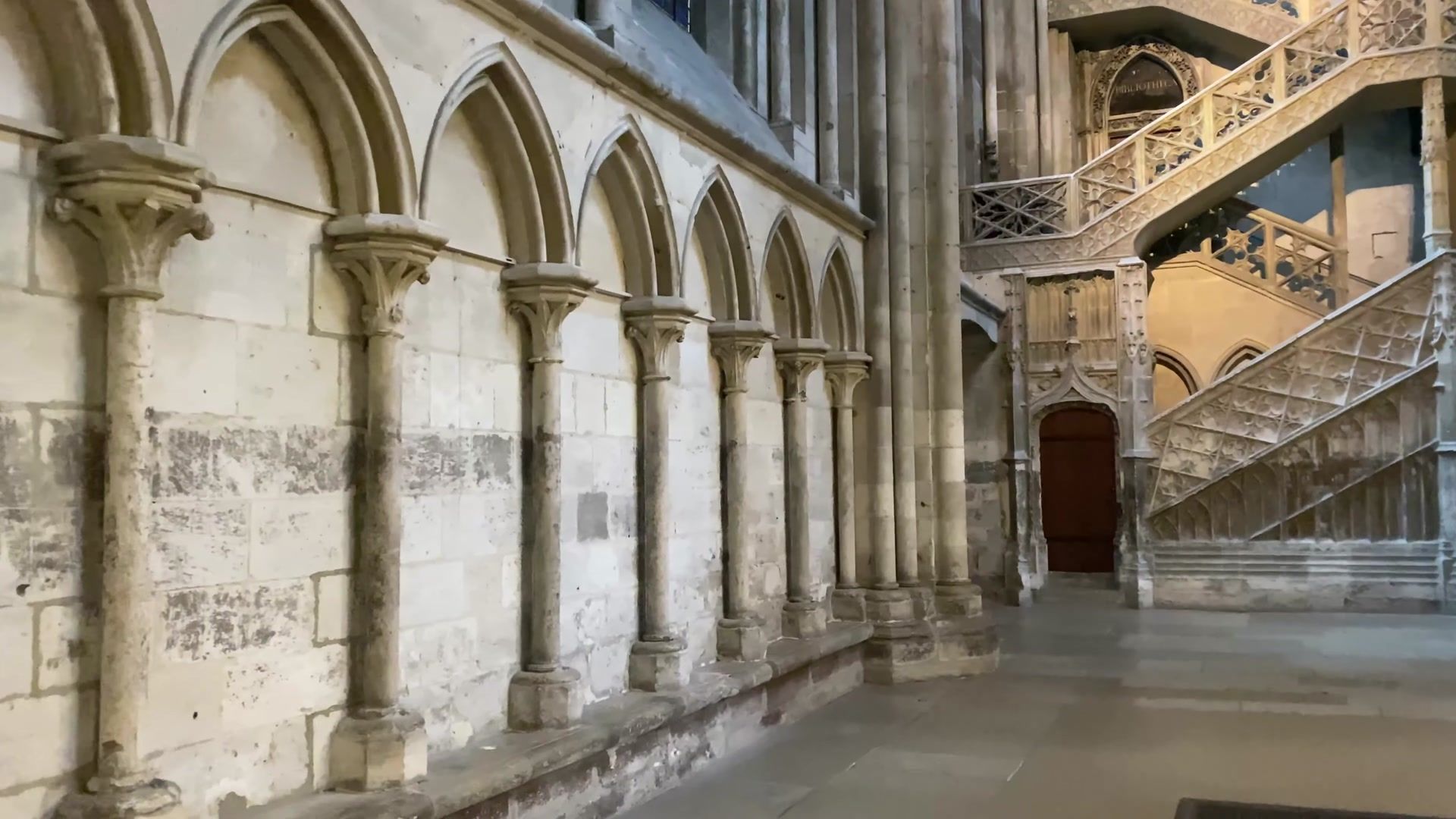
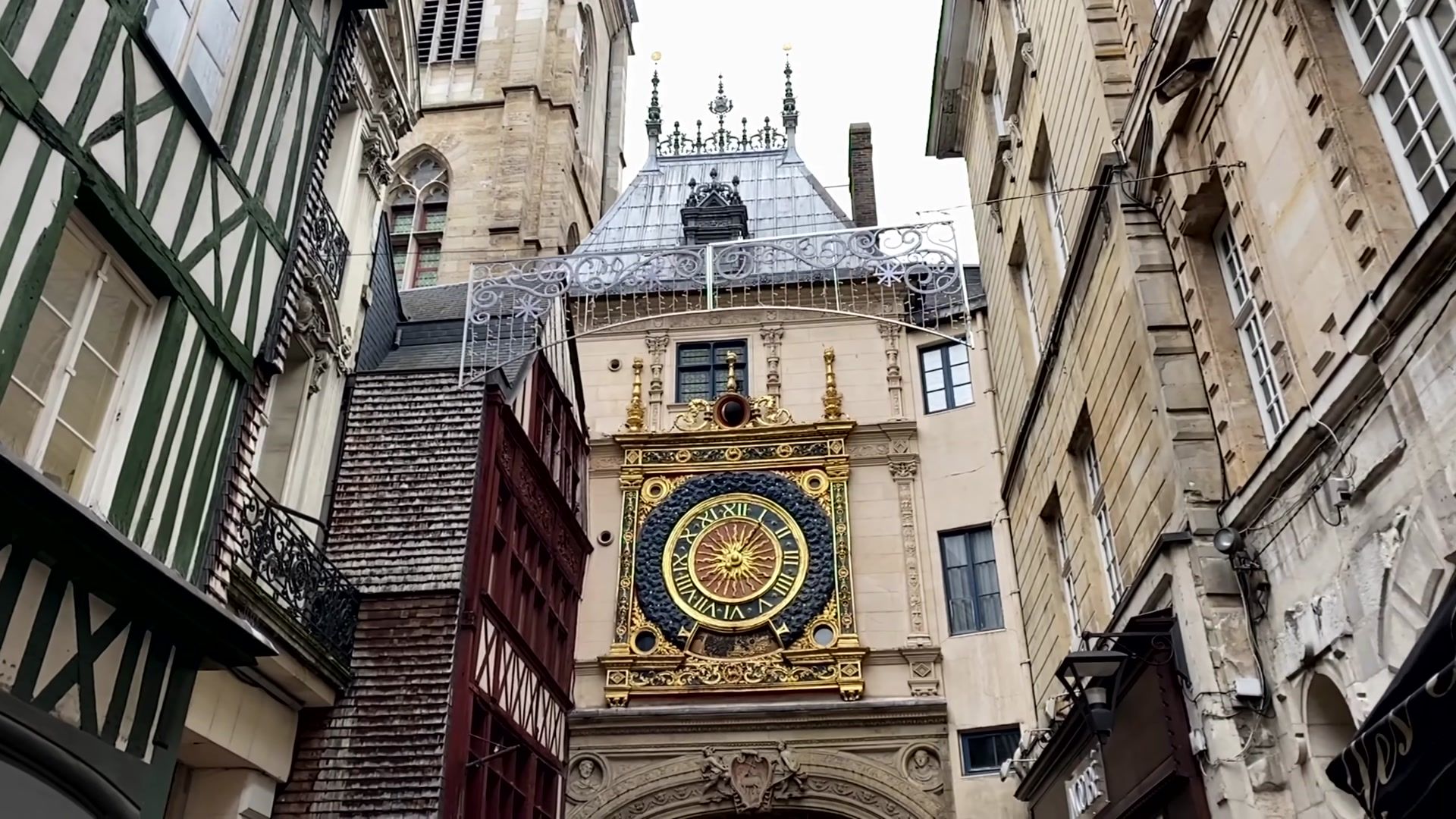
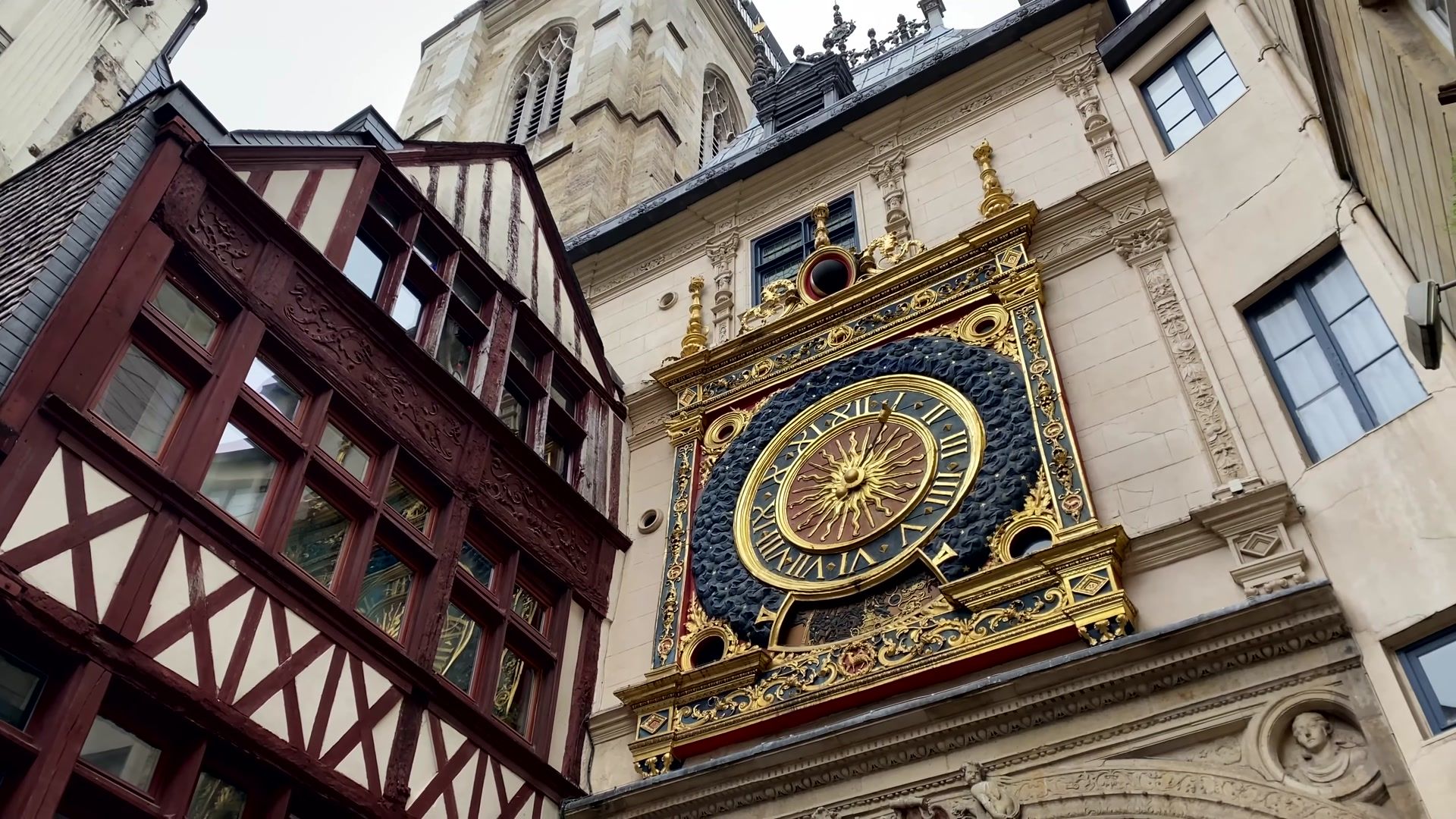
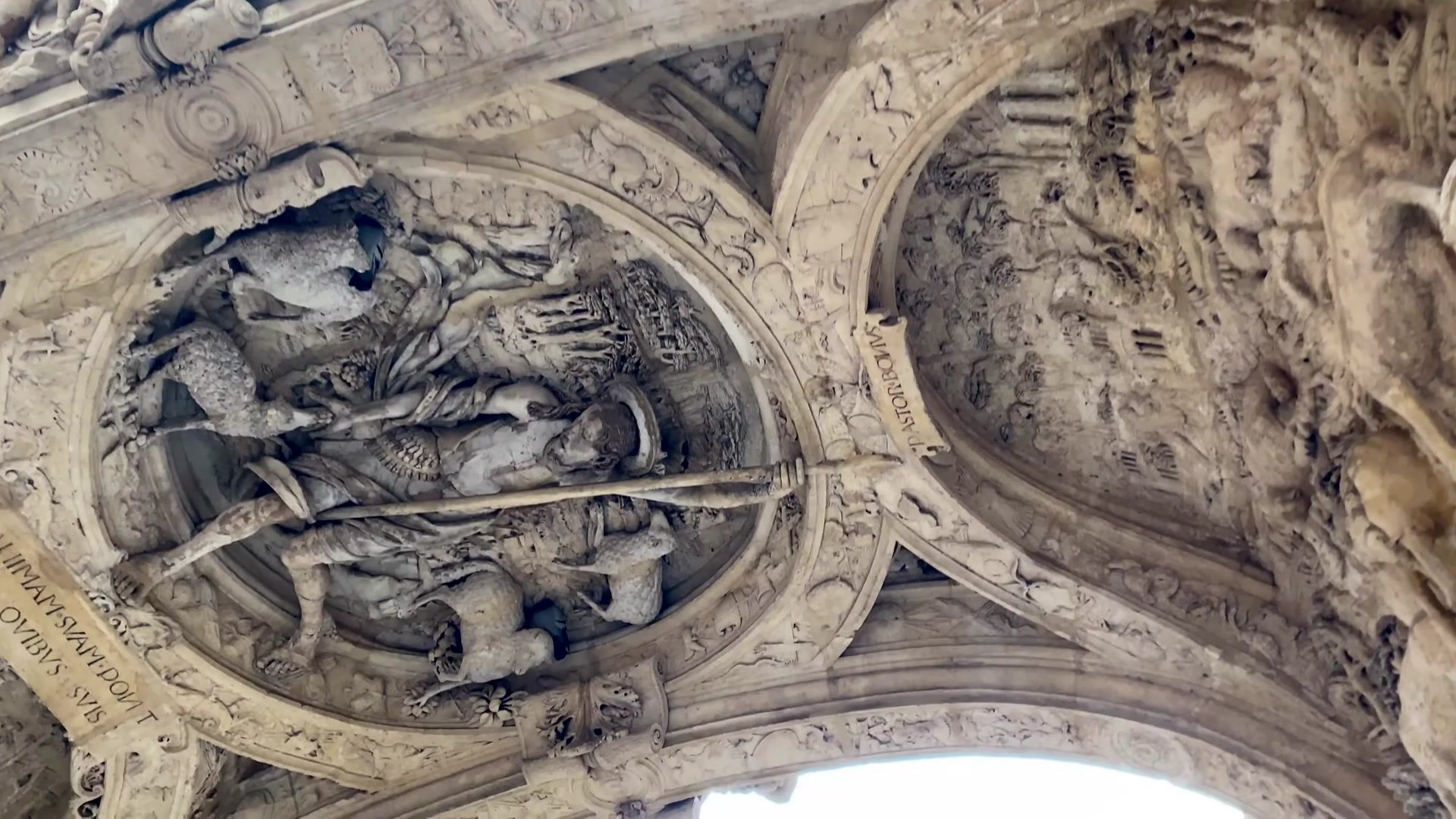
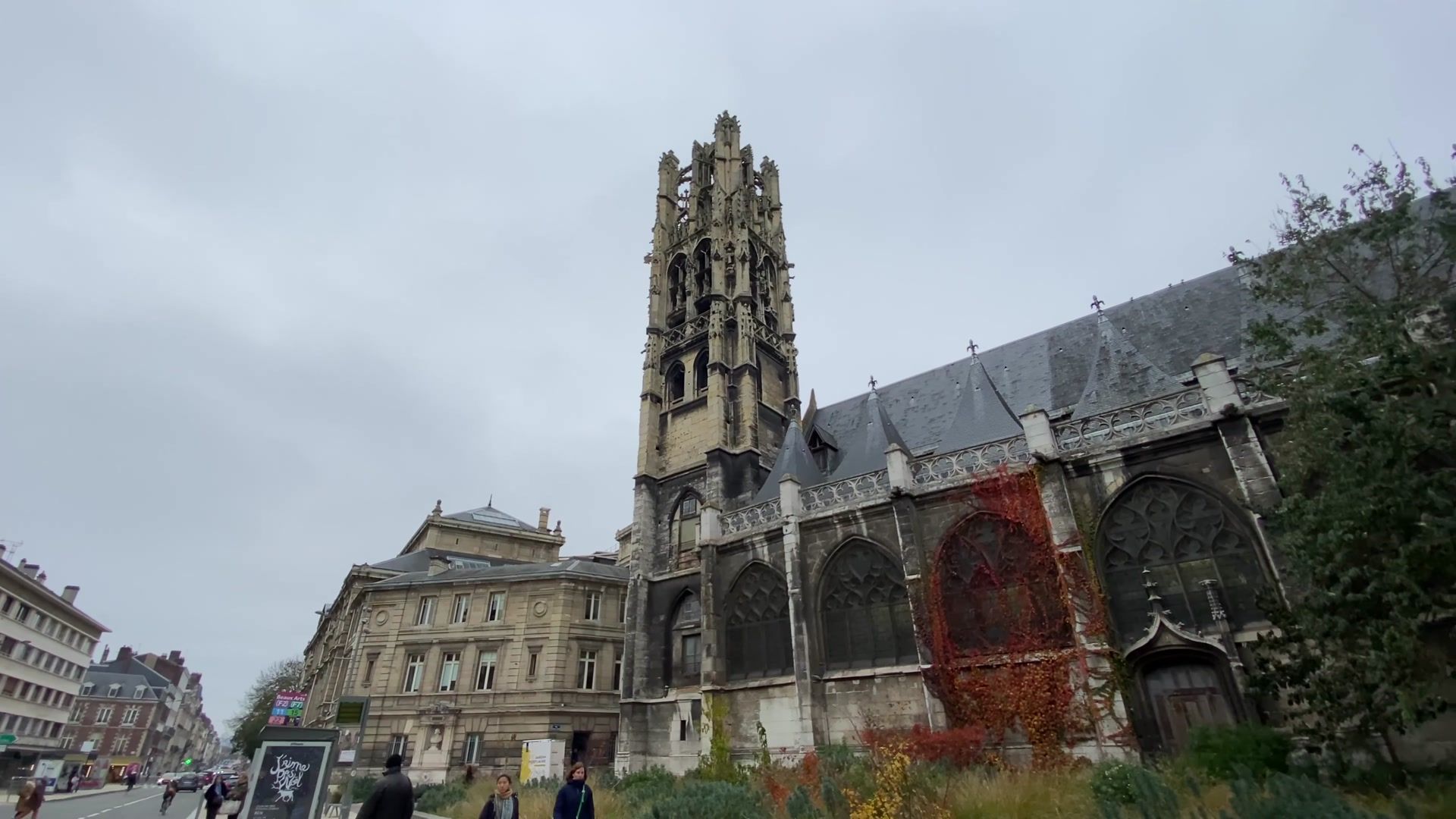
Victor Hugo described Rouen as the city of a hundred bell towers and while walking through the city you realize that this is not an exaggeration at all, as a magnificent Gothic structure appears at almost every step. Located on the main pedestrian street, the Gros Horloge was built in 1389 and has one of the oldest clock mechanisms in France. The clock has only one hand and at its tip there is a small lamb figure, which is the symbol of Rouen. This lamb represents the wealth the city gained in the past thanks to wool processing.
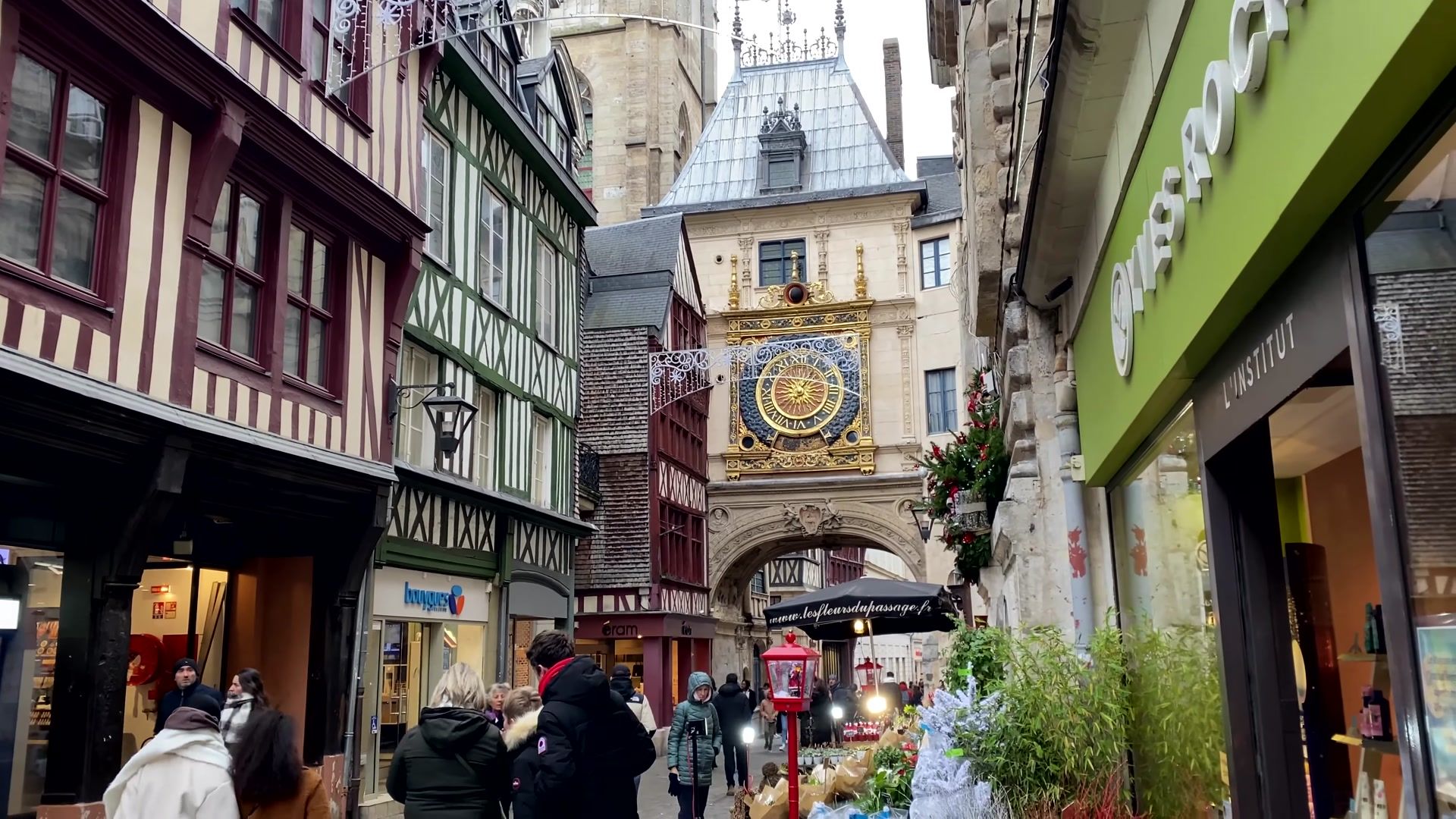
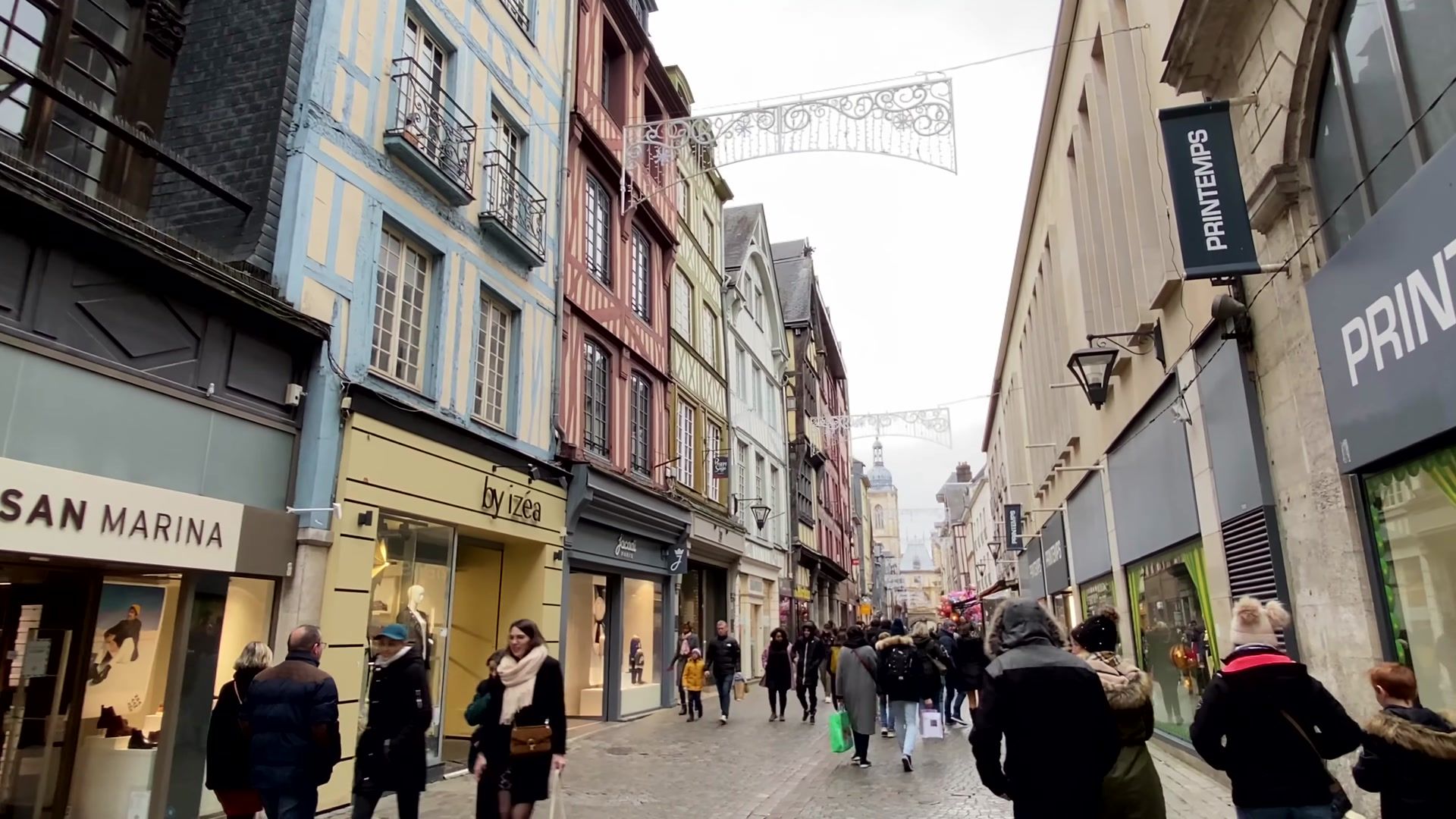
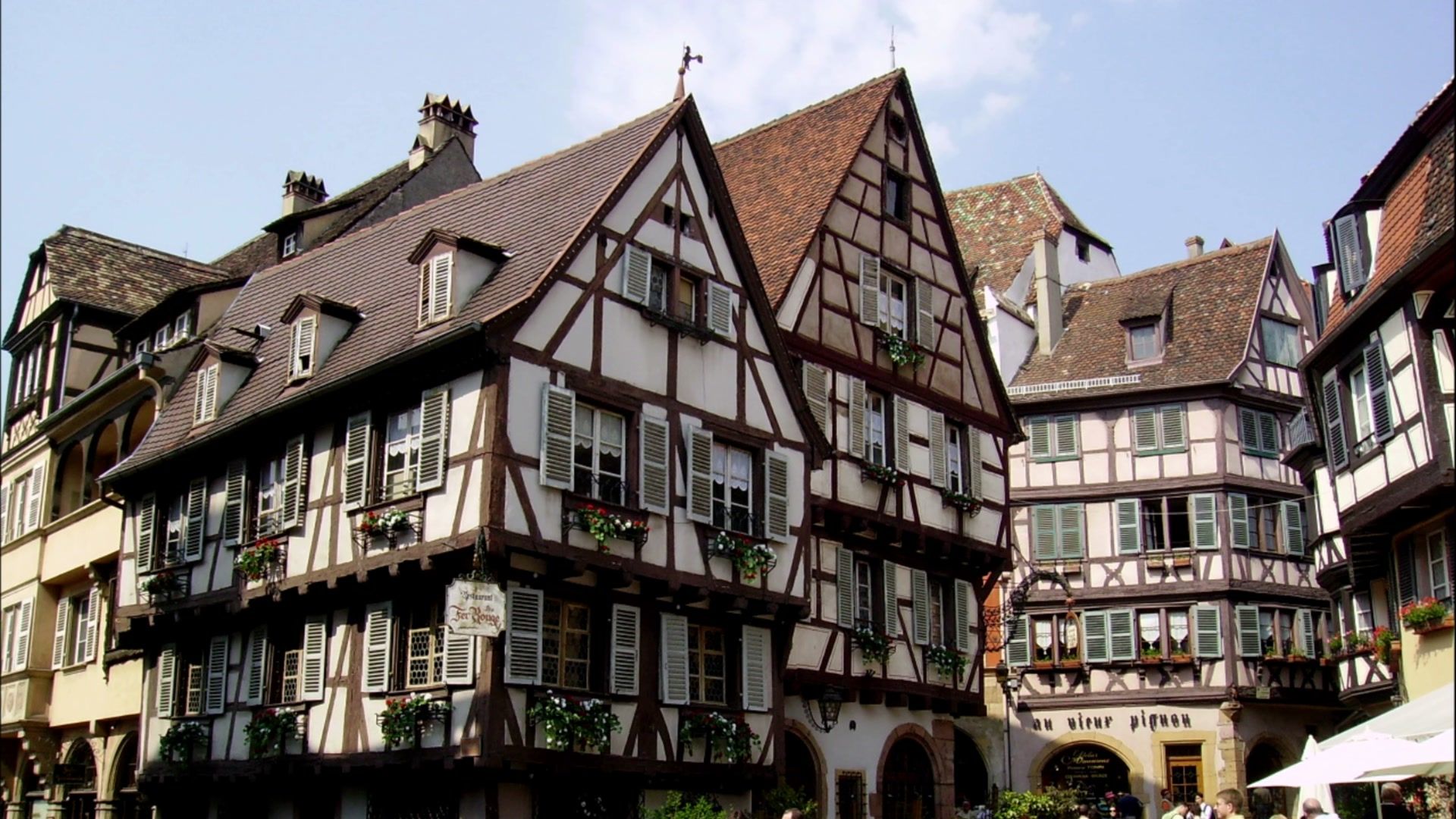
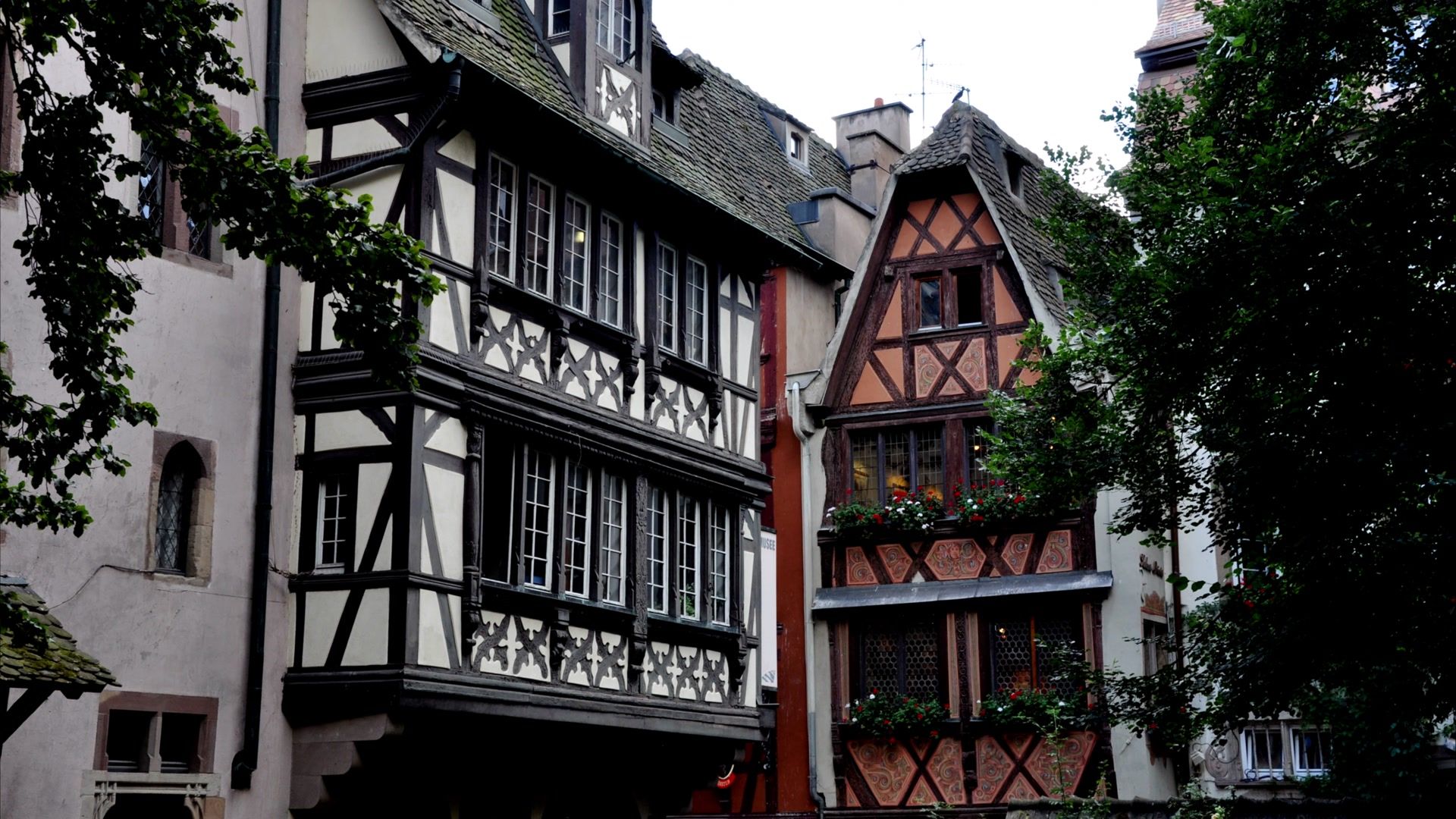
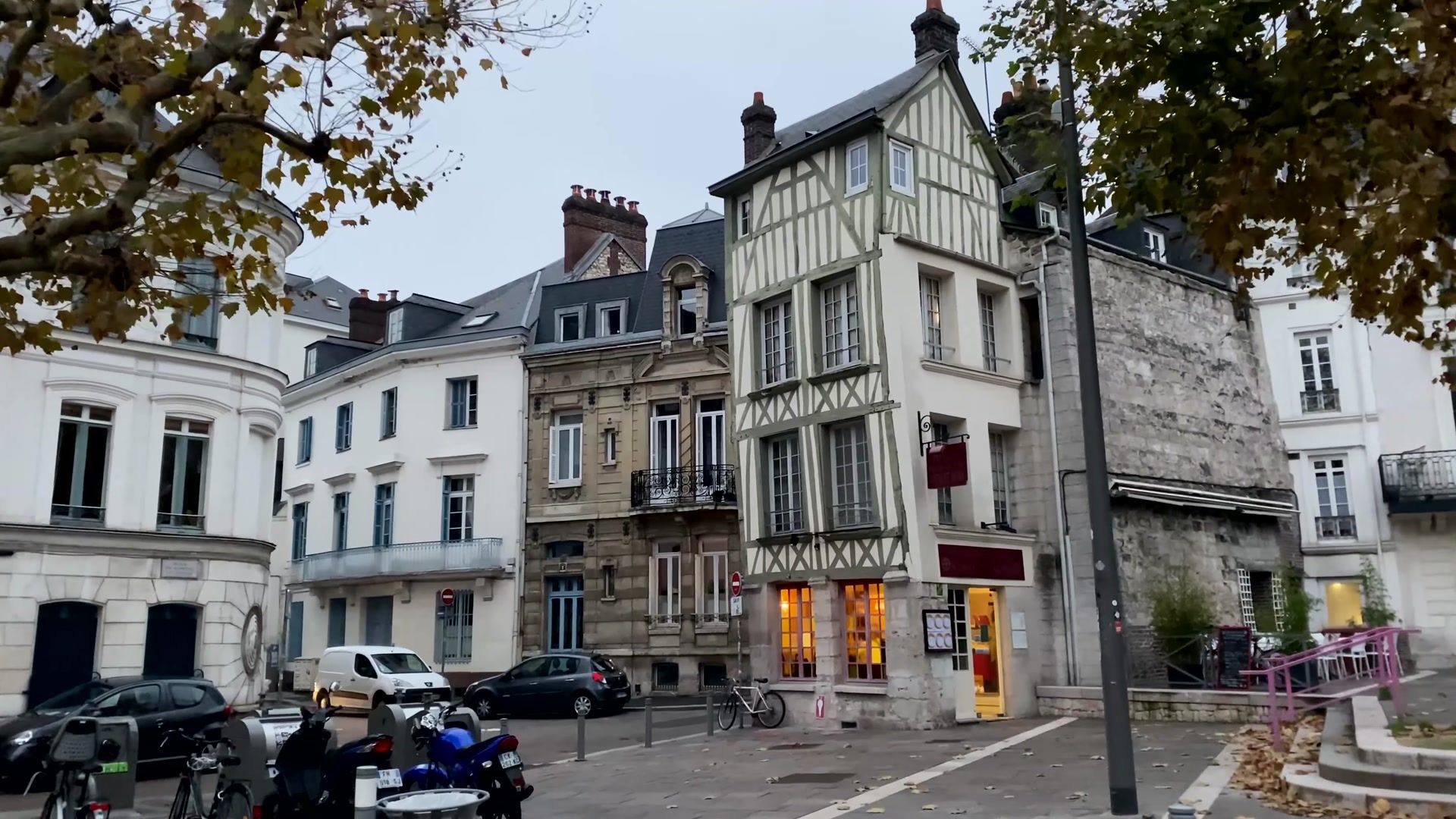
There are around two thousand half timbered houses in Rouen that have survived to the present day. The architecture of these houses is both economical and highly functional. A wooden frame would be built and the spaces were filled with a mixture of straw and clay, which allowed warm houses to be constructed using less wood. The reason the upper floors protrude toward the street was to protect the wooden facade from rain. Rainwater would flow directly to the ground and prevent damage to the walls.
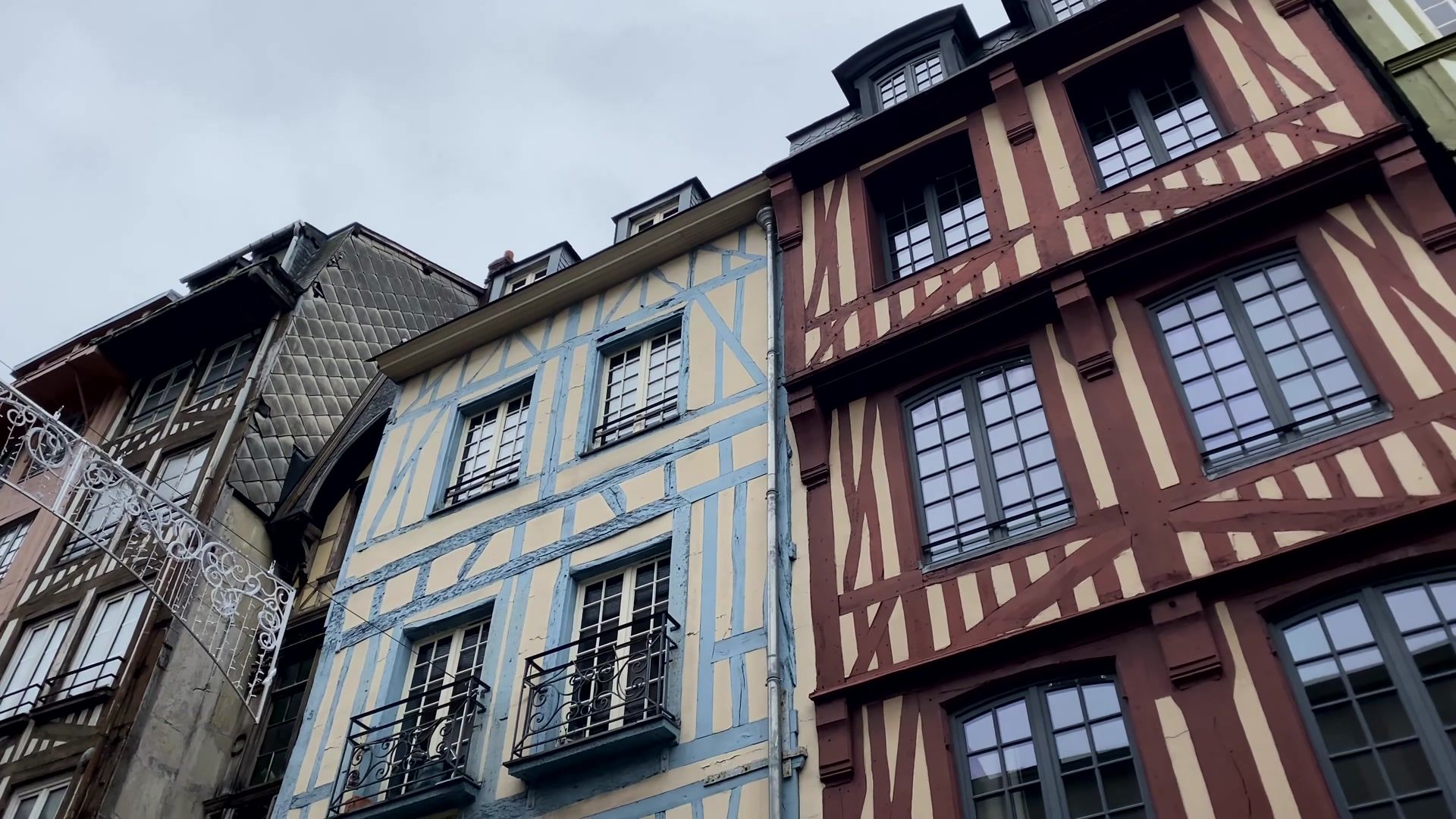
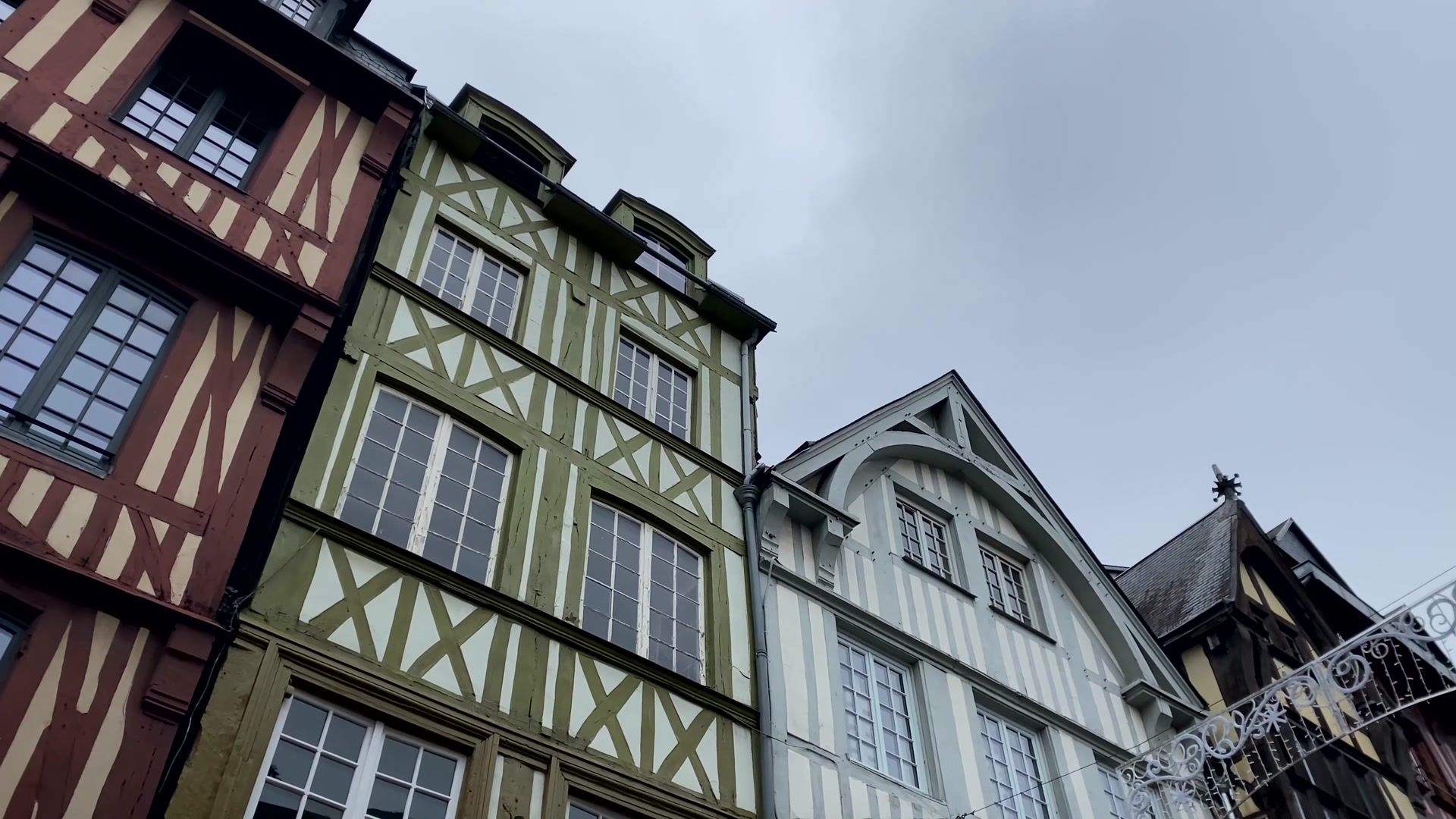
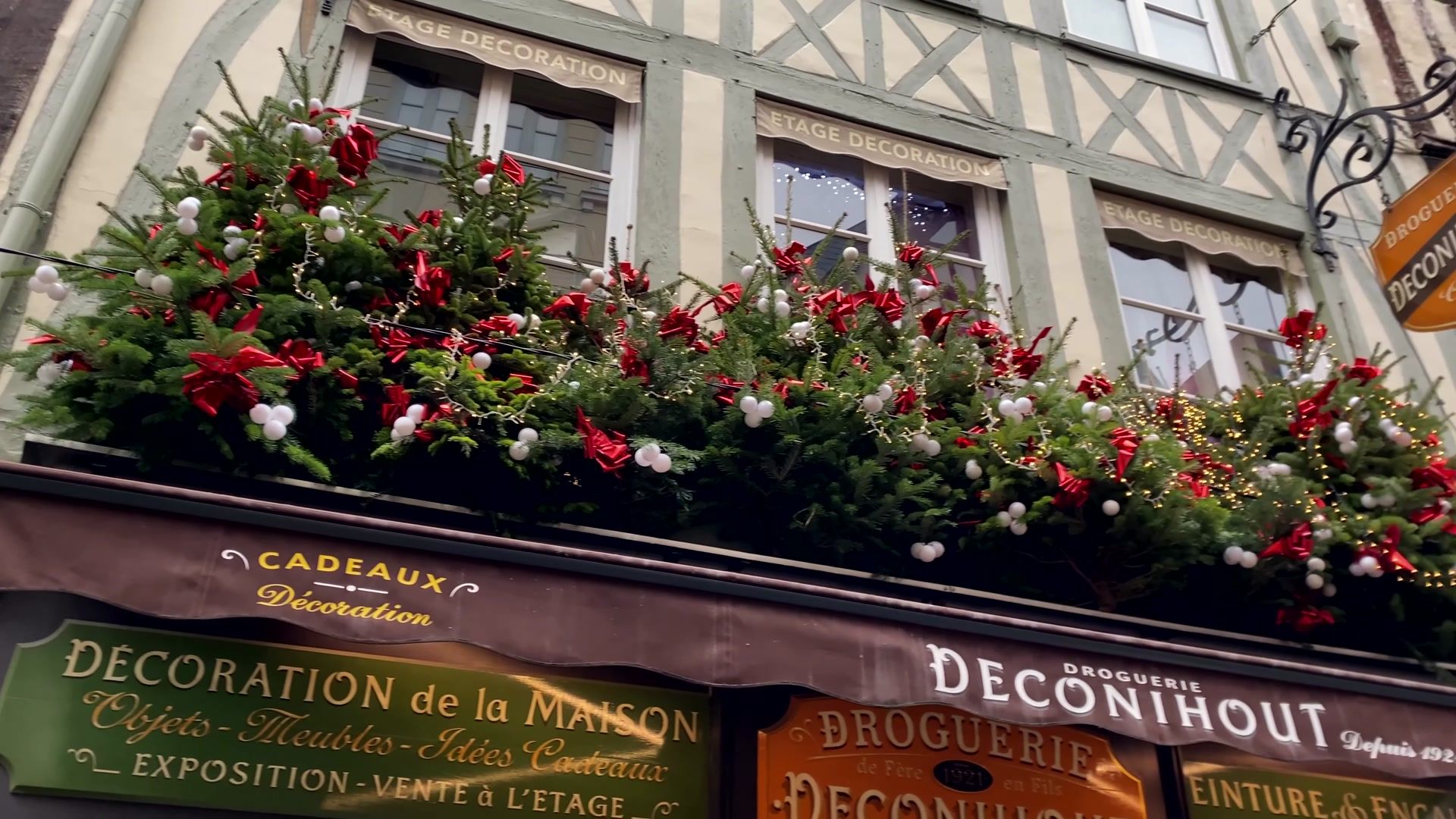
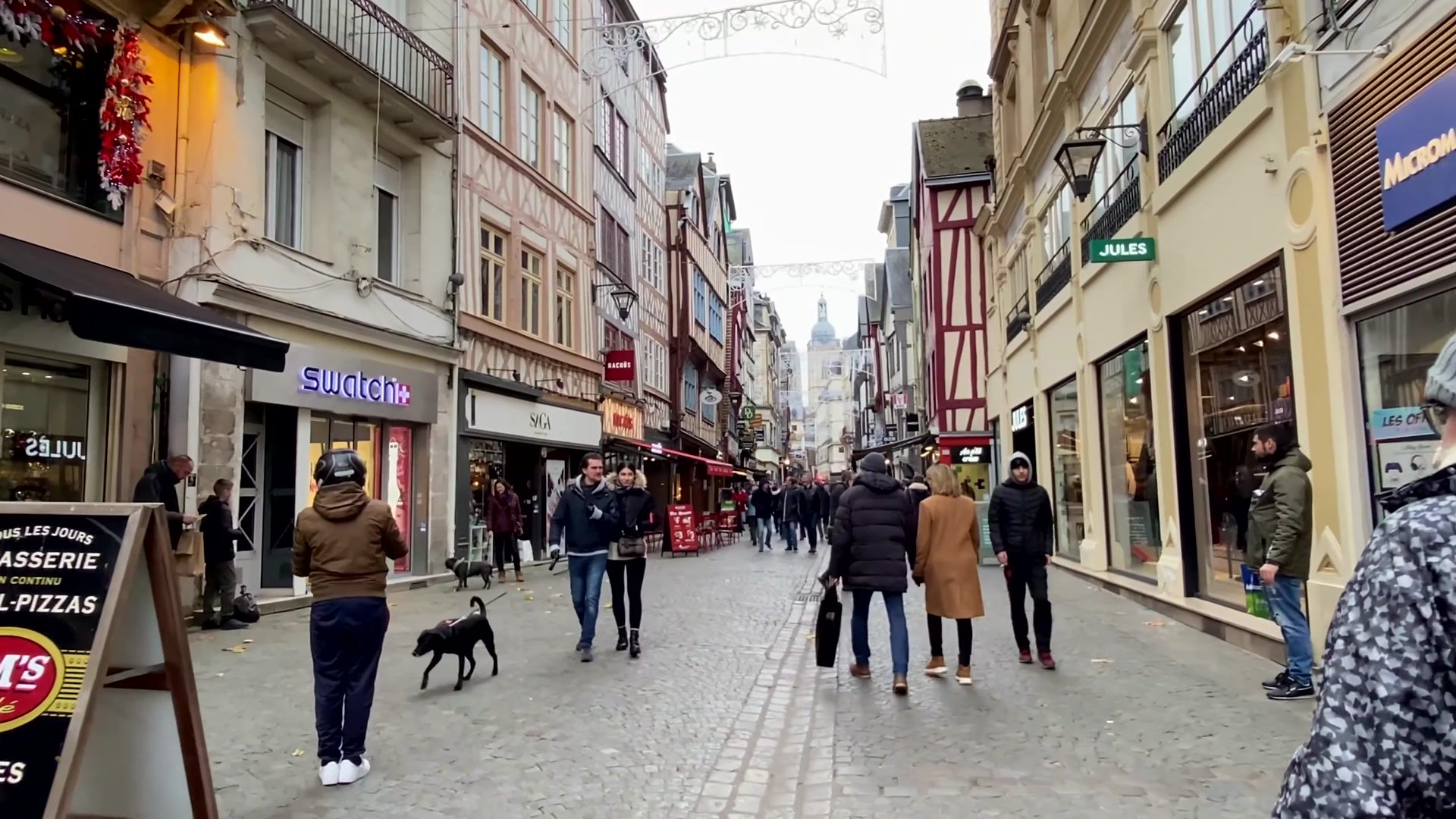
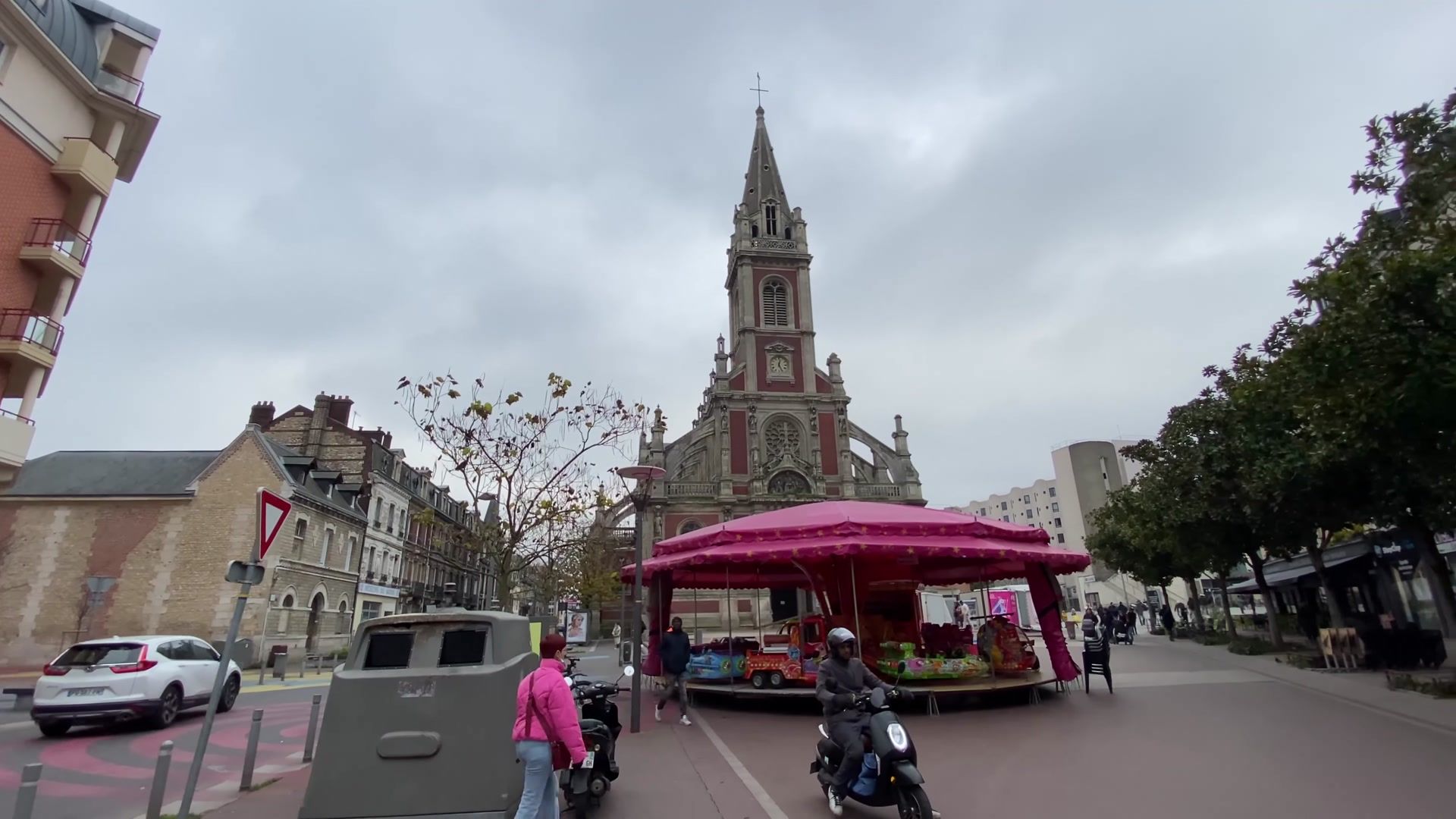
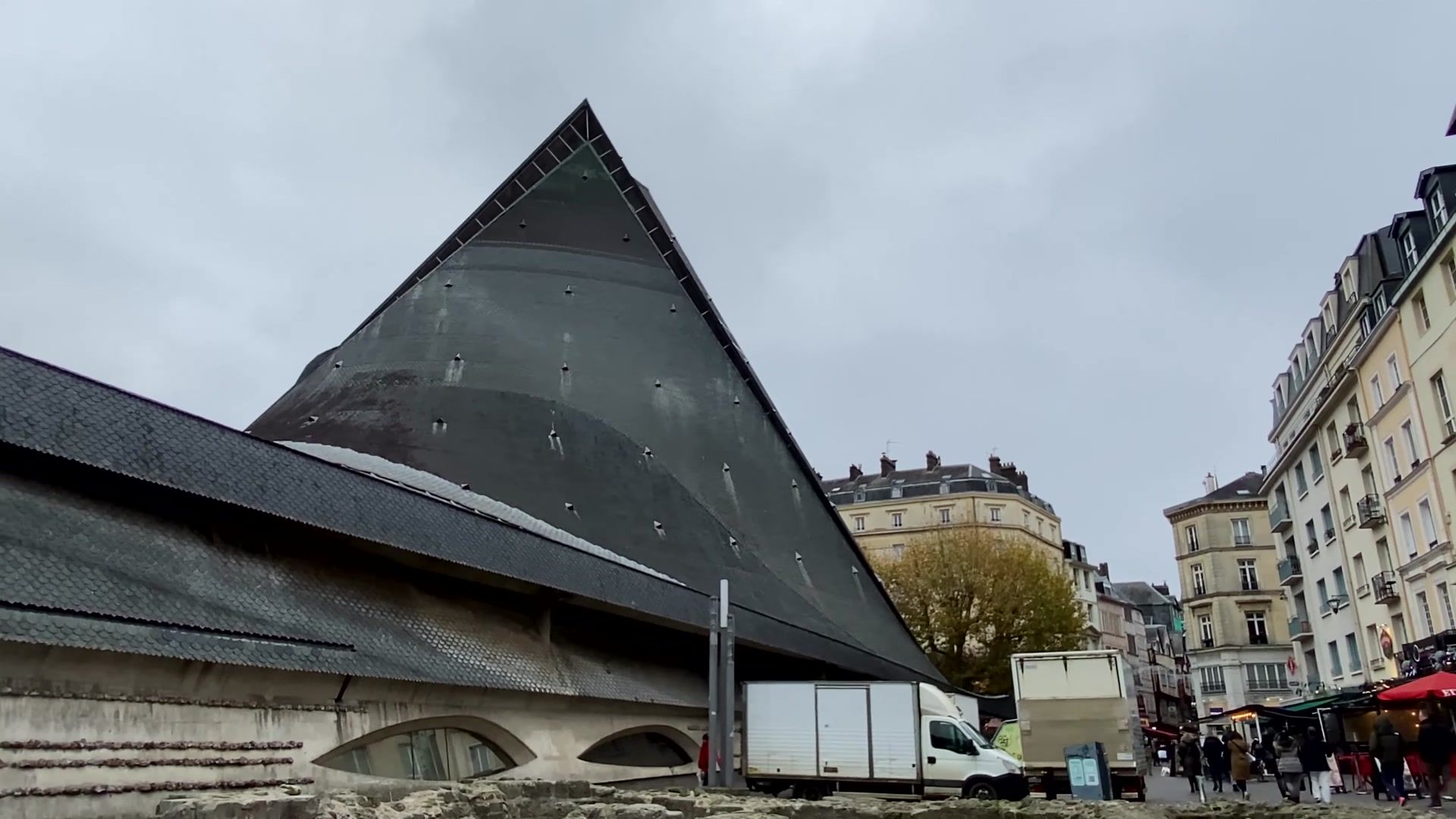
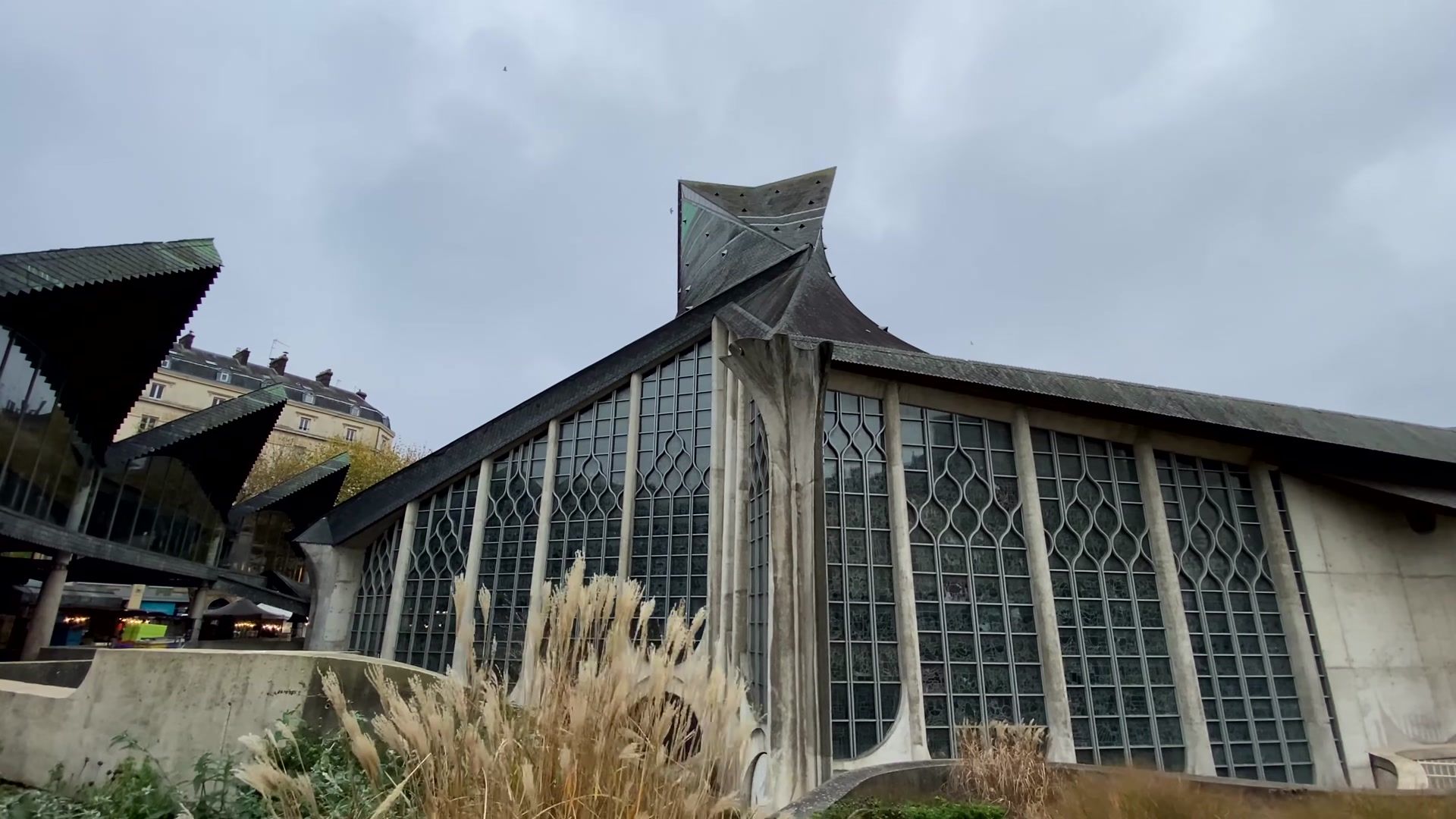
Rouen is also the city where the French folk heroine Joan of Arc was burned at the stake in 1431 when she was only 19 years old. Today, in her memory, a rather unusual and modern church symbolizing flames rises in the market square.
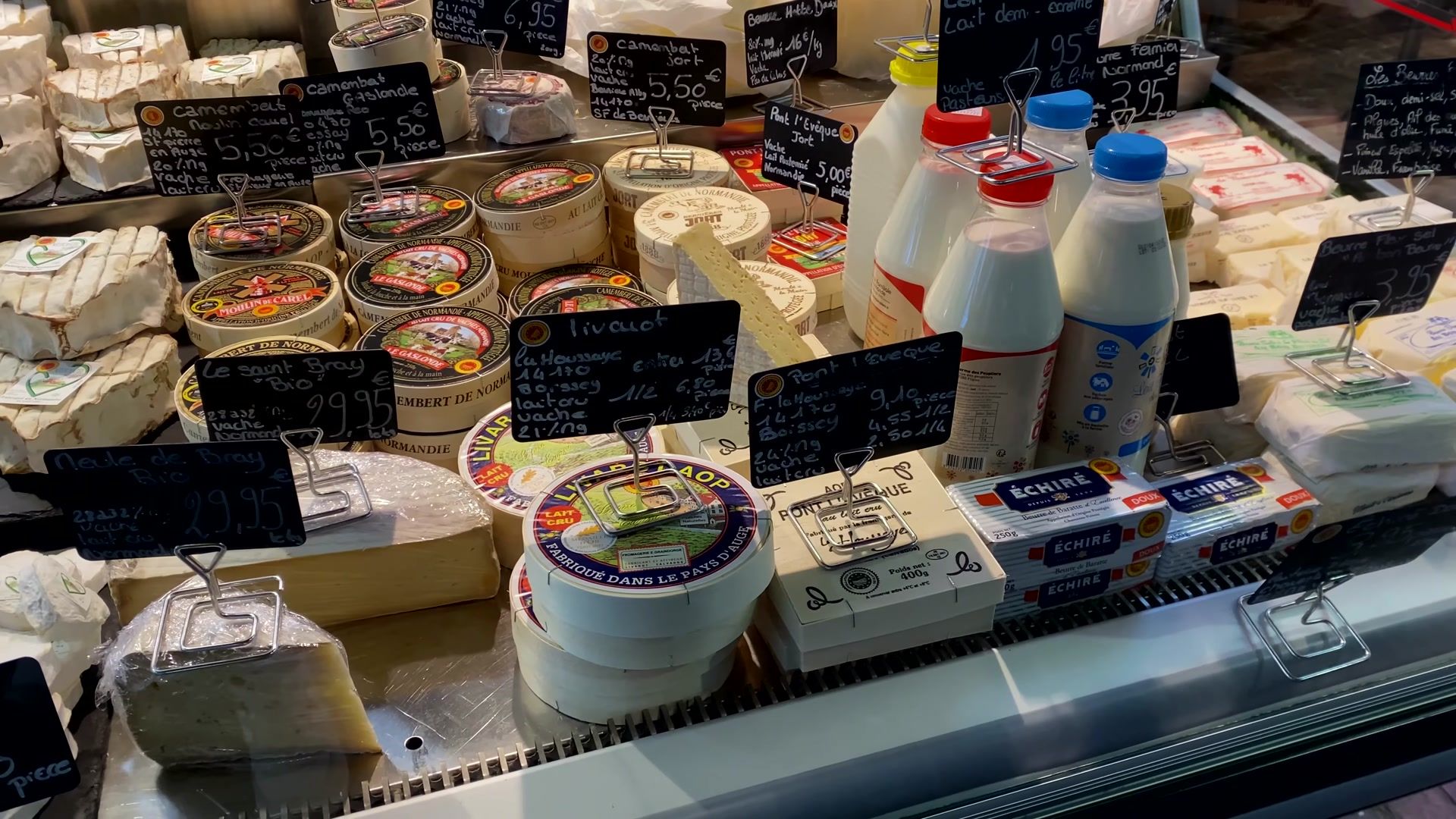
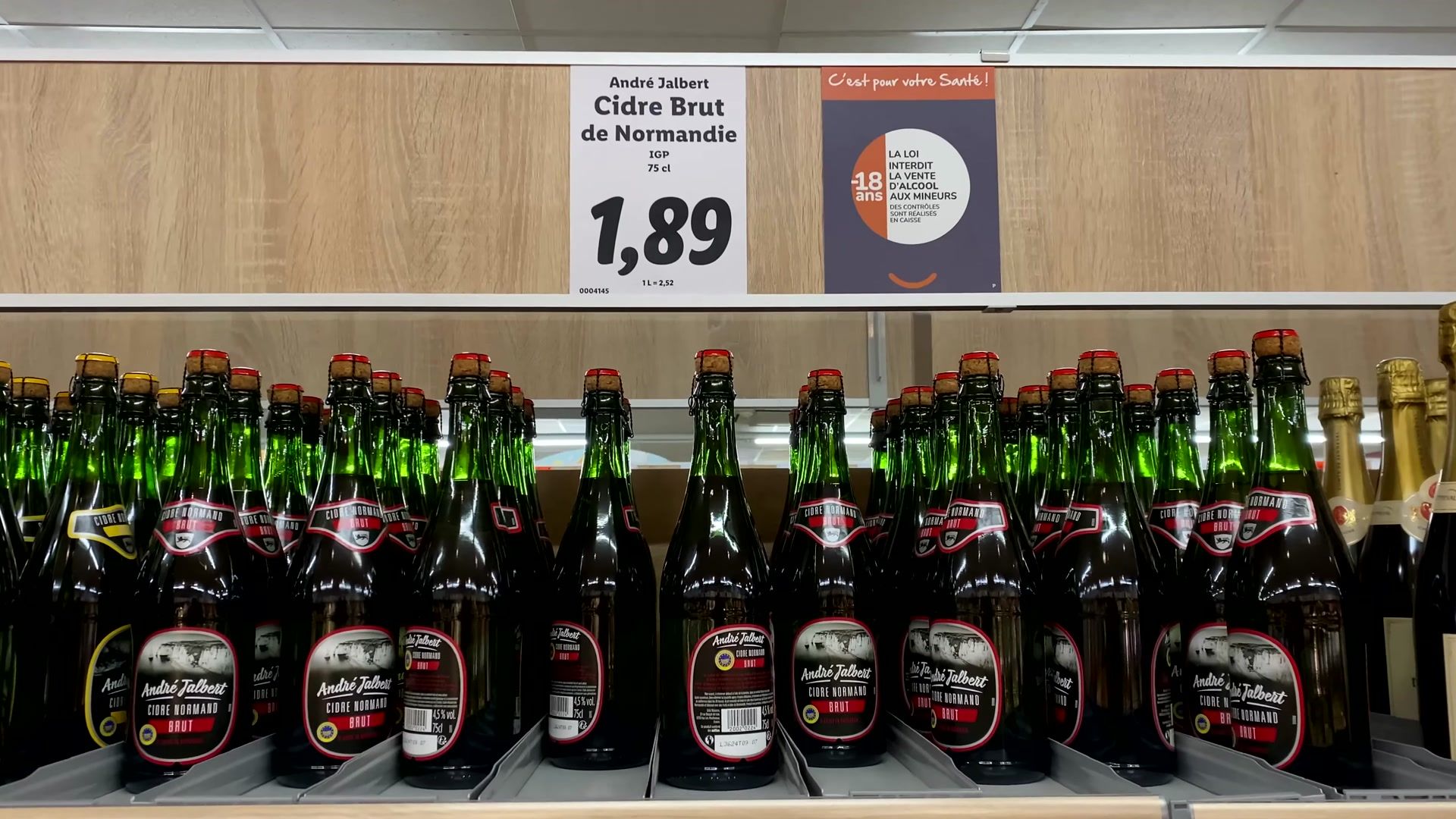
When Normandy is mentioned, along with seafood, apples, butter, cream, cider which is apple wine and Calvados come to mind. The region’s most famous cheese is Camembert. To keep my budget under control, I chose to shop at a local supermarket. Instead of Camembert, I bought Brie cheese for 1.5 euros and tried an affordable local cider. Apple trees are so abundant in Normandy that cider is priced at levels almost everyone can easily enjoy.

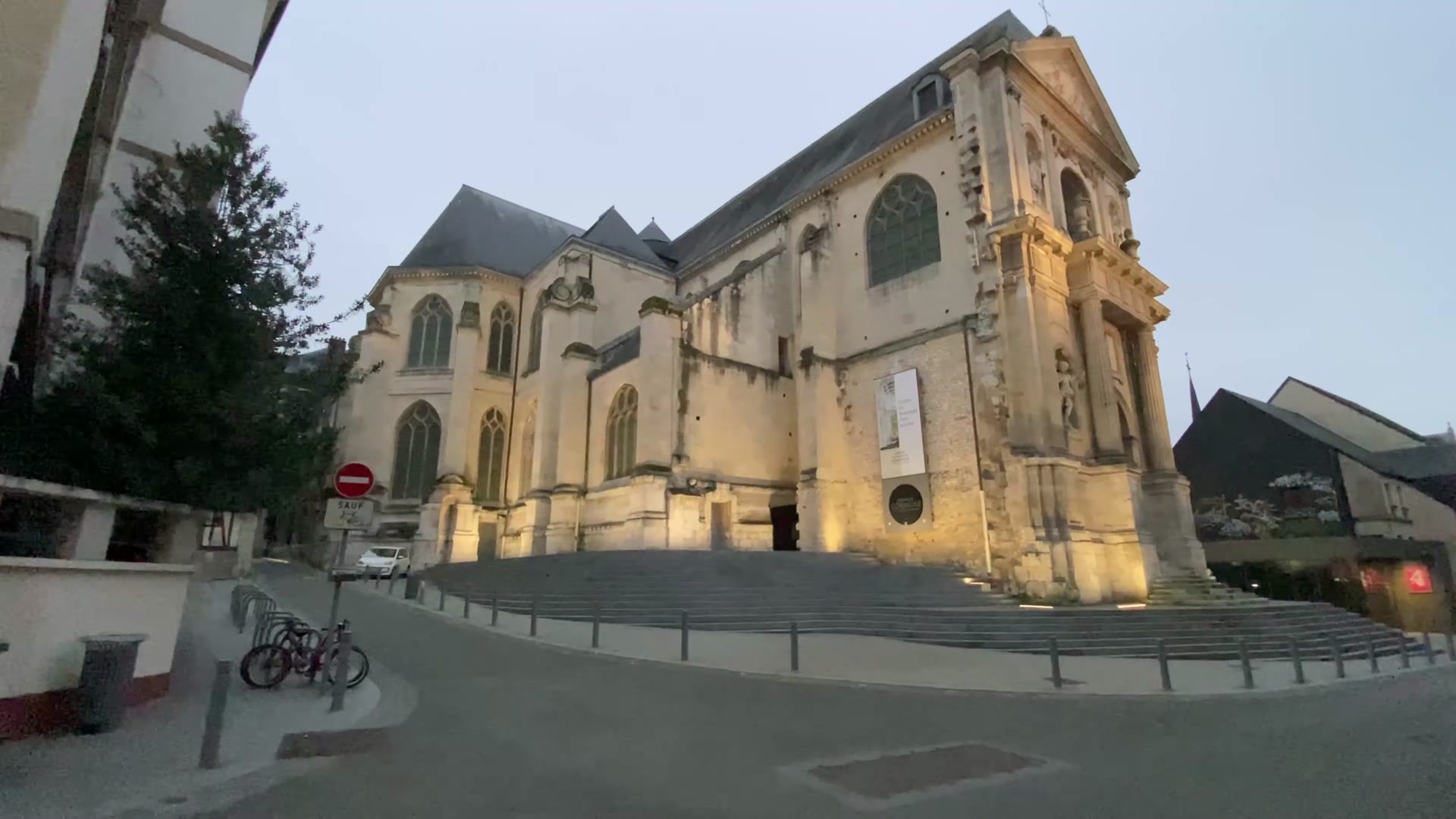
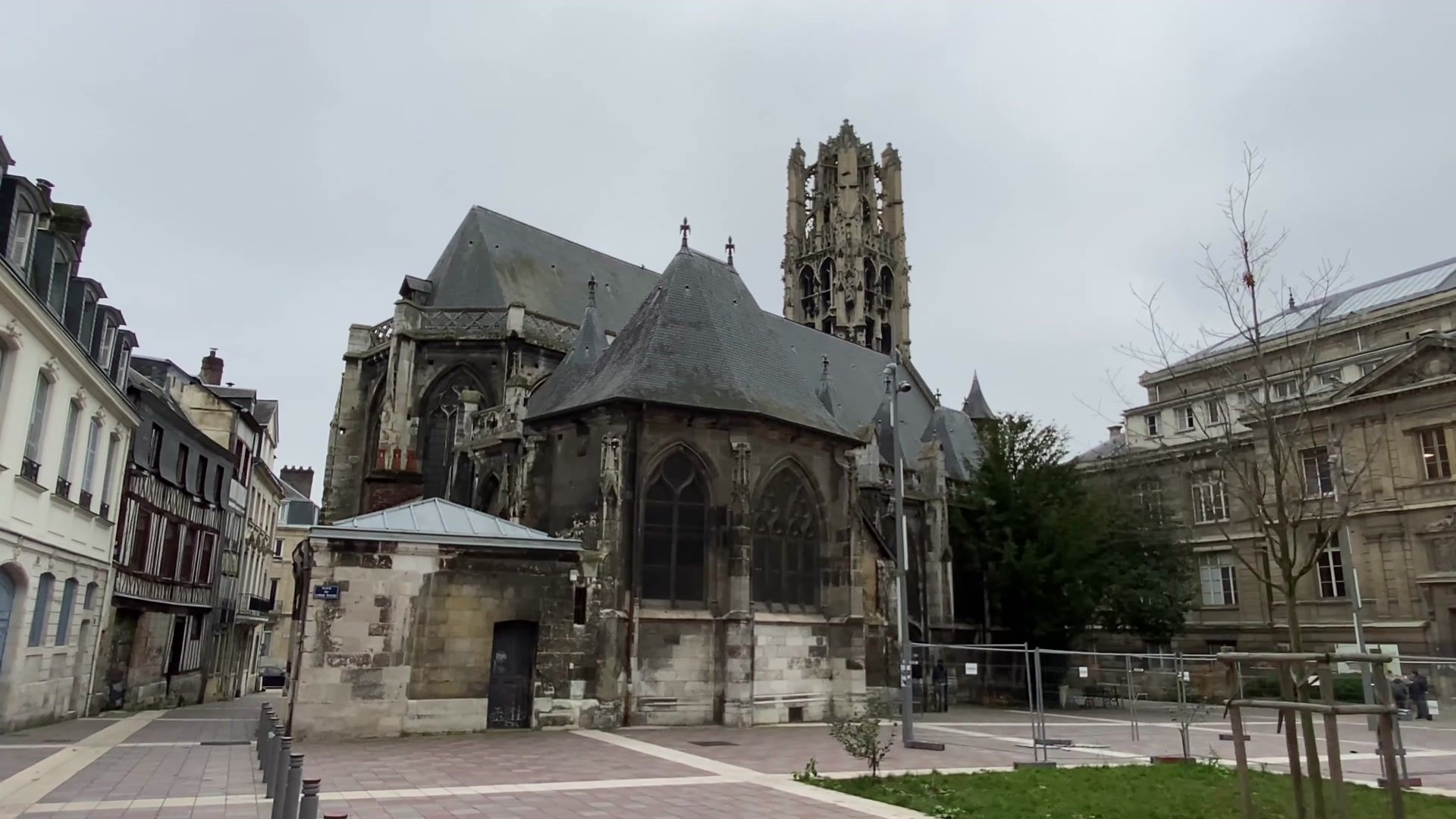
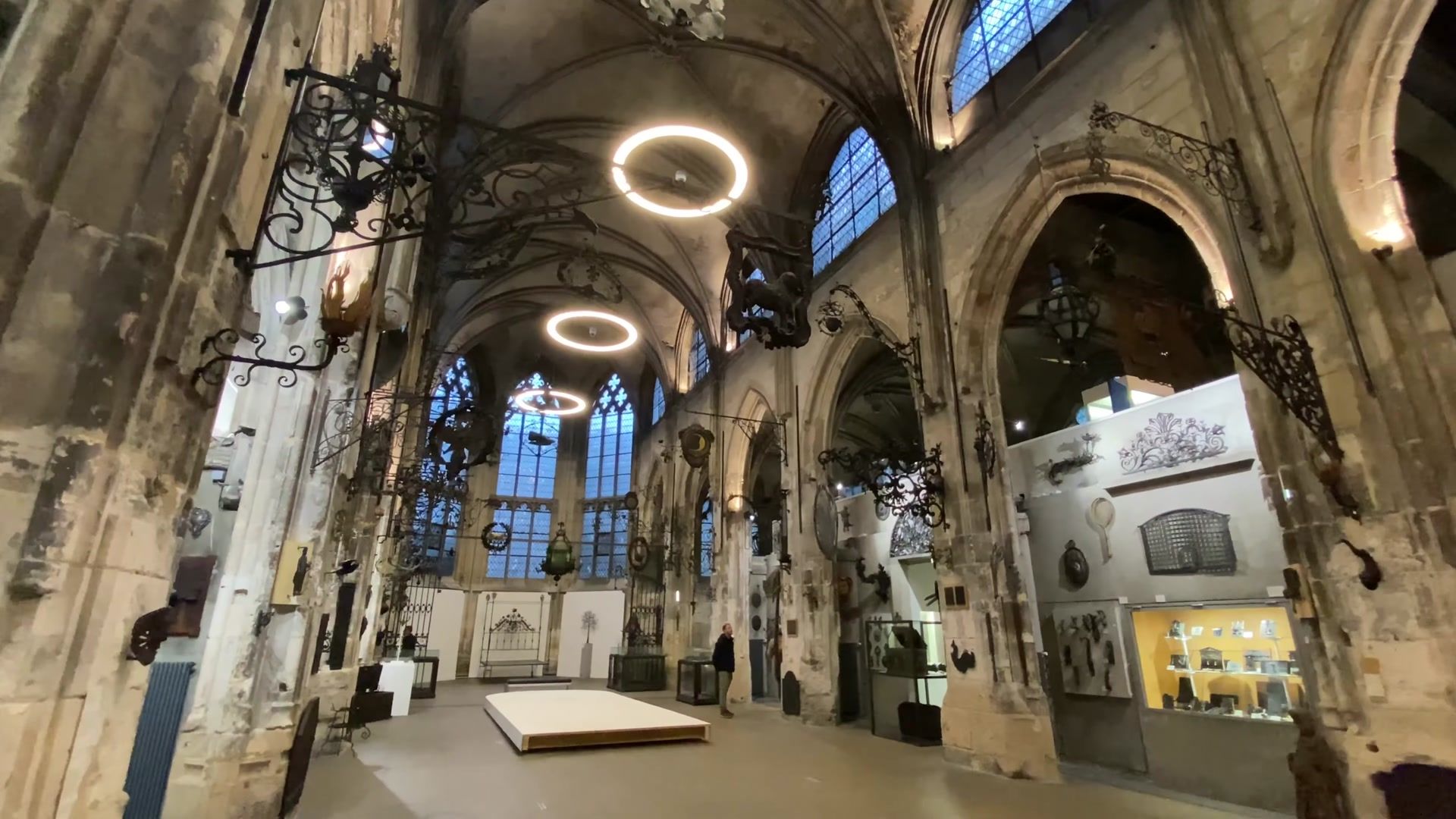
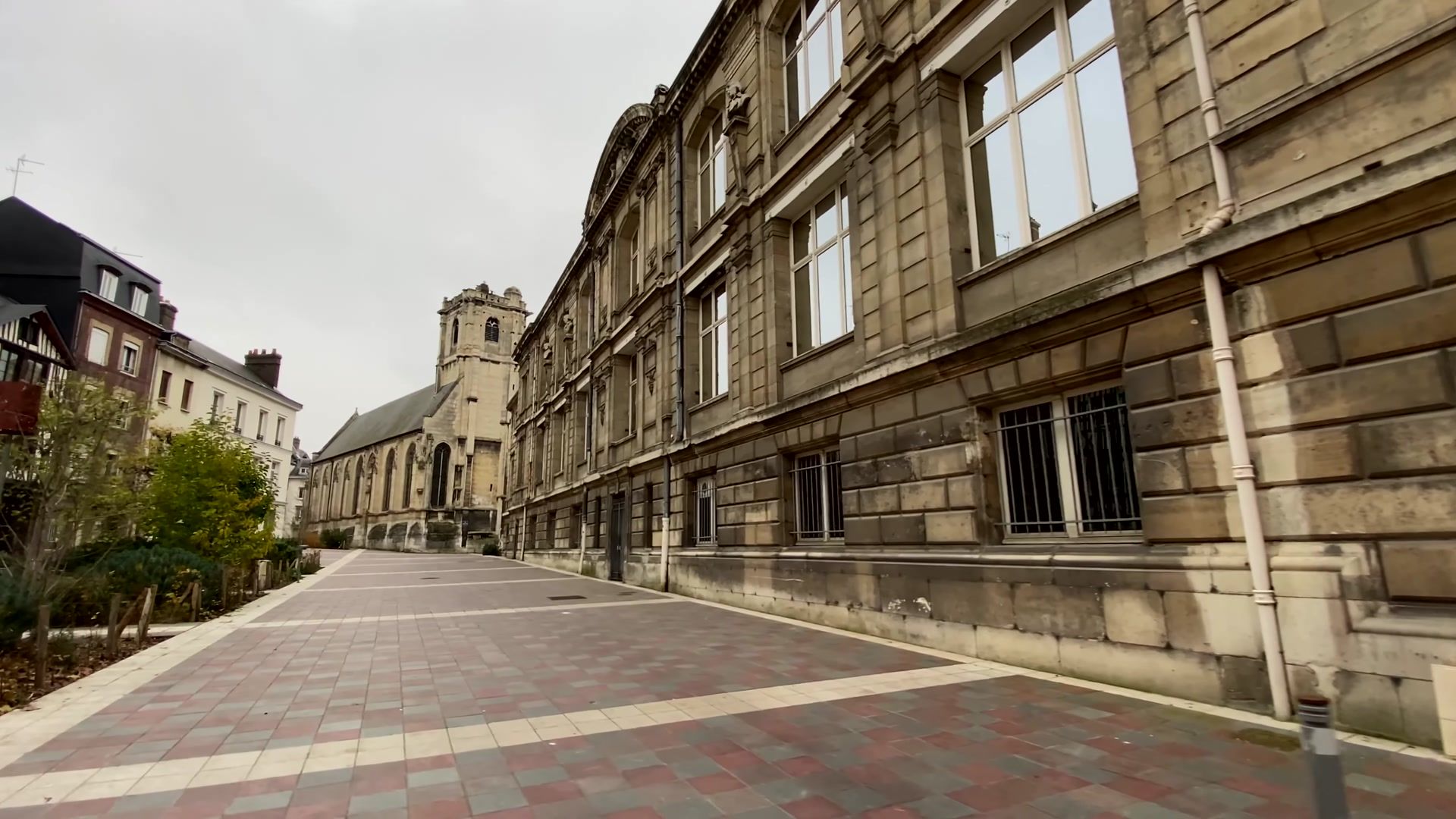
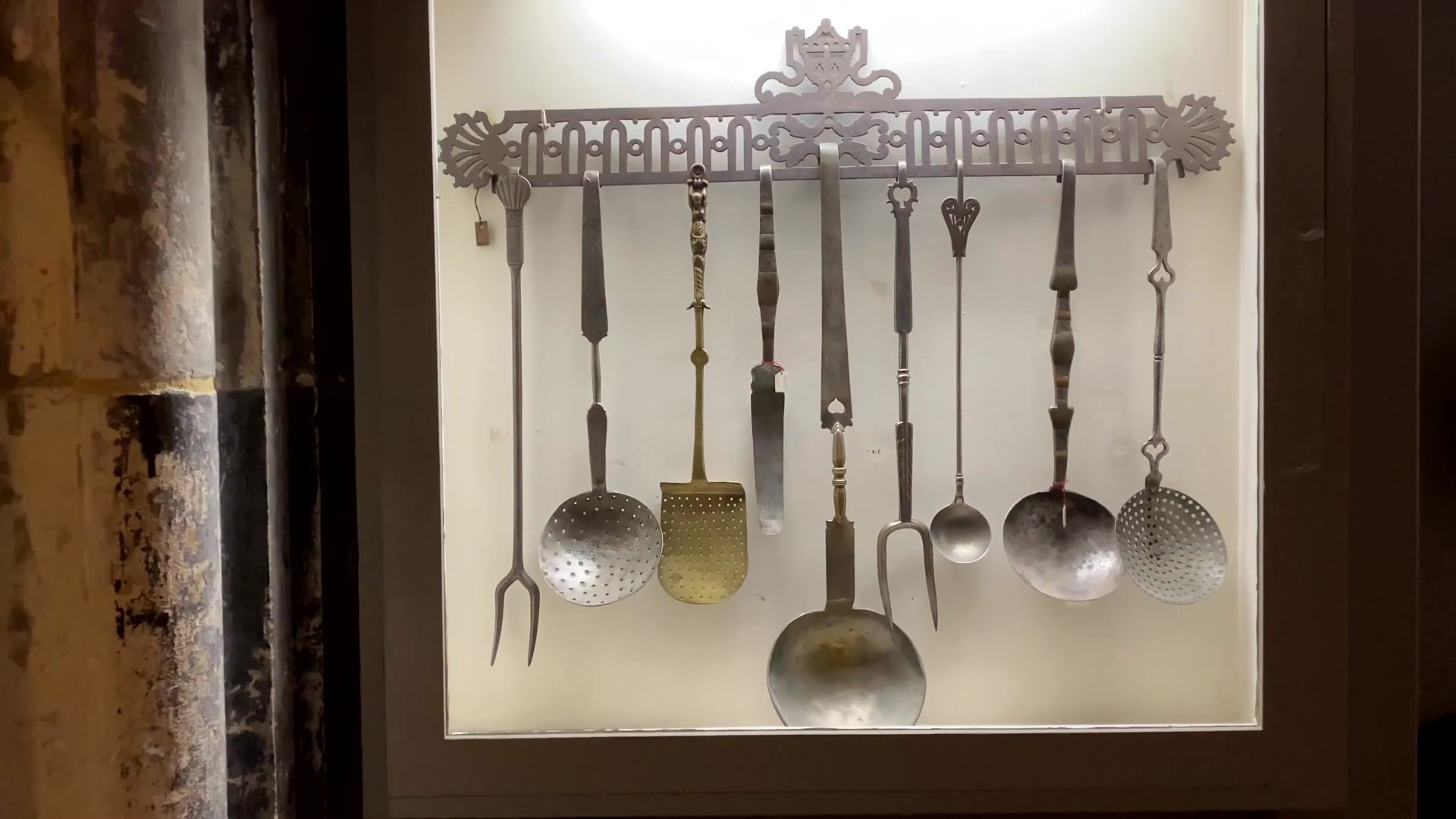
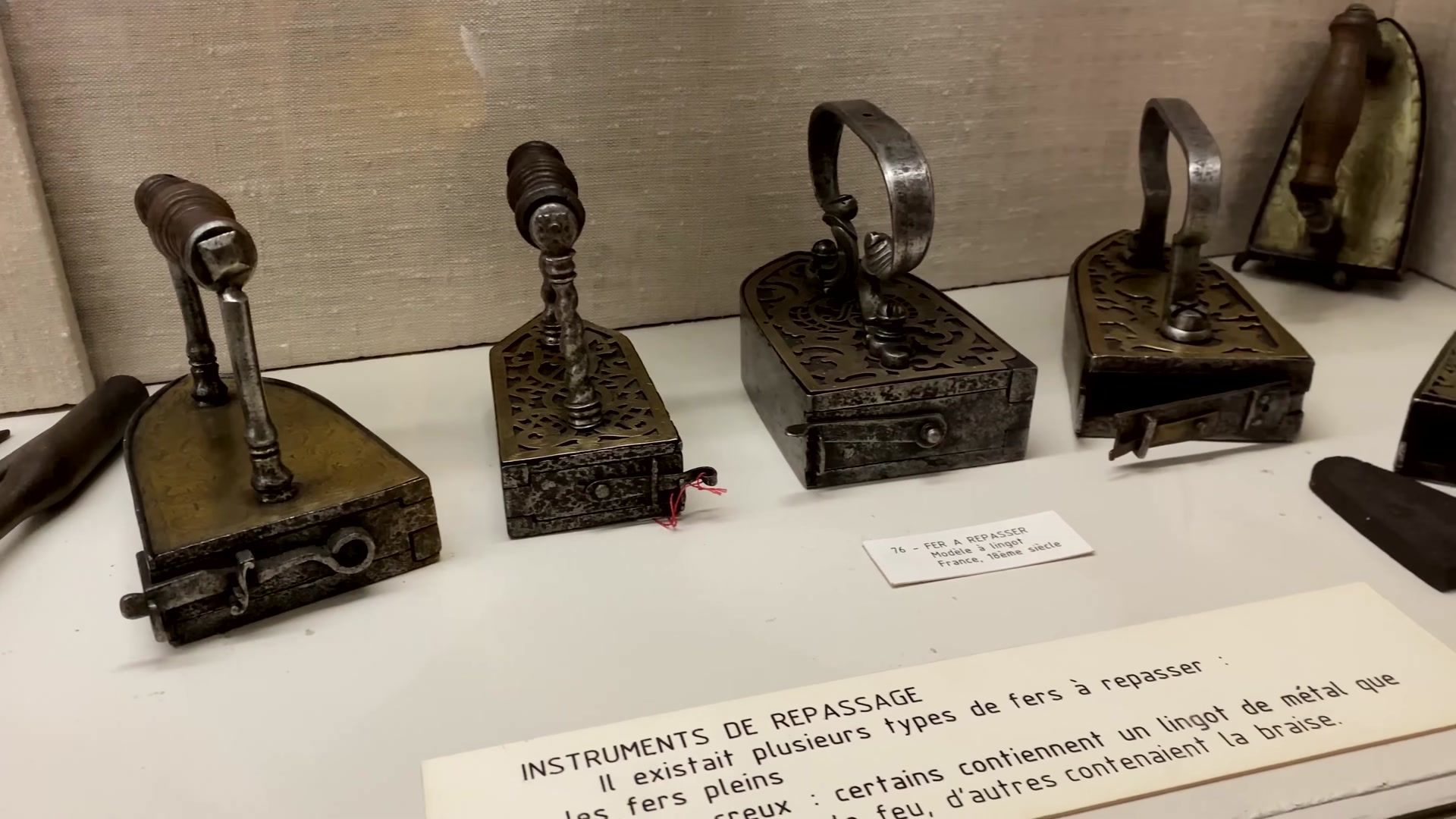
The Ironworks Museum, located in a former church building dating back to the 16th century, hosts one of the best wrought iron collections in the world. From antique keys to massive locks, from irons to miniature weapons, many interesting objects are on display and entrance to the museum is completely free.
I ended the day in a very pleasant way. I spent 1.90 euros on the Paris metro, 13 euros on the bus ticket, 5 euros on grocery shopping and 4 euros on mulled wine at the Christmas market. In total, I spent around 24 to 25 euros for a full and satisfying day in Rouen.
Rouen is a city that can easily be explored on foot in one day and offers history and a fairytale atmosphere together. If your path ever leads you here, be sure to add having a hot mulled wine under the evening lights to your plans.