 Sarajevo, Federation of Bosnia and Herzegovina, Bosnia and Herzegovina
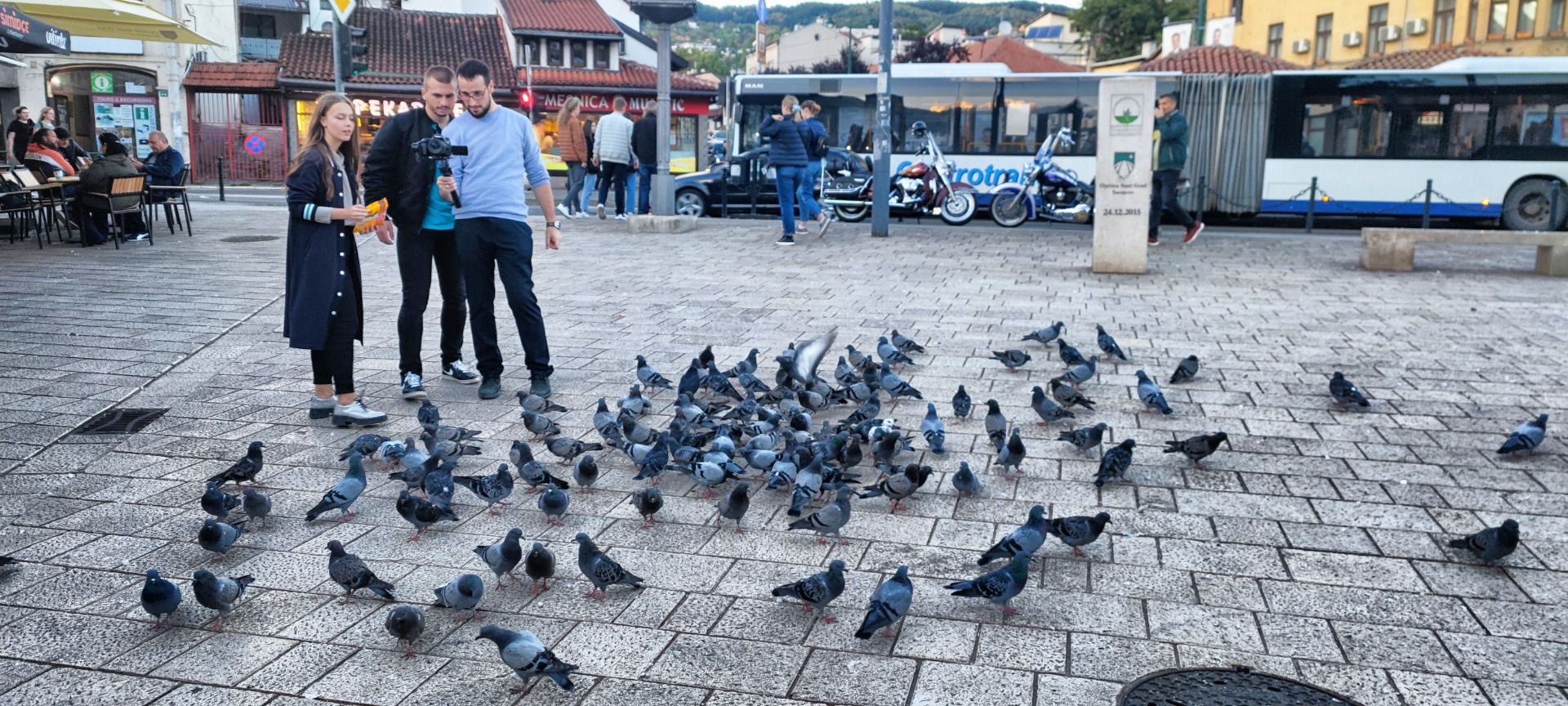
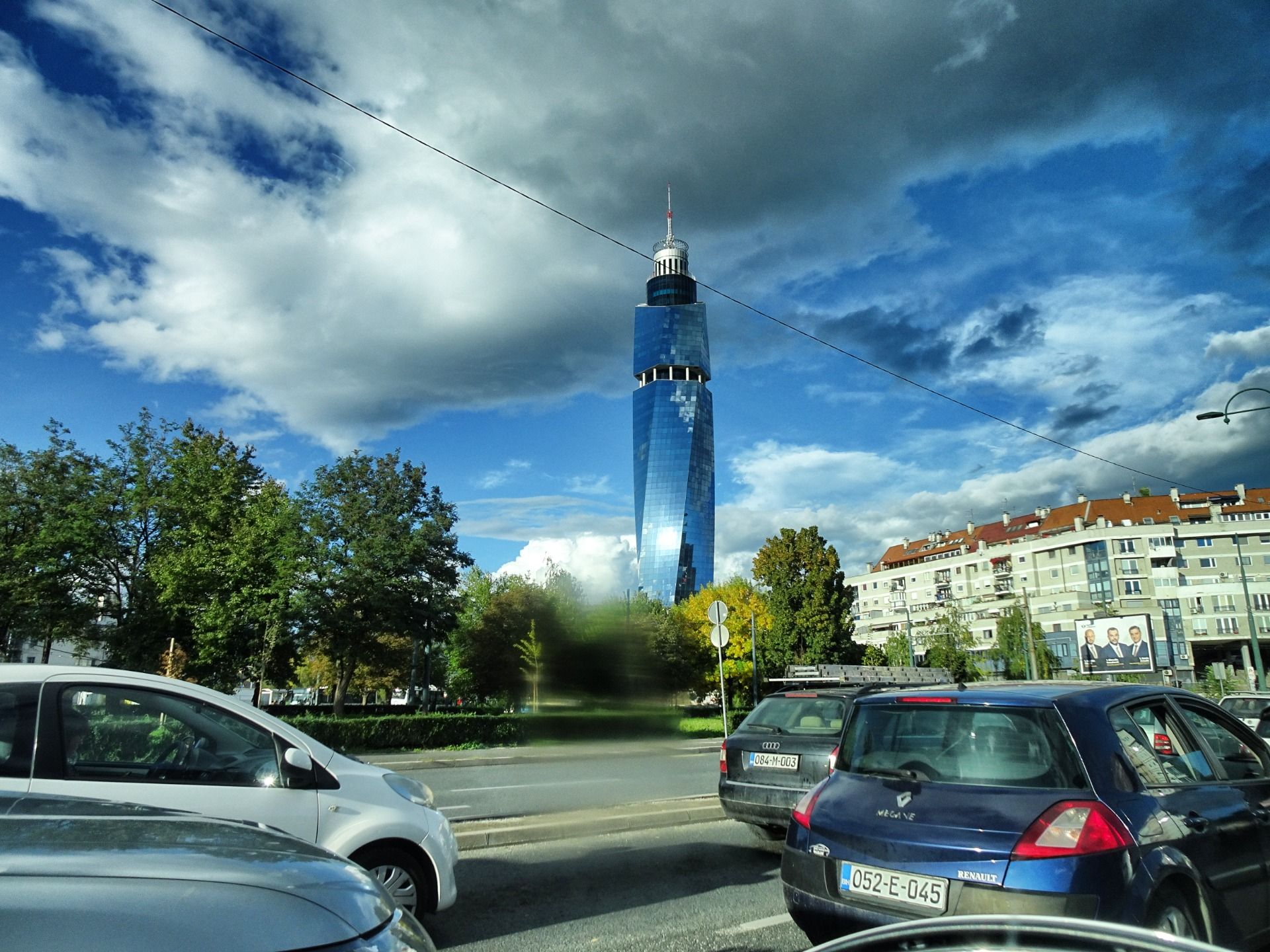
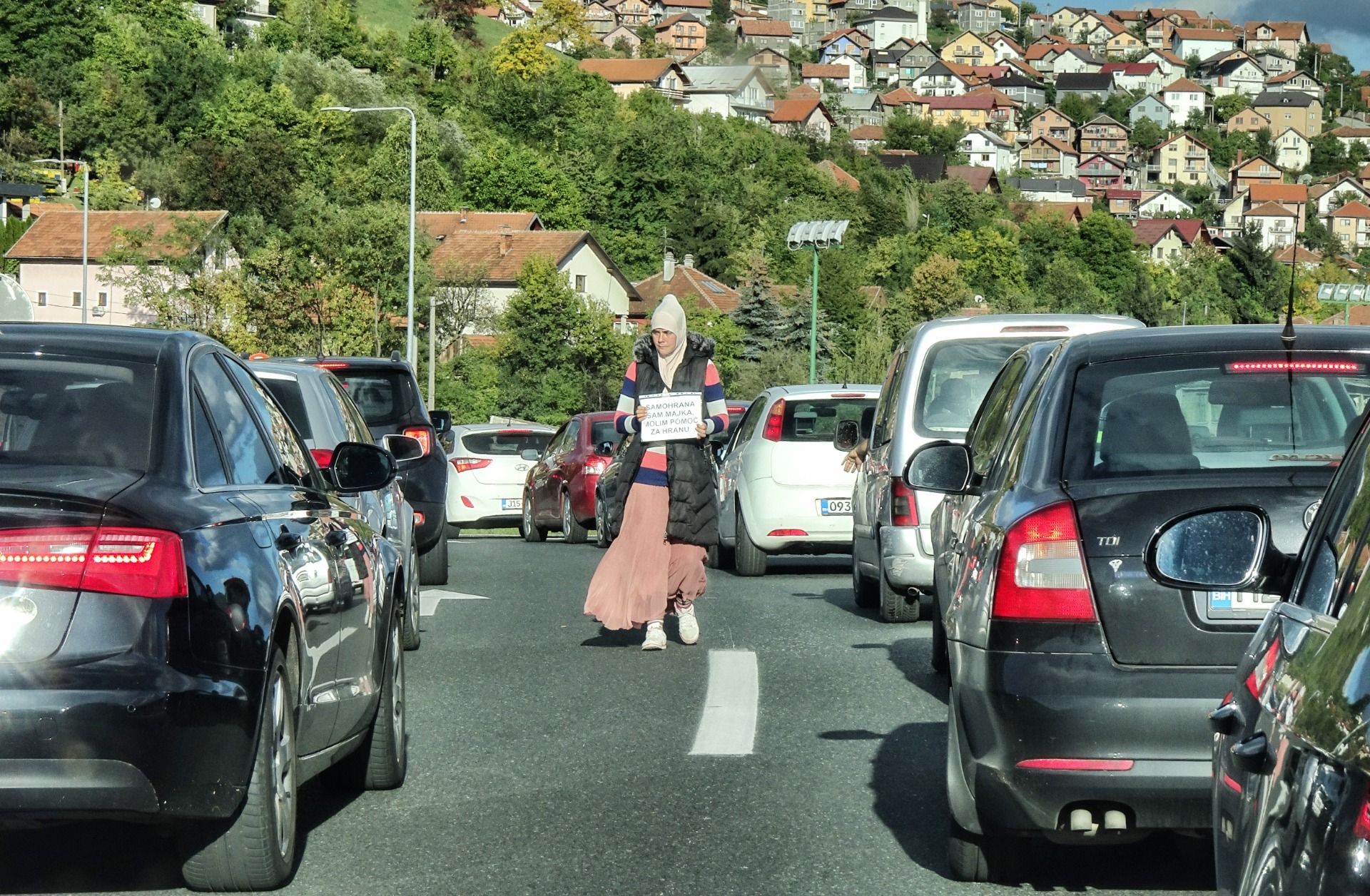
The sky is shining brightly, the cars are jammed just before Sarajevo. A woman begs between the waiting vehicles, step by step we pass a construction site. Welcome to Sarajevo, welcome to the capital of Bosnia and Herzegovina, welcome in a melting pot of cultures where history has been boiling for thousands of years.
Sarajevo, the capital of Bosnia and Herzegovina, is a city where the Occident and the Orient converge, creating a fascinating blend of cultures. With a history that spans thousands of years, this vibrant city has been shaped by various influences that have left their mark on its architecture, traditions, and way of life.
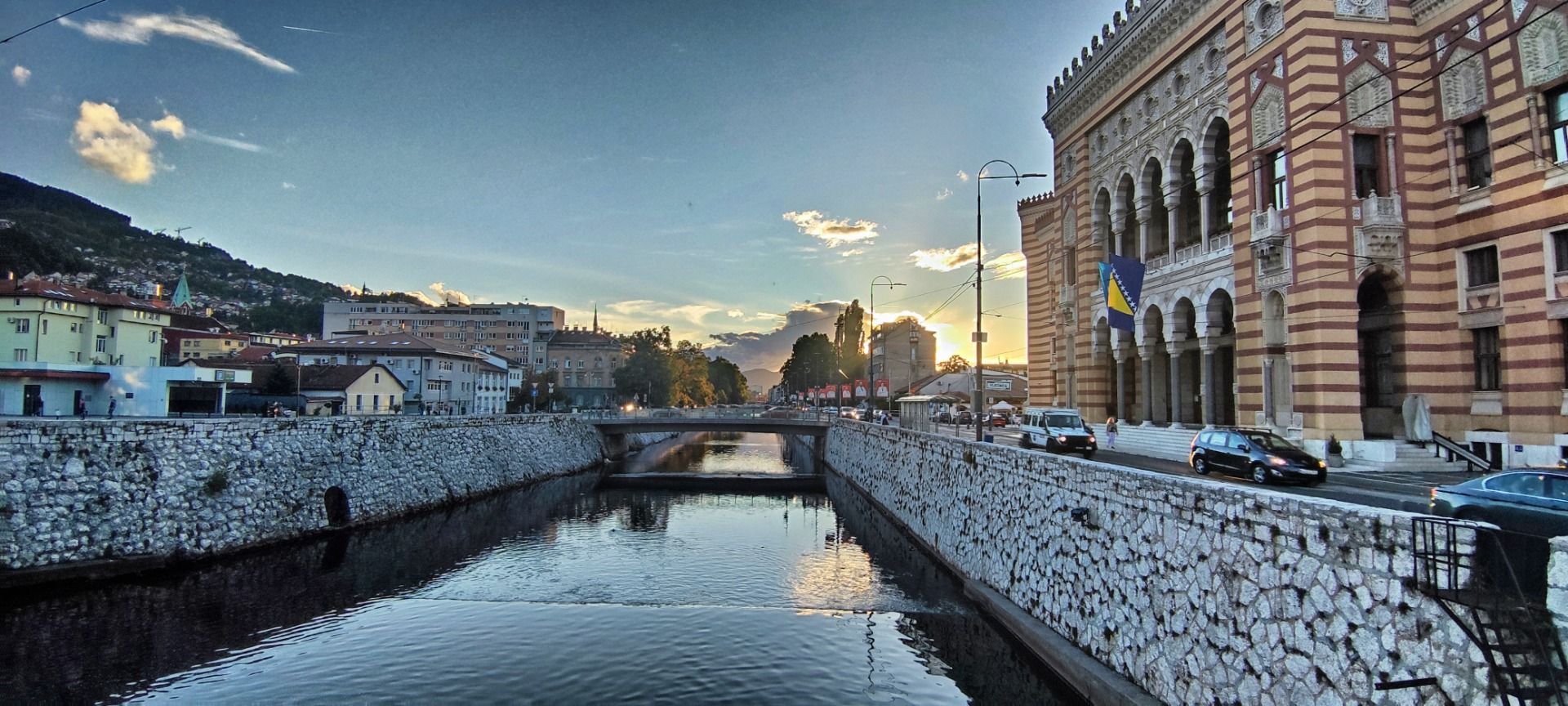
On the banks of the Miljacka
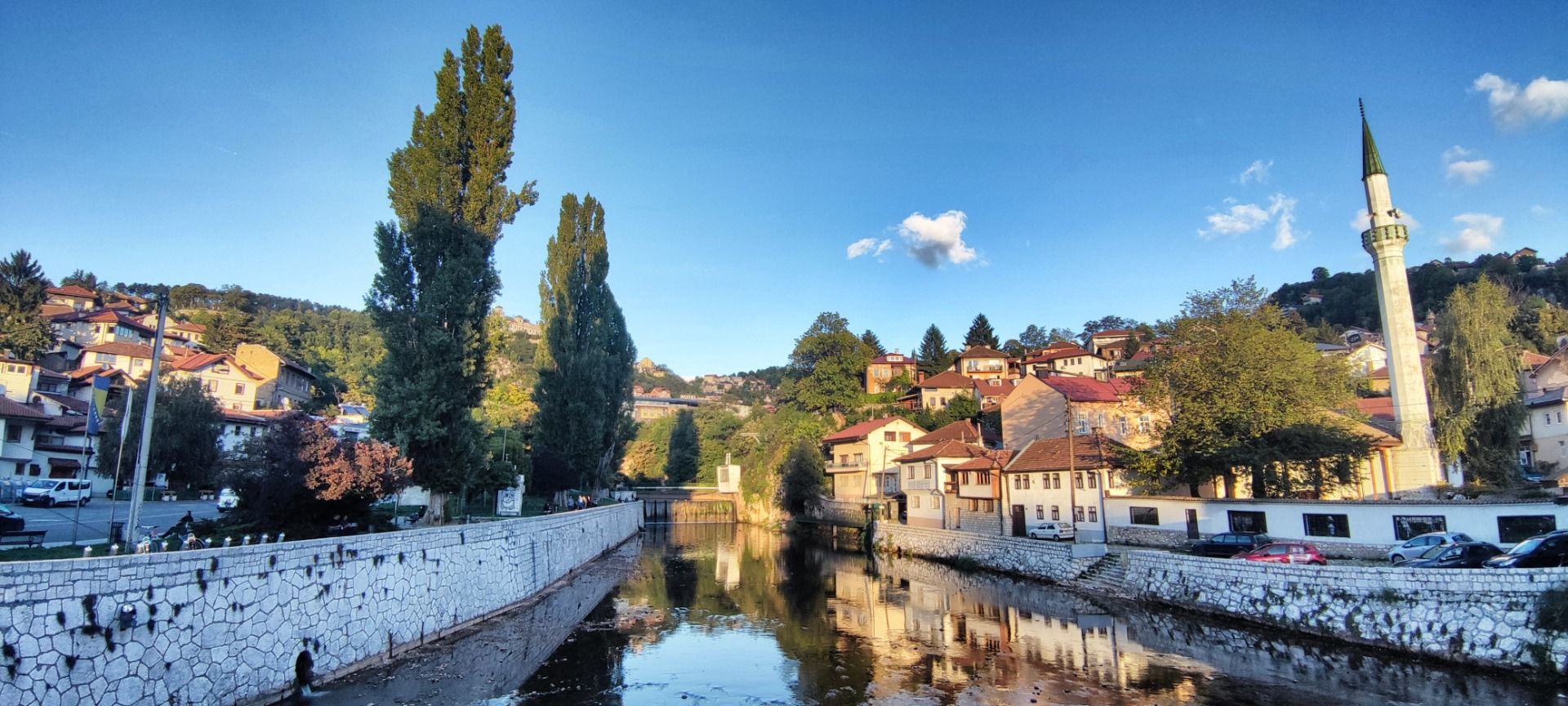
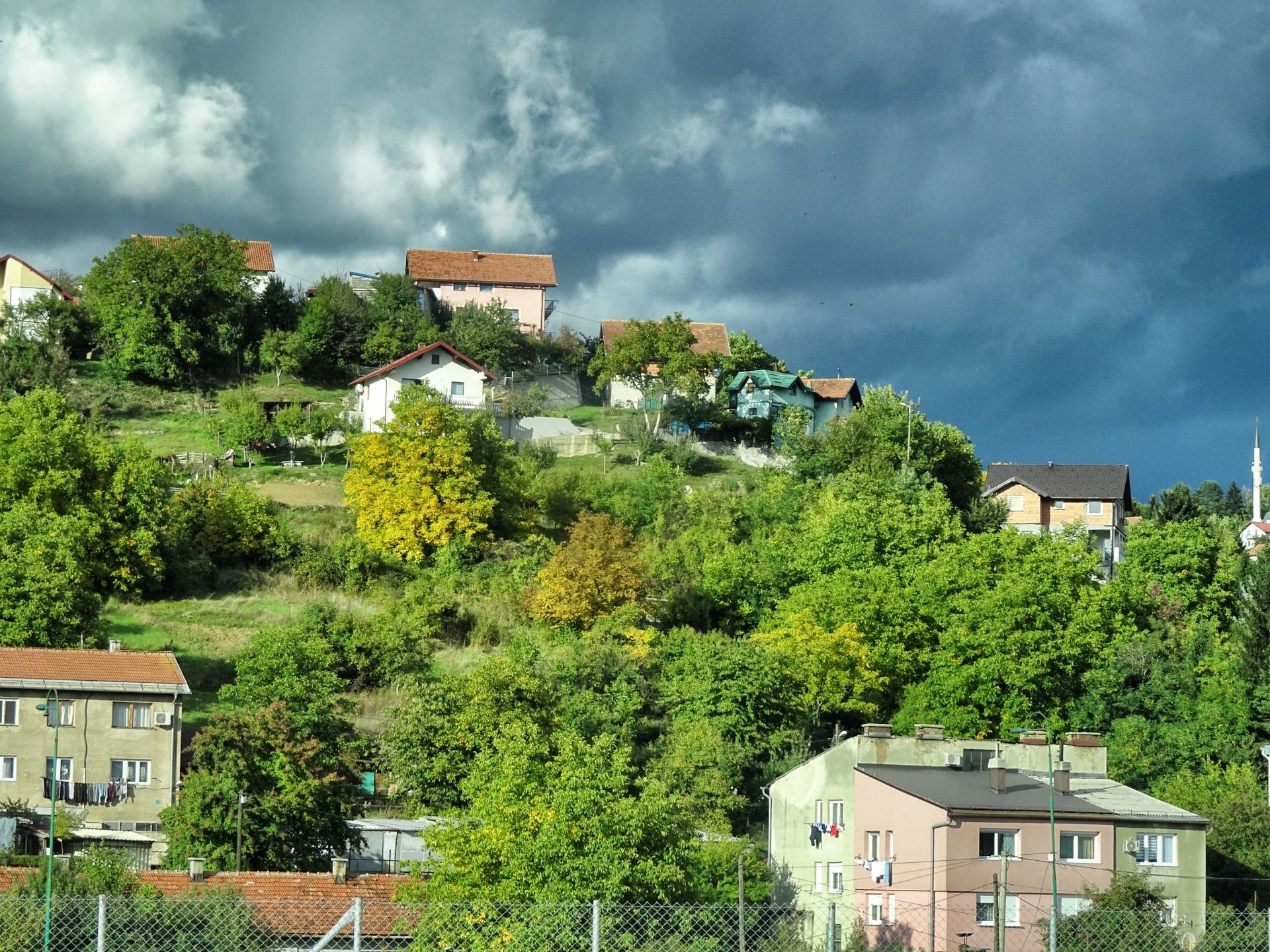
Here, on the banks of the Miljacka River, the Occident and the Orient meet. Ruingsumliegen mountains that were once the bane of the city. From the slopes of the mountains down to the bed of the Miljacka and the city center stretches a sea of countless small houses, topped by minarets, which here are larger than the churches.
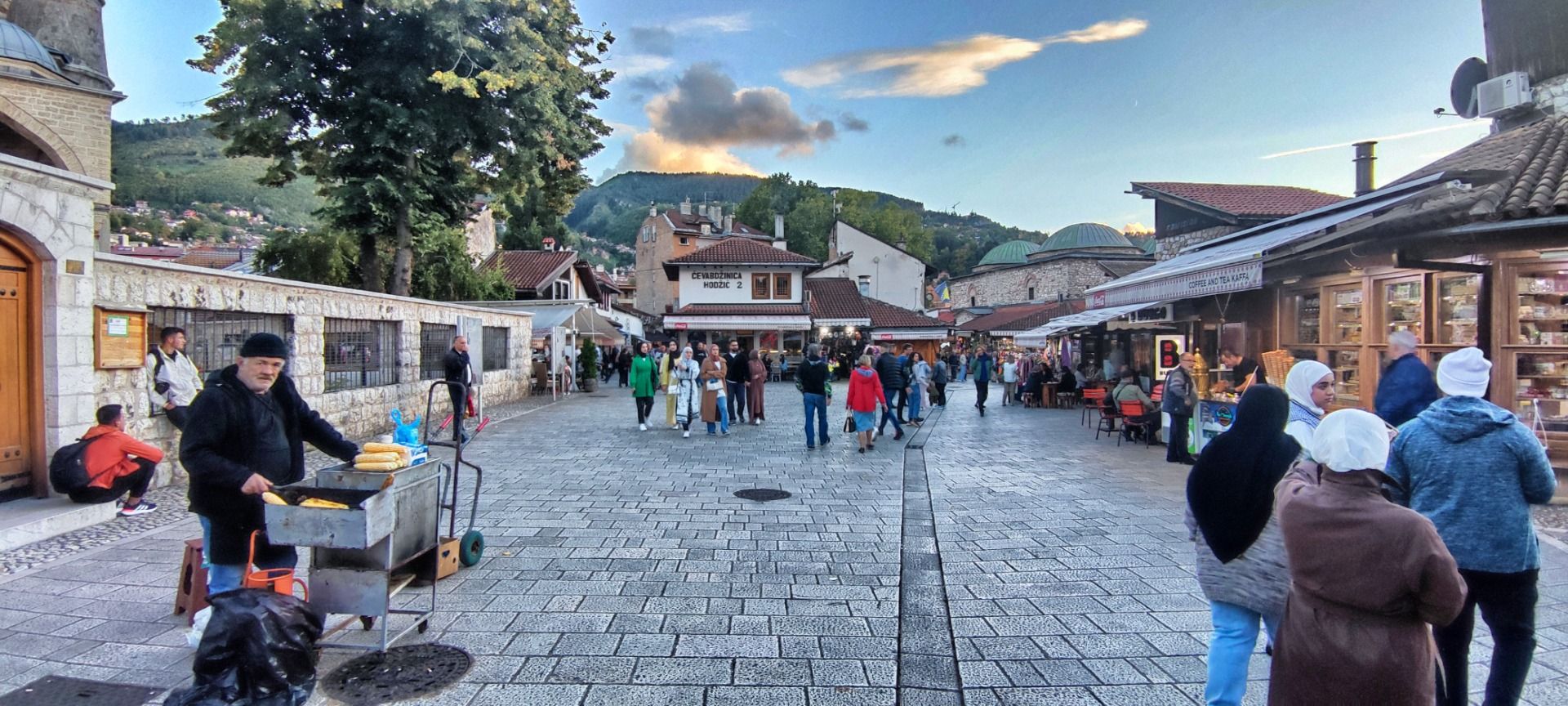
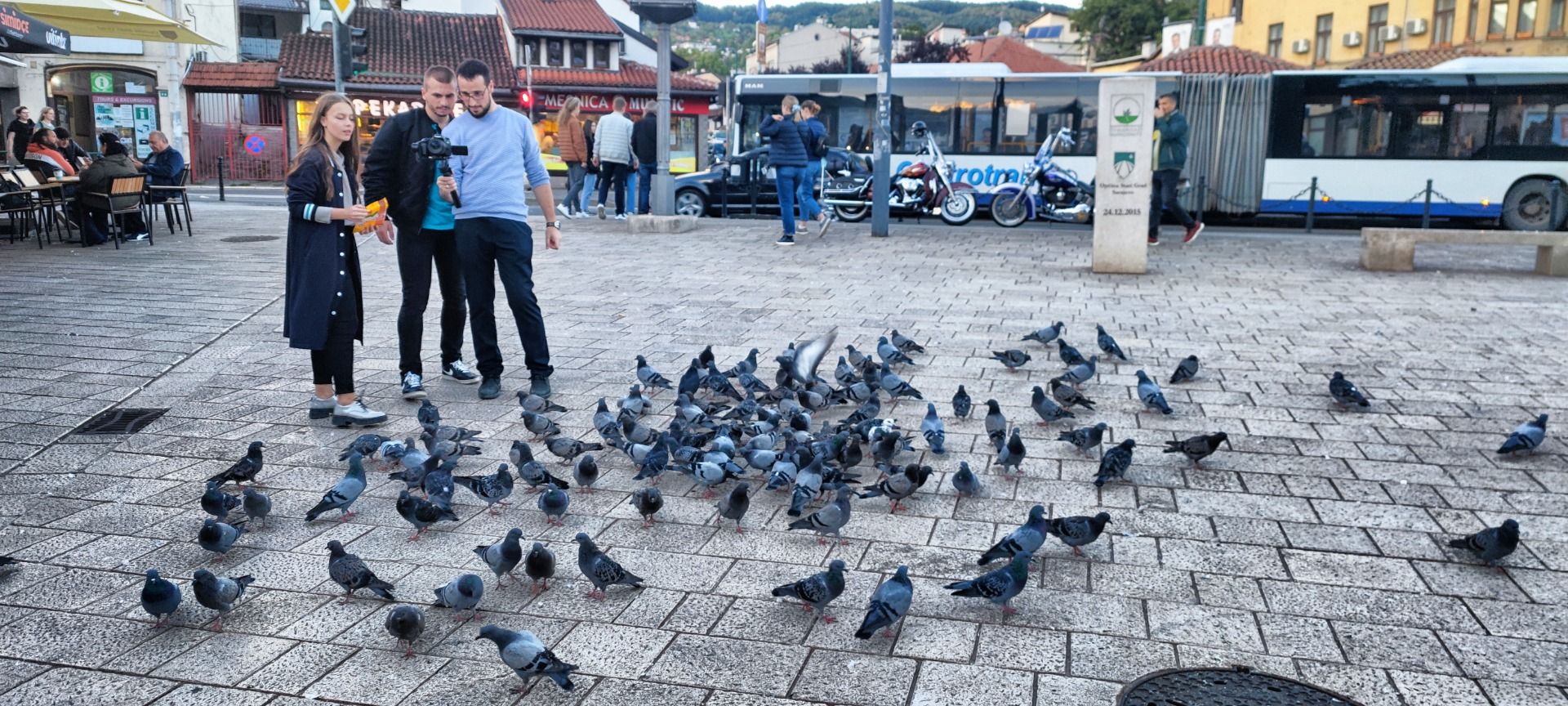
Sarajevo is the center of the Muslim part of the almost unknown Republic of Bosnia, a tripartite Balkan state. Everywhere in the city there is a smell of diesel, coal, coffee and spices from the Orient. Pigeons fly around the famous Sebilj fountain on Baščaršija Square, a lady gives them grains to eat. Merchants have set up their stalls around it. The fountain, built under the Austro-Hungarian crown, explicitly refers to the 400 years Sarajevo was previously under Ottoman rule.
The troubled city
Sarajevo has a population of just under 300,000. This makes the troubled city the largest city in the small country. Today, Sarajevo is once again a center of attraction for people from all over the world who are curious about the mixture of Muslim traditions, socialist prefabricated buildings and traces of great history.
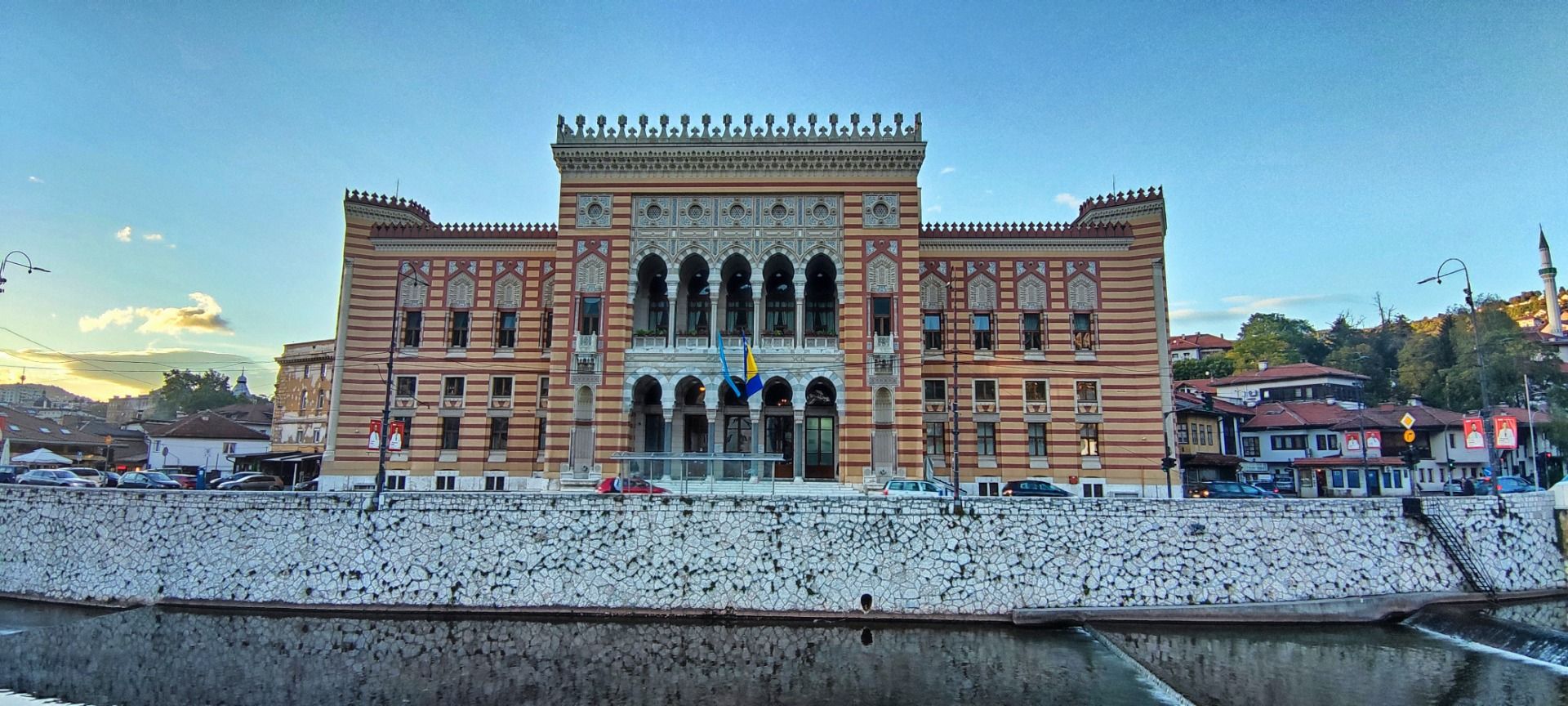
Sarajevo is extraordinary, even if it doesn't look like it at first sight. In the old city, Catholic and Orthodox churches, Jewish synagogues and mosques stand within a radius of only a few hundred meters.
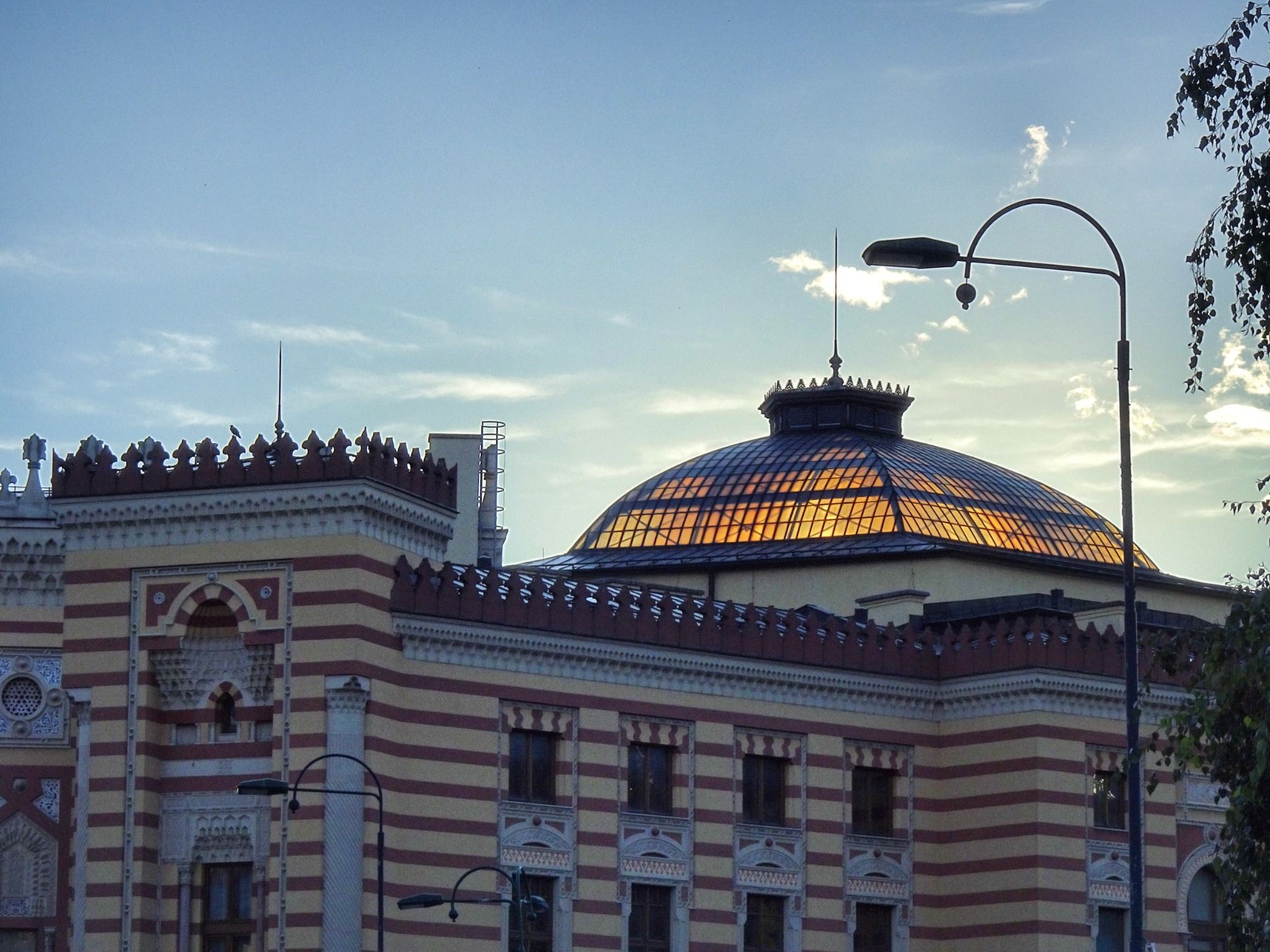
Beside veiled women - fewer than in Wiesbaden - are teenagers in American baseball shirts, tourists from Austria and rich Russians on the way. The result is an interesting mix of Eastern Bloc, Austro-Hungarian imperial architecture and Islam.
The heart of Sarajevo
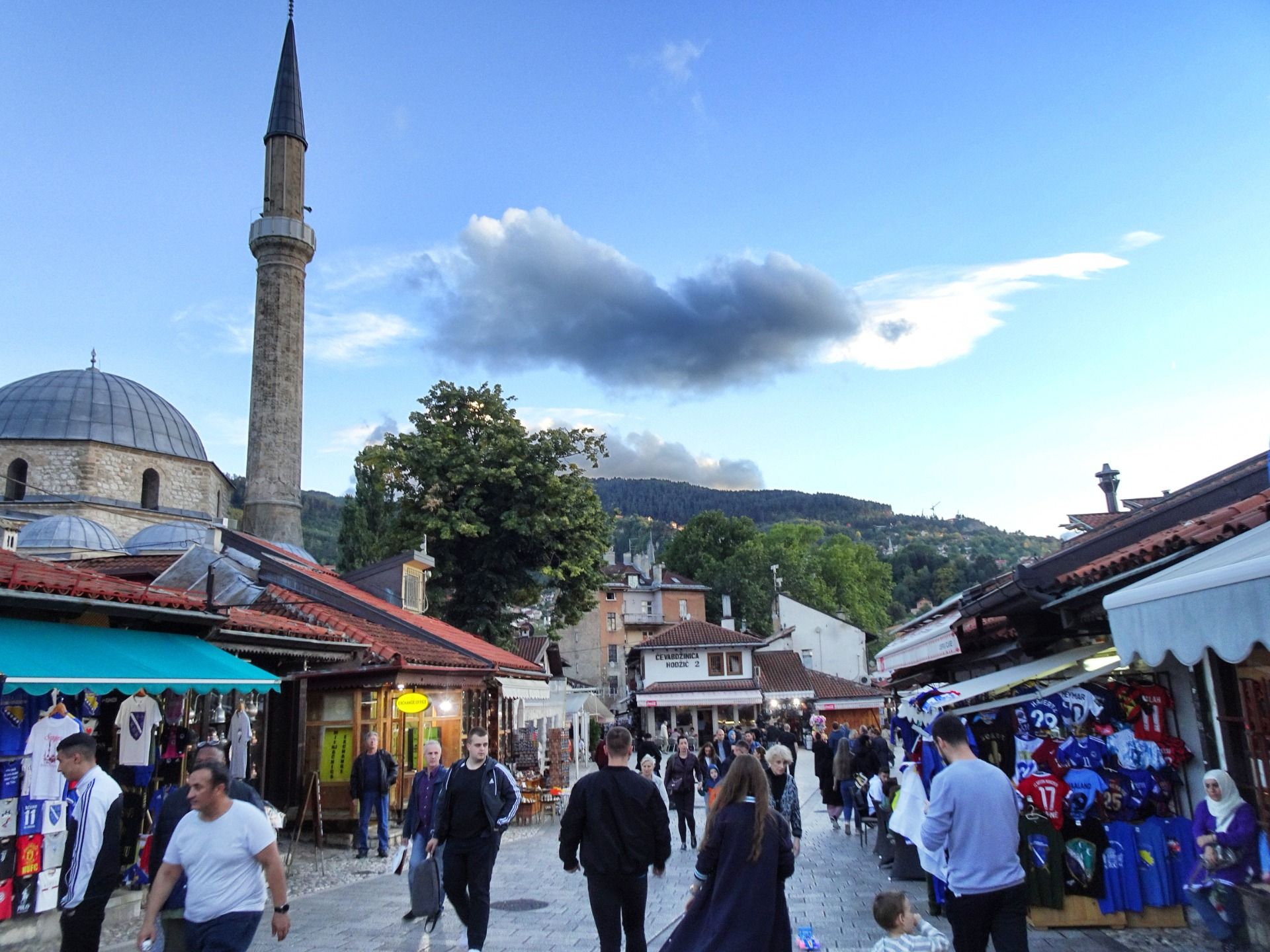
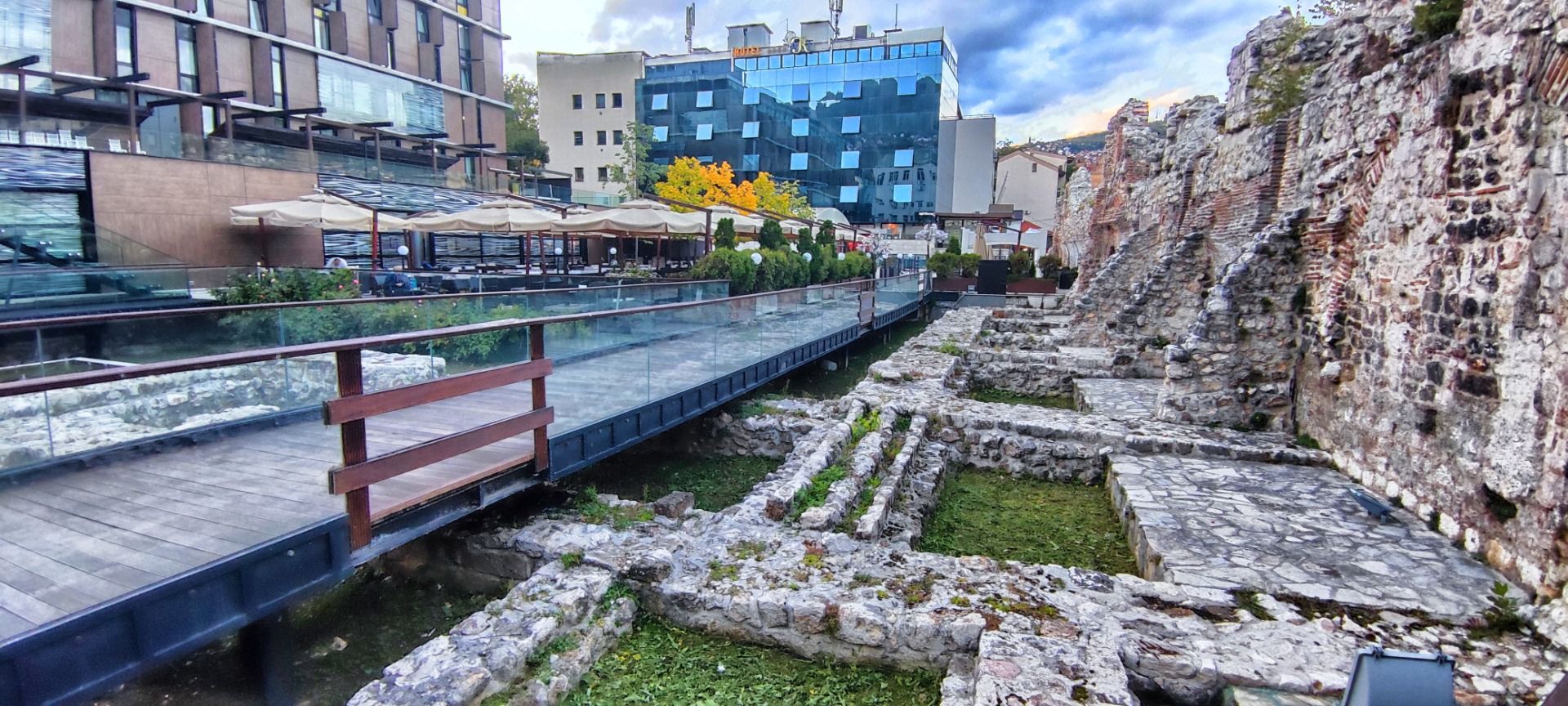
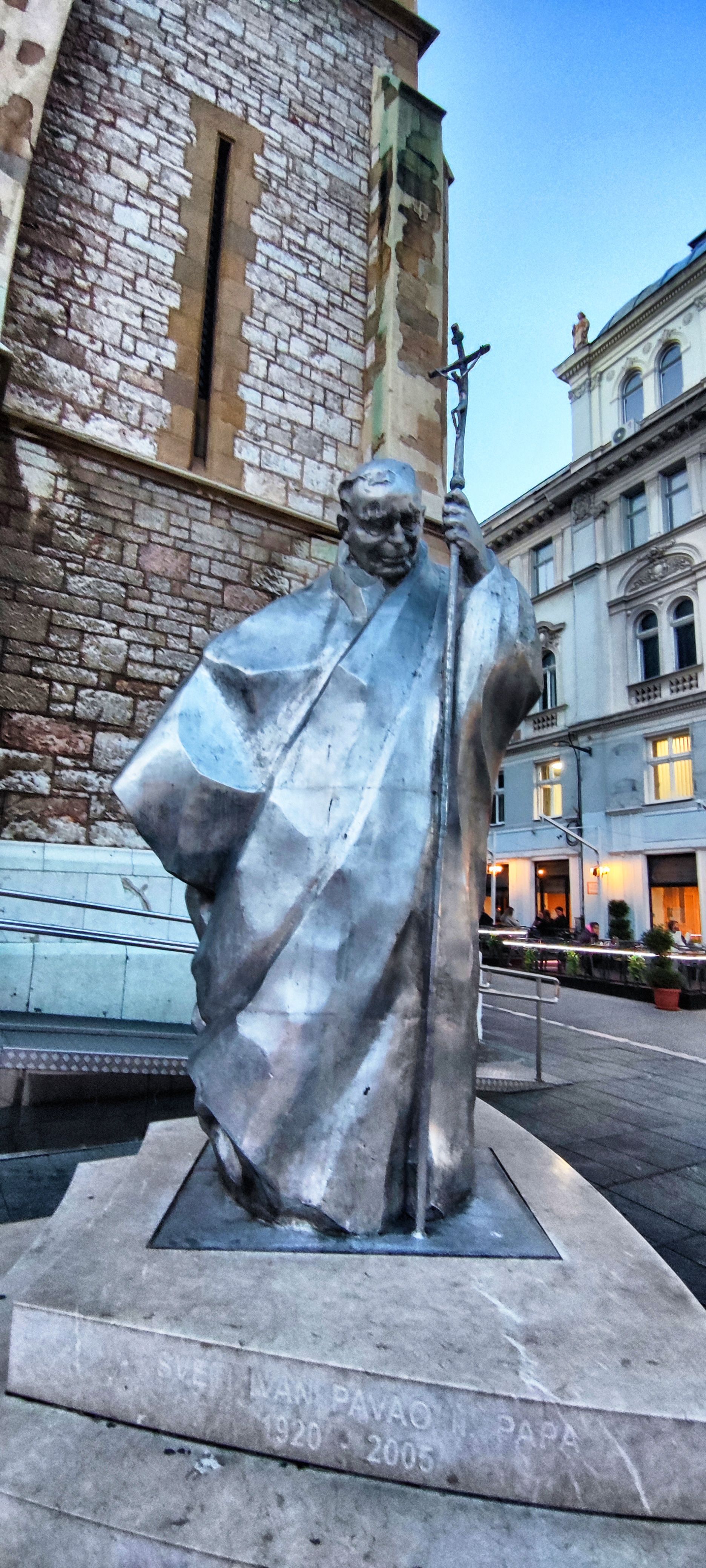
The heart of Sarajevo beats around the Baščaršija bazaar district. Here there are traces of Roman settlement, topped with wooden walkways where waiters serve cocktails. The Cathedral of the Sacred Heart is a highlight, with the Oriental-influenced Baščaršija district stretching out behind it.
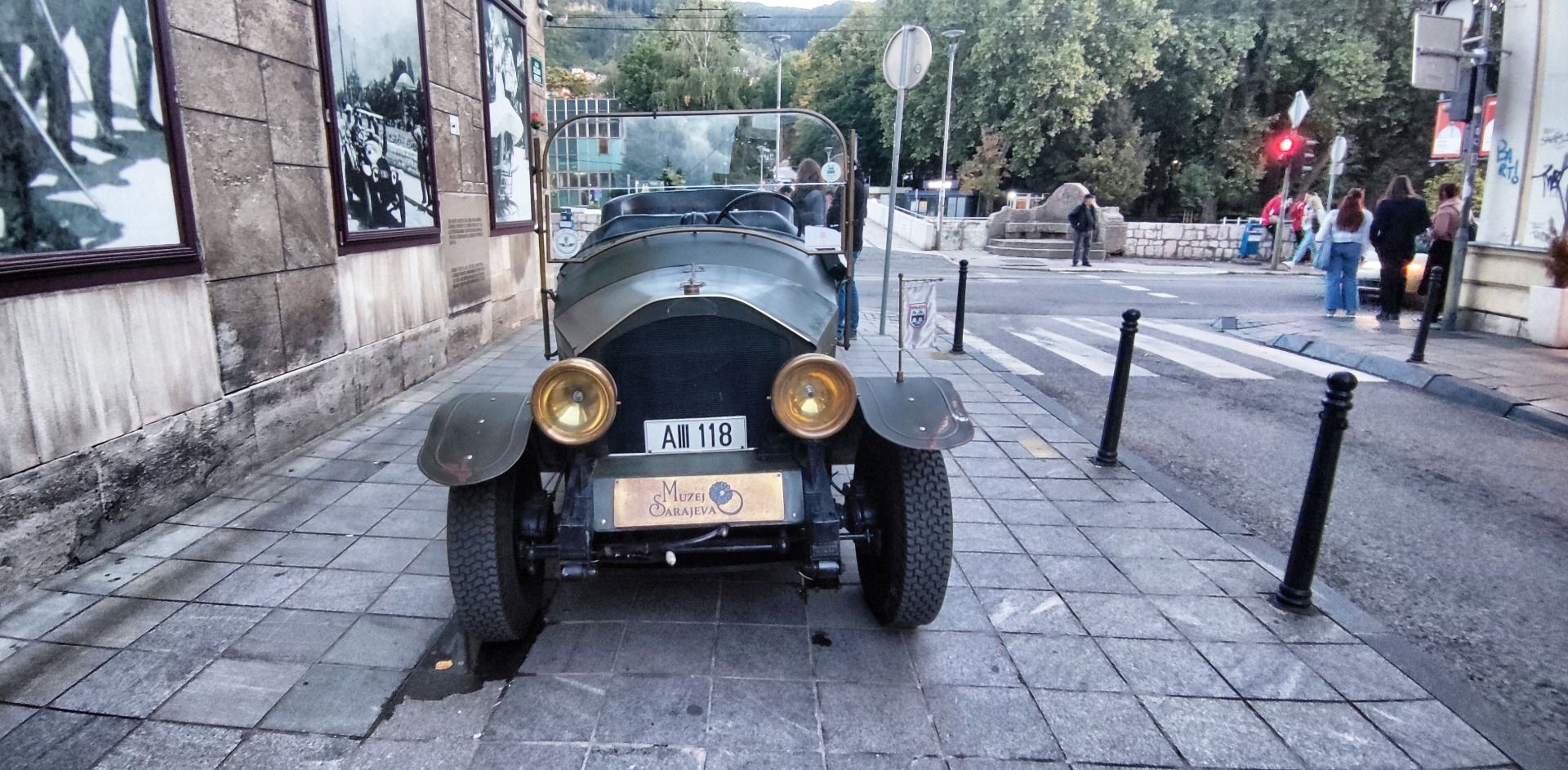
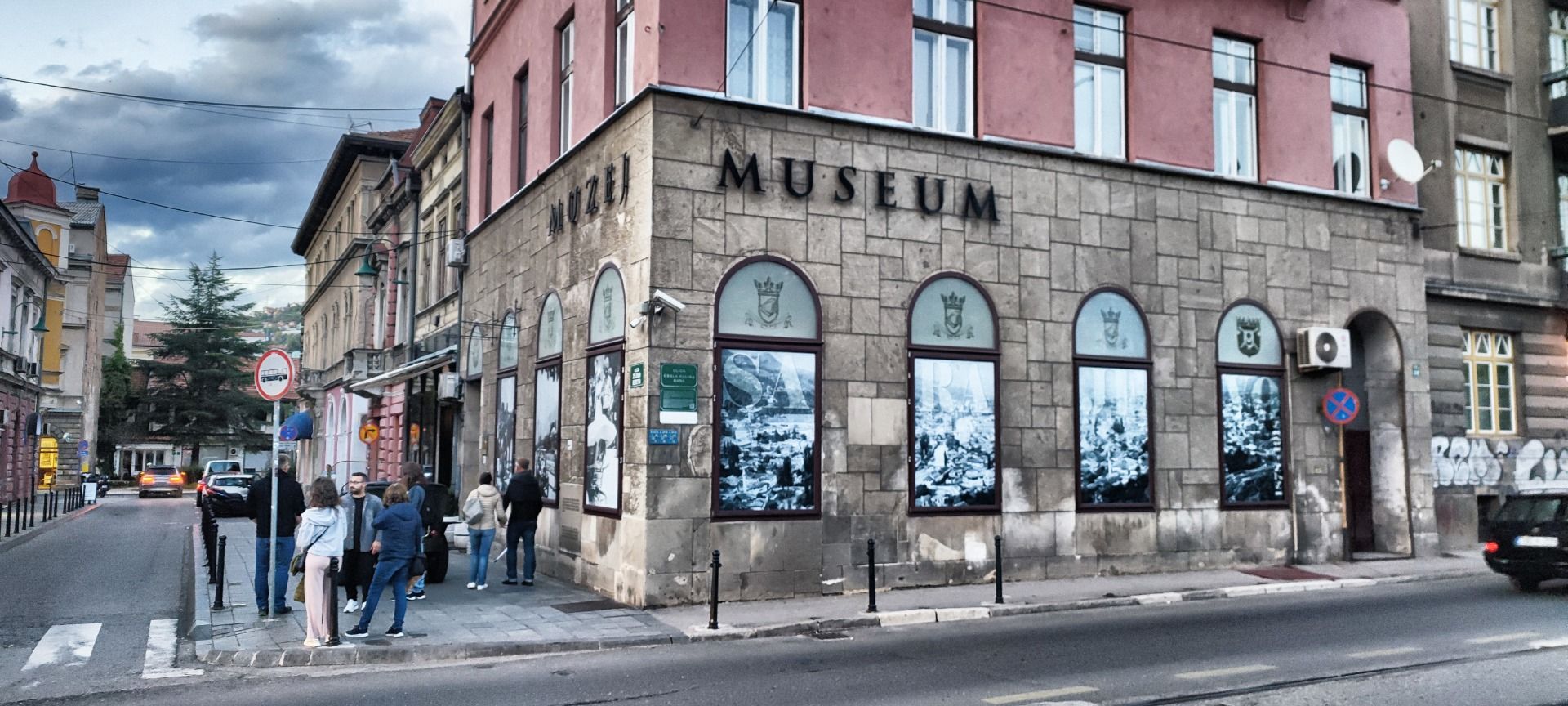
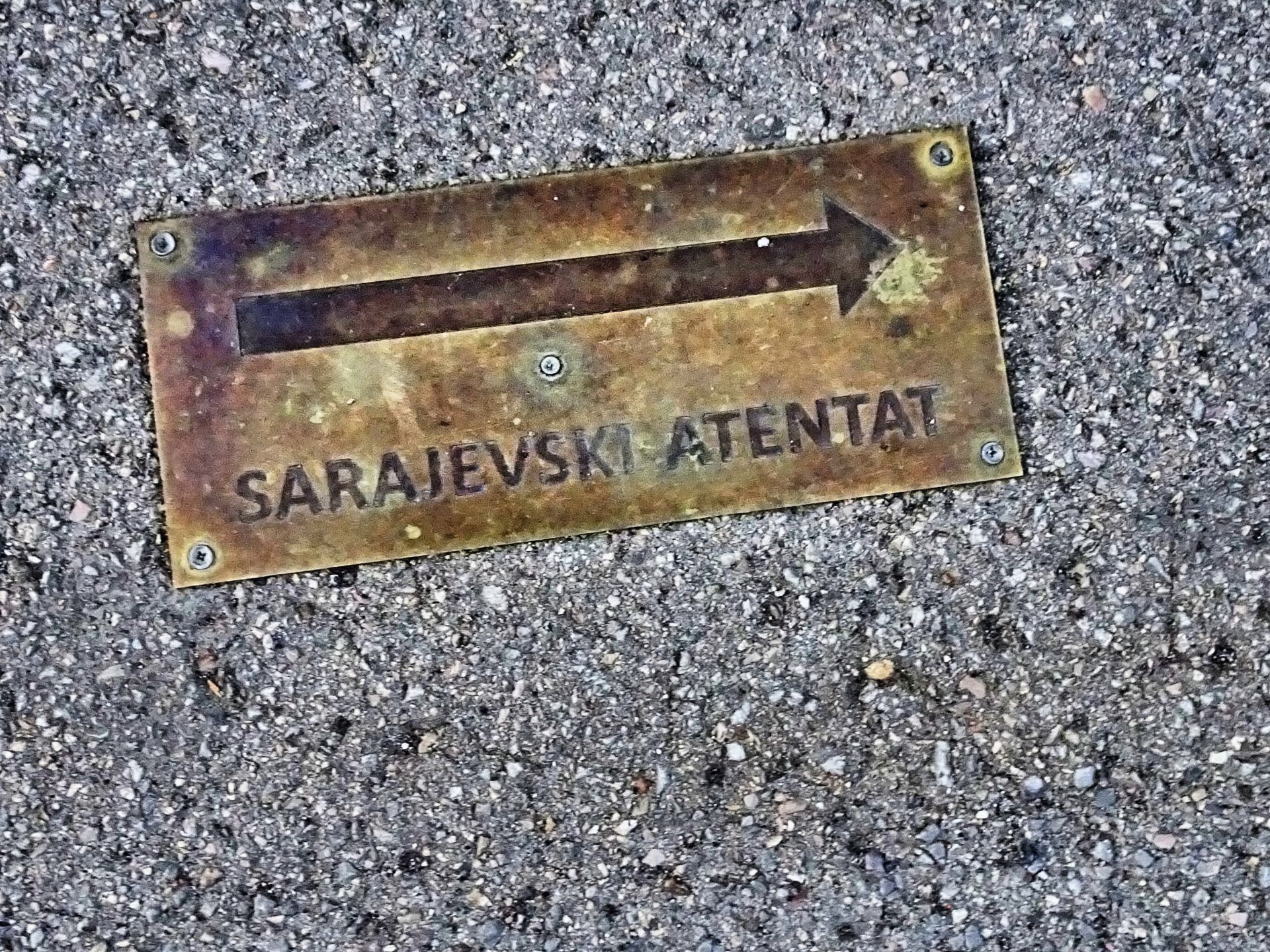
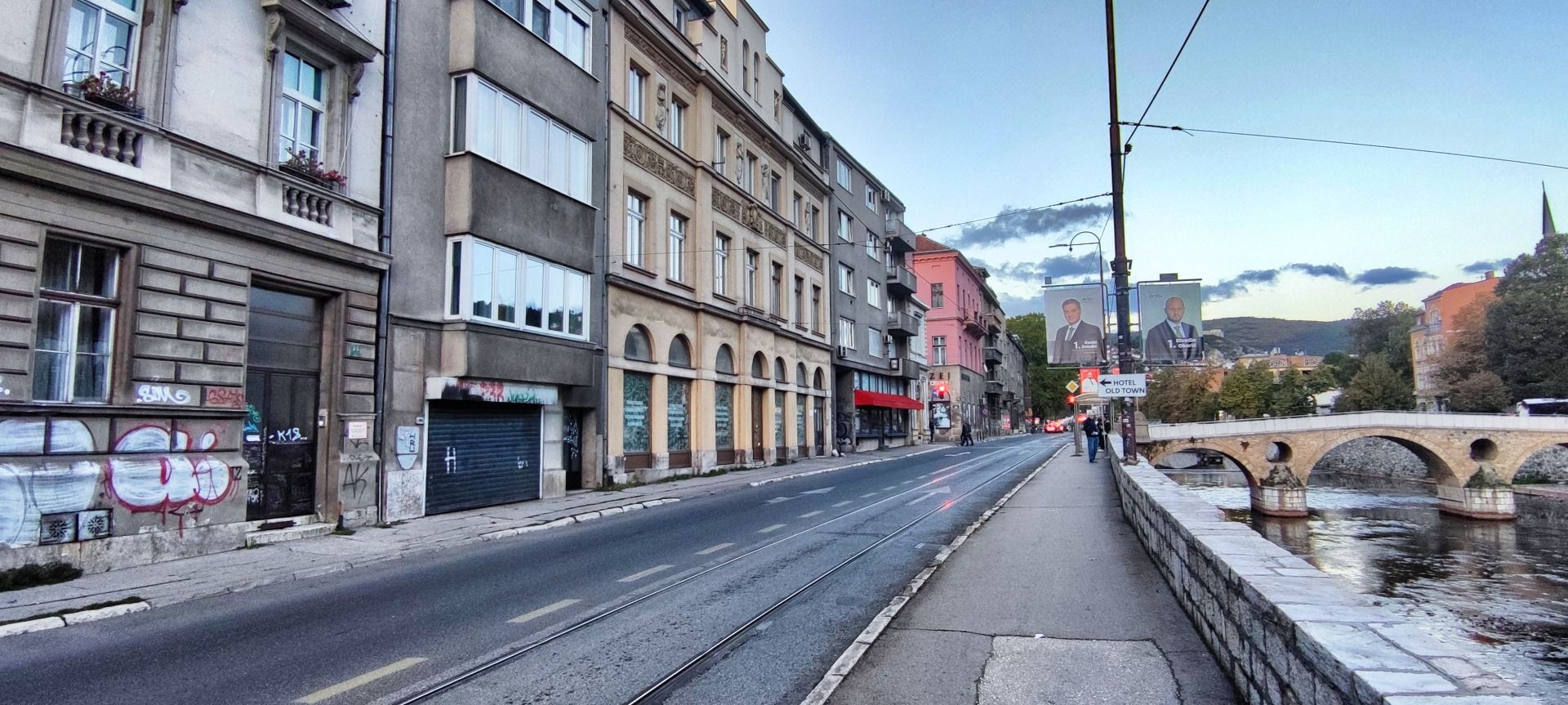
On the other side, directly on the river, there is still the smell of powder and blood: On June 28, 1914, the momentous assassination of Franz Ferdinand, the Archduke of Austria-Hungary, took place here, at an ordinary crossroads in the middle of the old town. He and his wife were assassinated in the open street during a visit to Sarajevo by a member of the Serbian nationalist movement. The assassination triggered the First World War, which cost the lives of millions.
Only the logo remains
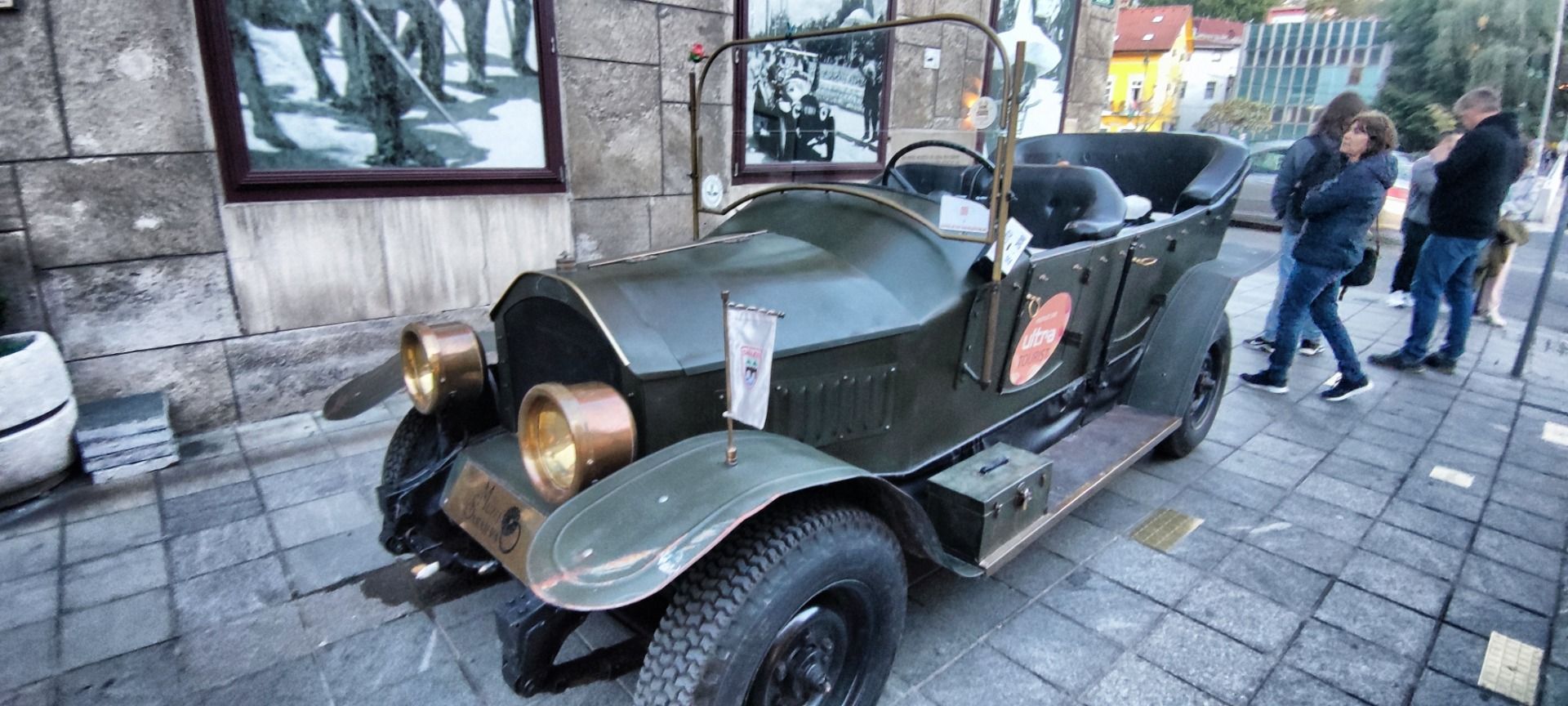
At the crossroads, there is still the car identical in construction to the one in which the crown prince sat. If you want, you can take a tour of the city in this vintage car. There you can see the remains of the Olympic buildings from 1984, when the Winter Olympics were held in Sarajevo, which belonged to Yugoslavia. The Olympic facilities of that time are no longer in use today, are mostly rotting, and are heavily mined by the Bosnian war and therefore not accessible. Only the logo of the games still greets as new from a tower.
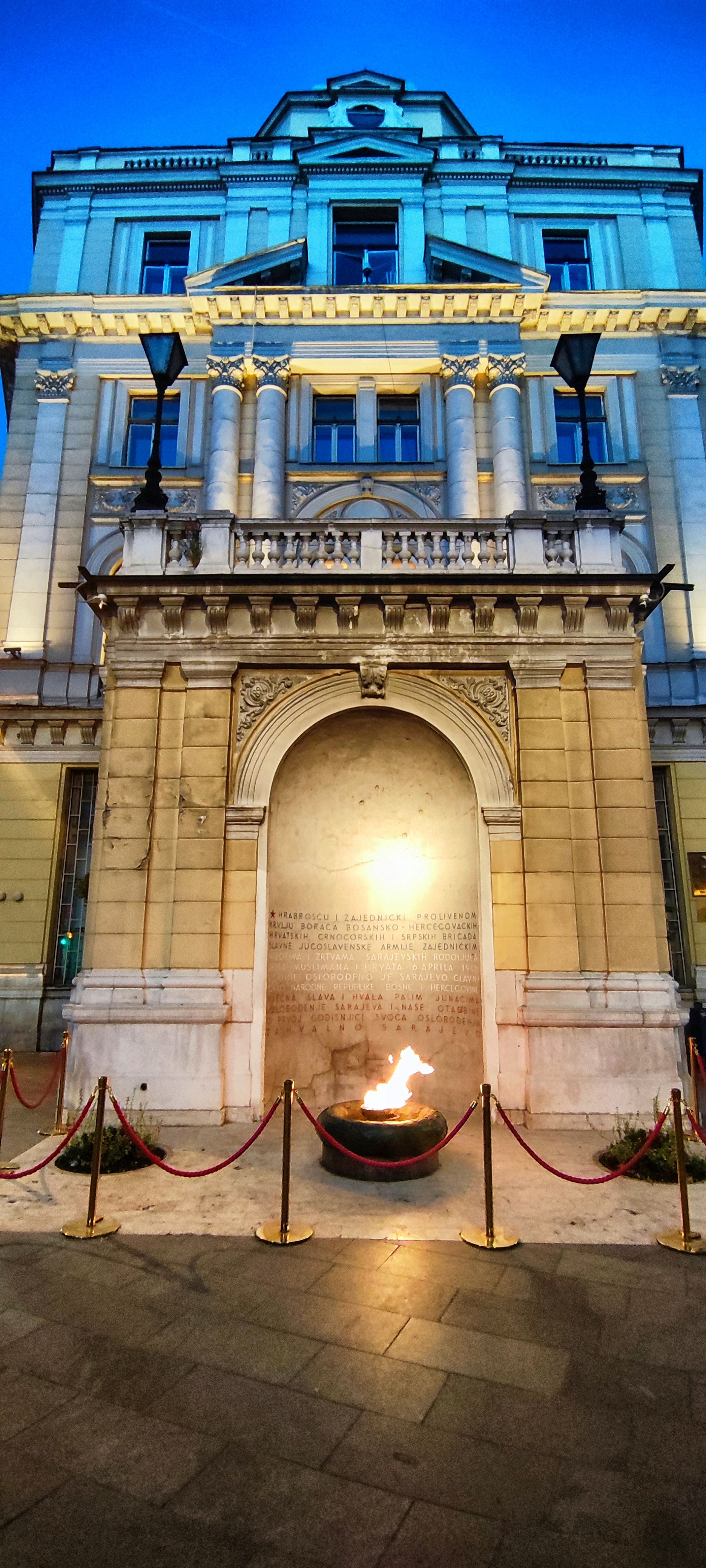
It survived the terrible years between 1992 and 1996, when Sarajevo was besieged - by its own neighbors. During the Bosnian War, Muslims fought Christians, Croats fought Bosnians, Bosnians fought Serbs. In the city, life was almost impossible. Snipers lurked everywhere, shells hit, there was nothing to eat, but death, rubble and corpses. More than 10,000 people died in this dark period, of which bullet holes on the facades still bear witness today.
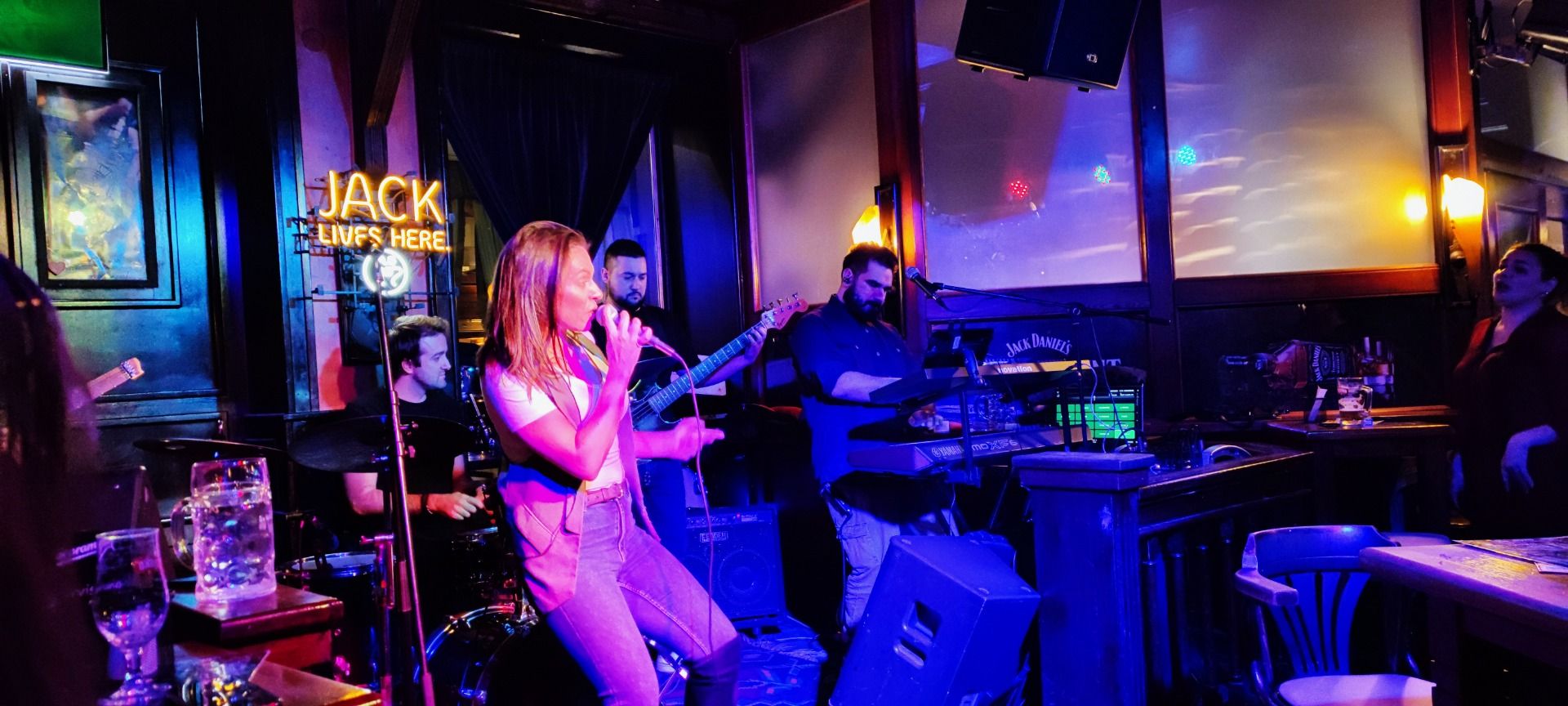
For 1,425 days, the "Army of Bosnian Serbs" besieged Sarajevo, which then had to rise again. Today, the Old Town is full of restaurants and pubs, bands play in cellars, and care must be taken only if you want to drink a beer or a glass of wine with your meal - some restaurants observe religious rules. There is no alcohol there.
When darkness falls
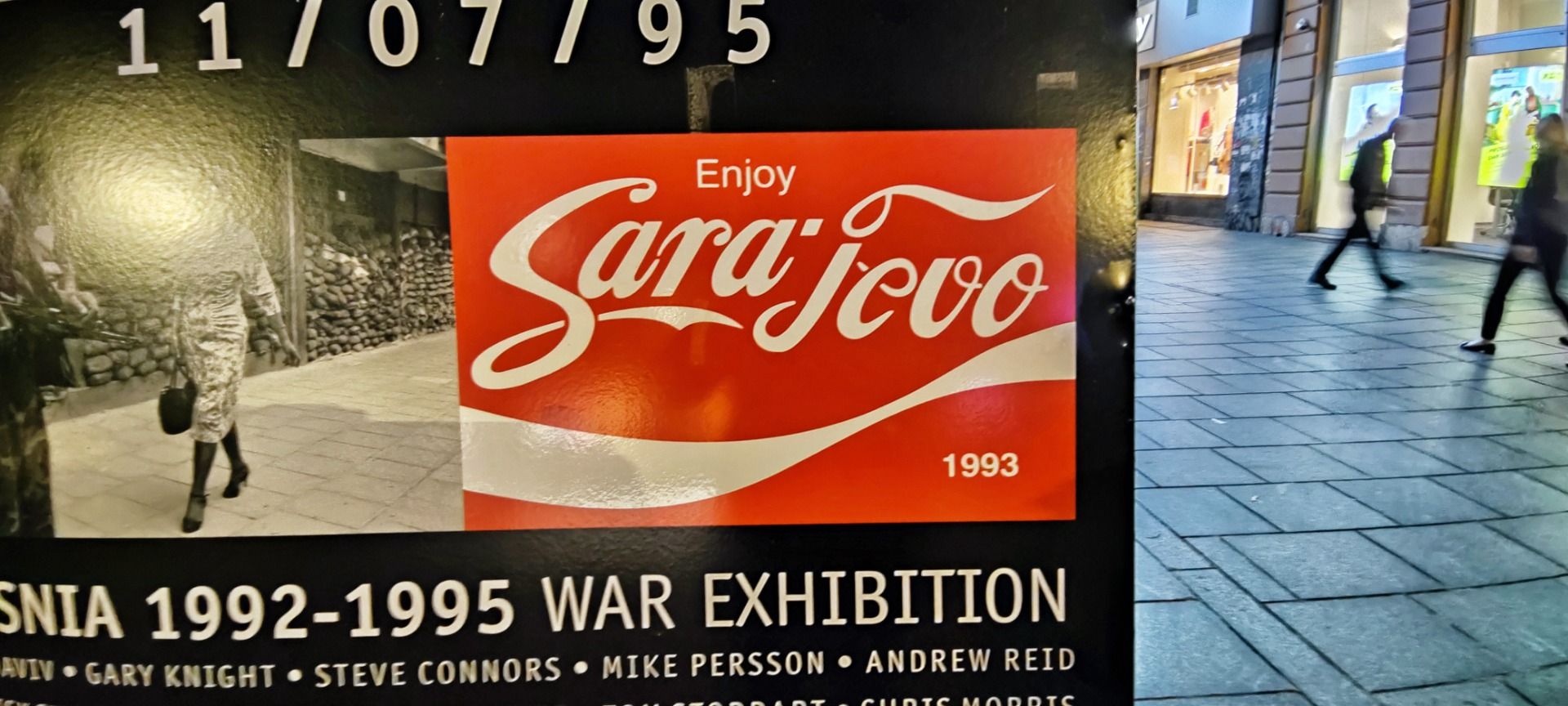
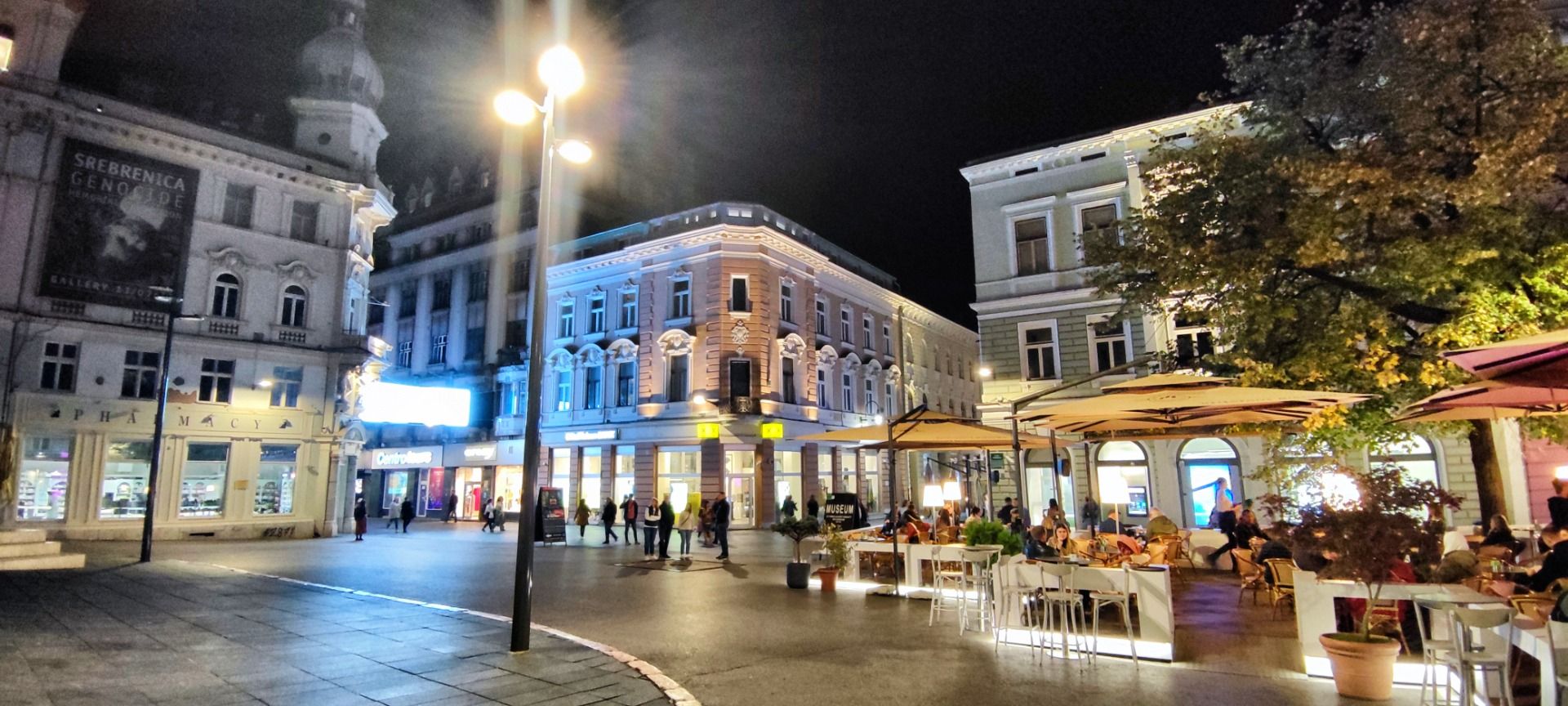
When darkness falls, the horrors of the past disappear and Sarajevo becomes a young city, bubbling with joie de vivre, whose dark times are remembered only by the so-called "roses": impacts of shells in the asphalt, filled with red resin. Apart from that, the center of Sarajevo is comparable to other large cities: Branded goods are offered, the big world brands operate their outlets, prices are hefty as everywhere.

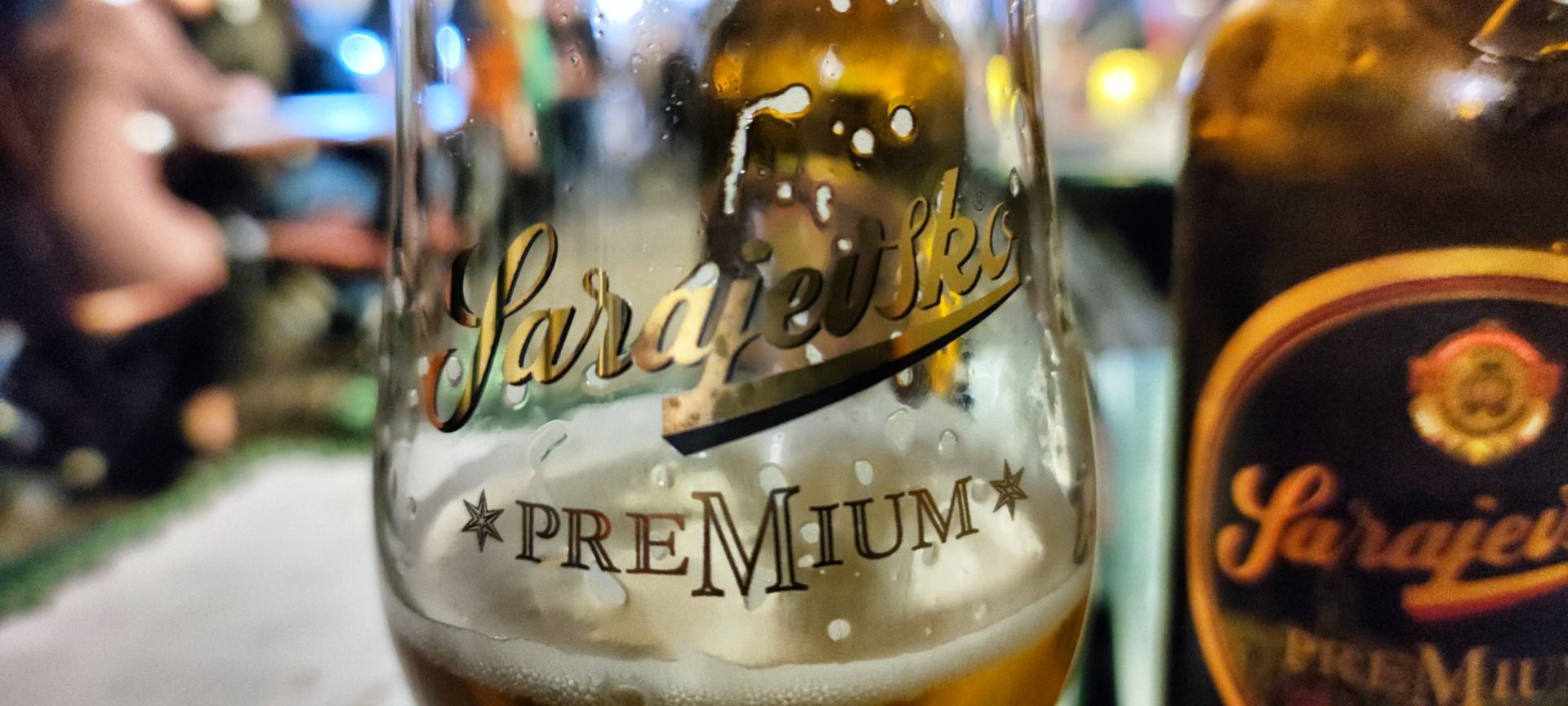
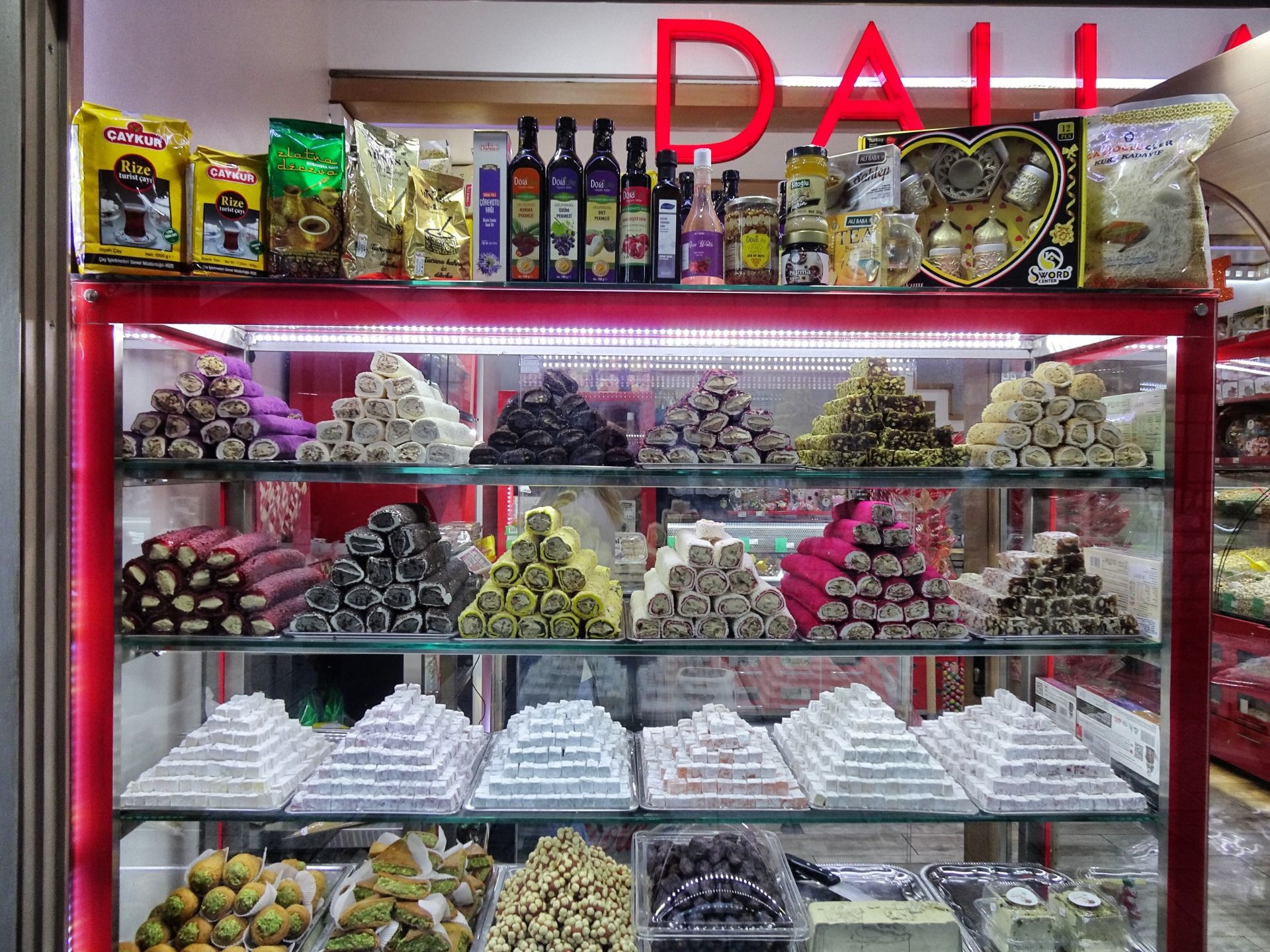
Then rather something to eat: A plate of klepe, traditional dumplings in a sour cream sauce, accompanied by ćevapi, the meatballs, and there is a Sarajevo beer, dark as night. Finally, a bosanska kafa: this special Bosnian coffee is similar to Turkish, but traditionally brewed in a copper pot. Of course, you can buy them everywhere around in souvenir stores.
Thank you for reading and if you like my work please follow me on Hive, Travelfeed or Steem or visit my homepage koenau.de
A few more pictures: