Saxony-Anhalt, Germany
Where kings once marched and Goethe found inspiration, a socialist dream is crumbling into silence. There are Haunted Houses in the German Harz Mountains - Whitnesses of a Greed for Limestone.
Today, nature is reclaiming what man abandoned. Trees grow from balconies, and empty window sockets stare out over the ancient trails of emperors. Walk through a village of two faces - where pristine homes sit side-by-side with "living ruins" and boarded-up shops

Explore the eerie beauty of Susenburg: A journey through shattered glass, peeling wallpaper, and the forgotten echoes of the GDR’s industrial heart.

Seventy years ago, in the backwater of the tourist hotspot Rübeland, the socialist GDR industrialized the exploitation of the mines along the path Goethe once walked. Buna demanded limestone, the miners demanded homes. Today, the apartment blocks stand empty.

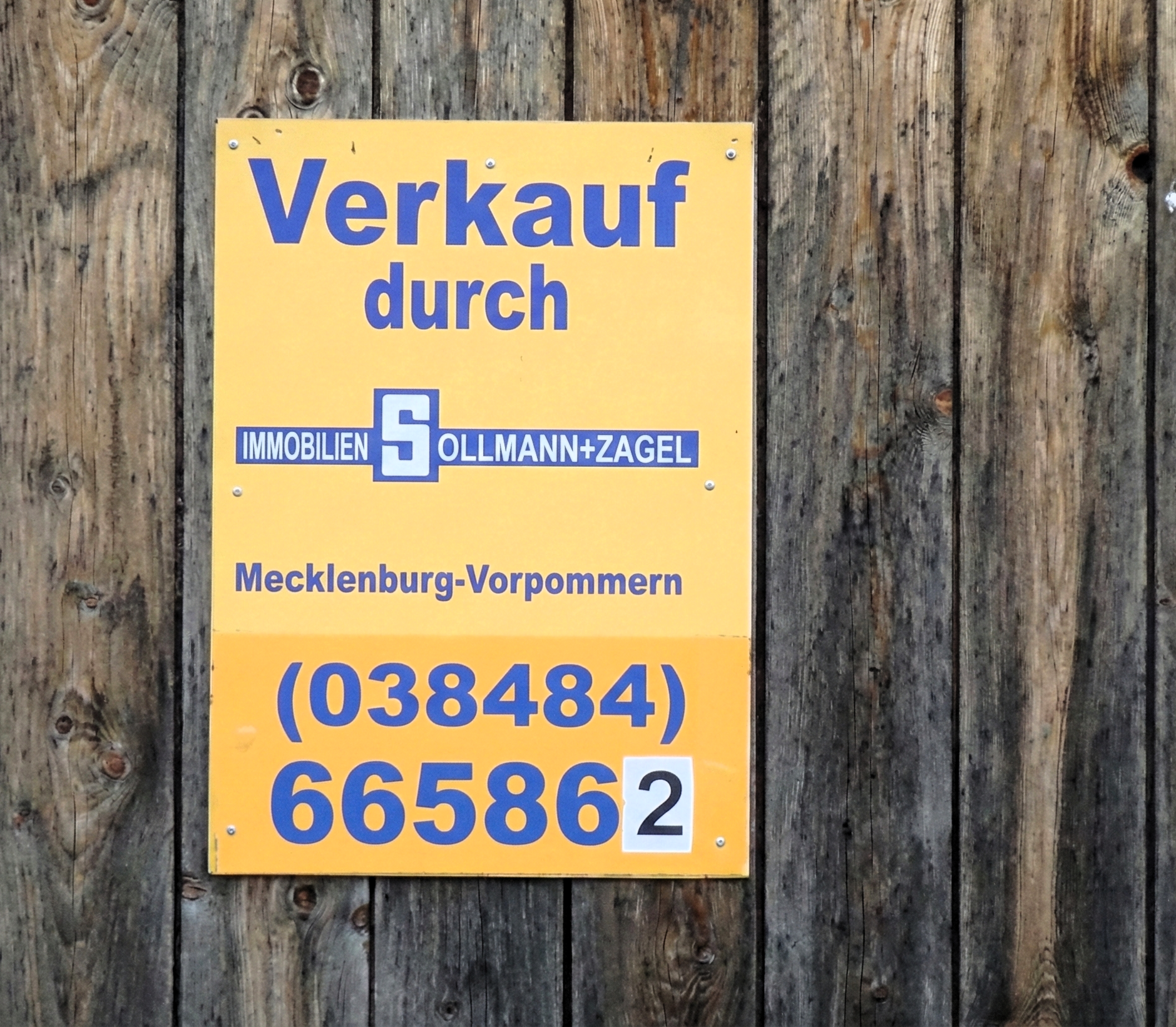
It's all for sale
The former shop is for sale. But the storefronts are boarded up, revealing that an investor has been sought for some time. Further up the hill on the outskirts of Susenburg, which lies directly on a once-busy medieval trade and military road that crisscrossed the Harz Mountains, even more history lingers, living ruins of a forgotten time when the quiet idyll sustained an entire country.

Seven post-war apartment blocks are scattered along the path here, long, two-story buildings, each with two entrances. Three of them stand empty, their windows smashed, their doors open. Man-high fir trees grow from the front steps, and conifers greet visitors from the balconies.

Faded colors
Not remnants of last Christmas, but pioneer plants reclaiming abandoned houses. The plaster is crumbling beneath them. Wind and weather have faded the colorful balcony railings since an investor took over the blocks shortly after the turn of the millennium and abandoned them.

The heyday of this small town in the backyard of the tourist magnet Rübeland was long gone. Like so many East German companies, the VEB Harzer Kalk- und Zementwerk (Harz Lime and Cement Works), most recently a subsidiary of the Dessau Cement Combine, had faltered with the end of the "socialist" state in East Germany.

They burned the hills
East Germany's largest lime producer had to lay off most of its more than 1,000 employees because the closure of the environmentally damaging carbide chemistry plant at the Buna plant in Schkopau meant the loss of one of its most important customers for its annual production of more than one million tons of lime.

Half a century earlier, the Buna plant near Merseburg had also stood at the cradle of industrial mining in the area between Rübeland and Elbingerode. Here, a vast deposit of very pure reef limestone, ideally suited for processing into quicklime, has lain underground since the Devonian period, more than 360 million years ago.

It's all for carbide
This quicklime was needed by the carbide kilns in Korbetha near Merseburg to smelt calcium carbide, a key raw material for the production of plastics, on which the oil-poor GDR was desperately dependent.

Like the first conveyor belts and bridges that snaked across the hills, the empty apartment blocks of Susenburg also owe their existence to the GDR leadership's decision to intensify the exploitation of the limestone deposits. In December 1953, the decision was made to build a housing estate in the Bode Valley near Rübeland.

Goethes was here
Where Johann Wolfgang von Goethe passed the ruins of the real Susenburg Castle during his journey through the Harz Mountains in 1784, a complete infrastructure for 600 men, women, and children now lives there has sprung up. A sports field and a general store, playgrounds, allotments, and even a fishing lodge once stood where 11,000 tons of lime dust rained down annually from the nearby distilleries.

Seventy years later, this model socialist village has two faces. Here are the detached houses, well-maintained homes with pretty gardens. They stand next to the still-inhabited apartment blocks from the heyday of mining and overlook the spoil heaps of the limestone quarries, which, after decades of mining, shape the landscape more than the naturally formed mountains.
The Kings' Hiking Trail
Further up the "German Emperors and Kings" hiking trail, however, the place transforms into a kind of ghost town. More remains of the town of Susenburg than of the eponymous castle ruins, about which Goethe noted that "these rocks are commonly mistaken for the walls of an old castle." But not much more than that.

Behind the boarded-up former department store, numerous empty window sockets stare out onto the street. The roofs are riddled with holes. Curious onlookers have dragged the iron stoves out into the street. Inside the houses, too, the decay is unmistakable.

The roof is rusty
Wallpaper peels from the walls in strips, and the bathrooms are covered in a patina of shards and dust that no one will ever clean away. The listed "former department store," however, advertises a Nuremberg real estate company as having the potential to become "a gem." The roof is "relatively sound," and the entire ground floor is a space "where ideas can be given free rein."