Rottleberode, Saxony-Anhalt, Germany
Germany - once the proud nation of high-tech industry and global-exporting factories - now finds itself fringed by tales of what might have been: abandoned innovation parks, ruined industrial halls, and ambitious visions lost to decay.
Hidden factory, exploding memories: At the foot of the Kyffhäuser Mountains in good old germany, former high-security pyrotechnic site Pfau lay rotting - until a roofer discovered it. Amid rabbit-hutch cubicles, bunkers, and black powder signs, ex-workers and the new owner fight to save 200 years of fireworks history from oblivion.A visit to a place that used to go "bang" constantly—and where today, just one thing is missing: support.
For almost 200 years, firecrackers were produced in a hidden factory at the foot of the Kyffhäuser Mountains. Today, a few people in the town are trying to keep the memories alive.
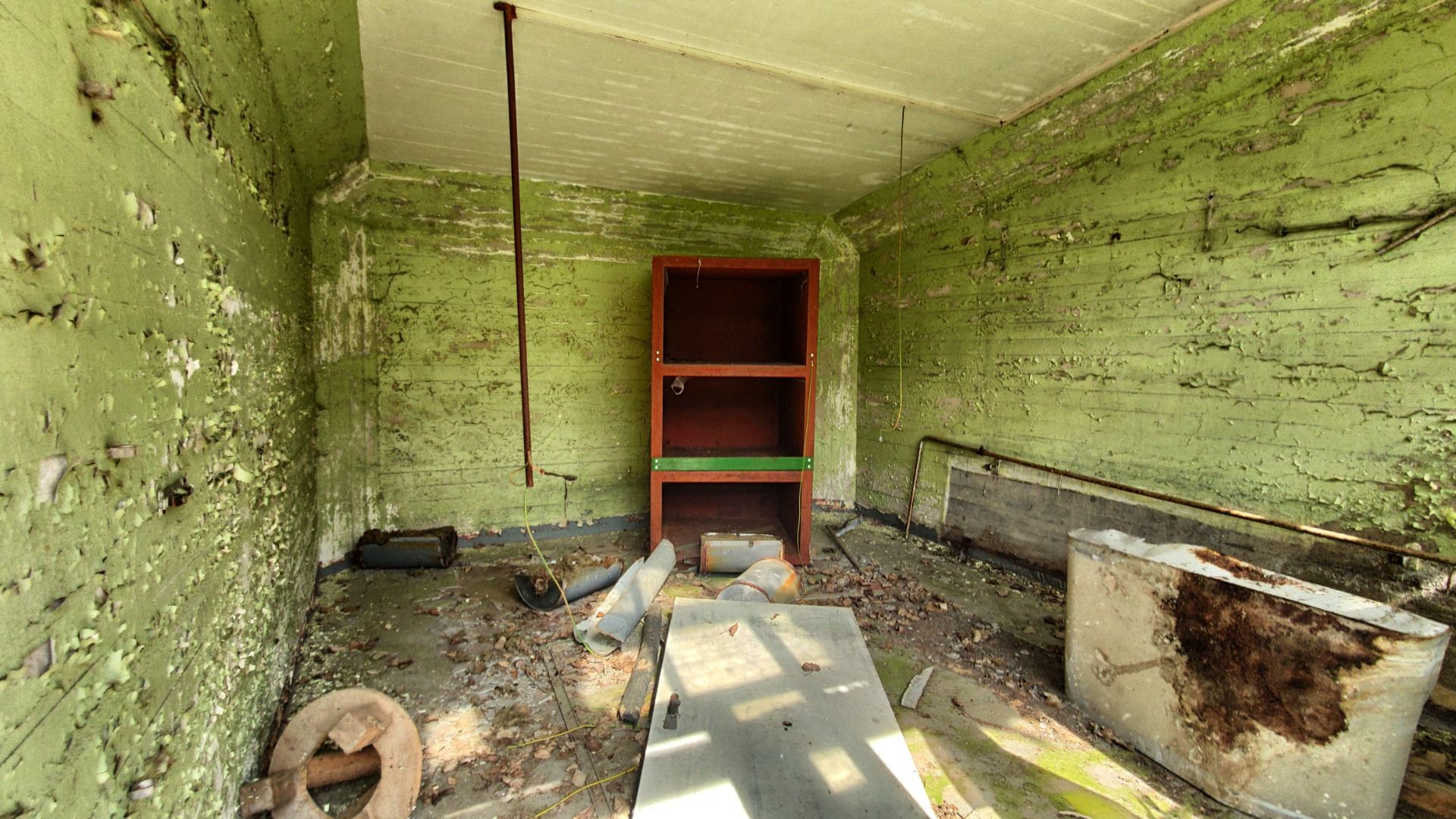
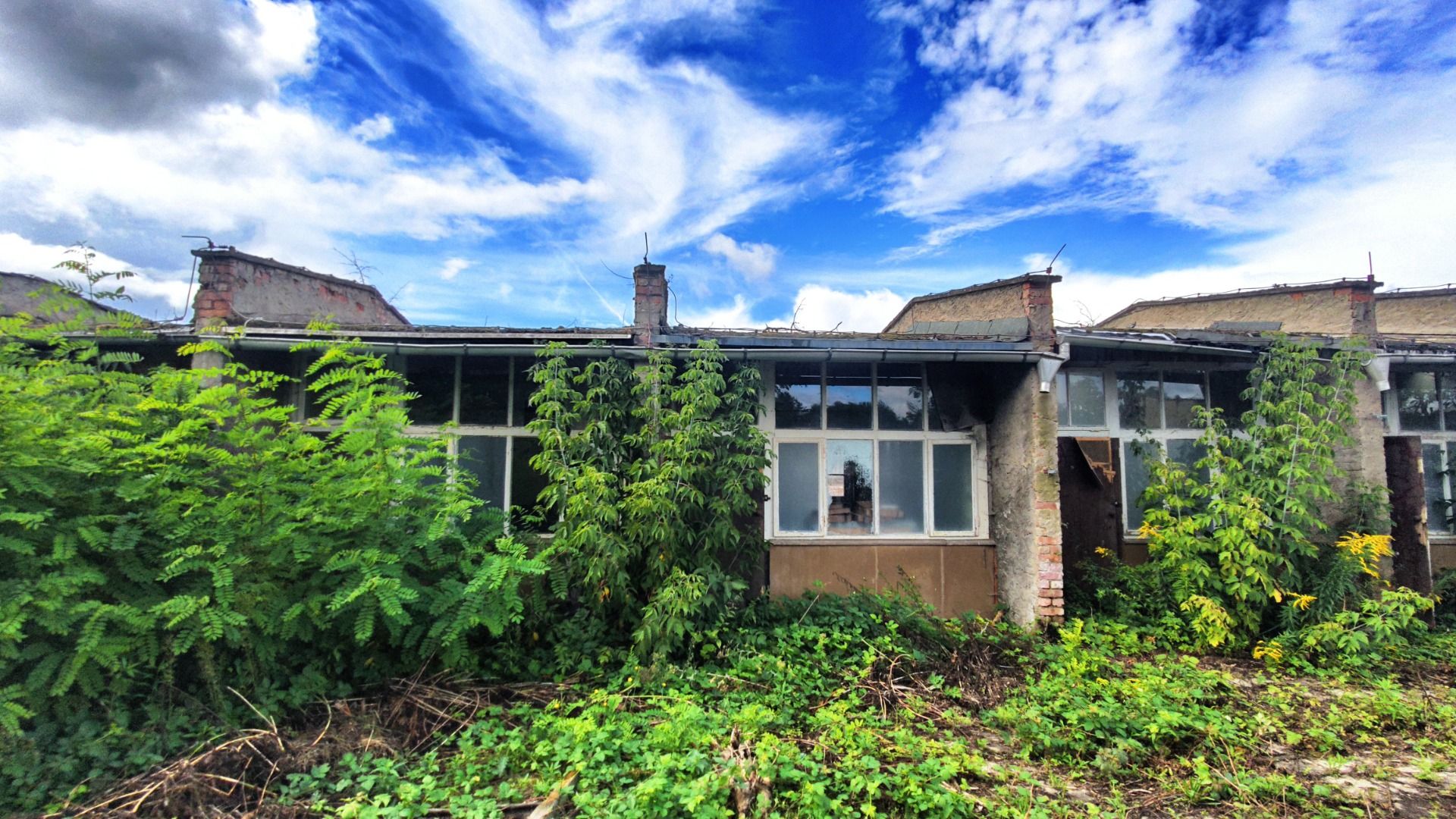
It's all still there – much more, at least, than Thomas Grüber had initially expected. When the master roofer from Rottleberode first arrived at the site where, during the GDR era, fireworks that lit up the skies of the republic on New Year's Eve were cobbled together behind high fences, the tall craftsman saw only a few roofs protruding from a completely overgrown area. Mountains of garbage were piled high, mysterious pipes crisscrossed the landscape, strange containers were scattered everywhere, and there was a peculiar smell.
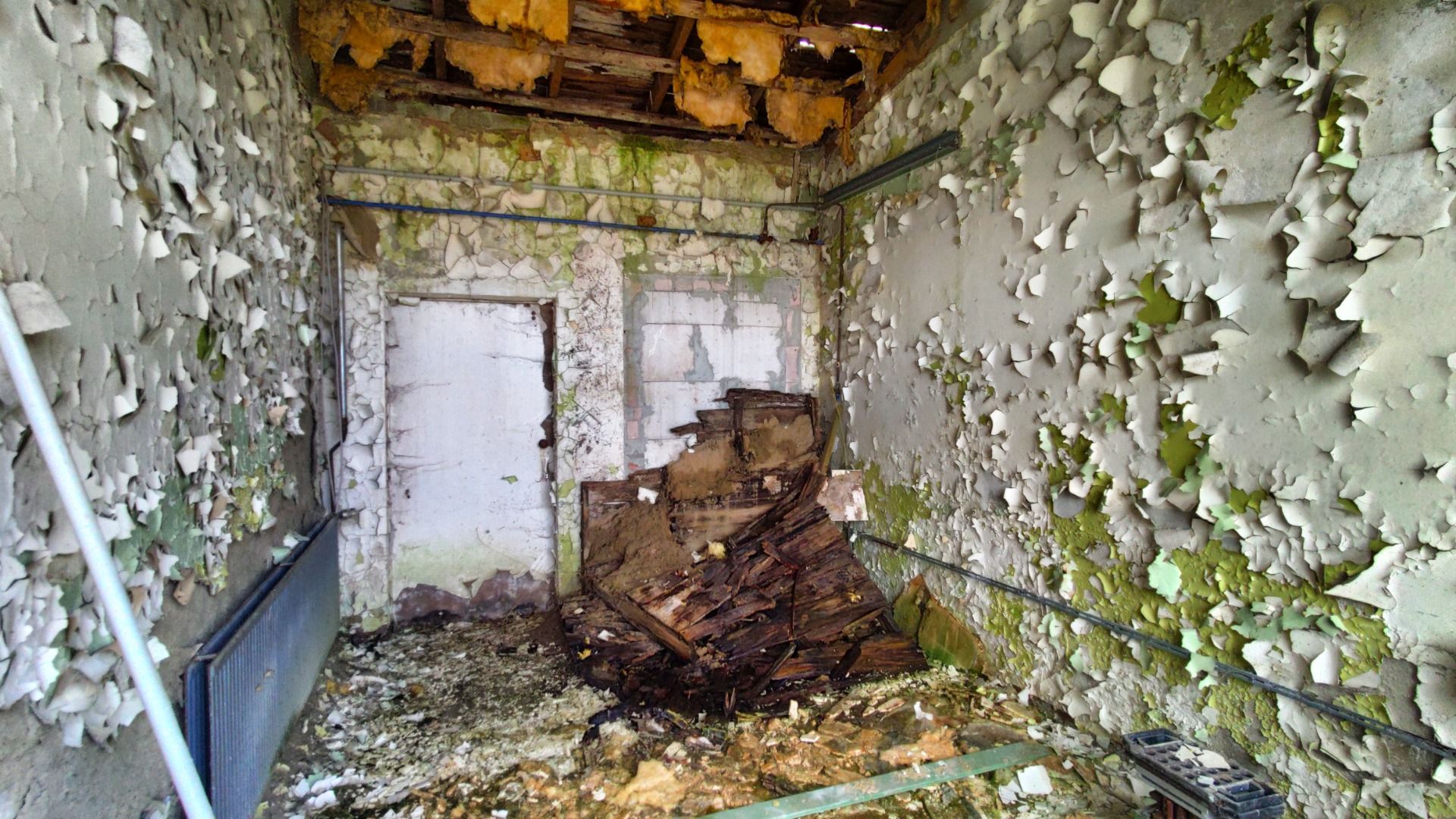
“I had to fight my way through to the buildings,” says Grüber, who bought the industrial wasteland near the popular Heimkehle show cave to “make something worthwhile out of it.” A large hall, a few office buildings – all of that was still in usable condition, says the 54-year-old. But then it slowly dawned on him that he hadn't just acquired any old closed and long-forgotten former state-owned enterprise, but a very special piece of local history:
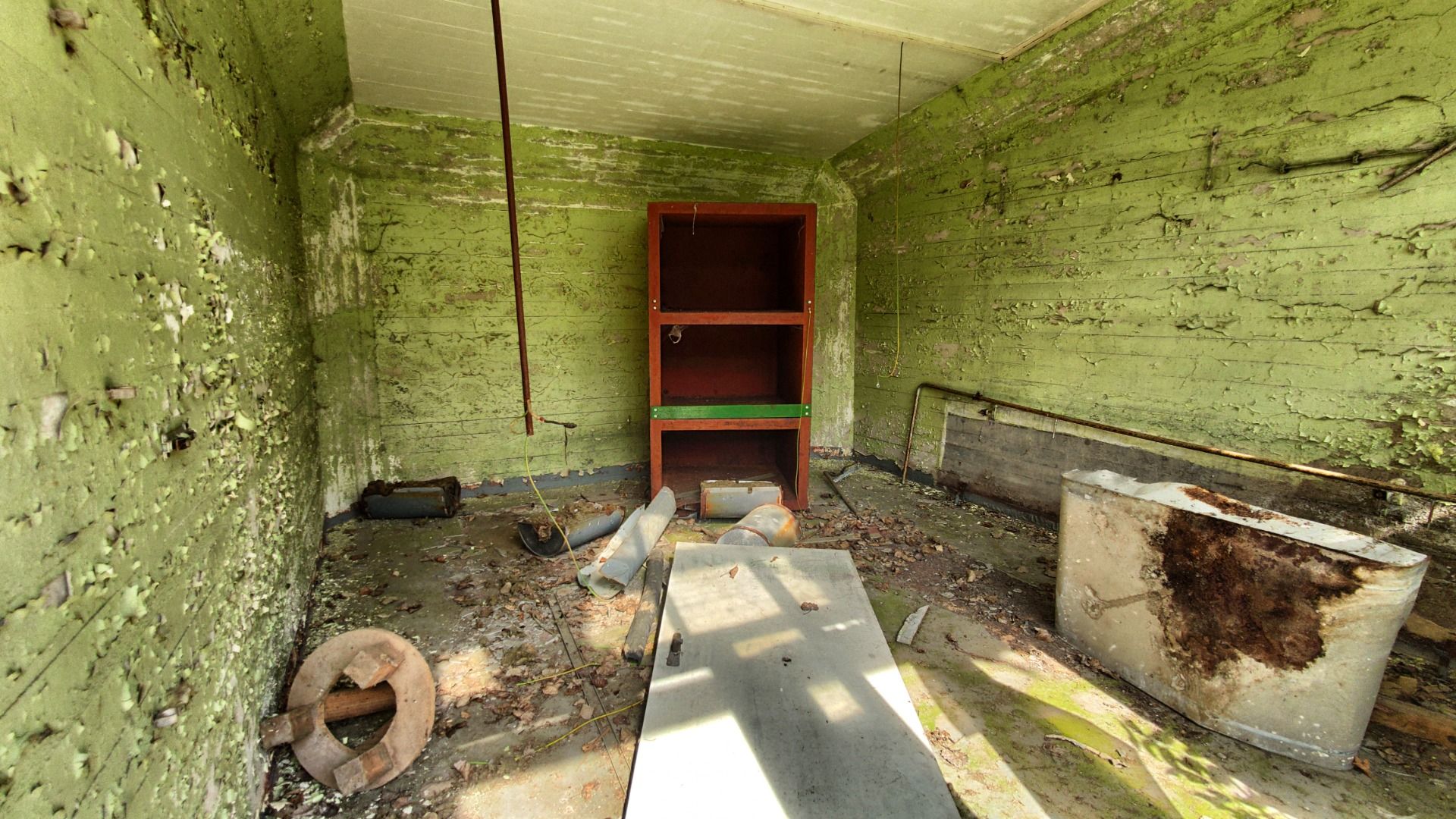
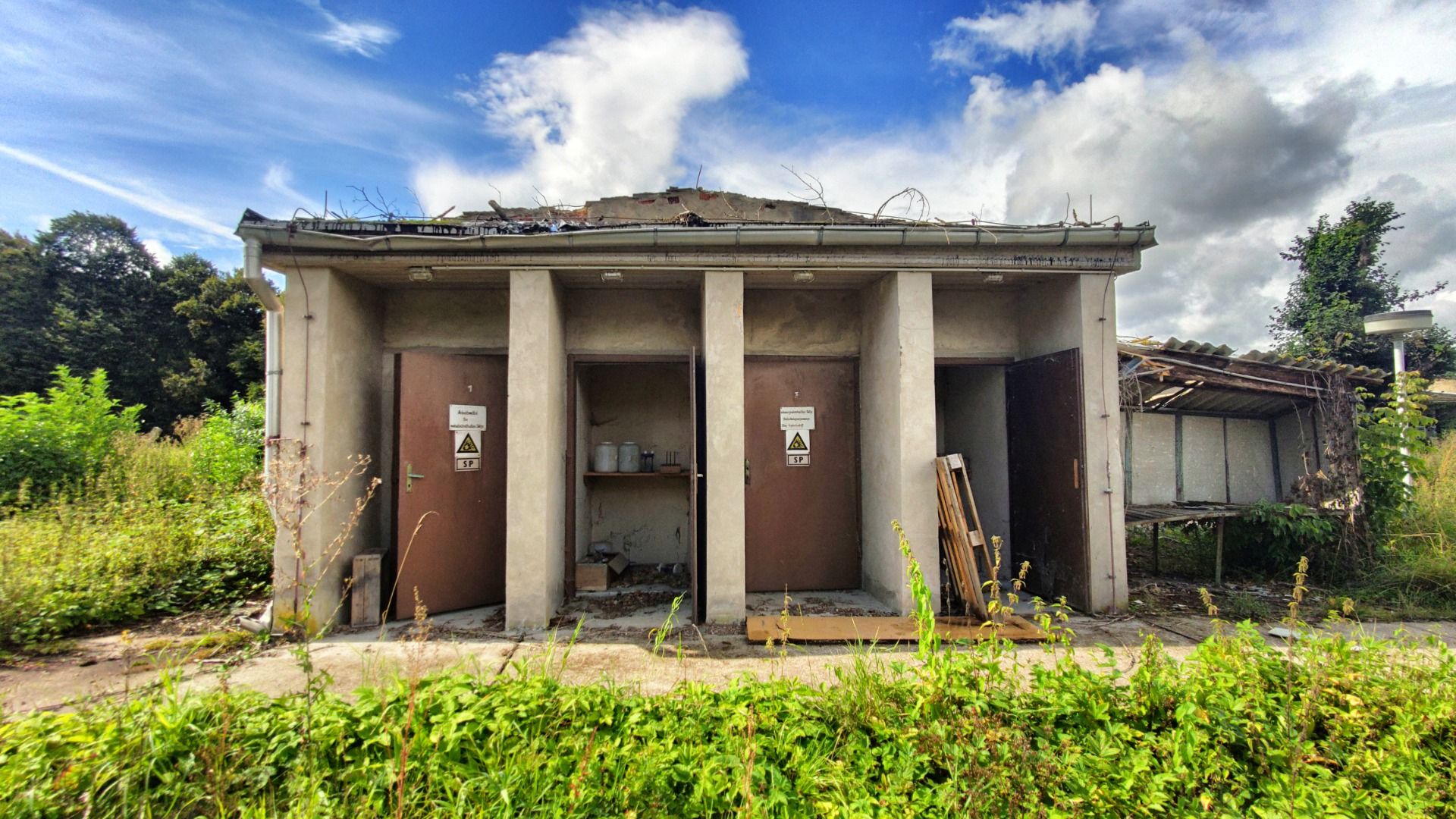
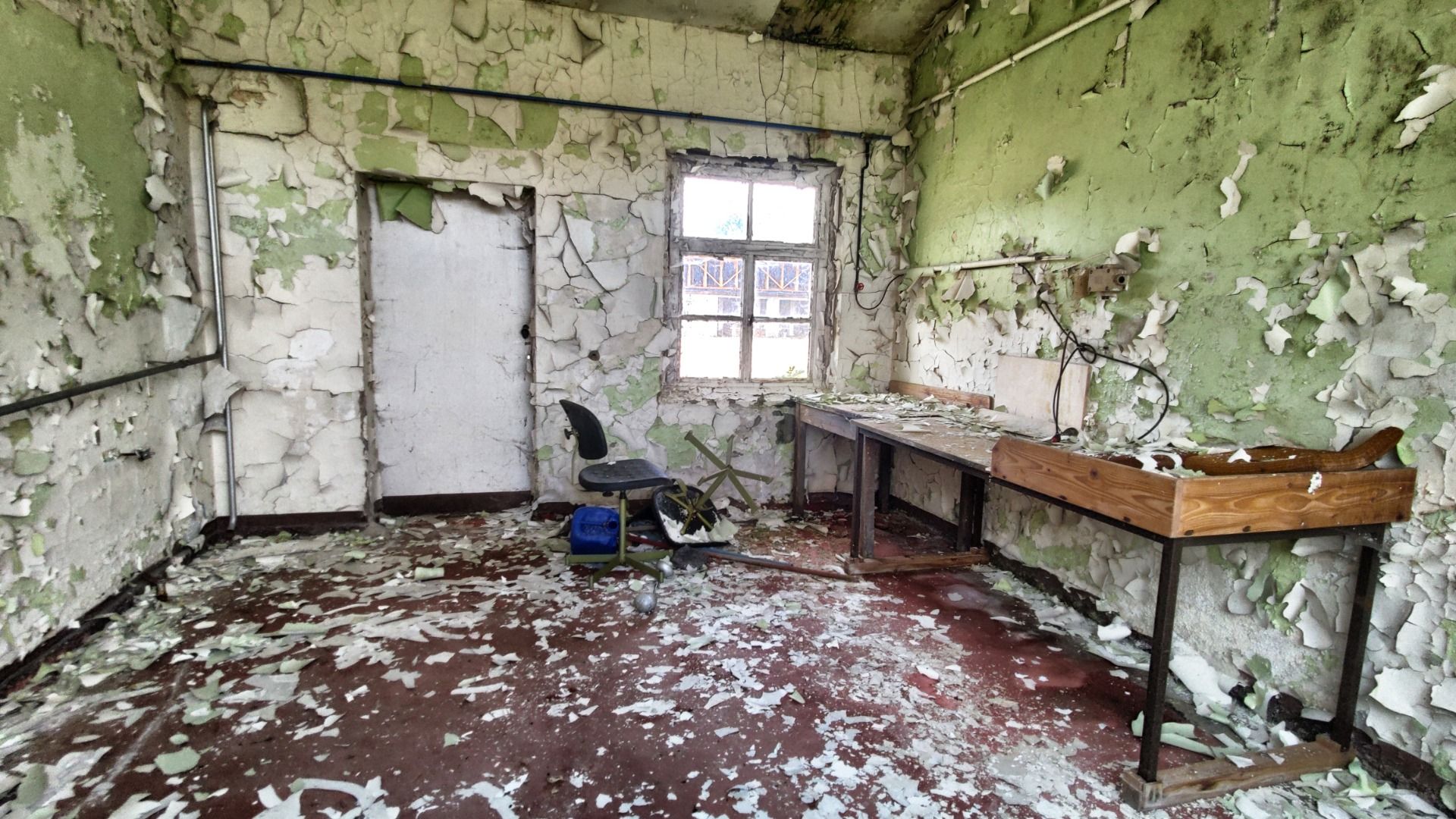
The Apel/Uftrungen Pyrotechnic Factory, abbreviated and famously known as Pfau, looks back on almost 200 years of history. Production at Pfau didn't take place in large halls, but in tiny cubicles lined up side by side like rabbit hutches.
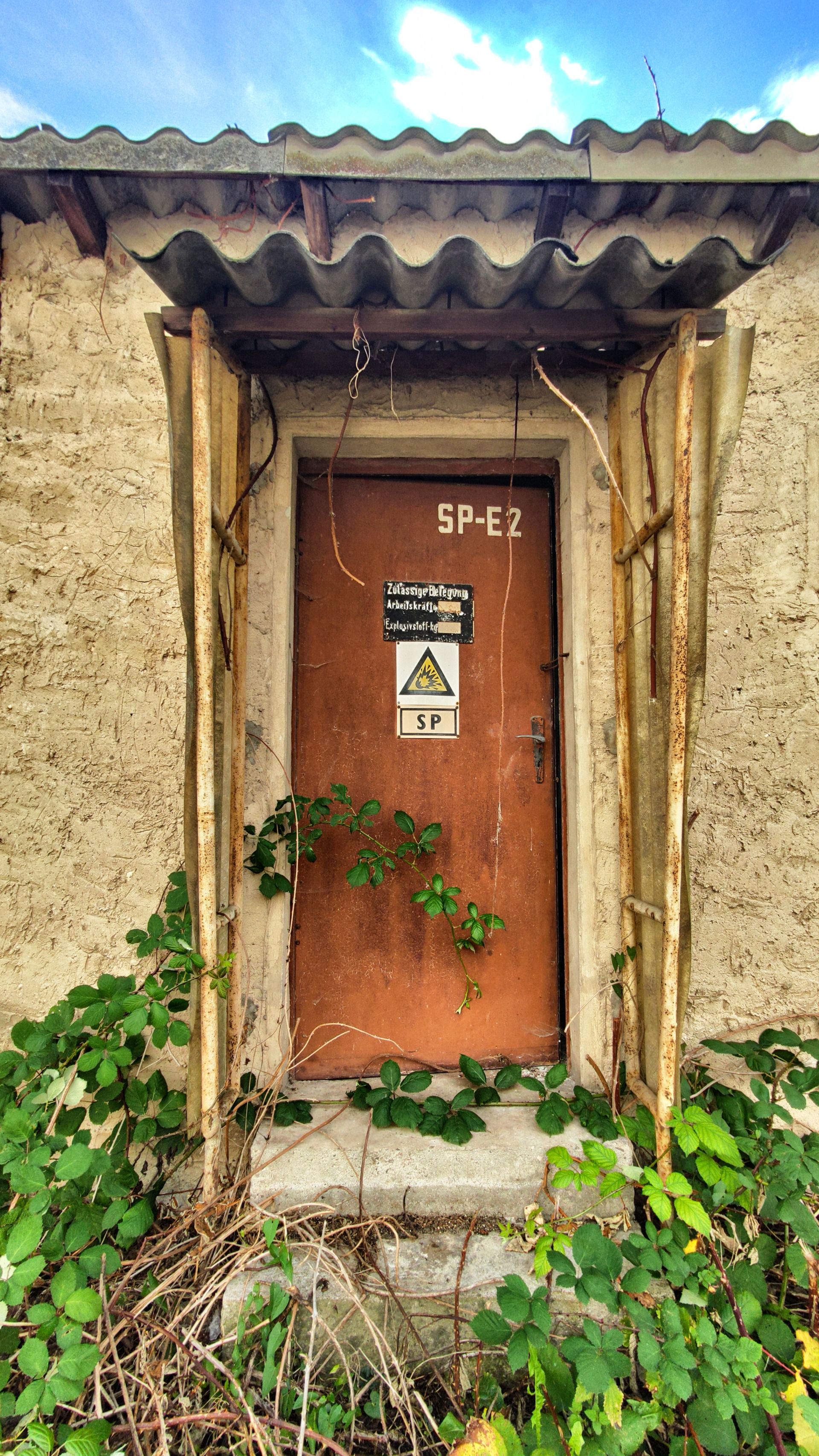
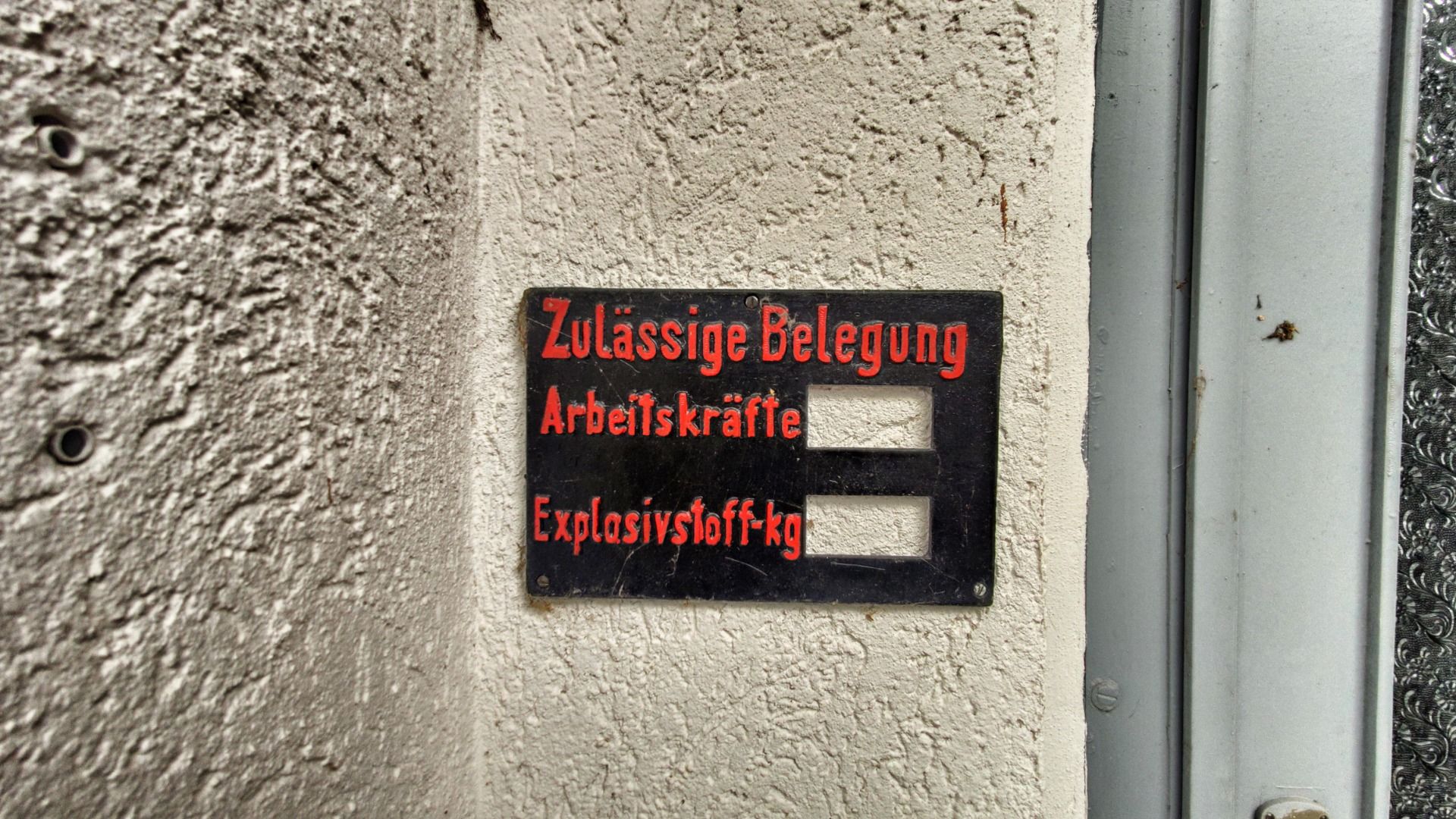
In one building stands an enigmatic chemical plant, in another, sacks full of cartridges for table fireworks were found. Grüber also discovered a bunker – it too bears a sign at the entrance indicating the permissible storage quantity of black powder.
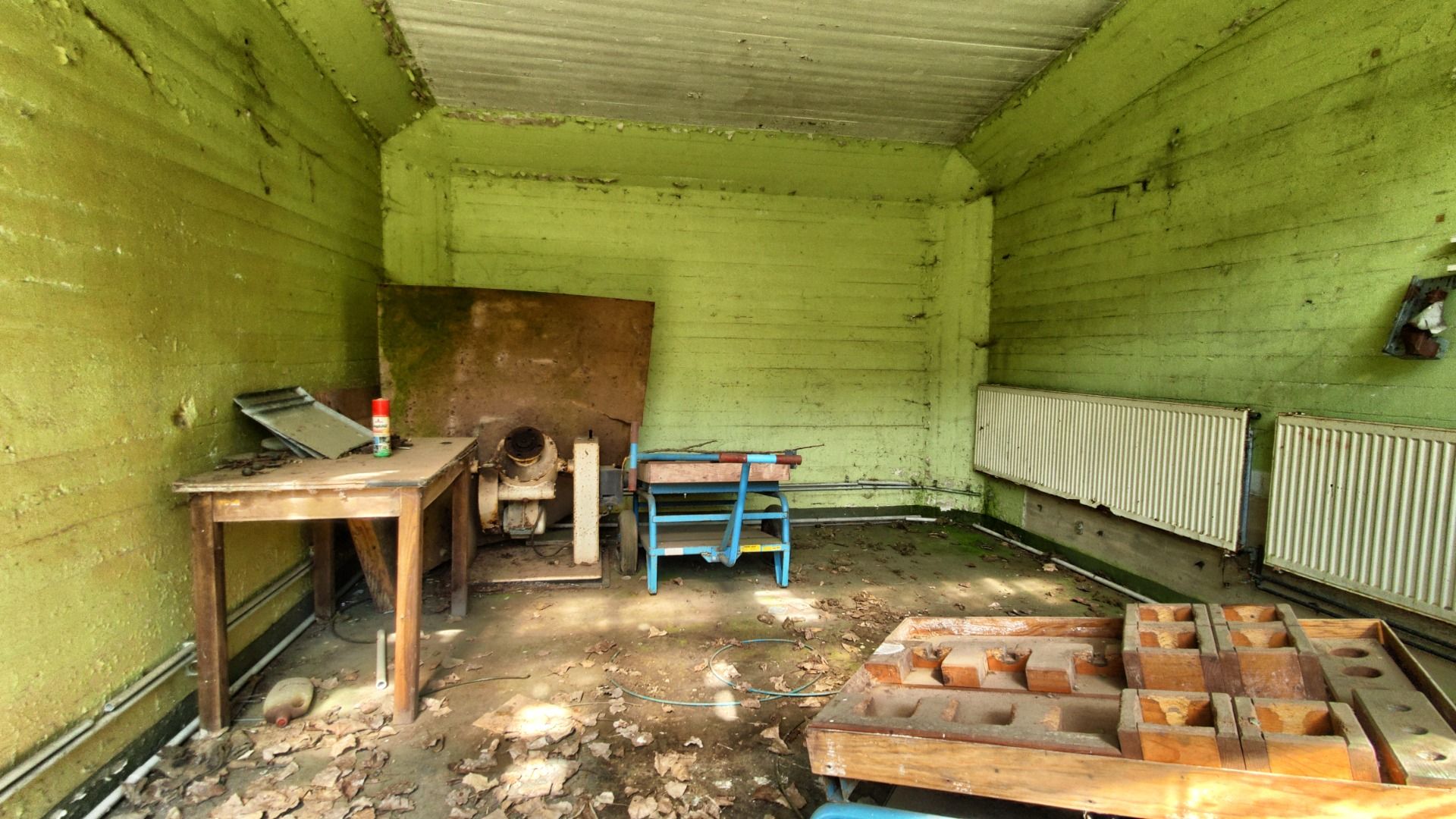
"They certainly paid attention to safety here, you can see that," says the new owner of the fireworks factory, which produced the Pfau banger, a firecracker that had the entire GDR queuing up for it before New Year's Eve.

Karla Schade worked at Pfau back then. Her great-grandfather, Friedrich Wilhelm Apel, founded the factory in 1868, and her father, Oskar Apel, was the plant manager during the GDR era. Karla Schade lives right next door. She not only worked at Pfau for 40 years but also witnessed the former high-security zone gradually crumble into ruins over the last 20 years.

"Sad," says the 76-year-old, for whom Pfau is also a piece of family history. After her father took over the family business again after the war, the state intervened without consulting her after the Berlin Wall was built, and in the early 1970s the family lost everything when the company was nationalized.

Pfau was now part of the VEB Silberhütte (a state-owned enterprise). Relatives living in West Germany received a portion of the profits in a blocked account. "For every day they spent in East Germany, they received ten marks," says Karla Schade.

Pfau was never able to produce enough fireworks to satisfy the party-loving demands of East Germany. For twelve months of the year, 80 women sat in their cubicles assembling fireworks. "No more than three were allowed to work in one room," explains Karla Schade. "That was the rule, so that if something exploded, no more employees would be injured."

For the same reason, one wall of each of the long rows of production cubicles was constructed of lightweight materials, with large windows and a pressure relief pipe. "If there's a bang, the force should be directed outwards." These were working conditions that were perfectly normal for everyone back then, as Karla Schade says – she recalls several explosions. Luckily, she says, they always happened in some storage room.

Despite strict regulations on how much product could be stored where, sometimes things spontaneously combusted. Nevertheless, Pfau was a company where everyone voluntarily carried their protective mask at all times – a few are still hanging forlornly in the changing room.

Thomas Grüber first had to clear out a large part of the old facilities. In 2001, the last successor company to Pfau closed its doors. It hadn't been producing fireworks since then, but had been disposing of old ammunition. The new owner would like to preserve this great legacy somehow – all the records, documents, blanks, and equipment. Perhaps found an association; the mayor would be on board. "But we would need support," Thomas Grüber thinks.